






The Enduring Legacy of Kate Spade’s Witty, Misunderstood Life
As the brands she founded seek to recapture her magic, the late designer’s husband and collaborators reflect on what made her special: ‘Katy was more subversive than anyone knew’

 10 min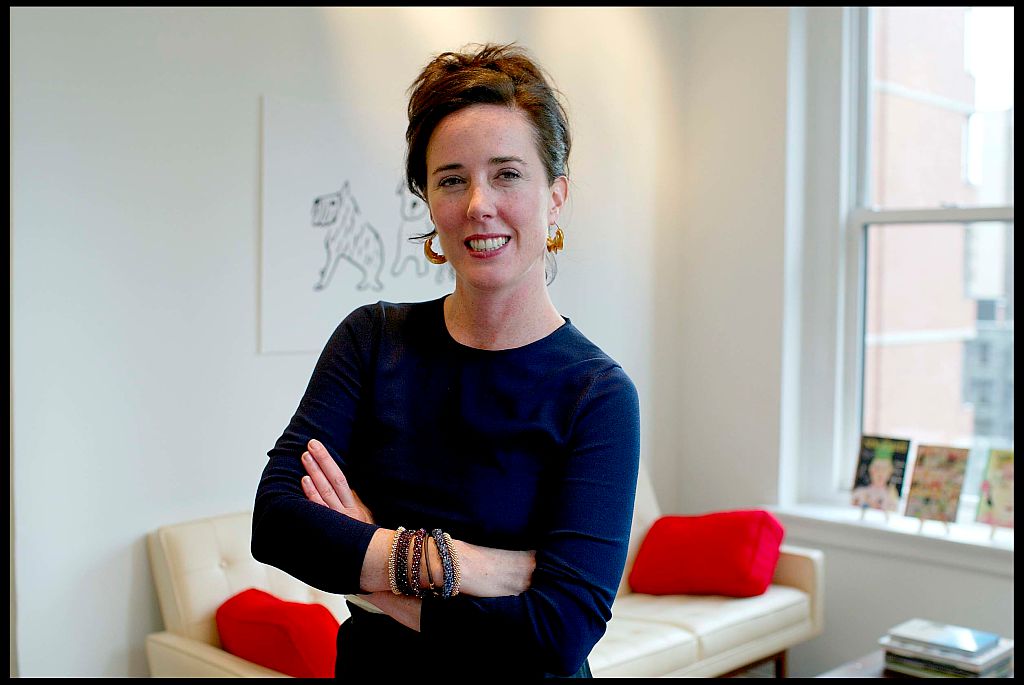
WALK INTO any Kate Spade or Frances Valentine store today, and you’d be forgiven for thinking the retailers are uncomplicatedly preppy—the kind of place where your mother might find an innocuous floral shift or clutch for a luncheon. But Katherine Noel Valentine Brosnahan Spade, the woman who co-founded those brands, was no Lilly Pulitzer during her outsize life, which was cut short by suicide in 2018.
With her partner, Andy Spade, she started Kate Spade with six boxy handbags in 1993. They weren’t married yet; she was the “Kate” and he was the “Spade.” The former fashion editor at Mademoiselle magazine and the brilliant adman made a dashing couple straight out of a Wes Anderson film: she with her chignons, heels and big jewellery, he with his Brooks Brothers—with-a-twist button-downs and jeans. They lived in pre-billionaire Tribeca; they drank martinis; everyone wanted in. Kate and Andy dreamed of a company they hoped would bridge the gap between L.L. Bean and Prada.
“We were just kids,” says Andy today from his new home in the San Francisco Bay Area. “We wanted to control our destiny so we just started a handbag company with no experience whatsoever.”
And boy, did they succeed. The household-name American brand would go on to include stationery, books, clothing, home goods, jewellery, shoes, the men’s line Jack Spade and licensing deals worldwide. Kate Spade’s nylon bags were coming-of-age talismans for girls and women at the turn of the 21st century, spawning oodles of Canal Street knockoffs. When Kate died, Vogue ’s Anna Wintour said, “There was a moment when you couldn’t walk a block in New York without seeing one of her bags, which were just like her; colourful and unpretentious.”
Yet despite the TikTok generation’s thirst for everything Y2K—from Fendi baguette bags to Juicy Couture tracksuits—Kate Spade’s brand heat under current owner Tapestry is lukewarm.
“Gen Zers and TikTok consumers are constantly looking to the ’90s and early aughts for trends,” says Casey Lewis, a consultant who writes “After School,” a youth-culture newsletter. “And so this seems like it would be prime time for a Kate Spade comeback.”
Some interest is bubbling up: Kate Spade recently reissued one small ’90s baguette bag with Urban Outfitters. Last year, it relaunched its original “Sam” bag. And prescient trendsetters are dusting off their vintage Kate Spade pieces. Yet a recent collaboration with Heinz ketchup left some consumers and analysts scratching their heads. Tapestry, which declined to comment, reported a 6% decrease in Kate Spade sales for the nine-month period ending in March 2024 compared with the previous year.
The challenge of evolving Kate’s aesthetic without her began while she was still alive, when the company she co-founded with Andy, Pamela Bell and Elyce Arons was sold to Neiman Marcus Group in 2006. The group, which had already bought 56 percent of the company in 1999, in turn sold it to Liz Claiborne. Coach, which is now Tapestry, acquired the brand in 2017 for $2.4 billion.
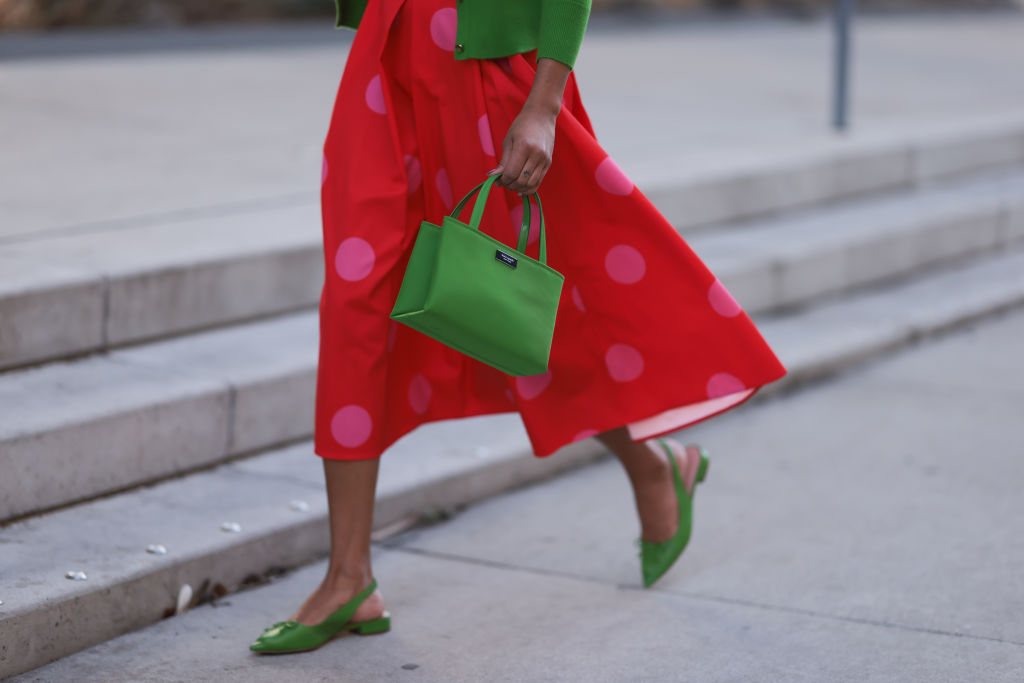
The enigma lies in decoding a fashion icon who was always more complex than polka dots or pink and green. Under Kate and Andy, the brand’s American joie de vivre was tempered with intellectual, offbeat references: architect Buckminster Fuller, Eames furniture, Rei Kawakubo. And along with joy and eclecticism, there was darkness. Her death at age 55 left behind a grieving husband, a 13-year-old daughter, Frances Valentine Beatrix Spade—and a towering style legacy that is often misunderstood.
After a company changes hands multiple times, and its founder dies, can its original vision endure?
“THE INTERPRETATION of [Kate’s] legacy is a little different from how she actually was,” says her co-founder Bell. “Because she was petite and so adorable, everyone associates her with the words cute or happy, and she was much more complicated and sophisticated than that.”
Andy, Kate, Bell and Arons all came from the Midwest. Their partnership coalesced at a summer share house in tony Amagansett, New York. Kate (friends called her Katy) was one of six kids from Kansas City, Missouri; Andy, the brother of comedian David Spade, was born in Birmingham, Michigan, and raised in Arizona. Kate and Andy both went to Arizona State University and met while working at the same Phoenix clothing store. Andy’s car broke down one day, and Kate offered him a ride.
“Katy was more subversive than anyone knew,” says Andy. “They just pigeonholed her as the girl next door. But she was a girl next door and a girl across the street, down the alley and across the hall.”
Kate wore avant-garde Japanese designs from Comme des Garçons and Sacai and hippie slips from Dosa. She loved dining on steaks at Raoul’s and Lucky Strike in SoHo, and hanging out with artists and weirdos. She played Bob Dylan loudly and read books by John Knowles and W. Somerset Maugham. She scoured Indian import stores in the East Village for brightly coloured silk tunics to wear with cigarette pants, pairing them with wild costume jewellery she’d picked up at the wholesalers on Sixth Avenue.
She and Andy also appreciated simplicity. As a design inspiration, the two often cited advice from The Elements of Style, Strunk and White’s manual for writers—“To achieve style, begin by affecting none.”
Kate’s niece Whitney Pozgay, a designer who worked at Kate Spade for years, describes the company culture as freewheeling and fun, with beer carts on Fridays and Phoenix and Björk on the sound system. She says Kate was bubbly and effervescent, coming down to the studio with her little dog Henry to tease, “Working hard or hardly working?”
In the early days, Kate and Andy gave each new employee a copy of Emily Post’s Etiquette. But in 2004, to put her own spin on propriety, Kate published three volumes: Manners, Style and Occasions. The advice offered was more madcap than proper: Admire the polka dots on a Wonder Bread package! Play “Electric Version” by the New Pornographers to start a party! Gift your beloved an Etch A Sketch for your iron wedding anniversary!
Writer Jill Kargman, who was Kate’s intern at Mademoiselle and stayed close with her, says the designer was a master of the written note, pairing formality with casualness and “sparkling chutzpah.” Whether in her correspondence or her style, she says, Kate had “total edge,” musing, “To think outside the box, you have to know what the box is. It’s like she studied the box, but then she flipped it a little bit and gave it a blood transfusion.”
The Spades were funny. When Kate and Andy hosted their first adult dinner party, the invitation went out with a copy of instructions for the Heimlich manoeuvre. While the brand was built on highlighting all the things Kate liked, she told Index magazine in 1998 that her customers were free to say: Who the hell cares what Kate Spade likes? (Andy says that David Spade always considered Kate to be funnier than all his comedian friends, including the late Chris Farley.)
Even the company’s signature—a small, humble black clothing label in the place of a logo—came from a place of irreverence: Kate thought the bag needed a little something, so right before the launch she put the inside label on the outside. For its first order, Barneys New York requested that the label be put back inside. But, Bell says, “Of course, after they became popular, they wanted them on the outside.”
As the brand took off, so did the couple’s social life. Although Andy, more than Kate, became a collector of bohemian downtown characters, she was always game. Gabi Asfour, co-founder of the artistic collective As Four, who once worked for the couple as a clothing designer, remembers staying up late drinking with the Spades at the Hôtel de Crillon during a trip to Paris. “What I loved is the clash of the roughness of downtown mixing with the cleanness of uptown,” he says.
That creative clash came through in the brand’s advertising, as masterminded by Andy alongside Julia Leach, now chief creative officer at Athleta. Andy commissioned filmmakers like Mike Mills and the Safdie brothers to direct shorts for the brand. The print ads, such as those photographed by artists Larry Sultan and Tim Walker, rarely did the basic job of displaying the handbags. The goal was something else entirely: to evoke feelings.
One campaign, shot by art-world chronicler Jessica Craig-Martin, was produced as an actual party at The Explorers Club in Manhattan, with Kate and Andy hosting. “The party was very real, totally madcap, and had been set up to elegantly fall apart in just the photogenic way I desired,” remembers Craig-Martin.
Another, by artist Tierney Gearon, depicted a day in the life of an elegant New England family: loading up the car, playing hide-and-seek, getting ready in the bathroom. Gearon says that although the pictures depicted a “perfect family,” she now finds them a little eerie.
Some collaborators have suggested that with these ads Andy was chasing a vision of perfection that is hard to achieve in real life. Today he says, “It definitely reflected how we felt as people.”
“It wasn’t trying to paint the picture-perfect version of white picket fences,” says Leach, who wrote scripts for these ads. She and Andy were thinking about John Updike’s and John Cheever’s stories about the beautiful flaws of American life.
KATE AND ANDY’S lightning in a bottle was all about giving glamour an off-kilter spin. Yes, an ad showing a kid seated on a toilet was weird, but it was playful—and just pretty enough. As Craig-Martin says, “The brilliance lay in the understanding of how the esoteric or sophisticated could be used to appeal to the mass market.”
Striking that balance without Kate and Andy’s input is tricky, and gets harder as the years go by.
“They get the ingredients, but not the recipe,” says Pozgay when discussing how her aunt’s style legacy is often interpreted. Yes, she loved pink, but it had to be the right pink, and perhaps shot through with a dark poppy-red stripe.
After selling the brand in 2006, Kate and Andy Spade agreed to stay on for six months to help with the transition. In the intervening years, the company has grown incrementally but lost some of its cultural cachet. This year, the Federal Trade Commission sued to block Tapestry’s $8.5 billion acquisition of Capri Holdings, which owns Michael Kors and Versace. In the meantime, Tapestry must prove its mettle with the heritage brands it already owns.
As for Frances Valentine, where Kate was working alongside her old friend and Kate Spade co-founder Arons when she died, the brand is owned by Andy, Arons and other investors, including venture-capital fund Sweater. The company reports 200 percent growth in its wholesale business from 2023 to 2024, and will launch at Dillard’s this fall. A recent visit to its small, quiet Sag Harbor, New York, store (one of nine) revealed preppy, retro classics like beaded sandals and beachy caftans. Arons is working on a forthcoming book about her friendship with Kate.
In the weeks following Kate’s death, sales surged at both Kate Spade and Frances Valentine. When a fashion designer or an artist dies, scarcity fuels demand—Alexander McQueen’s suicide in 2010 inspired a similar frenzy. It’s what happens after that bump that determines a brand’s longevity.
“How do you do justice to the spirit of the thing, but bring it to more people?” asks the chief creative officer of luxury resale retailer TheRealReal, Kristen Naiman, who worked at Kate Spade from 2014 to 2023. “That’s the name of the game when you scale something as special as what Kate and Andy made.”
While they were running the company, Andy would quote advertising executive Jay Chiat, who asked: How big can we get before we get bad? Today, he is at peace with how they handled the sale, which he equates with getting your teen child into college and then backing off.
“There are roots in that brand—Kate Spade—that are about values and people, and that’s what I wanted to do,” Andy says. “Build roots for the brand to exist forever. And I never looked back.”
During Kate and Andy’s time at Kate Spade, the company didn’t resort to one of the fashion industry’s lesser publicized strategies for growth: making products specifically targeted for outlet stores. Today, there is an extensive outlet network, including a newly launched dedicated e-commerce site. Kate Spade pajamas produced under a license were recently sold at Costco for less than $20.
“I think they have a lot of potential,” says Casey Lewis, the youth-culture consultant. “I would be shocked if they did not successfully make a comeback in the coming years, because the brand isn’t so watered down or so irrelevant that no one knows it at this point. They can just reclaim the cool.”
HANDBAGS ASIDE, Kate’s legacy also includes opening up conversations about mental health in fashion, a notoriously punishing industry.
When she died, the Kate Spade New York Foundation contributed $1 million immediately to mental-health and suicide prevention causes. “We really have the authentic responsibility to talk about it and to try to amplify it,” says Liz Fraser, Kate Spade’s current CEO. The company says it is now one of the world’s largest corporate donors to women’s mental-health initiatives.
During Kate’s time, such things weren’t spoken of. While the designer’s friends and family maintain that she was for the most part a genuinely happy, ebullient woman who loved her life and her family, everyone has their private struggles, and she was no different.
“Everyone’s like, ‘Well, what happened?’ ” says Bell. “I don’t think any one thing happened.”
Andy and Kate Spade were separated at the time of her death, but they were still very much a family unit with their daughter, known as Bea. “We loved each other very much and simply needed a break,” he said at the time.
Bell, who is a co-founder with Kenneth Cole of the Mental Health Coalition, says that she and Kate had a euphemism for therapists: “the contractor”—as in, someone who can fix you. “I regret that, because I think that we could have just said therapist…. I think we should have talked about it more openly,” she says.
The co-founder talks about how rough menopause can be on women and says that she’s been recommending Miranda July’s novel All Fours, which deals with that very topic, to everyone she knows: “I read it and I was like, I wish I knew this then.”
Kargman remembers thinking that Kate’s drinking had gone from celebratory to solitary in the last years of her life. She says, “I think I was already looking at it through the prism of slight worry, but never in a million years did I think she would take her life, not in a million years.” In a statement at the time of her death Andy said Kate was on medication for depression and anxiety but that there were no substance-abuse issues.
When a person becomes a brand, even when they are beloved, boundaries blur. Kate talked about adding “Frances Valentine” to her many names in 2016 to differentiate herself from the namesake brand she sold. But in a panel talk with Andy the following year, she seemed unsure about it. “I get confused,” she said. She ended up adding just “Valentine.”
One day, while shopping with Bea at a Kate Spade store after she had left the company, she was tickled when a sales associate asked if she was on the mailing list. She would have never cried, “I am Kate Spade.” When she appeared on her brother-in-law David’s sitcom Just Shoot Me in 2002, her only request was that her part become smaller.
While some might see a contradiction between a brand built on colour and optimism and the spectre of mental-health issues, Naiman thinks that makes the message behind Kate’s legacy all the more potent. She says, “I think that the deepest truth is that there’s something so powerful and incredible about saying that this person who made this incredibly joyous brand struggles.”
Today, Andy runs his Partners & Spade creative agency in California, and is still a partner in Frances Valentine as well as his pajama company, Sleepy Jones. He’s working on a sculpture show about Kate called Uncommon Flowers. He is, as ever, brimming with ideas, and very much still processing the death of the person he calls “the most beautiful woman I’ve ever seen.”
He chose the Bay Area, for one, to be off the grid: “It was purposeful to be disconnected, because my daughter and I didn’t want to be around the mayhem.”
In the early Kate Spade days, Andy would use the word mercury to describe a certain undefinable je ne sais quoi, a taste, a feeling. Recalling an old thermometer, he notes how you can’t put your finger on the quicksilver—it jumps at the merest touch. “I always thought we were mercury,” he says. “Just when they think they know who we are, it changes.”
Or as Kate herself put it, in 1998: “I mean, shit, we’re just doing what we like.”
 Copyright 2020, Dow Jones & Company, Inc. All Rights Reserved Worldwide. LEARN MORE





Second-quarter earnings are beating expectations at one of the fastest rates in years, with major banks leading the way. But as markets set a higher bar, company outlooks are proving just as important as financial results. While strong guidance is rewarding stocks, cautious forecasts from companies like Citigroup and IBM have triggered sharp market reactions, highlighting a growing focus on future growth over past performance.

The IMF has praised the UAE’s economic resilience following its latest consultation visit, highlighting the country’s strong financial system, effective policy response, and ability to withstand regional geopolitical challenges. The Fund also commended the UAE’s banking sector, fiscal strength, and proactive measures that continue to support economic stability and investor confidence.
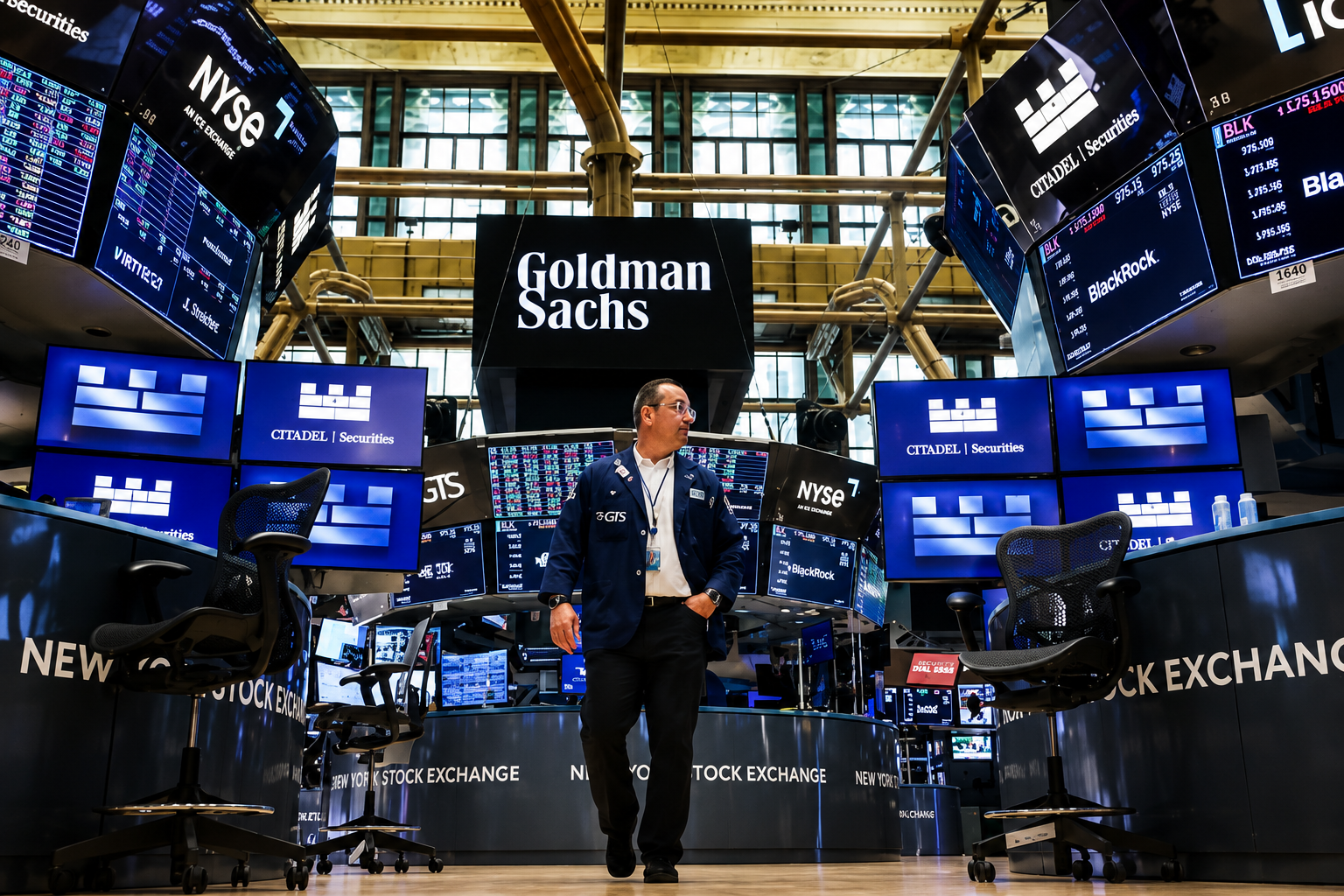
Wall Street’s biggest banks are on track for record trading revenues in 2026, fueled by booming investor activity, surging AI-driven markets, and record stock trading volumes. JPMorgan, Goldman Sachs, Morgan Stanley, Bank of America, and Citigroup could collectively generate around $180 billion in trading revenue if the current pace continues.
Zero income tax. No capital gains. Golden Visa pathways for investors. The UAE’s financial architecture is unlike anywhere else on earth.
The creators are navigating this ecosystem for millions of followers across the Gulf.
5 min
The financial questions being asked in Dubai and Doha are unlike those being asked anywhere else. Zero income tax. No capital gains levy. A Golden Visa scheme that is reshaping who chooses the Gulf as a permanent financial base. A crypto regulatory framework more coherent than most Western equivalents. DIFC and QFC sitting at the exact midpoint between the European and Asian trading day, managing capital from more than two hundred nationalities. The finance creators who navigate this environment for audiences of millions are not explaining a generic financial system. They are mapping one of the most deliberately advantaged economic architectures on earth.
This is not a ranking of the most followed accounts in the Middle East. It is a ranking of the voices most useful to the people actually living and building wealth in Dubai and Doha — expats encountering a tax-free salary for the first time, GCC nationals navigating Islamic finance requirements alongside global investment options, and international entrepreneurs who chose the Gulf specifically for what its financial structure makes possible.
| Dubai and Doha’s finance creators serve the most internationally complex financial demographic in the world. No generic personal finance content has ever been sufficient for this audience. |

1. Ahmed Sanad – @a.sanad.a · Investing & Financial Education, UAE
Ahmed Sanad is one of the UAE’s most recognizable investment educators, creating Arabic-first content around stock markets, long-term investing and Shariah-compliant wealth building. His videos simplify complex financial concepts, making investing more accessible to younger audiences across the Gulf. His audience represents a growing segment of first-time investors actively participating in the UAE’s expanding capital markets.
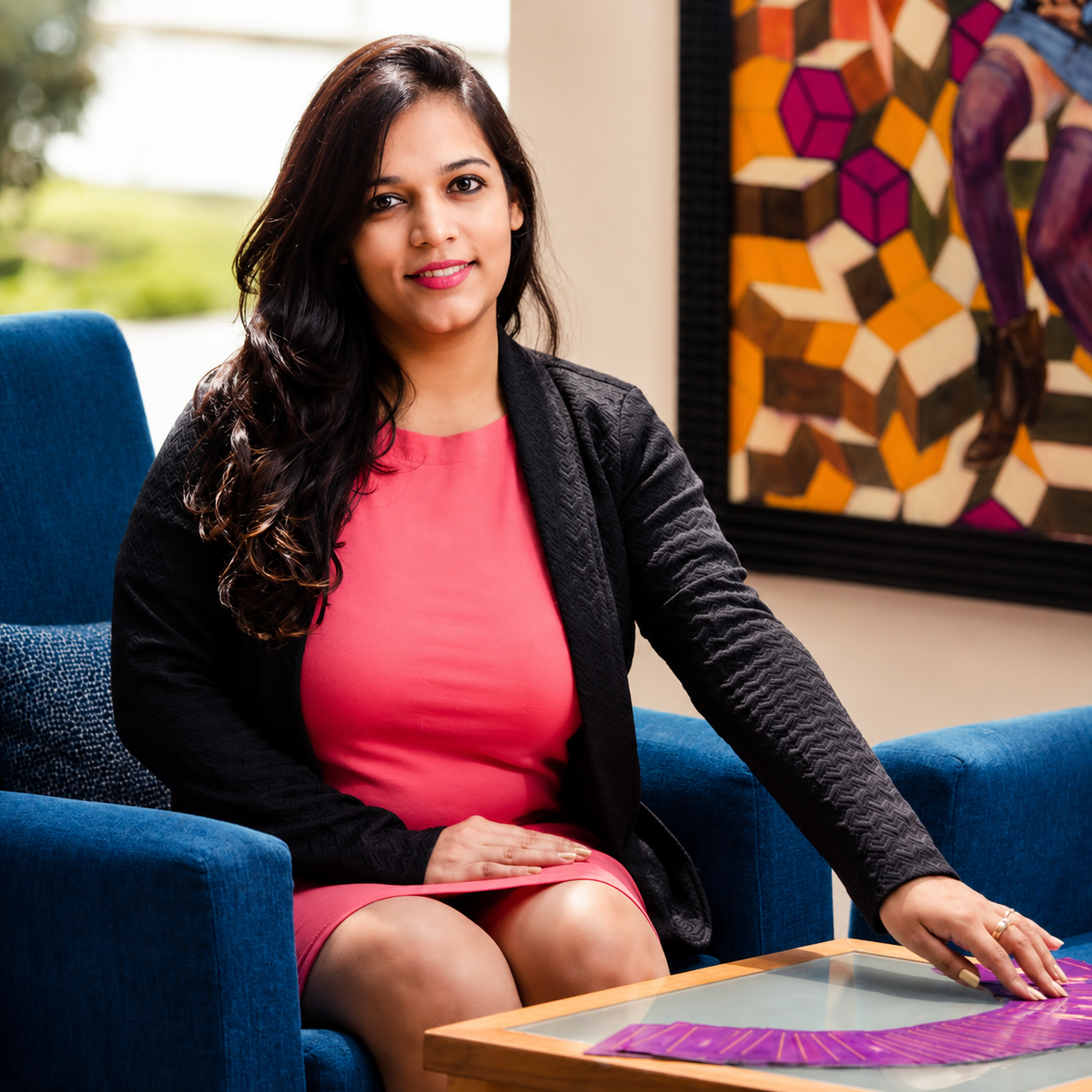
2. CA Anamika Rana – @ca_anamikarana · Finance & Tax Education, UAE
CA Anamika Rana combines accounting expertise with practical financial education, covering investing, taxation, global markets and personal finance through accessible digital content. As a chartered accountant, she focuses on helping professionals and entrepreneurs make informed financial decisions. Her audience includes business owners, expatriates and professionals navigating financial planning in the UAE.

3. Kartik Iyer – @financial.wingman · Personal Finance & Investing, UAE
Kartik Iyer creates educational content focused on investing, wealth creation and financial literacy, translating complex financial principles into straightforward advice for everyday investors. His background as a CFA Charterholder adds credibility to content covering markets, portfolios and long-term investing. His audience largely consists of young professionals beginning their investment journey across the UAE.

4. Sophia Bhatti – @sophiabwealth · Wealth Management, UAE
Sophia Bhatti shares insights into wealth management, investment strategy and long-term financial planning, drawing on years of experience advising high-net-worth individuals and families. Her content focuses on preserving and growing wealth rather than short-term market trends. Her audience includes affluent professionals, business owners and investors seeking sophisticated financial advice.

5. Keren Bobker – @financialuae · Personal Finance, UAE
Keren Bobker has become one of the UAE’s most trusted voices in personal finance through years of financial advisory work and regular commentary on household money management. Her content addresses budgeting, retirement planning, debt management and broader financial wellbeing. Her audience spans working professionals, families and expatriates seeking practical financial guidance tailored to life in the UAE.

6. Sandeep Jadwani – @sandeep_investmentadvisor · Investment Advisory, UAE
Sandeep Jadwani produces content centered on investment strategy, portfolio management and market trends, leveraging decades of experience in financial advisory services. His commentary frequently explores macroeconomic developments and their implications for investors. His audience includes experienced investors, executives and wealth-conscious professionals throughout the UAE.
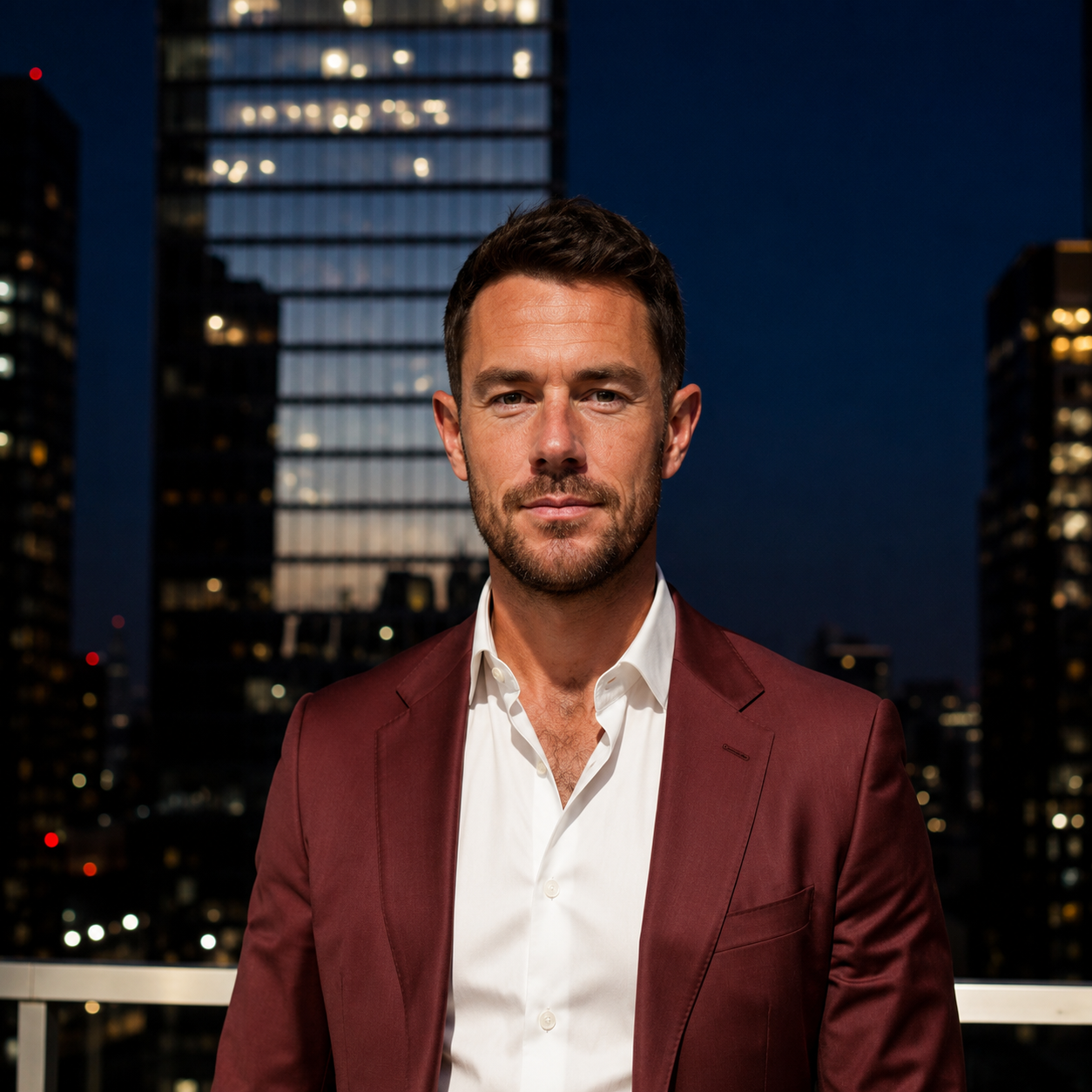
7. William Jones – @will_investment_advisor · Investing & Wealth Creation, UAE
William Jones focuses on helping individuals build long-term wealth through disciplined investing and financial education. His content covers investment principles, financial independence and strategies for creating sustainable wealth over time. His audience primarily consists of professionals and aspiring investors looking to strengthen their financial future.

8. Wali Khan – @wali_2k · Personal Finance, UAE
Wali Khan creates educational content designed for younger professionals, covering budgeting, investing, productivity and financial discipline. His approachable style makes personal finance more accessible for audiences beginning their wealth-building journey. His community reflects a digitally native generation increasingly focused on financial independence and smarter money management.

9. Maria Jameel – @investmentwithmj · Investment & Wealth, UAE
Maria Jameel shares investment-focused content centered on wealth creation, financial opportunities and long-term portfolio growth. Her educational approach encourages individuals to make informed financial decisions while exploring different investment strategies. Her audience includes aspiring investors, entrepreneurs and professionals interested in expanding their investment knowledge.
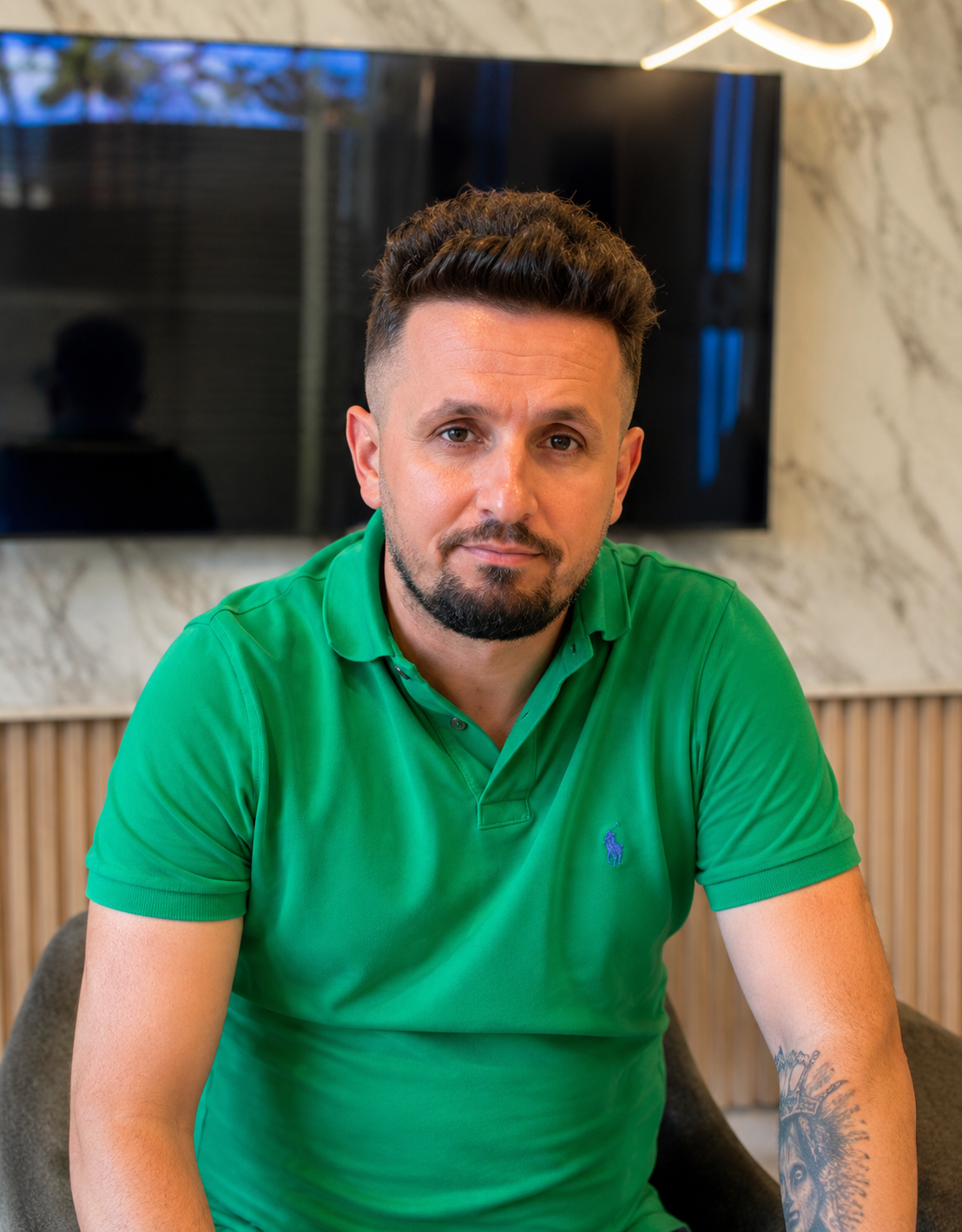
10. Luiz Claudio – @iamcryptoguy · Crypto & Macro Investing, UAE
Luiz Claudio creates content exploring cryptocurrency markets alongside broader macroeconomic and investment trends. Drawing on more than 15 years of finance experience, he explains digital assets within the wider context of global investing rather than treating crypto as a standalone market. His audience includes technology-focused investors and individuals following alternative asset classes across the UAE.
The finance content ecosystem serving Dubai and Doha has matured significantly — and unevenly. The best creators have evolved from lifestyle-adjacent business commentary into genuine financial education: specific to jurisdiction, calibrated for a financially sophisticated international audience, and consequential for the real decisions their followers make. Kanebridge News ME covers the same territory editorially. These are the ten voices whose audiences it should be in conversation with.

Parts for iPhones to cost more owing to surging demand from AI companies.
Two coming 2027 models – the first of the “Neue Klasse” cars coming to the U.S. early next year – have been revealed.



Gold recovered above the US$4,000 mark after last week’s pullback, but analysts say the correction is masking a deeper shift in global demand. While short-term investors have reduced exposure, central banks and long-term buyers—particularly in China—continue to increase their gold holdings, reinforcing gold’s role as a strategic reserve asset.
2 min
Gold has climbed back above the psychologically important US$4,000 level after briefly falling below it last week. While prices remain modestly lower year-to-date and around 25% below January’s record high, the recent correction masks a significant shift in who is selling and who is buying, according to Nagham Hassan, Market Analyst at etoro.
“The recent weakness in gold has been driven primarily by changing interest rate expectations rather than a deterioration in the long-term investment case,” said Hassan. “Higher US real yields and a stronger dollar have weighed on prices, prompting selling from Western investors and futures traders. At the same time, central banks and long-term buyers, particularly in China, have continued accumulating physical gold.”
According to the World Gold Council, global gold ETFs have returned to net outflows, while COMEX open interest has fallen to its lowest level since 2009, highlighting reduced speculative positioning in the market.
However, official demand remains robust. The People’s Bank of China added 15 tonnes of gold in June, marking its largest monthly purchase since October 2023 and extending its buying streak to 20 consecutive months, taking official holdings to 2,346 tonnes.
The World Gold Council’s 2026 Central Bank Survey further reinforces this trend. Nearly 89% of reserve managers expect global central bank gold reserves to increase over the next year, while a record 45% plan to increase their own holdings. Gold has now overtaken US Treasuries as a share of global official reserves, with almost three-quarters of surveyed central banks expecting the US dollar’s share of reserves to continue declining over the next five years.
“This tells us that the de-dollarisation trend remains firmly in place,” Hassan added. “While short-term traders have reduced exposure, long-term institutional buyers continue viewing gold as a strategic reserve asset.”
China signals a growing focus on physical gold
Recent developments in China also point to a changing market structure. Several major Chinese banks, including ICBC, have announced they will discontinue retail paper and leveraged gold trading on the Shanghai Gold Exchange after 24 July 2026, while leaving physical gold ownership unaffected.
“Taken alongside Hong Kong’s continued expansion of physical vault capacity, these developments suggest an increasing emphasis on physical ownership rather than paper exposure,” Hassan explained.
Investor behaviour within China is also evolving. Chinese equity ETFs have experienced larger outflows than gold ETFs, while the Huaan Yifu Gold ETF has become China’s largest exchange-traded fund, overtaking the CSI 300 ETF for the first time.
Technical picture remains mixed
For active traders, Hassan notes that gold remains in a corrective phase.
“Gold continues to trade below a declining trendline while forming lower highs. The immediate support zone lies between US$3,958 and US$3,896. Holding this range could support a rebound, while a sustained break below would expose stronger support around US$3,513.”
On the upside, she says the first key resistance remains the descending trendline, followed by the 200-day moving average near US$4,493, which would need to be reclaimed to improve the medium-term outlook.
Long-term demand remains intact
Despite near-term volatility, Hassan believes the underlying structural story for gold remains positive.
“The current correction reflects changing expectations around interest rates more than changing conviction in gold itself. While Western investors have reduced exposure, central banks continue accumulating physical bullion at record levels, and Chinese investors are increasingly favouring physical ownership. The composition of gold buyers is changing, and that shift could prove more important than today’s price movements.”

New research suggests that bonuses make employees feel more like a mere cog in a wheel.
Following the successful launch of its Palais Collection, MAISON de SABRÉ has unveiled a new modular handbag system offering more than 720 styling combinations.

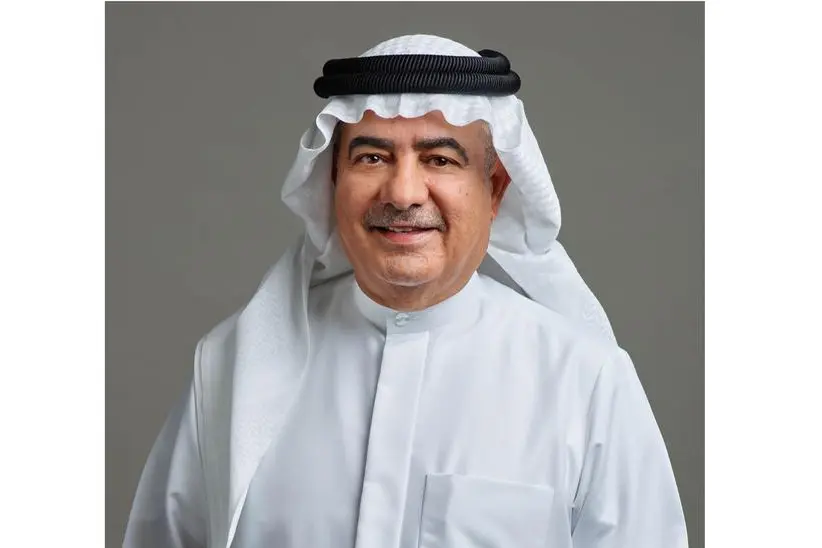

Kuwait’s annual inflation rate rose 2.19% in June, driven by higher prices for food, transport, healthcare, education, clothing, and other consumer goods, according to official data. Food and beverages saw the largest increase at 5.55%, while miscellaneous goods and services climbed 5.8%.
< 1 min
Kuwait’s consumer price index (CPI), a key measure of inflation, increased by 2.19% year-on-year at the end of June, driven by higher prices across several main expenditure groups, official data showed on Monday.
The Central Statistical Bureau (CSB) said the annual inflation rate was mainly attributed to increases in the prices of food, healthcare, clothing, education, and miscellaneous goods and services.
According to the data, carried by KUNA, the food and beverages group recorded the highest annual increase, rising 5.55% compared with June 2025, while tobacco and cigarette prices remained unchanged.
The clothing and footwear index rose 0.89% year-on-year, while housing services increased 0.16%. Prices for household furnishings and maintenance climbed 1.11%, and the healthcare index advanced 1.03%.
The transport group posted a notable annual increase of 4.83%, while communications prices rose 1.03%. Recreation and culture recorded a 1.13% increase, and education prices were up 1.02%.
The CSB added that restaurant and hotel prices increased by 0.22% annually, while miscellaneous goods and services registered a 5.8% rise.
Many of the most-important events have slipped from our collective memories. But their impacts live on.

Paine Schwartz joins BERO as a new investor as the year-old company seeks to triple sales.


Second-quarter earnings are beating expectations at one of the fastest rates in years, with major banks leading the way. But as markets set a higher bar, company outlooks are proving just as important as financial results. While strong guidance is rewarding stocks, cautious forecasts from companies like Citigroup and IBM have triggered sharp market reactions, highlighting a growing focus on future growth over past performance.
2 minThe second-quarter earnings season has begun with expectations at their highest level in years. Analysts expect S&P 500 profits to grow around 23.6% from a year ago. What makes that unusual is that analysts normally trim their forecasts as a quarter unfolds. This time they raised them, and more companies issued upbeat guidance than at any point in a decade.
The early results are clearing that bar. Nearly nine in ten of the first companies to report have beaten their earnings forecasts. FactSet’s model, based on how reporting seasons typically unfold, suggests actual growth could land near 29%, the strongest since late 2021.
Nagham Hassan, Market Analyst at eToro, said: “This earnings season is showing that beating estimates alone is no longer enough. Expectations have been raised significantly, meaning investors are placing far greater weight on what management says about the quarters ahead. Markets are increasingly rewarding confidence and future growth, rather than simply strong historical results.”
The banks opened the season strongly. JPMorgan, Bank of America, Wells Fargo, Citigroup and Goldman Sachs all beat estimates, with Goldman delivering the strongest surprise. Trading revenues benefited from heightened market volatility following geopolitical tensions in the Middle East, while investment banking continued to gain momentum amid record levels of merger and acquisition activity. Softer-than-expected US inflation data also supported investor sentiment, helping shares of Goldman Sachs and JPMorgan move higher following their results.
Citigroup, however, highlighted how sensitive markets have become to forward guidance. Despite posting its strongest quarterly revenue in a decade and comfortably beating expectations, the stock declined after management maintained its full-year profitability target of 10–11%, despite already generating a 13% return on equity during the quarter.
“Citigroup’s reaction demonstrates that guidance is now driving share price performance more than the earnings beat itself. When expectations are already high, investors need reassurance that strong performance can continue.”
IBM illustrated the same theme from the opposite direction. The company narrowly missed expectations in its preliminary results and saw its shares fall sharply after management said customers had accelerated hardware purchases ahead of expected price increases, leaving less spending available for its mainframe business.
The impact extended well beyond IBM. Shares of Accenture, Salesforce, ServiceNow and Adobe also came under pressure as investors questioned whether higher spending on hardware could begin weighing on enterprise software budgets. While some of those stocks recovered part of their losses, the market is still assessing whether the weakness reflects a company-specific issue or a broader shift in technology spending.
Looking ahead, the energy sector is expected to deliver the strongest earnings growth this quarter, supported by oil prices remaining above last year’s levels. Technology is forecast to follow, driven largely by semiconductor companies. Meanwhile, the Magnificent Seven are still expected to outpace the broader market, although by a much narrower margin than in previous quarters, contributing to increased investor interest in sectors such as financials and healthcare.
“The busiest weeks of earnings season are still ahead, but the early pattern is already clear. Companies need to do more than outperform forecasts—they need to convince investors that momentum will continue. In this environment, outlooks are proving just as important as the numbers themselves.”
New research suggests that bonuses make employees feel more like a mere cog in a wheel.
The sports-car maker delivered 279,449 cars last year, down from 310,718 in 2024.



The IMF has praised the UAE’s economic resilience following its latest consultation visit, highlighting the country’s strong financial system, effective policy response, and ability to withstand regional geopolitical challenges. The Fund also commended the UAE’s banking sector, fiscal strength, and proactive measures that continue to support economic stability and investor confidence.
3 minThe International Monetary Fund (IMF) staff team concluded its visit to the UAE, which took place from 7th to 16th July 2026.
The visit included discussions on the latest economic and financial developments, the future outlook, and the policy priorities of the relevant authorities, as well as preparations for the 2026 Article IV Consultation Mission.
Khaled Mohamed Balama, Governor of the Central Bank of the UAE (CBUAE) and Governor for the UAE at the IMF, emphasised the importance of the consultations in strengthening communication, exchanging views on the latest economic and financial developments in the UAE, and discussing priorities of mutual interest during the meeting His Excellency chaired with the IMF staff team.
Balama said, “These consultations provide an important platform for strengthening our existing cooperation with the IMF and exchanging views on the latest developments and future priorities. We also value the close cooperation among the relevant entities in the UAE and remain committed to reinforcing monetary and financial stability, while strengthening the financial system’s preparedness and capacity to keep pace with the regional and global changes and developments. The positive outcomes of the visit reaffirm the resilience of the UAE economy and the soundness of its financial sector.”
The IMF staff team commended the notable resilience demonstrated by the UAE economy amid geopolitical developments in the Middle East, supported by sound economic fundamentals, ample buffers, in addition to swift response and targeted support measures.
Said Bakhache, Head of the IMF staff team, said, “The UAE economy has demonstrated significant resilience amid the geopolitical conflict in the Middle East. Sound fundamentals, ample policy buffers, advanced preparedness, and a swift policy response have contained the overall impact of the shock. The authorities’ timely and well-targeted support measures have helped preserve financial stability, safeguard essential supply chains, support affected sectors and households, and sustain market confidence, underscoring the UAE’s institutional capacity to navigate a major external shock.”
The staff team confirmed that the UAE banking sector maintains strong levels of capital and liquidity, with credit continuing to grow, supported by the robust financial positions established by banks ahead of the regional developments.
The staff team also highlighted the role of the CBUAE’s “Proactive Financial Institution Resilience Package”, launched in mid-March, in supporting financial sector stability, enhancing the preparedness of financial institutions, and enabling them to continue their operations and deliver services efficiently.
The staff team noted that the resilience of trade, aviation and logistics activities, together with the continued strength of domestic demand, supported economic activity and limit the impact of regional developments. The staff team also expects the fiscal balance to remain in surplus, supported by higher oil prices, a forward-looking approach to budgeting and strong policymaking, while low levels of public debt provide ample fiscal space.
The CBUAE led the national working group responsible for the visit, managed strategic coordination with federal and local entities, and prepared the work programme.
In preparation for the visit, the CBUAE organised a workshop for the relevant entities, during which the objectives of the consultations were presented, thereby enhancing the entities’ preparedness and ensuring coordinated participation.
The staff team’s visit to the CBUAE also included a tour of the Cybersecurity Operations Centre, where it was briefed on the CBUAE’s cybersecurity framework and the mechanisms used to leverage artificial intelligence to enhance operational efficiency, support risk management and develop institutional capabilities.
At the conclusion of the visit, Khaled Mohamed Balama chaired the closing meeting of the staff team, during which the key outcomes of the meetings were reviewed and the latest developments were discussed.
He directed that the existing cooperation with the IMF be continued, coordination among national entities be strengthened, and the outcomes of the visit to support the strength and competitiveness of the UAE’s economic and financial ecosystem.
The sports-car maker delivered 279,449 cars last year, down from 310,718 in 2024.

Chris Dixon, a partner who led the charge, says he has a ‘very long-term horizon’



Wall Street’s biggest banks are on track for record trading revenues in 2026, fueled by booming investor activity, surging AI-driven markets, and record stock trading volumes. JPMorgan, Goldman Sachs, Morgan Stanley, Bank of America, and Citigroup could collectively generate around $180 billion in trading revenue if the current pace continues.
4 minInvestors can’t stop piling more money into stock-market bets. Wall Street is making a killing on it.
JPMorgan Chase JPM 1.17%increase; Goldman Sachs GS 1.06%increase; and the other three biggest banks on Wall Street are on pace to have their best trading years ever, after a second-quarter boom in activity.
In the past, such gargantuan hauls for trading desks have been a sign of turmoil in the markets. For several banks, the previous record-trading year was 2009, when the market was going haywire.
This time around, stocks are near all-time highs, volumes are up and individuals can’t get enough action, even as wars and artificial-intelligence exuberance keep investors on their toes. Massive hedge funds, from quant firms to multimanager giants, trade at rapid clips, as do individuals who have crowded into ever more high-octane fare such as short-dated options and turbocharged exchange-traded funds. Even the president has accounts making thousands of trades a quarter.
Together, JPMorgan, Goldman, Morgan Stanley, Bank of America and Citigroup are on track to log some $180 billion in trading revenue in 2026 if they continue at their current pace, according to a Wall Street Journal analysis.
“Clearly markets revenues in general have been quite elevated and strong for some time,” JPMorgan CFO Jeremy Barnum told analysts. “The market is clearly extremely risk-on, and we’re kind of takers of that.”
Others on the street have benefited, too. Citadel Securities, a large market maker, brought in a record $4.3 billion in trading revenue in the first quarter. The company saw record average daily volumes of stocks traded by individual investors in May and June, with volumes more than double levels seen in 2024, according to Scott Rubner, head of equity and equity derivatives strategy at Citadel Securities.
And BlackRock, the world’s biggest asset manager, gathered another $192 billion in assets during the last three months, bringing it to a record $15 trillion, as its clients pour funds into investing.
“I’m very optimistic on the outlook for global markets,” CEO Larry Fink said.
For the big banks, trading was the standout even in a banner start to the year. Second-quarter revenue from markets was up about 38% for the group of the biggest banks from a year earlier; it increased 33% at Bank of America, 54% at Goldman Sachs and 35% at JPMorgan.
Banks’ clients appeared especially interested in stock bets, where the group’s revenue shot up 71% from a year ago. JPMorgan’s equities markets revenue was up 86%, while Goldman’s was up 72%.
“Everything is good and equity trading is off the charts,” wrote Oppenheimer analyst Chris Kotowski.
The figures put Goldman Sachs and Citigroup on track to surpass their previous annual records for trading revenue for the first time since just after the financial crisis.
Shares of Goldman, Morgan Stanley and Bank of America each hit all-time highs this week, as did their benchmark index, the KBW Nasdaq Bank Index. And JPMorgan is close to becoming the first U.S. bank to surpass $1 trillion in market value.
The banks are benefiting from a marketwide surge as their trading desks facilitate buying and selling of stocks, bonds, commodities and foreign currencies on behalf of clients, earning a fee in the process.
U.S. average daily trading volumes of options and equities reached records of around 73 million contracts and 20 billion shares, respectively, during the second quarter, according to Jackson Gutenplan, market structure research analyst at Bloomberg Intelligence.
There have been plenty of reasons for investors to keep trading. The AI frenzy has helped the S&P 500 index notch 24 record closes this year. The initial public offering of SpaceX, the biggest IPO ever, saw explosive demand from investors, while volumes of options tied to SpaceX broke records within hours of their debut. Strong earnings growth and a resilient economy have kept everyday Americans in the stock market and off the sidelines.
Executives and analysts say that institutional clients are now constantly repositioning their portfolios reacting to major geopolitical events and dramatic market volatility, seeking to cash in on big gains and protect themselves from a potential drop. A fervor for AI stocks and related industries has also been a boon.
Goldman’s CFO Denis Coleman pointed to elevated market dispersion, or the divergence between the performance of individual stocks. Single-stock volatility recently rose to levels not seen since the end stages of the dot-com bubble in the 1990s, spurred by violent swings in tech stocks such as Micron Technology and Advanced Micro Devices, according to analysts at Bank of America Global Research.
While moves in stock indexes have been relatively calm, trading has been more frenzied at the single-stock level, an environment that has led clients to seek help in managing their portfolios, Coleman said on the company’s earnings call on Tuesday.
Brian Moynihan, Bank of America CEO, attributed the surge in stock-trading revenues to the AI boom, including an increase in activity in Asian markets. “A lot of it over the last 12 months has been the buildup of AI, especially outside the United States, and the activity of those markets picking up,” he said Tuesday on CNBC.
Banks get vanishingly small margins on each trade, and they have been continuing to compress in recent years—meaning desks now are pushing to increase volumes in order to boost revenue.
Banks have also been extending more loans to trading clients so that they can make bigger bets.
Goldman Sachs reported that equities financing revenue was up 91% in the second quarter from the prior year, outpacing its business facilitating trades for clients and setting a quarterly record. JPMorgan said it dedicated more of its balance sheet to financing equity trades.
Corrections & Amplifications
Bank of America’s trading revenue rose 33% in the second quarter from a year ago, while the group of five big banks saw a roughly 38% increase. An earlier version of this article incorrectly said Bank of America’s revenue rose 64%, leading the whole group to rise by about 42%.
New research suggests that bonuses make employees feel more like a mere cog in a wheel.

Americans now think they need at least $1.25 million for retirement, a 20% increase from a year ago, according to a survey by Northwestern Mutual


Saudi Arabia has approved new regulations allowing the early extension of lease contracts for major municipal investment projects, enabling investors to expand and upgrade developments while supporting private sector growth, urban development, and the long-term value of municipal assets.
< 1 min
The Ministry of Municipalities and Housing has approved new regulations allowing the early extension of lease contracts for major municipal investment projects signed before the updated Municipal Property Disposal Regulations came into effect.
The ministry said the new framework is designed to strengthen the investment environment, improve the efficiency of municipal real estate investments, and support the implementation of expansion and development projects at existing investment sites.
Under the new rules, eligible investors will be able to extend their lease agreements during the contract period, enabling them to continue expanding and upgrading their projects while introducing new investments that maximize the value of municipal assets and support urban development goals.
The ministry said the regulations are intended to create a more attractive and stable investment environment by encouraging investors to enhance existing projects, improve operational efficiency, and strengthen the competitiveness of municipal investments.
The move is also expected to support private sector growth while improving the quality of municipal facilities and public services, contributing to a better quality of life across cities and governorates.
According to the ministry, the regulations establish a governance framework for extending eligible investment lease contracts during their validity period, balancing the protection of municipal interests with enabling investors to continue developing their projects, strengthening public-private partnerships, and increasing the economic value of municipal assets.
New research suggests that bonuses make employees feel more like a mere cog in a wheel.

Interior designer Thomas Hamel on where it goes wrong in so many homes.


U.S. two-year Treasury yields climbed to their highest level in nearly 18 months as investors increased bets that the Federal Reserve will raise interest rates to tackle persistent inflation. Markets are now pricing in a higher likelihood of a rate hike, with upcoming inflation data and Fed Chair Kevin Warsh’s congressional testimony expected to shape expectations further. Read more via the link in our bio.
2 min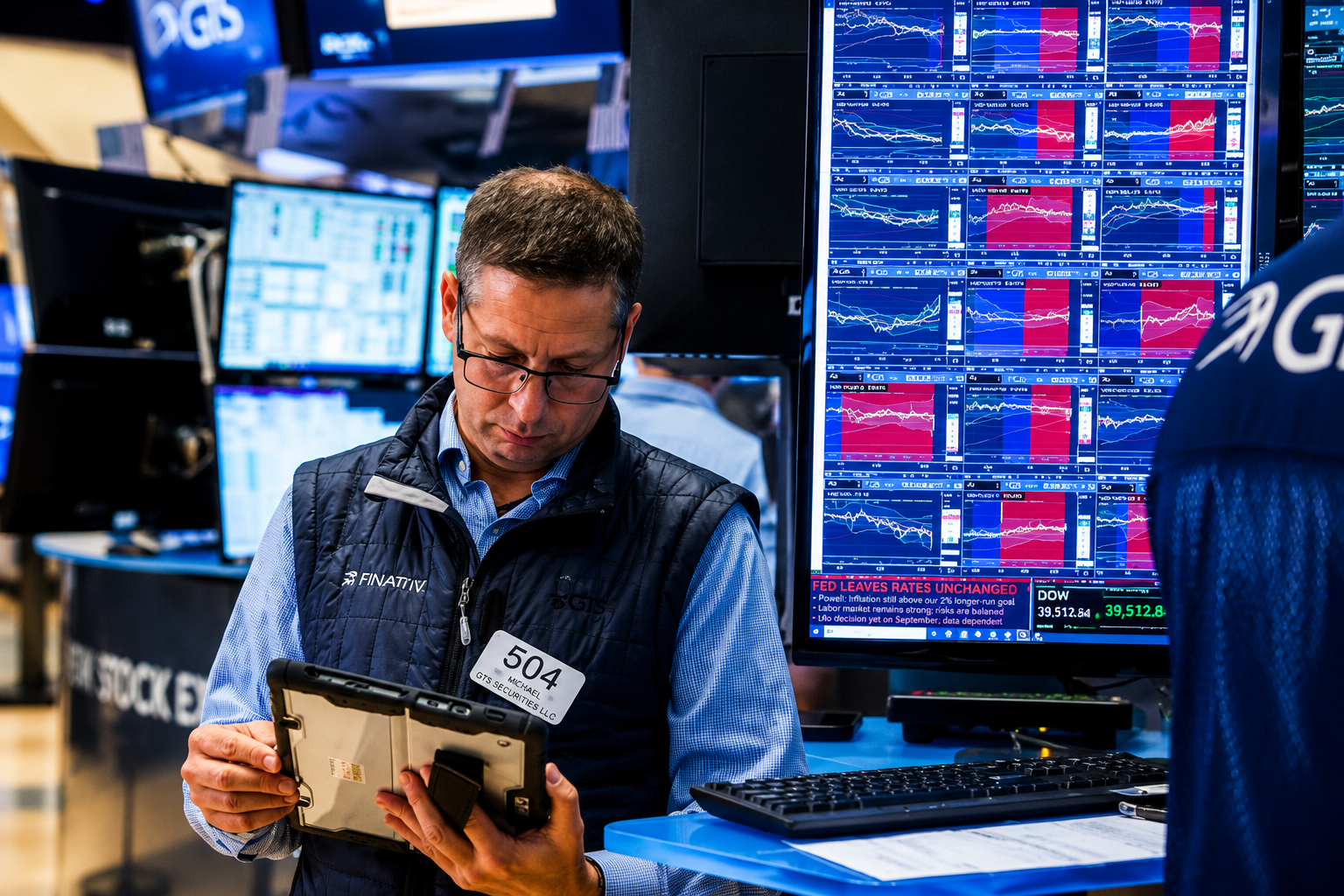
Investors have taken the rate on a two-year Treasury, TU00 -0.03%, bond to its highest level in almost 18 months, betting the Federal Reserve will lose patience with sticky inflation and raise interest rates.
The yield on a government bond maturing in two years traded as high as 4.276% on Monday morning, its highest intraday value since Feb. 19, 2025, according to Dow Jones Market Data. Because this debt matures quickly, its sensitive to what the Fed plans to do with rates.
Notes from Kevin Warsh’s first Fed meeting as chairman, published on July 8, gave an inkling about the committee’s next move. Members broadly agreed that in a stable labor market higher interest rates would be needed to fight higher prices, which are elevated “due to strong AI-related demand, the conflict in the Middle East, or the effects of tariffs,” the minutes noted.
“Bar feels low for a hike,” wrote Neil Dutta, head of economics at Renaissance Macro Research on Monday morning. “Officials need to see inflation progress relatively soon and if they don’t, a hike in on the horizon.”
Historically, when the Fed signals an upcoming rate hike, two-year yields begin climbing in anticipation. Then, on the actual day of the hike, those yields are pushed even higher. A rise in yields, relative to other major markets, makes dollar-denominated assets more attractive, boosting the dollar. It can also prop up the rate banks offer on savings accounts.
Now, 34.7% of traders expect a hike in the July 28-29 meeting, up from 8.3% a month ago, CME FedWatch data show. Wall Street is more certain of a hike by the end of this year, with almost all traders expecting a hike.
In June, Fed officials had held rates steady, though a few argued for a hike.
“Those few could act as soon as the July meeting,” wrote Claudia Sahm, a former Federal Reserve economist and creator of the Sahm rule, a recession indicator. But “the September or October meeting is a more likely deadline for the majority. That is not far away.”
Higher yields are here on a big week for the economy, with the latest inflation report dropping on Tuesday at 8:30 a.m. Eastern. Just 90 minutes later, Warsh will give his first testimony as Fed Chair to Congress. The combination could push the U.S. rates market in either direction. A larger-than-anticipated rise in prices would immediately raise yields, while a drop would lower 2-year rates.
Warsh, who has advocated for less communication from the Fed, would find it challenging to push back against providing market forward policy guidance during the testimony in the event of a surprising inflation report.
“We are wary that, in the event that the Warsh Fed is unwilling to provide forward guidance for a given meeting, the Committee could surprise investors either with a hike when one isn’t priced, or a pause when a hike was priced,” wrote BMO Capital Markets’ head of U.S. rates strategy, Ian Lyngen, and his team.
This isn’t the most likely scenario, BMO says. But it’s exactly the kind of risk investors should keep an eye on.
The sports-car maker delivered 279,449 cars last year, down from 310,718 in 2024.
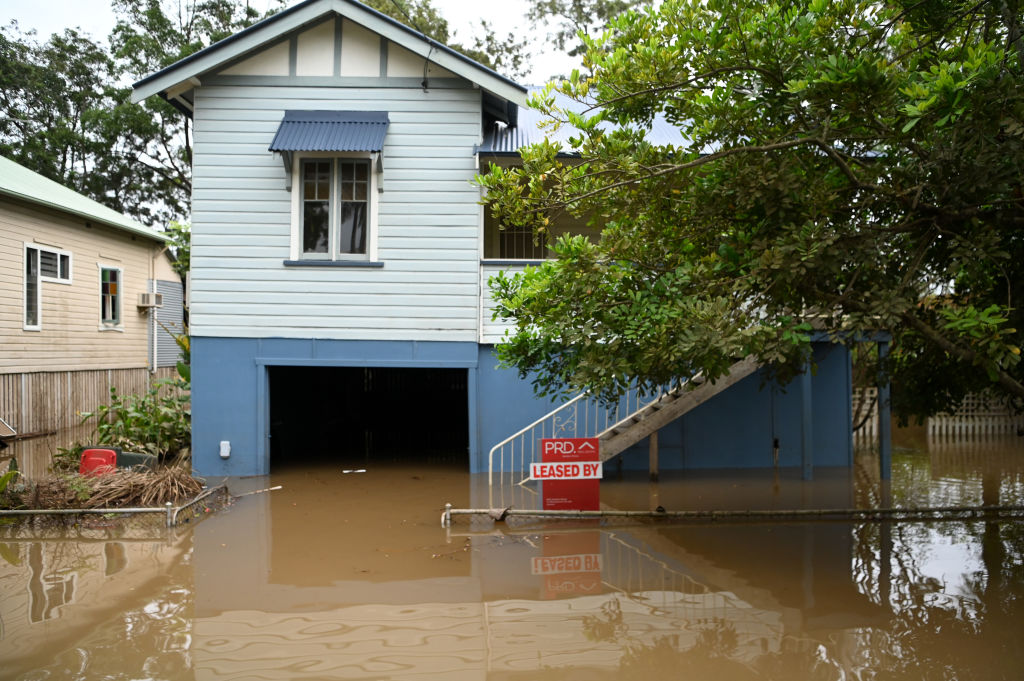
Following the devastation of recent flooding, experts are urging government intervention to drive the cessation of building in areas at risk.


Egypt has introduced a second tax reform package to attract investment, including replacing the capital gains tax with a stamp duty, cutting VAT on medical devices to 5%, extending tax relief for industry, and introducing new incentives for businesses and property owners.
2 min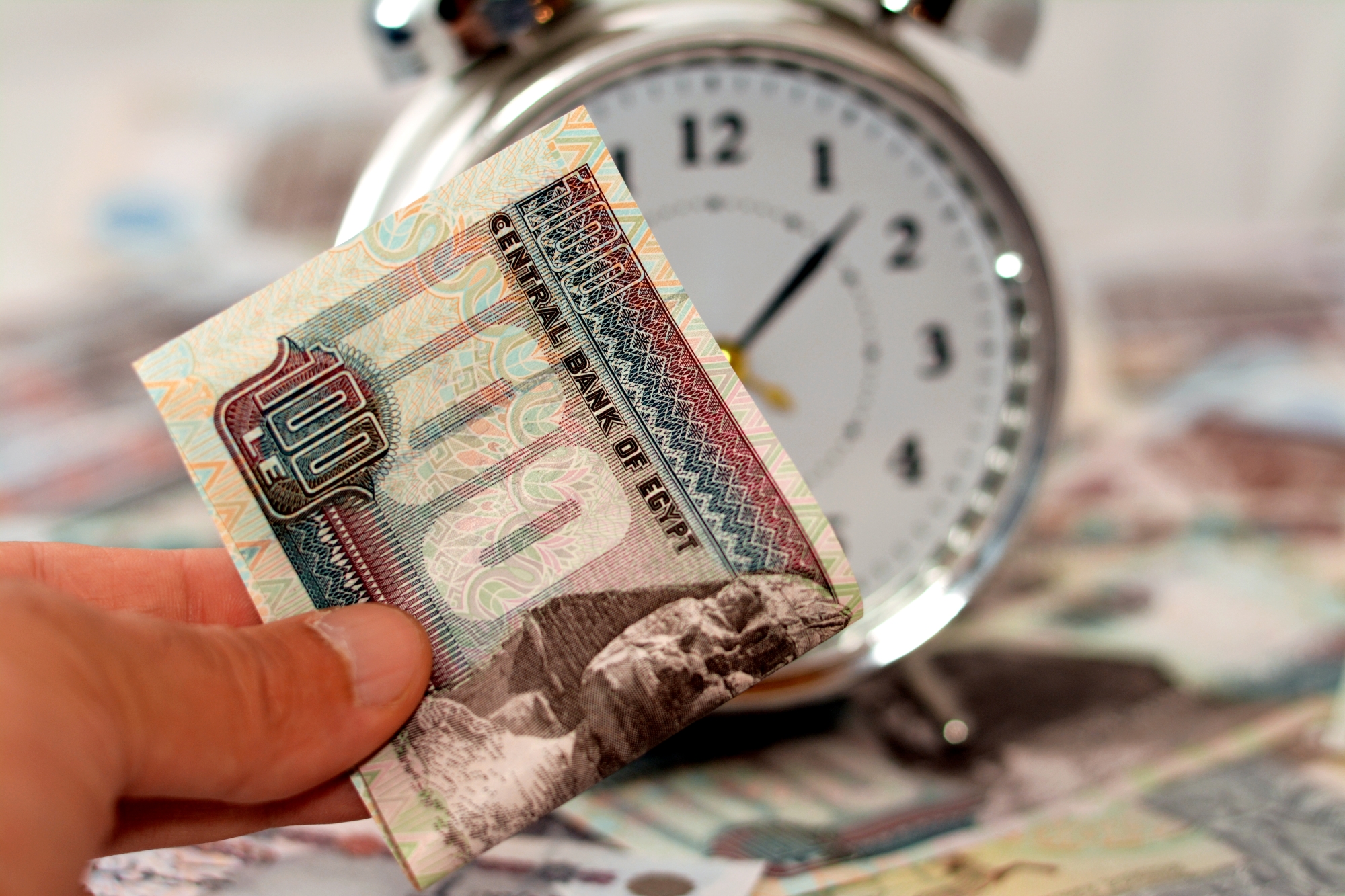
Egypt plans to replace its capital gains tax on stock market transactions with a stamp duty and cut value-added tax (VAT) on medical devices from 14 per cent to 5 per cent as part of a second package of tax facilities aimed at attracting investment and reducing burdens on businesses.
The details of the new measures were outlined by Minister of Finance Ahmed Kouchouk during a meeting with Prime Minister Mostafa Madbouly and Deputy Prime Minister for Economic Affairs Hussein Issa. During the talks, Madbouly affirmed the government’s full support for the successful implementation of the package to improve services provided to taxpayers.
Focusing on capital markets, Kouchouk stated the package introduces an investment incentive to encourage companies to list on the Egyptian Exchange for a period of three years, guaranteeing an increase in trading volume and investments. This will be accompanied by the replacement of the capital gains tax with a stamp duty to stimulate trading.
To support the industrial and healthcare sectors, the government will extend the suspension of VAT payments on machinery and equipment used in industrial production and medical devices to four years, up from two years. In addition to the VAT reduction on medical devices, inputs for kidney dialysis machines, filters, parts, and supplies will be entirely exempt from the tax.
For the wider business community, the finance minister said the solidarity contribution will be deducted from the tax base to lower the financial burden on all taxpayers. Additionally, the tax dispute resolution law will be renewed until the end of next December to encourage the voluntary settlement of the largest possible number of disputes.
Regarding property, the real estate disposition tax for individuals will remain unchanged at 2.5 per cent of a unit’s sale value, regardless of the frequency of transactions. However, the new package introduces a full exemption for property transfers between spouses, children, and direct descendants.
Kouchouk noted that the ministry aims to shift the tax environment toward a “customer service” culture characterised by simplification and incentivisation. He added that tax offices are prepared for the flexible and precise execution of the measures as soon as the laws governing the second package are officially issued.
The sports-car maker delivered 279,449 cars last year, down from 310,718 in 2024.



SABIC is expected to post a SAR308 million net loss in the second quarter of 2026, according to Riyad Capital, as lower petrochemical exports and shipping disruptions through the Strait of Hormuz weigh on performance. Revenue is also forecast to decline 41% year-on-year to SAR21 billion.
< 1 min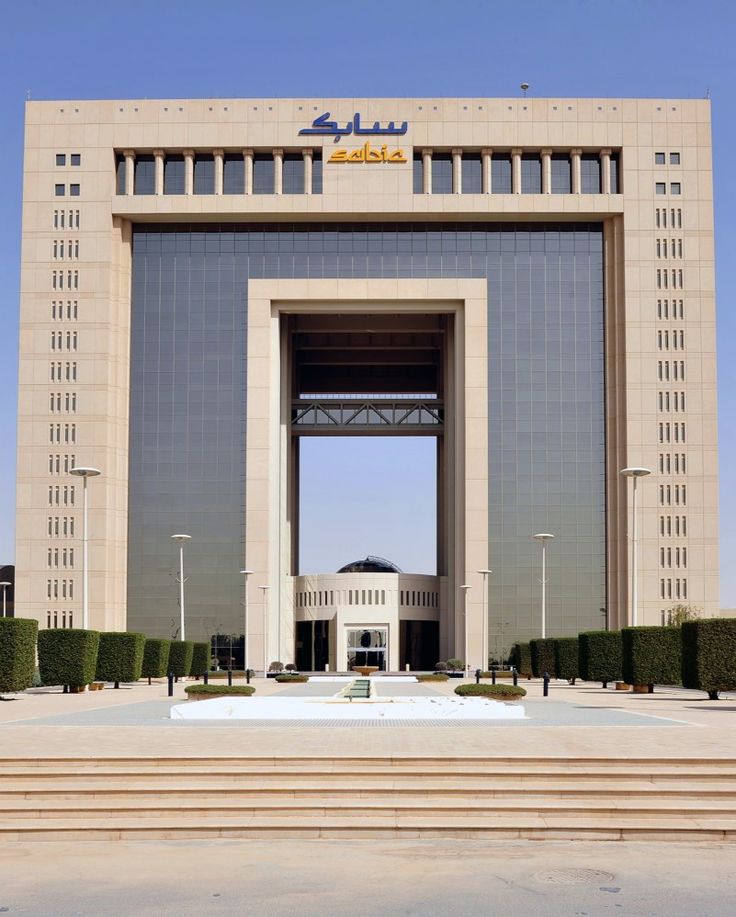
Saudi Basic Industries Corp. (SABIC) is expected to report a net loss of SAR 308 million ($81.92 million) in the second quarter of 2026, Riyad Capital said in its Q2 2026 earnings preview.
The petrochemicals major which is majority-owned by Saudi Aramco, reported a net loss of more than SAR 4 billion in the second quarter of 2025, compared with a net profit of over SAR 2 billion in the second quarter of 2024.
Revenue is anticipated to fall by 41% year-on-year to SAR21 billion in the April-June period, the brokerage added. The Persian Gulf conflict has disrupted shipping through the strait of Hormuz, hitting export volumes of petrochemical companies.
SABIC returned to profit in the first quarter of 2026, posting net earnings of SAR13.2 million compared with a SAR1.21 billion loss a year earlier.
Paine Schwartz joins BERO as a new investor as the year-old company seeks to triple sales.




Paramount’s $80 billion merger with Warner Bros. Discovery promises a new era for Hollywood—but also leaves the combined media giant with nearly $80 billion in debt. As David Ellison bets on growth, streaming and blockbuster content, analysts say delivering $6 billion in promised synergies will be critical to easing the financial burden.
3 min
When Paramount PSKY -1.91%decrease; Chief Executive David Ellison unveiled his company’s $81 billion deal for Warner Bros. Discovery WBD 0.11%increase; he touted a new golden era for Hollywood—one built on scale, technology and a promise to release at least 30 theatrical movies a year.
His plan has little margin for error.
The combined company is set to emerge with nearly $80 billion in debt—a burden that could weigh on decisions ranging from content spending and streaming investments to news operations and sports rights.
Its net debt is projected to equal roughly 6.5 times annual earnings before interest, taxes, depreciation and amortization after the deal closes as soon as this month, a level that analysts consider high for a media company. Industry analysts at MoffettNathanson called the figure “staggering” in a note shortly after the deal.
The challenge for Ellison will be to cut costs without the sort of austerity measures that defined Warner’s debt-reduction effort under Chief Executive David Zaslav. Thousands of employees were laid off, and high-profile movie and TV projects were scrapped.
Many current and former Warner executives said repeated rounds of cost-cutting have already eliminated much of the obvious savings, leaving them wondering what is left to prune. Paramount has been through several cycles of cost-cutting in recent years, both before and after the sale to Ellison’s Skydance.
Much of Ellison’s financial flexibility—and the combined company’s prospects for success—depend on delivering the $6 billion in promised synergies within three years, a target some analysts view as ambitious given the scale of the integration.
The debt and looming cuts are a shadow hanging over a company that will house two of Hollywood’s founding movie studios, several famed TV brands, including CNN and MTV, and a supersize streaming service.
David Ellison, backed by his billionaire father, Larry Ellison, is making a huge bet on content as the entertainment and media landscape faces higher sports-rights costs, a competitive streaming market and a risky box-office environment.
The younger Ellison has promised that there will be no asset sales or cuts to content spending. The deal has been approved by the Justice Department, and the company is trying to get regulatory clearance in Europe.
“This transaction is premised on growth, not cost-cutting,” Paramount said in a statement, adding, “We will be reducing debt while continuing to invest in the business and content for the long term.”
Paramount said that having the Ellison family as controlling owners with significant skin in the game is an advantage. Executives at Paramount said the company has increased movie production and sports-rights acquisitions while approaching $3 billion in efficiencies.
“This is a key advantage of a creative-first owner-operator,” said Paramount, calling its strategy for the Warner deal “the same proven playbook we have successfully executed at Paramount.”
For now, Paramount is limited in what it can do. Until the deal closes, the company has only a partial view of Warner’s operations and is restricted in how deeply it can examine the business.
There could be hidden land mines. Discovery executives said they uncovered a number of unexpected challenges, including the high costs of the short-lived streaming service CNN+, only after taking control of WarnerMedia following the 2022 merger.
Paramount has said much of the savings will come from consolidating streaming services’ technology platforms and eliminating overlapping operations with Warner, a process expected to result in significant job cuts.
Paramount is projecting that the combined company will generate about $69 billion in annual revenue. After achieving its synergies, it expects adjusted Ebitda of about $18 billion. Paramount is projecting a content budget of more than $30 billion for the combined company at closing.
Paramount has told investors it will lower the debt ratio to three times annual Ebitda within three years, which MoffettNathanson said is too optimistic in its note.
The assets producing much of the cash to pay the debt are themselves under pressure. The combined company won’t be relying on a stable business to pay down debt. It will be primarily relying on television networks, whose revenue continues to decline.
While the combined company’s network holdings, which include CNN, CBS, MTV and Nickelodeon, still generate about $35 billion in annual revenue, the sector remains under pressure from cord-cutting and ad declines. Moody’s Ratings estimates that revenue will fall at an average annual rate of almost 10% for the foreseeable future.
Ellison is betting heavily that the combination of the streaming platforms Paramount+ and Pluto TV with Warner’s HBO Max will create a more formidable streaming competitor and generate more cash.
“We estimate it will take at least five years until the streaming business earnings matches the scale of TV media,” Moody’s said.
The sports-car maker delivered 279,449 cars last year, down from 310,718 in 2024.



SpaceX will officially join the Nasdaq-100, prompting index-tracking funds to buy its shares. Despite its $2.1 trillion valuation, the company will initially account for less than 1% of the index due to its limited public share float.
2 min
SpaceX (SPCX -0.98%) decrease; will officially join the Nasdaq-100 and investors holding some funds tied to the index will end up exposed whether they like it or not.
Mutual and exchange-traded funds with a collective $800 billion in assets under management that track Nasdaq’s flagship tech index, including the popular Invesco QQQ ETF, are set to buy SpaceX shares at Monday’s closing price in order to mirror the index’s performance.
That comes after Elon Musk’s artificial-intelligence and-rocket-making company was fast-tracked into the Nasdaq-100 under new rules that aim to include newly public megacap companies sooner. Here’s what you need to know:
SpaceX will be a small component, for now
Even though SpaceX’s $2.1 trillion market cap makes it one of the most-valuable companies in the U.S., it won’t enter the cap-weighted index as one of the top components.
That’s because SpaceX sold less than 5% of its total shares in last month’s public offering. Combined with lockup rules that prevent employees from selling the stock for several months or more, that means a small fraction of the company’s shares are currently circulating publicly.
The Nasdaq adjusts index weights by a company’s so-called free-float, or the number of shares available to trade publicly, capping the weight at three times a company’s float-adjusted market capitalization. For SpaceX, that means it will initially be treated more like a $300 billion company than a $2 trillion one, and have an initial index weight of less than 1%.
QQQ is the biggest fund adding SpaceX, but not the cheapest
With roughly half a trillion dollars in assets, Invesco’s QQQ ETF is the biggest fund tracking the Nasdaq-100 and the fifth-largest ETF overall. A long-running marketing campaign has made QQQ a favorite fund among individual investors, but those seeking the lowest fees now have cheaper options.
State Street’s newly launched SPDR Portfolio Nasdaq 100 fund is charging holders a 0.1% annual fee on their assets—or $10 on a $10,000 investment—undercutting QQQ’s 0.18% fee. A new BlackRock fund tracking the index is set to launch shortly, and Invesco also offers the QQQM ETF at a 0.15% annual fee.
Index inclusion can boost a stock
SpaceX advisers reached out to index providers earlier this year seeking early inclusion for a reason: The trillions of dollars parked in passive, index-tracking funds create automatic demand for included stocks, an important source of support for share prices.
When an ETF has more buyers than sellers, the fund manager creates shares to fill that demand. QQQM, for instance, has reported a net inflow of $16 billion so far this year, meaning the fund has purchased billions of dollars in additional shares of the companies it tracks.
The opposite is true if a fund has net outflows, of course, but U.S. equity ETFs have been posting net inflow records year after year.
But gains are far from guaranteed
As employee lockup periods end over the next year, index funds are likely to help absorb some of the selling from employees looking to cash out—a phenomenon that analysts say has weighed on shares of newly public companies like Facebook in the past.
Still, the float adjustments are keeping a lid on how much SpaceX Nasdaq-100 funds will need to buy, and the company won’t be joining the most widely tracked index, the S&P 500, for at least a year.
While index inclusion can provide important support for a stock in its early days, analysts said the company’s financial performance and the number of investors who want to buy its shares directly are likely more important drivers of long-term performance.
New research suggests that bonuses make employees feel more like a mere cog in a wheel.




ADX will remove daily trading limits on ETFs and futures from 3 August 2026, aiming to boost liquidity, improve price discovery, and give investors greater trading flexibility. The move supports the exchange’s strategy to build a more efficient and modern market.
< 1 min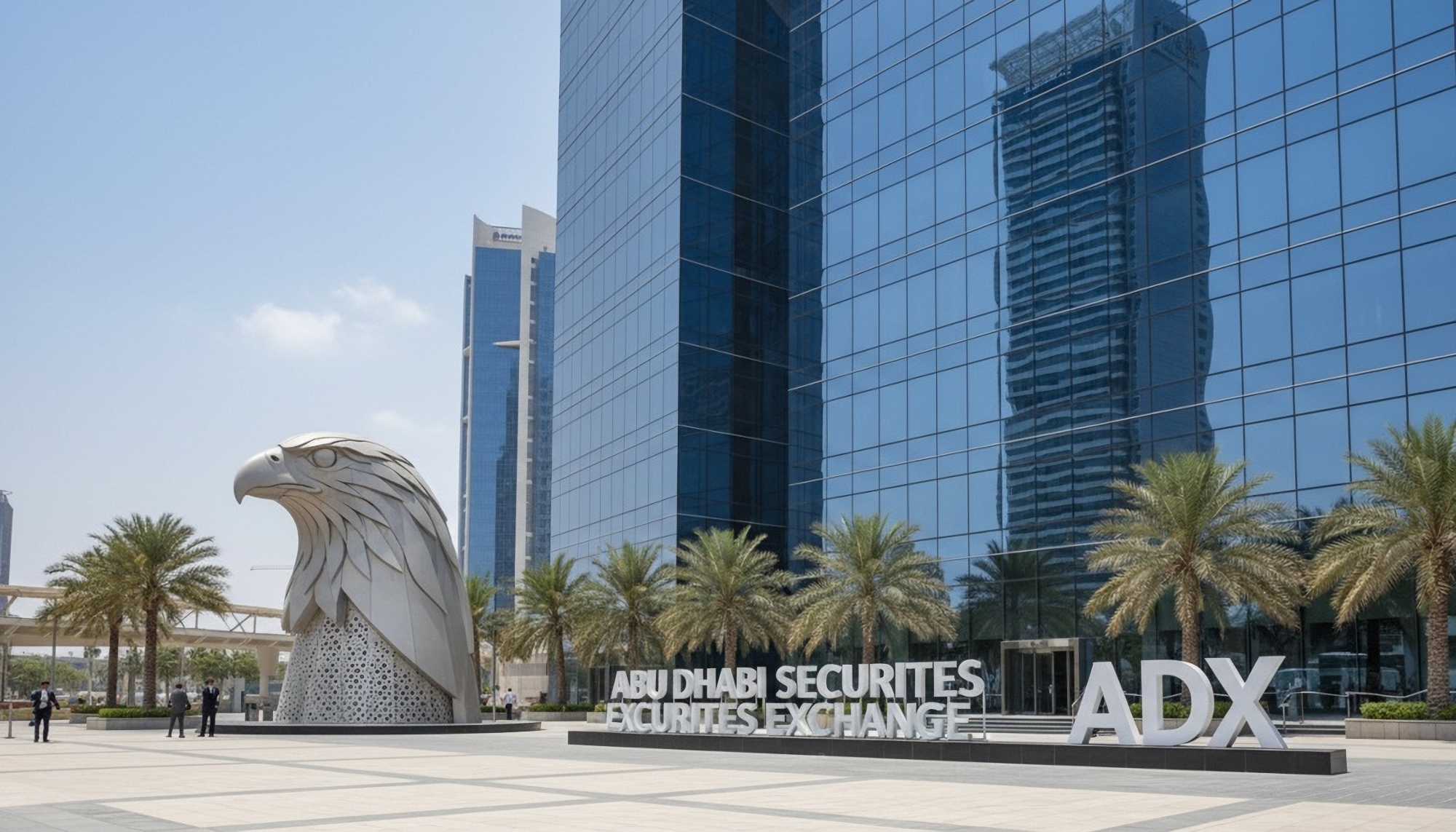
The Abu Dhabi Securities Exchange (ADX) Group today announced the removal of daily price limits for Exchange Traded Funds (ETFs) and futures contracts listed on the Exchange, reinforcing its commitment to a more efficient, liquid, and investor-responsive market.
This will be in effect from 3rd August 2026.
The initiative is designed to support more efficient price formation, more continuous liquidity provision, and smoother trading for investors. By allowing ETFs and futures prices to reflect new information in real time, ADX is reducing trading disruptions such as trading halts and pauses caused by daily bands, while strengthening quality of market price formation and efficiency.
As the most liquid ETF hub in the MENA region, ADX offers a broad and diverse range of products, including thematic and Sharia-compliant funds. The removal of price limits further enhances the advantages of the platform for investors seeking efficient investment execution and diversified exposure.
The move also supports the continued development of ADX’s derivatives market. Removing price limits gives investors greater flexibility to hedge exposures and implement investment strategies without restrictions caused by trading price limits.
The removal of price limits for ETFs and futures contracts is aligned with ADX’s broader strategy to provide investors with greater agility and modern market infrastructure that supports efficient capital allocation, enhanced liquidity, and advanced risk management.
ADX will continue to manage intraday volatility, including temporary trading pauses in exceptional circumstances to maintain an orderly market.
Two coming 2027 models – the first of the “Neue Klasse” cars coming to the U.S. early next year – have been revealed.



Bahrain’s Electricity and Water Authority (EWA) has named ACWA Power as the sole bidder for the Hidd Independent Water Project. The new seawater desalination plant will have a capacity of 11,364 cubic meters per hour, strengthening the kingdom’s potable water supply and supporting growing residential, commercial, and industrial demand through advanced water treatment technology.
< 1 min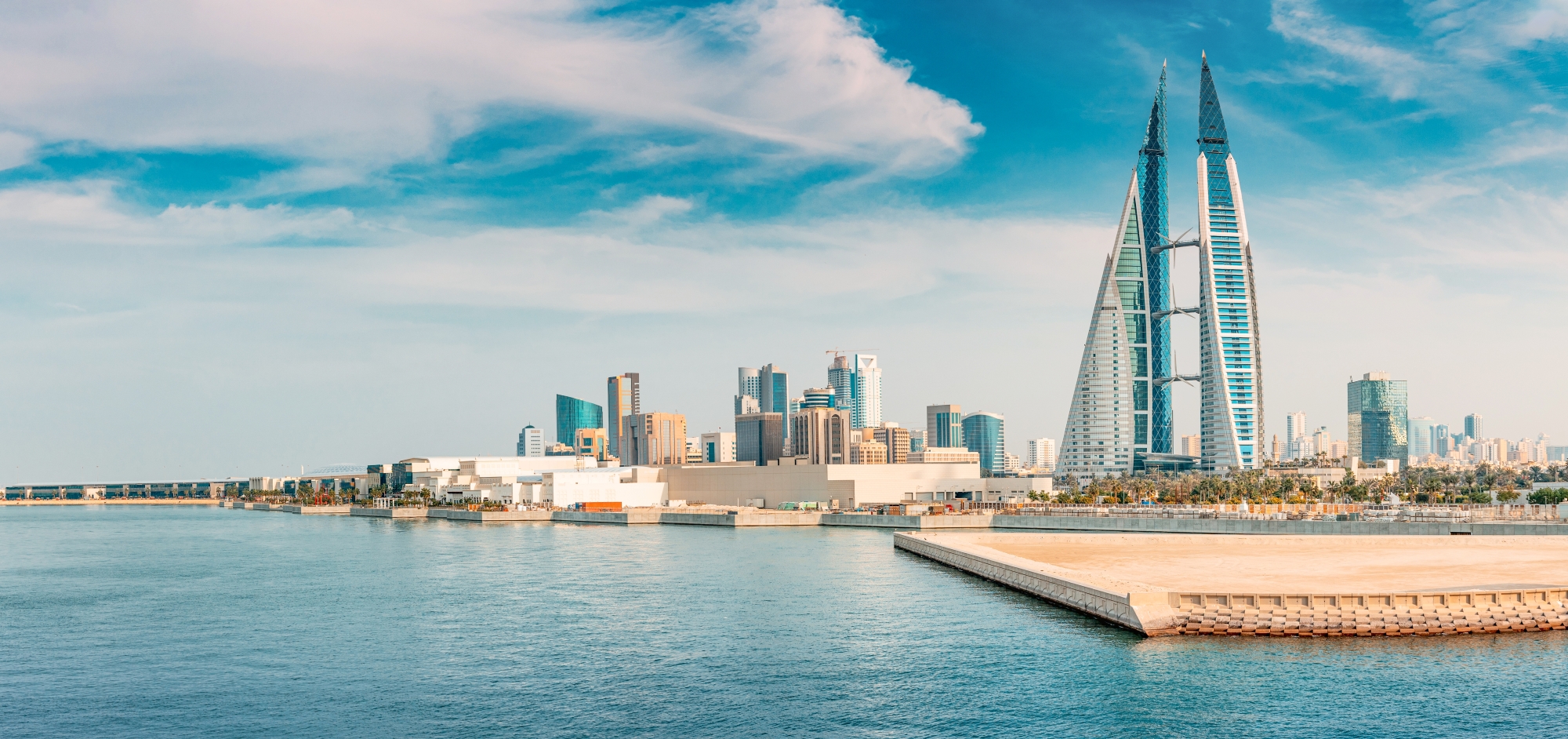
Bahrain’s Electricity and Water Authority (EWA) has announced that top Saudi utility developer Acwa has emerged as the sole bidder for Hidd Independent Water Project. The key facility will boast a 11,364 cu m per hour capacity, thus contributing substantially to the kingdom’s potable water supply.
A major seawater reverse osmosis (SWRO) desalination plant in the kingdom, Hidd IWP will be implemented on a Build-Own-Operate (BOO) basis.
The key facility will have a Guaranteed Net Contracted Water Capacity (GNCWC) of 11,364 cu m per hour, contributing substantially to Bahrain’s potable water supply and supporting growing residential, commercial, and industrial demand, said EWA in its tender notification.
The Hidd IWP Project reflects Bahrain’s continued commitment to expanding its desalination capacity through private sector participation and advanced water treatment technologies, ensuring long-term sustainability and reliable water supply for the kingdom, it added.
Two coming 2027 models – the first of the “Neue Klasse” cars coming to the U.S. early next year – have been revealed.


Eurozone inflation eased to 2.8% in June as lower energy prices cooled consumer costs, strengthening expectations that the European Central Bank will keep interest rates unchanged at its July meeting.
2 min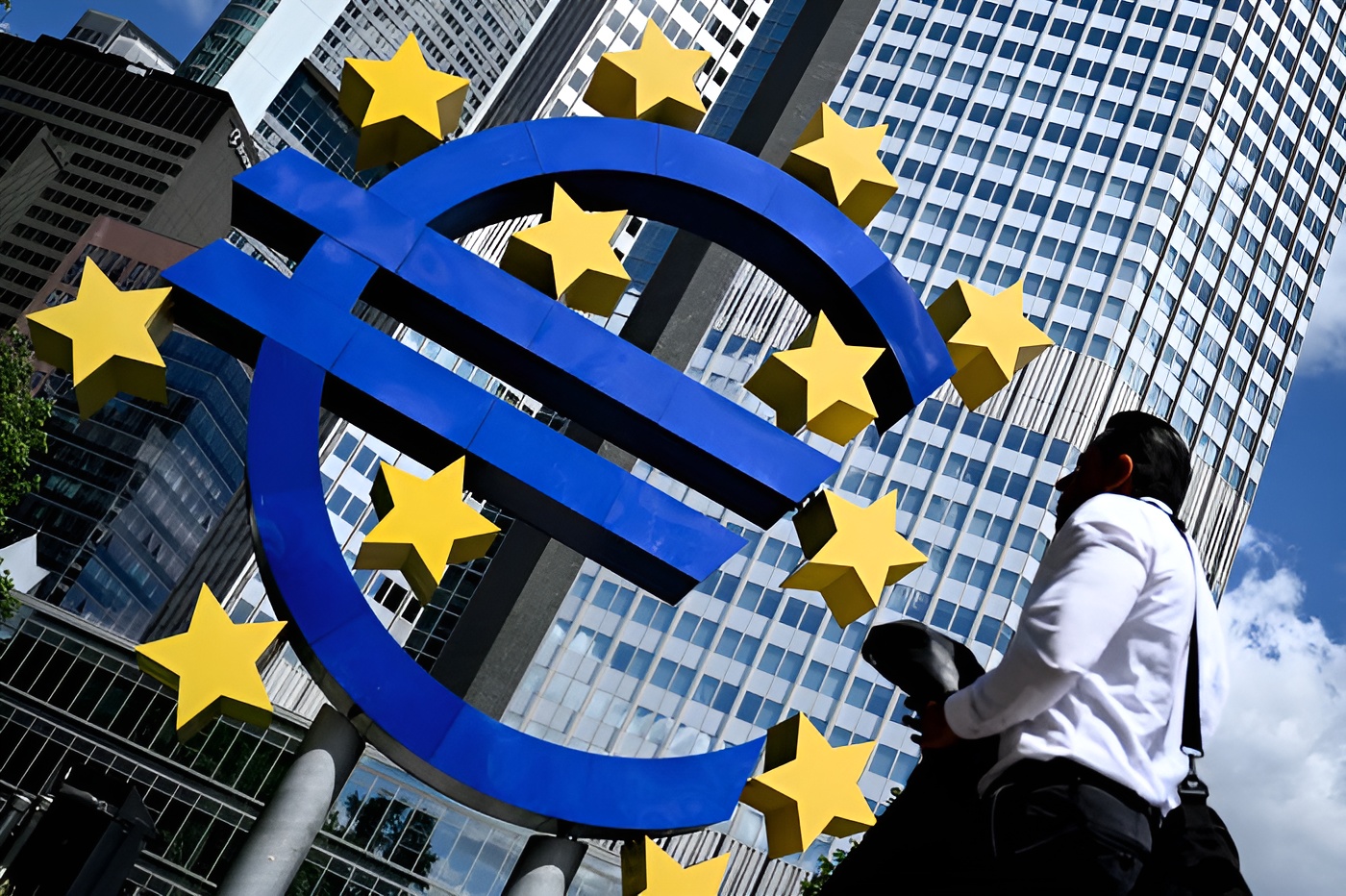
Cooling energy prices helped push eurozone inflation lower in June, increasing the likelihood that the European Central Bank will hold rates steady later this month after raising them at its last meeting.
Inflation in the 21-nation currency area fell to 2.8% from 3.2% in May, the first decline since January, the European Union’s statistics agency Eurostat said Wednesday. A consensus of economists polled late last week by The Wall Street Journal expected consumer-price growth at 3.0%.
Energy prices were 1.7% cheaper in June than in May, the data showed, as oil prices declined throughout the month after tensions in the Middle East eased. Annual services inflation also cooled, suggesting that recently higher energy costs aren’t passing through significantly into other areas of the economy that could push up wages. Core inflation—which strips out more volatile energy and food prices—fell back to 2.4% in June from 2.6% in May.
“Inflation in the eurozone is falling—and falling significantly,” Stephanie Schoenwald, an economist at KfW Research said. “Provided the situation in the Middle East remains stable, the peak of the energy-driven price surge is now behind us.”
The print suggests the ECB won’t rush into another rate hike, allowing policymakers to wait for fresh macroeconomic forecasts at its meeting in September, when the impact of the Iran war on supply infrastructure could become clearer. The bank raised its key rate by a quarter-point to 2.25% in June.
“The data cements the now-consensus view that the ECB will hold fire this month,” Claus Vistesen, chief eurozone economist at Pantheon Macroeconomics, said in a note to clients.
“It would take a remarkable rally in oil prices to convince the governing council later this month that the outlook has shifted…sufficiently to justify a hike,” he added.
Nevertheless, ECB rate setters have in recent weeks been balancing the discomfort of inflation still above the bank’s 2% target alongside signs that the impact of the surge in energy prices is softening. Oil prices in the last week returned to prewar levels, after the tentative deal announced between the U.S. and Iran to halt fighting. Investors still expect at least one more rate hike before the end of the year, according to LSEG data.
At the ECB’s forum in Sintra, Portugal, on Monday, President Christine Lagarde reiterated that the bank’s rate rise at its meeting last month was based on forecasts that put inflation above target until 2028, rather than a pre-emptive “insurance hike.”
However, she contended that the central bank need not now “act with the same force” it used following the dramatic increases in energy prices in 2022-23 after Russia’s full-scale invasion of Ukraine. The ECB eventually raised rates to record highs to try to bring inflation under control.
Paine Schwartz joins BERO as a new investor as the year-old company seeks to triple sales.