






Dubai Residential Market Records 47% Growth in Transactions in 2024
According to the latest report by Savills Middle East, the sector recorded unprecedented transaction volumes, reflecting the emirate’s growing appeal to high-net-worth individuals and global investors.
 2 min
2 min
Dubai’s residential real estate market experienced an exceptional year in 2024, driven by strong investor confidence and increasing demand for high-quality properties. According to the latest report by Savills Middle East, the sector recorded unprecedented transaction volumes, with a 47% year-on-year increase, reflecting the emirate’s growing appeal to high-net-worth individuals and global investors.
This growth was underpinned by a surge in off-plan sales, which accounted for 68% of all transactions, a significant rise from 55% in 2023. Developers launched over 50,000 units throughout the year, representing a 25% increase compared to 2023, to meet this rising demand. High-quality projects from reputable developers often sold out within weeks, driven by attractive payment plans and strong investment potential.
Zone 6, which includes areas such as Jumeirah Village Circle, Dubai Hills Estate, and Al Barari, led the market, accounting for 51% of all transactions. Established submarkets like Dubai Marina, Business Bay, and Jumeirah Lakes Towers also demonstrated strong activity, highlighting the continued demand for accessible, well-located properties.
According to Savills Middle East‘s report, Apartments dominated the market, contributing to 82% of all transactions. Off-plan apartment sales accounted for 68% of these, up from 58% in 2023. Notable launches included City Walk Northline by Meraas, Ocean Cove by Emaar, and Ghaf Woods by Majid Al Futtaim.
Villa transactions comprised 18% of total sales, with significant demand concentrated in Zone 6. Under-construction villas accounted for 68% of villa transactions, compared to 45% in 2023, indicating a rising preference for new projects in locations like Damac Hills 2, The Valley, and Dubai South.
Luxury housing saw a remarkable rise, with over 4,600 units priced above AED 10 million transacted in 2024, a 23% year-on-year increase. The villa segment outperformed apartments, with luxury villa transactions increasing by 33%, compared to a 5% rise in the apartment segment. Premium areas like Palm Jumeirah, La Mer, and Jumeirah Bay Island commanded the highest prices per square foot, reflecting their enduring appeal to high-net-worth buyers.
The report highlighted that Dubai’s rental market also witnessed notable growth in 2024, driven by economic expansion and political stability. Apartment rents increased by 16%, while villa and townhouse rents rose by 13%. Emerging submarkets, such as Al Furjan, experienced rental spikes of up to 26%, highlighting the city’s evolving residential landscape.
“Dubai’s residential market continues to grow from strength to strength, driven by a steady stream of international investors, end-users, and a strong pipeline of high-quality projects. The emirate has cemented its reputation as a global hub for luxury living and investment opportunities, catering to a wide spectrum of buyer profiles. Over the past year, we’ve achieved significant milestones, including landmark sales in Tilal Al Ghaf and Palm Jumeirah, as well as major land deals. Our expanding team of experienced brokers continues to deliver exceptional results, reinforcing Dubai’s position on the global real estate stage,” said Andrew Cummings, Head of Residential Agency at Savills Middle East.
Looking ahead, Dubai’s residential market is poised for continued growth in 2025. Trends such as strong investor confidence, rising demand for off-plan properties, and the increasing traction of luxury housing are expected to persist. Developers are likely to continue delivering high-quality projects, offering unique opportunities for investors and end-users to capitalize on Dubai’s growth and development.
Dubai’s freehold rental market gained momentum in August, with 39,645 contracts registered, up 3.79% month-on-month, while property sales reached AED28.6 billion.
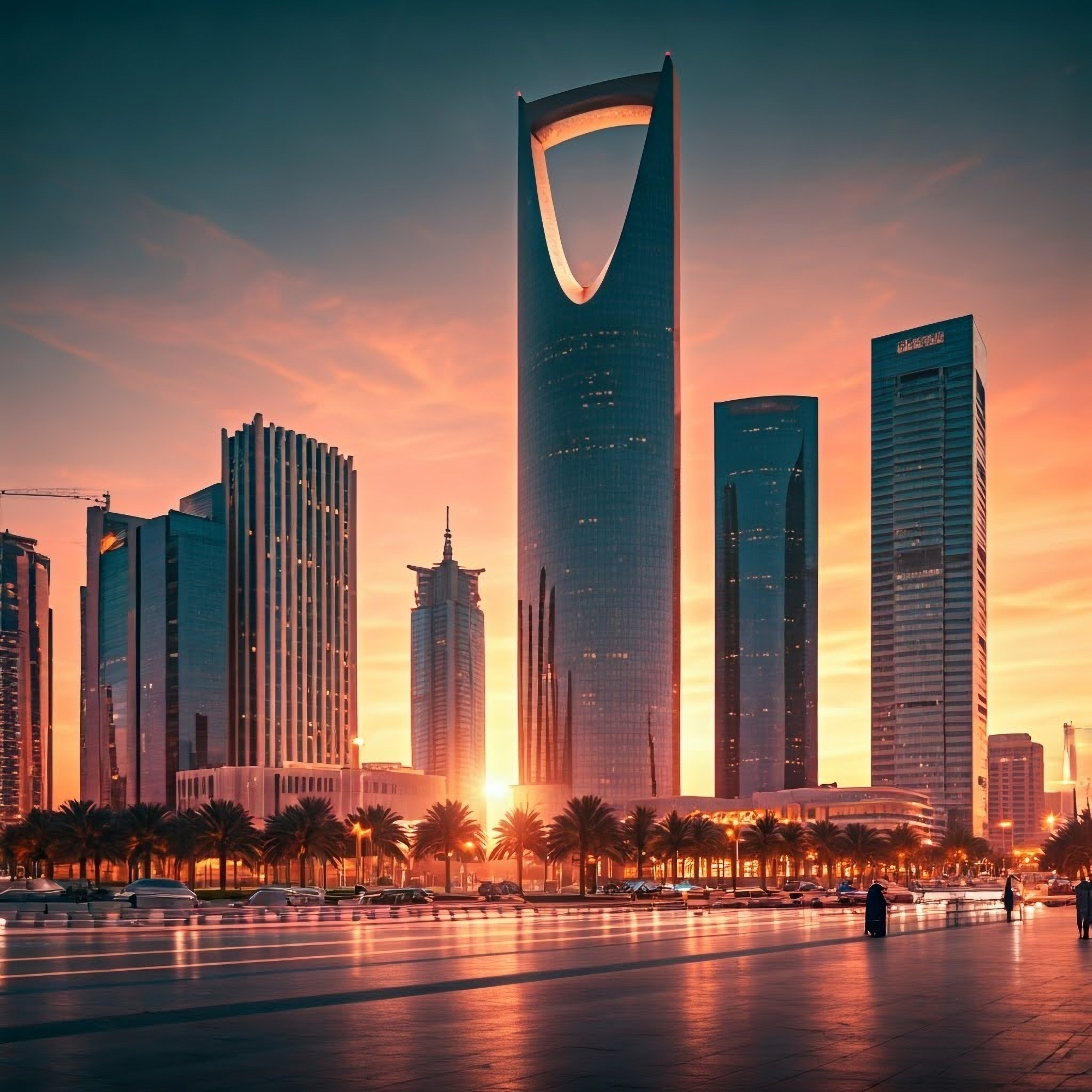
Riyadh households are spending less of their income on rent, with the share falling to around 15% following measures to balance the capital’s property market.
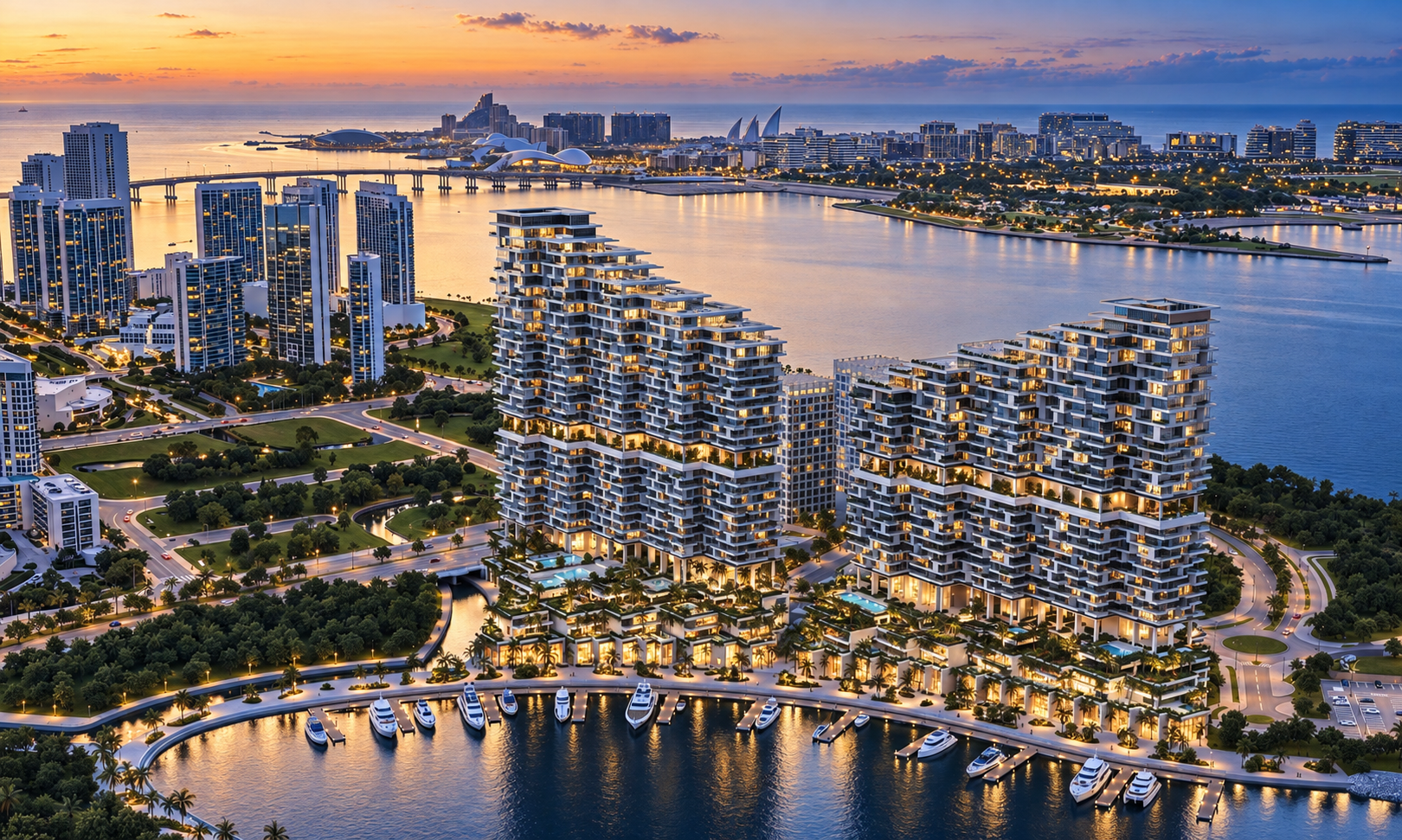
Al Reem Island captured nearly half of Abu Dhabi’s off-plan apartment transactions in Summer 2026, driven by waterfront living, expanding amenities and proximity to the capital’s financial center.
Ad-Dulayl Industrial Park & Development Zone is advancing a 386,852 sqm expansion in Jordan to attract local and international manufacturers, expand production capacity and strengthen the country’s position as a competitive export-oriented manufacturing hub.
2 min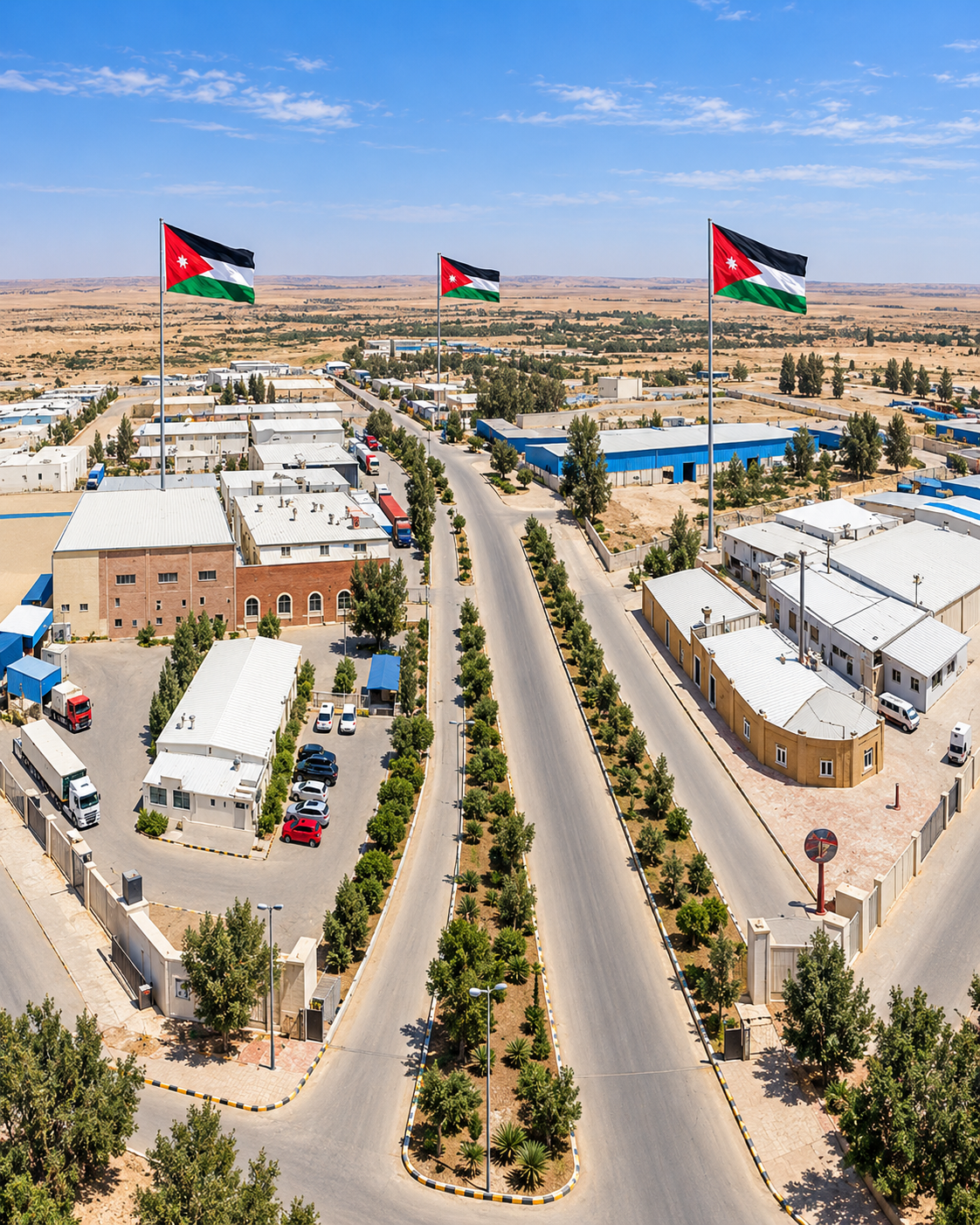
Ad-Dulayl Industrial Park & Development Zone (IDMC), one of Jordan’s established industrial investment destinations, is advancing a major new expansion aimed at attracting local and international manufacturers seeking a competitive base for regional and global operations.
Located in Zarqa Governorate, approximately 30 kilometres from Amman, IDMC has developed into an important industrial hub hosting export-oriented manufacturers and investments from Jordan and several international markets.
The new Phase 3 expansion covers approximately 386,852 square metres and is being developed to accommodate a diverse range of industrial and supporting activities, including garments and textiles, light manufacturing, warehousing, logistics services, industrial services, supporting apparel industries, worker accommodation, and green infrastructure.
The expansion forms part of IDMC’s strategy to provide additional capacity for new industrial investments while supporting the growth and expansion of existing manufacturers operating within the development zone.
A Platform for Export-Oriented Manufacturing
As a designated Development Zone, IDMC offers an investment environment designed to support industrial operations through competitive incentives, infrastructure, investor services, and access to relevant government services.
Investors within IDMC can benefit from advantages including a competitive income tax framework, customs exemptions on eligible production inputs and equipment, foreign ownership provisions, and the ability to repatriate capital and profits in accordance with applicable Jordanian legislation.
Jordan also provides manufacturers with access to a broad network of international markets through its trade agreements and economic partnerships, positioning the country as a potential manufacturing and export base for companies targeting markets in North America, Europe, the Middle East, and other regions.
IDMC is also a Qualifying Industrial Zone (QIZ), further strengthening its positioning for export-oriented industries, particularly within the garments and textiles sector.
An Established Industrial Community
IDMC hosts a diverse industrial community, including manufacturers and investors from countries such as India, Pakistan, Sri Lanka and Bangladesh, alongside Jordanian and other international businesses.
The Development Zone provides investors with industrial land options as well as opportunities for customized industrial facilities, supported by infrastructure, security, logistics support and investor facilitation services.
On-site government services further support investors by facilitating procedures involving relevant authorities, helping create an integrated environment for establishing and operating industrial projects.
Expanding Jordan’s Industrial Investment Offering
Through Phase 3, IDMC aims to attract manufacturers seeking new production capacity in Jordan while also creating opportunities for existing investors to expand their operations.
The expansion is particularly focused on industries capable of generating employment, strengthening local value chains, increasing exports and contributing to Jordan’s position as a competitive manufacturing destination.
IDMC is currently engaging with potential investors, business associations, chambers of commerce, diplomatic missions and international industry organizations to introduce the new investment opportunities available within the Development Zone.
Following the successful launch of its Palais Collection, MAISON de SABRÉ has unveiled a new modular handbag system offering more than 720 styling combinations.
Two coming 2027 models – the first of the “Neue Klasse” cars coming to the U.S. early next year – have been revealed.

Sustainable real estate is evolving beyond reducing environmental impact. R.Evolution highlights four shifts shaping regenerative development: integrating nature, prioritizing human health, embedding resource efficiency into design and creating adaptable buildings that deliver lasting value.
3 min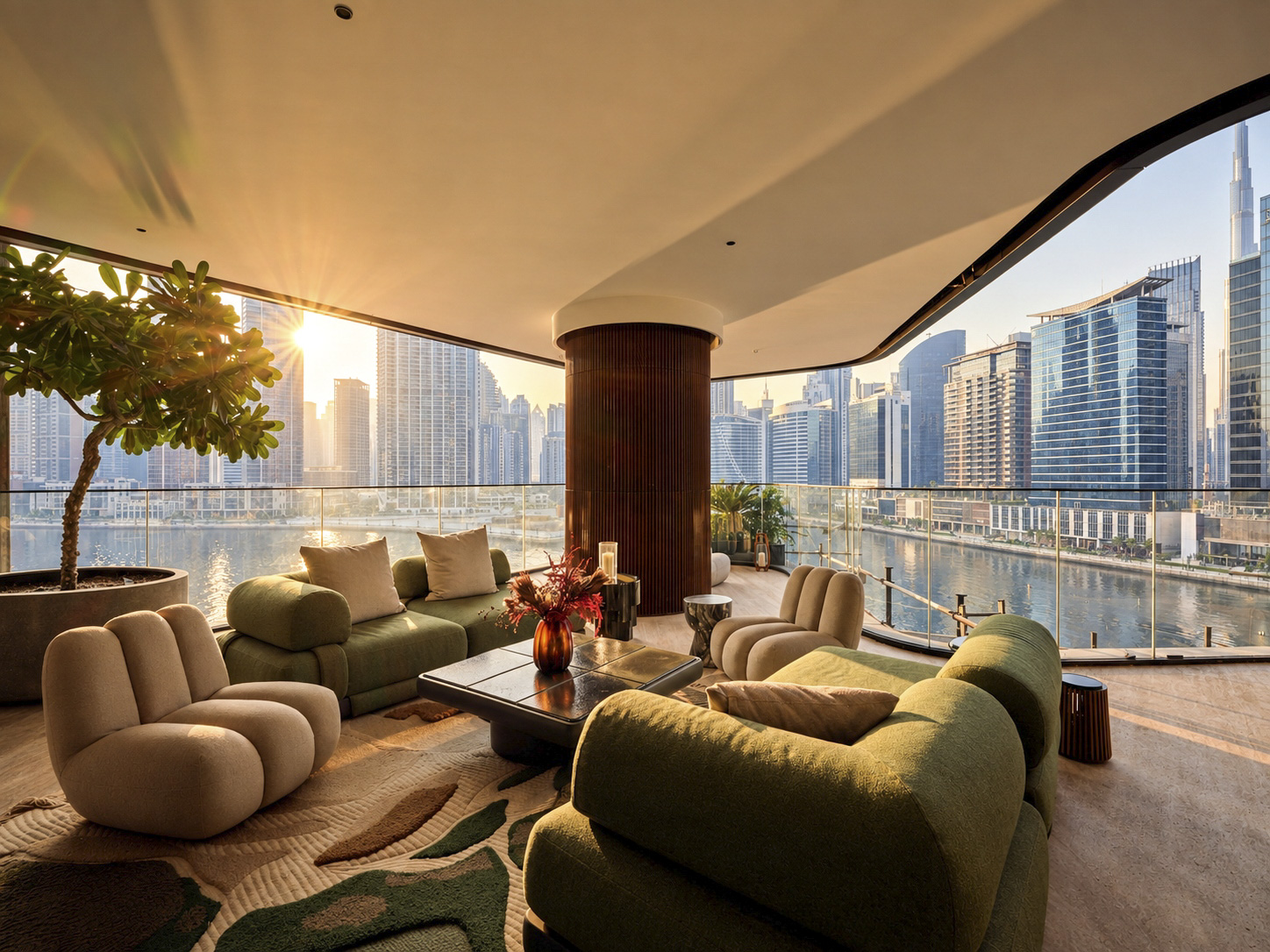
The way we think about sustainable buildings is changing. Buildings and construction account for around 32% of global energy consumption and 34% of global CO₂ emissions, making energy efficiency, lower emissions and responsible resource use important priorities for the real estate industry.
But reducing a building’s environmental impact is only part of the equation. The next question is whether buildings can actively contribute to the health of the people who live in them, the natural systems around them and the communities they serve.
This is the thinking behind regenerative real estate. Rather than focusing only on what a building consumes or avoids, regenerative development considers what it can give back; creating healthier living environments, supporting nature, using resources more intelligently and remaining resilient over time.
For R.Evolution, this approach is shaping how the next generation of residential developments is being conceived. Four shifts are helping to define the move from sustainable to regenerative real estate.
1. Nature is becoming part of how residential quality is measured
Sustainable development has traditionally focused on reducing a building’s environmental footprint. Regenerative development starts from a broader premise: that buildings are part of natural systems and should contribute positively to the environments around them.
The shift also reflects changing expectations among residential buyers. Knight Frank research into high-net-worth individuals interested in Dubai property found that proximity to parks and green spaces is becoming an increasingly important consideration, indicating that access to nature is playing a greater role in how people assess where they live.
For developers, this means that nature is increasingly being considered not simply as an amenity, but as part of the quality and long-term value of a residential environment.
2. Human health is becoming part of building performance
The performance of a building has traditionally been measured through factors such as energy efficiency, water consumption and emissions. Regenerative development expands this definition to consider the conditions people experience inside the building every day.
Air and water quality, thermal comfort, lighting, acoustics and access to nature all influence the quality of the indoor environment. For residential developments, these factors are becoming increasingly relevant as buyers place greater emphasis on health, recovery and quality of life.
EYWA Tree of Life, for example, incorporates MERV-14 air filtration, multi-stage water purification and mineralisation, non-toxic materials and biophilic design as part of its approach to healthier living environments.
This reflects a broader shift in the market. The UAE’s wellness real estate sector reached USD 14.6 billion in 2025, while the global wellness real estate market is projected to reach USD 1.8 trillion by 2030. At the same time, Dubai is developing a wider ecosystem around longevity and healthy life expectancy, including the Dubai Longevity Authority.
The implication for real estate is significant. Wellness is moving beyond individual amenities such as gyms, spas and pools towards the building itself — and the conditions it creates for everyday life.
3. Resource efficiency is moving from an operational consideration to a design principle
Regenerative development also changes how developers think about the resources that go into a building.
The World Green Building Council estimates that the built environment accounts for around 15% of global freshwater use. This is particularly relevant in the Middle East, where water scarcity creates additional pressure on how developments are designed and operated. Construction materials present another challenge: cement and steel are significant contributors to global emissions, while construction activity generates substantial volumes of waste.
Regenerative approaches address these challenges earlier in the development process through material selection, resource efficiency, reuse and lower-carbon specifications.
Importantly, reducing embodied carbon does not necessarily require significant additional cost. Research across the buildings studied by RMI found that upfront embodied carbon could be reduced by 19% to 46% through existing material and specification strategies, with cost premiums below 1%.
The opportunity is therefore not simply to consume fewer resources, but to rethink how materials, water and energy are selected, used and retained throughout a building’s lifecycle.
4. Long-term value will depend on how well buildings adapt
Real estate is inherently long term, yet development is often evaluated around a relatively short cycle: design, construction, launch and sale. Regenerative thinking extends the timeframe. It asks how a building will perform as climate conditions change, technologies evolve and the expectations of residents and investors develop.
This is particularly relevant in the Middle East. Cooling accounts for nearly half of peak electricity demand and around a quarter of annual electricity demand across MENA, making climate-responsive design an important consideration as temperatures and cooling requirements increase.
Adaptability also matters beyond operational performance. Buildings that can be renovated, reconfigured or repurposed over time are better positioned to retain their relevance without requiring complete replacement. Adaptive reuse can extend the life of existing structures, preserve architectural character and reduce the environmental cost associated with new construction.
The result is a broader definition of value. A regenerative building is not simply one that performs well when it is handed over. It is one designed to continue serving people, responding to changing conditions and retaining relevance over decades.
Following the successful launch of its Palais Collection, MAISON de SABRÉ has unveiled a new modular handbag system offering more than 720 styling combinations.

New research suggests that bonuses make employees feel more like a mere cog in a wheel.


Saudi Arabia’s Alramz Real Estate has secured $133 million in Shariah-compliant credit facilities from Al Rajhi Bank to support property acquisitions, development and expansion.
< 1 min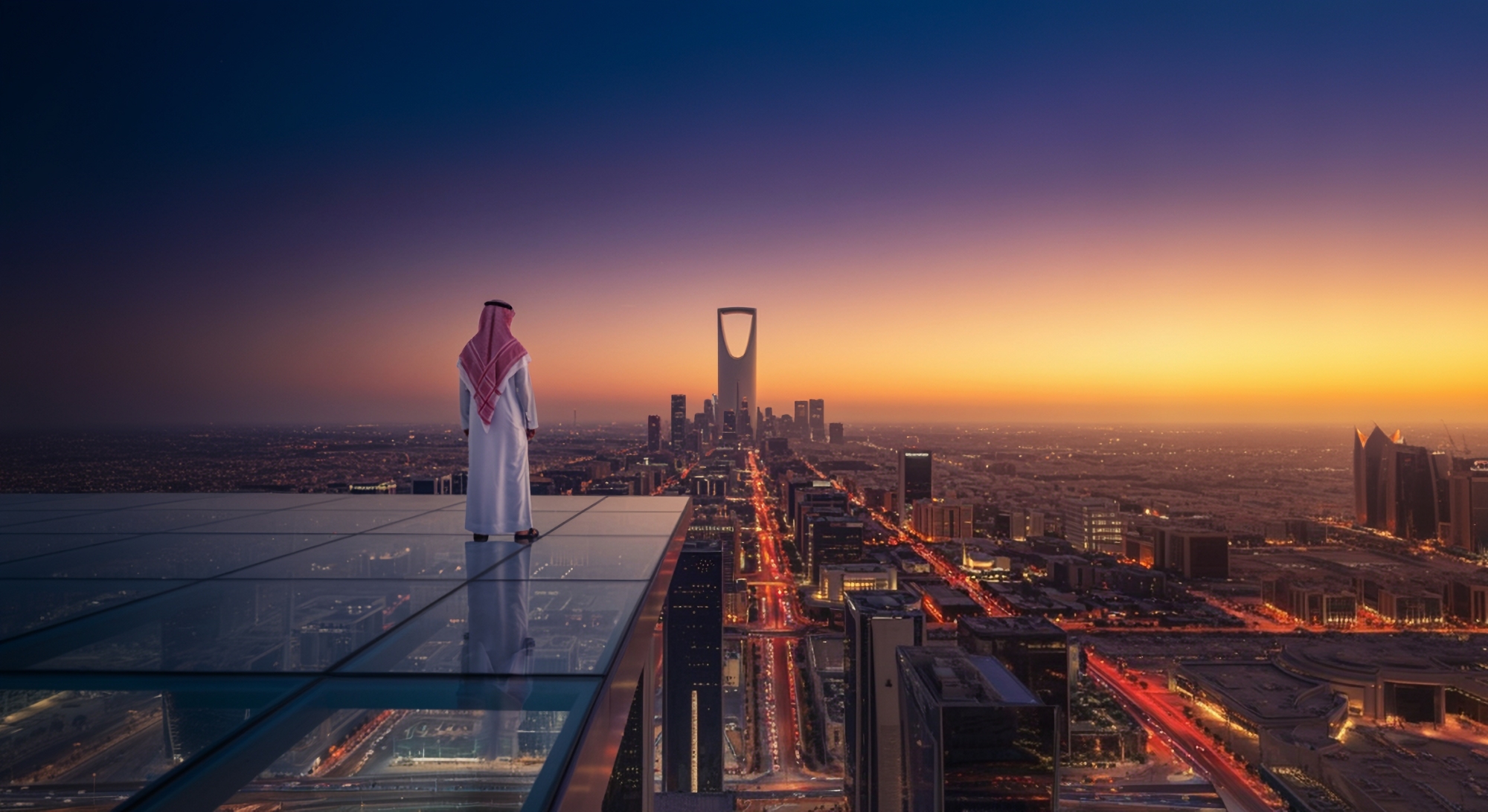
Alramz Real Estate has obtained Shariah-compliant credit facilities worth SAR 500 million ($133 million) from Al Rajhi Bank to finance real estate acquisitions and development as part of its expansion plans.
The financing package includes a SAR 450 million tranche with a tenor of five years, and a SAR 50 million tranche with a tenor of three months.
Following the successful launch of its Palais Collection, MAISON de SABRÉ has unveiled a new modular handbag system offering more than 720 styling combinations.

Parts for iPhones to cost more owing to surging demand from AI companies.
Dubai’s freehold rental market gained momentum in August, with 39,645 contracts registered, up 3.79% month-on-month, while property sales reached AED28.6 billion.
2 minThe pace of new and renewed rental contracts recorded in Dubai’s freehold areas continued to increase in August, says a new report.
A market analysis from fäm Properties shows that 39,645 rental contracts were registered across Dubai’s freehold areas in August, a 3.79% month-on-month (MoM) increase. The volume of new contracts climbed 19.4% YoY to 20,611, while renewals increased by 4.4% YoY to 19,034.
This takes the total number of freehold rental contracts recorded for the first eight months in 2026 to 257,284, a 5.5% increase on the same period in 2025 which ultimately set a full-year record of 377,944 registered contracts.
To date this year, the leading area of Dubai in freehold rentals is Al Warsan First, with a total of 23,894 registered tenancy contracts. Underlining a consistent apartments preference in the market, 105,880 (41%) tenancy contracts registered were for one-bedroom units.
Meanwhile, Data from DXBinteract shows that the market delivered 12,018 sales transactions valued at AED28.6 billion ($7.79 billion) last month. Once again off plan sales dominated with 8,359 transactions worth AED 16.3 billion compared with 3,659 valued at AED12.4 billion in the resale market.
For a sixth consecutive month, Dubai South was the emirate’s best-performing area in primary market sales volume, recording 1,908 off-plan transactions worth AED2.3 billion.
“The rental market is an important indicator of how committed people are to living and working in Dubai, regardless of regional uncertainties over the last months,” said Firas Al Msaddi, CEO of fäm Properties. “The volume of new contracts in part reflects the fact that tenants are moving to take advantage of lower rents in some areas, which is natural in the circumstances.”
August recorded 9,974 apartment sales worth AED15.7 billion, alongside 1,354 villa sales worth AED7.9 billion, 183 plot sales valued at AED2.6 billion, and 420 commercial transactions, including offices and shops, worth AED AED1.5 billion.
The most expensive apartment sold in August went for AED86 million at The Address, Jumeirah Gate Tower 2 at Jumeirah Beach, while the most expensive villa fetched AED110 million at Signature Villas.
With properties worth more than AED5 million accounting for 5.7% of sales, 7.25% were between AED3-5 million, 10.9% between AED2-3 million, 33.2% between AED1-2 million and 42.8% were below AED1 million.
Following the successful launch of its Palais Collection, MAISON de SABRÉ has unveiled a new modular handbag system offering more than 720 styling combinations.
Many of the most-important events have slipped from our collective memories. But their impacts live on.
Riyadh households are spending less of their income on rent, with the share falling to around 15% following measures to balance the capital’s property market.
< 1 minThe share of household income spent on rent in Riyadh has fallen to about 15%, from more than 17.5% in September 2025, according to Real Estate General Authority (REGA) CEO Abdullah Al-Hammad.
Speaking at the Legal Aspects of Governance Conference at King Saud University, Al-Hammad said the decline was among the tangible results recorded following the introduction of measures aimed at balancing Riyadh’s property market.
He noted that the most financially vulnerable households had been spending more than 30% of their income on rent.
Al-Hammad said Crown Prince and Prime Minister Mohammed bin Salman’s directives included continuously monitoring real estate indicators and submitting periodic reports on results and challenges.
Riyadh has introduced a series of measures aimed at addressing pressures in the rental market, including a five-year freeze on annual rent increases for existing and new residential and commercial lease contracts within the capital’s urban boundary.
For vacant residential and commercial properties that have previously been leased, the total rent is fixed at the amount stipulated in the property’s most recent Ejar contract. For properties that have never previously been rented, the rent is determined by agreement between the landlord and tenant.
The measures also extended the notice period required when a landlord does not intend to renew a standard residential lease because the property will be used personally or by a first-degree relative.
In such cases, tenants must receive at least 365 days’ notice before the lease expires. If notice is given less than 365 days before expiry, the lease is extended until a full year has elapsed from the date the tenant was notified.
Following the successful launch of its Palais Collection, MAISON de SABRÉ has unveiled a new modular handbag system offering more than 720 styling combinations.

Paine Schwartz joins BERO as a new investor as the year-old company seeks to triple sales.
Al Reem Island captured nearly half of Abu Dhabi’s off-plan apartment transactions in Summer 2026, driven by waterfront living, expanding amenities and proximity to the capital’s financial center.
2 minAl Reem Island is increasingly offering the mix homebuyers look for in an established neighbourhood – waterfront living, proximity to Abu Dhabi’s financial district, parks, schools, retail, dining and everyday services alongside a rapidly expanding off-plan residential market. That evolution is being matched by strong buyer activity, with 1,291 of Abu Dhabi’s 2,658 off-plan apartment transactions during Summer 2026 recorded on the island, according to proprietary market analysis by MERED, an award-winning international real estate developer.
Residential activity has accelerated sharply over the past two years. Approximately 139,000 sqm of off-plan apartments were sold on Al Reem Island during Summer 2026, compared with 34,000 sqm in Summer 2024, representing a more than fourfold increase.
Across Abu Dhabi, approximately 308,000 sqm of off-plan apartments were sold during Summer 2026, 2.4 times the volume recorded in Summer 2024. Al Reem Island alone accounted for approximately 45% of the total area sold during the period.
Prices have risen alongside transaction activity. MERED’s analysis found that the average transacted price for off-plan apartments across Abu Dhabi increased by 28% between Summer 2024 and Summer 2026, reaching approximately US$7,070 per sqm.
For buyers looking beyond the apartment itself, Al Reem has steadily added many of the features associated with an established residential community. Reem Central Park brings a waterfront setting, beach and outdoor sports facilities together with a four-kilometre promenade, while the wider island includes schools, restaurants, shopping and everyday services. Reem Mall and Shams Boutik add to the retail and leisure offering, while Al Maryah Island and central Abu Dhabi are within easy reach. Zayed International Airport is approximately a 25- to 30-minute drive away.
“Al Reem Island has also taken on a larger role within Abu Dhabi’s business landscape since its inclusion within the jurisdiction of Abu Dhabi Global Market (ADGM). The UAE Cabinet expanded ADGM’s jurisdiction to include Al Reem Island in 2023, alongside Al Maryah Island. ADGM completed the integration of Al Reem at the end of 2024, with more than 1,100 businesses on the island operating under its jurisdiction by February 2025.”
Artemiy Marinin, Project Director at MERED, said, “As Al Reem matures, the benchmark for successful residential projects is changing. Buyers are becoming more selective, looking closely at how well a home is planned, how it functions day to day, the quality of construction, the amenities it offers and its long-term relevance. For developers, that means creating homes that respond to how people actually want to live, while giving projects a clear sense of distinction in an increasingly competitive market. The projects that stand out will be those that combine thoughtful design and genuine quality with a clear understanding of what residents value, and that can remain relevant as the neighbourhood continues to evolve. That is the direction we see Al Reem moving in, and it is the standard we are applying to Riviera Residences.”
The findings come amid wider growth in Abu Dhabi’s off-plan residential market. Data published by the Abu Dhabi Real Estate Centre (ADREC) for H1 2026 shows that off-plan transactions accounted for 82% of residential deals and 89% of residential sales value across the emirate. The combination of rising residential demand, increasing transaction volumes, an expanding lifestyle offering and deeper integration into Abu Dhabi’s financial centre is strengthening Al Reem Island’s position as a key mixed-use district within the capital.
MERED is developing Riviera Residences on the waterfront of Al Reem Island. Designed by Swiss architecture practice Herzog & de Meuron, the development will include apartments, villas, duplexes and a penthouse and is scheduled for completion in Q3 2029.
Following the successful launch of its Palais Collection, MAISON de SABRÉ has unveiled a new modular handbag system offering more than 720 styling combinations.
The sports-car maker delivered 279,449 cars last year, down from 310,718 in 2024.
ICC MENA will join two major Dubai construction forums this September to explore how modular building and other innovations can move beyond pilot projects and achieve industry-wide adoption.
2 min
The International Code Council (ICC) MENA is set to contribute to two key construction industry forums in Dubai this September, bringing its expertise to discussions around one of the sector’s most pressing themes: how to move construction innovation beyond pilot projects and into practical, scalable application.
ICC MENA’s Managing Director, Mohamed Amer, will participate in Construction Technology ConFex 2026, taking place on September 9–10, as part of a panel titled “Beyond Pilots: Scaling Modular and Off-Site Construction.” The discussion will examine why modular and off-site construction, despite demonstrating technical viability, has yet to achieve mass adoption, and what is needed to move these solutions from individual projects to commercially viable models at scale.
It will address the barriers limiting wider deployment, including how the value of modular construction is assessed. A key focus will be the shift from upfront cost comparisons toward a total cost of ownership approach, highlighting the longer-term value of modular and off-site solutions and how this could support wider industry adoption.
Mohamed Amer will be joined by Ajay Venu, Director Project Controls at Modon Real Estate; Mohammed Azzam, Division Head Modular Construction at ECC; and Iman Abi Saab, Buildings Lead Middle East at Mott MacDonald, for a discussion focused on the commercial, technical and project considerations shaping the future of modular construction.
Later in the month, ICC MENA will continue the conversation at Construction Week’s Leaders in Construction Conference on September 30, where Mohamed Amer will participate in a panel titled “The Innovation Bottleneck.” The session will examine why promising construction innovations so often remain in pilot mode and what it takes to translate new ideas into solutions that can be successfully implemented across live projects and at scale.
With the construction industry across the region continuing to embrace new technologies, delivery models and approaches to project execution, the ability to scale innovation will be increasingly important. From modular construction and off-site manufacturing to new technologies and processes, successful adoption requires more than proving that an idea works, it requires the right commercial models, industry alignment, standards and practical pathways for implementation.
Commenting on ICC MENA’s participation, Mohamed Amer, Managing Director – MENA, International Code Council, said: “The construction industry has no shortage of innovative ideas, technologies and solutions. The bigger challenge is creating the conditions that allow those innovations to move beyond individual pilots and become part of how projects are delivered at scale. These discussions provide an opportunity to look closely at what is holding adoption back, while exploring the commercial, technical and practical considerations that can help turn proven concepts into repeatable solutions.”
Through its participation in both forums, ICC MENA will contribute to the wider industry dialogue around creating a construction sector that is not only innovative, but also equipped to implement and scale new approaches effectively across the region.
Following the successful launch of its Palais Collection, MAISON de SABRÉ has unveiled a new modular handbag system offering more than 720 styling combinations.

Chris Dixon, a partner who led the charge, says he has a ‘very long-term horizon’
Abu Dhabi has opened bookings and sales for 1,500 homes in the West Baniyas Housing Project, allowing eligible citizens to select their preferred properties digitally.
< 1 min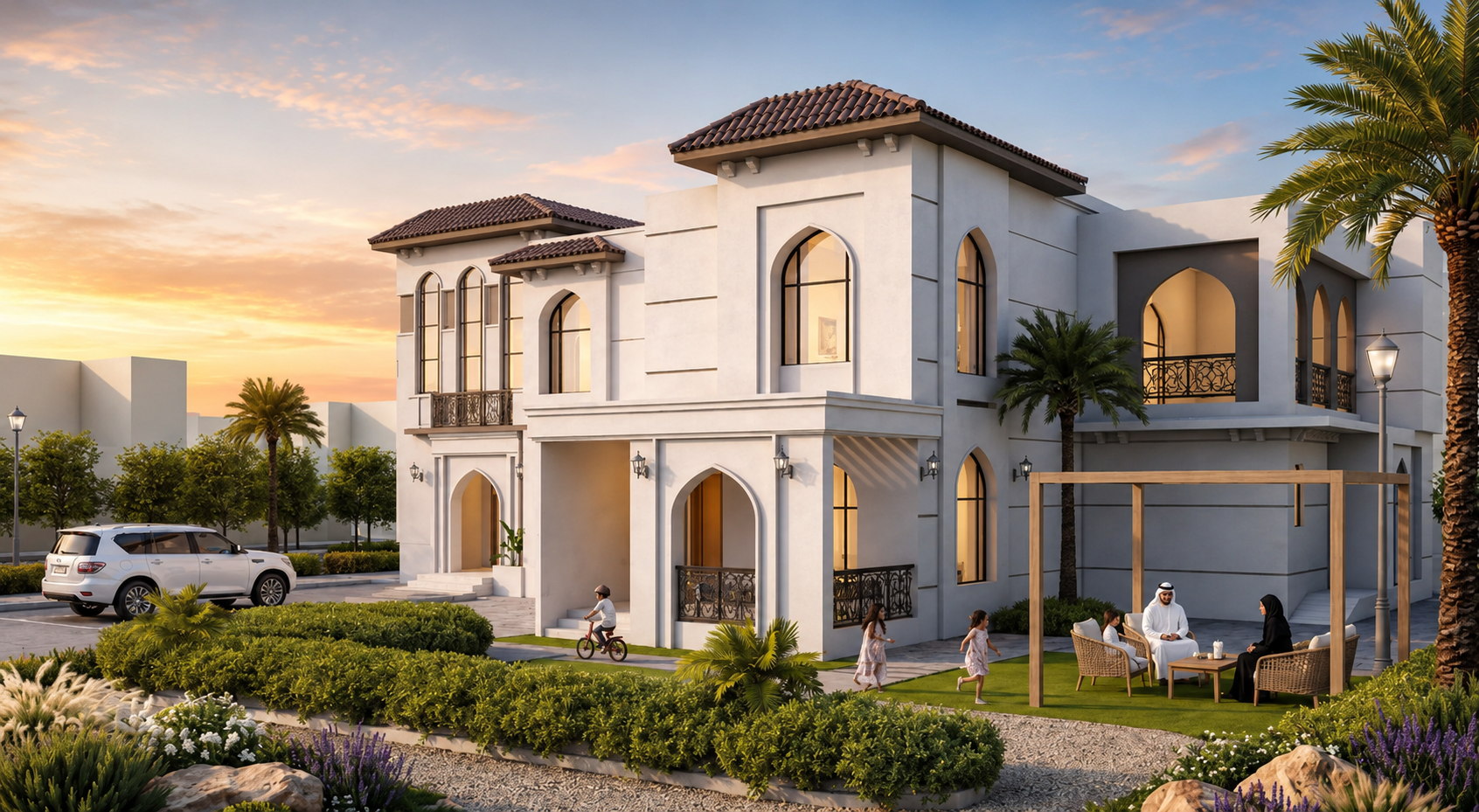
The Abu Dhabi Housing Authority Wednesday announced the commencement of the booking and sales process for 1,500 residential units in the West Baniyas Housing Project, marking a strategic shift in how citizens acquire housing benefits in the emirate by allowing beneficiaries to directly select their preferred homes within the development.
Developed by Modon Properties, the West Baniyas Housing Project offers an integrated community ecosystem designed to meet the long-term needs of UAE nationals, with overall construction scheduled for completion during the second quarter of 2027. All housing units in the development have been designed to accommodate future physical expansions to support evolving family sizes over time.
The authority has adopted a phased digital booking mechanism based on citizenship benefit types, family size, and financial capacity, while incorporating first- and second-degree family data to allow eligible relatives to secure neighboring properties in line with the objectives of the Year of the Family initiative.
The initial phase opens exclusively to housing grant beneficiaries and their eligible family members, followed by a second phase dedicated to deferred housing purchase loan recipients, who may select homes matching their loan allocation or opt for higher-tier units by paying the difference.
The final phase will open to standard housing purchase loan recipients under established regulatory guidelines, with eligible citizens receiving personalized access links via direct SMS text messaging.
Following the successful launch of its Palais Collection, MAISON de SABRÉ has unveiled a new modular handbag system offering more than 720 styling combinations.

Americans now think they need at least $1.25 million for retirement, a 20% increase from a year ago, according to a survey by Northwestern Mutual
New Murabba has appointed Sabah Barakat as acting CEO, replacing Michael Dyke as Saudi Arabia reassesses major real estate projects under Vision 2030.
2 min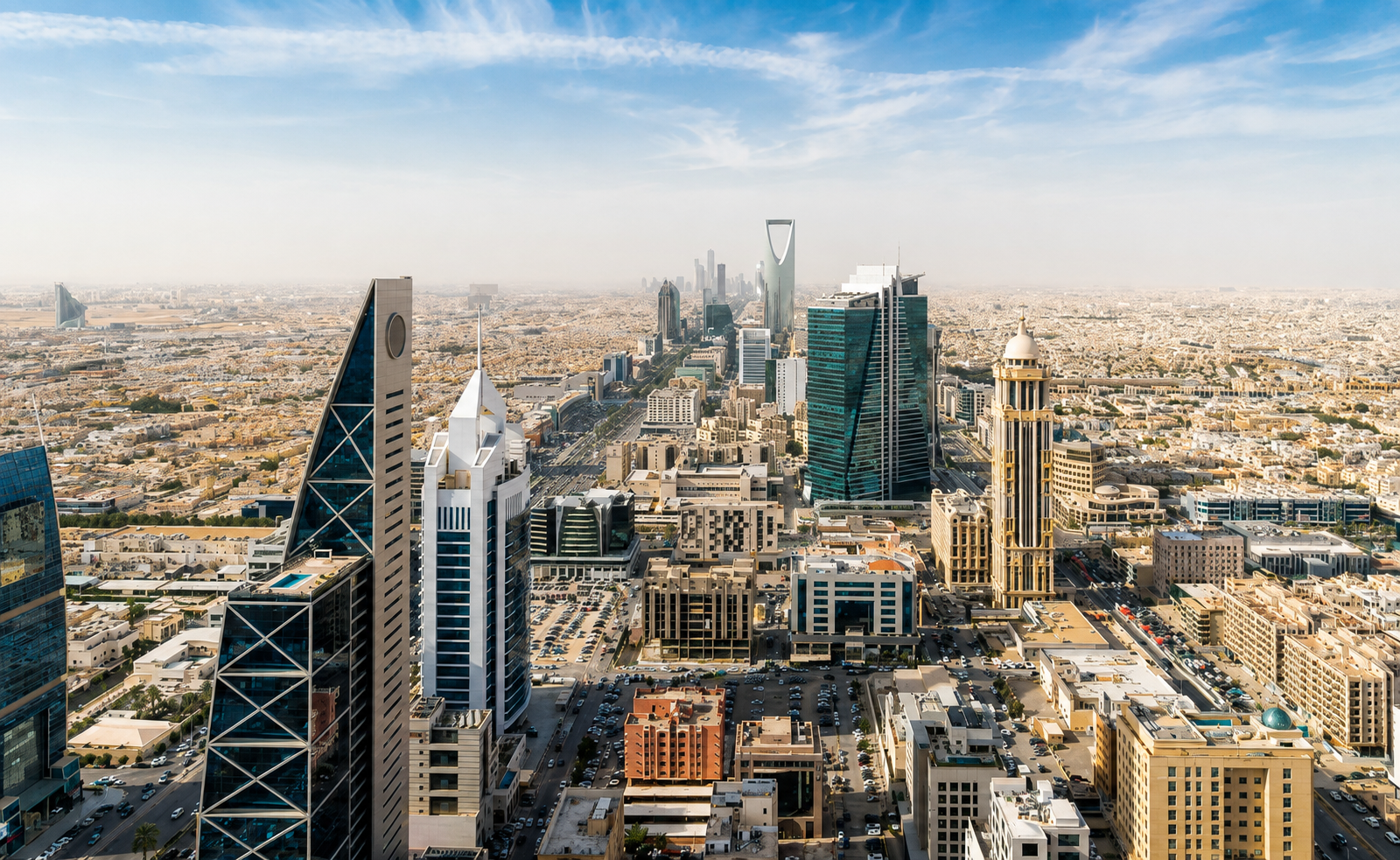
New Murabba, the developer behind one of Saudi Arabia’s gigaprojects, has replaced its chief executive in a further sign of changes across flagship real estate investments in the kingdom amid a retooling of the Gulf country’s economic transformation plan.
New Murabba, owned by the country’s wealth fund PIF, has appointed Sabah Barakat as acting chief executive, according to the company’s website and was mentioned in that role in a company statement this week about an investment partnership. He replaces British manager Michael Dyke, chief executive since 2024.
Barakat is a senior executive within the PIF and is also acting group CEO of state-backed developer ROSHN Group.
It was not immediately clear whether Dyke would remain at New Murabba.
The PIF redirected questions around the management changes and the project to New Murabba, which did not immediately respond to requests for comment. Dyke could not be reached for comment.
The company’s major projects include construction of a colossal cube-shaped skyscraper at the centre of a downtown development in Riyadh, and the shake-up comes months after Reuters reported the project was facing difficulties.
Saudi Arabia has been investing hundreds of billions of dollars to transform its economy and cut reliance on hydrocarbon revenues under an ambitious agenda called “Vision 2030” spearheaded by the PIF. It aims to create new industries with investment in various sector including tourism, technology and with massive real estate projects.
However, overspending and lower-than-anticipated global oil prices in recent years hit state revenues and left Riyadh struggling to deliver some of the projects, which were omitted or largely scaled back under the wealth fund’s 2026-2030 strategy, released in April.
Real estate consultancy Knight Frank estimated the New Murabba district would cost about $50 billion. Initial plans for the project called for completion by 2030, but it is now slated to be completed by 2040.
Following the successful launch of its Palais Collection, MAISON de SABRÉ has unveiled a new modular handbag system offering more than 720 styling combinations.
Interior designer Thomas Hamel on where it goes wrong in so many homes.
Georgetown agent Jamie Peva blends history and real estate on Instagram, turning local stories into a powerful sales strategy.
5 min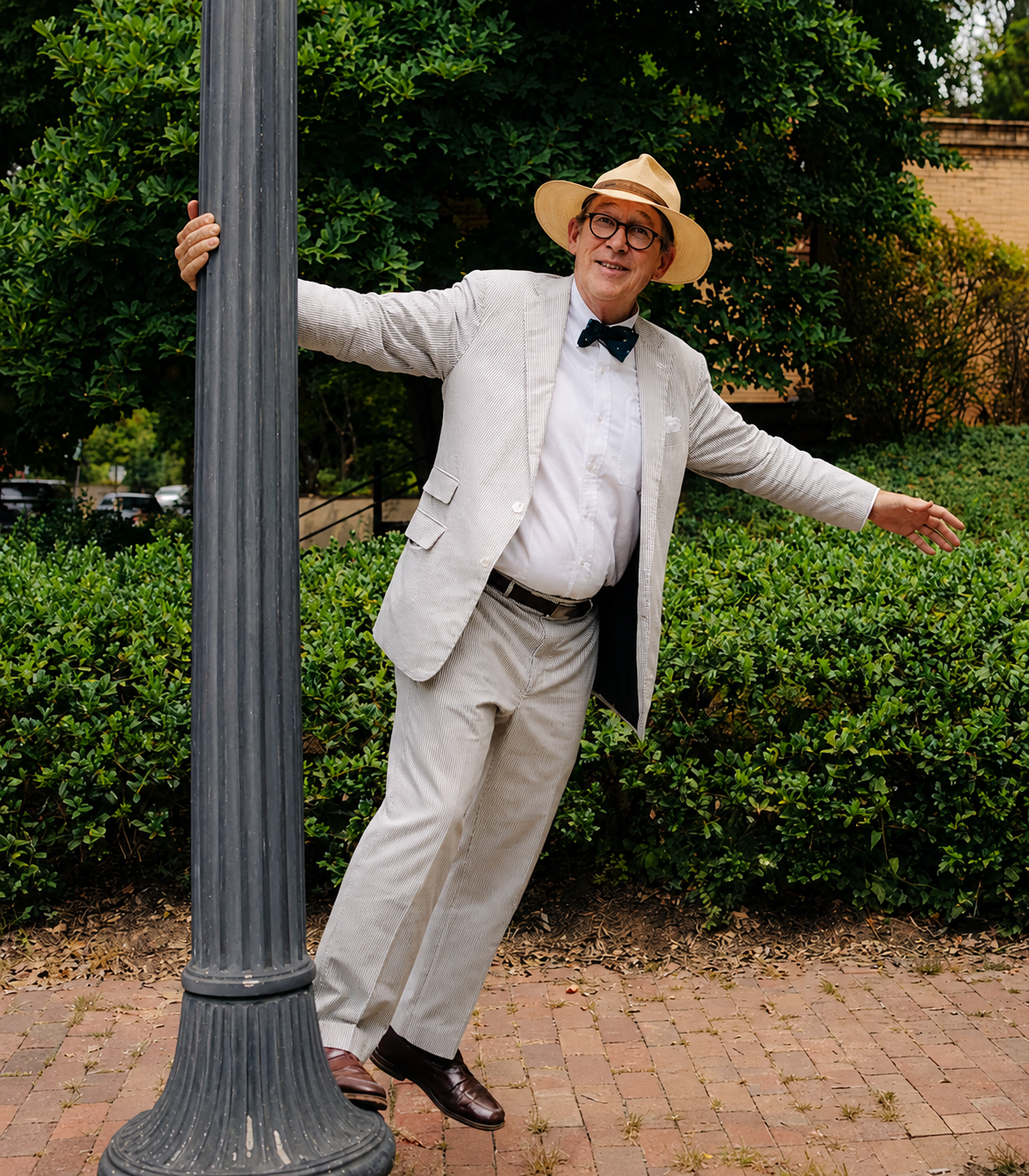
On a recent morning in Georgetown—Washington, D.C.’s oldest neighborhood—real-estate agent Jamie Peva strode down leafy N Street, brimming with historical tidbits.
Jackie Kennedy once lived on the street, he said. So did Ben Bradlee, former executive editor of the Washington Post, along with a former Miss America and a powerful U.S. Senator. Bradlee’s widow, author Sally Quinn, and Eric Schmidt, former CEO of Google, own stately homes there.
“I’ve seen a picture of Lyndon Johnson coming out of this house,” said Peva, passing a Federal-style brick mansion. “Also, the Beatles went to a lawn party here.”
Peva, a 60-year-old agent with Washington Fine Properties, has sold Georgetown real estate for over three decades, often traversing the neighborhood by bicycle. Of the roughly 2,500 houses in the historic neighborhood, he has been involved in the sale of 460, he estimated. A self-styled historian of the neighborhood, he knows stories behind its houses and their owners going back generations.
With a knack for lively storytelling, he shares his knowledge with some 37,500 Instagram followers, who have made Peva—sporting the bow ties he has worn since boarding school—an unlikely social-media influencer. Many of his followers are locals, and most have no plans to buy or sell real estate—until they do. It is then, according to Peva, that his spirited reels bring him to mind.
“It’s the digital version of a refrigerator magnet,” he said.
After Peva’s first video in November 2023, his eponymous Instagram account sparked a 10% increase in sales volume in the first year, and another 20% the next, he estimated. “It’s been very good for business, there is no question about it,” he said.
But Peva’s posts have also made him a local celebrity. As he walked down N street, the driver of a Mercedes station wagon slowed down to honk and wave. A lady walking a large dark gray dog stopped to ask what he was filming that day (a reel about a Colonial-era bottling plant.) Peva knew the dog from walking his two springers, Jumpy and Peggy-O, in the neighborhood.
“I need to make a video about the pooches of Georgetown,” he mused.

A growing number of real-estate agents now use social media to sell, and some have millions of followers with reels featuring ultraluxury pads, selling tips or reality TV-style reports on their daily lives. While Peva posts about his listings—and sometimes those of other agents—he mostly focuses on Georgetown history, local businesses and community events, saying his goal is to benefit both his business and the neighborhood.
“If we don’t find something genuinely interesting and worth sharing, we won’t do it,” said Peva’s daughter, Violet Peva, a New York social-media strategist who films, edits and posts his reels. “We cover many topics, not just real-estate information.”
Peva is originally from Connecticut, but has lived in Georgetown for over 30 years, currently in a cottage-style house with a white picket fence. Over the years, Georgetown has changed. The Georgetown Set, a powerful group of Cold War-era residents whose Sunday-night potluck dinners are said to have swayed U.S. policy, has long faded away. The community is still home to high-profile Washingtonians, including a Republican senator and several cabinet members. But it increasingly also attracts technology and finance executives, according to Peva. He now routinely signs nondisclosure agreements, ensuring privacy for wealthy clients. The shift has made him rethink his marketing approach.
“For years, a big part of our Georgetown business was made up of people who maintained a low profile,” he said. Real-estate agents were similarly low-key. Today, curb appeal is more important, he said, and agents are promoting themselves more. “As this change was underfoot, I was thinking that I needed to evolve myself too,” he said.

Though his own social-media use is mostly limited to following sailing accounts, he asked his daughter to help him post his listings online. Violet, now 26, started coming to D.C. once a month to film his reels. After an early video, on a condominium building called the Elliott, her sister Fern called her to report: “Daddy’s blowing up on Instagram,” Violet recalled. The reel got over 50,000 views. The next two each drew over 300,000. Peva’s most popular post ever, with over 838,000 views, was about the Grateful Dead playing in Georgetown. Sometimes, Peva interviews Georgetowners such as Quinn, the author, or Jamie Stachowski, the owner of a local butcher shop.

Peva, who majored in history in college, now spends up to two hours a day on research, usually in the morning while on his stationery bike. Online, he pores over old newspapers or the Library of Congress website, and he has a collection of articles and books—in and out of print—about Georgetown.
Companies often approach Peva for promotional posts, he said, but he turns them down, feeling that followers would lose interest in constant commercials. One exception is a recent paid post on Mount Vernon, the former home of George Washington. Peva wanted to share its history, he said, and didn’t want to lose the opportunity to another Instagrammer.
Anthony Arend, a professor at Georgetown University, has lived in his current home for 19 years without any plans to sell or buy real estate. But he follows Peva and often likes his posts.

“He is very charismatic, he is energetic, and he obviously knows a lot about the community,” said Arend, who has referred house-hunting friends to Peva.
One of Peva’s biggest deals—the $10.5 million sale of a 19th-century Italianate mansion—came after he made two 2024 reels featuring the property. In March, he sold the longtime O Street home of Tim and Jane Matz for $5.8 million after featuring it on his Instagram. Peva had showed them the home 25 years earlier, with Violet in a baby carrier on his back.
Last year, Kate Watts, 49, a digital consultant, called Peva to sell her late father’s three-bedroom house on Q Street; her husband had seen Peva on Instagram. In an October reel, Peva praised the architecture of the house, designed by modernist Hugh Newell Jacobsen. Halfway through, he mentioned an open house the next day, ending with an upbeat: “Did I also mention this house is for sale? $3.75 million!” The reel got 27,000 views, the open house was packed, and the buyers made an offer at the list price on the same day.

Following the successful launch of its Palais Collection, MAISON de SABRÉ has unveiled a new modular handbag system offering more than 720 styling combinations.
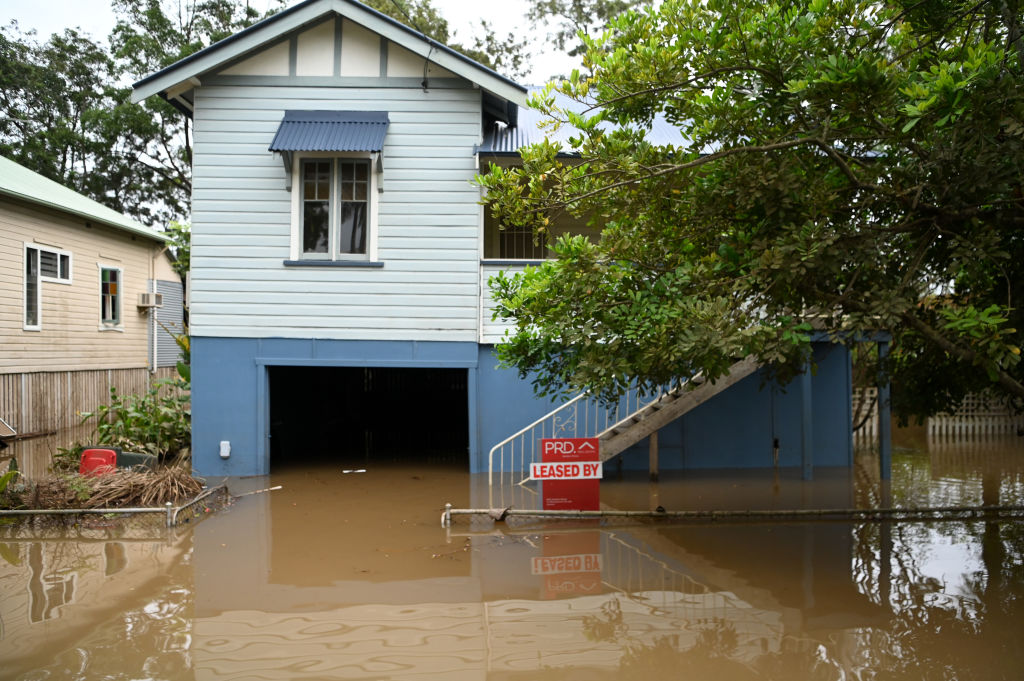
Following the devastation of recent flooding, experts are urging government intervention to drive the cessation of building in areas at risk.
Dubai Land Department will showcase its latest smart services and initiatives at IPS 2026, supporting a more transparent, efficient, and investor-friendly real estate market.
2 min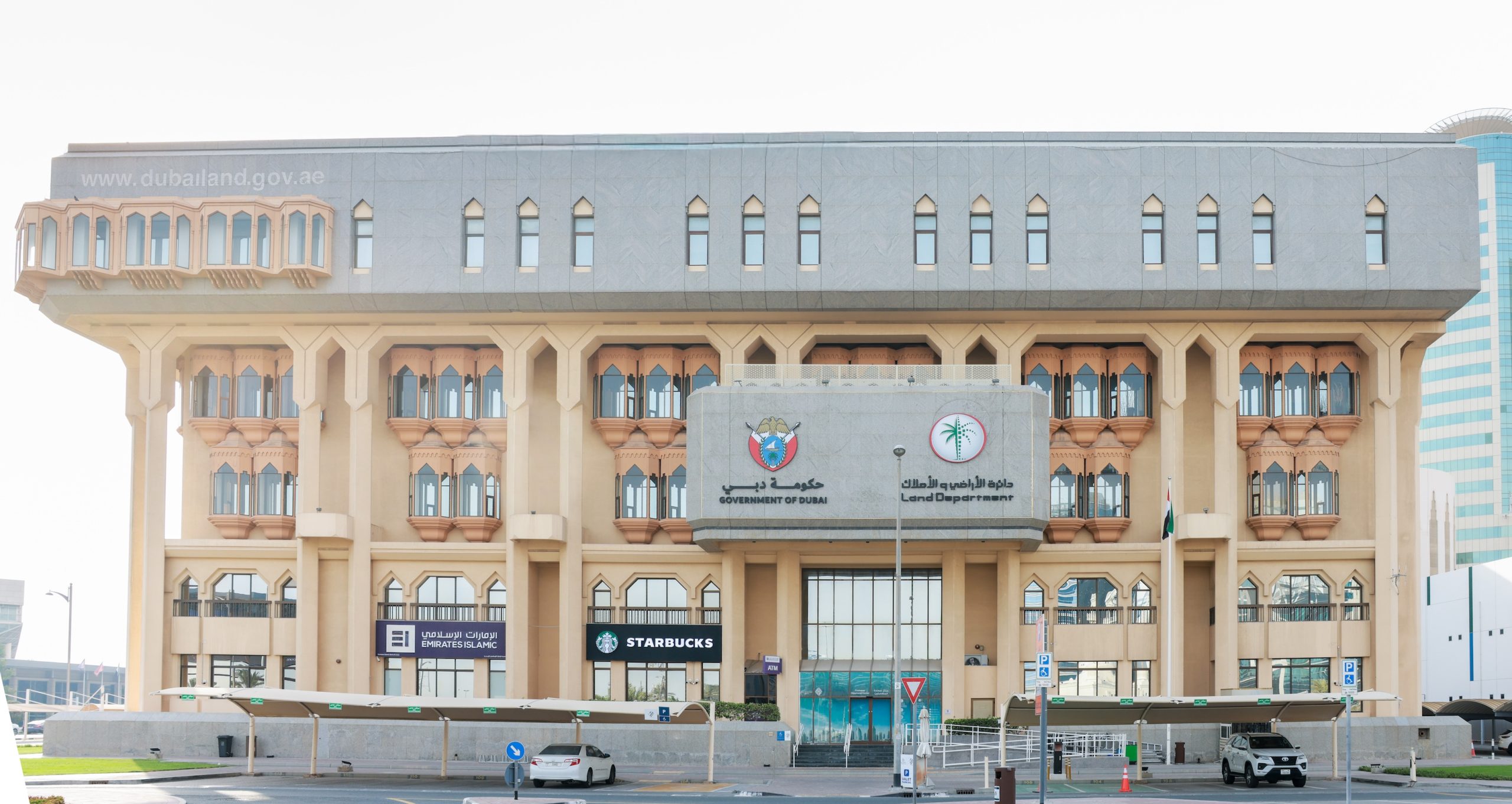
Dubai Land Department (DLD), in its capacity as Strategic Partner, is participating in the 22nd edition of IPS, taking place at Dubai World Trade Centre from 7 to 9 September. During the event, DLD will showcase a range of smart initiatives and services that reflect the continued advancement of Dubai’s real estate ecosystem and the diversity of solutions available to investors, customers, and industry professionals.
DLD’s participation brings together a range of solutions spanning homeownership facilitation and access to real estate data, through to digital services, brokerage services, and enhanced customer experience. These solutions contribute to greater ease of doing business, market efficiency, and transparency, while supporting the objectives of the Dubai Real Estate Strategy 2033 and the Dubai Economic Agenda D33.
To support homeownership, DLD will showcase the First-Time Home Buyer Programme, which facilitates the first step toward property ownership for UAE nationals and residents through a range of benefits and incentives offered in collaboration with participating developers and financial institutions. The program helps expand the base of property owners and supports sustainable demand in the market.
As part of its digital services offering, DLD will highlight the Dubai REST app as a unified platform providing access to a wide range of real estate services and data. The app helps accelerate transaction completion and facilitates access to services through a more integrated digital experience. DLD will also showcase its ‘DLD Services’ display, enabling visitors to explore the range of services offered by Dubai Land Department to its customers.
Data also forms a key part of DLD’s participation through the ‘Real Estate Transactions’ and ‘Real Estate Data’ displays, which provide visitors with access to market and transaction-related information. These tools enable investors and customers to monitor market activity and trends while supporting more informed decision-making based on clear, accessible data.
DLD will also spotlight its brokerage services through a dedicated display for real estate brokers within the Real Estate Regulatory Agency (RERA). As part of its customer experience offering, DLD will showcase ‘Malik’, its omnichannel customer service assistant, which provides round-the-clock support and responds to inquiries across integrated channels, facilitating access to information and services while enhancing response efficiency.
These solutions reflect an integrated approach through which DLD continues to enhance the experience of all stakeholders across the real estate market, from expanding opportunities for property ownership and providing data that supports informed decision-making, to strengthening brokerage services, advancing service digitalization, and simplifying the customer journey.
DLD’s participation in IPS 2026 comes amid the event’s strong international presence, bringing together developers, investors, financial institutions, decision-makers, and experts from across global markets. This provides an opportunity to showcase the continued evolution of Dubai’s real estate ecosystem to an international audience, while strengthening engagement with investors and key stakeholders across the sector.
Through this participation, Dubai Land Department continues to support the emirate’s objectives of building a more efficient, transparent, and competitive real estate market, while leveraging technology, data, and partnerships to enhance services and expand opportunities, further strengthening Dubai’s attractiveness as a destination for real estate investment and ownership.
Following the successful launch of its Palais Collection, MAISON de SABRÉ has unveiled a new modular handbag system offering more than 720 styling combinations.
Oman’s public revenues rose 13% to OMR6.6 billion in Q2 2026, driven by higher oil and gas revenues.
< 1 min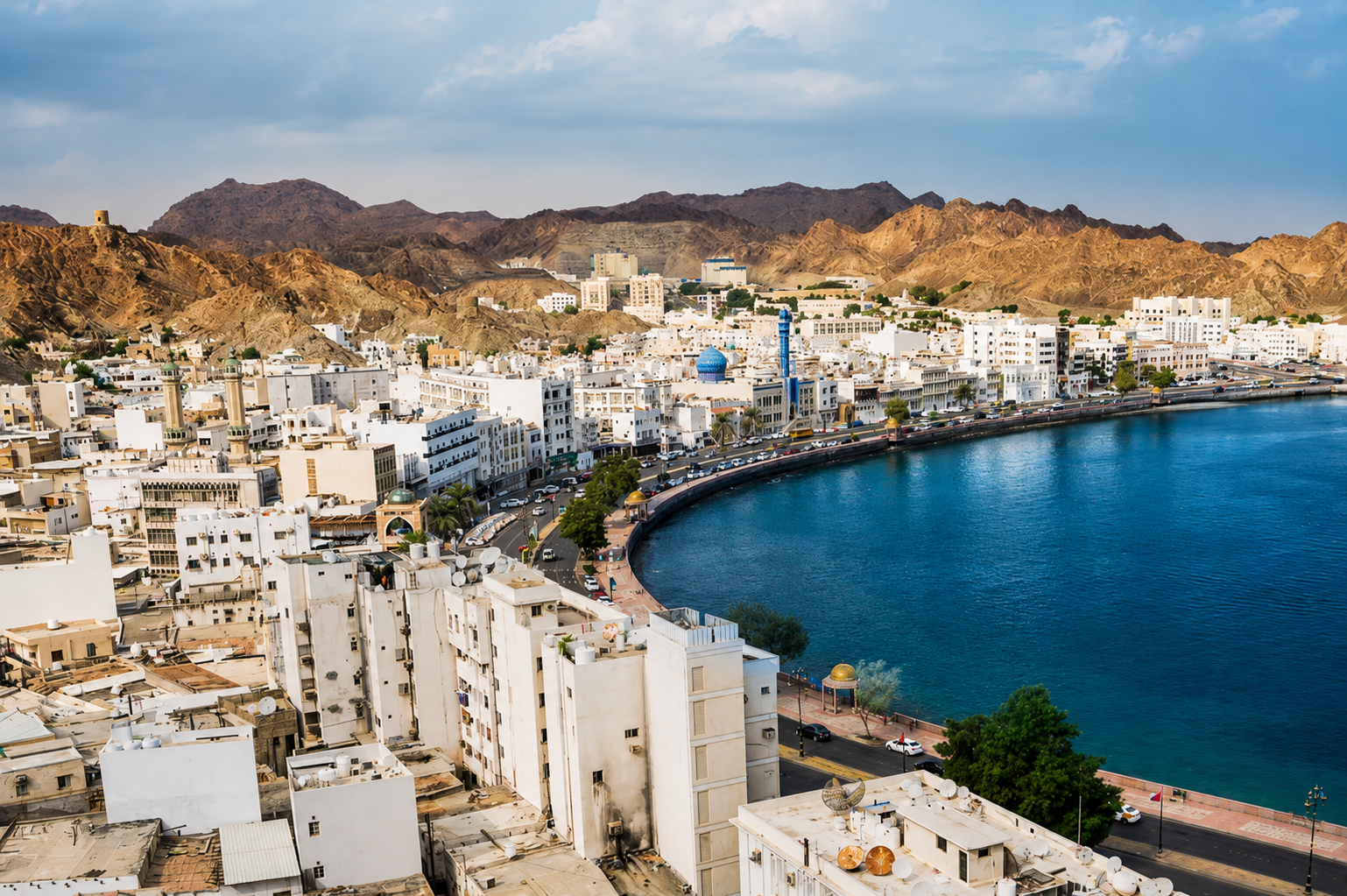
The Sultanate of Oman’s public revenues recorded a 13 % increase by the end of the second quarter of 2026, reaching approximately OMR6.602 billion, compared to approximately OMR5.839 billion during the corresponding period of the previous year. This growth is primarily attributable to higher oil revenues.
According to the Fiscal Performance Bulletin issued by the Omani Ministry of Finance, total public expenditure stood at approximately OMR6.619 billion by the end of Q2 2026, marking an increase of OMR521 million, or 9 %, relative to the OMR6.098 billion recorded during the same period in 2025. This rise reflects higher development and current expenditures compared to the equivalent period last year.
The Bulletin further indicated that net oil revenues rose by 10 % by the end of Q2 2026, reaching approximately OMR3.332 billion, compared to OMR3.018 billion recorded during the same period in 2025.
Net gas revenues also increased by 32 % to OMR1.164 billion, up from OMR884 million in the corresponding period of 2025.
The Bulletin noted that total public debt amounted to OMR14.16 billion by the end of Q2 2026, relative to OMR14.12 billion recorded at the same period in 2025, representing a marginal increase of approximately 0.3 %.
Following the successful launch of its Palais Collection, MAISON de SABRÉ has unveiled a new modular handbag system offering more than 720 styling combinations.
Al Jaddaf Rotana Complex strengthens sustainable hospitality through recognized certifications and measurable reductions in energy use and waste.
3 min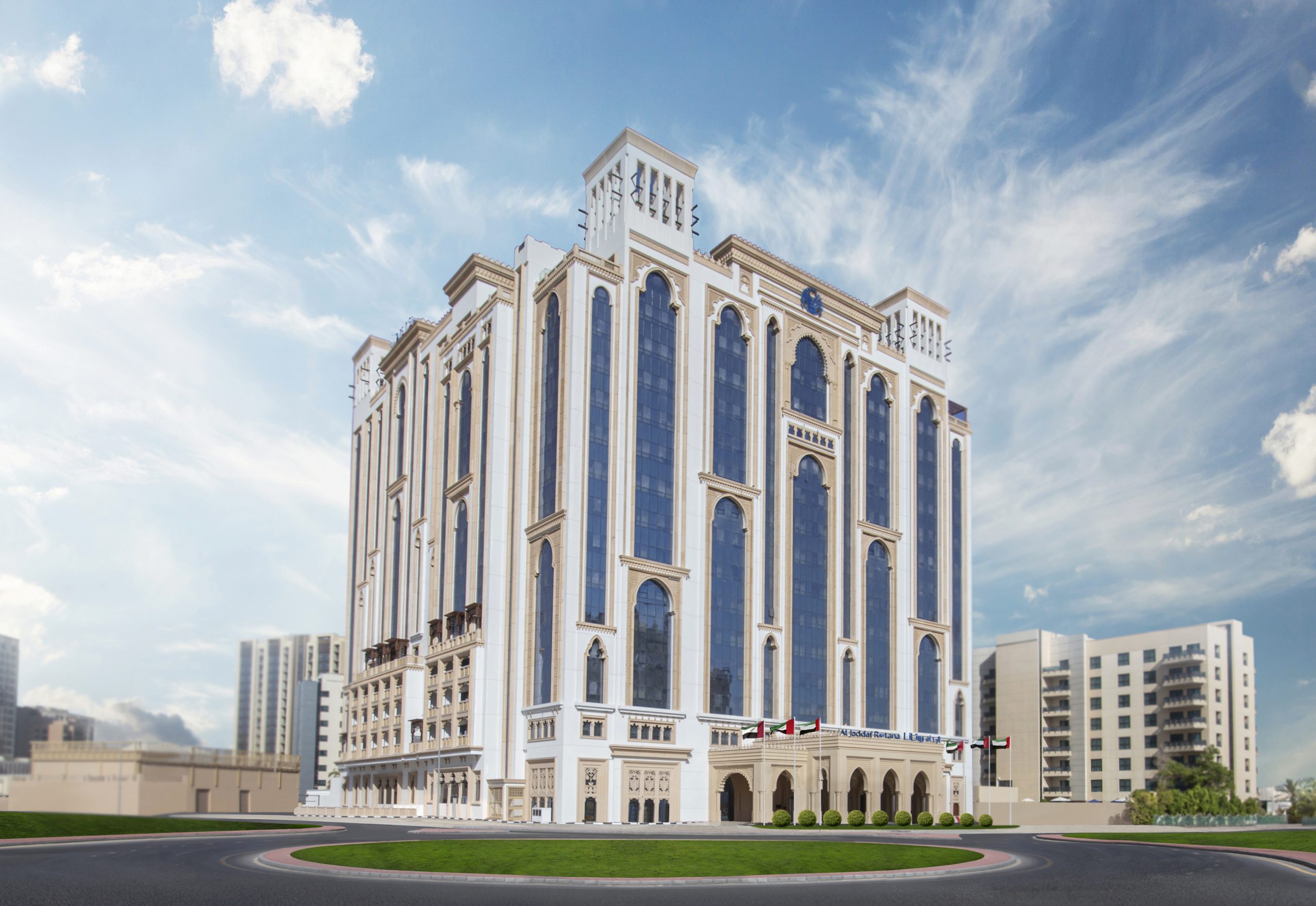
Al Jaddaf Rotana Complex has been recognized for its continued progress in sustainable hospitality, with its properties achieving Green Key, Travelife and Dubai Sustainable Tourism (DST) recognition for their ongoing commitment to responsible hotel operations. Al Jaddaf Rotana Suite Hotel has achieved Green Key Certification and the DST Silver Award, while Arabian Park and Park Apartments have achieved Travelife Certification and the DST Bronze Award.
The milestones form part of the Complex’s ongoing sustainability journey, with Travelife Certification achieved by Arabian Park and Park Apartments in 2025, followed by their DST Bronze Award, while Al Jaddaf Rotana Suite Hotel received its Green Key Certification and DST Silver Award in 2026. Across the properties, these achievements are supported by measurable action spanning energy and water conservation, waste management, sustainable procurement, guest amenities, food and beverage practices and colleague engagement.
In 2025, Al Jaddaf Rotana Suite Hotel recorded a 9.2% reduction in total energy consumption, while Arabian Park achieved a 5.4% reduction, compared with the previous year. Al Jaddaf Rotana Suite Hotel has also achieved 100% diversion of waste from landfill, with food and general waste processed through a Waste-to-Energy facility.
Stefan Schmid, Complex General Manager, Al Jaddaf Rotana Complex, commented on this recognition saying, “Sustainability is an important part of how we operate and how we contribute to the future of tourism in Dubai and the UAE. These recognitions are a meaningful validation of the progress our teams have made, but more importantly, they reinforce our responsibility to turn sustainable practices into measurable action. From reducing energy consumption and diverting waste from landfill to engaging our colleagues and communities, we are focused on making responsible hospitality part of our everyday operations. We are proud to contribute to Dubai’s vision for a more sustainable tourism sector while continuing to deliver the standards of hospitality our guests expect.”
AL JADDAF ROTANA SUITE HOTEL
At Al Jaddaf Rotana Suite Hotel, sustainability has been integrated across multiple areas of the operation, with a focus on resource management, waste reduction, guest amenities and food and beverage practices.
The hotel has continued to reduce its reliance on conventional single-use plastics, with in-room amenities transitioned to more sustainable alternatives, including FSC-certified kraft paper packaging, corn starch-based products and wheat straw fiber items. The entire in-room dispenser set has also been transitioned to wheat straw fiber, replacing conventional plastic dispensers. Other initiatives include wooden pencils and reusable metal pens as alternatives to plastic products.
Across food and beverage operations, takeaway containers and packaging have moved towards paper-based and other more sustainable alternatives, complemented by wood-dust straws. The hotel also offers Green Meeting options to support more environmentally conscious events.
The hotel’s waste management program supports its wider resource efficiency efforts, with food and general waste processed through a Waste-to-Energy facility, supporting resource recovery and eliminating the need for landfill disposal.
These initiatives complement the hotel’s Green Key Certification and DST Silver Award, recognizing its continued commitment to environmental management and sustainable hospitality.
ARABIAN PARK, EDGE BY ROTANA
At Arabian Park, Edge by Rotana, sustainability efforts have focused on strengthening responsible environmental and social practices across the hotel’s operations. The property achieved Travelife Certification in 2025, followed by the DST Bronze Award in 2026, recognizing its continued progress in sustainable hospitality.
The hotel’s sustainability program includes initiatives focused on energy and water conservation, waste management, food waste reduction, sustainable procurement and reducing reliance on single-use plastics, supporting a more resource-efficient approach to day-to-day operations.
PARK APARTMENTS, EDGE BY ROTANA
Park Apartments, Edge by Rotana has similarly strengthened its approach to responsible hospitality, achieving Travelife Certification in 2025 and the DST Bronze Award in 2026.
Its sustainability efforts span resource conservation, waste management, sustainable procurement and reduced reliance on single-use plastics, alongside community-focused initiatives that support a more responsible approach to hospitality.
A SHARED COMMITMENT TO RESPONSIBLE HOSPITALITY
Across the properties, sustainability is supported by continued colleague engagement, with 100% of colleagues completing the required sustainability training through Rotana’s RISE platform, complemented by ongoing awareness and refresher initiatives.
Community-focused efforts also form part of the properties’ approach, including donation drives, linen repurposing, charitable campaigns and employee volunteering. Together with ongoing work around energy and water conservation, food waste reduction, sustainable procurement and waste management, these initiatives help make sustainability part of everyday hotel operations rather than a standalone program.
The certifications and awards mark an important step in the properties’ ongoing sustainability journeys, reinforcing their commitment to measurable environmental progress, responsible operations and the continued development of sustainable hospitality in Dubai and the UAE.
Following the successful launch of its Palais Collection, MAISON de SABRÉ has unveiled a new modular handbag system offering more than 720 styling combinations.
Cityscape Global returns to Riyadh from 16–19 November 2026, connecting global investors and developers with real estate opportunities in Saudi Arabia.
3 min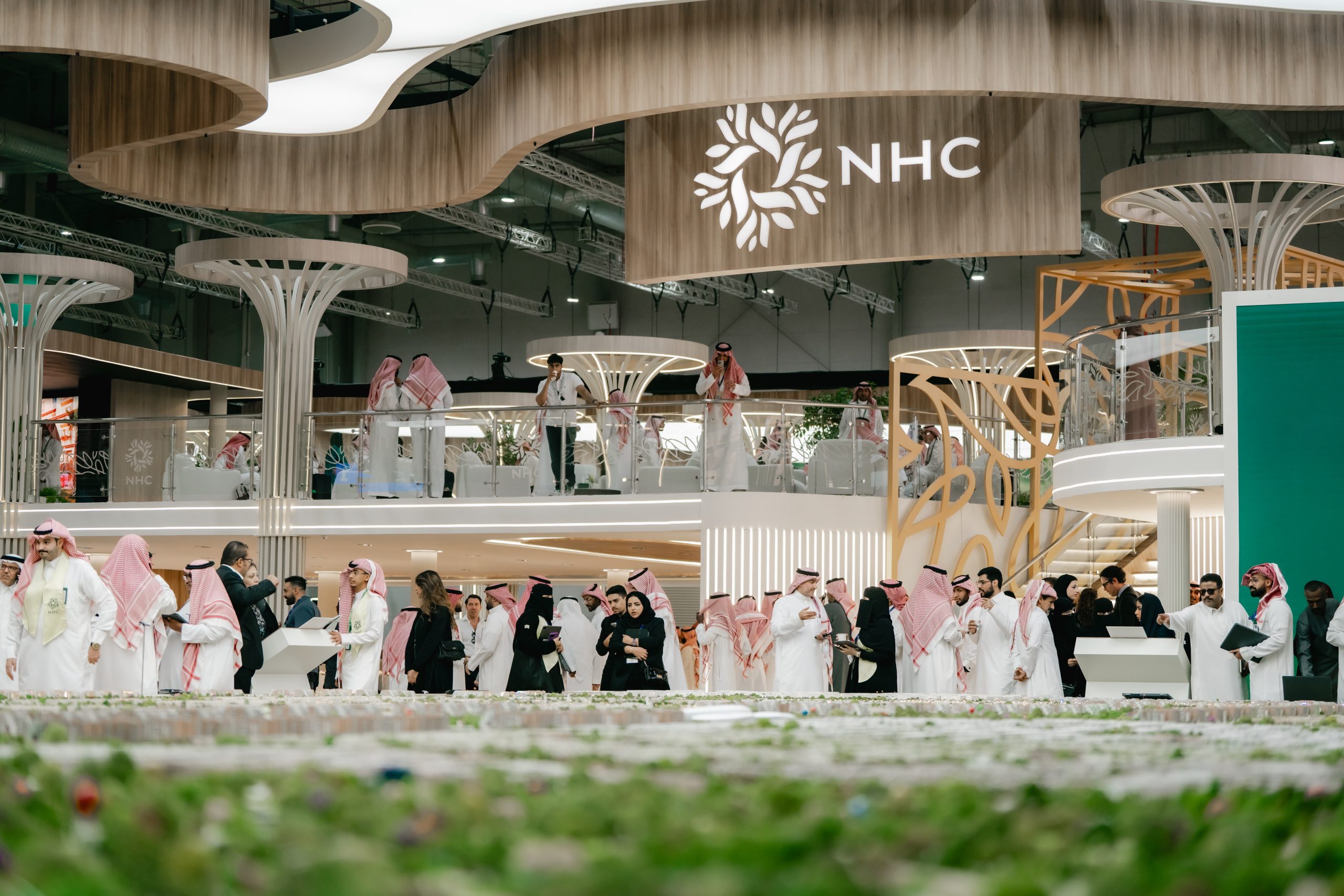
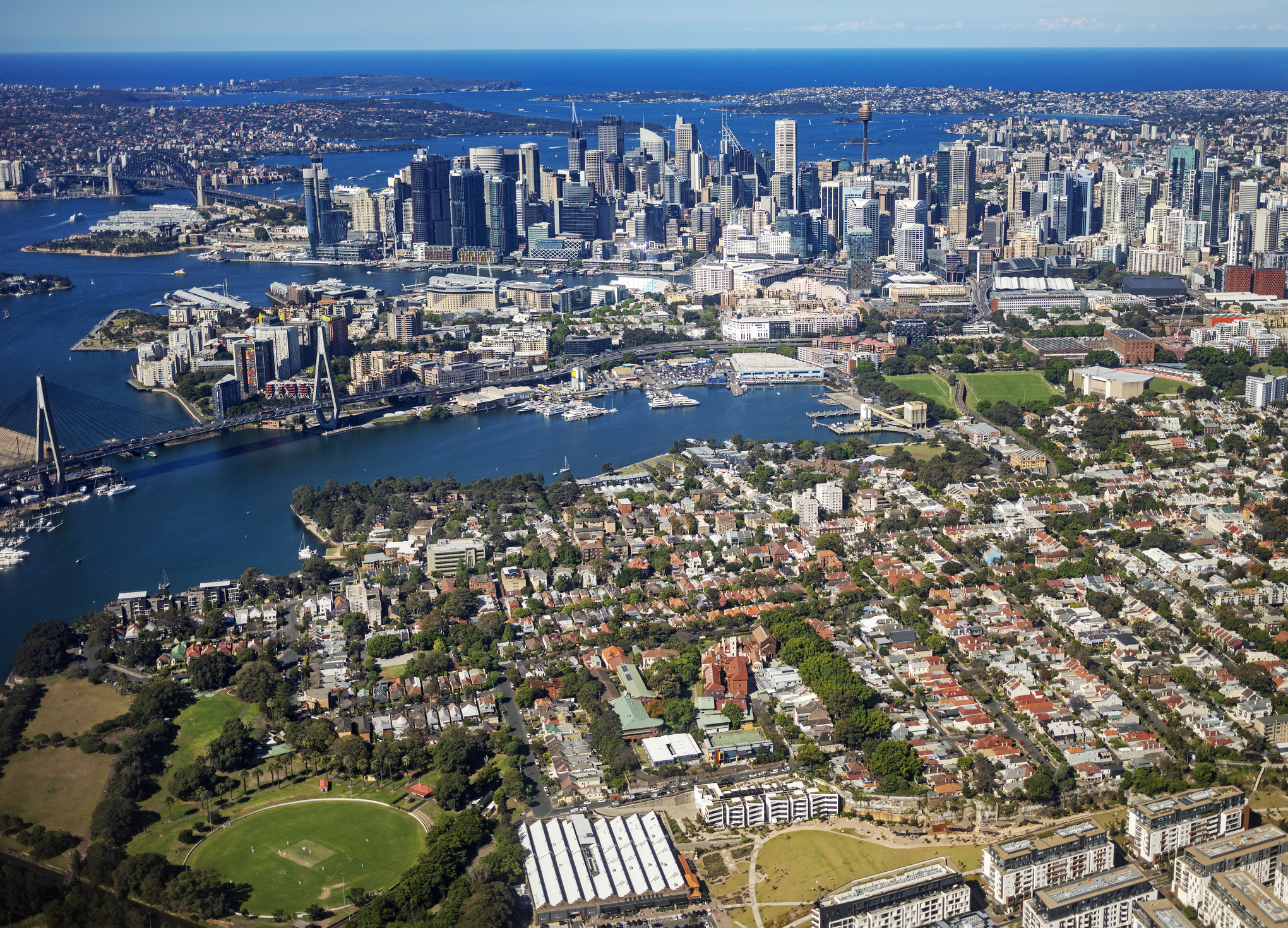
Cityscape Global 2026 – The Capital of Real Estate is set to return to Riyadh, convening property investors, developers, architects, banks, and government representatives to expand real estate investment opportunities. The event will be held at the Riyadh Exhibition and Convention Centre (Malham) from 16-19 November, sponsored by the Ministry of Municipalities and Housing (MOMAH) in partnership with the Real Estate General Authority (REGA), Vision 2030, the Housing Program, and organized by Tahaluf.
A platform aligned with national priorities
Saudi Arabia continues to prioritize investment across key sectors such as urban development, infrastructure, and entertainment as part of its long-term economic transformation. Cityscape Global brings together the stakeholders, projects, and capital shaping this next phase of growth.
His Excellency Majed bin Abdullah Al-Hogail, Minister of Municipalities and Housing, Saudi Arabia, said:
“Cityscape Global supports our efforts to expand homeownership and improve access to real estate investment across Saudi Arabia. The scale of last year’s edition, which saw $63 billion in deals signed and over 164,000+ visits, reflects the strength of the market and the role this platform plays in connecting stakeholders. By bringing together developers, investors, and government entities, Cityscape Global helps accelerate delivery and supports our long-term development goals.”
Global participation, local impact
Cityscape Global stands is a leading international platform for the real estate industry, attracting top-tier developers and investors from around the world. In 2025, the event welcomed over 164,000+ visits from 120+ countries, demonstrating true global reach. More than 35,000 investors and professionals formed a powerful international network, and 82 international developers showcased their projects, highlighting Cityscape Global’s unmatched international presence. With 600+ exhibitors expected in 2026, Cityscape Global is set to further expand its global footprint.
For investors, Cityscape Global is an unparalleled gateway to lucrative opportunities, offering direct access to a diverse portfolio of Saudi and international projects under one roof. Attending institutional investors represent over $6 trillion in assets under management across real estate and infrastructure, underlining the scale of opportunity.
Fahad Al Jahrami, Chief Development and Asset Management Officer at Qatari Diar, said:
“We were honored and pleased to have participated in Cityscape Global 2025. This is our third engagement with this fantastic event, and we are grateful for the opportunities Cityscape Global provides to connect with major real estate development companies. The event offers excellent opportunities for our company to showcase our projects and products. We view Cityscape Global as the ideal platform to connect with investors and business leaders from around the world, which aligns with our ambitions for expansion and growth.”
In a strong endorsement of this year’s event, a distinguished roster of industry leaders has been confirmed among the Strategic, Diamond, and Platinum Partners.
The Strategic Partners include Ajdan, Ajlan & Bros, Al Basateen, Arabian Dyar, Ajlan Riviera, Dar Wa Emaar, Kaden, Al Majdiah, Mohammad Al Habib, Osus, Osool, Al Rashid Properties, Retal, TMG and Zood reflecting broad support from across the region’s real estate sector.
Meanwhile, Diamond Sponsors comprise Abyatona, Mobtakeron Realty, Mountain View, Rafal, Saudi Downtown, Thakher Development and Al Woroud Real Estate. Platinum Sponsors include Knowledge Economic City (KEC), Liwan and Tazayud further underscoring the event’s growing prominence within the industry.
Programmes launched to support investors in 2026:
This year Cityscape Global will showcase targeted initiatives to enhance investor relations.
Real Estate Leaders Club
A dedicated programme for senior international investors, developers, and hospitality operators, featuring:
- Pre-scheduled one-to-one meetings with local developers, investors, officials, and partners
- Private networking, site visits, and curated introductions
- Access to expert-led sessions on market trends and investment strategies
G2G Co-Lab
A government focused platform for Ministers, Mayors and Ambassadors designed to strengthen international collaboration through:
- Private roundtables and policy discussions
- Expert panels on urban development and infrastructure
- Curated networking between public and private sector leaders
- A dedicated VIP programme and site tours
Looking ahead to 2026
Rachel Sturgess, Executive Vice President of Tahaluf, said:
“In 2025, Cityscape Global brought together capital and funds representing $6.1 trillion in real estate and infrastructure assets under management, including global leaders such as BlackRock, Brookfield, UBS, PGIM, King Street, and Hines. The event reflects its continued scale and relevance as a global meeting point for the real estate industry. In 2026, we will introduce new initiatives to streamline property access, foster strategic partnerships with investors, and create new opportunities for engagement across the real estate ecosystem. Cityscape Global continues to serve as a leading platform connecting global capital with real estate opportunities.”
Registration for Cityscape Global 2026 is now open.
Following the successful launch of its Palais Collection, MAISON de SABRÉ has unveiled a new modular handbag system offering more than 720 styling combinations.
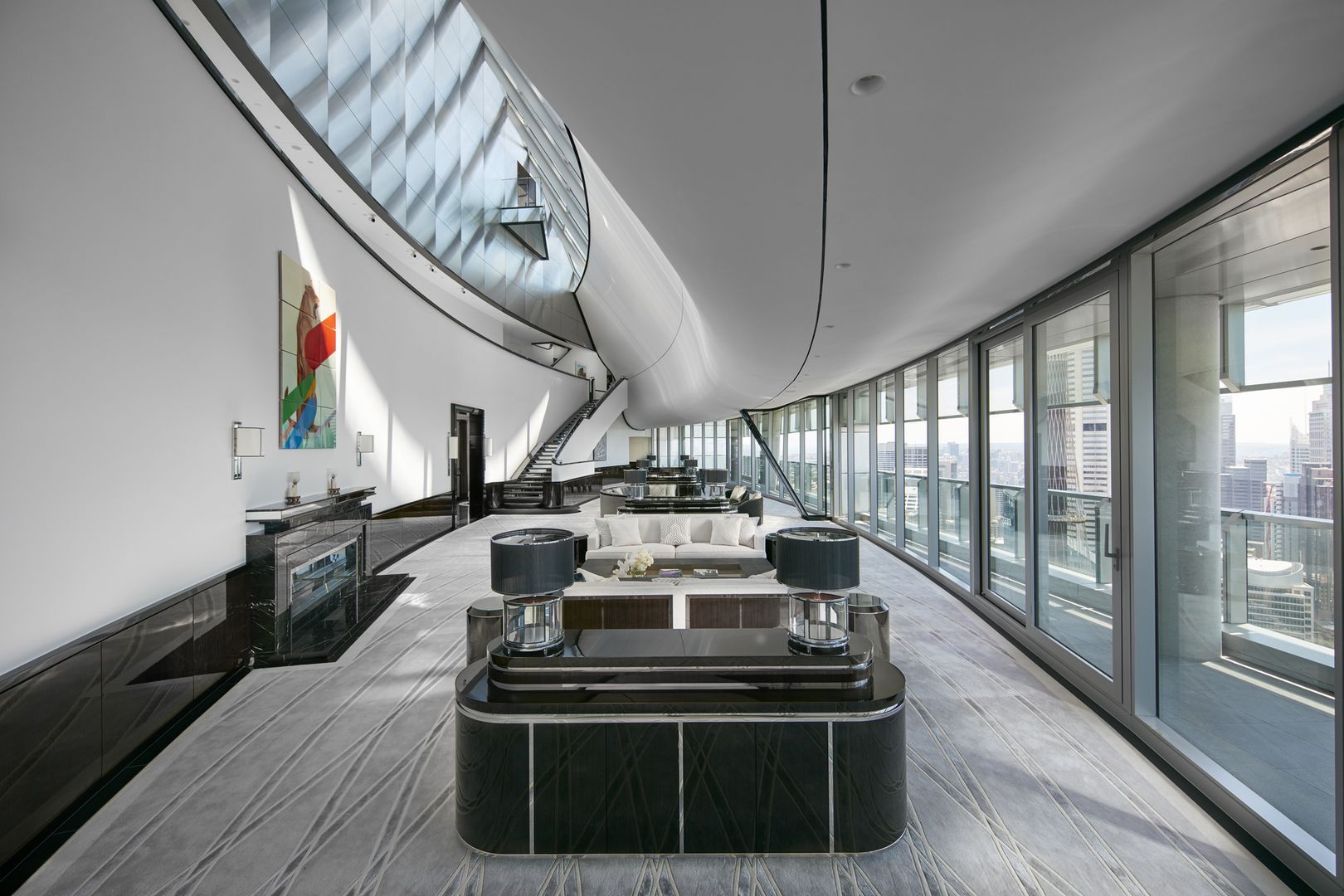
R.Evolution is expanding EYWA into a global regenerative real estate brand focused on longevity, wellbeing and sustainable living.
2 min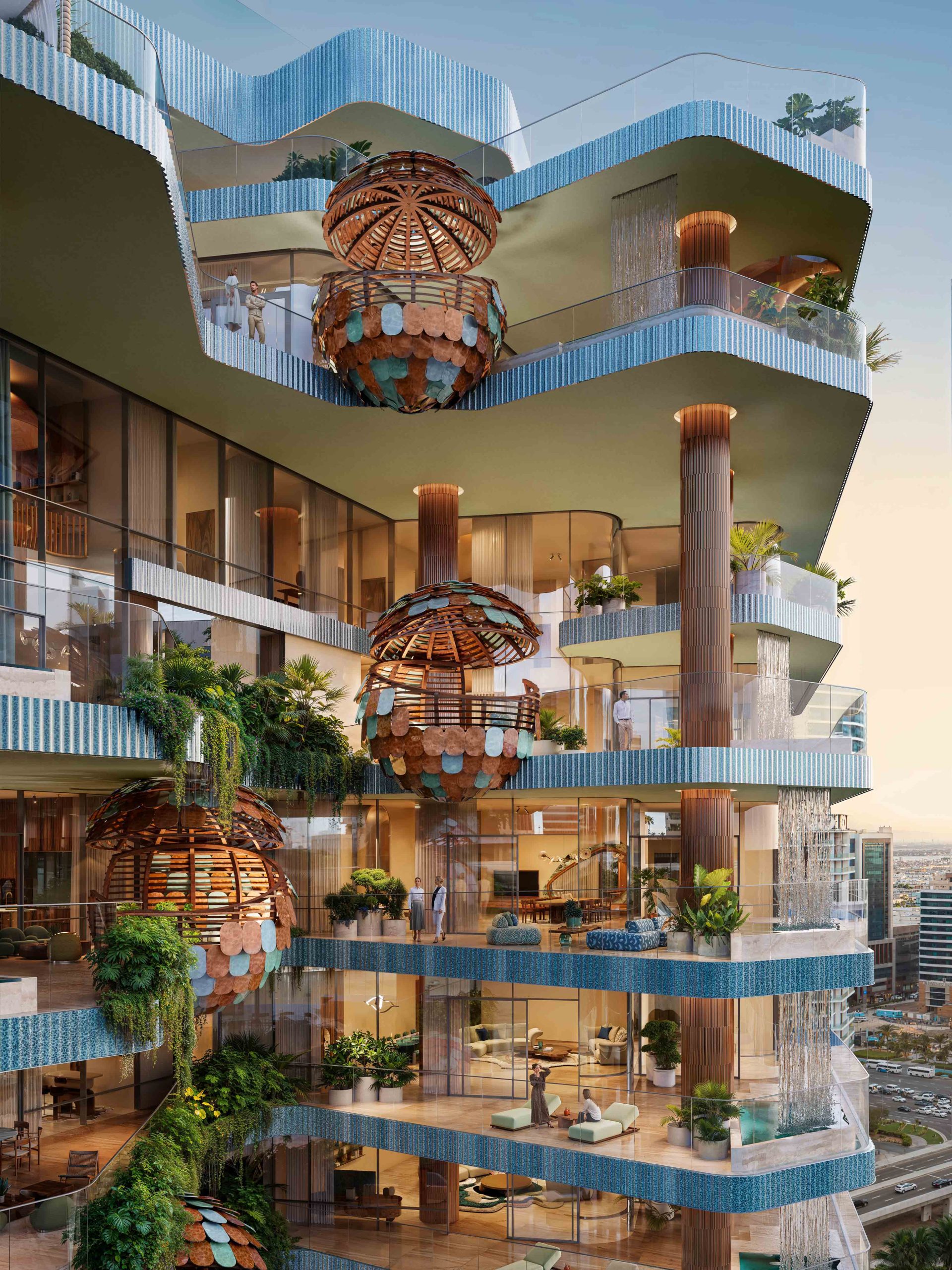
R.Evolution, the European real estate developer, is expanding EYWA from a collection of flagship developments into a global longevity-led regenerative real estate brand.
Following the launch of EYWA Tree of Life and EYWA Way of Water in Dubai, and of EYWA Bac de Roda and EYWA 22 Palms in Barcelona, the company is establishing EYWA as a platform that can be applied across residential, commercial, and future hospitality developments in multiple international markets.
“The global luxury real estate market is evolving. Buyers are no longer interested only in architecture, square footage, and location. They are increasingly looking for homes that support healthier, longer, and more fulfilling lives,” says Igor Karpikov, Chief Commercial Officer at R.Evolution, “Wellness real estate is one of the fastest-growing sectors of the global wellness economy and is forecast to reach $1.8 trillion by 2030. Our Dubai developments demonstrate how the EYWA philosophy translates into exceptional real estate, aligning with the emirate’s focus on quality of life, sustainability, and wellbeing.”
Homes as Wellbeing Ecosystems. Research suggests that genetics account for around 50% of the factors influencing lifespan. The remaining half is shaped by environment and lifestyle. Since people spend around 90% of their time indoors, the buildings they live in play a significant role in supporting health and wellbeing.
Inspired by the vision of R.Evolution founder Alex Zagrebelny, EYWA – short for Energy, Youthfulness, Wellbeing, and Ancient Knowledge – introduces the concept of regenerative real estate – an approach that views buildings as living ecosystems. It combines thoughtful spatial design, modern technology, natural elements, and ancestral wisdom to support everyday living and health.
Building a Broader Longevity Ecosystem. As EYWA continues to expand, R.Evolution is developing strategic collaborations with leading players across the wellness and longevity ecosystem. These collaborations span health and longevity programming, nature-focused initiatives, educational programs, next-generation sustainable technologies, and premium lifestyle offerings.
Together, these partnerships extend the EYWA experience beyond the physical building, creating a broader ecosystem centered on wellbeing that supports residents in their daily lives.
The Next Chapter. EYWA’s expansion into hospitality in some of the world’s most sought-after destinations marks the next phase of the brand’s evolution, with additional initiatives in the longevity and wellbeing space also in progress.
R.Evolution will share details of new projects, partnerships, and locations as they reach the appropriate stage of development.
Following the successful launch of its Palais Collection, MAISON de SABRÉ has unveiled a new modular handbag system offering more than 720 styling combinations.