



Qatar Central Bank Launches Regulatory Framework for Digital Banks
This initiative underscores QCB’s commitment to regulating and advancing the financial sector while propelling Qatar’s digital transformation.
 2 min

In a significant step toward fostering financial innovation, Qatar Central Bank (QCB) has introduced a regulatory framework for digital banks, aligning with the country’s third financial sector strategy and financial technology (fintech) objectives. This initiative underscores QCB’s commitment to regulating and advancing the financial sector while propelling Qatar’s digital transformation.
The framework highlights the growing importance of digital banks in enhancing financial inclusion by offering innovative and efficient services tailored to the needs of individuals and businesses. Digital banks provide 24/7 integrated solutions through internet platforms and mobile applications, enabling seamless financial transactions from anywhere at any time.
QCB emphasized that the regulatory framework is central to its mission of driving technological advancements in the financial sector. By embracing cutting-edge digital innovations, the framework supports Qatar’s vision of a robust digital economy, paving the way for sustainable development and improved financial services.
Advantages of Digital Banking
Digital banks leverage advanced technologies to ensure speed, security, and cost-efficiency in financial transactions. The new regulations aim to maximize these benefits, enhancing customer experiences while reducing operational expenses. This efficiency translates into more affordable and accessible banking services, further advancing the nation’s financial inclusion goals.
QCB reaffirmed its dedication to fostering the growth of the fintech sector by establishing a supportive infrastructure and legislative environment. This approach empowers companies in the sector to deliver innovative solutions that enhance operational efficiency and drive innovation in financial services.
The regulatory framework also aligns with Qatar National Vision 2030, which emphasizes sustainable development and technological excellence across sectors.
For more information on the regulatory framework, QCB has made the details accessible on its official website, inviting stakeholders to explore the new guidelines that will shape the future of banking in Qatar.
This initiative marks a significant step toward a technologically advanced financial landscape, ensuring that Qatar remains at the forefront of digital transformation in the region.
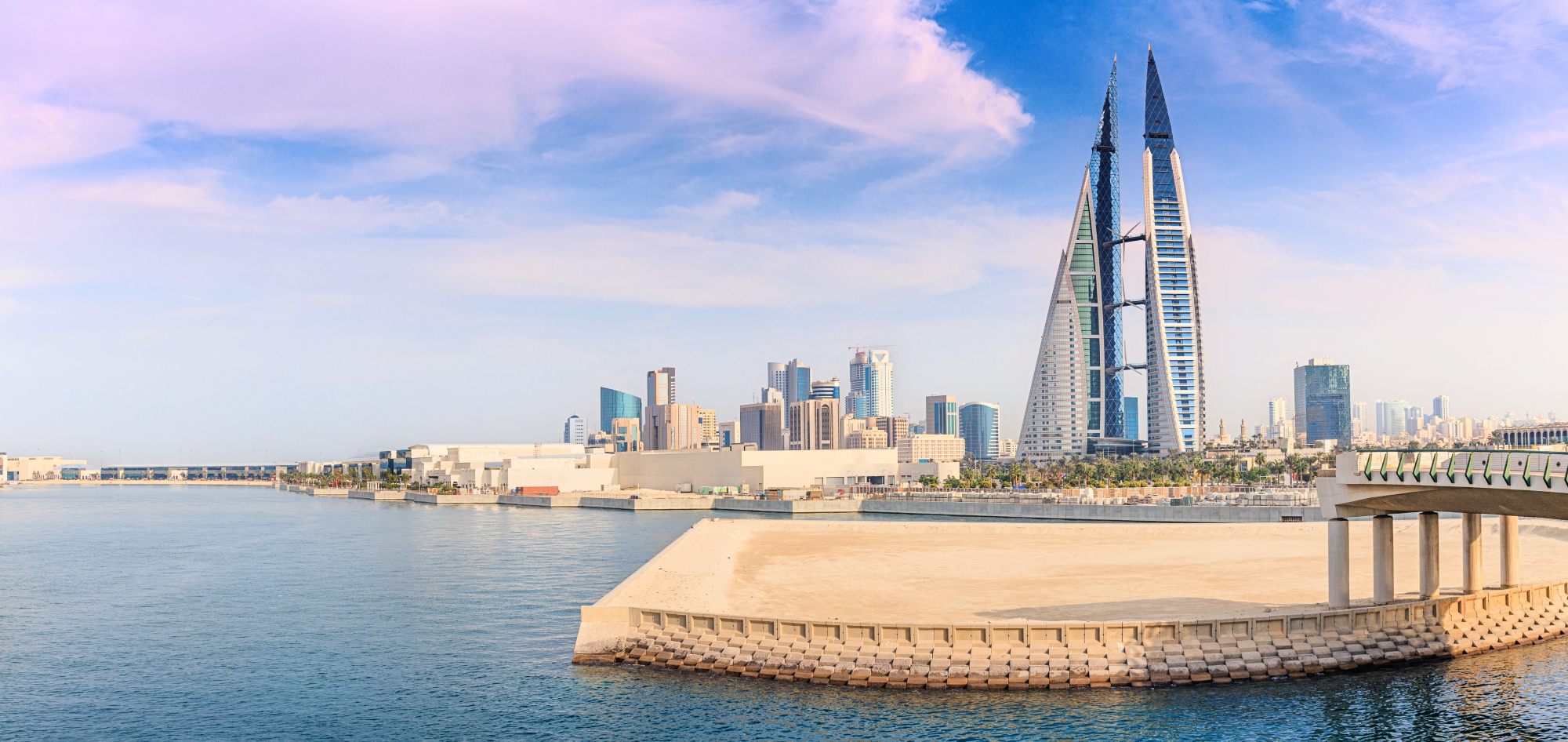
Investcorp has secured a $550 million syndicated term loan, combining conventional and Islamic financing, after strong investor demand pushed the deal beyond its initial $400 million target. The proceeds will support general corporate purposes and debt refinancing.
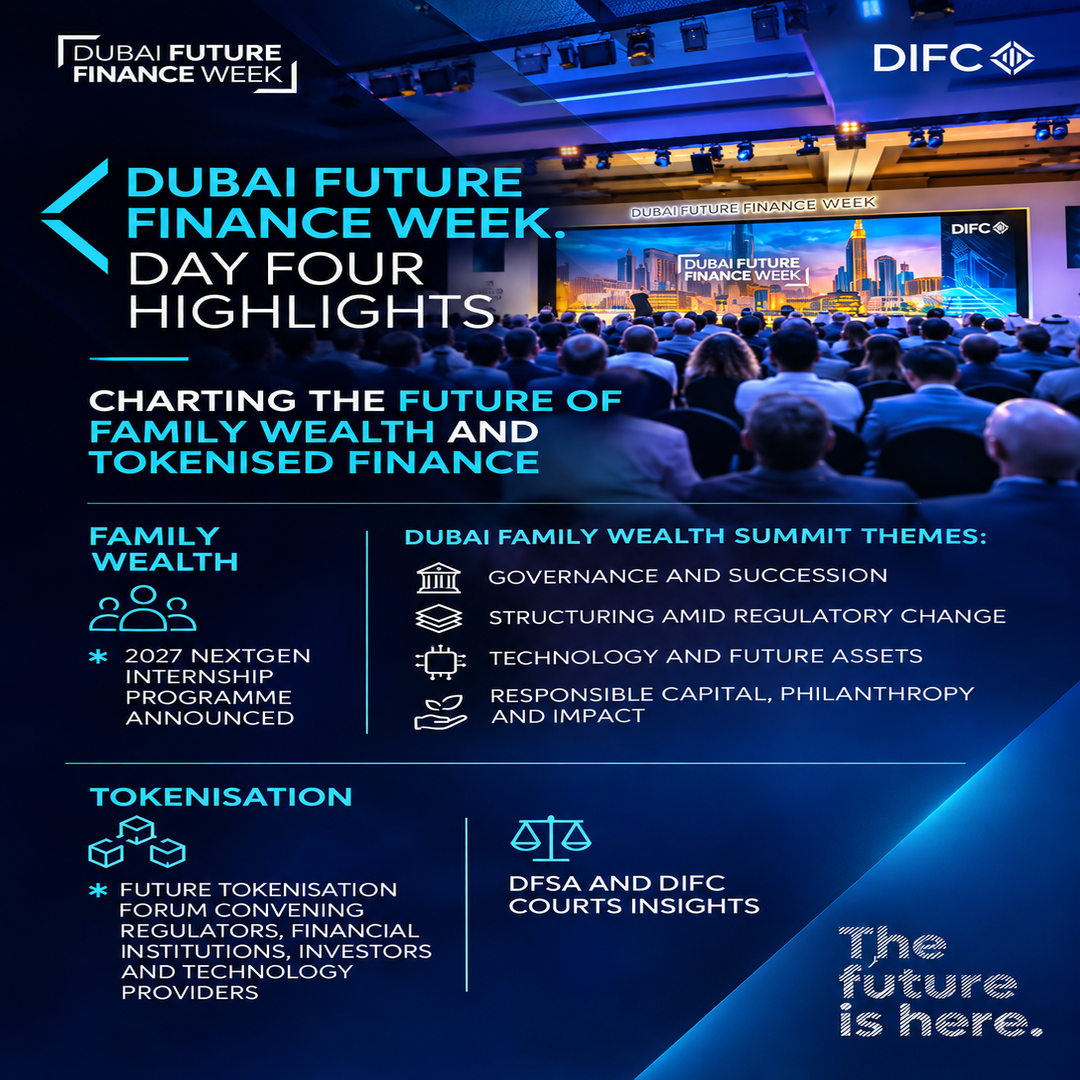
Day Four of Dubai Future Finance Week explored the future of family wealth and tokenized finance, bringing together global leaders to discuss intergenerational wealth, succession planning, digital assets and the infrastructure shaping tomorrow’s financial markets.
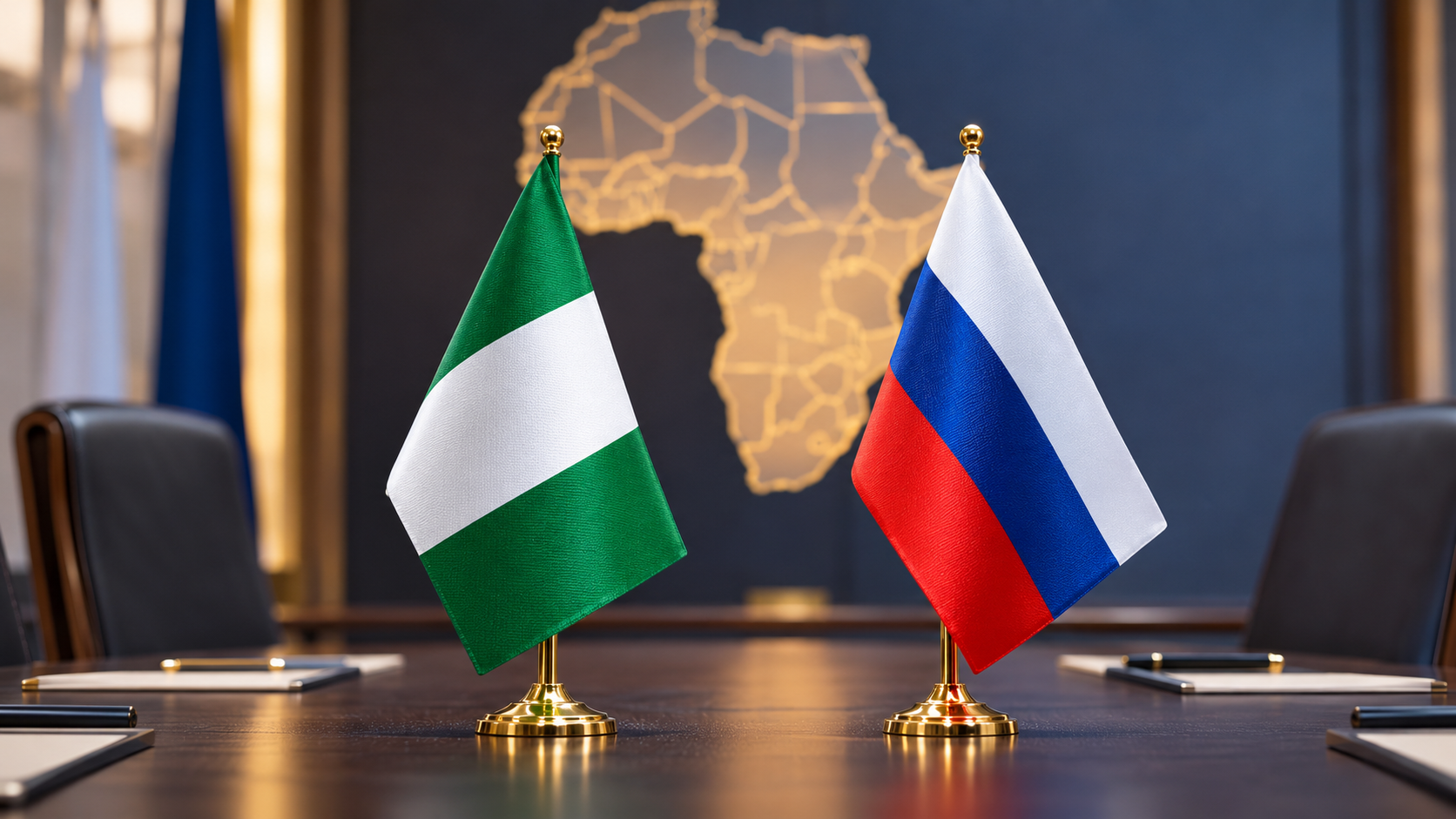
Nigeria is calling on Russia to deepen investment and technology transfer across Africa, with a focus on energy, infrastructure, agriculture, manufacturing and digital development. Speaking at the Third Russia-Africa Summit in Moscow, Nigerian officials stressed the need to turn diplomatic partnerships into tangible economic growth and long-term opportunities.
Japan spent a record $50 billion in one day in July to support the yen, as part of a $97.16 billion intervention campaign with the US. Despite the efforts, the yen remains weak at around 158.20 against the dollar.
< 1 min
Japan spent a record $50 billion in one day during July to prop up the yen, underscoring an aggressive intervention campaign that included rare joint action with the U.S.
Ministry of Finance data on Monday showed that Tokyo bought a total of 15.399 trillion yen, equivalent to $97.16 billion, in July and August. It deployed about half of that on July 30 alone, spending 7.976 trillion yen.
The sum exceeded the amount spent in April and May, reflecting officials’ growing anxiety after the currency tumbled to a four-decade low near 164 against the dollar earlier this year, and highlighting the difficulty of turning the tide against persistent yen weakness.
Japan’s Finance Minister Satsuki Katayama and U.S. Treasury Secretary Scott Bessent confirmed coordinated intervention to support the yen in late July, the first such operation since 1998.
The unusual move initially boosted the yen, but the currency is still hovering around 158.20 against the dollar as growing expectations of further Federal Reserve rate increases reinforce views that the wide U.S.-Japan interest-rate gap is here to stay.
Bessent was outspoken about the yen’s sharp slide during the summer, expressing support for Tokyo’s steps to counter the currency’s undervaluation and noting its role in driving up domestic inflation.
His remarks fueled speculation about faster monetary tightening by the Bank of Japan, which raised interest rates to 1.25% in September and is expected to act again by year’s end.
BNW Developments has established a Sydney presence, joining Arada and Sobha Realty among the growing number of UAE developers pursuing Australian buyers and development opportunities.
Following the successful launch of its Palais Collection, MAISON de SABRÉ has unveiled a new modular handbag system offering more than 720 styling combinations.

Barclays has opened a new office in Riyadh’s King Abdullah Financial District (KAFD), appointing Majed Al Hassoun as CEO and Head of Investment Banking at Barclays Capital Saudi. The move aims to expand the bank’s investment banking and global markets operations in Saudi Arabia, strengthen its presence across the GCC and support its wider growth strategy in the Middle East.
< 1 min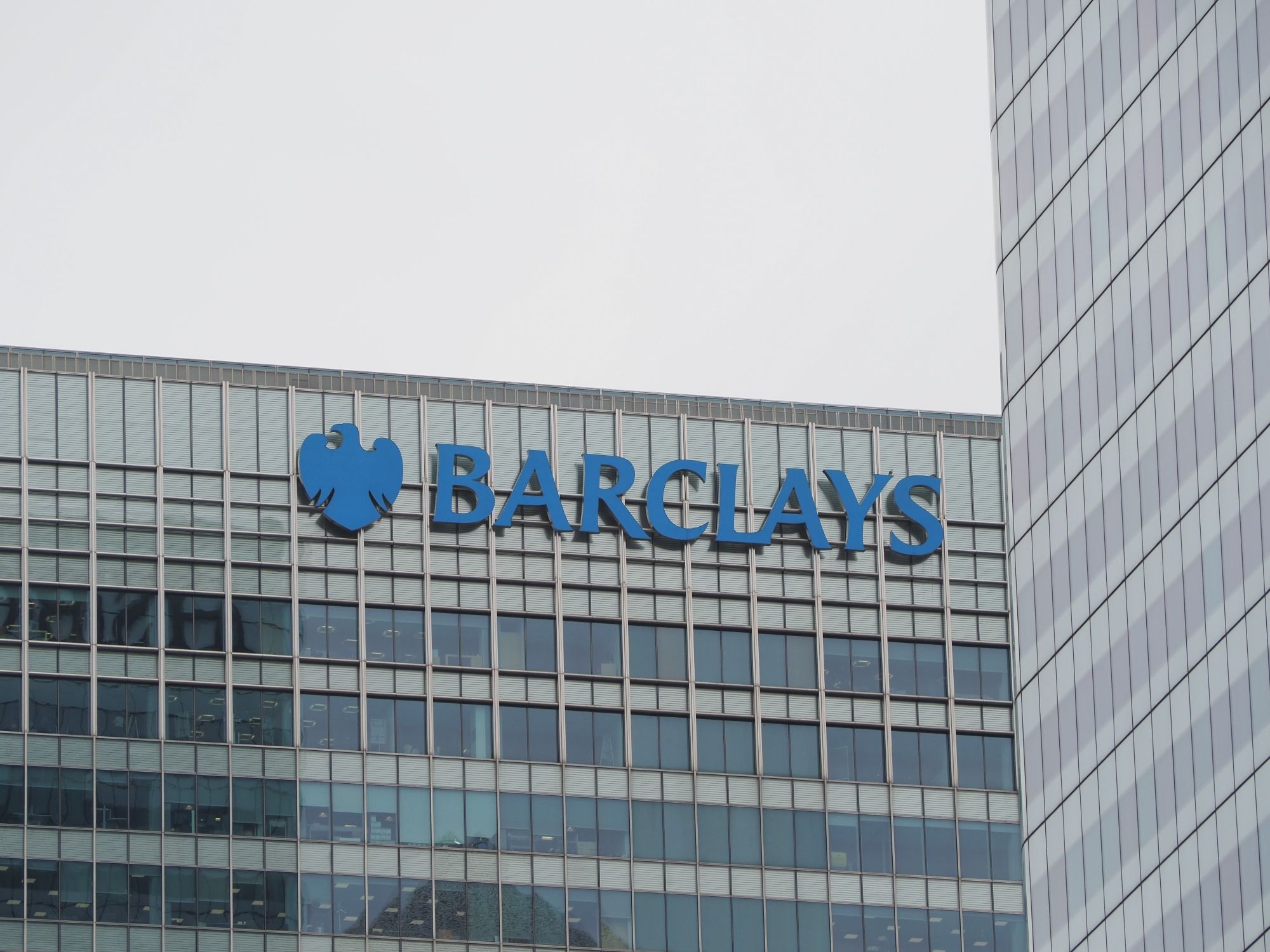
Barclays has opened its new office in Riyadh’s King Abdullah Financial District, to ramp up the bank’s investment banking and global markets businesses in Saudi Arabia.
Majed Al Hassoun has been appointed as CEO and Head of Investment Banking, Barclays Capital Saudi. He will work closely with corporate, government and institutional clients and report to Khaled El Dabag, CEO of RHQ and Co-CEO and Head of Investment Banking, Middle East.
Al Hassoun joins Barclays from State Street Saudi Arabia, where he was CEO. He has two decades of experience in investment banking and financial services in Saudi Arabia, including previous roles as Head of Investment Banking at Citigroup and Saudi Fransi Capital.
Barclays received its Regional Headquarters license in early 2025.
The bank provides advisory, financing, capital markets, and wealth management capabilities to its clients across the Middle East.
The new office in Riyadh is expected to advance the Barclays’ strategic growth across the Middle East and strengthen its presence in the GCC, where it also operates in the UAE and Qatar.
BNW Developments has established a Sydney presence, joining Arada and Sobha Realty among the growing number of UAE developers pursuing Australian buyers and development opportunities.
Two coming 2027 models – the first of the “Neue Klasse” cars coming to the U.S. early next year – have been revealed.
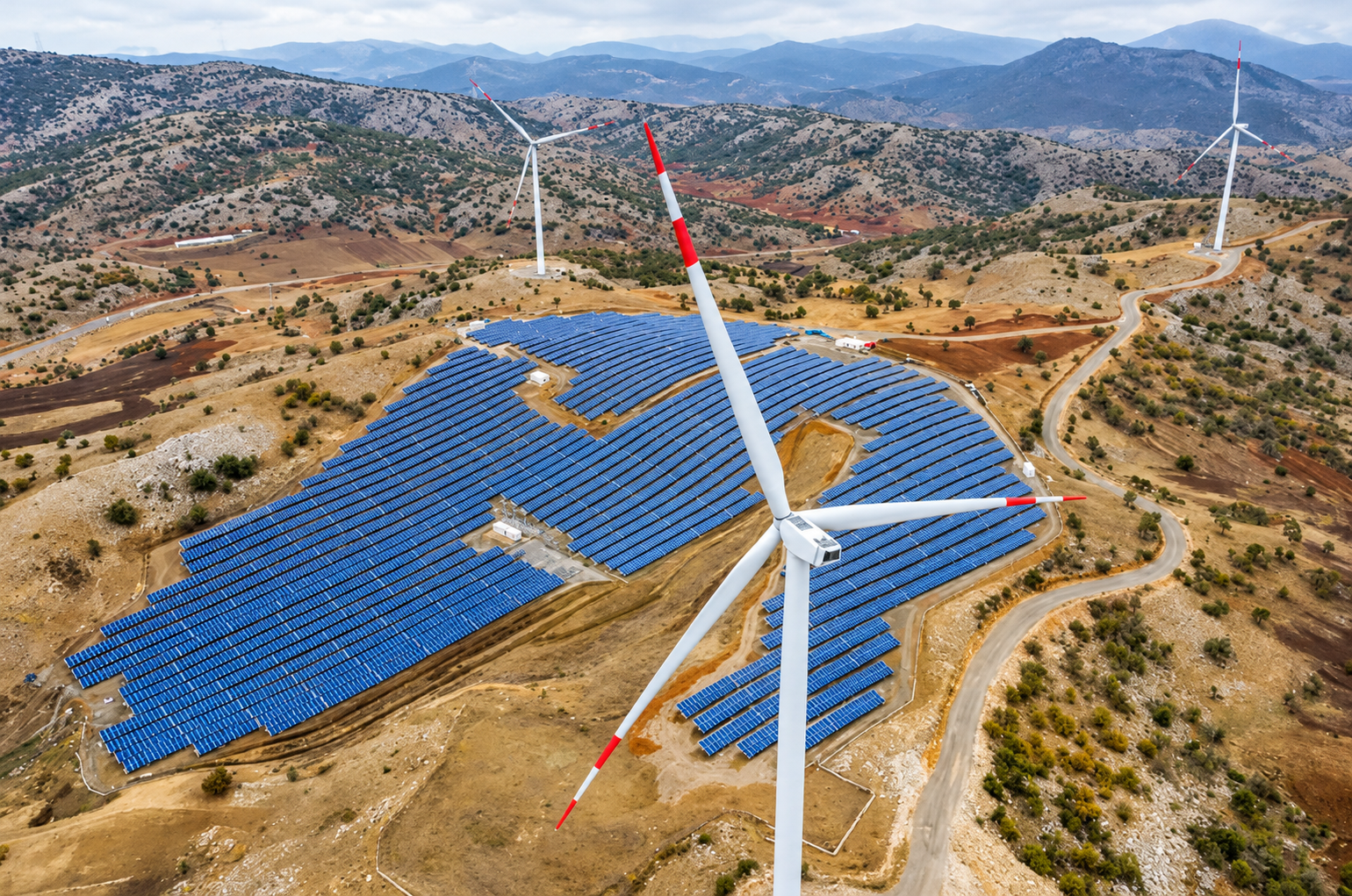
The growing intersection of artificial intelligence and energy is creating new investment opportunities in the UAE, as rising data-centre electricity demand drives growth across the power, gas and technology sectors.
2 min
The growing relationship between artificial intelligence and energy is reshaping the UAE’s investment landscape, as rising electricity demand and advances in AI technology create new opportunities for energy companies and investors.
According to Nagham Hassan, Market Analyst at etoro, AI and energy are becoming increasingly dependent on each other, turning the UAE’s oil, gas and power companies into technology stories as well as commodity ones.
This growing relationship was a key theme at this year’s ADIPEC, where Dr Sultan Al Jaber, ADNOC’s Managing Director and Group CEO, highlighted the potential for AI to transform the energy industry. ADNOC also announced a multi-year partnership with OpenAI and G42 to use AI to accelerate oilfield development planning and improve decisions across production, refining and trading.
“AI’s hunger for electricity is growing fast, and the International Energy Agency expects data centres worldwide to use roughly twice as much power by 2030 as they did last year,” said Hassan.
“Asked at ADIPEC to name his biggest challenge, OpenAI CEO Sam Altman answered with one word: energy. This suggests access to power may become as important as computing capacity in setting the pace of AI’s expansion, which favours countries that can add generation quickly.”
In the UAE, Masdar and the Emirates Water and Electricity Company are developing a solar-and-battery project designed to deliver power around the clock from 2027. ADNOC has also cited AI infrastructure as one reason for expanding gas production, pointing to potentially stronger long-term demand for gas and clean power as data centres become a major source of electricity consumption.
Beyond meeting growing energy demand, AI is also changing how energy companies operate. ADNOC says its AI-enabled operations centre, connecting more than 120 rigs, has reduced engineering effort by 30% to 40%. Such efficiency gains could help companies lower operating costs, particularly as shipping disruptions continue to put pressure on logistics expenses.
For investors in UAE-listed companies, Hassan identifies two areas worth watching: businesses supplying the gas and electricity needed to power data centres, and energy companies using AI to improve operational efficiency.
ADNOC Gas has identified AI data centres as a driver of UAE gas demand in its latest annual report, while ADNOC Drilling already operates its first AI-enabled offshore rig.
Meanwhile, Presight holds a 51% stake in AIQ, the energy-focused AI company established by ADNOC and G42. AIQ developed ENERGYai, a system that analyses ADNOC’s oil and gas reservoirs and forms part of the technological foundation for the new OpenAI partnership.
“What investors need to see next is this spending turning into results: data-centre capacity coming online on schedule, new long-term gas and power supply contracts, and companies reporting measurable AI savings in their earnings,” Hassan concluded.
As the UAE continues to invest in both AI and energy infrastructure, the ability to supply reliable power while using AI to improve productivity could become an increasingly important factor in the investment outlook for the country’s energy sector.
BNW Developments has established a Sydney presence, joining Arada and Sobha Realty among the growing number of UAE developers pursuing Australian buyers and development opportunities.

New research suggests that bonuses make employees feel more like a mere cog in a wheel.
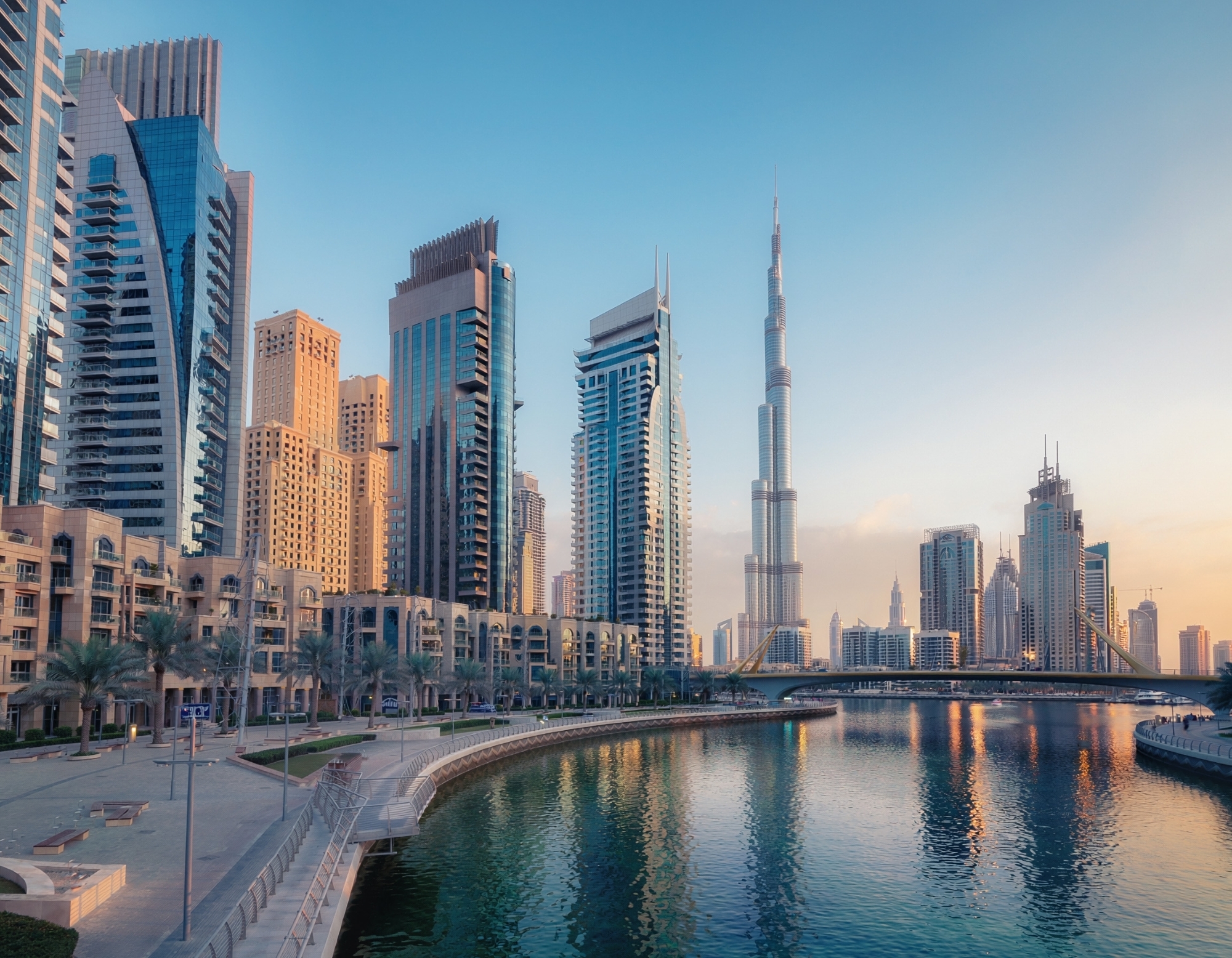

Investcorp has secured a $550 million syndicated term loan, combining conventional and Islamic financing, after strong investor demand pushed the deal beyond its initial $400 million target. The proceeds will support general corporate purposes and debt refinancing.
< 1 minInvestcorp, a Bahrain-based alternative investment company, has closed a $550 million syndicated term loan, comprising conventional and Islamic tranches.
The transaction was initially launched at $400 million but was upsized following “significant oversubscription” and commitments that “exceeded the initial target,” Investcorp said.
Proceeds from the senior unsecured financing will be used for general corporate purposes, including supporting the company’s ongoing business activities and refinancing existing debt.
The syndication was coordinated by Abu Dhabi Commercial Bank, Bank ABC (Arab Banking Corporation), Commercial Bank of Dubai, Emirates NBD Capital Limited and/or its affiliates, First Abu Dhabi Bank, Gulf International Bank, Kuwait Finance House and Qatar National Bank, Singapore Branch, acting as initial mandated lead arrangers and bookrunners.
Lenders joining in general syndication are AlRayan Bank, Commercial Bank International, National Bank of Fujairah, Natixis Corporate & Investment Banking DIFC Branch, State Bank of India DIFC Branch and United Arab Bank.
BNW Developments has established a Sydney presence, joining Arada and Sobha Realty among the growing number of UAE developers pursuing Australian buyers and development opportunities.

Parts for iPhones to cost more owing to surging demand from AI companies.

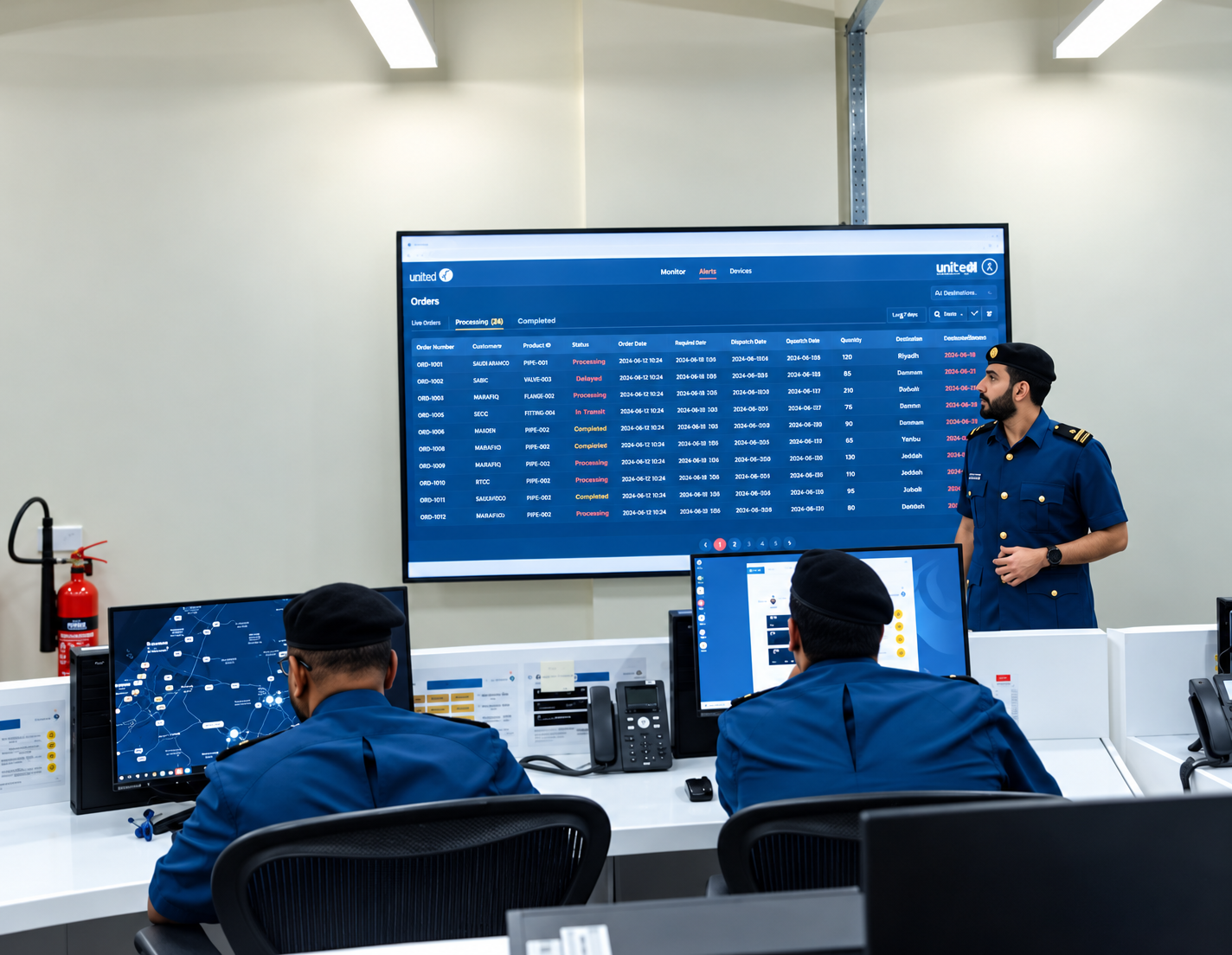
Day Four of Dubai Future Finance Week explored the future of family wealth and tokenized finance, bringing together global leaders to discuss intergenerational wealth, succession planning, digital assets and the infrastructure shaping tomorrow’s financial markets.
4 minDubai International Financial Centre (DIFC), the leading global financial centre in the Middle East, Africa and South Asia (MEASA) region, focused on two connected but distinct shifts shaping long-term capital on day four of the inaugural Dubai Future Finance Week.
Held under the directives and patronage of His Highness Sheikh Maktoum bin Mohammed bin Rashid Al Maktoum, First Deputy Ruler of Dubai, Deputy Prime Minister and Minister of Finance of the UAE, and President of DIFC, day four explored how family wealth and enterprises are preserved across generations, and how trusted infrastructure can support the issuance, ownership, settlement and distribution of tokenised assets.
The future of family wealth
The Dubai Family Wealth Summit addressed priorities for family businesses, family offices, ultra-high-net-worth principals and next-generation stewards. The focus of the event included governance and succession; wealth structuring and investment amid regulatory and geoeconomic change; technology and future assets; and responsible capital, philanthropy, impact and resilience. The Summit reflected a broader view of family wealth: continuity is not solely centred on asset management, but also depends on leadership, family unity, jurisdictional resilience and the future of family enterprises. The event underscored the growing importance of structured succession, effective governance and responsible capital stewardship.
Key speakers included Hussain Sajwani, Chairman, DAMAC Group; Halima Dangote, GED Family Office & International Offices, Dangote Industries Limited; Maurice Gravier, Group Chief Investment Officer for Wealth Management, Emirates NBD; Dr. Shanu S.P. Hinduja, Chair, S.P. Hinduja Banque Privée, and Co-Chair, United Nations Global Accelerator; Shehab Gargash, Founder, Gargash Prime; and Osama Ibrahim Seddiqi, Vice Chairman, Seddiqi Holding.
As part of the Summit, DIFC announced a 2027 internship programme for the next-generation of leaders preparing to take on roles in family businesses. Building on the success of this year’s inaugural NextGen leadership programme, the internships will place participants in DIFC firms, providing practical experience across financial services, auditing, consultancy, law, support services, and AI, FinTech and innovation. The 2027 NextGen Internship Programme responds to an estimated USD 18.3trn in wealth estimated to be transferred globally by 2030 and sets out how Dubai is preparing the next generation to govern, invest and transfer family wealth.
A tokenised future
The Future Tokenisation Forum was opened by Mark Steward, Chief Executive of the DFSA and the event brought together regulators, financial institutions, investors and technology providers to consider how tokenised finance can move beyond fragmented use cases towards trusted, scalable market infrastructure.
Sessions examined digital settlement mechanisms, programmable infrastructure, institutional custody, regulatory compliance, legal certainty, and cross-border interoperability. The discussions also examined how traditional finance, digital assets and Web3 infrastructure can work together, and what is needed for institutional adoption at scale.
At the forum, the DFSA shared insights from their upcoming publications on tokenisation, highlighting the regulatory, legal and operational considerations shaping the evolution of digital finance. The report explored the foundations required to support trusted, scalable and internationally connected tokenised markets, while addressing key opportunities and challenges associated with wider adoption.
Mark Steward, Chief Executive of the DFSA, said: “Our new DFSA report, Scaling Tokenisation: The Road Ahead, brings together perspectives and insights from leading market practitioners across the financial services ecosystem. As tokenisation moves into live use across financial products, payments, and market infrastructure, important questions about what is needed for tokenised markets to thrive and achieve scale responsibly need to be addressed. We hope this white paper will stimulate further discussion among industry, investors, regulators, and policymakers about the road ahead.”
The Dubai Financial Services Authority (DFSA) published its new report, Scaling Tokenisation: The Road Ahead, bringing together perspectives from leading practitioners across the financial services ecosystem, including BlackRock, Ripple, Robinhood, Soter Insure and Standard Chartered. The paper examines how tokenisation may develop as it moves from experimentation towards practical use across financial products, payments, and market infrastructure, and considers the conditions that may support its responsible development at scale.
The report does not predict a single path for tokenisation or prescribe a particular technological, regulatory, or commercial outcome. Instead, it highlights areas of broad agreement and differing market views, and seeks to convene further discussion among industry, investors, regulators, policymakers, and international standard-setters. It also places that discussion in the context of DIFC’s internationally connected financial community and the development of trusted, connected, and scalable tokenised markets.
Contributing to the broader discussion on tokenisation, the DIFC Courts, in collaboration with the DIFC Innovation Hub, DECA4 Advisory and industry partners, published a white paper proposing a new global standard for resolving disputes in the on-chain economy. At its centre is the Dispute Resolution Oracle (DRO) — an opt-in connection between smart contracts built on the blockchain/Distributed Ledger Technology (DLT) and a trusted court or other qualifying chosen forum. The proposal addresses a critical gap in digital markets: while legal authorities can determine who is entitled to an asset, they cannot currently make that decision effective directly on-chain. The standard would allow parties to choose their forum before transacting, preserve the disputed asset when a claim is raised and once a final decision is reached then it can be fully enforced on chain.
The initiative is designed as an open standard rather than a single jurisdiction solution. Human judges, arbitrators, mediators and experts would continue to decide cases off-chain, with safeguards including limited asset freezes, early review, reasoned decisions and appeal rights.
Speakers included Glen Fernandes, Senior Executive Officer, DIFC Branch, BNY Mellon; Paul Kayrouz, Chief Fintech Officer, Central Bank of the UAE; William Mason, Director General, Guernsey Financial Services Commission; Amna Al Owais, Deputy Director of DIFC Courts; Michail Fekkas, First Vice Chairman, Hellenic Capital Market Commission; His Excellency Senator Osita Izunaso, Chairman, Senate Committee on Capital Markets, Federal Republic of Nigeria;; and Ruben Bombardi, General Counsel and Head of Regulatory Enablement, and Paul Boots, Senior Director – Head of Sector Development, Virtual Assets Regulatory Authority (VARA).Also on day four, the Investment Leaders Exchange convened sovereign wealth funds, institutional capital allocators, and family office principals. The exchange facilitated strategic dialogues on asset allocation, cross-border risk management, and the integration of digital assets into multi-generational institutional portfolios.
Further details are available at https://dubaifuturefinanceweek.com/
BNW Developments has established a Sydney presence, joining Arada and Sobha Realty among the growing number of UAE developers pursuing Australian buyers and development opportunities.
Many of the most-important events have slipped from our collective memories. But their impacts live on.
Nigeria is calling on Russia to deepen investment and technology transfer across Africa, with a focus on energy, infrastructure, agriculture, manufacturing and digital development. Speaking at the Third Russia-Africa Summit in Moscow, Nigerian officials stressed the need to turn diplomatic partnerships into tangible economic growth and long-term opportunities.
3 minNigeria has urged Russia to deepen investment and technology transfer across Africa, calling for a transition in bilateral relations from political commitments to concrete economic gains in infrastructure, energy, agriculture, manufacturing, and digital development.
The Minister of State for Foreign Affairs, Amb. Sola Enikanolaiye, made the call while delivering Nigeria’s national statement at the Third Russia-Africa Summit held at the Grand Kremlin Palace in Moscow, urging Russian businesses to explore expanding opportunities in Nigeria and across the continent.
Enikanolaiye, who led the Nigerian delegation to the summit, said the partnership must deliver measurable results through expanded bilateral trade, industrialisation, direct technology transfer, and sustainable economic growth.
He conveyed President Bola Tinubu’s fraternal greetings to Russian President Vladimir Putin and the Chairperson of the African Union, President Évariste Ndayishimiye of Burundi.
The minister identified energy, solid minerals, agriculture, manufacturing, pharmaceuticals, defence, and digital services as priority sectors offering substantial returns for Russian enterprises investing in Nigeria.
Describing Nigeria as Africa’s largest consumer market and a strategic gateway to West Africa and the African Continental Free Trade Area (AfCFTA), he urged Russian investors to leverage the country’s demographic and economic advantages.
Enikanolaiye noted that structural bottlenecks to trade and investment between Russia and African states must be resolved through improved correspondent banking relationships, streamlined settlement frameworks, and modern financial infrastructure to support cross-border commercial transactions.
He also affirmed Nigeria’s readiness to deepen local-currency settlement mechanisms with Russia through mutually agreed bilateral payment architectures.
On infrastructure, the minister solicited Russian participation in bankable, commercially viable projects spanning transport networks, railway systems, deep-sea ports, power generation, telecommunications, and logistics corridors.
He noted that such investments would accelerate regional connectivity, deepen market integration, and reinforce the objectives of the AfCFTA.
Turning to the digital economy, Enikanolaiye stressed that Africa must evolve beyond being a passive consumer of foreign technologies to building indigenous capacity to innovate, manufacture, and compete globally.
He proposed enhanced Russia-Africa cooperation in digital infrastructure development, cybersecurity frameworks, artificial intelligence, software engineering, and collaborative research, with priority given to technology transfer and human capital development.
The minister also called for scaled-up cooperation in agriculture and food security, observing that recent global supply shocks have exposed systemic vulnerabilities in regional food supply chains.
He listed domestic crop production, storage and cold-chain facilities, agro-processing, fertiliser manufacturing, irrigation systems, mechanisation, and agricultural research as strategic targets for capital injection.
Welcoming Russian technical collaboration in agricultural machinery, fertiliser blending, and agro-allied processing, Enikanolaiye noted that such partnerships would enable African nations to ramp up productivity, process raw commodities domestically, and retain higher economic value.
On peace and security, the minister observed that terrorism, violent extremism, transnational organised crime, illicit arms trafficking, maritime piracy, cyber threats, and instability across the Sahel and the Gulf of Guinea pose severe risks to Africa’s development.
He called for coordinated multilateral cooperation to tackle these challenges, emphasizing that external partnerships must respect African ownership and support African-led security architectures.
According to him, external support should focus on reinforcing the operational capacities of the African Union, the Economic Community of West African States (ECOWAS), and other regional economic blocs in responding to emerging threats.
The minister reaffirmed Nigeria’s unwavering foreign policy commitment to sovereign equality, territorial integrity, non-interference in the internal affairs of sovereign states, and the peaceful resolution of international disputes through diplomacy and international law.
He reiterated Nigeria’s demand for the comprehensive reform of the United Nations Security Council and global financial institutions to ensure equitable African representation in international decision-making bodies.
Enikanolaiye added that Nigeria supports the emergence of an inclusive, multipolar global order, while opposing unilateral economic sanctions and the politicisation of international trade rules.
On the summit’s implementation framework, he endorsed the adoption of an actionable Africa-Russia Action Plan for 2027–2029, featuring clear deliverables, financing mechanisms, and monitoring frameworks.
He insisted that the success of the summit must be judged by the tangible economic and industrial dividends realized post-summit rather than the rhetoric of diplomatic communiqués.
The minister described Russia as a dependable, longstanding partner whose historical support for Nigeria’s unity, sovereignty, and territorial integrity remains a cornerstone of bilateral relations established during the Soviet era.
In his address to the plenary session, President Putin described Russia and African nations as natural allies in the construction of an equitable multipolar world order, reaffirming Moscow’s commitment to sovereign equality, expanded diplomatic ties, defense cooperation, and enhanced African representation in global governance.
Similarly, AU Chairperson President Ndayishimiye affirmed that Africa will pursue sovereign, diversified foreign partnerships without trading one form of external dependency for another.
He noted that the 2027–2029 Action Plan will help bridge Africa’s infrastructure deficit through technology transfer and technical training, transitioning the continent from an aid recipient into a self-reliant global economic player.
The AU Chairperson also highlighted continental water security as a top priority under the African Union’s 2026 development agenda.
BNW Developments has established a Sydney presence, joining Arada and Sobha Realty among the growing number of UAE developers pursuing Australian buyers and development opportunities.

Paine Schwartz joins BERO as a new investor as the year-old company seeks to triple sales.
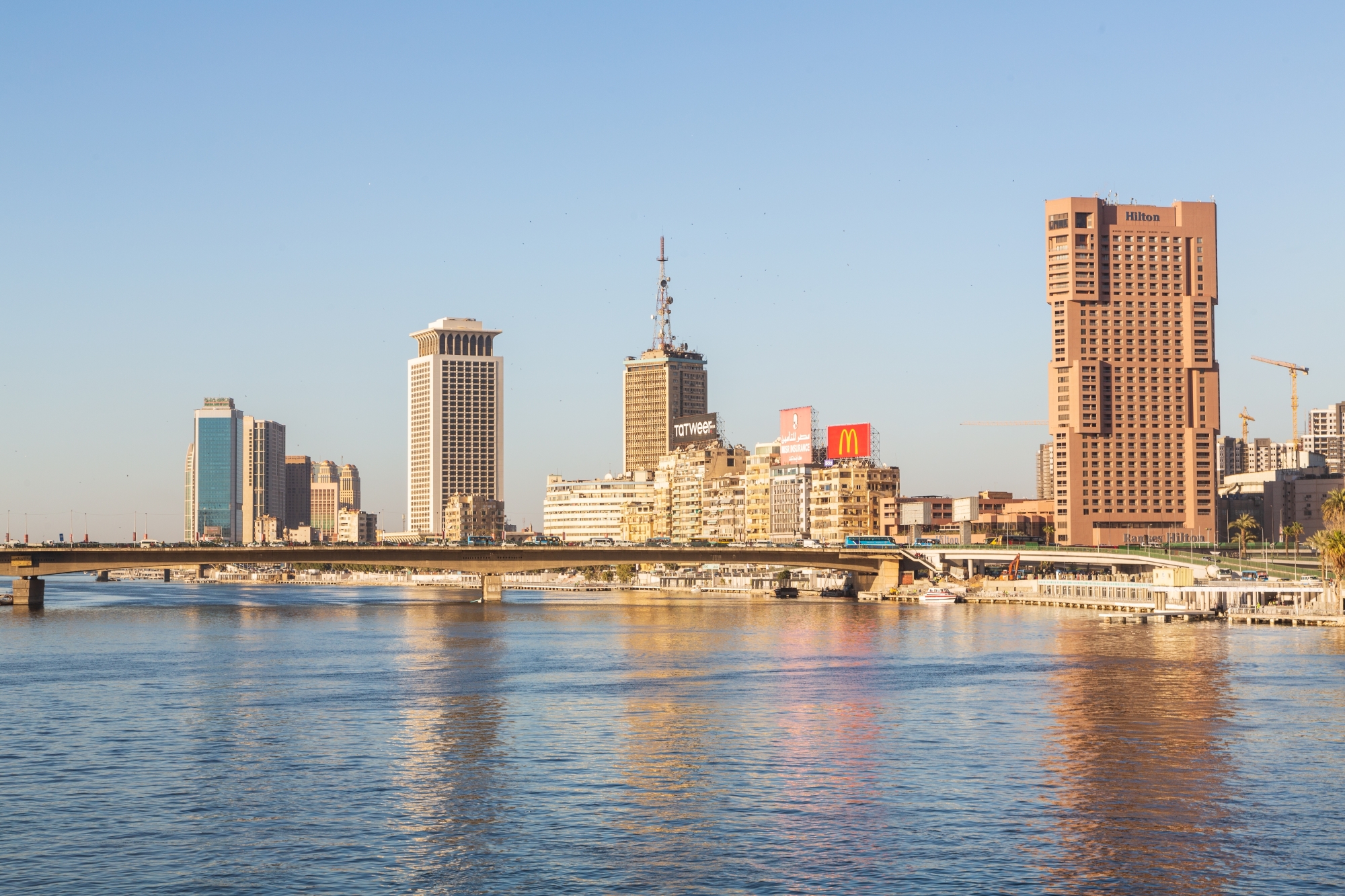
The Central Bank of Egypt raised key interest rates by 100 basis points, bringing the overnight deposit rate to 20% and lending rate to 21%, citing monthly inflation. The move ends an easing cycle that delivered 825 basis points in cuts since April 2025, while the bank pushed its inflation target timeline to the fourth quarter of 2027.
< 1 min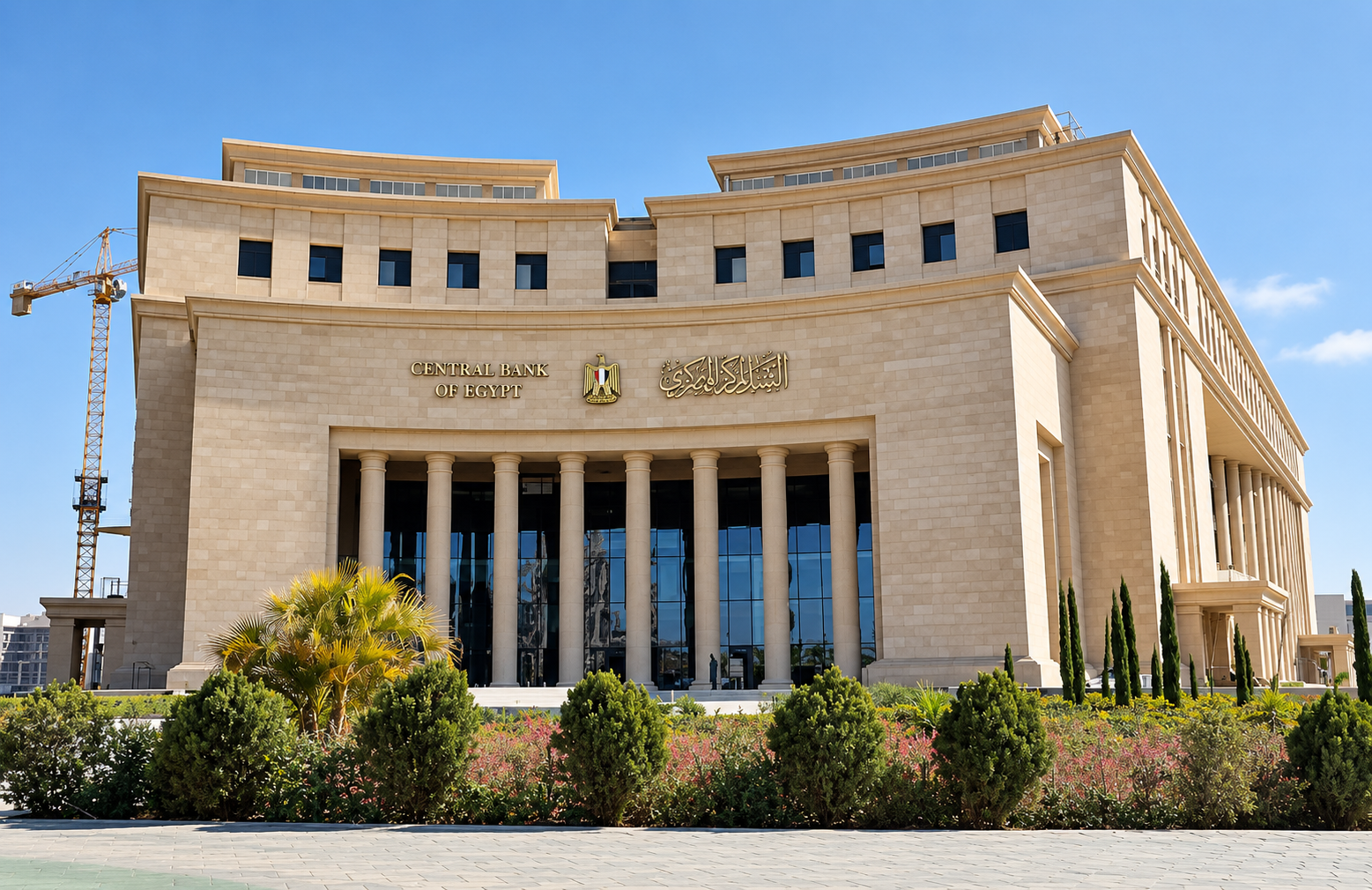
The Central Bank of Egypt (CBE) raised key rates by 100 bps on Thursday, ending an easing cycle that cut 825 bps from April 2025. The CBE cited monthly inflation.
The overnight deposit rate rose to 20.0%, the lending rate to 21.0%, and the main operation and discount rates to 20.5%.
Headline prices rose 1.3% m-o-m in September, even as annual inflation eased to 13.9%. The bank pushed its 7% (±2 pp) inflation target to 4Q 2027, from 2H 2027.
The Monetary Policy Committee next meets on December 17, as an IMF mission in Cairo works to complete the final EFF review before the facility expires on December 15.
BNW Developments has established a Sydney presence, joining Arada and Sobha Realty among the growing number of UAE developers pursuing Australian buyers and development opportunities.
The sports-car maker delivered 279,449 cars last year, down from 310,718 in 2024.
Masdar has agreed to acquire and develop a 550+ MW solar project in Greece from Lightsource bp, with operations expected by the end of 2026. The project will power over 200,000 homes annually, with plans to integrate battery storage. A separate partnership with Khazna Data Centers will explore clean energy solutions to support Greece’s growing digital infrastructure.
3 min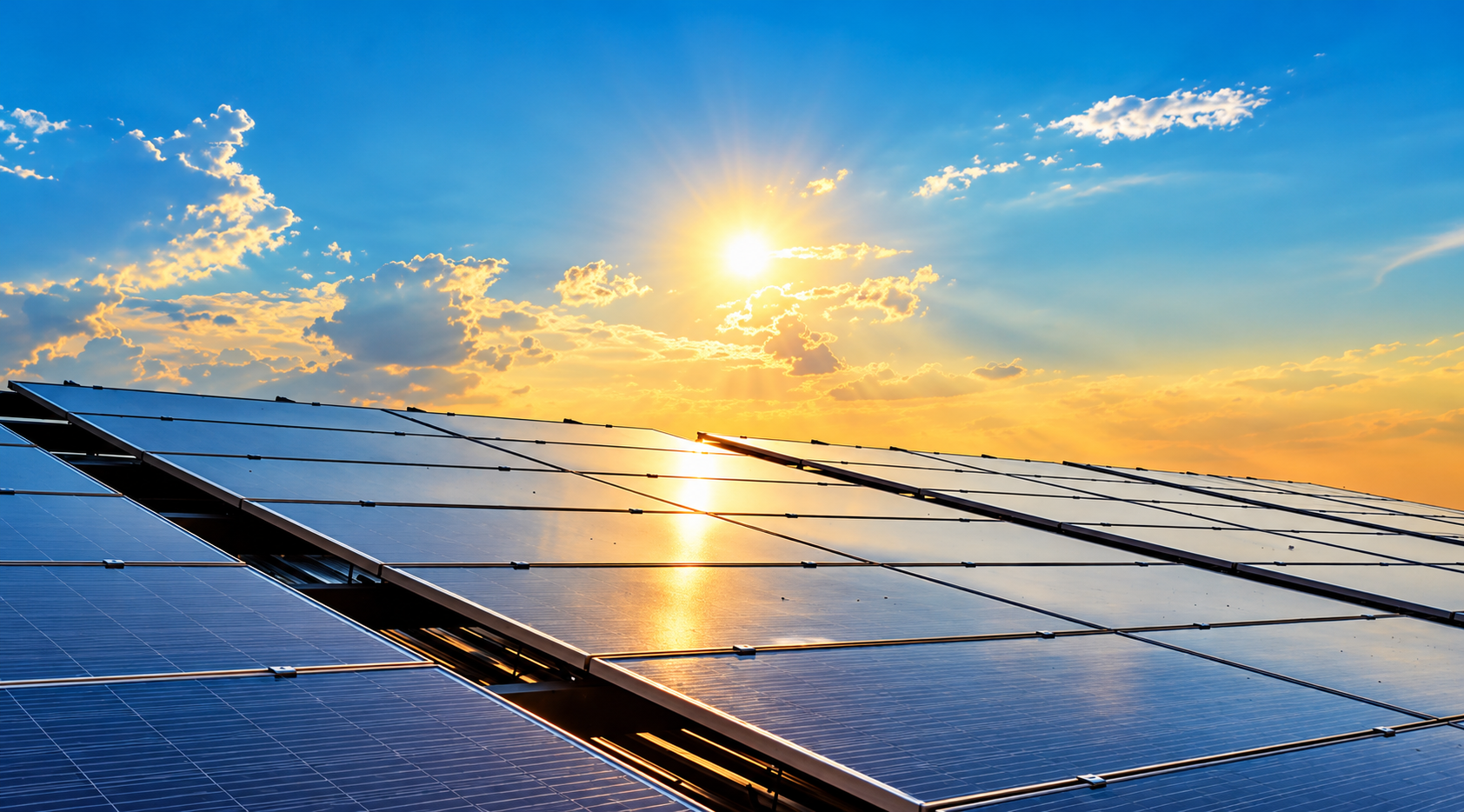
Abu Dhabi Future Energy Company PJSC – Masdar has signed an agreement to acquire and develop one of Greece’s largest solar projects, strengthening the country’s clean energy infrastructure and supporting its ambitions as a European digital hub, while deepening the strategic partnership between the UAE and Greece.
The agreement was announced as the two countries mark over 50 years of diplomatic relations and seek to expand cooperation across energy, artificial intelligence (AI) and advanced technology.
As AI, cloud computing, and digital industries drive rising electricity demand, access to affordable, reliable energy is becoming increasingly important to economic competitiveness. Greece’s strategic location at the intersection of Europe, Africa, and Asia, alongside growing investment in digital infrastructure, positions it to become an important regional hub for these industries.
The 550+ megawatt (MW) solar photovoltaic (PV) project, being acquired from Lightsource bp, is set to become operational by the end of 2026 and will produce enough electricity to power more than 200,000 homes a year. The project will support meeting electricity demand growth in Greece driven by AI and digital infrastructure.
Separately, Masdar and Khazna Data Centers signed an agreement to advance green data center development in Greece, combining Khazna’s data center development and operational capabilities with Masdar’s renewable energy and energy storage expertise. The partnership will explore dedicated clean power and storage solutions to support Greece’s growing digital infrastructure needs, creating significant opportunities for investment, economic growth, and energy security.
Sultan Ahmed Al Jaber, UAE Minister of Industry and Advanced Technology and Chairman of Masdar, said, “The UAE and Greece share a strategic partnership built on trust, long-term ambition and a commitment to mutual prosperity. As artificial intelligence and digital industries transform the global economy, access to reliable, affordable energy will be increasingly critical to competitiveness and growth. Masdar’s expanding renewable energy portfolio, alongside its new collaboration with Khazna, brings together two essential foundations of the future economy: clean power and digital infrastructure. Together, these initiatives will strengthen Greece’s energy security, support its ambition to become a regional digital hub and unlock new opportunities for investment and economic growth. They also reflect the UAE’s commitment to building enduring international partnerships that power the industries of tomorrow and deliver lasting prosperity.”
Mohamed Jameel Al Ramahi, Chief Executive Officer, Masdar, said, “These agreements represent another important milestone in our European growth strategy, expanding our portfolio with a high-quality solar asset that we will develop further with battery storage, and will deliver stable, long-term returns. Our collaboration with Khazna builds on this foundation, exploring opportunities to power Greece’s growing digital economy with clean energy. Through TERNA ENERGY, we are building a stronger renewable energy platform in Greece and the wider region, while creating long-term value for our shareholders, partners and the communities we serve.”
Masdar also plans to enhance the 550+ MW project with the integration of battery storage. This addition will support grid stability, enabling greater integration of renewables and providing additional flexibility to Greece’s power system. The transaction will also include two privately owned substations connecting the project to the electricity transmission system.
The acquisition marks Masdar’s first strategic investment made through TERNA ENERGY and represents a significant step in building Masdar’s presence in southeastern Europe. The solar project will complement TERNA ENERGY’s existing portfolio, enhance operational and commercial synergies, and strengthen Masdar’s position in one of Europe’s fastest-growing renewable energy markets.
TERNA ENERGY is Masdar’s platform for expansion across Southeastern and Central Europe. Masdar completed its 100 per cent acquisition of the company in April 2025, following an initial 70 per cent acquisition in November 2024 that valued the company at €3.2 billion, marking the largest energy transaction at that time on the Athens Stock Exchange. Masdar is leveraging TERNA ENERGY’s strong track record to become one of the largest renewables developers in the region, targeting 6 gigawatts (GW) of operational capacity by 2030, backed by a €5.5 billion investment plan.
As the adoption of AI and other advanced technologies accelerates, demand for reliable, affordable renewable energy is rising to meet the needs of the digital economy while supporting clean energy objectives. Masdar is currently developing the world’s first gigascale round-the-clock renewable energy project in Abu Dhabi, transforming renewable energy into a true, dispatchable resource that can deliver baseload power.
Masdar has built one of the world’s fastest-growing renewable energy portfolios, with more than 65GW of capacity across established and high-growth renewable energy markets, spanning technologies including solar, onshore wind, offshore wind, battery storage and hybrid solutions. With a clear pathway to 100GW of energy capacity by 2030, Masdar continues to expand through disciplined investment in strategic markets, delivering reliable, affordable clean power to meet rapidly growing electricity demand while supporting energy security and economic growth.
The acquisition transaction remains subject to regulatory approval and customary closing conditions and is expected to be completed by the end of this year.
BNW Developments has established a Sydney presence, joining Arada and Sobha Realty among the growing number of UAE developers pursuing Australian buyers and development opportunities.

Chris Dixon, a partner who led the charge, says he has a ‘very long-term horizon’

Egypt is moving closer to launching short selling as the Financial Regulatory Authority introduces a model agreement governing securities borrowing, collateral requirements and risk management. The centralized lending system operated by MCDR is undergoing live testing ahead of its anticipated launch, with the framework designed to protect market participants and standardize transactions.
4 min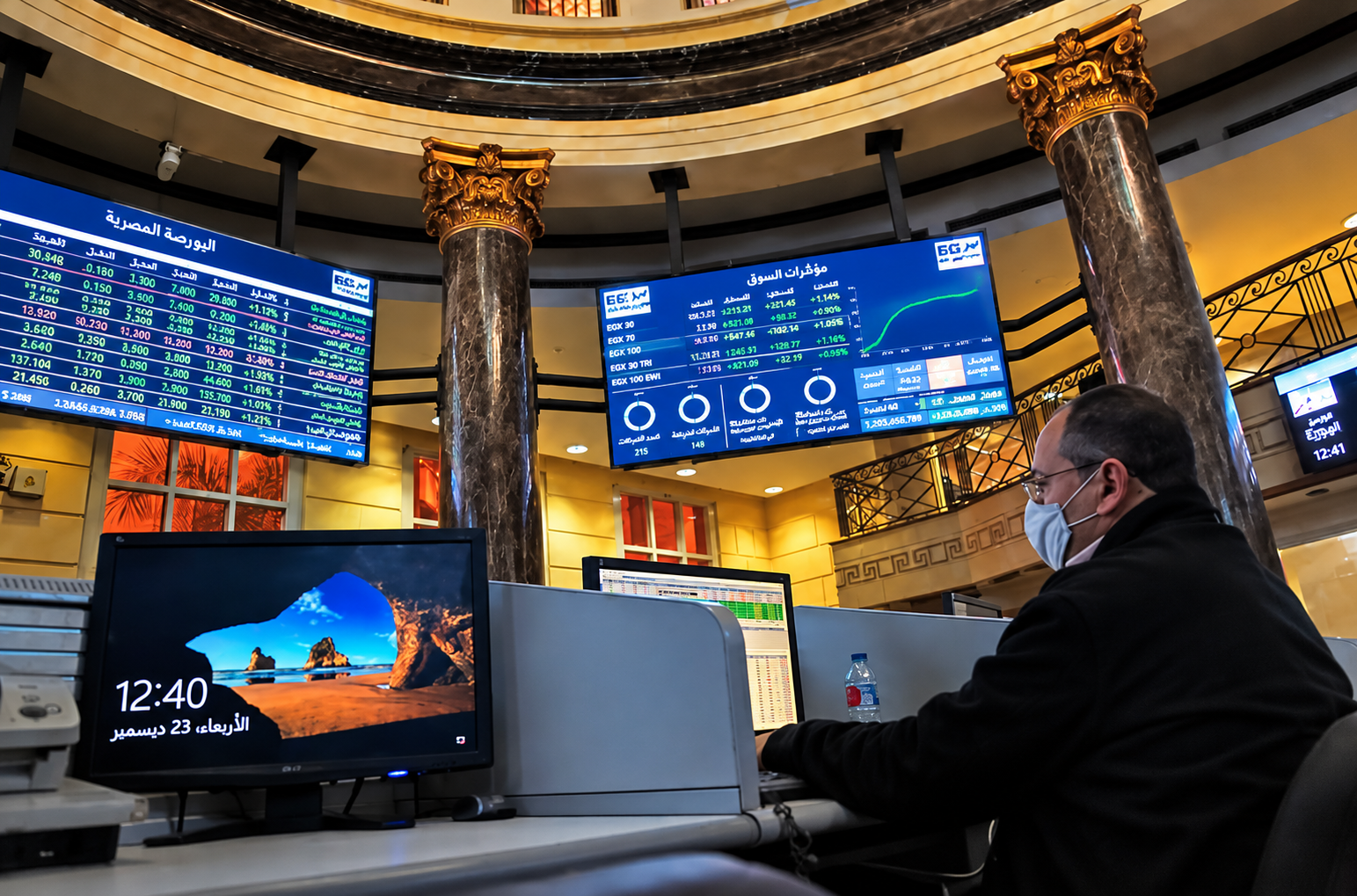
The Financial Regulatory Authority (FRA), chaired by Islam Azzam, has issued a model agreement governing the relationship between brokerage firms and clients borrowing securities for sale, marking another step towards the anticipated official launch of short selling in Egypt.
The move follows the introduction of a new regulatory framework under FRA Board Decision No. 155 of 2026.
The agreement establishes a clear contractual framework for clients seeking to borrow securities for sale through the centralised securities lending system operated by Misr for Central Clearing, Depository and Registry (MCDR), and brokerage firms licensed to execute such transactions on their behalf.
Short selling involves a lending client making securities they own available to borrow and a borrowing client borrowing those securities, selling them and subsequently repurchasing and returning them to the lender.
If the borrower expects the share price to decline, they can profit from the difference between the selling and repurchase prices, depending on market movements and changes in the security’s price. Transactions are conducted through a brokerage firm licensed to undertake such activities.
The model agreement was issued under FRA Chairperson Decision No. 3350 of 2026 following consultations with market participants to draw on the experience of companies operating in the sector and identify practical implementation requirements.
The move reflects the FRA’s approach of maintaining constructive dialogue with stakeholders to develop enforceable regulations that facilitate the mechanism’s operation while managing its risks and protecting market participants’ rights.
Agreement sets rules for collateral, fees and risk management
The model agreement defines the rights and obligations of brokerage firms and borrowing clients, their respective procedural responsibilities, and the arrangements governing expenses, commissions, returns generated from investing cash collateral margins and the distribution of those returns.
These provisions are intended to support effective implementation, improve participants’ understanding of the mechanism and its associated risks, facilitate the monitoring of collateral margins, and establish procedures for closing positions when circumstances specified in the contract or regulations arise.
The agreement also establishes risk management requirements, particularly regarding collateral provided by borrowing clients.
Borrowers must provide collateral margins at the rates specified in the agreement’s annex before executing a borrowing transaction, subject to the minimum ratios stipulated in the FRA’s decision.
Brokerage firms must deposit cash collateral into a separate account designated for securities borrowing for the purpose of selling.
To mitigate transaction-related risks and protect market participants’ rights, the model agreement requires brokerage firms to revalue borrowed securities using the latest closing price during the trading session.
Firms must also monitor the ratio of total collateral to the value of borrowed securities in accordance with the ratios specified in the agreement’s annex, subject to regulatory minimums.
The agreement also governs cases in which borrowed securities are not returned by the specified deadline. In such circumstances, the brokerage firm must purchase the securities required to fulfil the return obligation, taking the relevant settlement dates into account.
It also addresses circumstances requiring positions to be closed, including the removal of a security from the list of securities eligible for short selling and the issuance of regulatory decisions or approvals relating to acquisitions, mergers, tender offers, demergers, liquidations or other transactions specified by the FRA.
Brokerage firms must also provide clients with a detailed guide explaining securities borrowing for the purpose of selling, including its fundamental rules, procedures, benefits and associated risks.
The guide must be updated whenever amendments are made to the governing regulations and provided to clients at least once a year and whenever it is revised.
The agreement stipulates that cash collateral margins must be invested in instruments specified by the FRA throughout the lending period.
Brokerage firms are required to inform clients of the investment instruments used and the actual returns generated, and to credit those returns to clients’ accounts immediately upon receipt or in accordance with the agreed terms.
Regarding borrowing costs, the model agreement requires brokerage firms to disclose all expenses, commissions and other monetary amounts deducted from clients, specifying the basis on which each is calculated.
Any subsequent amendment to commissions or expenses is prohibited without the client’s explicit consent.
The agreement guarantees clients the right to issue orders to sell and purchase borrowed securities and to close their open positions, either fully or partially, during the borrowing period, in accordance with the contractual terms.
MCDR system undergoes live testing ahead of launch
Azzam said the model agreement represents another step towards launching the short-selling mechanism, as the FRA works to finalise the regulatory provisions and practical guidelines for all parties involved.
At the same time, final adjustments are being made to the centralised securities lending system developed and operated by MCDR through live testing.
The aim is to ensure full real-time connectivity between the system and brokerage firms while documenting all stages and procedures of the process.
The system will enable borrowing clients to view all available securities lending offers submitted by lending clients and select those that match their investment objectives. It will also allow lending clients to view other lending offers registered through the system.
Azzam added that the model agreement is intended to facilitate transactions for brokerage firms and borrowing clients, regulate their relationship and establish a standard contractual basis consistent with the mechanism’s regulatory framework.
It also defines responsibilities for managing collateral, monitoring open positions and handling cases involving declines in collateral value or delays in returning borrowed securities, thereby safeguarding the rights of all parties.
He noted that the agreement must include a declaration from the borrowing client confirming that they are the original owner and sole beneficiary of the account being opened and that their funds originate from legitimate sources.
Borrowing clients must also provide the relevant information in accordance with Anti-Money Laundering Law No. 80 of 2002 and the regulatory decisions governing anti-money laundering and counter-terrorist financing measures in non-banking financial activities.
Azzam explained that brokerage firms licensed to conduct these transactions are required to maintain the confidentiality of clients’ data and the privacy of their information and documents.
They are prohibited from disclosing information about clients or their transactions to third parties without prior written consent, and then only within the scope of that consent. Exceptions apply where firms are required to notify the FRA of specified data or information, or where disclosure is required under a judicial order in accordance with relevant legislation.
Short selling offers gains, but…
Under the short-selling mechanism, a borrowing client makes a profit if their expectation of a decline in the price of borrowed securities proves correct. The client repurchases the securities at the lower price, realises a gain and returns them to the lender, with borrowing costs deducted from the profit.
Conversely, if the price of the securities rises and the borrower decides to limit their losses, they must repurchase the securities at the higher price, incur a loss and return them to the lender, with borrowing costs adding to that loss.
In both cases, the lending client receives a return for lending their securities, comprising a return approximating the risk-free rate plus an additional lending premium, while retaining the other benefits associated with share ownership.
BNW Developments has established a Sydney presence, joining Arada and Sobha Realty among the growing number of UAE developers pursuing Australian buyers and development opportunities.

Americans now think they need at least $1.25 million for retirement, a 20% increase from a year ago, according to a survey by Northwestern Mutual
Saudi Awwal Bank (SAB) reported a 3% year-on-year increase in net profit to SAR 6.58 billion for the first nine months of 2026, while net loans and advances grew 11% to SAR 325 billion. The bank also recorded improved quarterly operating performance, reflecting continued strategic execution and disciplined risk management.
3 min
Lubna S. Olayan, Chair of the Board of Directors of Saudi Awwal Bank (SAB), announced today the Bank’s financial results for the nine months ended 30 September 2026.
SAB recorded a net profit after Zakat and Income Tax of SAR 6,582 million for the period, representing an increase of 3% compared with the corresponding period in 2025. Total operating income increased by 1% year-on-year to SAR 11,116 million, while third-quarter revenue rose by 5% to SAR 3,841 million compared with the previous quarter, reflecting improved sequential momentum.
Against a backdrop of evolving market dynamics and regional developments, SAB continued to deliver against its strategic priorities, maintaining balanced growth across its businesses. This performance was supported by disciplined capital deployment, prudent risk management and a continued focus on solid returns. Net loans and advances increased by 11% year-on-year to SAR 325 billion, broadly in line with the Bank’s plans and guidance.
Lubna S. Olayan, Chair of the Board of Directors, commented: “Our performance over the first nine months of 2026 reflects the resilience of SAB’s diversified business model and the strength of our long-term strategy.
We have continued to grow our business, deepen customer relationships and deliver solid returns while navigating an evolving external environment. Our commitment to responsible growth and sound financial management remains central to creating lasting value for our shareholders and supporting the Kingdom’s economic ambitions.”
The Bank’s margin performance improved during the third quarter, supported by disciplined asset repricing and stable funding costs. Quarterly operating income and pre-provision profit also increased compared with the previous quarter, demonstrating positive sequential momentum and the Bank’s continued focus on operating performance. This led to SAB reporting a return on tangible equity of 14.2% for the first nine months of the year, almost double the levels of returns the bank generated at the start of its strategy in 2021.
SAB’s trade business remained firm, underpinned by its strong corporate banking business and longstanding position in trade and cross-border banking. These capabilities continue to reinforce the Bank’s role in facilitating business activity and supporting the Kingdom’s growing international economic connectivity.
Asset quality remained resilient, with credit costs increasing during the nine-month period, as a reflection of heightened pressures. SAB continued to apply its established prudent forward-looking approach to provisioning, considering the evolving regional environment, supported by disciplined risk management and a continued focus on balance sheet strength.
Olayan added: “Our priorities remain clear: to pursue growth responsibly, deploy capital selectively and maintain a strong and resilient balance sheet. The improvement in margins and quarterly operating performance is encouraging and demonstrates the effectiveness of our strategic execution. We remain well positioned to respond to changing market conditions and pursue opportunities that support sustainable growth.
During the third quarter, SAB continued to advance its customer proposition through strategic partnerships and targeted innovation. The Bank introduced the Kingdom’s first Qatar Airways Privilege Club co-branded credit card, launched a dedicated e-commerce credit card in partnership with noon, and enhanced international transfer capabilities through its collaboration with Swift. Together, these initiatives reflect SAB’s commitment to delivering differentiated banking experiences, strengthening its competitive position and responding to the evolving needs of its customers.
SAB also continued to support its customers and employees amid the evolving operating environment, maintaining service continuity, prioritizing the wellbeing of its people and ensuring reliable access to banking services.
Olayan concluded: “As we mark 100 years of banking heritage in the Kingdom, we remain firmly focused on the future and the role SAB will continue to play supporting Saudi Arabia’s economic development. On behalf of the Board, I extend my sincere appreciation to our customers for their continued trust and to our colleagues for their dedication and professionalism. We also thank the Saudi Central Bank, the Capital Market Authority and our strategic partner, HSBC, for their continued support.”
BNW Developments has established a Sydney presence, joining Arada and Sobha Realty among the growing number of UAE developers pursuing Australian buyers and development opportunities.
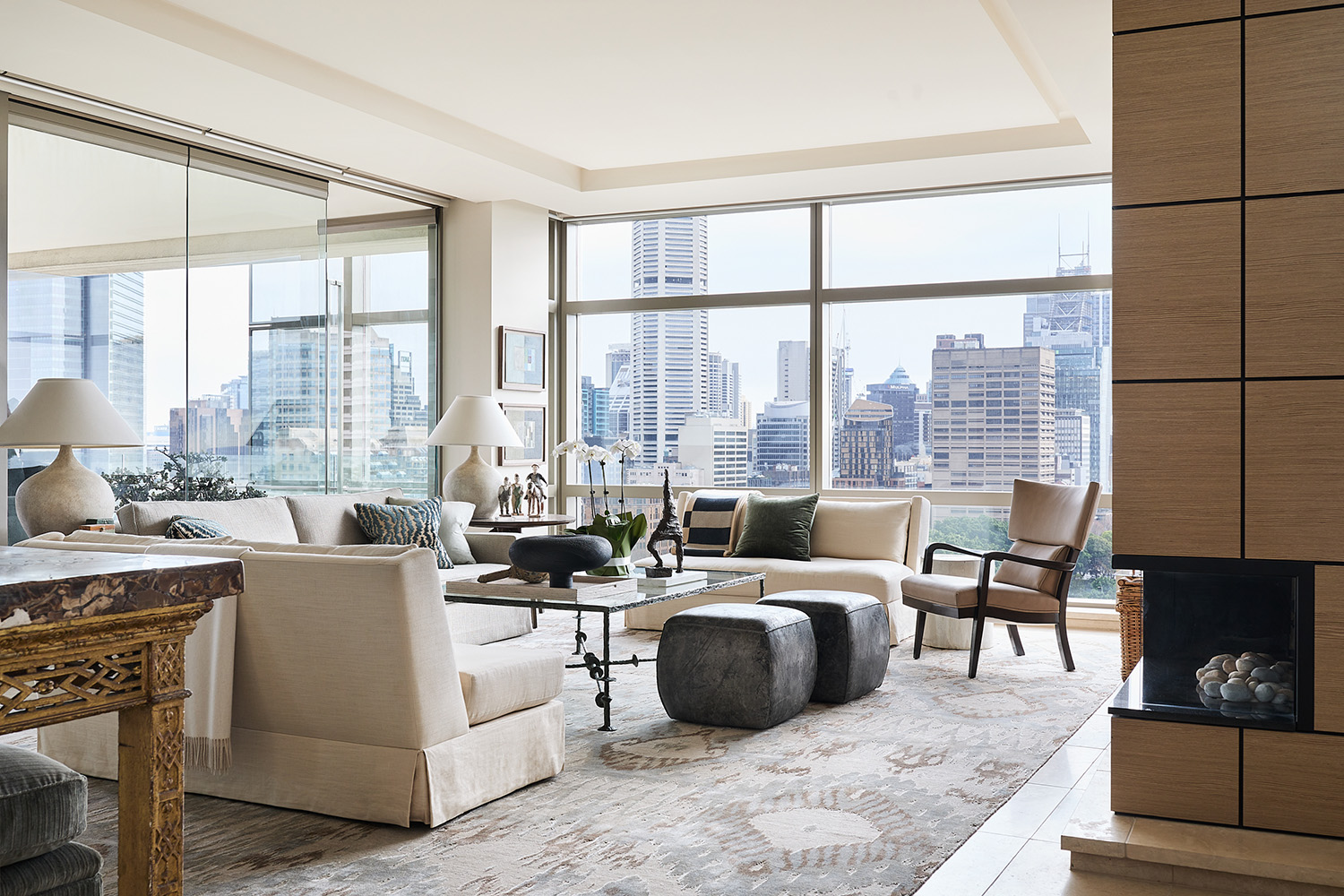
Interior designer Thomas Hamel on where it goes wrong in so many homes.

Doha Bank has raised $500 million through a five-year bond issuance, attracting over $1.5 billion in investor orders. The issuance marks the bank’s first debt deal of 2026, with proceeds supporting its funding strategy amid continued activity in the Gulf debt markets.
< 1 min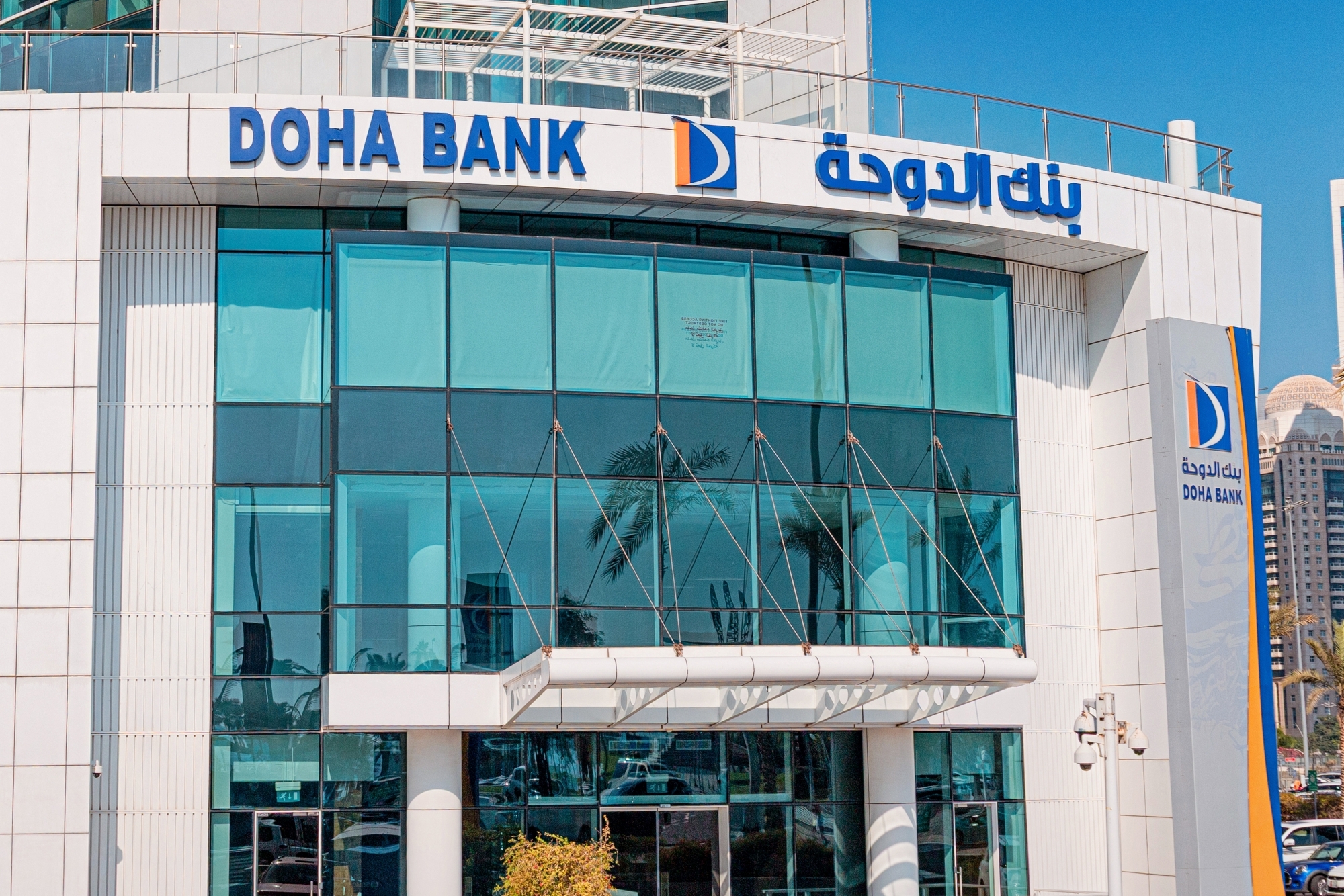
Doha Bank, rated A (Negative) / Baa1 (Stable) (Fitch / Moody’s), has raised $500 million through its latest debt raise, with the five-year Regulation S senior unsecured notes carrying a fixed rate coupon of 6.250%, payable semi-annual in arrears.
The notes carry a yield of 6.313%, at a re-offer price of 99.733 and a spread set at 140 basis points over US Treasuries. IPTs for the offering in the +170 bps area.
At launch, the orderbook was in excess of $1.5 billion, excluding JLM interest.
Doha Finance Limited is issuing the debt, with the Qatar-listed lender named as guarantor. The expected issue rating is A / Baa1 (Fitch / Moody’s).
Bank ABC, Barclays, BBVA, Deutsche Bank, Emirates NBD Capital, Goldman Sachs International, HSBC, Kamco Invest, KGI Asia, Mashreq, QNB Capital and Standard Chartered Bank are the mandated joint lead managers and bookrunners. Standard Chartered Bank is the billing and delivery bank.
The issuance will come under Doha Bank’s $4.25 billion Euro Medium Term Note Programme, with the notes maturing on October 28, 2031.
A listing will follow on the London Stock Exchange – International Securities Market.
This is Doha Bank’s first debt outing of the year, with the lender last accessing the market in December 2025 when it raised $150 million from a digital bond, with a two-year tenor, along a raise of QAR 500 million through a sustainable bond with a 4.50% coupon.
BNW Developments has established a Sydney presence, joining Arada and Sobha Realty among the growing number of UAE developers pursuing Australian buyers and development opportunities.
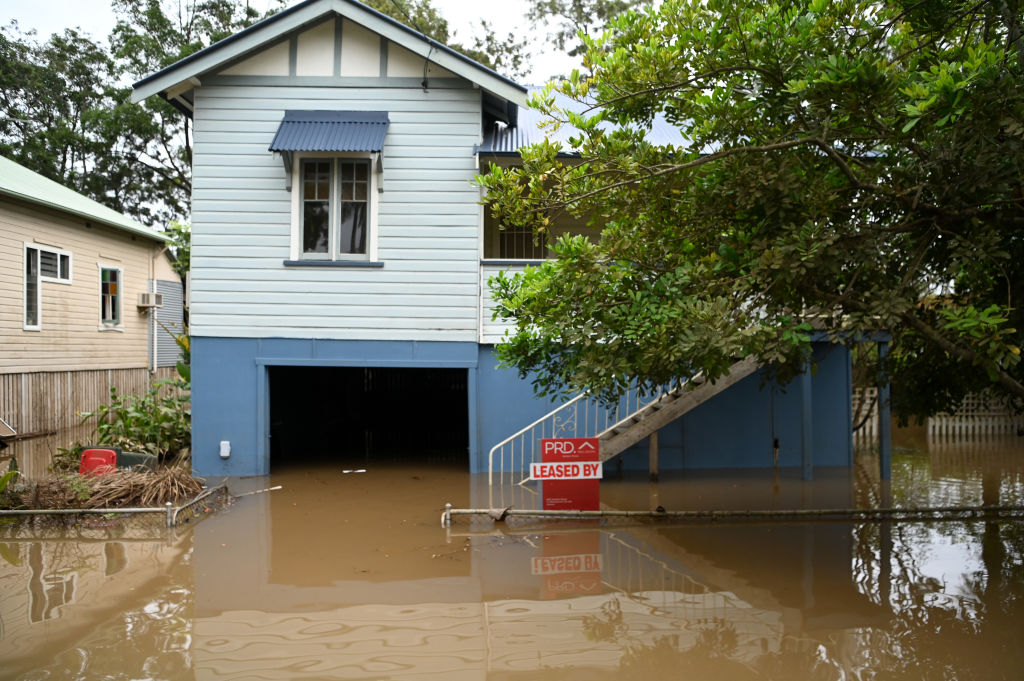
Following the devastation of recent flooding, experts are urging government intervention to drive the cessation of building in areas at risk.

Kuwait has raised $3.25 billion through a dual-tranche bond issuance, attracting combined investor orders of $7.8 billion. The offering comprised $2.25 billion in three-year notes and $1 billion in 10-year notes, with yields of 5.619% and 6.198%, respectively.
< 1 min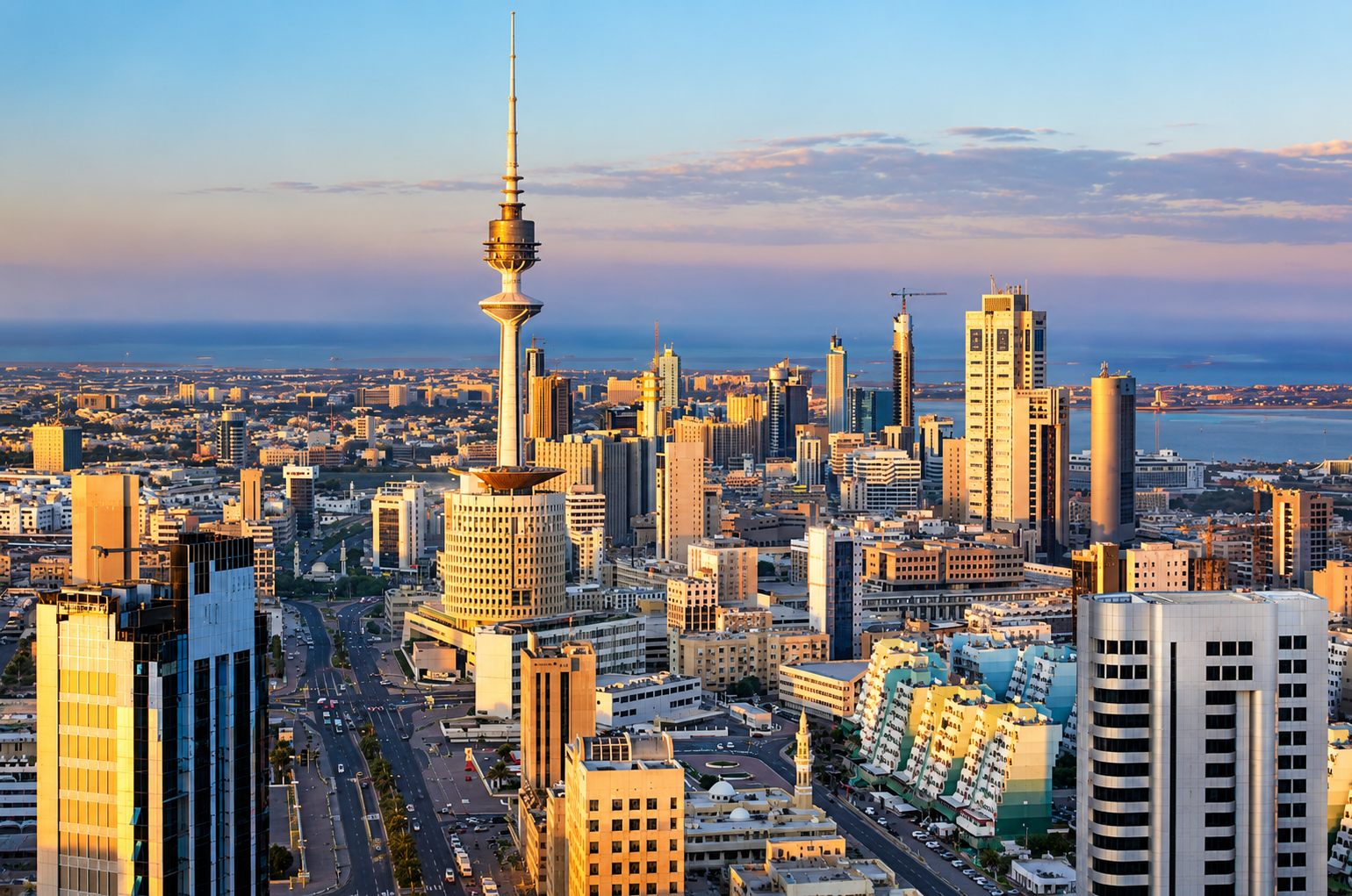
Kuwait has raised $3.25 billion in its latest debt issuance, a dual-tranche offering with three-year and 10-year tenors that saw a collective orderbook of $7.8 billion.
The three-year offering raised $2.25 billion, priced at par, with a semi-annual coupon of 5.619%. The yield was also set at 5.619%, with the spread tightened to 75 basis points over US Treasuries.
IPTs for this tranche were in the T+105bps area.
The 10-year tenor raised $1 billion, priced at par, with a coupon and yield of 6.198%. The spread was set at T+105bps from IPTs in the T+130bps area.
The final orderbook for the shorter tenor was in excess of $4.6 billion, excluding JLM interest, with the 10-year drawing an orderbook of $3.2 billion, excluding JLM.
The settlement date is October 26.
Kuwait has issued the senior unsecured notes through the Ministry of Finance, with an expected rating of AA- (S&P), AA- (Fitch) (all stable), in line with Kuwait’s own.
Citi, Goldman Sachs International, HSBC, JP Morgan, and SMBC are the joint global coordinators, while Barclays, Citi, Goldman Sachs International, HSBC, ICBC, JP Morgan, Morgan Stanley, and SMBC are the mandated joint lead managers and bookrunners.
HSBC is the billing and delivery bank on the three-year tenor, while JP Morgan has been mandated on the 10-year.
The notes will be listed on the London Stock Exchange’s Main Market.
In July, Kuwait raised $6 billion in debt through a three-tranche bond offering with investor demand driving the combined orderbook to more than $14.75 billion. While the $3 billion three-year issuance drew a marginally tightened spread of T+70bps compared to the October offering, the $1.5 billion 10-year raise drew a much tighter spread at T+85bps from IPTs in the T+110bps area.
BNW Developments has established a Sydney presence, joining Arada and Sobha Realty among the growing number of UAE developers pursuing Australian buyers and development opportunities.
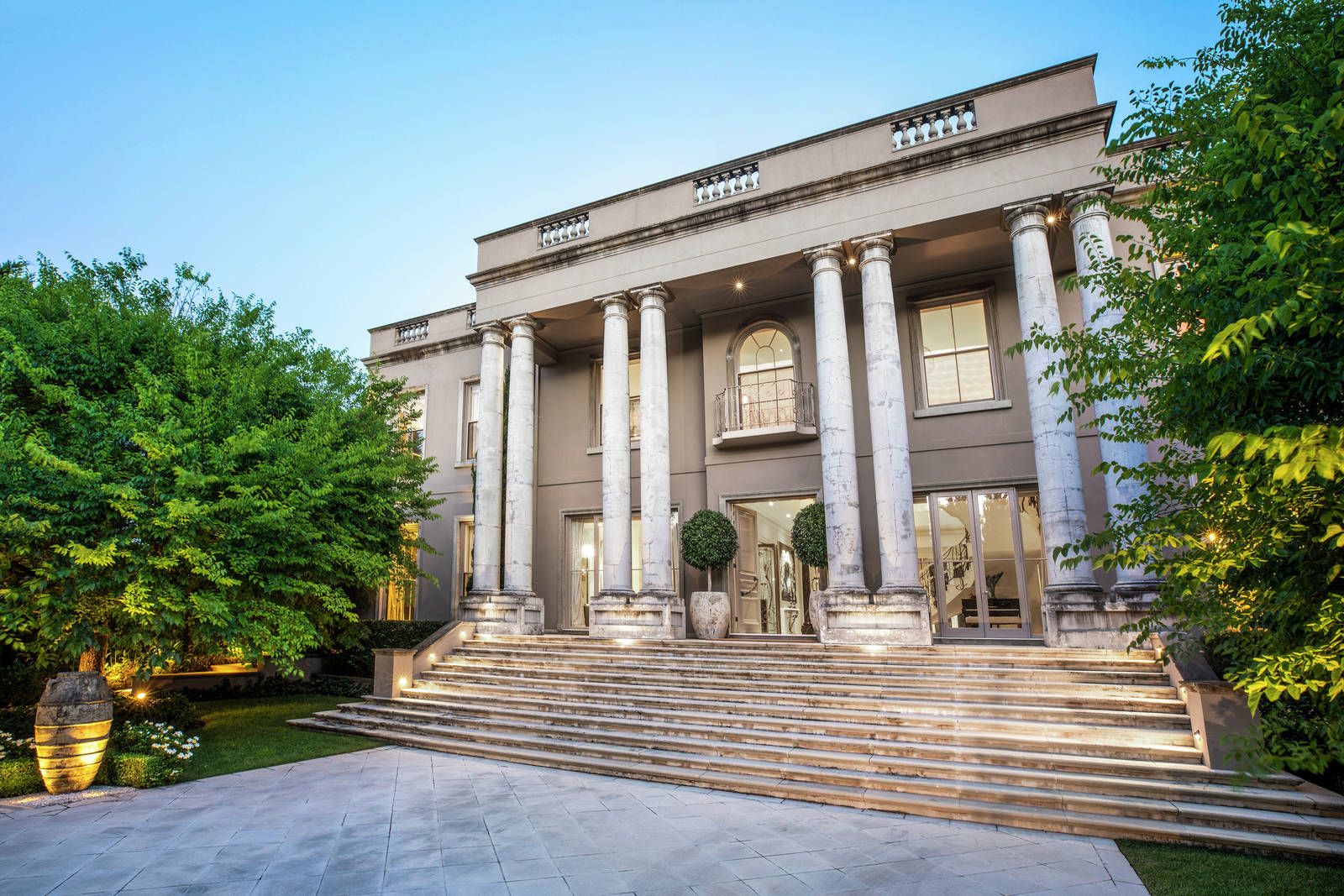
Gulf stock markets traded cautiously as escalating Middle East tensions. Saudi Arabia’s index fell 0.3%, Abu Dhabi slipped 0.2%, and Qatar’s benchmark dropped 0.5% to its lowest level in more than six years, while Dubai’s market remained broadly flat. Meanwhile, Brent crude fell 2.08% to $107.57 a barrel.
< 1 min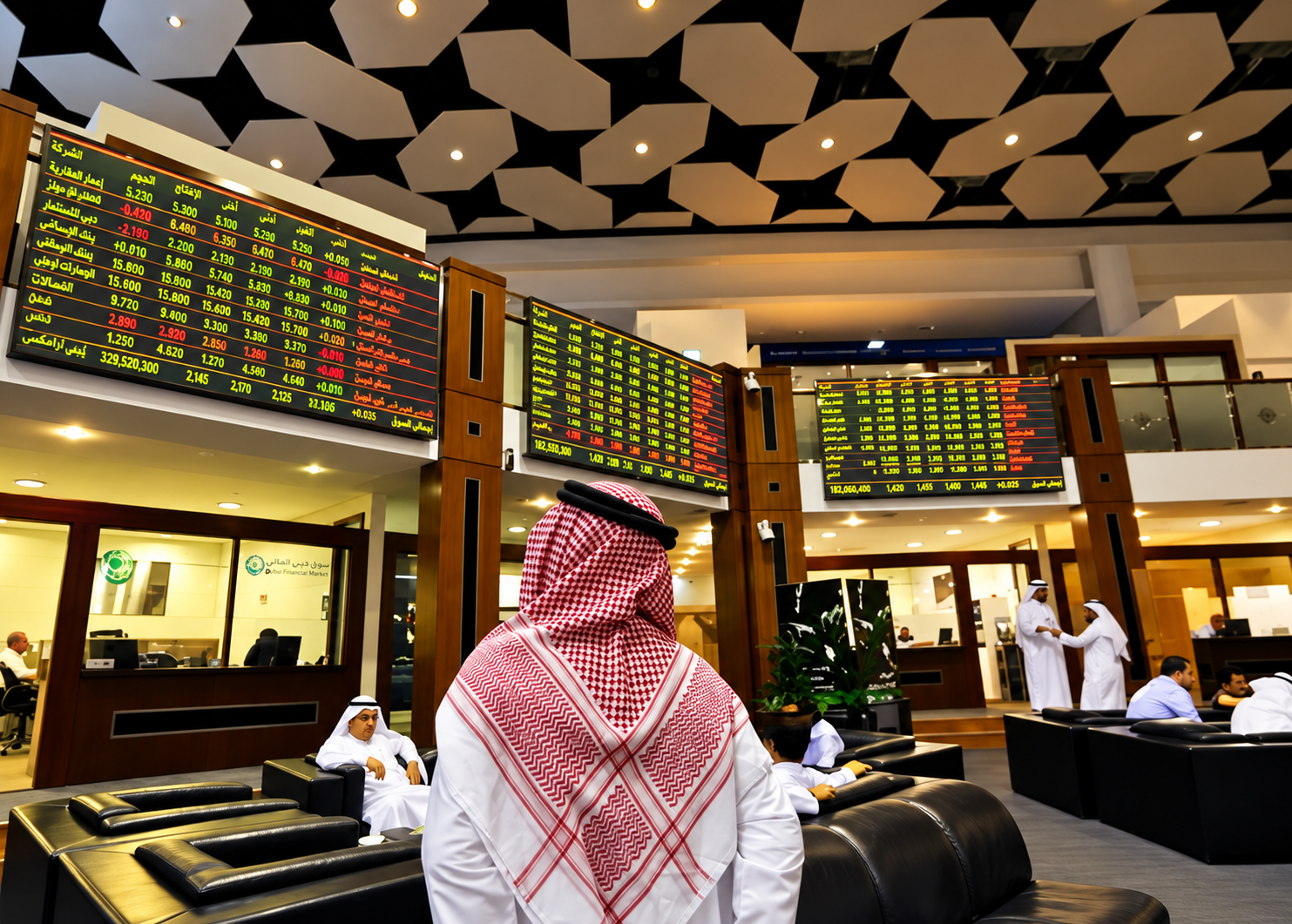
Major Gulf stock markets were subdued in early trade on Monday as tensions in the Middle East kept investors on edge, with a tanker blast in the Strait of Hormuz and uncertainty over the waterway’s reopening adding to the caution.
An oil tanker caught fire and exploded after striking a naval mine in the southern part of the strait, Iran’s Islamic Revolutionary Guard Corps navy said on Sunday, according to Iranian media.
Separately, Foreign Minister Abbas Araqchi told Iranian media that Tehran’s offer to the United States to reopen the strait within seven days was still on the table.
Brent crude futures fell 2.08% to $107.57 a barrel by 0619 GMT after settling at their highest since May 19 on Friday, as investors took profits after US President Donald Trump waived sanctions and tariffs on Russia, a move that may lead to more Russian fuel exports.
Saudi Arabia’s benchmark index fell 0.3%, hit by a 1.7% drop in Saudi Arabian Mining Co and a 0.8% decline in the country’s biggest lender by assets, Saudi National Bank.
Among other losers, oil behemoth Saudi Aramco was down 0.3%.
Dubai’s main share index was flat, though Dubai Investments advanced 2.4%. The group plans to float a 20% stake in subsidiary DIP Holding, owner of the Dubai Investments Park real estate business, in the UAE’s first initial public offering this year and one of only a few in the Gulf amid the Iran war.
In Abu Dhabi, the index eased 0.2%, while the Qatari index lost 0.5% to trade at its lowest in more than six years.
BNW Developments has established a Sydney presence, joining Arada and Sobha Realty among the growing number of UAE developers pursuing Australian buyers and development opportunities.


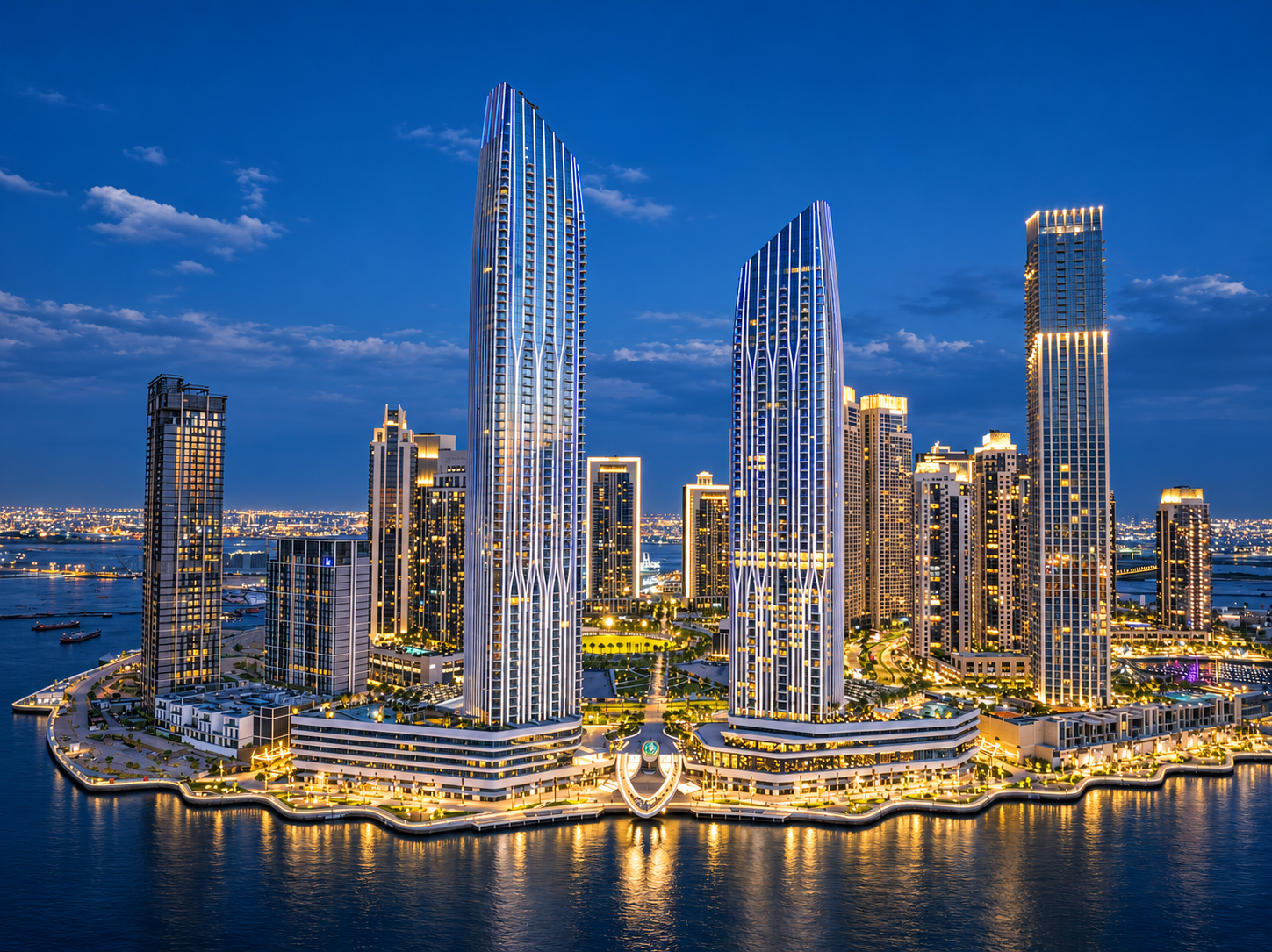
Jordan will repurchase all bonds tendered under its offer for part of its outstanding $1 billion 5.75% notes due in 2027, after investors submitted $396.2 million in bonds for buyback. Settlement was scheduled for October 16, 2026, with Citigroup Global Markets acting as dealer manager.
< 1 min
Jordan will buy back all bonds submitted under its tender offer for part of its outstanding $1 billion 5.75% notes due in 2027, after investors tendered $396.2 million of the debt.
Citigroup Global Markets acted as dealer manager for the transaction, while Citibank N.A., London Branch served as information and tender agent.
The sovereign said holders submitted $396.235 million in principal amount of the bonds for repurchase.
Settlement is scheduled for October 16, 2026.
BNW Developments has established a Sydney presence, joining Arada and Sobha Realty among the growing number of UAE developers pursuing Australian buyers and development opportunities.
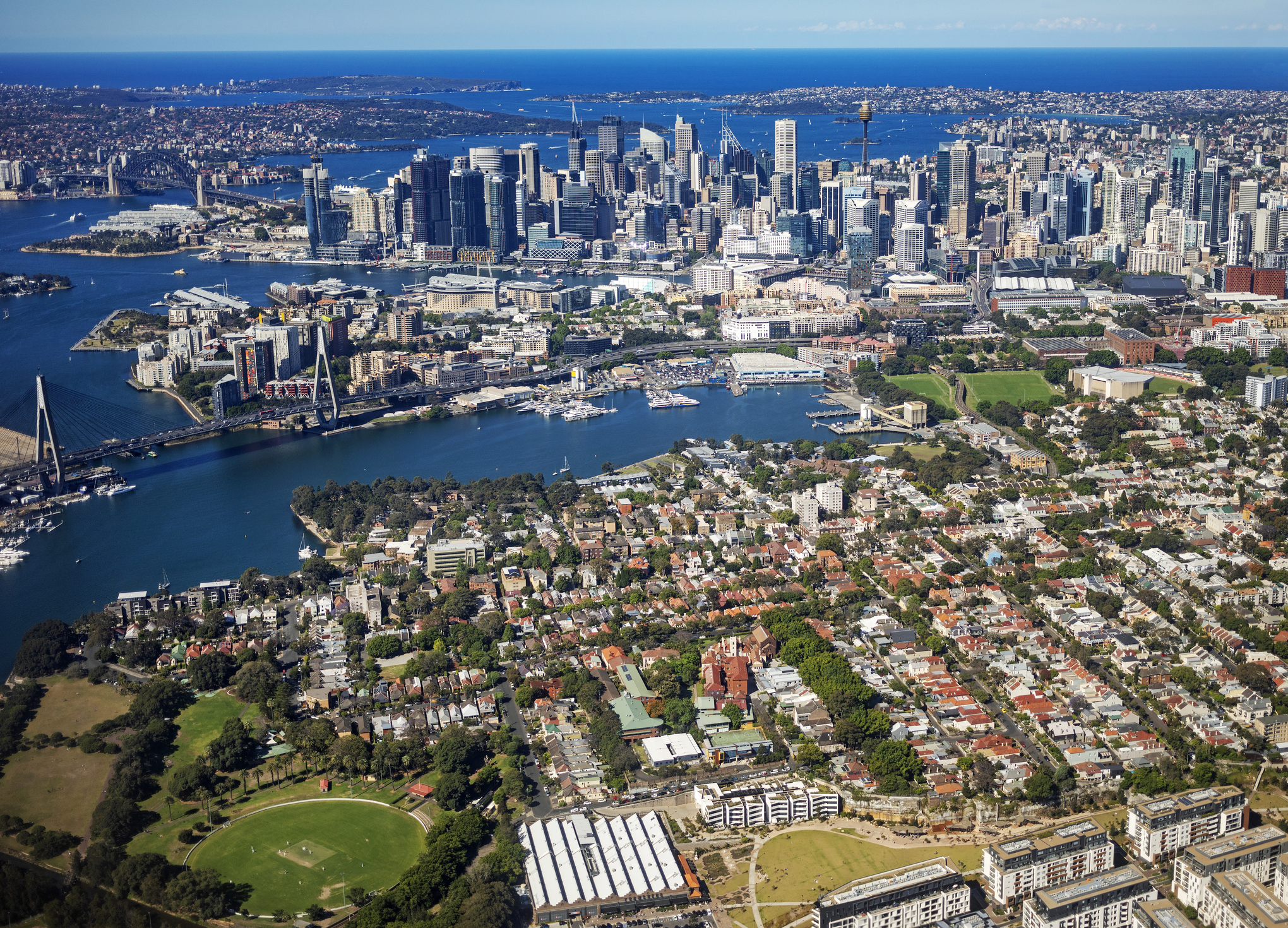

Egypt’s net international reserves rose by $5.9bn in the first nine months of 2026, reaching $57.35bn in September, supported by stronger foreign currency inflows and banking sector assets.
3 min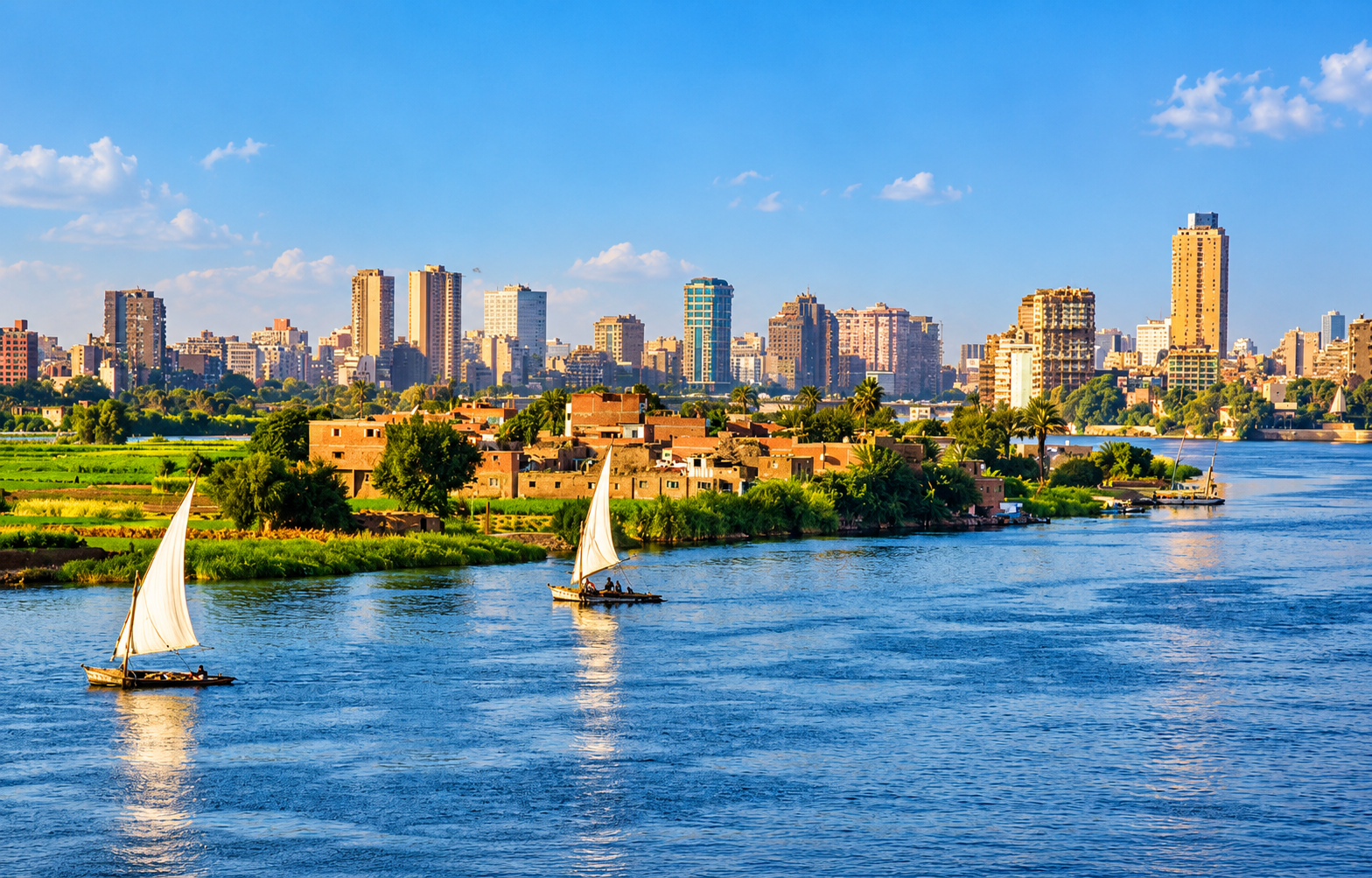
The Central Bank of Egypt (CBE) has revealed that its net international reserves increased by $5.896bn during the first nine months of 2026, reaching $57.348bn in September, compared with $51.452bn in December 2025.
According to renowned banking expert Mohamed Abdel Aal, Egypt’s foreign exchange reserves comprise a diversified basket of major international currencies, including the US dollar, euro, pound sterling, Japanese yen, and Chinese yuan. These currencies are allocated in line with the CBE’s strategy for managing liquidity and maintaining a balance between exchange rates and stability in global markets.
He noted that net reserves continued their upward trajectory for the 49th consecutive month, reaching $57.350bn in September 2026, compared with approximately $57.214bn in August, an increase of $136m and monthly growth of around 0.24%.
Although this monthly increase may appear modest in numerical terms, Abdel Aal said a closer examination reveals implications that extend beyond the size of reserves to their quality.
He stressed that the strength of the Egyptian economy’s external position no longer depends solely on the level of reserves, but is increasingly supported by an integrated set of positive indicators.
He explained that improvements in funding sources reflect a structural development in the Egyptian economy’s external position, which international institutions and credit rating agencies monitor as a more accurate measure of economic resilience and the ability to absorb shocks.
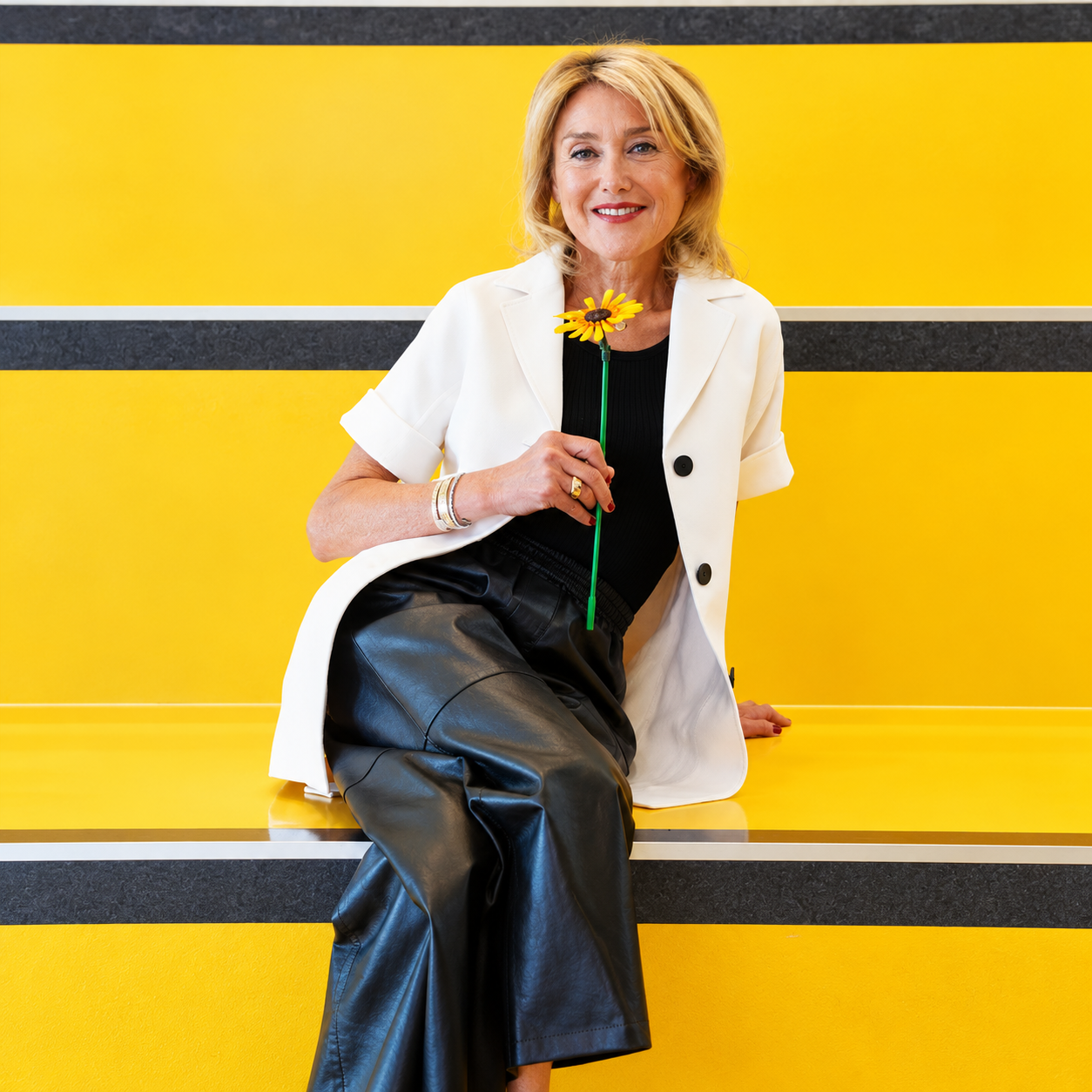
Mohamed Abdel Aal
In August 2026, the banking sector’s net foreign assets rose to $31.2bn, their highest level since January 2020, supported by an increase in commercial banks’ net foreign assets to $12.4bn, alongside a rise in the CBE’s net foreign assets to $18.8bn.
According to Abdel Aal, these divs carry significant implications, indicating that the improvement in international reserves is no longer confined to the CBE’s balance sheet, but is also supported by the banking system as a whole, with foreign assets exceeding external liabilities, making the improvement more sustainable.
He added that the recovery was not limited to banking assets, but extended to actual sources of foreign currency.
Remittances from Egyptians working abroad recorded notable growth of 28.1% during the first seven months of 2026, reaching $29.7bn, compared with $23.2bn during the same period last year.
At the same time, the tourism sector maintained its performance, generating revenues of $12bn during the first eight months of the year, an increase of approximately 1.7%.
In foreign trade, Egyptian exports continued to grow, reaching $31.9bn during the first seven months of 2026, exceeding the $29.9bn recorded during the corresponding period last year.
Suez Canal revenues also recorded a noticeable improvement in the second quarter of the year, reaching $1.26bn, compared with around $1.1bn in the first quarter, representing growth of 13%.
Abdel Aal said the continued accumulation of reserves over 49 consecutive months represents more than a financial div. It constitutes a cumulative line of defence that strengthens the economy’s ability to withstand financial and geopolitical shocks and fluctuations in energy markets, gives monetary policymakers greater flexibility, and reinforces the confidence of international institutions.
He noted that a particularly striking development was the growth in reserves despite a decline in the dollar value of their gold component, which stood at $17.46bn in September 2026, down by $1.6bn as global gold prices fell by more than $270 per ounce.
However, the increase in the liquid foreign-currency component fully offset this decline, highlighting the flexibility of the reserve composition as an additional strength in managing the reserve portfolio.
Addressing recurring questions about the adequacy of reserves, Abdel Aal said the modern professional approach goes beyond identifying a safe level of reserves to determining the optimal level, assessed according to import coverage, short-term external debt, and the nature of capital flows.
He noted that the real challenge is not to maximise reserves without limit, but to strike a careful balance between security, liquidity, and investment returns.
Looking ahead to the final quarter of 2026, Abdel Aal said that, with foreign currency inflows continuing and the foreign exchange market remaining stable, there appeared to be scope for reserves to maintain their upward trend, although the pace of growth would remain dependent on geopolitical developments and global energy prices.
Abdel Aal stressed that foreign exchange reserves are more than divs recorded on the Central Bank’s books. They serve as a safety valve that is reshaping market confidence in the Egyptian economy.
He said the continued upward trend was undoubtedly the result of carefully considered monetary and fiscal policies that strengthen the country’s economic security.
BNW Developments has established a Sydney presence, joining Arada and Sobha Realty among the growing number of UAE developers pursuing Australian buyers and development opportunities.