Rubrik Launches Data Security Posture Management to Safeguard Sensitive Information
New capabilities help customers proactively reduce the risk of sensitive data exposure and exfiltration, accelerating secure adoption of Microsoft 365 Copilot.
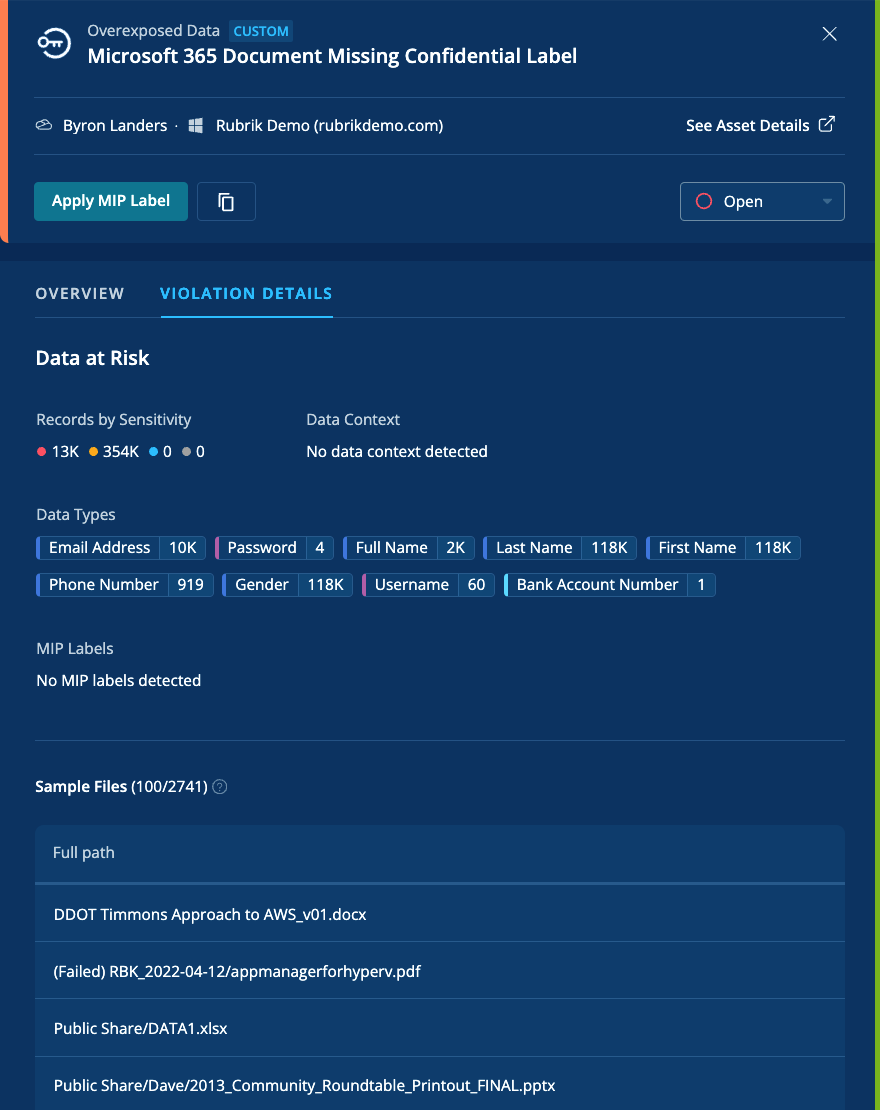
As organizations and their volume of Microsoft 365 data grow, protecting sensitive data and managing access has become even more important. The need for strong security and governance practices is only intensified as more organizations leverage powerful AI tools like Microsoft 365 Copilot. Today Rubrik, Inc. (NYSE: RBRK) announces Rubrik Data Security Posture Management (DSPM) for Microsoft 365 Copilot to provide greater visibility and control of sensitive data, reduce the risk of exposure, and empower organizations to quickly and securely adopt Copilot.
“Organizations are facing significant pressure when it comes to improving security of their rapidly growing data,” said Mike Tornincasa, Chief Business Officer at Rubrik. “Rubrik DSPM for Microsoft 365 Copilot helps safeguard those business-critical assets, allowing organizations to leverage the power of innovative tools like Copilot while maintaining a strong data security posture and ensuring cyber recovery–all within a comprehensive cyber resilience platform.”
Microsoft 365 Copilot is an AI-powered assistant that generates answers anchored in an organization’s business content to deliver highly relevant and contextual responses. To ensure Copilot surfaces only data which users have permissions to view, it follows the same data access controls already in place in Microsoft 365. Misconfigurations in these controls could lead to the exposure of sensitive data to unauthorized users.
To help mitigate this risk, Rubrik DSPM for Microsoft 365 Copilot is designed to provide the data visibility and control needed to ensure sensitive data is correctly classified, labeled, and segmented – and has the right access permissions. This enables organizations to leverage the power of Copilot while securing sensitive data from the risk of exposure.
“Microsoft is committed to enabling secure and intelligent productivity tools for our customers,” said Tony Surma, CTO, Americas Partners at Microsoft. “The introduction of Rubrik Data Security Posture Management for Microsoft 365 Copilot aligns with our mission by providing robust data visibility and control, enabling organizations to confidently leverage AI-driven capabilities while ensuring their sensitive data remains secure.”
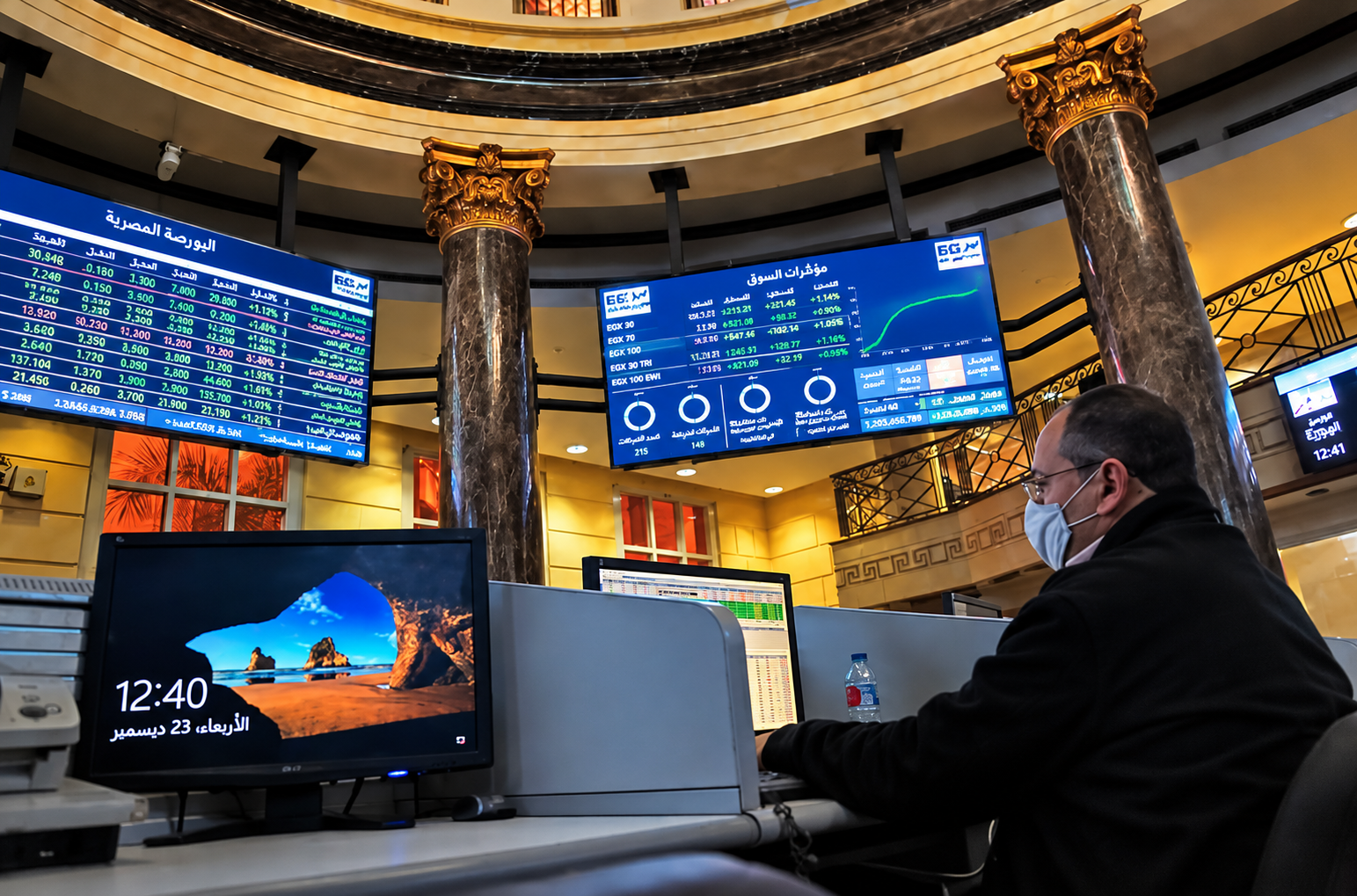
The International Monetary Fund has reached a staff-level agreement with Egypt that could unlock approximately $2.3 billion in funding, pending approval by its Executive Board, as the country approaches the end of its $8 billion loan program. The IMF said Egypt’s economy grew by 5.1% in the fiscal year ending June 2026, while warning that regional tensions, high debt and tighter global financial conditions remain key risks.
J.P. Morgan Private Bank has released its 2027 Global Investment Outlook, The Price of Progress, highlighting how artificial intelligence, geopolitical fragmentation and inflation are reshaping global capital markets. The report examines the growing importance of capital allocation, higher borrowing costs and investment opportunities across AI, real assets, private markets and global equities.
Foreign banks’ holdings of GCC debt securities surged 41% year-on-year to exceed $110 billion by mid-2026, with the UAE leading regional exposure at $57.9 billion, according to Fitch Ratings. The increase reflects growing international investor participation and deeper access to global debt markets across the GCC.
Kuwait’s Mezzan Holding has renewed and adjusted its banking facilities in Kuwait and Qatar, securing approximately $60.07 million in total available credit. The agreement includes a reduced credit limit in Kuwait of KD 13.75 million and an increased facility limit in Qatar of QAR 58.3 million, strengthening its financing arrangements across both markets.
Kuwait’s Mezzan Holding has renewed and adjusted its banking facilities in Kuwait and Qatar for financing worth around $60.07 million.
The company confirmed on Monday that the credit limit for its financing agreement with a bank in Kuwait has been decreased from KD 14.16 million to KD 13.75 million.
Its subsidiary in Qatar also renewed its financing facility with a higher limit of up to QAR 58.3 million, compared to the previous limit of QAR 43.3 million.
Total renewed credit available is around $60.07 million.
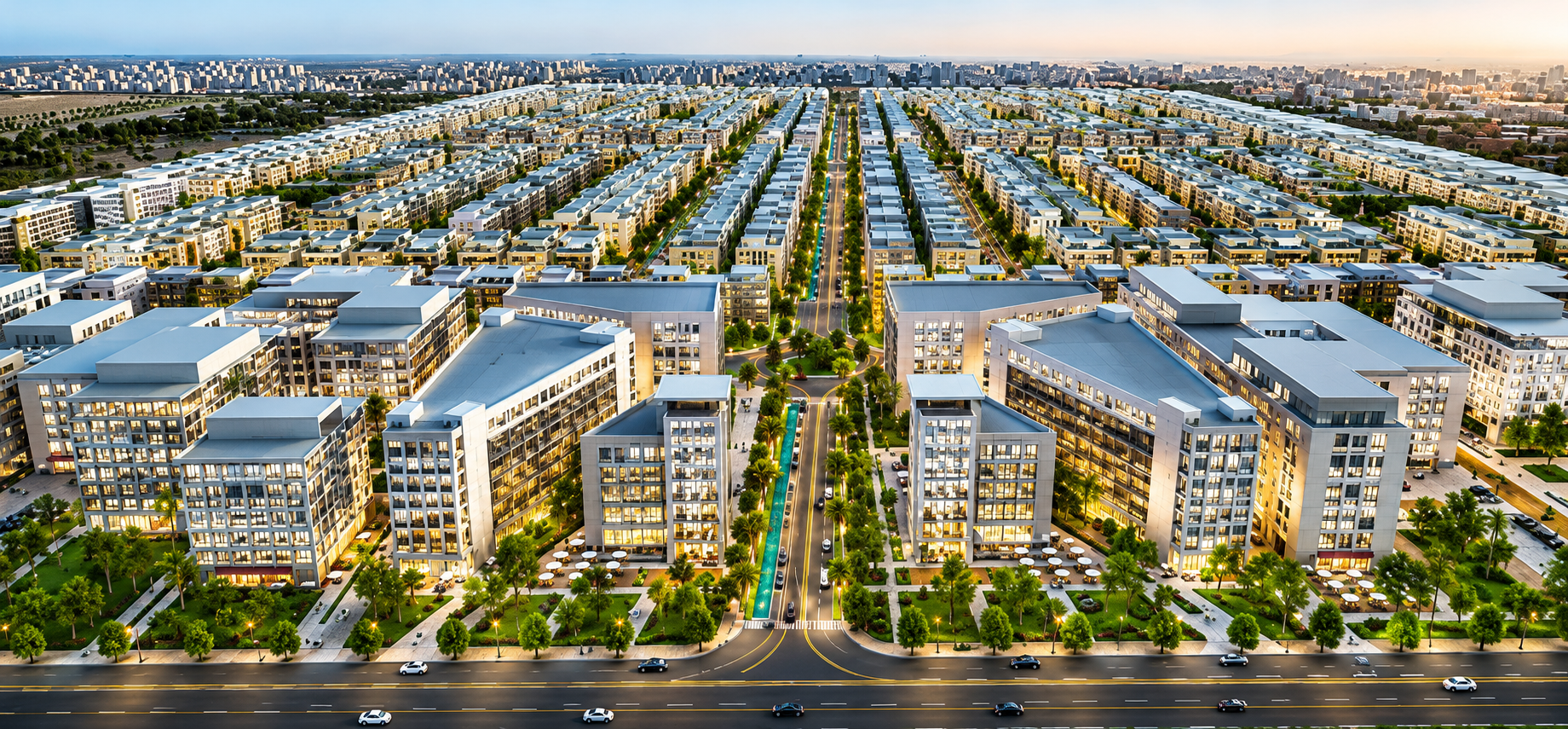
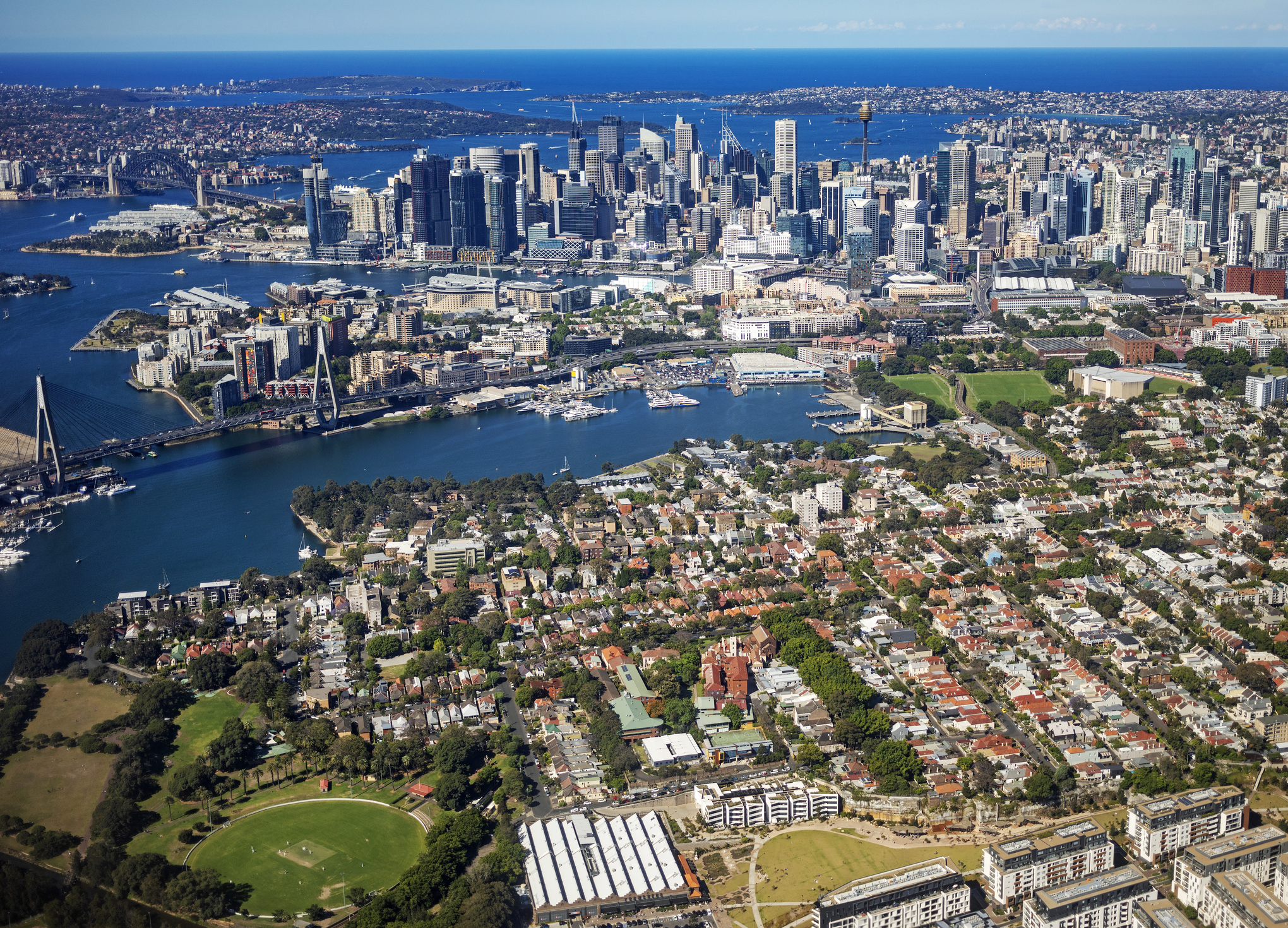
BNW Developments has established a Sydney presence, joining Arada and Sobha Realty among the growing number of UAE developers pursuing Australian buyers and development opportunities.
Following the successful launch of its Palais Collection, MAISON de SABRÉ has unveiled a new modular handbag system offering more than 720 styling combinations.
Anthropic’s $1.18 trillion valuation is facing a new test: the bond market. Despite raising more than $100 billion, the AI company faces questions over its ability to finance nearly $900 billion in future computing commitments. Investors are weighing whether its growth prospects justify the risks of lending to an unprofitable AI giant.
Anthropic’s ANT -1.43%decrease; stock market debut was rocky. There are even bigger questions about how it will fare in the bond market.
The hot artificial-intelligence company raised more than $100 billion last week and is worth around $1.18 trillion, above Walmart or JPMorgan Chase. But it has committed to spend some $900 billion in the coming years to pay for the gargantuan amount of computing power needed for its leading AI models.
Borrowing big in the corporate bond market won’t be easy. Anthropic is unprofitable, less than six years old and Wall Street isn’t confident it will meet its long-term obligations. The debt market expects credit-rating firms to rate its bonds as junk, or below investment grade.
“Any Anthropic debt deal is going to be viewed with a suspicious eye,” said Craig Manchuck, a bond-fund manager at San Francisco-based Osterweis Capital Management. “How do you gauge what the right price is for a company that has committed to spend $900 billion in the next couple of years?”
Anthropic’s credit rating has consequences for bond markets and the entire AI ecosystem.
An investment-grade rating would give Anthropic access to the $8.6 trillion high-grade corporate bond market, a relief for microchip manufacturers. Broadcom and Nvidia have guaranteed tens of billions of dollars of loans to buyers of its chips that are rented to AI “labs” like Anthropic and OpenAI. Analysts have grown increasingly worried about “circular” financing deals and the size of the loan guarantees, making chip makers eager for the labs to start borrowing on their own.
AI has upended the market convention that equity investors fund unproven technology upstarts, while bond investors, who get interest payments and no upside, steer clear. The cost of building digital infrastructure—$10 trillion by some measures—far exceeds what even the stock market can provide, forcing the industry to borrow money.
Rising borrowing costs and tightening lending markets have been among the forces battering stocks in recent weeks as trillions of dollars in market value have been wiped away. Anthropic lost much of its post-IPO bump last week, as a sweeping selloff caught up with big players like Nvidia, Meta Platforms, Oracle and others.
One prominent credit investor said he was worried credit-ratings firms would give Anthropic an investment-grade rating because of its sheer scale, potentially allowing its bonds into retirement funds meant to hold ultrasafe assets.
“Obviously, at some point in the future, we’re hoping to be investment grade,” Anthropic Chief Executive Dario Amodei said in an interview on CNBC on Thursday.
Spokespeople for Fitch Ratings and S&P Global Ratings declined to comment. A spokeswoman for Anthropic declined to comment.
Several large bond-fund managers said they expect Anthropic to land a rating in the BB range, a notch or two short of investment-grade, which would make it by far the most valuable U.S. high-yield company. Hilton Worldwide currently holds that distinction, according to Dow Jones Market Data, with a market value of around $80 billion.
Other large-cap AI companies—including cloud-computing firm CoreWeave—also have junk ratings, highlighting the growing gap between how stock and bond investors view the industry.
“Companies on the one hand have $40 billion, $60 billion market caps and are paying 16% to 18% for their debt,” Apollo Global Management Chief Executive Marc Rowan said in an interview with a Wall Street Journal podcast in October. “One of those things is wrong.”
AI labs like Anthropic remain unproven, but if their growth continues, they could become dominant players in tech, outstripping the greats of Silicon Valley. Bond markets were also skeptical of electric-car maker Tesla in 2018, just before the company—and its share price—took off.
The big ratings firms haven’t publicized their views on Anthropic and could deliver a split decision, with some granting the company investment grade. Investors might not get final word until after Anthropic decides to issue public debt for the first time.
The company is unlikely to issue many unsecured bonds because the junk-bond market is relatively small at $1.7 trillion and carries high borrowing costs, the fund managers said.
Instead, they are more likely to continue accessing capital via structured financing, chip financing and the like, “where there are ways to enhance their own credit quality,” said Brian Barnhurst, head of global credit research at PGIM.
Bond managers are already struggling to absorb the tidal wave of bonds from large AI companies, or “hyperscalers” this year, many of which have performed poorly. Some of the $25 billion of bonds SpaceX issued shortly after its IPO in June have since lost more than 10%.
“I talked to a lot of my peers…and they don’t really have the appetite to buy into hyperscalers right now,” said Neil Sun, a bond-fund manager at RBC Global Asset Management.
Established tech giants with investment-grade credit ratings like Meta and Oracle issued record amounts of bonds and guaranteed jumbo loans used to build data centers. Wall Street banks sold the deals to debt-fund managers by offering interest rates well above typical yields on investment-grade bonds, but the investments have since lost value amid market indigestion.
Anthropic might be where the buck stops. Anthropic reported $17 billion of revenue last quarter but still lost money because of its high spending on computing power, and it has no other business to give bond investors comfort.
Anthropic can use its $96 billion in cash on hand and the proceeds from its IPO and a concurrent private-share placement to fund spending commitments for a year or more, analysts say. The company also started buying its own computing hardware, assets that could ease the way to an investment-grade rating. SpaceX landed an investment-grade rating thanks to its lucrative satellite business.
Roughly half of the AI lab’s spending commitments don’t start until 2030. Without an investment-grade rating by then, Anthropic could struggle to pay its bills.
“They have about three years of runway to get investors particularly comfortable with the credit story and their plan, so that the capital markets remain open for them,” RBC’s Sun said.
BNW Developments has established a Sydney presence, joining Arada and Sobha Realty among the growing number of UAE developers pursuing Australian buyers and development opportunities.
Two coming 2027 models – the first of the “Neue Klasse” cars coming to the U.S. early next year – have been revealed.
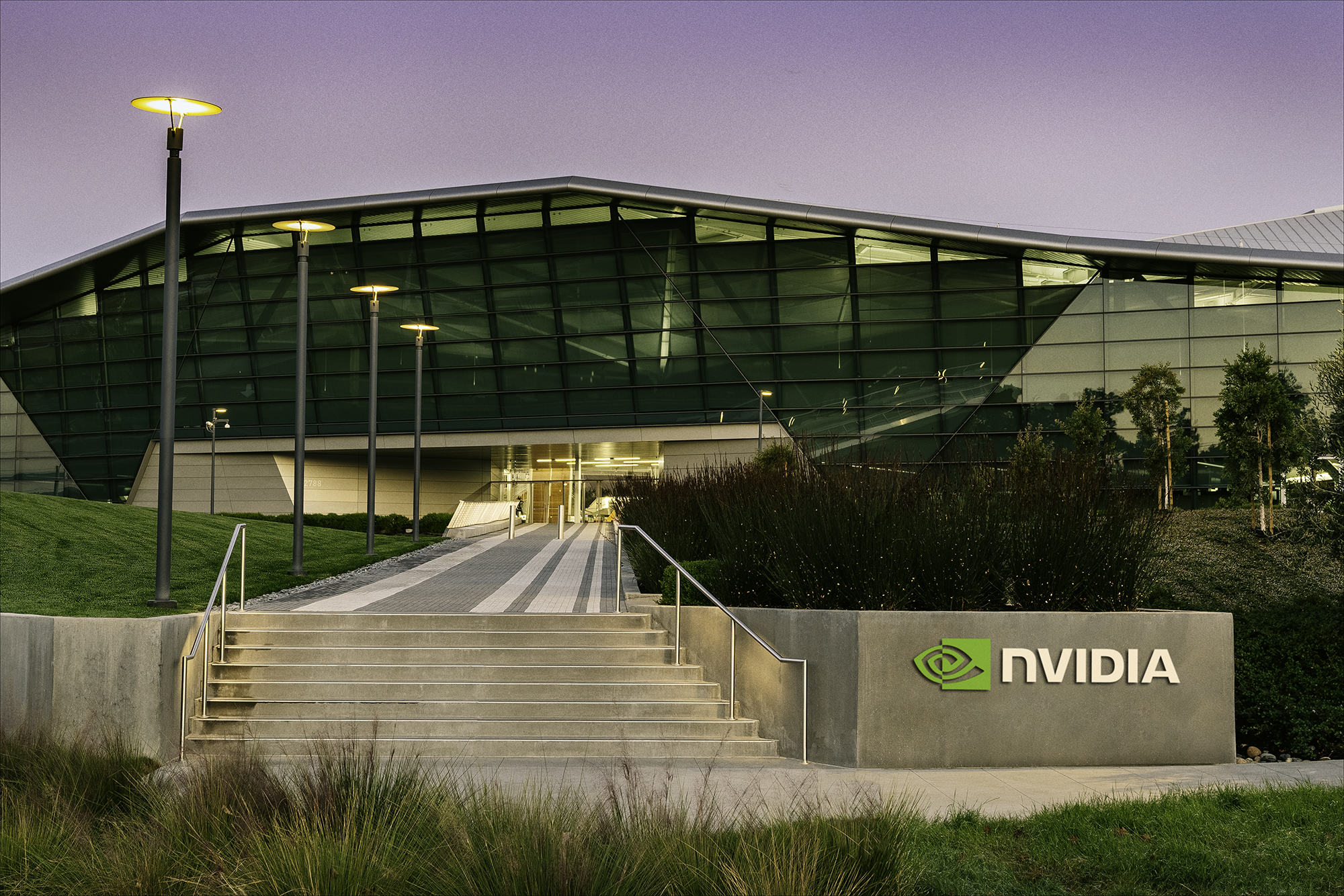
Nvidia shares jumped more than 30% and the Nasdaq rose almost 7% after the board unanimously reinstated Jensen Huang as CEO, 11 days after he resigned.
Nvidia’s board has reversed course and brought its co-founder back. The decision sparked Wall Street’s best day in more than 18 months.
Less than a fortnight after Jensen Huang resigned, Nvidia has put him back in charge. On Monday US time, the chipmaker said its board had voted unanimously to reinstate Huang as president, chief executive and a board director, effective immediately.
The market’s response was immediate. Nvidia shares were up more than 30 per cent in pre-market trading and kept climbing, recovering nearly all the ground lost since his resignation. The rally spread across the AI trade: the Nasdaq Composite closed up 6.9 per cent, and Micron and CoreWeave each gained roughly 20 per cent. All three major US indexes had finished the previous week in correction territory.
Huang resigned on 12 November, after revelations of extramarital affairs that included one with a businesswoman US authorities suspected of spying for China. Beijing denied the spying allegations. CFO Colette Kress stepped in as interim CEO and Harvey C. Jones became the board’s first chair. Nvidia shares fell nearly 23 per cent in the week that followed, and the board had ruled out his return only days before reversing course.
In its statement, Nvidia said the board was satisfied with Huang’s candour and ability to lead after a series of meetings with him. It also said it had taken input from senior levels of the US government and, based on that input, was confident his return poses no national security risk.
“I take this responsibility with the greatest humility and renewed commitment,” Huang said.
The return comes with conditions. A committee of independent directors, with its own counsel, will keep investigating reports that Huang was the target of a foreign intelligence effort, and Huang has said he will cooperate. The board is also setting up a National Security and Export Control Committee, and is recruiting a new chief compliance officer who will report to the board’s governance committee. Kress goes back to being CFO, and Jones stays as chair.

The politics are messier. President Donald Trump said he had spoken to the board and “convinced” it to act. Democrats Elizabeth Warren and Raja Krishnamoorthi criticised the decision, and Republican senator John Cornyn questioned the basis of the national security assurance. Separately, the SEC and the Department of Justice are investigating the company over possible accounting issues and alleged chip smuggling.
The last fortnight showed how much of the AI trade rests on one company, and how much of that company’s value rests on one person. The rebound removes the most immediate question of who leads Nvidia. It doesn’t settle the investigations or the governance concerns.
Australian investors have exposure through global tech ETFs, super funds’ international equity holdings and ASX-listed data centre and AI infrastructure plays, so expect a lift in local trade today. Whether it lasts depends on whether last week’s sell-off was about Huang alone, or about broader nerves over AI valuations.
BNW Developments has established a Sydney presence, joining Arada and Sobha Realty among the growing number of UAE developers pursuing Australian buyers and development opportunities.
New research suggests that bonuses make employees feel more like a mere cog in a wheel.
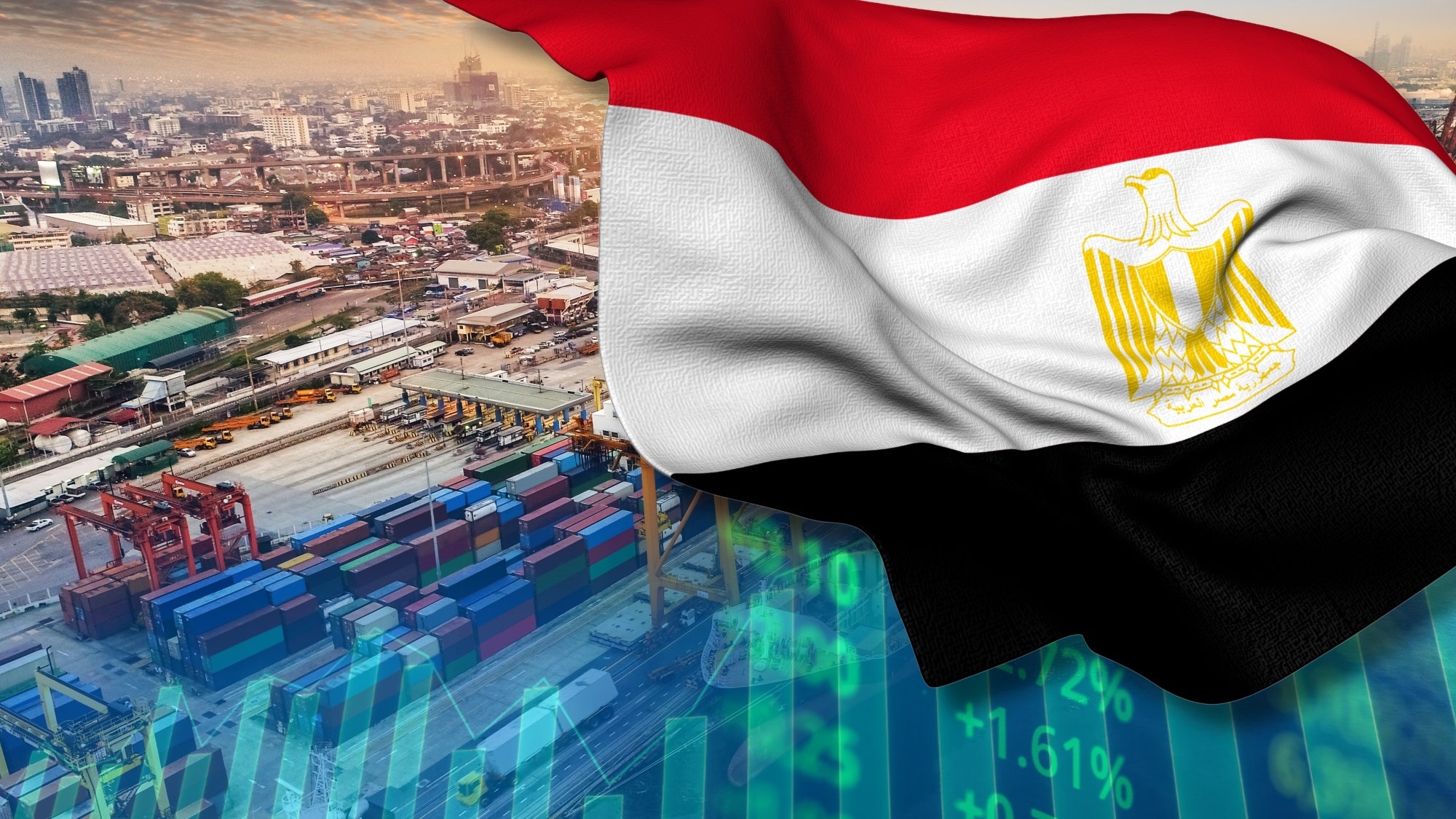
The International Monetary Fund has reached a staff-level agreement with Egypt that could unlock approximately $2.3 billion in funding, pending approval by its Executive Board, as the country approaches the end of its $8 billion loan program. The IMF said Egypt’s economy grew by 5.1% in the fiscal year ending June 2026, while warning that regional tensions, high debt and tighter global financial conditions remain key risks.
The International Monetary Fund said on Wednesday that it had reached an agreement with Egypt to unlock a disbursement of about $2.3 billion in funds, subject to approval by the IMF’s board, as the country nears the end of its $8 billion loan programme.
Egypt would receive about $1.5 billion under the IMF’s 48-month loan programme after completing the final review, along with roughly $800 million under the Resilience and Sustainability Facility.
“The authorities’ successful implementation of their economic reform program and proactive response to the implications of the Middle East war have helped preserve macroeconomic stability and supported Egypt’s resilience in the face of a series of external shocks,” the IMF said in a statement.
Egypt’s programme with the IMF was expanded to $8 billion in March 2024, when the country was grappling with high inflation and foreign currency shortages.
Egypt’s President Abdel Fattah al-Sisi has signaled that Egypt will not seek fresh IMF financing, directing officials to prepare a post-IMF “national programme”.
The global lender said Egypt’s economy remained resilient despite heightened regional tensions, with growth reaching 5.1% in the fiscal year ending June 2026, supported by a recovery in Suez Canal and petroleum-related activity and continued strength in manufacturing, tourism and communications.
The IMF warned that escalating regional conflicts and tighter global financial conditions could trigger capital outflows and raise borrowing costs, while high debt and financing needs remained key vulnerabilities.
The fund also stressed that exchange-rate flexibility should remain the first line of defence against external shocks, with interventions limited to containing excessive volatility.
Egypt raised interest rates, by 100 basis points, in October for the first time since March 2024, a move welcomed by the IMF as a commitment to price stability amid heightened international oil prices and uncertainty.
Read more
BNW Developments has established a Sydney presence, joining Arada and Sobha Realty among the growing number of UAE developers pursuing Australian buyers and development opportunities.
Parts for iPhones to cost more owing to surging demand from AI companies.
J.P. Morgan Private Bank has released its 2027 Global Investment Outlook, The Price of Progress, highlighting how artificial intelligence, geopolitical fragmentation and inflation are reshaping global capital markets. The report examines the growing importance of capital allocation, higher borrowing costs and investment opportunities across AI, real assets, private markets and global equities.
J.P. Morgan Private Bank today released its 2027 Global Investment Outlook, The Price of Progress, which identifies the convergence of artificial intelligence, global fragmentation and inflation as driving a historic repricing of capital and giving investors greater pricing power.
“For much of the last cycle, investors could overlook the cost of capital. The next phase of progress demands a closer look,” said Grace Peters, Co-Head of Global Investment Strategy at J.P. Morgan Private Bank. “Today, technology companies, governments and consumers are all competing for the same limited pool of capital, and investors are setting the price. Every financing must now clear a higher bar.”
“That pricing power gives investors a position of strength, but it also makes allocation decisions more consequential,” added Stephen Parker, Co-Head of Global Investment Strategy at J.P. Morgan Private Bank. “With cash earning a real return, every investment must justify the capital committed to it. The question is not simply where opportunity exists, but where investors are being paid enough to pursue it.”
The 2027 Global Investment Outlook explores how investors must decide who to lend to, what to own and at what price across artificial intelligence, global fragmentation and inflation.
For much of the post-financial crisis cycle, zero rates and quantitative easing kept financing costs low. That backdrop has changed. Inflation remained above central bank targets through 2026, bond yields climbed to multi-decade highs, and a global rate-hiking cycle took hold, with 17 of 37 central banks we track now in a hiking posture. Yet yields were rising ahead of policy moves, underscoring the role investors now play in setting the price of capital.
“Central banks will remain pivotal in 2027. How far they raise rates matters — but policy rates are only part of the story,” said Parker. “With investment grade yields above 6% for the first time since the financial crisis, today’s starting point for high grade credit is more compelling than it has been in years, even if rates rise further.”
“Higher yields strengthen the case for a traditional stock-bond portfolio, but a balanced portfolio is only the beginning,” continued Parker. “Forward-looking returns for stocks and bonds are the most attractive they have been in years, but AI uncertainty, inflation risk and historic equity concentration all argue for going further. Real assets, hedge funds and private markets have moved from a complement to a necessity.”
Security, resilience and regional alignment are increasingly taking precedence over efficiency. Governments, many already carrying substantial debt and deficits, need capital to strengthen security, build AI ecosystems, and secure energy supplies. As those demands grow, investors have more consequential choices to make about where, and on what terms, to provide it.
“Resilience is a durable investment theme, but it will not reward capital equally in every market,” said Peters. “Assessing sovereigns’ defense and AI capabilities, exposure to supply-chain chokepoints and climate vulnerability can help identify where capital may be best positioned for the era of global fragmentation. Since every bloc has vulnerabilities, concentration in any one is probably not prudent.”
“In the United States, fiscal capacity and natural resources continue to underpin confidence for Treasuries and the dollar, while Europe’s stronger corporate earnings make equities more compelling than sovereign debt,” continued Peters. “Across Asia, Korea and Taiwan play critical roles in chip manufacturing, while Latin America offers opportunities ranging from nearshoring in Mexico to commodity exposure elsewhere.”
The AI buildout remains constrained by scarcity rather than excess capacity, but the debate is shifting from infrastructure capacity to monetization and political risk. By the early 2030s, the global data center fleet will need to generate roughly $3.0 trillion a year in end-customer revenue to break even, a high bar, but one we believe the AI ecosystem can clear. Meanwhile, AI-related debt issuance is expected to top $300 billion this year, still largely investment grade, but newer, less transparent structures are making AI more expensive to fund.
“The boom will only continue if investors bridge the gap between infrastructure spending and durable revenue,” said Parker. “Not every layer of the AI stack carries the same risk or deserves the same capital. That means being deliberate about where in the AI ecosystem your capital goes, not just whether you participate in it.”
We believe that hyperscalers are the best-positioned public equity exposure, given their ability to benefit whether compute is scarce or abundant. The infrastructure and semiconductor layers warrant more caution, especially given more political hurdles to data center construction. Investment grade AI-related debt offers the most risk-managed entry point, while the application layer, frontier labs and AI-native software, hold the most compelling long-term upside, best accessed selectively through private markets.
BNW Developments has established a Sydney presence, joining Arada and Sobha Realty among the growing number of UAE developers pursuing Australian buyers and development opportunities.
Many of the most-important events have slipped from our collective memories. But their impacts live on.
Foreign banks’ holdings of GCC debt securities surged 41% year-on-year to exceed $110 billion by mid-2026, with the UAE leading regional exposure at $57.9 billion, according to Fitch Ratings. The increase reflects growing international investor participation and deeper access to global debt markets across the GCC.
GCC debt securities holdings by foreign banks rose 41% year-on-year (YoY) to cross $110 billion outstanding by mid-2026, led by the UAE, Fitch Ratings said.
The surge in holdings is 145% since 2020, the rating agency said.
Total GCC cross-border claims – a metric tracked by the Bank for International Settlements (BIS) to measure how much international capital is flowing into the Gulf region – rose to $1 trillion outstanding in mid-2026, up by 18.2% YoY, across all instruments, including loans, deposits and debt securities.
This growth points to the GCC’s resilient credit profile, more frequent external issuances, cross-sector funding needs, deeper access to international investors, continued regulatory developments and potentially higher risk-adjusted yields.
Among foreign banks, those in the UK, Hong Kong, France, the US and Switzerland held the largest claims on the GCC across all instruments.
The 41% annual growth in foreign banks’ GCC debt securities holdings – including bonds and sukuk – was more than twice that of their loans and deposits exposure (16.5%).
Foreign banks’ holdings of GCC debt securities increased to 10.8% of total GCC cross-border claims in the first half of 2026, up from 9.1% a year earlier, indicating greater use of market-based funding. However, loans and deposits remained the dominant exposure channel, at about $890 billion outstanding, or around 86% of total cross-border claims.
UK banks held the largest share of cross-border claims on the GCC among foreign banks at 25.2%, followed by banks in Hong Kong (10.7%), France (7.9%), the US (6.4%) and Switzerland (4.6%).
Growth is increasingly shifting towards East Asia: total cross-border claims on the GCC from banks in Hong Kong, Japan, Chinese Taipei, South Korea and Macao rose collectively by 37.3% YoY to $176.7 billion outstanding, driven mainly by Hong Kong.
By currency, 69.2% of foreign banks’ cross-border claims on the GCC were denominated in US dollars, up 19.2% YoY. The euro followed with an 11.3% share, up 8.8% YoY.
The UAE remained the GCC’s largest destination for foreign banks’ holdings of GCC debt securities.
UAE exposure rose to $57.9 billion outstanding, or 51.6% of the GCC total, by mid-2026, up 41.6% YoY. Foreign banks’ holdings of Saudi debt securities reached $24 billion outstanding, up 49.8% yoy, representing 21.4% of the GCC total. Qatari debt stood at $21.9 billion outstanding, up 23.8% YoY, at 19.5% of the total. Together, these three markets accounted for 92.5% of GCC debt securities holdings of foreign banks.
GCC banks accounted for about 51.5% of the debt securities held by foreign banks, up 44.5% YoY. Non-financial borrowers, including governments, corporates and households, accounted for about 41.2%, up 40.4% YoY.
Borrower composition varied across markets, with banks dominating in the UAE and non-financial borrowers dominating in Saudi Arabia and Bahrain.
The GCC debt capital market crossed $1.2 trillion outstanding at the end of September 30, 2026, with 42% sukuk.
Fitch expects GCC debt issuance in full-year 2026 to be lower than in 2025. About 87% of rated GCC sukuk were investment grade at the end of the third quarter, compared with 81.2% in the third quarter of 2025.
Fitch said its analysis of foreign banks’ GCC exposure is mainly based on BIS statistics.
Read more
BNW Developments has established a Sydney presence, joining Arada and Sobha Realty among the growing number of UAE developers pursuing Australian buyers and development opportunities.
Paine Schwartz joins BERO as a new investor as the year-old company seeks to triple sales.
Saudi Arabia’s economy is projected to contract by 2.8% in 2026 before rebounding to 5.1% growth in 2027 and 6% in 2028, according to Moody’s. The agency expects the recovery to be supported by a gradual increase in oil production and exports, while warning that regional conflict and disruptions to shipping continue to weigh on economic prospects across the GCC.
Saudi Arabia’s economy is likely to contract by 2.8% this year before rebounding to 5.1% growth in 2027 and accelerating to 6% in 2028, assuming a gradual recovery in oil production and exports, according to top ratings agency Moody’s.
The agency forecasts brent crude prices to average $90 per barrel in 2027, supported by higher geopolitical risk premiums and the need to replenish depleted inventories. These factors are expected to sustain upward pressure on prices even if geopolitical tensions ease.
In its latest global economic outlook for 2027-2028, Moody’s said GCC economies remain particularly exposed to the fallout from the Middle East conflict, especially countries with limited capacity to export oil and gas through pipelines bypassing the Strait of Hormuz.
Government support has helped sustain non-oil economic activity, but the conflict has undermined perceptions of regional stability, which had been instrumental in attracting foreign investment and supporting tourism, stated the top ratings agency.
Nine months into the conflict involving the US, Israel and Iran, the prospects for a swift or lasting resolution remain uncertain, according to Moody’s.
Independent estimates indicate that oil and refined product exports through the Strait of Hormuz have recovered to about two-thirds of pre-conflict levels, although flows remain highly volatile.
The agency also highlighted an increase in so-called dark fleet operations, with tankers transporting oil through the Omani corridor with their transponders switched off to avoid detection, reportedly under the protection of US military escorts.
Iran has stepped up attacks on vessels in an effort to raise the risks and costs of using the southern route and reassert control over the waterway, stated Moody’s in its review.
The first three weeks of October recorded more attacks than any comparable period since the conflict began. Tanker freight rates and war-risk insurance premiums have also risen sharply, while shipping activity remains highly volatile, the agency said.
On some days, vessel traffic approaches pre-conflict levels as ships gather to transit the Omani corridor, while on others it slows to a near standstill, he added.
Read more
BNW Developments has established a Sydney presence, joining Arada and Sobha Realty among the growing number of UAE developers pursuing Australian buyers and development opportunities.
The sports-car maker delivered 279,449 cars last year, down from 310,718 in 2024.
China’s trade surplus surpassed $1 trillion in the first 10 months of 2026, driven by a 35% annual surge in exports in October. However, the export boom contrasts with weakening domestic demand, as retail sales growth slowed to 0.4%, fixed-asset investment fell 8.1% and property investment dropped nearly 22%, highlighting growing challenges for the world’s second-largest economy.
China’s trade surplus surged past $1 trillion last month, but at home, its economy is losing steam.
The world’s second-largest economy weakened on several fronts in October, reflecting the country’s split-screen growth. Soaring exports mask tepid consumer spending, falling investment and a real estate slump with no end in sight.
Retail sales, a gauge of household consumption, rose 0.4% last month from a year ago, slowing from 1.1% in September, according to government data released Monday. Fixed-asset investment fell 8.1% in the first 10 months of the year. Property investment alone dropped nearly 22% during the same period.
“The data continue to depict a two-speed economy,” Société Générale economists Michelle Lam and Wei Yao wrote in a report Monday.
External demand has driven much of China’s economic growth this year. Exports rose 35% from a year earlier in October in dollar-denominated terms, according to official data released last week. The country’s trade surplus for the first 10 months of the year reached $1.04 trillion.
The deluge of exports risks further stoking tensions with Beijing’s trade partners, particularly in Europe, where officials increasingly say that competition from China is hollowing out their local industrial sectors. The European Union and Beijing last month agreed to cap shipments of Chinese hybrid vehicles.
Still, global demand for Chinese goods—especially for tech products that power artificial intelligence—appears to show no signs of slowing. China’s exports of integrated circuits more than doubled in value in the first 10 months of the year, government data show.
That reduces the pressure on Beijing to step up support for the economy. China remains on track to hit its growth target for the year of between 4.5% and 5% gross domestic product growth, making it unlikely Beijing would rush to unleash new stimulus.
“Policymakers are likely to continue doing just enough to meet the growth target,” Macquarie economists Larry Hu and Yuxiao Zhang wrote in a report Monday.
Despite the export momentum, China’s industrial production growth decreased to 4.8% last month, from 5.5% growth in September.
The property market remains a drag on the economy. Home sales fell 14.1% in the January to October period from a year ago, widening from a 13.7% decline in the first nine months.
Meanwhile, China’s headline surveyed urban unemployment rate stood at 5.1% last month, roughly in line with September’s 5.2%.
BNW Developments has established a Sydney presence, joining Arada and Sobha Realty among the growing number of UAE developers pursuing Australian buyers and development opportunities.
Chris Dixon, a partner who led the charge, says he has a ‘very long-term horizon’
Saudi Arabia’s assets under management are projected to exceed $400 billion in 2027, driven by private fund growth and rising domestic and foreign investor demand, according to Fitch Ratings.
Saudi Arabia’s assets under management (AUM) are projected to exceed $400 billion next year on the back of private fund expansion and a strong domestic investor base, according to Fitch.
The Gulf state’s AUM sector has remained the largest in the GCC region and resilient to market volatilities so far this year, the ratings agency noted.
Total AUM in the Kingdom reached around $370 billion by June 2026, representing around 27% of Saudi Arabia’s gross domestic product (GDP).
The ratings agency cited strong expansion of private funds as one of the key drivers for the growth.
The AUM sector is also driven by a strong domestic investor base, growing interest from foreign investors, as well as favourable regulatory developments.
Foreign investors’ ownership on the Saudi Exchange’s main market stood at 12% at the end of October 2026.
“Growth is likely to continue, supported by stronger investor demand, regulatory progress and rising foreign participation,” said Bashar Al Natoor, Global Head of Islamic Finance at Fitch Ratings.
Al Natoor noted that the sector continues to face risks from geopolitics, oil prices and rates. “But the sector has shown resilience and benefits from a strong domestic investor base.”
Read more
BNW Developments has established a Sydney presence, joining Arada and Sobha Realty among the growing number of UAE developers pursuing Australian buyers and development opportunities.
Americans now think they need at least $1.25 million for retirement, a 20% increase from a year ago, according to a survey by Northwestern Mutual
MidChains has announced a strategic banking partnership with Standard Chartered to strengthen its digital asset operations in the UAE. The agreement will provide fiat settlement services, segregated client money accounts and correspondent banking, connecting institutional digital asset activity with established banking infrastructure and supporting the UAE’s growing position as a regulated global digital asset hub.
MidChains FZE, a digital asset platform licensed by the Virtual Assets Regulatory Authority (VARA) to provide broker-dealer services to retail, institutional and qualified investors, today announced a strategic banking partnership with Standard Chartered.
Under the partnership, Standard Chartered will support MidChains with a range of banking services, including fiat settlement capabilities, segregated client money accounts, and correspondent banking. These services will power MidChains’ day-to-day operations and enable efficient settlement.
Rola Abu Manneh, Chief Executive Officer, UAE, Middle East and Pakistan, Standard Chartered, said: “The UAE has established itself as one of the world’s leading regulatory environments for digital assets and a global centre for financial activity. That creates a strong setting for regulated digital asset firms and established financial institutions to work together. Our partnership with MidChains puts that opportunity into practice, with Standard Chartered providing the banking services that support its institutional activity, including fiat settlement, segregated client money accounts and correspondent banking.”
Basil Al Askari, Chief Executive Officer, MidChains, added: “Institutional capital moves continuously between traditional and digital markets, and the infrastructure supporting that activity must keep pace. For institutional investors, digital asset services need to connect with the banking system that supports their wider activity. Our partnership with Standard Chartered brings that connection to MidChains’ institutional services, supporting clients as capital moves between traditional and digital markets.”
By bringing a VARA-licensed digital asset platform together with an established international bank, the partnership connects institutional digital asset activity with the banking infrastructure behind fiat settlement. It is a practical example of how the UAE’s regulated financial ecosystem can link innovation with established banking capabilities to support international business.
BNW Developments has established a Sydney presence, joining Arada and Sobha Realty among the growing number of UAE developers pursuing Australian buyers and development opportunities.
Interior designer Thomas Hamel on where it goes wrong in so many homes.
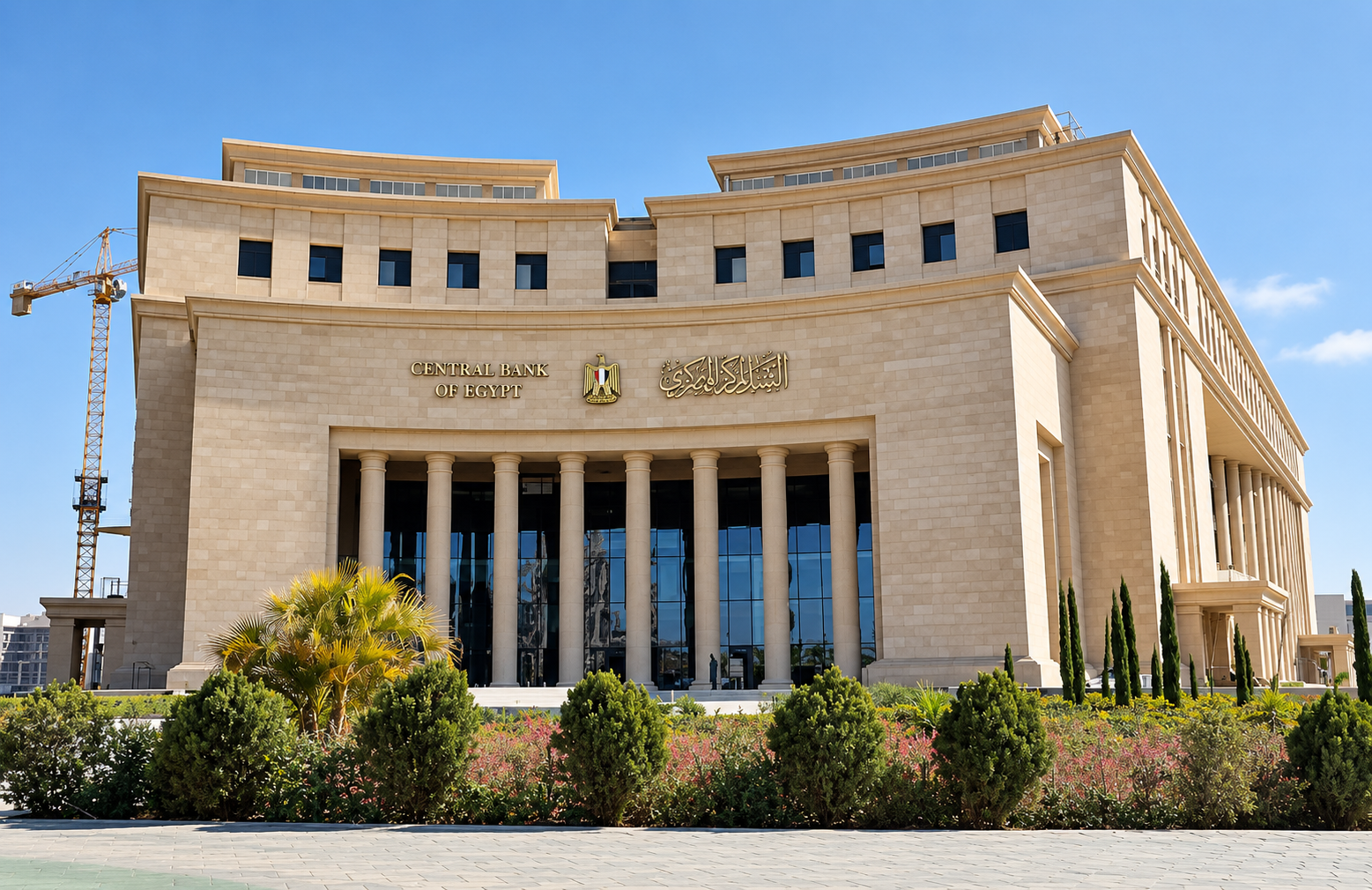
Egypt is exploring expanded cooperation with the International Islamic Trade Finance Corporation (ITFC) to boost exports through new financing facilities, support start-ups and develop 15–20 investment zones across the country. Discussions also covered fintech, artificial intelligence and digital solutions to help Egyptian businesses access international markets.
Minister of Investment and Foreign Trade Mohamed Farid met with Adeeb Yousuf Al-Aama, CEO of the International Islamic Trade Finance Corporation (ITFC), and an accompanying delegation to discuss ways to strengthen cooperation in export financing, start-up support, investment zone development, and the use of technology and artificial intelligence to promote foreign trade.
The meeting formed part of the ministry’s efforts to strengthen cooperation with international financial institutions and expand partnerships that support trade and investment.
It was attended by Mohamed Awad, CEO of the General Authority for Investment and Free Zones (GAFI); Alaa El-Beily, Chairperson of the General Authority for Exhibitions and Conferences; and Hatem El-Nawawy, CEO of the Export Development Authority.
Farid emphasised the importance of strengthening cooperation with the ITFC to support the establishment and operation of a regulatory sandbox for financial and trade technology, known as the Fintech Sandbox.
He described the sandbox as a platform for developing innovative solutions that leverage data, technology and artificial intelligence to support commercial and marketing activities and improve Egyptian companies’ access to international markets.
The minister explained that using artificial intelligence tools and digital agents in commercial and marketing activities could create new opportunities for exporters to reach non-traditional markets and increase their exports.
He also highlighted the importance of attracting start-ups and entrepreneurs to develop innovative technological solutions for the exporting community, while providing the necessary financing for companies participating in the sandbox.
This would help transform innovative ideas and solutions into viable, scalable business models, he said.
Farid further stressed the importance of expanding the activities of factoring companies by providing dedicated financing facilities for export-related factoring operations.
Such facilities would enable factoring companies to provide exporters with the liquidity they need and expand their financing portfolios. A greater focus on export-related factoring would also help increase the number of exporting companies and strengthen foreign currency inflows, he added.
He proposed that the Sovereign Fund of Egypt could serve as a central financing institution, receiving international funding and channelling it to factoring companies.
This arrangement would facilitate access to the resources needed to expand export financing activities. Farid affirmed the ministry’s readiness to coordinate with the relevant authorities to implement the proposed model.
Regarding investment zone development, Farid highlighted the importance of establishing more small and medium-sized investment zones near residential communities across Egypt’s governorates to promote local development and create employment opportunities, particularly for women.
He noted that women account for between 60% and 70% of the workforce in some of these zones, reflecting their contribution to women’s economic empowerment and the provision of employment opportunities suited to the characteristics of local communities.
Farid explained that the government aims to develop between 15 and 20 investment zones across the country, each covering between 20 and 80 feddans.
The zones would accommodate industrial, logistics, manufacturing and service activities through leasing arrangements and long-term usufruct rights.
He noted that several plots of land had been allocated in cooperation with the Ministry of Investment and Foreign Trade in preparation for their development.
The minister stressed the importance of accelerating the development of these zones through cooperation with specialised entities under public-private partnership (PPP) arrangements.
This model would allow developers and the state to participate in financing, helping accelerate project implementation and provide the infrastructure needed to attract investment and support the targeted activities.
Farid also emphasised the need to strengthen sector-specific knowledge in priority industries rather than focusing solely on promoting investment opportunities.
He said investment promotion officials must possess detailed knowledge of each sector, its requirements and its associated supply chains.
He noted that the foreign direct investment strategy prepared by the ministry in cooperation with the World Bank had identified 16 priority sectors, underscoring the need to develop investment promotion staff’s capabilities and provide them with the necessary technical and commercial expertise.
Farid further highlighted the importance of developing young professionals’ capabilities through specialised training programmes and professional qualifications to equip them with the required technical skills, improve workforce efficiency and support the implementation of joint cooperation objectives.
For his part, ITFC CEO Adeeb Yousuf Al-Aama reaffirmed the corporation’s commitment to supporting Egypt’s efforts to increase exports and develop trade financing and development instruments.
He expressed the corporation’s interest in expanding cooperation with Egypt in the coming period, particularly through the Egypt Country Programme for 2026–2027 under the Arab Africa Trade Bridges (AATB) initiative.
Al-Aama said the corporation was working to design tailored financing programmes to improve the efficiency of export-oriented businesses and help Egyptian companies enter new markets, strengthening their competitiveness and expanding the presence of Egyptian products in international markets.
He also emphasised the importance of closer cooperation to support exporting companies, develop their businesses and improve their operational efficiency, alongside building the capabilities of young professionals through specialised training programmes and professional qualifications.
At the conclusion of the meeting, Farid stressed that the government aims to make exporting a more attractive field for young people and entrepreneurs by encouraging innovation and developing commercial and technological solutions that generate economic returns and contribute to export growth.
He also highlighted the possibility of offering additional incentives to successful companies, including opportunities to participate in trade promotion missions and international exhibitions, discounts on services provided by GAFI, and access to data and information to support their business activities.
Read more

BNW Developments has established a Sydney presence, joining Arada and Sobha Realty among the growing number of UAE developers pursuing Australian buyers and development opportunities.
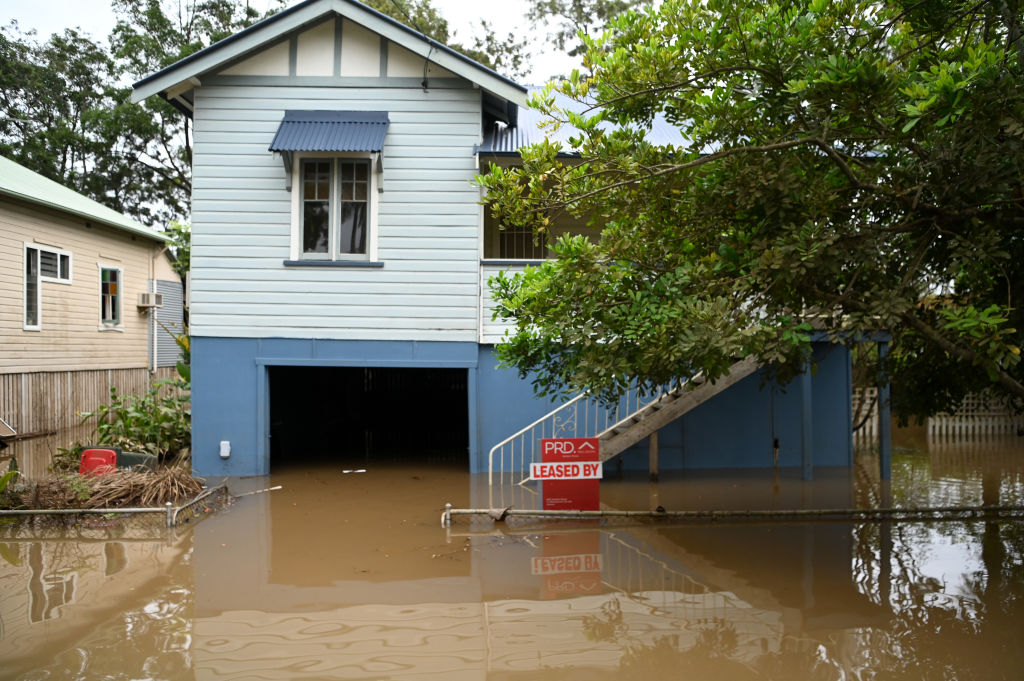
Following the devastation of recent flooding, experts are urging government intervention to drive the cessation of building in areas at risk.
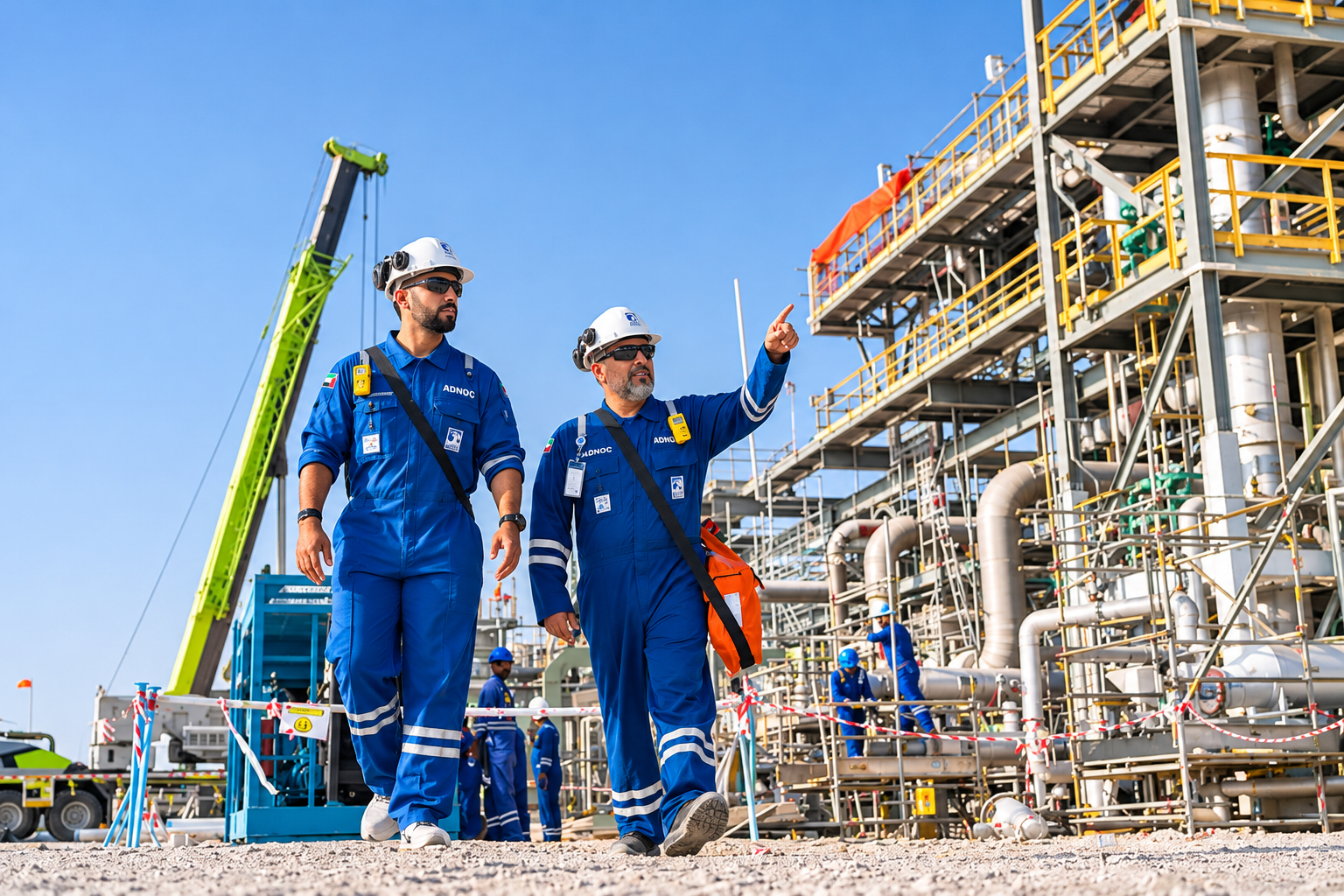
ADNOC Gas reported a 101% quarter-on-quarter increase in net profit to $1.34 billion in Q3 2026, raising its full-year net income guidance to at least $4 billion, supported by strong operational performance across its domestic gas, LNG, export-traded liquids and sulphur businesses. The company also approved a quarterly dividend of $940 million, up 5% year-on-year, payable in December 2026.
ADNOC Gas has reported a 101% uptick in its net profit from the previous quarter to deliver $1.34 billion for Q3 on the back of a strong operational performance of its domestic gas arm, LNG, export-traded liquids (ETL) and sulphur businesses.
While the Q3 net profit dropped 0.15% year-on-year, the Abu Dhabi-listed integrated gas company also reported a 12.2% decrease in year-on-year operating profit to $1.53 billion, while maintaining the same earning per share of 0.017 as last year.
Revenue for Q3 was reported at $4.38 billion, with the net profit rebound also driving EBITDA 70% higher quarter-on-quarter to $2.03 billion.
Sales for ADNOC Gas’ domestic gas business within the UAE rose 20% quarter-on-quarter, “supported by resilient demand, while robust margins lifted domestic gas EBITDA by 28% in the same period,” ADNOC Gas reported. Sulphur sales provided additional earnings support, with EBITDA up 249% over the same period, it said.
ADNOC Gas also reported a 22.87% year-on-year drop in net profit for nine months, down to $3.08 billion from the previous year’s $3.99 billion. The nine-months operating profit also dropped 29.21% to $3.68 billion from the previous year’s $5.2 billion.
Total CAPEX in nine months was $3.67 billion, with a 9M free cash flow of $799 million.
The Board has approved a quarterly dividend of $940 million, up 5% year-on-year and payable in December 2026.
Following the third-quarter performance, ADNOC Gas has raised its full-year 2026 net income guidance to at least $4 billion.
“Although market conditions improved during the third quarter, ongoing disruption to maritime movements through the Strait of Hormuz continued to create a challenging operating environment. Through proactive inventory, logistics and supply-chain management, ADNOC Gas worked closely with customers, contractors and partners to mitigate the impact of these disruptions,” a statement read.
ADNOC Gas aims to increase EBITDA by 60% by 2030 and has earmarked $28 billion in capital expenditure for major projects to drive its next phase of growth.
“The balance sheet can support that money, both the growth of $28 billion as well as the money we give back to our investors. The financial framework is extremely strong. In the next years, up to 2030, you will see that the debt will not exceed two times EBITDA,” Peter van Driel, Chief Financial Officer of ADNOC Gas, said.
ADNOC Gas has also confirmed restoration works at the damaged Habshan complex remains on track to restore full capacity by the second quarter of 2027. The complex was damaged by falling debris in April during an escalation in the US-Iran war.
Read more
BNW Developments has established a Sydney presence, joining Arada and Sobha Realty among the growing number of UAE developers pursuing Australian buyers and development opportunities.
Japan spent a record $50 billion in one day in July to support the yen, as part of a $97.16 billion intervention campaign with the US. Despite the efforts, the yen remains weak at around 158.20 against the dollar.
Japan spent a record $50 billion in one day during July to prop up the yen, underscoring an aggressive intervention campaign that included rare joint action with the U.S.
Ministry of Finance data on Monday showed that Tokyo bought a total of 15.399 trillion yen, equivalent to $97.16 billion, in July and August. It deployed about half of that on July 30 alone, spending 7.976 trillion yen.
The sum exceeded the amount spent in April and May, reflecting officials’ growing anxiety after the currency tumbled to a four-decade low near 164 against the dollar earlier this year, and highlighting the difficulty of turning the tide against persistent yen weakness.
Japan’s Finance Minister Satsuki Katayama and U.S. Treasury Secretary Scott Bessent confirmed coordinated intervention to support the yen in late July, the first such operation since 1998.
The unusual move initially boosted the yen, but the currency is still hovering around 158.20 against the dollar as growing expectations of further Federal Reserve rate increases reinforce views that the wide U.S.-Japan interest-rate gap is here to stay.
Bessent was outspoken about the yen’s sharp slide during the summer, expressing support for Tokyo’s steps to counter the currency’s undervaluation and noting its role in driving up domestic inflation.
His remarks fueled speculation about faster monetary tightening by the Bank of Japan, which raised interest rates to 1.25% in September and is expected to act again by year’s end.
BNW Developments has established a Sydney presence, joining Arada and Sobha Realty among the growing number of UAE developers pursuing Australian buyers and development opportunities.
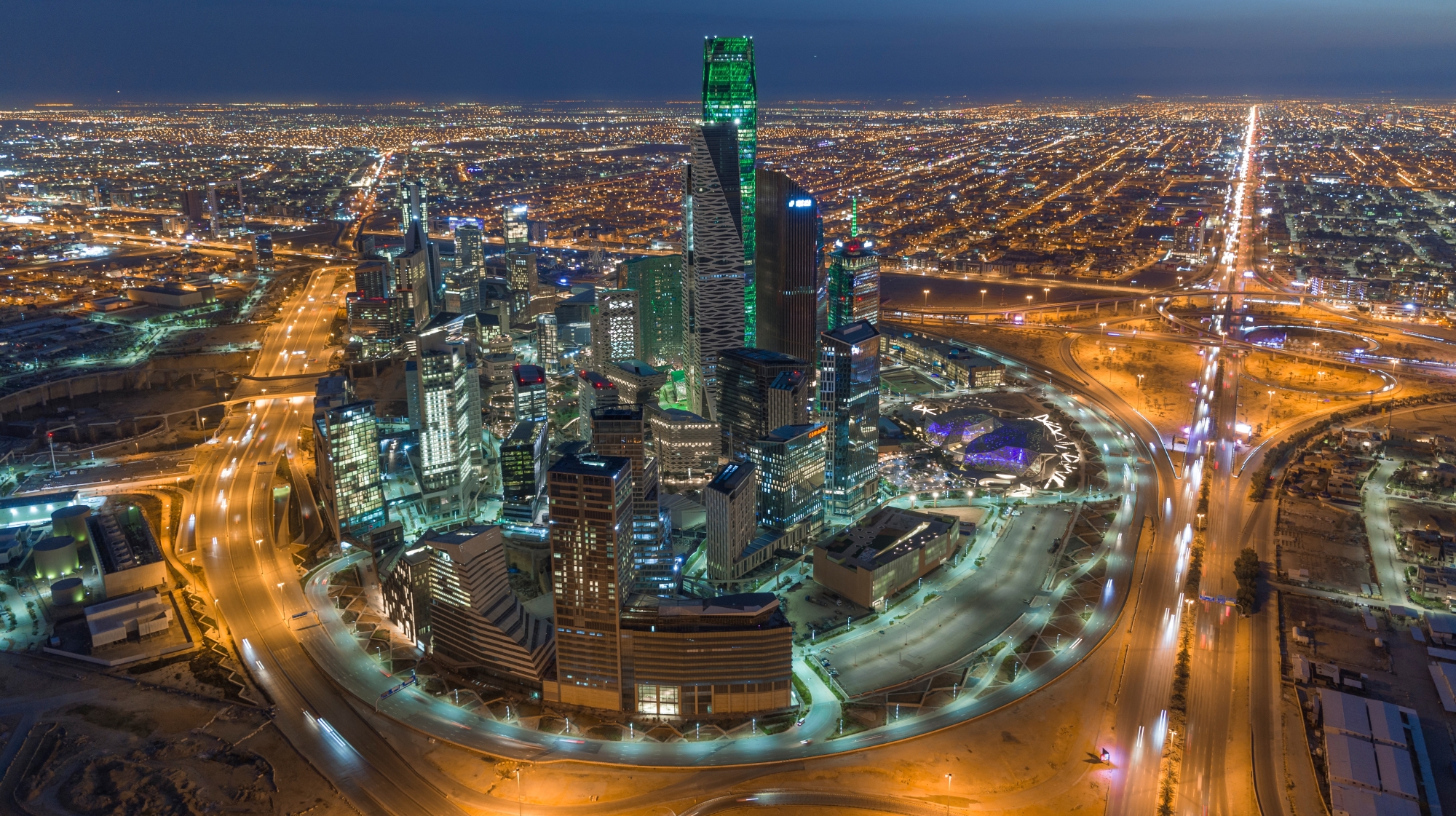
Barclays has opened a new office in Riyadh’s King Abdullah Financial District (KAFD), appointing Majed Al Hassoun as CEO and Head of Investment Banking at Barclays Capital Saudi. The move aims to expand the bank’s investment banking and global markets operations in Saudi Arabia, strengthen its presence across the GCC and support its wider growth strategy in the Middle East.
Barclays has opened its new office in Riyadh’s King Abdullah Financial District, to ramp up the bank’s investment banking and global markets businesses in Saudi Arabia.
Majed Al Hassoun has been appointed as CEO and Head of Investment Banking, Barclays Capital Saudi. He will work closely with corporate, government and institutional clients and report to Khaled El Dabag, CEO of RHQ and Co-CEO and Head of Investment Banking, Middle East.
Al Hassoun joins Barclays from State Street Saudi Arabia, where he was CEO. He has two decades of experience in investment banking and financial services in Saudi Arabia, including previous roles as Head of Investment Banking at Citigroup and Saudi Fransi Capital.
Barclays received its Regional Headquarters license in early 2025.
The bank provides advisory, financing, capital markets, and wealth management capabilities to its clients across the Middle East.
The new office in Riyadh is expected to advance the Barclays’ strategic growth across the Middle East and strengthen its presence in the GCC, where it also operates in the UAE and Qatar.
Read more
BNW Developments has established a Sydney presence, joining Arada and Sobha Realty among the growing number of UAE developers pursuing Australian buyers and development opportunities.
The growing intersection of artificial intelligence and energy is creating new investment opportunities in the UAE, as rising data-centre electricity demand drives growth across the power, gas and technology sectors.
The growing relationship between artificial intelligence and energy is reshaping the UAE’s investment landscape, as rising electricity demand and advances in AI technology create new opportunities for energy companies and investors.
According to Nagham Hassan, Market Analyst at etoro, AI and energy are becoming increasingly dependent on each other, turning the UAE’s oil, gas and power companies into technology stories as well as commodity ones.
This growing relationship was a key theme at this year’s ADIPEC, where Dr Sultan Al Jaber, ADNOC’s Managing Director and Group CEO, highlighted the potential for AI to transform the energy industry. ADNOC also announced a multi-year partnership with OpenAI and G42 to use AI to accelerate oilfield development planning and improve decisions across production, refining and trading.
“AI’s hunger for electricity is growing fast, and the International Energy Agency expects data centres worldwide to use roughly twice as much power by 2030 as they did last year,” said Hassan.
“Asked at ADIPEC to name his biggest challenge, OpenAI CEO Sam Altman answered with one word: energy. This suggests access to power may become as important as computing capacity in setting the pace of AI’s expansion, which favours countries that can add generation quickly.”
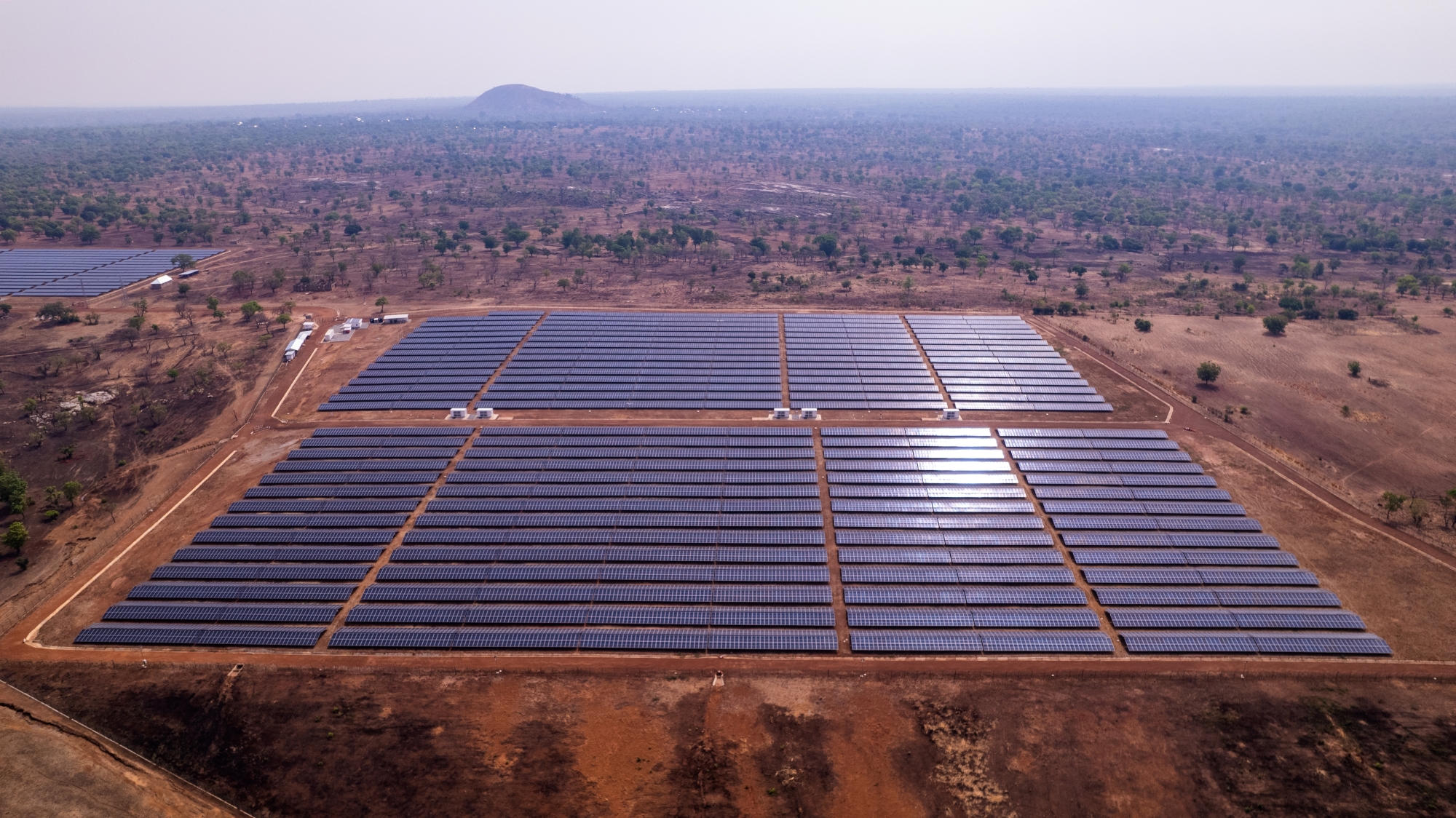
In the UAE, Masdar and the Emirates Water and Electricity Company are developing a solar-and-battery project designed to deliver power around the clock from 2027. ADNOC has also cited AI infrastructure as one reason for expanding gas production, pointing to potentially stronger long-term demand for gas and clean power as data centres become a major source of electricity consumption.
Beyond meeting growing energy demand, AI is also changing how energy companies operate. ADNOC says its AI-enabled operations centre, connecting more than 120 rigs, has reduced engineering effort by 30% to 40%. Such efficiency gains could help companies lower operating costs, particularly as shipping disruptions continue to put pressure on logistics expenses.
For investors in UAE-listed companies, Hassan identifies two areas worth watching: businesses supplying the gas and electricity needed to power data centres, and energy companies using AI to improve operational efficiency.
ADNOC Gas has identified AI data centres as a driver of UAE gas demand in its latest annual report, while ADNOC Drilling already operates its first AI-enabled offshore rig.
Meanwhile, Presight holds a 51% stake in AIQ, the energy-focused AI company established by ADNOC and G42. AIQ developed ENERGYai, a system that analyses ADNOC’s oil and gas reservoirs and forms part of the technological foundation for the new OpenAI partnership.
“What investors need to see next is this spending turning into results: data-centre capacity coming online on schedule, new long-term gas and power supply contracts, and companies reporting measurable AI savings in their earnings,” Hassan concluded.
As the UAE continues to invest in both AI and energy infrastructure, the ability to supply reliable power while using AI to improve productivity could become an increasingly important factor in the investment outlook for the country’s energy sector.
BNW Developments has established a Sydney presence, joining Arada and Sobha Realty among the growing number of UAE developers pursuing Australian buyers and development opportunities.