






The 30-Year-Old Spending US$1 Billion To Save Crypto
Sam Bankman-Fried, owner of an expanding crypto empire, is trying to bail out the industry after a sharp downturn.

 7 min
7 min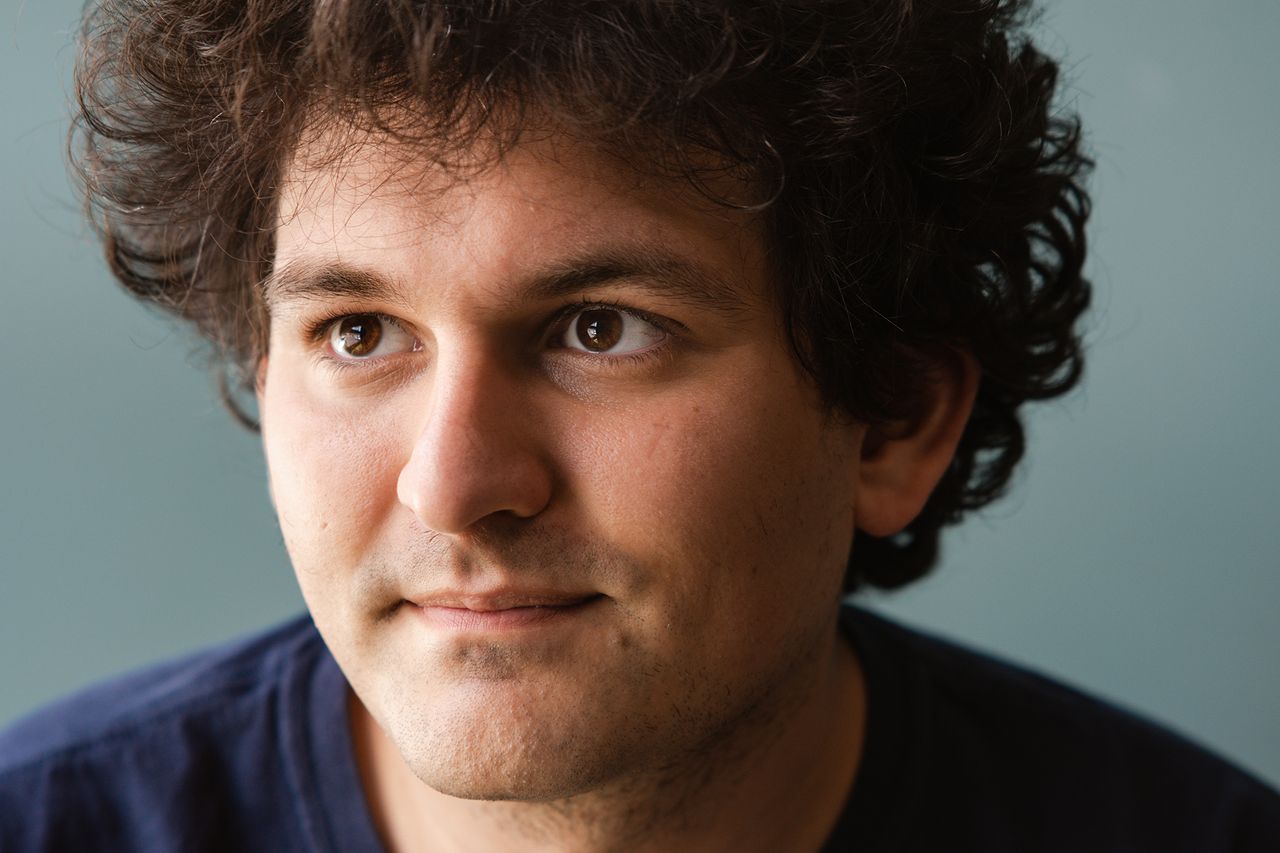
Crypto is ailing. Sam Bankman-Fried is betting a billion dollars he can fix it.
The chief executive of cryptocurrency exchange FTX Trading Ltd. has appointed himself the industry’s saviour—and crypto investors are closely watching his moves after months of market carnage. This year, he bailed out a troubled digital-currency lender and tried to stabilize another. He acquired crypto exchanges in Canada and Japan. He appeared in magazine ads opposite supermodel Gisele Bündchen in a bid to keep mainstream investors enthusiastic about crypto despite the downturn.
That kind of speed is routine for Mr. Bankman-Fried, a 30-year-old billionaire with a mop of curly hair who sleeps a few hours a night and toys with a fidget spinner during interviews. Last year, when regulatory scrutiny of crypto led Mr. Bankman-Fried to move FTX’s headquarters from Hong Kong to the Bahamas, dozens of employees relocated to the island nation within about a month.
Mr. Bankman-Fried says his ultimate goal is to bring crypto to the masses. He wants to make FTX a household name and use the technology behind bitcoin to reinvent traditional finance, including the stock market and ordinary consumer payments.
He has a lot of work to do. More than a decade after bitcoin’s birth, proponents still struggle to explain the value of digital currencies to a broad audience. Bitcoin has fallen nearly 70% from its November peak and the crash has erased $2 trillion of value from the crypto market, hurting millions of investors.
Not all of Mr. Bankman-Fried’s moves have paid off. An investment in Japan has proved rocky for FTX. And the trading firm he owns alongside FTX, Alameda Research, took losses when it tried to prop up troubled crypto lender Voyager Digital Ltd. Alameda lent Voyager $75 million and increased its stake in the company to 9.5%—only for Voyager to file for bankruptcy less than two weeks later.
“We want to do what we can to stem contagion, and sometimes that’s going to mean that we try to help out in cases where it’s not enough,” Mr. Bankman-Fried said. “If that never happened, I’d feel that we were being way too conservative.”
Like other crypto exchanges, FTX’s core business is to facilitate the buying and selling of digital currencies, and it takes a small cut of transactions. The firm has grown into a juggernaut since it was founded three years ago. With only about 300 employees, FTX is the world’s third-biggest crypto exchange by volume, doing US$9.4 billion worth of trades on an average day, according to data provider CoinGecko.
The firm made net income of US$388 million on $1.02 billion of revenue last year, according to a person familiar with the matter. It has stayed profitable in 2022 even as crypto prices slumped, Mr. Bankman-Fried said. FTX was valued at US$32 billion during its last funding round in January.
Now, with bitcoin hovering around $21,000—roughly in line with its level in late 2020, before last year’s big bull market—Mr. Bankman-Fried says the worst is over.
“Anything could happen, obviously, but as far as I know, we’ve seen most of the contagion already flushed out of the system,” he said.
Expanding an empire
The plea for help from the CEO of BlockFi Inc., a digital-currency lender, came on a Saturday evening in June. Mr. Bankman-Fried saw the message around 11 p.m. after playing padel, a tennis-like sport, with colleagues. He jumped into his Toyota Corolla with fellow FTX executive Ramnik Arora, turned on the air conditioning and returned the call.
BlockFi was essentially a crypto bank, taking deposits and lending them to borrowers that use the funds for trading purposes. In return, depositors earned interest on their digital money—usually at much higher rates than traditional banks offered on dollar deposits. BlockFi and other crypto lenders did brisk business until May, when the swift collapse of two cryptocurrencies called TerraUSD and Luna sent shock waves through the market and blew up hedge fund Three Arrows Capital Ltd., one of the biggest borrowers in crypto.
Fears of a 2008-style financial contagion spread. On June 12, a popular crypto lender called Celsius Network LLC suspended withdrawals. Other lenders, including BlockFi and Voyager, were threatened with the crypto equivalent of a run on the bank.
The crash set off rounds of calls into FTX’s headquarters in the Bahamas. Around 15 crypto firms sought money from FTX during a two-week stretch in June, including “miners” who run computer algorithms to generate bitcoin, as well as Celsius itself, Mr. Arora recalled.
Celsius, which has since filed for bankruptcy, didn’t respond to a request for comment.
FTX concluded that Celsius was beyond saving, FTX executives said, but that BlockFi was healthier. Following a Sunday morning Zoom meeting with BlockFi’s leadership on June 19, the day after the initial call from his car, Mr. Bankman-Fried decided to push for a deal.
By throwing BlockFi a lifeline, Mr. Bankman-Fried also seized the opportunity to expand his empire.
In the final deal unveiled on July 1, FTX agreed to loan BlockFi $400 million with an option to buy the firm for up to US$240 million. That price is a steal compared with the $4.75 billion valuation that BlockFi reached in July 2021, according to PitchBook data.
“It’s certainly not the outcome that we were expecting last summer,” BlockFi CEO Zac Prince said, but he called the FTX deal a win for the company and its clients. Unlike other offers BlockFi received, which could have forced BlockFi’s retail customers to lose part of their deposits, the FTX transaction was designed to keep depositors whole.
BlockFi says it has more than 650,000 funded accounts. If FTX ends up buying BlockFi, it will expand into the lending market, adding the crypto version of a big bank to Mr. Bankman-Fried’s portfolio.
Mr. Bankman-Fried says he wants to turn FTX into a sort of financial supermarket, offering everything from lending to stock trading to payments.
“The idea generating this is, ‘What do you actually want to do with your money, as the typical consumer? What are the things that are actually valuable for your day-to-day life?’” he said.
Mr. Bankman-Fried is a longtime vegan. He majored in physics at the Massachusetts Institute of Technology and worked for quantitative-trading giant Jane Street Capital for three years before diving into crypto. He is the son of two professors at Stanford Law School.
Bloomberg recently estimated his net worth at $11.9 billion, down from nearly $26 billion last year before the crypto crash. He is an adherent of effective altruism, a philosophical movement that says individuals should maximize their positive impact on society by making substantial money and giving it away. His favoured causes include pandemic prevention and preventing artificial intelligence from harming humanity.
People close to him express surprise at how naturally Mr. Bankman-Fried became a public figure. He has become a regular in Washington, testifying before Congress, promoting FTX’s agenda and lobbying for the crypto industry.
“He has had to transition from talking to a purely crypto audience to dealing with lawmakers, journalists and the public,” said Chris McCann, a partner at Race Capital, an early investor in FTX. “In 2019 he didn’t have a lot of those skill sets. He was much more of a shy, quirky, geeky person.”
Mr. Bankman-Fried’s first headquarters was a rented house in Berkeley, Calif., where he started Alameda Research in 2017—outfitted with desks and computers bought on Amazon. He later moved Alameda to Hong Kong, where crypto regulation was lighter than in the U.S.
Alameda sought to capture profits from the bitcoin market, where a mishmash of exchanges enabled arbitrage opportunities—the ability to buy a coin in one location and sell it elsewhere for more. One early strategy involved buying bitcoin in the U.S. and then selling it in Japan, where it commanded a premium.
He launched FTX in 2019, betting that his team could build a better exchange than the incumbents. Last year, amid mounting scrutiny of crypto by global regulators, Mr. Bankman-Fried decided to move FTX’s headquarters to the Bahamas, where the government had established a crypto-friendly regulatory regime.
Today FTX is based in an office park ringed by palm trees and dominated by a sun-baked parking lot. Mr. Bankman-Fried lives in a nearby luxury apartment complex. Although he has a reputation for living frugally—he has long lived with housemates and often sleeps on a beanbag at work—real-estate records show a unit of FTX paid $30 million for a five-bedroom penthouse there.
Mr. Bankman-Fried said he’s one of 10 FTX colleagues who share the apartment. “Obviously, it would be a ridiculous place for me to be living alone,” he said.
‘Salvage our business’
FTX expanded earlier this year by acquiring Japanese crypto exchange Liquid, which was hit by a $97 million hack in August 2021.
Shortly after the hack, Seth Melamed, then a Liquid executive, was getting on a plane to Tokyo. Liquid faced insolvency, customers were angry, and Mr. Melamed worried that Japanese police might arrest him at the airport. He wrote to Mr. Bankman-Fried on the Telegram messaging app.
His note read: “Fully understand this unusual, but if FTX would consider investing or acquiring Liquid it would salvage our business and benefit the crypto community more broadly.”
The plane had no Wi-Fi. When it landed, he was relieved to find no police waiting for him and a response from Mr. Bankman-Fried: “happy to take a look!”
A few days later, FTX agreed to loan Liquid $120 million, keeping it afloat and setting the stage for the takeover.
It wasn’t an entirely smooth acquisition. FTX ended up losing thousands of Japanese customers who were already using FTX and refused to move over to the local unit regulated by Japan’s Financial Services Agency, a person familiar with the matter said.
Mr. Melamed, now chief operating officer of FTX Japan, said, “We are confident we can return to previous levels of activity by Japanese users at FTX before the end of this year and surpass this by 2023.”
In June, FTX agreed to buy Canadian crypto exchange Bitvo Inc. FTX has also amassed licenses to provide financial services in Australia, Dubai and the European Union as part of an international push.
FTX’s ambitions extend to traditional markets. After buying a registered U.S. brokerage firm last year, it recently allowed American customers to trade stocks on its app alongside bitcoin. In May, Mr. Bankman-Fried spent $648 million of his personal fortune to buy a 7.6% stake in Robinhood Markets Inc., maker of the popular trading app. He revealed his purchase after Robinhood stock plunged nearly 80% from its initial public offering; the shares have edged slightly higher since then.
Mr. Bankman-Fried is the majority owner of both FTX and Alameda, an arrangement that has drawn criticism from crypto skeptics as well as some digital-currency traders. In traditional markets such as stocks and futures, exchanges are required to be neutral platforms that don’t benefit one trader over another. Regulators discourage them from being intertwined with trading firms, considering it a conflict of interest. No such restrictions exist in crypto.
Mr. Bankman-Fried said Alameda doesn’t get special privileges on FTX. While it was initially a major participant on FTX, helping to juice trading activity, it has since dropped to a small share of trading volumes, he said.
Last year Mr. Bankman-Fried resigned from his role as CEO of Alameda, saying he was spending most of his time on FTX. The firm continues to generate significant profits for him. One cryptocurrency wallet controlled by Alameda—where the firm holds some of its funds—has generated more than $550 million in trading profits since 2020, according to Nansen, a blockchain analytics firm.
FTX amassed a war chest of some $2 billion in a series of funding rounds in 2021 and early 2022, while crypto prices were still high. Investors in FTX included established asset managers such as Singapore state-owned investment company Temasek Holdings Pte. Ltd. and the Ontario Teachers’ Pension Plan. The funding allowed FTX to make acquisitions after crypto crashed.
Mr. Bankman-Fried said that FTX has a few billion in cash that it could use for other deals—money it keeps in dollars, not crypto.
Reprinted by permission of The Wall Street Journal, Copyright 2021 Dow Jones & Company. Inc. All Rights Reserved Worldwide. Original date of publication: August 23, 2022.
 Copyright 2020, Dow Jones & Company, Inc. All Rights Reserved Worldwide. LEARN MORE



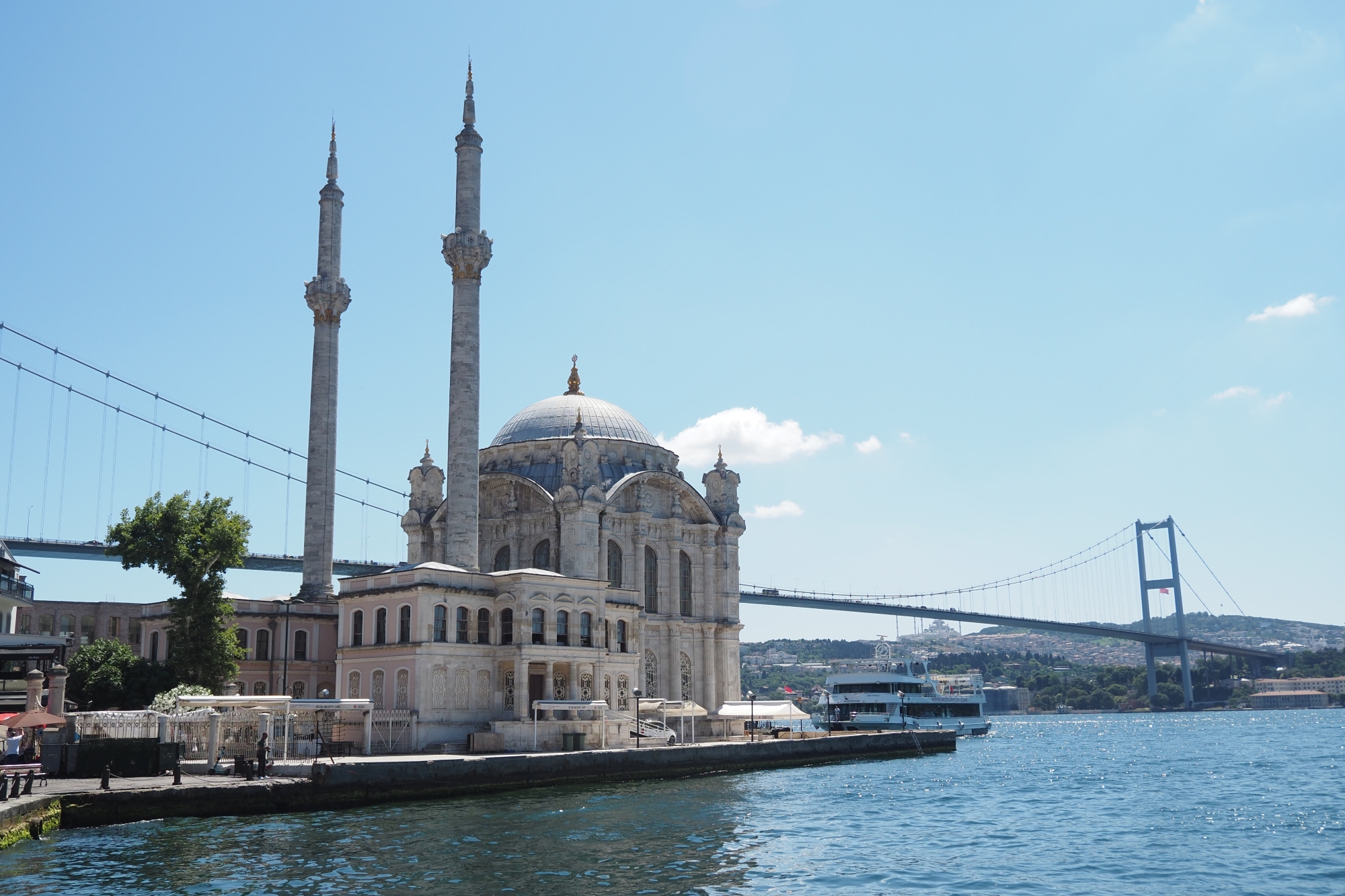
Türkiye’s external assets rose 4.2% month-on-month to $419.6 billion, while liabilities to non-residents reached $818.3 billion. The country’s net international investment position stood at minus $398.7 billion.
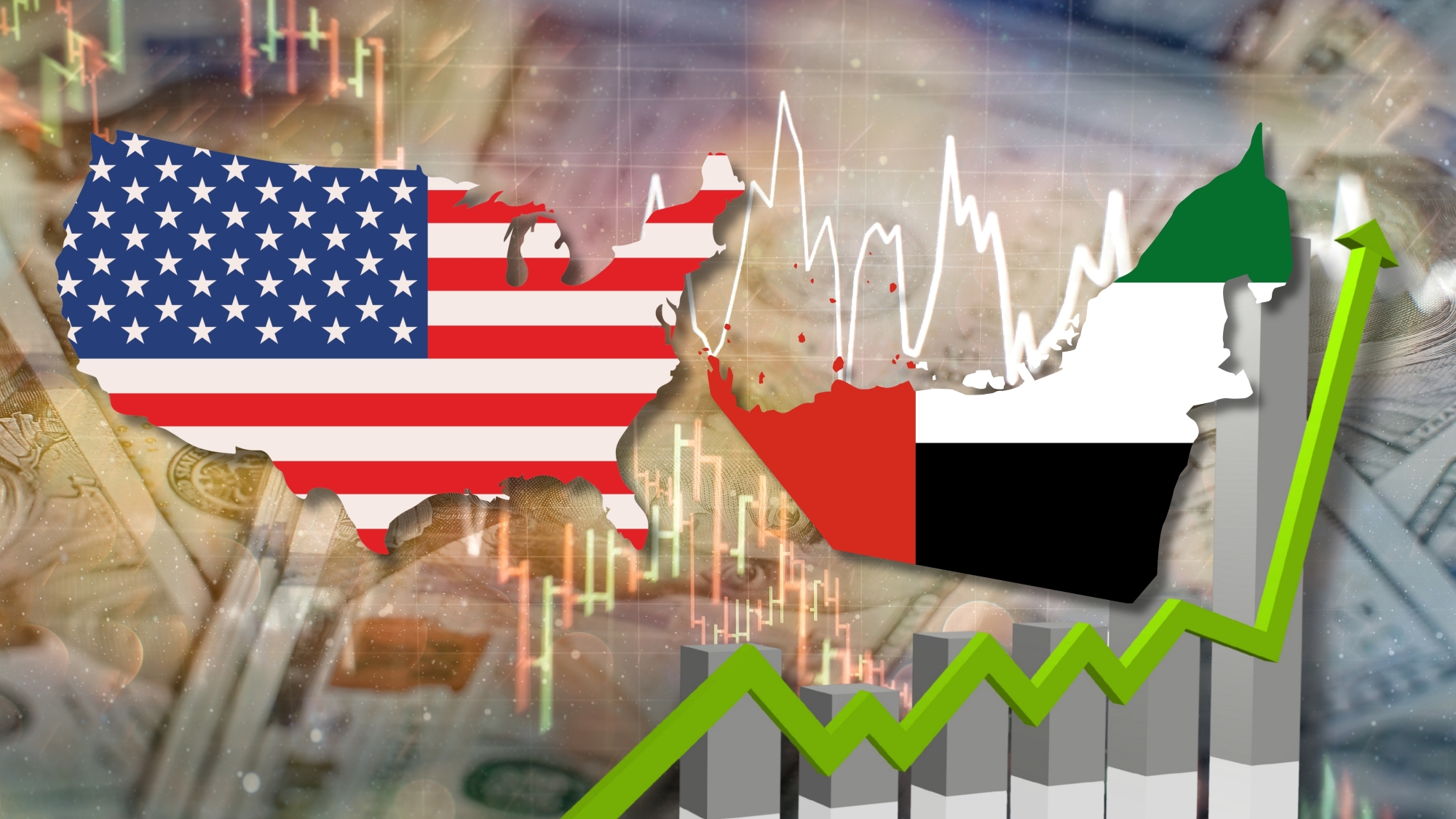
The UAE’s US$114.8 billion in US Treasury holdings reflects the importance of liquid dollar assets in supporting the dirham’s peg, strengthening financial stability and reducing currency uncertainty for businesses and investors.
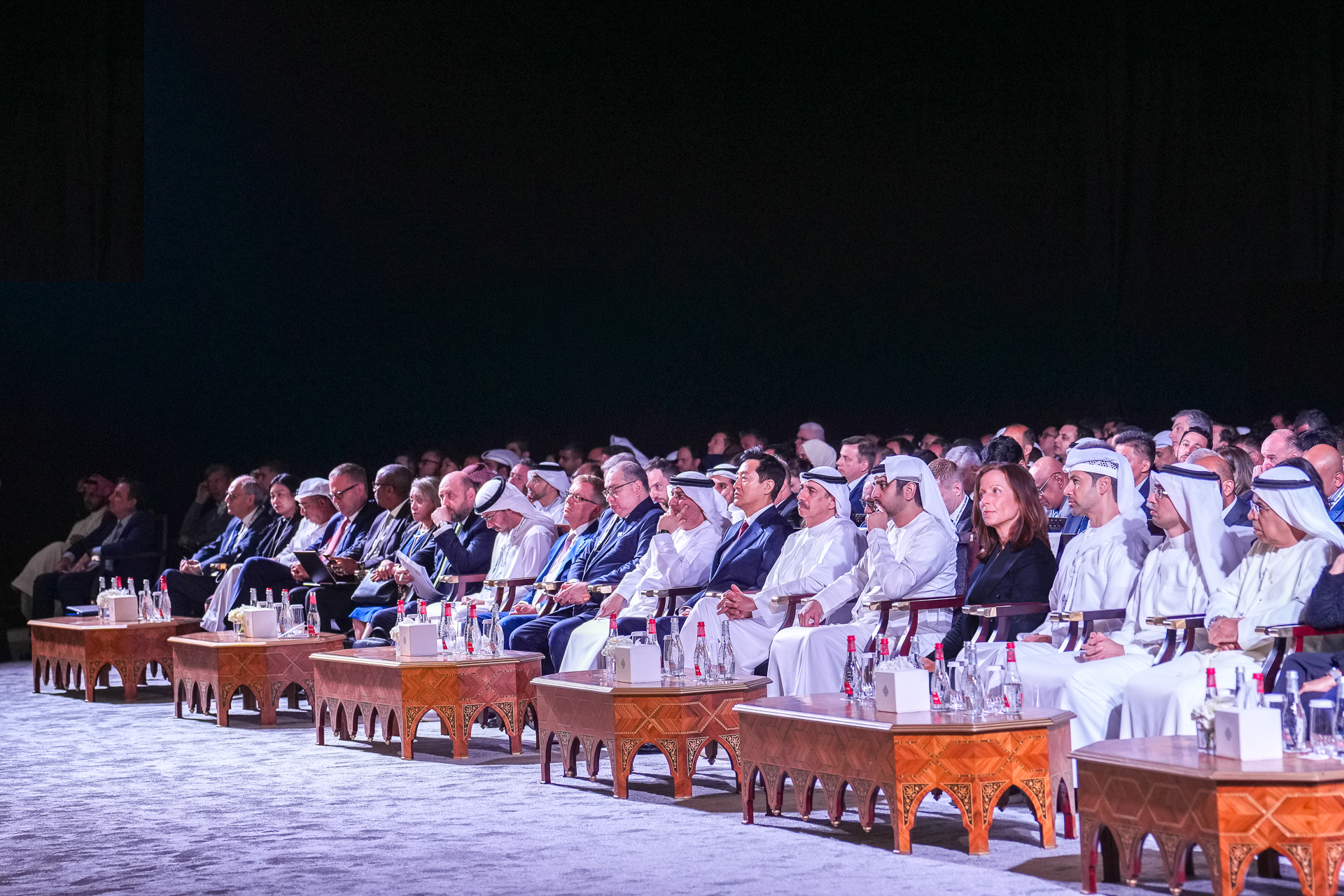
DIFC has unveiled the program for the inaugural Dubai Future Finance Week, taking place from 2 to 6 November 2026 and bringing together more than 850 speakers across 85 events to explore the future of FinTech, tokenization, family wealth, sustainable finance and private capital.
Dubai ranked ninth and Abu Dhabi 13th in the September 2026 Global Financial Centres Index, placing them first and second in the Middle East and Africa. The rankings reflect the UAE’s investment in infrastructure, regulation and talent.
2 min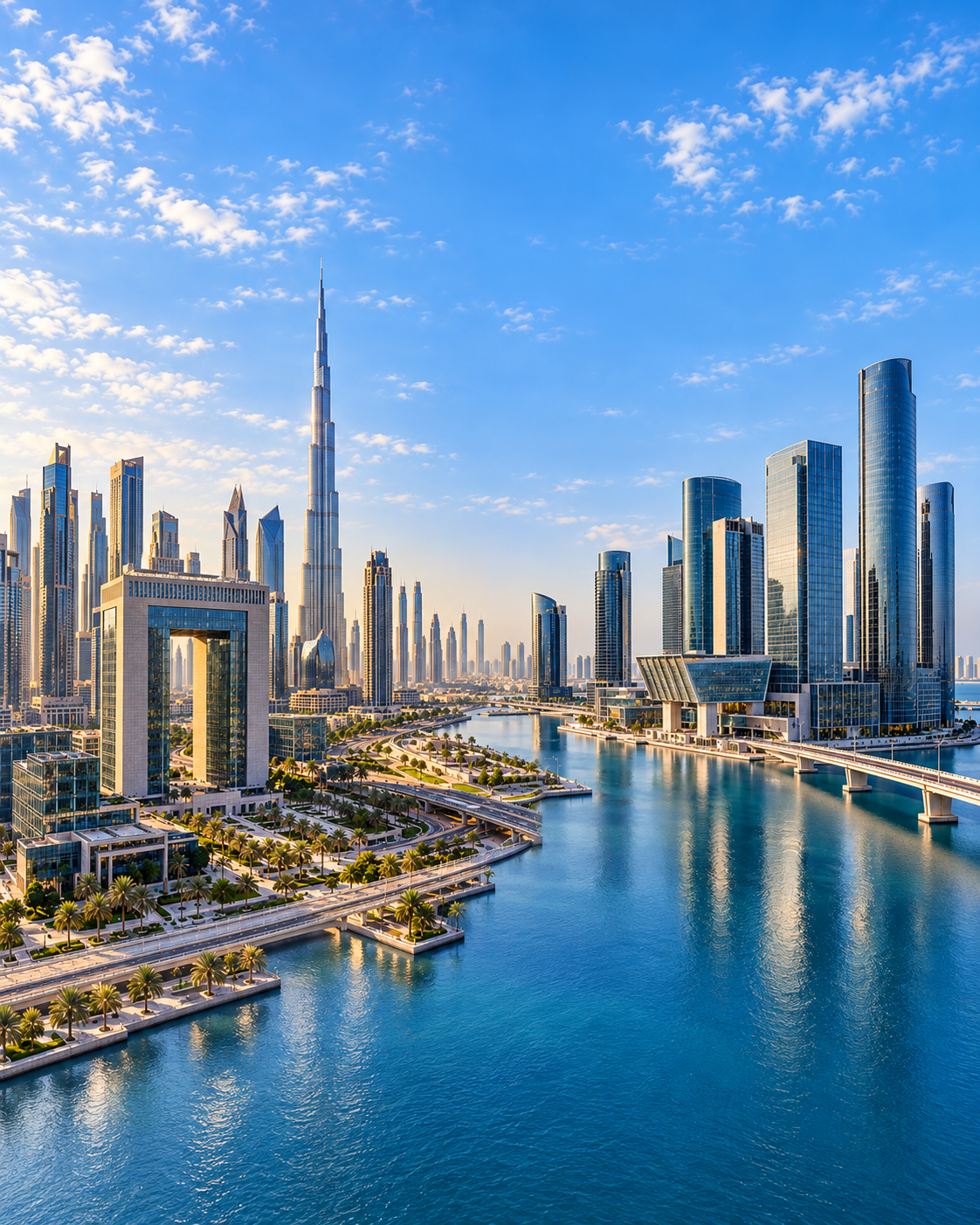
Dubai and Abu Dhabi’s positions among the world’s leading financial centres reflect the UAE’s long-term investment in infrastructure, regulation and talent, according to Nagham Hassan, MENA Market Analyst at etoro.
The September 2026 edition of the Global Financial Centres Index places Dubai ninth globally and Abu Dhabi thirteenth, with the two cities ranking first and second respectively in the Middle East and Africa. Abu Dhabi climbed eight places, while Dubai retained its position among the world’s top ten financial centres.
“These rankings reflect years of work to make the UAE an attractive place for financial institutions to operate, invest and recruit,” said Hassan. “Having two cities among the world’s leading financial centers strengthens the country’s ability to attract international business and supports growth across the wider economy.”
Dubai retains its global standing
Dubai’s ninth-place ranking puts it among leading international financial centres including New York, London, Hong Kong and Singapore. Although the city slipped two positions from seventh, its underlying score improved, indicating stronger competition among the leading centers.
“Dubai’s lower position should be viewed alongside the improvement in its score,” Hassan said. “Other centres have advanced faster, but Dubai continues to strengthen its offering. Its established infrastructure, international talent pool and financial services sector remain important advantages.”
Abu Dhabi’s rise reflects growing institutional presence
Abu Dhabi’s eight-place rise comes as international asset managers continue to establish and expand operations in the emirate.
ADGM reported a 54% year-on-year increase in assets under management in the first half of 2026. Major financial firms establishing, launching or expanding their presence during the period included Bain Capital, Barings, Hillhouse Investment, Rokos Capital Management and Man Group.
“The growing presence of international fund managers shows how global institutions view Abu Dhabi’s long-term potential,” Hassan said. “These firms bring expertise, capital and business activity, helping to deepen the financial sector and create opportunities beyond it.”
Long-term growth prospects remain in focus
According to Hassan, the UAE’s progress reflects sustained investment in infrastructure, regulatory frameworks that support financial businesses, and visa and residency options that help attract investors and skilled professionals.
The benefits extend beyond financial services. As institutions establish offices and expand their teams, they can support employment, demand for commercial and residential property, and activity across professional services.
Regional geopolitical uncertainty remains a significant influence on near-term market sentiment. However, Hassan noted that the continued expansion of international financial institutions points to confidence in the UAE’s longer-term position.
“Short-term market sentiment remains sensitive to developments in the region, but institutions make expansion decisions over a much longer horizon,” Hassan added. “If geopolitical tensions ease, the UAE’s growing financial sector and ability to attract international business could provide further support for investor confidence and local markets.”
Following the successful launch of its Palais Collection, MAISON de SABRÉ has unveiled a new modular handbag system offering more than 720 styling combinations.
Two coming 2027 models – the first of the “Neue Klasse” cars coming to the U.S. early next year – have been revealed.
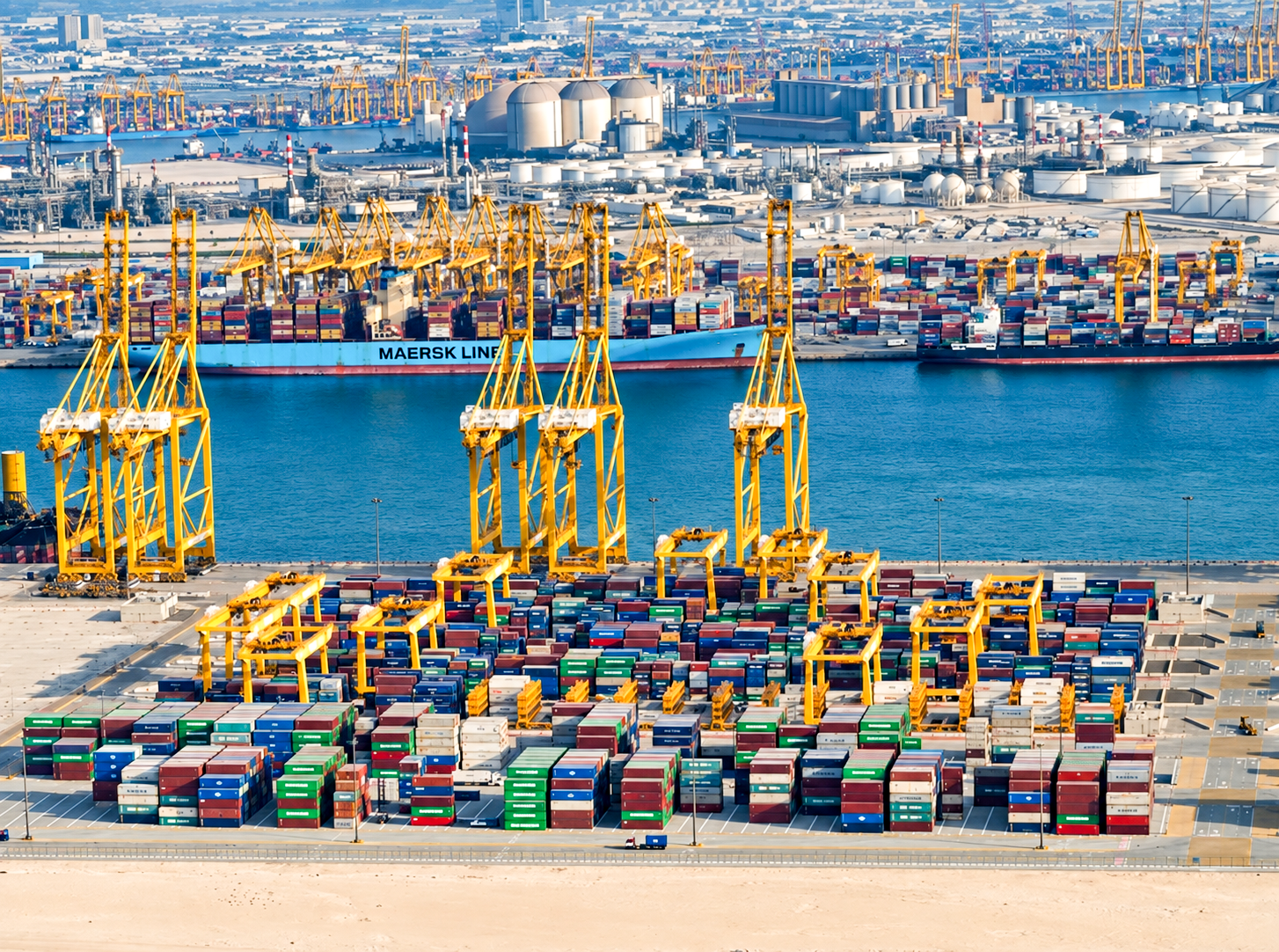

Standard Chartered forecasts Oman’s GDP to grow 3.5% in both 2026 and 2027, supported by resilient non-oil activity, hydrocarbon production and investment in logistics and manufacturing. The Bank also expects the country’s fiscal and external positions to strengthen.
2 min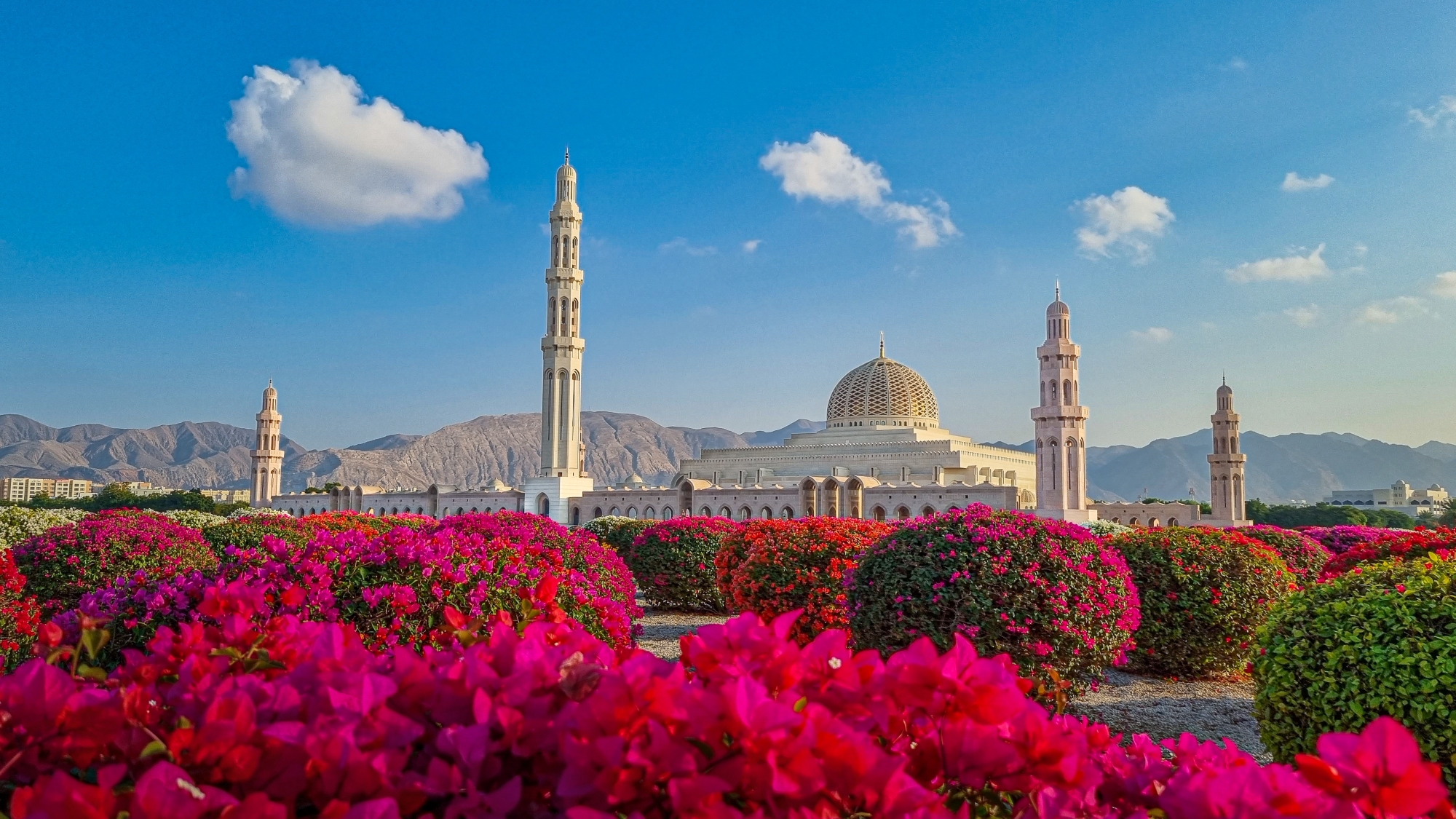
Standard Chartered forecasts Oman’s GDP growth to reach 3.5% in both 2026 and 2027, supported by resilient non-oil activity and a positive contribution from hydrocarbon production. The Bank expects non-oil growth to remain robust, underpinned by logistics, manufacturing and continued public investment linked to Oman Vision 2040.
The outlook is reinforced by a significant improvement in Oman’s fiscal and external positions. Standard Chartered has raised its fiscal surplus forecast to 4.6% of GDP in 2026 and 3.6% in 2027, from 0.5% and 1.0% respectively. Public debt is expected to decline towards around 33% of GDP by end-2026 and 31% by end-2027, while the current-account surplus is forecast at 5.0% of GDP in 2026 and 3.4% in 2027, compared with previous forecasts of 1.0% and 1.5%.
Hussain Al Yafai, Chief Executive Officer and Head of Coverage, Standard Chartered Oman, said: “Oman is entering the next phase of its development from a stronger economic position. Sustained non-oil growth alongside improving fiscal and external balances provides a firmer foundation for continued investment in the sectors that will shape the Sultanate’s next phase of diversification. The opportunity is to convert this resilience into broader and more durable growth as Oman advances the ambitions of Vision 2040.”
That stronger domestic position is complemented by an emerging external opportunity. As international investors reassess regional supply chains and seek more secure trade routes, Oman’s geographical location, neutral diplomatic position and relatively low exposure to direct conflict spillover are expected to reinforce the strategic value of its ports, industrial zones and logistics infrastructure. Standard Chartered expects investment momentum to strengthen across logistics, manufacturing, re-export activity and energy-linked infrastructure.
Al Yafi added: “As companies rethink supply chains and trade routes, Oman’s advantage is increasingly about connectivity as well as resilience. Its ports, industrial zones and logistics infrastructure serve as a strong platform to capture greater trade and investment activity and strengthen its links with regional and global markets. This can support the continued expansion of the non-oil economy while reinforcing Oman’s position as an increasingly important destination for long-term investment.”
Oman’s improving macroeconomic position and strategic connectivity therefore reinforce one another. Continued progress in the non-oil economy, together with investment in logistics, manufacturing and energy-linked infrastructure, positions the Sultanate to sustain growth while capturing opportunities created by evolving regional trade and investment flows.
Following the successful launch of its Palais Collection, MAISON de SABRÉ has unveiled a new modular handbag system offering more than 720 styling combinations.

New research suggests that bonuses make employees feel more like a mere cog in a wheel.

Qatar raised $3 billion through its first public debt offering of 2026, with the dual-tranche bond attracting $6.4 billion in orders.
< 1 min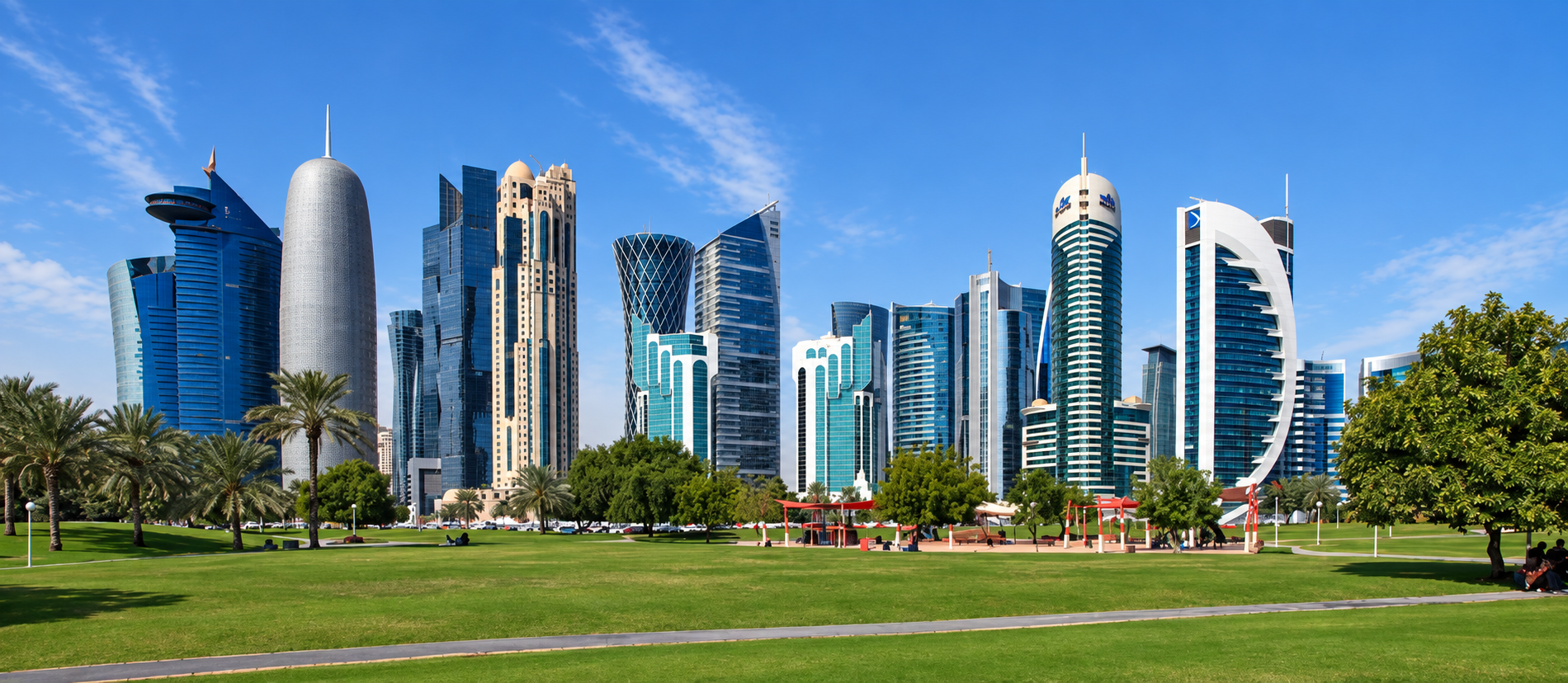
The State of Qatar raised $3 billion through its first public debt offering of the year with the dual-tranche senior unsecured issuance drawing a combined $6.4 billion orderbook.
The $1 billion five-year tranche drew a coupon of 5.25%, with a reoffer price of 99.437 and yield of 5.38%. The spread was tightened to plus 55bp over US Treasuries from IPTs in the +85bp area.
The $2 billion 10-year tranche also drew a tight spread at T+65bp from IPTs in the UST +95bp area, with a coupon of 5.375%. The reoffer price was set at 98.197, with a yield of 5.613%.
The final book on the five-year was in excess of $2.4 billion (excluding JLM interest), with the 10-year drawing $4 billion (excluding JLM).
HSBC was named the billing and delivery bank on the five-year tranche, with Standard Chartered Bank doing the same on the 10-year issuance.
The bonds carry a settlement date of September 28, 2026, and will be issued under Qatar’s Global Medium Term Note Programme. A listing on the London Stock Exchange (Main Market) will follow.
Following the successful launch of its Palais Collection, MAISON de SABRÉ has unveiled a new modular handbag system offering more than 720 styling combinations.

Parts for iPhones to cost more owing to surging demand from AI companies.
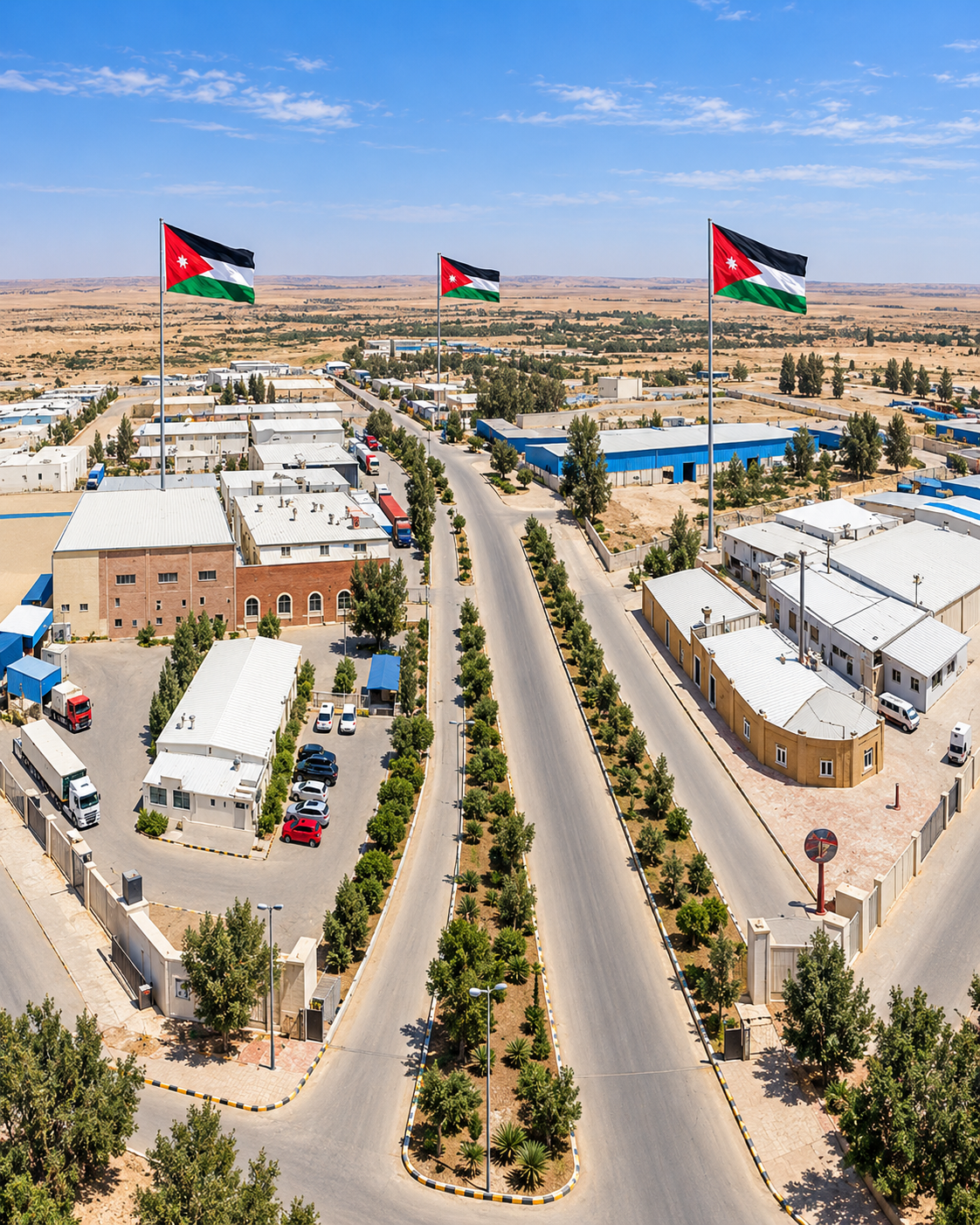
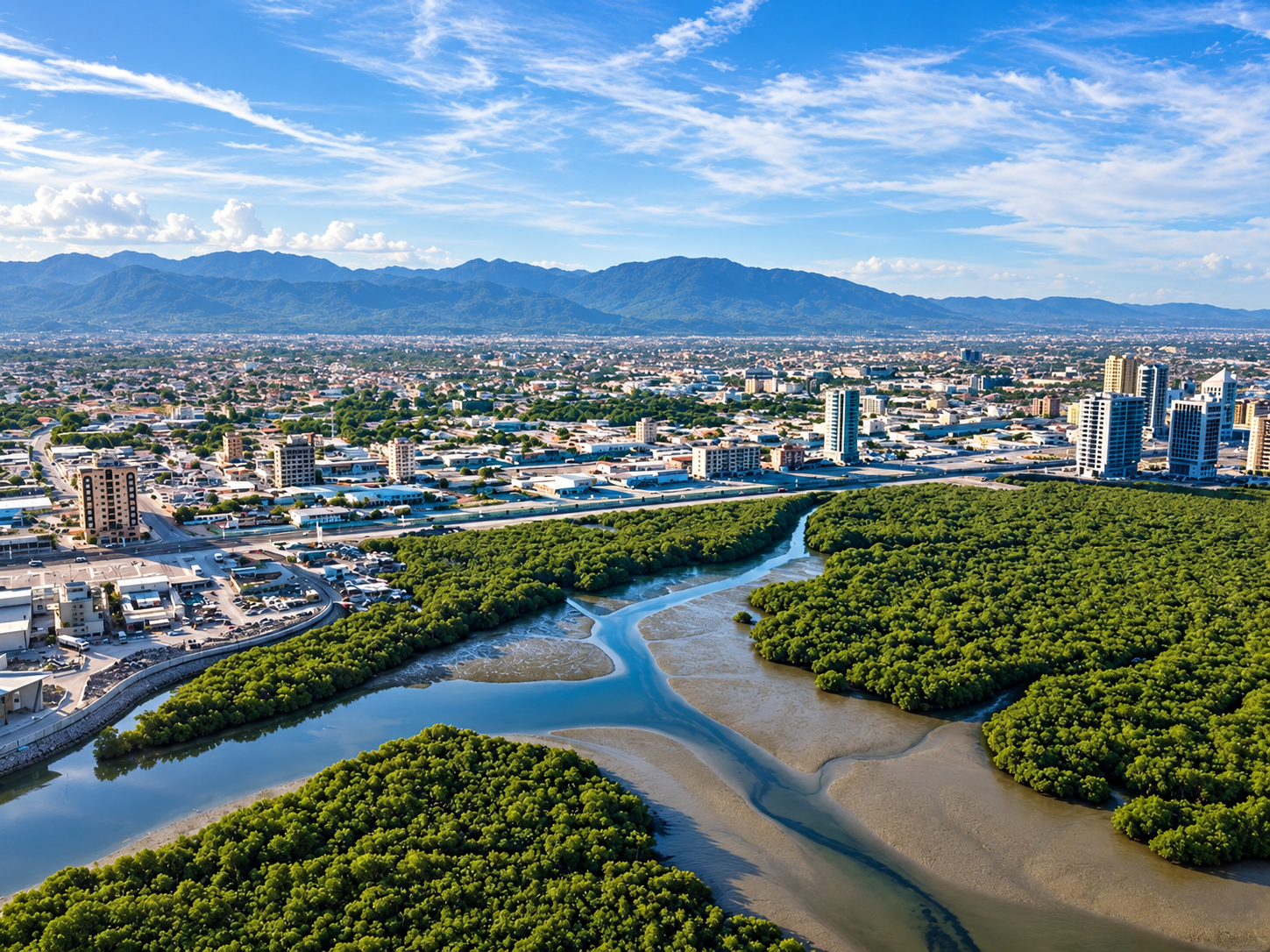
Türkiye’s external assets rose 4.2% month-on-month to $419.6 billion, while liabilities to non-residents reached $818.3 billion. The country’s net international investment position stood at minus $398.7 billion.
< 1 minTürkiye’s external assets rose 4.2% month-on-month to $419.6 billion as of the end of July, according to data released by the Turkish Central Bank.
The country’s liabilities to non-residents increased 1% over the same period to $818.3 billion.
Türkiye’s net international investment position, calculated as external assets minus liabilities, stood at minus $398.7 billion in July, Anadolu Agency reported, citing official data.
Central bank reserve assets increased by $17 billion from the previous month to $164.4 billion.
Among other asset items, direct investments rose 0.8% to $81.8 billion and financial derivatives increased 0.7% to $2.5 billion. Other investments, however, declined 0.5% to $161.7 billion.
Foreign currency deposits held by resident banks fell 6.9% month-on-month to $44.7 billion.
On the liabilities side, direct investments decreased 0.3% to $232.5 billion, while portfolio investments rose 3.5% to $160.2 billion.
Equities and investment fund shares held by non-residents increased 1% to $50.2 billion.
Financial derivative liabilities dropped 43% to $4 billion, while other investment liabilities climbed 1.6% to $421.6 billion.
Following the successful launch of its Palais Collection, MAISON de SABRÉ has unveiled a new modular handbag system offering more than 720 styling combinations.
Many of the most-important events have slipped from our collective memories. But their impacts live on.

The UAE’s US$114.8 billion in US Treasury holdings reflects the importance of liquid dollar assets in supporting the dirham’s peg, strengthening financial stability and reducing currency uncertainty for businesses and investors.
2 minThe UAE’s holdings of US government debt underline the importance of liquid dollar-denominated assets for an economy whose currency is pegged to the US dollar, according to Nagham Hassan, Market Analyst at etoro.
Holdings attributed to the UAE stood at US$114.8 billion in June 2026, just below the peak of around US$120 billion recorded in February and approximately 75% higher than a decade ago, according to US Treasury data.
Nagham Hassan, Market Analyst at etoro, said: “The scale of the UAE’s investment in US Treasuries has a clear economic rationale. Since 1997, the dirham has been fixed at AED3.6725 to the US dollar. Maintaining that peg requires access to liquid dollar assets that can be sold at short notice when needed.
“US Treasuries are particularly well suited to this role because they form the world’s largest and most actively traded government bond market. With the dollar remaining the leading global reserve currency, Treasuries provide dollar-pegged economies such as the UAE with a combination of liquidity, security and income.”
The figures reflect securities attributed to the UAE and do not represent the Central Bank of the UAE’s reserves alone. Nevertheless, they demonstrate the country’s significant exposure to US government debt at a time when global bond markets have experienced heightened volatility.
China has gradually reduced its US Treasury holdings in recent years, while Japan, the largest foreign holder, sold heavily during the first half of 2026. Large-scale selling can place downward pressure on bond prices, reducing the market value of securities held by other investors.
However, the structure of the UAE’s holdings helps limit this exposure. US Treasury data shows that nearly 60% of the portfolio is invested in short-term bills maturing within one year, while the remaining 40% is held in longer-term securities.
“The headline figure may suggest significant exposure to fluctuations in the US bond market, but the composition of the portfolio provides an important layer of protection,” Hassan said.
“Short-term Treasury bills experience relatively limited price movements when yields rise. As these securities mature, the proceeds can also be reinvested at higher prevailing rates. Rising US yields have therefore largely translated into stronger potential returns on this portion of the UAE’s holdings.”
The longer-term portion is more sensitive to changes in interest rates and recorded estimated paper losses of around US$6 billion in 2025. However, these valuation declines only become realized losses if the securities are sold before maturity.
“Reserve assets are generally held for stability and liquidity rather than short-term trading,” Hassan added. “A Treasury security held until maturity repays its full face value, regardless of the price fluctuations it experiences in the secondary market.”
For residents and businesses, the benefits of this reserve structure are most visible through the stability of the dirham against the dollar. The peg helps keep the cost of dollar-priced imports more predictable and reduces currency uncertainty for foreign investors bringing capital into the UAE.
“The peg cannot eliminate inflation or prevent the dirham from moving against currencies such as the euro or Indian rupee when the dollar fluctuates,” Hassan concluded. “What it does provide is certainty over the dirham’s value against the dollar. For an economy built on trade, investment and the movement of global capital, that predictability remains one of the UAE’s most important strengths.”
Following the successful launch of its Palais Collection, MAISON de SABRÉ has unveiled a new modular handbag system offering more than 720 styling combinations.

Paine Schwartz joins BERO as a new investor as the year-old company seeks to triple sales.
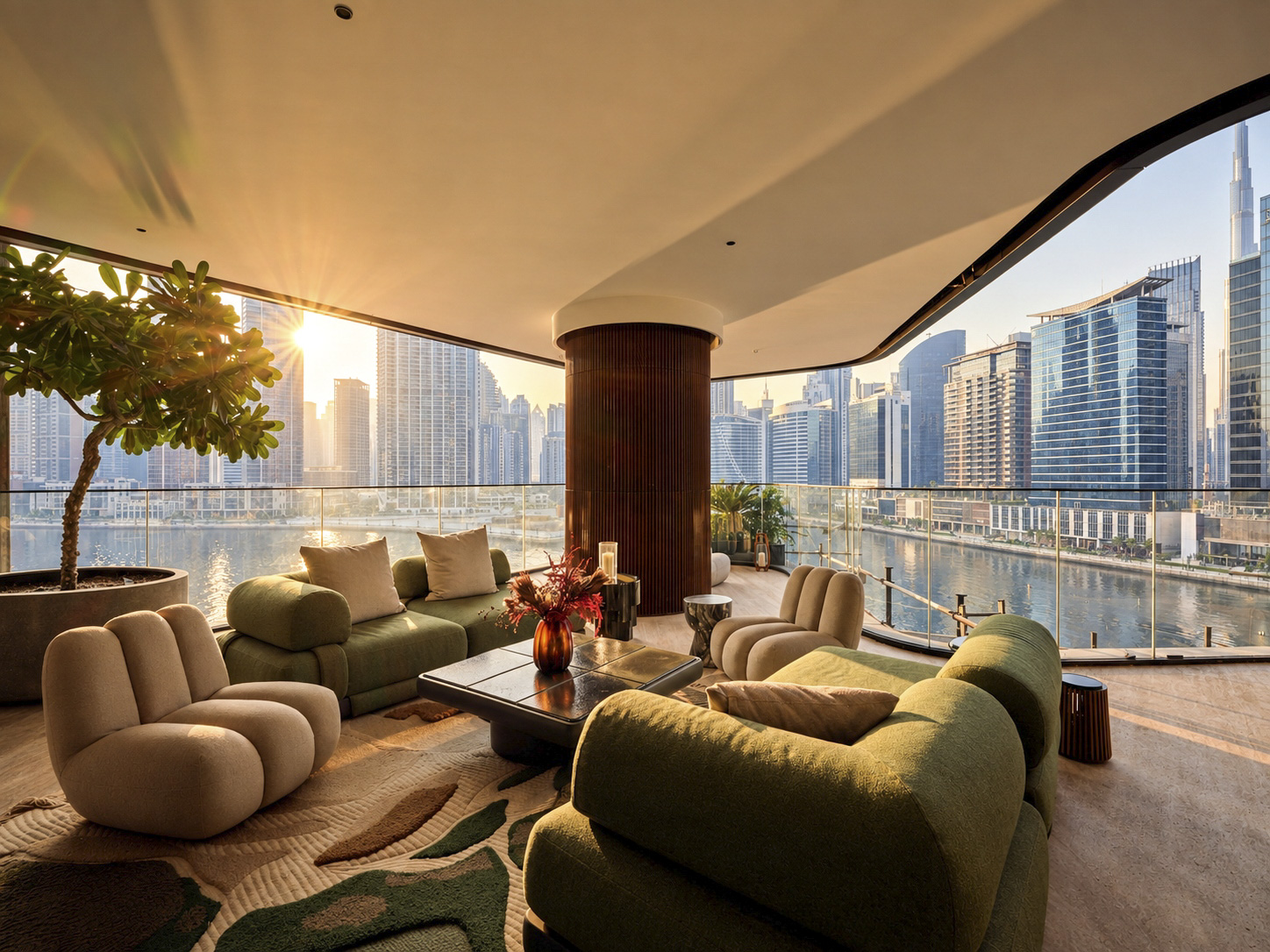
DIFC has unveiled the program for the inaugural Dubai Future Finance Week, taking place from 2 to 6 November 2026 and bringing together more than 850 speakers across 85 events to explore the future of FinTech, tokenization, family wealth, sustainable finance and private capital.
4 minDubai International Financial Centre (DIFC), the leading global financial centre in the Middle East, Africa and South Asia (MEASA) region, has confirmed the programme for the inaugural edition of the Dubai Future Finance Week, a strategic platform being held from 2 to 6 November 2026, examining financial trends and economic opportunity within the global financial ecosystem.
Organised under the directives and patronage of His Highness Sheikh Maktoum bin Mohammed bin Rashid Al Maktoum, First Deputy Ruler of Dubai, Deputy Prime Minister and Minister of Finance of the UAE, and President of DIFC, Dubai Future Finance Week advances the ambitions of the Dubai Economic Agenda D33 which positions the Emirate as a top four global financial centre.
Dubai Future Finance Week has quickly become the region’s largest event for the global finance industry, with over 850 speakers already confirmed through a coordinated programme of more than 85 high-level events including 12 signature forums across 14 stages around Dubai.
Held under a central theme of “Finance Reimagined: Where Innovation Meets Policy and Purpose,” the programme spans six defining verticals including FinTech, Tokenisation, Islamic Finance, Family Wealth, Sustainable Finance and Private Capital. Every event under Dubai Future Finance Week targets a unique facet of financial evolution, allowing attendees to connect directly with global enterprises, market leaders, and regulators across a series of interlinked forums. Together, Dubai Future Finance Week offers a cohesive platform for cross-industry collaboration and actionable insights into high-growth sectors.
His Excellency Essa Kazim, Governor of DIFC, said, “The global financial ecosystem is undergoing a structural evolution, and Dubai is shaping its next chapter through Dubai Future Finance Week. By bringing together the world’s most influential financial decision-makers to align policy with progress, this event unites the entire financial spectrum under a single, cohesive platform to drive the ambitions of the Dubai Economic Agenda D33.”
The Dubai FinTech Summit on 2 and 3 November will serve as the anchor event of Dubai Future Finance Week where global banking, capital markets and FinTech leaders converge to debate the future architecture of financial services. The Summit’s headline speakers currently include Nicolas Moreau, Chief Executive Officer, HSBC Asset Management; Noel Quinn, Chairman of the Board of Directors, Julius Baer; Dr Shanu S.P. Hinduja, Chair, S.P. Hinduja Banque Privée and Fatih Karahan, Governor, Central Bank of the Republic of Türkiye.
His Excellency Arif Amiri, Chief Executive Officer of DIFC Authority, commented: “DIFC has built the region’s most advanced financial ecosystem, and Dubai Future Finance Week is an extension of that network. From the expanded scale of the Dubai FinTech Summit to specialised forums for digital assets and family wealth, we are providing the physical and intellectual infrastructure to reimagine and build the future of finance with resilience and sustainability.”
Beyond the Dubai FinTech Summit, specialised forums will explore the defining forces reshaping finance, from sustainable investment and private capital to Islamic finance, tokenisation and institutional wealth management. Together, they will create opportunities for policymakers, investors and industry leaders to exchange ideas across interconnected sectors.
The Future Sustainability Forum to be held on 3 November will serve as a crucial platform for advancing global dialogue on sustainable finance, accelerating the mobilisation of green capital, and aligning institutional investment with the transition to a low-carbon, resilient global economy.
The MENA Banking Excellence Awards, scheduled on 3 November will recognise regional banking transformation. IPEM Future 2026, will be held 3 November and convene private capital leaders and allocators. The Future Islamic Finance Forum on 4 November advances global dialogue on Sharia compliant finance and Islamic capital markets, while the Deal Catalyst Fixed Income Alternatives Conference being held on the same day, will explore private and structured credit strategies.
On 5 November the Dubai Family Wealth Summit will bring together principals and advisers on succession, governance and long term allocation and the Investment Leaders Exchange will explore insights from senior institutional investment leaders. Concluding the day’s events, the Future Tokenisation Forum will examine trusted tokenised markets and next generation financial infrastructure.
Additional specialist programmes throughout the week will expand the scope of discussion across investment leadership, allocator-manager collaboration, insurance innovation and transition finance. On 2 and 3 November, the Capital Exchange CIO Investment Leadership Programme brings together institutional investors and private market participants. Additionally, on 2 November, Gulf Transition and Sustainable Finance 2026 focuses on the evolving market for sustainable bonds, climate transition and green buildings, while GAIP InsureTek Dubai on 4 and 5 November examines the evolving intersection of sustainable growth, risk and insurance innovation.
By bringing these dialogues into one cohesive week, Dubai Future Finance Week helps participants bridge topics with a unified approach that empowers them to analyse intersecting trends and fosters cross-sector collaboration.
The programme reflects Dubai’s continued momentum as the leading financial centre in the Middle East, Africa and South Asia (MEASA) region and one of the world’s foremost financial hubs, as recognised by the Global Financial Centres Index. By delivering curated forums on AI, digital assets, and regulatory pioneering, the event translates high-level dialogue into tangible economic progress, cementing its position as the ultimate benchmark for financial evolution and reflecting DIFC’s trajectory as the global capital of financial innovation.
More than an industry gathering, Dubai Future Finance Week reflects the Emirate’s long-term vision to shape global finance through collaboration, investment and regulatory leadership. By convening the full financial ecosystem under one programme, the event will reinforce DIFC’s role as the region’s leading financial centre and strengthen Dubai’s position as a global hub for capital, innovation and financial policy. Further information on the programme and participation opportunities is available at www.dubaifuturefinanceweek.com
Following the successful launch of its Palais Collection, MAISON de SABRÉ has unveiled a new modular handbag system offering more than 720 styling combinations.
The sports-car maker delivered 279,449 cars last year, down from 310,718 in 2024.
Mashreq bank raised $500 million through a five-year bond, attracting orders exceeding $925 million.
< 1 min
Mashreqbank’s latest $500 million debt raise drew an orderbook in excess of $925 million (including $50 million JLM interest), with the spread tightened to 115bp over US Treasuries from IPTs that were in the +145bp area.
The five-year benchmark-sized issuance drew a fixed rate coupon of 5.625%, paid semi-annually. The yield was set at 5.736%, with a reoffer price of 99.523%.
The issue carries a maturity date of 16 September 2031, with a rating of A (Fitch) and A (S&P), in line with the UAE lender’s own rating.
Following the successful launch of its Palais Collection, MAISON de SABRÉ has unveiled a new modular handbag system offering more than 720 styling combinations.
Chris Dixon, a partner who led the charge, says he has a ‘very long-term horizon’

Saudi Arabia’s Business Confidence Index rose to 56.7 points in August 2026, supported by stronger optimism across the industry and services sectors.
< 1 min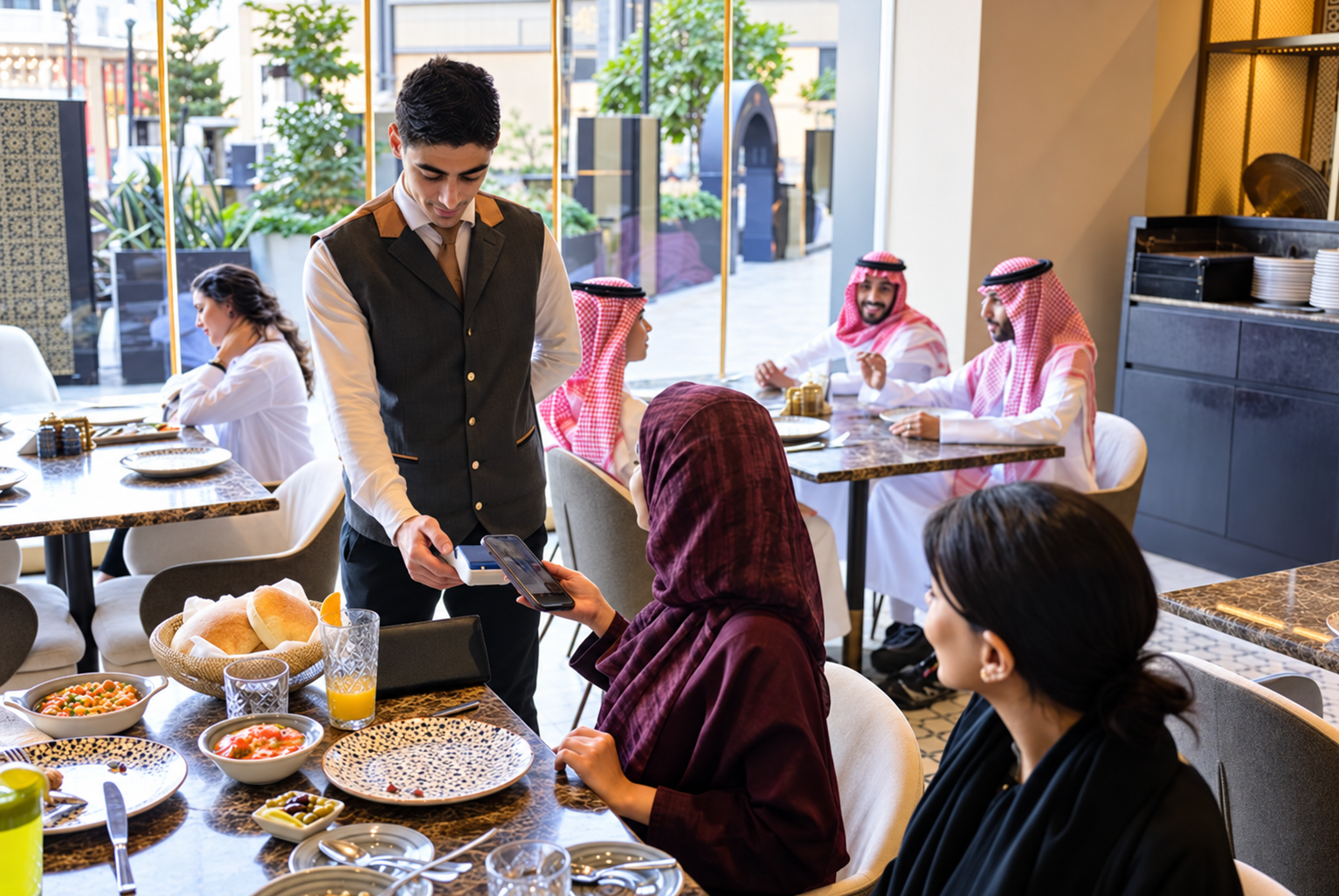
Saudi Arabia’s Business Confidence Index rose to 56.7 points in August 2026, up 0.2 points from 56.5 points in July, continuing to reflect optimism among businesses regarding economic activity.
The index recorded increased confidence in the industry and services sectors during the month, while the construction sector registered a slight decline.
The Business Confidence Index for the industry sector reached 55.8 points in August, rising by 1.04 points from 54.7 points in July. The increase was supported by stronger confidence in overall performance and employment prospects.
The services sector index also increased to 56.1 points, compared with 55.3 points in the previous month, marking a rise of 0.9 points. The improvement was driven by greater optimism regarding overall performance and fixed investment spending.
In contrast, the Business Confidence Index for the construction sector declined to 57.3 points in August from 57.7 points in July, a decrease of 0.4 points. The decline was attributed to lower confidence levels regarding current and expected input costs for the coming month.
On a monthly basis, the Overall Business Confidence Index increased by 0.3 percent in August, following a decline of 0.05 percent in July.
Following the successful launch of its Palais Collection, MAISON de SABRÉ has unveiled a new modular handbag system offering more than 720 styling combinations.

Americans now think they need at least $1.25 million for retirement, a 20% increase from a year ago, according to a survey by Northwestern Mutual
Investors are bracing for a bumpier fall stock market due to shifting odds of a Federal Reserve interest-rate increase and other macro challenges.
3 min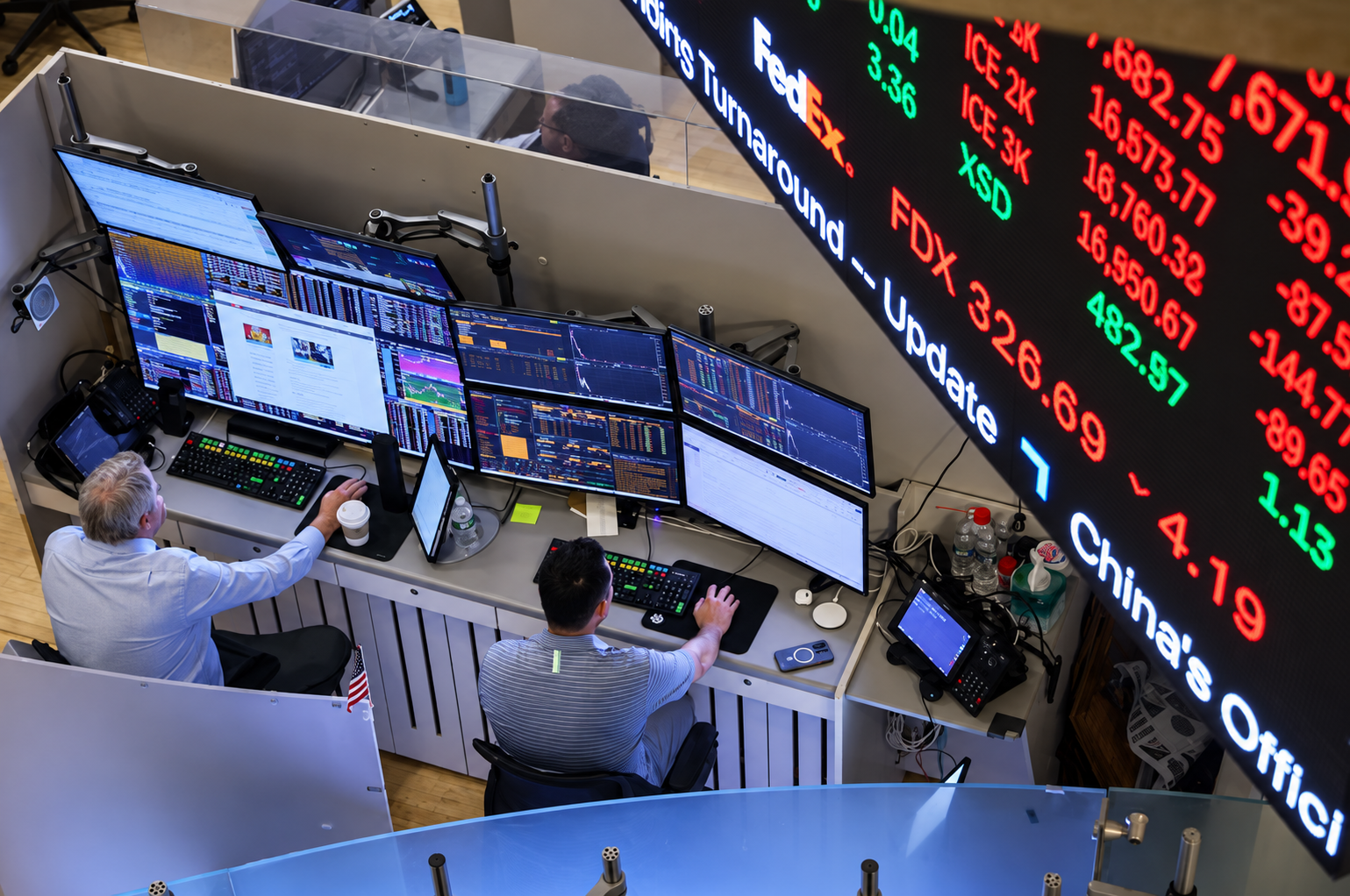
The stock market had a decent summer. Investors are bracing for a bumpier fall.
In the past couple of months, equity investors cheered soaring profits at big companies, shrugged off jitters in the bond market and nudged megacap tech shares back near records.
Now, as the post-Labor Day stretch begins, a number of new challenges lie ahead: ever-shifting odds of an interest-rate increase from the Federal Reserve. Sky-high expectations after a stunning earnings season. The persistent threat of higher consumer prices as fighting in the Middle East drags on.
“You’re moving from this earnings-driven market to this macro-driven market with the Fed, inflation and interest rates in focus,” said Keith Lerner, chief investment adviser for Truist Advisory Services. “It tends to be a choppier period.”
Historically, every major U.S. stock index experiences its worst average return in September. The Dow Jones Industrial Average has slid an average 1.1% in the ninth month of the year, in data that dates back to the 19th century. The S&P 500 has seen the same average decline—and for every September dating back to 1928, the benchmark ends the month lower more than half of the time.
Analysts caution against reading too much into those seasonal patterns. But in recent weeks, new reasons for investor caution have emerged. One of the largest: the looming threat of an interest-rate increase from the Fed, which announces its next policy decision on Sept. 16.
Chairman Kevin Warsh’s decision to ditch forward guidance and take more of his cues from markets has muddied the waters for investors when it comes to monetary policy. That has left traders scouring Fed governor speeches and economic-data reports for clues on the central bank’s next move.
“There’s going to be a lot of eyes on those numbers,” said John Luke Tyner, head of fixed income and portfolio manager at Aptus Capital Advisors.
The past couple of weeks offered just one example of how frequently those expectations can change. After Warsh struck a hawkish tone during remarks on Aug. 28, the odds of a hike at the Fed’s next meeting jumped from 35% before the speech to 58%, according to CME FedWatch data.
On Thursday, Fed governor Christopher Waller made a case for leaving rates where they are. Interest-rate futures showed coin-flip odds between a hike and a hold. Then Friday’s robust jobs report amped up rate-hike bets once more, back to a roughly 60% chance of higher rates after the meeting.
“Rates have really been driving the car for equities the last few weeks,” said Ross Mayfield, an investment strategist at Baird.
That uncertainty comes as an unruly bond market could put pressure on stocks. Treasury yields have marched higher for much of the summer, driven by concerns about rising oil prices, growing U.S. budget deficits and a deluge of tech-company bonds now competing for investors’ cash. Last week, the rout went global, pushing yields to multiyear highs in Japan, Germany and the U.K.
Higher bond yields can drag on stock prices and lift borrowing costs for companies and consumers across the economy.
Rising prices remain the top concern for bond traders, and continued fighting between the U.S. and Iran has done little to ease those worries. The national average price of diesel climbed to a record of $5.850 on Friday, according to AAA. That is up from $3.712 a year ago.
Investors will get more insight on the path of prices this week, with the much-awaited consumer-price index report due Friday and a reading on producer prices Thursday.
With another blockbuster earnings season in the books, some analysts have also warned that any boost from the third-quarter reports due in the coming months could be minimal. Back-to-back quarters of standout profits have raised expectations and made it especially difficult to impress traders. Custom-chip company Broadcom, for example, said Wednesday that it more than tripled its earnings and nearly doubled its revenue. Shares slipped 2.7% the next session.
Many analysts note there are plenty of reasons not to panic. The economy is in impressive shape, thanks to a healthy labor market and the rippling effects of the artificial-intelligence investment boom. Profits are booming at America’s biggest companies. The Cboe Volatility Index has dropped to its lowest levels of 2026. Credit spreads are tight, a sign bond investors aren’t concerned about economic conditions that could hurt companies.
But the mood has shifted from the euphoria that felt tangible when the Nasdaq was notching back-to-back records early this summer. The question, Mayfield said, is whether the fundamentals that have bolstered the bull market so far can stretch the rally into 2027.
“There are more anxieties or uncertainties about the backdrop,” he said. “It does feel like a transitional moment.”
Following the successful launch of its Palais Collection, MAISON de SABRÉ has unveiled a new modular handbag system offering more than 720 styling combinations.
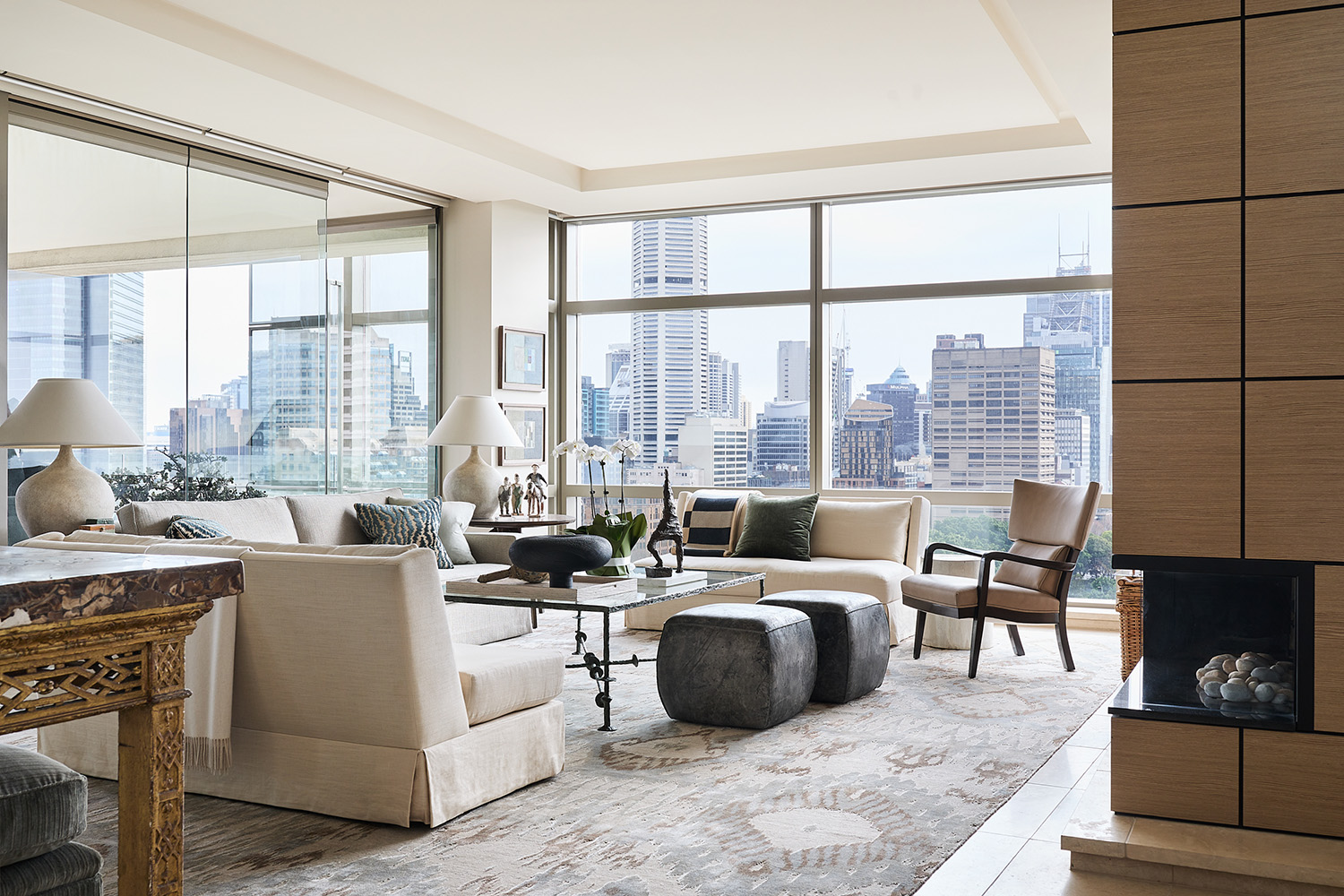
Interior designer Thomas Hamel on where it goes wrong in so many homes.
Saudi Arabia’s Arab National Bank has raised $750 million through an AT1 sukuk priced at a 6.50% yield, with orders exceeding $3 billion.
< 1 min
The Saudi-based Arab National Bank, rated A1 by Moody’s (Stable), A- by S&P (Stable) and A- by Fitch (Stable), has raised $750 million from a Regulation S perpetual non-call 5.5-year AT1 sukuk , priced at par with a 6.50% coupon paid semi-annually.
The yield is set at 6.50%, with a 191.7bps reset margin.
IPTs on the benchmark-sized issuance were in the 6.875% area.
At launch, books were in excess of $3 billion, excluding JLM interest.
The certificates will be issued under the bank’s $3 billion Additional Tier 1 Capital Certificate Issuance Programme established by ANB Tier 1 Sukuk Company Limited with the Tadawul-listed ANB acting as obligor.
ANB Capital Company, Arab Bank, ASB Capital, Arqaam Capital, Citi, Goldman Sachs International, HSBC, Mizuho, Standard Chartered Bank and Warba Bank are the mandated joint lead managers and joint bookrunners.
The sukuk will be listed on the London Stock Exchange’s International Securities Market.
The latest issuance follows similar terms to the Saudi-listed lender’s previous AT1 issuance in September 2025, which also raised $750 million with a 6.40% yield. Although the current debt outing has no sustainable component like the bank’s previous AT1 issuance.
Following the successful launch of its Palais Collection, MAISON de SABRÉ has unveiled a new modular handbag system offering more than 720 styling combinations.
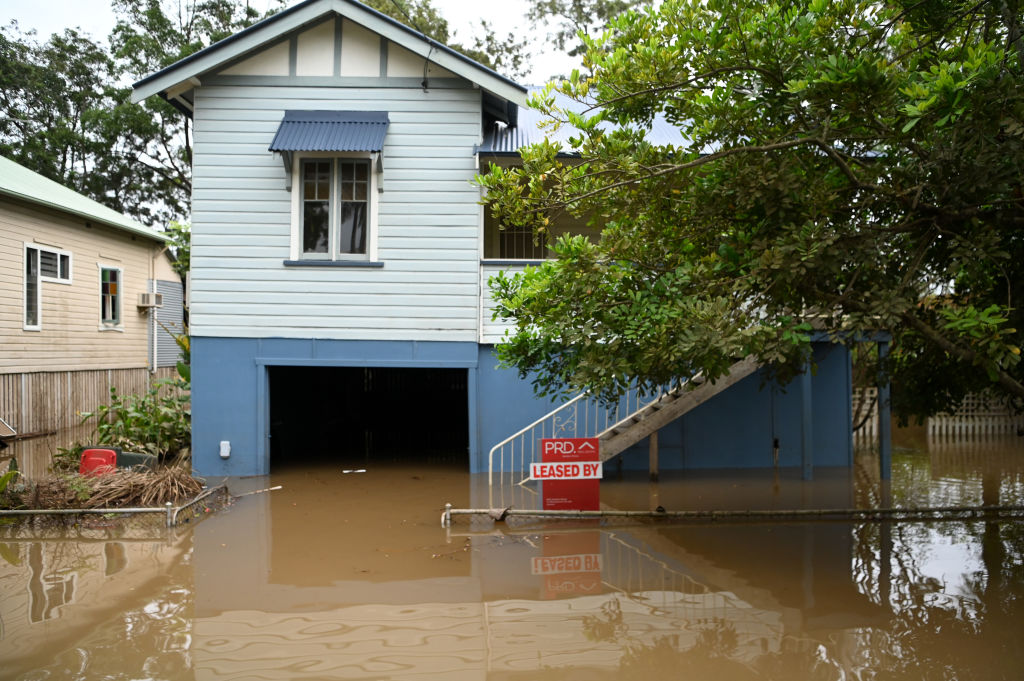
Following the devastation of recent flooding, experts are urging government intervention to drive the cessation of building in areas at risk.

Egypt and Oman are exploring greater integration between their economic and free zones to boost trade, expand market access, and support cross-border manufacturing and re-exports.
< 1 min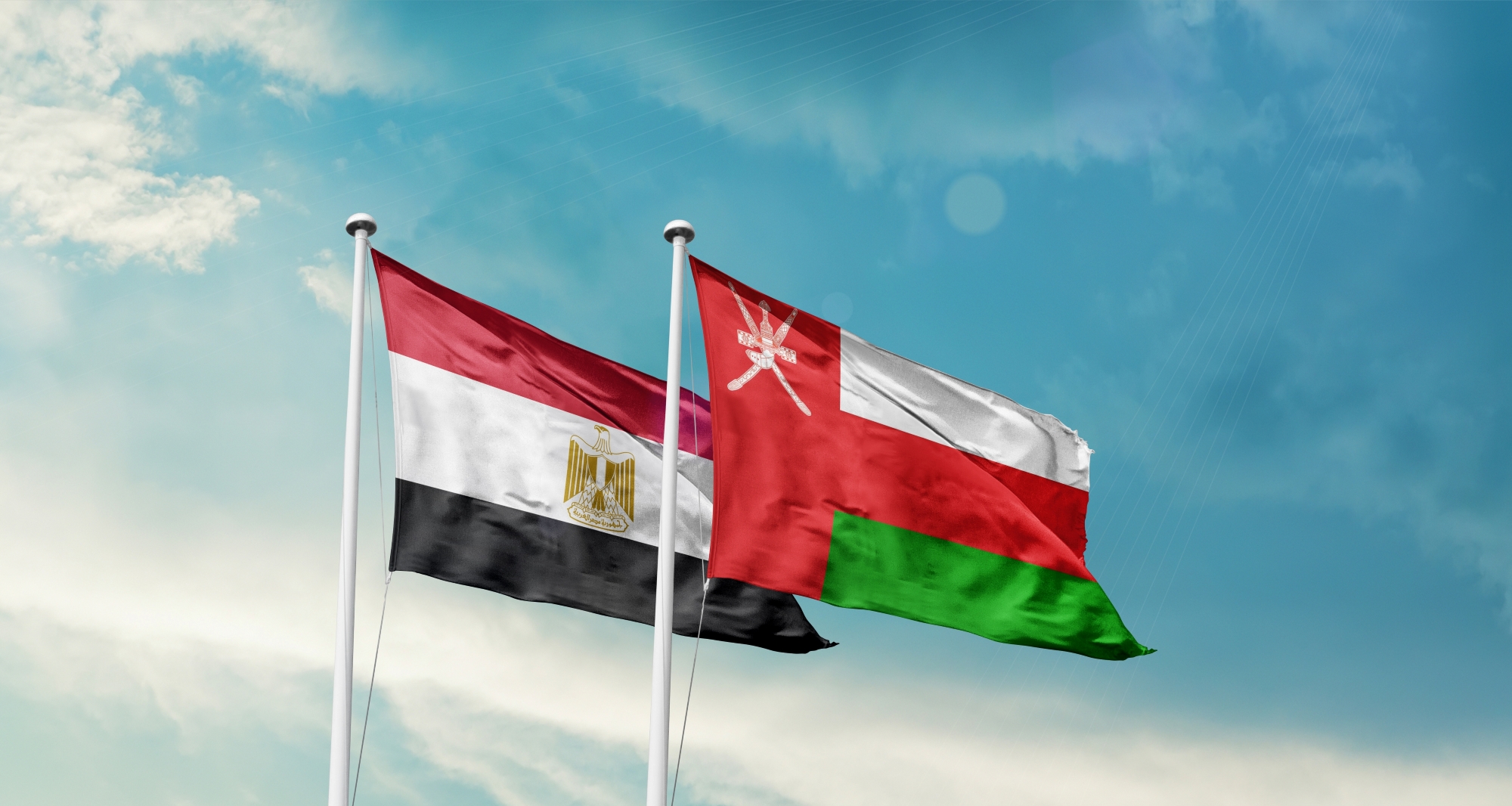
Minister of Investment and Foreign Trade Mohamed Farid met with a delegation from Oman’s Public Authority for Special Economic Zones and Free Zones (OPAZ) to discuss enhancing bilateral trade and cooperation, according to a statement.
The meeting addressed opportunities to integrate the economic, special, and free zones of Egypt and Oman, which is expected to scale market access and support cross-border manufacturing and re-export activities.
Egyptian companies would utilize Oman’s free and economic zones to complete manufacturing processes and re-export products to Asian markets. Meanwhile, Oman could leverage Egypt’s strategic geographic position, as well as its industrial and logistics capabilities, to access markets in other regions.
Farid stressed the need to achieve these goals while implementing mechanisms to establish actual projects in the pharmaceutical, food, textile, renewable energy, logistics, and manufacturing sectors.
Discussions further covered the establishment of a joint mechanism to promote investment opportunities across the economic, special, and free zones of both countries.
Following the successful launch of its Palais Collection, MAISON de SABRÉ has unveiled a new modular handbag system offering more than 720 styling combinations.
Wall Street’s hottest momentum trade has reversed sharply, as former winners tumble and heavily shorted stocks surge.
3 min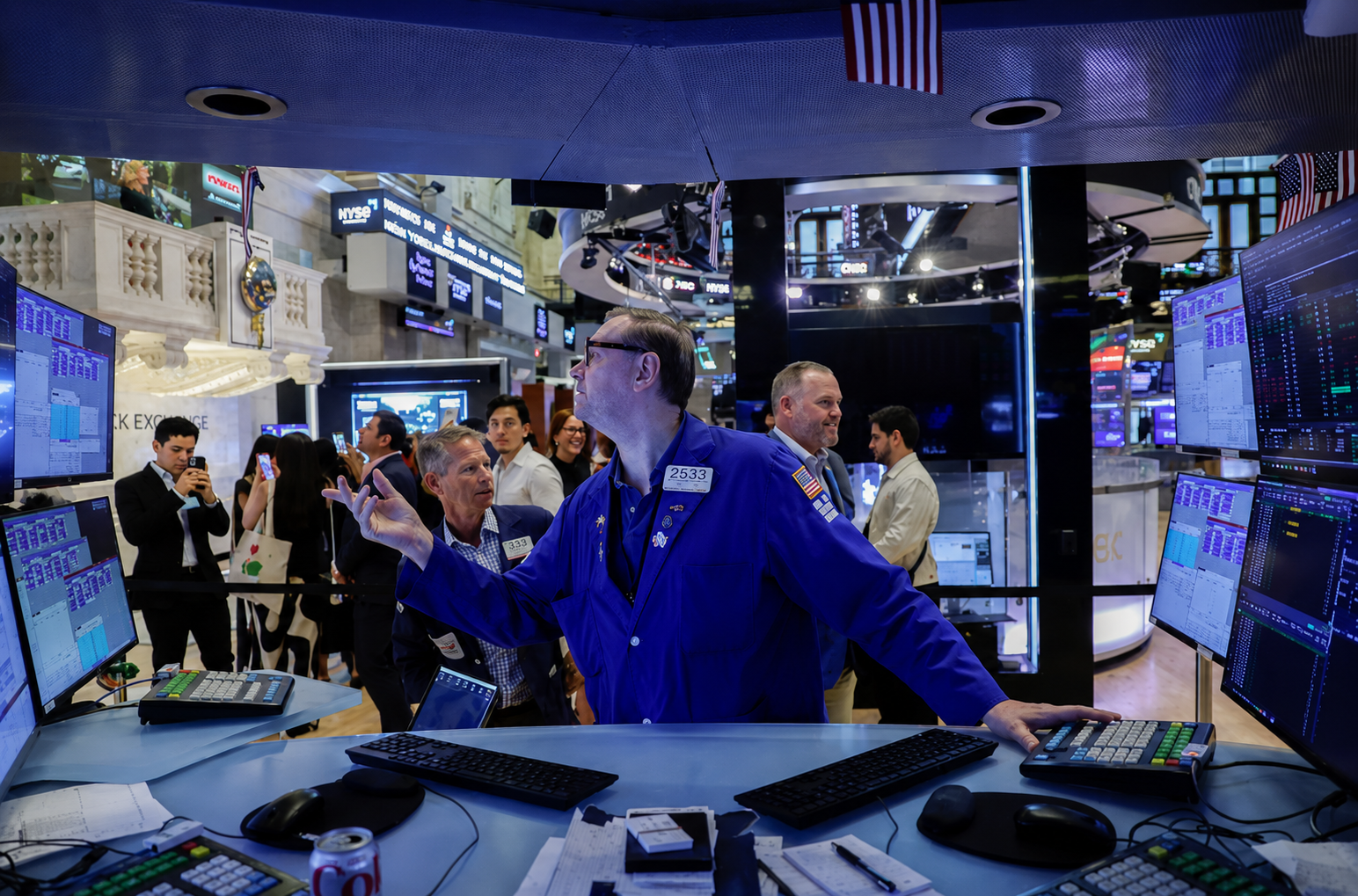
Wall Street’s hottest trade has gone ice cold.
For years, it paid off to buy stocks that were rising in price—and bet against struggling shares. The momentum trade was especially profitable this year, as investors piled into hot stocks including Micron Technology, Nvidia, Advanced Micro Devices and other artificial-intelligence darlings while wagering against those likely to be hurt by the embrace of AI.
The S&P 500 Momentum Index soared 44% in the second quarter, its best quarterly performance on record, and it surged 133% over the past five years, nearly double the broad market’s performance.
Mega funds and rookie investors alike piled into the trade, some using leverage and options contracts in an effort to amplify their returns, propelling the underlying shares higher.
“It is a self-fulfilling prophecy,” said Matthew Tym, managing director at Cantor Fitzgerald, of the trade.
Suddenly, the trade is a loser. The momentum index has tumbled more than 9% since July 1, lagging behind the S&P 500’s 2.8% gain. The index—which tracks stocks in the S&P 500 based on a “momentum score”—is on track for the biggest quarterly underperformance in 25 years. July was the second-worst month for the momentum trade in around 40 years, according to Bank of America estimates; the only month worse was April 2009, in the teeth of the global financial crisis.
Hedge funds that bought momentum shares while shorting low-momentum stocks suffered even more. At the same time, a basket of the most popular stocks held by hedge funds tracked by Goldman Sachs recorded its biggest one-month underperformance in July relative to the S&P 500 in more than 20 years, according to the bank’s analysts.
Momentum trading is based on a rather simple observation: Investments that go up tend to keep outperforming; those that underperform often remain laggards. This kind of trading might seem too simple a stock-picking strategy to work. Yet it often has.
“For decades, it didn’t take a lot of sophistication to run a momentum strategy and make a decent living at it,” says Agustin Lebron, senior researcher at EquiLibre, a trading firm.
Part of the reason: It takes a while for corporate and other information to spread to various investors, so they slowly build positions, producing buying momentum.
“A huge pension fund can’t flip around its positions in a day,” says Lebron. “Behavioral biases also account for some of the effect, as well—people tend to sell their winners too early and hold losers too long.”
Fans of the strategy point to the human tendency to extrapolate from past results—and chase investment returns—noting that momentum patterns have been evident in markets for decades, even centuries. They also say that some of the worst months for momentum strategies are during longer periods of outperformance.
Some have been doing the trade by buying the strongest investments in a sector while shorting the weakest; others lean in to rising markets or asset classes. Still others use a quantitative approach or turn to banks or others who sell ways to make distinct wagers on momentum as a “tradable factor” or a “thematic basket.”
The fans remain believers. “Any strategy has disappointing periods,” says Antti Ilmanen, global co-head of the portfolio solutions group at AQR Capital Management.
The surge in Moderna and other biotech stocks helped crush the momentum trade. These shares were among the most heavily shorted in recent years, but positive news on a cancer vaccine from Moderna and Merck sent those stocks flying, crushing some quant and other hedge funds. Moderna is up around 150% so far this month.
These traders had an especially rough day on Aug. 19, which Goldman Sachs told its clients was the worst day for “systematic long-short managers” in more than two years. About half of the losses were because of momentum trades, the bank said.
Some traders have begun to short, or bet against, the very stocks that propelled the momentum trade earlier this year. Net short positions in futures tied to the Nasdaq-100 index among speculators recently climbed to some of the highest levels of the past two decades, according to data from the Commodity Futures Trading Commission.
The about-face is a sign of how markets have become more treacherous for investors, even as indexes keep climbing. Part of the issue: the recent meltdown of Situational Awareness, a hedge fund that had piled into some of the most popular momentum shares, including chip stocks. After a period of market tumult, Nvidia shares rocketed almost 9% after its earnings, showing how quickly sentiment can shift.
Some investors say the run-up in share prices driving tech stocks higher reminds them at times of the dot-com frenzy decades ago.
Mike Ogborne, the founder of San Francisco-based Ogborne Capital Management, said he has grown more cautious on technology stocks and is keeping more of his portfolio in cash than he typically does.
And he is nervous about the surge in spending by technology giants and quarterly capital expenditures that keep rising.
“It is a little bit like Cinderella and the clock striking midnight. You don’t know when midnight is going to come around,” Ogborne said. “They don’t send a memo around telling you when the capex cycle is over.”
Following the successful launch of its Palais Collection, MAISON de SABRÉ has unveiled a new modular handbag system offering more than 720 styling combinations.

QCB issued QAR 5 billion in Government Ijarah Sukuk, attracting QAR 5.5 billion in bids.
< 1 min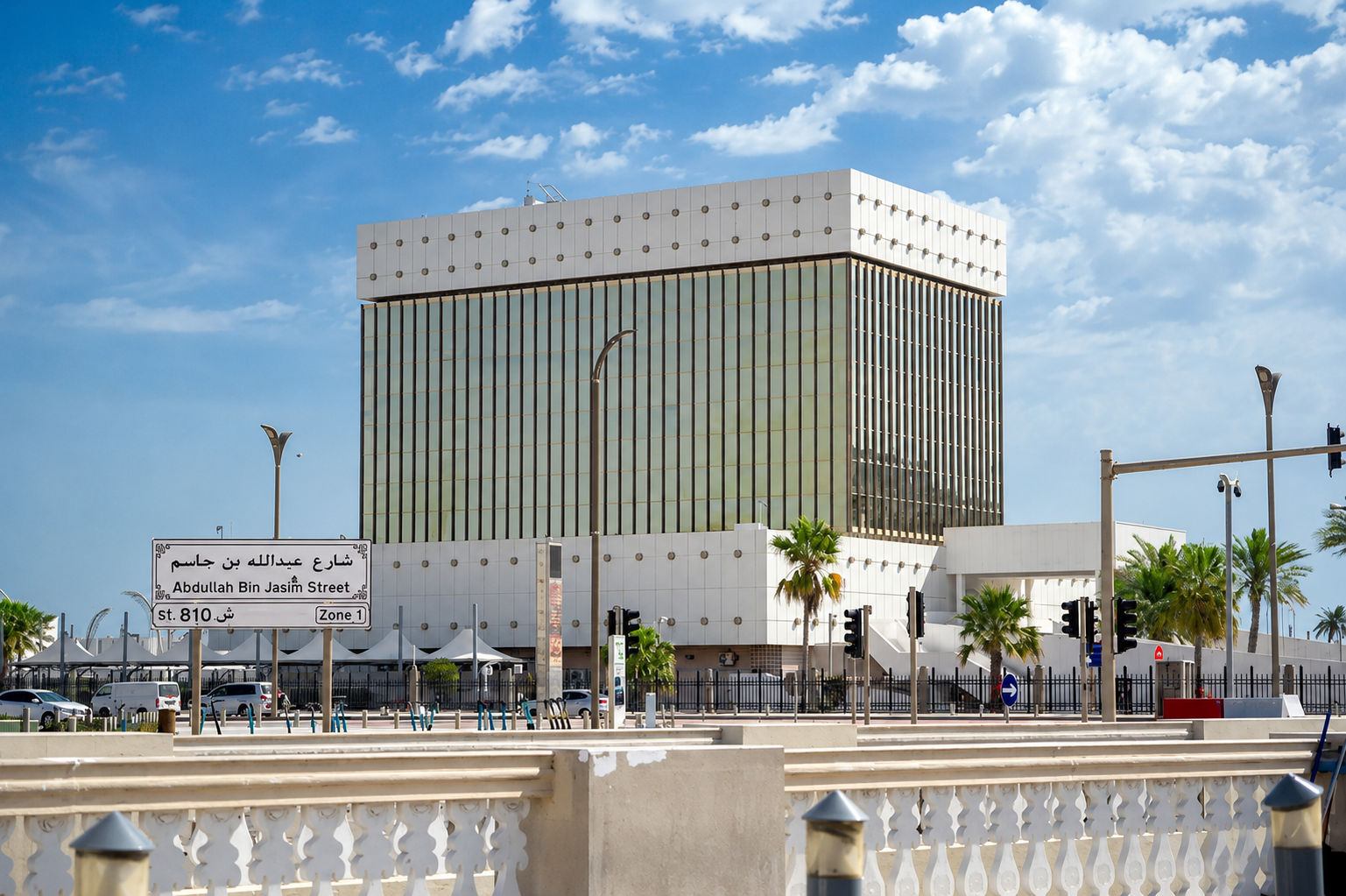
Qatar Central Bank (QCB) issued Government Ijarah Sukuk on behalf of the Ministry of Finance on Tuesday. The total allocated amount was QAR 5 billion.
In a statement, QCB said the allocations were issued across different maturities as follows: QAR 2.5 billion (tap issuance) maturing on January 16, 2029, with a yield of 4.75%, and QAR 2.5 billion (tap issuance) maturing on August 24, 2030, with a yield of 4.90%. The central bank noted that total bids received for the Sukuk amounted to QAR 5.5 billion.
Following the successful launch of its Palais Collection, MAISON de SABRÉ has unveiled a new modular handbag system offering more than 720 styling combinations.
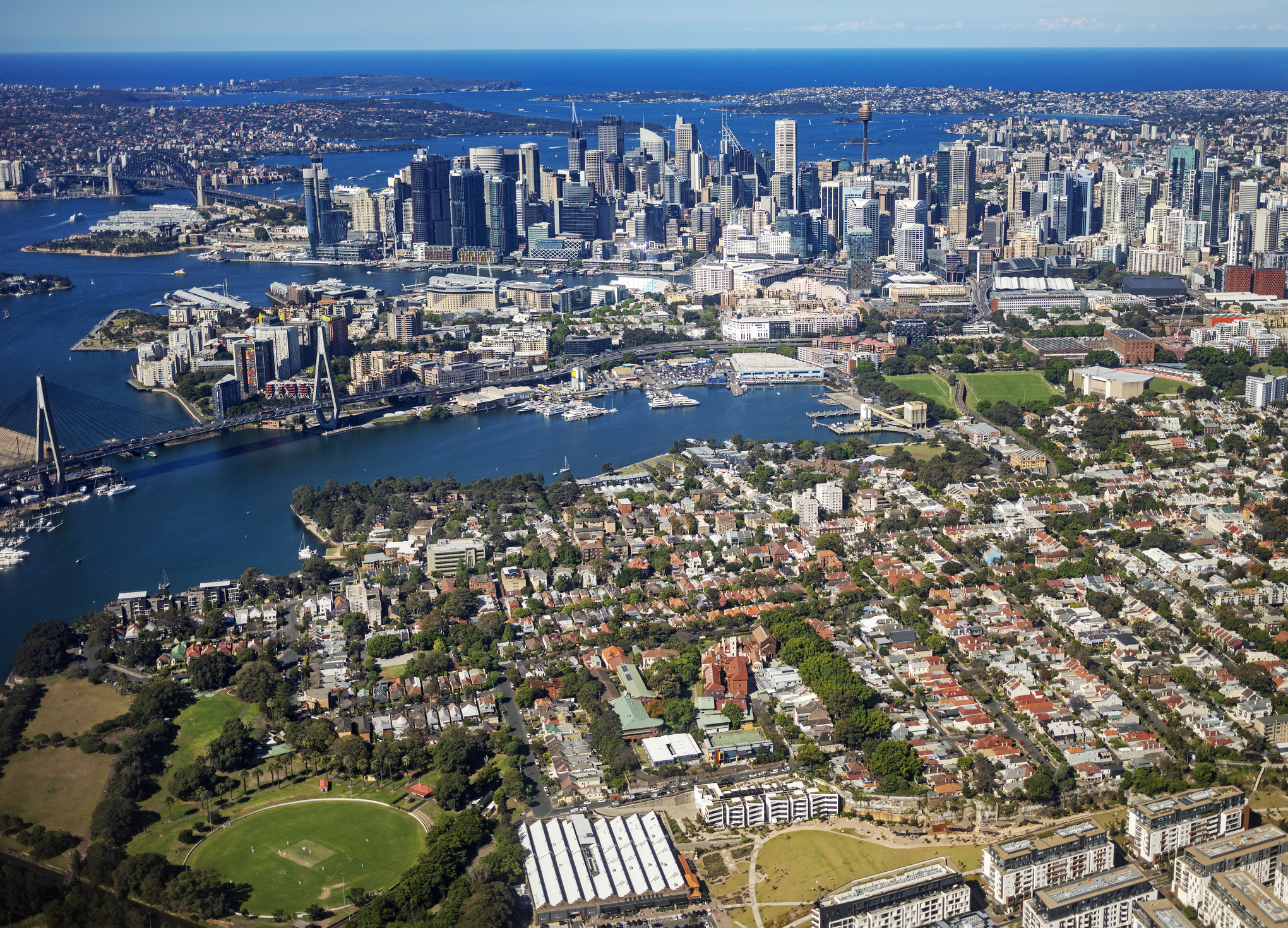
Dubai ranked first globally for creative-industry FDI projects for the fourth consecutive year, attracting 754 projects worth $3.76 billion in 2025.
4 min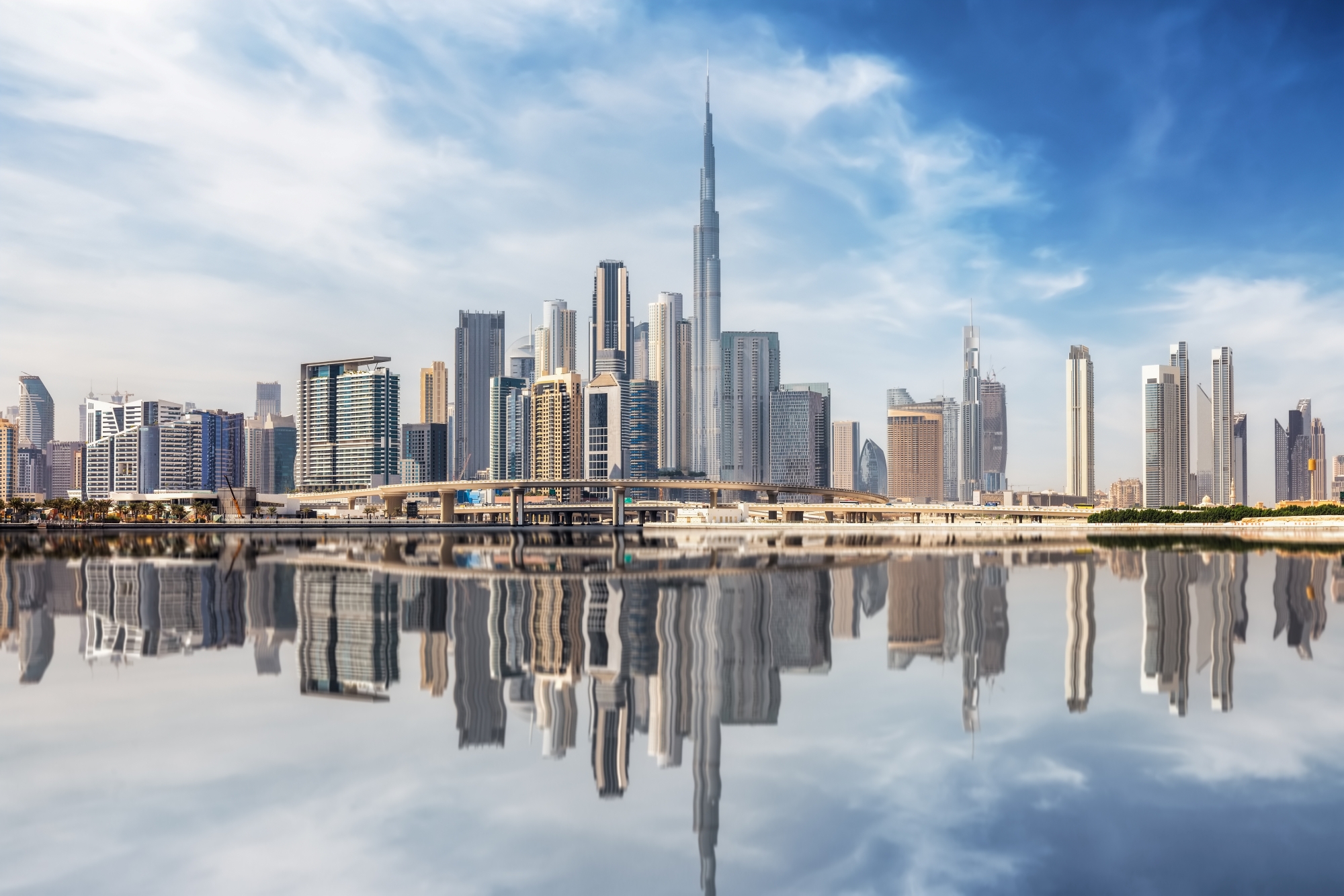
Guided by the vision of His Highness Sheikh Mohammed bin Rashid Al Maktoum, Vice President, Prime Minister and Ruler of Dubai, the emirate ranked first globally in the number of Greenfield foreign direct investment (FDI) projects in the cultural and creative industries (CCIs) for the fourth consecutive year, according to the 2025 Financial Times Ltd.’s FDI Markets data, the world’s leading source of greenfield FDI data.
Dubai has succeeded in attracting 754 projects, further cementing its position as a global hub for the creative economy and a leading destination for high-value investment.
Among 233 cities tracked in the report, Dubai retained the top spot for Greenfield FDI in the CCIs, ahead of London, Singapore, Riyadh and Bengaluru. The achievement underscores the strength of Dubai’s enabling infrastructure and integrated cultural ecosystem and its capacity to attract exceptional talent and expertise from around the world.
H.H. Sheikha Latifa bint Mohammed bin Rashid Al Maktoum, Chairperson of Dubai Culture and Arts Authority (Dubai Culture), said, “Guided by the vision of its leadership, Dubai has built an environment that gives creativity room to grow, enables talent to turn ambition into enterprise, and connects promising ideas with investment and opportunity. These results reflect the continued evolution of Dubai’s cultural and creative ecosystem and its growing contribution to the emirate’s broader economic and development ambitions. Over the years, Dubai has worked to create an environment where innovation and entrepreneurship can thrive together, enabling talent, ideas, and investment to intersect in meaningful and sustainable ways.
“What is particularly encouraging is the diversity and maturity of the sectors driving this growth today; we are witnessing a clear shift towards industries connected to digital content, creative technology, artificial intelligence, and emerging creative services, reflecting how culture and creativity continue to evolve alongside technological and economic transformation,” she added.
“These achievements also underpin the strength of the emirate’s long-term vision and commitment to building a creative economy that is open, dynamic, and globally connected. By continuing to invest in people and opportunities for knowledge exchange, Dubai is reinforcing its position as a leading center for culture, innovation, and creative enterprise while creating new pathways for economic growth and talent development,” H.H. Sheikha Latifa bint Mohammed emphasized.
According to data from Financial Times Ltd. ‘fDi Markets’, Dubai successfully attracted 754 new projects in the cultural and creative industries sector during 2025, generating 19,304 new jobs. This performance, which is in alignment with the Dubai Cultural Statistics Framework, surpassed London (227 projects), Singapore (197), Riyadh (157), and Bengaluru (132). Consequently, greenfield foreign direct investment (FDI) capital inflows into the sector rose to $3.756 billion.
Dubai also maintained its global ranking of second place in the index for foreign direct investment (FDI) capital inflows within the sector. These results reflect the emirate’s strong performance across the sub-sectors of the cultural and creative industries ecosystem, reinforcing its position as a global center for culture, an incubator for creativity, and a thriving hub for talent.
This growth was driven by a wide range of sub-sectors, including advertising and public relations; specialized computer programming services; data processing and digital services; film, media and gaming industries; AI-powered creative technologies; creative education; professional services; design and architecture; crafts and cultural industries; performing arts and entertainment; museums and historical sites; and logistics services supporting the CCIs.
India led the top five source countries for Greenfield capital inflows in 2025, contributing 19%, followed by the United States at 17.5%, China at 13%, Malaysia at 12% and the United Kingdom at 9%.
The United Kingdom led in the number of projects at 21.5%, followed by India at 21%, the United States at 14% and France at 4%.
Dubai’s strong 2025 Greenfield FDI performance in the cultural and creative industries was supported by a competitive and investor-friendly environment combining full foreign ownership, efficient business setup, specialized creative and technology clusters, long-term residency pathways for talent, advanced digital and logistics infrastructure, and strong access to regional and international markets.
These advantages, reinforced by the Dubai Economic Agenda D33 and the Dubai Creative Economy Strategy, enabled the emirate to attract investment across both core cultural activities and the wider creative value chain, including digital services, programming, advertising, business support, distribution and creative commerce.
Helal Saeed Almarri, Director General of the Dubai Department of Economy and Tourism, said, “Dubai’s continued leadership in attracting new foreign direct investment projects within the cultural and creative industries, for the fourth consecutive year, reflects the vision of our leadership and the enduring confidence that Dubai inspires among global investors, entrepreneurs and innovators.”
“This achievement is underpinned by a dynamic ecosystem in which creativity, advanced technology and enterprise converge to create sustainable economic value, high-quality employment opportunities and new avenues for growth. Supported by world-class connectivity and a future-ready business environment, Dubai continues to provide an exceptional platform for creative industries to scale, innovate and succeed,” Almarri noted.
“It also demonstrates the strength of the partnership between government and the private sector, whose close collaboration is unlocking opportunities across digital content, gaming, artificial intelligence, design and specialized creative services. These results advance the objectives of the Dubai Economic Agenda, D33, and further reinforce Dubai’s standing as a leading global destination for business, investment and innovation,” he added.
Hala Badri, Director General of Dubai Culture, said, “These indicators highlight the maturity of the emirate’s creative ecosystem and its capacity to generate opportunities that meet the ambitions of investors and the wider creative community, in line with the objectives of the Dubai Economic Agenda, D33, and the Dubai Creative Economy Strategy.” “Dubai has successfully developed its creative sector into a vital economic contributor, characterized by strong growth potential and supported by an enabling environment that nurtures ideas and provides talent and entrepreneurs with access to facilities and opportunities that empower them to grow and scale their businesses,” she added.
Hala Badri said the performance indicators underscore the value of anticipating trends in the cultural sector and continuously developing policies, strategies, and specialized initiatives that enrich cultural activity across the emirate. She reaffirmed Dubai Culture’s commitment to fostering environments that encourage collaboration, knowledge exchange, and the conversion of creative projects into sustainable economic value.
The index reflects the rapid shift in Dubai’s creative economy, moving from traditional cultural sectors towards industries centered on digital content, creative technology, artificial intelligence, and data-driven services. It also reaffirms Dubai’s success in consolidating its position as a global platform for business and investment in the CCIs, supported by its global connectivity, advanced business environment, and world-class infrastructure, which serve to open up regional and international markets for creative companies.
Following the successful launch of its Palais Collection, MAISON de SABRÉ has unveiled a new modular handbag system offering more than 720 styling combinations.
Nvidia’s earnings will test Wall Street’s confidence in the AI boom.
3 min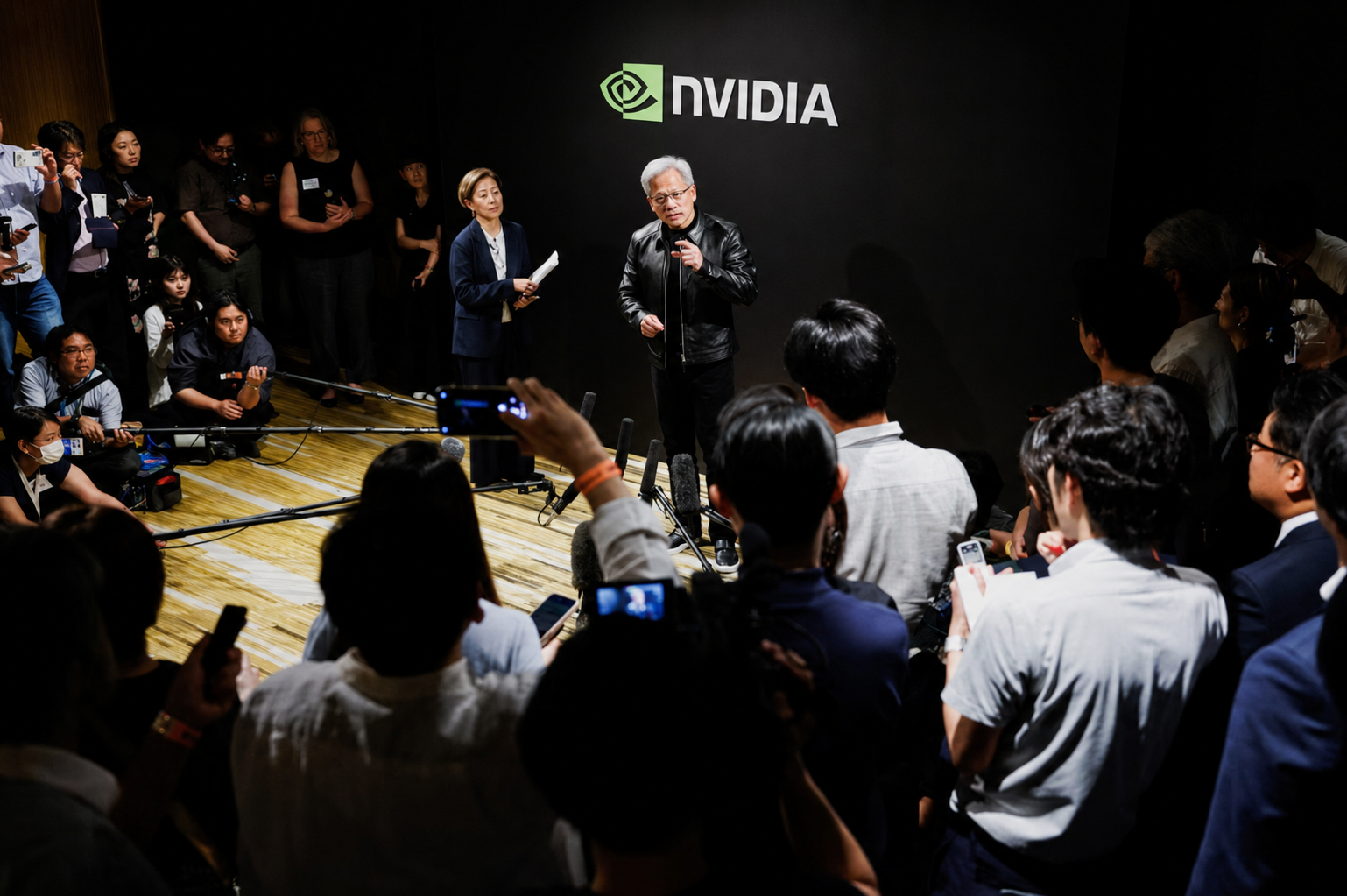
Chip makers are fighting to assure investors that the artificial-intelligence boom is racing forward. Wall Street might not believe it until Nvidia’s NVDA -0.98%decrease; down pointing triangle Jensen Huang says so.
When Huang steps up to the mic for his company’s earnings call Wednesday, he will have the world’s attention. What he says about Nvidia’s present will preview the future of AI, dictate the path forward for a tech-crazed stock market and influence an American economy increasingly tethered to hopes that the boom won’t go bust.
The $5 trillion chip maker has provided the key building blocks for AI since the launch of ChatGPT in 2022 set off a race for dominance among OpenAI, Anthropic and established Silicon Valley giants. Now, as Nvidia backstops sprawling data-center projects and an exotic money pipeline to boost chip demand, the company’s influence is arguably bigger than ever.
But there are signs of trouble ahead. Political pushback to AI is growing. A bond selloff propelled borrowing costs to their highest levels in years. The hyperscalers that include some of Nvidia’s key customers—once cash-printing machines—are relying more on debt. OpenAI recently told investors its revenue rose by a tepid 18% in the second quarter while its losses deepened.
Nvidia is increasingly stepping in to shore up potential weak points across the market. Earlier this month, the company teamed up with six of Wall Street’s biggest firms on a $500 billion AI-financing plan, pledging to backstop lending to customers that can’t afford its chips otherwise. The chip maker last week also took a stake in Cloverleaf Infrastructure, which arranges power for data centers, and struck a $6 billion deal with startup Poolside aimed at developing a powerful open-weight AI model.
After watching shares in other chip makers and the so-called Magnificent Seven tech companies swing wildly in recent months, Wall Street is hoping Nvidia can beat expectations—again. The countdown is on.
“It’s kind of becoming more and more like the World Cup final than the Super Bowl at this point,” said Brian Mulberry, chief market strategist at Zacks Investment Management. “It’s just gotten to be that big.”
The company has smashed analysts’ earnings estimates for each of the 14 quarters since the AI boom kicked into high gear. Nvidia posted 210% annual growth in net income in its last three-month period, according to FactSet, making Wall Street’s 126% projection look pedestrian.
Expectations for a blowout second quarter have risen rapidly over the course of this year. All Nvidia will have to do to beat this target: outrun 95% annual earnings growth to more than $51.5 billion. Analysts project the chip maker will report record sales of $92 billion for the period, up from a forecast of $78 billion at the start of this year.
In July, big-tech earnings sparked volatility. Concerns about runaway capital spending spread across the sector after Alphabet’s and Tesla’s results, driving a $890 billion wipeout that contributed to the unwind of hedge fund Situational Awareness. Microsoft posted the largest one-day gain in market capitalization by any company, ever, after a quarter proving that it could still show investors the money. SpaceX rocketed higher after a record-breaking initial public offering, only to see $1 trillion in value evaporate.
Surging memory prices and borrowing costs have fueled fears that those and other companies will be unable to keep plowing more money into supplies including Nvidia chips. Shaia Hosseinzadeh, founder of OnyxPoint Global Management, has recently bought dips in AI-infrastructure stocks when Wall Street has strained to absorb massive debt issued by Silicon Valley.
“The macro data is really quite robust,” he said. “Of course, there’s a level at which everything breaks.”
Investors have kept pumping money into the AI trade despite concerns around chip consumers—and to the benefit of chip producers. That is why Nvidia’s outlook for semiconductor demand could send ripples through counterparts such as Micron Technology and Sandisk, developers of the data centers in which their chips reside, and a supply chain of power producers, contractors and other specialists that underpin the globe-spanning AI build-out.
“We joke internally that we’re all Nvidia analysts now,” said David Lefkowitz, head of U.S. equities at UBS Global Wealth Management.
The irony is that investors have tended to sell Nvidia stock immediately after blockbuster earnings, with shares falling each trading session after its four past quarterly reports. Some are betting that will be the case this time around, too.
The options market is pricing in a 5.3% swing, higher or lower, in Nvidia shares during the session following earnings, according to Option Research & Technology Services. That is higher than the 4.8% average move in Nvidia’s stock over the last 12 months after the company reports quarterly results.
In recent days, some of the most actively traded Nvidia options have been put contracts tied to the stock falling from its Friday value of $214.75 to $205 and $210 apiece, according to Cboe Global Markets data. Put options give the right to sell a stock by a set price and typically represent a bearish wager.
Many analysts remain optimistic. Frank Lee, global head of tech hardware and semiconductor research at HSBC Global Investment Research, recently raised his price target for Nvidia shares to $360 from $325, citing, among other things, Nvidia’s strategic partnerships with suppliers and its role as a top contributor to open-source AI.
Following the successful launch of its Palais Collection, MAISON de SABRÉ has unveiled a new modular handbag system offering more than 720 styling combinations.