



YouTubers Are Lifting The Veil on America’s Most Expensive Homes
Real-estate vloggers are giving viewers an intimate look at massive mansions.

 8 min
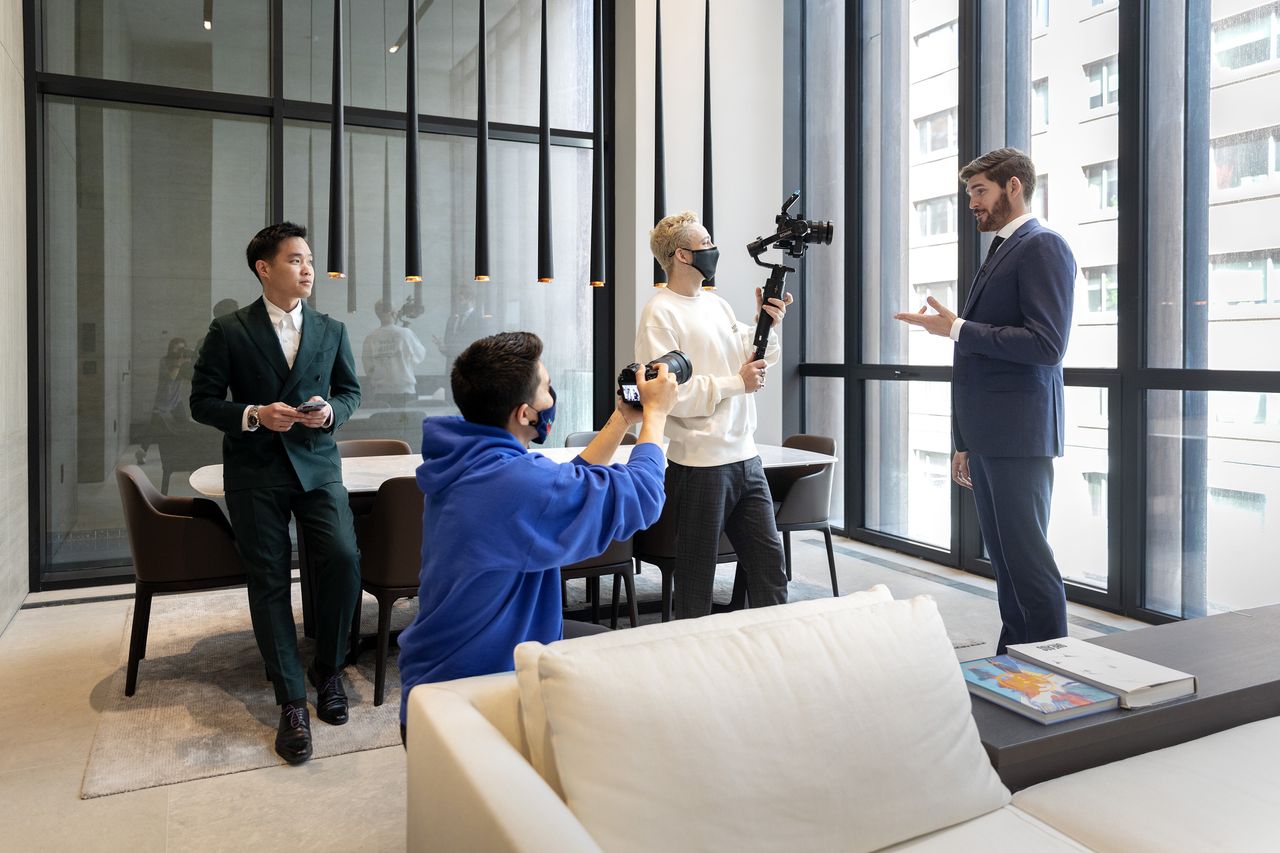
Enes Yilmazer has toured some of the most expensive homes in the world. He’s explored penthouses on New York’s Billionaires’ Row, palatial beach houses in Malibu, Calif., and waterfront mansions on Lake Tahoe. He has oohed and aahed over Central Park views, marble floors, infinity pools, retractable roofs and candy walls and had a front row seat to an explosion of eight- and nine-figure real-estate listings across the country.
Mr. Yilmazer, 31, isn’t a wealthy buyer, nor is he currently a real-estate agent. Rather, he is one of a handful of real-estate YouTubers, amateur video hosts and producers, who are bringing regular people, via their laptops or cell phones, inside the mansions of the megarich. With more than 820,000 subscribers on his YouTube channel, Mr. Yilmazer’s videos rack up millions of views and inspire tens of thousands of comments.
“Imagine forgetting something on your way out and having to go back and walk 5-6 business days to get it,” wrote one incredulous commenter on Mr. Yilmazer’s recent video about a sprawling $38 million estate in the pricey Calabasas area of Los Angeles. “How many people would it take to clean this place!!” said another about a $50 million Bel Air chateau.
In some ways, real-estate YouTubers like Mr. Yilmazer are providing today’s answer to the MTV Cribs phenomenon of the early 2000s, offering the masses a rare glimpse at how the 0.1% really live. But rather than getting a peak through the eyes of a movie star or a suave celebrity real-estate agent, like on shows such as Bravo’s “Million Dollar Listing,” they’re seeing these houses through the eyes of a regular guy just like them.
Two years ago, Mr. Yilmazer and his longtime friend Michael Ayers started the channel with just a handheld camera, filming any house a high-end real-estate agent would let them into, he said.
Now, as they grow more sophisticated with their production, YouTubers like Mr. Yilmazer are shaking up how high-end real estate is sold in cities like Los Angeles, New York and Miami. They are making YouTube, the Google-owned video website, an increasingly important marketing channel for even the most privacy-obsessed homesellers and their real-estate agents. That’s been particularly evident over the past year as the Covid pandemic reduced the number of buyers willing to tour homes in person.
“Since Covid, people aren’t out and about the same way,” said Samantha Sax, chief marketing officer of Pontiac Land US, one of the developers of 53 West 53, a luxury skyscraper on New York’s Billionaires’ Row that Mr. Yilmazer recently featured on his channel. “They want to see things from their phone and computer more than they ever have before.”
The success of these real-estate channels has led to a rush of new copycat channels, some of which merge real-estate content with videos about designer cars, watches and get-rich schemes. It’s also spurred a boom in the number of agents trying to create their own video content, which can be hit or miss.
While some agents, like Ryan Serhant of “Million Dollar Listing New York,” have quickly become YouTube stars thanks in part to their television fame and big personalities, not all big-ticket agents were created with a lights-camera-action personality. Many come off as stiff and overly salesy to a YouTube audience, Mr. Yilmazer said. His own style is laid back and informational as he methodically walks viewers through all the features of each house.
Mr. Serhant said he tries to help members of his own team at his firm Serhant to be more natural on screen, with improv classes and on-camera training.
“There’s no specific personality that works well in front of the camera but you have to have one,” he said.
As the real-estate YouTube space becomes increasingly popular, these YouTubers are lining their pockets.
Mr. Yilmazer said he is bringing in between $50,000 and $100,000 a month in revenue from his YouTube channel in ad revenue alone, putting him on track to bring in more than $1 million this year if the growth of his channel continues at its current pace. Those are just the revenues provided by YouTube for allowing their automated ads to stream on the channel without any effort from Mr. Yilmazer’s own small team. On top of that, he and his team can make money from dedicated sponsorships—Mr. Yilmazer will personally feature a particular company’s brand in his videos for a fee that runs in the tens of thousands of dollars— and the money real-estate agents offer him to feature their listings on his channel. He said he often won’t charge if a property is particularly spectacular and will drive viewership to his channel. If a property is less impressive, he charges a fee, which typically runs into the five figures.
Mr. Yilmazer said he pays three videographers to shoot with him and production can run him between $5,000 and $15,000 per video. There are other expenses, too. He has invested around $25,000 in a drone set up, for instance.

Erik Conover, 31, a competing real-estate YouTuber with nearly 1.6 million subscribers on his channel, said he typically charges a rate in the tens of thousands of dollars to feature a company’s brand in his videos in what he calls a “45- to 50-second integration.” When he chooses to charge an agent to feature their property, it can cost them in the low five figures. He said he typically brings in between $10,000 and $30,000 a month in revenue from ads provided by YouTube.
He said that his audience, 25- to 35-years-olds in big cities around the world, is desirable to advertisers, but he believes his videos also drum up potential buyers for the luxurious homes he has featured on the channel. Sometimes, they refer videos to their wealthy parents, he said.
Still, not everyone is sold on letting YouTubers have free rein in their properties, since some agents believe that prospective buyers would prefer that their future homes not be splashed all over the internet.
“A lot of sellers at a very high level want to maintain some semblance of privacy,” said Alexander Ali, founder of the Society Group, a real-estate public relations firm that advises agents across the country. “Our buyers would not necessarily want everyone seeing their bedrooms and the overall layout of the home from a security perspective. You have to hold stuff back.”
Sometimes sellers don’t appreciate their homes being used as bait for advertisers, especially when those advertisers don’t reflect the kind of high-culture vibes they’re trying to give off. One marketing professional said he had an agent complain about allowing a YouTuber film in his trophy New York apartment, only to see images of the opulent apartment juxtaposed against crude advertisements for a company specializing in “manscaping” in the resulting video.
Skeptics also question whether YouTube videos actually sell these homes, since most of the viewers are watching voyeuristically and can’t personally afford the properties. Mr. Covonver and Mr. Yilmazer admit it’s likely that only a very small percentage of their viewership has the necessary net worth to purchase. But Mr. Conover said those viewers do exist, citing first-hand experience. Once, while running on a treadmill at his local Equinox gym, he had a stranger approach him about a video he had filmed in a penthouse at Walker Tower, an Art Deco building in New York’s Chelsea neighbourhood.
“He said, ‘You know I purchased an apartment in that building based on your tour,’ ” Mr. Conover recalled, noting that the apartment the man bought was priced around $25 million. “That was the moment where I was like, ‘Okay, this is very real.’ ”
Both Mr. Yilmazer and Mr. Conover are entirely self taught in videography, editing and filmmaking and their videos started out rocky.
Mr. Yilmazer, who is originally from Turkey, was a professional windsurfer with a scholarship at Texas A&M University–Corpus Christi before investing in house flipping with the proceeds of his surfing sponsorships. When he moved to Los Angeles in 2018, spurred by a dream, fueled by reality shows on Bravo, of “palm trees, nice cars and beautiful hillside homes,” he got his real-estate license. His career as a broker never really took off. Instead, as he was touring other agents’ trophy listings at open houses, he thought about how much others would love to see inside these extravagant properties. The idea for a YouTube channel was born.
“I was going to brokers’ open houses and seeing all these incredible homes,” he said. “I’m like, ‘This is crazy. I’m in a city where literally the rest of the world aspires to come to and I’m touring $200 million worth of real estate on a regular Tuesday. There’s something here. Why is no one is making any kind of a YouTube channel out of this?’ ”

He quickly called his friend Mr. Ayers and asked him to move to L.A., where the two of them began attending the open houses together, with a GoPro in hand, and asking agents to let them film. Initially, Mr. Yilmazer thought the channel might drive would-be buyers to use his services as an agent.
It took months for the channel to build momentum and generate revenue, but soon it grabbed his focus from actually selling real estate, he said. Mr. Ayers slept on his couch during the early days of the project. Over time, the videos evolved to be more professional. Mr. Yilmazer got more informed about each house and dedicated whole videos to just one property rather than showcasing a hodgepodge of houses around town in each episode. He also made videos longer form, since he said the YouTube algorithm favors longer-form content and increases his chances of being featured on viewers’ home screens.
Mr. Conover, who still edits all his videos, said he remains wowed by most of the houses he sees. A graduate of Northeastern University in Boston, he discovered YouTube after doing a bunch of odd jobs in New York, such as manager at Abercrombie & Fitch, fitness instructor, and lifeguard at the Gansevoort Hotel pool.
“I don’t come from wealth. I grew up in a 900-square-foot two-bedroom house in a town called Absecon, N.J., so for me every time I step into a property like that, it’s surreal,” he said. “I was essentially broke when I started my YouTube channel and I was filming it on an iPhone editing with iMovie.”
His situation has changed dramatically. He recently allowed his viewers in on his personal search for a home, scoping out apartments in Soho and Tribeca priced at as much as $10,000 a month.
Mr. Conover said he doesn’t think it would be possible for newcomers to replicate his success now that the business has matured, unless they had a unique idea. “You need high-quality cameras and proper editing,” he said.
YouTubers also have to tread carefully when it comes to biting the hand that feeds them luxury homes to film. Mr. Conover was having so much success with his channel over the past year that he was approached by a New York real-estate firm Nest Seekers International, which wanted him to get his real-estate license and become an agent. At the time, Mr. Serhant, the “Million Dollar Listing New York” star, had moved on from Nest Seekers to start his own company and the brokerage sought an agent who could replicate his YouTube following.
“We wanted to remain active in that space,” said Eddie Shapiro, the chief executive of Nest Seekers, who said he wants his firm to be on top of the online trends. “It’s all about being progressive. It’s like, are people buying $100 million homes on TikTok? I don’t know that yet but I don’t want to miss that boat if it comes.”
Now that he is an agent on the side, Mr. Conover said a small number of New York agents don’t want him to film their listings—they view him as competition. He said he doesn’t mind so much since he thinks there are plenty of exciting properties for him to feature elsewhere. For those agents he is working with in New York, he assures them that he’s a YouTuber first and an agent second.
Mr. Yilmazer recently gave up his license because he felt it was limiting the access he could get to the biggest listings. He said he believes the ceiling on his YouTube career is higher. “If you have a listing on the best sites like Redfin, Zillow at best maybe you get 30,000 or 40,000 clicks,” he said. “We’re getting two to three million people to click on our videos and I believe we can scale that to 10 times bigger than what it is right now. That is, to me, that’s incredible.”
Reprinted by permission of The Wall Street Journal, Copyright 2021 Dow Jones & Company. Inc. All Rights Reserved Worldwide. Original date of publication: April 29, 2021
 Copyright 2020, Dow Jones & Company, Inc. All Rights Reserved Worldwide. LEARN MORE


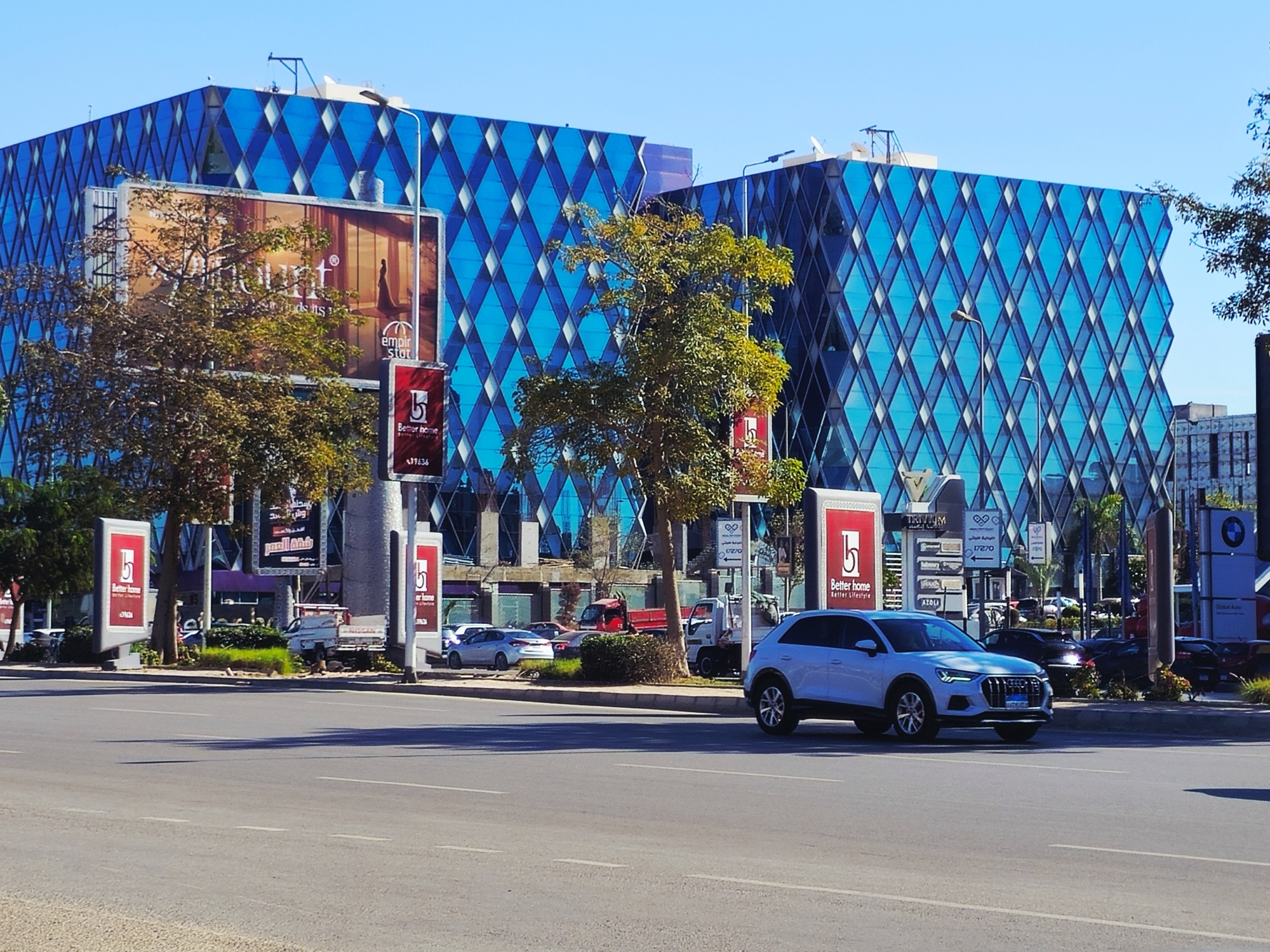
MHD Developments has launched ARRIVA, a 7,700-sqm commercial and entertainment project in Egypt’s New Obour City, as part of its expansion strategy. The development will feature retail and entertainment facilities, with flexible payment plans starting at a 5% down payment and instalments of up to nine years.
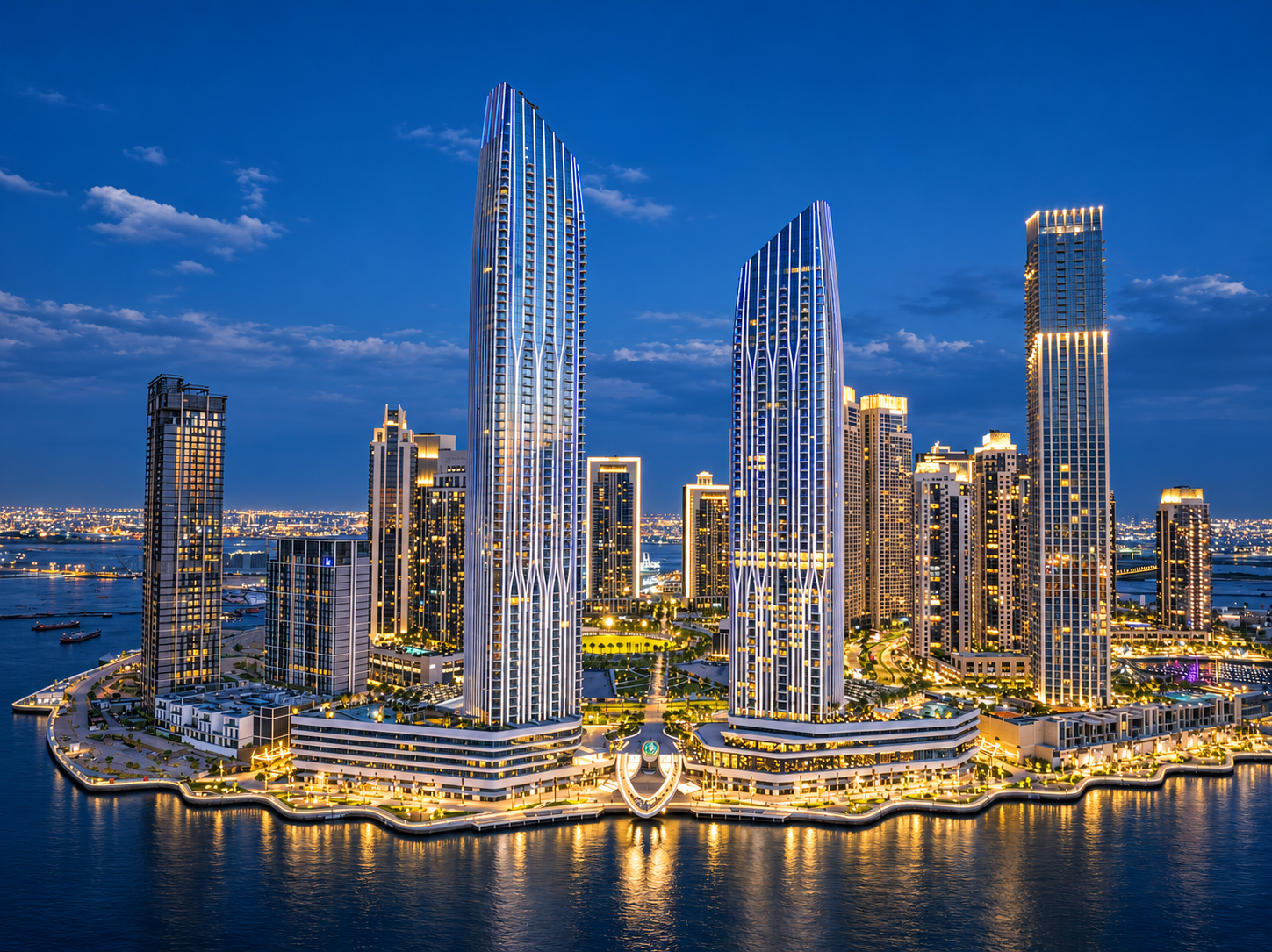
Emaar Development PJSC (DFM: EMAARDEV) reported a 26% year-on-year increase in revenue to AED 22.2 billion (US$ 6.0 billion) and a 24% rise in net profit after tax to AED 10.8 billion (US$ 2.9 billion) for the first nine months of 2026.
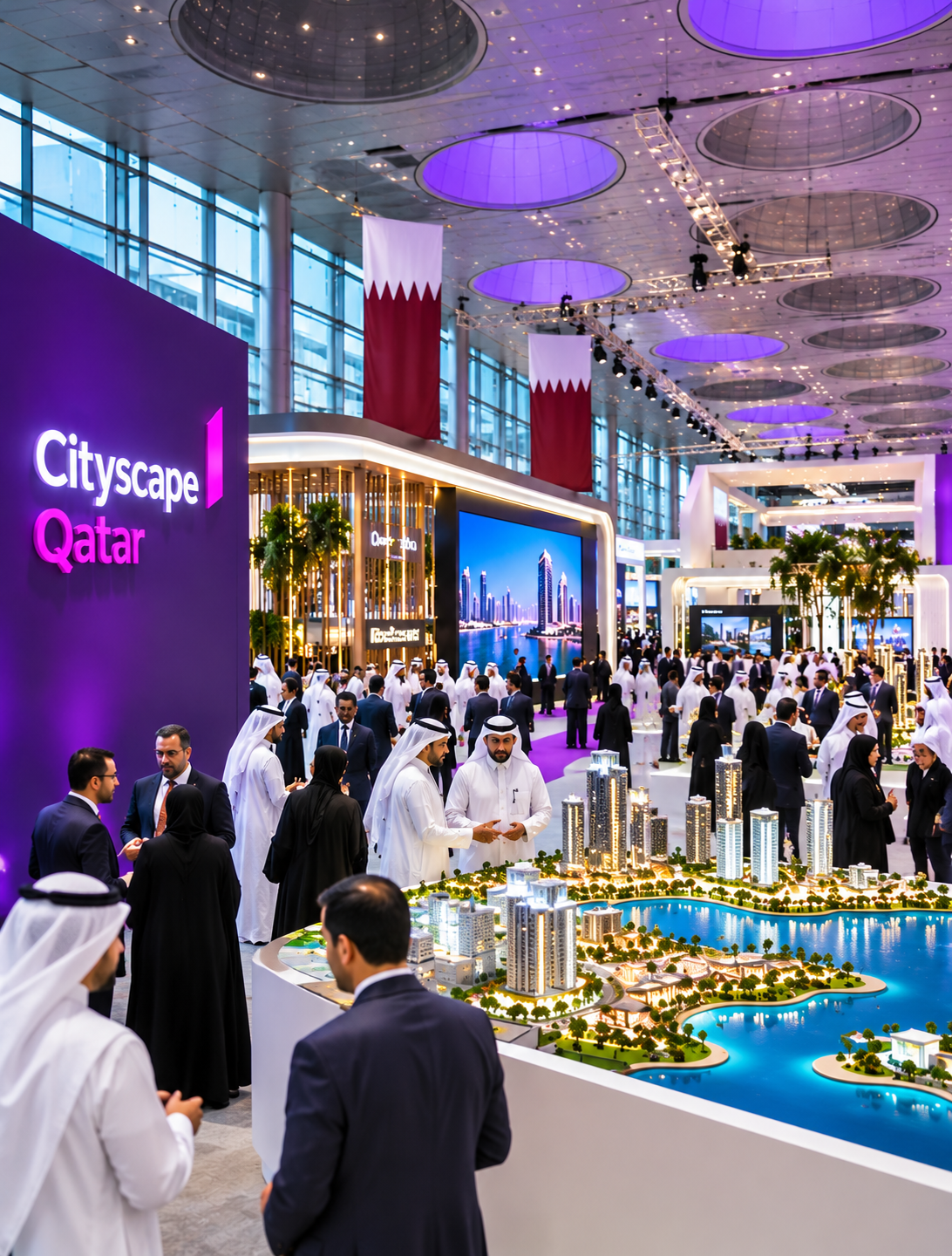
Cityscape Qatar concluded its latest edition with record-breaking results, generating QR1 billion ($269 million) in real estate sales, doubling last year’s figure, and welcoming 16,000 visitors over three days.
Villa prices in select Dubai communities, including Jumeirah Islands, Emirates Hills and The Villa, recorded annual gains in October despite a broader market slowdown. According to ValuStrat, ready-home sales rose nearly 24% month-on-month, while luxury transactions above AED30 million continued across prime locations, highlighting the market’s uneven performance.
< 1 min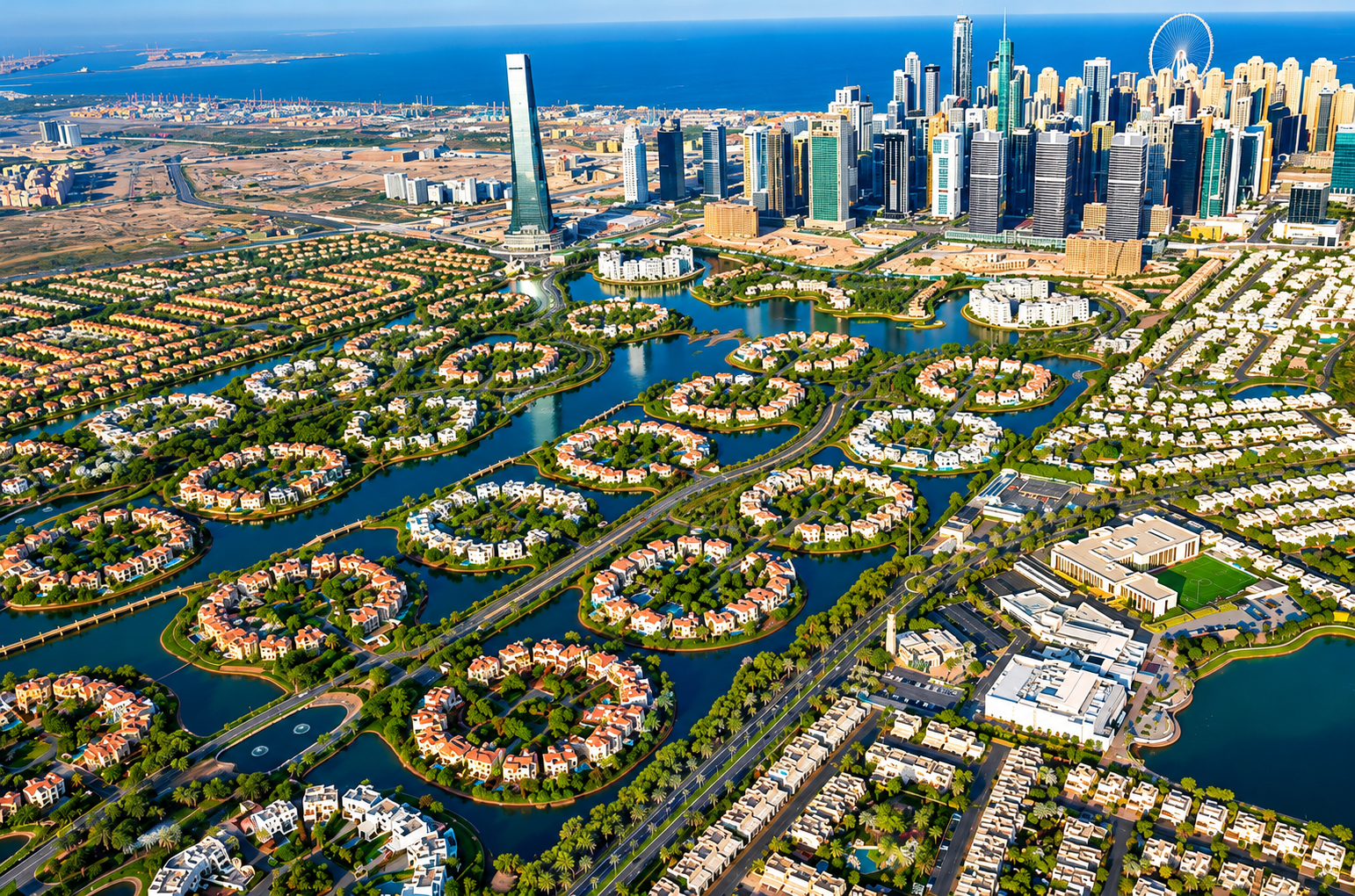
Villa prices in Jumeirah Islands, Emirates Hills and The Villa recorded annual price gains in October, even as residential values declined across much of Dubai.
Despite months of correction, villa prices in older freehold communities remain, on average, 187% above post-pandemic levels, while apartment values are still 67% higher, according to ValuStrat’s October report.
The market is also showing signs of renewed activity. Ready-home sales jumped nearly 24% in October from September, far outpacing the 2.3% increase in off-plan transactions.
Villa prices show sharp differences
Jumeirah Islands recorded the strongest annual villa price growth at 7.3%, followed by Emirates Hills at 4.3% and The Villa at 3.1%.
However, villa values across Dubai fell 4.8% year-on-year, with Palm Jumeirah recording the steepest decline at 10.6%, followed by Mudon at 10.2%, Dubai Hills Estate at 9.7%, Victory Heights at 9.5% and Arabian Ranches at 8.5%.
Apartment values fell 7.2% from a year earlier, with Burj Khalifa recording a 22.4% decline, Jumeirah Beach Residence dropping 19.1% and Palm Jumeirah falling 10.9%.
Luxury transactions continue
At the top end of the market, 24 ready homes sold for more than AED30 million ($8.2 million) in October, including nine transactions exceeding AED50 million ($13.6 million).
These sales were concentrated in Dubai Hills Estate, Palm Jumeirah, Emirates Hills, DIFC, Al Barari, The World Islands and Dubai Marina.
The figures point to an uneven property market, with select villa communities continuing to record price gains and completed-home sales recovering, even as annual transaction volumes remain substantially below last year’s levels.
BNW Developments has established a Sydney presence, joining Arada and Sobha Realty among the growing number of UAE developers pursuing Australian buyers and development opportunities.
Following the successful launch of its Palais Collection, MAISON de SABRÉ has unveiled a new modular handbag system offering more than 720 styling combinations.


London-listed Dar Global has announced plans for a $267 million mixed-use development in Jeddah, Saudi Arabia, on land acquired for $56 million. The project forms part of the developer’s SAR4 billion ($1.07 billion) expansion program in the Kingdom and will introduce an exclusive co-branded luxury residential concept, further strengthening its presence in the Saudi real estate market.
2 min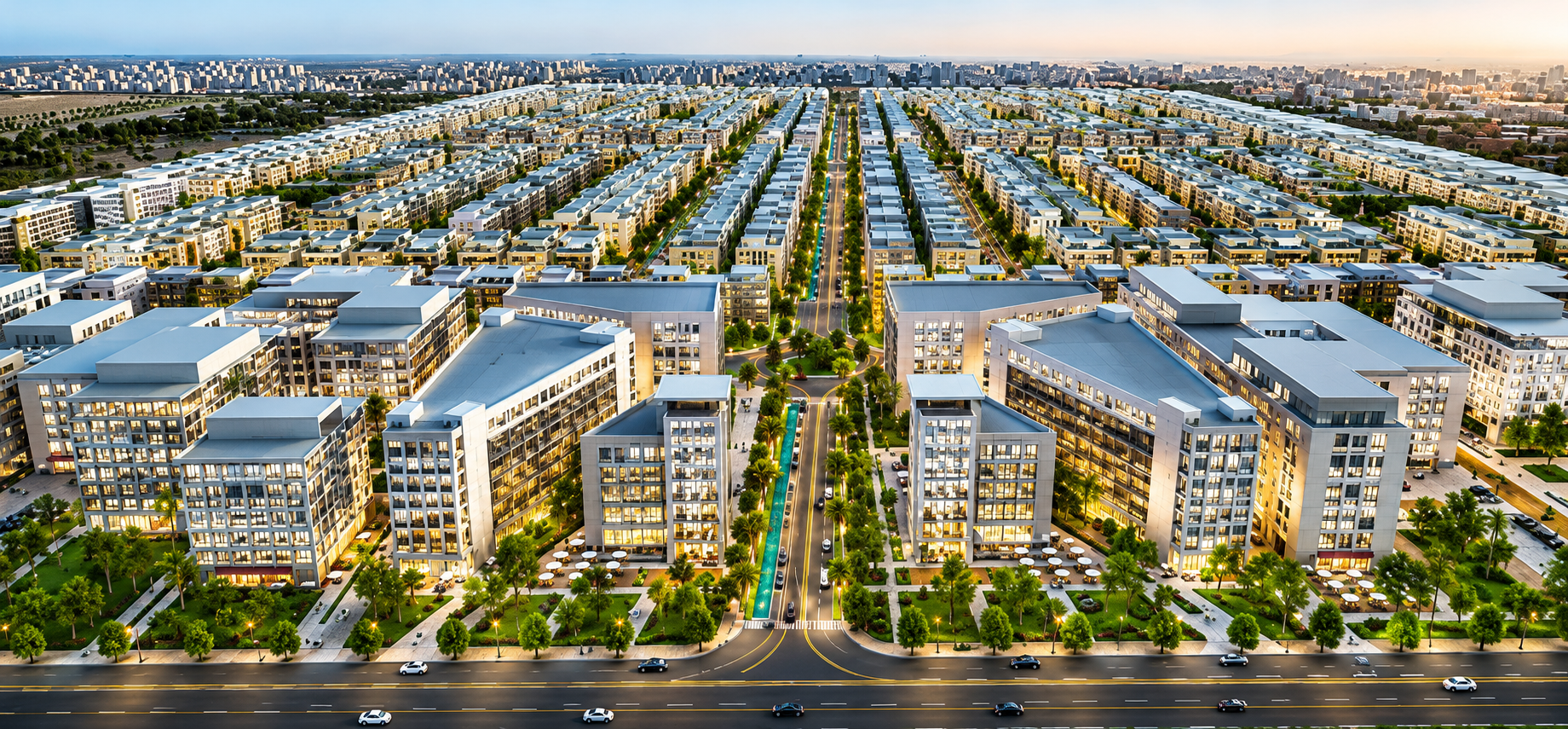
Dar Global, the London-listed international luxury real estate developer, has announced plans for a new mixed-use development in Jeddah, Saudi Arabia, with an estimated gross development value (GDV) of SAR1 billion ($267 million).
The project will be developed on land acquired for a consideration of $56 million, further strengthening Dar Global’s presence in one of Saudi Arabia’s key real estate markets.
The acquisition forms part of Dar Global’s program to expand its Saudi Arabia portfolio by up to SAR4 billion, and further land acquisitions will be announced shortly. On completion of the program, the company’s global development pipeline is expected to reach approximately $24 billion.
The development is also set to introduce a new international luxury brand to Jeddah through an exclusive co-branded residential concept, further strengthening the city’s luxury real estate offering.
The expansion follows strong market demand for Dar Global’s existing developments in Jeddah, including Trump Plaza and Padel Living, reflecting sustained appetite for high-quality, master-crafted residential and mixed-use developments among both local buyers and foreign investors taking advantage of the new property ownership laws.
Ziad El Chaar, CEO of Dar Global, said: “Saudi Arabia remains one of our most vital growth markets, and Jeddah continues to demonstrate exceptional fundamentals. The success of our existing developments reinforces our confidence in the market and underpins our commitment to delivering world-class residences in the Kingdom. With buyers from 61 nationalities already investing in our Saudi portfolio, we are witnessing accelerating international confidence in the country’s real estate sector.”
“This new development marks another significant milestone in our global expansion strategy,” stated El Chaar.
This expanding international participation highlights the Kingdom’s rising appeal as a premier destination for global real estate capital, bolstered by comprehensive regulatory reforms and the transformative momentum of Saudi Vision 2030.
Further details regarding the development, including its architectural concept, residential offerings, and official launch date, will be unveiled in due course, he added.
BNW Developments has established a Sydney presence, joining Arada and Sobha Realty among the growing number of UAE developers pursuing Australian buyers and development opportunities.
Two coming 2027 models – the first of the “Neue Klasse” cars coming to the U.S. early next year – have been revealed.

The project, expected to be completed within three years, will introduce the brand’s Japanese-inspired hospitality and dining experience to the Kingdom, strengthening Bahrain’s luxury tourism offering.
2 min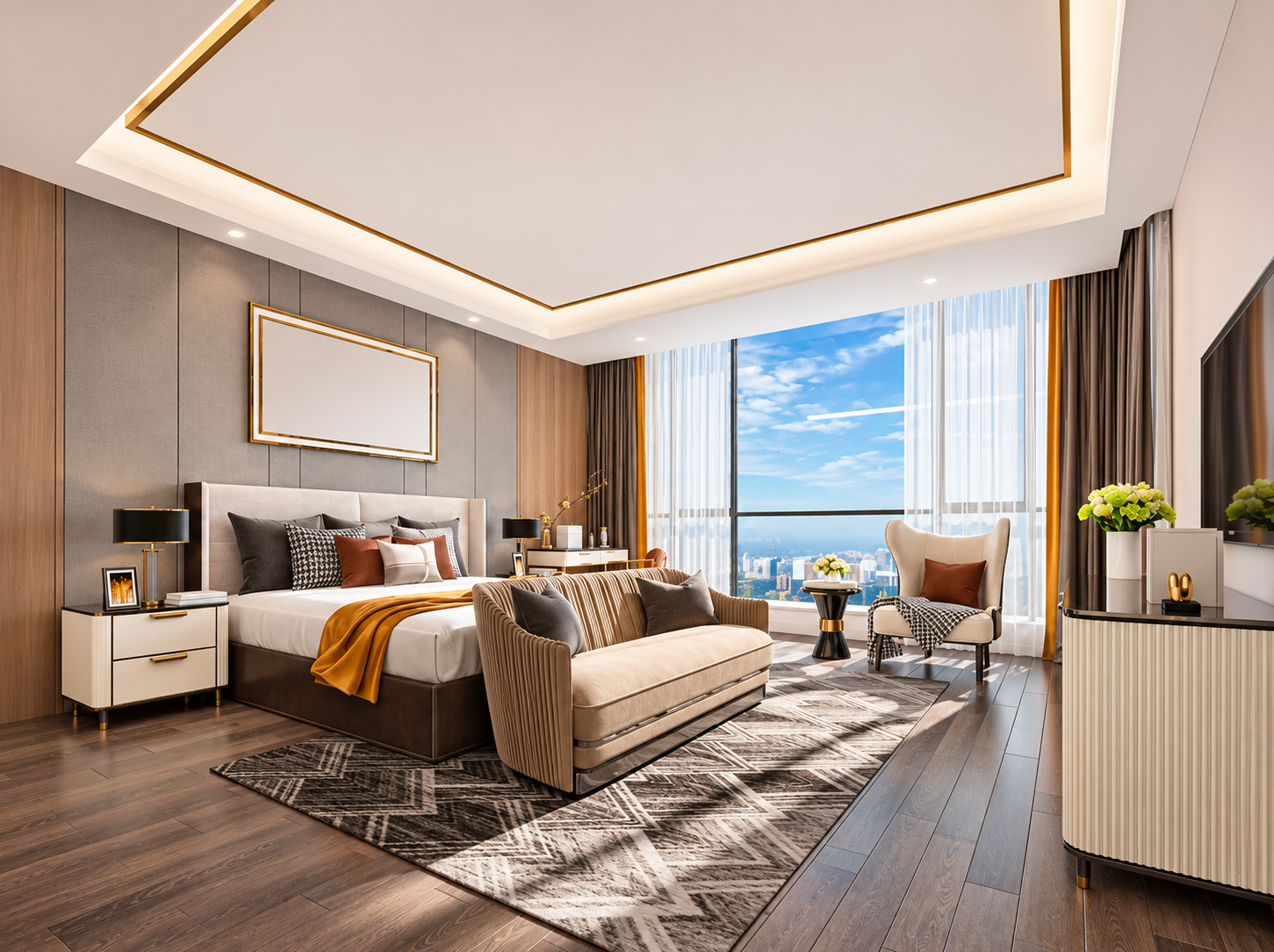
Nobu Hospitality has partnered with Bahrain-based Infracorp to develop a new luxury destination featuring a Nobu hotel, restaurant and branded residences at Marina Bay, Reef Island, marking the brand’s entry into Bahrain.
Spanning approximately 51,000 square metres of gross floor area, the waterfront development will combine luxury accommodation, dining and residential facilities, with completion expected to take place over three years.
The project will introduce Nobu’s Japanese-inspired design, signature cuisine and personalised hospitality experience to Bahrain, further supporting the Kingdom’s luxury tourism and hospitality sector.
The agreement was formalised during a signing ceremony at Infracorp’s headquarters in Manama, attended by Fatima Al Sairaifi, Minister of Tourism and Chairperson of the Bahrain Tourism and Exhibitions Authority (BTEA).
The agreement was signed by Talal Al Mahroos, CEO of Infracorp, and Trevor Horwell, CEO of Nobu Hospitality.
Al Sairaifi stated: “We welcome Nobu Hospitality’s decision to enter the Bahraini market through its partnership with Infracorp. Cooperation between the Government and the private sector is central to Bahrain’s Tourism Strategy. We work closely with Bahrain EDB and local developers to identify opportunities for leading international brands to establish a presence in the Kingdom. The planned Nobu destination at Marina Bay is an example of what that cooperation can achieve. It will broaden Bahrain’s luxury hospitality and dining offering and strengthen the Kingdom’s position as a regional tourism hub.”
Al Mahroos said: “We are proud to partner with Nobu Hospitality on this important addition to Marina Bay. The partnership reflects our ambition to create distinctive destinations that bring together exceptional hospitality, design and waterfront living. Nobu’s global reputation and unique approach to luxury make it a natural fit for Marina Bay, and we look forward to bringing this vision to life in Bahrain.”
Horwell commented: “Bahrain represents an exciting new chapter for Nobu as we continue to expand our presence in the Middle East. Our focus has always been on creating experiences that bring together exceptional cuisine, thoughtful design, and personalised service. With Infracorp, we have an opportunity to introduce this approach to a new market while embracing the local character and culture. We believe Bahrain has tremendous potential, and we’re pleased to be a part of this evolving hospitality landscape.”
BNW Developments has established a Sydney presence, joining Arada and Sobha Realty among the growing number of UAE developers pursuing Australian buyers and development opportunities.

New research suggests that bonuses make employees feel more like a mere cog in a wheel.

MHD Developments has launched ARRIVA, a 7,700-sqm commercial and entertainment project in Egypt’s New Obour City, as part of its expansion strategy. The development will feature retail and entertainment facilities, with flexible payment plans starting at a 5% down payment and instalments of up to nine years.
< 1 minMeamar El Hussein Developments (MHD Developments) has launched ARRIVA, a 7,700-square-metre commercial and entertainment project in New Obour City, as part of its expansion strategy in Egypt’s real estate market.
The project will combine retail and entertainment activities, with the company appointing specialized firms to oversee its design, commercial planning, marketing and operations.
Ahmed Hussein, Chairperson of MHD Developments, said the company selected New Obour City in view of its urban expansion and growing population, which are driving demand for additional commercial and entertainment services.
Egymap will oversee the project’s management and operations, while Criterias Design Group (CDG), led by CEO Hesham Helal, will provide design and consultancy services. Scale Up Consultancy will handle commercial and marketing activities, while Puzzle Development will provide restructuring and advisory services.
The company has introduced flexible payment plans, with down payments starting at 5% and instalment periods extending up to nine years.
Expansion plans
Hussein said MHD Developments has executed and delivered more than 87 projects in Downtown Cairo and expanded its operations into New Cairo, Obour City and New Obour City.
Over the next five years, the developer plans to launch between eight and 10 projects across the commercial and residential sectors, Hussein said, adding that the expansion strategy will focus on locations where the company identifies potential demand for new developments.
The company did not disclose the project’s investment cost, construction timeline, expected completion date or projected sales.
BNW Developments has established a Sydney presence, joining Arada and Sobha Realty among the growing number of UAE developers pursuing Australian buyers and development opportunities.

Parts for iPhones to cost more owing to surging demand from AI companies.
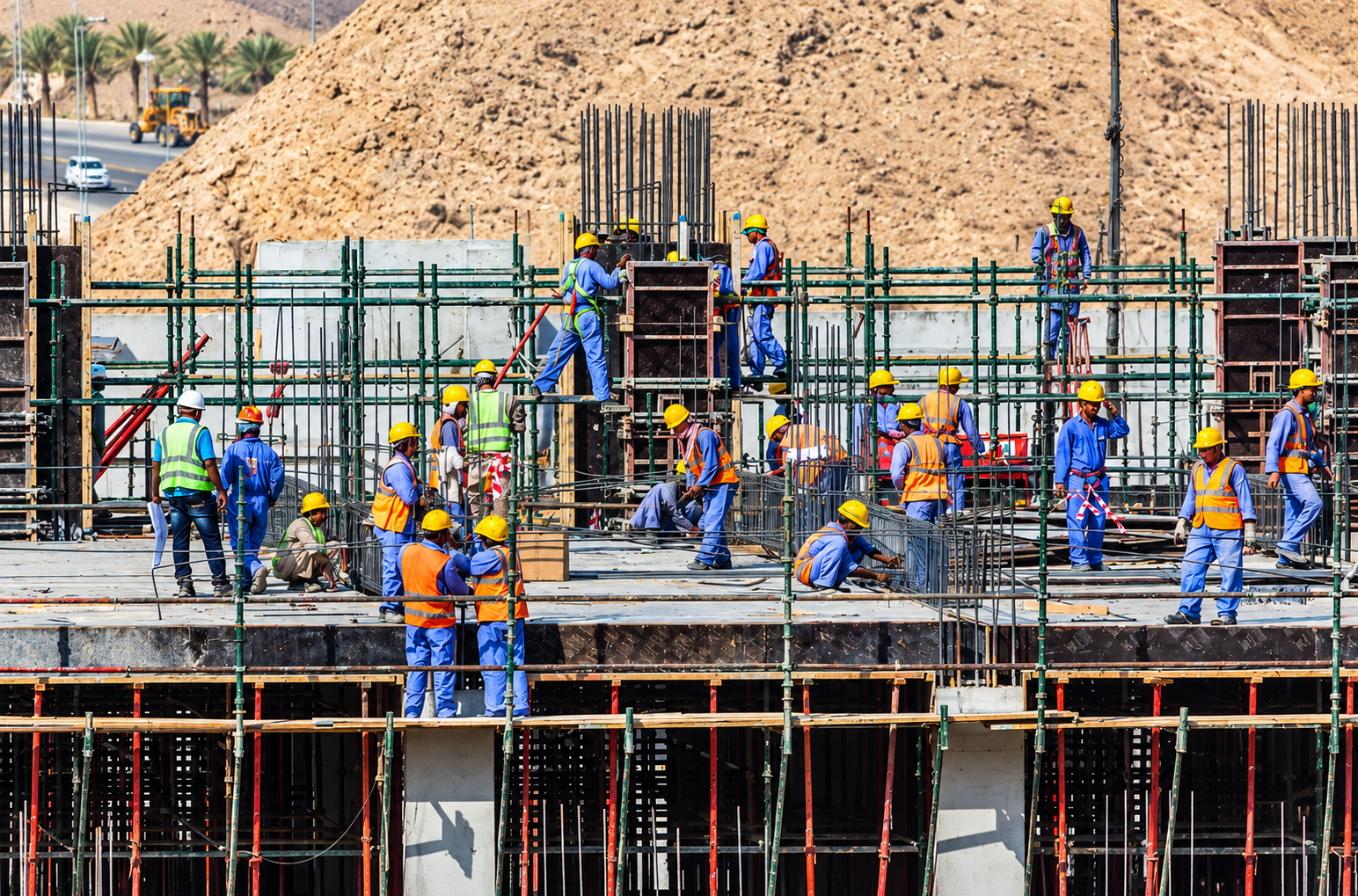
Emaar Development PJSC (DFM: EMAARDEV) reported a 26% year-on-year increase in revenue to AED 22.2 billion (US$ 6.0 billion) and a 24% rise in net profit after tax to AED 10.8 billion (US$ 2.9 billion) for the first nine months of 2026.
3 minEmaar Development PJSC, the UAE’s premier build-to-sell property development company and majority-owned subsidiary of Emaar Properties PJSC (DFM: EMAAR), reported revenue of AED 22.2 billion (US$ 6.0 billion), up 26% year-on-year, EBITDA of AED 11.4 billion (US$ 3.1 billion), up 28%, and net profit after tax of AED 10.8 billion (US$ 2.9 billion), up 24%, during the first nine months of 2026 (January to September).
Supported by continued project execution and a substantial revenue backlog, the Company maintained solid financial fundamentals. Construction and handovers advanced across its master-planned communities, converting the backlog into revenue and completed homes, while robust customer collections reinforced cash generation and balance sheet strength. New launches were aligned with market conditions, and investment decisions remained focused on delivery commitments and future development opportunities. Emaar Development’s strong presales pipeline positions it well to navigate market variability and capitalise on opportunities as conditions normalise.
Key Highlights of the Results
- Property Sales: Emaar Development recorded property sales of AED 26.2 billion (US$ 7.1 billion) during the first nine months of 2026. While property sales volumes reflected a measured pace in response to evolving geopolitical dynamics, the Company maintained strong pricing integrity and customer confidence across its master-planned communities and strategically timed project launches.
- Revenue Backlog: Revenue backlog stood at AED 119.8 billion (US$ 32.6 billion) as of 30 September 2026, providing visibility for future revenue recognition and supporting the Company’s long-term development plans.
- Revenue: Revenue reached AED 22.2 billion (US$ 6.0 billion), up 26% over the corresponding period of 2025, supported by construction progress and revenue recognition across ongoing developments.
- Profitability: EBITDA rose by 28% to AED 11.4 billion (US$ 3.1 billion), with a margin of 52%. Net profit after tax amounted to AED 10.8 billion (US$ 2.9 billion), an increase of 24% year-on-year, representing a net profit margin of 49%.
- Development Activity: During the first nine months of 2026, construction across all ongoing projects progressed in line with or ahead of schedules, underscoring the Company’s disciplined execution, strong governance, and continued focus on timely delivery. More than 85% of active projects were ahead of schedule as of 30 September 2026. The Company also handed over more than 4,800 residential units.
- Development Investment: Emaar Development awarded 23 main works contracts valued at AED 13.5 billion and multiple infrastructure works contracts worth AED 4.3 billion during the first nine months of the year, supporting construction and infrastructure delivery across its communities.
- Strategically Positioned Land Bank: Emaar continues to benefit from one of the region’s largest and most diversified master-planned land banks, comprising approximately 285 million sq. ft. of mixed-use development opportunities as of 30 September 2026. This reserve provides capacity for future launches and flexibility in planning the next phases of its master-planned communities. During the first half of the year, Emaar also announced plans for an AED 200 billion masterplan, adding to its long-term development pipeline.
- Customer Experience: Emaar Development continued to prioritise quality developments, digital engagement and service improvements throughout the home-buying and ownership journey. In July, the Company announced a collaboration with ADCB to provide financing solutions for eligible buyers of ready and off-plan properties, including annually renewable mortgage pre-approval for off-plan customers until handover.
- Operational Excellence: Emaar Development maintained its focus on cost management, disciplined project execution and technology-enabled processes across its development activities.
- Sustainability: The Company continued to integrate responsible planning, resource-efficient design and environmental considerations across its developments. Progress during the first nine months of 2026 included expanding rooftop solar PV capacity to a total of 1.08 MWp across The Greens, The Views and Dubai Hills Estate, the implementation of an Energy Savings Performance Contract in Downtown Dubai under the Energy Management Programme, and a landfill diversion rate of 67.7% as of August 2026, supporting the UAE’s long-term sustainability ambitions.
Mohamed Alabbar, founder of Emaar, said: “Our nine-month results reflect the progress we are making in turning plans into completed communities. People buying a home are making a decision about their future, and they expect us to deliver on every part of that promise. Our focus is on the details that shape their daily lives: the quality of their homes, the spaces around them and how their communities develop over time.”
He added: “The UAE leadership’s long-term vision gives businesses the confidence to invest ahead. As Dubai grows, we will continue to plan carefully, invest in infrastructure and create communities that serve the city for generations.”
BNW Developments has established a Sydney presence, joining Arada and Sobha Realty among the growing number of UAE developers pursuing Australian buyers and development opportunities.
Many of the most-important events have slipped from our collective memories. But their impacts live on.
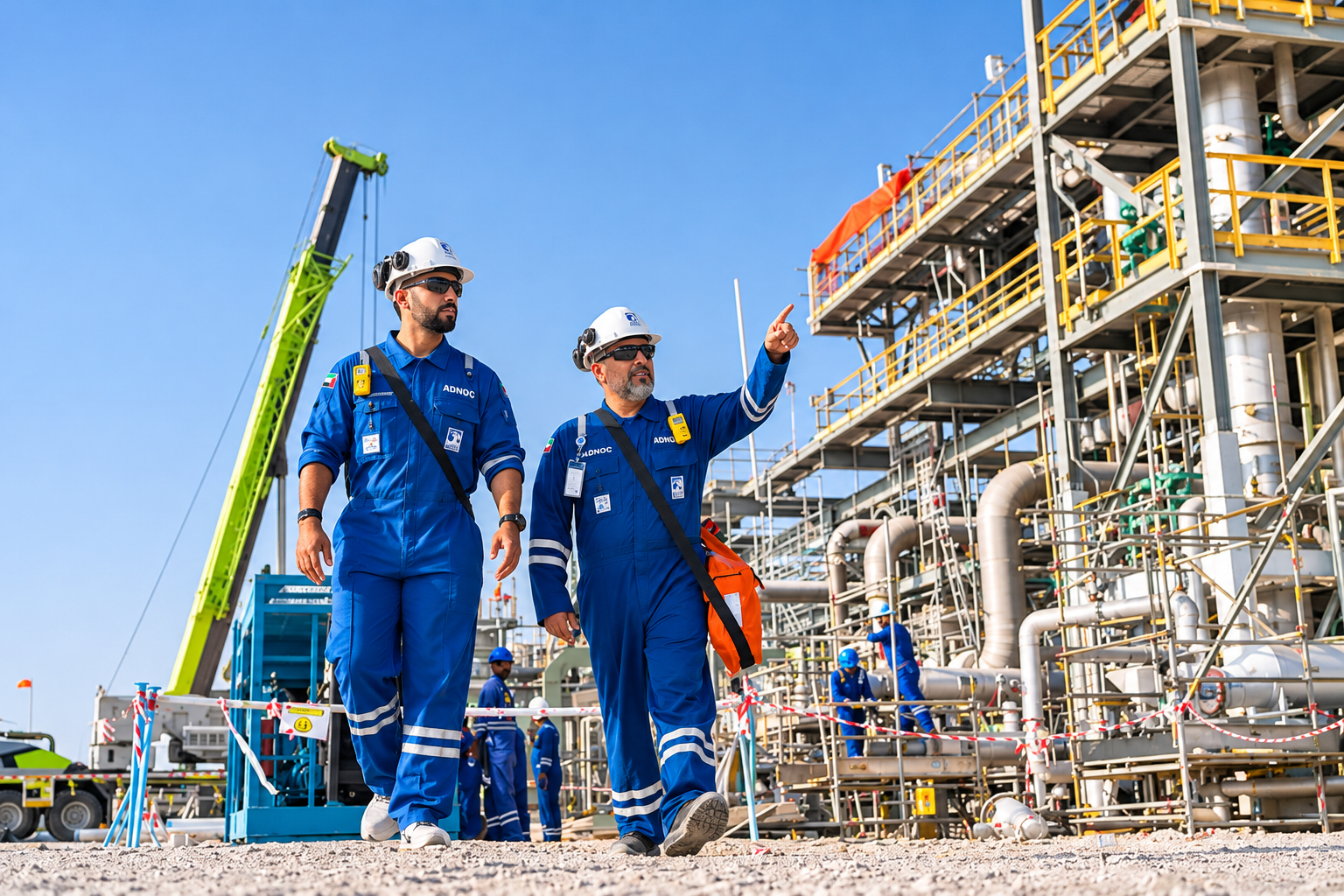
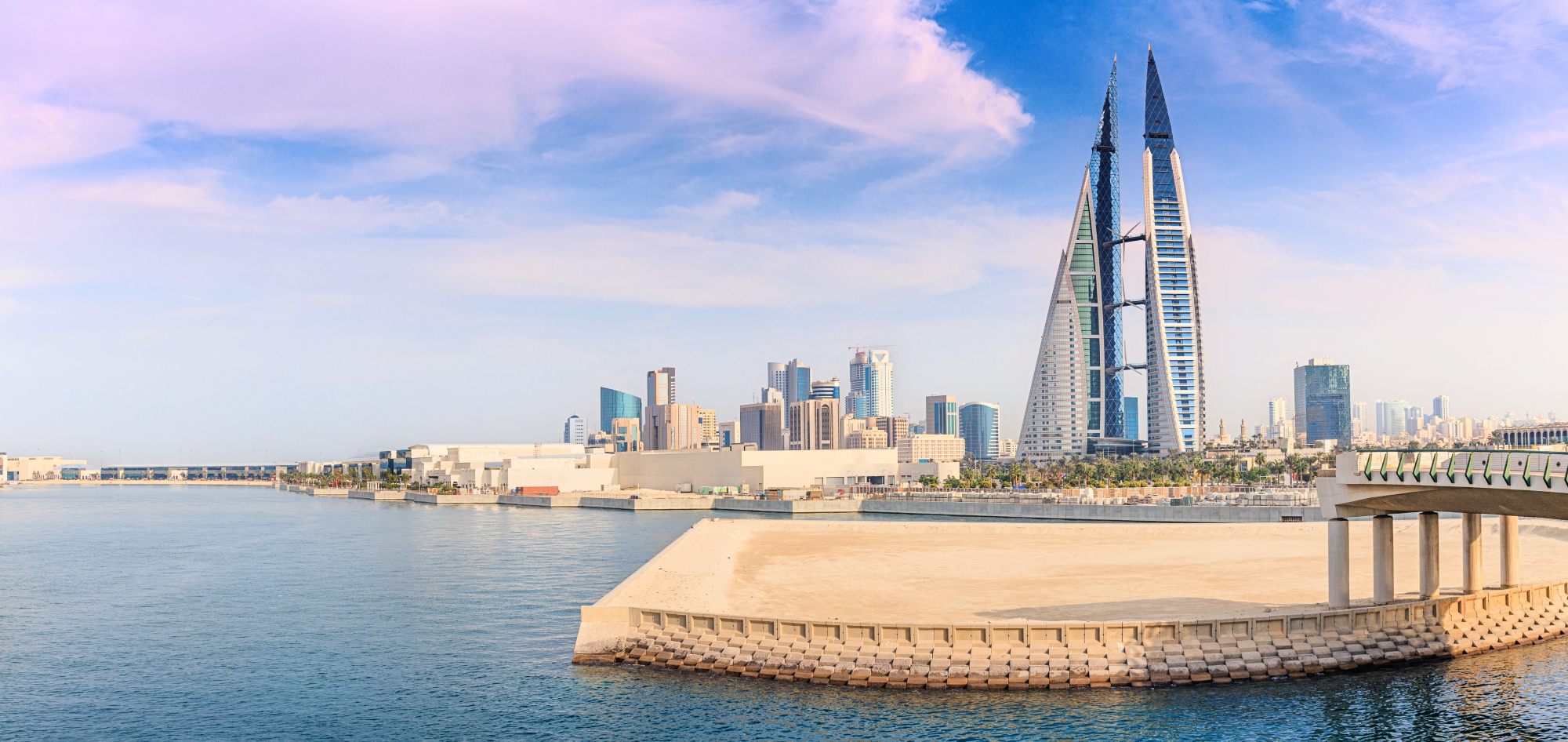
Cityscape Qatar concluded its latest edition with record-breaking results, generating QR1 billion ($269 million) in real estate sales, doubling last year’s figure, and welcoming 16,000 visitors over three days.
3 minCityscape Qatar ended this year’s edition on a successful note recording a total real estate sales of QR1 billion ($269 million) across the exhibition, thus, representing a 100% increase compared with the previous year.
Together, the Forum and exhibition welcomed 16,000 visitors to the Doha Exhibition & Convention Center (DECC) over three days, reflecting the momentum and ambition driving Qatar’s real estate sector.
It brought together investment opportunities and showcased the priorities that are shaping the future of its communities, said the event organisers.
The final day also saw high-profile visits from Sheikh Mohammed bin Abdulrahman bin Jassim Al Thani, Prime Minister and Minister of Foreign Affairs of Qatar, and Sultan bin Saad bin Sultan Al Muraikhi, Minister of State for Foreign Affairs of Qatar, who toured the exhibition and explored the developments on display, they stated.
New project launches and strategic partnerships took centre stage on the exhibition floor, with Barwa Real Estate Group unveiling Barwa Bay in Lusail and signing agreements covering investment advisory and buyer financing.
United Development Company introduced Perlita Gardens on The Pearl Island and a limited-time sales offer at Crystal Residence on Gewan Island, while Qatari Diar and Qetaifan Projects highlighted the country expanding portfolio of residential and mixed-use destinations, it stated.
Organised by the Real Estate Regulatory Authority (Aqarat) and Informa Tharawat in partnership with Cityscape Qatar, the 4th Qatar Real Estate Forum explored investment, regulation and urban development under the theme ‘Stability as an Asset Class’.
On the final day, discussions turned to what makes cities attractive places to live and invest, exploring the role of infrastructure, healthcare, education and connectivity in shaping long-term urban development.
Joining the conversation, Jan Vapaavuori, Chairman of Finnvera and former Mayor of Helsinki, highlighted Doha’s stability and world-class infrastructure as key strengths.
Vapaavuori said: “When I was Mayor of Helsinki, we developed a new strategy for the city. Even before Covid, I predicted that a reliable, predictable and functional city might become a luxury in today’s world. I see many similarities between that vision and Doha’s approach, where stability and world-class infrastructure are clear strengths. But long-term success is not just about being attractive today, it is about creating opportunities for everyone to lead an inspiring life.”
Complementing the Forum’s focus on what makes cities attractive to residents and investors, the Innovation Stage explored how those priorities can be reflected in the homes themselves.
During the session ‘The Future of Housing in Qatar: How Will We Build and Live?’, Eng. Ahmed Al-Sumaiti, Vice President of Qatar Society of Engineers, discussed how technology, resource efficiency and long-term maintenance can improve residential development.
Al Sumaiti said: “The future of housing in Qatar will depend on how effectively we integrate technology, resource efficiency and long-term performance into building design. From using solar energy and reusing greywater to applying artificial intelligence in design and smart-home systems, these solutions can help improve building efficiency and reduce operating costs. Equally important is considering maintenance from the outset to ensure homes remain efficient and sustainable over time,” he added.
Reflecting on the success of the three-day event, Alexander Heuff, Group Director, Cityscape, said: “A strong real estate market isn’t built through project launches alone. It depends on whether development plans are matched by the right financing, infrastructure and an understanding of what residents and investors need. That is what stood out at Cityscape Qatar this year: the opportunity to discuss the bigger picture with the people shaping it. The real measure of success now is how those conversations inform decisions and deliver value beyond these three days.”
During the Innovation Stage’s concluding discussion, Mohammed Makki, Director of Real Estate Investment at Aqarat, reflected on Qatar’s recent market performance and its growing appeal to international investors.
Makki said Qatar’s real estate sector continues to demonstrate stability and attract interest from both local and international investors.
“We have seen encouraging market activity, with a strong recovery in sales in the third quarter following the first half of the year, alongside sustained interest from international buyers,” he stated.
“Africa has also emerged as a notable source of investor interest, reflecting the growing international reach of Qatar’s real estate market. These developments highlight the depth of the market and the opportunities it offers for long-term investment,” he noted.
Cityscape Qatar brought together today’s investment opportunities and the priorities shaping Qatar’s future communities. With the three-day event concluded, attention now turns to how these projects, partnerships and ideas will take shape beyond the exhibition.
BNW Developments has established a Sydney presence, joining Arada and Sobha Realty among the growing number of UAE developers pursuing Australian buyers and development opportunities.

Paine Schwartz joins BERO as a new investor as the year-old company seeks to triple sales.

@aldar Properties reported a 21% increase in quarterly net profit to AED 2.25 billion, while revenue rose 16%. Despite strong rental income and a AED 71.6 billion sales backlog, new property sales fell 45% year on year, placing greater focus on the company’s performance in the final quarter of 2026.
< 1 min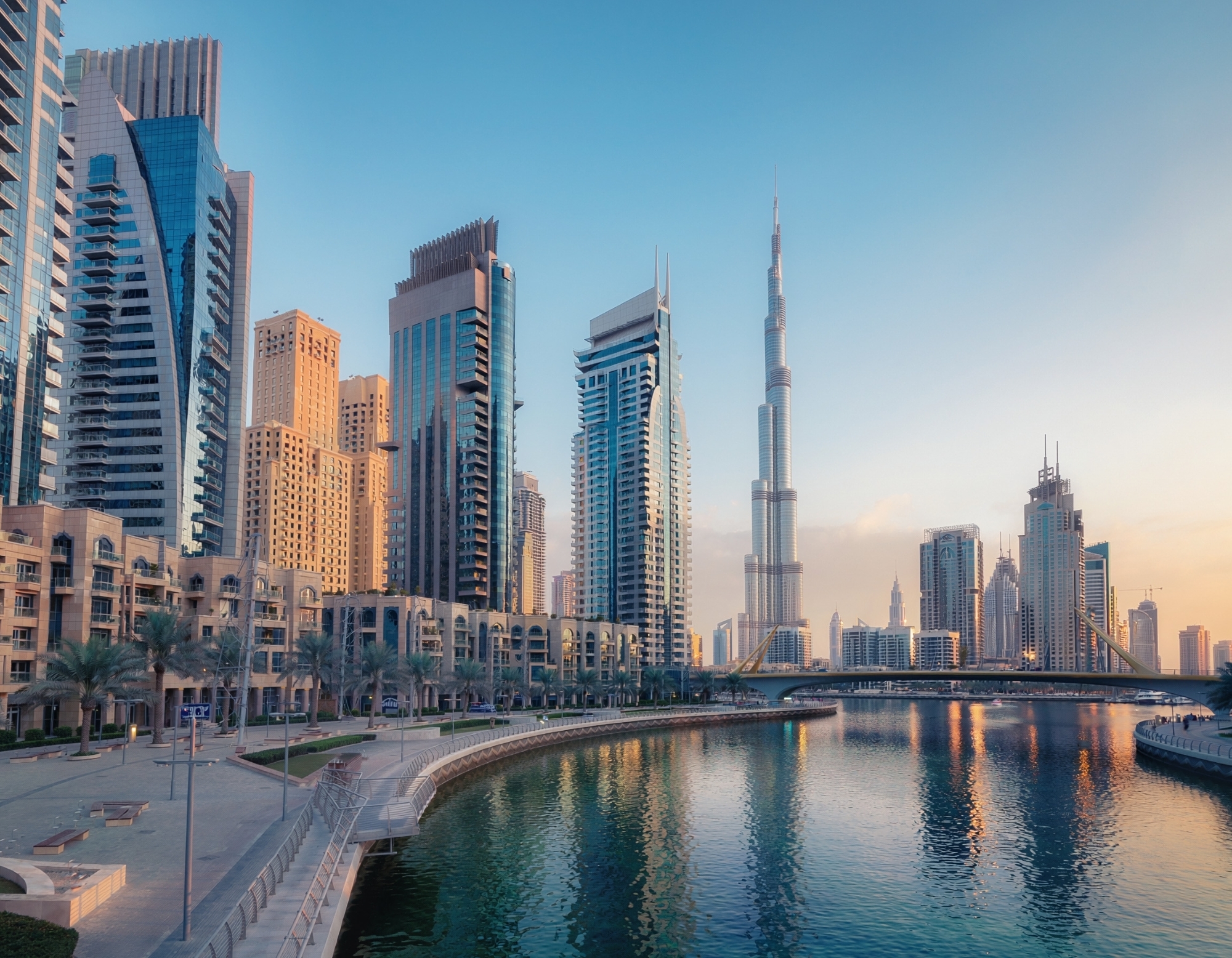
Aldar Properties reported a 21% increase in quarterly net profit after tax to AED 2.25 billion, alongside a 16% rise in revenue, supported by continued property development activity and strong rental income. However, new UAE property sales declined 45% year-on-year, shifting investor attention towards the company’s sales performance in the final quarter of 2026.
According to Nagham Hassan, Market Analyst at etoro, Aldar’s latest results reflect the strength of its existing development pipeline, with approximately three quarters of revenue generated from the construction of previously sold properties.
The company’s rental business also delivered solid growth, with adjusted EBITDA increasing 27% and occupancy remaining close to full capacity. Meanwhile, its hospitality portfolio faced challenges as regional travel disruptions weighed on hotel occupancy.
Despite the slowdown in new sales, Aldar launched seven projects during the third quarter, helping bring year-to-date sales above AED 20 billion. Its development sales backlog remained steady at AED 71.6 billion, providing visibility over future earnings.
Aldar also reported AED 38 billion in available liquidity, including undrawn credit facilities, supporting its continued investment in land acquisitions and development projects. The company added AED 5.3 billion in land during the year, including new plots in Dubai.
Hassan noted that while Aldar’s existing backlog is expected to support profitability over the coming years, sustained growth will increasingly depend on the company’s ability to generate new sales.
“The bar now moves to new sales, because a backlog that stops growing today means slower earnings growth further out, and investors will want to see the third-quarter pickup carry through to year-end,” Hassan said.
BNW Developments has established a Sydney presence, joining Arada and Sobha Realty among the growing number of UAE developers pursuing Australian buyers and development opportunities.
The sports-car maker delivered 279,449 cars last year, down from 310,718 in 2024.
The Middle East’s steel market is forecast to grow from $44bln in 2026 to $60bln by 2031, supported by nearly $2trln in infrastructure and industrial projects. Industry leaders will gather at Fastmarkets’ Middle East Iron & Steel 2026 in Dubai from November 16–18 to discuss regional demand, trade flows, investment opportunities and the transition to lower-carbon steel production.
2 min
The Middle East is an increasingly important market for global steel, underpinned by nearly $2 trillion in infrastructure and industrial projects and a market forecast to grow from $44 billion in 2026 to $60 billion by 2031.
At a time when steel producers worldwide are navigating shifting trade flows, evolving decarbonisation requirements and ongoing market uncertainty, leaders from across the steel value chain will gather at Fastmarkets’ Middle East Iron & Steel (MEIS) 2026 in Dubai this November to assess the region’s growth, trade and investment outlook.
Regional host sponsor EMSTEEL’s Group CEO, Eng Saeed Ghumran Al Remeithi, will be joined by senior industry figures including Ahmed Ezz, CEO of Ezz Steel; Sharjeel Azhar, CEO of Al Ittefaq Steel Products; Dr Salam Al Sharif, Chairman of Al Sharif Metals Group & BMR; Sanjay Roychoudhury, CEO of UNICOIL and Jose Noldin, CEO of GravitHY.
Region’s momentum
The region’s momentum is reflected in production. According to Fastmarkets analysis, GCC crude steel output reached 21.6 million tonnes in 2025, up 9.5% year over year. Electric arc furnaces account for approximately 95% of regional crude steel production, giving the Middle East a strong position in the transition to lower-carbon steelmaking.
“The past year has been challenging for many parts of the steel industry, making it more important than ever to focus on where real opportunities are emerging,” said Raju Daswani, CEO of Fastmarkets. “The Middle East combines significant investment, growing demand, ambitious industrial development and a strong position in lower-carbon steelmaking. MEIS brings the industry together to build relationships, identify commercial opportunities and better understand where this market is heading.”
“The Middle East is moving from ambition to delivery, supported by major investments in infrastructure, manufacturing and industrial development,” said Eng Saeed Ghumran Al Remeithi, Group CEO of EMSTEEL. “At EMSTEEL, our focus is to support this growth with reliable, high-quality steel while accelerating the transition towards lower-carbon production. The region has the resources, capabilities and determination to play an increasingly important role in the future of the global steel industry.”
Forces reshaping regional steel markets
MEIS 2026 will examine the forces reshaping regional steel markets, including major infrastructure and industrial projects, steel demand, trade flows, tariffs, carbon regulation and the security of supply for key raw materials such as scrap, DR-grade iron ore, pellets, DRI and HBI.
Middle East Iron & Steel 2026 takes place from November 16 to 18 at Madinat Jumeirah, Dubai.
BNW Developments has established a Sydney presence, joining Arada and Sobha Realty among the growing number of UAE developers pursuing Australian buyers and development opportunities.

Chris Dixon, a partner who led the charge, says he has a ‘very long-term horizon’

Nakheel has awarded a contract worth over AED 950 million for 617 homes at Bay Grove Residences on Dubai Islands, bringing total construction awards for the development to more than AED 1.75 billion across 1,154 planned homes.
2 min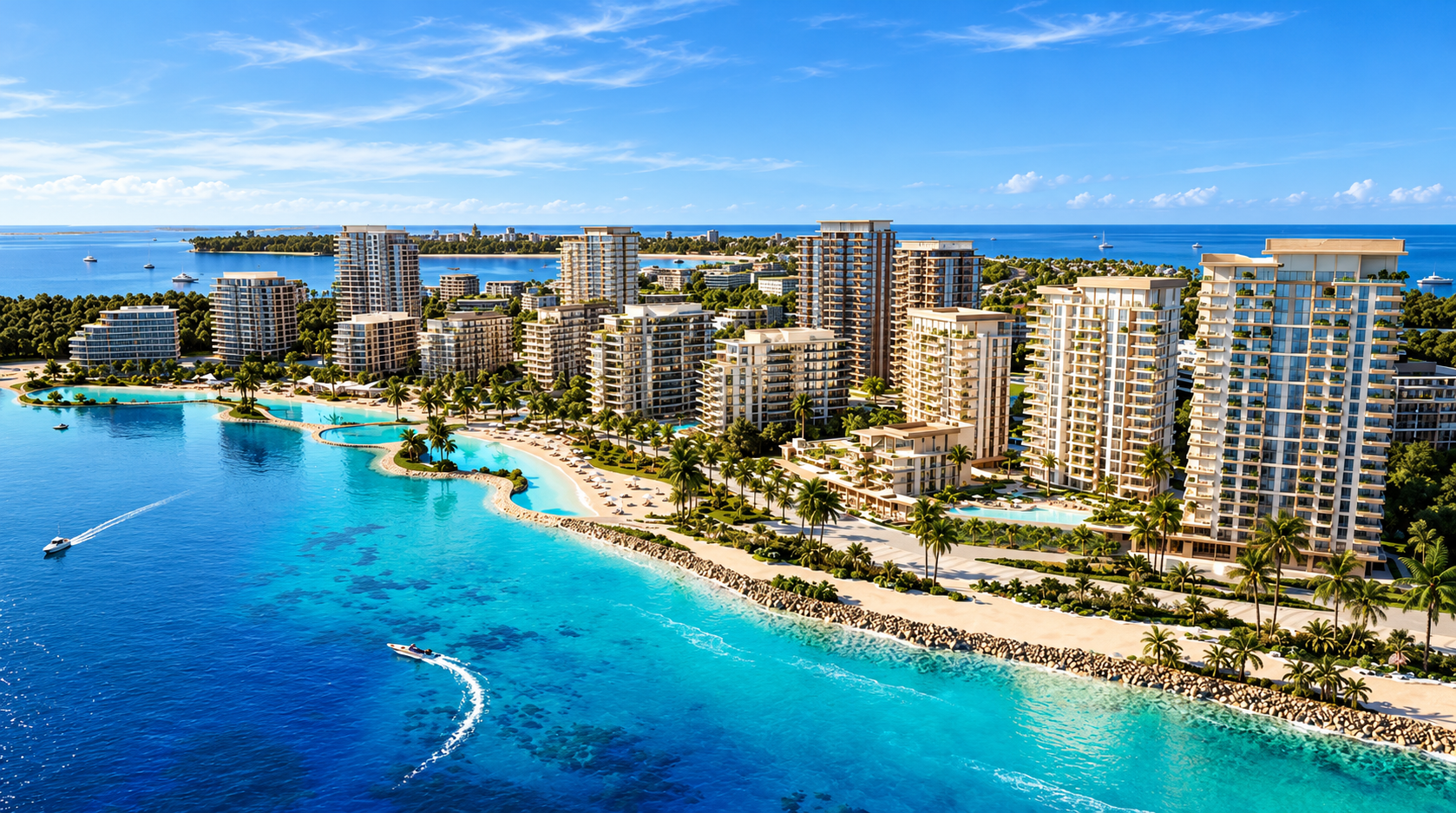
Nakheel, a member of Dubai Holding Real Estate, has awarded Parkway International Contracting LLC a construction contract valued at more than AED 950 million for Phases 2 and 4 of Bay Grove Residences on Dubai Islands.
The contract covers 617 homes ranging from one to four-bedroom across eight residential buildings, together with basement works, associated infrastructure and amenities including swimming pools, sports courts and fitness centres. Phase 2 comprises 360 homes across four buildings, with main construction works expected to be completed by late 2028. Phase 4 comprises 257 homes across four buildings, with completion anticipated in the second quarter of 2029.
The award builds on Nakheel’s earlier contract of more than AED 800 million for 537 homes across seven buildings in Phases 1 and 3. Together, the two contracts represent more than AED 1.75 billion in main construction awards and cover all 1,154 planned homes across Bay Grove Residences’ 15 buildings.
Khalid Al Malik, Chief Executive Officer of Dubai Holding Real Estate, said: “This award marks another important step in the delivery of Bay Grove Residences, establishing a clear construction pathway for a further 617 homes. Together with the contract already awarded for Phases 1 and 3, it represents a substantial investment in the community and the long-term development of Dubai Islands. Our focus remains on delivering high-quality homes, amenities and public spaces that will create a distinctive waterfront community for residents.”
Tarek Zoabi, Managing Partner of Parkway International Contracting LLC, said: “We are pleased to partner with Nakheel on the next stages of Bay Grove Residences. Our team is focused on safe, disciplined delivery across both phases, with close attention to build quality, coordination and the agreed programme.”
Bay Grove Residences is planned as a waterfront community with landscaped communal spaces, walking and cycling routes and access to Crystal Beach.
Located off the coast of Deira, Dubai Islands is a five-island waterfront destination spanning 18.6 square kilometres. Its master plan includes residential neighbourhoods, hospitality, parks, leisure and cultural destinations as part of Dubai’s longer-term urban development.
BNW Developments has established a Sydney presence, joining Arada and Sobha Realty among the growing number of UAE developers pursuing Australian buyers and development opportunities.

Americans now think they need at least $1.25 million for retirement, a 20% increase from a year ago, according to a survey by Northwestern Mutual

Dubai Municipality has awarded AED 3 billion in contracts for four new projects under Phase 3 of the Tasreef Programme, covering nearly 100 sq km and adding around 100 km of stormwater drainage lines. Part of a wider AED 30 billion initiative, the projects aim to boost drainage capacity, reduce water accumulation and strengthen Dubai’s resilience to climate change and future urban growth.
4 min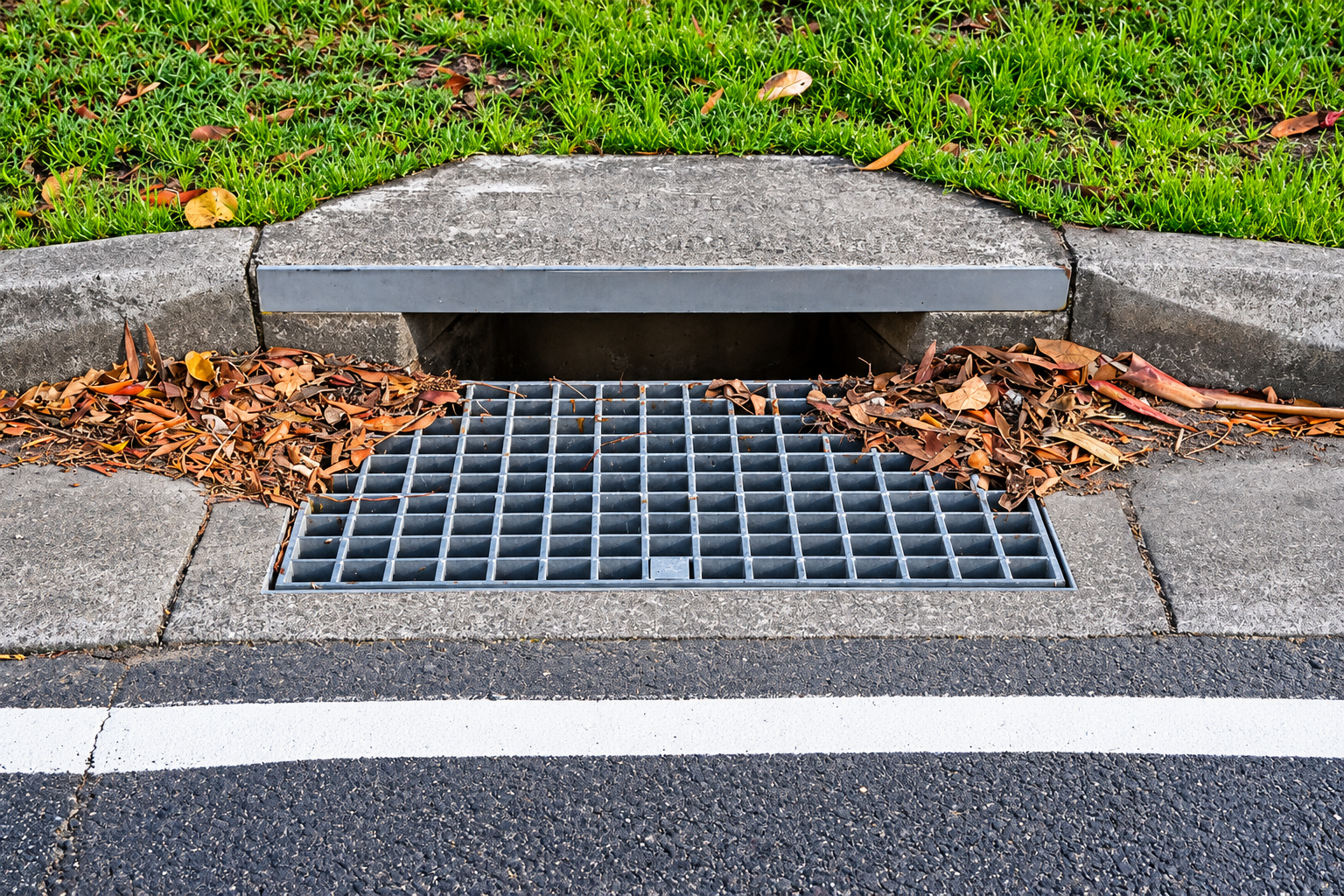
In line with the directives of His Highness Sheikh Mohammed bin Rashid Al Maktoum, Vice President and Prime Minister and Ruler of Dubai, to develop advanced, resilient and world-leading infrastructure and enhance the efficiency of the stormwater drainage system to meet the emirate’s future growth requirements, Dubai Municipality has awarded contracts for four new projects under Phase 3 of the ‘Tasreef’ Programme to develop Dubai’s stormwater drainage network. With a total value of AED3 billion, the projects will involve the construction and extension of approximately 100 kilometers of main stormwater drainage lines, with diameters of up to 3 metres, further enhancing the resilience of the city’s drainage network.
The new projects are distributed across vital areas representing key economic, commercial, industrial and tourism corridors across the emirate, covering nearly 100 square kilometers. They include the development of stormwater drainage systems and networks in Jumeirah, Umm Suqeim, Al Safa, Al Manara, Al Quoz, Al Barsha, Al Wasl, Za’abeel, Al Bada’a, Al Satwa and Al Marmoom, connecting these areas to Dubai Municipality’s main stormwater drainage network. The projects will increase the network’s water-flow capacity, enhance operational resilience and support sustainable urban growth.
The third package of projects represents an integrated extension of the Tasreef Programme, one of the UAE’s largest strategic and transformational infrastructure projects. The programme is classified as the largest integrated stormwater collection programme in a single system in the region and one of the most operationally efficient. Implemented by Dubai Municipality at a total cost of AED30 billion, it will provide a highly resilient and advanced drainage system capable of meeting Dubai’s future requirements.
The program will enhance the city’s readiness and preparedness to address climate-related changes, increase stormwater drainage capacity by 700 percent, and reduce costs associated with the construction of pumping stations and operations and maintenance by 20 percent. It will also extend the lifespan of the network and support the objectives of the Dubai 2040 Urban Master Plan and the UAE’s Net Zero 2050 Strategy.
Eng. Marwan Ahmed bin Ghalita, Director-General of Dubai Municipality, said, “Dubai Municipality continues to implement the phases of the ‘Tasreef’ Programme, one of Dubai’s largest strategic infrastructure projects, enhancing its efficiency and resilience, making it more sustainable and strengthening its ability to address both future climate change and accommodate population and urban growth.
Our objective is to build a comprehensive and integrated model for a leading future city, characterized by a sustainable urban system and advanced infrastructure that serve people, enhance their quality of life and well-being, and strengthen their safety and security. At the same time, it provides a stable and enabling environment for the growth of businesses and economic, commercial and tourism activities, reinforcing Dubai’s position as the world’s best city to live, work, invest and visit.”
Eng. Adel Mohammed Al Marzouqi, CEO of the Waste and Sewerage Agency at Dubai Municipality, said, “The third phase of the Tasreef Programme’s projects will serve areas that represent vital arteries across the emirate, marking another pivotal step in developing Dubai’s stormwater drainage system as well as making it more resilient and efficient in managing rainfall under different conditions and future climate changes. We are committed to ensuring that these projects advance the broader objectives of the Tasreef Programme by reducing water accumulation, protecting residents and assets, improving the quality of services, enhancing the city’s readiness and traffic flow, and safeguarding the sustainability of its resources.”
The Jumeirah and Umm Suqeim Stormwater Drainage Network Development Project is one of the largest projects under the third phase of Tasreef. It aims to enhance infrastructure readiness along key strategic corridors across the two areas, serving communities extending from Umm Suqeim 1, 2 and 3, and Umm Al Sheif to Jumeirah 3, Al Safa 1 and 2, and Al Manara along the Dubai Water Canal.
The project includes the construction of approximately 42 kilometers of main stormwater drainage lines, enhancing the resilience, efficiency and capacity of the drainage system.
The Stormwater Drainage Network Development and Capacity Enhancement Project between Sheikh Zayed Road and Al Khail Road focuses on developing resilient and sustainable infrastructure capable of accommodating residential and urban growth and enhancing the city’s readiness and resilience.
The project includes the construction of 14 kilometers of main stormwater drainage lines in accordance with the highest international standards.
It will serve several of Dubai’s key strategic corridors and vital areas, including the Al Khail Road interchange towards Umm Suqeim, Umm Suqeim Road and Sheikh Zayed Road, in addition to First Al Khail Street, Al Marabea Street, Al Waha Street, Al Zumurrud Street and the connecting secondary roads.
The project will cover Al Quoz Industrial Areas 1, 3 and 4, as well as Al Barsha 1.
The Development of Main Stormwater Drainage Lines along Al Wasl Road Project aims to serve areas east of the Dubai Water Canal, including Za’abeel 2, Al Wasl, Jumeirah 1 and 2, Al Bada’a, Al Satwa, and Dubai World Trade Centre 1 and 2, covering an area of up to 25 square kilometers.
The project includes an integrated stormwater drainage network comprising main and secondary conveyance lines and associated infrastructure, with a total length of 21 kilometers. This will enable the drainage and management of large volumes of water flow with operational flexibility, helping to prevent water accumulation.
As part of the third phase of the Tasreef Programme, Dubai Municipality will develop an integrated and sustainable stormwater drainage network in Al Marmoom, serving vital areas by implementing 23 kilometers of stormwater drainage infrastructure. This will ensure continuity of services and enhance the quality of the area’s urban infrastructure.
Dubai Municipality continues to implement strategic projects in accordance with approved timelines and operational plans, reaffirming its commitment to developing an integrated and resilient drainage system that contributes to reducing the risks associated with water accumulation, enhancing the efficiency and sustainability of infrastructure, and strengthening Dubai’s readiness to respond effectively to climate change.
These efforts further support Dubai’s ambition to be recognized globally for the quality of its infrastructure and public services.
BNW Developments has established a Sydney presence, joining Arada and Sobha Realty among the growing number of UAE developers pursuing Australian buyers and development opportunities.
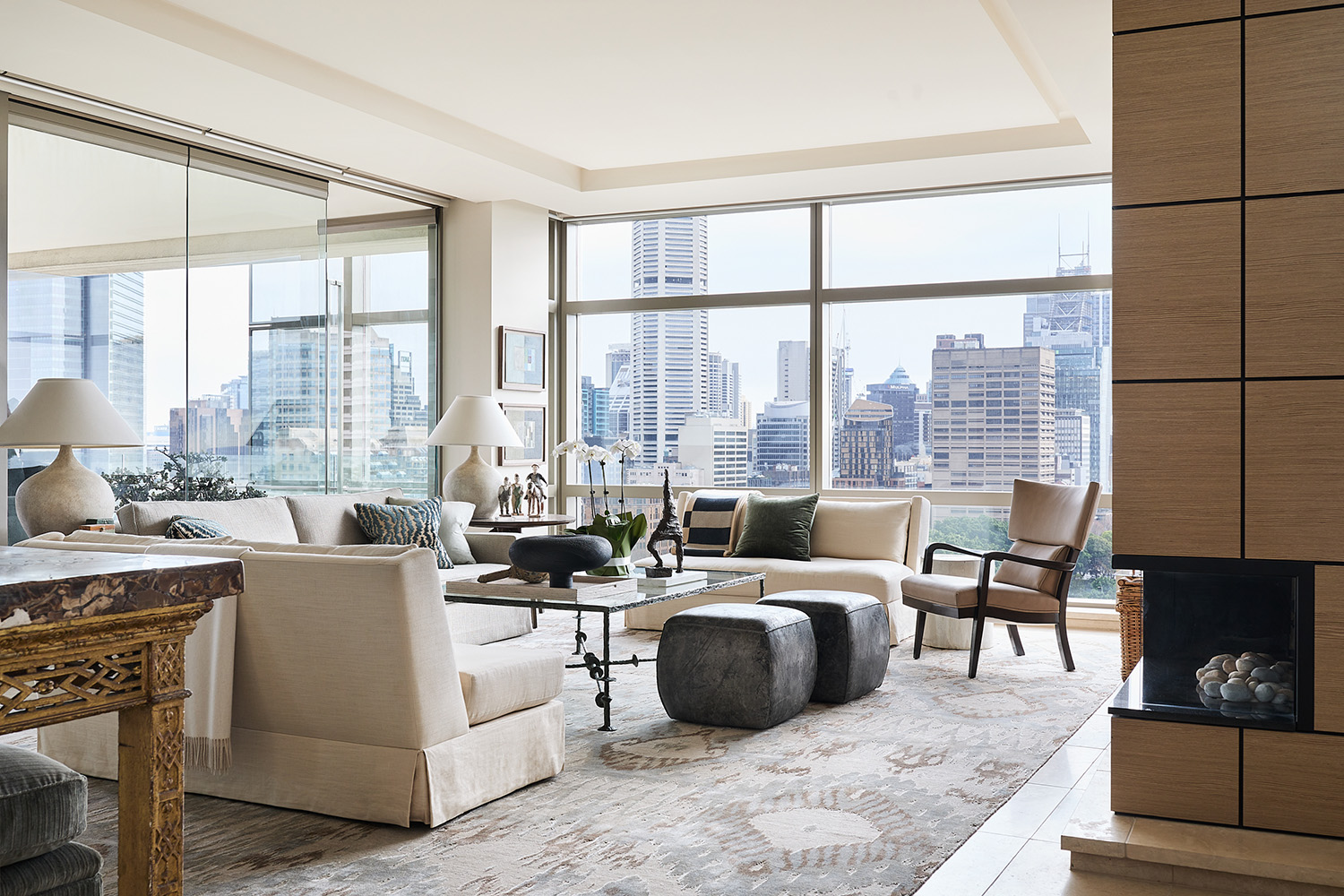
Interior designer Thomas Hamel on where it goes wrong in so many homes.

Delayed approvals, fragmented information and administrative workloads are emerging as key challenges for UAE construction teams, according to PlanRadar’s 2026 Construction Survey. The report highlights how digital tools and AI can streamline workflows, improve cost control and help teams deliver projects on time and within budget.
3 min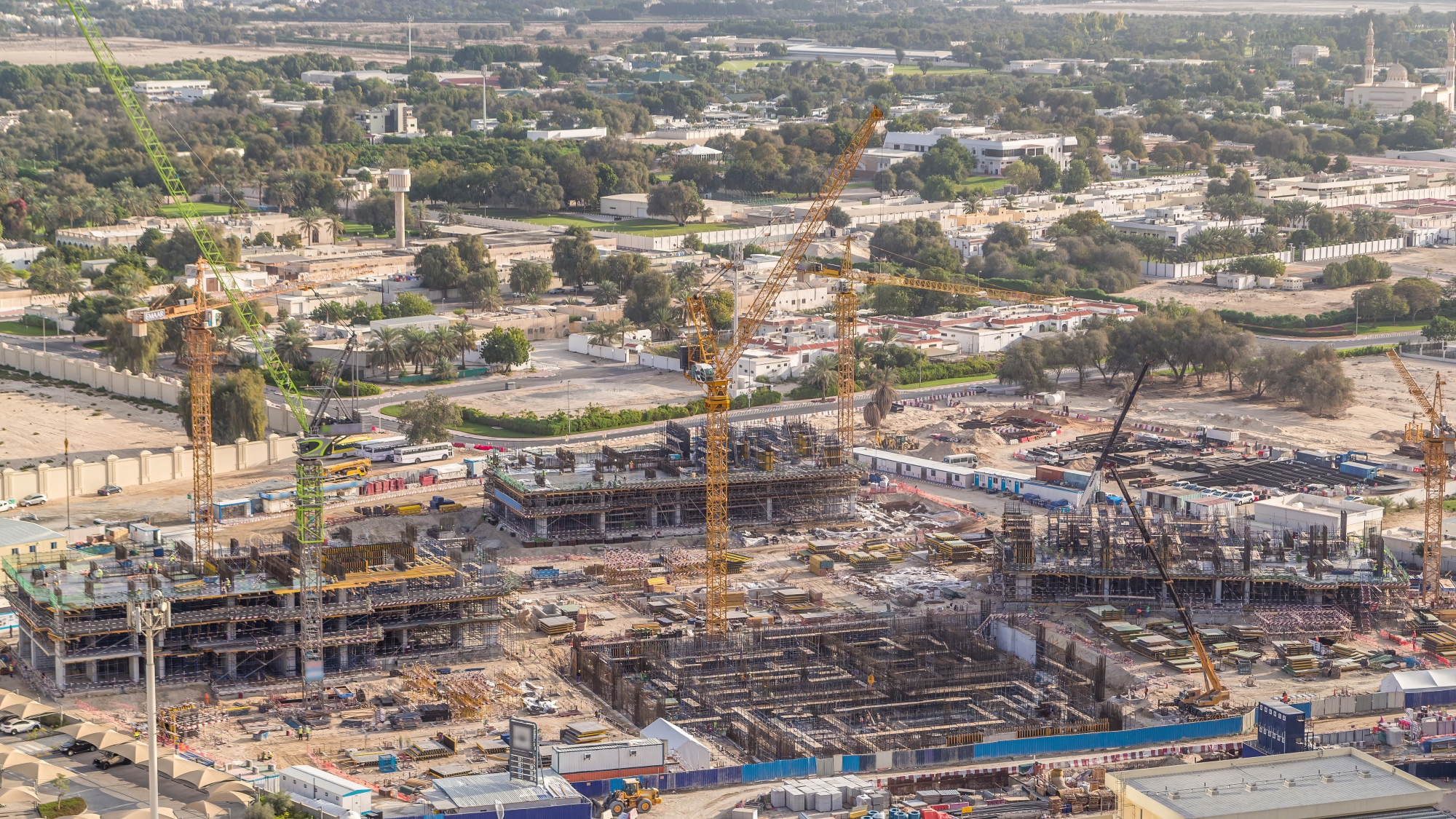
Delayed approvals and slow responses, Information fragmentation and administrative workload have been identified as the top project delivery hurdles facing construction teams as activity across the UAE continues to grow.
PlanRadar, a leading platform for digital documentation, communication and reporting in construction and real estate projects, in its Construction Survey Report 2026: Managing Project Changes in the Age of AI surveyed 1,728 construction professionals responsible for on-time and on-budget delivery across 14 countries in Europe, the Middle East and Asia-Pacific, including the UAE and Saudi Arabia.
The findings were also explored in PlanRadar’s webinar, Managing Mid-Project Changes in the Age of AI.
Ability to manage changes
The research comes as UAE construction output is projected to reach $130.8 billion by 2029, up from a record $107.2 billion in 2024, according to Knight Frank. As project volumes and stakeholder complexity increase, the ability to manage changes, approvals and project records efficiently will remain central to delivery performance.
One of the clearest concerns identified in PlanRadar’s research is the impact of delayed approvals and slow responses. These were the most common pain points reported in the management of mid-project changes, including RFIs, change orders and variation requests.
Nearly three-quarters of respondents said approvals are often received after agreed timeframes, while one in four estimated that delayed approvals typically add more than a month to project timelines.
Among teams where approvals are almost always late, month-long project delays were more than twice as likely as among those where late approvals are rare.
Clearer ownership, predefined approval routes
Ibrahim Imam, Co-Founder and Co-CEO of PlanRadar, said: “In a market delivering projects at the UAE’s current pace, small delays in decision-making can quickly become much larger delivery problems. Going into 2027, companies need clearer ownership, predefined approval routes and faster access to the information decision-makers need. The aim is not to eliminate change—change is inevitable—but to ensure every change is visible, traceable and acted on before it affects programme or cost.”
PlanRadar’s findings also show the financial impact of unmanaged changes. Two in three respondents said that mid-project changes lead to budget overruns in many or most of their projects. However, the research indicates that stronger process control can improve outcomes: four in five respondents using a central digital tool to track changes reported an improved ability to control costs or protect project margins.
Information fragmentation is another challenge. Nearly eight in ten respondents said that at least half of their project documentation is spread across unconsolidated channels, including emails, messages, phone calls and verbal instructions. Among those who could easily locate documentation, 70% felt confident that their records clearly showed responsibility for delays and cost impacts—double the proportion among those who found documentation difficult to locate.
Administrative workload
Administrative workload compounds these pressures. Nearly half of respondents reported spending 11 or more hours each week on administrative tasks. Among those using a central digital tool with integrated AI functionality, two in three said they save at least two hours per week, per project, on administration and coordination.
Andrey Belogortsev, Regional Manager for Mena and APAC at PlanRadar, said: “The immediate opportunity for construction teams is to build reliable, connected workflows around the information already being generated on site. When changes, approvals and supporting evidence are captured in one accessible record, teams can identify issues earlier, engage the right people faster and maintain accountability throughout the project lifecycle.”
“AI can add real value when it is applied to repetitive, time-consuming work within those controlled workflows. It should support professional judgement—not replace it—by giving project teams more time to focus on decisions, risks and exceptions that require their expertise.”
AI can reduce workload
The survey found that 58% of respondents believe AI can reduce workload across their biggest day-to-day challenges, while 65% believe it can streamline major administrative tasks.
Building on this need, PlanRadar has introduced AI Agents, allowing customers to create agents in plain language or use ready-made options to complete defined actions. Each action is logged, attributed and limited to the permissions of the user who created the agent, enabling teams to automate routine work while retaining oversight and control.
BNW Developments has established a Sydney presence, joining Arada and Sobha Realty among the growing number of UAE developers pursuing Australian buyers and development opportunities.
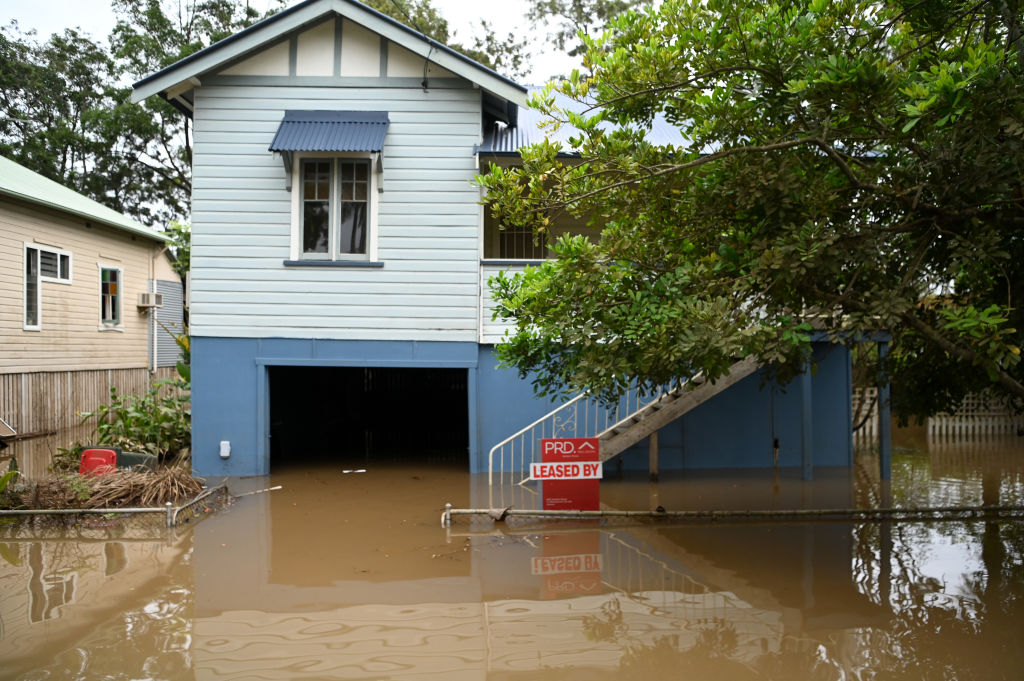
Following the devastation of recent flooding, experts are urging government intervention to drive the cessation of building in areas at risk.
Dubai’s real estate investment value surged nearly fivefold, from AED 148 billion in 2021 to more than AED 680 billion in 2025, according to W Capital Real Estate. The growth reflects a broader expansion in investor participation, international capital sources and property preferences, with non-residents favoring off-plan properties while residents showed a more balanced split between off-plan and ready homes.
3 min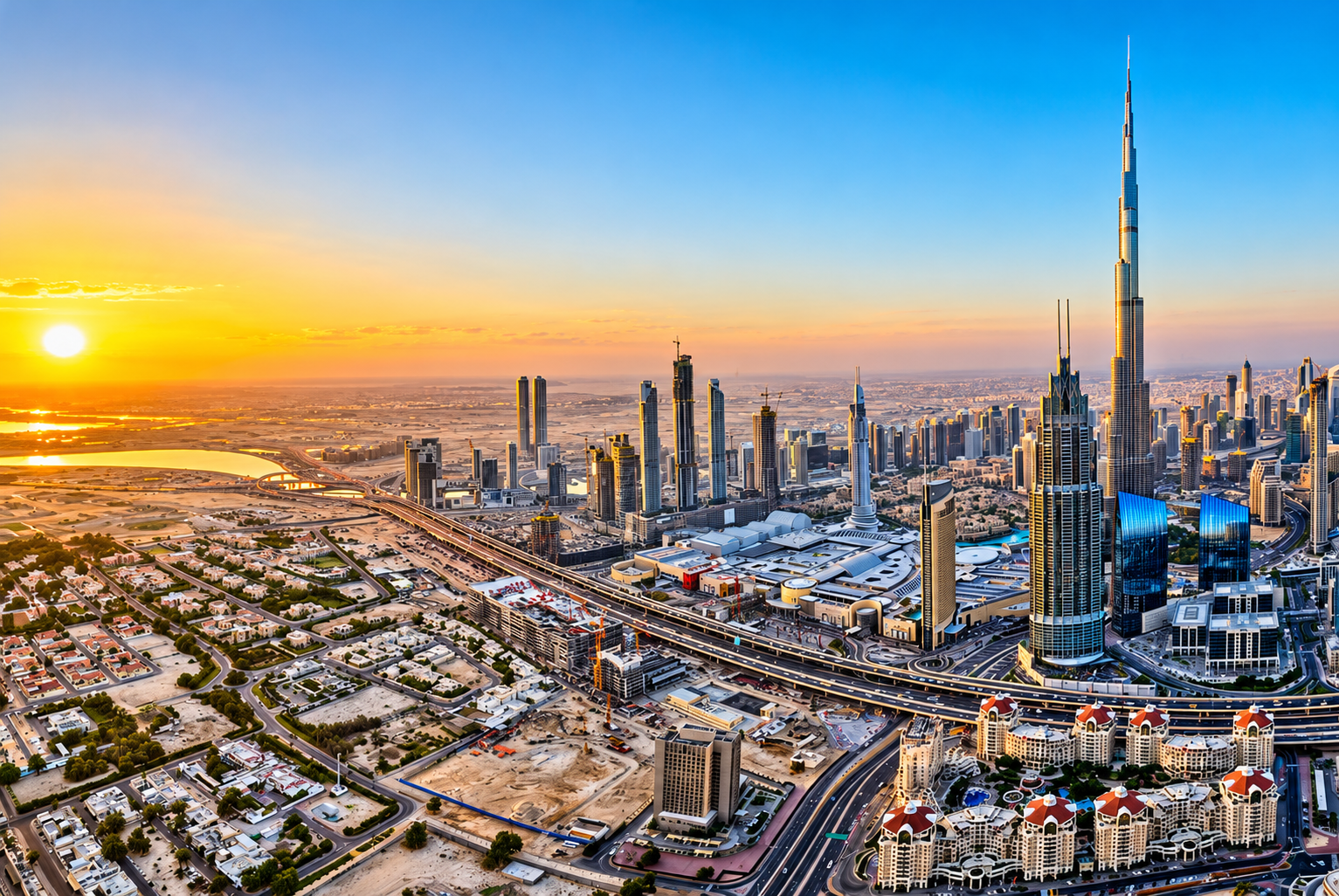
The value of real estate investments in Dubai has grown steadily over the past few years, rising nearly five-fold from AED148 billion ($40.2 billion) in 2021 to more than AED680 billion ($185 billion) in 2025, said top UAE brokerage W Capital Real Estate, adding the number of investments have jumped from 72,000 to 259,000 over the period.
This surge extended beyond the volume of capital invested. It was accompanied by a substantial expansion in the number of investors and investments, greater diversity in capital sources, it stated.
Based on annual reports and data published by the Dubai Land Department, the study found that this surge extended beyond the volume of capital invested. It was accompanied by a substantial expansion in the number of investors and investments, greater diversity in capital sources and a wider range of locations attracting funds.
The study traced a five-year upward trajectory during which the number of investors rose from 52,415 to approximately 193,100, while the number of investments increased from 72,207 to around 258,600.
The comparison also showed that investment value grew faster than participation, adding a qualitative dimension to the assessment of market performance beyond aggregate sales and real estate transactions, it stated.
The market began the period with investments of AED 148 billion in 2021, followed by AED 264.15 billion in 2022, approximately AED412 billion in 2023 and around AED 526 billion in 2024, before exceeding AED 680 billion in 2025.
Global capital, differing investment preferences
Based on approximate annual values, growth stood at 78.5% in 2022, 56% in 2023, 27.7% in 2024 and 29.3% in 2025. This trajectory demonstrates that investment inflows continued, although their rate of increase varied from year to year, it stated.
W Capital explained that these developments reflect the expansion of the market’s annual investment base: the value recorded in 2025 was more than 4.5 times the 2021 level. This comparison uses the real estate investment indicator, which is distinct from the total value of property transactions or sales.
The geographic origins of investments in 2025 revealed a strong international presence. Asia and Europe together accounted for AED496 billion, including AED308 billion from Asia and AED188 billion from Europe, stated the report.
Investments from North America reached AED54.63 billion, while Africa accounted for AED41 billion. At the subregional level, South Asia led with AED123 billion, followed by the Middle East at AED96 billion and Northern Europe at AED56 billion, according to figures published in the 2025 market review.
W Capital said that the widening range of markets supplying investment capital provides Dubai’s real estate demand with multiple international sources and creates more diverse requirements, spanning homeownership, rental yields and asset diversification.
The study did not make a year-on-year comparison of continental growth because the classification basis for certain geographic groupings differed between the 2024 and 2025 datasets.
Purchasing preferences differ
Purchasing preferences also differed markedly in 2025: 83.7% of non-resident investments went into off-plan properties, compared with 16.3% in ready properties, stated the W Capital Real Estate study.
Among residents, 51.2% of investments went into off-plan properties and 48.8% into ready properties.
The study attributes this divergence to differences in investment objectives and time horizons, including the desire to benefit from project development versus the need for a property ready for occupation or rental, it added.
Commenting on the findings, Walid Al Zarooni, Chairman of W Capital Real Estate Brokerage, said Dubai had not simply multiplied its real estate investments; it had also reshaped its investor base over five years.
The significance of this transition, he noted, lies in stronger capital flows alongside the entry of new investor segments and continued activity among existing investors.
“Investment decisions are no longer based solely on a property’s price and location. They are increasingly linked to net returns, operating costs, liquidity and long-term growth potential. New developments and a wider range of locations give investors more options for building balanced real estate portfolios,” explained Al Zarooni.
The emergence of new investment destinations alongside established locations confirms the expanding range of opportunities, he added.
BNW Developments has established a Sydney presence, joining Arada and Sobha Realty among the growing number of UAE developers pursuing Australian buyers and development opportunities.
Egypt is planning a real estate investment fund to maximize returns from New Urban Communities Authority (NUCA) assets, attract domestic and foreign investment, and generate sustainable revenues to support urban development projects.
< 1 min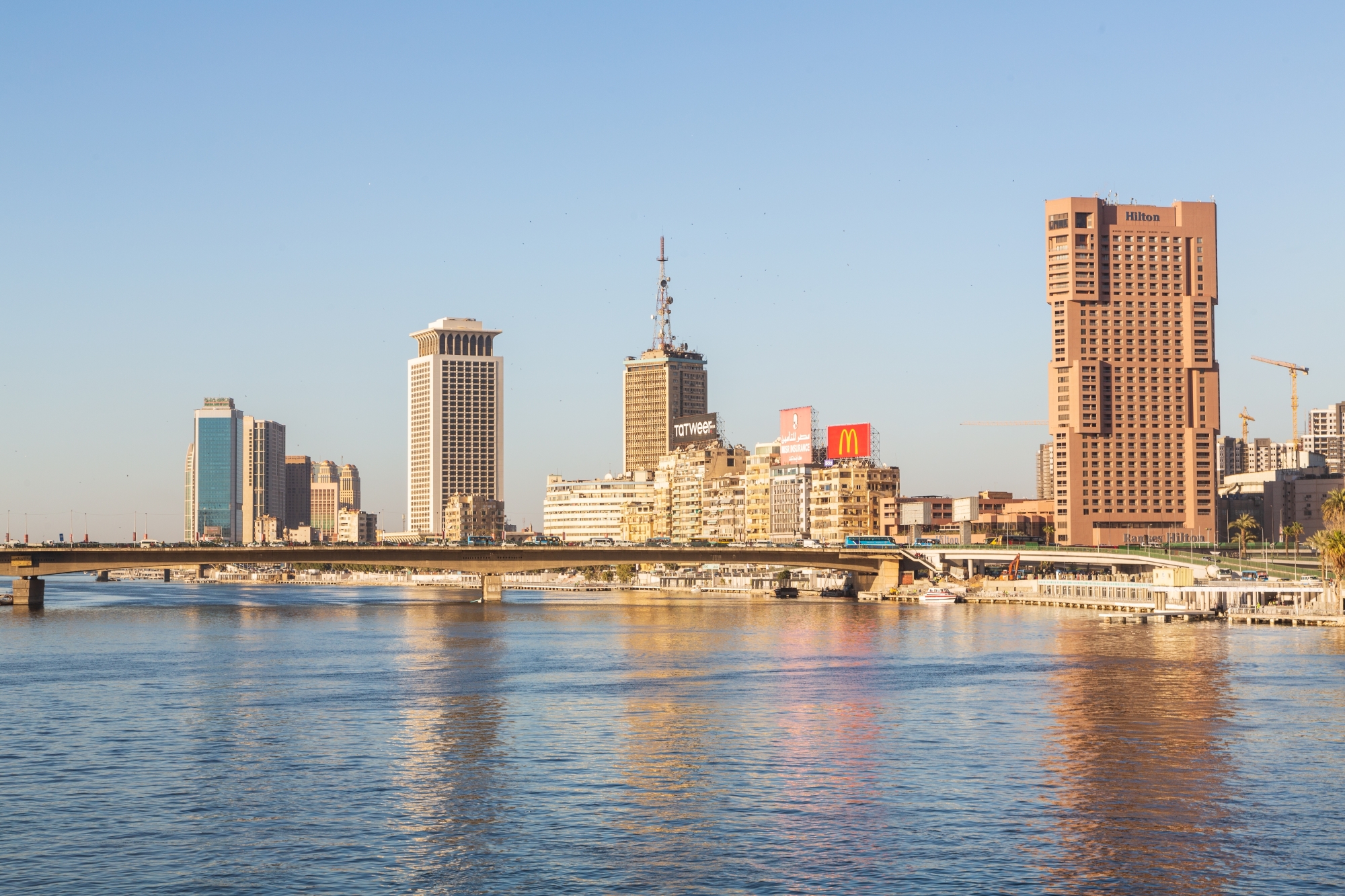
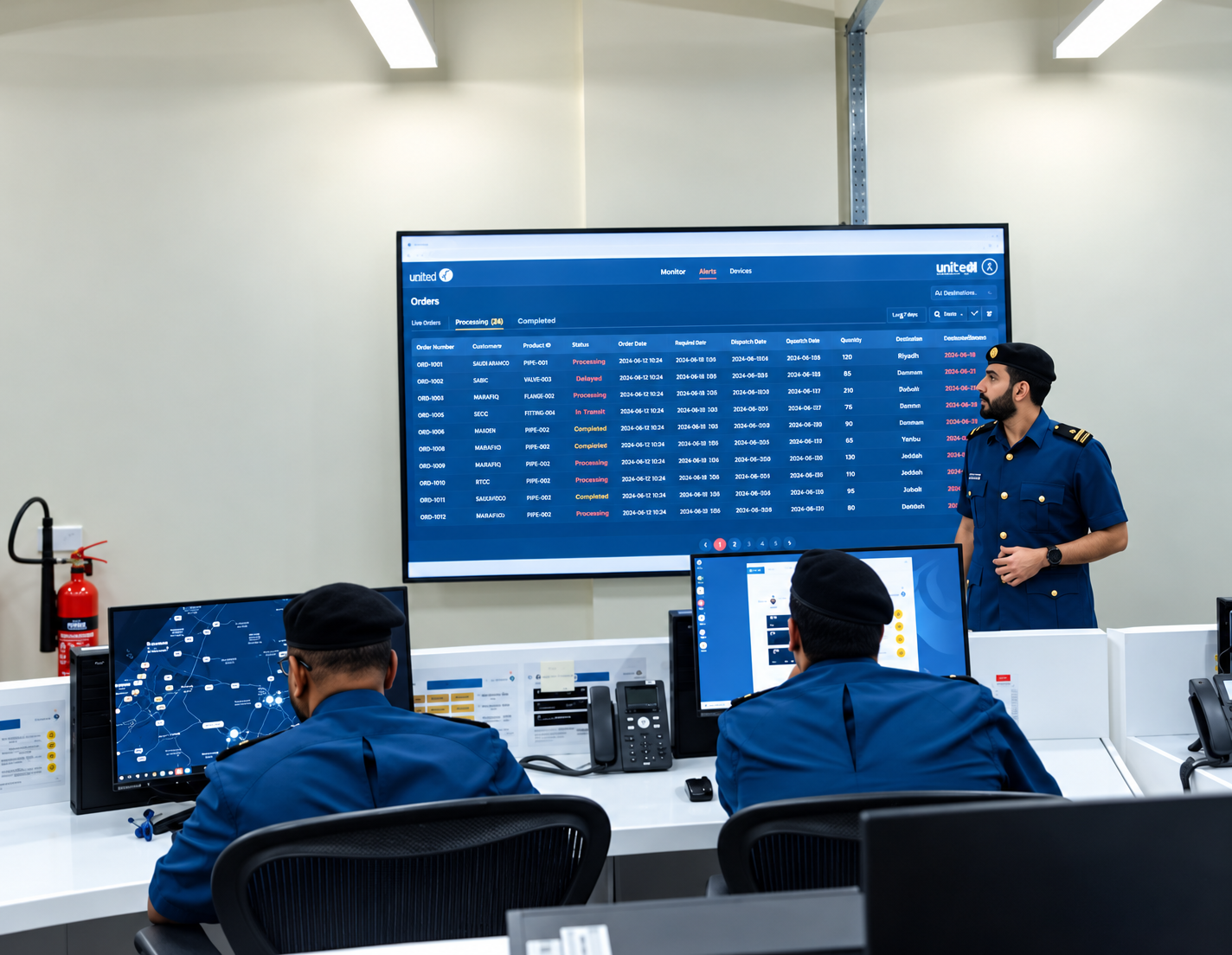
Egypt’s Minister of Housing, Utilities and Urban Communities Randa El-Menshawy discussed plans to establish a real estate investment fund to maximize the economic and investment returns from assets owned by the New Urban Communities Authority (NUCA), according to a ministry statement on Wednesday.
The proposed fund aims to attract domestic and foreign capital, provide new sources of liquidity and financing, and build a diversified real estate portfolio capable of generating attractive investment returns and sustainable revenues.
The discussions focused on exploring innovative investment mechanisms to improve the management of NUCA’s real estate assets, increase their economic value and generate additional funding for development and urban projects.
El-Menshawy stressed the importance of studying various investment models to maximize returns from the authority’s real estate assets, taking into account the characteristics and potential of each asset, as well as available development opportunities.
She added that diversifying investment and financing mechanisms was an important step towards improving asset management efficiency and generating additional resources to support urban development plans and keep pace with the expansion of projects across Egypt’s new cities.
The meeting was attended by Walid Abbas, Deputy Minister of Housing for New Urban Communities, along with officials from the ministry and NUCA.
BNW Developments has established a Sydney presence, joining Arada and Sobha Realty among the growing number of UAE developers pursuing Australian buyers and development opportunities.
Billions of dirhams in infrastructure projects, including the Dubai Metro Blue Line and Al Maktoum International Airport expansion, could reshape Dubai’s property market, boost connectivity and drive demand in emerging residential and commercial districts.
2 min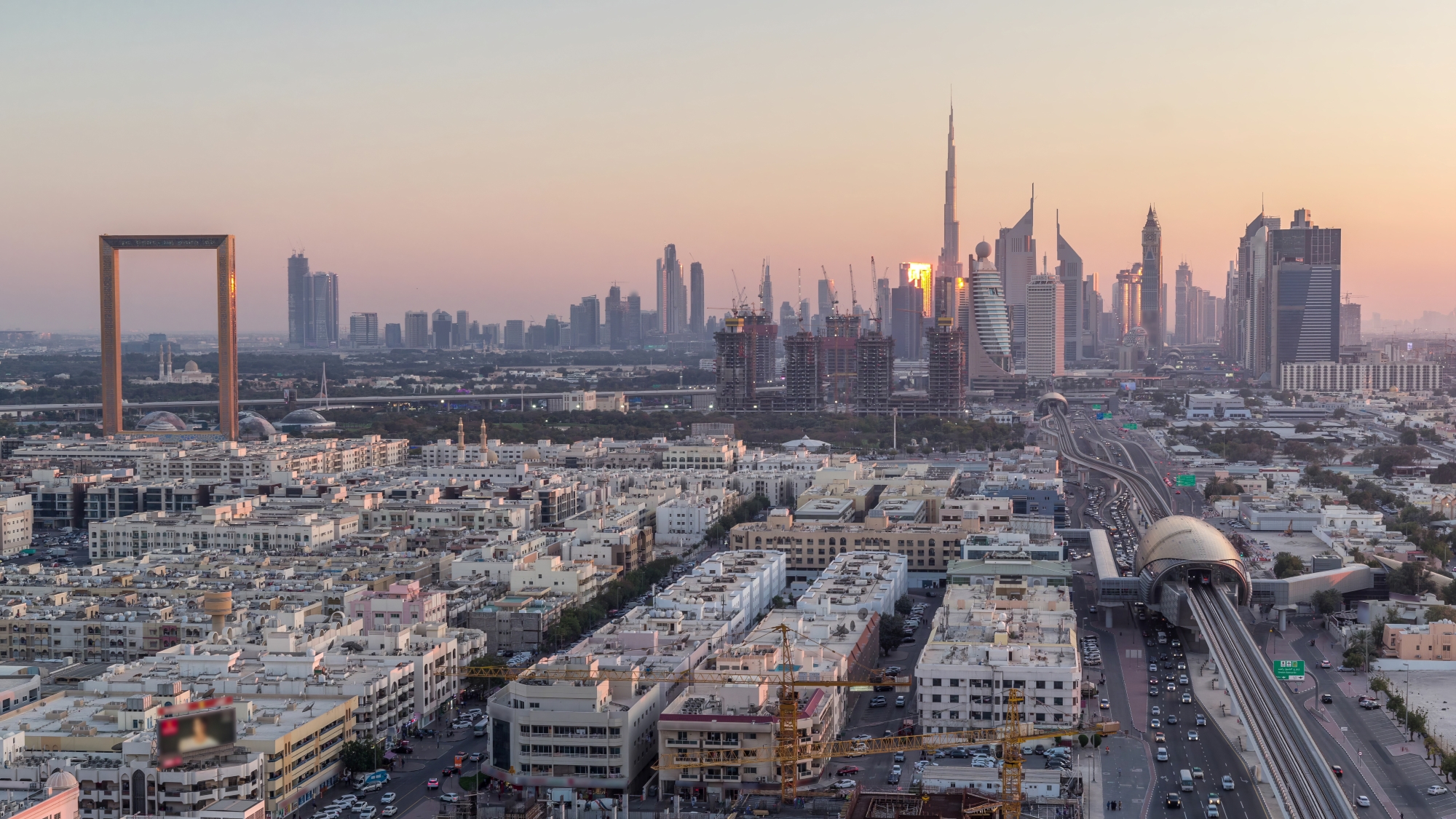
Major infrastructure projects worth billions of dirhams are expected to reshape Dubai’s real estate market by improving connectivity, supporting urban expansion and increasing the appeal of emerging residential and commercial districts, according to a leading UAE brokerage study by W Capital Real Estate Brokerage.
The study identified four major projects – the AED128 billion ($34.9 billion) expansion of Al Maktoum International Airport, the AED20.5 billion Dubai Metro Blue Line, the Fourth Federal Corridor and Etihad Rail – as potential drivers of property demand and investment across Dubai and the wider United Arab Emirates.
Property and land values around Dubai Metro Blue Line stations could rise by up to 25%, according to projections by Dubai’s Roads and Transport Authority (RTA). The project is also expected to generate more than AED 56.5 billion in economic, social and environmental benefits by 2040.
The findings underscore the growing importance of transport links and infrastructure in shaping real estate investment decisions, as developers and investors look beyond established property districts towards communities connected to new economic centres.
Metro expansion could support property demand
The AED 20.5 billion Blue Line will extend 30 km and include 14 stations, connecting established and emerging districts including Dubai Creek Harbour, Dubai Silicon Oasis, International City, Mirdif and Al Warqa.
The line is expected to serve communities with a combined population of more than one million people. Daily ridership is projected to reach 200,000 passengers by 2030 and approximately 320,000 by 2040.
Historical data cited in the study from property consultancy CBRE showed that residential properties within a 15-minute walk of Dubai Metro Red Line stations recorded average price growth of 26.7% between 2010 and 2022, compared with 24.1% across Dubai’s wider residential market.
W Capital said improved public transport access could support property values, although future performance would also depend on supply, demand, construction quality and the availability of community services.
Airport expansion puts Dubai South in focus
The expansion of Al Maktoum International Airport is another potential driver of long-term real estate demand, particularly in Dubai South and surrounding districts.
The AED 128 billion project is designed to accommodate up to 260 million passengers annually and includes plans for five parallel runways and 400 aircraft gates.
The development is expected to strengthen Dubai’s position as an aviation and logistics hub, potentially supporting employment growth and demand for residential, commercial and mixed-use properties.
BNW Developments has established a Sydney presence, joining Arada and Sobha Realty among the growing number of UAE developers pursuing Australian buyers and development opportunities.

Abu Dhabi’s branded residences market is expanding, with 92% of projects in its pipeline now standalone developments, ranking the capital among the world’s leading markets for branded residential real estate.
2 min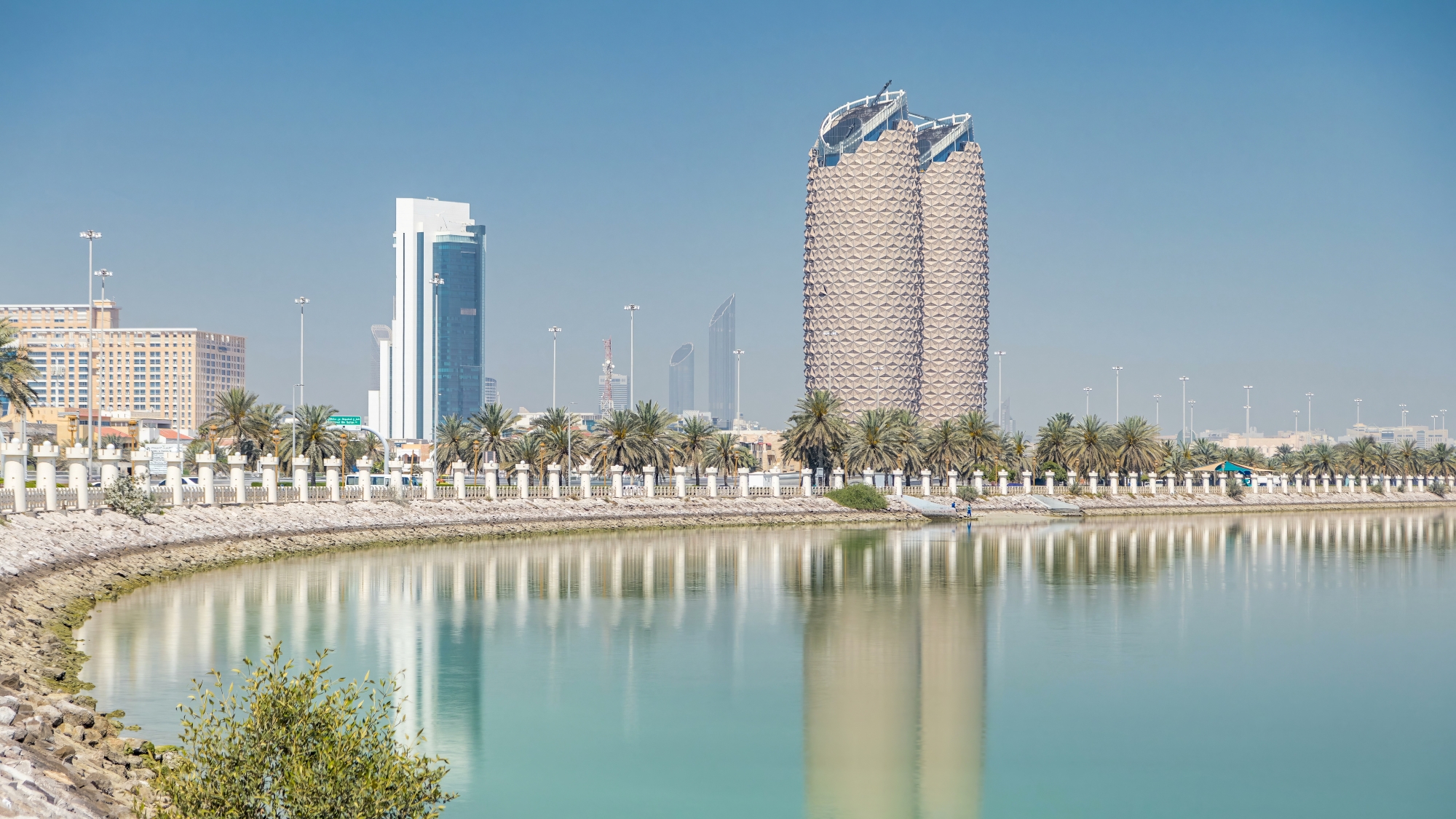
Abu Dhabi is entering a major growth phase with the development profile of a far more established branded residences market, with 92% of projects in its pipeline now standalone, according to The Brand Standard, the inaugural annual report from specialist advisory firm Global Branded Residences (GBR).
The findings come as the global branded residences sector reaches 1,972 schemes across more than 100 countries, comprising 848 completed developments and 1,124 in the global pipeline.
The Brand Standard also finds that branded residences now achieve an average price premium of 44% compared with equivalent non-branded residential products globally.
Abu Dhabi now has 31 branded residence projects, comprising five completed developments and 26 in the pipeline. This makes the UAE capital the sixth largest city market globally by total project numbers, while its pipeline ranks joint third alongside Cairo and behind only Dubai and Miami.
What distinguishes Abu Dhabi from many other emerging branded residence markets is the speed at which it has shifted towards standalone development, where branded residences are developed without an operating hotel on site, stated the top advisory firm.
Standalone schemes account for 92% of Abu Dhabi’s pipeline and 83% of its total market, compared with 37% of branded residence projects globally.
GBR says the model typically becomes more prevalent as markets mature and buyers, developers and brands become increasingly comfortable with a branded residential proposition that does not rely on a hotel operating alongside it.
Abu Dhabi’s proximity to Dubai has helped accelerate that progression. Dubai is the largest branded residence market in the world and has one of the sector’s most developed standalone markets, with standalone projects accounting for 77% of its pipeline by development type.
Riyan Itani, Founder of Global Branded Residences, said: “Abu Dhabi has the world’s largest branded residences market next door, where developers, brands and buyers have already had significant exposure to the product and to the standalone model in particular.
“That experience is transferable. Abu Dhabi has been able to move much more quickly towards a development model that, in many markets, only becomes commonplace after branded residences have been established for a considerable period of time.”
The emirate’s pipeline spans both major hospitality groups and a growing field of non-hotel brands. Brands represented across Abu Dhabi’s completed and future projects include Mandarin Oriental, Four Seasons, St. Regis, W, Waldorf Astoria, Elie Saab, Jacob & Co., Henge, BRABUS and SHA.
Marriott is the most active parent group in Abu Dhabi with five developments, all of them in the pipeline, followed by Accor with three. At individual brand level, Mandarin Oriental and Four Seasons have two projects each, while Elie Saab is the largest non-hotel brand with two, both in the pipeline.
Abu Dhabi’s expansion forms part of a much wider growth story across Mena, which The Brand Standard identifies as one of the major centres of global branded residential development.
The region now has 426 branded residence projects, including 118 completed developments and 308 in the pipeline. MENA accounts for more than 27% of the global branded residence development pipeline, said the top advisory firm.
The UAE remains the region’s largest market, with 260 projects, including 185 in the pipeline. Saudi Arabia has 60 projects, of which 51 are in development, while Egypt has 46 projects, including 41 in the pipeline, it added.
BNW Developments has established a Sydney presence, joining Arada and Sobha Realty among the growing number of UAE developers pursuing Australian buyers and development opportunities.