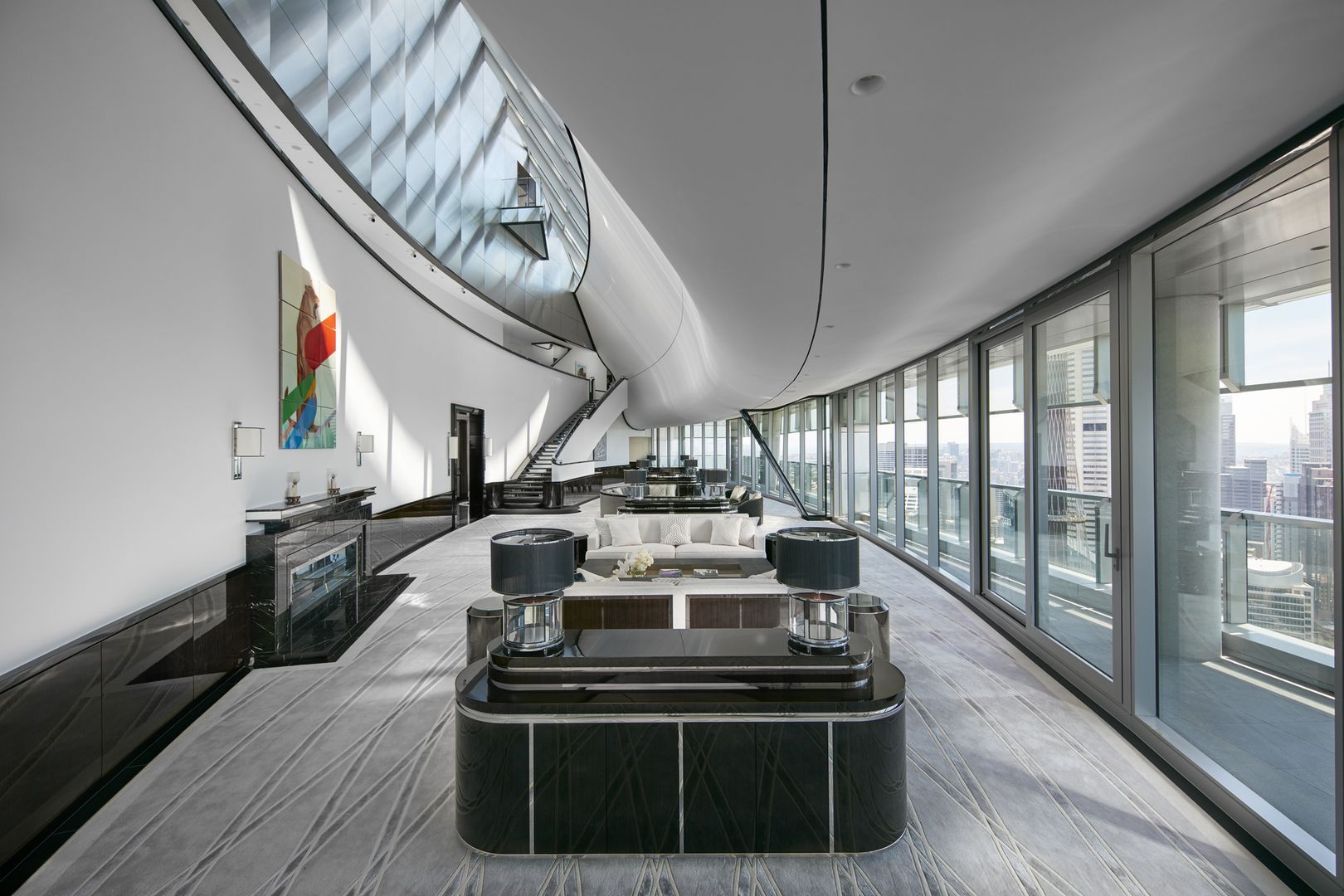







Ras Al Khaimah to Host the Inaugural Modern Buildings Summit 2025
Ras Al Khaimah, UAE, is set to host the Modern Buildings Summit 2025 on June 19, focusing on green building design, smart technologies, retrofitting, urban modernization, and HVAC efficiency. The event will also serve as a networking platform.
 2 min
2 min
As the UAE continues its ambitious journey toward futuristic, sustainable urbanism, Ras Al Khaimah is set to host the Modern Buildings Summit 2025 on June 19 at the Mövenpick Resort Al Marjan Island. The highly anticipated event will bring together leading voices from across the architecture, engineering, construction, and property development sectors to explore the future of modern buildings.
With the theme “Building Tomorrow’s Skylines: Innovation, Sustainability, and Resilience in Modern Architecture,” the summit aims to spotlight the technologies, practices, and policies redefining the built environment across the Gulf and beyond.

A Platform for Visionary Dialogue
The Modern Buildings Summit comes at a pivotal time as Ras Al Khaimah experiences a surge in development, driven by sustainable urban planning, smart infrastructure, and investment-friendly initiatives. The emirate’s transformation into a regional hub for innovation makes it an ideal backdrop for an event focused on future-ready design and construction.
The summit will offer in-depth discussions and keynotes on:
- Green Building Design & Sustainability: Showcasing low-impact construction models and energy-efficient solutions.
- Smart Building Technologies: Unpacking IoT, AI integration, and automation in infrastructure.
- Retrofitting and Urban Modernization: Exploring the adaptation of existing structures for new-age performance.
- HVAC & Building Efficiency: Understanding cutting-edge systems that enhance indoor comfort and sustainability.
An Impressive Lineup of Speakers
The summit will feature a dynamic roster of industry leaders, including:
- Steven Velegrinis, Design Director, Gensler
- Ammar Al Assam, CEO, Dewan Architects + Engineers
- Mohammed Khader, CDO, Almal Real Estate Development
- Mahmoud Shahin, Associate Director – Design, P&T Architects
- Andreja Marolt, Director of R&D, LWK + PARTNERS
- Zain Ahmed, Senior Manager – Strategic Consulting, JLL
- Jide Sleiman Haidar, Associate Urban Designer, Insite International
- Dima Rachid, Founding Partner, Studio Libani
- Basem Mohamed, Associate Professor, Zayed University
Bridging Innovation and Opportunity
This event will also serve as a powerful networking platform, welcoming government representatives, developers, MEP contractors, architects, hotel groups, hospital chains, and real estate investors, among others.
As Ras Al Khaimah and its neighboring emirates push forward with bold infrastructure projects, the Modern Buildings Summit offers a front-row seat to the innovations shaping the region’s architectural future.
For registration and more details, visit: https://buildings-efficiency.com/ras-al-khaimah-uae/

Qatar plans to build two 825-megawatt power plants in Lebanon and sign a 20-year LNG supply deal as part of a proposed program to revive the country’s struggling electricity sector.

LEGO is expanding beyond its traditional audience by tapping into people’s passions, from flowers and gaming to music and Formula One, through creative products, immersive experiences and social-first marketing. The strategy is paying off, with revenue rising 21% in the first half of the year to a record DKK 41.9 billion.

The future of longevity is closer than you think. And entry is free.
From longevity science and precision medicine to the latest in HealthTech, Revive ME 2026 brings the people and ideas shaping the future of health under one roof.
Elon Musk is exploring a potential merger between Tesla and SpaceX, a deal that could reshape the future of AI, robotics, autonomous vehicles and space technology. With a combined valuation potentially reaching $3.5 trillion, the move could bring Musk’s vision of an interconnected technology ecosystem closer to reality, although a deal remains uncertain.
5 min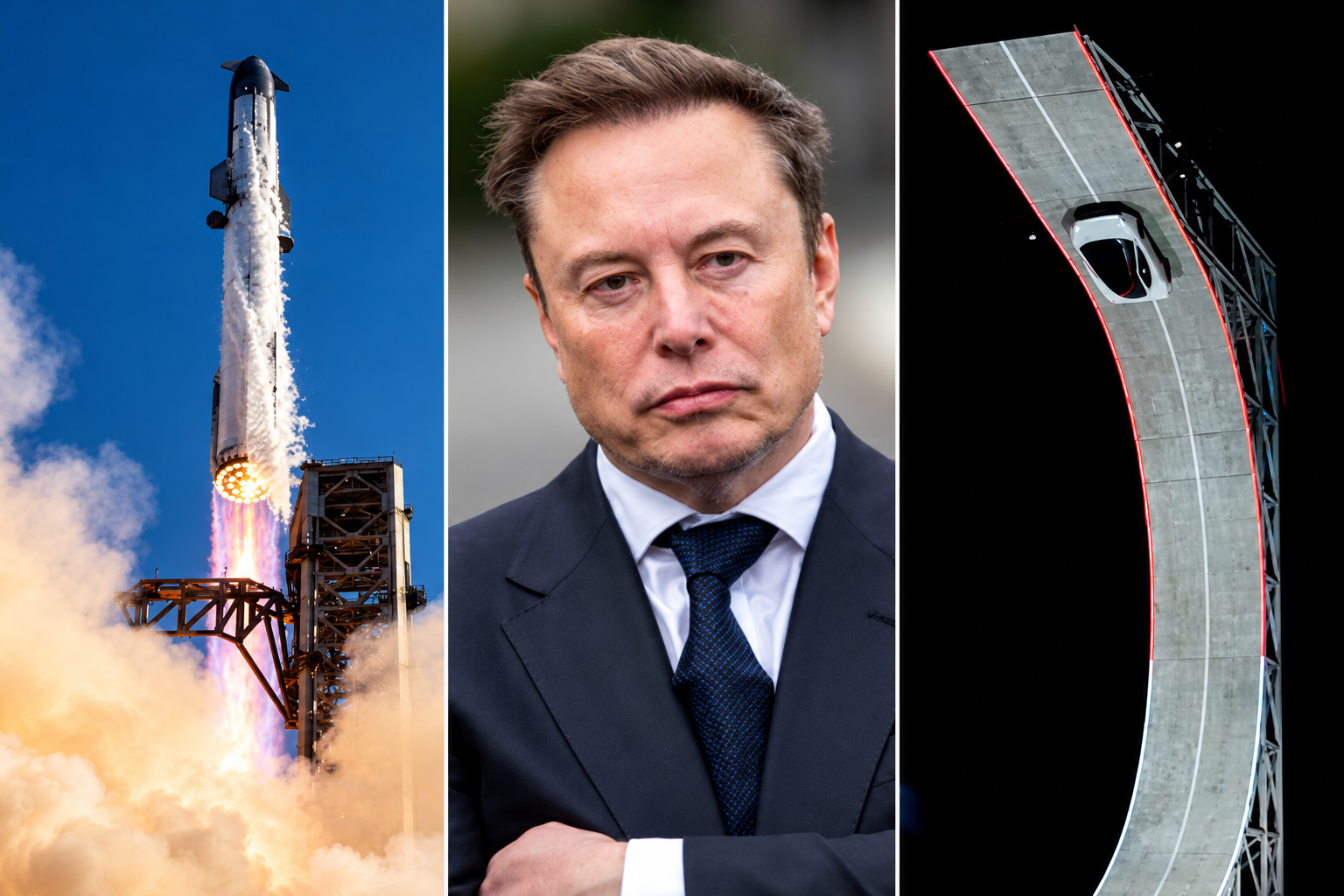
Elon Musk has engineered ties between Tesla TSLA 3.41%increase; up pointing triangle and SpaceX SPCX 7.79%increase; up pointing triangle that are hard to break, and now he wants to fuse them together permanently.
Musk has run both Tesla and SpaceX concurrently over the past two decades, using a schedule that dictated which days he spent focused on each business.
The companies have often shared resources and personnel, signaling their close ties. Last year, SpaceX looked into creating a spacesuit for Tesla’s humanoid robot Optimus, a person familiar with the matter said. Tesla last week showed off its new Roadster, a vehicle featuring SpaceX rocket thrusters that it hopes to soon bring to market.
And in recent months, Musk has repositioned both companies by expanding beyond their core operations toward a shared mission centered on artificial intelligence.
The world’s richest man on Tuesday signaled his interest in tying up SpaceX and Tesla, marking what would be the biggest corporate merger of all time. Because he serves as chief executive of SpaceX and Tesla, Musk said committees of independent directors at both companies are evaluating a possible deal, adding that a transaction might not come to fruition.
The committees will likely evaluate, with lawyers and bankers, how each company would fare in a potential deal and how a deal might best be structured. They then present their conclusions to their respective boards, who typically vote on whether to proceed.
“It’s an odd Kabuki dance where two groups of people are talking and I can’t be in the conversation,” Musk told SpaceX investors on Tuesday in response to an analyst’s question about a potential deal.
For Musk, the merger supports his vision of a world full of autonomous cars, humanoid robots and weekly rocket launches, as well as the data centers and satellites required to keep the whole thing running.
Some investors and analysts said they expect a transaction would be structured as an all-stock deal, with SpaceX potentially paying a modest premium for Tesla shares.
SpaceX, which has a market value of about $2 trillion, said it is seeing sharp growth in revenue across its businesses, which include operating data centers, launching rockets and operating satellite networks such as the internet service Starlink. Tesla is valued at about $1.5 trillion and is expanding its operations beyond its automotive and energy business. Shares in both companies traded higher following the news Tuesday.

Musk’s substantial ownership stakes in both companies, along with voting control at SpaceX, has enabled him to set the deal in motion. Analysts and investors said the deal will probably face regulatory scrutiny internationally, though some see Musk’s close relationship with the Trump administration as an asset to getting approval.
Blurred lines
The companies haven’t said which directors are on the special committees evaluating a potential deal. Several SpaceX and Tesla board members have either personal or business ties to Musk. And like Musk, venture capitalist Ira Ehrenpreis sits on both boards.
In a filing this week, Tesla outlined millions of dollars in business agreements with SpaceX and its subsidiaries last year, including $143 million in car sales to SpaceX, $3.3 million in advertising that it bought on the social-media platform X and $430 million in revenue from the sale of Megapack batteries for SpaceX’s data centers.
The companies also split the cost of resources including the use of Musk’s SpaceX jet and the bill for his personal security, which he runs through a private company.
Employees at both companies routinely move between companies to work on special projects, and some executives have dual roles, including Charles Kuehmann, vice president of materials engineering at both SpaceX and Tesla, and Ashok Elluswamy, the vice president of AI software at Tesla who runs a joint venture with SpaceX called Digital Optimus.
Over the years, Musk has launched new startups within his empire, including brain-implant company Neuralink, underground-tunnel developer the Boring Company and xAI, the AI startup that merged with SpaceX in February.
It is that AI business that Musk thinks can serve a market worth tens of trillions of dollars, justifying the need for a merger.
The business case goes like this: Tesla is developing robotaxis and robots, which it calls “physical AI.” SpaceX is working on the back end of physical AI: the data-center capacity and internet connection required for those robotaxis and robots to operate continuously.

“I don’t see what the value of Tesla is if it’s not merged with SpaceX,” said investment adviser Ross Gerber, a former Tesla bull turned critic invested in both companies. “If they don’t merge, the brains of everything that runs Tesla is owned by another company.”
On top of it all, both companies face constraints on the supply chains they need to make this world a reality, particularly when it comes to chips. To address this, Musk earlier this year announced a joint venture between Tesla, SpaceX and Intel to design and manufacture chips in Texas. “The most epic chip-building exercise by far,” he has said.
Musk at the wheel
For Musk, a merger would also solve two problems: demands on his attention and his lack of control at Tesla.
Tesla for years was Musk’s only public company, a status that came with greater scrutiny. There, Musk reports to a public board, as well as individual investors who make up around 30% of Tesla’s voting power, according to FactSet.
The question of Musk’s attention became a particular focus for investors and the board in recent years after he acquired Twitter in 2022 and launched xAI in 2023, and again in 2025 as he spent time in Washington, D.C., running the Department of Government Efficiency in the early months of President Trump’s second term.
As Tesla’s car business suffered in 2025, Musk threatened to take his AI ambitions outside the company if he wasn’t granted 25% voting control. Last November, Tesla shareholders approved a new pay package for Musk, which created a path for him to vastly expand his stake.
As of Sept. 30, Musk owned a roughly 20% stake in Tesla, according to the company’s proxy filing.
The SpaceX IPO gave Musk a different path. When SpaceX went public in June, the deal’s structure enabled him to have more than 80% voting power at the company—so much that he can’t be fired and decisions can’t be made without his support.
If SpaceX acquires Tesla, he will likely stay in control.
BNW Developments has established a Sydney presence, joining Arada and Sobha Realty among the growing number of UAE developers pursuing Australian buyers and development opportunities.
Following the successful launch of its Palais Collection, MAISON de SABRÉ has unveiled a new modular handbag system offering more than 720 styling combinations.
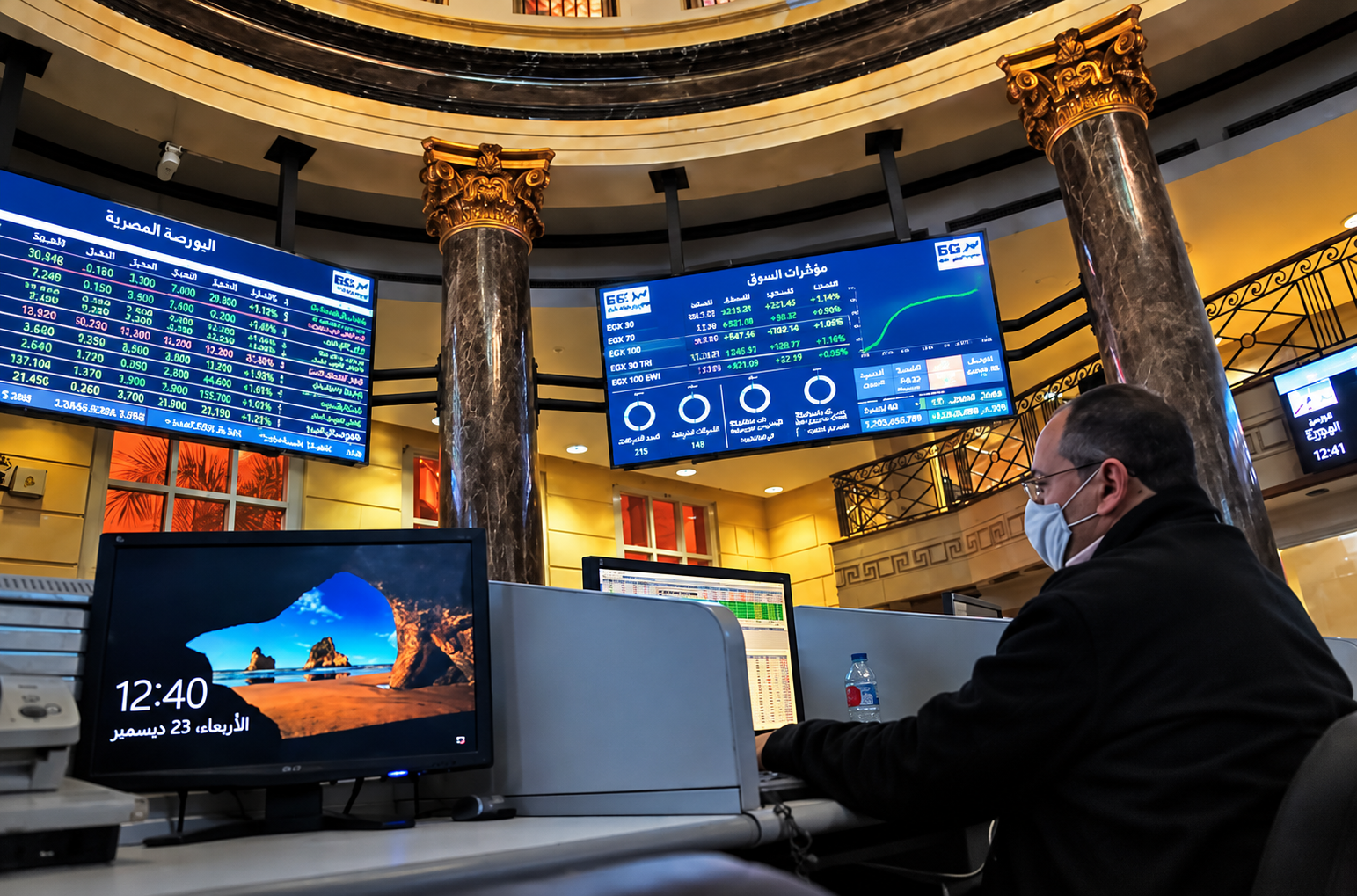
Netflix faces pressure to sustain double-digit revenue growth as higher prices and rising advertising revenue offset slowing viewing hours. With shares down 25% year to date, investors will be watching its earnings outlook, content strategy and ability to compete in the UAE’s crowded streaming market.
2 min
Netflix’s ability to sustain double-digit revenue growth will be in focus when it reports earnings, as advertising and higher prices support the business while slower growth in viewing hours raises questions about audience engagement, according to Josh Gilbert, Lead Analyst, APAC and Middle East at etoro.
With shares down 25% year to date, investors will be looking for reassurance that Netflix can maintain its growth momentum against a backdrop of pressure on household spending. Revenue growth is expected to slow to 11.7%, compared with 13.3% last quarter and 16.2% in the first quarter.
“Netflix keeps finding new ways to make money, but investors want to understand how much of that growth comes from attracting a larger audience and how much comes from charging more,” said Gilbert. “With the company no longer reporting subscriber numbers and moving its viewing report to an annual release from 2027, there are fewer ways to assess that balance.”
Management has guided to revenue of US$12.86 billion, earnings per share of US$0.82 and an operating margin of 33.2%. Netflix has beaten earnings-per-share expectations in seven of the past eight quarters, although its shares have traded lower one week after each of its last five earnings releases.
“The record shows that beating earnings expectations alone has not been enough,” Gilbert added. “The focus will be on the outlook and whether Netflix can keep growth in double digits heading into next year, particularly with consumers under strain.”
Advertising remains a bright spot, with advertising revenue on track to roughly double to around US$3 billion this year. Live programming, including the NFL Christmas games, also gives Netflix opportunities to attract viewers at a scheduled time and command premium advertising rates.
Engagement presents a more challenging picture. Viewing hours increased by just 2% in the first half, raising questions about whether Netflix is winning a greater share of audiences’ time. Peter Rice’s appointment as chief creative officer, taking effect days after the earnings announcement, adds further attention to the company’s content strategy.
“In the UAE, where Netflix plans range from AED35 to AED71 a month, the platform has to keep earning its place in household budgets,” said Gilbert. “Competition from Shahid and OSN+ makes the strength and relevance of its content particularly important.”
“Netflix has proven it can generate more revenue from its audience. The full-year outlook will help investors decide whether to continue valuing it as a growth company or as a mature streaming business becoming more effective at monetisation.”
BNW Developments has established a Sydney presence, joining Arada and Sobha Realty among the growing number of UAE developers pursuing Australian buyers and development opportunities.
Two coming 2027 models – the first of the “Neue Klasse” cars coming to the U.S. early next year – have been revealed.
Nurse turnover reached 18% last year, increasing pressure on hospitals, raising recruitment costs and potentially compromising patient safety. Healthcare leaders warn that the issue is not a shortage of qualified nurses, but a shortage of nurses willing to remain in increasingly strained working environments.
9 min
Paige Campbell became a nurse during the pandemic, wanting to make a difference. She landed a job after college working in the emergency department at a Fort Walton Beach, Fla., hospital.
Since then, she’s been kicked, spat on and shoved to the ground. Last year, after an emergency patient strangled her, she left for a role remotely monitoring patients. Front-line nurses are in high demand, but she needed a break.
“All I could think was, ‘I can’t breathe, I’m going to die here, and who’s going to tell my mom and dad?’” Campbell, 33, said. The incident unfolded after an ER patient she’d offered a blanket to became aggressive.
America’s nurses are more educated than ever and can command six-figure salaries. Most have their bachelor’s degree. Their income has boomed since the pandemic to a median $97,550 a year, and their hands-on work isn’t easily automated away. Nursing schools have seen their ranks swell, minting thousands of new graduates every year.
They’re also leaving the bedside in droves. Burnout and complaints about understaffing, verbal abuse and workplace violence are pushing many nurses off the front lines and into other careers where their skills are in high demand.
“There is no shortage of nurses in this country,” said Jeff Doucette, chief nursing officer at healthcare analytics firm Press Ganey. “There’s a shortage of nurses that want to work in the current environment.”

Fifteen years ago, bedside registered nurses had an 11% turnover rate, according to data from NSI Nursing Solutions, a nurse-placement firm. The percentage of nurses leaving their jobs every year began to tick up even before Covid, when it spiked further. In the pandemic’s aftermath, as more hospitals dangled salary increases, turnover eased. But last year, it rose again, hitting 18%.
One 2024 survey of 800,000 nurses found that roughly 40% said they planned to leave the workforce or retire in the next five years, with many citing stress, burnout and understaffing. In another survey this year, 43% said they were likely to leave bedside roles within the next year, up from 38% the prior year.
A recent University of Pennsylvania survey of 4,000 actively licensed nurses who’d left a job in the past five years found that while 56% are retired, 8% are working in other fields and the rest weren’t working.
The revolving door is driving up expenses for hospitals that spend millions to recruit staff and fill gaps, and increasing costs for patients.
Health executives say worker churn also jeopardizes patient safety, intensifying the risk of patient falls, medical errors and missed cues. Senior nurses, in particular, bring vast stores of clinical intuition and operational expertise that help ensure unit safety, mentor less-experienced staff and keep complex hospital floors running efficiently.
A decade ago when managing emergency departments, Dustin Bass said he was accustomed to tapping his most tenured nurses to run triage. With a decade or two on the job, they could look across a room and spot who was having a heart attack.
“Now you have nurses running massive emergency rooms with 133 care spaces, and they’ve only been working for two or three years,” said Bass, president of the Emergency Nurses Association.
Strained staff, rising violence
The American hospital system has grown more efficient, both in terms of footprint and staffing. There are fewer hospital beds, and the ones that remain are occupied on a more continuous basis. Hospitals have adopted software tools to optimize staffing, with nurses more regularly covering shifts on floors where they aren’t usually assigned, to meet patient ebbs and flows.
It’s a boon for productivity, health executives say. It’s also a considerable strain on workers, whose days are more intense and less predictable.
A generation ago, nurses might have worked in a ward of patients recovering from routine surgeries. Today, more patients are seen outpatient, and those who remain tend to be sicker and more medically complex, requiring intensive monitoring. With the growth of clinical testing, nurses are also coordinating care with a bevy of specialists and inputting electronic health records—often on 12-hour shifts with no more than a 30-minute break.
And they’re bearing the brunt of the system’s strains. Fewer hospital beds can jam up emergency departments with patients—some who grow irate waiting for beds. Many hospital emergency departments, meanwhile, have become catch basins for people with unmet mental-health challenges in full-blown crises.

Across all floors, nurses describe a coarsening in attitudes among patients that often leads to friction, if not outright violence.
“The nurse is the face of the hospital, and we’re constantly blamed for things outside our control,” said Juliet Etienne, 29.
Since starting a job as an emergency department nurse in New Orleans last year, she’s been kicked and spat on and had a patient throw a full dinner tray at her. Still, she said she can understand why emergency patients sometimes boil over. On occasion, she’s seen them wait more than 30 hours for care.
An analysis of records from 1,500 hospitals by the University of Michigan Medical School and the Beth Israel Deaconess Medical Center in Boston found ER wait times spiked during the pandemic and stayed high through 2024, the most recent data available. During the winter months, when hospitals are busiest, nearly 5% of patients wait over 24 hours for a hospital bed.
“You have people in their most vulnerable times of their life, and their call button’s not getting answered because the nurse is overworked, their loved one’s not being seen,” said Amy Stimpfel, associate professor at Villanova University’s M. Louise Fitzpatrick College of Nursing. “It’s bubbling up from a system that’s sort of broken.”

Press Ganey, which compiles reports from a large national hospital sample, found 2.4% of nursing staff were attacked in some manner last year. The rate is up 26% from 2017, the furthest back the survey data go, and amounts to well over 1,000 attacks a month.
This is likely an undercount, since many incidents are never reported, the company said. Assaults can run the gamut from common problems like getting shoved to, in rarer cases, severe attacks such as stabbings.
Surveys by nursing associations and unions peg rates significantly higher: A recent survey of 1,300 nurses by National Nurses United found 33% said they’d been slapped, punched or kicked in the past year, with another 12% reporting being groped or inappropriately touched.
Almost two out of five healthcare workers have considered leaving their jobs because of safety concerns, according to a Harris Poll survey last year commissioned by Verkada, a security-tech firm.
Holly Jazwinski, a 42-year-old emergency-room nurse in Danville, Pa., said she loves bedside nursing. But last summer, a patient punched her in the face, broke her glasses and attempted to stab her with them.
“Now I have this sense of anxiety every time I go to work,” Jazwinski said. “I started to feel a little defeated, like what am I even doing here?”

She’s currently getting her master’s in nursing, which will allow her to pursue other jobs, including in education.
Today’s bedside nurses have more career options than previous generations—an advantage for workers and a challenge for hospitals trying to keep them on the front lines.
Nurse practitioner roles, which require more advanced training and offer more pay, are mushrooming as more states have given them license to independently practice. Careers in virtual nursing and settings like urgent care are also growing.
One of its nurses recently quit to become a nurse practitioner, offering cosmetic treatments that patients often pay for in cash. “I can’t compete with that,” said Connolly.
The system is partnering with a local university to conduct research on why young nurses are leaving the profession early.
Christian Stone, a nurse in Washington, D.C., spent five years working in different emergency departments before leaving to join an urgent-care clinic. He said he wanted to help people and loved the department’s tempo, but he was routinely the target of screaming patients. One man bit him.
Wait times were often long and tempers short, he said, as patients without primary care showed up seeking help for minor ailments.
“I do miss it,” Stone said of bedside nursing. “But now I don’t hate coming to work every day.”
An expensive loss
Part of the challenge in fighting turnover is that, on a spreadsheet, nurses can look like a costly line item, said Omid Razmpour, a former ICU nurse and a researcher at Emory University. And many hospitals already face severe financial pressure, including higher operational costs and rising ranks of uninsured patients who still require care.
Nursing unions often complain that management staffing and pay decisions are driving nurses off the front lines.
“If you talk to the C Suite, it’s easy to say, ‘Hey, give us resources for a physician,’ because they’re going to generate X amount of revenue,” Razmpour said.
But losing a nurse is extremely expensive. Razmpour analyzed turnover costs at Emory Healthcare and found it costs the Atlanta-based health system around $78,000 anytime a nurse leaves. Costs can pile up as hospitals fill gaps with more expensive, often contract, workers and try to recruit and train full-time replacements, he’s found.
Emory recently gave out $150 million in raises to its staff, mostly nurses. The effort cut turnover rates and ultimately saved the system money, said Sharon Pappas, who recently retired as chief nurse executive at Emory Healthcare and worked with Razmpour to analyze the cost of the system’s nursing turnover.
Some hospitals have fewer resources and big problems.
Rome Health, a safety-net hospital in upstate New York that serves many elderly and uninsured patients, has struggled with high nurse turnover for years, with 50% of its staff leaving every year as of 2019.
The problem persisted during the pandemic and its aftermath, as some nurses left for more lucrative careers such as travel nursing or work as nurse practitioners, at times because they felt overwhelmed or fed up, said Ashley Edwards, the health system’s chief nursing officer.

For help, the hospital appealed in 2024 to the Mother Cabrini Health Foundation, last year winning a $5 million grant to help invest in its nursing workforce. It’s since used the money to support a residency program for new nurses and a coach who regularly meets one-on-one with nurses.
In one meeting with the foundation, Edwards recalled being asked how staff intended to carry out such programs, given the work they’d entail. “We were like, ‘We can’t afford not to,’” Edwards said. “It’s exhausting to the nurses to have that much turnover, not knowing what their day looks like. Are they going to come in three nurses short? Are they going to come in fully staffed? Are they going to come in with all new nurses?”
Rome Health still has a high turnover rate—28% as of last year—but the hospital said lowering that number is yielding results. Rates of falls and certain IV-associated infections have both declined.
Some hospitals have also boosted safety protocols to deal with the risk of serious violence. In some cases this means panic buttons and armed private security forces. The University of Pittsburgh Medical Center has added metal detectors across its 40 hospitals after a gunman shot multiple healthcare workers at its York, Pa., campus last year after a loved one died there.
“Everyone in the country is trying to roll these out as best and fast as they can,” said Maribeth McLaughlin, UPMC’s chief nurse executive.
Nurses say the safety measures are helpful but should be seen as one part of a tool kit, which also involves things like unit-specific safety plans and adequate staffing.

Campbell, the Florida nurse who was strangled, voted with fellow nurses last year to unionize over issues including safety and what they say is patient overcrowding. She’s currently serving as a nurse delegate in contract negotiations with the hospital, an HCA Healthcare facility. The company said workplace safety was a serious issue and that it is investing in security, technology and training to ensure the safety of its workers and patients.
Campbell is planning on returning to the emergency department later this year. While she has some trepidation, Campbell said she wants to keep caring for patients, as well as advocate for change and better safety.
“Everyone has a mom or dad or child they feel passionate about caring for,” she said. “I want to stay in the game.”
BNW Developments has established a Sydney presence, joining Arada and Sobha Realty among the growing number of UAE developers pursuing Australian buyers and development opportunities.

New research suggests that bonuses make employees feel more like a mere cog in a wheel.

Qatar plans to build two 825-megawatt power plants in Lebanon and sign a 20-year LNG supply deal as part of a proposed program to revive the country’s struggling electricity sector.
2 minQatar plans to construct two power plants in Lebanon over the next three years and sign a 20-year liquefied natural gas supply deal under a proposal to revive the ailing Lebanese power sector, a document seen by Reuters showed.
Lebanon’s energy sector is at the centre of the country’s financial and economic malaise, contributing tens of billions of dollars to the national debt since the country’s 1975-1990 civil war even as it failed to deliver 24/7 power.
The state power company currently supplies just a few hours of power per day, with the rest coming from expensive private diesel generators that spew toxic exhaust often seen forming a yellow-grey layer of smog above Beirut.
Qatari Prime Minister Sheikh Mohammed bin Abdulrahman al-Thani visited Lebanon last week and publicly promised to help revitalise the country’s power sector. Few details were then presented to reporters.
But according to a proposal drafted with input from the Lebanese and Qatari governments, dated October 2026 and seen by Reuters, the programme “covers gas-fired power generation, LNG supply and regasification, renewable energy, battery storage, and regional electricity interconnections”.
“The program aims to attract private/project financing without upfront Lebanese public-budget capital expenditure; payment obligations and guarantees remain subject to negotiation,” the document said.
The blueprint, named the National Integrated Energy Investment Program, still requires the approval of both governments and is subject to amendment, a person familiar with the matter said.
They put the timeframe for implementation at three years if approvals come swiftly.
Qatar has been a longtime financial and political backer of Lebanon, stepping in multiple times over the last decades during times of political and economic crisis.
The Qatari Foreign Ministry did not immediately respond to a request for comment on the proposed plan. Lebanon’s energy minister also did not respond to a request for comment.
PROPOSAL FOLLOWS GROWING QATARI PRESENCE IN SYRIA
According to the document, the plan includes two new combined-cycle plants at Deir Ammar in northern Lebanon and at Zahrani in the south, each at a capacity of 825 megawatts.
QatarEnergy would also enter a 20-year LNG supply agreement with Lebanon, using both a floating storage and regasification unit with a capacity of 3.5 million cubic meters per day, and the Arab Gas Pipeline via Syria at a capacity of 4.5 million cubic meters per day.
The proposal also includes plans for 800 MW of solar and 440 MW of wind, battery capacity and power imports from Syria, beginning with 300 MW via two separate routes.
Numerous proposals to reform Lebanon’s power sector and provide electricity through the national grid have repeatedly stalled due to political bickering and the vested interests of senior politicians in the fuel and energy sectors.
The proposal would build on a growing Qatari presence in neighbouring Syria, where Qatari conglomerate Power International Holding has secured contracts for 5,000 MW of power generation, as well as oil and gas extraction and pipelines.
BNW Developments has established a Sydney presence, joining Arada and Sobha Realty among the growing number of UAE developers pursuing Australian buyers and development opportunities.

Parts for iPhones to cost more owing to surging demand from AI companies.

LEGO is expanding beyond its traditional audience by tapping into people’s passions, from flowers and gaming to music and Formula One, through creative products, immersive experiences and social-first marketing. The strategy is paying off, with revenue rising 21% in the first half of the year to a record DKK 41.9 billion.
5 minLego’s core audience was once young boys. But in recent years the world’s largest toy maker has expanded its reach, attracting more adults, teenagers and girls.
At the center of this expansion has been a strategy to tap in to people’s interests and hobbies—the Danish toy-brick maker calls them “passions”—many of which cross demographic boundaries. These include personal preoccupations like bonsai trees and golden retrievers, celebrities such as pop star Olivia Rodrigo and mega events like Formula One and the World Cup.
That has led to new types of building sets, including more sophisticated models that adults can display on their coffee tables, and a shift in marketing strategy, with Lego pouring money into experiences and social-media skits aimed at fans.
For Formula One watchers, Lego built life-size, drivable replicas of the teams’ race cars, which drivers took around the circuit at last year’s Miami Grand Prix. To reach gaming fans, Lego in August showed up at the Gamescom trade event in Cologne, Germany, with a giant Minecraft Lego chicken that visitors could sit on.
“We go not just for the people who are there, but because the types of things that we create become big social-media engagement,” says Julia Goldin, Lego’s chief product and marketing officer.
The strategy has helped spur growth. In the first half of this year, privately held Lego’s revenue rose 21% from the year-earlier period to a record 41.9 billion Danish kroner ($6.27 billion), while net profit climbed 32% to 8.6 billion kroner.
The Wall Street Journal spoke to Goldin about how the company researches people’s passions and turns these into products and marketing campaigns.
Edited excerpts follow:
Beyond demographics
WSJ: Adults have become a big focus for Lego—what’s behind that?
JULIA GOLDIN: Over the past eight years, we said there was a bigger opportunity with adults—not just people who are super-high-affinity fans, but people who maybe built a long time ago or had never built with bricks before—by giving them the things they would love to build now.
We approached adults from a passion-point perspective from the very beginning. We said we need to understand what they’re into. So, we looked at men, we looked at women, we looked at what their big interests were, what types of things they like to collect, what types of things they wanted to display in their rooms, etc. Now you can put Gustav Klimt’s “The Kiss” on your wall, or if you’re into animals, some cute floating sea otters. And then gamers who love a bit of ’80s or ’90s nostalgia can build and display the Game Boy.
We are now seeing strong growth with both adults and kids.
WSJ: How do you find out about people’s interests?
GOLDIN: We do a lot of trend-seeking and social listening. We look at viewership of various programs, behaviors, what’s trending socially. Then we dive quite deeply into these interests through primary research, ethnographic research and interviews.
AI has helped us ramp this up. There are tools where you can ask, with the right prompts: “People who are passionate about F1, what are they talking about? What are the latest conversations on Reddit?”
WSJ: Lego flower bouquets and trees are among the company’s most popular sets. How and when did that come about?
GOLDIN: When we started to talk seriously about adults, we could see that some people were into gardening and flowers. We launched the first flower bouquet in 2021 and completely underestimated how successful it would be. We started with the 18-plus age group because we thought that’s where the sweet spot is. But we realized that younger girls, especially teens, really love to build Lego flowers so we expanded the range.
You might think botanicals are women and F1 cars are men. But that’s why we talk about interests and not just gender and demographics. Yes, botanicals have a huge following among women and teenage girls, but bonsai trees are one of the top 10 products for men and teen boys. Speed Champions F1 cars show up in the top 10 for teen girls. I thought most of Olivia Rodrigo’s following would be girls, but my 16-year-old son asked me for two sets because his friends are massively into her.
That’s why we don’t market to a demographic. You can never be assumptive about how that breaks down in terms of gender.
WSJ: How has this shift in thinking changed your products and marketing?
GOLDIN: F1 is a great example. In the past, we might have started with a partnership with a team and a great Lego car for people to build. But we understand that it’s a multigenerational passion and different people are in it for different things. Some people love the cars, some collect, some follow the actual sport of racing, and some have tremendous passion for the drivers and their teams. That is why our F1 portfolio spans everything from Duplo [bricks] for toddlers to detailed display models and driver helmets for older fans.

But then we ask ourselves: What can we do to go beyond the products, to give fans Lego brand experiences that they would never expect? That’s why in Miami last year we built 10 full-size Lego Formula One cars, with nearly 400,000 bricks in each, and put all 20 drivers in them for the driver’s parade. Everyone assumed they were static models, until the drivers started lapping the circuit and we saw a tremendous amount of excitement and social media buzz. We generated something like two, three billion views.
WSJ: Do social-media views of a marketing event translate into significant sales of Lego sets tied to these campaigns?
GOLDIN: Yeah, of course. We don’t share data, but I can tell you they’re some of our most successful products.
‘She Built That’
WSJ: You say Lego is growing particularly strongly with girls. What is driving that?
GOLDIN: We used to have only Lego Friends as the one big line for girls, and some Disney products like “Frozen.” But rather than looking at toy categories that were selling to girls, like dolls, and trying to replicate that, we really worked to understand what girls are into.
We realized girls are super into pets and creatures, nature and flowers, socializing and music. We expanded significantly around those areas with botanicals, animals, K-pop and Olivia Rodrigo.

We also did the “She Built That” campaign, very strongly saying girls can build just as well as boys. I’ve heard for a long time that “girls don’t like to build because moms don’t,” but that’s just not true. We’re showing them things they really love to build, and that’s why it works.
WSJ: Why do you think adults, teens and others are turning to Lego more nowadays?
GOLDIN: There’s an overriding sense of lack of purposefulness and this drowning in content that you’re constantly being fed. Three hours have gone by and you’ve just been scrolling through feeds of reels. People are getting really tired. They want to actively do something that’s more purposeful and lasting.
When they build with Lego sets, they say they feel creative. They want to do something they can be proud of—where they can say, “Wow, I did this.”
BNW Developments has established a Sydney presence, joining Arada and Sobha Realty among the growing number of UAE developers pursuing Australian buyers and development opportunities.
Many of the most-important events have slipped from our collective memories. But their impacts live on.
The future of longevity is closer than you think. And entry is free.
From longevity science and precision medicine to the latest in HealthTech, Revive ME 2026 brings the people and ideas shaping the future of health under one roof.
3 minThe future of healthcare is shifting from treating illness to helping people live healthier for longer. As advances in biotechnology, artificial intelligence and personalised medicine reshape the industry, the UAE is positioning itself at the intersection of science, technology and preventive healthcare.
This shift is creating new opportunities for healthcare providers, technology companies, researchers and investors seeking to contribute to the growing longevity economy.
From Traditional Healthcare to Preventive Medicine
Longevity is increasingly becoming a broader conversation about healthspan: the period of life spent in good health. Rather than focusing solely on treating diseases after they develop, preventive healthcare aims to identify risks earlier and support more personalised approaches to wellbeing.
Developments in diagnostics, genomics and health monitoring are helping healthcare professionals build a more detailed understanding of individual health needs. Meanwhile, advances in artificial intelligence are creating new possibilities for analysing medical data and supporting earlier intervention.
For the UAE, these developments present an opportunity to strengthen healthcare delivery while encouraging collaboration between medical institutions, technology providers and life sciences companies.
Technology Is Expanding the Possibilities
Artificial intelligence, precision medicine and regenerative medicine are among the fields influencing the future of longevity.
AI-powered diagnostics and predictive health technologies can support the analysis of complex health information, while genomics and precision medicine are advancing more personalised approaches to healthcare. Regenerative medicine and cellular therapies are also attracting attention for their potential applications in treating disease and supporting recovery.
Digital health platforms and remote patient monitoring are further expanding how healthcare services can be delivered, creating opportunities to connect patients and providers beyond traditional clinical settings.
Turning these developments into practical healthcare solutions, however, requires scientific validation, appropriate regulation, investment and collaboration across the healthcare ecosystem.
Building a Connected Longevity Ecosystem in the UAE
The development of a longevity economy depends on more than scientific breakthroughs. It also requires an environment where healthcare professionals, researchers, policymakers, investors and technology companies can exchange knowledge and develop partnerships.
Abu Dhabi is becoming an important meeting point for these discussions. Revive ME, which held its inaugural edition in 2025, returns on 11–12 November 2026 at ADNEC Marina, bringing together stakeholders working across longevity science, biotechnology, health technology, preventive medicine and personalised wellness.
The event provides a platform for exploring emerging solutions, sharing industry insights and connecting organizations working to advance healthy longevity. Its program spans areas including AI-powered diagnostics, genomics, regenerative medicine, metabolic health and digital healthcare.
Where Are the Investment Opportunities Emerging?
As longevity expands beyond traditional healthcare, opportunities are emerging across several interconnected sectors.
Healthcare and preventive medicine: Providers can explore new approaches to early detection, personalised care and long-term health management.
Biotechnology and life sciences: Research-driven companies are developing technologies and therapies that could influence future approaches to ageing and disease.
Artificial intelligence and digital health: Data-driven platforms, predictive tools and remote monitoring technologies are creating new possibilities for healthcare delivery.
Wellness and personalised health: Growing interest in individualised health strategies is opening opportunities for services that connect clinical expertise with evidence-based wellness.
For investors, the challenge is identifying solutions that combine scientific credibility with viable business models, measurable outcomes and a clear pathway to implementation.
The Challenges Ahead
Despite its potential, the longevity sector faces important questions. New technologies must demonstrate safety and effectiveness, while healthcare providers need clear regulatory frameworks and sustainable models for integrating innovation into clinical practice.
Data privacy, affordability and equitable access will also influence how widely new solutions can be adopted. Building public trust will require transparent communication and a commitment to evidence-based healthcare rather than unsubstantiated promises about extending life.
For the UAE, addressing these challenges will be essential to translating ambition into a sustainable and internationally competitive longevity ecosystem.
What Comes Next for the UAE’s Longevity Economy?
The next phase of longevity will depend on how effectively science, technology, healthcare delivery and investment come together. The opportunity lies not simply in extending lifespan, but in developing solutions that help people maintain better health and quality of life as they age.
As the sector evolves, platforms that encourage cross-industry collaboration will play an important role in connecting research with commercial opportunities and practical healthcare applications.
Revive ME 2026 returns to Abu Dhabi on 11–12 November, bringing together healthcare leaders, innovators, investors and organisations exploring the future of healthy longevity.
Discover the next chapter of the UAE’s longevity ecosystem at Revive ME 2026.
BNW Developments has established a Sydney presence, joining Arada and Sobha Realty among the growing number of UAE developers pursuing Australian buyers and development opportunities.

Paine Schwartz joins BERO as a new investor as the year-old company seeks to triple sales.
Apple closed above a $5 trillion market valuation for the first time, capping Tim Cook’s 15-year tenure and setting a high bar for incoming CEO John Ternus, as the company faces growing pressure to strengthen its AI capabilities and sustain growth.
3 min
Apple AAPL 0.50%increase; became the second company to close above the $5 trillion mark on Wednesday, capping the Tim Cook era, and posing an implicit challenge to new Chief Executive John Ternus.
The iPhone-maker’s shares closed at a record, just enough to push the company’s market capitalization into territory that only chip colossus Nvidia occupies. Apple’s market value has surpassed $5 trillion six times previously during intraday trading, but it had never closed above that level, which it squeaked past on Wednesday, ending the day at $5.005 trillion according to Dow Jones Market Data.
Cook’s act will be tough to follow. During his 15-year tenure as CEO, which ended Aug. 31, Apple’s market capitalization multiplied by a factor of 13. He nearly quadrupled the number of iPhones sold annually. He grew its highly profitable services business from $10 billion annually to more than $100 billion. He launched the Apple Watch and AirPods, which together generate more than $30 billion a year. He poured Apple’s cash into more than $1 trillion worth of share buybacks and dividends.
Today, Apple shares trade at a premium compared with the overall S&P 500 even though the company’s revenue growth rate is slower than the index’s average. That is because the company’s shares are viewed as safe, and its business predictable, say analysts.
A key to Apple’s success under Cook is how it has limited capital spending, juicing the company’s returns for investors and greatly reducing the risks of its business. That has never been more apparent than during the AI build-out, when big tech rivals have rushed to spend gargantuan sums on data centers while Apple has focused on its core businesses making devices and selling high-margin services for them.
Apple investors are so confident in its business that they have driven up its shares despite big cost increases that threaten profit margins. The cost of memory and storage chips inside iPhones, Macs and iPads has skyrocketed as demand for those chips from data centers has led to shortages. Apple has responded by raising prices across its device lineup, including for older model iPhones that would typically get a price cut.
In theory, such a move could hurt Apple since iPhone buyers might wait longer to upgrade their devices. Yet since the first wave of price increases Apple shares have jumped 25%.
In part, that is because investors think Apple device buyers will pay the higher prices, enabling Apple to generate as much or more in total profits even if margins are down, said Bank of America analyst Wamsi Mohan. He added that Apple’s new foldable iPhone Duo is likely to be popular and that the new Siri AI will prompt iPhone upgrades.
AI has long been viewed as Apple’s Achilles’ heel. The company failed in its efforts to build its own frontier model, and it also allowed its Siri assistant to fall far behind rivals. ChatGPT revolutionized what smartphone users expect from chatbots.
Apple hopes to turn a corner with the new Siri AI. Built with Google’s help, Apple’s redesigned chatbot was released this fall. It still lags behind rival AI systems in key respects, though it has the advantage of being built directly into the device that many people already use, their iPhone. Apple also has access to more personal data, which could theoretically be used for compelling AI features, though new AI agents show the technology is advancing faster than Apple’s ability to keep up.
Tech rivals know how important it is to control the devices that people use to deliver their services. Perhaps most threatening to Apple, OpenAI is planning a family of AI-powered devices. It has poached hundreds of Apple employees to drive its device strategy. Apple responded in July by suing OpenAI, alleging it stole Apple trade secrets.
OpenAI has said it is “not aware of any evidence that this complaint has merit” and alleged in a new legal filing Wednesday that Apple poached one of its own employees who took confidential files with him. Apple said in response that it had found no evidence supporting the new allegation.
AI could be the battleground where Ternus makes his mark, either ushering in a new era of innovation and growth for Apple or finally losing its status as the company that has defined how people interact with computers.
BNW Developments has established a Sydney presence, joining Arada and Sobha Realty among the growing number of UAE developers pursuing Australian buyers and development opportunities.
The sports-car maker delivered 279,449 cars last year, down from 310,718 in 2024.

Dubai Customs’ cashless payment rate reached 99.3% in H1 2026, supporting the Dubai Cashless strategy and enhancing digital services and business efficiency.
3 min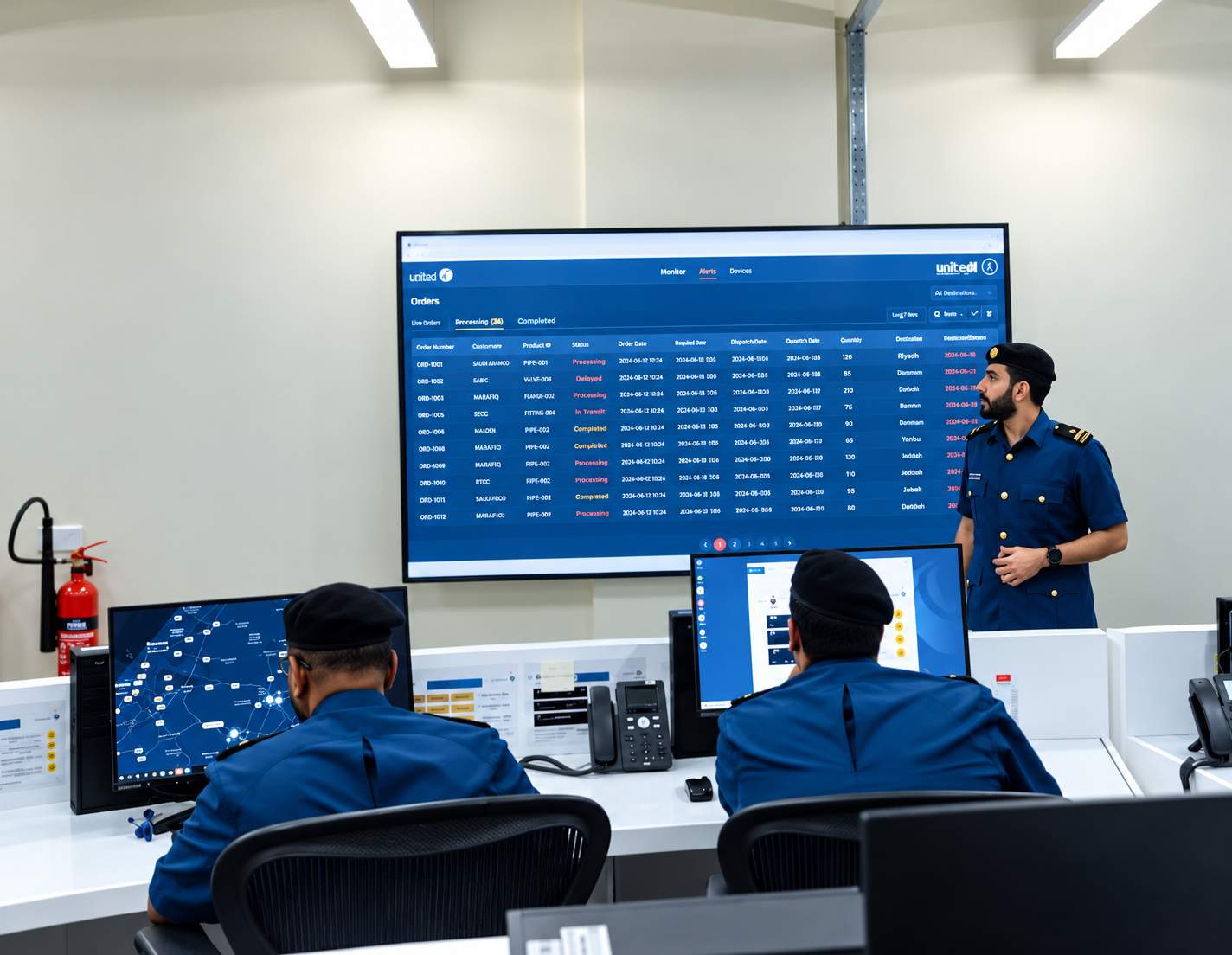
In support of the ‘Dubai Cashless’ strategy, and complementing its efforts to enhance the integration of customs services and digital payments in a way that helps simplify procedures, improve the customer experience, and raise the efficiency of doing business, Dubai Customs announced that its cashless payment transaction rate reached 99.3% of total payment transactions in the first half of 2026, compared with 99.4% in 2025 and 99.2% in 2024.
These results reflect the development of the organization’s digital infrastructure, the efficiency of its electronic payment systems, and its commitment to providing a smooth and secure experience for customers, which enhances ease of doing business, supports building a more efficient, innovative and sustainable economy, and reinforces Dubai’s position as a leading global model in the transition to an integrated cashless society.
This comes following the announcement by the Dubai Department of Finance, on October 9, that the key targets of the Dubai Cashless strategy have been achieved. The strategy was launched in October 2024 by H.H. Sheikh Hamdan bin Mohammed bin Rashid Al Maktoum, Crown Prince of Dubai, Deputy Prime Minister and Minister of Defense of the UAE, and Chairman of The Executive Council of Dubai. The emirate-wide cashless transactions index reached 90.1%, exceeding the target set for 2026, while the digital enablement index in the government sector reached 100%. The Department of Finance underscored Dubai Customs’ contribution to supporting the strategy’s goals, commending its performance in digital transformation and in promoting greater reliance on cashless transactions.
On the operational front, Dubai Customs completed 23 million customs transactions during the first half of this year, with the digital channel adoption rate reaching 99.6%, while the happiness index for the digital services it provides rose to 98% during the first half of 2026. It should be noted that the number of customs transactions cited reflects the volume of customs operations completed and is not linked to the number of cashless payment transactions.
Dr. Abdulla Busenad, Director-General of Dubai Customs, affirmed that the integration of government services and digital payments embodies the vision of His Highness Sheikh Mohammed bin Rashid Al Maktoum, Vice President, Prime Minister and Ruler of Dubai, and the directives of H.H. Sheikh Hamdan bin Mohammed bin Rashid Al Maktoum, on harnessing technology to build a more productive and resilient economy and enhance Dubai’s competitiveness.
“We are turning the efficiency of customs services into a competitive advantage that supports business growth and investor confidence in Dubai,” he said. “The economic value of digital transformation lies in the time we save for the customer, the procedures we shorten, and the reliability we add to the movement of trade. We are working to make customs service, payment procedures and control parts of a single, interconnected journey that supports the smooth flow of trade while safeguarding customers’ rights, public revenues and community security.”
He explained that this approach is in line with the Dubai Customs Strategy 2026-2030, which is built on enabling trusted trade, and supports the goals of the Dubai Economic Agenda, D33, by improving the customer experience and strengthening companies’ ability to grow and reach global markets.
For his part, Rashid Al Sharid, Executive Director of the Finance and Administration Division at Dubai Customs, said, “Integrating customs procedures with digital collection enhances revenue management efficiency and facilitates doing business. We are working to link ease of payment with accuracy of financial processing and clarity of procedures, giving customers a smoother experience while maintaining the efficiency of financial control and protecting revenues.”
Atiq Al Muhairi, Executive Director of the Customs Development Division at Dubai Customs, said, “We are linking system development to trade needs to deliver faster, more integrated and more reliable services, by reviewing the customer journey, reengineering procedures, improving data quality and integration, and using automation to reduce repetitive steps and raise transaction processing efficiency.”
The ‘Mirsal 2’ system is a key pillar in integrating customs operations, e-services, payment procedures and risk management, making it easier to complete transactions and supporting business resilience, while maintaining the efficiency of control and compliance.
Dubai Customs continues to develop its system by facilitating an interconnected journey that brings together service completion, payment and control, turning customs efficiency into a driver of business competitiveness and trade growth in Dubai.
BNW Developments has established a Sydney presence, joining Arada and Sobha Realty among the growing number of UAE developers pursuing Australian buyers and development opportunities.

Chris Dixon, a partner who led the charge, says he has a ‘very long-term horizon’
AI-powered travel agents are challenging online booking platforms, but Airbnb’s exclusive listings and direct customer relationships could give it an edge. Its next challenge: turning repeat guests into loyal customers through stronger rewards and innovation.
3 min
AI agents like Muse can already find you the cheapest hotel room in Paris. But they can’t locate a cheaper version of that Catskills cabin you’ve been eyeing, because it might only be available on Airbnb ABNB -1.43%decrease.
Investors should pay attention to that distinction. When Meta Platforms META 3.38%increase launched its Muse agent last month, travel stocks including Booking Holdings BKNG -1.19%decrease, Expedia and Airbnb all fell sharply.
Airbnb, though, has a real chance to emerge as a winner from the upheaval. The catch: Its stock already reflects above-industry growth. To justify its valuation, Airbnb will need to turn repeat customers into loyal ones.
Online travel companies make much of their money by simplifying search and collecting fees on bookings. AI agents threaten that model.
But not all travel marketplaces are equally exposed. Booking and Expedia largely sell hotel rooms that travelers can also book directly or through competing sites. If an agent can find the same room elsewhere, it has little reason to favor either Booking or Expedia.
Booking and Expedia also sell sponsored listings that steer travelers toward particular properties. Wells Fargo estimates those will account for about 8% of Expedia’s revenue and a much higher percentage of profit next year.
Airbnb has more ways to adapt. More than half its listings are available only on its platform, and more than 90% of its traffic comes directly to its app or website.
The customer relationship doesn’t end after booking, either. Bernstein analyst Richard Clarke notes that 90% of Airbnb guests go on to message their hosts about arrival times, keys or local taxes, giving Airbnb a connection to both sides of the transaction.
How the companies have responded to the possible agentic future is telling.
Expedia quickly signed on as a Muse partner. Airbnb hasn’t, and Chief Executive Brian Chesky says AI chatbots have so far been a boon, sending customers to Airbnb’s website.
Chatbots might work for buying paper towels, he quipped at a Skift conference last month, but people enjoy planning trips. He argued that browsing dozens of homes isn’t something a text-based chatbot is well suited for.
Still, the AI jitters arrived just as Airbnb was persuading investors it deserved its pricey multiple. For years after its 2020 initial public offering, the stock—which trades around 25 to 30 times forward earnings—went nowhere. Investors saw a mature operator trading at a growth premium.
This year, Airbnb growth seems to be accelerating. The stock jumped in August after the company raised its full-year revenue-growth guidance with its second-quarter results. Wells Fargo analyst Ken Gawrelski credits a run of product improvements under a revamped leadership team.
Among the changes: letting guests reserve now and pay later, adding hotels, and a redesigned home page and app. Investors were also betting on what comes next, including thousands more hotels, car rentals and, eventually, advertising.
The irony is that some of those growth drivers push Airbnb closer to the kind of business Booking and Expedia run—the kind of business AI agents could threaten. Even if AI agents capture a large share of travel planning and booking, Airbnb would capture the demand. But it and others would slowly lose control over how customers find and choose properties.
That would undermine the advertising opportunity investors are counting on. The bigger point for Airbnb and other marketplaces is that losing control of customer acquisition could mean surrendering some of their pricing power and margins.
To bulletproof itself, Airbnb might look to another e-commerce giant that has so far kept AI agents at arm’s length: Amazon.
Like Amazon, Airbnb has a loyal customer base and hard-to-match supply. But it has nothing like Prime membership to make customers think twice before taking their business elsewhere.
That is where loyalty comes in. Business travelers stick with Hilton or Marriott because enough nights earn them perks. Leisure travelers rarely accumulate stays with one chain. Airbnb has millions of listings and plenty of repeat customers, but no broad rewards program. It has begun experimenting with credits on hotel stays, but it should make loyalty a priority, not just a promotion.
Airbnb also plans to launch its own AI agent next year. But travelers using an agent might still want it to search Airbnb, Vrbo, Booking and hotel websites alike, rather than limit itself to one company’s inventory.
Eventually, Airbnb might have to strike deals with agent makers, using its unique homes as leverage to negotiate favorable terms, says Gawrelski. Such deals, along with rewards for loyal guests, could over the long term eat into the company’s roughly 13% take rate, he adds. But if they bring in enough additional bookings, the trade-off could be worthwhile.
History offers a reason not to panic. The shift from desktop to mobile unsettled investors in Alphabet and Amazon, but both emerged as major beneficiaries. Companies with valuable assets can come out of a platform shift stronger, if they adapt quickly enough.
Airbnb has homes the bots can’t easily replace. Now it needs to give guests a reason to insist on booking them there.
BNW Developments has established a Sydney presence, joining Arada and Sobha Realty among the growing number of UAE developers pursuing Australian buyers and development opportunities.

Americans now think they need at least $1.25 million for retirement, a 20% increase from a year ago, according to a survey by Northwestern Mutual
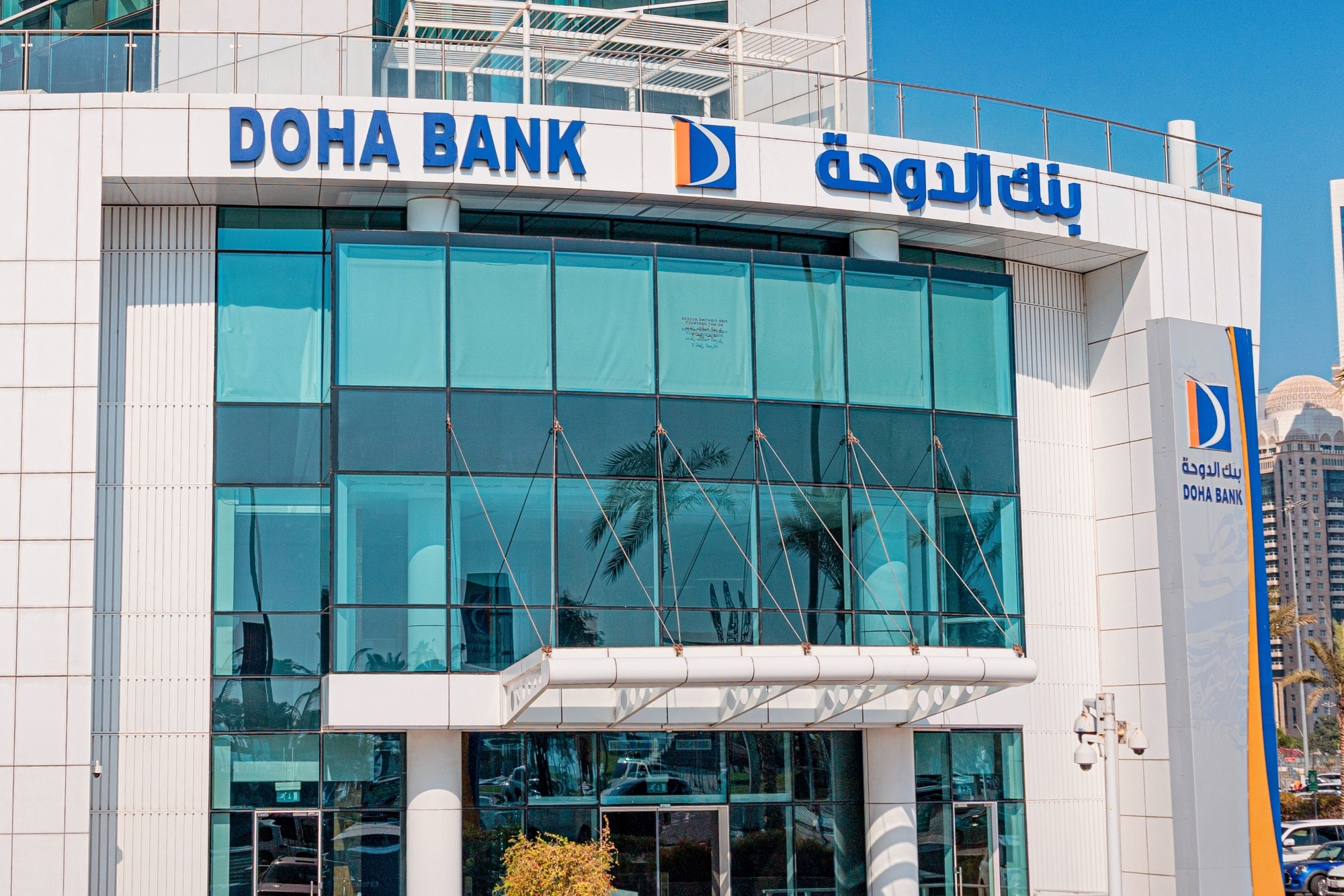
Qatar’s renewable energy capacity is projected to reach 25.9% of total power capacity by 2035, driven by major solar projects, while natural gas remains central to ensuring reliable electricity and water supplies.
2 min
Qatar is accelerating utility-scale solar development to diversify its power mix, reduce domestic natural gas consumption and curb emissions, while maintaining gas-fired generation to ensure reliable electricity and water supplies, according to GlobalData.
The country’s renewable energy share of total power capacity is projected to rise from 12 per cent in 2025 to 25.9 per cent by 2035, with overall installed power capacity expected to grow at a compound annual growth rate (CAGR) of 4.2 per cent over the decade.
Solar photovoltaic (PV) capacity is forecast to expand at a CAGR of 12.4 per cent, GlobalData said in its latest report.
Attaurrahman Saibasan, Power Analyst at GlobalData, said: “Qatar’s power sector is shifting from total reliance on natural gas toward a structured hybrid model. Driven by the Qatar National Renewable Energy Strategy, the build-out of major solar facilities such as Al Kharsaah and the recently commissioned plants at Ras Laffan and Mesaieed, alongside the large-scale Dukhan development demonstrate substantial momentum in deploying low-cost clean generation across the peninsula.”
Despite the expansion of renewables, natural gas will remain central to Qatar’s power and water infrastructure, accounting for approximately 74 per cent of total installed capacity in 2035.
Gas-fired combined-cycle turbines and cogeneration plants support the country’s Independent Water and Power Projects (IWPPs), providing reliable electricity during peak summer demand and the thermal energy required for seawater desalination.
Saibasan said: “The cogeneration of potable water and power is a structural feature of Qatar’s utility system. Gas-fired IWPP facilities provide critical firming capacity to absorb large influxes of solar energy during midday hours while securing baseload water desalination. Expanding flexible gas generation and modernising grid management are essential prerequisites for accommodating the planned 4GW renewable target by 2030 without compromising system security.”
Qatar’s energy transition is guided by the Qatar National Vision 2030, the Third National Development Strategy and the Qatar National Renewable Energy Strategy.
Additional measures include emissions-reduction commitments under its updated Nationally Determined Contribution and net-billing regulations introduced by Kahramaa to support distributed generation.
GlobalData said Qatar’s single-buyer electricity market, in which Kahramaa purchases power and desalinated water through long-term agreements, also helps reduce market risks for project developers.
Saibasan added: “Qatar is leveraging its world-class solar irradiance and robust balance sheet to free up valuable natural gas volumes for liquefied natural gas (LNG) export markets while decarbonising its domestic matrix. Sustaining this pace will require continuing to align renewable integration with IWPP offtake commitments, meeting growing industrial demand, and maintaining high transmission reliability across the National Control Centre and regional GCC interconnection links.”
BNW Developments has established a Sydney presence, joining Arada and Sobha Realty among the growing number of UAE developers pursuing Australian buyers and development opportunities.
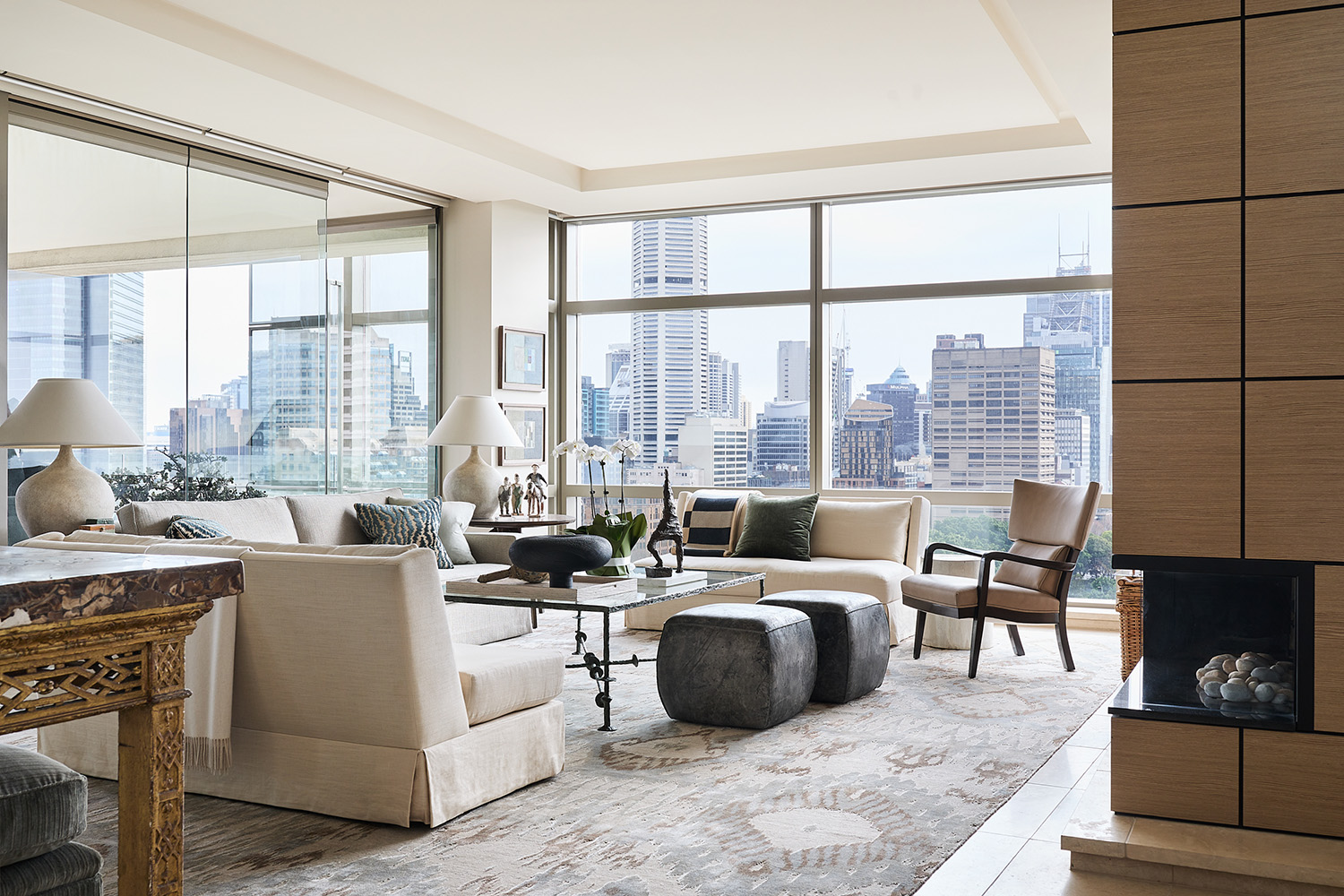
Interior designer Thomas Hamel on where it goes wrong in so many homes.
Saudi Arabia has signed four MoUs with Mongolia, Tanzania, Cyprus and Mauritius to expand cooperation in oil and gas, renewables, clean hydrogen and electricity, strengthening energy security, investment and sustainability.
2 min
Saudi Arabia has signed four memoranda of understanding (MoUs) with Mongolia, Tanzania, Cyprus and Mauritius to strengthen cooperation across the energy sector, including oil and gas, renewable energy, electricity, petrochemicals and clean hydrogen.
Saudi Minister of Energy and Minister of Industry and Mineral Resources Prince Abdulaziz bin Salman bin Abdulaziz signed the agreements with senior officials from the four countries in Riyadh on the sidelines of the 25th WPC Energy Congress, hosted by the Kingdom through October 15 under the theme “Pathways to an Energy Future for All.”
The agreements aim to expand bilateral cooperation, encourage investment opportunities, promote technological innovation and strengthen collaboration on energy security and climate change mitigation.
Prince Abdulaziz signed the agreement with Mongolia’s Deputy Prime Minister Togmid Dorjkhand, establishing a framework for cooperation in oil and gas, refining, petrochemicals, electricity, power interconnection, renewable energy, energy efficiency and storage.
The agreement also covers climate change mitigation technologies, including Circular Carbon Economy solutions, as well as digital transformation, artificial intelligence, innovation and cybersecurity applications in the energy sector.
The two countries will seek to develop strategic partnerships to secure materials, products, services and technologies across energy supply chains.
The MoU also aims to promote sustainable petrochemical materials in construction and other industries, strengthen cooperation between energy companies and support large-scale electricity projects and renewable energy development.
A separate agreement was signed with Tanzania’s Minister for Energy Juma Zuberi Homera to strengthen cooperation in refined petroleum product supplies and explore opportunities related to supporting infrastructure.
The agreement also provides for assessing opportunities in liquefied natural gas, exchanging technical expertise in oil and gas exploration, and exploring potential cooperation in petrochemical production.
Additional areas include electricity, renewable energy, energy efficiency and climate change mitigation technologies, including clean cooking solutions and Circular Carbon Economy initiatives.
The two countries will also explore opportunities linked to the Oil Sustainability Program and transport and fuel infrastructure, alongside cooperation in digital transformation, artificial intelligence, innovation and cybersecurity.
Prince Abdulaziz also signed an MoU with Cyprus’s Minister of Energy, Commerce and Industry Michael Damianos covering oil and gas, refining, petrochemicals, electricity, clean hydrogen and its derivatives, renewable energy, energy efficiency and storage.
The agreement includes cooperation on climate change mitigation, digital transformation and cybersecurity, as well as efforts to advance shared international policy priorities through multilateral negotiations.
These include discussions under the United Nations Framework Convention on Climate Change, the Paris Agreement and the international legally binding instrument on plastic pollution.
The MoU also supports the development and use of sustainable petrochemical materials, the expansion of energy access through appropriate infrastructure and stronger collaboration among companies operating in energy-related fields.
The fourth agreement, signed with Mauritius’s Minister of Foreign Affairs, Regional Integration and International Trade Dhananjay Ramful, covers a broad range of energy areas, including oil and gas, refining, petrochemicals, electricity, clean hydrogen, renewable energy, energy efficiency and storage.
It also includes cooperation on climate change mitigation, Circular Carbon Economy technologies, digital transformation and cybersecurity applications in the energy sector.
Like the agreement with Cyprus, the Mauritius MoU provides for coordination on shared international policy priorities through relevant multilateral negotiations, including those related to climate change and plastic pollution.
It also promotes sustainable petrochemical materials and infrastructure development to expand access to energy.
The four agreements underscore Saudi Arabia’s efforts to broaden international energy partnerships and strengthen cooperation across conventional and emerging energy technologies, while supporting energy security, innovation and sustainability.
BNW Developments has established a Sydney presence, joining Arada and Sobha Realty among the growing number of UAE developers pursuing Australian buyers and development opportunities.
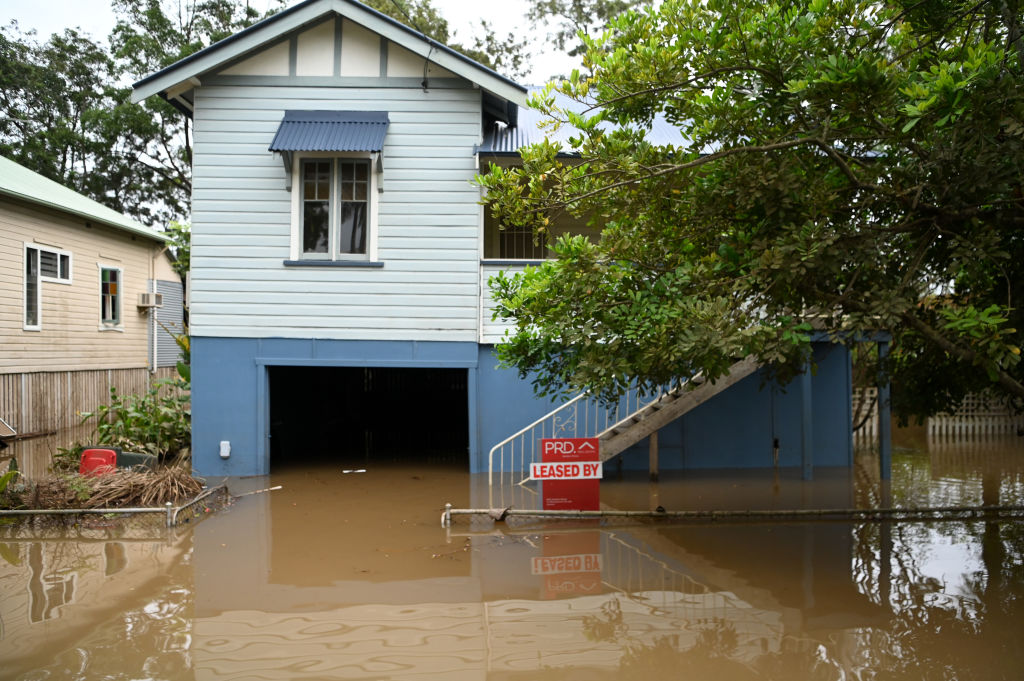
Following the devastation of recent flooding, experts are urging government intervention to drive the cessation of building in areas at risk.
Amazon is in talks to acquire AI startup Decart in a deal reportedly worth around $7bn, as competition intensifies for AI computing power and chip technology.
< 1 min
Amazon.com AMZN 3.29%increase; is in talks to acquire artificial-intelligence startup Decart in a deal that could be valued at around $7 billion, according to people familiar with the matter.
San Francisco-based Decart’s software makes it easier for developers to switch between different AI chips, a capability that is becoming increasingly important as companies race to secure more computing power.
A deal could come together soon, the people said, assuming talks don’t fall apart or another suitor doesn’t emerge.
Decart has raised more than $400 million in venture capital funding from investors including Sequoia Capital, Benchmark and Radical Ventures, according to PitchBook. It was valued at nearly $4 billion in May.
The company was founded in 2023 by three Israeli engineers, brothers Dean and Orian Leitersdorf and Moshe Shalev. Decart is also developing world models called Lucy and Oasis. World models can generate and simulate real-world 3-D environments.
Amazon has developed its own custom AI chip, Trainium3, in competition with Nvidia, which continues to dominate the market for graphics processing units, the specialized chips powering the AI boom. Amazon Web Services gave Decart early access to the chip in 2025 after meeting with the company and being impressed by its founders, The Wall Street Journal has reported.
Amazon’s other sizable acquisitions in recent years include a $6.5 billion deal for the MGM movie and television studio in 2022 and a roughly $11 billion deal for Starlink rival Globalstar announced earlier this year.
BNW Developments has established a Sydney presence, joining Arada and Sobha Realty among the growing number of UAE developers pursuing Australian buyers and development opportunities.

In November 2025, Revive ME brought together 1,000+ delegates from 50+ countries in Abu Dhabi, spotlighting the UAE’s growing role in the global longevity ecosystem. With healthcare, biotech, AI, genomics and investment converging, the event highlighted how longevity science is becoming increasingly aligned with the UAE’s ambitions for innovation, economic diversification and future-ready healthcare.
3 min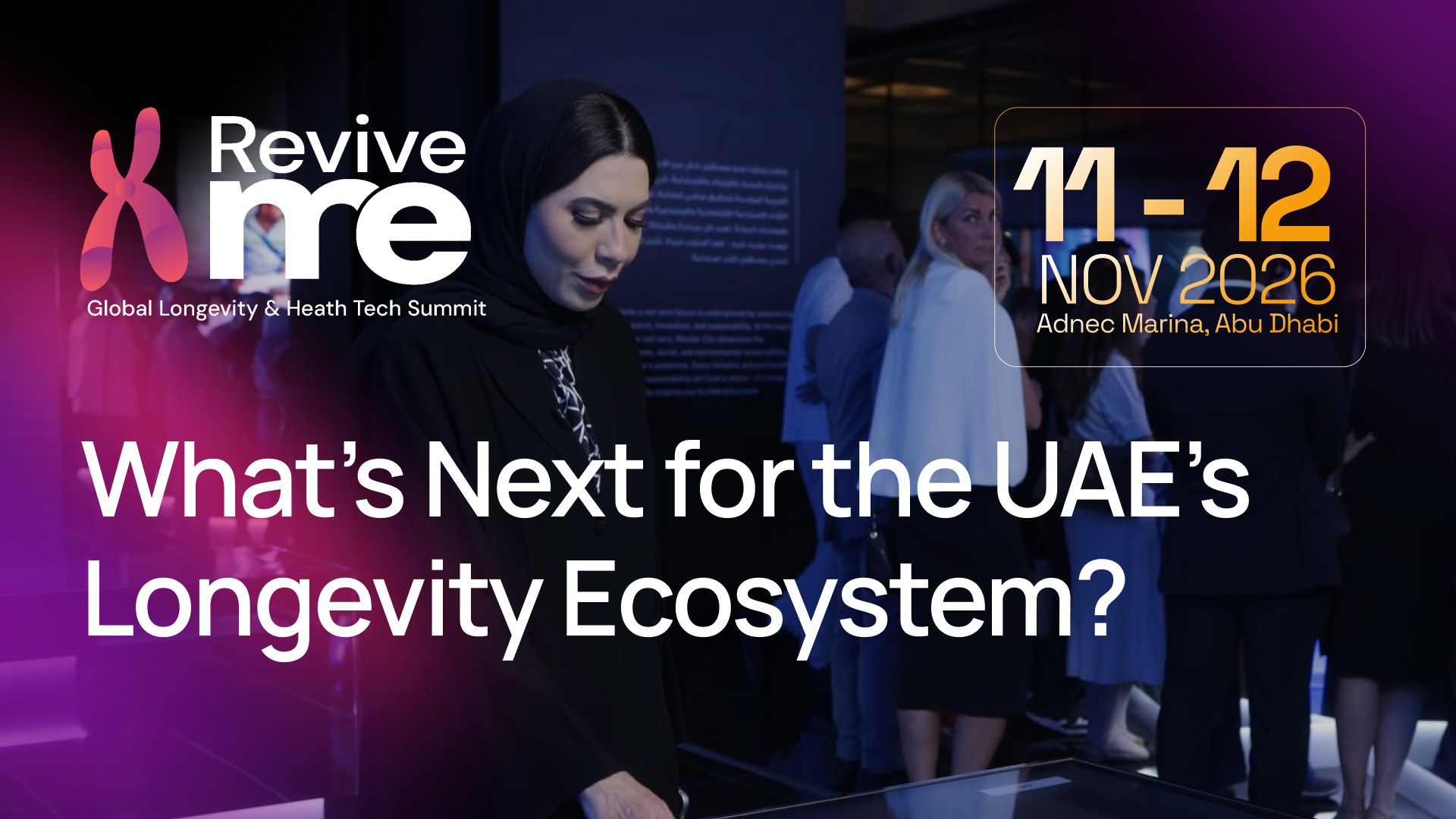
In November 2025, more than 1,000 delegates from over 50 countries convened in Abu Dhabi for the inaugural edition of Revive ME. Across two days, policymakers, healthcare leaders, biotech innovators, investors, and entrepreneurs gathered to explore the future of healthy longevity.
What emerged was more than a successful event. It was a signal of alignment between global longevity science and the UAE’s national strategy.
The convergence was timely.
A Healthcare System Designed for the Future
The UAE’s healthcare sector has evolved into one of the most dynamic in the region, generating more than US$4.6 billion in annual revenues and maintaining per capita healthcare expenditure among the highest globally. The market has demonstrated sustained growth, supported by strong government investment, regulatory modernization, and expanding private sector participation.
But the transformation goes deeper than growth metrics.
Under We the UAE 2031, healthcare is positioned as a pillar of national development focused on quality of life, preventive care, digital integration, and specialized excellence. Across the federation, authorities are investing in AI driven healthcare systems, genomics initiatives, telemedicine platforms, robotic pharmacy systems, and advanced diagnostics infrastructure.
Healthcare is no longer being treated purely as a social service. It is increasingly viewed as strategic infrastructure.
Revive ME reflected this evolution.
An Ecosystem in One Room
Revive ME brought together over 80 global speakers, 200+ participating companies, and more than 50 sponsors and exhibitors spanning regenerative medicine, AI powered diagnostics, biotech innovation, precision health, and wellness technology.
The audience profile itself was telling, with strong representation from C suite executives and senior decision makers. This was not simply a knowledge sharing forum; it was a strategic ecosystem convening.
Discussions extended beyond scientific discovery to regulatory pathways, commercialization strategies, clinical research capacity, investment opportunities, and the integration of digital health systems. The Startup Launchpad offered early-stage companies direct exposure to capital and strategic partnerships, while curated site visits to Masdar City and advanced healthcare facilities reinforced Abu Dhabi’s expanding life sciences capabilities.
The event effectively compressed the distance between ambition and application.
Aligning with National Industrial Ambitions
The UAE is actively shifting from being primarily a healthcare importer to becoming a regional manufacturing and R&D hub.
National industrial strategies emphasize pharmaceutical localization, advanced biologics, contract research infrastructure, and high-tech medical devices. Industry projections estimate the UAE medical device market will approach US$1.5 billion by 2025, supported by hospital modernization and growing diagnostic capacity. Biotech and pharmaceutical segments are positioned for longer term growth as sovereign backed initiatives expand manufacturing and research capabilities.
Simultaneously, digital health and telemedicine have been institutionalized through federal and emirate level frameworks, creating reimbursement pathways and accelerating adoption.
Revive ME convened companies operating precisely within these strategic segments from advanced therapeutics and AI diagnostics to genomic testing and biomarker driven health optimization.
This alignment is what transforms an event into a strategic platform.
Longevity as an Economic Lever
The UAE’s broader Vision 2030 objectives emphasize economic diversification, knowledge driven industries, foreign direct investment, and human capital development.
Longevity science intersects with all four.
The global shift from reactive disease treatment to proactive health span optimization is generating new economic verticals:
• Regenerative medicine and advanced therapeutics • AI powered diagnostics and predictive analytics • Genomics and precision medicine • Clinical research and translational biotech • Preventive health platforms and remote monitoring
These sectors represent not only healthcare transformation but economic opportunity.
By clustering innovators, capital providers, regulators, and policymakers under one roof, Revive ME strengthened the UAE’s positioning within the emerging longevity economy. It reinforced the message that the country is not merely adopting global trends, it is building the infrastructure to lead within them.
Human Capital and Future Readiness
National strategies across the UAE emphasize workforce development in AI, data science, biotechnology, and advanced manufacturing. Universities, research institutions, and innovation zones are expanding domestic clinical and translational research capacity, while talent attraction programs enhance global competitiveness.
Longevity innovation requires multidisciplinary expertise, including clinicians, data scientists, regulatory specialists, biotech founders, and capital allocators.
Revive ME mirrored this architecture. It functioned as a microcosm of the ecosystem required to sustain a knowledge-based healthcare economy.
In doing so, it reinforced a critical national principle: long term competitiveness depends on both infrastructure and human capital.
From Platform to Momentum
Strategic convenings matter because they accelerate timelines. They bring stakeholders into proximity, catalyse conversations that might otherwise take months, and generate visibility that shapes international perception.
As the UAE advances telemedicine, expands clinical trial capacity, strengthens pharmaceutical manufacturing, and embeds AI into healthcare delivery, platforms like Revive ME provide the connective tissue linking policy ambition with operational execution.
The event did not claim to create the national strategy. Rather, it demonstrated how longevity science is increasingly embedded within it.
From research to regulation, from innovation to investment, the alignment is visible.
A Defining Moment
Revive ME represented more than a milestone for longevity dialogue in the region. It reflected a broader national shift, one in which healthcare, technology, and economic strategy are converging.
In a country actively redefining its post oil economic identity, longevity science sits at the intersection of innovation, sustainability, and global competitiveness.
From longevity science to national strategy, the pathway is no longer conceptual.
It is in motion.
Register now.
BNW Developments has established a Sydney presence, joining Arada and Sobha Realty among the growing number of UAE developers pursuing Australian buyers and development opportunities.

The UAE Cyber Security Council and SCC Middle East are joining forces to establish a Centre of Excellence for Cyber Resilience and Trusted Technology, driving secure innovation from UAE capabilities to global markets.
2 min
The UAE Cyber Security Council and SCC Middle East today announced plans to develop a new Centre of Excellence for Cyber Resilience and Trusted Technology in the UAE, to serve the region and the globe, announced during AI Everything Abu Dhabi. The Centre will provide an environment where government, enterprises, technology partners and specialists can explore emerging technologies, test real use cases, and understand how new solutions can be adopted securely and at scale.
The initiative follows a three-phase approach:
Phase 1 – Building national capability: Executive learning, practical labs and specialist development across AI, cloud, data, cybersecurity and critical national infrastructure, helping organisations move from experimentation toward secure, practical adoption.
Phase 2 – Incubate innovation made in the UAE: A startup incubator programme to develop and scale UAE cyber innovation, testing and validating locally developed technologies against real-world requirements.
Phase 3 – Creating pathways to international markets: Helping selected UAE-developed technologies connect with international customers, ecosystems and commercial opportunities.
Under the innovation centre, both parties will lead integration and delivery, bringing together the expertise and resources required according to each programme’s needs.
H.E. Dr. Mohamed Al Kuwaiti, Head of Cyber Security for the UAE Government said: “The UAE has set ambitious goals around artificial intelligence, cybersecurity and the development of a secure and resilient digital economy. The Centre of Excellence will create an environment for government, industry and technology partners to turn that ambition into practical capability.”
Daniel Valle, CEO, SCC Middle East, said: “There is no shortage of technology available today. The harder question is how you bring the right technologies together, prove they work for the environment you are putting them into and then turn that into a real outcome. That is what we want this Centre to be about. Not a showroom, but somewhere we can bring customers, partners and specialists together around real problems, test ideas and build solutions that can actually be deployed. Our role at SCC is to connect those pieces. We start with what the customer is trying to achieve, bring together the right people, technology and expertise, and remain accountable for making it work.”
BNW Developments has established a Sydney presence, joining Arada and Sobha Realty among the growing number of UAE developers pursuing Australian buyers and development opportunities.

Dolly Parton’s former Hollywood Hills residence has hit the market for $7.95 million. The nearly 4,700-square-foot home features four bedrooms, panoramic city-to-ocean views, a pool and spa, library, media room and private outdoor spaces.
2 min
A residence in the Hollywood Hills that was once home to the late Dolly Parton has hit the market for $7.95 million.
The country singer and her late husband, Carl Dean, bought the house in 1985 for $750,000 and sold it in 1990 for $1.2 million, according to listing records.
The property, aptly known as the Dolly Parton House, hasn’t been on the market for 25 years, according to the listing with Edward Tinney of Nourmand & Associates and Kurt Rappaport of Westside Estate Agency.

It’s unlikely Parton and Dean would recognize the house as it stands today though; it was rebuilt in 2009, and upgraded further in the years since, the listing said.
Across its almost 4,700 square feet, the house has living and dining rooms with walls of glass that frame the views that stretch across the city to the Pacific Ocean.
MORE: Flea of the Red Hot Chili Peppers Puts Heptagonal California Home Up for Sale

There’s also a library and media room, a family room and an eat-in kitchen. There are four bedrooms, including the primary suite, which has a coffee bar, a fireplace, two bathrooms, a space for an office or gym, a walk-in closet and a private deck.
Outside, there’s a pool and spa, with space for outdoor dining and entertaining. Plus there’s a two-car garage, electrical infrastructure for an EV charger and a Zen trail, according to the listing.
The seller, who couldn’t be reached for comment, paid $2.05 million for the home in 2001, records with PropertyShark show.
MORE: Tiger Woods’s Mini-Golf Business Partner Lists South Florida Home for $18.5 Million

Parton died on August 25 at the age of 80 after a battle with cancer.
She released 50 studio albums over the course of her career—resulting in 27 gold and platinum albums—and starred in films including “9 to 5,” “The Best Little Whorehouse in Texas” and “Steel Magnolias.”
A philanthropist, she was behind the Imagination Library, which donated more than 200 million books to children around the world. In 2020, she helped fund early research for Moderna’s Covid 19 vaccine with a $1 million donation to Vanderbilt University.
BNW Developments has established a Sydney presence, joining Arada and Sobha Realty among the growing number of UAE developers pursuing Australian buyers and development opportunities.