






5 Luxury Coastal Developments To Know
Up and down the east coast, these new projects offer the ultimate in lifestyle and comfort.

 9 min
9 min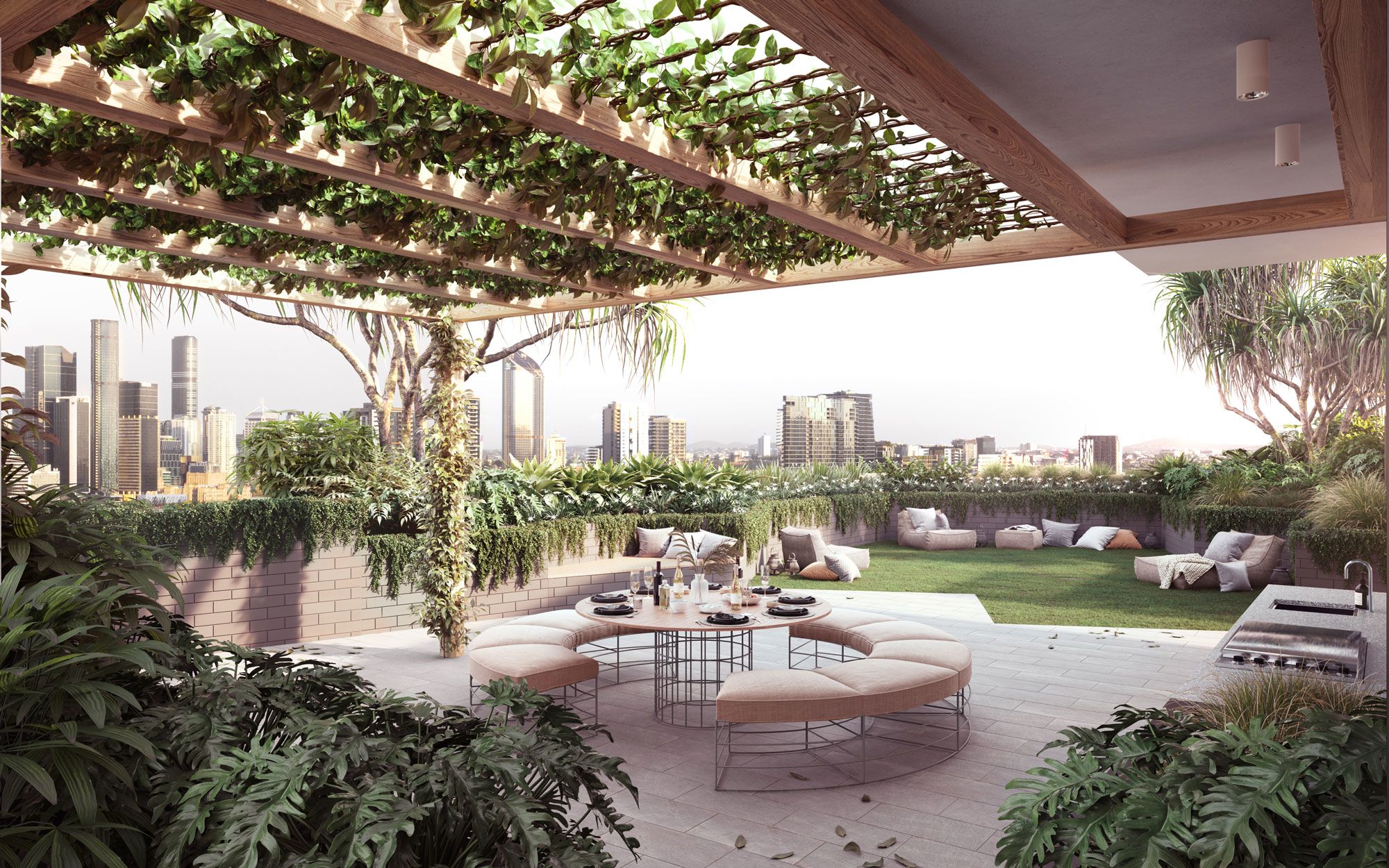
A new wave of premium residential properties along Australia’s east coast are set to hit the market this season, catering to wealthy and discerning investors as well as owner-occupiers seeking the ultimate in lifestyle and comfort.
We’ve highlighted five of the best projects coming to market in Melbourne, Sydney, Brisbane and on the Sunshine and Gold Coast in South East Queensland.
Whether they occupy a coastal, bayside or urban location, each project has exceptional city and water views as standard and are located close to recreational amenities, dining, shopping and transport facilities.
Architecturally striking, they represent the best of Australian contemporary architecture, thoughtfully designed and responsive to a specific setting, climate and topography.
Lavishly appointed with increasingly bespoke finishes and fixtures, the inclusion of exclusive amenities are akin to those offered in world-class private clubs and among the best creature comforts money can buy.
All projects featured are new to the market or were recently released and all have stock currently available for purchase.
Nature by Cube, 49 The Esplanade, Cotton Tree, Sunshine Coast, Queensland

Rendering: Cube Developments
Melbourne and Sydney seachangers have been descending on the Sunshine Coast in droves in the past 12 months. Attracted to the sub-tropical lifestyle of the region, 90 kilometres north of Queensland’s capital city Brisbane, developers such as Cube Developments are meeting the increase in demand for more luxurious residential property.
Nature by Cube is an eight-story Cottee Parker-designed project that will offer 13 state-of-the-art residences, all with water views and premium finishes.
Across 12 three-bedroom apartments and one four-bedroom penthouse, each residence has generous open-plan living, dining and kitchen spaces, a butler’s pantry, timber chevron flooring, limestone benchtops and top-of-the-range Gaggenau appliances.
Each bedroom has an en-suite bathroom while the primary bedrooms will have water and garden views while retaining privacy. The art-like sculptural facade will feature organic curves, glass-reinforced concrete, greenery inserts and draping landscaping as inspired by the shapes and tones of the coastal environment.
House-like in size and scale, apartments range from 250 square meters to 510 square meters for the penthouse, with little wasted space and premium fixtures and finishes throughout.
Nature by Cube apartments are available for sale, via an expression of interest campaign. Construction is scheduled to begin in the second half of 2021.
Number of Units: 13
Price Range: $2.638 million–$7 million
Developer/Architect: Cube Developments/Cottee Parker
Apartment Sizes: Three-bedroom apartments and a four-bedroom penthouse
Amenities: Resort-style amenities include a 25-meter lap pool, gym, steam room and spa, private dining room and wine room. Fine-dining restaurants, wine bars, chilled cafes and the beach are all within walking distance; while there’s hundreds of shops, entertainment options and transport links easily accessible within the new Maroochydore central business district. There are EV charging stations installed in all parking bays.


The Ambrose, 19-23 McDougall St., Milton, Brisbane, Queensland

Rendering: Kokoda Property
Located in a tightly held suburban area of Brisbane’s inner west, construction has begun on The Ambrose, a $150 million landmark residential tower. The 19-story tower, overlooking the Brisbane River, is 1.5 kilometres from the central business district, with arterial roads and cycle and ferry networks on its doorstep.
Queensland architectural practice Cottee Parker has designed a building that is sensitive to the surrounding landscape and responds to Brisbane’s sub-tropical climate. Maximizing views to the east while maintaining privacy, The Ambrose features 181 one-, two- and three-bedroom apartments and four-bedroom penthouses.
The sculptural facade’s organic fins and ascending greenery is inspired by the Brisbane River and city views, reflecting the city’s climate and outdoor lifestyle.
“The Ambrose is a reflection of the way we know people in Brisbane live, work and play, and conveys a strong architectural language rich in both form and function,” Cottee Parker director Sandra Browne said.
The apartments, which range in size from 62 square metres to 185 square meters for the penthouses, feature oak flooring, natural stone bench tops, marble bathrooms and Miele appliances.
The Ambrose is 300 meters from Milton Rail Station, a two-minutes walk to the Milton Ferry, while being only two kilometres from Brisbane’s arts and cultural precinct, including the Gallery of Modern Art, Queensland Performing Arts Centre, Brisbane Library and Brisbane Convention Center.
Construction has begun and is scheduled for completion in 2022 with 50% of the apartments still available for purchase.
Number of Units: 181
Price Range: From $590,000 to $2.095 million
Developers/Architect: Kokoda Property/Cottee Parker
Apartment Sizes: One-, two- and three-bedroom apartments and penthouses
Amenities: Residents will have exclusive access to substantial communal amenities including landscaped rooftop gardens, an 11-meter swimming pool, spa, sun lounges and barbecue area. Other amenities include a cinema room, lobby lounge, viewing deck, lawn covered terrace and gym.


Awaken, 275 Boundary St., Coolangatta, Queensland

Rendering: S&S Project Developments
Occupying an elevated headland above the Gold Coast’s iconic Duranbah and Snapper Rocks, Awaken has been designed to emulate this exclusive location while capturing 360 degrees of panoramic coastal views.
Awaken will occupy a site just inside the Queensland and New South Wales borders, overlooking two surf beaches, rock pools, a scenic lookout and walking paths. Unsurprisingly, the architectural brief for the ultra-premium project had to meet, and if possible, exceed the site’s extraordinary location. The result is a collection of only nine apartments—average price A$4.2 million each—that will likely appeal to affluent second-home owners and permanent residents.
“Awaken will be a game changer for the Gold Coast and South East Queensland,” KM Sales & Marketing director Jayde Pezet said.
World-renowned urban artist Lindy Lee has been engaged to create an 11-story art piece on the north-facing side of the building that will come to represent the iconoclastic status of the structure.
Buyers will have the opportunity to individually design their apartments to ensure each of the nine residences are wholly unique and bespoke.
Lavish and opulent fixtures and fittings will be offered to buyers who will have the choice of incorporating natural stones, steel and glass, custom cabinetry and leather accents alongside a full suite of home automation and security features.
Each apartment will have a private and extensive wraparound balcony, offering views south to Byron Bay and north to Stradbroke Island, while capturing afternoon seabreezes in every room.
Residents will be spoiled for choice with multiple white sand beaches in walking distance as well as the outdoor and leisure activities of the Tweed River.
Registrations of interest are being taken, with the project scheduled to launch to the market in early April.
Number of Units: 9
Price Range: Starting at $3.95 million
Developers/Architect: S&S Project Developments/Cottee Parker
Apartment Sizes: Three- and four-bedroom full floor apartments and one double-story penthouse
Amenities: Residents will have access to a swimming pool, luxurious steam room, outdoor landscaped barbecue area, additional secure storage and beach shower facilities. Level one will contain a destination fine dining restaurant and a café will occupy the ground level offering health food and coffee.
Website: awakenrainbowbay.com.au
The Landmark, 500 Pacific Highway, St Leonards, Sydney, New South Wales

Rendering: A+ Design Group
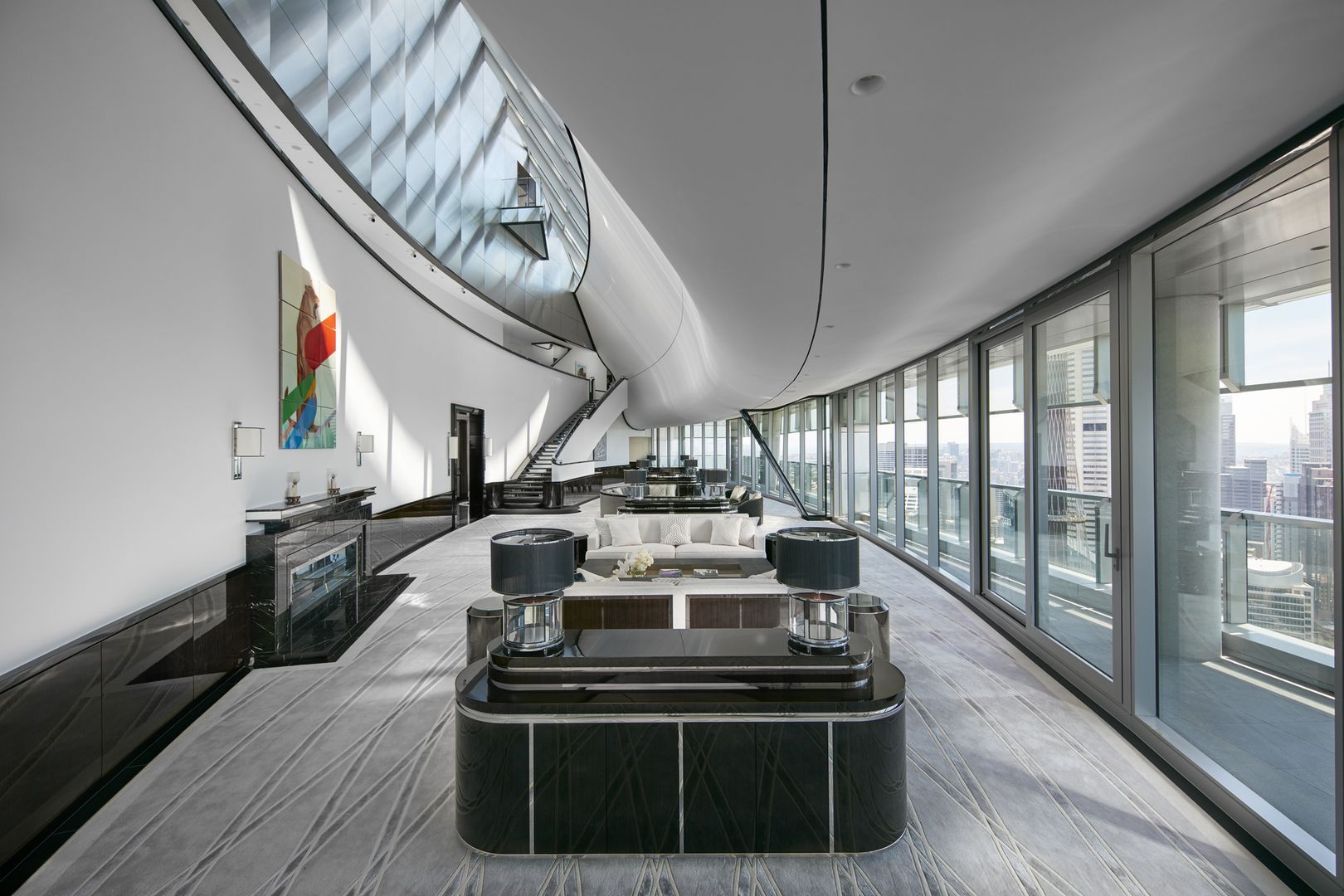
A vertical village of more than 400 apartments, The Landmark’s visionary architecture, enviable central location and vast amenities make it one of the most anticipated projects in the market.
Uninterrupted vistas of Sydney’s iconic Harbour Bridge and city skyline are part of the 52-story building’s appeal, with every floor and balcony unique in shape, size and outlook.
Still to be released are six of the seven penthouses that will occupy floors 30 and above, promising some of Sydney’s most dramatic views.
Inside will be multiple living areas, floor-to-ceiling windows, three or four bedrooms, a home office, cinema room, internal lift and private garage. Master craftsmanship is on display in the custom Italian-designed kitchens which feature grey Pietra marble countertops, custom cabinetry and Gaggenau and Sub-Zero appliances.
A Sky Lounge will be an exclusive space for residents in three-bedroom apartments and penthouses situated on Level 30 and above, offering stunning, panoramic views and an additional space to entertain friends and guests.All residents can make use of an acoustically engineered music rehearsal room, an indoor playground for children and a library for reading and studying.
The Landmark’s final release of penthouses and three-bedroom skyhomes is expected this year. The building is under construction and will be completed in October 2021.
Number of Units: 429
Price Range: Studio apartments from $600,000-$750,000. One-bedrooms from $720-000- $980,000. Two-bedrooms from $1.25 million-$1.88 million. Three-bedrooms from $2.2 million-$4 million. Penthouses from $11 million-$18 million.
Developer/Architects: New Hope/A+ Design Group in association with Warren & Mahoney
Amenities: Residents will be granted exclusive access to Club 500, which includes the services of a full-time concierge, an indoor lap pool, a spa, a sauna, a private gym, a yoga room and a cinema. A virtual golf room combines luxurious lounges and modern technology, while a communal lounge with bar, dining room and fireplace is available for private events.


Pavilion Green Sky Homes, 216 Bay Rd., Sandringham, Melbourne, Victoria

Rendering: Auyin
The double-story sky homes atop the recently completed Pavilion Green are a sight to be seen due to size, outlook and quality of finishes.
It’s a new benchmark for this popular seaside suburb less than 20 kilometers from Melbourne’s central business district, where residents relish the active outdoor lifestyle of swimming, sailing, cycling and walking trails.
Pavilion Green’s contemporary design is a direct reflection of its premium coastal location. Waves of curved linear bands flow across the façade thanks to generous cantilevered balconies that are private and protected from the elements. The Sky Homes are Pavilion Green’s piece de resistance; huge homes that range from 235 square meters to 470 square meters, including outdoor terraces.
Each two-story residence comes with its own private elevator and central feature staircase and a complete home-integration system that includes Sonos speakers, electronic blinds and a smart TV in the main living area. Panoramic views of the city skyline and Port Phillip Bay, high ceilings, gas fireplaces and luxe kitchens featuring a Signorino marble island countertops, Miele appliances, double ovens and a butler’s pantry come as standard.
Sandringham is one of Melbourne’s most sought-after seaside villages, with easy access to upscale shopping in Brighton and Westfield Southland, residents have dining, retail, recreational facilities and transport at their doorstop.
Construction of Pavilion Green has been completed with the four sky homes to officially be released to the market in March.
Number of Units: 4
Price Range: $2.2 million to $2.99 million
Developer/Architect: Auyin/CBG
Apartment Sizes: Three-bedroom sky homes
Amenities: At ground level are boutique retail spaces, a private lobby and exclusive residents’ retreat. A large entertainment terrace flows out to the landscaped gardens of Pavilion Green, while central elevators and stairs provide accessibility to allocated basement parking, private lockable storage and bicycle bays.
Website: skyhomessandringham.com.au


Reprinted by permission of Mansion Global. Copyright 2021 Dow Jones & Company. Inc. All Rights Reserved Worldwide. Original date of publication: March 18
 Copyright 2020, Dow Jones & Company, Inc. All Rights Reserved Worldwide. LEARN MORE




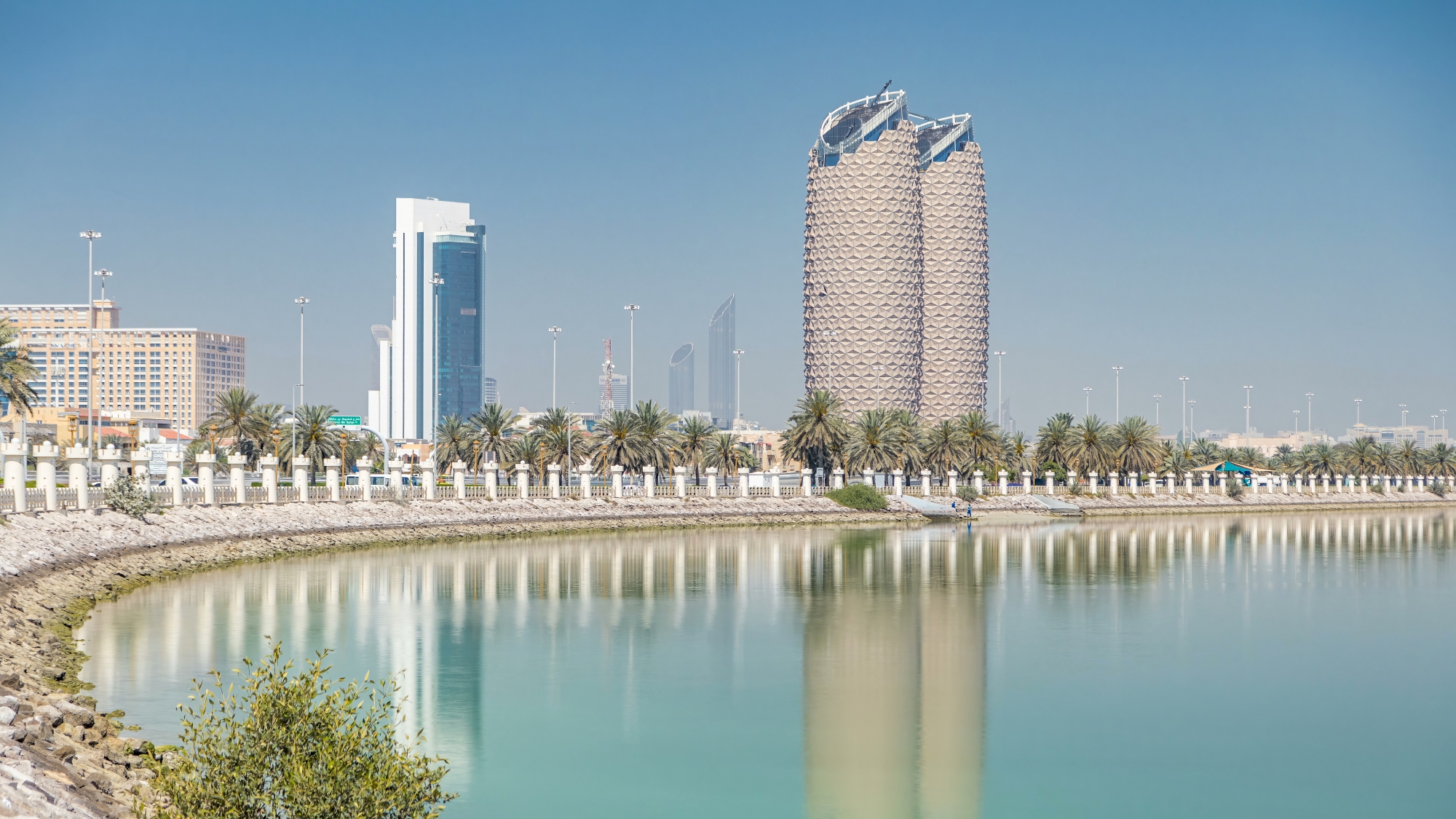
Abu Dhabi’s branded residences market is expanding, with 92% of projects in its pipeline now standalone developments, ranking the capital among the world’s leading markets for branded residential real estate.
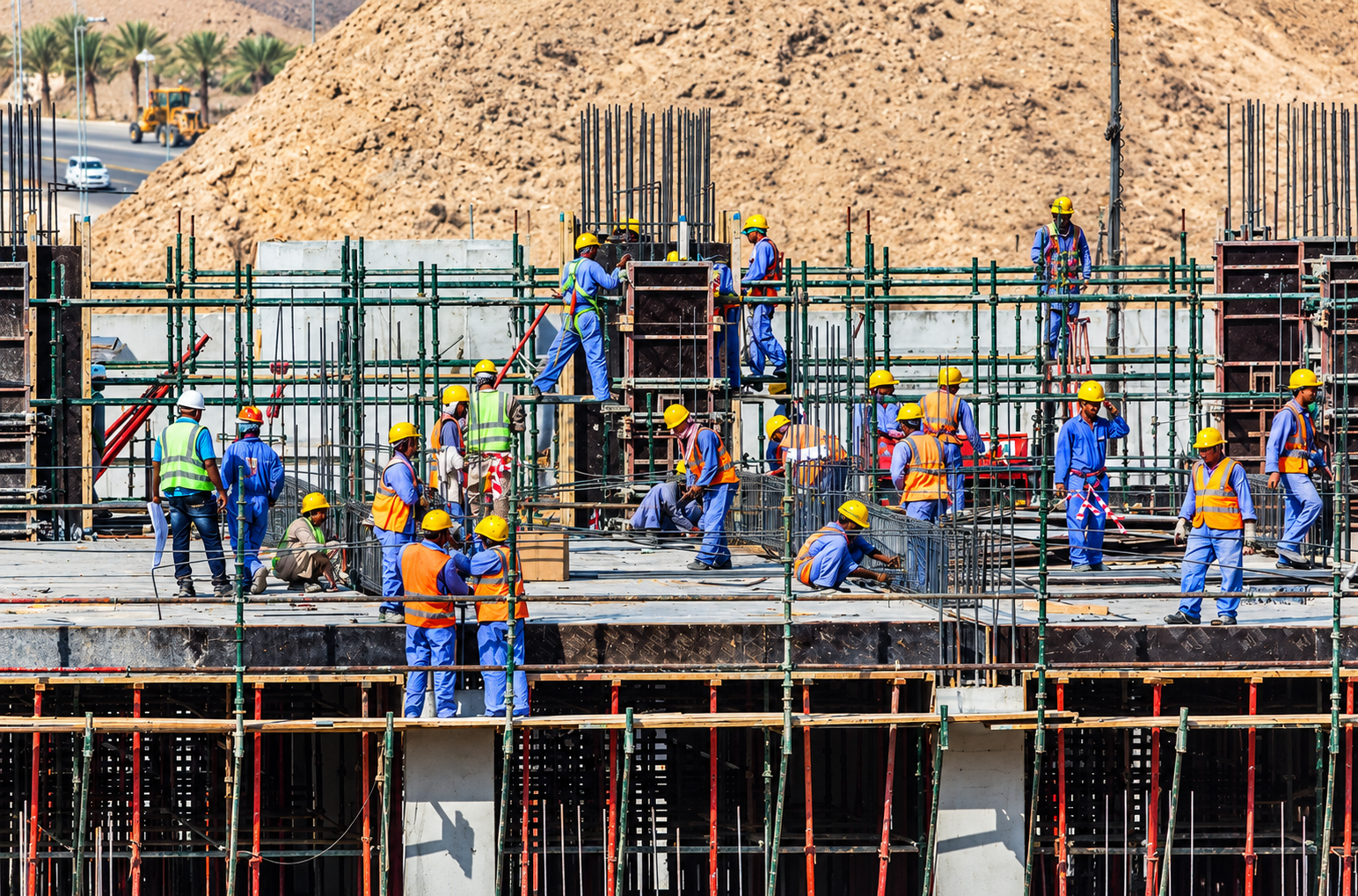
Oman’s construction sector is set for growth, backed by a $120bn project pipeline through 2030, as Project Oman 2026 prepares to showcase investment opportunities in infrastructure, tourism and industrial development.
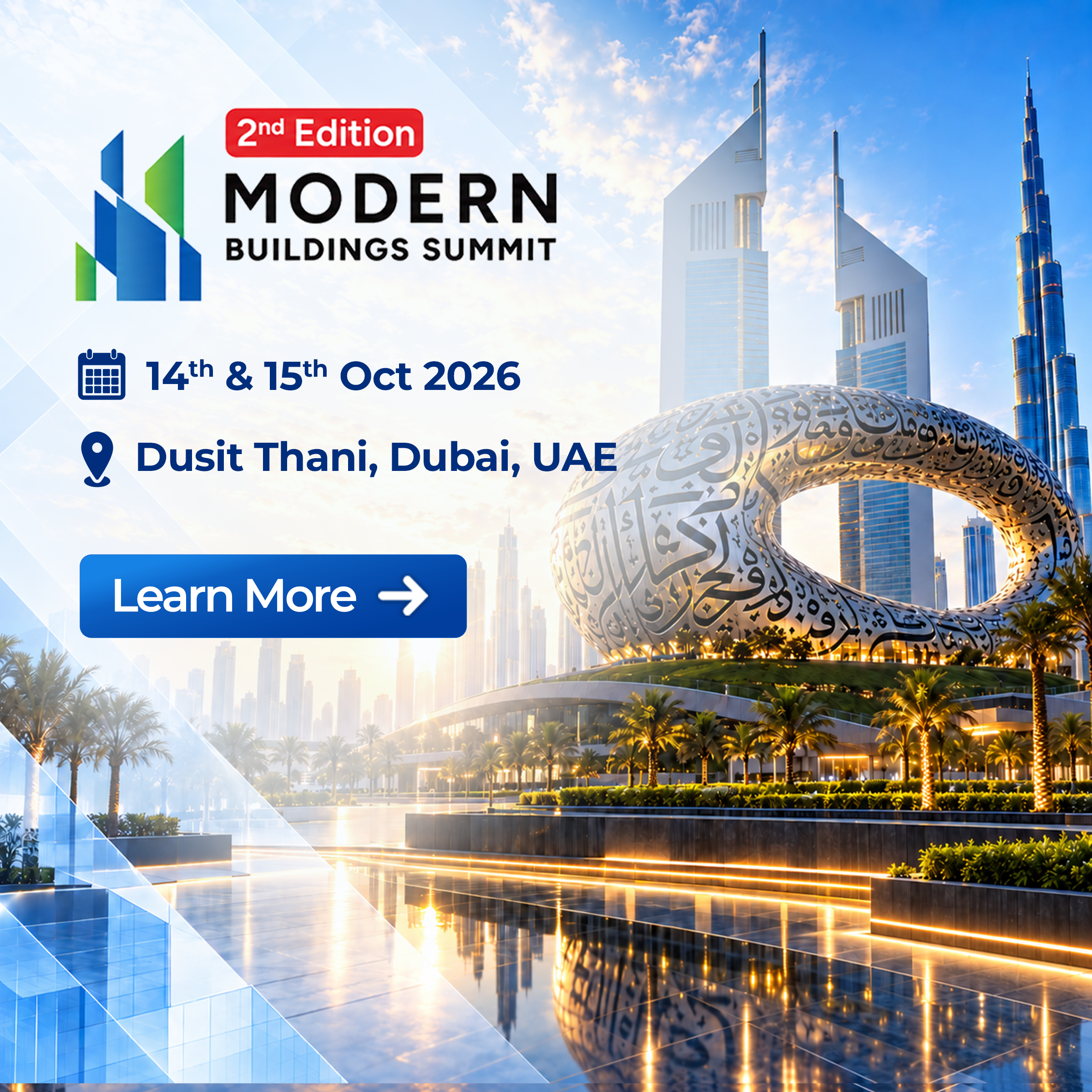
The Modern Buildings Summit will take place on 14–15 October 2026 at Dusit Thani, Dubai, bringing together industry leaders, innovators and decision-makers to explore the future of smarter, more sustainable and resilient buildings across the GCC. The summit will cover green building, net-zero development, AI, smart technologies, energy efficiency, sustainable materials, retrofitting and advanced construction solutions, while creating opportunities for knowledge exchange, networking and business growth.
Dubai’s real estate investment value surged nearly fivefold, from AED 148 billion in 2021 to more than AED 680 billion in 2025, according to W Capital Real Estate. The growth reflects a broader expansion in investor participation, international capital sources and property preferences, with non-residents favoring off-plan properties while residents showed a more balanced split between off-plan and ready homes.
3 min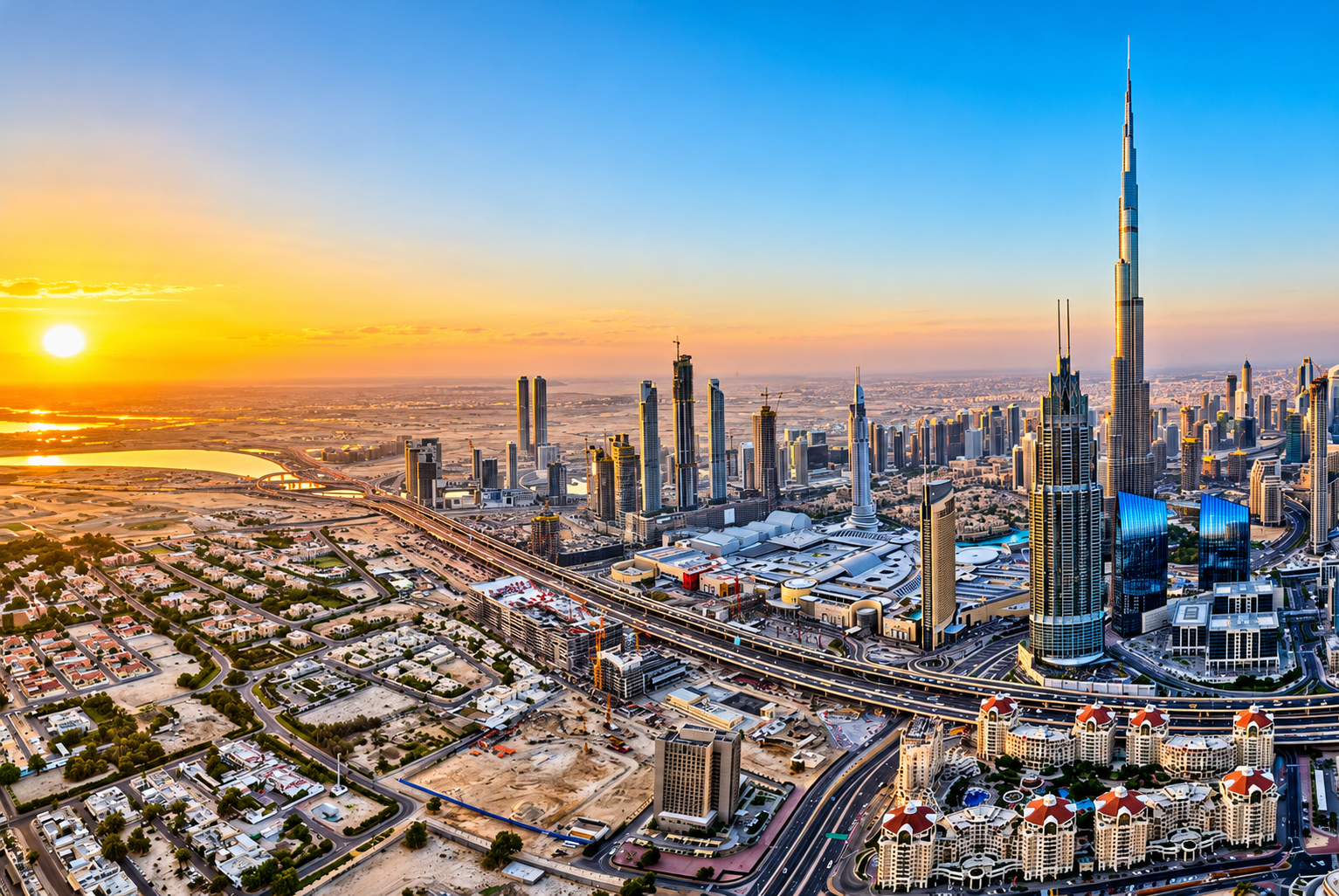
The value of real estate investments in Dubai has grown steadily over the past few years, rising nearly five-fold from AED148 billion ($40.2 billion) in 2021 to more than AED680 billion ($185 billion) in 2025, said top UAE brokerage W Capital Real Estate, adding the number of investments have jumped from 72,000 to 259,000 over the period.
This surge extended beyond the volume of capital invested. It was accompanied by a substantial expansion in the number of investors and investments, greater diversity in capital sources, it stated.
Based on annual reports and data published by the Dubai Land Department, the study found that this surge extended beyond the volume of capital invested. It was accompanied by a substantial expansion in the number of investors and investments, greater diversity in capital sources and a wider range of locations attracting funds.
The study traced a five-year upward trajectory during which the number of investors rose from 52,415 to approximately 193,100, while the number of investments increased from 72,207 to around 258,600.
The comparison also showed that investment value grew faster than participation, adding a qualitative dimension to the assessment of market performance beyond aggregate sales and real estate transactions, it stated.
The market began the period with investments of AED 148 billion in 2021, followed by AED 264.15 billion in 2022, approximately AED412 billion in 2023 and around AED 526 billion in 2024, before exceeding AED 680 billion in 2025.
Global capital, differing investment preferences
Based on approximate annual values, growth stood at 78.5% in 2022, 56% in 2023, 27.7% in 2024 and 29.3% in 2025. This trajectory demonstrates that investment inflows continued, although their rate of increase varied from year to year, it stated.
W Capital explained that these developments reflect the expansion of the market’s annual investment base: the value recorded in 2025 was more than 4.5 times the 2021 level. This comparison uses the real estate investment indicator, which is distinct from the total value of property transactions or sales.
The geographic origins of investments in 2025 revealed a strong international presence. Asia and Europe together accounted for AED496 billion, including AED308 billion from Asia and AED188 billion from Europe, stated the report.
Investments from North America reached AED54.63 billion, while Africa accounted for AED41 billion. At the subregional level, South Asia led with AED123 billion, followed by the Middle East at AED96 billion and Northern Europe at AED56 billion, according to figures published in the 2025 market review.
W Capital said that the widening range of markets supplying investment capital provides Dubai’s real estate demand with multiple international sources and creates more diverse requirements, spanning homeownership, rental yields and asset diversification.
The study did not make a year-on-year comparison of continental growth because the classification basis for certain geographic groupings differed between the 2024 and 2025 datasets.
Purchasing preferences differ
Purchasing preferences also differed markedly in 2025: 83.7% of non-resident investments went into off-plan properties, compared with 16.3% in ready properties, stated the W Capital Real Estate study.
Among residents, 51.2% of investments went into off-plan properties and 48.8% into ready properties.
The study attributes this divergence to differences in investment objectives and time horizons, including the desire to benefit from project development versus the need for a property ready for occupation or rental, it added.
Commenting on the findings, Walid Al Zarooni, Chairman of W Capital Real Estate Brokerage, said Dubai had not simply multiplied its real estate investments; it had also reshaped its investor base over five years.
The significance of this transition, he noted, lies in stronger capital flows alongside the entry of new investor segments and continued activity among existing investors.
“Investment decisions are no longer based solely on a property’s price and location. They are increasingly linked to net returns, operating costs, liquidity and long-term growth potential. New developments and a wider range of locations give investors more options for building balanced real estate portfolios,” explained Al Zarooni.
The emergence of new investment destinations alongside established locations confirms the expanding range of opportunities, he added.
BNW Developments has established a Sydney presence, joining Arada and Sobha Realty among the growing number of UAE developers pursuing Australian buyers and development opportunities.
Following the successful launch of its Palais Collection, MAISON de SABRÉ has unveiled a new modular handbag system offering more than 720 styling combinations.


Egypt is planning a real estate investment fund to maximize returns from New Urban Communities Authority (NUCA) assets, attract domestic and foreign investment, and generate sustainable revenues to support urban development projects.
< 1 min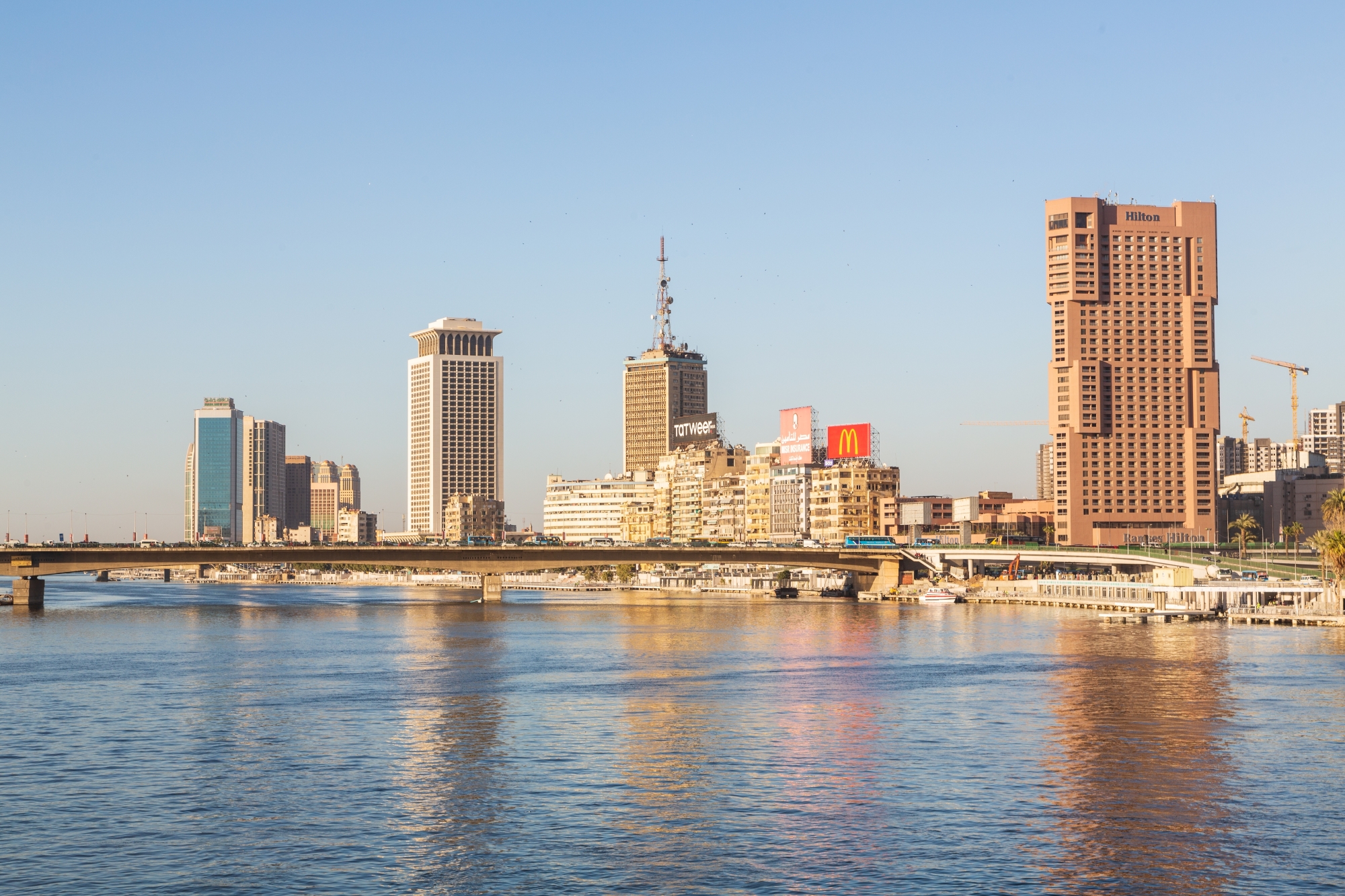
Egypt’s Minister of Housing, Utilities and Urban Communities Randa El-Menshawy discussed plans to establish a real estate investment fund to maximize the economic and investment returns from assets owned by the New Urban Communities Authority (NUCA), according to a ministry statement on Wednesday.
The proposed fund aims to attract domestic and foreign capital, provide new sources of liquidity and financing, and build a diversified real estate portfolio capable of generating attractive investment returns and sustainable revenues.
The discussions focused on exploring innovative investment mechanisms to improve the management of NUCA’s real estate assets, increase their economic value and generate additional funding for development and urban projects.
El-Menshawy stressed the importance of studying various investment models to maximize returns from the authority’s real estate assets, taking into account the characteristics and potential of each asset, as well as available development opportunities.
She added that diversifying investment and financing mechanisms was an important step towards improving asset management efficiency and generating additional resources to support urban development plans and keep pace with the expansion of projects across Egypt’s new cities.
The meeting was attended by Walid Abbas, Deputy Minister of Housing for New Urban Communities, along with officials from the ministry and NUCA.
BNW Developments has established a Sydney presence, joining Arada and Sobha Realty among the growing number of UAE developers pursuing Australian buyers and development opportunities.
Two coming 2027 models – the first of the “Neue Klasse” cars coming to the U.S. early next year – have been revealed.
Billions of dirhams in infrastructure projects, including the Dubai Metro Blue Line and Al Maktoum International Airport expansion, could reshape Dubai’s property market, boost connectivity and drive demand in emerging residential and commercial districts.
2 min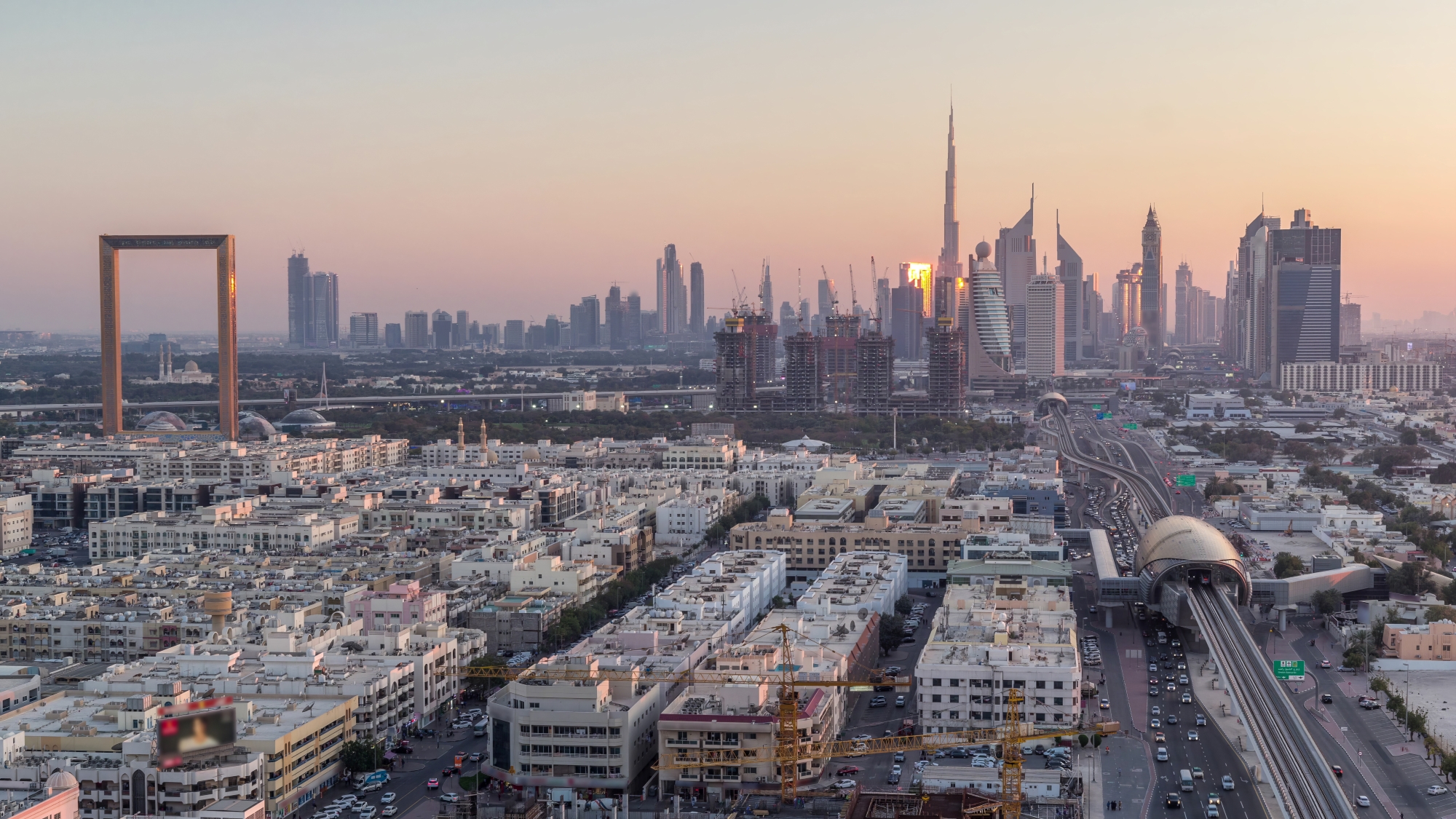
Major infrastructure projects worth billions of dirhams are expected to reshape Dubai’s real estate market by improving connectivity, supporting urban expansion and increasing the appeal of emerging residential and commercial districts, according to a leading UAE brokerage study by W Capital Real Estate Brokerage.
The study identified four major projects – the AED128 billion ($34.9 billion) expansion of Al Maktoum International Airport, the AED20.5 billion Dubai Metro Blue Line, the Fourth Federal Corridor and Etihad Rail – as potential drivers of property demand and investment across Dubai and the wider United Arab Emirates.
Property and land values around Dubai Metro Blue Line stations could rise by up to 25%, according to projections by Dubai’s Roads and Transport Authority (RTA). The project is also expected to generate more than AED 56.5 billion in economic, social and environmental benefits by 2040.
The findings underscore the growing importance of transport links and infrastructure in shaping real estate investment decisions, as developers and investors look beyond established property districts towards communities connected to new economic centres.
Metro expansion could support property demand
The AED 20.5 billion Blue Line will extend 30 km and include 14 stations, connecting established and emerging districts including Dubai Creek Harbour, Dubai Silicon Oasis, International City, Mirdif and Al Warqa.
The line is expected to serve communities with a combined population of more than one million people. Daily ridership is projected to reach 200,000 passengers by 2030 and approximately 320,000 by 2040.
Historical data cited in the study from property consultancy CBRE showed that residential properties within a 15-minute walk of Dubai Metro Red Line stations recorded average price growth of 26.7% between 2010 and 2022, compared with 24.1% across Dubai’s wider residential market.
W Capital said improved public transport access could support property values, although future performance would also depend on supply, demand, construction quality and the availability of community services.
Airport expansion puts Dubai South in focus
The expansion of Al Maktoum International Airport is another potential driver of long-term real estate demand, particularly in Dubai South and surrounding districts.
The AED 128 billion project is designed to accommodate up to 260 million passengers annually and includes plans for five parallel runways and 400 aircraft gates.
The development is expected to strengthen Dubai’s position as an aviation and logistics hub, potentially supporting employment growth and demand for residential, commercial and mixed-use properties.
BNW Developments has established a Sydney presence, joining Arada and Sobha Realty among the growing number of UAE developers pursuing Australian buyers and development opportunities.

New research suggests that bonuses make employees feel more like a mere cog in a wheel.

Abu Dhabi’s branded residences market is expanding, with 92% of projects in its pipeline now standalone developments, ranking the capital among the world’s leading markets for branded residential real estate.
2 minAbu Dhabi is entering a major growth phase with the development profile of a far more established branded residences market, with 92% of projects in its pipeline now standalone, according to The Brand Standard, the inaugural annual report from specialist advisory firm Global Branded Residences (GBR).
The findings come as the global branded residences sector reaches 1,972 schemes across more than 100 countries, comprising 848 completed developments and 1,124 in the global pipeline.
The Brand Standard also finds that branded residences now achieve an average price premium of 44% compared with equivalent non-branded residential products globally.
Abu Dhabi now has 31 branded residence projects, comprising five completed developments and 26 in the pipeline. This makes the UAE capital the sixth largest city market globally by total project numbers, while its pipeline ranks joint third alongside Cairo and behind only Dubai and Miami.
What distinguishes Abu Dhabi from many other emerging branded residence markets is the speed at which it has shifted towards standalone development, where branded residences are developed without an operating hotel on site, stated the top advisory firm.
Standalone schemes account for 92% of Abu Dhabi’s pipeline and 83% of its total market, compared with 37% of branded residence projects globally.
GBR says the model typically becomes more prevalent as markets mature and buyers, developers and brands become increasingly comfortable with a branded residential proposition that does not rely on a hotel operating alongside it.
Abu Dhabi’s proximity to Dubai has helped accelerate that progression. Dubai is the largest branded residence market in the world and has one of the sector’s most developed standalone markets, with standalone projects accounting for 77% of its pipeline by development type.
Riyan Itani, Founder of Global Branded Residences, said: “Abu Dhabi has the world’s largest branded residences market next door, where developers, brands and buyers have already had significant exposure to the product and to the standalone model in particular.
“That experience is transferable. Abu Dhabi has been able to move much more quickly towards a development model that, in many markets, only becomes commonplace after branded residences have been established for a considerable period of time.”
The emirate’s pipeline spans both major hospitality groups and a growing field of non-hotel brands. Brands represented across Abu Dhabi’s completed and future projects include Mandarin Oriental, Four Seasons, St. Regis, W, Waldorf Astoria, Elie Saab, Jacob & Co., Henge, BRABUS and SHA.
Marriott is the most active parent group in Abu Dhabi with five developments, all of them in the pipeline, followed by Accor with three. At individual brand level, Mandarin Oriental and Four Seasons have two projects each, while Elie Saab is the largest non-hotel brand with two, both in the pipeline.
Abu Dhabi’s expansion forms part of a much wider growth story across Mena, which The Brand Standard identifies as one of the major centres of global branded residential development.
The region now has 426 branded residence projects, including 118 completed developments and 308 in the pipeline. MENA accounts for more than 27% of the global branded residence development pipeline, said the top advisory firm.
The UAE remains the region’s largest market, with 260 projects, including 185 in the pipeline. Saudi Arabia has 60 projects, of which 51 are in development, while Egypt has 46 projects, including 41 in the pipeline, it added.
BNW Developments has established a Sydney presence, joining Arada and Sobha Realty among the growing number of UAE developers pursuing Australian buyers and development opportunities.

Parts for iPhones to cost more owing to surging demand from AI companies.

Oman’s construction sector is set for growth, backed by a $120bn project pipeline through 2030, as Project Oman 2026 prepares to showcase investment opportunities in infrastructure, tourism and industrial development.
2 minOman’s construction sector is poised for solid growth, supported by a project pipeline worth $120 billion through 2030 covering major sectors including infrastructure, tourism and industrial development, with industry opportunities set to take center stage at the Project Oman 2026 event, which kicks off next month in Muscat.
To be held at the Oman Convention & Exhibition Centre (OCEC) from November 2 to 4, the fifth International Construction Technology, Infrastructure and Building Materials Exhibition, will serve as a key business platform connecting global solution providers with decision-makers in Oman’s rapidly evolving construction market.
Organized by IFP Group in partnership with Al Nimr International Exhibition Organizers, the three-day event aims to connect international technology and solution providers with decision-makers and industry stakeholders in Oman’s construction market.
Growing construction market with high demand
Oman’s construction sector is driven by major investments in infrastructure, tourism, logistics and industrial development. Large-scale projects across transport networks, smart cities, and mixed-use developments are fueling demand for innovative construction technologies, building materials, and sustainable solutions, stated the organizers.
Project Oman 2026 will showcase a comprehensive range of products and services across the construction value chain, including building materials, construction equipment, HVAC systems, water technologies, smart building solutions, and green building innovations.
Aligned with Oman Vision 2040, Project Oman contributes to national priorities focused on economic diversification, infrastructure expansion, and sustainability.
The exhibition highlights solutions that enhance efficiency, promote digital transformation, and support environmentally responsible construction practices, they stated.
By bringing together industry leaders and innovators, the event plays a vital role in advancing knowledge exchange and strengthening the competitiveness of Oman’s construction sector, they added.
High-impact business features
Project Oman 2026 is designed to maximize business engagement through a range of high-value features. The B2B Matchmaking Platform enables exhibitors and visitors to pre-schedule meetings, connect efficiently with targeted partners, and generate qualified business opportunities during the exhibition, said the organizers.
The Specialized Conference will bring together industry experts, policymakers and professionals to share insights on market trends, emerging technologies, sustainability and the future of construction in Oman and the wider region.
Together, these features enhance networking opportunities, facilitate partnerships, and create a results-driven environment for all participants.
With its strategic location, stable economic outlook, and ambitious development plans, Oman continues to position itself as a key investment destination in the region. Project Oman 2026 offers international companies a unique opportunity to access this growing market and engage with stakeholders shaping the country’s future.
As the sultanate advances its infrastructure and urban development projects, Project Oman remains a leading platform for driving innovation, collaboration, and sustainable growth.
BNW Developments has established a Sydney presence, joining Arada and Sobha Realty among the growing number of UAE developers pursuing Australian buyers and development opportunities.
Many of the most-important events have slipped from our collective memories. But their impacts live on.
The Modern Buildings Summit will take place on 14–15 October 2026 at Dusit Thani, Dubai, bringing together industry leaders, innovators and decision-makers to explore the future of smarter, more sustainable and resilient buildings across the GCC. The summit will cover green building, net-zero development, AI, smart technologies, energy efficiency, sustainable materials, retrofitting and advanced construction solutions, while creating opportunities for knowledge exchange, networking and business growth.
< 1 minThe Modern Buildings Summit, taking place on 14–15 October 2026 at Dusit Thani, Dubai, will bring together professionals, innovators and decision-makers shaping the future of the built environment across the GCC.
The summit will examine how buildings can become smarter, more sustainable, efficient and resilient, with discussions covering green building strategies, low-carbon development, energy efficiency, sustainable materials, water management and technologies that support the transition towards net-zero buildings.
The programme will explore the practical application of smart building technologies, AI, digital twins, building automation, HVAC efficiency, lighting, façades, solar technology, EV charging, security and advanced construction solutions. Sessions will also address the modernization of existing buildings through retrofitting, adaptive reuse and improvements that can extend building life while reducing energy use and environmental impact.
Sustainability will remain a key focus throughout the summit, with discussions on net-zero buildings, water reuse, sustainable construction materials, carbon-positive assets and resource-efficient building operations. The event will also look at how technology and better design can improve performance while supporting long-term environmental and operational goals.
The summit will bring together developers, building owners and operators, architects, designers, consultants, MEP contractors, facility managers, government representatives, sustainability professionals, engineers, procurement teams and technology providers, creating a platform for knowledge exchange, industry connections and new business opportunities.
14–15 October 2026 | Dusit Thani, Dubai, UAE
BNW Developments has established a Sydney presence, joining Arada and Sobha Realty among the growing number of UAE developers pursuing Australian buyers and development opportunities.

Paine Schwartz joins BERO as a new investor as the year-old company seeks to triple sales.

NEAT Development has entered Egypt’s real estate market with plans to develop four projects worth around EGP 10 billion. Backed by founders with over 13 years of industry experience, the company will launch three projects in November and a fourth in January, focusing initially on Sheikh Zayed and 6th of October before expanding into East Cairo. Its portfolio spans commercial, administrative, residential, hospitality and medical developments, with construction already underway on several projects.
2 min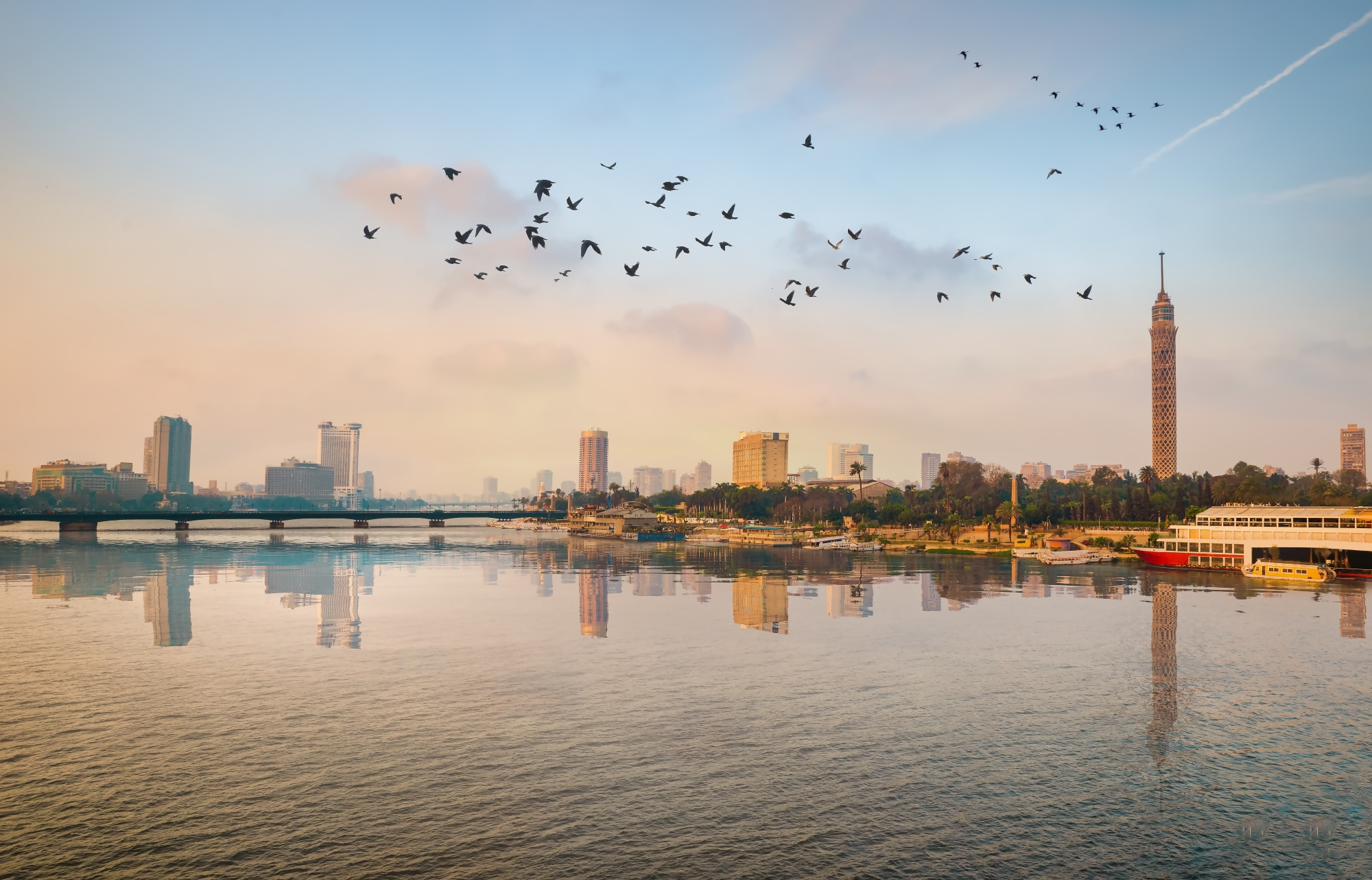
NEAT Development has entered Egypt’s real estate market as a new brand under an investment group operating in real estate development and contracting, with plans to develop four projects with targeted investments of around EGP 10bn.
The company is backed by six founders and partners with more than 13 years of experience in developing and executing real estate projects.
NEAT plans to launch three of its projects in November, followed by a fourth project in January.
The company’s strategy focuses on self-financing land acquisitions and starting excavation and construction before launching units for sale, allowing it to establish construction progress ahead of commercial launches.
Mahmoud Tolba, CEO of NEAT Development, said the company is initially focusing on Sheikh Zayed and 6th of October, with plans to expand into East Cairo.
He said the founders have participated in developing and delivering more than 25 projects comprising over 2,000 residential, commercial, medical, and administrative units, with previous sales exceeding EGP 10bn.
NEAT’s project pipeline includes Business Lab, a commercial and administrative development near Gezira Sporting Club, with investments of about EGP 1.6bn. The project covers 3,500 square metres and has a built-up area of 10,000 square metres, with excavation and construction already underway.
The company is also preparing a villa-only residential project in Sheikh Zayed’s Green Belt, with investments of nearly EGP 1bn on a 14,000-square-metre plot.
Another project, El Nozha, is located opposite Al Ahly Sporting Club in Sheikh Zayed and will combine hospitality, commercial, and residential uses. The project will be developed on 3.5 feddans, with investments of around EGP 3bn, including 80 hotel rooms and 130 residential units.
The fourth project, located opposite Sheikh Zayed Specialized Hospital, will combine medical and commercial uses, with investments approaching EGP 2bn.
Tolba said NEAT aims to complete and deliver its projects within 24-30 months of land acquisition, with construction and sales activities proceeding in parallel.
The company is working with Hafez Consultants, Azure Planning and Architecture, and SEGMENTS Architects, while Gateway Financial Services has been appointed as its financial and investment adviser.
BNW Developments has established a Sydney presence, joining Arada and Sobha Realty among the growing number of UAE developers pursuing Australian buyers and development opportunities.
The sports-car maker delivered 279,449 cars last year, down from 310,718 in 2024.
A vibrant 1954 Palm Springs home featuring eight colorful murals by late artist Shawn Savage is on the market for $2.295 million. The 2,237-square-foot property features bold hot-pink doors, three bedrooms, a pool, mountain views and playful interiors blending modern glamour with classic Palm Springs style.
3 min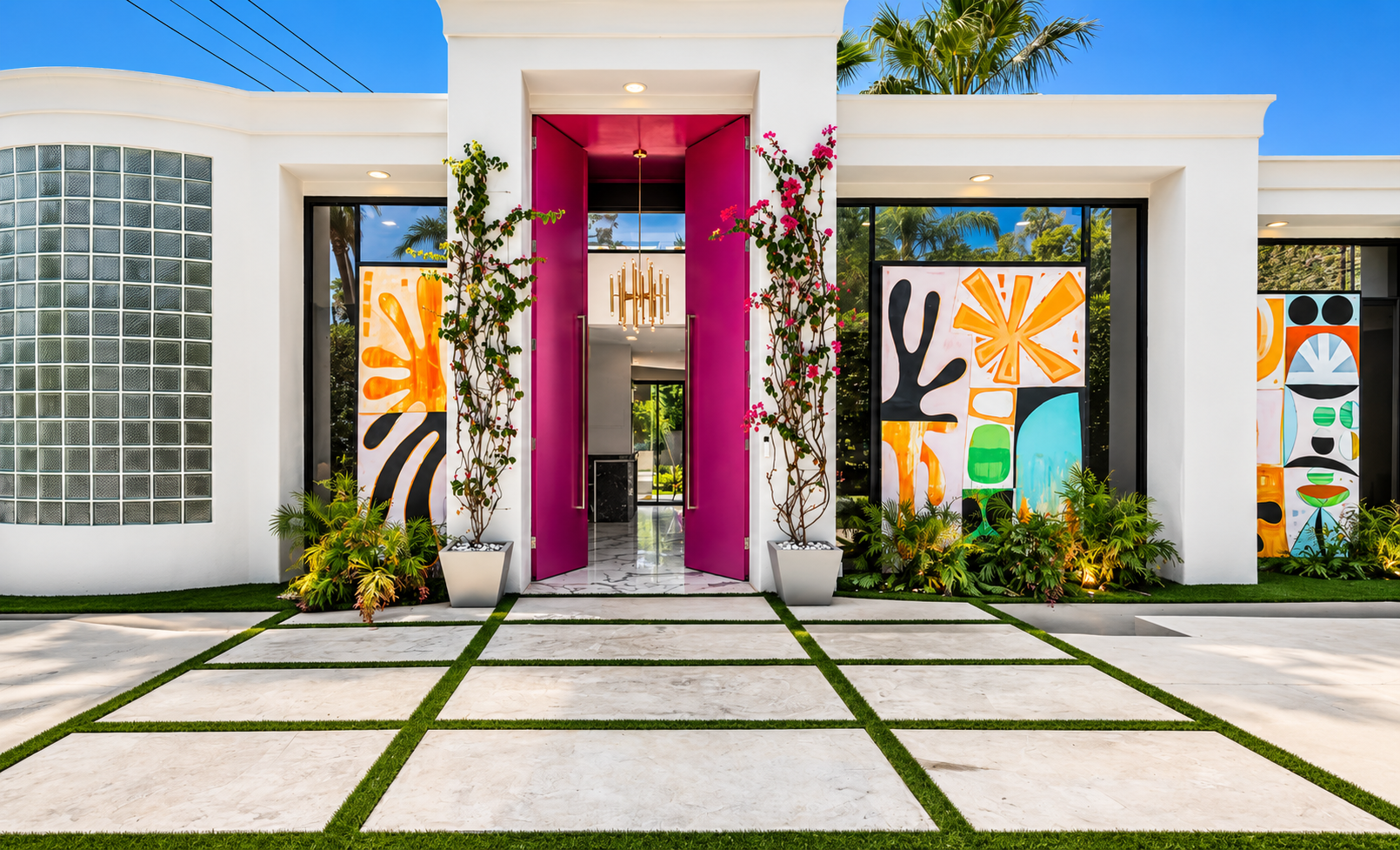
A bold 1950s home in Palm Springs, California, adorned with eight colorful murals by the late artist Shawn Savage, is coming to market ahead of the city’s annual Modernism Week.
The white stucco home on El Camino Way, built in 1954 and recently renovated, has an asking price of $2.295 million. Its staggered facade features three playfully abstract murals on either side of double-height hot pink doors.
MORE: Megamansion Outside Princeton, N.J., With a Pub and Two-Story Library Heads to Auction
The sellers are Los Angeles-based partners John Freeman and Mathieu Faure, who knew it was “the one” when they saw it after several months of searching in the winter of 2023. “It’s a happy house,” Freeman said. “We really liked the feel of the house: the uniqueness, the openness, the brightness—and the art.”
Located in the Mesa neighborhood of Palm Springs, which backs up to the San Jacinto Mountains, the 2,237-square-foot house features three bedrooms, an angled bonus room and a yard with a pool, desert mountain views and another colorful mural running alongside the pool.
“I never thought in my life I would have a house with pink doors,” said Faure, a producer at Apple TV who is originally from Paris. “It’s so colorful, it’s so different. And so Palm Springs.”

The layout of the home creates a smooth flow from the front doors through the open-plan common area—a foyer, bar, and living and dining room—into the kitchen around a fireplace wall and out to the yard. A corridor leads to a private bedroom wing, where the primary suite has floor-to-ceiling windows and the primary bath is only a tad smaller than the bedroom.
Faure has filled the home with Jonathan Adler furniture, rugs and accessories, riffing on the energetic California vibes of the house to create an aesthetic of “modern American glamour,” he said.
“It was enjoyable for me to play with different types of furniture and make this house ‘happy chic,’ as I describe it,” he said.
MORE: Beverly Hills Villa of Late Philanthropist Glorya Kaufman Sells for $19.25 Million
“He did a fantastic job,” said Freeman, who is an attorney and consultant. “It does kind of bring a smile to my face whenever I walk into the house.”
Since the furniture and decor were chosen for the particularities of the space, the couple is open to selling them with the home. Their West Hollywood house is already furnished; the collection doesn’t match the vibes of a Houston loft they bought near family; and Faure can’t imagine these pieces in New York—where he’s lived in the past—he said.
The duo bought the Palm Springs house for $1.925 million in 2024, according to property records, and will list the home Monday. They are represented by Stewart Smith, Patrick Jordan and Kevin Stanley of Bennion Deville Homes/Luxury Portfolio International.
The previous owners had purchased the home in 2021 for $975,000 and then spent more than two years and $700,000 on the renovation, according to Realtor.com. They commissioned Savage, a local Palm Springs artist and painter known for his joyful abstract work, to decorate the home.
MORE: Alpine Villa From Lady Gaga Movie ‘House of Gucci’ Lists for €2.9 Million
Savage, who died in 2024, lived in the Coachella Valley from 2003, and his work can be found in various local institutions and is on exhibit at the Illumine Gallery in Palm Springs. “Some artists pass through a place. Shawn Savage became a part of it,” the gallery’s description states.
Unsurprisingly, the murals invite lots of friendly conversations, as well as guided tours and interested lookers, but never to a degree that it disturbed the peacefulness of their home or the neighborhood, the sellers said. “It felt like living in an art gallery, and you have the exterior that you would share with the world,” Faure explained.
The neighborhood also played a role in their decision to buy, because of its access to the hiking trails of the San Jacinto Mountains, the lack of through-roads and the neighborly environment.
“It’s a very friendly place,” Faure said.
BNW Developments has established a Sydney presence, joining Arada and Sobha Realty among the growing number of UAE developers pursuing Australian buyers and development opportunities.

Chris Dixon, a partner who led the charge, says he has a ‘very long-term horizon’

Despite regional tensions, luxury real estate activity in the UAE remains resilient, with new waterfront developments launching across Dubai, Abu Dhabi and Ras Al Khaimah, including branded residences from Ritz-Carlton and Janu.
6 min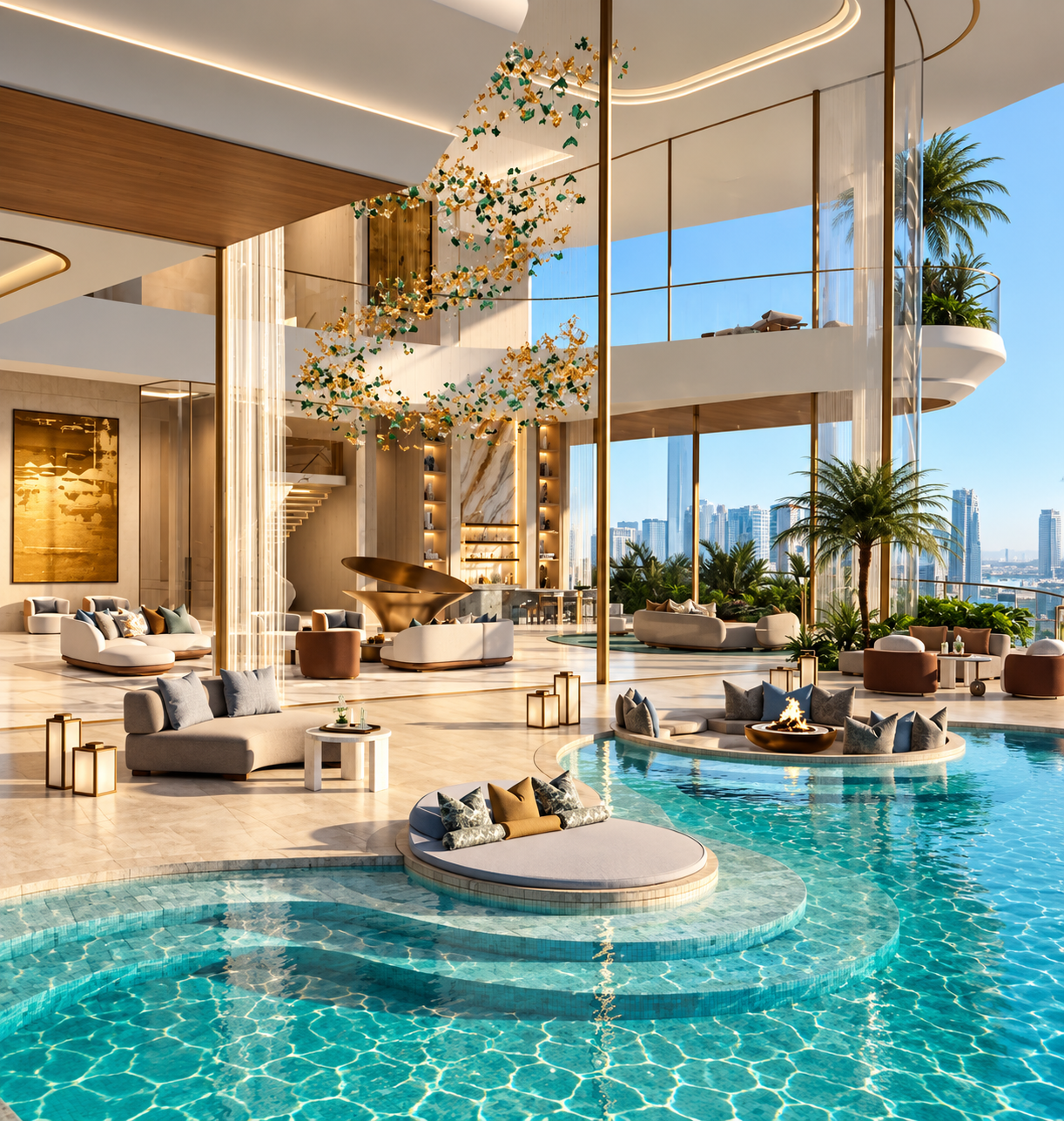
Long-term optimism remains strong in the United Arab Emirates, even as the war in neighboring Iran hinders home sales and demand for now.
While there have certainly been residential and commercial real estate projects across the U.A.E. that have been paused or delayed due to the turmoil experienced across the region, by and large, new developments continue to be launched.
That’s the case in the luxury residences sector in particular, where a string of starry, big-name projects are putting homes on the market before the close of the year. One trend is that the islands of Dubai, Abu Dhabi and the U.A.E. at large that are taking their turn in the spotlight, as waterfront living continues to be in demand and come at a premium.
For would-be buyers looking for resort-style homes along the shores, there’s an array of upcoming projects to get excited about. Right at the top of the list are hotel branded residences from the likes of Ritz-Carlton and Janu, the sister brand of powerhouse Aman, among five swanky projects selling this season.

The Ritz-Carlton Residences Al Maryah Island, Abu Dhabi
Luxury hotel branded residences are thriving, and the exciting Ritz-Carlton Residences Al Maryah Island development is a great example of why. Residents can expect hotel-style amenities and services from a locale within Abu Dhabi’s thriving waterfront district, with the creature comforts of home built into it.
This project was unveiled at Abu Dhabi Finance Week 2025 and promises to offer The Ritz-Carlton brand’s signature, timeless style and unwavering attention to detail. All units will feature floor-to-ceiling windows with enviable views, while residents will be able to take advantage of a resort-grade, infinity waterfront pool, immersive spa and wellness facilities, and a waterfront promenade with curated outdoor spaces as well as high-end retail and dining venues.
Sales launch in October.
Number of Units: 172
Price Range: Starting at $1.2 million
Developer/Architect: Killa Design and Tara Bernerd, with SAAS Properties.
Home Sizes: One- to four-bedroom residences ranging from 882 square feet to 4,962 square feet, and a five-bedroom, 13,713-square-foot penthouse.
Amenities: Wellness facilities including premium fitness center, massage room, meditation and recovery rooms, cold plunge and indoor pool. There’s also a rooftop pool, co-working lounge, executive golf lounge, and a games room and children play area.
Janu Al Marjan Island, Ras Al Khaimah
Just 50 minutes from Dubai International Airport, Janu Al Marjan Island aims to both feel a world apart from the city, while also offering supreme ease of access. The property has its own private stretch of beach and marina, ideal for superyacht mooring and serving as the scene of a beach club.
The Janu Residences will be positioned next to the Janu hotel, with residents able to take advantage of its many social and wellness spaces, in addition to resident’s-only amenities and services. Meanwhile, the adjacent Wynn Al Marjan Island, the U.A.E.’s first integrated resort, is in direct proximity as well.
Social life by the sea, with discretion and wellness on tap, not to mention a chance to get in early on burgeoning Ras Al Khaimah.
Sales launch in late October.
Number of Units: 73
Price Range: Starting at $2.3 million
Developer/Architect: Jointly developed by Marjan and Wynn Resorts, with architecture by SCDA Architects.
Home Sizes: One- to five-bedroom residences ranging from 2,117 square feet to 18,955 square feet, as well as five Marina Villas and a residential tower penthouse.
Amenities: An active lifestyle comes to the forefront with the Janu Spa and Wellness center and a padel court. Six dining venues and a signature beach club are key features for residents who want it all, right on-site.


Sei Saadiyat, Saadiyat Cultural District, Abu Dhabi
Located in the Saadiyat Cultural District, Sei Saadiyat combines its historic locale with a unique spin rooted in the Japanese concept of stillness and calm, or “Sei.” That foundational principle is what this community will be based on, with a mission to foster wellness and relaxation in all forms, including fitness and social connection.
A total of 778 homes will be spread across six Jacobs-designed buildings. Aldar is also introducing a first in their residential portfolio in the form of their two-bedroom Kanso Lofts at Sei Saadiyat, featuring double-height, open-plan living in loft style spaces including an elevated bedroom.
Phase one sales launched in September.
Number of Units: 778 total (265 involved in this phase one launch)
Price Range: Starting at $800,000
Developer/Architect: Aldar with architecture by Jacobs and interiors by Kettle Collective.
Home Sizes: Residences range from 753 square feet to 2,238 square feet, in a range of floor plans including one- and two-bedroom apartments, three-bedroom Kanso Residences and two-bedroom Kanso lofts.
Amenities: Amenities tie into the brand’s ethos of stillness and calm: expect a Zen garden with serenity pool and outdoor yoga decks, along with numerous indoor and outdoor fitness areas, and hot-and cold-pool experiences.
Amali Canal Residences
Amali Canal Residences is located on Dubai Canal in Al Wasl. The community is suspended above the canal, and brings the presence of water even closer to home with a number of features including private plunge pools in every residence, and a swim-through, indoor-outdoor pool with a signature waterfall facade that would make the posh resorts of the Swiss Alps blush.
There will be no shortage of on-site entertainment and diversions, whether in the form of a private cinema and resident bowling alley, cigar lounge and library, padel and sports courts, a panoramic fitness center. Then there’s The Retreat, a wellness center incorporating spa, sauna, steam, onsen baths, hydrotherapy, and yoga and pilates studios. When it’s time for a bit of work in between the diversions, residents can use an executive boardroom, private studies and co-working lounges.
Sales launch in October.
Number of Units: 211
Price Range: Two bedrooms starting at $3.9 million; three bedrooms starting at $5.4 million; four bedrooms starting at $7.4 million; penthouse pricing on request.
Developer/Architect: Amali Properties in collaboration with AHS Properties, with architecture by Killa Design and interior design by HBA Residential.
Home Sizes: Two- to four-bedroom apartments ranging from 2,880 square feet to 7,800 square feet, in addition to four- and five-bedroom penthouses ranging up to 21,000 square feet.
Amenities: 55,000 square feet of interconnected amenity spaces including myriad lounges, infinity pools with cabanas, children’s waterpark and child care center, padel court and a rooftop secret garden.


Rixos Residences Al Reem Island, Abu Dhabi
The Rixo Residences on Al Reem Island, Abu Dhabi, are designed to match its island environs with the thriving culture and finance dynamics of the city. Panoramic water and skyline views bring both faces to life, in this East & West Properties project.
Residences showcase expansive terraces offering boundless views from within a community centered around three dedicated amenity zones: the Oasis, the Haven and the Gathering. Together, wellness, fitness, social life and relaxation are all available in a number of formats.
Less than half a mile from the coast, and only 10 minutes from downtown Abu Dhabi, Rixos Residences offers generous layouts and amenity-rich public spaces that deliver equally as well for family-friendly living as well as investors.
Sales launched in August.
Number of Units: 386
Price Range: One-bedrooms starting at $570,000, with larger loft units starting at $1.8 million.
Developer/Architect: East & West Property Development under the Ennismore portfolio, with architect Aedas and interiors by HBA Residential.
Home Sizes: One- to two-bedroom apartments as well as three- and four-bedroom lofts, from 954 square feet to 2,941 square feet.
Amenities: Wellness treatment areas as well as Turkish hammam and steam rooms, landscaped walking tracks, padel court, rooftop clubhouse and plunge pool, private cinema, and services including concierge, valet and security.
BNW Developments has established a Sydney presence, joining Arada and Sobha Realty among the growing number of UAE developers pursuing Australian buyers and development opportunities.

Americans now think they need at least $1.25 million for retirement, a 20% increase from a year ago, according to a survey by Northwestern Mutual

BNW Developments has established a Sydney presence, joining Arada and Sobha Realty among the growing number of UAE developers pursuing Australian buyers and development opportunities.
3 min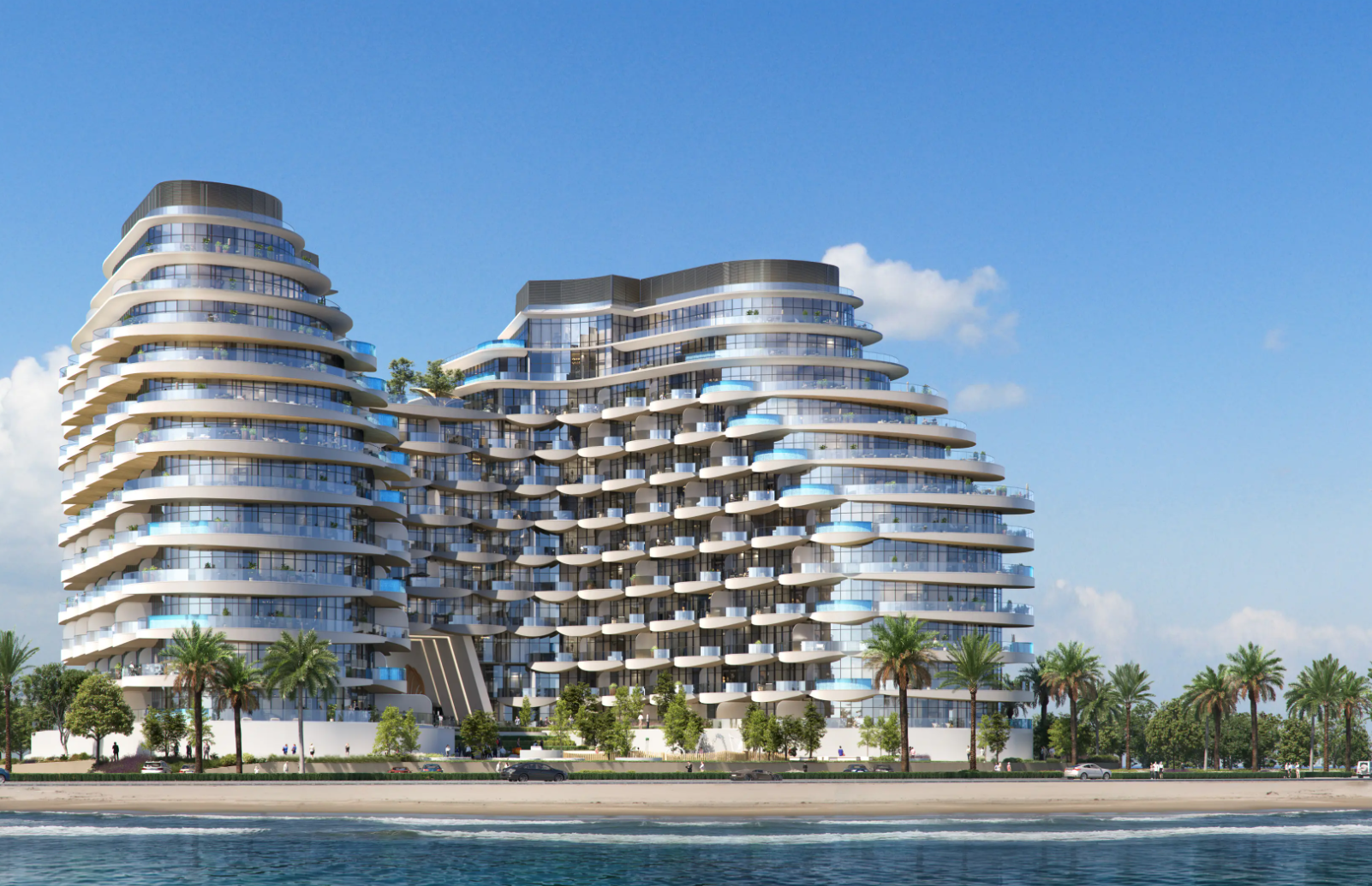
A growing number of major UAE property groups are turning their attention to Australia, with BNW Developments the latest to establish a local presence.
BNW has officially opened a Sydney office after hosting more than 300 investors, property professionals, wealth advisers and industry figures at its launch event.
The new office will give Australian buyers local access to BNW’s portfolio of residential and hospitality-led developments in Dubai and Ras Al Khaimah. Its projects include branded residences and waterfront developments combining private homes with hospitality, dining, leisure and tourism facilities.
BNW has an AED32 billion development pipeline, equivalent to approximately $12 billion, spanning projects in Dubai and Ras Al Khaimah. Its portfolio includes developments associated with Tonino Lamborghini, Radisson Blu and Wyndham Hotels & Resorts.
Among them is Tonino Lamborghini Residences in Ras Al Khaimah. BNW is also active on Al Marjan Island, the waterfront destination where the Wynn Al Marjan Island integrated resort is under development.
The developer recently announced Dolce Residences in partnership with Wyndham Hotels & Resorts. Billed as the world’s first residences carrying the Dolce name, the boutique Al Marjan Island project is planned to include 93 premium residences and five retail tenancies.
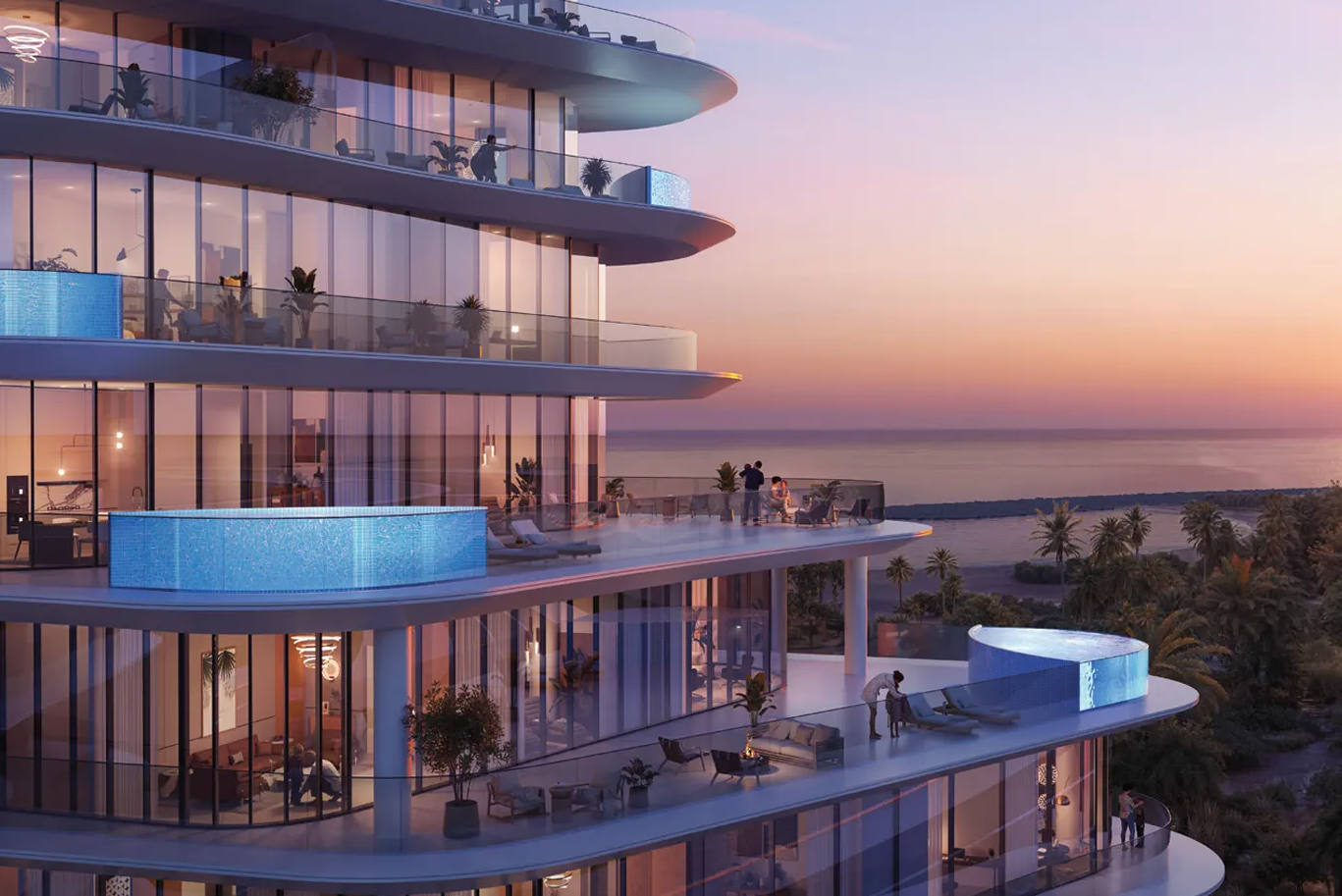
BNW Developments chairman and founder Dr Ankur Aggarwal said attendance at the Sydney launch indicated that Australians were increasingly interested in the UAE as both a property and lifestyle destination.
“The response to the opening of our Sydney office has been extremely encouraging,” he said.
“Dubai and Ras Al Khaimah offer a very different lifestyle proposition to Australia, from waterfront living and luxury hospitality to world-class dining, entertainment and tourism.”
Dr Aggarwal said the Sydney office would allow buyers to examine BNW’s portfolio locally and work with a team familiar with the Australian market.
The move comes as Australia attracts increasing interest from UAE-based developers seeking opportunities beyond their home market.
Arada entered Australia in 2024, initially announcing a $2.5 billion Sydney pipeline expected to deliver more than 2,500 homes. Its Australian plans have since expanded to eight projects comprising more than 5,000 homes, including a recently announced twin-tower development at Broadbeach on the Gold Coast.
The company has also acquired the NSW arm of tier-one contractor Roberts Co, giving it greater control over construction and delivery as it builds its Australian business. Globally, Arada says its portfolio of existing and future developments across the UAE, Australia and the United Kingdom is valued at AED130 billion.
Dubai-headquartered Sobha Realty is also laying the foundations for a substantial Australian presence. The developer has established local operations and acquired sites in Sydney and Queensland, describing its entry as a long-term commitment to the market.
Sobha has expressed interest in opportunities across Brisbane, the Gold Coast and Sunshine Coast, while its Australian website says new projects will be announced shortly. The expansion follows AED30 billion in global sales during 2025 and forms part of a wider international growth strategy encompassing Australia and the United States.
BNW’s Sydney opening reflects both the international ambitions of UAE developers and growing Australian awareness of the Emirates’ property market.
While the UAE and Australian markets differ considerably, the arrival of BNW, Arada and Sobha points to a broader exchange of capital, expertise and buyers between the two countries. For Australians considering offshore property, the opening of local offices may also make it easier to assess projects, understand the purchasing process and undertake appropriate due diligence before committing.
BNW Developments has established a Sydney presence, joining Arada and Sobha Realty among the growing number of UAE developers pursuing Australian buyers and development opportunities.
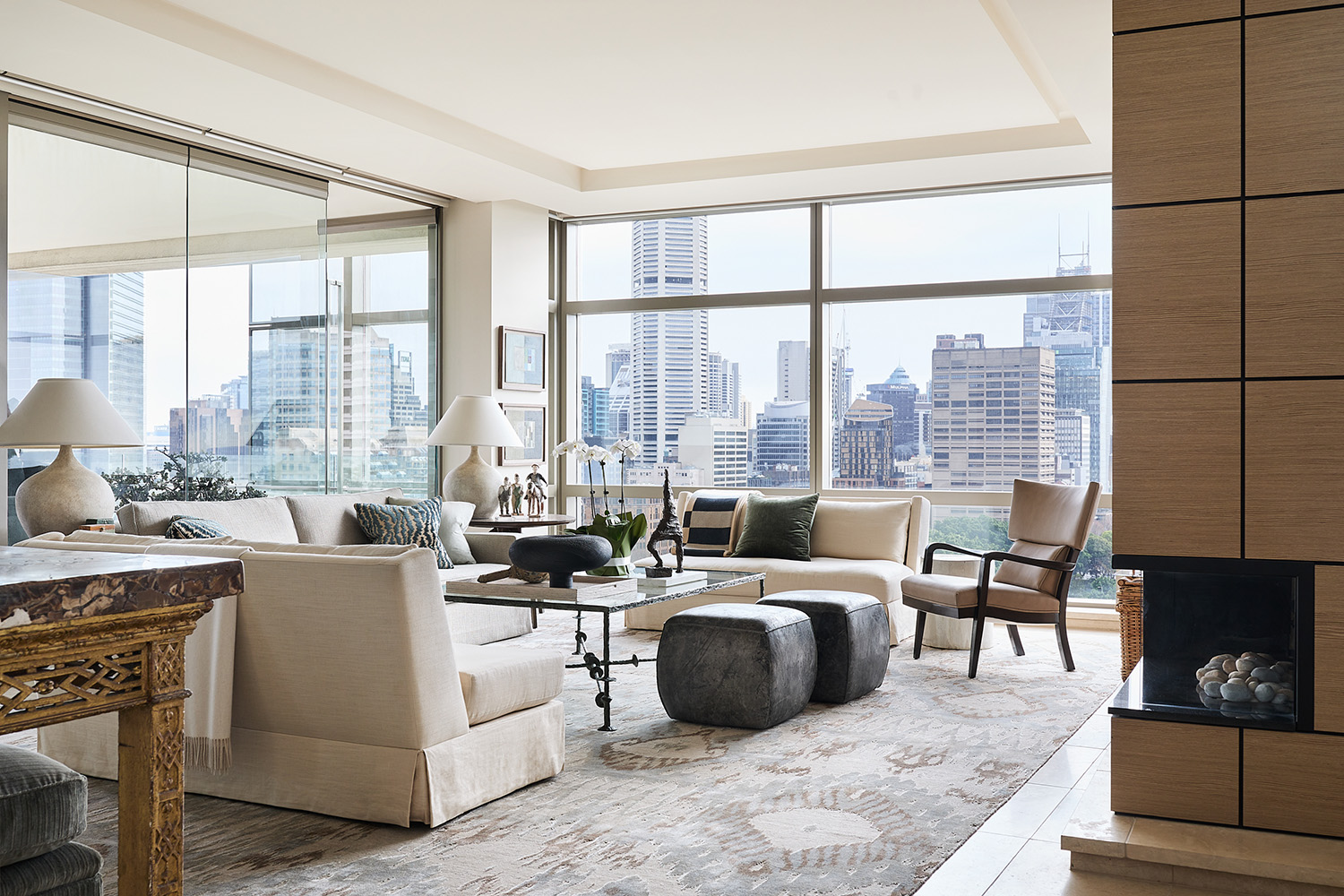
Interior designer Thomas Hamel on where it goes wrong in so many homes.
Oman is set to add 700 hotel rooms by the end of 2026, bringing its total inventory to 40,800. The expansion comes as hotel guests fell 13% in the first half of the year, with the Khareef season and winter travel expected to support demand in H2, according to Cavendish Maxwell.
3 min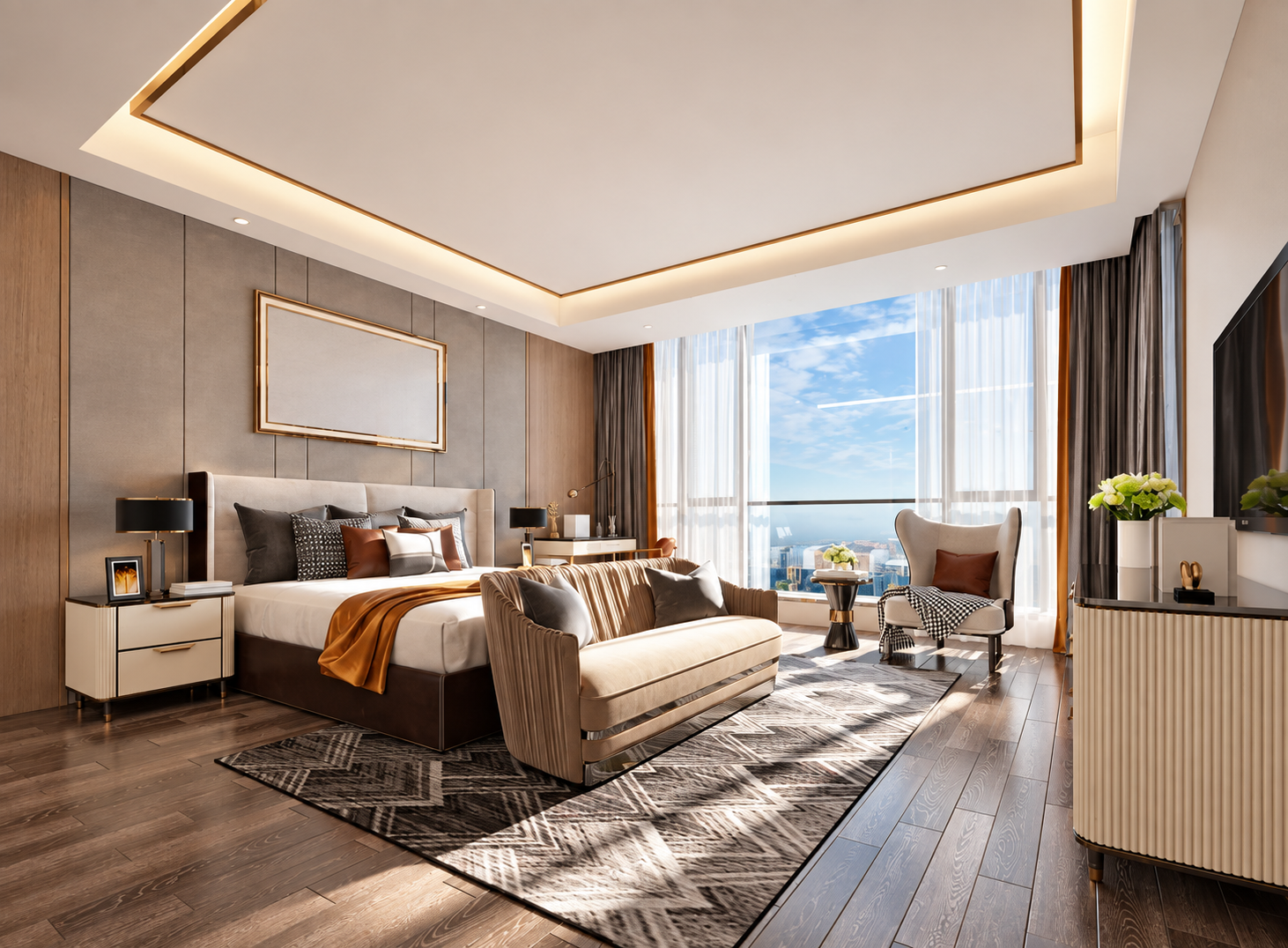
The Sultanate of Oman is set to deliver 700 new hotel rooms between now and the end of 2026, taking total inventory to 40,800 keys, according to leading real estate advisory and hospitality property consultancy Cavendish Maxwell.
Oman opened 400 new rooms in H1 2026 – all in Q1 – amid reduced hospitality sector activity as regional travel disruptions affected international connectivity and tourism trade.
The Khareef and winter travel seasons will be key drivers in the country’s H2 hospitality performance, the company said.
Oman welcomed 992,000 guests at 3-5 star hotels in H1, down 13 per cent on the same period last year. Airport passenger traffic declined 9.3 per cent to 6.3 million, according to Cavendish Maxwell’s latest research, released in the run up to the 2026 edition of Future Hospitality Summit World.
Khalil al Zadjali, Head of Oman at Cavendish Maxwell, said: “Oman’s hospitality sector entered H2 in a challenging environment. While the outlook remains sensitive to prevailing travel conditions, the July to December period typically accounts for a significant share of tourism activity, contributing 52 per cent in hotel revenue and guest volumes last year.
“The recent Khareef season – Salalah’s peak tourism period – coupled with the upcoming winter months will indicate how effectively seasonal demand supports the wider market following the H1 disruption, which was most pronounced in the second quarter. Government and tourism sector initiatives – such as international promotions and partnerships with airlines and travel trade partners – should also help strengthen demand.”
REVENUES AND ROOM RATES
Oman’s 3-5 star hotels generated RO 124.2 million (US$322.7 million) in total revenue in H1, down around 12 per cent against H1 2025. Revenue growth was strong at the beginning of the year, increasing nearly 27 per cent year-on-year in January and almost 9 per cent in February, before declining from March. Following the sharpest contraction in April, when revenues fell 64.5 per cent compared to the previous April, the pace of decline moderated in May and June, at around 28 per cent and 15.5 per cent respectively.
Room revenue was down 11 per cent to RO74 million (US$192 million), with other revenue declining by 13 per cent to RO 50.2 million. The decline in ‘other’ revenue is partly because domestic and regional travellers typically spend less per stay than long-haul visitors, Cavendish Maxwell said.
Average room rates (ARR) followed a similar pattern, with a robust start to the year before weakening in Q2. ARR was up nearly 19 per cent year-on-year in January at RO 58.3, and more than 20 per cent in February to almost RO 61. March was on a par with March 2025.
The sharpest ARR decline (around 43 per cent) came in April but, by May, it had partially recovered, increasing more than 8 per cent year-on-year to RO 43.7 (US$113.6) as Eid Al Adha boosted travel demand.
Occupancy rates across Oman averaged 46.3 per cent in H1, down more than half compared to the same period last year. Again, performance was impressive in January and February, with occupancy around 70 per cent, before dropping from March. The decline was most acute in Q2 as regional tensions weighed in on international travel and, while domestic visitors provided some support, it was not enough to compensate for the overall decline in visitors.
After a January year-on-year increase of 7.3 per cent in guests, volumes declined monthly, reflecting air disruption across the Gulf. The steepest drop was in April (43 per cent), but performance picked up again in May, when the decline narrowed to 2.6 per cent as conditions normalised and Eid Al Adha supported travel demand.
Omani nationals represented the biggest source market in H1, with 396,000 guests accounting for almost 40 per cent of all visitors – a rise of 3.1 per cent on the same period last year. Europeans (247,000) took second place, at 25 per cent, but their numbers were down 31 per cent compared to last year. With 163,000 visitors, Asians made up 16 per cent, with a marginal year-on-year increase of 0.6 per cent.
Most other source markets saw lower year-on-year guest volumes, with the GCC down 17 per cent, other Arab countries down 15 per cent, the Americas down 22 per cent, Africa 10 per cent and Oceania 61 per cent.
After delivering 400 new rooms in H1 – all between January and March – Oman is set to bring another 700 to the market by December 2026. A further 1,500 are scheduled in 2027 and 1,600 in 2028, taking total Oman room inventory to 43,900 by end of 2028.
BNW Developments has established a Sydney presence, joining Arada and Sobha Realty among the growing number of UAE developers pursuing Australian buyers and development opportunities.
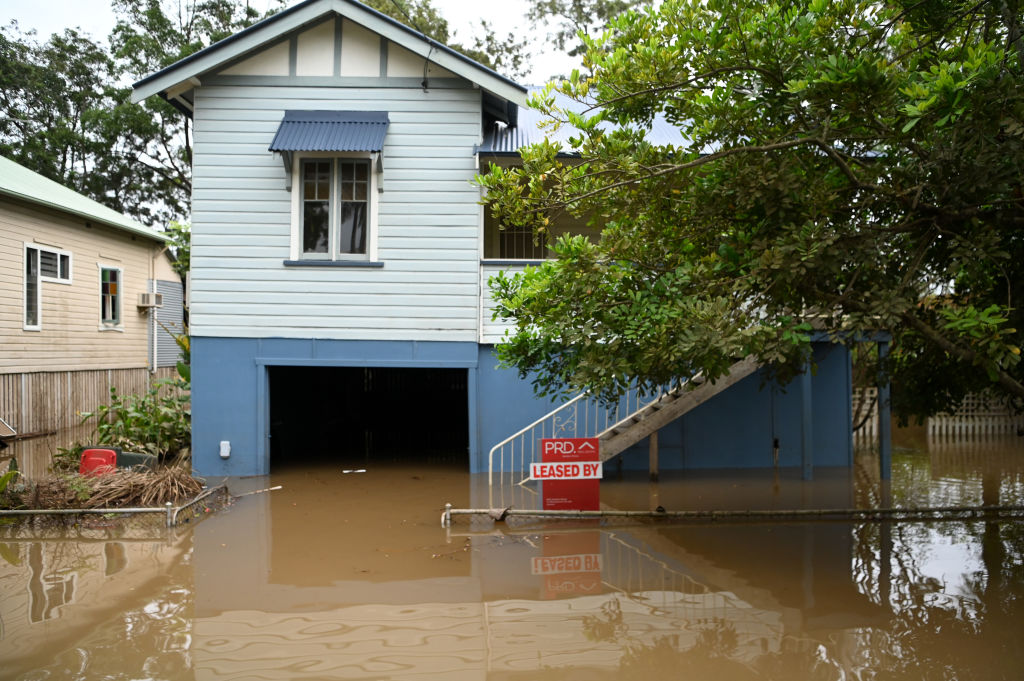
Following the devastation of recent flooding, experts are urging government intervention to drive the cessation of building in areas at risk.
ICC MENA Managing Director Mohamed Amer will join a panel on contractor excellence at Saudi Mega Projects 2026 in Riyadh on September 29, discussing the capabilities needed to deliver the Kingdom’s next phase of development.
2 min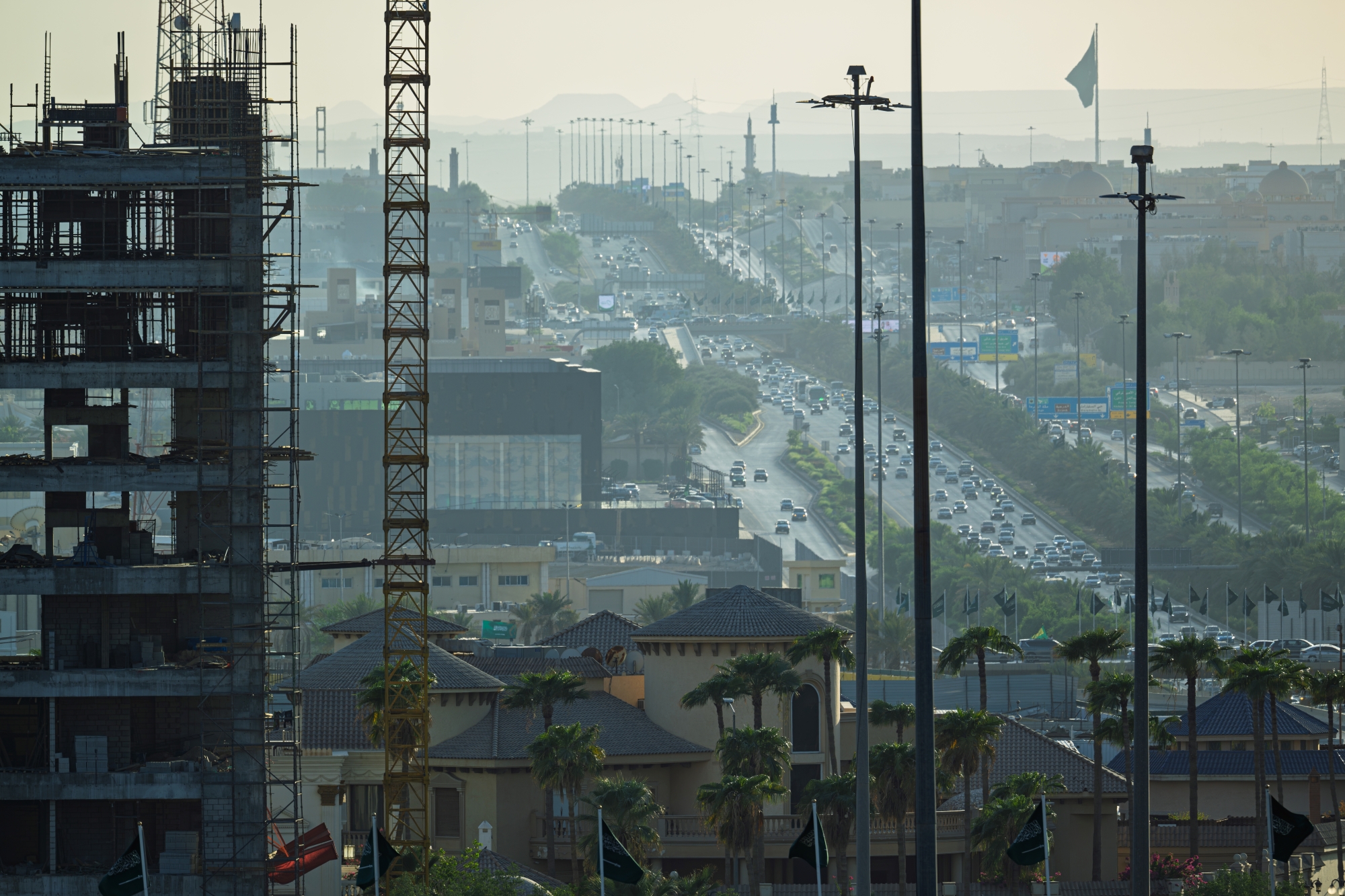
Delivering Saudi Arabia’s next generation of giga and mega projects will require more than ambitious targets. As the Kingdom moves from vision into increasingly complex stages of execution, the strength of the organizations, people and systems responsible for bringing these developments to life will be critical to achieving consistent, high-quality outcomes.
This will be a key focus at Saudi Mega Projects 2026, taking place from September 28–30 in Riyadh. Organized by MEED under the theme “Turning Vision into Value,” the three-day conference will bring together senior leaders from government, development, construction, investment and the wider project ecosystem to examine the priorities shaping Saudi Arabia’s next phase of growth. The program will address areas including investment, procurement, project execution, infrastructure and technology, alongside the wider requirements for supporting the Kingdom’s ambitious development program.
As part of the conference’s Contractors Leadership Forum, Mr. Mohamed Amer, Managing Director, International Code Council (ICC) – MENA, will participate in the ‘Building Contractor Excellence for Saudi Arabia’s Next Phase of Growth’ panel on September 29 at 2:00 PM. The discussion will look at how contractors can respond to evolving expectations from project owners while strengthening the leadership, workforce and operational foundations needed to deliver increasingly demanding projects.
For Amer, the conversation is ultimately about strengthening the sector beyond individual projects and building the conditions for sustained performance.
“The next phase of Saudi Arabia’s development will place even greater expectations on the organizations responsible for delivering these projects,” said Amer. “Contractor excellence is not only about the ability to deliver at speed, but also about building the leadership, workforce capabilities, processes and partnerships that support consistent quality and performance. As the Kingdom’s project pipeline continues to evolve, strengthening these foundations will be critical to creating a contracting sector that is equipped for the opportunities ahead.”
The discussion will further look at how a more resilient and competitive contracting sector can support Saudi Arabia’s long-term development ambitions. This includes strengthening workforce capability, encouraging operational excellence and creating greater consistency across project delivery, priorities that extend beyond individual developments to the overall maturity of the construction market.
For ICC, participation in the forum provides an opportunity to contribute to the wider conversation around the practices and conditions that support effective project delivery, while bringing together perspectives from across the construction ecosystem.
As Saudi Arabia enters a critical stage of its Vision 2030 program, attention is increasingly turning from the scale of the opportunity to the capabilities required to realize it. Saudi Mega Projects 2026 will provide a platform for industry leaders to examine these priorities and consider how the Kingdom’s construction sector can continue to strengthen in preparation for the years ahead.
BNW Developments has established a Sydney presence, joining Arada and Sobha Realty among the growing number of UAE developers pursuing Australian buyers and development opportunities.
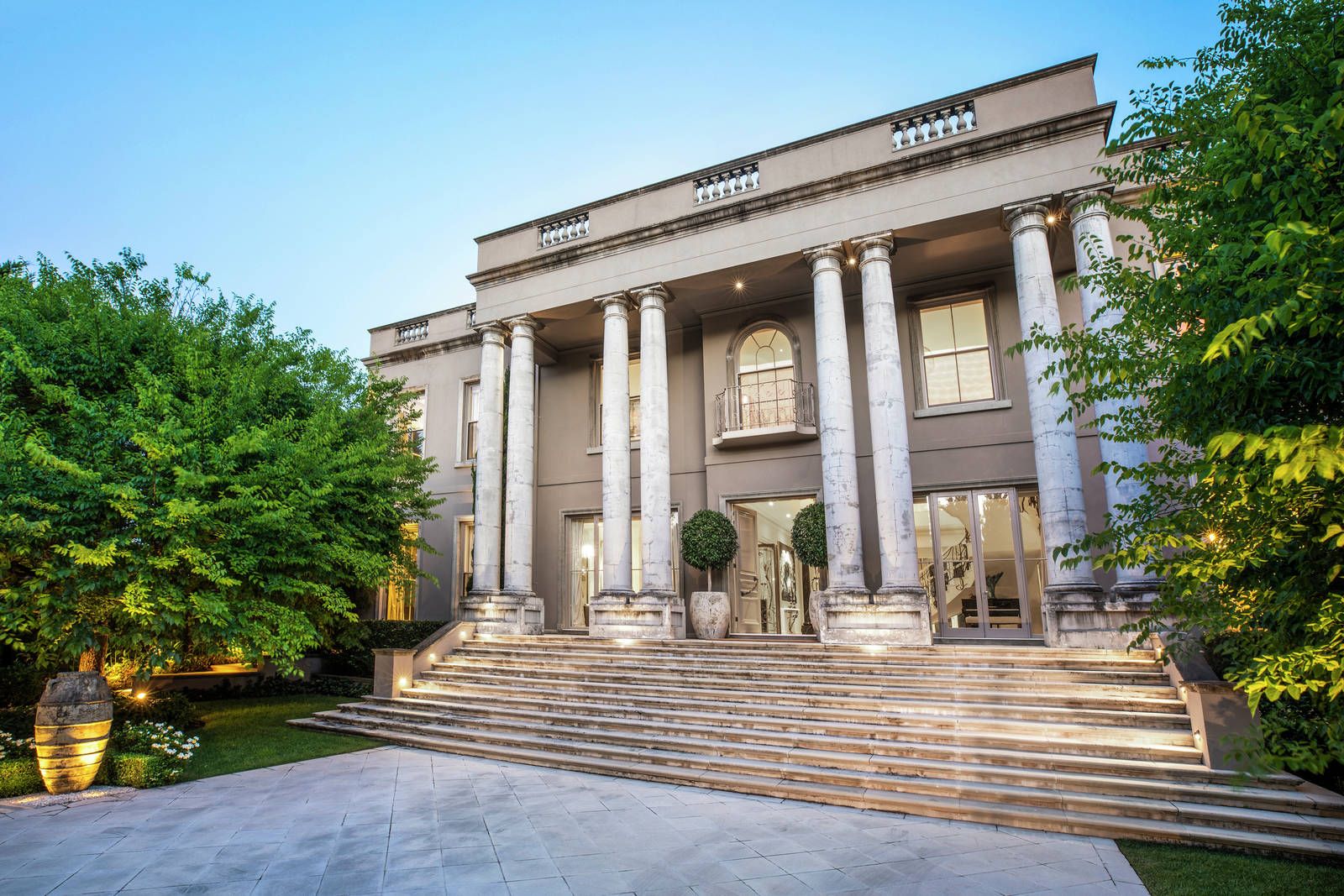
A five-bedroom Palo Alto home designed by Steven Ehrlich is listed for $44 million, making it the city’s most expensive listing. Built around a dramatic concrete spine, the home features four courtyards and a pool.
3 min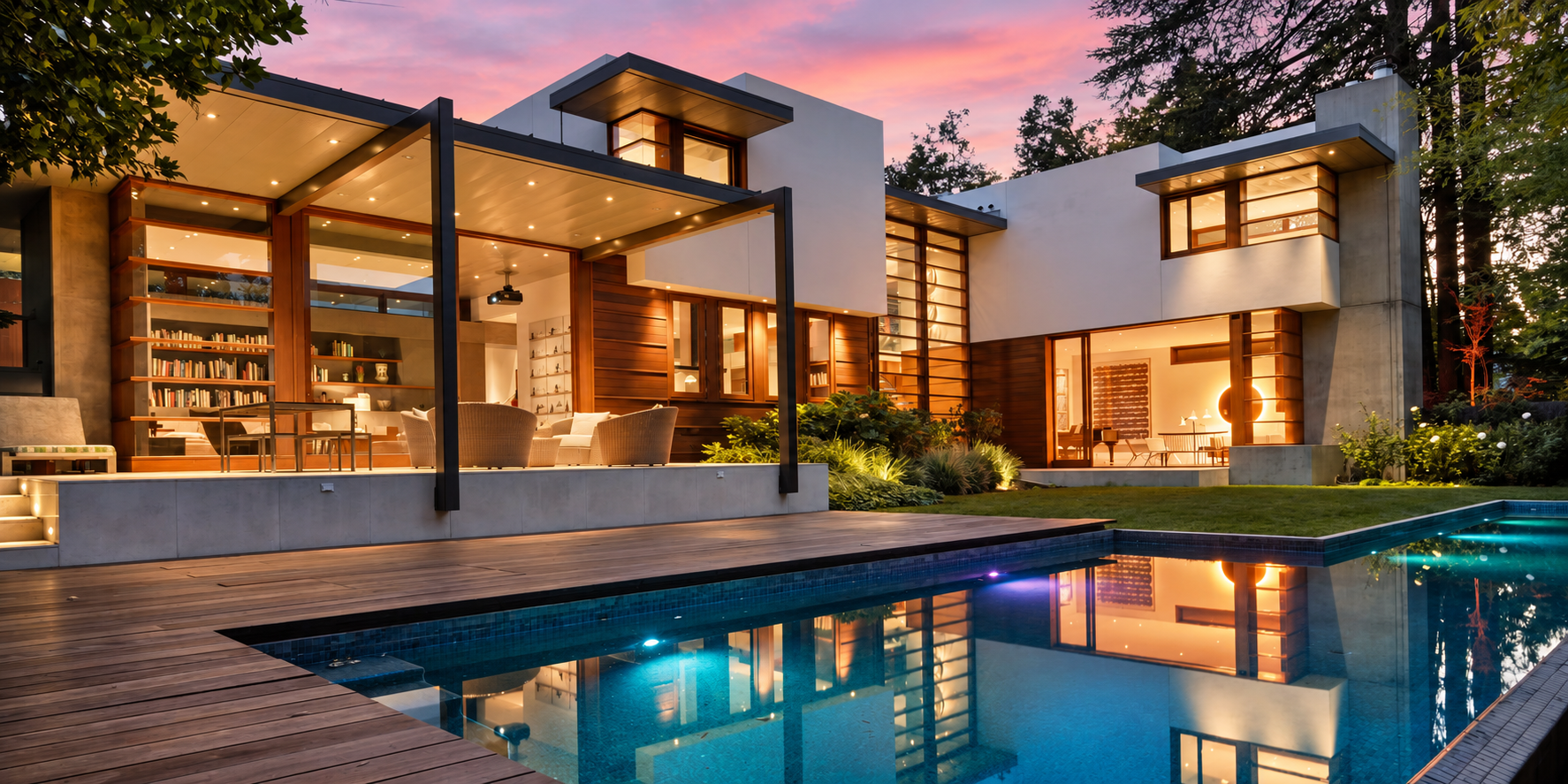
For years, tech entrepreneur Asher Waldfogel and his wife, Helyn MacLean, dreamed of building a modern house in Palo Alto, Calif.
The couple, however, worried about clashing with the Mediterranean-style architecture typically associated with their neighborhood of Old Palo Alto.
So they tapped architect Steven Ehrlich to create a design that paid homage to its surroundings with stucco, mahogany and titanium zinc cladding. They spent $20 million over several years building the house, completed in 2005.


Now looking to be closer to their adult daughter on the East Coast, they are putting the five-bedroom home on the market for $44 million—the most expensive listing in Palo Alto.
Waldfogel is an angel investor who co-founded Redback Networks, a telecommunications-equipment company. MacLean previously had a career in fundraising.


The couple purchased the roughly 0.4-acre site for $7.1 million in 2000 and demolished a circa-1930s Spanish Colonial home. The house they built pinwheels around a central staircase. It has 7,900 square feet of livable space, with four distinct courtyards and a pool.
A key feature of the home is a cast-in-place concrete wall, or spine, that is two stories high and about 80 feet long. “There’s a little bit of controlled chaos in what comes out of the form,” unlike a perfectly uniform surface, Waldfogel said. “If you want that, you do it in plastic.”


Waldfogel said he and his wife are thinking about the next phase of life now that their daughter is grown, although they have not decided where they will move. They also have a home in Sun Valley, Idaho.
“Right now we’re just trying to emotionally let go and decide what to do next,” he said.


Palo Alto, an epicenter of venture capital and tech startups in Silicon Valley, is home to some of the country’s biggest tech titans. Sales volume and prices are rising, with a median sale price of $3.5 million for the three months ending in August, up 5.8% year-over-year, according to real-estate brokerage Redfin.
Arthur Sharif of Sotheby’s International Realty—San Francisco Brokerage has the listing.
BNW Developments has established a Sydney presence, joining Arada and Sobha Realty among the growing number of UAE developers pursuing Australian buyers and development opportunities.
Ras Al Khaimah’s property market maintained strong momentum in H1 2026, with rising prices, major developments and continued investor demand reinforcing its position as a leading UAE investment destination.
3 min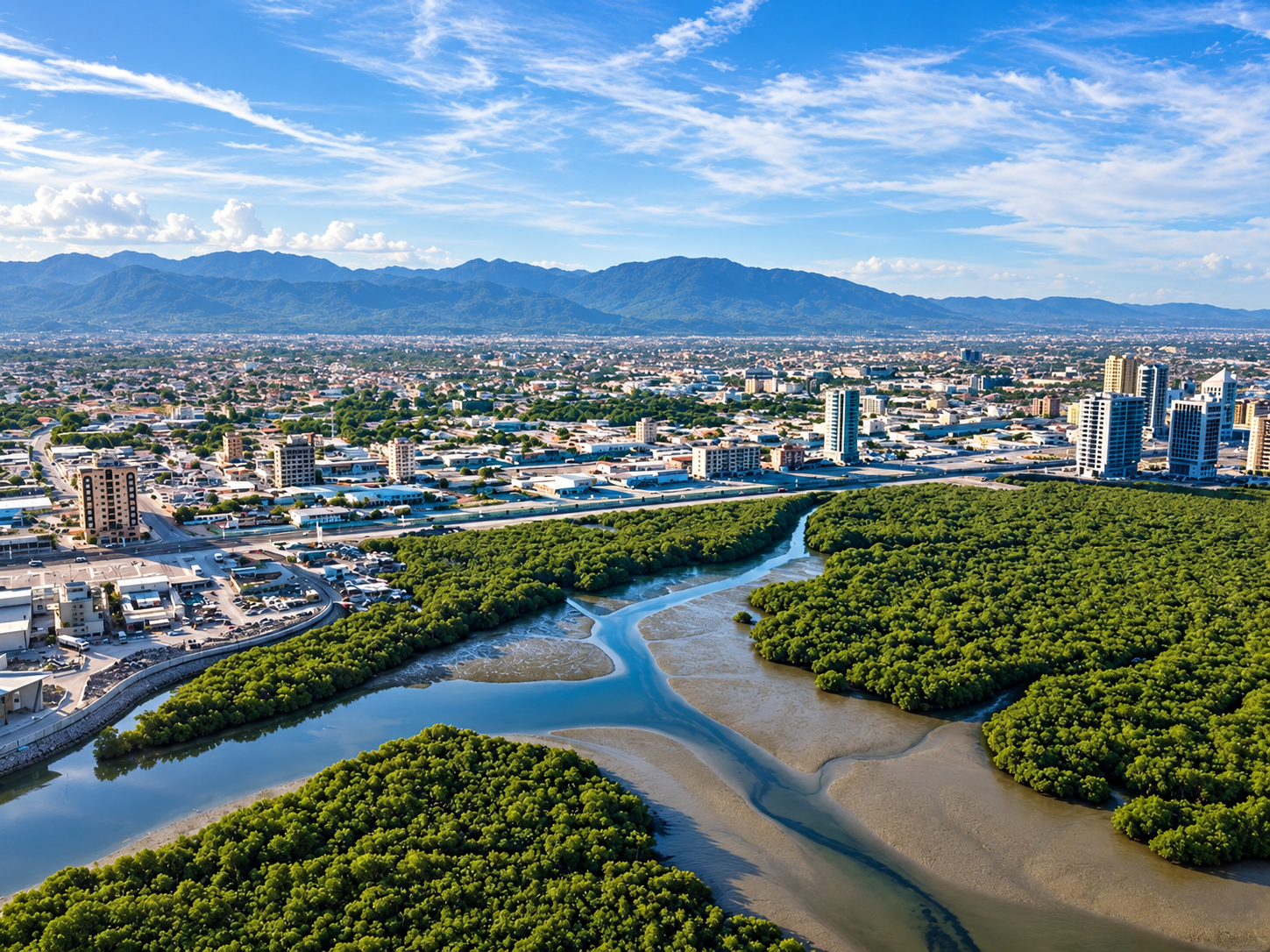
Ras Al Khaimah’s property market continued to attract investment during the first half of 2026, supported by demand for residential and tourism-related assets and a growing pipeline of major developments, according to research by global real estate industry expert CBRE.
The emirate has continued to attract capital and new businesses despite a more challenging regional economic backdrop, with developers advancing a number of large-scale residential, hospitality and infrastructure projects, CBRE said in its latest report on the market.
The broader UAE economy has faced increased pressure in 2026 amid disruptions to trade, tourism and economic activity linked to the regional conflict. GDP is forecast to contract by about 1.5% this year, according to the report.
The economy had nevertheless been supported by domestic demand and trade activity. Non-oil trade reached AED1.93 trillion ($526 billion) in the first half of 2026, up 13.1% from a year earlier, while the purchasing managers’ index rose to 55.3 in August, indicating continued expansion in the non-oil economy.
In Ras Al Khaimah, the chamber of commerce recorded AED771.5 million in new investment capital across 967 newly registered establishments during the first half of the year. The new businesses attracted 1,399 investors from 68 nationalities and are expected to create 2,449 jobs, the report said.
Apartment sale prices rose about 18% year-on-year in the first half to 2,298 dirhams per square foot, while villa prices increased 7.3%, CBRE said.
Price growth was strongest in established waterfront communities. Apartment values on Al Marjan Island rose 23.1% from a year earlier, while values in Al Hamra increased 14.7%.
In the ready-property market, apartment and villa values increased 11% and 10%, respectively, over the same period.
CBRE said pricing and absorption had moderated since the end of February, although year-on-year growth remained positive.
The market also recorded several high-value residential transactions during the period. A Sky Palace at Waldorf Astoria Residences sold for $35.4 million, making it the highest-value residential transaction recorded in Ras Al Khaimah, according to CBRE. A penthouse in the same development sold for $15 million, while a Sky Mansion at Mondrian Al Marjan Island Beach Residences changed hands for $34.7 million.
According to CBRE, the apartment rents rose 14.3% year-on-year, led by gains in Mina Al Arab and Al Marjan Island, the report said.
More than 34,000 residential units are expected to be delivered in the emirate between 2026 and 2030, including about 10,000 branded residences, according to CBRE.
Projects announced during the first half included The Strand and Lunara by RAK Properties, the 25 billion dirham Evermore masterplan by Beyond Developments and Karl Lagerfeld Beach Residences on Al Marjan Island.
Ras Al Khaimah recorded a record 670,400 hotel visitors in the first half, up 2.7% from a year earlier, driven in part by higher domestic and Gulf visitor numbers, which both increased 47%, CBRE said.
Hotel operating performance was weaker, however. Average occupancy stood at 49%, while revenue per available room, or RevPAR, fell 28.6% year-on-year to 348 dirhams.
Average daily rates rose 5.2% to 705.6 dirhams per room per night, indicating continued pricing strength despite lower occupancy, the report said.
Hotels generated more than 606 million dirhams in revenue during the first six months, including 385 million dirhams in room revenue and 192 million dirhams from food and beverage operations.
Ras Al Khaimah currently has about 9,000 operational hotel rooms across 60 hotels, with a further 8,500 rooms planned between 2027 and 2030, according to CBRE. More than 80% of the planned supply is in the five-star category, while nearly two-thirds is expected to be located on Al Marjan Island.
The emirate is also investing in transport and tourism infrastructure, including an expansion of Ras Al Khaimah International Airport and improvements to its mobility network.
The $5.1 billion Wynn Al Marjan Island integrated resort is expected to open in September 2027, the report said.
Matthew Green, Head of Research at CBRE Mena, said: “The pace of change we are witnessing in Ras Al Khaimah continues to impress. Despite a more challenging regional backdrop, investor interest in the emirate remains evident, supported by a growing pipeline of high-profile development and infrastructure projects.”
“While we are beginning to see a moderation in some performance indicators including absorption levels and sales pricing following an exceptional period of growth, overall activity levels remain positive,” stated Green.
“With major hospitality, residential and tourism projects continuing to progress, Ras Al Khaimah is well positioned to strengthen its role as one of the UAE’s most compelling investment and lifestyle destinations in the coming years,” he added.
BNW Developments has established a Sydney presence, joining Arada and Sobha Realty among the growing number of UAE developers pursuing Australian buyers and development opportunities.
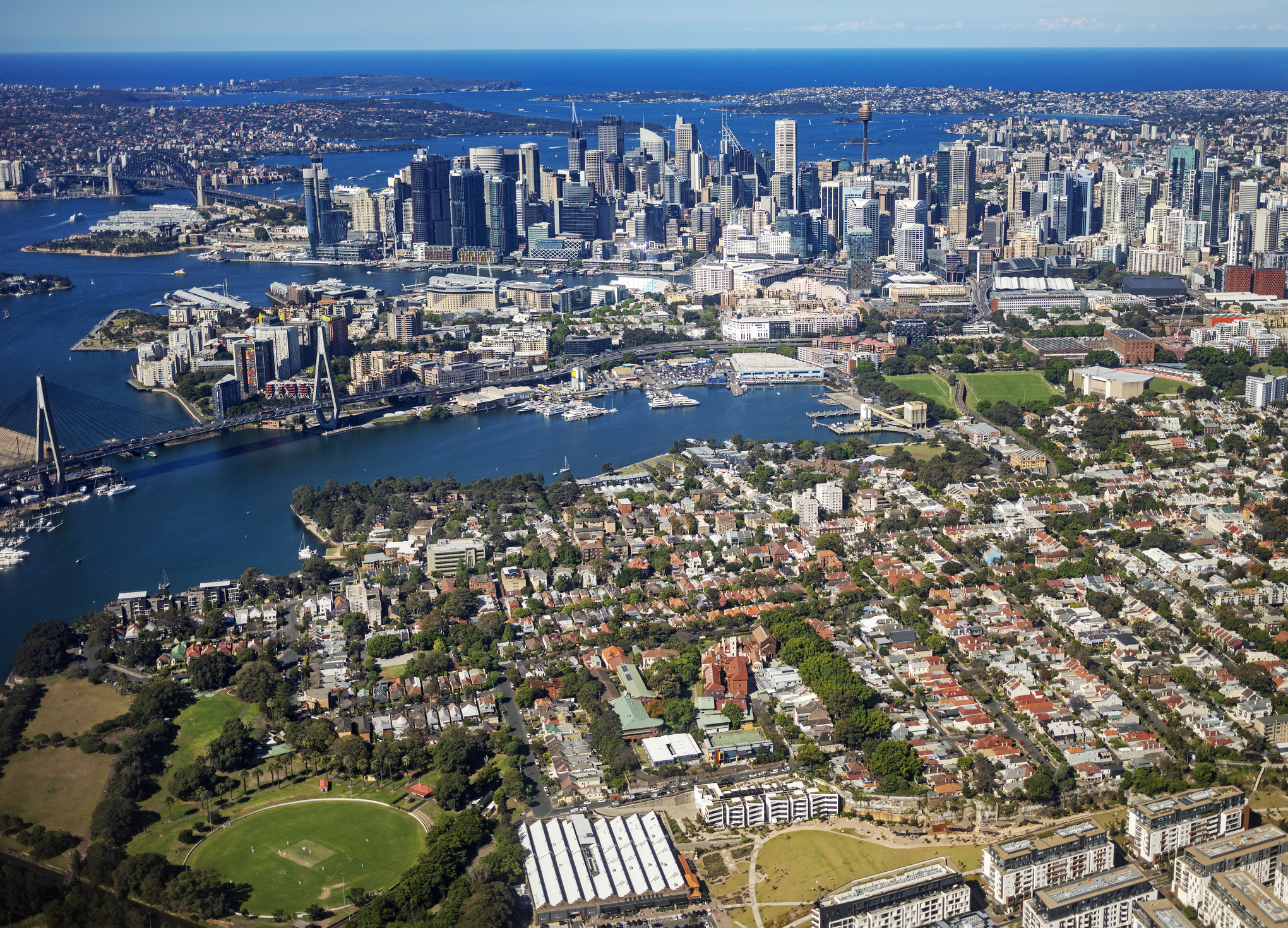

More than 10,000 homes, an expansive central park and a mix of hospitality, retail and wellness facilities will form Azizi Developments’ first master-planned community in the emirate.
2 min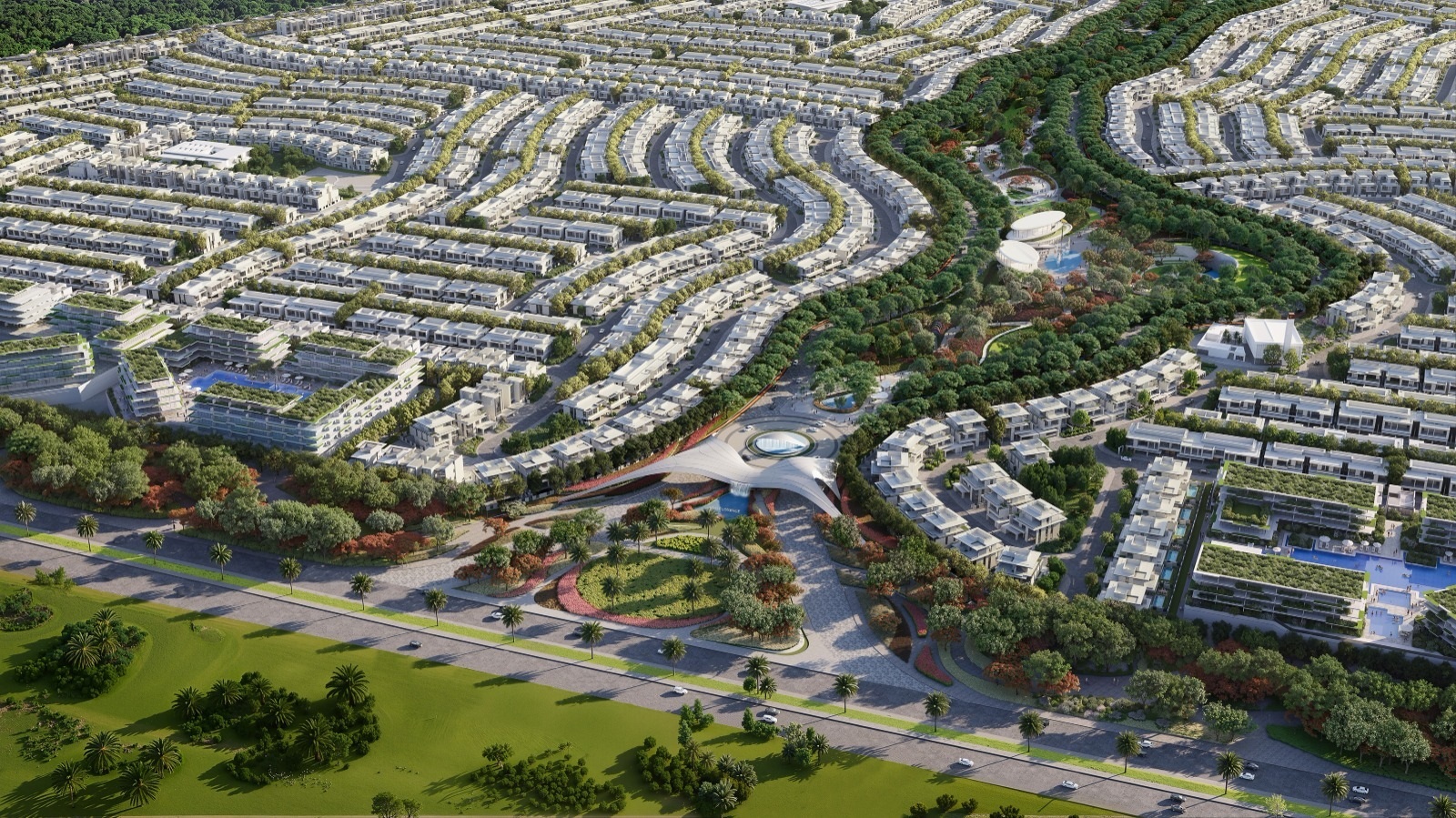
Sharjah is set to receive one of its largest new residential communities, with Azizi Developments unveiling plans for a US$8.1 billion master-planned precinct containing more than 10,000 homes.
Named Azizi Florence, the freehold development will comprise 1,130 villas, more than 6,000 townhouses and 3,500 apartments. Three-bedroom townhouses will start from US$515,000, with an indicative rate of US$231 per square foot of saleable space.
The project marks the Dubai-based developer’s first move into Sharjah, expanding a portfolio that includes the planned Burj Azizi skyscraper and the Azizi Venice community in Dubai.
A park at the heart of the community
Rather than treating landscaping as an afterthought, Azizi Florence will be organised around a 1.7 million sq ft central park.
The wider precinct is planned as a self-contained neighbourhood combining homes with retail, hospitality, education, leisure and wellness facilities.
Six residential clusters will sit within the development, each with its own park, clubhouse, community centre and landscaped gardens. The approach reflects a broader shift across large Middle Eastern developments, where greenery, recreation and everyday convenience are increasingly central to the residential proposition.
The scale of Azizi Florence suggests it is intended to function as a neighbourhood rather than a collection of housing estates. Its mix of housing types should also give the project broader appeal, accommodating apartment buyers alongside families seeking townhouses or standalone villas.
Azizi expands beyond Dubai
Azizi Developments has delivered more than 45,000 homes to buyers from over 100 countries and says it has approximately 150,000 units under construction.
Much of its growth has been concentrated in Dubai, where its portfolio extends across Palm Jumeirah, Mohammed Bin Rashid City, Dubai South, Sheikh Zayed Road and Downtown Jebel Ali.
Its most prominent current project is Burj Azizi, which is intended to become the world’s second-tallest building. Azizi Florence represents a different type of undertaking: a low-rise, family-oriented community built around public space and daily amenity.
For company founder and chairman Mirwais Azizi, the Sharjah project also carries a personal connection. The emirate was his first home in the UAE more than three decades ago, adding a symbolic dimension to the developer’s expansion.
Sharjah’s residential ambitions grow
Although Dubai and Abu Dhabi have traditionally captured much of the international attention directed at the UAE property market, Sharjah has been steadily broadening its residential offering.
Large freehold communities such as Azizi Florence have the potential to attract both local families and international purchasers looking for comparatively accessible entry points into the Emirates’ property market.
At a starting price of US$515,000, the project’s three-bedroom townhouses will sit well below the cost of equivalent family homes in many of Dubai’s more established luxury communities.
The ultimate appeal, however, will depend on execution. At this scale, the quality of the public realm, connections between residential clusters and delivery of the promised supporting infrastructure will be as important as the homes themselves.
If those elements come together, Azizi Florence could help establish a new benchmark for large-scale residential development in Sharjah—and give buyers another option beyond the UAE’s better-known property markets.
BNW Developments has established a Sydney presence, joining Arada and Sobha Realty among the growing number of UAE developers pursuing Australian buyers and development opportunities.