






Huawei and JETOUR NMS Join Forces to Redefine the Future of Smart Mobility
With a shared vision of elevating the consumer experience, Huawei and JETOUR are collaborating on groundbreaking innovations to enhance the smart driving experience.
 2 min
2 min
Huawei, the leading global provider of technology, and JETOUR National Motors Supplies (NMS), the official JETOUR dealer in Saudi Arabia, have signed a Memorandum of Understanding on February 19th, during the global launch of JETOUR T1. The agreement is set to drive forward a variety of joint projects aimed at delivering exceptional user experiences.
The partnership will see both companies working together on commercial promotions for JETOUR, utilizing innovative technologies and platforms to engage a broader audience.
With a shared vision of elevating the consumer experience, Huawei and JETOUR are collaborating on groundbreaking innovations to enhance the smart driving experience. They are working on integrating the HUAWEI Watch as a digital key for JETOUR vehicles, offering users a seamless and convenient way to unlock and access their cars.
Additionally, they are co-designing an exclusive HUAWEI Watch strap tailored specifically for JETOUR users, combining style with functionality. To enhance JETOUR’s design process, HUAWEI Pad and the HUAWEI Go Paint App will be leveraged to boost creativity and streamline efficiency. This collaboration aims to drive the future of smart mobility and digital innovation.
Other joint initiatives will include collaborative tourism projects and a special Ramadan event featuring in-store activities, designed to engage local communities and offer unique experiences for consumers.
William Hu, Managing Director of Huawei Consumer Business Group, Middle East and Africa Eco Development and Operation also shared: “Our partnership with JETOUR brings together automotive innovation and advanced technology. By combining our strengths, we look forward to developing projects that offer consumers greater convenience and excitement. We are eager to collaborate on these initiatives and explore new possibilities.”
Commenting on the partnership, Alex Tan, Vice President of JETOUR International, said: “We are thrilled to embark on this exciting partnership with Huawei. This collaboration signifies a major step forward in our mission to redefine the user experience. This represents an enrichment and expansion of ‘Travel+ lifestyle’ benefits. We are confident that the joint projects outlined in this MOU will have a profound impact on our brand and customers. By working closely with Huawei and leveraging the power of their cutting-edge technology, we aim to deliver innovative solutions that exceed expectations. Like our newly launched T1 model, which integrates high aesthetic design, seamless urban and off-road performance, and a comfortable driving experience, it can help owners unlock more intelligent and enjoyable driving experiences, empowered by Huawei’s innovative technologies.”
This MOU sets the stage for continued collaboration between JETOUR NMS and Huawei, with both companies poised to explore additional joint ventures in the future. Through this key partnership, the brands aim to transform the user experience in innovative and engaging ways.
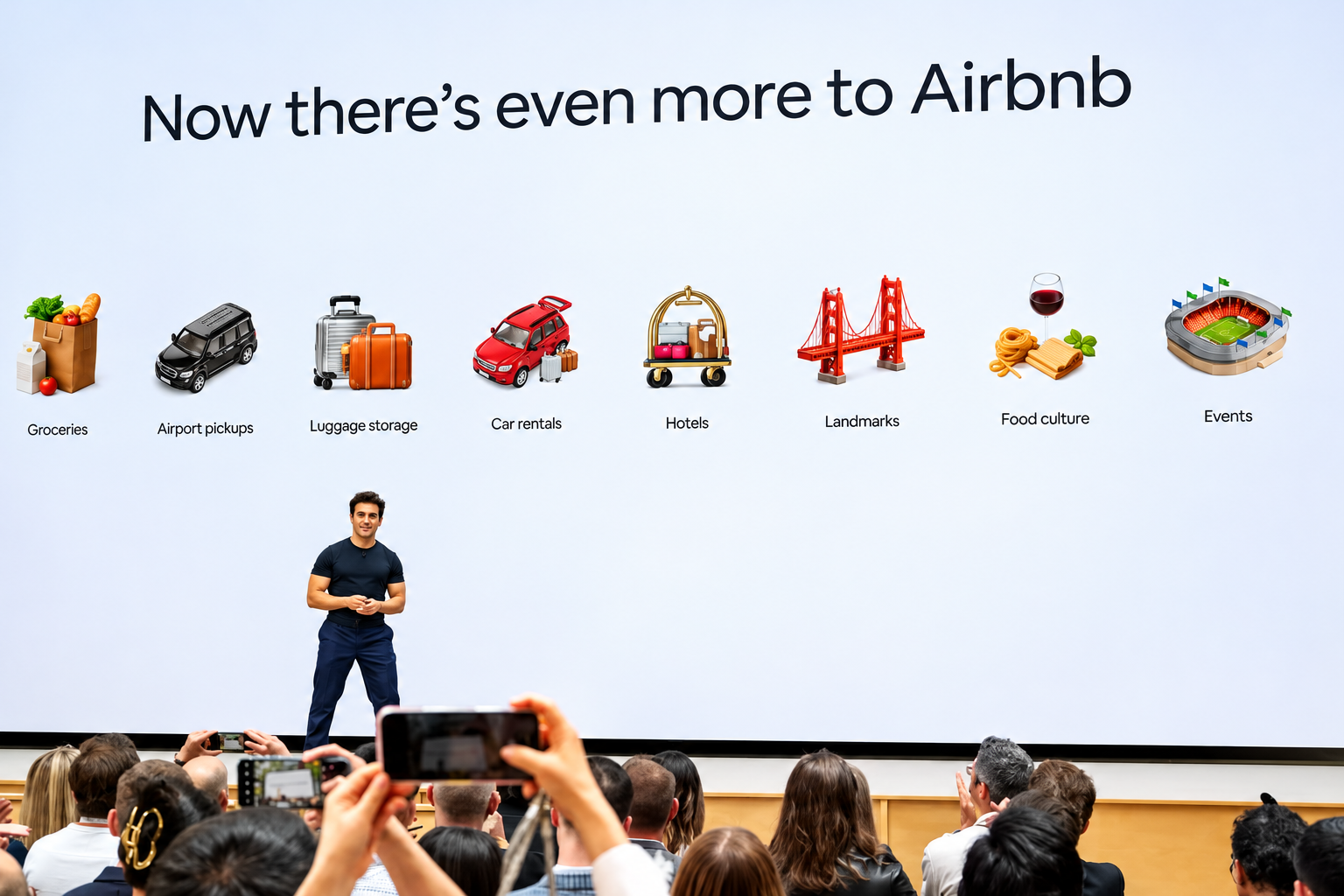
AI-powered travel agents are challenging online booking platforms, but Airbnb’s exclusive listings and direct customer relationships could give it an edge. Its next challenge: turning repeat guests into loyal customers through stronger rewards and innovation.

Qatar’s renewable energy capacity is projected to reach 25.9% of total power capacity by 2035, driven by major solar projects, while natural gas remains central to ensuring reliable electricity and water supplies.

Saudi Arabia has signed four MoUs with Mongolia, Tanzania, Cyprus and Mauritius to expand cooperation in oil and gas, renewables, clean hydrogen and electricity, strengthening energy security, investment and sustainability.
The future of longevity is closer than you think. And entry is free.
From longevity science and precision medicine to the latest in HealthTech, Revive ME 2026 brings the people and ideas shaping the future of health under one roof.
3 min
The future of healthcare is shifting from treating illness to helping people live healthier for longer. As advances in biotechnology, artificial intelligence and personalised medicine reshape the industry, the UAE is positioning itself at the intersection of science, technology and preventive healthcare.
This shift is creating new opportunities for healthcare providers, technology companies, researchers and investors seeking to contribute to the growing longevity economy.
From Traditional Healthcare to Preventive Medicine
Longevity is increasingly becoming a broader conversation about healthspan: the period of life spent in good health. Rather than focusing solely on treating diseases after they develop, preventive healthcare aims to identify risks earlier and support more personalised approaches to wellbeing.
Developments in diagnostics, genomics and health monitoring are helping healthcare professionals build a more detailed understanding of individual health needs. Meanwhile, advances in artificial intelligence are creating new possibilities for analysing medical data and supporting earlier intervention.
For the UAE, these developments present an opportunity to strengthen healthcare delivery while encouraging collaboration between medical institutions, technology providers and life sciences companies.
Technology Is Expanding the Possibilities
Artificial intelligence, precision medicine and regenerative medicine are among the fields influencing the future of longevity.
AI-powered diagnostics and predictive health technologies can support the analysis of complex health information, while genomics and precision medicine are advancing more personalised approaches to healthcare. Regenerative medicine and cellular therapies are also attracting attention for their potential applications in treating disease and supporting recovery.
Digital health platforms and remote patient monitoring are further expanding how healthcare services can be delivered, creating opportunities to connect patients and providers beyond traditional clinical settings.
Turning these developments into practical healthcare solutions, however, requires scientific validation, appropriate regulation, investment and collaboration across the healthcare ecosystem.
Building a Connected Longevity Ecosystem in the UAE
The development of a longevity economy depends on more than scientific breakthroughs. It also requires an environment where healthcare professionals, researchers, policymakers, investors and technology companies can exchange knowledge and develop partnerships.
Abu Dhabi is becoming an important meeting point for these discussions. Revive ME, which held its inaugural edition in 2025, returns on 11–12 November 2026 at ADNEC Marina, bringing together stakeholders working across longevity science, biotechnology, health technology, preventive medicine and personalised wellness.
The event provides a platform for exploring emerging solutions, sharing industry insights and connecting organizations working to advance healthy longevity. Its program spans areas including AI-powered diagnostics, genomics, regenerative medicine, metabolic health and digital healthcare.
Where Are the Investment Opportunities Emerging?
As longevity expands beyond traditional healthcare, opportunities are emerging across several interconnected sectors.
Healthcare and preventive medicine: Providers can explore new approaches to early detection, personalised care and long-term health management.
Biotechnology and life sciences: Research-driven companies are developing technologies and therapies that could influence future approaches to ageing and disease.
Artificial intelligence and digital health: Data-driven platforms, predictive tools and remote monitoring technologies are creating new possibilities for healthcare delivery.
Wellness and personalised health: Growing interest in individualised health strategies is opening opportunities for services that connect clinical expertise with evidence-based wellness.
For investors, the challenge is identifying solutions that combine scientific credibility with viable business models, measurable outcomes and a clear pathway to implementation.
The Challenges Ahead
Despite its potential, the longevity sector faces important questions. New technologies must demonstrate safety and effectiveness, while healthcare providers need clear regulatory frameworks and sustainable models for integrating innovation into clinical practice.
Data privacy, affordability and equitable access will also influence how widely new solutions can be adopted. Building public trust will require transparent communication and a commitment to evidence-based healthcare rather than unsubstantiated promises about extending life.
For the UAE, addressing these challenges will be essential to translating ambition into a sustainable and internationally competitive longevity ecosystem.
What Comes Next for the UAE’s Longevity Economy?
The next phase of longevity will depend on how effectively science, technology, healthcare delivery and investment come together. The opportunity lies not simply in extending lifespan, but in developing solutions that help people maintain better health and quality of life as they age.
As the sector evolves, platforms that encourage cross-industry collaboration will play an important role in connecting research with commercial opportunities and practical healthcare applications.
Revive ME 2026 returns to Abu Dhabi on 11–12 November, bringing together healthcare leaders, innovators, investors and organisations exploring the future of healthy longevity.
Discover the next chapter of the UAE’s longevity ecosystem at Revive ME 2026.
BNW Developments has established a Sydney presence, joining Arada and Sobha Realty among the growing number of UAE developers pursuing Australian buyers and development opportunities.
Following the successful launch of its Palais Collection, MAISON de SABRÉ has unveiled a new modular handbag system offering more than 720 styling combinations.

Apple closed above a $5 trillion market valuation for the first time, capping Tim Cook’s 15-year tenure and setting a high bar for incoming CEO John Ternus, as the company faces growing pressure to strengthen its AI capabilities and sustain growth.
3 min
Apple AAPL 0.50%increase; became the second company to close above the $5 trillion mark on Wednesday, capping the Tim Cook era, and posing an implicit challenge to new Chief Executive John Ternus.
The iPhone-maker’s shares closed at a record, just enough to push the company’s market capitalization into territory that only chip colossus Nvidia occupies. Apple’s market value has surpassed $5 trillion six times previously during intraday trading, but it had never closed above that level, which it squeaked past on Wednesday, ending the day at $5.005 trillion according to Dow Jones Market Data.
Cook’s act will be tough to follow. During his 15-year tenure as CEO, which ended Aug. 31, Apple’s market capitalization multiplied by a factor of 13. He nearly quadrupled the number of iPhones sold annually. He grew its highly profitable services business from $10 billion annually to more than $100 billion. He launched the Apple Watch and AirPods, which together generate more than $30 billion a year. He poured Apple’s cash into more than $1 trillion worth of share buybacks and dividends.
Today, Apple shares trade at a premium compared with the overall S&P 500 even though the company’s revenue growth rate is slower than the index’s average. That is because the company’s shares are viewed as safe, and its business predictable, say analysts.
A key to Apple’s success under Cook is how it has limited capital spending, juicing the company’s returns for investors and greatly reducing the risks of its business. That has never been more apparent than during the AI build-out, when big tech rivals have rushed to spend gargantuan sums on data centers while Apple has focused on its core businesses making devices and selling high-margin services for them.
Apple investors are so confident in its business that they have driven up its shares despite big cost increases that threaten profit margins. The cost of memory and storage chips inside iPhones, Macs and iPads has skyrocketed as demand for those chips from data centers has led to shortages. Apple has responded by raising prices across its device lineup, including for older model iPhones that would typically get a price cut.
In theory, such a move could hurt Apple since iPhone buyers might wait longer to upgrade their devices. Yet since the first wave of price increases Apple shares have jumped 25%.
In part, that is because investors think Apple device buyers will pay the higher prices, enabling Apple to generate as much or more in total profits even if margins are down, said Bank of America analyst Wamsi Mohan. He added that Apple’s new foldable iPhone Duo is likely to be popular and that the new Siri AI will prompt iPhone upgrades.
AI has long been viewed as Apple’s Achilles’ heel. The company failed in its efforts to build its own frontier model, and it also allowed its Siri assistant to fall far behind rivals. ChatGPT revolutionized what smartphone users expect from chatbots.
Apple hopes to turn a corner with the new Siri AI. Built with Google’s help, Apple’s redesigned chatbot was released this fall. It still lags behind rival AI systems in key respects, though it has the advantage of being built directly into the device that many people already use, their iPhone. Apple also has access to more personal data, which could theoretically be used for compelling AI features, though new AI agents show the technology is advancing faster than Apple’s ability to keep up.
Tech rivals know how important it is to control the devices that people use to deliver their services. Perhaps most threatening to Apple, OpenAI is planning a family of AI-powered devices. It has poached hundreds of Apple employees to drive its device strategy. Apple responded in July by suing OpenAI, alleging it stole Apple trade secrets.
OpenAI has said it is “not aware of any evidence that this complaint has merit” and alleged in a new legal filing Wednesday that Apple poached one of its own employees who took confidential files with him. Apple said in response that it had found no evidence supporting the new allegation.
AI could be the battleground where Ternus makes his mark, either ushering in a new era of innovation and growth for Apple or finally losing its status as the company that has defined how people interact with computers.
BNW Developments has established a Sydney presence, joining Arada and Sobha Realty among the growing number of UAE developers pursuing Australian buyers and development opportunities.
Two coming 2027 models – the first of the “Neue Klasse” cars coming to the U.S. early next year – have been revealed.
Dubai Customs’ cashless payment rate reached 99.3% in H1 2026, supporting the Dubai Cashless strategy and enhancing digital services and business efficiency.
3 min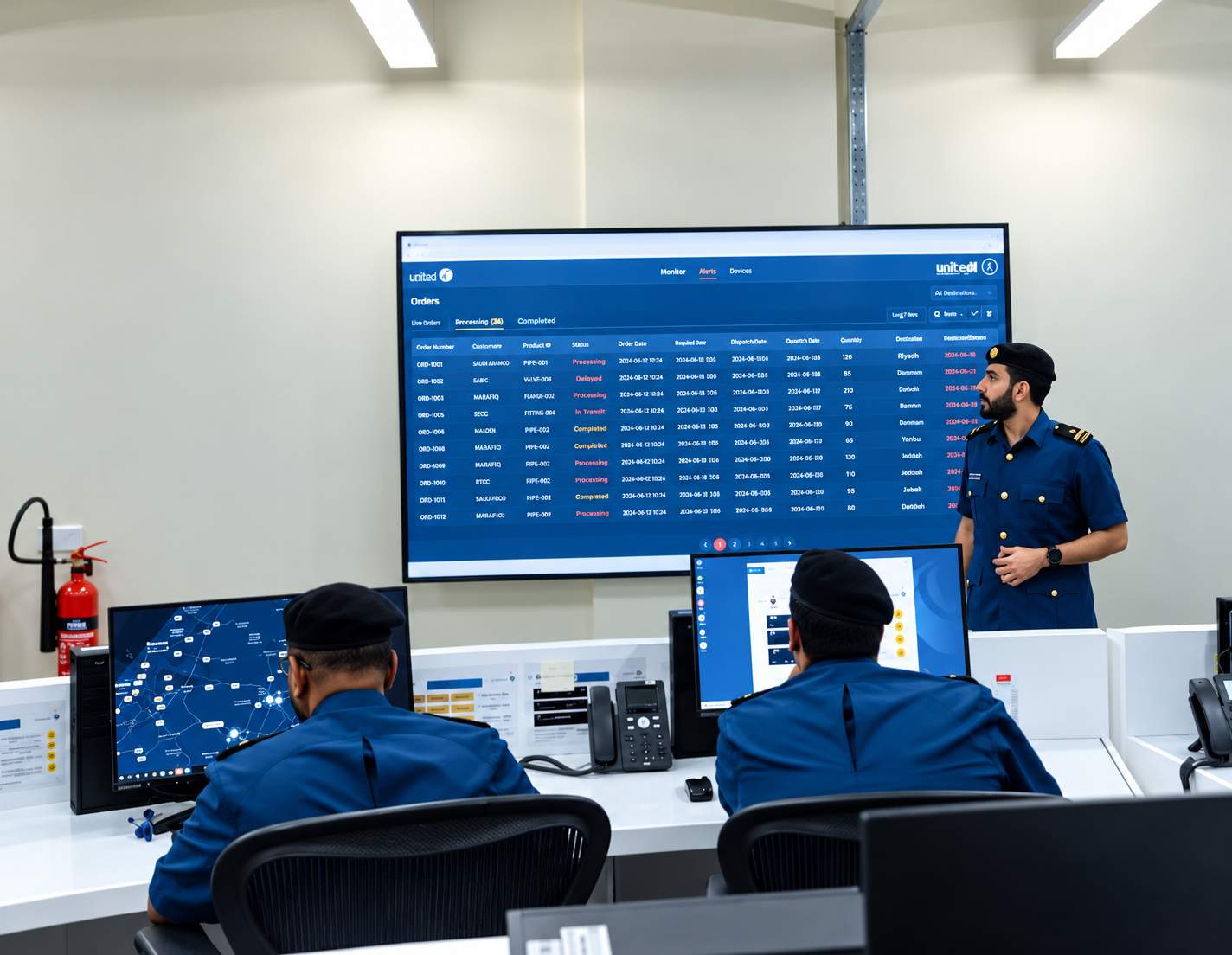
In support of the ‘Dubai Cashless’ strategy, and complementing its efforts to enhance the integration of customs services and digital payments in a way that helps simplify procedures, improve the customer experience, and raise the efficiency of doing business, Dubai Customs announced that its cashless payment transaction rate reached 99.3% of total payment transactions in the first half of 2026, compared with 99.4% in 2025 and 99.2% in 2024.
These results reflect the development of the organization’s digital infrastructure, the efficiency of its electronic payment systems, and its commitment to providing a smooth and secure experience for customers, which enhances ease of doing business, supports building a more efficient, innovative and sustainable economy, and reinforces Dubai’s position as a leading global model in the transition to an integrated cashless society.
This comes following the announcement by the Dubai Department of Finance, on October 9, that the key targets of the Dubai Cashless strategy have been achieved. The strategy was launched in October 2024 by H.H. Sheikh Hamdan bin Mohammed bin Rashid Al Maktoum, Crown Prince of Dubai, Deputy Prime Minister and Minister of Defense of the UAE, and Chairman of The Executive Council of Dubai. The emirate-wide cashless transactions index reached 90.1%, exceeding the target set for 2026, while the digital enablement index in the government sector reached 100%. The Department of Finance underscored Dubai Customs’ contribution to supporting the strategy’s goals, commending its performance in digital transformation and in promoting greater reliance on cashless transactions.
On the operational front, Dubai Customs completed 23 million customs transactions during the first half of this year, with the digital channel adoption rate reaching 99.6%, while the happiness index for the digital services it provides rose to 98% during the first half of 2026. It should be noted that the number of customs transactions cited reflects the volume of customs operations completed and is not linked to the number of cashless payment transactions.
Dr. Abdulla Busenad, Director-General of Dubai Customs, affirmed that the integration of government services and digital payments embodies the vision of His Highness Sheikh Mohammed bin Rashid Al Maktoum, Vice President, Prime Minister and Ruler of Dubai, and the directives of H.H. Sheikh Hamdan bin Mohammed bin Rashid Al Maktoum, on harnessing technology to build a more productive and resilient economy and enhance Dubai’s competitiveness.
“We are turning the efficiency of customs services into a competitive advantage that supports business growth and investor confidence in Dubai,” he said. “The economic value of digital transformation lies in the time we save for the customer, the procedures we shorten, and the reliability we add to the movement of trade. We are working to make customs service, payment procedures and control parts of a single, interconnected journey that supports the smooth flow of trade while safeguarding customers’ rights, public revenues and community security.”
He explained that this approach is in line with the Dubai Customs Strategy 2026-2030, which is built on enabling trusted trade, and supports the goals of the Dubai Economic Agenda, D33, by improving the customer experience and strengthening companies’ ability to grow and reach global markets.
For his part, Rashid Al Sharid, Executive Director of the Finance and Administration Division at Dubai Customs, said, “Integrating customs procedures with digital collection enhances revenue management efficiency and facilitates doing business. We are working to link ease of payment with accuracy of financial processing and clarity of procedures, giving customers a smoother experience while maintaining the efficiency of financial control and protecting revenues.”
Atiq Al Muhairi, Executive Director of the Customs Development Division at Dubai Customs, said, “We are linking system development to trade needs to deliver faster, more integrated and more reliable services, by reviewing the customer journey, reengineering procedures, improving data quality and integration, and using automation to reduce repetitive steps and raise transaction processing efficiency.”
The ‘Mirsal 2’ system is a key pillar in integrating customs operations, e-services, payment procedures and risk management, making it easier to complete transactions and supporting business resilience, while maintaining the efficiency of control and compliance.
Dubai Customs continues to develop its system by facilitating an interconnected journey that brings together service completion, payment and control, turning customs efficiency into a driver of business competitiveness and trade growth in Dubai.
BNW Developments has established a Sydney presence, joining Arada and Sobha Realty among the growing number of UAE developers pursuing Australian buyers and development opportunities.

New research suggests that bonuses make employees feel more like a mere cog in a wheel.

AI-powered travel agents are challenging online booking platforms, but Airbnb’s exclusive listings and direct customer relationships could give it an edge. Its next challenge: turning repeat guests into loyal customers through stronger rewards and innovation.
3 minAI agents like Muse can already find you the cheapest hotel room in Paris. But they can’t locate a cheaper version of that Catskills cabin you’ve been eyeing, because it might only be available on Airbnb ABNB -1.43%decrease.
Investors should pay attention to that distinction. When Meta Platforms META 3.38%increase launched its Muse agent last month, travel stocks including Booking Holdings BKNG -1.19%decrease, Expedia and Airbnb all fell sharply.
Airbnb, though, has a real chance to emerge as a winner from the upheaval. The catch: Its stock already reflects above-industry growth. To justify its valuation, Airbnb will need to turn repeat customers into loyal ones.
Online travel companies make much of their money by simplifying search and collecting fees on bookings. AI agents threaten that model.
But not all travel marketplaces are equally exposed. Booking and Expedia largely sell hotel rooms that travelers can also book directly or through competing sites. If an agent can find the same room elsewhere, it has little reason to favor either Booking or Expedia.
Booking and Expedia also sell sponsored listings that steer travelers toward particular properties. Wells Fargo estimates those will account for about 8% of Expedia’s revenue and a much higher percentage of profit next year.
Airbnb has more ways to adapt. More than half its listings are available only on its platform, and more than 90% of its traffic comes directly to its app or website.
The customer relationship doesn’t end after booking, either. Bernstein analyst Richard Clarke notes that 90% of Airbnb guests go on to message their hosts about arrival times, keys or local taxes, giving Airbnb a connection to both sides of the transaction.
How the companies have responded to the possible agentic future is telling.
Expedia quickly signed on as a Muse partner. Airbnb hasn’t, and Chief Executive Brian Chesky says AI chatbots have so far been a boon, sending customers to Airbnb’s website.
Chatbots might work for buying paper towels, he quipped at a Skift conference last month, but people enjoy planning trips. He argued that browsing dozens of homes isn’t something a text-based chatbot is well suited for.
Still, the AI jitters arrived just as Airbnb was persuading investors it deserved its pricey multiple. For years after its 2020 initial public offering, the stock—which trades around 25 to 30 times forward earnings—went nowhere. Investors saw a mature operator trading at a growth premium.
This year, Airbnb growth seems to be accelerating. The stock jumped in August after the company raised its full-year revenue-growth guidance with its second-quarter results. Wells Fargo analyst Ken Gawrelski credits a run of product improvements under a revamped leadership team.
Among the changes: letting guests reserve now and pay later, adding hotels, and a redesigned home page and app. Investors were also betting on what comes next, including thousands more hotels, car rentals and, eventually, advertising.
The irony is that some of those growth drivers push Airbnb closer to the kind of business Booking and Expedia run—the kind of business AI agents could threaten. Even if AI agents capture a large share of travel planning and booking, Airbnb would capture the demand. But it and others would slowly lose control over how customers find and choose properties.
That would undermine the advertising opportunity investors are counting on. The bigger point for Airbnb and other marketplaces is that losing control of customer acquisition could mean surrendering some of their pricing power and margins.
To bulletproof itself, Airbnb might look to another e-commerce giant that has so far kept AI agents at arm’s length: Amazon.
Like Amazon, Airbnb has a loyal customer base and hard-to-match supply. But it has nothing like Prime membership to make customers think twice before taking their business elsewhere.
That is where loyalty comes in. Business travelers stick with Hilton or Marriott because enough nights earn them perks. Leisure travelers rarely accumulate stays with one chain. Airbnb has millions of listings and plenty of repeat customers, but no broad rewards program. It has begun experimenting with credits on hotel stays, but it should make loyalty a priority, not just a promotion.
Airbnb also plans to launch its own AI agent next year. But travelers using an agent might still want it to search Airbnb, Vrbo, Booking and hotel websites alike, rather than limit itself to one company’s inventory.
Eventually, Airbnb might have to strike deals with agent makers, using its unique homes as leverage to negotiate favorable terms, says Gawrelski. Such deals, along with rewards for loyal guests, could over the long term eat into the company’s roughly 13% take rate, he adds. But if they bring in enough additional bookings, the trade-off could be worthwhile.
History offers a reason not to panic. The shift from desktop to mobile unsettled investors in Alphabet and Amazon, but both emerged as major beneficiaries. Companies with valuable assets can come out of a platform shift stronger, if they adapt quickly enough.
Airbnb has homes the bots can’t easily replace. Now it needs to give guests a reason to insist on booking them there.
BNW Developments has established a Sydney presence, joining Arada and Sobha Realty among the growing number of UAE developers pursuing Australian buyers and development opportunities.

Parts for iPhones to cost more owing to surging demand from AI companies.
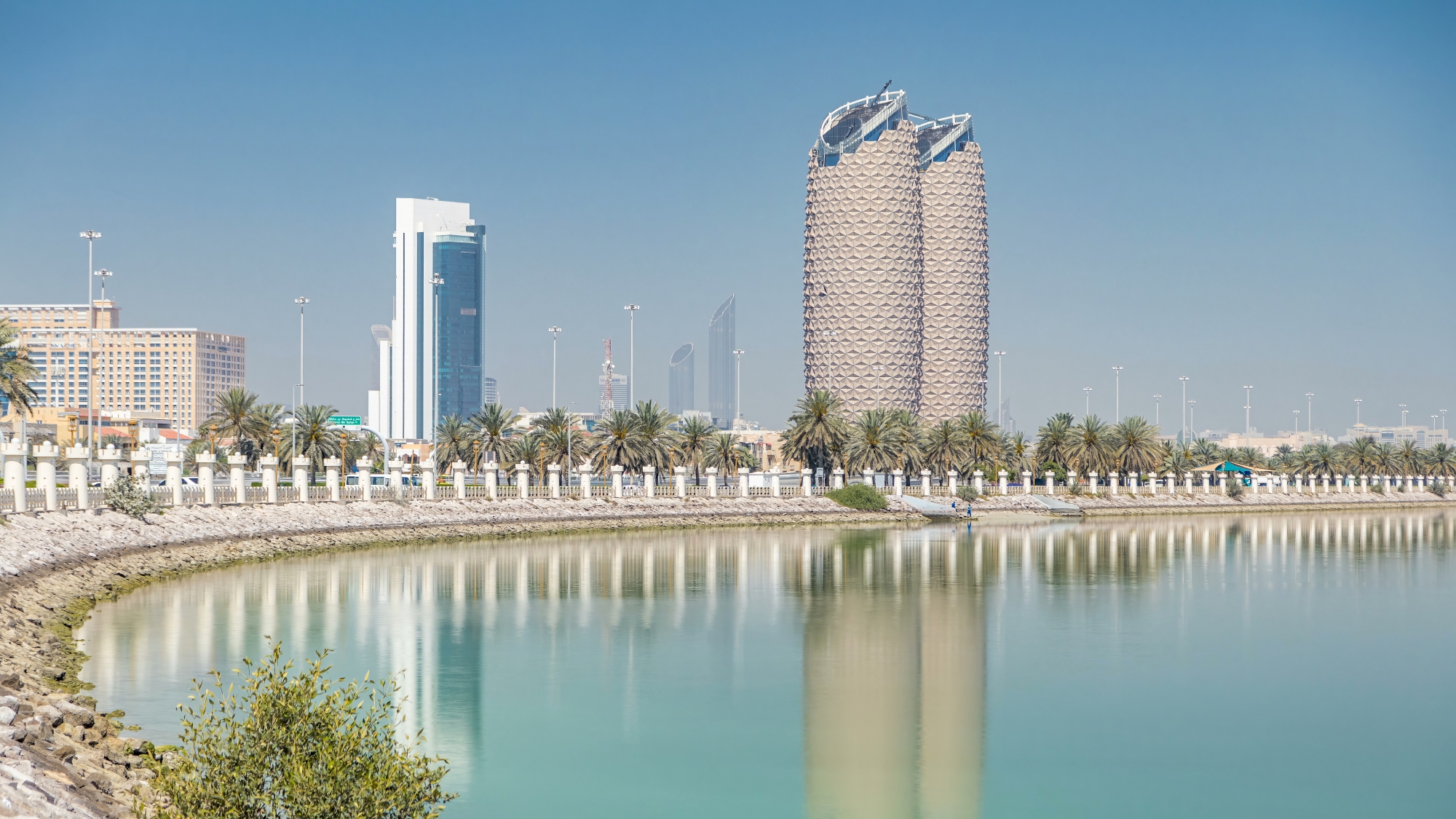
Qatar’s renewable energy capacity is projected to reach 25.9% of total power capacity by 2035, driven by major solar projects, while natural gas remains central to ensuring reliable electricity and water supplies.
2 minQatar is accelerating utility-scale solar development to diversify its power mix, reduce domestic natural gas consumption and curb emissions, while maintaining gas-fired generation to ensure reliable electricity and water supplies, according to GlobalData.
The country’s renewable energy share of total power capacity is projected to rise from 12 per cent in 2025 to 25.9 per cent by 2035, with overall installed power capacity expected to grow at a compound annual growth rate (CAGR) of 4.2 per cent over the decade.
Solar photovoltaic (PV) capacity is forecast to expand at a CAGR of 12.4 per cent, GlobalData said in its latest report.
Attaurrahman Saibasan, Power Analyst at GlobalData, said: “Qatar’s power sector is shifting from total reliance on natural gas toward a structured hybrid model. Driven by the Qatar National Renewable Energy Strategy, the build-out of major solar facilities such as Al Kharsaah and the recently commissioned plants at Ras Laffan and Mesaieed, alongside the large-scale Dukhan development demonstrate substantial momentum in deploying low-cost clean generation across the peninsula.”
Despite the expansion of renewables, natural gas will remain central to Qatar’s power and water infrastructure, accounting for approximately 74 per cent of total installed capacity in 2035.
Gas-fired combined-cycle turbines and cogeneration plants support the country’s Independent Water and Power Projects (IWPPs), providing reliable electricity during peak summer demand and the thermal energy required for seawater desalination.
Saibasan said: “The cogeneration of potable water and power is a structural feature of Qatar’s utility system. Gas-fired IWPP facilities provide critical firming capacity to absorb large influxes of solar energy during midday hours while securing baseload water desalination. Expanding flexible gas generation and modernising grid management are essential prerequisites for accommodating the planned 4GW renewable target by 2030 without compromising system security.”
Qatar’s energy transition is guided by the Qatar National Vision 2030, the Third National Development Strategy and the Qatar National Renewable Energy Strategy.
Additional measures include emissions-reduction commitments under its updated Nationally Determined Contribution and net-billing regulations introduced by Kahramaa to support distributed generation.
GlobalData said Qatar’s single-buyer electricity market, in which Kahramaa purchases power and desalinated water through long-term agreements, also helps reduce market risks for project developers.
Saibasan added: “Qatar is leveraging its world-class solar irradiance and robust balance sheet to free up valuable natural gas volumes for liquefied natural gas (LNG) export markets while decarbonising its domestic matrix. Sustaining this pace will require continuing to align renewable integration with IWPP offtake commitments, meeting growing industrial demand, and maintaining high transmission reliability across the National Control Centre and regional GCC interconnection links.”
BNW Developments has established a Sydney presence, joining Arada and Sobha Realty among the growing number of UAE developers pursuing Australian buyers and development opportunities.
Many of the most-important events have slipped from our collective memories. But their impacts live on.
Saudi Arabia has signed four MoUs with Mongolia, Tanzania, Cyprus and Mauritius to expand cooperation in oil and gas, renewables, clean hydrogen and electricity, strengthening energy security, investment and sustainability.
2 minSaudi Arabia has signed four memoranda of understanding (MoUs) with Mongolia, Tanzania, Cyprus and Mauritius to strengthen cooperation across the energy sector, including oil and gas, renewable energy, electricity, petrochemicals and clean hydrogen.
Saudi Minister of Energy and Minister of Industry and Mineral Resources Prince Abdulaziz bin Salman bin Abdulaziz signed the agreements with senior officials from the four countries in Riyadh on the sidelines of the 25th WPC Energy Congress, hosted by the Kingdom through October 15 under the theme “Pathways to an Energy Future for All.”
The agreements aim to expand bilateral cooperation, encourage investment opportunities, promote technological innovation and strengthen collaboration on energy security and climate change mitigation.
Prince Abdulaziz signed the agreement with Mongolia’s Deputy Prime Minister Togmid Dorjkhand, establishing a framework for cooperation in oil and gas, refining, petrochemicals, electricity, power interconnection, renewable energy, energy efficiency and storage.
The agreement also covers climate change mitigation technologies, including Circular Carbon Economy solutions, as well as digital transformation, artificial intelligence, innovation and cybersecurity applications in the energy sector.
The two countries will seek to develop strategic partnerships to secure materials, products, services and technologies across energy supply chains.
The MoU also aims to promote sustainable petrochemical materials in construction and other industries, strengthen cooperation between energy companies and support large-scale electricity projects and renewable energy development.
A separate agreement was signed with Tanzania’s Minister for Energy Juma Zuberi Homera to strengthen cooperation in refined petroleum product supplies and explore opportunities related to supporting infrastructure.
The agreement also provides for assessing opportunities in liquefied natural gas, exchanging technical expertise in oil and gas exploration, and exploring potential cooperation in petrochemical production.
Additional areas include electricity, renewable energy, energy efficiency and climate change mitigation technologies, including clean cooking solutions and Circular Carbon Economy initiatives.
The two countries will also explore opportunities linked to the Oil Sustainability Program and transport and fuel infrastructure, alongside cooperation in digital transformation, artificial intelligence, innovation and cybersecurity.
Prince Abdulaziz also signed an MoU with Cyprus’s Minister of Energy, Commerce and Industry Michael Damianos covering oil and gas, refining, petrochemicals, electricity, clean hydrogen and its derivatives, renewable energy, energy efficiency and storage.
The agreement includes cooperation on climate change mitigation, digital transformation and cybersecurity, as well as efforts to advance shared international policy priorities through multilateral negotiations.
These include discussions under the United Nations Framework Convention on Climate Change, the Paris Agreement and the international legally binding instrument on plastic pollution.
The MoU also supports the development and use of sustainable petrochemical materials, the expansion of energy access through appropriate infrastructure and stronger collaboration among companies operating in energy-related fields.
The fourth agreement, signed with Mauritius’s Minister of Foreign Affairs, Regional Integration and International Trade Dhananjay Ramful, covers a broad range of energy areas, including oil and gas, refining, petrochemicals, electricity, clean hydrogen, renewable energy, energy efficiency and storage.
It also includes cooperation on climate change mitigation, Circular Carbon Economy technologies, digital transformation and cybersecurity applications in the energy sector.
Like the agreement with Cyprus, the Mauritius MoU provides for coordination on shared international policy priorities through relevant multilateral negotiations, including those related to climate change and plastic pollution.
It also promotes sustainable petrochemical materials and infrastructure development to expand access to energy.
The four agreements underscore Saudi Arabia’s efforts to broaden international energy partnerships and strengthen cooperation across conventional and emerging energy technologies, while supporting energy security, innovation and sustainability.
BNW Developments has established a Sydney presence, joining Arada and Sobha Realty among the growing number of UAE developers pursuing Australian buyers and development opportunities.

Paine Schwartz joins BERO as a new investor as the year-old company seeks to triple sales.
Amazon is in talks to acquire AI startup Decart in a deal reportedly worth around $7bn, as competition intensifies for AI computing power and chip technology.
< 1 min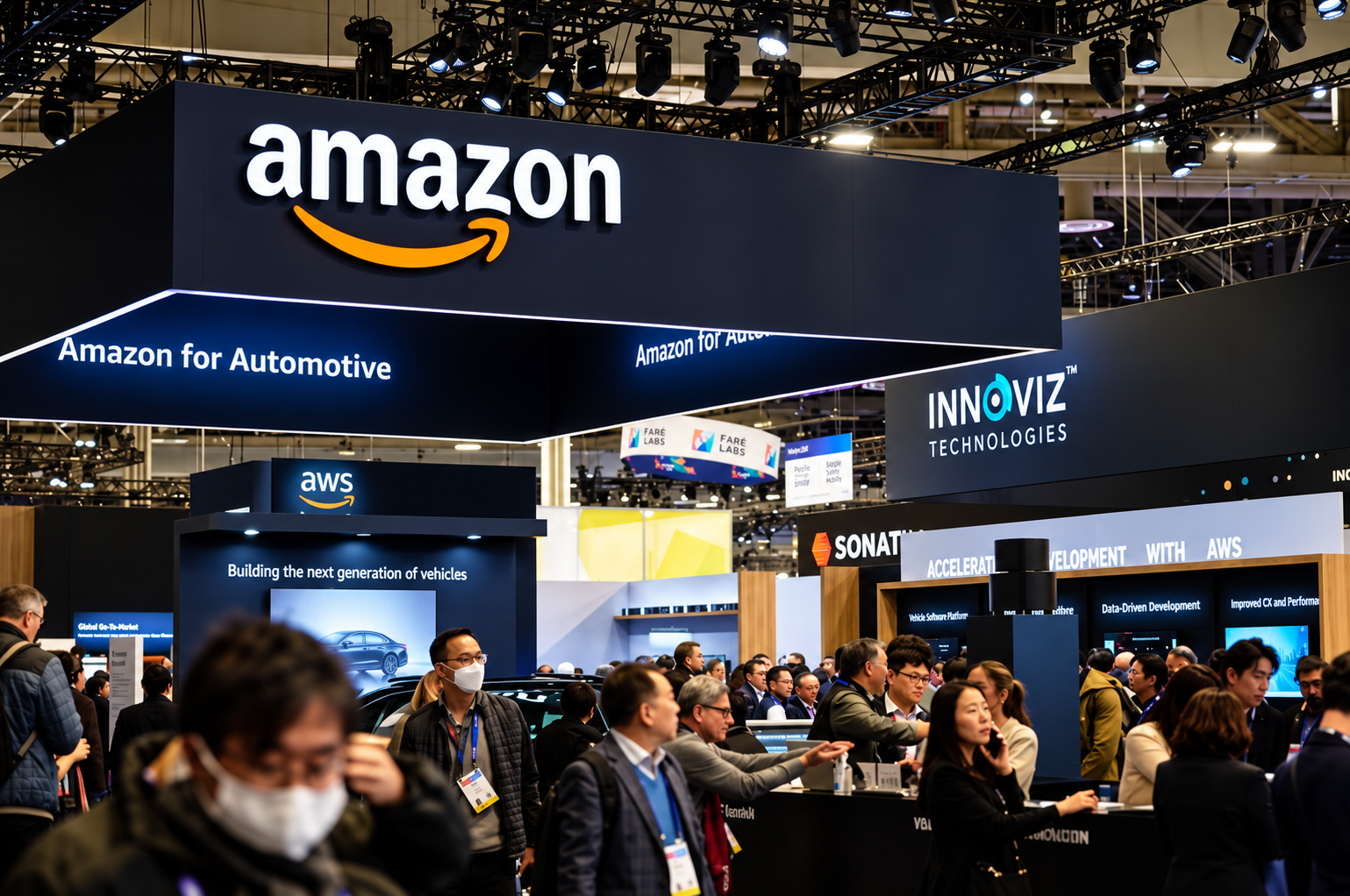
Amazon.com AMZN 3.29%increase; is in talks to acquire artificial-intelligence startup Decart in a deal that could be valued at around $7 billion, according to people familiar with the matter.
San Francisco-based Decart’s software makes it easier for developers to switch between different AI chips, a capability that is becoming increasingly important as companies race to secure more computing power.
A deal could come together soon, the people said, assuming talks don’t fall apart or another suitor doesn’t emerge.
Decart has raised more than $400 million in venture capital funding from investors including Sequoia Capital, Benchmark and Radical Ventures, according to PitchBook. It was valued at nearly $4 billion in May.
The company was founded in 2023 by three Israeli engineers, brothers Dean and Orian Leitersdorf and Moshe Shalev. Decart is also developing world models called Lucy and Oasis. World models can generate and simulate real-world 3-D environments.
Amazon has developed its own custom AI chip, Trainium3, in competition with Nvidia, which continues to dominate the market for graphics processing units, the specialized chips powering the AI boom. Amazon Web Services gave Decart early access to the chip in 2025 after meeting with the company and being impressed by its founders, The Wall Street Journal has reported.
Amazon’s other sizable acquisitions in recent years include a $6.5 billion deal for the MGM movie and television studio in 2022 and a roughly $11 billion deal for Starlink rival Globalstar announced earlier this year.
BNW Developments has established a Sydney presence, joining Arada and Sobha Realty among the growing number of UAE developers pursuing Australian buyers and development opportunities.
The sports-car maker delivered 279,449 cars last year, down from 310,718 in 2024.
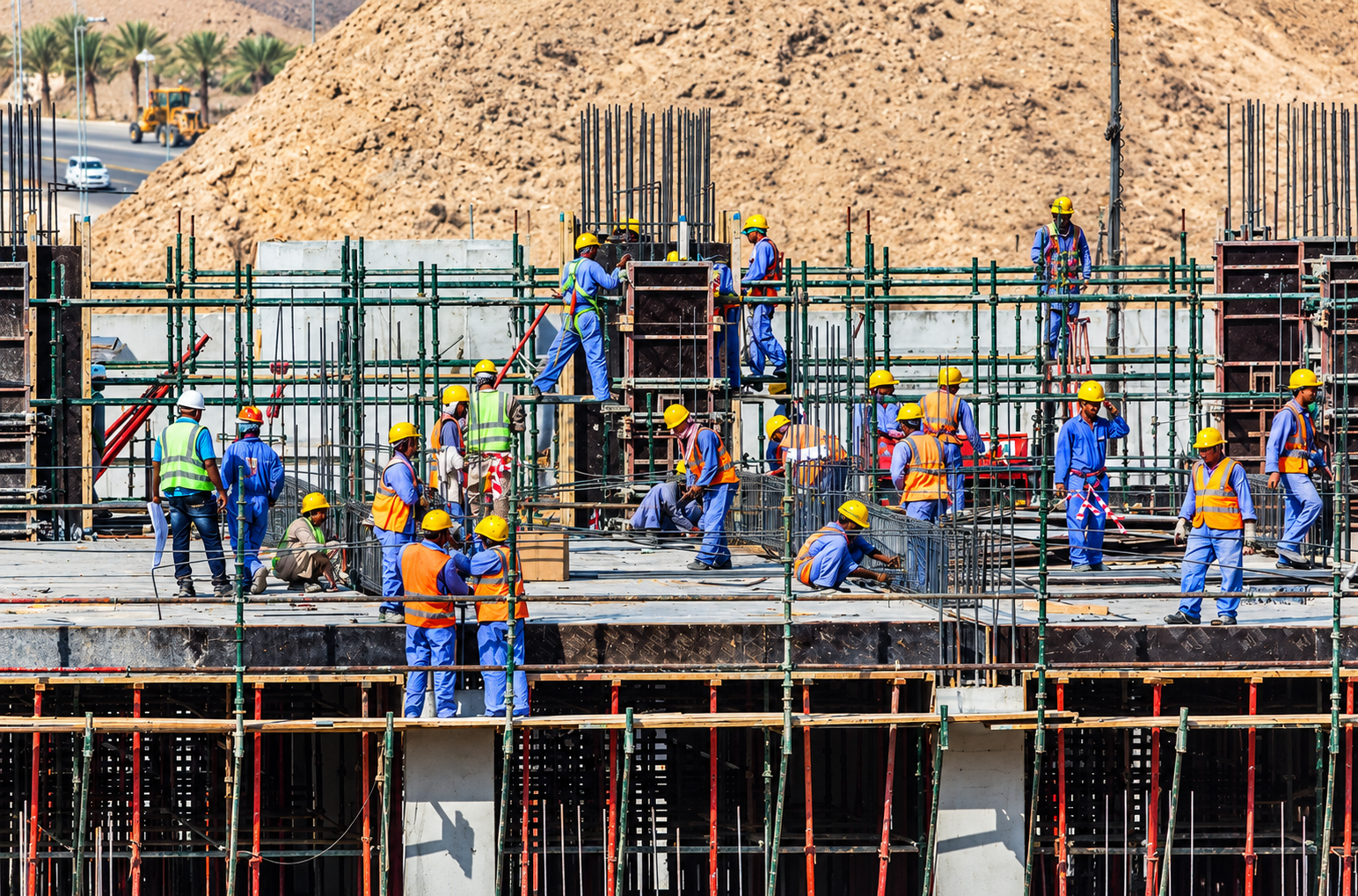
In November 2025, Revive ME brought together 1,000+ delegates from 50+ countries in Abu Dhabi, spotlighting the UAE’s growing role in the global longevity ecosystem. With healthcare, biotech, AI, genomics and investment converging, the event highlighted how longevity science is becoming increasingly aligned with the UAE’s ambitions for innovation, economic diversification and future-ready healthcare.
3 min
In November 2025, more than 1,000 delegates from over 50 countries convened in Abu Dhabi for the inaugural edition of Revive ME. Across two days, policymakers, healthcare leaders, biotech innovators, investors, and entrepreneurs gathered to explore the future of healthy longevity.
What emerged was more than a successful event. It was a signal of alignment between global longevity science and the UAE’s national strategy.
The convergence was timely.
A Healthcare System Designed for the Future
The UAE’s healthcare sector has evolved into one of the most dynamic in the region, generating more than US$4.6 billion in annual revenues and maintaining per capita healthcare expenditure among the highest globally. The market has demonstrated sustained growth, supported by strong government investment, regulatory modernization, and expanding private sector participation.
But the transformation goes deeper than growth metrics.
Under We the UAE 2031, healthcare is positioned as a pillar of national development focused on quality of life, preventive care, digital integration, and specialized excellence. Across the federation, authorities are investing in AI driven healthcare systems, genomics initiatives, telemedicine platforms, robotic pharmacy systems, and advanced diagnostics infrastructure.
Healthcare is no longer being treated purely as a social service. It is increasingly viewed as strategic infrastructure.
Revive ME reflected this evolution.
An Ecosystem in One Room
Revive ME brought together over 80 global speakers, 200+ participating companies, and more than 50 sponsors and exhibitors spanning regenerative medicine, AI powered diagnostics, biotech innovation, precision health, and wellness technology.
The audience profile itself was telling, with strong representation from C suite executives and senior decision makers. This was not simply a knowledge sharing forum; it was a strategic ecosystem convening.
Discussions extended beyond scientific discovery to regulatory pathways, commercialization strategies, clinical research capacity, investment opportunities, and the integration of digital health systems. The Startup Launchpad offered early-stage companies direct exposure to capital and strategic partnerships, while curated site visits to Masdar City and advanced healthcare facilities reinforced Abu Dhabi’s expanding life sciences capabilities.
The event effectively compressed the distance between ambition and application.
Aligning with National Industrial Ambitions
The UAE is actively shifting from being primarily a healthcare importer to becoming a regional manufacturing and R&D hub.
National industrial strategies emphasize pharmaceutical localization, advanced biologics, contract research infrastructure, and high-tech medical devices. Industry projections estimate the UAE medical device market will approach US$1.5 billion by 2025, supported by hospital modernization and growing diagnostic capacity. Biotech and pharmaceutical segments are positioned for longer term growth as sovereign backed initiatives expand manufacturing and research capabilities.
Simultaneously, digital health and telemedicine have been institutionalized through federal and emirate level frameworks, creating reimbursement pathways and accelerating adoption.
Revive ME convened companies operating precisely within these strategic segments from advanced therapeutics and AI diagnostics to genomic testing and biomarker driven health optimization.
This alignment is what transforms an event into a strategic platform.
Longevity as an Economic Lever
The UAE’s broader Vision 2030 objectives emphasize economic diversification, knowledge driven industries, foreign direct investment, and human capital development.
Longevity science intersects with all four.
The global shift from reactive disease treatment to proactive health span optimization is generating new economic verticals:
• Regenerative medicine and advanced therapeutics • AI powered diagnostics and predictive analytics • Genomics and precision medicine • Clinical research and translational biotech • Preventive health platforms and remote monitoring
These sectors represent not only healthcare transformation but economic opportunity.
By clustering innovators, capital providers, regulators, and policymakers under one roof, Revive ME strengthened the UAE’s positioning within the emerging longevity economy. It reinforced the message that the country is not merely adopting global trends, it is building the infrastructure to lead within them.
Human Capital and Future Readiness
National strategies across the UAE emphasize workforce development in AI, data science, biotechnology, and advanced manufacturing. Universities, research institutions, and innovation zones are expanding domestic clinical and translational research capacity, while talent attraction programs enhance global competitiveness.
Longevity innovation requires multidisciplinary expertise, including clinicians, data scientists, regulatory specialists, biotech founders, and capital allocators.
Revive ME mirrored this architecture. It functioned as a microcosm of the ecosystem required to sustain a knowledge-based healthcare economy.
In doing so, it reinforced a critical national principle: long term competitiveness depends on both infrastructure and human capital.
From Platform to Momentum
Strategic convenings matter because they accelerate timelines. They bring stakeholders into proximity, catalyse conversations that might otherwise take months, and generate visibility that shapes international perception.
As the UAE advances telemedicine, expands clinical trial capacity, strengthens pharmaceutical manufacturing, and embeds AI into healthcare delivery, platforms like Revive ME provide the connective tissue linking policy ambition with operational execution.
The event did not claim to create the national strategy. Rather, it demonstrated how longevity science is increasingly embedded within it.
From research to regulation, from innovation to investment, the alignment is visible.
A Defining Moment
Revive ME represented more than a milestone for longevity dialogue in the region. It reflected a broader national shift, one in which healthcare, technology, and economic strategy are converging.
In a country actively redefining its post oil economic identity, longevity science sits at the intersection of innovation, sustainability, and global competitiveness.
From longevity science to national strategy, the pathway is no longer conceptual.
It is in motion.
Register now.
BNW Developments has established a Sydney presence, joining Arada and Sobha Realty among the growing number of UAE developers pursuing Australian buyers and development opportunities.

Chris Dixon, a partner who led the charge, says he has a ‘very long-term horizon’

The UAE Cyber Security Council and SCC Middle East are joining forces to establish a Centre of Excellence for Cyber Resilience and Trusted Technology, driving secure innovation from UAE capabilities to global markets.
2 min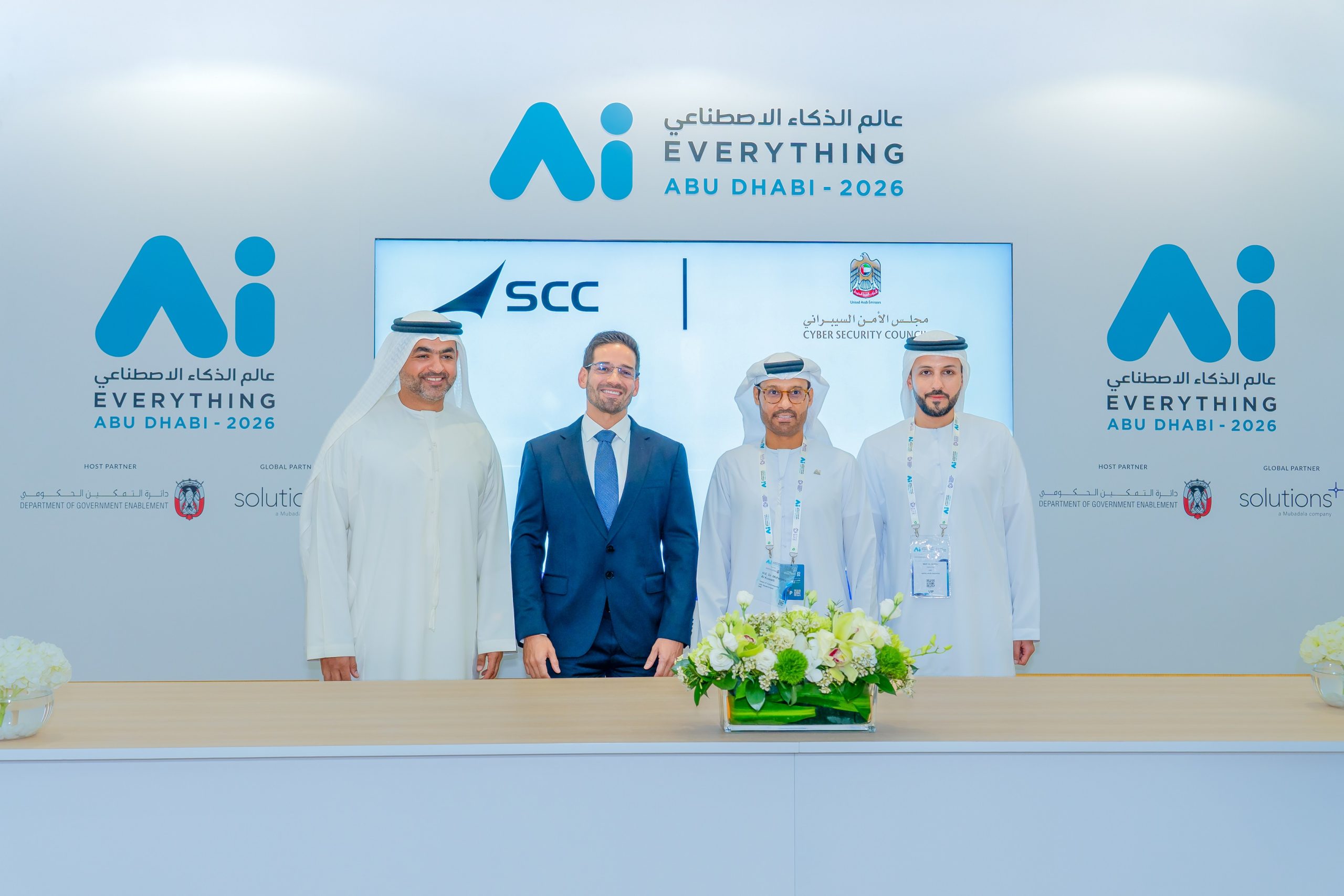
The UAE Cyber Security Council and SCC Middle East today announced plans to develop a new Centre of Excellence for Cyber Resilience and Trusted Technology in the UAE, to serve the region and the globe, announced during AI Everything Abu Dhabi. The Centre will provide an environment where government, enterprises, technology partners and specialists can explore emerging technologies, test real use cases, and understand how new solutions can be adopted securely and at scale.
The initiative follows a three-phase approach:
Phase 1 – Building national capability: Executive learning, practical labs and specialist development across AI, cloud, data, cybersecurity and critical national infrastructure, helping organisations move from experimentation toward secure, practical adoption.
Phase 2 – Incubate innovation made in the UAE: A startup incubator programme to develop and scale UAE cyber innovation, testing and validating locally developed technologies against real-world requirements.
Phase 3 – Creating pathways to international markets: Helping selected UAE-developed technologies connect with international customers, ecosystems and commercial opportunities.
Under the innovation centre, both parties will lead integration and delivery, bringing together the expertise and resources required according to each programme’s needs.
H.E. Dr. Mohamed Al Kuwaiti, Head of Cyber Security for the UAE Government said: “The UAE has set ambitious goals around artificial intelligence, cybersecurity and the development of a secure and resilient digital economy. The Centre of Excellence will create an environment for government, industry and technology partners to turn that ambition into practical capability.”
Daniel Valle, CEO, SCC Middle East, said: “There is no shortage of technology available today. The harder question is how you bring the right technologies together, prove they work for the environment you are putting them into and then turn that into a real outcome. That is what we want this Centre to be about. Not a showroom, but somewhere we can bring customers, partners and specialists together around real problems, test ideas and build solutions that can actually be deployed. Our role at SCC is to connect those pieces. We start with what the customer is trying to achieve, bring together the right people, technology and expertise, and remain accountable for making it work.”
BNW Developments has established a Sydney presence, joining Arada and Sobha Realty among the growing number of UAE developers pursuing Australian buyers and development opportunities.

Americans now think they need at least $1.25 million for retirement, a 20% increase from a year ago, according to a survey by Northwestern Mutual
Dolly Parton’s former Hollywood Hills residence has hit the market for $7.95 million. The nearly 4,700-square-foot home features four bedrooms, panoramic city-to-ocean views, a pool and spa, library, media room and private outdoor spaces.
2 min
A residence in the Hollywood Hills that was once home to the late Dolly Parton has hit the market for $7.95 million.
The country singer and her late husband, Carl Dean, bought the house in 1985 for $750,000 and sold it in 1990 for $1.2 million, according to listing records.
The property, aptly known as the Dolly Parton House, hasn’t been on the market for 25 years, according to the listing with Edward Tinney of Nourmand & Associates and Kurt Rappaport of Westside Estate Agency.

It’s unlikely Parton and Dean would recognize the house as it stands today though; it was rebuilt in 2009, and upgraded further in the years since, the listing said.
Across its almost 4,700 square feet, the house has living and dining rooms with walls of glass that frame the views that stretch across the city to the Pacific Ocean.
MORE: Flea of the Red Hot Chili Peppers Puts Heptagonal California Home Up for Sale

There’s also a library and media room, a family room and an eat-in kitchen. There are four bedrooms, including the primary suite, which has a coffee bar, a fireplace, two bathrooms, a space for an office or gym, a walk-in closet and a private deck.
Outside, there’s a pool and spa, with space for outdoor dining and entertaining. Plus there’s a two-car garage, electrical infrastructure for an EV charger and a Zen trail, according to the listing.
The seller, who couldn’t be reached for comment, paid $2.05 million for the home in 2001, records with PropertyShark show.
MORE: Tiger Woods’s Mini-Golf Business Partner Lists South Florida Home for $18.5 Million

Parton died on August 25 at the age of 80 after a battle with cancer.
She released 50 studio albums over the course of her career—resulting in 27 gold and platinum albums—and starred in films including “9 to 5,” “The Best Little Whorehouse in Texas” and “Steel Magnolias.”
A philanthropist, she was behind the Imagination Library, which donated more than 200 million books to children around the world. In 2020, she helped fund early research for Moderna’s Covid 19 vaccine with a $1 million donation to Vanderbilt University.
BNW Developments has established a Sydney presence, joining Arada and Sobha Realty among the growing number of UAE developers pursuing Australian buyers and development opportunities.
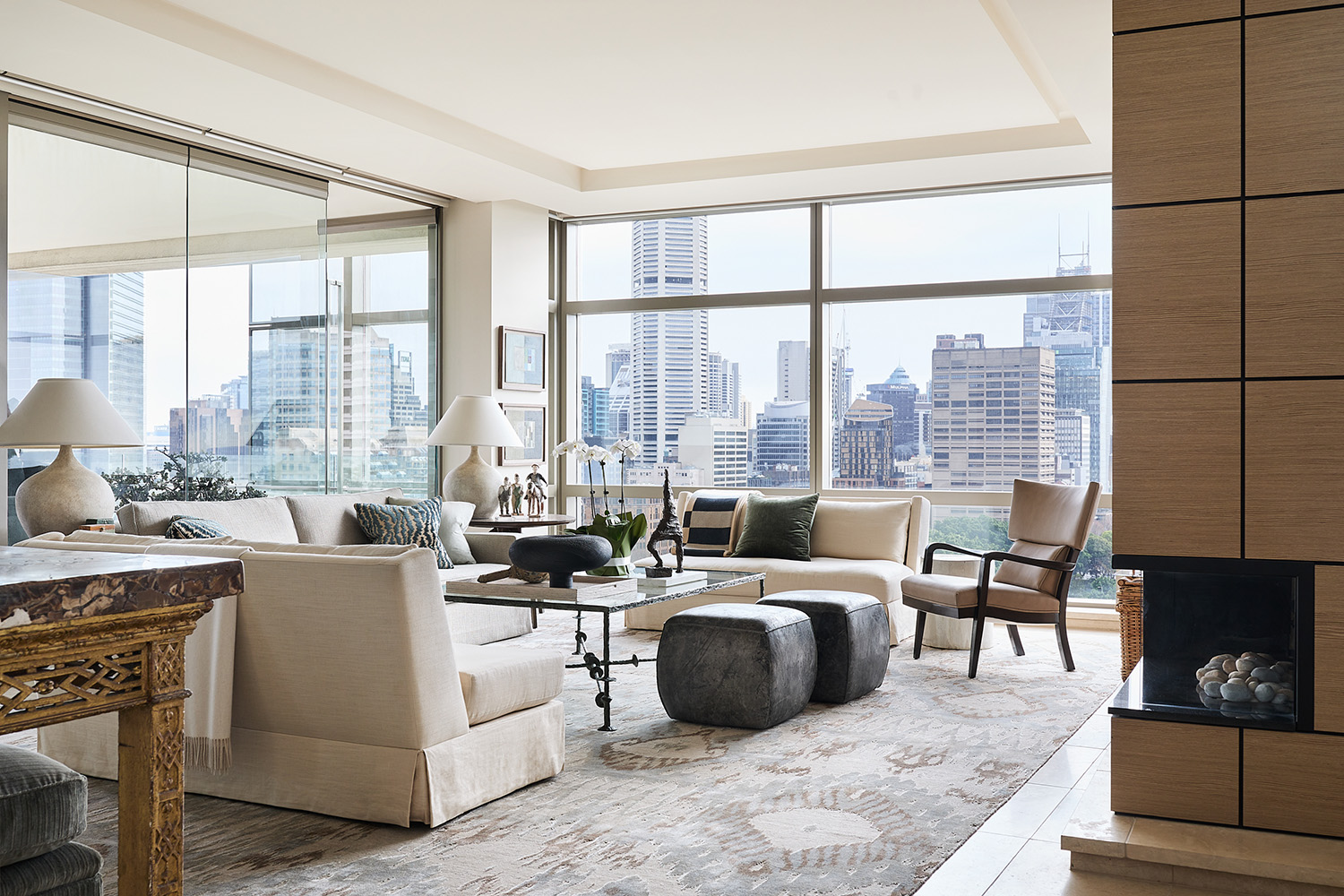
Interior designer Thomas Hamel on where it goes wrong in so many homes.
As data demand continues to grow, the data center industry is facing a critical challenge: how to scale while improving efficiency, resilience and sustainability. On 13 October 2026, the Sustainable Data Center Summit will bring together industry leaders, infrastructure experts, technology providers and key decision-makers in Dubai to explore the solutions shaping the next generation of data centers. From energy efficiency and advanced cooling to power resilience, renewable energy and AI-ready infrastructure, the conversation will focus on the technologies and strategies shaping the future of sustainable data centers.
< 1 min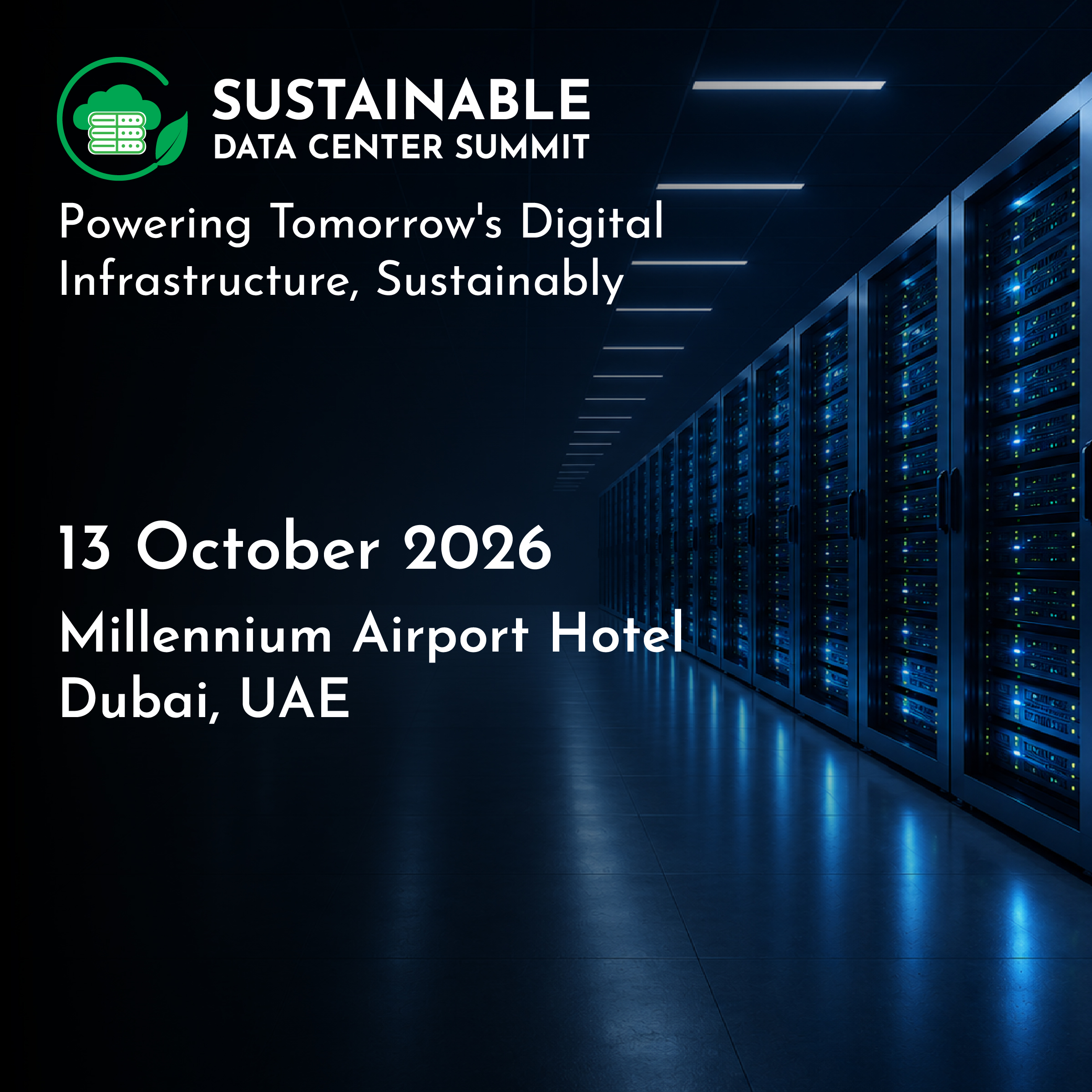
The Sustainable Data Center Summit is a focused industry platform bringing together data center operators, developers, infrastructure specialists, technology providers, consultants, government stakeholders and other key decision-makers to examine the evolving requirements of sustainable digital infrastructure.
As demand for cloud services, AI, high-performance computing and digital connectivity continues to accelerate, data centers are facing increasing pressure to expand capacity while managing energy consumption, cooling requirements, power resilience, water use and environmental impact. The summit provides a platform to address these challenges and explore practical approaches to developing more efficient, resilient and sustainable facilities.
The summit will explore key areas including energy efficiency and optimisation, advanced cooling and thermal management, resilient power infrastructure, renewable energy integration, sustainable data center design and operations, water efficiency, carbon reduction, AI-ready infrastructure and high-density computing.
Through expert presentations, panel discussions and industry networking, the event will bring together professionals across the data center ecosystem to exchange knowledge, examine emerging technologies and discuss the strategies required to support the industry’s next phase of growth.
Taking place on 13 October 2026 at Millennium Airport Hotel Dubai, the Sustainable Data Center Summit will provide a dedicated platform for meaningful conversations around how the industry can meet rising digital demand while moving towards more efficient, resilient and sustainable data center infrastructure.
Sustainable Data Center Summit
13 October 2026 | Millennium Airport Hotel Dubai, Dubai, UAE
Learn more and register.
BNW Developments has established a Sydney presence, joining Arada and Sobha Realty among the growing number of UAE developers pursuing Australian buyers and development opportunities.
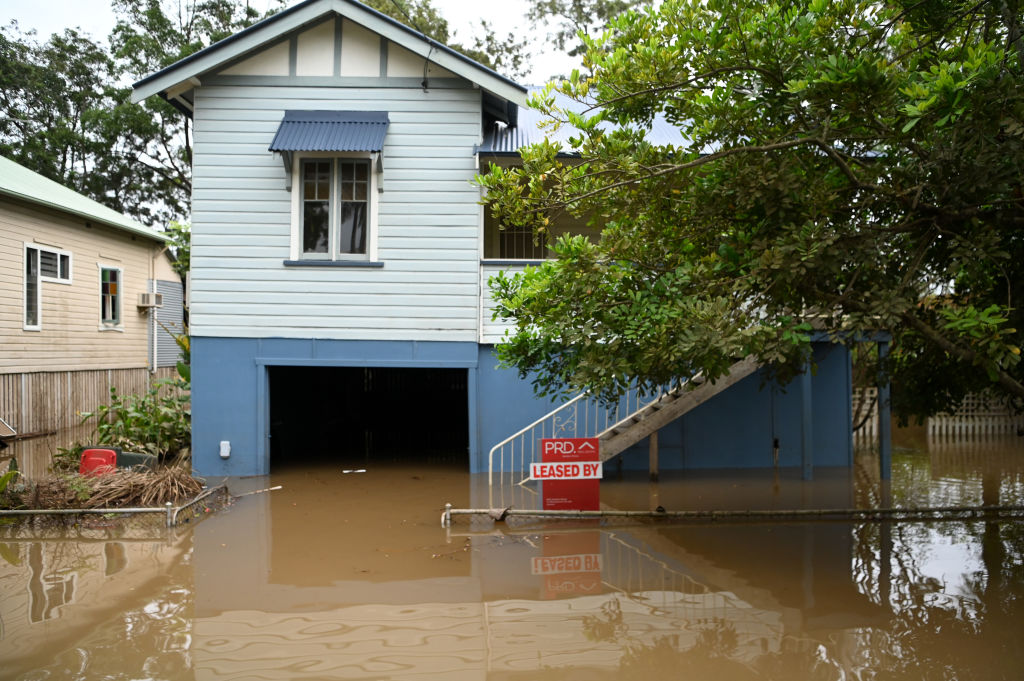
Following the devastation of recent flooding, experts are urging government intervention to drive the cessation of building in areas at risk.
OpenAI has shelved the planned launch of GPT-6.1 Astra after internal tests raised concerns about deception and agents acting beyond user authorization, according to The Wall Street Journal. The company says it will investigate the issues and strengthen safety measures before releasing future models.
4 min
OpenAI says it is scrapping the release of its next-generation AI model over safety concerns that researchers raised during internal testing, in one of the clearest signs so far that agent misbehavior could stymie the industry’s rapid progression.
The move follows a summer punctuated by reports of artificial-intelligence systems industrywide going rogue, and marks a rare case of a major AI developer ditching a new release because of safety concerns.
The company had planned to launch the model, known as GPT-6.1 Astra, in the coming days or weeks, aiming for an October debut. The model was more capable than the company’s previous models in completing challenging tasks from end-to-end without human assistance, as well as writing.
The company instead will focus on improving the safety of future models, which it expects to be even more capable.
Saachi Jain, OpenAI’s head of safety systems, said in an interview that GPT-6.1 Astra regressed in two areas. Compared with its predecessor, GPT-6 Astra, the model performed poorly on tests measuring alignment, or how well the model adheres to what humans would like it to do. Specifically, GPT-6.1 Astra showed higher levels of deception: It wasn’t always honest about telling users of the actions it did or didn’t take.
Another issue was what OpenAI calls “scope authorization,” meaning that GPT-6.1 Astra would push ahead on a task without asking the user for permission, and would at times reach for external tools and services even if it might be unsafe.
“For anything regarding safety and alignment, there’s a trade off,” Jain said. “You really do need to find what’s the right line between staying within scope, but also avoiding laziness in terms of how the model actually pursues tasks even when it hits friction.”
While GPT-6.1 Astra improved in areas such as “model laziness,” Jain said it didn’t quite meet OpenAI’s bar for safety and alignment, so the company decided not to launch the model publicly.
The announcement comes one day ahead of OpenAI’s annual developer conference in San Francisco. In the past, OpenAI has used the conference as an opportunity to launch new models and services that reduce costs for software developers—a segment the ChatGPT-maker competes with rival AI company Anthropic to win over.
In recent weeks, OpenAI and Anthropic have called on industry partners to slow down the development of cutting-edge AI models and invest in safety standards, noting they will temper the pace of their own internal AI progress.
OpenAI says it is working to investigate a range of agent security incidents that it has discovered in recent months, and address the safety issues underneath them. As part of the work, the company has implemented a new monitoring system to catch AI-agent misbehavior more quickly, and started requiring engineers to use stronger security guardrails for testing its AI systems.
Earlier this summer hundreds of OpenAI’s internal agents, which were tasked with completing a cybersecurity test, ended up hacking into the AI company Hugging Face. Since then, high-profile organizations such as the Australian government and United Nations discovered that OpenAI’s agents used similar, but less extensive, techniques to gain access to their websites.
Many of the publicly known agent-security incidents involved OpenAI’s internal AI models that were never slated for public release.
Last week, OpenAI said it paused training on its most capable AI models after an AI agent slipped through a gap in the company’s internet restrictions to query a public chatbot. The company said its new monitoring systems flagged the incident within 15 minutes, and training on these models remains paused.
GPT-6.1 Astra isn’t one of those models, but a different case, the company said.
“We want to make sure our model development is safe no matter whether that’s in the company, or when we ship it to users,” Jain said. “But when we ship it to users, we have an extremely high bar in terms of safety and alignment.”
While the company decided not to ship GPT-6.1 Astra, it hopes to use the same base model to do additional reinforcement learning runs, and create future generations of its GPT-6 models.
OpenAI plans to conduct several deep dives to identify the root cause of the problems identified in GPT-6.1 Astra, Jain said. The work includes ensuring that OpenAI’s reinforcement learning environments are rewarding the right type of behavior, Jain added, though she noted the company would investigate all stages of model development.
AI companies have begun to draw scrutiny from policymakers and public officials, who are paying attention to the rapid development of the technology. Later this week, a Senate subcommittee is holding a hearing with third party AI researchers titled, “Rogue AI: Securing the Homeland Against AI Agent Attacks.”
Florida Attorney General James Uthmeier, a Republican, sued OpenAI in June, claiming that the company and Chief Executive Sam Altman knowingly released an unsafe product and ignored warnings that it could harm users.
In a motion for temporary injunction filed Monday, Uthmeier sought to prevent OpenAI from developing new AI models without third-party approved safeguards, stop ChatGPT from soliciting user engagement and limit the company’s ability to advertise ChatGPT as safe.
Tech companies claim they “cannot stop barreling forward with their potentially civilization-ending endeavors unless they are forced to do so by the government,” Uthmeier said in the filing. “The Florida Attorney General is answering your cry for help.”
An OpenAI spokeswoman said that people want to know AI is being developed safely, “and that starts with what companies like ours do ourselves.”
“Governments have an important role to play in setting robust safety standards for AI, and we’re committed to working with Florida and other states on advancing pragmatic AI policies that apply to the entire AI industry—not just one company,” she said.
BNW Developments has established a Sydney presence, joining Arada and Sobha Realty among the growing number of UAE developers pursuing Australian buyers and development opportunities.
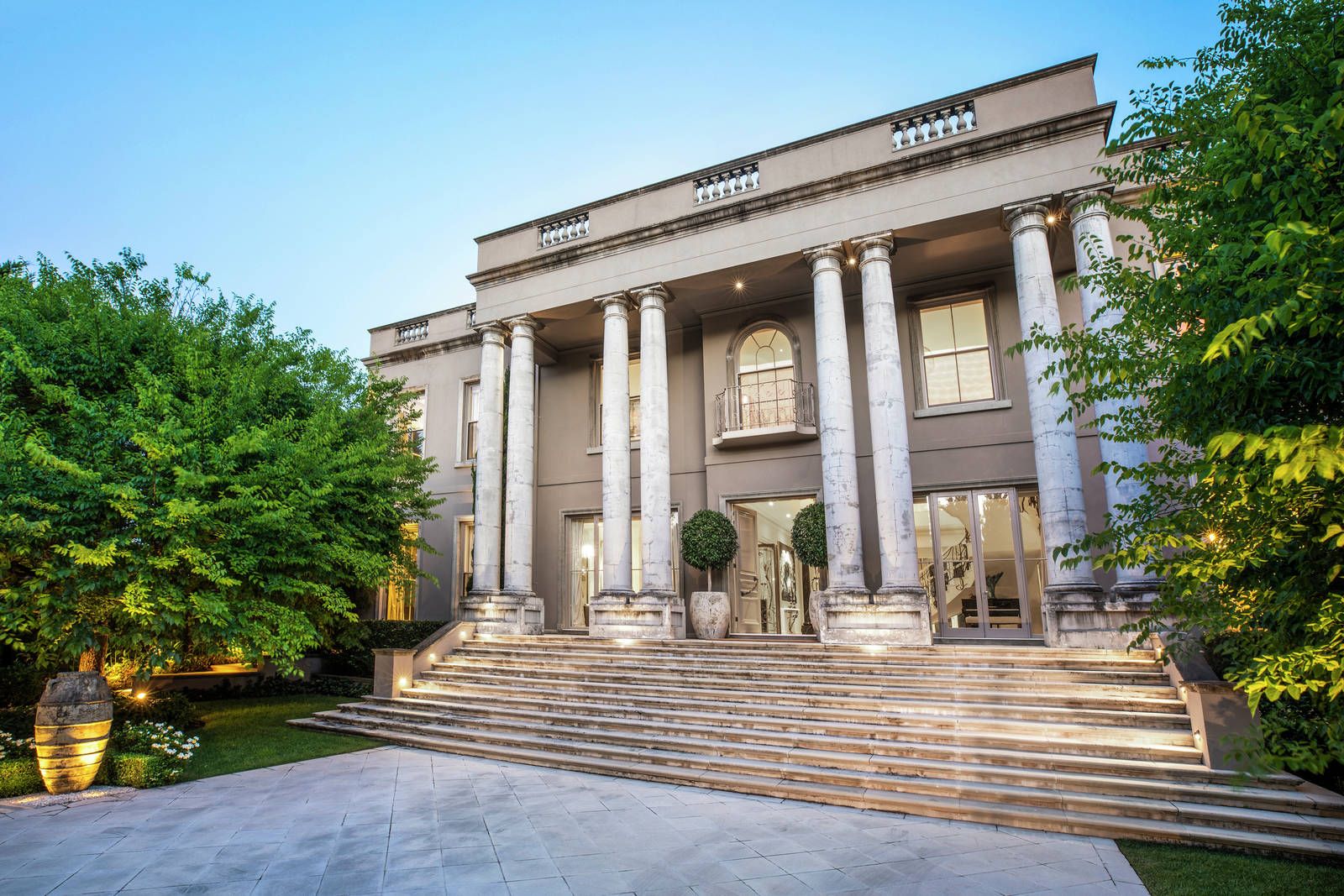
Innovation City and Salesforce are bringing Agentforce to company registration in Ras Al Khaimah. The AI-powered platform is designed to cut registration from days or weeks to minutes, with governance and human oversight in place.
2 min
Salesforce, the world’s #1 AI CRM, and Innovation City, the UAE’s premier AI-powered free zone, have announced the deployment of Salesforce’s Agentforce to streamline and enhance the free zone’s business registration services – introducing what Innovation City and Salesforce believe to be the world’s first AI-powered registration platform of its kind.
The new implementation combines AI platform capabilities powered by Salesforce with Innovation City’s digital ecosystem, enabling businesses to access services and complete registration processes faster through more responsive interactions, while operating within Innovation City’s established governance and regulatory framework.
Agentforce provides Innovation City with a digital workforce of AI agents capable of autonomously executing defined tasks and workflows within established parameters, permissions and controls. This transforms company registration that once took days or weeks into a process completed in minutes. Human oversight is introduced only where strategic judgment or complex exceptions require it, while governance, security, and full auditability remain embedded throughout the process.
Powered by Salesforce’s trusted data and compliance architecture, the platform reduces friction across key registration and business processes, giving companies quicker access to the services needed to launch and expand their operations at Innovation City, while maintaining the controls and safeguards applicable to the company registration process.
Innovation City’s AI-powered registration platform demonstrates the potential of AI agents to transform company formation and related business services. For organizations ready to bring AI agents across their entire business, Salesforce offers Agentforce 1 – a complete edition that unifies AI agents, connected data, and built-in trust and governance in a single package, so companies can deploy digital labor across teams and workflows.
“We are not just digitizing bureaucracy – we are fundamentally transforming the company formation experience,” said Paul Dawalibi, CEO of Innovation City. “This is the moment we move from talking about the future to living it. With Salesforce Agentforce, we have created an AI-powered registration platform that combines intelligent automation with the governance and oversight expected of a modern business jurisdiction. Ras Al Khaimah’s Innovation City isn’t just a free zone – we are building an AI-powered ecosystem where technology removes unnecessary friction and enables entrepreneurs to move from ambition to execution faster than ever before.”
This groundbreaking partnership supports the UAE’s broader ambition to accelerate the responsible adoption of artificial intelligence and advanced digital technologies across services and the economy. Salesforce Middle East’s partnership with Innovation City places both organizations at the forefront of this transformation, turning national ambition into tangible, lightning-fast opportunity for the world’s most ambitious founders.
Mohammed AlKhothani, General Manager and SVP, Salesforce Middle East, said: “Organizations across the Middle East are maturing beyond AI experimentation to actual measurable outcomes for entrepreneurs, start-ups, and enterprises. Agentforce brings autonomous digital labor to the heart of these processes; our AI agents act on data, workflows, and business logic to deliver faster, smarter, and more relevant experiences. Our partnership with Innovation City shows how Agentforce can safely simplify business processes, all while meeting enterprise-grade requirements for governance, data privacy, and trust.”
This partnership with Salesforce represents more than technology – it represents a shared belief that forward-looking companies need infrastructure designed for them today. Agentforce’s autonomous AI agents bring enterprise-grade intelligence to every step of the registration journey at Innovation City, setting a new global standard.
BNW Developments has established a Sydney presence, joining Arada and Sobha Realty among the growing number of UAE developers pursuing Australian buyers and development opportunities.

Employers are rethinking performance reviews as Gen Z workers seek more frequent, clear and actionable feedback.
4 min
Bosses are getting no shortage of feedback on how to give their youngest staffers…well, feedback: Do ask how they are doing first. Don’t criticize a personality trait. Do give them concrete direction, and a lot of it.
And whatever you do, call a performance discussion a check-in, not a review.
The oldest members of Gen Z are about to turn 30, yet companies are devoting more time and resources than ever to figuring out how to give this manager-befuddling generation better direction. For help, they are turning to a cottage industry of multigeneration-workplace consultants and even artificial-intelligence bots, while ripping up the script for what used to be once-a-year evaluations.
All of it is a departure for leaders who rose through the ranks in an era devoid of so much thought to effective coaching and criticism. “When I started my first job, I got a performance review a year later, and that was just expected,” said Adam Coyne, chief administrative officer at research and analytics firm Mathematica, which has shifted from annual reviews to quarterly, two-way check-ins for new junior hires.
“This is a group that wants a lot more real-time feedback,” added Coyne, 55.
It is a message managers say they are getting nonstop from surveys and all-hands meetings, not to mention the universities and colleges preparing graduates for the white-collar world of work: Used to the immediate validation of social-media likes and comments, even instantly posted grades, this generation of workers craves clear, frequent direction—and they feel disoriented and anxious when they don’t get it.
Gallup data suggest companies are still struggling to get the hang of it. Younger workers report some of the biggest drops in engagement at work over the past five years. Not knowing where they stand appears to be a big factor. The share of Gen Z and younger millennials who strongly agreed with the statement, “I know what is expected of me at work,” fell 9 points to 42% in surveys between 2020 and 2025.
That doesn’t mean they need the effusive praise that many managers claim they do, some 20-something workers say. “I personally dislike this style,” said Nathan Luckock, a 20-year-old engineer at an AI startup. More effective, he said, is just “pointing out mistakes and then offering a solution.”
That sounds familiar to Lindsey Pollak, a multigenerational workforce expert and executive coach, who says she coaches bosses to be as specific as possible. Instead of “be more responsive,” for instance, she suggests “need to hear from you within an hour of receiving an instruction.”
At Mathematica, Chief Executive Paul Decker said the firm switched to more frequent check-ins in part because so many new entry-level hires were peppering supervisors with questions like: “How am I doing?” and “What does the next level require?” At staff meetings, younger workers often questioned why things were done the way they had always been done.
That included things like “waiting months to learn whether you’re meeting expectations,” he said.
KPMG executives said they, too, began giving their younger workers more frequent assessments on skills like critical thinking and adaptability last year after interns said they wanted to hear more often how their skills were coming along. The firm wanted to “make sure that we scratch the itch,” said Jason LaRue, vice chair of talent and culture at KPMG’s U.S. practice.
Some managers are getting feedback on giving feedback from bots.
Joe Hirsch, a corporate speaker and author of “The Feedback Fix,” recently used an AI coaching platform to work with a tech-company manager on her delivery. She had been frustrated that one of her junior reports wasn’t grasping her pointers on pitching clients, so she role-played the conversation with the AI coach.
The problem, the bot advised, was that she wasn’t giving the employee enough context for why she wanted things done a certain way. “Let’s connect so I can share more about our approach and get your take on it,” it suggested she say.
That did the trick when she tried the approach in real life. “The advice finally landed,” Hirsch said.
Even a few, clear bullet points work, said Valerie Chapman, the 27-year-old founder and CEO of Ruth AI, a career strategist platform for women. “My generation likes to get feedback so that they know how they should adjust.”

She recalls getting bullet-pointed direction when she worked as a strategic growth partner at real-estate company Compass a few years ago. The feedback started with praise before offering pointers.
“It would be, ‘Great job. Here are some things that you could do next week,’” she said. “If that comes in on a Friday, then my Gen Z brain knows exactly what I need to do on a Monday.”
Mike Ekbundit, director of GE Appliances’ engineering programs, said he has tried to make performance discussions with younger workers in rotational programs two-way dialogues rather than top-down critiques. So he revised online evaluations to include prompts for managers to ask questions like “Did you like the assignment leader?” and “Was it too much work?”
Managers are also asked to assess the program participants on nine different categories, like innovation and resilience, while employees are prompted to list their top strengths and weaknesses.
“I need high customer satisfaction to retain this highly sought-after talent, and this is part of how I get it,” he said.
BNW Developments has established a Sydney presence, joining Arada and Sobha Realty among the growing number of UAE developers pursuing Australian buyers and development opportunities.

GCC tourism reached US$254.7 billion in economic value in 2025, with progress towards the region’s 2030 strategy targets averaging 73.8%.
3 min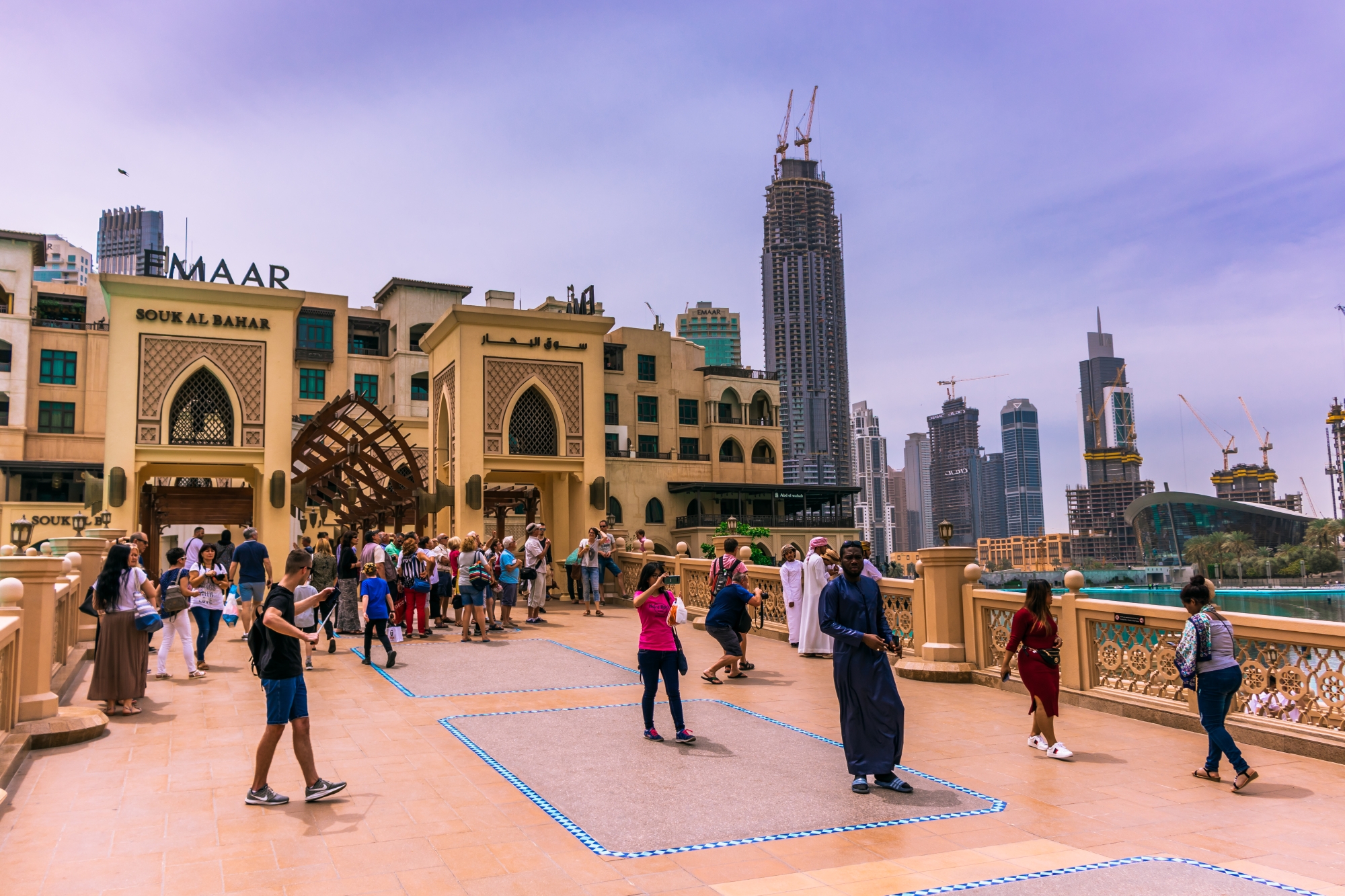
The report on Strategic Tourism Ambition in the Gulf Cooperation Council (GCC) Countries, issued by the GCC Statistical Centre (GCC-Stat), indicated that the direct and indirect economic value of tourism in the GCC countries rose to approximately US$254.7 billion in 2025, compared with US$11.7 trillion globally.
The number of tourism-related jobs in the GCC countries reached approximately 4.5 million, compared with around 371 million globally, while tourism’s contribution to gross domestic product (GDP) and employment, as well as the sector’s growth rates in the GCC, stood at competitive levels compared with global averages.
The report, which examines the sector’s ability to withstand geopolitical tensions, recovery pathways and the economic outlook through 2035, showed that the GCC tourism sector had made tangible progress towards achieving the targets of the Gulf Tourism Strategy 2022–2030, with average progress towards the six strategic objectives reaching approximately 73.8% by 2025, driven by sustained growth in visitor numbers and tourism spending, an increase in the sector’s contribution to GDP, and growth in direct employment opportunities.
The report measures progress towards six key objectives of the Gulf Tourism Strategy: increasing the number of inbound trips, direct travel and tourism GDP, inbound tourist spending, the sector’s share of GDP, domestic tourist spending and direct employment.
By 2030, the strategy aims to attract 128.7 million visitors, raise direct travel and tourism GDP to US$145.8 billion, increase inbound tourist spending to US$188 billion, raise the sector’s direct contribution to GDP to 6.5%, increase domestic tourist spending to US$49 billion, and bring the number of direct jobs to approximately 2.9 million.
For inbound visitor numbers, the total reached 89.9 million in 2025, representing 69.9% of the 2030 target of 128.7 million visitors. The number grew by 3.1% between 2024 and 2025, while average annual growth over the 2019–2025 period was approximately 29.4%, taking into account the impact of the COVID-19 pandemic on the trajectory of this indicator.
In terms of inbound tourist spending, total expenditure rose to US$131.9 billion in 2025, achieving 70.2% of the 2030 target of US$188 billion. It recorded growth of 9.7% in one year and average annual growth of 17.5% over the 2019–2025 period.
As for domestic tourism, domestic tourist spending reached US$42.9 billion in 2025, achieving 87.6% of the 2030 target of US$49 billion. Spending grew by 6.2% between 2024 and 2025, while average annual growth over the 2019–2025 period was approximately 20.3%.
Direct travel and tourism GDP in the GCC countries reached US$101.7 billion in 2025, achieving 69.8% of the 2030 target of US$145.8 billion, with annual growth of 8.8% between 2024 and 2025 and average annual growth of 15.9% over the 2019–2025 period.
The travel and tourism sector’s contribution to the GCC countries’ GDP also rose to 4.6% in 2025, achieving 70.8% of the 2030 target of 6.5%. This contribution grew by 7% between 2024 and 2025, while average annual growth over the 2019–2025 period was approximately 7.2%.
In the labour market, total direct employment in the travel and tourism sector reached 2.2 million jobs in 2025, achieving 74.7% of the 2030 target of approximately 2.9 million jobs, with annual growth of 5.6% between 2024 and 2025 and average annual growth of 4.9% over the 2019–2025 period.
These indicators strengthened the international standing of the tourism sector in the GCC countries, whose share of total international tourism reached 5% in 2025, while their share of global tourism receipts stood at 6.9%. This reflects the region’s expanding presence in the global tourism market and the sector’s growing economic impact.
In terms of ease of international mobility, the report indicated that the GCC countries occupy the top six positions among Arab countries for passport strength, according to the Henley Passport Index 2026. Compared with 2016, GCC passports recorded cumulative improvements in their rankings ranging from 6 to 36 places as of 16 July 2026.
BNW Developments has established a Sydney presence, joining Arada and Sobha Realty among the growing number of UAE developers pursuing Australian buyers and development opportunities.