






Salma Hayek Pinault Redefined Hollywood. Now She’s Redefining Philanthropy.
In the worlds of Hollywood, fashion and activism, there’s never been anyone quite like Salma.

 8 min
8 min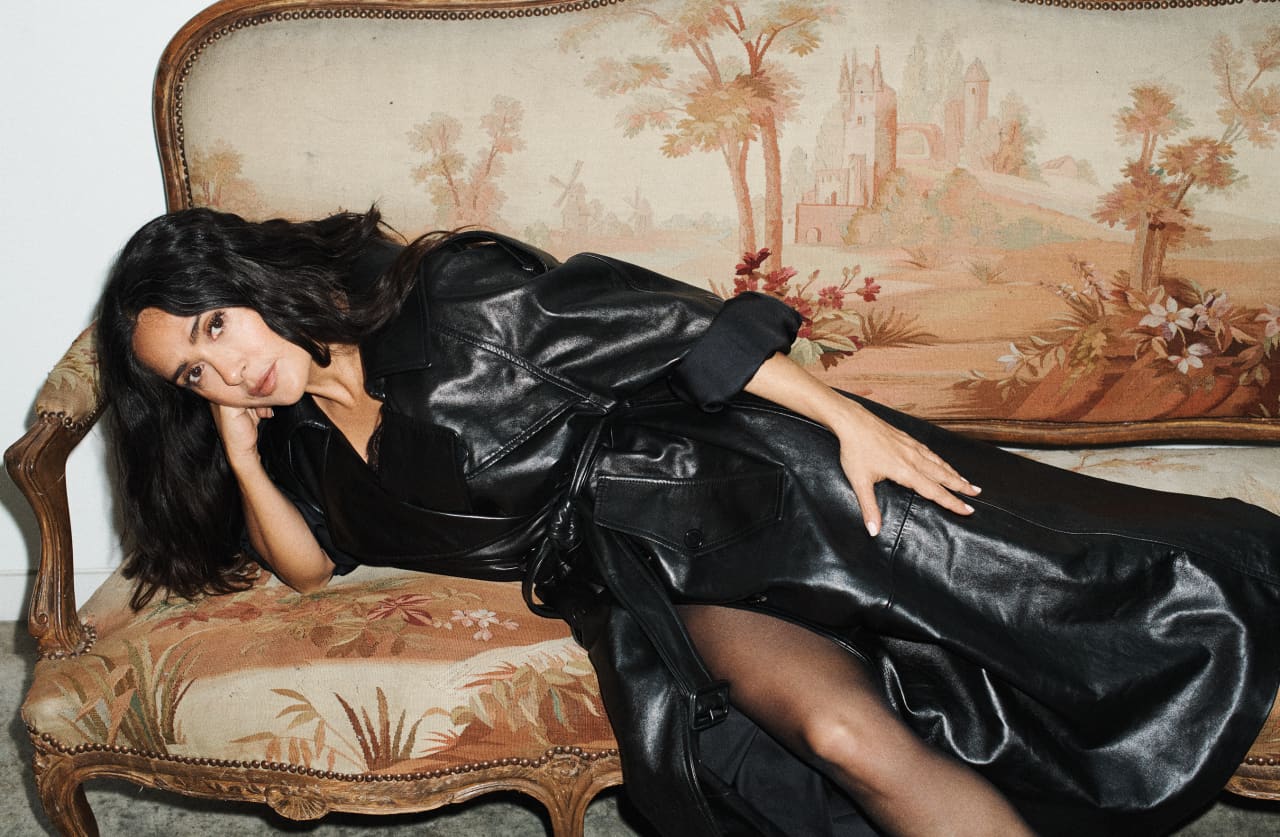
I N THE COURSE of one conversation, Salma Hayek Pinault mourns the death of her pet rescue owl, reveals that she never signed a prenup in her marriage to French billionaire François-Henri Pinault and bemoans the obnoxiousness of certain wealthy people who assume they’re interesting just because they’re rich.
But ask about her typical day, and she has no words.
“Nothing in my life is typical,” she says, her smoky voice filling the low-ceilinged room in a London pub, where she shows up on an overcast Monday afternoon awash in head-to-toe Gucci and perfume drawn from ingredients that include Mexican tuberose and queen of the night, an opulent cactus with flowers that each bloom just once a year in the dark.
The Mexican-born actress, 58, famous for her curves and sultry accent, took the objectification of Salma Hayek and bent it to her will: She used her Hollywood clout to create roles for Latina women that defy ethnic stereotypes and channeled her influence into a decadeslong fight against domestic violence. She defied the odds to become one of a tiny handful of Latina leading ladies in the 1990s, and then, while working to preserve that status, developed parallel careers as a producer and a philanthropist.
“I’m talking with my mouth full,” she says after dipping some crust from a sourdough boule into melted rosemary and garlic Camembert, on-brand for a person who professes no strict fitness regimen. “Emotional intelligence,” she’s saying of the forces that drive her. “Human, real connection.”
She’s got a high-drama aura but she’s also pragmatic, a trait visible in her charity work. “I’m passionate,” she says, “but I’m a strategist.” In just three years, Hayek Pinault has turned the Kering Foundation’s annual fundraising dinner in New York, Caring for Women, into a mini Met Gala. The event sponsored by her husband’s luxury goods company Kering sprang fully formed onto the fashion circuit—it wasn’t a slow-building phenomenon like the behemoth Met Gala—and in many ways it’s an expression of Hayek Pinault herself. Every detail runs through her for a gathering that, while raising roughly $3 million, brings attention to the fight against gender-based violence.
As a charity hostess, who on red carpets often appears bejewelled like a modern Elizabeth Taylor, she has curated her own group of tastemakers with guests including Jessica Chastain, Leonardo DiCaprio and Viola Davis.
“She gets you on board,” says friend Eva Longoria, “and she doesn’t take no for undefined an answer.”
I T’S TEMPTING to think of Hayek Pinault’s story as a rags-to-riches tale: The young actress from a small town in southern Mexico gets cast in the leading role on a telenovela and leapfrogs to stardom. In fact, she came from a wealthy family in the coastal city of Coatzacoalcos. Her father was an oil executive of Lebanese descent, her mother an opera singer with Spanish roots, and she grew up with four live-in maids. She saw Europe as a 2-year-old and traveled by private jet. She loved her pet bobcat.
After she moved to L.A. in her mid-20s, her father lost his fortune, Hayek Pinault says. She was a struggling actress with the stress of supporting herself and her family back in Mexico. “That’s when I became the best version of myself,” she says.
In Hollywood, studios first saw her accent as a liability. But director Robert Rodriguez cast her in the 1995 drug-crime western Desperado , followed a year later by his cult hit From Dusk Till Dawn , where she dances with a huge yellow python slung around her shoulders and sticks her toes in Quentin Tarantino’s mouth. Her breakthrough came in 1997 with Fools Rush In , a shotgun-marriage rom-com co-starring Matthew Perry.
With her success came Hollywood money. But her finances leapt into another dimension with her 2009 marriage to Pinault, the chief executive of Kering, a corporate giant that owns Gucci, Saint Laurent and other major luxury brands. The reality of marrying into extreme wealth surprised her.
“To me, the excitement about having a lot of money was that I didn’t have to think about money, and it turned out all people wanted to talk to me about was money,” she says of her life after joining the Pinault family. “Strangers coming to me that aren’t even friends, but they think we should be friends because they’re rich, too.”
She and Pinault keep their finances separate, she says, and there’s no prenuptial agreement dividing assets. The more she thinks about it lately, she says, the more she’d like to increase her own net worth.
“I support a lot of the aspects of my life and myself,” she says. “I have the pressure to make a certain amount of money, and I like it. And now, I decided, I want to make more.”
With their 17-year-old daughter, Valentina, on the cusp of adulthood, Hayek Pinault is pursuing business ideas, which she isn’t ready to reveal. Pinault likes this ambition, she says. “I think he finds it kind of sexy.”
ONE ATTRIBUTE that’s made Hayek Pinault famous is her body. Much has been made of her breasts: Talk-show hosts ask her questions about them, her movie characters comment on them, her red-carpet fashions flaunt them. During our interview, when I say I want to ask her a trivia question, she assumes I’m after her bra size.
No, I tell her in a total left turn, I want to learn about the time on the Frida movie set when her monkey co-star bit her, specifically where it bit her. Coincidentally, I’d just gotten a video of a monkey bite in a group chat so I thought I’d show Hayek Pinault a screenshot. It was a picture of a raised pink welt on pale skin—actually a bite on a man’s back—but Hayek Pinault assumed it was an R-rated close-up of a topless woman.
“It is a thing about the boobs,” she scolds when she sees the photo. I explain she’s looking at a monkey bite on a man’s back. “Oh. This isn’t a monkey bite in the boobs?” she asks. No, I tell her, but is she saying that’s where the monkey bit her? No, she replies. This is turning into a who’s-on-first of monkey bites and lady parts. “Can I tell you something?” she says, clutching her breasts with both hands, still horrified by the photo. “My nipples began to hurt when I saw that.”
It turns out, the Frida monkey bit her on the right hand between her thumb and forefinger, and she needed rabies shots. I asked if those were painful and she said, “Yes, yes. Stop it.” She and the monkey, whose name was Tyson, were alone in her trailer, and he started throwing all her CDs at the walls and breaking them. They got into a tug-of-war over a disc, and he bit her. “They should have told me the monkey has been possessed by the devil,” she says.
Frida was her passion project, a major moment for her now 25-year-old production company, Ventanarosa—Spanish for “pink window”—and a big learning opportunity for her. It had been a fight for her to control the material. In one meeting, while trying to wrest back the project from a studio she’d decided against, she had her agent’s attorney friend come as a prop to intimidate executives. “You sit there, nod your head, look mean,” she told him.
The strategy worked. The project was ultimately made at Miramax, the studio co-founded by Harvey Weinstein. Later, she would write a searing op-ed about being sexually harassed by Weinstein.
Hayek Pinault described in the piece having to film a “senseless” full-frontal nude love scene with another woman to placate Weinstein so he wouldn’t block the completion of Frida . Hayek Pinault, distraught over Weinstein’s tactics, vomited for the length of the shoot.
In a statement, Weinstein’s spokesman says “he apologises to Ms. Hayek for ever making her feel sad or uncomfortable.” He says that Weinstein has “a different memory of those times but isn’t looking to talk about them.”
The roughly $12 million film went on to gross $56 million worldwide and made Hayek Pinault one of the first Latinas ever to be nominated for a best actress Oscar.
With Ugly Betty , an American version of a popular Colombian telenovela, Hayek Pinault initially met resistance from ABC, she says. The actress personally presold international rights and advertising to prove the show’s worth. The series, which supercharged the career of actress America Ferrera, was considered a risk partly because it featured a Latina lead who was not Hollywood’s idea of universal beauty. Hayek Pinault pushed back when some executives wanted to give Betty a makeover. “It got really heated,” she says. Ferrera went on to win the Emmy for best actress in a comedy in 2007.
Most of Ventanarosa’s film and TV works are in Spanish and do not feature Hayek Pinault. Recent titles include the 2019 TV series Monarca , a Succession -style drama on Netflix about a family’s tequila empire, and the Spanish-language HBO series Like Water for Chocolate , premiering this fall. Separately, she continues her own work as an actress, recently premiering the Angelina Jolie–directed wartime film Without Blood at the Toronto International Film Festival.
Hayek Pinault’s longtime producing partner, José “Pepe” Tamez, says the two have been looking at shows like Squid Game , the blockbuster Korean series, to get Latinos in front of a worldwide audience in a similar way. The company had focused on the U.S. and Latin American markets for years, but now they’re thinking more globally. That’s where the opportunity is, Tamez says.
In pitch meetings, Hayek Pinault’s ability to read her audience has been a secret weapon. “Maybe this has to do with the fact that she’s an actress,” Tamez says. “She knows how to listen.”
HAYEK PINAULT’S WORK as a producer did not inform her philanthropy, she says: Her philanthropy made her a better producer.
Her interest in volunteering began in childhood, and her efforts fighting violence against women stretch back to her early days in 2004 working with the Avon Foundation. On a 2009 Unicef trip to Sierra Leone, she famously breast-fed another woman’s baby, a newborn the same age as her own daughter, to combat a regional stigma around breast-feeding. The moment was captured on camera for ABC’s Nightline .
Pinault was keenly interested in her philanthropy. Once when the two were dating and she was volunteering in South America, he asked on the phone about her day. “I said, ‘Oh, it was great. We were with the prostitutes all morning in the red-light district,’ ” she recalls. She talked for an hour, then asked about his day. “He said, ‘I’m embarrassed to tell you what was my day.’ ”
In 2008, a year before they married, the couple began working together to build the Kering Foundation, which Pinault had created to focus on women’s causes.
Over time, Hayek Pinault realised she could broaden her reach even further. In 2013, she and Beyoncé Knowles-Carter founded Gucci Chime for Change, a global campaign by the Kering brand to promote gender equality.
For her signature event, the Caring for Women dinner and charity auction in New York, Hayek Pinault keeps the scope small. The evening’s 200 guests can see each other at 20 tables around a cozy room. For an event that kicks out press, it gets a ton. This year and last, Lauren Sánchez, who is engaged to Amazon’s Jeff Bezos, got in a tabloid-perfect bidding war with Kim Kardashian over a Balenciaga couture lot.
Last year, Hayek Pinault adorned the space with plants and played bird sound effects. She personally wrote fellow celebrities to make sure they’d come. Before they arrived, she lit copal, a rock incense used in Mexican rituals, and waved it around for spiritual cleansing.
“My spirit,” she says, “wants to micromanage.”
O N THIS DAY at the pub, Hayek Pinault is mourning the death of Kering, a rescue owl who became famous on her Instagram. A fox got into the aviary on the grounds of their London estate and ate Kering not long ago. The owl slept in her bedroom many nights, though not that evening. “We had our own way of communicating,” Hayek Pinault says. “She would hold my hand and play and try to pull me.” Kering was a pet but also a wild animal. “I never took that owl in if she didn’t want to come in,” she says. The actress knows her owl would have been eaten by a predator long ago if she’d lived in nature. “She had a good life,” she says.
Over the past decade, Hayek Pinault has dealt with losses like this and life’s other challenges by practicing meditation.
A session might take three hours. She knows a meditation DJ who plays music while she lets go in her mindfulness space, which is the smallest room in her house. Sometimes she’s dancing. She’s usually blindfolded, which makes standing on her head tricky. The DJ later debriefs her because she loses herself so completely that she can’t always recall what’s just happened. She finds herself accomplishing physical feats she could never achieve otherwise. She is sparing on details. “I do strange things,” she says.
In the meditation sessions, nothing hurts, she feels elastic in body and spirit. “I’m ready to go in a room wanting nothing and not knowing what to do or what you’re supposed to do—surrendering and understanding your instincts,” she says. “It’s very advanced.”
Like much in Hayek Pinault’s world, the practice is unconventional. “It’s completely the opposite of no pain, no gain,” she says. “It’s completely the opposite of what everyone does.”
Hair, Nao Kawakami; makeup, Wendy Rowe; manicure, Kate Williamson; set design, Max Bellhouse and Tilly Power; production, Bellhouse.
 Copyright 2020, Dow Jones & Company, Inc. All Rights Reserved Worldwide. LEARN MORE



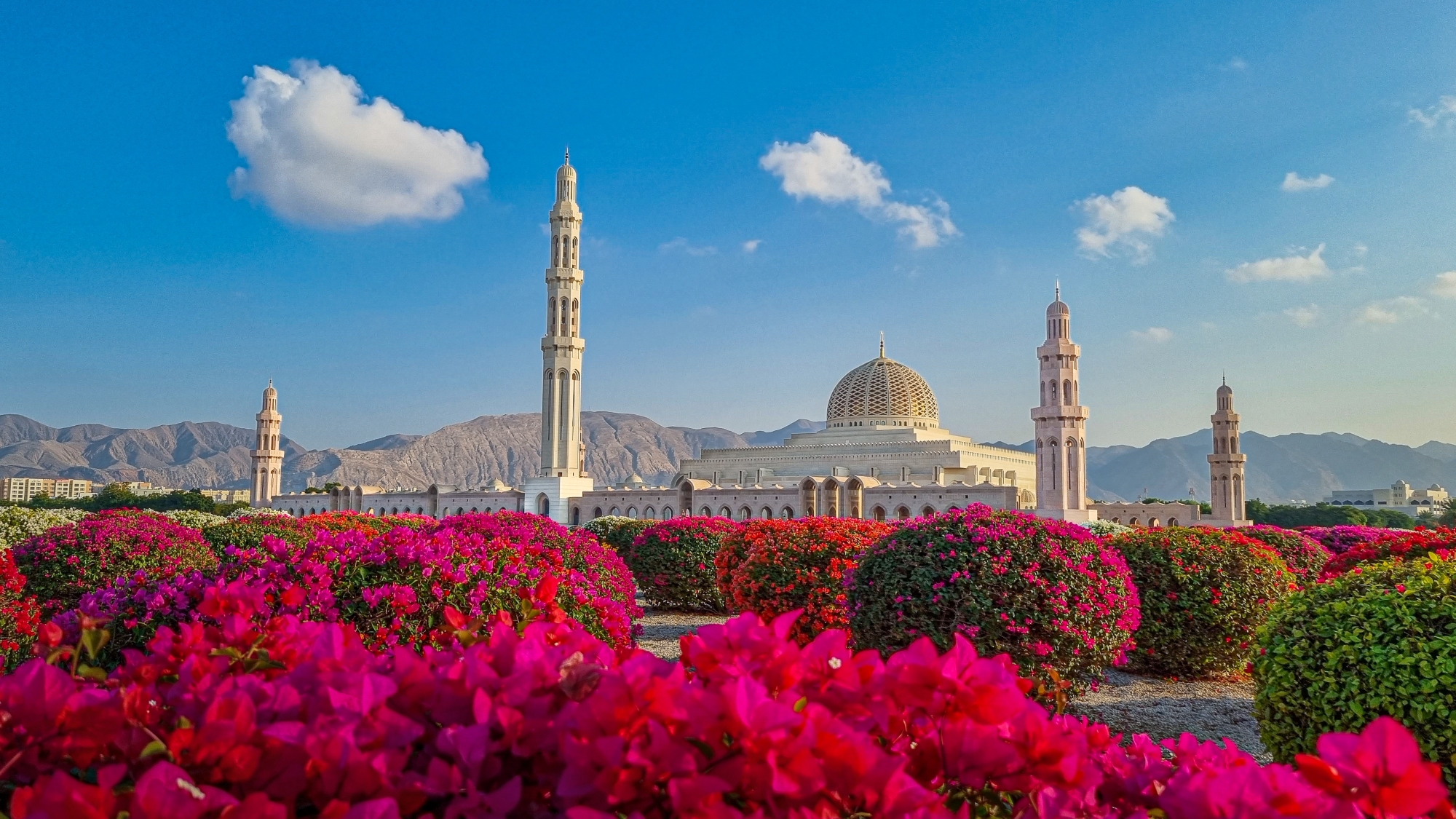
Standard Chartered forecasts Oman’s GDP to grow 3.5% in both 2026 and 2027, supported by resilient non-oil activity, hydrocarbon production and investment in logistics and manufacturing. The Bank also expects the country’s fiscal and external positions to strengthen.
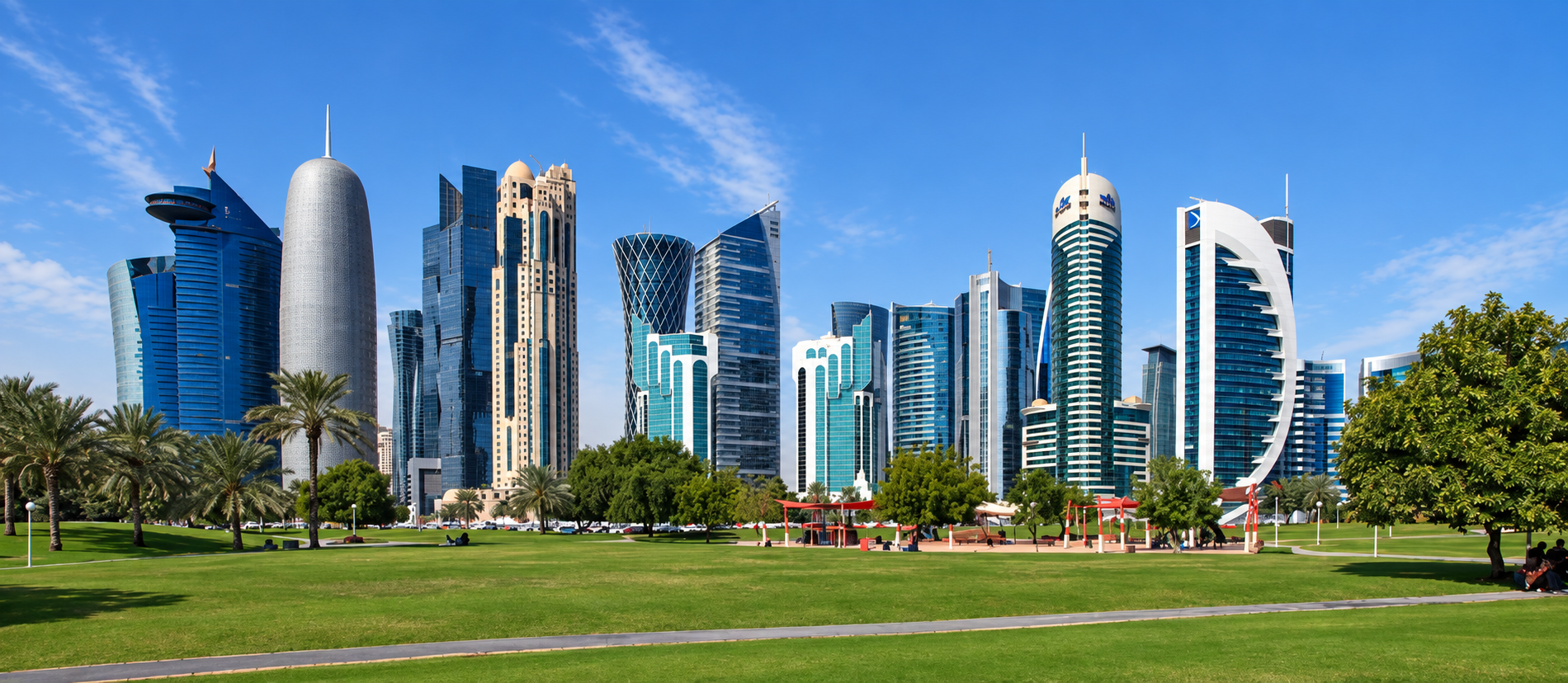
Qatar raised $3 billion through its first public debt offering of 2026, with the dual-tranche bond attracting $6.4 billion in orders.
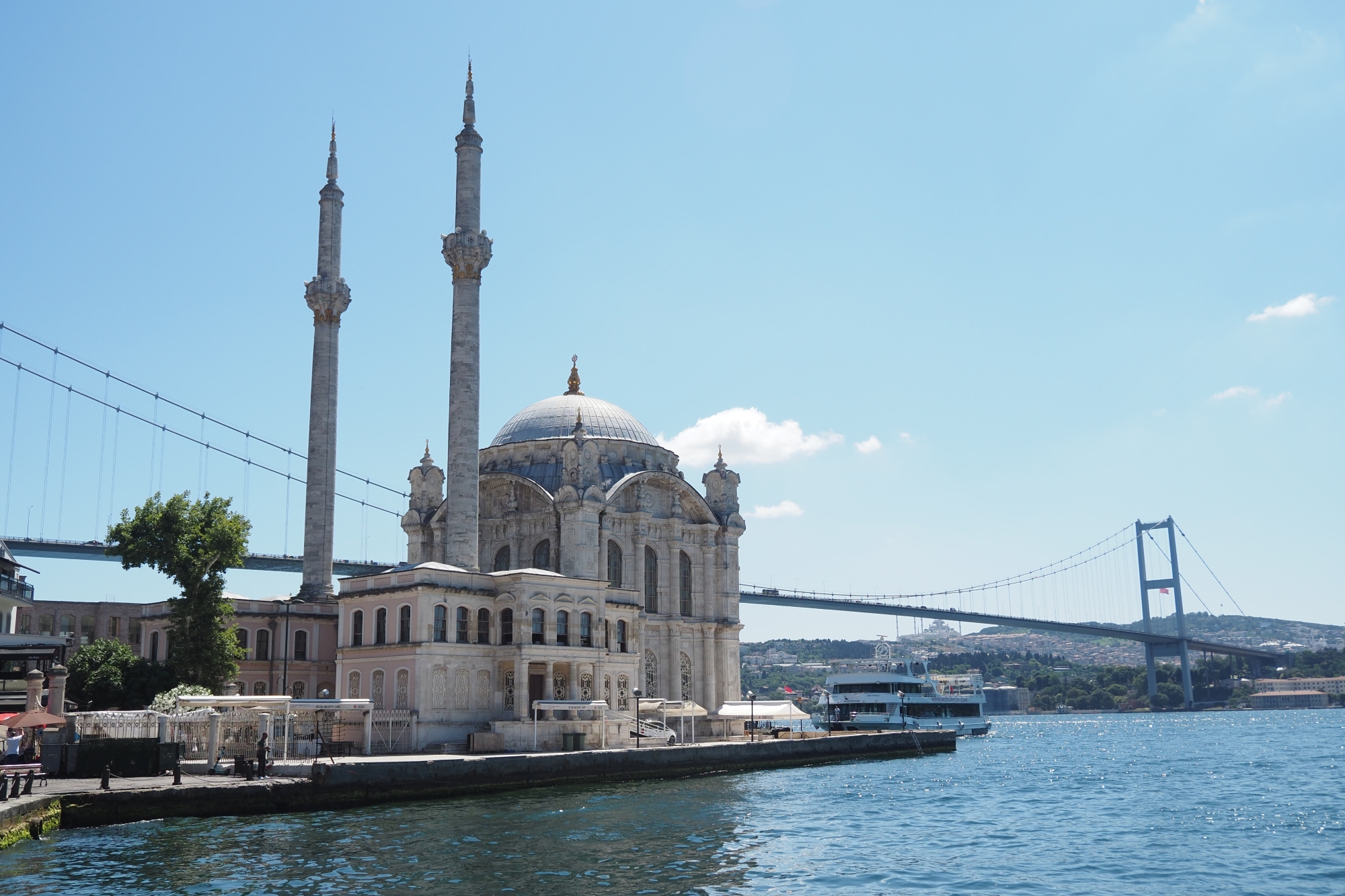
Türkiye’s external assets rose 4.2% month-on-month to $419.6 billion, while liabilities to non-residents reached $818.3 billion. The country’s net international investment position stood at minus $398.7 billion.

UAE retail investor confidence is rising as geopolitical concerns ease, with 82% expecting local stocks to gain over the next year and 71% planning to invest more.
3 min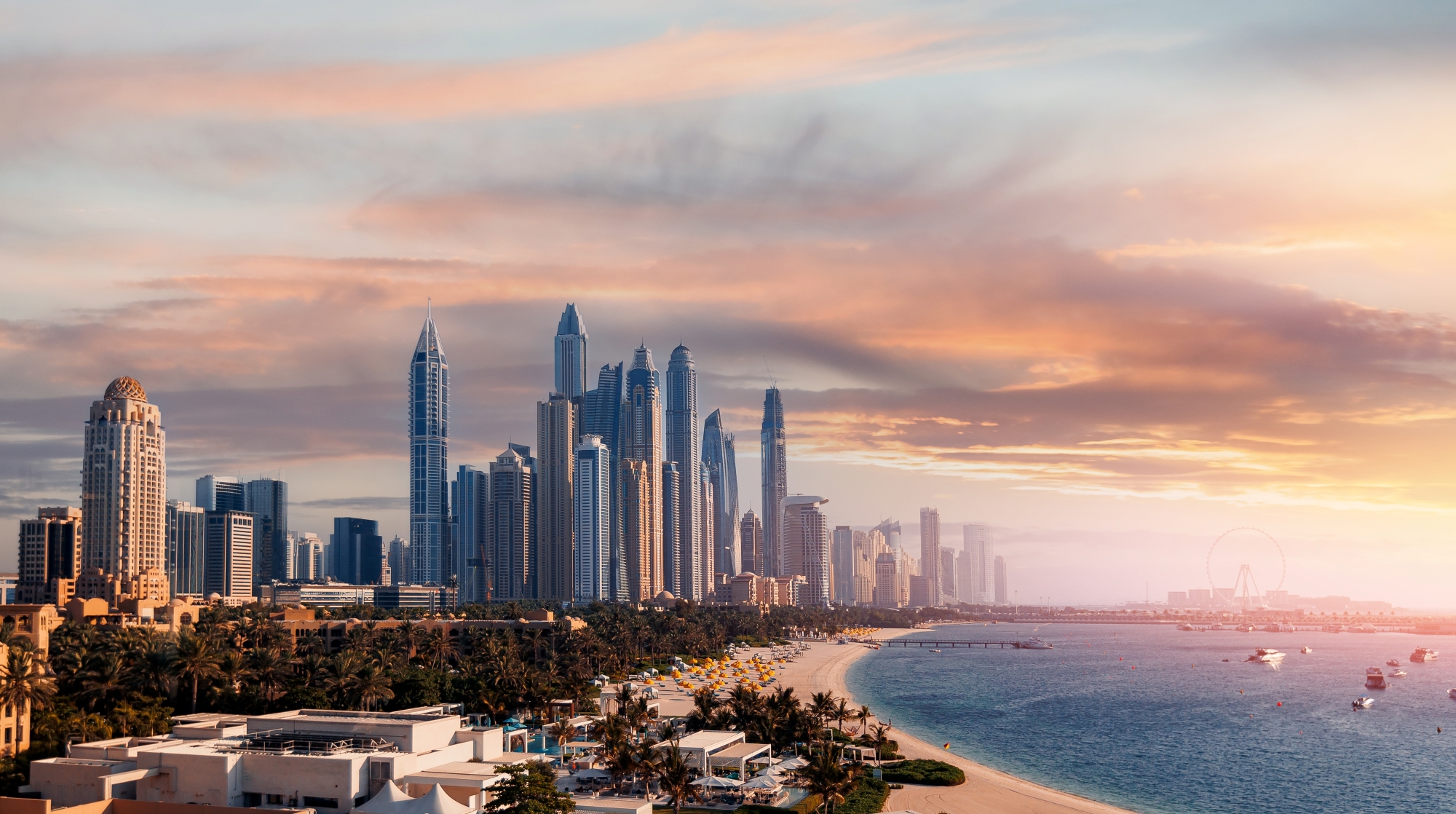
UAE retail investors are becoming increasingly bullish on their home market despite six months of geopolitical uncertainty, according to etoro’s latest UAE Retail Investor Beat, a survey of 1,000 retail investors residing in the UAE.
More than eight in ten (82%) now expect the UAE stock market to rise over the next 12 months, up from 76% in March and the highest level recorded since the question was first asked in November 2024.
The optimism is supported by strong confidence in the domestic listed companies. 93% of retail investors are confident in the long-term performance of locally listed UAE companies, up from 90% in March. Similarly, confidence in the UAE’s economy rose from 90% to 91%.
UAE retail investors are also bullish on the wider region, with more than half (58%) expecting the Middle East to deliver the strongest returns over the long term, ahead of other regions such as the US (47%) and China (35%).
This confidence is translating into investment decisions. Among retail investors adjusting their portfolios in response to geopolitical tensions in the Middle East, the proportion reducing exposure to UAE equities has fallen to 14% from 25% in March. Despite elevated global interest rates, 71% of UAE retail investors plan to invest more over the next 12 months, while a further 21% do not intend to change their investing plans.
Nagham Hassan, Market Analyst at etoro, commented on the findings: “The past six months have been a real test for markets, but UAE retail investors have not lost sight of the bigger picture, which is that the companies themselves kept performing. Two quarters of earnings confirmed it. Most listed companies kept growing through the period, and the ones that were hurt were the ones with direct exposure to the conflict and the disruption around it.”
Geopolitical concerns start to moderate
The rising confidence in the local market comes as worries about geopolitics start to ease. The proportion of UAE retail investors who believe geopolitical tensions will “definitely” have a significant impact on their investment portfolio in the next six months has fallen from 38% in March to 30%. Meanwhile, those expecting little or no significant impact has risen from 18% to 25%.
However, lower concern has not translated into complacency. Almost half (49%) now identify long-term security as one of their primary investment goals, up sharply from 34% in March.
Retail investors are also becoming more selective about where they see opportunities in the UAE market. Optimism towards real estate has risen to 58% from 54%, while technology remains broadly stable at 49%, compared with 48% in March. By contrast, the proportion who are optimistic about energy has declined from 42% to 35%, while for financial services this has fallen from 37% to 33%.
Nagham Hassan adds: “Retail investors here stayed engaged throughout 2026. Risk has not gone away, but the response to it has changed. After the first sell-off when the conflict started, the market absorbed the shock, and while it has not returned to pre-conflict levels, investors stopped selling broadly and instead started rotating out of the companies directly in the line of the disruption, and into the ones better cushioned from it. The pull toward real estate makes sense in that context, and the lighter positioning in energy and financial services points the same way, because a resolution brings oil down and eases inflation with it.”
“It’s important to remember the sell-off came from the conflict, not from the companies, and a move driven by conflict reverses when the conflict does. It cut both ways too. The market fell a long way from February highs, but that gave anyone who missed the December 2025 rally an entry point. Investors know conflicts do not last forever, and they weigh fundamentals over headlines.”
Following the successful launch of its Palais Collection, MAISON de SABRÉ has unveiled a new modular handbag system offering more than 720 styling combinations.
Two coming 2027 models – the first of the “Neue Klasse” cars coming to the U.S. early next year – have been revealed.
Sharjah Islamic Bank raised US$500 million through a five-year Sukuk, attracting US$1.3 billion in orders—2.6 times the issue size.
< 1 min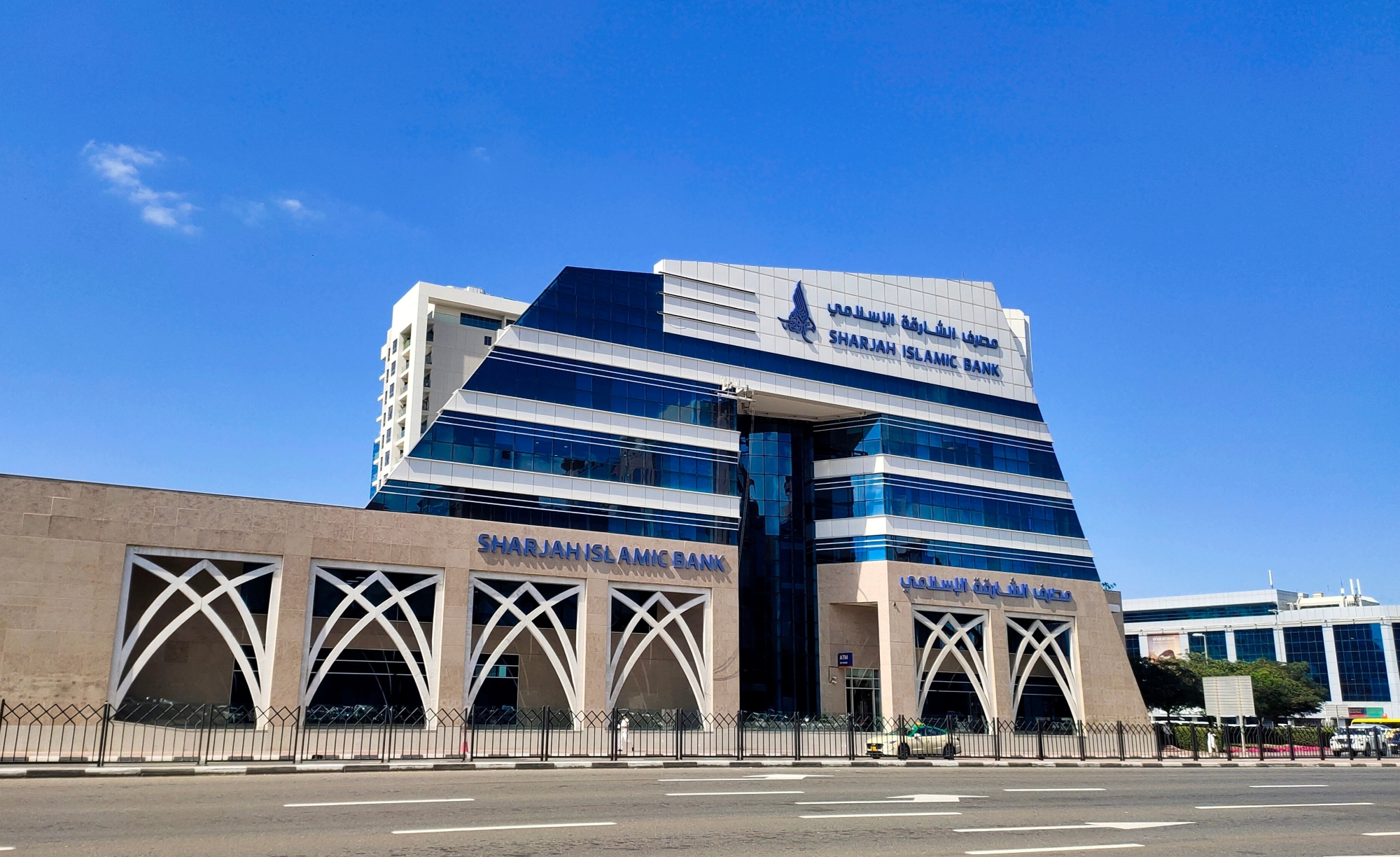
Sharjah Islamic Bank (SIB) has successfully issued a US$500 million five-year Sukuk amid strong investor demand.
The issuance attracted an order book of US$1.3 billion, representing 2.6 times the issue size.
The Sukuk was priced at a final yield of 5.85 percent, equivalent to a spread of 105 bps over five-year US Treasuries, marking SIB’s thirteenth Sukuk issuance since it entered the capital markets in 2006, reaffirming its continued presence in international Sukuk markets and its experience in executing successful issuances across different market cycles.
Mohamed Abdalla, CEO of Sharjah Islamic Bank, said the successful issuance reflects investor confidence in the bank’s financial performance and long-term strategy.
He noted that capital market activities are a key component of SIB’s funding strategy, supporting its financing plans and strengthening its ability to achieve sustainable growth.
“We continue to build on SIB’s presence in international capital markets, supported by solid financial fundamentals and a disciplined approach to balance sheet and liquidity management. This strengthens our ability to achieve sustainable growth and maintain our position as a trusted issuer in international Sukuk markets,” he added.
Ahmed Saad, Deputy CEO of Sharjah Islamic Bank, said the US$1.3 billion order book, representing 2.6 times the issue size, reflects strong investor demand for the issuance and confirms investors’ confidence in the bank and its ability to execute successful issuances in international capital markets.
He added that the successful issuance strengthens the bank’s flexibility in managing its funding needs and diversifying its sources of liquidity, supporting its long-term growth plans.
Following the successful launch of its Palais Collection, MAISON de SABRÉ has unveiled a new modular handbag system offering more than 720 styling combinations.

New research suggests that bonuses make employees feel more like a mere cog in a wheel.

Dubai ranked ninth and Abu Dhabi 13th in the September 2026 Global Financial Centres Index, placing them first and second in the Middle East and Africa. The rankings reflect the UAE’s investment in infrastructure, regulation and talent.
2 min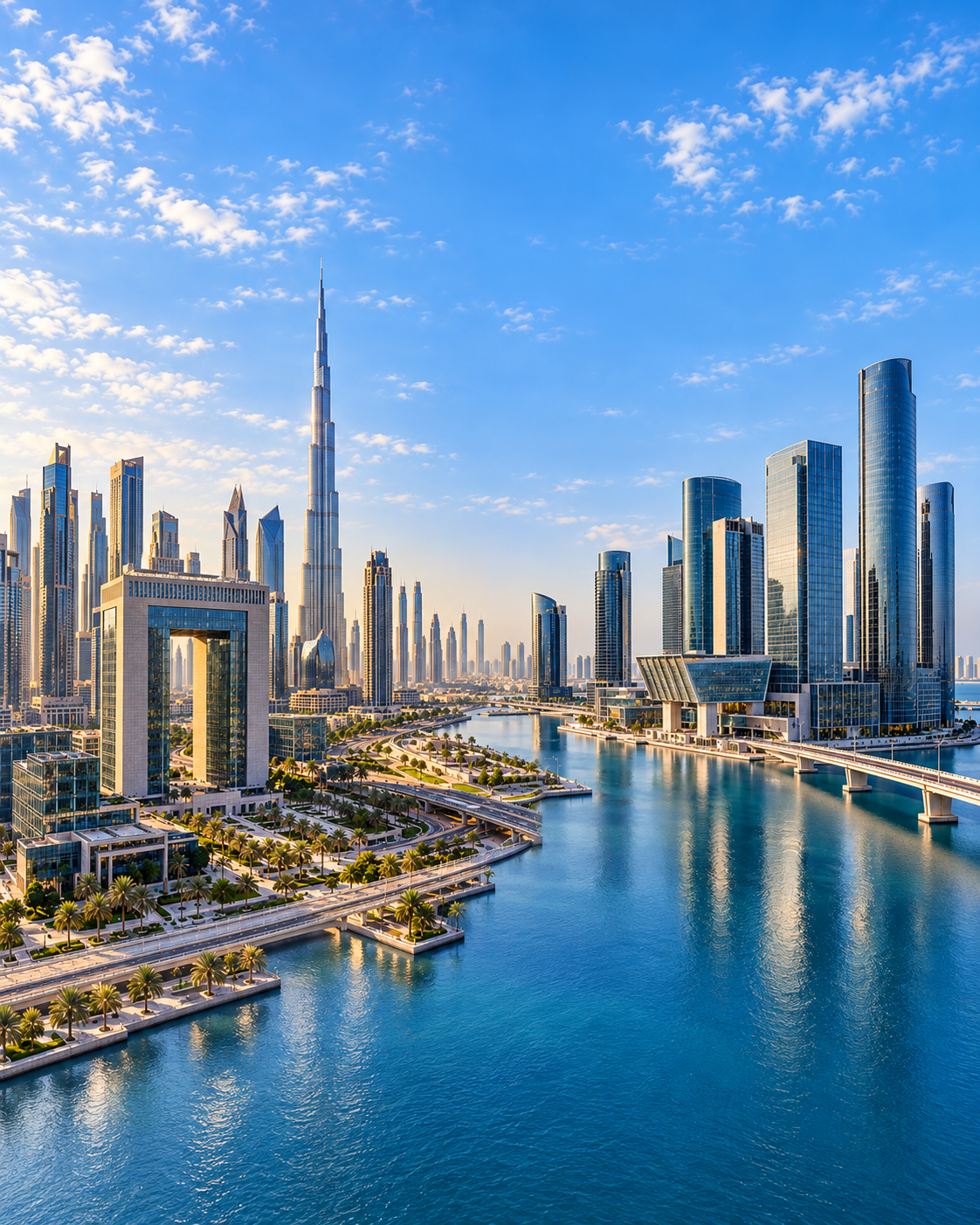
Dubai and Abu Dhabi’s positions among the world’s leading financial centres reflect the UAE’s long-term investment in infrastructure, regulation and talent, according to Nagham Hassan, MENA Market Analyst at etoro.
The September 2026 edition of the Global Financial Centres Index places Dubai ninth globally and Abu Dhabi thirteenth, with the two cities ranking first and second respectively in the Middle East and Africa. Abu Dhabi climbed eight places, while Dubai retained its position among the world’s top ten financial centres.
“These rankings reflect years of work to make the UAE an attractive place for financial institutions to operate, invest and recruit,” said Hassan. “Having two cities among the world’s leading financial centers strengthens the country’s ability to attract international business and supports growth across the wider economy.”
Dubai retains its global standing
Dubai’s ninth-place ranking puts it among leading international financial centres including New York, London, Hong Kong and Singapore. Although the city slipped two positions from seventh, its underlying score improved, indicating stronger competition among the leading centers.
“Dubai’s lower position should be viewed alongside the improvement in its score,” Hassan said. “Other centres have advanced faster, but Dubai continues to strengthen its offering. Its established infrastructure, international talent pool and financial services sector remain important advantages.”
Abu Dhabi’s rise reflects growing institutional presence
Abu Dhabi’s eight-place rise comes as international asset managers continue to establish and expand operations in the emirate.
ADGM reported a 54% year-on-year increase in assets under management in the first half of 2026. Major financial firms establishing, launching or expanding their presence during the period included Bain Capital, Barings, Hillhouse Investment, Rokos Capital Management and Man Group.
“The growing presence of international fund managers shows how global institutions view Abu Dhabi’s long-term potential,” Hassan said. “These firms bring expertise, capital and business activity, helping to deepen the financial sector and create opportunities beyond it.”
Long-term growth prospects remain in focus
According to Hassan, the UAE’s progress reflects sustained investment in infrastructure, regulatory frameworks that support financial businesses, and visa and residency options that help attract investors and skilled professionals.
The benefits extend beyond financial services. As institutions establish offices and expand their teams, they can support employment, demand for commercial and residential property, and activity across professional services.
Regional geopolitical uncertainty remains a significant influence on near-term market sentiment. However, Hassan noted that the continued expansion of international financial institutions points to confidence in the UAE’s longer-term position.
“Short-term market sentiment remains sensitive to developments in the region, but institutions make expansion decisions over a much longer horizon,” Hassan added. “If geopolitical tensions ease, the UAE’s growing financial sector and ability to attract international business could provide further support for investor confidence and local markets.”
Following the successful launch of its Palais Collection, MAISON de SABRÉ has unveiled a new modular handbag system offering more than 720 styling combinations.

Parts for iPhones to cost more owing to surging demand from AI companies.

Standard Chartered forecasts Oman’s GDP to grow 3.5% in both 2026 and 2027, supported by resilient non-oil activity, hydrocarbon production and investment in logistics and manufacturing. The Bank also expects the country’s fiscal and external positions to strengthen.
2 minStandard Chartered forecasts Oman’s GDP growth to reach 3.5% in both 2026 and 2027, supported by resilient non-oil activity and a positive contribution from hydrocarbon production. The Bank expects non-oil growth to remain robust, underpinned by logistics, manufacturing and continued public investment linked to Oman Vision 2040.
The outlook is reinforced by a significant improvement in Oman’s fiscal and external positions. Standard Chartered has raised its fiscal surplus forecast to 4.6% of GDP in 2026 and 3.6% in 2027, from 0.5% and 1.0% respectively. Public debt is expected to decline towards around 33% of GDP by end-2026 and 31% by end-2027, while the current-account surplus is forecast at 5.0% of GDP in 2026 and 3.4% in 2027, compared with previous forecasts of 1.0% and 1.5%.
Hussain Al Yafai, Chief Executive Officer and Head of Coverage, Standard Chartered Oman, said: “Oman is entering the next phase of its development from a stronger economic position. Sustained non-oil growth alongside improving fiscal and external balances provides a firmer foundation for continued investment in the sectors that will shape the Sultanate’s next phase of diversification. The opportunity is to convert this resilience into broader and more durable growth as Oman advances the ambitions of Vision 2040.”
That stronger domestic position is complemented by an emerging external opportunity. As international investors reassess regional supply chains and seek more secure trade routes, Oman’s geographical location, neutral diplomatic position and relatively low exposure to direct conflict spillover are expected to reinforce the strategic value of its ports, industrial zones and logistics infrastructure. Standard Chartered expects investment momentum to strengthen across logistics, manufacturing, re-export activity and energy-linked infrastructure.
Al Yafi added: “As companies rethink supply chains and trade routes, Oman’s advantage is increasingly about connectivity as well as resilience. Its ports, industrial zones and logistics infrastructure serve as a strong platform to capture greater trade and investment activity and strengthen its links with regional and global markets. This can support the continued expansion of the non-oil economy while reinforcing Oman’s position as an increasingly important destination for long-term investment.”
Oman’s improving macroeconomic position and strategic connectivity therefore reinforce one another. Continued progress in the non-oil economy, together with investment in logistics, manufacturing and energy-linked infrastructure, positions the Sultanate to sustain growth while capturing opportunities created by evolving regional trade and investment flows.
Following the successful launch of its Palais Collection, MAISON de SABRÉ has unveiled a new modular handbag system offering more than 720 styling combinations.
Many of the most-important events have slipped from our collective memories. But their impacts live on.

Qatar raised $3 billion through its first public debt offering of 2026, with the dual-tranche bond attracting $6.4 billion in orders.
< 1 minThe State of Qatar raised $3 billion through its first public debt offering of the year with the dual-tranche senior unsecured issuance drawing a combined $6.4 billion orderbook.
The $1 billion five-year tranche drew a coupon of 5.25%, with a reoffer price of 99.437 and yield of 5.38%. The spread was tightened to plus 55bp over US Treasuries from IPTs in the +85bp area.
The $2 billion 10-year tranche also drew a tight spread at T+65bp from IPTs in the UST +95bp area, with a coupon of 5.375%. The reoffer price was set at 98.197, with a yield of 5.613%.
The final book on the five-year was in excess of $2.4 billion (excluding JLM interest), with the 10-year drawing $4 billion (excluding JLM).
HSBC was named the billing and delivery bank on the five-year tranche, with Standard Chartered Bank doing the same on the 10-year issuance.
The bonds carry a settlement date of September 28, 2026, and will be issued under Qatar’s Global Medium Term Note Programme. A listing on the London Stock Exchange (Main Market) will follow.
Following the successful launch of its Palais Collection, MAISON de SABRÉ has unveiled a new modular handbag system offering more than 720 styling combinations.

Paine Schwartz joins BERO as a new investor as the year-old company seeks to triple sales.

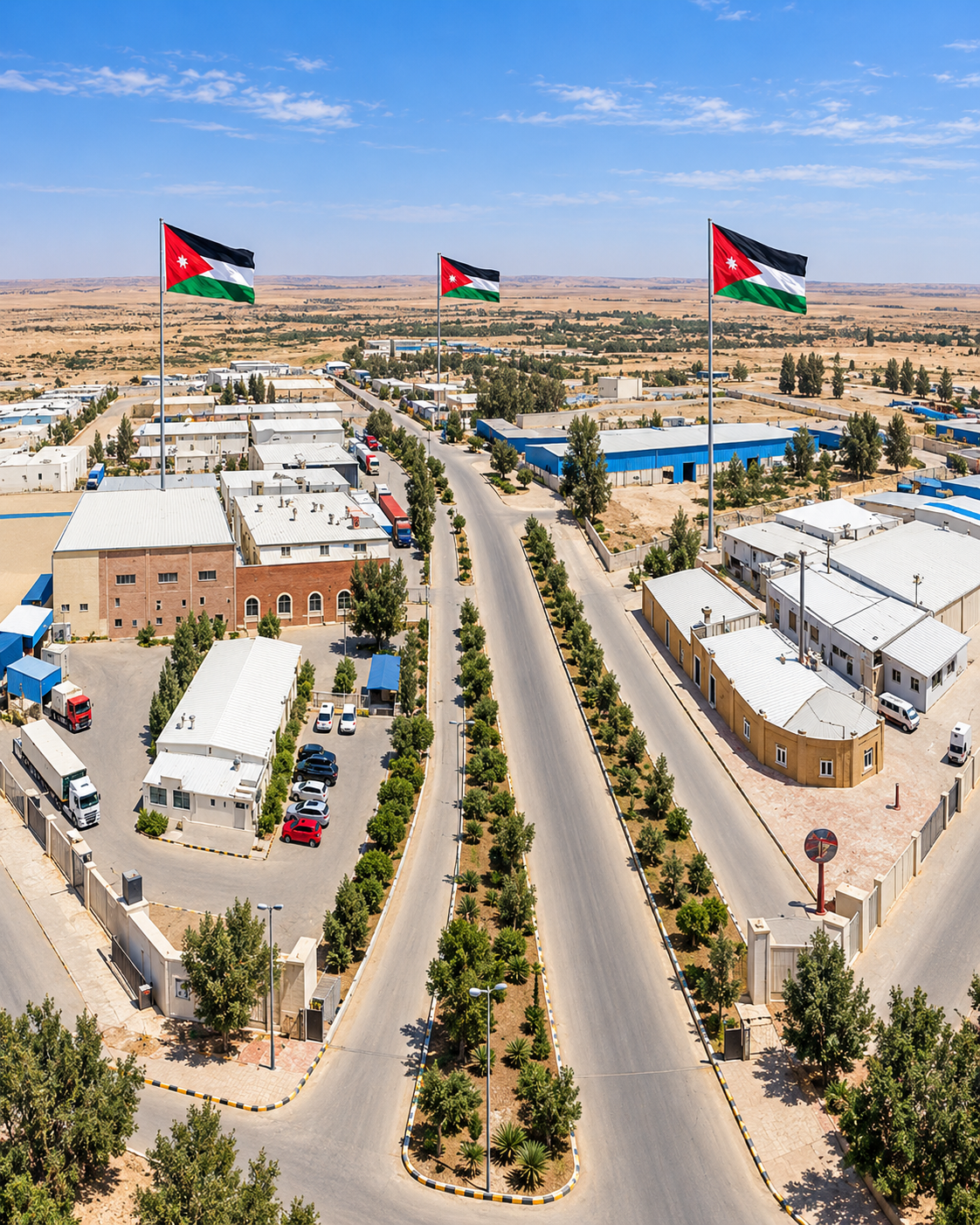
Türkiye’s external assets rose 4.2% month-on-month to $419.6 billion, while liabilities to non-residents reached $818.3 billion. The country’s net international investment position stood at minus $398.7 billion.
< 1 minTürkiye’s external assets rose 4.2% month-on-month to $419.6 billion as of the end of July, according to data released by the Turkish Central Bank.
The country’s liabilities to non-residents increased 1% over the same period to $818.3 billion.
Türkiye’s net international investment position, calculated as external assets minus liabilities, stood at minus $398.7 billion in July, Anadolu Agency reported, citing official data.
Central bank reserve assets increased by $17 billion from the previous month to $164.4 billion.
Among other asset items, direct investments rose 0.8% to $81.8 billion and financial derivatives increased 0.7% to $2.5 billion. Other investments, however, declined 0.5% to $161.7 billion.
Foreign currency deposits held by resident banks fell 6.9% month-on-month to $44.7 billion.
On the liabilities side, direct investments decreased 0.3% to $232.5 billion, while portfolio investments rose 3.5% to $160.2 billion.
Equities and investment fund shares held by non-residents increased 1% to $50.2 billion.
Financial derivative liabilities dropped 43% to $4 billion, while other investment liabilities climbed 1.6% to $421.6 billion.
Following the successful launch of its Palais Collection, MAISON de SABRÉ has unveiled a new modular handbag system offering more than 720 styling combinations.
The sports-car maker delivered 279,449 cars last year, down from 310,718 in 2024.
The UAE’s US$114.8 billion in US Treasury holdings reflects the importance of liquid dollar assets in supporting the dirham’s peg, strengthening financial stability and reducing currency uncertainty for businesses and investors.
2 min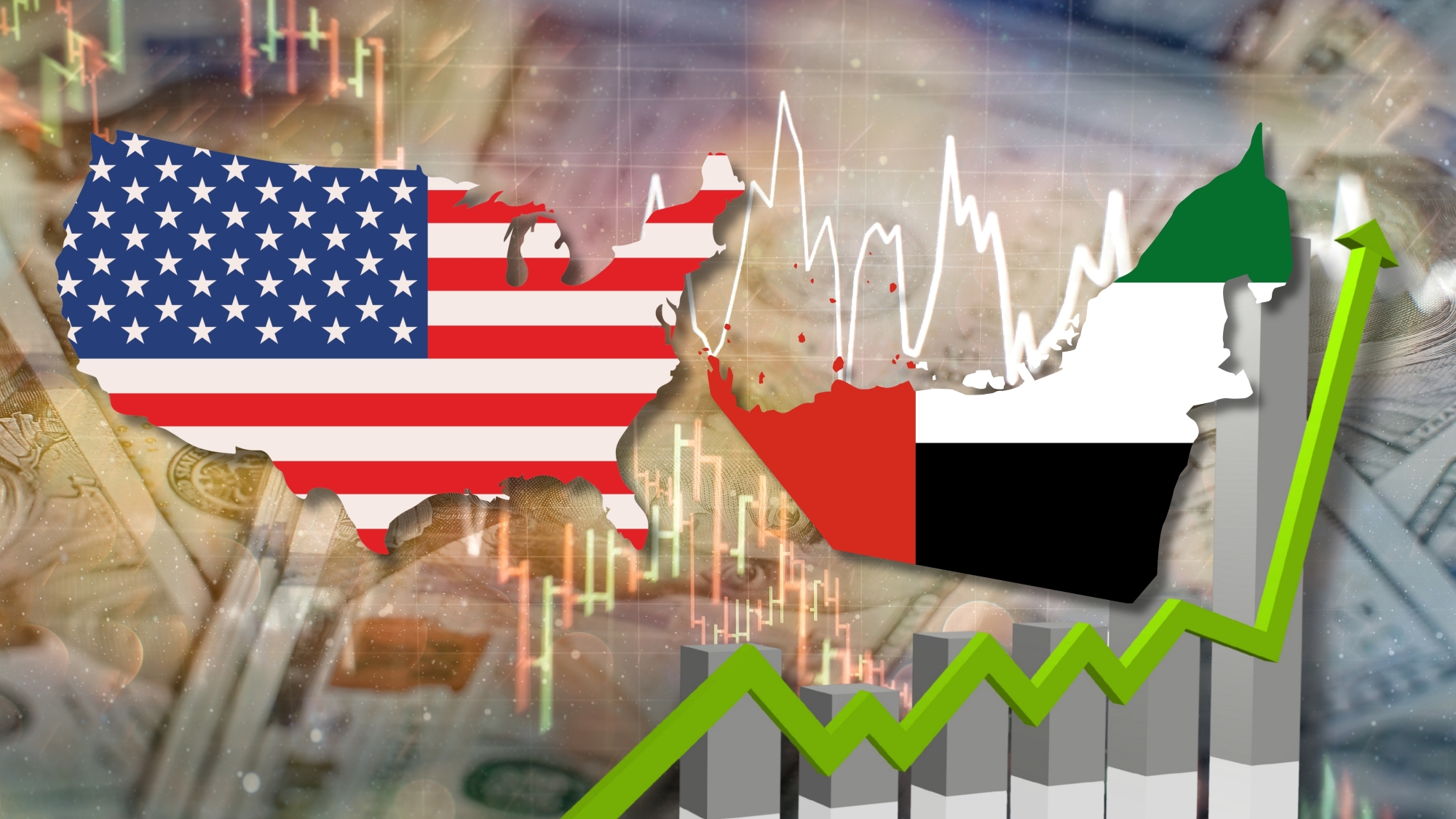
The UAE’s holdings of US government debt underline the importance of liquid dollar-denominated assets for an economy whose currency is pegged to the US dollar, according to Nagham Hassan, Market Analyst at etoro.
Holdings attributed to the UAE stood at US$114.8 billion in June 2026, just below the peak of around US$120 billion recorded in February and approximately 75% higher than a decade ago, according to US Treasury data.
Nagham Hassan, Market Analyst at etoro, said: “The scale of the UAE’s investment in US Treasuries has a clear economic rationale. Since 1997, the dirham has been fixed at AED3.6725 to the US dollar. Maintaining that peg requires access to liquid dollar assets that can be sold at short notice when needed.
“US Treasuries are particularly well suited to this role because they form the world’s largest and most actively traded government bond market. With the dollar remaining the leading global reserve currency, Treasuries provide dollar-pegged economies such as the UAE with a combination of liquidity, security and income.”
The figures reflect securities attributed to the UAE and do not represent the Central Bank of the UAE’s reserves alone. Nevertheless, they demonstrate the country’s significant exposure to US government debt at a time when global bond markets have experienced heightened volatility.
China has gradually reduced its US Treasury holdings in recent years, while Japan, the largest foreign holder, sold heavily during the first half of 2026. Large-scale selling can place downward pressure on bond prices, reducing the market value of securities held by other investors.
However, the structure of the UAE’s holdings helps limit this exposure. US Treasury data shows that nearly 60% of the portfolio is invested in short-term bills maturing within one year, while the remaining 40% is held in longer-term securities.
“The headline figure may suggest significant exposure to fluctuations in the US bond market, but the composition of the portfolio provides an important layer of protection,” Hassan said.
“Short-term Treasury bills experience relatively limited price movements when yields rise. As these securities mature, the proceeds can also be reinvested at higher prevailing rates. Rising US yields have therefore largely translated into stronger potential returns on this portion of the UAE’s holdings.”
The longer-term portion is more sensitive to changes in interest rates and recorded estimated paper losses of around US$6 billion in 2025. However, these valuation declines only become realized losses if the securities are sold before maturity.
“Reserve assets are generally held for stability and liquidity rather than short-term trading,” Hassan added. “A Treasury security held until maturity repays its full face value, regardless of the price fluctuations it experiences in the secondary market.”
For residents and businesses, the benefits of this reserve structure are most visible through the stability of the dirham against the dollar. The peg helps keep the cost of dollar-priced imports more predictable and reduces currency uncertainty for foreign investors bringing capital into the UAE.
“The peg cannot eliminate inflation or prevent the dirham from moving against currencies such as the euro or Indian rupee when the dollar fluctuates,” Hassan concluded. “What it does provide is certainty over the dirham’s value against the dollar. For an economy built on trade, investment and the movement of global capital, that predictability remains one of the UAE’s most important strengths.”
Following the successful launch of its Palais Collection, MAISON de SABRÉ has unveiled a new modular handbag system offering more than 720 styling combinations.

Chris Dixon, a partner who led the charge, says he has a ‘very long-term horizon’
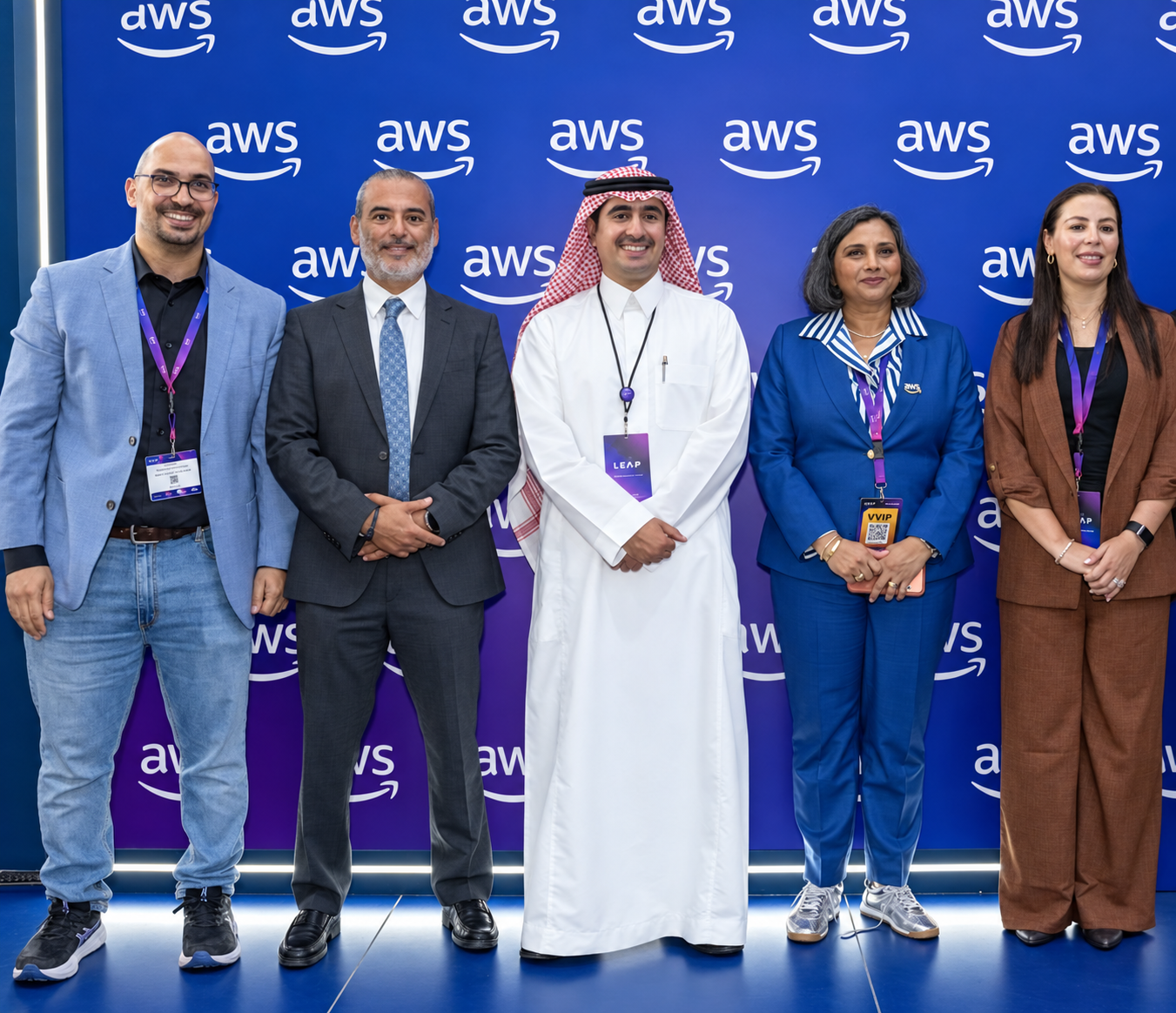
DIFC has unveiled the program for the inaugural Dubai Future Finance Week, taking place from 2 to 6 November 2026 and bringing together more than 850 speakers across 85 events to explore the future of FinTech, tokenization, family wealth, sustainable finance and private capital.
4 min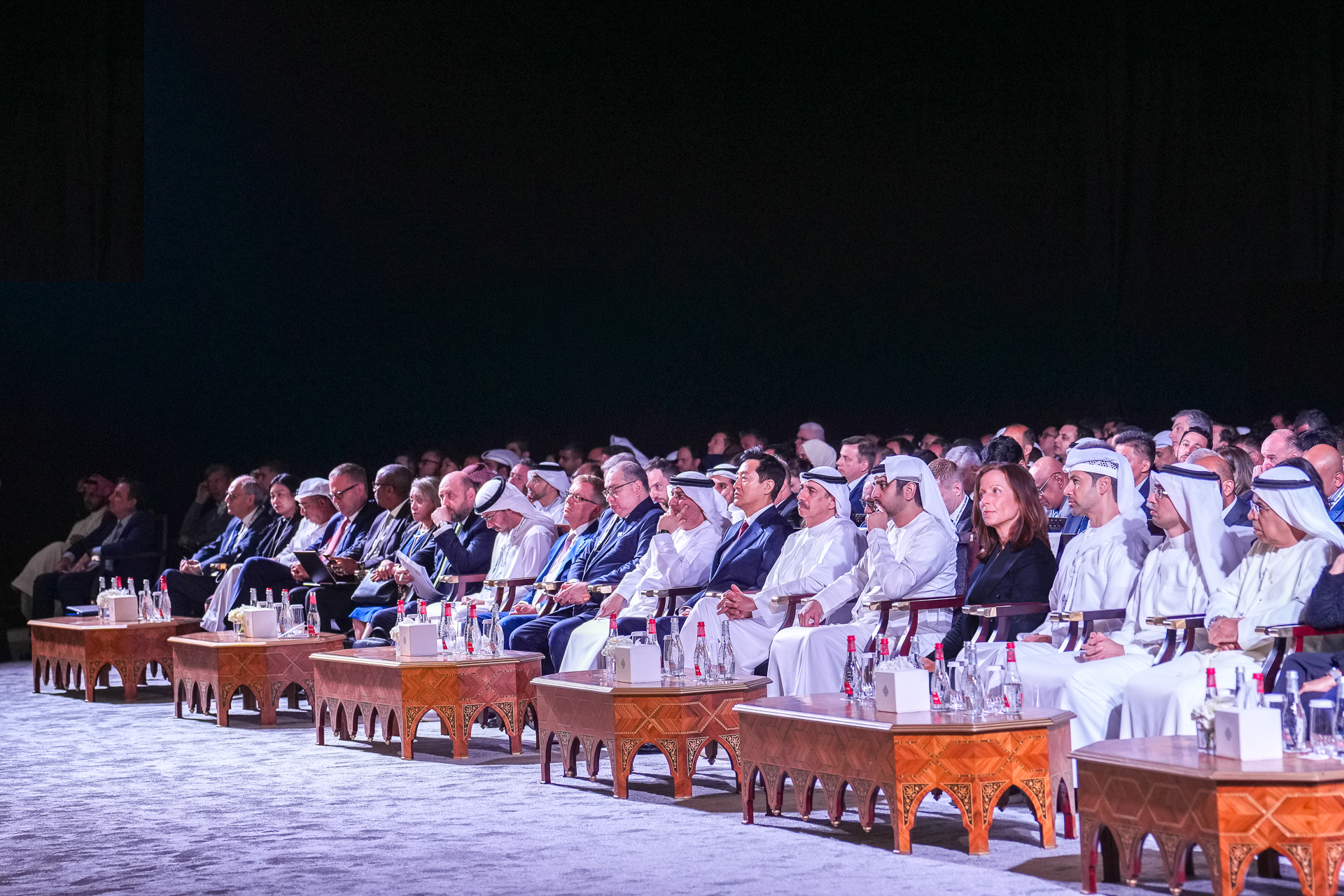
Dubai International Financial Centre (DIFC), the leading global financial centre in the Middle East, Africa and South Asia (MEASA) region, has confirmed the programme for the inaugural edition of the Dubai Future Finance Week, a strategic platform being held from 2 to 6 November 2026, examining financial trends and economic opportunity within the global financial ecosystem.
Organised under the directives and patronage of His Highness Sheikh Maktoum bin Mohammed bin Rashid Al Maktoum, First Deputy Ruler of Dubai, Deputy Prime Minister and Minister of Finance of the UAE, and President of DIFC, Dubai Future Finance Week advances the ambitions of the Dubai Economic Agenda D33 which positions the Emirate as a top four global financial centre.
Dubai Future Finance Week has quickly become the region’s largest event for the global finance industry, with over 850 speakers already confirmed through a coordinated programme of more than 85 high-level events including 12 signature forums across 14 stages around Dubai.
Held under a central theme of “Finance Reimagined: Where Innovation Meets Policy and Purpose,” the programme spans six defining verticals including FinTech, Tokenisation, Islamic Finance, Family Wealth, Sustainable Finance and Private Capital. Every event under Dubai Future Finance Week targets a unique facet of financial evolution, allowing attendees to connect directly with global enterprises, market leaders, and regulators across a series of interlinked forums. Together, Dubai Future Finance Week offers a cohesive platform for cross-industry collaboration and actionable insights into high-growth sectors.
His Excellency Essa Kazim, Governor of DIFC, said, “The global financial ecosystem is undergoing a structural evolution, and Dubai is shaping its next chapter through Dubai Future Finance Week. By bringing together the world’s most influential financial decision-makers to align policy with progress, this event unites the entire financial spectrum under a single, cohesive platform to drive the ambitions of the Dubai Economic Agenda D33.”
The Dubai FinTech Summit on 2 and 3 November will serve as the anchor event of Dubai Future Finance Week where global banking, capital markets and FinTech leaders converge to debate the future architecture of financial services. The Summit’s headline speakers currently include Nicolas Moreau, Chief Executive Officer, HSBC Asset Management; Noel Quinn, Chairman of the Board of Directors, Julius Baer; Dr Shanu S.P. Hinduja, Chair, S.P. Hinduja Banque Privée and Fatih Karahan, Governor, Central Bank of the Republic of Türkiye.
His Excellency Arif Amiri, Chief Executive Officer of DIFC Authority, commented: “DIFC has built the region’s most advanced financial ecosystem, and Dubai Future Finance Week is an extension of that network. From the expanded scale of the Dubai FinTech Summit to specialised forums for digital assets and family wealth, we are providing the physical and intellectual infrastructure to reimagine and build the future of finance with resilience and sustainability.”
Beyond the Dubai FinTech Summit, specialised forums will explore the defining forces reshaping finance, from sustainable investment and private capital to Islamic finance, tokenisation and institutional wealth management. Together, they will create opportunities for policymakers, investors and industry leaders to exchange ideas across interconnected sectors.
The Future Sustainability Forum to be held on 3 November will serve as a crucial platform for advancing global dialogue on sustainable finance, accelerating the mobilisation of green capital, and aligning institutional investment with the transition to a low-carbon, resilient global economy.
The MENA Banking Excellence Awards, scheduled on 3 November will recognise regional banking transformation. IPEM Future 2026, will be held 3 November and convene private capital leaders and allocators. The Future Islamic Finance Forum on 4 November advances global dialogue on Sharia compliant finance and Islamic capital markets, while the Deal Catalyst Fixed Income Alternatives Conference being held on the same day, will explore private and structured credit strategies.
On 5 November the Dubai Family Wealth Summit will bring together principals and advisers on succession, governance and long term allocation and the Investment Leaders Exchange will explore insights from senior institutional investment leaders. Concluding the day’s events, the Future Tokenisation Forum will examine trusted tokenised markets and next generation financial infrastructure.
Additional specialist programmes throughout the week will expand the scope of discussion across investment leadership, allocator-manager collaboration, insurance innovation and transition finance. On 2 and 3 November, the Capital Exchange CIO Investment Leadership Programme brings together institutional investors and private market participants. Additionally, on 2 November, Gulf Transition and Sustainable Finance 2026 focuses on the evolving market for sustainable bonds, climate transition and green buildings, while GAIP InsureTek Dubai on 4 and 5 November examines the evolving intersection of sustainable growth, risk and insurance innovation.
By bringing these dialogues into one cohesive week, Dubai Future Finance Week helps participants bridge topics with a unified approach that empowers them to analyse intersecting trends and fosters cross-sector collaboration.
The programme reflects Dubai’s continued momentum as the leading financial centre in the Middle East, Africa and South Asia (MEASA) region and one of the world’s foremost financial hubs, as recognised by the Global Financial Centres Index. By delivering curated forums on AI, digital assets, and regulatory pioneering, the event translates high-level dialogue into tangible economic progress, cementing its position as the ultimate benchmark for financial evolution and reflecting DIFC’s trajectory as the global capital of financial innovation.
More than an industry gathering, Dubai Future Finance Week reflects the Emirate’s long-term vision to shape global finance through collaboration, investment and regulatory leadership. By convening the full financial ecosystem under one programme, the event will reinforce DIFC’s role as the region’s leading financial centre and strengthen Dubai’s position as a global hub for capital, innovation and financial policy. Further information on the programme and participation opportunities is available at www.dubaifuturefinanceweek.com
Following the successful launch of its Palais Collection, MAISON de SABRÉ has unveiled a new modular handbag system offering more than 720 styling combinations.

Americans now think they need at least $1.25 million for retirement, a 20% increase from a year ago, according to a survey by Northwestern Mutual
Mashreq bank raised $500 million through a five-year bond, attracting orders exceeding $925 million.
< 1 min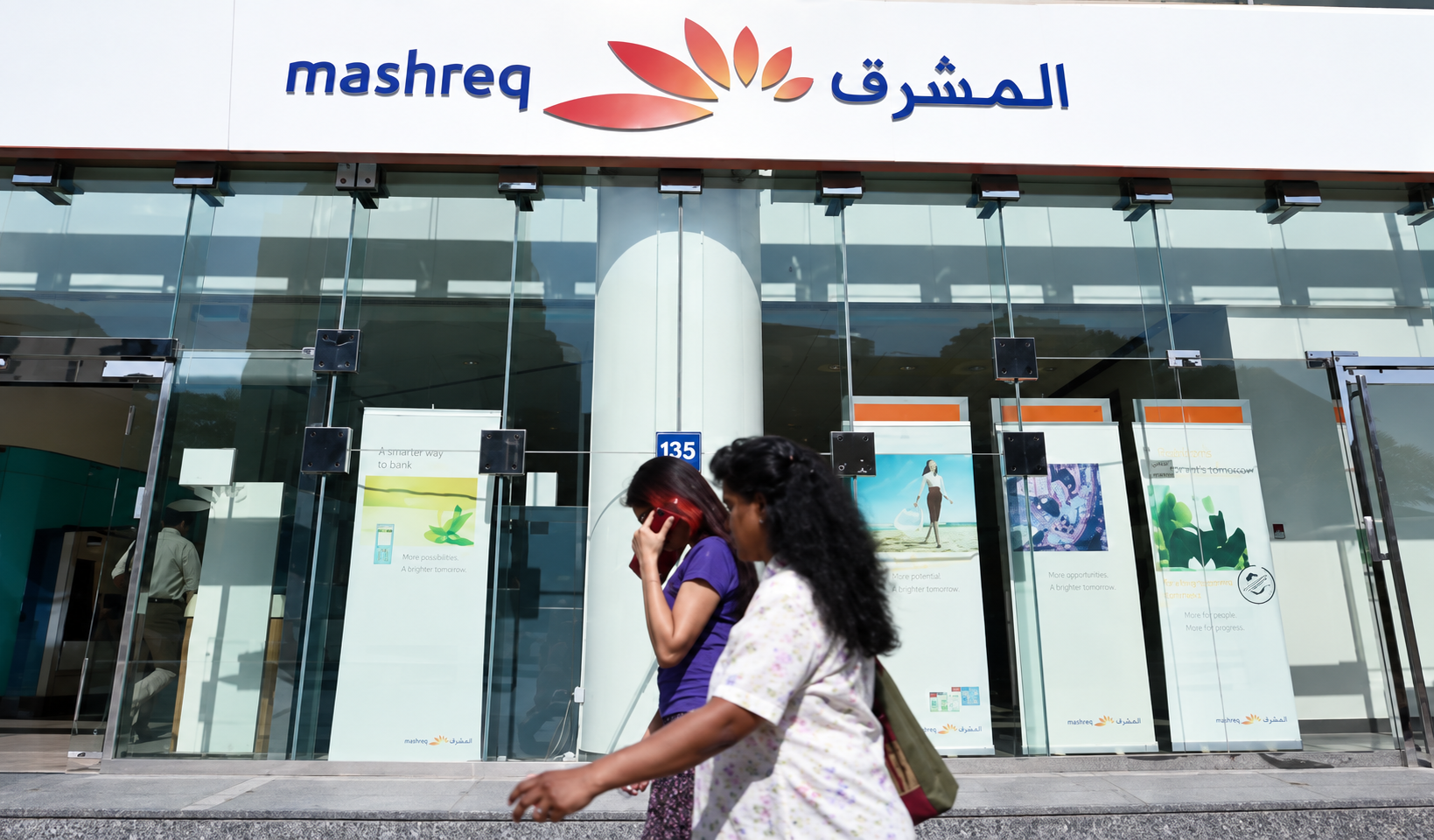
Mashreqbank’s latest $500 million debt raise drew an orderbook in excess of $925 million (including $50 million JLM interest), with the spread tightened to 115bp over US Treasuries from IPTs that were in the +145bp area.
The five-year benchmark-sized issuance drew a fixed rate coupon of 5.625%, paid semi-annually. The yield was set at 5.736%, with a reoffer price of 99.523%.
The issue carries a maturity date of 16 September 2031, with a rating of A (Fitch) and A (S&P), in line with the UAE lender’s own rating.
Following the successful launch of its Palais Collection, MAISON de SABRÉ has unveiled a new modular handbag system offering more than 720 styling combinations.
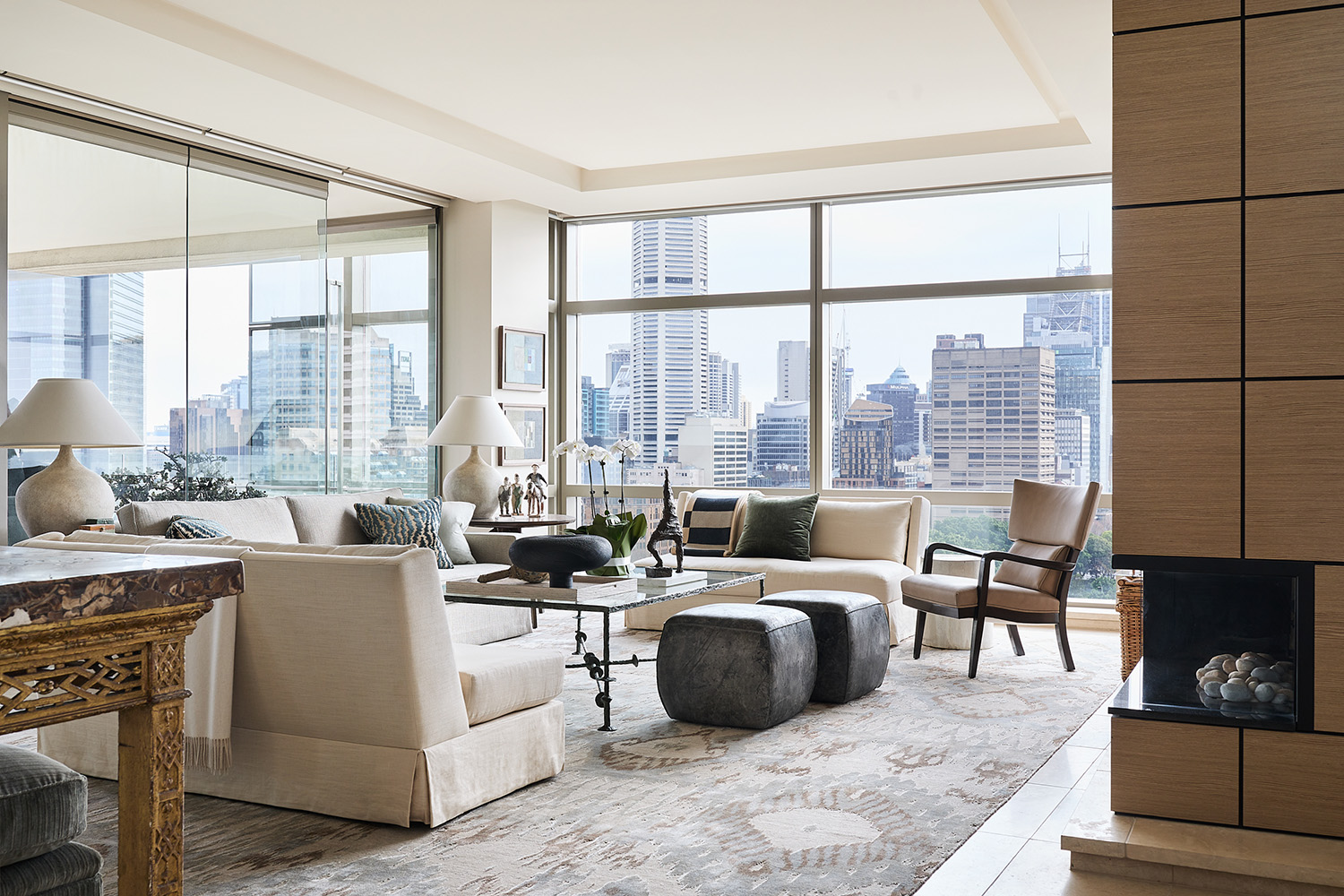
Interior designer Thomas Hamel on where it goes wrong in so many homes.
Saudi Arabia’s Business Confidence Index rose to 56.7 points in August 2026, supported by stronger optimism across the industry and services sectors.
< 1 min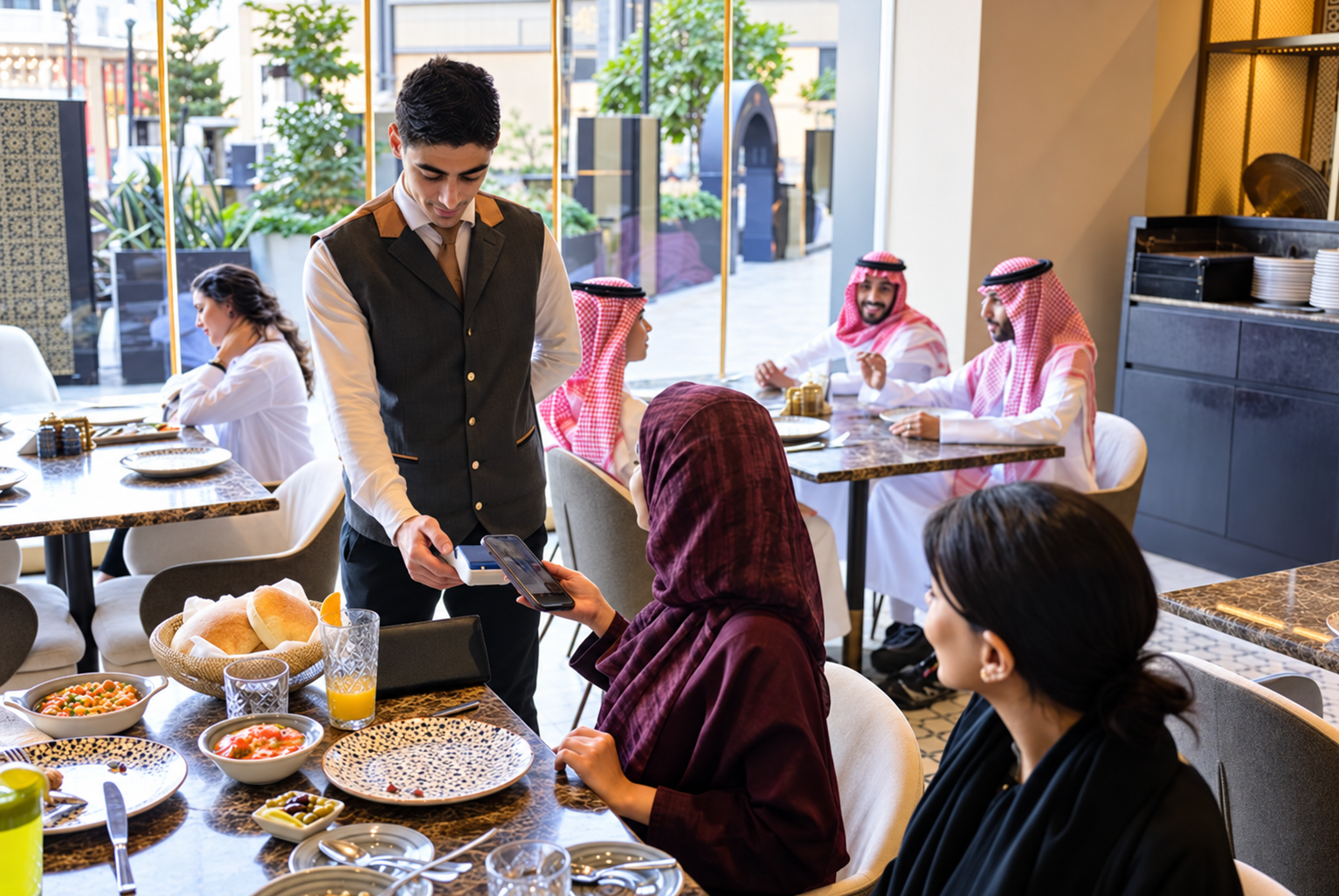
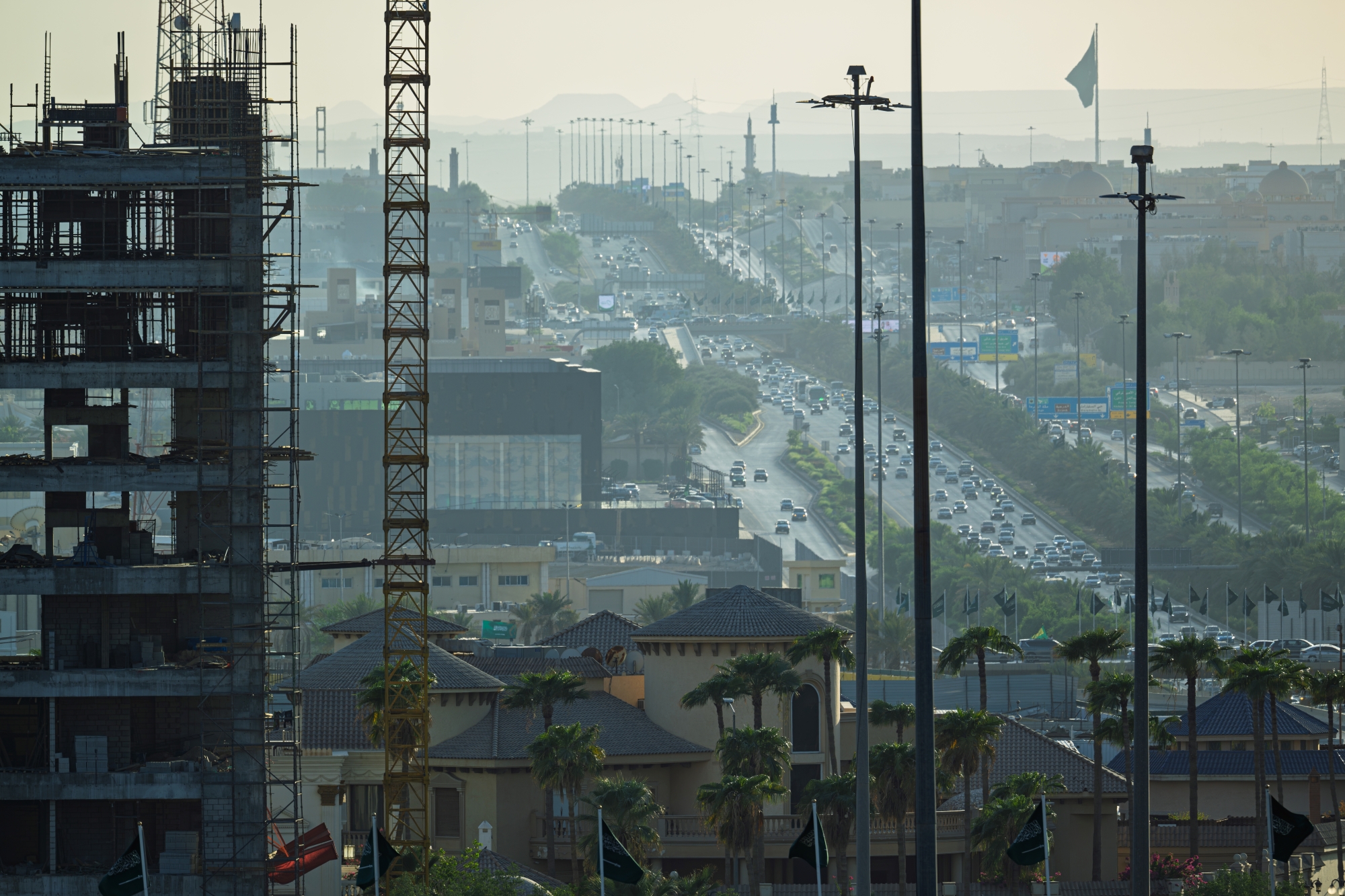
Saudi Arabia’s Business Confidence Index rose to 56.7 points in August 2026, up 0.2 points from 56.5 points in July, continuing to reflect optimism among businesses regarding economic activity.
The index recorded increased confidence in the industry and services sectors during the month, while the construction sector registered a slight decline.
The Business Confidence Index for the industry sector reached 55.8 points in August, rising by 1.04 points from 54.7 points in July. The increase was supported by stronger confidence in overall performance and employment prospects.
The services sector index also increased to 56.1 points, compared with 55.3 points in the previous month, marking a rise of 0.9 points. The improvement was driven by greater optimism regarding overall performance and fixed investment spending.
In contrast, the Business Confidence Index for the construction sector declined to 57.3 points in August from 57.7 points in July, a decrease of 0.4 points. The decline was attributed to lower confidence levels regarding current and expected input costs for the coming month.
On a monthly basis, the Overall Business Confidence Index increased by 0.3 percent in August, following a decline of 0.05 percent in July.
Following the successful launch of its Palais Collection, MAISON de SABRÉ has unveiled a new modular handbag system offering more than 720 styling combinations.
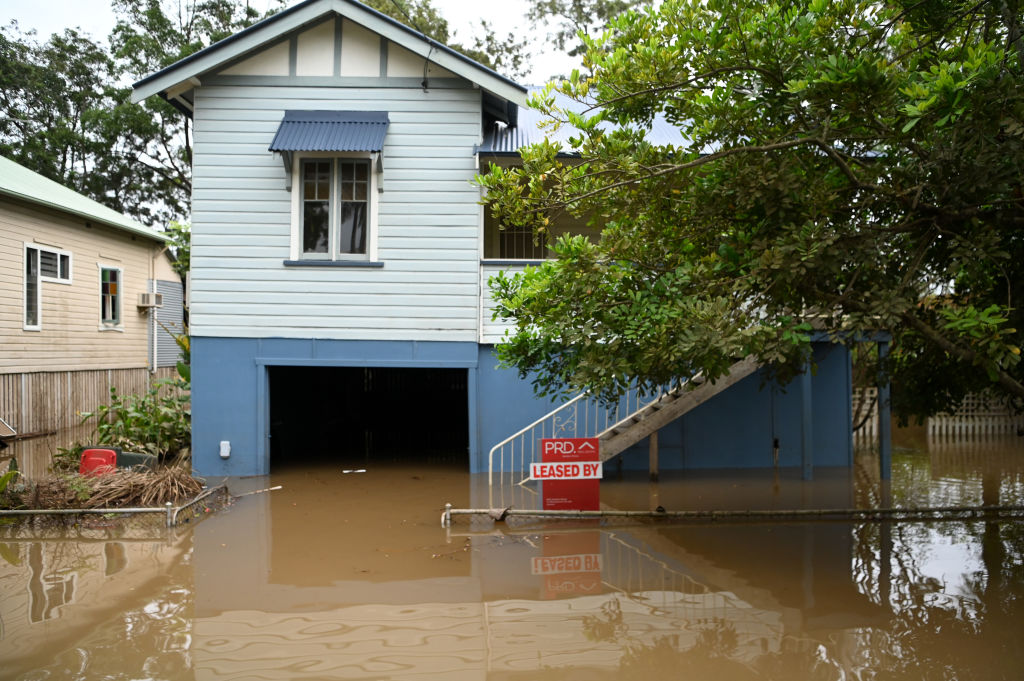
Following the devastation of recent flooding, experts are urging government intervention to drive the cessation of building in areas at risk.
Investors are bracing for a bumpier fall stock market due to shifting odds of a Federal Reserve interest-rate increase and other macro challenges.
3 min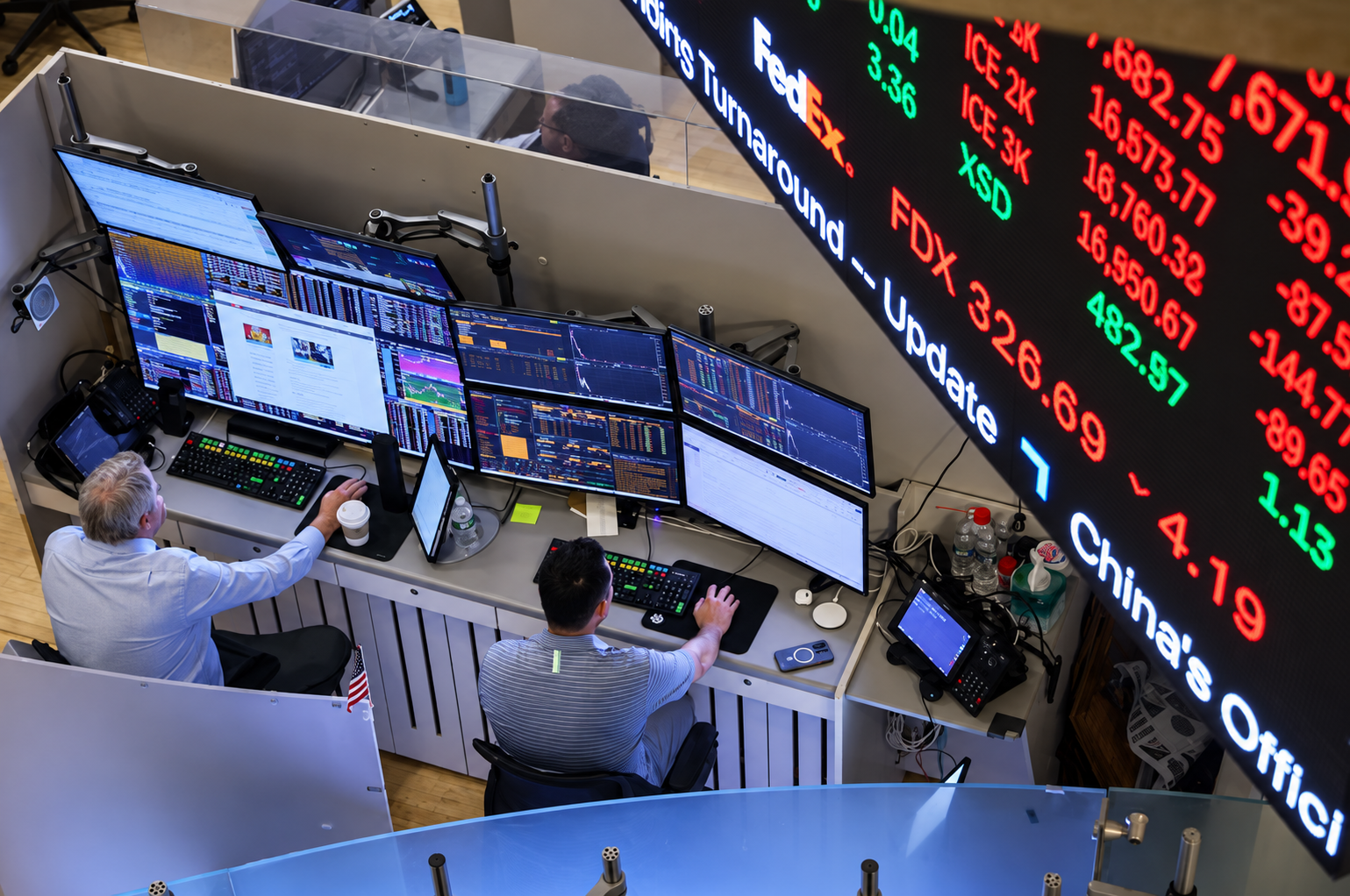
The stock market had a decent summer. Investors are bracing for a bumpier fall.
In the past couple of months, equity investors cheered soaring profits at big companies, shrugged off jitters in the bond market and nudged megacap tech shares back near records.
Now, as the post-Labor Day stretch begins, a number of new challenges lie ahead: ever-shifting odds of an interest-rate increase from the Federal Reserve. Sky-high expectations after a stunning earnings season. The persistent threat of higher consumer prices as fighting in the Middle East drags on.
“You’re moving from this earnings-driven market to this macro-driven market with the Fed, inflation and interest rates in focus,” said Keith Lerner, chief investment adviser for Truist Advisory Services. “It tends to be a choppier period.”
Historically, every major U.S. stock index experiences its worst average return in September. The Dow Jones Industrial Average has slid an average 1.1% in the ninth month of the year, in data that dates back to the 19th century. The S&P 500 has seen the same average decline—and for every September dating back to 1928, the benchmark ends the month lower more than half of the time.
Analysts caution against reading too much into those seasonal patterns. But in recent weeks, new reasons for investor caution have emerged. One of the largest: the looming threat of an interest-rate increase from the Fed, which announces its next policy decision on Sept. 16.
Chairman Kevin Warsh’s decision to ditch forward guidance and take more of his cues from markets has muddied the waters for investors when it comes to monetary policy. That has left traders scouring Fed governor speeches and economic-data reports for clues on the central bank’s next move.
“There’s going to be a lot of eyes on those numbers,” said John Luke Tyner, head of fixed income and portfolio manager at Aptus Capital Advisors.
The past couple of weeks offered just one example of how frequently those expectations can change. After Warsh struck a hawkish tone during remarks on Aug. 28, the odds of a hike at the Fed’s next meeting jumped from 35% before the speech to 58%, according to CME FedWatch data.
On Thursday, Fed governor Christopher Waller made a case for leaving rates where they are. Interest-rate futures showed coin-flip odds between a hike and a hold. Then Friday’s robust jobs report amped up rate-hike bets once more, back to a roughly 60% chance of higher rates after the meeting.
“Rates have really been driving the car for equities the last few weeks,” said Ross Mayfield, an investment strategist at Baird.
That uncertainty comes as an unruly bond market could put pressure on stocks. Treasury yields have marched higher for much of the summer, driven by concerns about rising oil prices, growing U.S. budget deficits and a deluge of tech-company bonds now competing for investors’ cash. Last week, the rout went global, pushing yields to multiyear highs in Japan, Germany and the U.K.
Higher bond yields can drag on stock prices and lift borrowing costs for companies and consumers across the economy.
Rising prices remain the top concern for bond traders, and continued fighting between the U.S. and Iran has done little to ease those worries. The national average price of diesel climbed to a record of $5.850 on Friday, according to AAA. That is up from $3.712 a year ago.
Investors will get more insight on the path of prices this week, with the much-awaited consumer-price index report due Friday and a reading on producer prices Thursday.
With another blockbuster earnings season in the books, some analysts have also warned that any boost from the third-quarter reports due in the coming months could be minimal. Back-to-back quarters of standout profits have raised expectations and made it especially difficult to impress traders. Custom-chip company Broadcom, for example, said Wednesday that it more than tripled its earnings and nearly doubled its revenue. Shares slipped 2.7% the next session.
Many analysts note there are plenty of reasons not to panic. The economy is in impressive shape, thanks to a healthy labor market and the rippling effects of the artificial-intelligence investment boom. Profits are booming at America’s biggest companies. The Cboe Volatility Index has dropped to its lowest levels of 2026. Credit spreads are tight, a sign bond investors aren’t concerned about economic conditions that could hurt companies.
But the mood has shifted from the euphoria that felt tangible when the Nasdaq was notching back-to-back records early this summer. The question, Mayfield said, is whether the fundamentals that have bolstered the bull market so far can stretch the rally into 2027.
“There are more anxieties or uncertainties about the backdrop,” he said. “It does feel like a transitional moment.”
Following the successful launch of its Palais Collection, MAISON de SABRÉ has unveiled a new modular handbag system offering more than 720 styling combinations.
Saudi Arabia’s Arab National Bank has raised $750 million through an AT1 sukuk priced at a 6.50% yield, with orders exceeding $3 billion.
< 1 min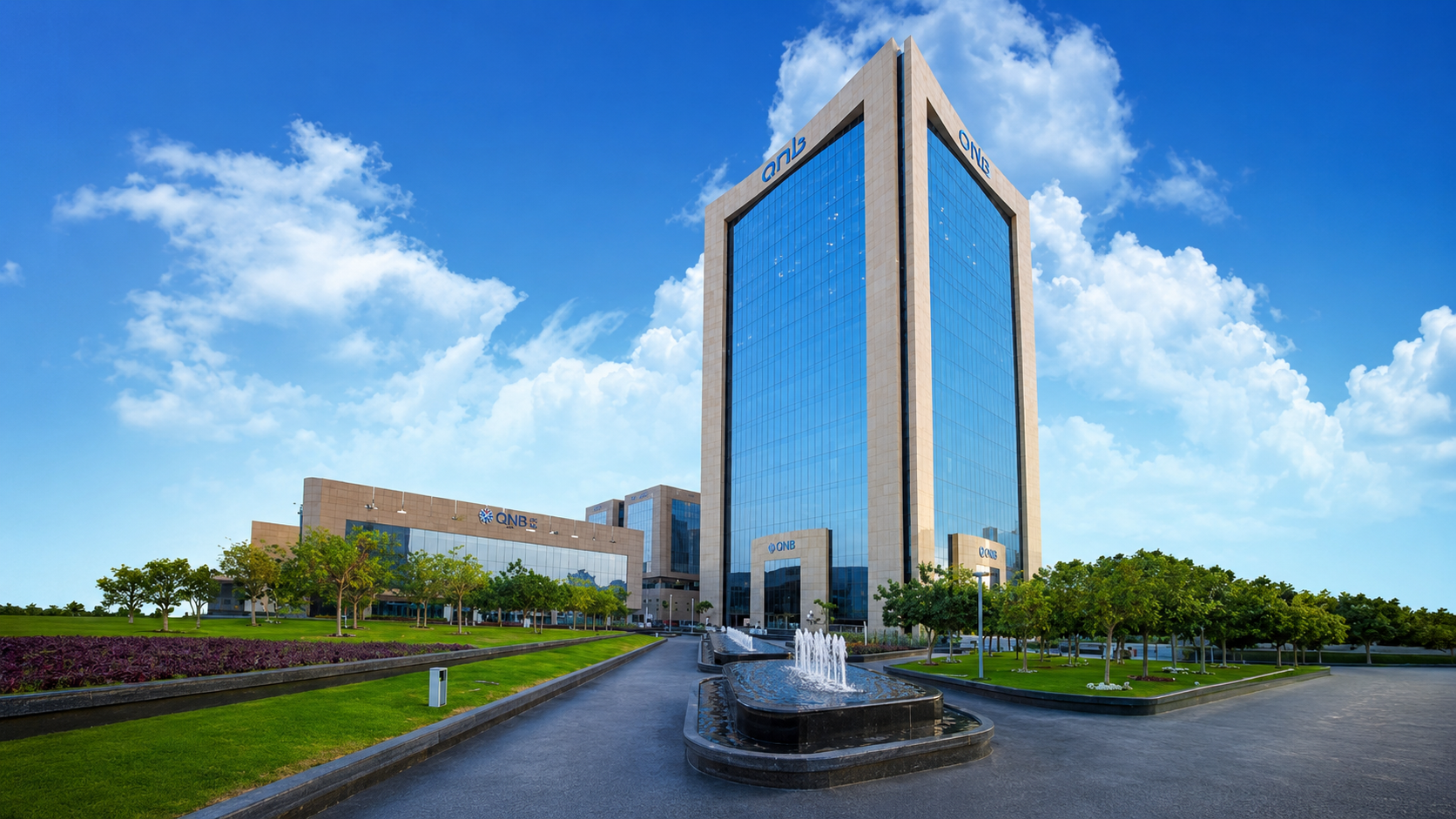
The Saudi-based Arab National Bank, rated A1 by Moody’s (Stable), A- by S&P (Stable) and A- by Fitch (Stable), has raised $750 million from a Regulation S perpetual non-call 5.5-year AT1 sukuk , priced at par with a 6.50% coupon paid semi-annually.
The yield is set at 6.50%, with a 191.7bps reset margin.
IPTs on the benchmark-sized issuance were in the 6.875% area.
At launch, books were in excess of $3 billion, excluding JLM interest.
The certificates will be issued under the bank’s $3 billion Additional Tier 1 Capital Certificate Issuance Programme established by ANB Tier 1 Sukuk Company Limited with the Tadawul-listed ANB acting as obligor.
ANB Capital Company, Arab Bank, ASB Capital, Arqaam Capital, Citi, Goldman Sachs International, HSBC, Mizuho, Standard Chartered Bank and Warba Bank are the mandated joint lead managers and joint bookrunners.
The sukuk will be listed on the London Stock Exchange’s International Securities Market.
The latest issuance follows similar terms to the Saudi-listed lender’s previous AT1 issuance in September 2025, which also raised $750 million with a 6.40% yield. Although the current debt outing has no sustainable component like the bank’s previous AT1 issuance.
Following the successful launch of its Palais Collection, MAISON de SABRÉ has unveiled a new modular handbag system offering more than 720 styling combinations.

Egypt and Oman are exploring greater integration between their economic and free zones to boost trade, expand market access, and support cross-border manufacturing and re-exports.
< 1 min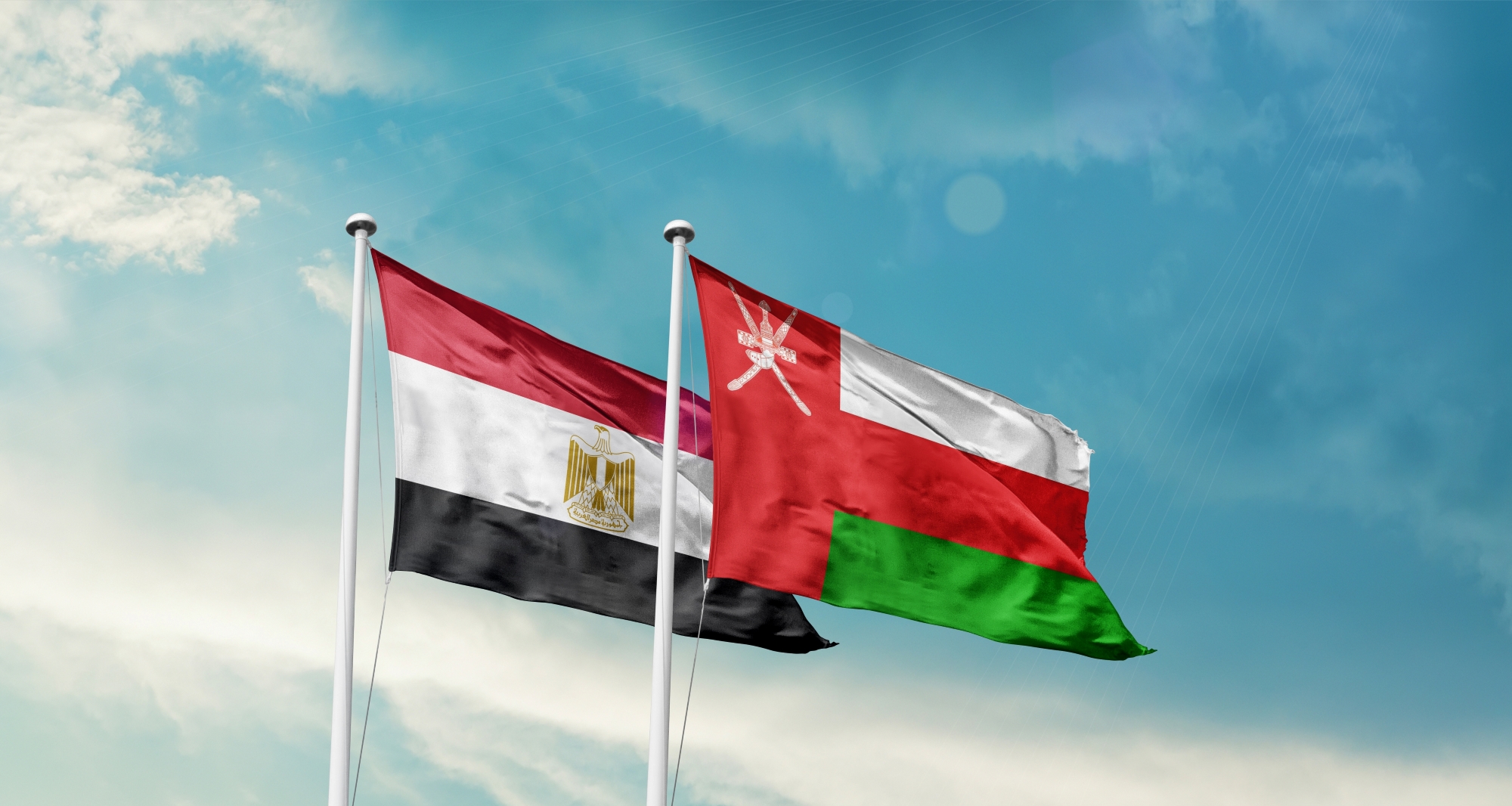
Minister of Investment and Foreign Trade Mohamed Farid met with a delegation from Oman’s Public Authority for Special Economic Zones and Free Zones (OPAZ) to discuss enhancing bilateral trade and cooperation, according to a statement.
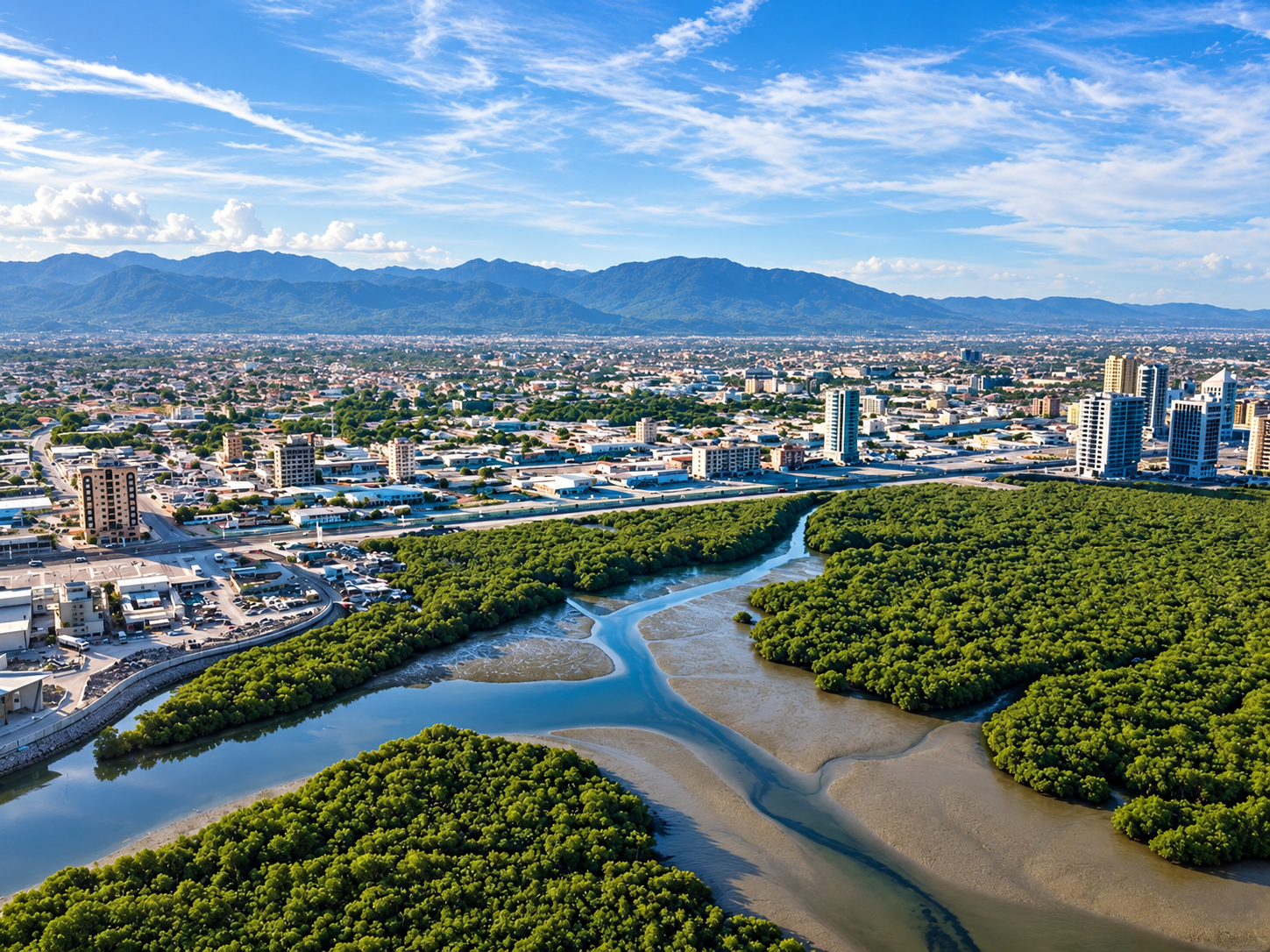
The meeting addressed opportunities to integrate the economic, special, and free zones of Egypt and Oman, which is expected to scale market access and support cross-border manufacturing and re-export activities.
Egyptian companies would utilize Oman’s free and economic zones to complete manufacturing processes and re-export products to Asian markets. Meanwhile, Oman could leverage Egypt’s strategic geographic position, as well as its industrial and logistics capabilities, to access markets in other regions.
Farid stressed the need to achieve these goals while implementing mechanisms to establish actual projects in the pharmaceutical, food, textile, renewable energy, logistics, and manufacturing sectors.
Discussions further covered the establishment of a joint mechanism to promote investment opportunities across the economic, special, and free zones of both countries.
Following the successful launch of its Palais Collection, MAISON de SABRÉ has unveiled a new modular handbag system offering more than 720 styling combinations.
Wall Street’s hottest momentum trade has reversed sharply, as former winners tumble and heavily shorted stocks surge.
3 min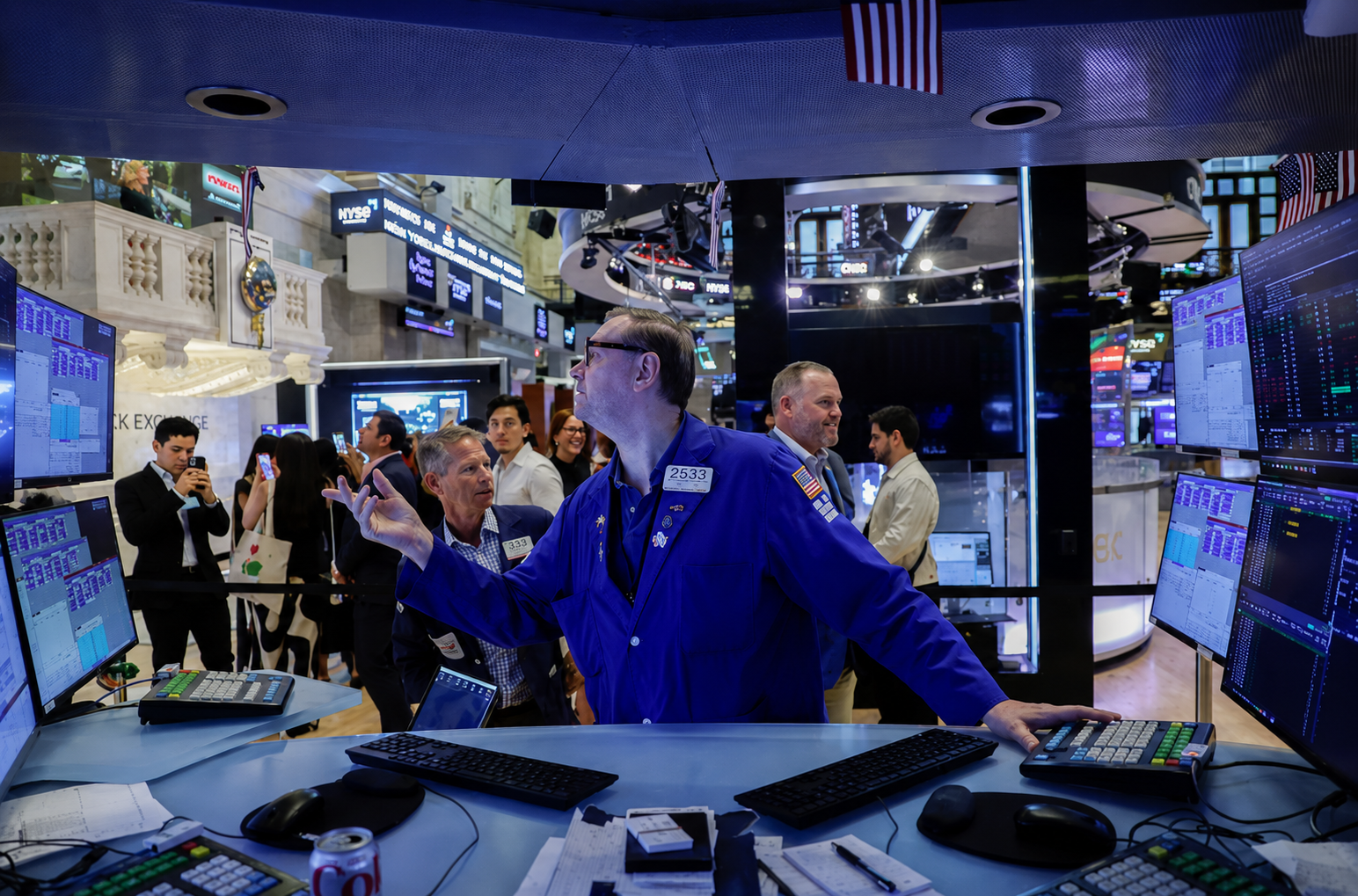
Wall Street’s hottest trade has gone ice cold.
For years, it paid off to buy stocks that were rising in price—and bet against struggling shares. The momentum trade was especially profitable this year, as investors piled into hot stocks including Micron Technology, Nvidia, Advanced Micro Devices and other artificial-intelligence darlings while wagering against those likely to be hurt by the embrace of AI.
The S&P 500 Momentum Index soared 44% in the second quarter, its best quarterly performance on record, and it surged 133% over the past five years, nearly double the broad market’s performance.
Mega funds and rookie investors alike piled into the trade, some using leverage and options contracts in an effort to amplify their returns, propelling the underlying shares higher.
“It is a self-fulfilling prophecy,” said Matthew Tym, managing director at Cantor Fitzgerald, of the trade.
Suddenly, the trade is a loser. The momentum index has tumbled more than 9% since July 1, lagging behind the S&P 500’s 2.8% gain. The index—which tracks stocks in the S&P 500 based on a “momentum score”—is on track for the biggest quarterly underperformance in 25 years. July was the second-worst month for the momentum trade in around 40 years, according to Bank of America estimates; the only month worse was April 2009, in the teeth of the global financial crisis.
Hedge funds that bought momentum shares while shorting low-momentum stocks suffered even more. At the same time, a basket of the most popular stocks held by hedge funds tracked by Goldman Sachs recorded its biggest one-month underperformance in July relative to the S&P 500 in more than 20 years, according to the bank’s analysts.
Momentum trading is based on a rather simple observation: Investments that go up tend to keep outperforming; those that underperform often remain laggards. This kind of trading might seem too simple a stock-picking strategy to work. Yet it often has.
“For decades, it didn’t take a lot of sophistication to run a momentum strategy and make a decent living at it,” says Agustin Lebron, senior researcher at EquiLibre, a trading firm.
Part of the reason: It takes a while for corporate and other information to spread to various investors, so they slowly build positions, producing buying momentum.
“A huge pension fund can’t flip around its positions in a day,” says Lebron. “Behavioral biases also account for some of the effect, as well—people tend to sell their winners too early and hold losers too long.”
Fans of the strategy point to the human tendency to extrapolate from past results—and chase investment returns—noting that momentum patterns have been evident in markets for decades, even centuries. They also say that some of the worst months for momentum strategies are during longer periods of outperformance.
Some have been doing the trade by buying the strongest investments in a sector while shorting the weakest; others lean in to rising markets or asset classes. Still others use a quantitative approach or turn to banks or others who sell ways to make distinct wagers on momentum as a “tradable factor” or a “thematic basket.”
The fans remain believers. “Any strategy has disappointing periods,” says Antti Ilmanen, global co-head of the portfolio solutions group at AQR Capital Management.
The surge in Moderna and other biotech stocks helped crush the momentum trade. These shares were among the most heavily shorted in recent years, but positive news on a cancer vaccine from Moderna and Merck sent those stocks flying, crushing some quant and other hedge funds. Moderna is up around 150% so far this month.
These traders had an especially rough day on Aug. 19, which Goldman Sachs told its clients was the worst day for “systematic long-short managers” in more than two years. About half of the losses were because of momentum trades, the bank said.
Some traders have begun to short, or bet against, the very stocks that propelled the momentum trade earlier this year. Net short positions in futures tied to the Nasdaq-100 index among speculators recently climbed to some of the highest levels of the past two decades, according to data from the Commodity Futures Trading Commission.
The about-face is a sign of how markets have become more treacherous for investors, even as indexes keep climbing. Part of the issue: the recent meltdown of Situational Awareness, a hedge fund that had piled into some of the most popular momentum shares, including chip stocks. After a period of market tumult, Nvidia shares rocketed almost 9% after its earnings, showing how quickly sentiment can shift.
Some investors say the run-up in share prices driving tech stocks higher reminds them at times of the dot-com frenzy decades ago.
Mike Ogborne, the founder of San Francisco-based Ogborne Capital Management, said he has grown more cautious on technology stocks and is keeping more of his portfolio in cash than he typically does.
And he is nervous about the surge in spending by technology giants and quarterly capital expenditures that keep rising.
“It is a little bit like Cinderella and the clock striking midnight. You don’t know when midnight is going to come around,” Ogborne said. “They don’t send a memo around telling you when the capex cycle is over.”
Following the successful launch of its Palais Collection, MAISON de SABRÉ has unveiled a new modular handbag system offering more than 720 styling combinations.
QCB issued QAR 5 billion in Government Ijarah Sukuk, attracting QAR 5.5 billion in bids.
< 1 min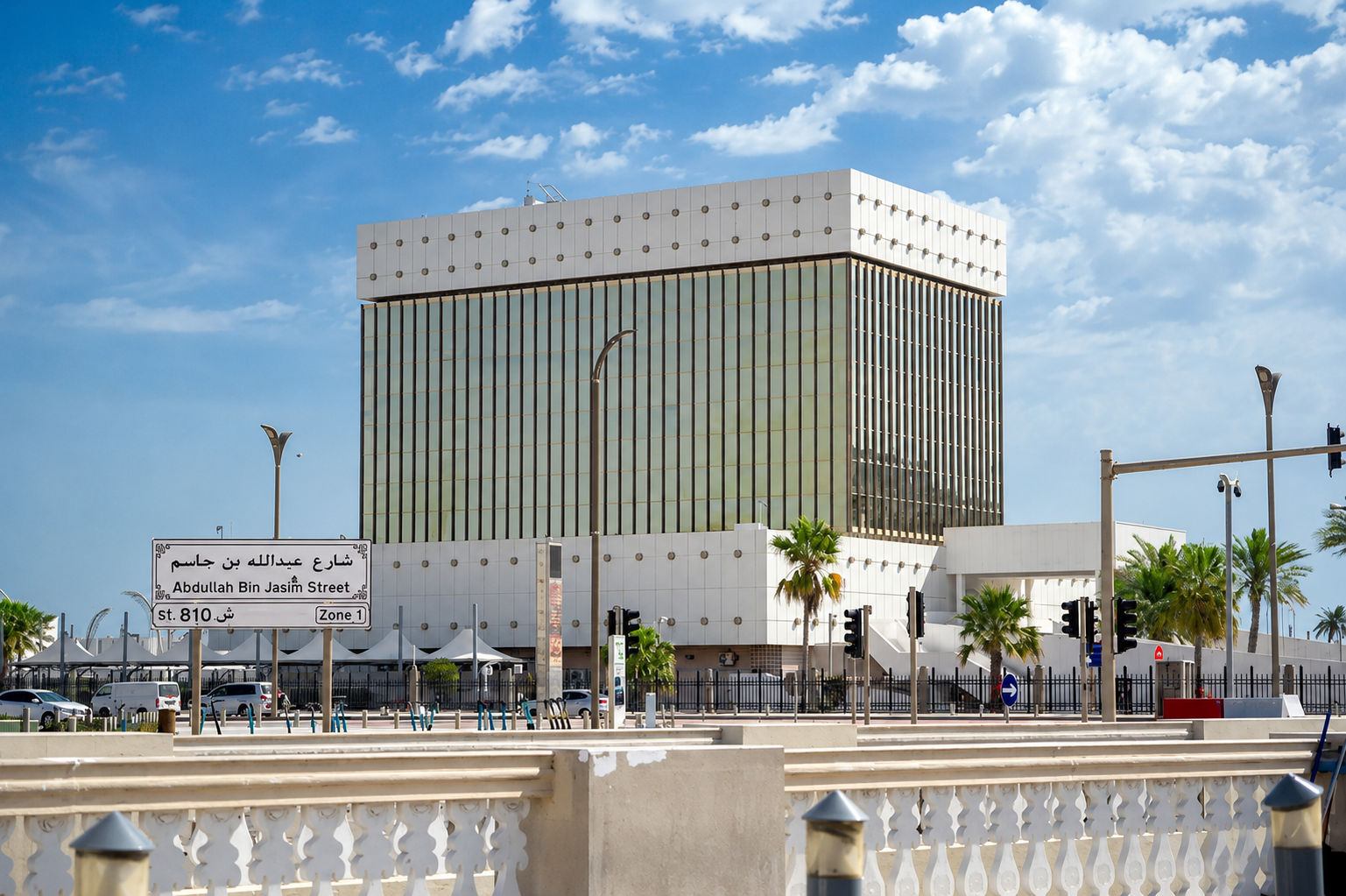
Qatar Central Bank (QCB) issued Government Ijarah Sukuk on behalf of the Ministry of Finance on Tuesday. The total allocated amount was QAR 5 billion.
In a statement, QCB said the allocations were issued across different maturities as follows: QAR 2.5 billion (tap issuance) maturing on January 16, 2029, with a yield of 4.75%, and QAR 2.5 billion (tap issuance) maturing on August 24, 2030, with a yield of 4.90%. The central bank noted that total bids received for the Sukuk amounted to QAR 5.5 billion.
Following the successful launch of its Palais Collection, MAISON de SABRÉ has unveiled a new modular handbag system offering more than 720 styling combinations.