






DIFC’s AI-native expansion reinforces long-term appeal of central Dubai living
DIFC’s ambition to become the world’s first AI-native financial center is reinforcing its position as one of Dubai’s most resilient residential hotspots, with strong rental demand, low vacancy and continued interest from high-income professionals. As job creation, infrastructure growth and global business activity accelerate, prime areas around DIFC are expected to maintain stable performance, further supported by limited supply, strong connectivity and a lifestyle-driven appeal that continues to set the district apart.
 2 min
2 min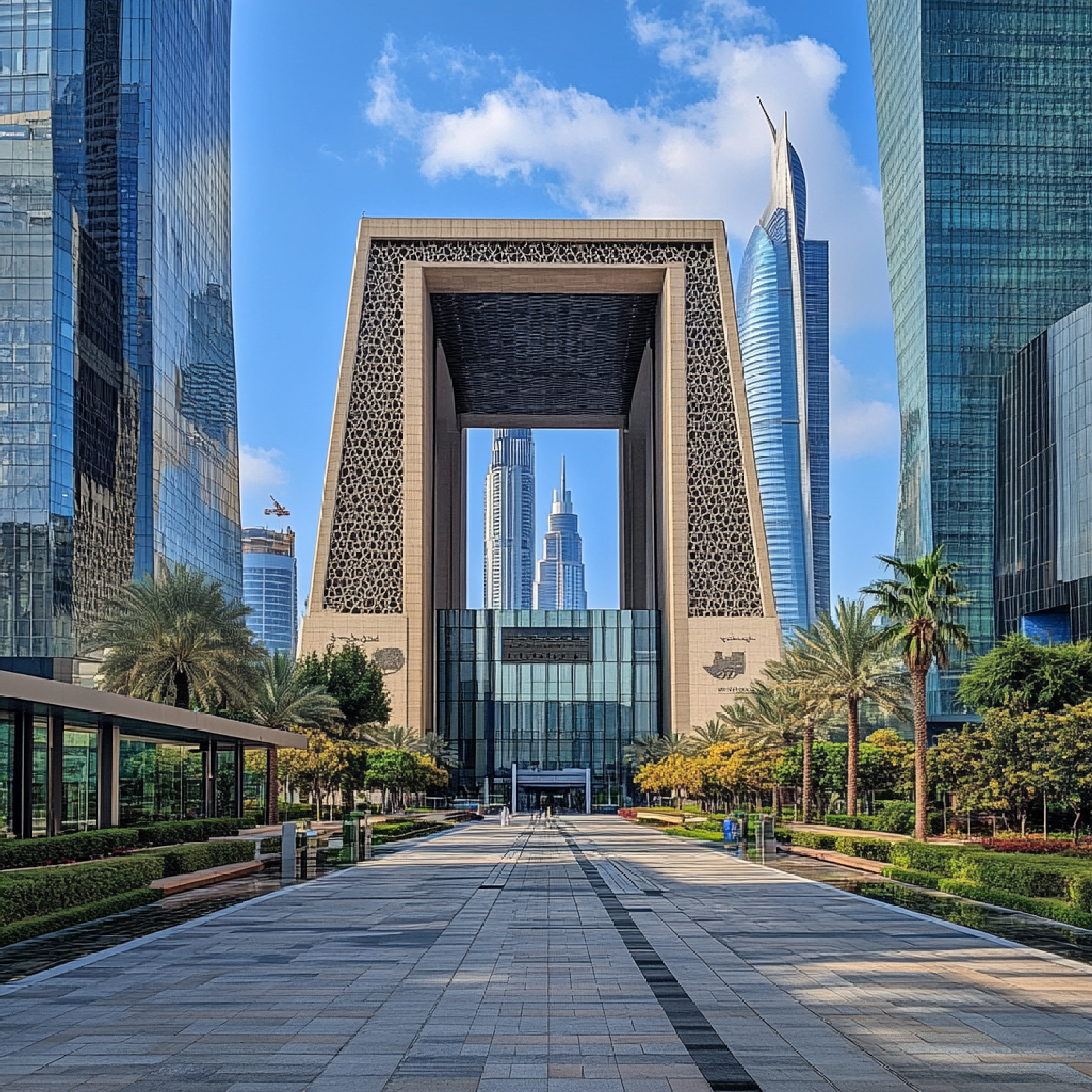
Dubai International Financial Centre’s ambition to become the world’s first AI-native financial center is expected to further strengthen its appeal as one of the city’s most strategically important residential locations.
The announcement, which is expected to generate AED 12.9 billion in economic value and create around 25,000 jobs, reinforces DIFC’s position not only as a global business district, but as a long-term demand driver for nearby prime housing. betterhomes says this adds fresh weight to an area that already benefits from limited prime supply, strong professional demand and a level of convenience that continues to set it apart within Dubai’s rental market.
According to the betterhomes’ research team, Q1 2026 saw DIFC’s residential profile remain defined by premium rental positioning, low vacancy and sustained interest from high-income professionals seeking proximity to the city’s financial core.
While new residential stock is expected to place greater pressure on rents in higher-supply apartment corridors this year, prime central locations such as DIFC are following a different pattern. Early 2026 indicators point to relatively stable rental performance, with some forecasts suggesting moderate growth across prime areas.
The wider DIFC area continues to benefit from walkability, Metro access, strong road connectivity and close proximity to Downtown, Sheikh Zayed Road and Jumeirah, reinforcing its appeal among tenants who value convenience, shorter commutes and immediate access to dining, retail and leisure.
Rupert Simmonds, Director of Leasing at betterhomes, said: “DIFC’s AI-native plan adds another layer of long-term relevance to an area that was already one of Dubai’s most established demand drivers. When a district is creating jobs, attracting global business and continuing to evolve its infrastructure, that has a direct impact on the strength and resilience of nearby residential demand.”
He added: “What continues to support this market is the combination of practicality and quality. DIFC offers proximity to business, excellent connectivity and a more seamless day-to-day lifestyle, which is why it continues to stand apart from higher-supply locations elsewhere in the city.”
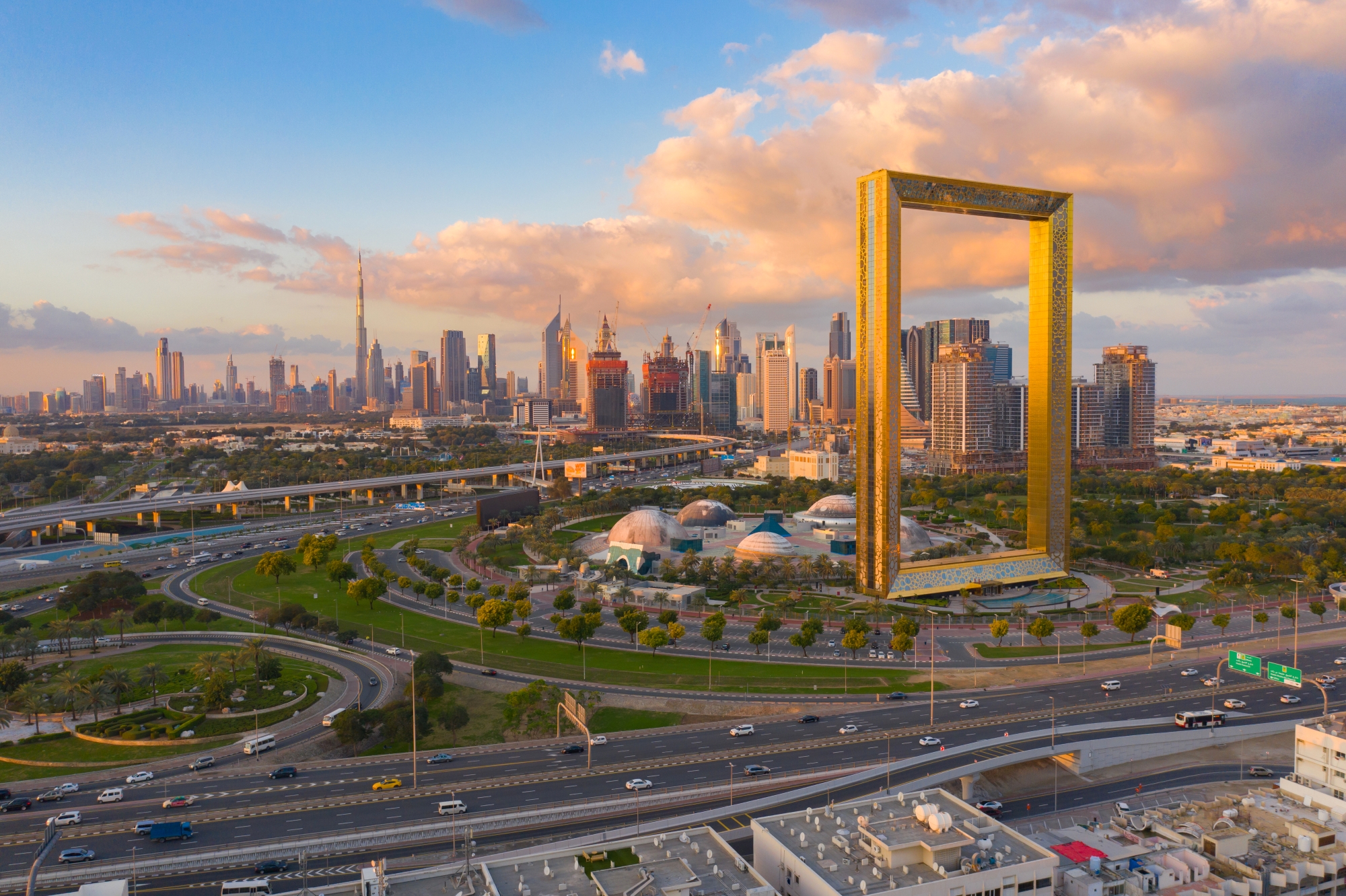
This performance reflects the UAE leadership’s proactive vision and renewed directives to enhance the readiness and resilience of economic sectors.
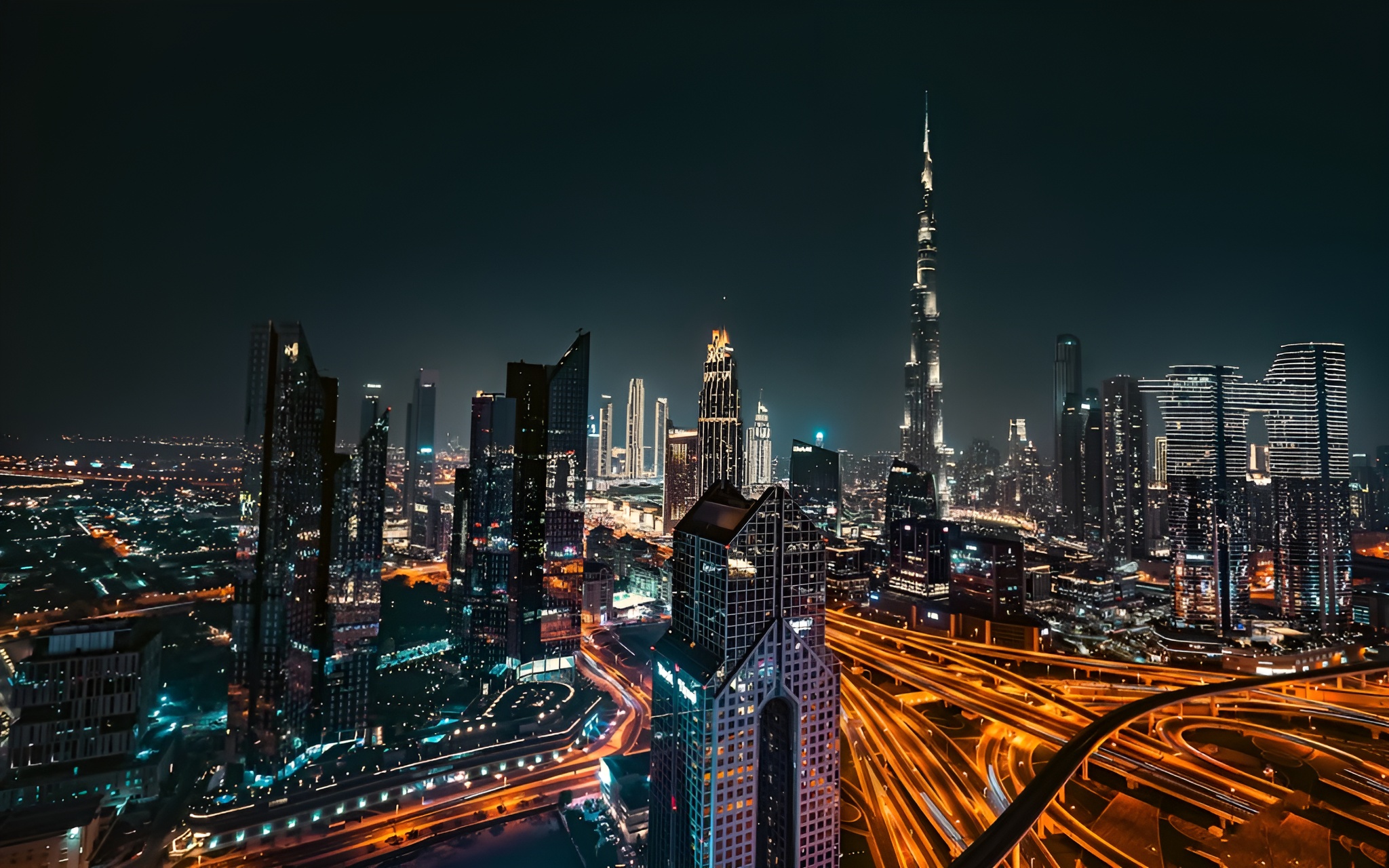
Dubai’s commercial market is shifting from volume to value. CRC’s Q1 2026 report shows sales value up 30% YoY to AED 37.9B, despite a slight dip in transactions. Offices and retail led growth, off-plan dominates at 78%, and the outlook remains strong on the back of solid economic momentum.
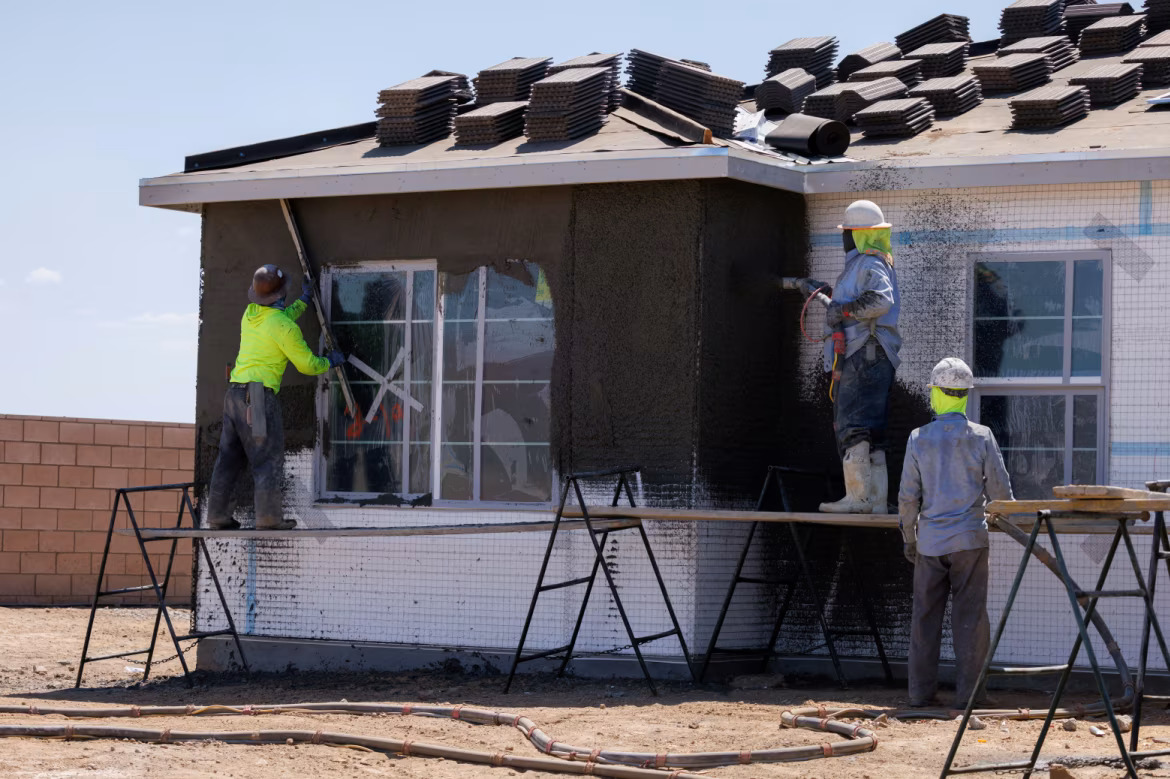
Amid affordability pressures, U.S. homebuilders are cutting costs by using cheaper materials and simplifying designs, reshaping the look of new homes, while NYC developers are exploiting a tax loophole by splitting projects into 99-unit buildings to avoid stricter rules, as broader data highlights ongoing pressure on consumers and rising homeownership costs.
From Idaho to Malibu and Sicily, homeowners are redefining luxury living by bringing nature indoors. Through biophilic design—featuring lush atriums, indoor greenhouses, and tree-filled living spaces—these homes create a seamless connection between interior and environment, offering year-round greenery, serenity, and a lifestyle that blends architecture with living art.
7 min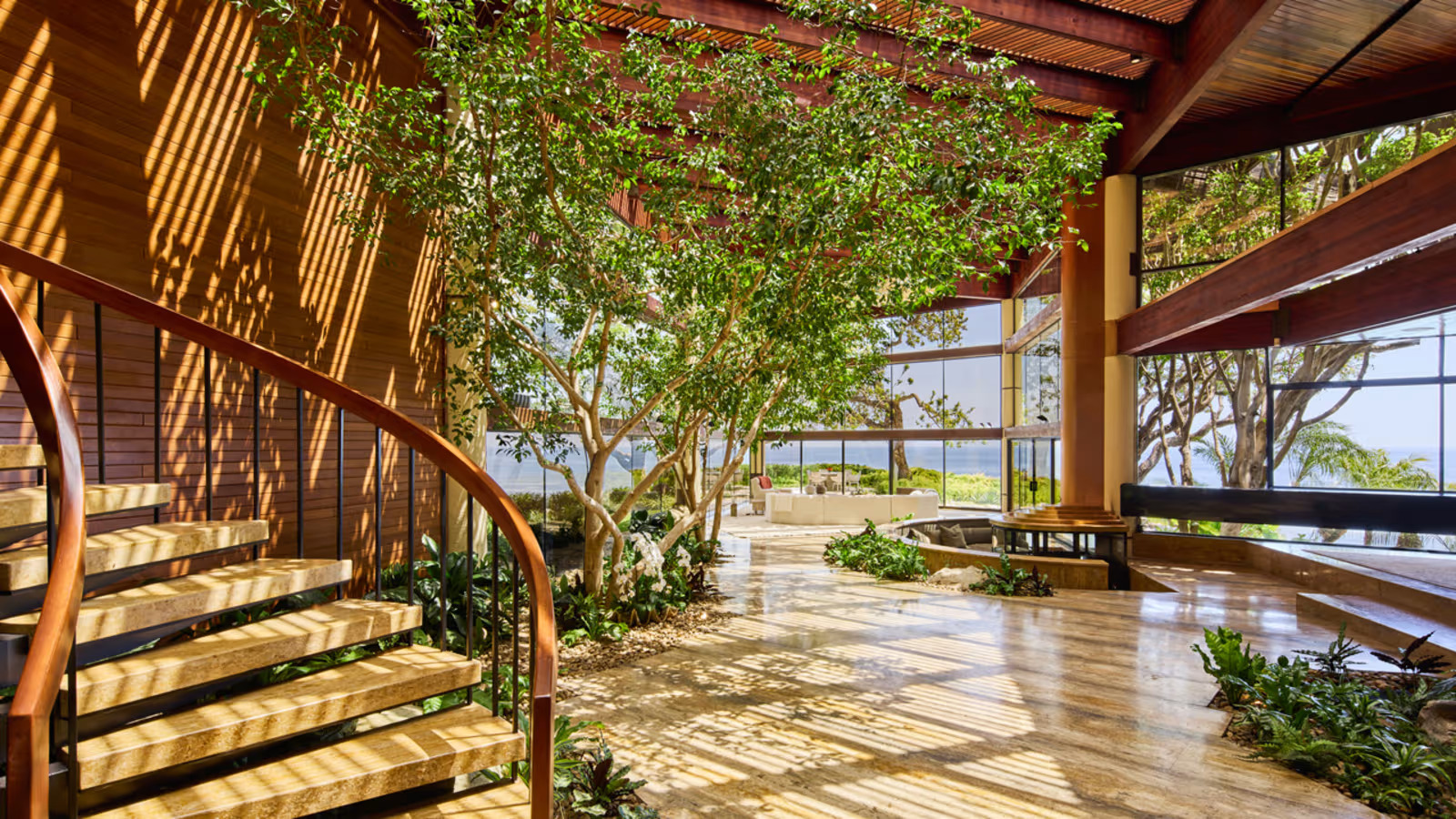
When Deborah and Bob Bradley moved from their Rancho Sante Fe home in Southern California to McCall, Idaho, Deborah’s one regret was giving up her 5-acre garden. Since long snowy winters precluded recreating her California landscape, she worked with their architect to bring the greenery indoors.
“My garden was my heaven, so we designed an indoor garden visible from every room in the house except the bedrooms,” says Deborah Bradley, 61, a custom jewelry designer. “I decided to make the atrium into a big piece of living art, with a huge mosaic in the middle and plants that change with the seasons and my mood.”
She and her husband, Bob, 75, an entrepreneur, designed their home in 2022 to be the epitome of indoor-outdoor living, with a seamless integration of green space to continue the connection year-round, says Cheri Reeves, a real estate broker with Engel & Voelkers in McCall.
According to research, biophilic home design, which creates a strong connection to the environment via natural light, organic materials, and living plants, reduces stress, improves health, and boosts productivity. Homeowners and their architects are seizing on these benefits, whether it’s a modern glass and wood home that integrates plants and trees throughout the living areas, a glass greenhouse designed for entertaining and relaxation, or a plant-filled atrium like the Bradleys’.
A Living Work of Art
When Bradley designed her indoor garden, it was important to make it easy to maintain yet adaptable to the season.
“Gardening is my hobby, so I love to move and change the plants according to the season or my whim,” Bradley says. “Sometimes I put in lavender for a fragrant garden. At Christmas we put in poinsettias and other times there are orchids or lilies there. Changing the textures and colors is easy to do by just moving plants around in the room. But anyone can just put in the plants and leave them.”


The 100%-controlled environment is maintained at a year-round temperature of 70 degrees. The plants are automatically watered with an irrigation system underneath the room, and there are grow lights to maintain appropriate levels of light for each plant.
“I never get sad during the shorter days of winter because we have extra daylight from the grow lights,” Bradley says. “It’s magical to sit here while it snows outside. This is my sanctuary and serves as a confessional place for intimate conversations, because it’s like sitting
in a garden.”
The glass ceiling can be opened for ventilation to regulate the humidity or temperature, and the atrium has a door to the backyard rather than a fully retractable wall, to control the environment and keep bugs and weeds out, she says.
“The glass doors on the inside of the house can be fully opened to the living room,” Bradley says. “We designed the kitchen so that there are no cabinets to block the view into the atrium. Even in the living room we have a ‘rain chandelier’ that’s transparent, so it doesn’t detract from the atrium.”
Bradley furnished the atrium with a comfortable daybed where she loves to read stories to her grandchildren.
“We made sure this space feels playful, like a fairy-tale room where it’s cozy and everyone can relax,” she says.
Bradley has traveled the world and brought back seeds as souvenirs to plant unusual specimens in her garden, which she calls her “postcards from around the world.”
“The atrium adds a magical element to this house,” Reeves says. “You can ski all day and then come home to be transported to a tropical garden with a koi pond and lilies in the middle of the house.”
The 13,232-square-foot house is listed for sale at $11.95 million.
Ocean Outside and Forest Inside
As if the spectacular Pacific Ocean views outside weren’t enough, architect Edward R. Niles designed a modern Malibu home centered around a dramatic indoor arboretum complete with mature trees. The triangular-shaped house, built in 1980, was owned by Tonight Show host Johnny Carson from 1984 until his death in 2005.
“The story is that Johnny Carson was invited to a party at this house and immediately said he wanted to buy it,” says Chris Cortazzo, a Compass real estate agent. “He paid about $9 million at the time.”
The home, which Cortazzo describes as “Hawaii-esque,” rests on a 4-acre cul-de-sac property on Point Dume overlooking the ocean, islands, and the “Queen’s Necklace,” which refers to the nighttime view of harbor and city lights from Malibu to the Palos Verdes Peninsula. The grounds have 327 feet of ocean frontage, a 2-acre park, tennis courts, fruit-tree orchards, rose gardens, and vegetable gardens, plus 50-year-old trees and a sculpture garden, according to Cortazzo. It’s listed for sale at $110 million.


“The main house is constructed of wood and glass triangles centered around the arboretum, which has stone floors, glass walls, and a 30-foot-high glass ceiling with a lattice of wood slats,” he says. “The arboretum, which functions as the main living room, is an amazing entertaining space, but it’s also a great escape for serenity, with its filtered natural light and all the greenery.”
The living room atrium includes indoor plant beds, trees, and a sunken copper-and-glass fireplace encircled by cushioned seating. Two steps up from the living room is a triangular dining room with ocean and pool views, plus a black marble lounge area with a bar.

The glass walls of the arboretum fully open to a two-tiered koi pond with a waterfall and a terrace for outdoor entertaining and dining overlooking the ocean, Cortazzo says. Beyond the koi pond is a saltwater pool with a waterfall grotto and a hot tub.
“When you open the gates to this property, it’s like you’re entering a park, with the mature trees that are integrated into the interior of the house found all around it,” Cortazzo says. “When you’re there, it’s like you’re in this oasis that you don’t want to leave. This is one of the most iconic properties you’ll ever find in Malibu.”
An Artist’s Colony and Private Residence in Sicily
While there are numerous buildings and features of this 19th-century estate in Sicily, a spacious greenhouse designed for entertaining and living stands at the core of the residence.
“The property was purchased three years ago, driven by the desire to create a true countryside residence: a place capable of hosting many people, large dinners, long evenings, moments of sharing, and above all, a space conceived as a private theater,” says Michele Prado, a real estate agent with Italy Sotheby’s International Realty in Noto Siracusa, Sicily.
“The idea was to imagine a house open to gatherings, able to welcome visiting artist friends passing through Noto,” Prado says. “Over time, the residence has become a natural convergence point for filmmakers, painters, actors, writers, and thinkers, a place where creativity finds both space and continuity.”
In the center of the property is a glass house overlooking a courtyard, which offers a flexible environment for events, exhibitions, or enjoying the timeless atmosphere of the courtyard with a contemporary touch, Prado says.
“The greenhouse represents the heart of the home,” he says. “It’s here that daily life revolves: a space that naturally warms with sunlight in winter and transforms into a vibrant environment in summer, filled with sounds, conversations, and a sense of freedom. The greenhouse invites living in an almost outdoor dimension while remaining protected, offering a feeling of openness that even extends during rainfall.”


Living in a house with a greenhouse means experiencing a direct connection with the outside world while still having the possibility to retreat into a traditional, spacious, and articulated structure with numerous rooms in the rest of the house, Prado says.
“The greenhouse is mainly enjoyed during the day as a central and shared space,” he says. “It can accommodate up to 250 people inside.” The main corridor stretches nearly 100 feet and ends in a room conceived as a small astronomical observatory.
The approximately 11,840-square-foot property, which includes 13 bedrooms and 17 bathrooms, is surrounded by nearly 10 acres of lush grounds. It’s listed for sale at €6.8 million (US$8.13 million).
“At the time of purchase, the property was in a state of deep neglect,” Prado says. Most of the buildings had no roofs, for example.
“The portico, originally intended for prayer, had been converted into storage, while the old stables had been turned into housing for farmers,” he says. “The entire complex had lost its function and dignity, and there was even a carrot factory active in the large square.”
The restored portico can now accommodate up to 600 seated guests, according to Prado.
“A property like this does not belong to the traditional real estate market,” Prado says. “The sale is not a simple negotiation, but the meeting between the house and its next custodian.”
Homes that live like greenhouses are inherently unique, but they offer owners the shared experience of a deep connection to nature and an appreciation for the serenity it can bring.
Many of the most-important events have slipped from our collective memories. But their impacts live on.
Two coming 2027 models – the first of the “Neue Klasse” cars coming to the U.S. early next year – have been revealed.



Riyadh’s office market is entering a more balanced growth phase, with steady occupier demand and high Grade A occupancy levels despite moderating rental increases. Supported by non-oil sector expansion and continued inflows of global companies, the capital remains a key business hub, while upcoming supply is expected to enhance choice without significantly easing demand for prime, well-located assets.
2 min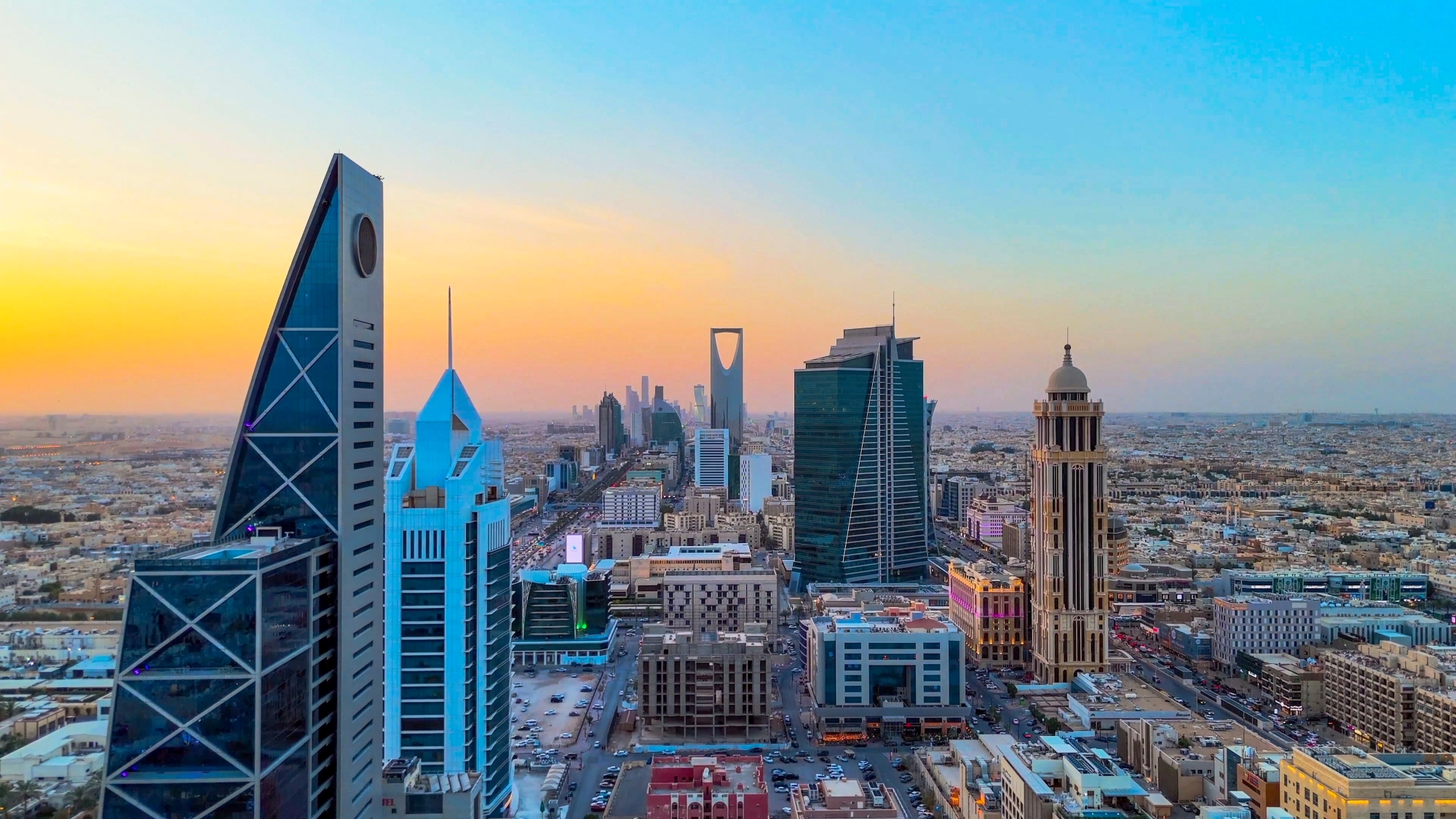
Riyadh’s office market continues to demonstrate steady underlying momentum, with recent data pointing towards a more balanced phase of growth, according to Savills latest Office Market report for Q1 2026.
While broader economic conditions have moderated slightly, partly reflecting the effects of ongoing regional geopolitical tensions, including disruption to oil export flows through the Strait of Hormuz. Saudi Arabia’s non-oil sector continues to expand, supporting business activity and occupier demand across the capital. Real GDP growth is projected at 2.6% for 2026, with non-oil growth expected to reach 3.6%, reflecting ongoing progress in economic diversification.
Occupier demand remained consistent during the first quarter, with Grade A office occupancy levels holding firm at 98.5%, highlighting continued pressure on prime supply. Leasing activity was supported by a diverse range of sectors, led by BFSI, alongside engineering, manufacturing, TMT (Technology, Media and Telecommunications) and pharmaceutical occupiers.
Demand continues to be driven by smaller office requirements, with units below 1,000 sq m accounting for the majority of enquiries, reflecting a preference for flexible and efficient workspace solutions among occupiers.
At the same time, rental growth has begun to moderate, increasing by 1.0% quarter-on-quarter and 6% year-on-year. Prime rents reached SAR 2,896 per sq m in Zone A (central Olaya/KAFD corridor) and SAR 2,457 per sq m in Zone C (southern district), indicating a shift towards a more measured pace of growth following previous periods of stronger increases, supported in part by the implementation of Riyadh’s five-year rent stabilization policy and softer external conditions stemming from regional geopolitical developments.
Ramzi Darwish, Head of KSA at Savills Middle East, commented, “Riyadh’s office market is continuing to evolve, with occupier demand remaining steady despite a more measured pace of growth. While we are seeing some moderation in rental increases compared to previous periods, underlying activity levels remain consistent, particularly across Grade A assets. This reflects a market that is becoming more balanced, with occupiers placing greater emphasis on quality, location and long-term value.”
This trend is further supported by the implementation of Riyadh’s five-year rent stabilization policy, which has contributed to greater pricing consistency across both residential and commercial assets, enhancing cost visibility for occupiers and supporting longer-term planning.
Riyadh’s growing appeal as a regional business hub continues to underpin demand, supported by sustained inflows of multinational companies. As of early 2026, more than 700 global companies have established regional headquarters in the city, surpassing Vision 2030 targets ahead of schedule.
International interest remains strong, with 80% of leasing enquiries in Q1 originating from US-based companies, reinforcing Riyadh’s positioning as an increasingly attractive destination for global occupiers.
Looking ahead, the market is expected to continue evolving as new supply is delivered, with over 700,000 sq m of Grade A office space anticipated to come online by late 2026, including developments such as Diriyah Gate, Prime Business Resort and Prince Mohammed bin Salman Nonprofit City (Misk).
While additional supply is expected to provide greater choice for occupiers, demand for well-located, high-quality assets is likely to remain a key feature of the market.
Two coming 2027 models – the first of the “Neue Klasse” cars coming to the U.S. early next year – have been revealed.
The sports-car maker delivered 279,449 cars last year, down from 310,718 in 2024.



The historic Manoir du Mée in Mée-sur-Seine, France, is listed for €2.7 million, once serving as a summer residence for Karl Lagerfeld and a backdrop for Chanel campaigns, before later being owned by Princess Caroline of Monaco—blending rich heritage with classic French elegance.
2 min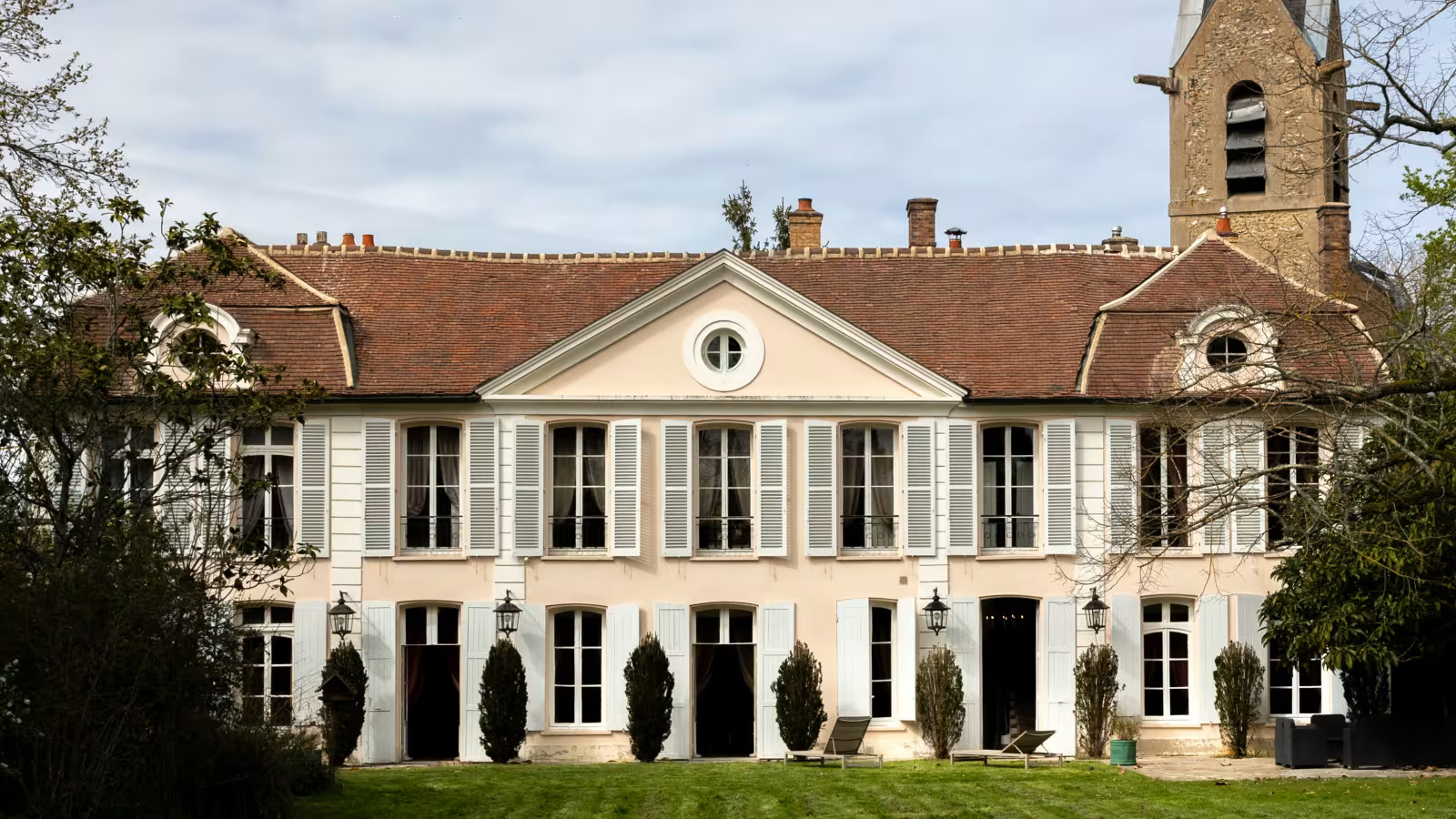
Location: Mée-sur-Seine, France
Price: €2.7 million (US$3.1 million)
Designer Karl Lagerfeld used his own mansion in the tiny French village of Mée-sur-Seine for Chanel ads featuring muses Tatjana Patitz and Ines de la Fressange.
Lagerfeld, Chanel’s creative director from 1983 until his death in 2019, bought the property in 1986 “as a summer residence, to get away from Paris, and refurbished it entirely,” said Alexis Feyfant-Ricaud, founder and president of Pyla Paris, the listing agent who put the home up for sale earlier this month.
Notable owners didn’t end with the fashion icon.
He sold the house in 1998 to Princess Caroline of Monaco, who lived there for more than six years, “hosting prestigious receptions and large gatherings,” the Feyfant-Ricaud said. “Karl redid everything in the house, and Caroline redid it again.”
The seller updated the facade and the roof when he bought the property in 2014. “I don’t think there are any more renovations to do, unless they’re aesthetic,” Feyfant-Ricaud said.
Known as Manoir du Mée and set on 1.25 landscaped acres, the 5,400-square-foot mansion was built in 1749. The Fraguier family, nobles who were titled Lords of Le Mée, bought the house in 1877; French film actress Renée St. Cyr acquired it from them, using Manoir du Mée as a weekend home.
The gated property is in the center of the village, “but you can’t fathom how big it is, because it’s so discreet,” Feyfant-Ricaud said. “Typical of the period’s style, the mansion “has a beautiful facade that’s perfectly French, with tall windows, symmetry and a central pediment.”
The interiors have restored Versailles parquet floors, marble fireplaces and “a lot of molding and paneling, especially in the dining rooms and library,” he said. The kitchen is “huge and was designed for people who have servants, which both Karl and Princess Caroline did.” All seven bedrooms, with en suite bathrooms, are upstairs.
“This is a space that has been lived in. It’s not just a trophy property. The French heritage of the architecture is real. Each room has its meaning—you shift through them naturally throughout the day, moving from kitchen to dining room to the game room to the bar, and then maybe to the library,” Feyfant-Ricaud said.
Stats
This 5,400-square-foot mansion, with seven bedrooms and 10 bathrooms, occupies 1.25 landscaped acres.
Amenities
A 2,000-square-foot guest house on the property includes three bedrooms and three bathrooms. The seller used the guest house as an office. “It needs renovation, but it’s quite large,” Feyfant-Ricaud said. The home also has garage parking for nine cars.
Neighborhood Notes
Situated in the department of Seine-et-Marne, the village of Mée-sur-Seine is just 31 miles south of Paris, and about 12 miles north of affluent Fontainebleau. The train trip to Paris Gare de Lyon from Mée-sur-Seine takes about 35 minutes.
“It’s a very strategic location,” Feyfant-Ricaud said. Paris Charles de Gaulle Airport is about 43 miles north.
Agent: Alexis Feyfant-Ricaud, Pyla Paris

New research suggests that bonuses make employees feel more like a mere cog in a wheel.

Parts for iPhones to cost more owing to surging demand from AI companies.

This performance reflects the UAE leadership’s proactive vision and renewed directives to enhance the readiness and resilience of economic sectors.
2 minDubai’s rental market indicators in the first quarter (Q1) of 2026 demonstrate sustained stability, supported by strong regulatory and economic fundamentals. The market continues to show steady activity within a dynamic environment that adapts efficiently and reinforces confidence.
This performance reflects the UAE leadership’s proactive vision and renewed directives to enhance the readiness and resilience of economic sectors, reinforcing sustainable growth, strengthening investor confidence, and underscoring Dubai’s ability to maintain balanced economic growth.
According to data from the Dubai Land Department, the total value of rental contracts during Q1 2026 reached AED32.2 billion, reflecting a sustained pace of activity, supported by clear legislation and an integrated regulatory environment that governs relationships across the market.
New rental contracts reached 118,385, alongside 135,607 renewal contracts, indicating sustained market activity and stable landlord–tenant relationships within a transparent and reliable framework. In another positive indicator, the number of cancelled contracts declined by 25%, reflecting greater rental-cycle stability, stronger market cohesion, and reduced volatility.
The number of real estate offices operating in the market reached 10,200, enhancing market efficiency, expanding the base of active stakeholders, and supporting the quality of services provided to investors and customers.
Furthermore, 3,599 real estate licenses were registered in the market, spanning a wide range of sector-related activities and services. Real estate sales and purchase brokerage licenses led with 1,564, followed by Real estate leasing brokerage with 928, transaction follow-up services with 376, and real estate development with 128 licenses.
Other licenses cover a range of activities, including administrative supervision services for owners’ associations, real estate consultancy, private property leasing and management services, mortgage brokerage, business centers, real estate valuation services, surveying, and organizing public real estate auctions. This diversity and breadth of licenses reflect the dynamism and integration of Dubai’s real estate market, alongside the advancement of its service ecosystem and its ability to efficiently and flexibly meet the needs of various stakeholders.
These indicators highlight that Dubai’s rental market is anchored within an integrated ecosystem that unifies development, investment, and regulation while promoting stability and enabling agile adaptation to evolving dynamics. Market performance reflects a balanced supply–demand equation, supported by sustained project activity, diversified offerings, and clear policies, ensuring long-term sustainability and consistent performance.
In light of this performance, Dubai’s real estate sector continues to reinforce its position as a key pillar of the emirate’s economic growth, supported by a forward-looking leadership vision, a flexible regulatory environment, and renewed investor confidence, ensuring market continuity and strengthening its readiness for future phases with confidence and stability.
Two coming 2027 models – the first of the “Neue Klasse” cars coming to the U.S. early next year – have been revealed.

Paine Schwartz joins BERO as a new investor as the year-old company seeks to triple sales.

Dubai’s commercial market is shifting from volume to value. CRC’s Q1 2026 report shows sales value up 30% YoY to AED 37.9B, despite a slight dip in transactions. Offices and retail led growth, off-plan dominates at 78%, and the outlook remains strong on the back of solid economic momentum.
2 minCRC (Commercial Real Estate Consultants) has officially released its Q1 2026 Commercial Property Market Report, detailing a significant evolution in Dubai’s commercial landscape. The findings point toward a market entering a phase of “strategic maturation,” where a deliberate move from volume-driven to value-driven acquisitions has pushed capital values to historic highs, even as the market experiences a slight cooling in overall transaction frequency following the record-breaking close of 2025.
The report highlights that while total commercial units sold dipped by 3% to 3,619 transactions, the market remains fundamentally robust. Total sales value for the quarter reached AED 37.9 billion, representing an impressive 30% increase year-on-year compared to the same period in 2025.
Behnam Bargh, Managing Director of CRC, notes that this performance reflects a broader trajectory of economic stability within the UAE. He emphasizes that while there was a 16% softening in total sales value relative to the final quarter of 2025, the underlying market remains strong, supported by a projected 5.6% real GDP growth for 2026 and the recent AED 1 billion economic incentive package aimed at enhancing private sector liquidity.
The office sector stood out as the primary growth engine during the first quarter. While transaction volumes rose by a steady 2% to 1,565 units, the total sales value skyrocketed by 73% quarter-on-quarter to reach AED 8.2 billion. This surge in value is further evidenced by a major milestone in the secondary market, where prices broke the psychological barrier of AED 2,000 per sq ft for the first time, settling at an average of AED 2,023. Geographically, Al Sufouh led the market in activity, followed closely by established business hubs like Business Bay and JLT.
In the retail segment, assets underwent a dramatic repricing that saw sales values surge by 162% year-on-year. This shift reflects a growing appetite for premium, high-traffic spaces and community-centric retail models. Jumeirah Village Circle (JVC) emerged as the top performer for retail transactions, followed by Motor City. Eliza Esenbek, Head of Retail and F&B at CRC, suggests that the current boom in neighborhood retail highlights a transition toward convenience and well-being, where destination shopping is being supplemented by curated, daily-life experiences.
The report also identifies aggressive demand in the off-plan and industrial sectors. Off-plan transaction volumes rose by 26%, but the value of these deals outperformed volume growth with a staggering 158% increase, now accounting for 78% of all commercial transactions. Simultaneously, warehouse demand remains fierce, with leads growing by 73% year-on-year and 72% quarter-on-quarter, indicating sustained institutional interest in logistics and industrial assets.
On the leasing front, the market is seeing a notable shift in tenant behavior centered on cash-flow management. While the 4-cheque payment plan remains the industry standard, accounting for 55% of transactions, 1-cheque payments saw a significant 13% decline. This suggests that corporate tenants are increasingly prioritising operational liquidity over the upfront discounts typically associated with single-payment terms.
Looking ahead, the CRC report maintains a positive outlook for the remainder of 2026. Driven by the D33 economic framework and substantial foreign direct investment, Dubai continues to establish itself as a global benchmark for commercial resilience. As non-oil sectors like logistics and the digital economy continue their expansion, the requirement for physical footprints remains a mandatory driver for the market’s long-term growth.
Paine Schwartz joins BERO as a new investor as the year-old company seeks to triple sales.

Chris Dixon, a partner who led the charge, says he has a ‘very long-term horizon’


Amid affordability pressures, U.S. homebuilders are cutting costs by using cheaper materials and simplifying designs, reshaping the look of new homes, while NYC developers are exploiting a tax loophole by splitting projects into 99-unit buildings to avoid stricter rules, as broader data highlights ongoing pressure on consumers and rising homeownership costs.
2 minHome builders need to cut costs. They are looking to do so with cheaper cabinets, faucets and countertops. Their cost-cutting is part of a broader effort to offer more affordable homes when buyers are concerned about high prices, elevated mortgage rates and an uncertain economy. The cumulative effect is changing the appearance of newly constructed American homes. “It kind of looks incomplete,” said Erika Phelan, a real-estate agent at Buyers Broker of Florida. Nicholas Miller offers a tour of what today’s new houses look like in this cost-conscious era.
New York City apartment developers have one number on their minds these days—99. That’s because a 2024 city tax program offers certain exemptions for buildings with fewer than 100 units. Now, more developers are assembling complexes with hundreds of apartments, featuring joint facades, interlocking floor plates, and sometimes connecting hallways. But they are slicing them up into 99-unit pieces to qualify for the tax break. Rebecca Picciotto explores how this loophole works and why it’s getting pushback from construction workers.
Flimsier Cabinets and Fewer Windows: Home Builders Are Skimping on the Basics
Home builders are looking everywhere for ways to slash costs. They are finding them in cabinets, faucets and even the garage-door remote.
Builders are opting for cheaper materials and rejiggering designs with cost savings top of mind. Particle-board cabinets are in. Hardwood is out. Countertops are becoming thinner. Walls now feature smaller and fewer windows. An automatic garage opener is sometimes a frivolous luxury.
Why Developers in NYC Are Suddenly Obsessed With the Number 99
Ninety-nine is suddenly the magic number for New York City apartment developers. That’s because of a 2024 city program that offers a tax exemption for most apartment buildings that have fewer than 100 units and include some affordable housing.
Anyone building bigger than that has to abide by stricter requirements to get the same tax break. Developers have found a way around those harsher rules. They are assembling complexes with hundreds of apartments but slicing them up into 99-unit pieces when seeking permitting approval from the city.
Data Points
- 0.4%: The monthly jump in total retail sales in March, the sixth straight month of increases, according to the CNBC/NRF Retail Monitor, powered by Affinity Solutions. This was at least partly a result of the first round of tax refunds boosting consumer spending, even as gas prices rose.
- 32%: The percent of Gen-Z homeowners who spend 30% or more of their income on mortgage payments, which is higher than both millennials and Gen X borrowers, according to LendingTree.
- 17%: The percent of U.S. homeowners who are interested in or actively considering an ADU, according to a survey by Block Renovation, a renovation design platform. The survey was conducted online from Feb. 19 to March 4 and sampled 1,059 homeowners from all 50 states.
Many of the most-important events have slipped from our collective memories. But their impacts live on.

Americans now think they need at least $1.25 million for retirement, a 20% increase from a year ago, according to a survey by Northwestern Mutual

Whitewill reports strong demand across Dubai and Abu Dhabi’s ultra-luxury property markets, with investors focusing on prime locations, trusted developers, and long-term value. Buyer activity remains robust in Dubai’s secondary and waterfront segments, while Abu Dhabi sees momentum in branded, off-plan developments on Yas Island. High-value deals, including trophy penthouses and luxury villas, highlight continued appetite for premium assets. Looking ahead, the market is expected to remain stable, driven by disciplined, long-term investors prioritizing security, quality, and returns.
3 min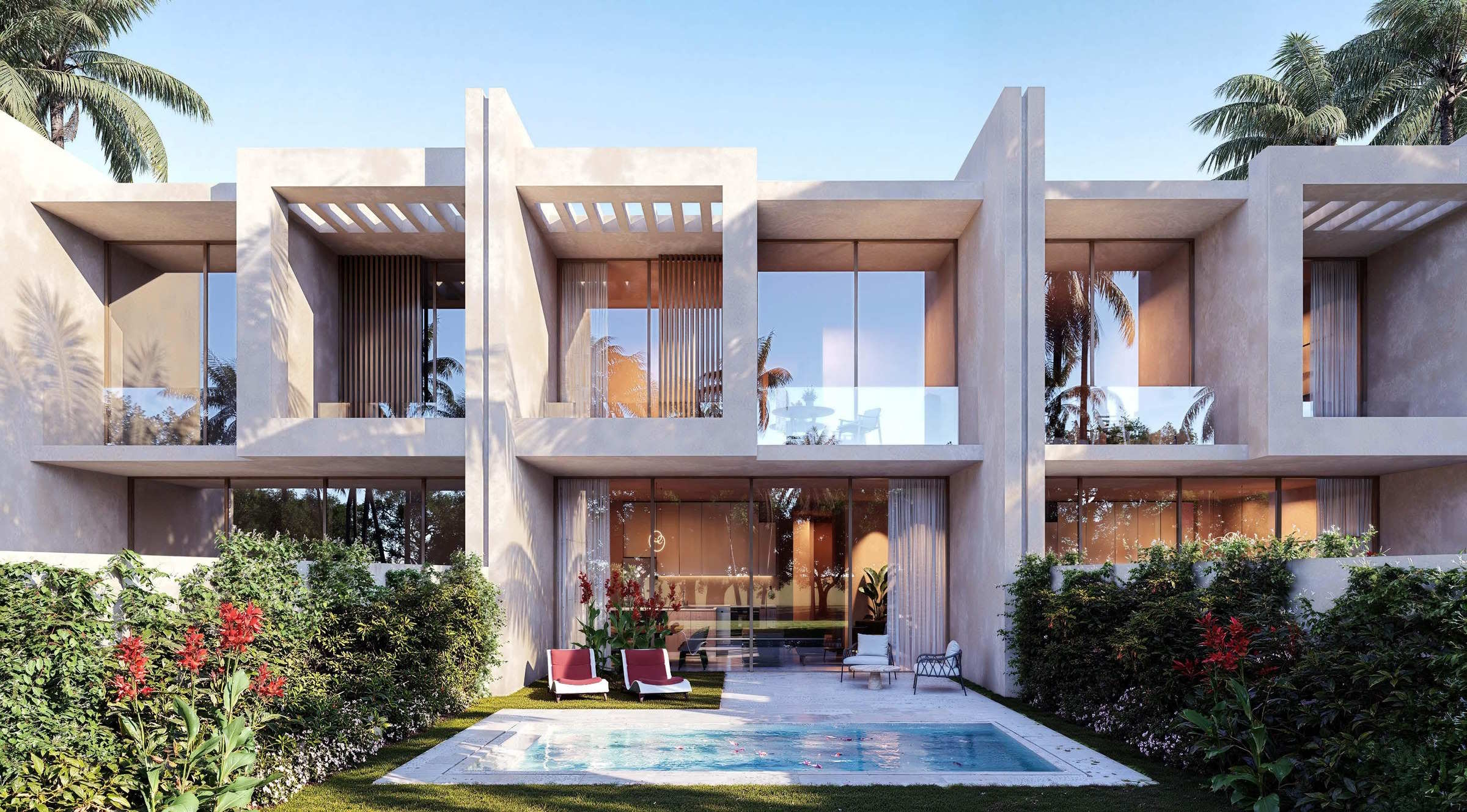
Whitewill, the international luxury real estate agency for developers and partners across the UK, USA, and UAE markets, has reported strong ultra-luxury residential property demand across Dubai and Abu Dhabi, reflecting investor confidence and continued appetite for high-quality assets in both emirates. This also points to a market that is becoming more selective, with capital continuing to concentrate around prime locations and credible developments.
Olga Pankina, COO of Whitewill Dubai, commented: “The deals we are seeing across Dubai and Abu Dhabi show that demand remains firmly present, but buyers are approaching the market with greater discipline and a clearer investment strategy. In Dubai, we continue to see strong interest in liquid secondary stock and rare waterfront assets, while in Abu Dhabi, demand is more concentrated in branded, concept-led developments with a long-term ownership profile. Across both markets, clients are prioritising legal security, trusted developers, and assets that can preserve value over time. Our role is to guide clients through that process with clear advice, full transaction support, and access to opportunities that match their goals.”
Dubai’s prime market stays active
In Dubai, demand is largely concentrated in the secondary market, with strong interest in studios and one- to two-bedroom apartments in Business Bay, Bluewaters Island, Downtown, Dubai Harbour, and Jumeirah waterfront communities such as Port de La Mer. Most deals fall within the AED 1 million to AED 3 million range, while prime and waterfront assets typically reach AED 4 million to AED 6 million, and ultra-luxury homes exceed AED 40 million.
One of Whitewill’s standout recent deals in Dubai was the transfer of a duplex penthouse at Bluewaters Residence for AED 90 million. Spanning 875 sqm, the property includes a private terrace, private pool, and panoramic sea views, reflecting continued interest in rare trophy assets in prime waterfront locations. The agency also advised on the acquisition of an ultra-luxury villa at Signature Mansions on Palm Jumeirah for AED 41.9 million. It also shows that buyers remain willing to commit to exceptional homes that combine scale, privacy, and long-term value.
Abu Dhabi’s branded focus
In Abu Dhabi, the structure is more concentrated and largely driven by off-plan activity, with demand centred on Yas Island and particularly on branded projects. Activity there is more heavily weighted toward villas and larger units, alongside select two- and three-bedroom apartments, with most deals falling between AED 3 million and AED 7 million.
Whitewill completed multiple placements at Manchester City Yas Residences by Ohana in Abu Dhabi with a combined value exceeding AED 30 million, reflecting the more concentrated structure of the capital’s market, where activity is centred on the primary segment and focused on villas, larger units, and concept-driven developments on Yas Island. The project itself recorded over $1.6 billion in sales within 72 hours, making it one of the fastest-selling launches in the emirate’s history, while Whitewill secured over $8.7 million in activity within the first days of sales, including multiple off-plan villas. This level of interest highlights the continued appeal of projects that combine strong legal protections, clearly defined delivery structures, and internationally recognised branding.
Stable outlook for 2026
This momentum is driven by experienced, financially stable buyers with a more analytical and long-term approach to real estate investment. The most active segments include investors focused on capital preservation and stable returns, end-users and residents purchasing for lifestyle and relocation, and opportunistic buyers targeting discounted secondary assets in Dubai. Whitewill is also seeing strong interest from European, Indian, and Asian buyers, alongside UAE-based expat professionals in finance and healthcare purchasing for personal use or long-term investment. Compared with previous periods, buyers are paying closer attention to legal protection mechanisms, developer reliability, contract structure, and the long-term value of the asset.
In the near term, Whitewill expects market conditions across both emirates to remain stable, with pricing holding firms in the primary market and buyer activity continuing to centre on quality assets, established locations, and credible developers. The agency maintains a steady deal flow by supporting clients through every stage of the process with a focus on value protection and long-term returns.
Paine Schwartz joins BERO as a new investor as the year-old company seeks to triple sales.
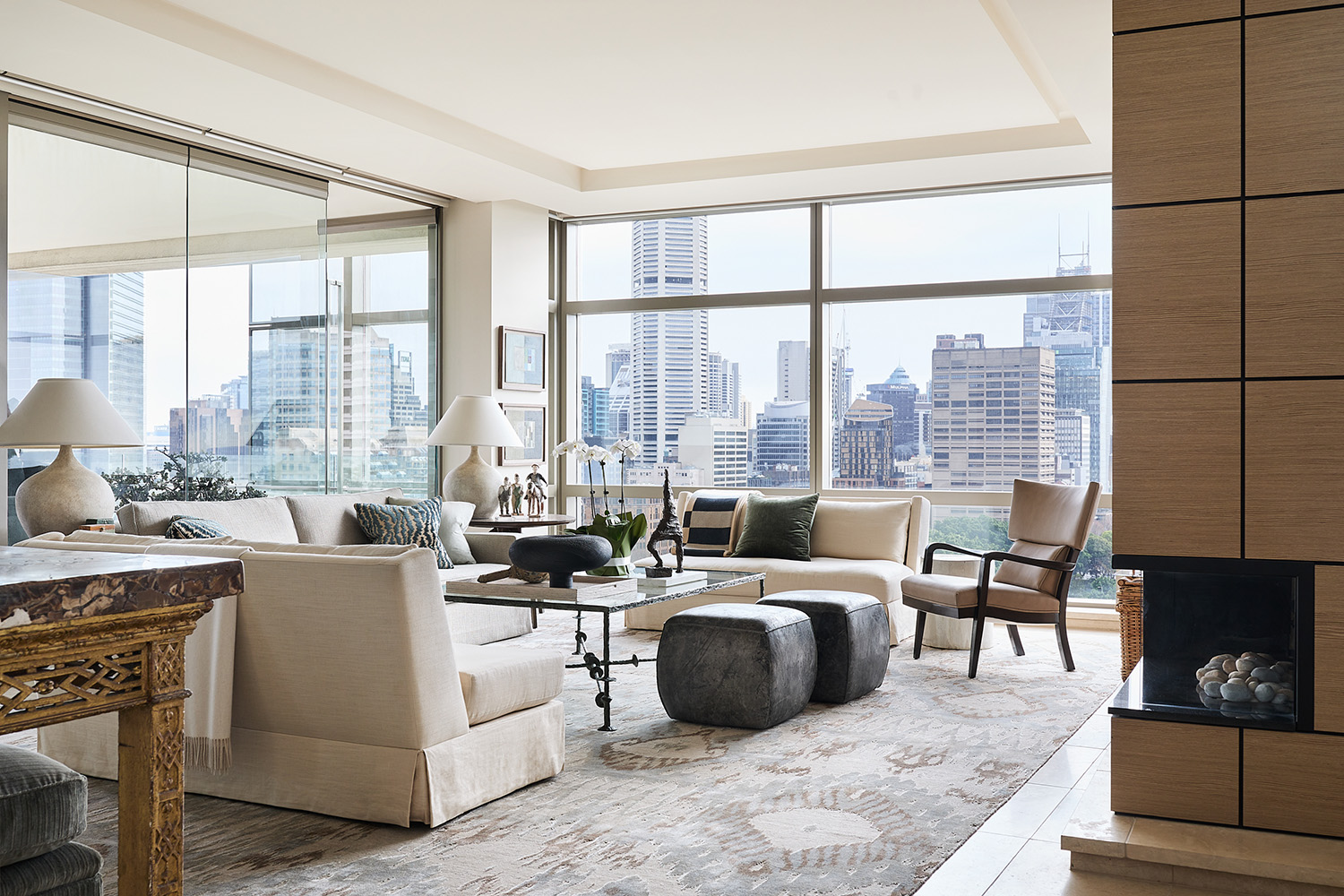
Interior designer Thomas Hamel on where it goes wrong in so many homes.

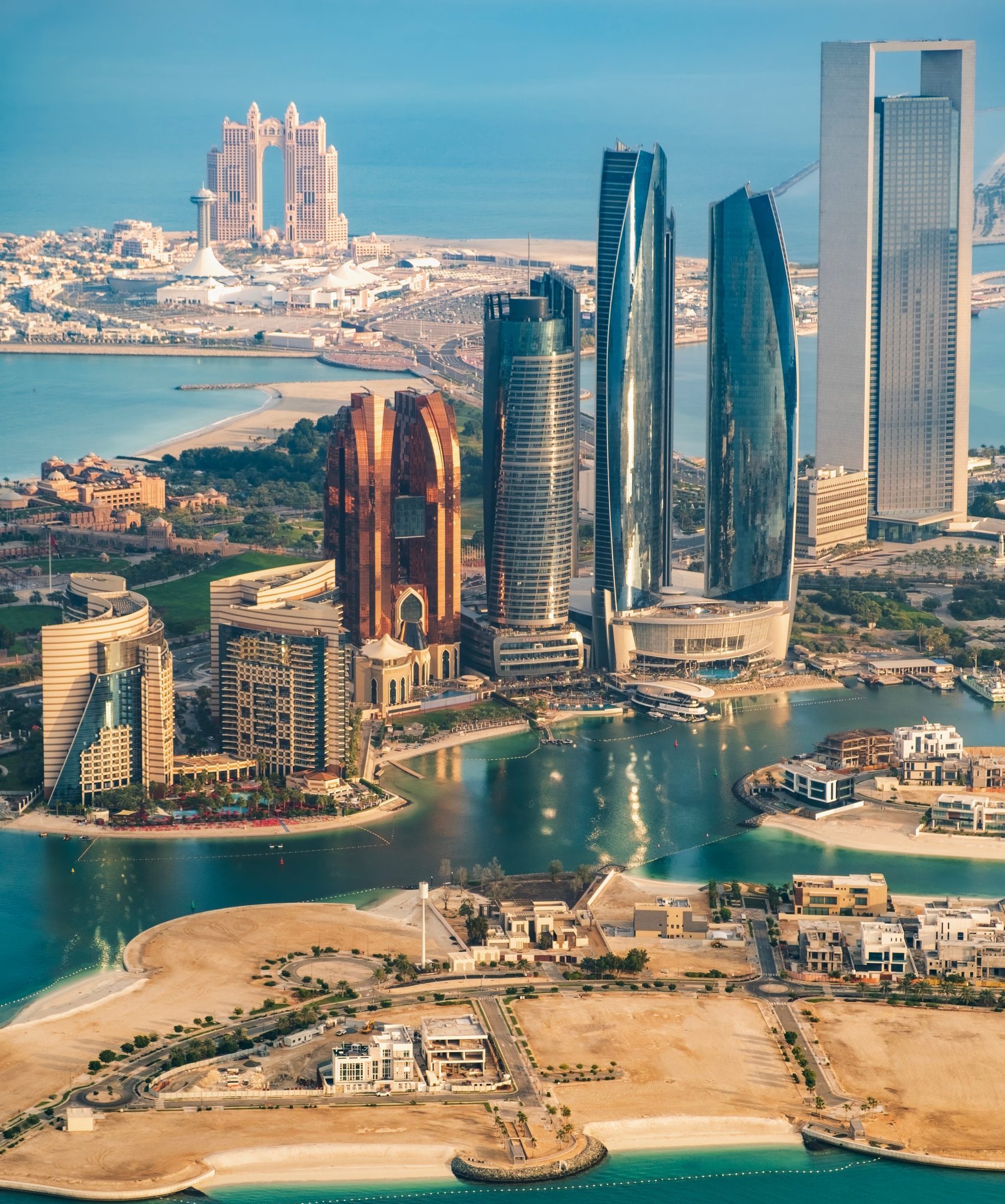

DMCC announces Ellington Properties’ flagship integrated sales center at Uptown Dubai, spanning 16,000 sq. ft. at The Atrium. The new space blends experience, sales, offices, and show units—reinforcing Uptown’s position as a connected lifestyle and real estate destination.
2 min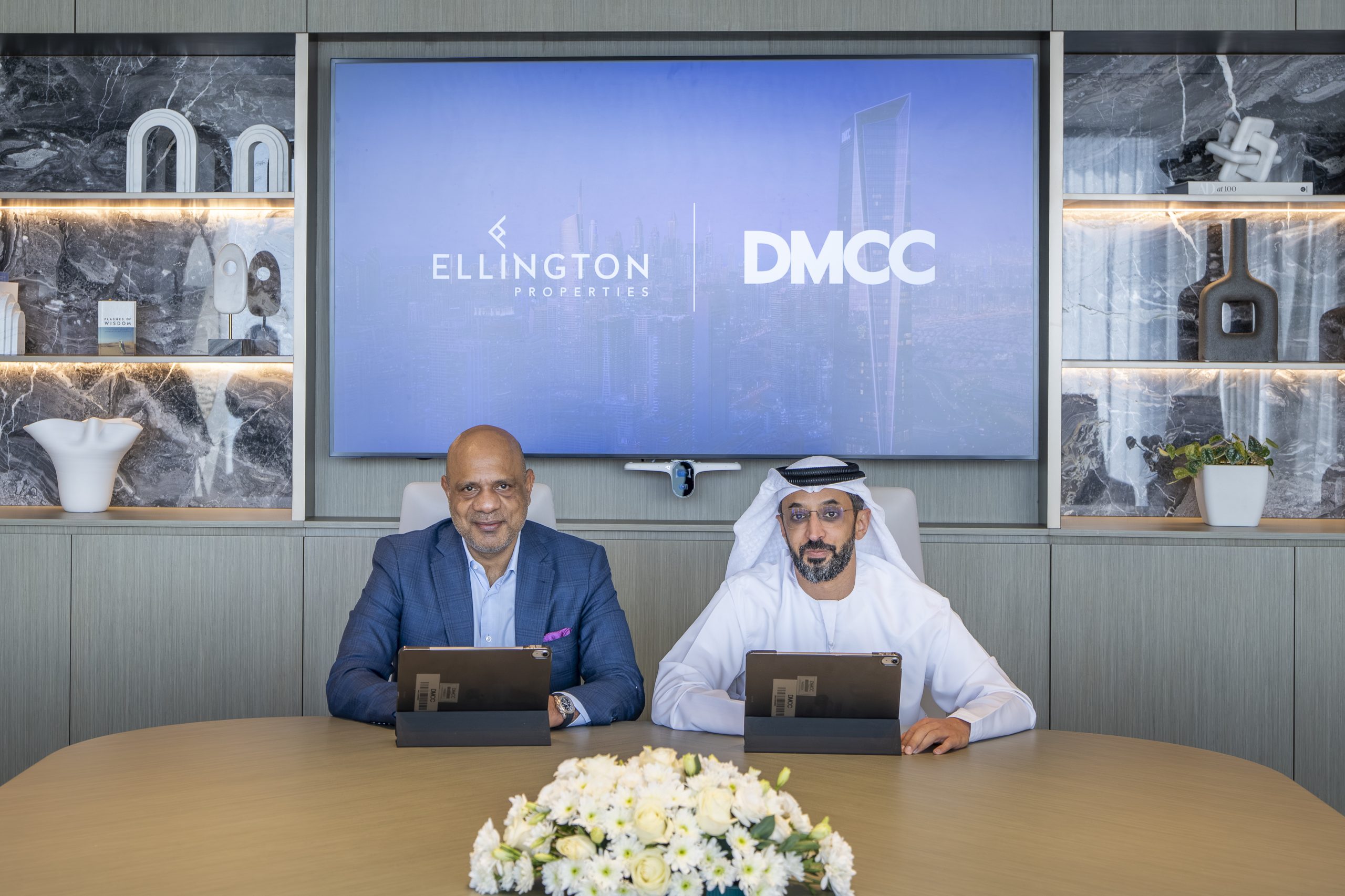
Dubai Multi Commodities Centre (DMCC) has announced that Ellington Properties will launch a flagship integrated sales centre at The Atrium within Uptown Dubai. This announcement further strengthens the district’s appeal as a connected lifestyle destination for residents, visitors and investors.
The milestone was marked by a formal signing ceremony led by Ahmed Bin Sulayem, Executive Chairman and Chief Executive Officer at DMCC and Joseph Thomas, Co-Founder at Ellington Properties, alongside Paul Ashton, Chief Property Officer at DMCC and Elie Naaman, Co-Founder and CEO at Ellington Properties, underscoring a shared vision to create elevated, customer-focused experiences within Dubai’s evolving real estate landscape.
Spanning over 16,000 square feet, the new facility is curated as an immersive and welcoming visitor environment designed to enhance the customer journey through three interconnected components:
- Experience Centre – an interactive brand environment featuring curated displays and multimedia elements that bring developments to life
- Sales Centre – a client engagement hub for consultations, project presentations and personalised discussions
- Office Space – supporting operational and administrative functions
- Show Units – two fully designed residences offering a tangible experience of Ellington’s design, layouts and materiality
Together, the four components create a seamless ecosystem for meaningful client engagement within a vibrant lifestyle setting.
Ahmed Bin Sulayem, Executive Chairman and Chief Executive Officer, DMCC, said: “The launch of Ellington Properties’ integrated sales centre at Uptown Dubai marks another important milestone in the district’s ongoing development. Spanning 16,000 square feet at The Atrium, this flagship facility strengthens Uptown’s position as a destination of choice for leading real estate and customer-facing businesses seeking visibility and a high-quality environment in which to engage with clients. Uptown Dubai is designed to bring together commercial, residential, and lifestyle elements within a single, integrated district. As we continue to expand the offering across office space, retail, hospitality, and the public realm, we are creating a destination that supports business growth while enhancing Dubai’s broader value proposition as a global investment hub.”
Joseph Thomas, Co-Founder, Ellington Properties, added: “Uptown Dubai offers the energy and connectivity that aligns with how we want people to experience our brand. As a growing hub that brings together retail, dining and lifestyle experiences, it provides the right setting for what we’re creating. This new centre goes beyond a traditional sales environment; it’s a space where people can truly understand how we design, how we think, and how our communities come to life. We wanted to create an experience that allows visitors to engage with our developments in a more intuitive, human way, where projects are not just presented but genuinely experienced.”
Strategically located within Uptown Dubai, The Atrium is emerging as a central lifestyle hub designed to bring together retail, dining and visitor experiences within a contemporary urban setting.
This latest milestone reinforces Uptown Dubai’s continued evolution as a vibrant, integrated destination, becoming a natural choice for customer-facing businesses seeking strong footfall and easy accessibility.
Two coming 2027 models – the first of the “Neue Klasse” cars coming to the U.S. early next year – have been revealed.
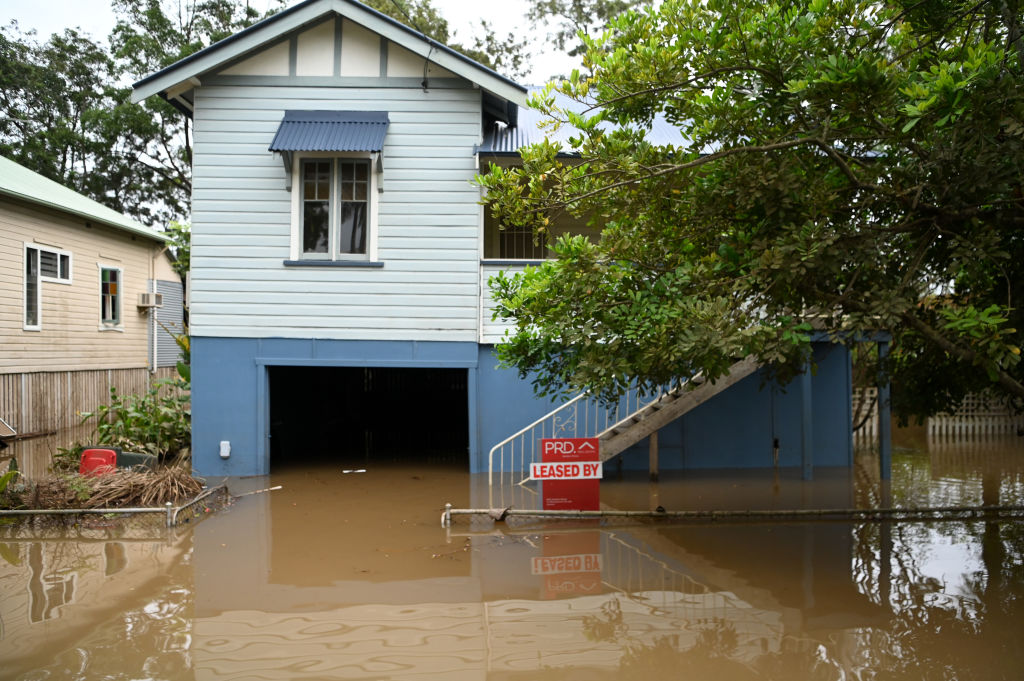
Following the devastation of recent flooding, experts are urging government intervention to drive the cessation of building in areas at risk.


Abu Dhabi real estate is getting smarter. Investors are moving away from off-plan hype and doubling down on ready, income-generating properties—prioritizing stability, steady returns, and long-term value.
2 min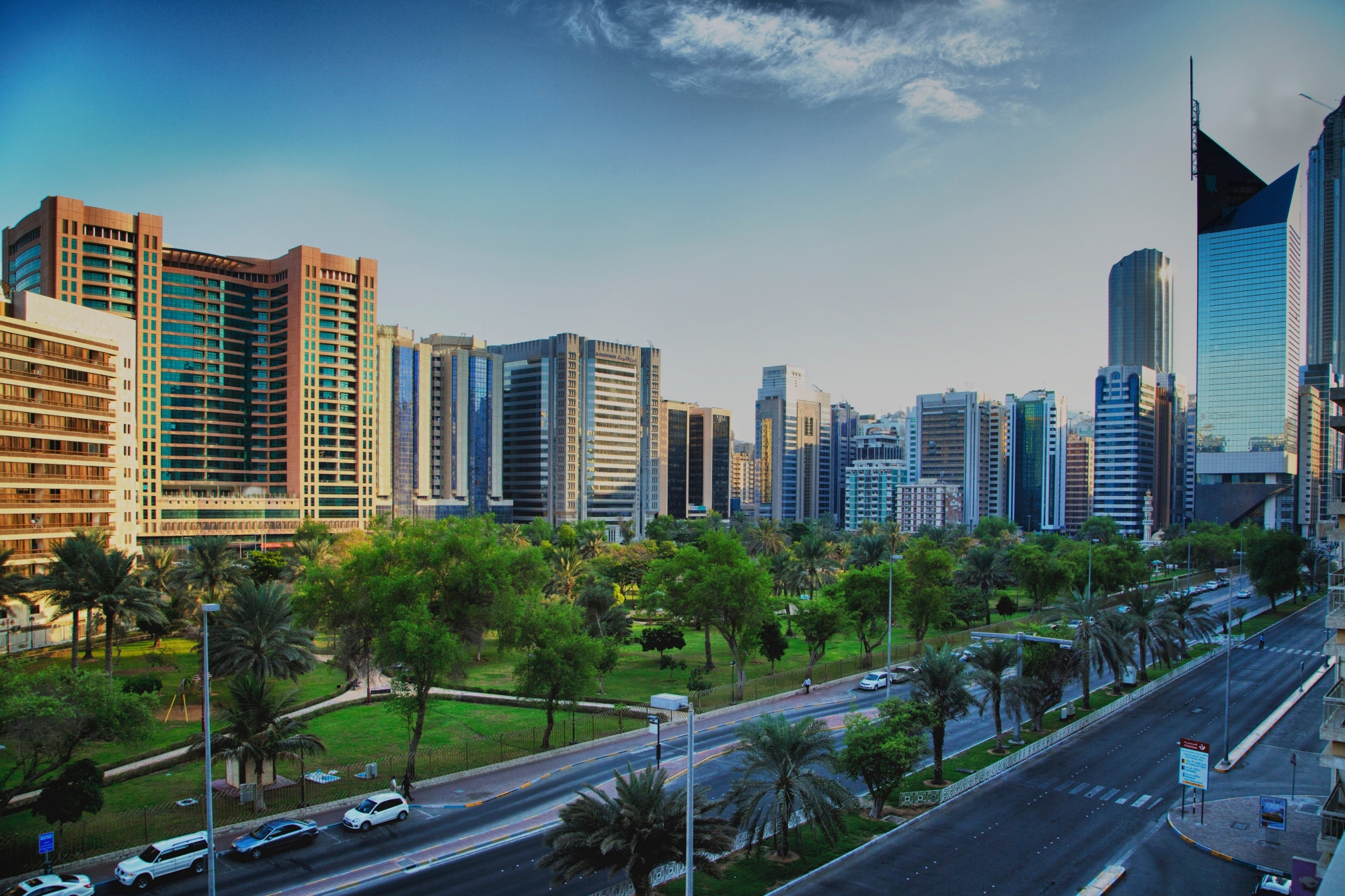
Abu Dhabi real estate market’s current trends indicate a preference for completed, income-generating assets over more speculative opportunities, says a new report.
Investors placing greater weight on asset quality, risk management, and income visibility this year, said a report based on data from Driven | Forbes Global Properties, a leader in the UAE’s luxury real estate market.
Increased activity in ready properties through 2025 had already signaled this direction, and a tightening supply pipeline, combined with sustained demand in established communities, is expected to support continued price stability and reinforce this shift towards fundamentals-led investment, it said.
The company released the report, marking the official opening of its new Abu Dhabi headquarters.
The data from its Abu Dhabi 2025 report and Q1 2026 observations, said in 2025, total real estate transactions reached AED94 billion in the first nine months, with volumes increasing 48 percent year-on-year. Foreign direct investment by individuals totaled AED6.2 billion over the same period, with capital inflows from 97 nationalities.
Residential prices grew approximately 52 percent in off-plan properties and 39 percent in ready units between 2021 and 2025, while gross rental yields reached 7.4 percent.
Early 2026 activity suggests the market is building on that base but shifting in character.
Commenting on the data, Abdullah Alajaji, CEO of Driven Properties, said: “The 2025 data reflects the strength of the market, and our decision to establish a dedicated presence in Abu Dhabi aligns with that momentum. What we’re seeing in early 2026 is capital becoming more selective, with investors prioritizing assets that deliver visible income and long-term value. This points to a more mature and disciplined market environment, which Abu Dhabi is well positioned to support.”
Abdallah Alhusari, Director of Abu Dhabi Branch at Driven Properties, commented: “The opening of our new office reflects our strategic commitment to Abu Dhabi and its long-term growth trajectory. The capital is attracting a high-quality investor base that values stability, strong planning, and sustainable growth, and having a dedicated presence on the ground allows us to serve that demand more closely while contributing to the next phase of Abu Dhabi’s real estate story.”
In expanding to Abu Dhabi with a new branch, Driven Properties reflects its broader strategy of deepening its footprint in key growth markets across the UAE while continuing to strengthen its advisory capabilities for investors, developers, and end users.
The company’s findings were presented during a market briefing by Abdullah Alajaji, CEO of Driven Properties, Abdallah Alhusari, Director of Abu Dhabi Branch at Driven Properties, and Omar Shehata, Head of Broker Management at Aldar. The session was attended by media, industry stakeholders and distinguished guests.
Many of the most-important events have slipped from our collective memories. But their impacts live on.


Recent regional developments are weighing on sentiment, not fundamentals, in the UAE property market, with activity slowing but demand holding steady. Off-plan continues to drive transactions, leasing is stabilizing, and buyers are becoming more selective, as price adjustments reflect a market correction rather than distress. The shift signals a more measured, strategy-led phase shaped by uncertainty—but not weakened demand.
2 min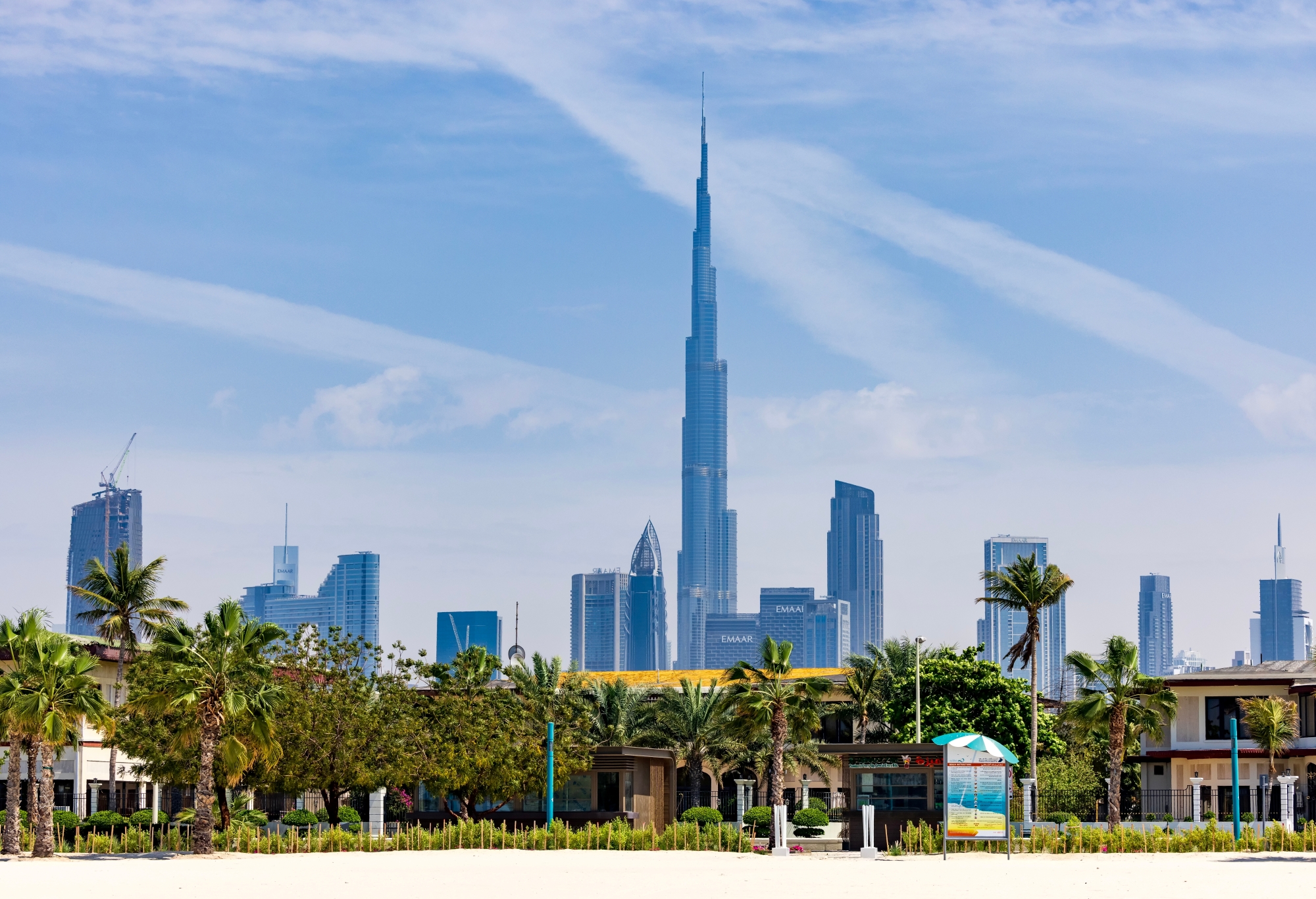
betterhomes says recent regional developments are impacting sentiment rather than fundamentals in the UAE property market, with activity slowing but underlying demand remaining intact.
Speaking during a market update webinar hosted last week, betterhomes’ leadership team, including its CEO, Head of Off-Plan and Capital markets, and Head of Leasing, said recent geopolitical events should be understood as a short-term pause in decision-making rather than a structural shift in the market.
The disruption has slowed decision-making, but not derailed the UAE property market, with off-plan continuing to drive activity, leasing demand beginning to stabilize, and buyers becoming more selective.
While transaction volumes softened in March, this was attributed to a combination of geopolitical and short-term factors, including Ramadan, Eid, school holidays and recent weather-related disruptions, rather than a deeper change in market direction. Daily life and business activity in Dubai remain largely unaffected, with the market response described as measured rather than disruptive.
Off-plan continues to underpin market activity, accounting for approximately 70 per cent of total transactions over the past 12 months. The segment remains aligned with Dubai’s long-term growth agenda, with buyers continuing to favor newer developments, stronger locations and higher-quality product.
Across the market, buyer behavior is becoming more selective, with increased focus on value, positioning and long-term potential. Asking prices have adjusted by approximately 13 per cent, reflecting a market correction following a sustained period of growth rather than signs of distress.
In the leasing market, enquiries declined by around 40 per cent in early March before showing signs of stabilization, indicating a short-term pause rather than a sustained drop in demand. At the same time, an increase in accidental landlords has added supply, contributing to a more competitive rental environment.
betterhomes said the current phase reinforces the importance of strategy, pricing discipline and professional guidance, particularly as the market transitions into a more considered and selective cycle.
The message from the webinar was clear: uncertainty has reshaped behavior, not demand, placing greater emphasis on informed decision-making and realistic expectations.
Paine Schwartz joins BERO as a new investor as the year-old company seeks to triple sales.
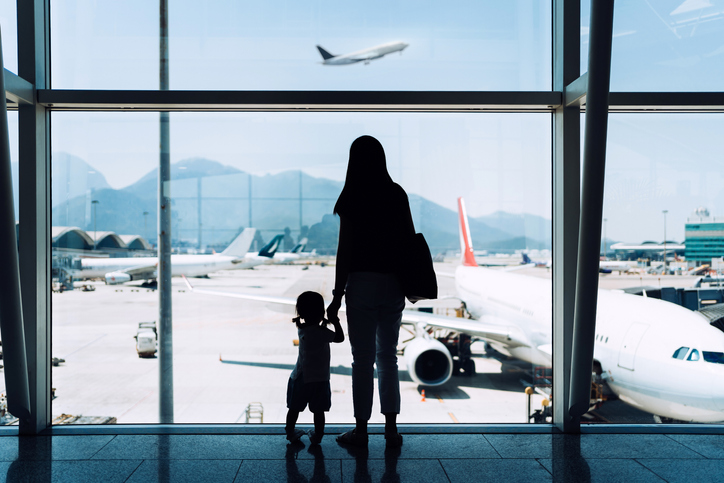

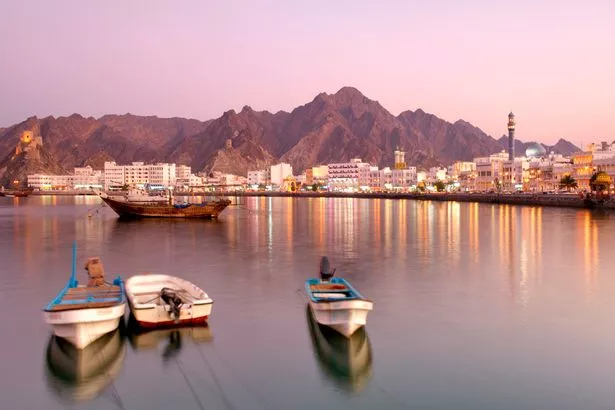

Jeddah’s residential market hit a record in 2025, with 30,500 transactions worth SAR36.6bn, while Dammam emerged as a fast-growing, affordable hotspot and Riyadh slowed amid affordability pressures. Long-term demand remains supported by population growth and Vision 2030, with supply and reforms set to drive market recalibration.
3 min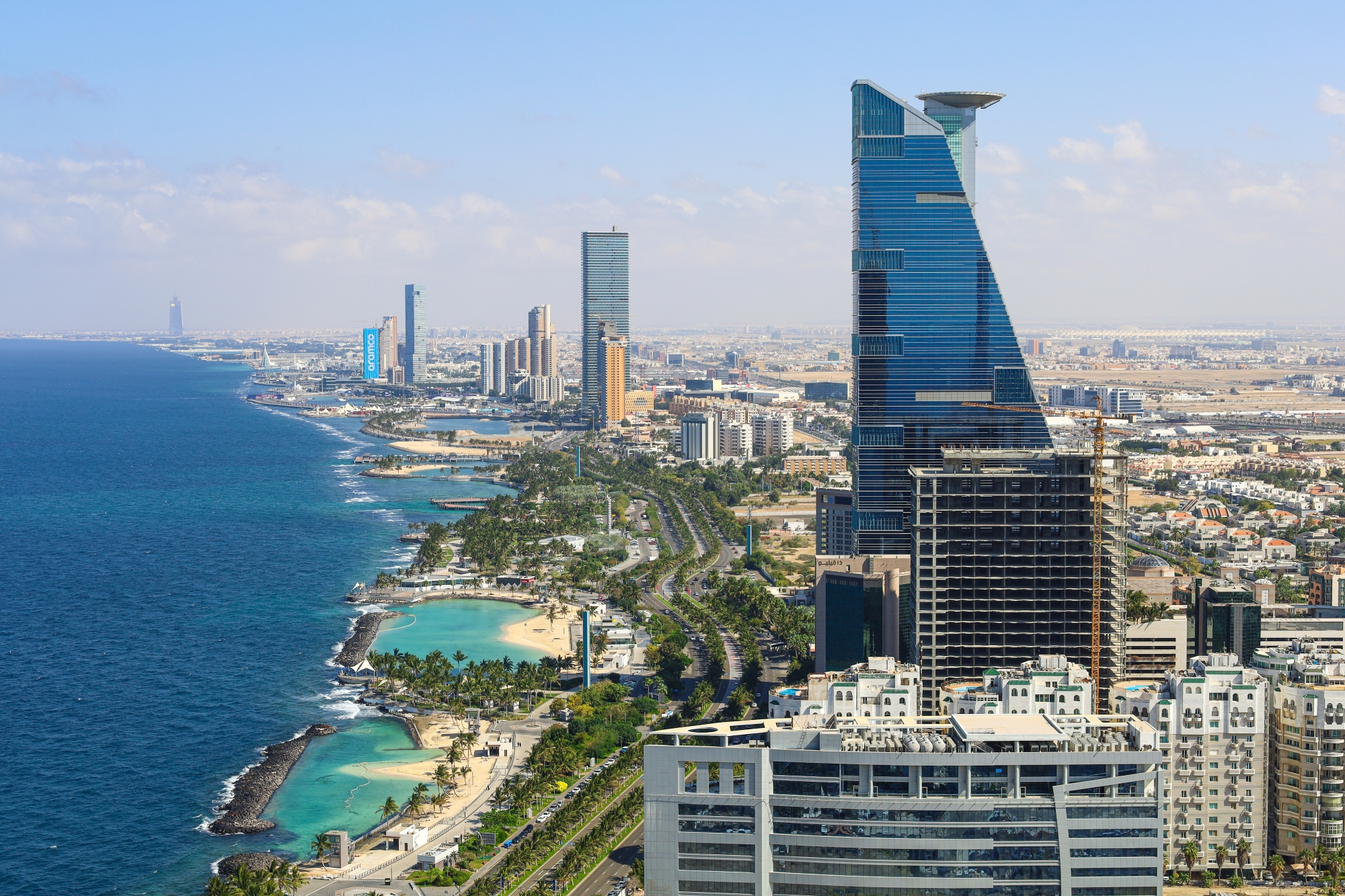
Residential property sales in Jeddah set a new annual record, with 30,500 transactions collectively worth SAR36.6 billion (US$9.75 billion) in 2025, says real estate advisory and property consultancy, Cavendish Maxwell.
Total sales values rose by almost 15.4% year-on-year in Jeddah, where the average transaction reached SAR1.2 million (US$320,000), according to Cavendish Maxwell’s 2025 KSA Residential Real Estate performance report.
Dammam – the rapidly emerging property hotspot in KSA’s Eastern Province – secured sales worth SAR10.7 billion (US$2.85 billion) across 9,500 transactions last year – an increase of almost 30% in values and 19% in volumes.
In Riyadh, buyers purchased 56,600 residential units in 2025, with a total sales value of SAR96.2 billion (US$25.65 billion). While Riyadh’s average transaction value reached a new high of SAR1.7 million (US$450,000), sales declined 31% compared to 2024.
Siraj Ahmed, Director, Head of Strategy & Consulting at Cavendish Maxwell, said: “KSA’s three major residential markets – Riyadh, Jeddah and Dammam – delivered contrasting performances in 2025. Jeddah showed resilience with its highest sales volumes for several years and is expected to maintain stable growth in the future. Dammam, where property is more affordable compared to other cities, was the standout performer and is poised for sustained growth supported by competitive pricing and robust economic activity in the region.
“In Riyadh, affordability constraints and elevated financing costs led to a decline in purchasing power and buyer activity. Although transactions were down year-on-year, population growth, urbanization and housing initiatives should support long-term market demand. We expect a recalibration of the market as new supply, the 5-year rent freeze and White Land Tax reforms make property more competitively priced and lead to a recovery in market activity.
“External factors including oil market volatility and geopolitical tensions of course warrant close monitoring, but Saudi’s residential market remains well positioned, supported by strong demographic drivers, ongoing infrastructure investment and a continued commitment to Vision 2030.”
Inventory and future supply
Riyadh’s residential supply continued to expand last year, when 13,000 new units came to the market bringing the total inventory to 1.93 million. Around 63,000 homes are scheduled for completion in 2026 and 2027, but actual deliveries could be lower, as was the case in 2025.
“The expansion in supply is further supported by the recent rise in White Land Tax, which encourages landowners to develop empty plots of land and accelerate delivery timelines,” said Ahmed. “The full impact of this reform will likely materialize through this year and beyond, with the gap between demand and supply gradually narrowing, in turn easing price pressure and enhancing affordability.”
Jeddah’s residential property inventory is now just under 1.1 million, after the completion of 4,000 units last year. The city has a pipeline of 18,000 new units this year and another 22,000 in 2027, by which time total residential stock is projected to reach 1.14 million. However, as seen in Riyadh, actual completions may fall short of original forecasts.
Dammam delivered 500 units last year, bringing its total to 430,000. Around 15,000 new homes are expected by the end of 2027. The city’s residential sector is expected to become even more competitive, giving buyers more choice and better bargaining power
Sales prices and rental rates
Property prices in Riyadh rose last year, with apartments reaching SAR6,245 (US$1,713) per square meter and villas SAR5,640 (US$1,500), an increase of 6.6% and 9.7% respectively. There were similar hikes in the rental market, with apartments up just over 10% and villas 9.6%. The 5-year rent freeze, introduced last September to address affordability concerns, led to early signs of rent moderation in Q4.
In Jeddah, apartment prices increased by 1.2% to SAR4,385 (US$1,170) per sqm, with villas up 3.2% to SAR5,185 (US$1,382). The rental market saw a mixed performance: the average cost of leasing an apartment jumped 4.7%, while villa rents were down by 0.7%.
Over in Dammam, apartment prices rose 5.2% compared to 2024 with villas up 2.8%. Apartment rents were up 4.1% and villas 2.1%.
Saudi Arabia’s new foreign ownership law
KSA’s new foreign ownership law, introduced in January, allows non-Saudi individuals and companies to invest in Saudi real estate.
The changes represent a strategic recalibration of KSA’s approach to foreign investment. By clearly defining who can buy, where, and under what conditions, KSA has transformed its real estate market from a restricted asset class into a legitimate investment destination.
Historically, non-Saudi residents could buy property under a restrictive framework, typically limited to one residential unit and subject to regulatory approval. Now, non-Saudi residents, non-residents, and premium residency holders can acquire property within designated zones. Outside these areas, ownership is limited to residents, who are generally allowed one property for personal use. In Makkah and Madinah, ownership remains tightly controlled and largely limited to Muslims under specific conditions, in line with religious and regulatory considerations.
Saudi companies with foreign shareholders can own real estate, but their eligibility is governed by regulations aligned with the Capital Market Authority, meaning listed companies can participate subject to compliance. Unlisted Saudi companies generally have more flexibility, including acquiring real estate for operational needs such as staff housing or business activities.
Many of the most-important events have slipped from our collective memories. But their impacts live on.
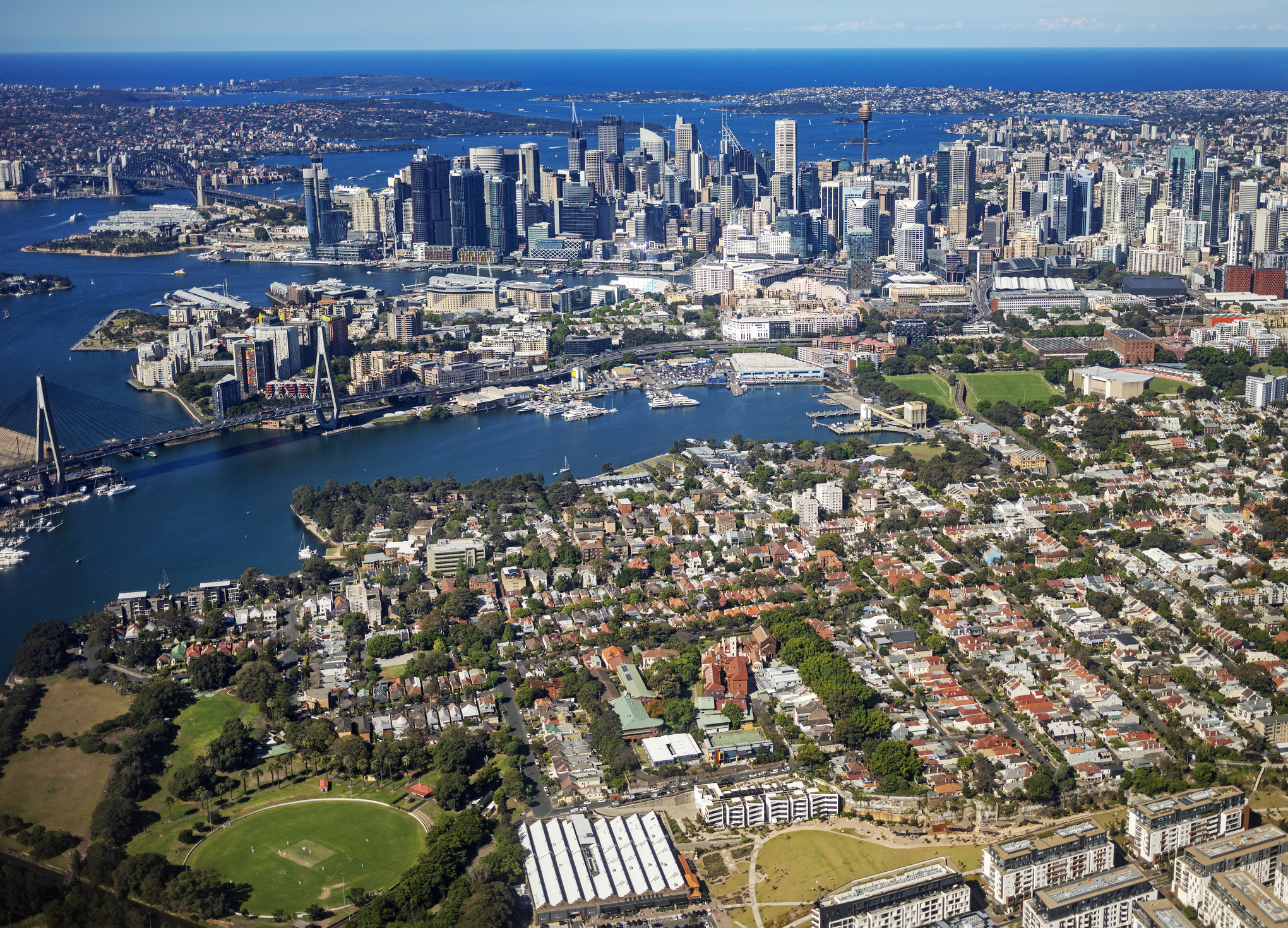


A Tuscan-style mansion in Newport Coast has sold for $30 million, with its multi-level infinity pool and ocean views at the center of the deal. The 13,206-square-foot property features luxury amenities including a private theater, glass-walled spaces, and a lower-level lounge illuminated by the pool above, highlighting continued demand for ultra-prime real estate along California’s coastline.
2 min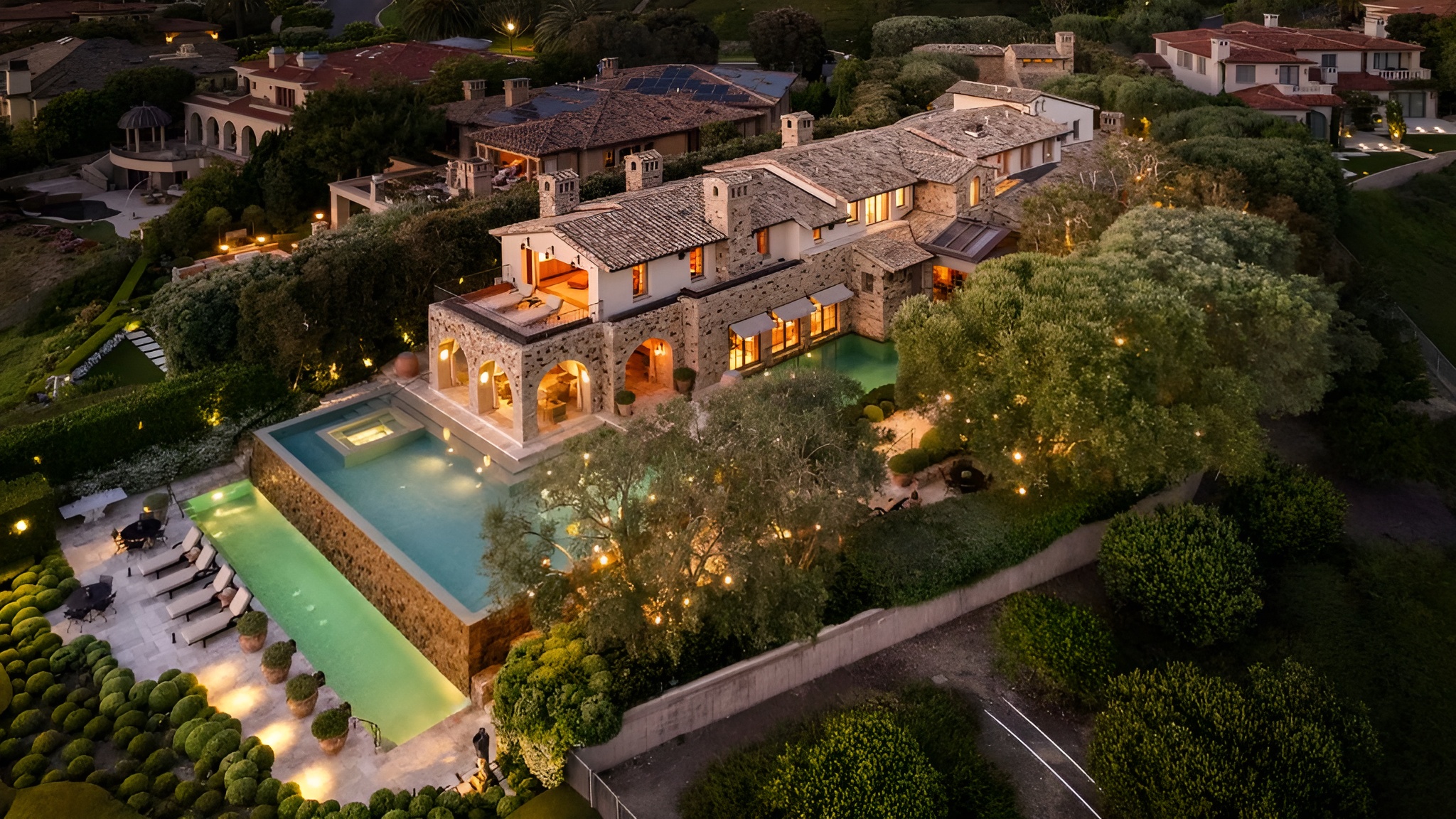
A wraparound multi-level pool with ocean views is the star of a stone Tuscan-style mansion in Newport Coast, California, that just sold for $30 million.
Not that the property itself is anything but spectacular. The rugged 13,206-square-foot mansion stands on a half-acre lot on Pelican Point Drive, featuring stone arched loggia, brick-laid barrel ceilings, a glass-walled breakfast room, a theater room with hand-painted murals and a cavernous lounge lit by the blue waters of the lower pool outside, according to a video listing of the property.
The upper-level main pool is encased in a stone outer wall and hugs the house on two sides, fronting the covered patio that extends from the home, with a bridge that crosses to a staircase leading to the lower deck. It also makes for a great diving board.
The ocean-facing side of the pool has an infinity edge that drops to a second, lower-level pool surrounded by a flagstone deck. That pool shares a wall with the below-grade lounge, with three aquarium-like windows that illuminate the billiards table, speakeasy bar and adjacent wine cellar.
The property first came to market in July 2025 asking $49.998 million with brothers Josh Altman and Matt Altman of Douglas Elliman, who were not available to comment. The price was cut several times and it was asking $31.88 million when it went into contract in February. The deal closed in the final days of March.
The sellers are the heirs of the owners, who purchased the home in 1993, according to records accessed through PropertyShark. They could not immediately be reached for comment.
The buyers could not immediately be identified.
The home is part of the Pelican Crest community south of Newport Beach in Southern California and was completed in 2003. The property also includes a koi pond and Venetian fountain at the entrance, a five-car attached garage, a private guest house, old-growth olive trees and a shaded platform for outdoor dining or yoga.
The views stretch from Newport Harbor to Catalina Island off Los Angeles along a full stretch of California coastline illuminated by city lights.
Many of the most-important events have slipped from our collective memories. But their impacts live on.

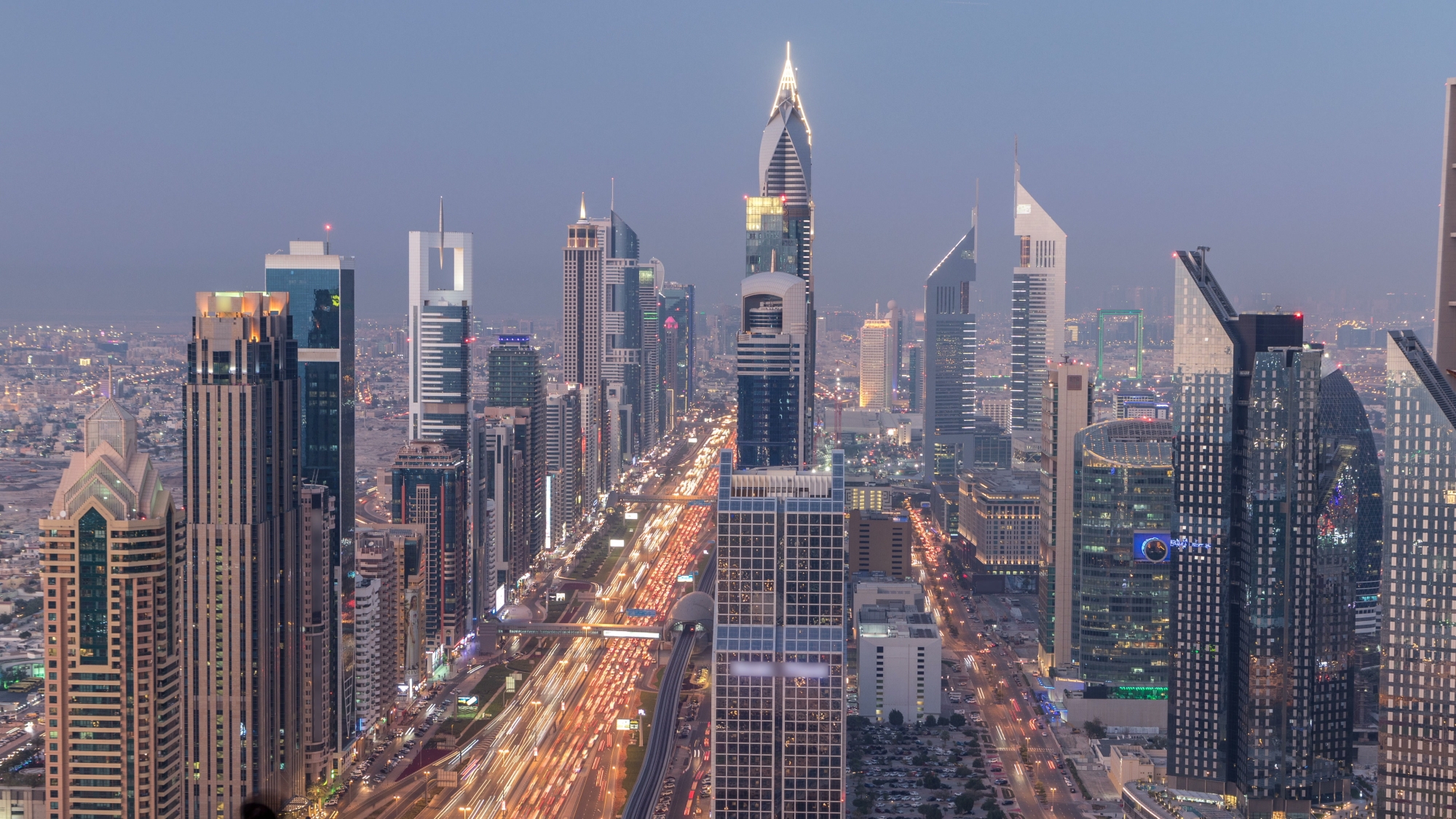
Dubai Investments has broken ground on Al Vista in Meydan Horizon, a major mixed-use development by its subsidiary DIR, featuring residential, commercial and retail components, with construction now underway and completion targeted for Q1 2028.
< 1 min
Dubai Investments breaks ground on Al Vista, its landmark mixed‑use development in Meydan Horizon.
Developed through its wholly‑owned real estate subsidiary, Dubai Investment Real Estate (DIR), Al Vista is a large‑scale mixed‑use development comprising residential, commercial and retail components within a unified masterplan.
The ground‑breaking ceremony was held in the presence of Khalid bin Kalban, Vice Chairman and CEO, Dubai Investments, Obaid Salami, General Manager, Dubai Investment Real Estate along with other senior representatives and the contractor for the project.
As part of the milestone, DIR also signed the main construction contract with JV Hourie Paramount appointing the contractor to deliver the project in line with the approved execution plan.
Commenting on the ground-breaking, Obaid Salami, General Manager of Dubai Investment Real Estate, said: “Al Vista represents an important addition to DIR’s portfolio and reflects a disciplined approach to development, anchored in quality, execution certainty and long‑term value creation. With main construction now underway, DIR is committed to delivering well‑planned, high‑quality developments in key growth locations across Dubai, positioning Al Vista to emerge as a defining mixed‑use destination upon completion.”
Located within Meydan Horizon, one of Dubai’s most sought‑after mixed‑use districts, Al Vista comprises a 39‑storey residential tower featuring 312 apartments, including one‑, two‑ and three‑bedroom units, alongside a 19‑storey commercial tower offering approximately 120,000 sq. ft. of shell‑and‑core office space, complemented by integrated retail components. The development is designed to support a connected urban environment, with a comprehensive range of lifestyle and recreational amenities serving both residents and commercial occupiers.
Construction is advancing as scheduled, with planned completion targeted for Q1 2028.
Parts for iPhones to cost more owing to surging demand from AI companies.
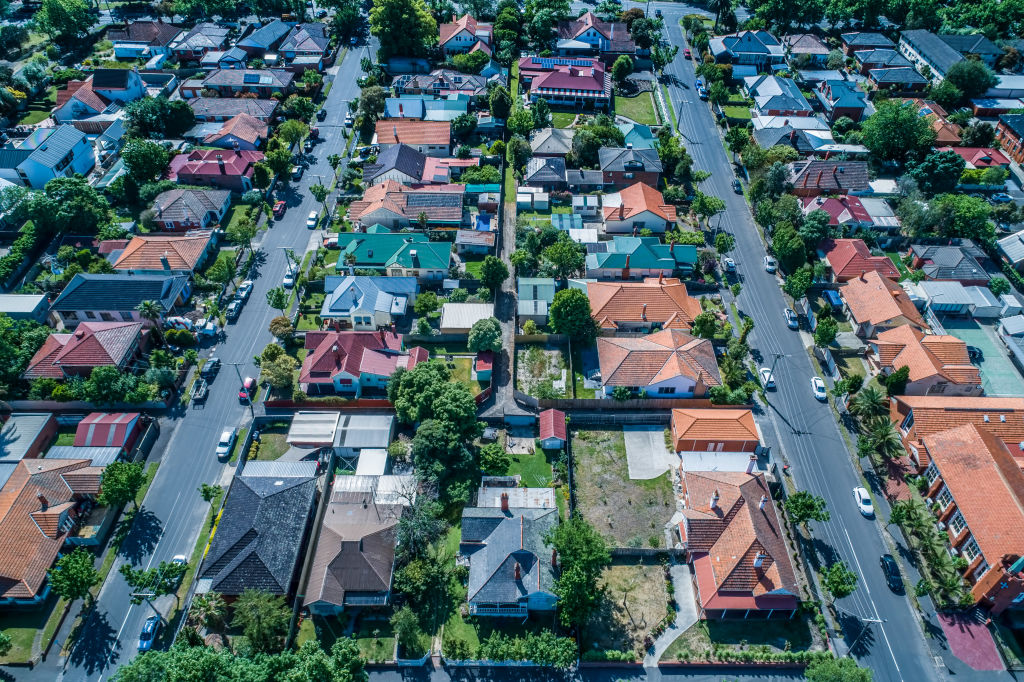


Alta Real Estate Development confirmed construction is progressing across its portfolio as Dubai’s property market continues to show resilience, supported by strong demand, population growth and long-term planning, with the city maintaining its position as a global investment hub despite broader uncertainty.
2 min
Alta Real Estate Development, a boutique Emirati developer shaping Dubai’s evolving skyline through a portfolio of distinctive residential projects, confirmed that construction activity continues across Alta’s portfolio, reflecting continued confidence in Dubai’s long-term growth trajectory.
The update comes as Dubai’s real estate sector continues to demonstrate resilience despite heightened regional attention in recent weeks. Dubai recorded more than $250 billion in real estate transactions in 2025, reinforcing the sector’s role as a key pillar of the emirate’s economy.
Market activity remains steady across the city, with buyer enquiries, property viewings and transactions continuing despite global uncertainty. Industry activity continues to be supported by strong population growth, long-term infrastructure investment and the strategic vision outlined in the Dubai Urban Master Plan 2040, which continues to shape the city’s development and global competitiveness.
Dubai’s real estate market has historically demonstrated an ability to navigate economic cycles, recovering from previous periods of volatility while continuing to attract international capital and long-term global interest.
Giuseppe Noto, Chief Executive Officer of Alta Real Estate Development, said: “Dubai has firmly established itself as a global hub for business and investment, and that position continues to support strong fundamentals in the real estate market. In our conversations with international owner-occupiers and long-term market participants, the city consistently stands out for its connectivity, regulatory stability, and long-term vision. That confidence is reflected not only in sustained market demand, but also in the pace at which development across the city continues to move forward.”
Alta affirmed ongoing construction across its projects, reflecting the strength, resilience, and long-term vision underpinning Dubai’s continued growth.
Mohammad Al Tayer, Deputy Managing Director at Alta Real Estate Development, added: “Dubai has always been built with long-term vision. Those of us who have grown with the city understand the strength of its foundations and the resilience that continues to shape its growth. That resilience is reflected in the continued momentum we see across the real estate market and in our commitment to keep building for the future.”
Alta Real Estate Development’s leadership is available to provide further commentary on Dubai’s real estate market, investor sentiment, and the city’s long-term development outlook.
Many of the most-important events have slipped from our collective memories. But their impacts live on.

Emaar Properties reports record 2025 performance, with property sales reaching AED 80.4 billion and revenue up 40% year-on-year, as shareholders approve a 100% dividend payout of AED 8.8 billion.
2 min
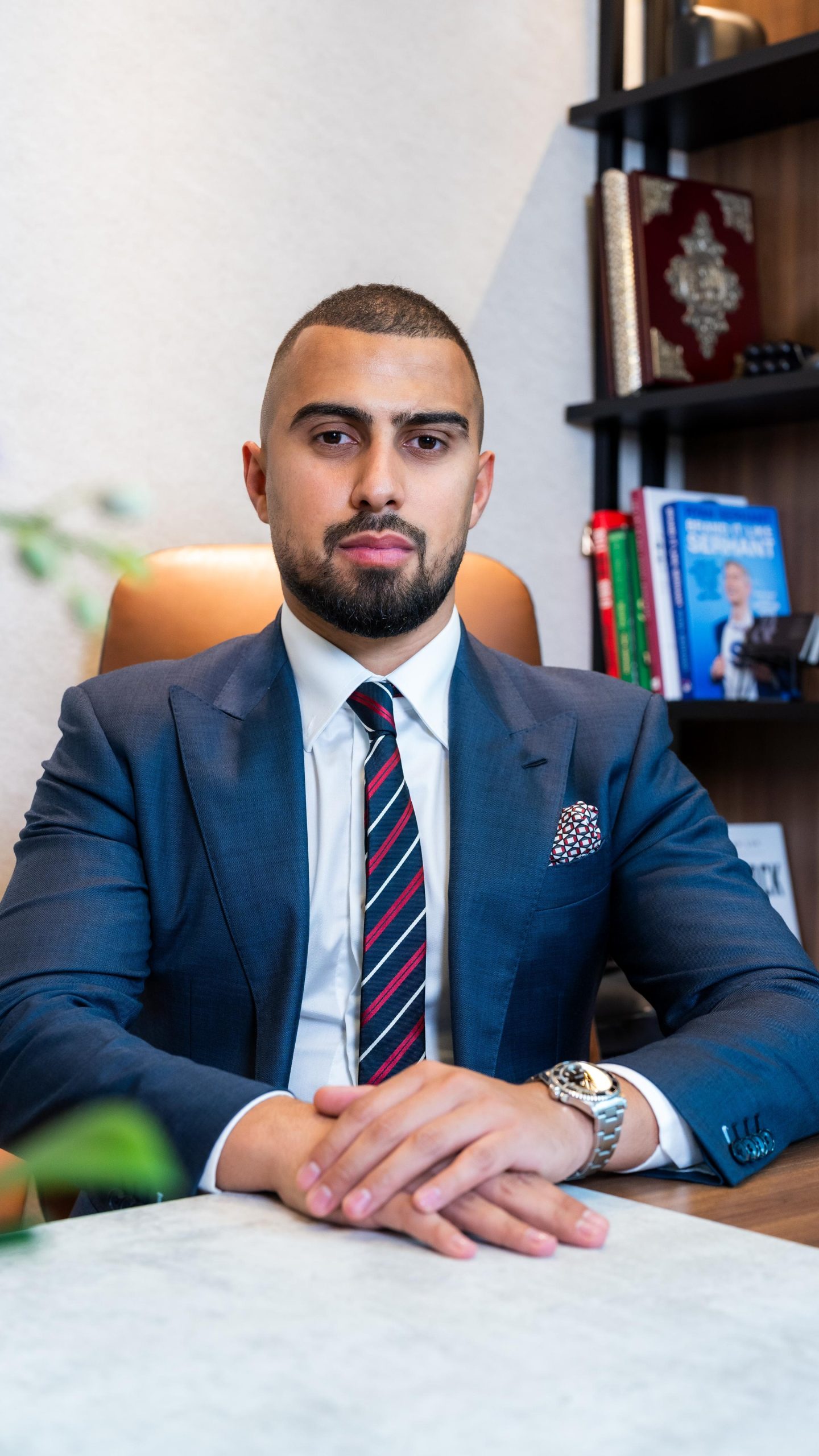
Emaar Properties PJSC (DFM: EMAAR) today held its Annual General Meeting (AGM), where the Board of Directors reviewed the company’s financial performance for 2025 and outlined its strategic priorities for the period ahead.
During the AGM, shareholders approved a 100% dividend payout, amounting to AED 8.8 billion (US$ 2.4 billion), reflecting the company’s commitment to delivering sustained value to its shareholders and in line with the dividend policy announced in December 2024. The meeting also included the approval of the auditor’s report for 2025, together with the Board’s report on the company’s activities and financial position.
Emaar’s financial results for 2025 highlighted another year of strong operational momentum and growth across its key business segments. The company recorded its highest-ever property sales of AED 80.4 billion (US$ 21.9 billion), representing a 16% increase compared to 2024. Emaar’s revenue backlog from property sales reached AED 155 billion (US$ 42.1 billion), providing strong visibility for future revenue recognition.
Total revenue for 2025 reached AED 49.6 billion (US$ 13.5 billion), reflecting a 40% year-on-year increase, while EBITDA grew by 33% to reach AED 25.6 billion (US$ 7 billion). Net profit before tax reached AED 25.7 billion (US$ 7 billion), marking a growth of 36% compared to the last year.
Emaar’s diversified portfolio continued to drive performance across its core businesses, including property development, malls, hospitality, leisure, and international markets. The company remains focused on delivering its projects as scheduled while maintaining a strong emphasis on quality, customer experience, operational excellence, and long-term sustainable growth.
Mohamed Alabbar, Founder of Emaar, said: “Our 2025 performance reflects the strength of the UAE’s leadership and the clear vision that continues to shape Dubai as one of the world’s most dynamic and trusted destinations for investment and growth. This environment enables companies like Emaar to plan with confidence, innovate, and deliver long-term value. I would also like to recognize the dedication of our teams whose commitment to quality and execution continues to drive our success.”
Looking ahead to 2026, Emaar will continue to introduce new developments and lifestyle destinations while further enhancing its operational capabilities and expanding its footprint across key markets.
Paine Schwartz joins BERO as a new investor as the year-old company seeks to triple sales.