






Why Wealthy Homebuyers Are Flocking to Puerto Rico
Favourable tax policies, warm weather and a shift to remote work has transformed the island into a full-time destination

 10 min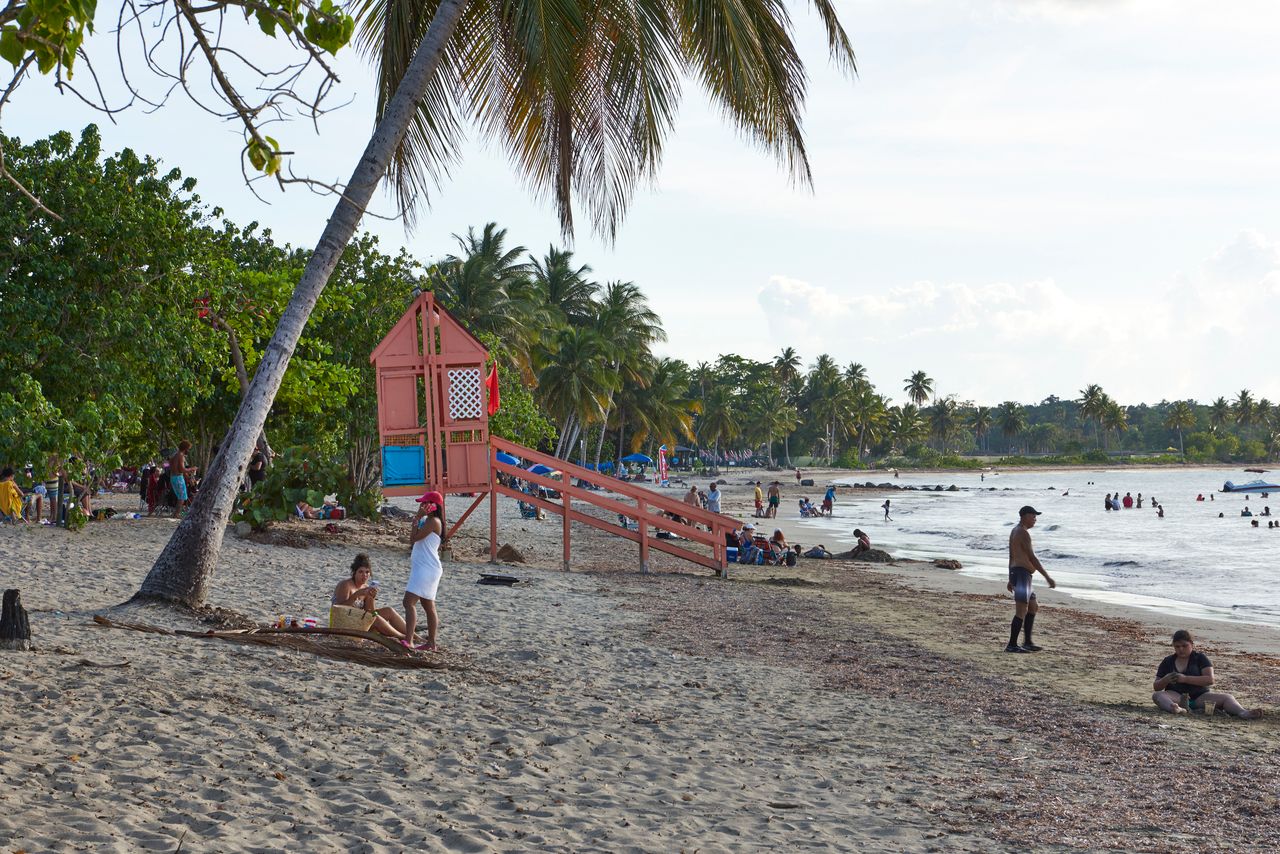
In the weeks before real-estate agent Wanda Ithier’s client bought a $40 million house on the Caribbean island of Puerto Rico in March 2022, the sale price was a moving target.
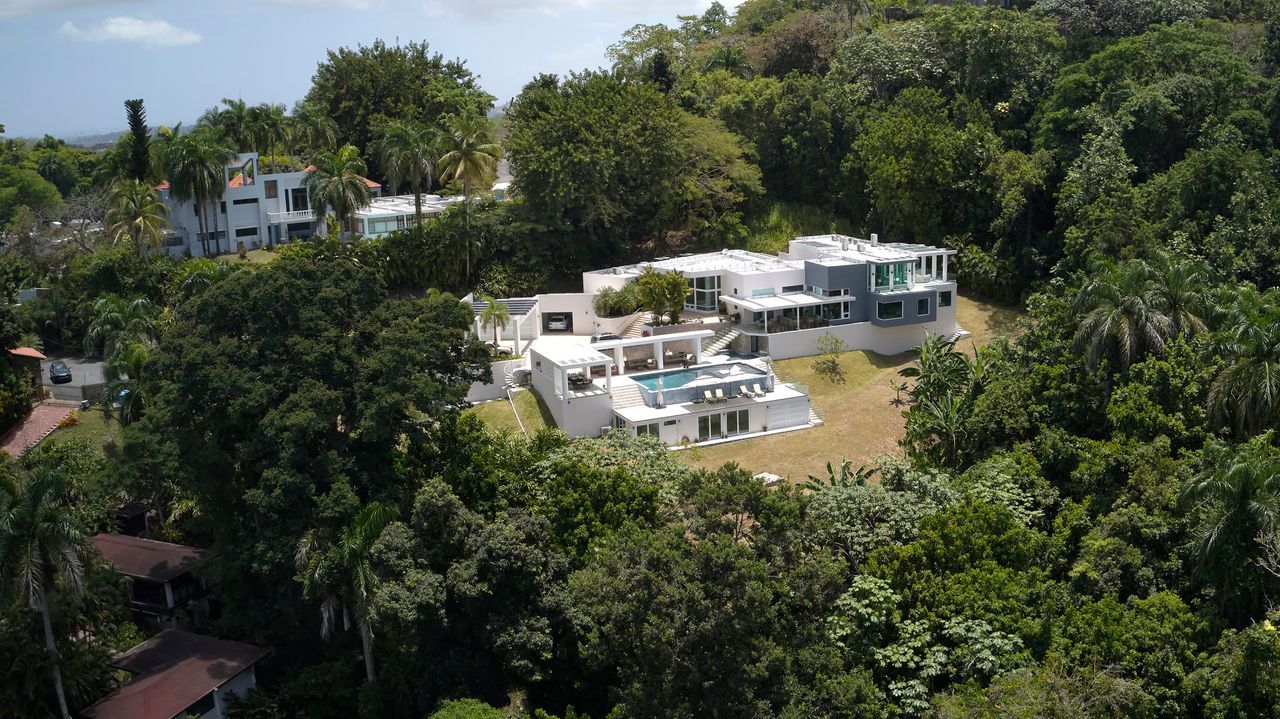
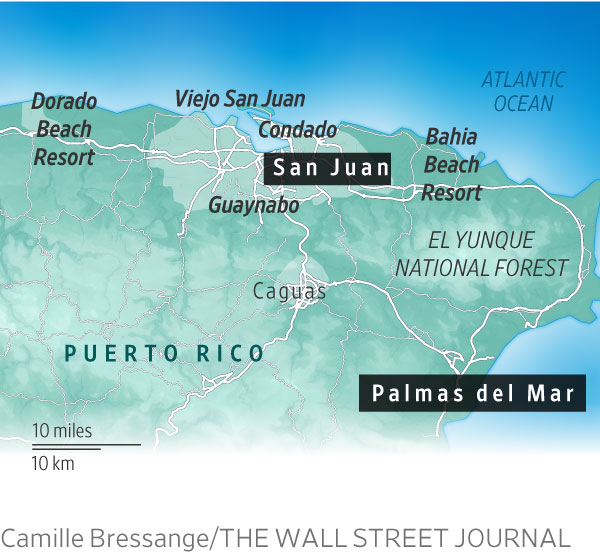
The 13,560-square-foot custom home—located in the Dorado Beach Resort, about 25 miles west of Puerto Rico’s 500-year-old capital city of San Juan—first hit the market for $29.95 million in November 2021, according to Zillow. Amid a market run-up, the price jumped to $34.5 million a few weeks later, and Ithier said it rose higher still during the negotiations that followed. She said her client ultimately agreed to pay $40 million the following March, more than 33% above the original asking price, setting a record for the island.
The deal reflects the fevered pitch of Puerto Rico’s luxury housing market, where favourable tax policies and a Covid era second-home frenzy have opened the floodgates for wealthy home buyers. The buyer of the $40 million home was Wright Wesley Thurston, a crypto entrepreneur, and the seller was investor Jason Moore, records show. “He wanted it,” said Ithier, who represented Thurston with Betty Martinez of Betty Martinez Real Estate. “It was a unique property.” Set on about 1.4 acres, the house has an interior courtyard, an 85-foot-long pool and a 30,000-gallon koi pond, according to marketing materials. Neither Thurston nor Moore responded to requests for comment.
Despite a brief market correction at the end of 2022, Puerto Rico’s luxury housing market is booming, and investors and developers are rushing to capitalise on the desire for high-end homes. Located about 2½ hours southeast of Miami by air, Puerto Rico is known for year-round warm weather and historic areas like Old San Juan, along with beaches, mountains and rainforests. For years, the U.S. territory has also grappled with population decline, a weak economy and infrastructure woes. But wealthy home buyers have been flocking to the island since Covid, boosting sales volume and prices, local real-estate agents said.
In Dorado Beach, a wealthy enclave on the north shore of the island, the median sale price for homes priced above $1 million nearly doubled to $6.2 million in 2022, up from $3.4 million in 2021, according to Sotheby’s International Realty. Prices are also up in other areas, including Condado, an oceanfront neighbourhood of San Juan, Bahia Beach, on the island’s northeast coast, and Palmas del Mar in the southeast.
Local real-estate agents said much of the market surge is rooted in tax incentives, known as Act 60, that are available to individuals and corporations that relocate to Puerto Rico. Individuals who make their primary residence in Puerto Rico by spending at least 183 days a year on the island don’t pay federal income taxes on income sourced in Puerto Rico, according to the tax code. Since 2019, there has also been a requirement that anyone receiving the tax incentives must own a home on the island, which local agents said caused the buyer pool to swell. During Covid, Puerto Rico’s warm climate coupled with the adoption of remote work and Puerto Rico’s low cost of living accelerated the trend of wealthy individuals buying primary and vacation homes on the island.
At the top end of the market, the island’s real-estate growth spurt has played out in a series of mega deals, including Thurston’s $40 million purchase. In December 2022, hedge-funder Glen Scheinberg paid $37 million for a 10,250-square-foot home in the East Beach area of Dorado Beach Resort, two years after the home sold for $18.995 million, according to the local MLS and property records. It couldn’t be determined if Thurston or Scheinberg have been granted the tax-exempt status. Scheinberg declined to comment.
In March 2021, Sean Lonergan, founder and CEO of PruGen Pharmaceuticals, and his wife, Michelle Lonergan, sold a custom-built home in East Beach for $30 million, according to the local MLS. The buyer was Dan Morehead, founder of Pantera Capital, according to records and people familiar with the deal. It couldn’t be determined if Morehead has been granted the tax-exempt status. He and the Lonergans—who did claim the benefit, records show—didn’t respond to requests for comment.
The deals aren’t an anomaly, said Oriana Juvelier of Sotheby’s International Realty, who was involved in the $18.995 million sale in 2020. She said that following Hurricane Maria in 2017, opportunistic investors snapped up distressed properties in Puerto Rico. Momentum in the housing market was building when Covid hit, and the luxury sector “just exploded.”
Tax incentives introduced by Puerto Rico in 2012 were designed to spur economic growth. With a population of approximately 3.2 million as of July 2022, some 40% of Puerto Rico’s residents live in poverty and the median income is just under $22,000, according to the U.S. Census Bureau. Eleven years ago when the incentives were approved, 44.9% of Puerto Rico’s residents lived in poverty, when the median household income was $19,429, census data show.
Under Act 60, the name given to the incentive programs in 2019, eligible businesses pay a 4% corporate tax on services exported from Puerto Rico, said Raul Vidal y Sepulveda, an attorney who advises individuals and companies on tax incentives. Companies with revenue of $3 million or more must employ at least one full-time employee locally, he said. Individuals granted Act 60 benefits don’t pay federal income tax on income sourced in Puerto Rico and they also are exempt from paying Puerto Rico income taxes on interest, dividend income and certain capital gains. To qualify, individuals must live primarily in Puerto Rico, they must own a home there within two years of being granted tax-exempt status, and they must annually donate at least $10,000 to local charity.
After several years of steady growth, the number of individuals granted tax-exempt status under Act 60 jumped from 514 in 2019 to 714 in 2020 and 1,238 in 2021, according to data from Puerto Rico’s Department of Economic Development and Commerce. The number dropped to 721 in 2022, which Vidal y Sepulveda attributes largely to a crash in the crypto market. Cryto entrepreneurs and investors, he said, flocked to the island for Act 60 capital gains benefits when the virtual currency was hitting its peak.
Peter Bazeli, a principal at Weitzman, a residential and hospitality development consulting firm, said Puerto Rico’s tax benefits transformed it from a place people wanted to visit to a destination for wealthy home buyers with the flexibility to move their businesses, including hedge-funders, crypto investors, and other entrepreneurs. He said the movement began in 2012 and was a “slow burn” that skyrocketed in 2020 thanks to Covid and massive wealth generated in the stock market.
“Part of the appeal was you could move to Puerto Rico, save on taxes, have an incredible lifestyle and generally spend less than what you’d spend on a comparable place in Miami or other resort destinations,” he said. “It created this almost club of high-net worth households that have chosen to establish residence in Puerto Rico.”
Crypto investor Michael Terpin was an early mover. He relocated to Puerto Rico from Nevada in 2016 to take advantage of the tax benefits. “I look at this as a 20-year play,” he said. “How much in taxes will I save over 20 years?”
Terpin said since he arrived, a crypto community has formed in Puerto Rico, and he has more friends there than he does in Nevada or Florida, where he also owns homes. In Puerto Rico, he’s fixed up two properties, a condo in San Juan’s Miramar neighbourhood and a house in the Beverly Hills district of Guaynabo, a suburb of San Juan. He said he paid $280,000 for the condo, which is now worth $2.5 million. He paid $700,000 for the house, which is now worth $6 million to $7 million.
Christian Mickelsen, a business coach, author and investor who moved to Puerto Rico from San Diego, Calif., in 2018, didn’t expect to like living on the island as much as he does. He came for the tax benefits, but said he found ample networking and business opportunities along with tropical weather, restaurants, nightlife and water sports. He lives in the Dorado Beach Resort, where he drives around on a golf cart and can order room service.
“Living in California, and paying more than half the money I make in taxes, that was pretty rough,” he said.
Mickelsen also began investing in real estate as the housing market shot up. After buying a five-bedroom home for $3.375 million in 2018, he sold the property for $5 million in 2020. He later purchased two three-bedroom condos in Dorado Beach for $3.6 million and $6.9 million. Both are on the market, for $10.997 million and $15.997 million, respectively, and Mickelsen said he’ll keep whichever doesn’t sell first.
Other aspirational sellers are testing the waters. In February, entrepreneur Christopher Harding listed a 5,600-square-foot house at the Dorado Beach Ritz-Carlton Reserve for $44.95 million. Harding bought the four-bedroom home, with covered patios and an outdoor kitchen, for $10 million in 2020, records show.
Tip Powers, who sold a real-estate company in Virginia and moved full time to Puerto Rico in 2015, has listed a newly-built home in the Dorado Beach Resort for $35.9 million. Powers said he bought the property for $1.6 million in 2018 and demolished an existing home on the site before building a roughly 14,700-square-foot house for himself. Construction took several years and was complete in 2022, by which time Powers said two of his children graduated college and no longer lived at home and two others were halfway done with high school in Puerto Rico. Powers, who lives near Condado, said he plans to stay in Puerto Rico but it no longer makes sense to have a large home in the Dorado area.
Based on other homes on the market, Powers said his home, which has panoramic views of the ocean, is a relative bargain. He also said the appetite for finished homes in Puerto Rico is high. “In this price range, they don’t want a fixer-upper,” he said.
Following a long development drought, Juvelier of Sotheby’s said local builders and some from the mainland U.S. are racing to construct new homes, which are selling at price points Puerto Rico never experienced previously. In San Juan, for example, she estimated there are more than a dozen condominium projects in various stages of development. “The last construction boom here was in the 1970s and 1980s and the real estate reflects that,” she said.
Blanca Hebé López-Pierluisi of Corcoran Puerto Rico said she is marketing several new condos, including the Vanderbilt Residences in San Juan’s Condado neighborhood. The 66-unit oceanfront condominium has 25,000 square feet of amenity space and is being developed by Paulson & Co., hedge-funder John Paulson’s family office.
Prices at the 250-foot tower start at $4 million for residences with city views and $6.2 million for homes with ocean views, López-Pierluisi said, and a roughly 7,380-square-foot oceanfront residence with a nearly 4,200-square-foot terrace is available for $12.5 million. She said the building is over 55% committed without advertising beyond a whisper campaign to friends and family. Closings are set to begin in December 2024.
López-Pierluisi said she is marketing The Icon, also in Condado, a 30-unit boutique condominium with prices ranging from $1.2 million for a two-bedroom to $8 million for a four-bedroom penthouse. The developer is RioBlanco Capital, a Puerto Rico-based private-equity firm.
Local real-estate agents said the priciest homes are still found in the Dorado Beach Resort, a 1,400-acre master-planned community on the north side of the island that was originally developed by Laurance Rockefeller, son of John D. Rockefeller Jr. Laurance Rockefeller was an active conservationist who purchased land throughout the U.S. Virgin Islands. In the 1950s, he bought about 5,000 acres on St. John, and turned it over to the U.S. government to create a national park, according to the National Park Service.
In Puerto Rico, Rockefeller’s resort opened in 1958, according to the resort’s website. The community is anchored by a Ritz-Carlton Reserve hotel that opened in 2012, and it has a clubhouse, multiple golf courses, nature trails, restaurants and Ritz-branded residences.
Sales within the resort jumped from $334 million in 2020 to $568 million in 2021 before falling to $497 million in 2022, said Federico Stubbe, Jr., CEO of PRISA Group, the resort’s co-owner and developer. Despite the 2022 dip, he said PRISA has a robust list of people waiting for new homes in development. PRISA has 29 units for sale out of 169 homes in various stages of construction and development. One project in the pipeline is La Cala, a collection of 14 single-family beachfront homes with prices starting around $30 million. PRISA’s West Point III condominium is a new Ritz-branded building with 10 units, priced between $9 million and $18 million. Stubbe said PRISA launched sales in March and currently has five units under contract.
“I wouldn’t say it’s happened overnight,” said Stubbe, whose family has been developing in Puerto Rico for over 35 years. “The pandemic certainly fast-tracked it a little bit. But this has been a long time coming.”
Still, luxury home-building comes with challenges on an island where construction materials must be imported and labor is in short supply. The island’s electrical system was decimated in Hurricane Maria in 2017 and despite the privatisation of the power grid, there have been persistent outages.
Stubbe said PRISA has invested heavily in infrastructure in and around the resort, including a 107-bed hospital that opened last year as well as backup generators and a water system to compensate for the island’s inconsistent utilities. Luxury homes are generally being built today like bunkers with hurricane-rated windows, generators and cisterns.
Nonetheless, the contrast between the have and have-nots and the influx of wealthy newcomers has fostered resentment among locals, especially those who oppose the tax break, said Nicole Alvarez, an organiser of Abolish Act 60, a grass-roots campaign. Alvarez said the tax break inherently penalises hardworking Puerto Ricans. “While they get infinite tax breaks, we’re handed the shorter end of the stick,” she said, adding that few individuals who relocate to Puerto Rico and claim Act 60 benefits hire local employees.
State Sen. María de Lourdes Santiago Negrón, who proposed legislation in 2021 to repeal the tax incentive for individuals, said the policy has led to gentrification in Puerto Rico. One example is in Puerta de Tierra in San Juan, where investors have purchased about 30 buildings, she said. “It has become an Airbnb corridor,” she said. Santiago Negrón said the benefits of the tax incentive don’t outweigh the negatives. “Some things you just can’t put a price on, like the disappearance of decent housing for Puerto Ricans,” she said.
Mickelsen, the business coach and author, said when he first moved to Puerto Rico, he was worried about locals resenting his presence, but said his fears were unfounded among those he’s met. “Most people are really friendly,” he said.
In recent months, local real-estate agents said the pace of deals has slowed compared with 2022 not only because of economic problems, including interest rates, inflation, stock volatility and lower crypto values, but also because there is a lack of inventory. Meanwhile, agents say the appetite for luxury homes is still strong.
“We’re catching up to demand,” said Stubbe, who said there has been no slowdown with regard to new home sales.
López-Pierluisi of Corcoran said the spring market is stronger than she anticipated, likely because many people who moved to Puerto Rico to take advantage of the tax incentives are coming up on the deadline to purchase real estate.
Despite fluctuations in the market for properties between $2 million to $8 million, there is scant inventory for ultraluxury homes, said real-estate agent Karla Barrera-Morstad of Island&Key, the listing agent for the $40 million home last year. “There’s still a scarcity of big turn-key new construction homes,” she said. “When you start talking about homes with over 10,000 square feet or an ocean view, there’s really not much.”
 Copyright 2020, Dow Jones & Company, Inc. All Rights Reserved Worldwide. LEARN MORE




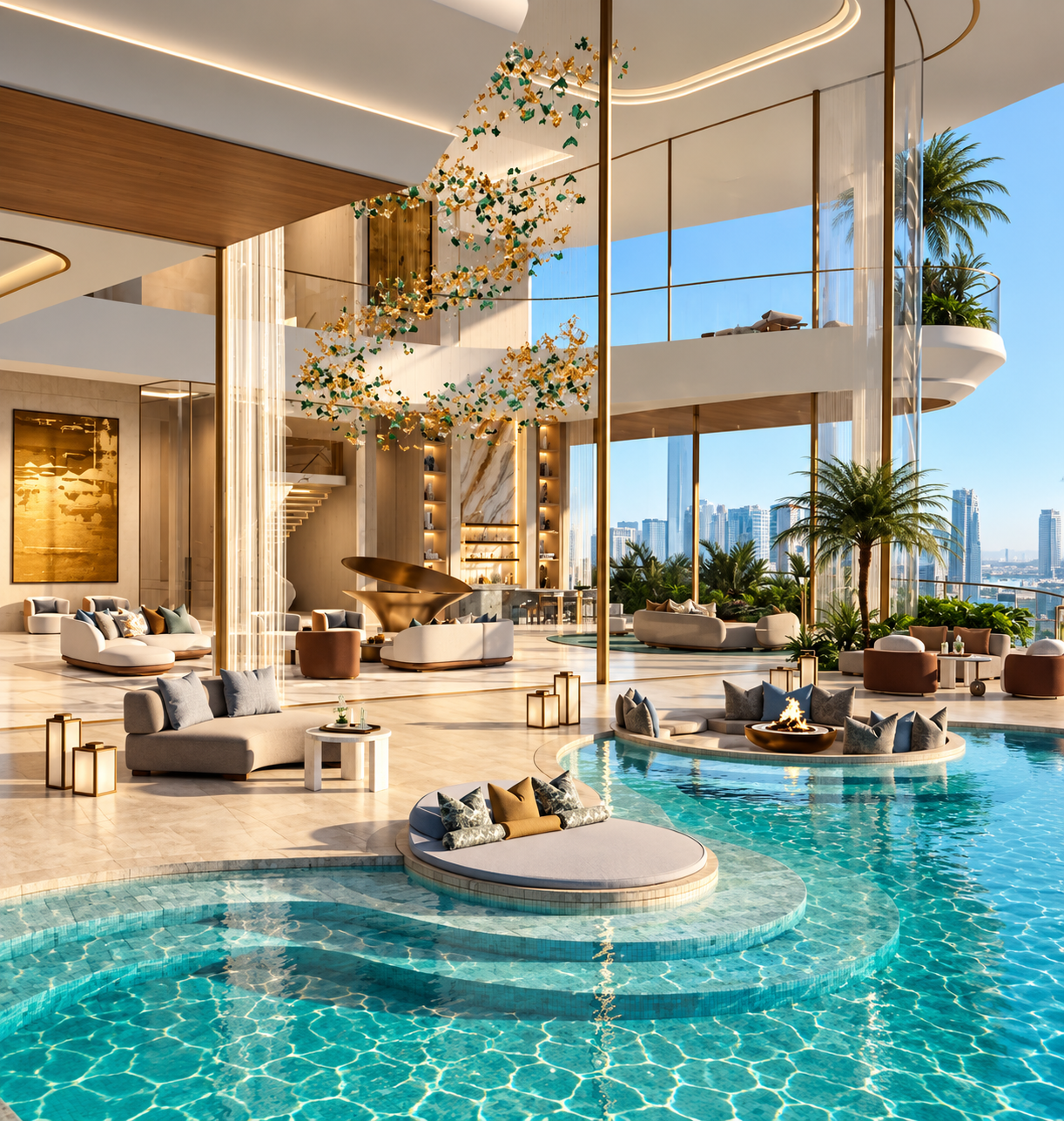
Despite regional tensions, luxury real estate activity in the UAE remains resilient, with new waterfront developments launching across Dubai, Abu Dhabi and Ras Al Khaimah, including branded residences from Ritz-Carlton and Janu.
BNW Developments has established a Sydney presence, joining Arada and Sobha Realty among the growing number of UAE developers pursuing Australian buyers and development opportunities.
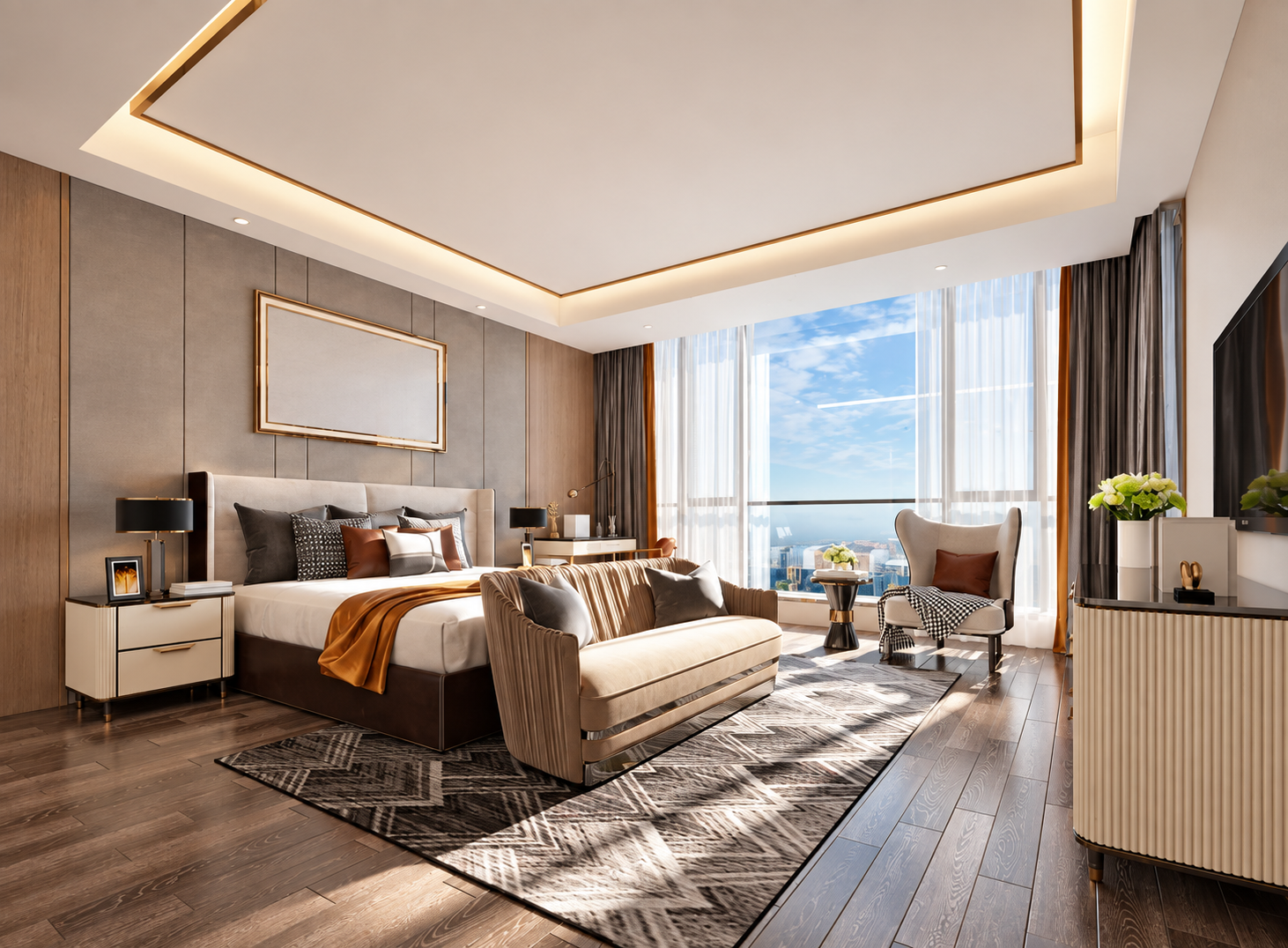
Oman is set to add 700 hotel rooms by the end of 2026, bringing its total inventory to 40,800. The expansion comes as hotel guests fell 13% in the first half of the year, with the Khareef season and winter travel expected to support demand in H2, according to Cavendish Maxwell.

The Modern Buildings Summit will take place on 14–15 October 2026 at Dusit Thani, Dubai, bringing together industry leaders, innovators and decision-makers to explore the future of smarter, more sustainable and resilient buildings across the GCC. The summit will cover green building, net-zero development, AI, smart technologies, energy efficiency, sustainable materials, retrofitting and advanced construction solutions, while creating opportunities for knowledge exchange, networking and business growth.
< 1 min
The Modern Buildings Summit, taking place on 14–15 October 2026 at Dusit Thani, Dubai, will bring together professionals, innovators and decision-makers shaping the future of the built environment across the GCC.
The summit will examine how buildings can become smarter, more sustainable, efficient and resilient, with discussions covering green building strategies, low-carbon development, energy efficiency, sustainable materials, water management and technologies that support the transition towards net-zero buildings.
The programme will explore the practical application of smart building technologies, AI, digital twins, building automation, HVAC efficiency, lighting, façades, solar technology, EV charging, security and advanced construction solutions. Sessions will also address the modernization of existing buildings through retrofitting, adaptive reuse and improvements that can extend building life while reducing energy use and environmental impact.
Sustainability will remain a key focus throughout the summit, with discussions on net-zero buildings, water reuse, sustainable construction materials, carbon-positive assets and resource-efficient building operations. The event will also look at how technology and better design can improve performance while supporting long-term environmental and operational goals.
The summit will bring together developers, building owners and operators, architects, designers, consultants, MEP contractors, facility managers, government representatives, sustainability professionals, engineers, procurement teams and technology providers, creating a platform for knowledge exchange, industry connections and new business opportunities.
14–15 October 2026 | Dusit Thani, Dubai, UAE
BNW Developments has established a Sydney presence, joining Arada and Sobha Realty among the growing number of UAE developers pursuing Australian buyers and development opportunities.
Following the successful launch of its Palais Collection, MAISON de SABRÉ has unveiled a new modular handbag system offering more than 720 styling combinations.

NEAT Development has entered Egypt’s real estate market with plans to develop four projects worth around EGP 10 billion. Backed by founders with over 13 years of industry experience, the company will launch three projects in November and a fourth in January, focusing initially on Sheikh Zayed and 6th of October before expanding into East Cairo. Its portfolio spans commercial, administrative, residential, hospitality and medical developments, with construction already underway on several projects.
2 min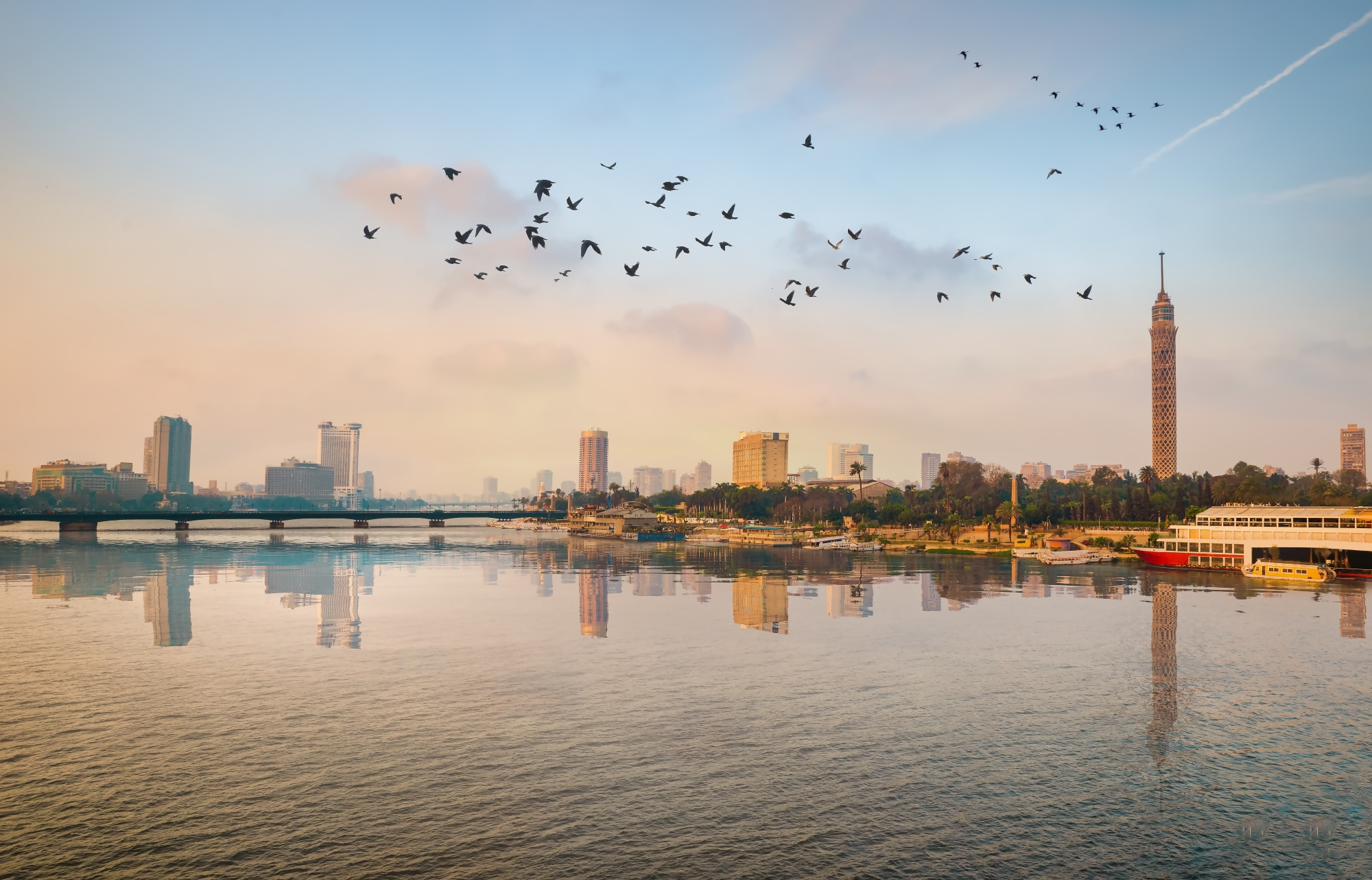
NEAT Development has entered Egypt’s real estate market as a new brand under an investment group operating in real estate development and contracting, with plans to develop four projects with targeted investments of around EGP 10bn.
The company is backed by six founders and partners with more than 13 years of experience in developing and executing real estate projects.
NEAT plans to launch three of its projects in November, followed by a fourth project in January.
The company’s strategy focuses on self-financing land acquisitions and starting excavation and construction before launching units for sale, allowing it to establish construction progress ahead of commercial launches.
Mahmoud Tolba, CEO of NEAT Development, said the company is initially focusing on Sheikh Zayed and 6th of October, with plans to expand into East Cairo.
He said the founders have participated in developing and delivering more than 25 projects comprising over 2,000 residential, commercial, medical, and administrative units, with previous sales exceeding EGP 10bn.
NEAT’s project pipeline includes Business Lab, a commercial and administrative development near Gezira Sporting Club, with investments of about EGP 1.6bn. The project covers 3,500 square metres and has a built-up area of 10,000 square metres, with excavation and construction already underway.
The company is also preparing a villa-only residential project in Sheikh Zayed’s Green Belt, with investments of nearly EGP 1bn on a 14,000-square-metre plot.
Another project, El Nozha, is located opposite Al Ahly Sporting Club in Sheikh Zayed and will combine hospitality, commercial, and residential uses. The project will be developed on 3.5 feddans, with investments of around EGP 3bn, including 80 hotel rooms and 130 residential units.
The fourth project, located opposite Sheikh Zayed Specialized Hospital, will combine medical and commercial uses, with investments approaching EGP 2bn.
Tolba said NEAT aims to complete and deliver its projects within 24-30 months of land acquisition, with construction and sales activities proceeding in parallel.
The company is working with Hafez Consultants, Azure Planning and Architecture, and SEGMENTS Architects, while Gateway Financial Services has been appointed as its financial and investment adviser.
BNW Developments has established a Sydney presence, joining Arada and Sobha Realty among the growing number of UAE developers pursuing Australian buyers and development opportunities.
Two coming 2027 models – the first of the “Neue Klasse” cars coming to the U.S. early next year – have been revealed.
A vibrant 1954 Palm Springs home featuring eight colorful murals by late artist Shawn Savage is on the market for $2.295 million. The 2,237-square-foot property features bold hot-pink doors, three bedrooms, a pool, mountain views and playful interiors blending modern glamour with classic Palm Springs style.
3 min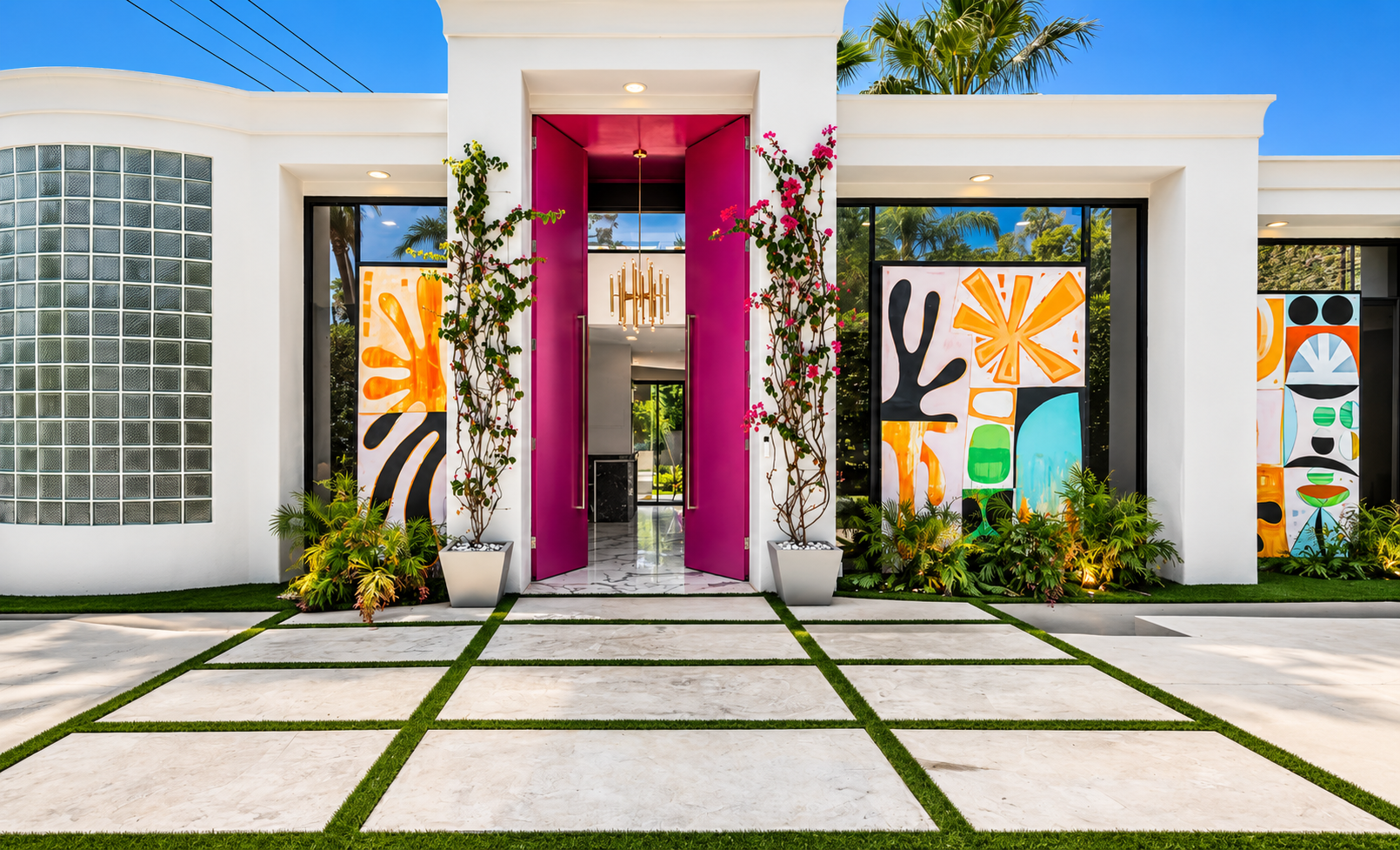
A bold 1950s home in Palm Springs, California, adorned with eight colorful murals by the late artist Shawn Savage, is coming to market ahead of the city’s annual Modernism Week.
The white stucco home on El Camino Way, built in 1954 and recently renovated, has an asking price of $2.295 million. Its staggered facade features three playfully abstract murals on either side of double-height hot pink doors.
MORE: Megamansion Outside Princeton, N.J., With a Pub and Two-Story Library Heads to Auction
The sellers are Los Angeles-based partners John Freeman and Mathieu Faure, who knew it was “the one” when they saw it after several months of searching in the winter of 2023. “It’s a happy house,” Freeman said. “We really liked the feel of the house: the uniqueness, the openness, the brightness—and the art.”
Located in the Mesa neighborhood of Palm Springs, which backs up to the San Jacinto Mountains, the 2,237-square-foot house features three bedrooms, an angled bonus room and a yard with a pool, desert mountain views and another colorful mural running alongside the pool.
“I never thought in my life I would have a house with pink doors,” said Faure, a producer at Apple TV who is originally from Paris. “It’s so colorful, it’s so different. And so Palm Springs.”

The layout of the home creates a smooth flow from the front doors through the open-plan common area—a foyer, bar, and living and dining room—into the kitchen around a fireplace wall and out to the yard. A corridor leads to a private bedroom wing, where the primary suite has floor-to-ceiling windows and the primary bath is only a tad smaller than the bedroom.
Faure has filled the home with Jonathan Adler furniture, rugs and accessories, riffing on the energetic California vibes of the house to create an aesthetic of “modern American glamour,” he said.
“It was enjoyable for me to play with different types of furniture and make this house ‘happy chic,’ as I describe it,” he said.
MORE: Beverly Hills Villa of Late Philanthropist Glorya Kaufman Sells for $19.25 Million
“He did a fantastic job,” said Freeman, who is an attorney and consultant. “It does kind of bring a smile to my face whenever I walk into the house.”
Since the furniture and decor were chosen for the particularities of the space, the couple is open to selling them with the home. Their West Hollywood house is already furnished; the collection doesn’t match the vibes of a Houston loft they bought near family; and Faure can’t imagine these pieces in New York—where he’s lived in the past—he said.
The duo bought the Palm Springs house for $1.925 million in 2024, according to property records, and will list the home Monday. They are represented by Stewart Smith, Patrick Jordan and Kevin Stanley of Bennion Deville Homes/Luxury Portfolio International.
The previous owners had purchased the home in 2021 for $975,000 and then spent more than two years and $700,000 on the renovation, according to Realtor.com. They commissioned Savage, a local Palm Springs artist and painter known for his joyful abstract work, to decorate the home.
MORE: Alpine Villa From Lady Gaga Movie ‘House of Gucci’ Lists for €2.9 Million
Savage, who died in 2024, lived in the Coachella Valley from 2003, and his work can be found in various local institutions and is on exhibit at the Illumine Gallery in Palm Springs. “Some artists pass through a place. Shawn Savage became a part of it,” the gallery’s description states.
Unsurprisingly, the murals invite lots of friendly conversations, as well as guided tours and interested lookers, but never to a degree that it disturbed the peacefulness of their home or the neighborhood, the sellers said. “It felt like living in an art gallery, and you have the exterior that you would share with the world,” Faure explained.
The neighborhood also played a role in their decision to buy, because of its access to the hiking trails of the San Jacinto Mountains, the lack of through-roads and the neighborly environment.
“It’s a very friendly place,” Faure said.
BNW Developments has established a Sydney presence, joining Arada and Sobha Realty among the growing number of UAE developers pursuing Australian buyers and development opportunities.

New research suggests that bonuses make employees feel more like a mere cog in a wheel.
Despite regional tensions, luxury real estate activity in the UAE remains resilient, with new waterfront developments launching across Dubai, Abu Dhabi and Ras Al Khaimah, including branded residences from Ritz-Carlton and Janu.
6 minLong-term optimism remains strong in the United Arab Emirates, even as the war in neighboring Iran hinders home sales and demand for now.
While there have certainly been residential and commercial real estate projects across the U.A.E. that have been paused or delayed due to the turmoil experienced across the region, by and large, new developments continue to be launched.
That’s the case in the luxury residences sector in particular, where a string of starry, big-name projects are putting homes on the market before the close of the year. One trend is that the islands of Dubai, Abu Dhabi and the U.A.E. at large that are taking their turn in the spotlight, as waterfront living continues to be in demand and come at a premium.
For would-be buyers looking for resort-style homes along the shores, there’s an array of upcoming projects to get excited about. Right at the top of the list are hotel branded residences from the likes of Ritz-Carlton and Janu, the sister brand of powerhouse Aman, among five swanky projects selling this season.

The Ritz-Carlton Residences Al Maryah Island, Abu Dhabi
Luxury hotel branded residences are thriving, and the exciting Ritz-Carlton Residences Al Maryah Island development is a great example of why. Residents can expect hotel-style amenities and services from a locale within Abu Dhabi’s thriving waterfront district, with the creature comforts of home built into it.
This project was unveiled at Abu Dhabi Finance Week 2025 and promises to offer The Ritz-Carlton brand’s signature, timeless style and unwavering attention to detail. All units will feature floor-to-ceiling windows with enviable views, while residents will be able to take advantage of a resort-grade, infinity waterfront pool, immersive spa and wellness facilities, and a waterfront promenade with curated outdoor spaces as well as high-end retail and dining venues.
Sales launch in October.
Number of Units: 172
Price Range: Starting at $1.2 million
Developer/Architect: Killa Design and Tara Bernerd, with SAAS Properties.
Home Sizes: One- to four-bedroom residences ranging from 882 square feet to 4,962 square feet, and a five-bedroom, 13,713-square-foot penthouse.
Amenities: Wellness facilities including premium fitness center, massage room, meditation and recovery rooms, cold plunge and indoor pool. There’s also a rooftop pool, co-working lounge, executive golf lounge, and a games room and children play area.
Janu Al Marjan Island, Ras Al Khaimah
Just 50 minutes from Dubai International Airport, Janu Al Marjan Island aims to both feel a world apart from the city, while also offering supreme ease of access. The property has its own private stretch of beach and marina, ideal for superyacht mooring and serving as the scene of a beach club.
The Janu Residences will be positioned next to the Janu hotel, with residents able to take advantage of its many social and wellness spaces, in addition to resident’s-only amenities and services. Meanwhile, the adjacent Wynn Al Marjan Island, the U.A.E.’s first integrated resort, is in direct proximity as well.
Social life by the sea, with discretion and wellness on tap, not to mention a chance to get in early on burgeoning Ras Al Khaimah.
Sales launch in late October.
Number of Units: 73
Price Range: Starting at $2.3 million
Developer/Architect: Jointly developed by Marjan and Wynn Resorts, with architecture by SCDA Architects.
Home Sizes: One- to five-bedroom residences ranging from 2,117 square feet to 18,955 square feet, as well as five Marina Villas and a residential tower penthouse.
Amenities: An active lifestyle comes to the forefront with the Janu Spa and Wellness center and a padel court. Six dining venues and a signature beach club are key features for residents who want it all, right on-site.


Sei Saadiyat, Saadiyat Cultural District, Abu Dhabi
Located in the Saadiyat Cultural District, Sei Saadiyat combines its historic locale with a unique spin rooted in the Japanese concept of stillness and calm, or “Sei.” That foundational principle is what this community will be based on, with a mission to foster wellness and relaxation in all forms, including fitness and social connection.
A total of 778 homes will be spread across six Jacobs-designed buildings. Aldar is also introducing a first in their residential portfolio in the form of their two-bedroom Kanso Lofts at Sei Saadiyat, featuring double-height, open-plan living in loft style spaces including an elevated bedroom.
Phase one sales launched in September.
Number of Units: 778 total (265 involved in this phase one launch)
Price Range: Starting at $800,000
Developer/Architect: Aldar with architecture by Jacobs and interiors by Kettle Collective.
Home Sizes: Residences range from 753 square feet to 2,238 square feet, in a range of floor plans including one- and two-bedroom apartments, three-bedroom Kanso Residences and two-bedroom Kanso lofts.
Amenities: Amenities tie into the brand’s ethos of stillness and calm: expect a Zen garden with serenity pool and outdoor yoga decks, along with numerous indoor and outdoor fitness areas, and hot-and cold-pool experiences.
Amali Canal Residences
Amali Canal Residences is located on Dubai Canal in Al Wasl. The community is suspended above the canal, and brings the presence of water even closer to home with a number of features including private plunge pools in every residence, and a swim-through, indoor-outdoor pool with a signature waterfall facade that would make the posh resorts of the Swiss Alps blush.
There will be no shortage of on-site entertainment and diversions, whether in the form of a private cinema and resident bowling alley, cigar lounge and library, padel and sports courts, a panoramic fitness center. Then there’s The Retreat, a wellness center incorporating spa, sauna, steam, onsen baths, hydrotherapy, and yoga and pilates studios. When it’s time for a bit of work in between the diversions, residents can use an executive boardroom, private studies and co-working lounges.
Sales launch in October.
Number of Units: 211
Price Range: Two bedrooms starting at $3.9 million; three bedrooms starting at $5.4 million; four bedrooms starting at $7.4 million; penthouse pricing on request.
Developer/Architect: Amali Properties in collaboration with AHS Properties, with architecture by Killa Design and interior design by HBA Residential.
Home Sizes: Two- to four-bedroom apartments ranging from 2,880 square feet to 7,800 square feet, in addition to four- and five-bedroom penthouses ranging up to 21,000 square feet.
Amenities: 55,000 square feet of interconnected amenity spaces including myriad lounges, infinity pools with cabanas, children’s waterpark and child care center, padel court and a rooftop secret garden.


Rixos Residences Al Reem Island, Abu Dhabi
The Rixo Residences on Al Reem Island, Abu Dhabi, are designed to match its island environs with the thriving culture and finance dynamics of the city. Panoramic water and skyline views bring both faces to life, in this East & West Properties project.
Residences showcase expansive terraces offering boundless views from within a community centered around three dedicated amenity zones: the Oasis, the Haven and the Gathering. Together, wellness, fitness, social life and relaxation are all available in a number of formats.
Less than half a mile from the coast, and only 10 minutes from downtown Abu Dhabi, Rixos Residences offers generous layouts and amenity-rich public spaces that deliver equally as well for family-friendly living as well as investors.
Sales launched in August.
Number of Units: 386
Price Range: One-bedrooms starting at $570,000, with larger loft units starting at $1.8 million.
Developer/Architect: East & West Property Development under the Ennismore portfolio, with architect Aedas and interiors by HBA Residential.
Home Sizes: One- to two-bedroom apartments as well as three- and four-bedroom lofts, from 954 square feet to 2,941 square feet.
Amenities: Wellness treatment areas as well as Turkish hammam and steam rooms, landscaped walking tracks, padel court, rooftop clubhouse and plunge pool, private cinema, and services including concierge, valet and security.
BNW Developments has established a Sydney presence, joining Arada and Sobha Realty among the growing number of UAE developers pursuing Australian buyers and development opportunities.

Parts for iPhones to cost more owing to surging demand from AI companies.
BNW Developments has established a Sydney presence, joining Arada and Sobha Realty among the growing number of UAE developers pursuing Australian buyers and development opportunities.
3 min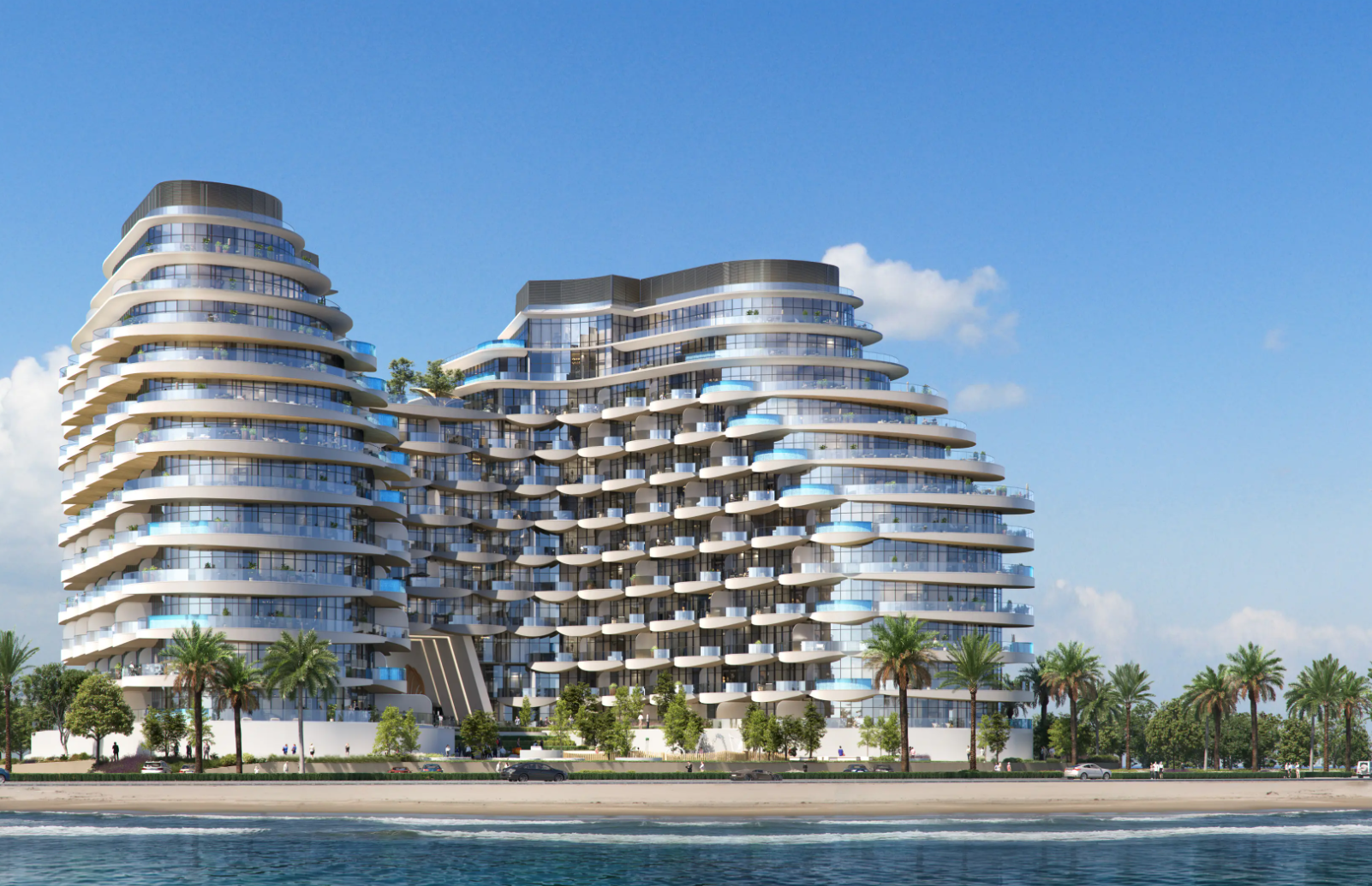
A growing number of major UAE property groups are turning their attention to Australia, with BNW Developments the latest to establish a local presence.
BNW has officially opened a Sydney office after hosting more than 300 investors, property professionals, wealth advisers and industry figures at its launch event.
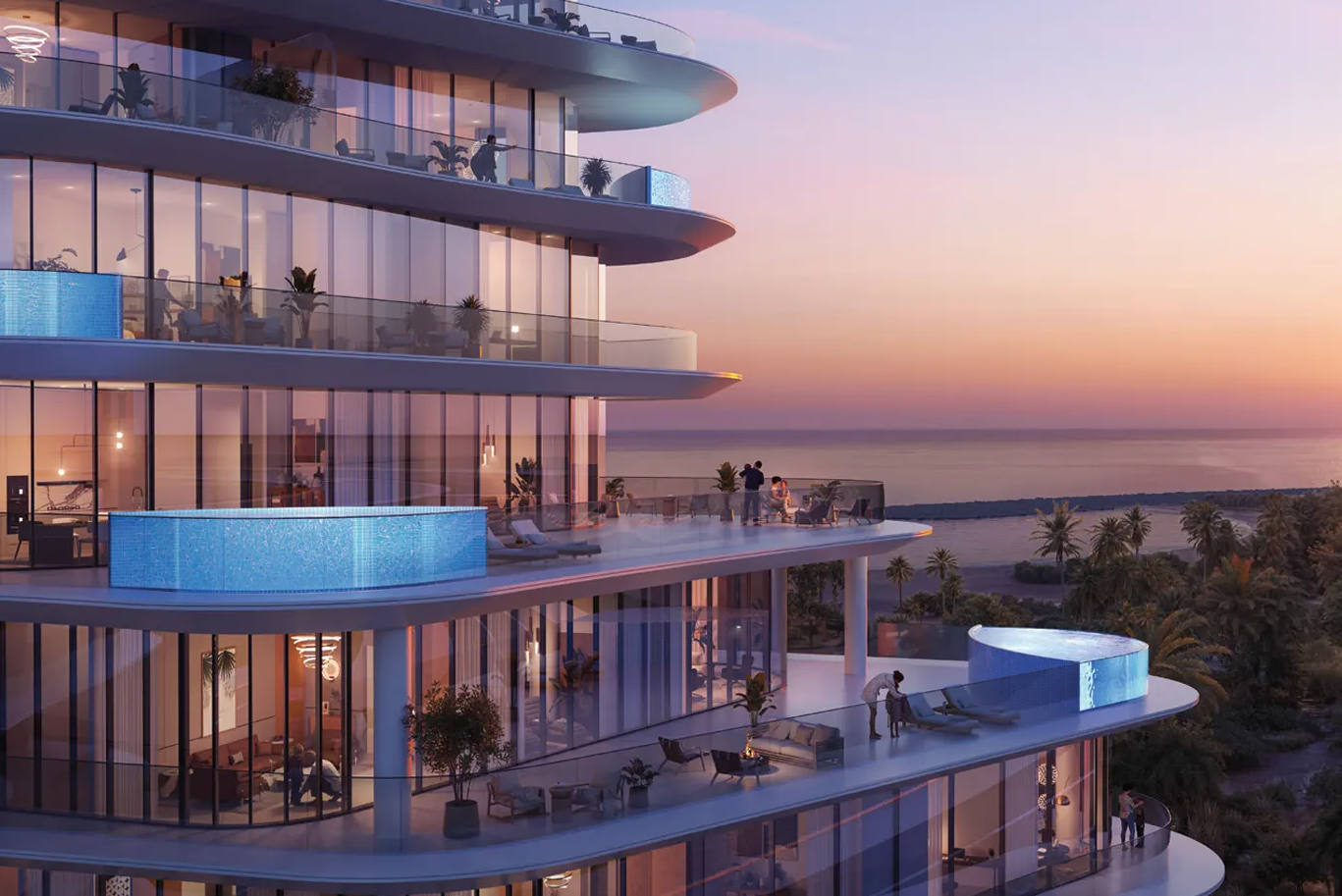
The new office will give Australian buyers local access to BNW’s portfolio of residential and hospitality-led developments in Dubai and Ras Al Khaimah. Its projects include branded residences and waterfront developments combining private homes with hospitality, dining, leisure and tourism facilities.
BNW has an AED32 billion development pipeline, equivalent to approximately $12 billion, spanning projects in Dubai and Ras Al Khaimah. Its portfolio includes developments associated with Tonino Lamborghini, Radisson Blu and Wyndham Hotels & Resorts.
Among them is Tonino Lamborghini Residences in Ras Al Khaimah. BNW is also active on Al Marjan Island, the waterfront destination where the Wynn Al Marjan Island integrated resort is under development.
The developer recently announced Dolce Residences in partnership with Wyndham Hotels & Resorts. Billed as the world’s first residences carrying the Dolce name, the boutique Al Marjan Island project is planned to include 93 premium residences and five retail tenancies.
BNW Developments chairman and founder Dr Ankur Aggarwal said attendance at the Sydney launch indicated that Australians were increasingly interested in the UAE as both a property and lifestyle destination.
“The response to the opening of our Sydney office has been extremely encouraging,” he said.
“Dubai and Ras Al Khaimah offer a very different lifestyle proposition to Australia, from waterfront living and luxury hospitality to world-class dining, entertainment and tourism.”
Dr Aggarwal said the Sydney office would allow buyers to examine BNW’s portfolio locally and work with a team familiar with the Australian market.
The move comes as Australia attracts increasing interest from UAE-based developers seeking opportunities beyond their home market.
Arada entered Australia in 2024, initially announcing a $2.5 billion Sydney pipeline expected to deliver more than 2,500 homes. Its Australian plans have since expanded to eight projects comprising more than 5,000 homes, including a recently announced twin-tower development at Broadbeach on the Gold Coast.
The company has also acquired the NSW arm of tier-one contractor Roberts Co, giving it greater control over construction and delivery as it builds its Australian business. Globally, Arada says its portfolio of existing and future developments across the UAE, Australia and the United Kingdom is valued at AED130 billion.
Dubai-headquartered Sobha Realty is also laying the foundations for a substantial Australian presence. The developer has established local operations and acquired sites in Sydney and Queensland, describing its entry as a long-term commitment to the market.
Sobha has expressed interest in opportunities across Brisbane, the Gold Coast and Sunshine Coast, while its Australian website says new projects will be announced shortly. The expansion follows AED30 billion in global sales during 2025 and forms part of a wider international growth strategy encompassing Australia and the United States.
BNW’s Sydney opening reflects both the international ambitions of UAE developers and growing Australian awareness of the Emirates’ property market.
While the UAE and Australian markets differ considerably, the arrival of BNW, Arada and Sobha points to a broader exchange of capital, expertise and buyers between the two countries. For Australians considering offshore property, the opening of local offices may also make it easier to assess projects, understand the purchasing process and undertake appropriate due diligence before committing.
BNW Developments has established a Sydney presence, joining Arada and Sobha Realty among the growing number of UAE developers pursuing Australian buyers and development opportunities.
Many of the most-important events have slipped from our collective memories. But their impacts live on.
Oman is set to add 700 hotel rooms by the end of 2026, bringing its total inventory to 40,800. The expansion comes as hotel guests fell 13% in the first half of the year, with the Khareef season and winter travel expected to support demand in H2, according to Cavendish Maxwell.
3 minThe Sultanate of Oman is set to deliver 700 new hotel rooms between now and the end of 2026, taking total inventory to 40,800 keys, according to leading real estate advisory and hospitality property consultancy Cavendish Maxwell.
Oman opened 400 new rooms in H1 2026 – all in Q1 – amid reduced hospitality sector activity as regional travel disruptions affected international connectivity and tourism trade.
The Khareef and winter travel seasons will be key drivers in the country’s H2 hospitality performance, the company said.
Oman welcomed 992,000 guests at 3-5 star hotels in H1, down 13 per cent on the same period last year. Airport passenger traffic declined 9.3 per cent to 6.3 million, according to Cavendish Maxwell’s latest research, released in the run up to the 2026 edition of Future Hospitality Summit World.
Khalil al Zadjali, Head of Oman at Cavendish Maxwell, said: “Oman’s hospitality sector entered H2 in a challenging environment. While the outlook remains sensitive to prevailing travel conditions, the July to December period typically accounts for a significant share of tourism activity, contributing 52 per cent in hotel revenue and guest volumes last year.
“The recent Khareef season – Salalah’s peak tourism period – coupled with the upcoming winter months will indicate how effectively seasonal demand supports the wider market following the H1 disruption, which was most pronounced in the second quarter. Government and tourism sector initiatives – such as international promotions and partnerships with airlines and travel trade partners – should also help strengthen demand.”
REVENUES AND ROOM RATES
Oman’s 3-5 star hotels generated RO 124.2 million (US$322.7 million) in total revenue in H1, down around 12 per cent against H1 2025. Revenue growth was strong at the beginning of the year, increasing nearly 27 per cent year-on-year in January and almost 9 per cent in February, before declining from March. Following the sharpest contraction in April, when revenues fell 64.5 per cent compared to the previous April, the pace of decline moderated in May and June, at around 28 per cent and 15.5 per cent respectively.
Room revenue was down 11 per cent to RO74 million (US$192 million), with other revenue declining by 13 per cent to RO 50.2 million. The decline in ‘other’ revenue is partly because domestic and regional travellers typically spend less per stay than long-haul visitors, Cavendish Maxwell said.
Average room rates (ARR) followed a similar pattern, with a robust start to the year before weakening in Q2. ARR was up nearly 19 per cent year-on-year in January at RO 58.3, and more than 20 per cent in February to almost RO 61. March was on a par with March 2025.
The sharpest ARR decline (around 43 per cent) came in April but, by May, it had partially recovered, increasing more than 8 per cent year-on-year to RO 43.7 (US$113.6) as Eid Al Adha boosted travel demand.
Occupancy rates across Oman averaged 46.3 per cent in H1, down more than half compared to the same period last year. Again, performance was impressive in January and February, with occupancy around 70 per cent, before dropping from March. The decline was most acute in Q2 as regional tensions weighed in on international travel and, while domestic visitors provided some support, it was not enough to compensate for the overall decline in visitors.
After a January year-on-year increase of 7.3 per cent in guests, volumes declined monthly, reflecting air disruption across the Gulf. The steepest drop was in April (43 per cent), but performance picked up again in May, when the decline narrowed to 2.6 per cent as conditions normalised and Eid Al Adha supported travel demand.
Omani nationals represented the biggest source market in H1, with 396,000 guests accounting for almost 40 per cent of all visitors – a rise of 3.1 per cent on the same period last year. Europeans (247,000) took second place, at 25 per cent, but their numbers were down 31 per cent compared to last year. With 163,000 visitors, Asians made up 16 per cent, with a marginal year-on-year increase of 0.6 per cent.
Most other source markets saw lower year-on-year guest volumes, with the GCC down 17 per cent, other Arab countries down 15 per cent, the Americas down 22 per cent, Africa 10 per cent and Oceania 61 per cent.
After delivering 400 new rooms in H1 – all between January and March – Oman is set to bring another 700 to the market by December 2026. A further 1,500 are scheduled in 2027 and 1,600 in 2028, taking total Oman room inventory to 43,900 by end of 2028.
BNW Developments has established a Sydney presence, joining Arada and Sobha Realty among the growing number of UAE developers pursuing Australian buyers and development opportunities.

Paine Schwartz joins BERO as a new investor as the year-old company seeks to triple sales.
ICC MENA Managing Director Mohamed Amer will join a panel on contractor excellence at Saudi Mega Projects 2026 in Riyadh on September 29, discussing the capabilities needed to deliver the Kingdom’s next phase of development.
2 min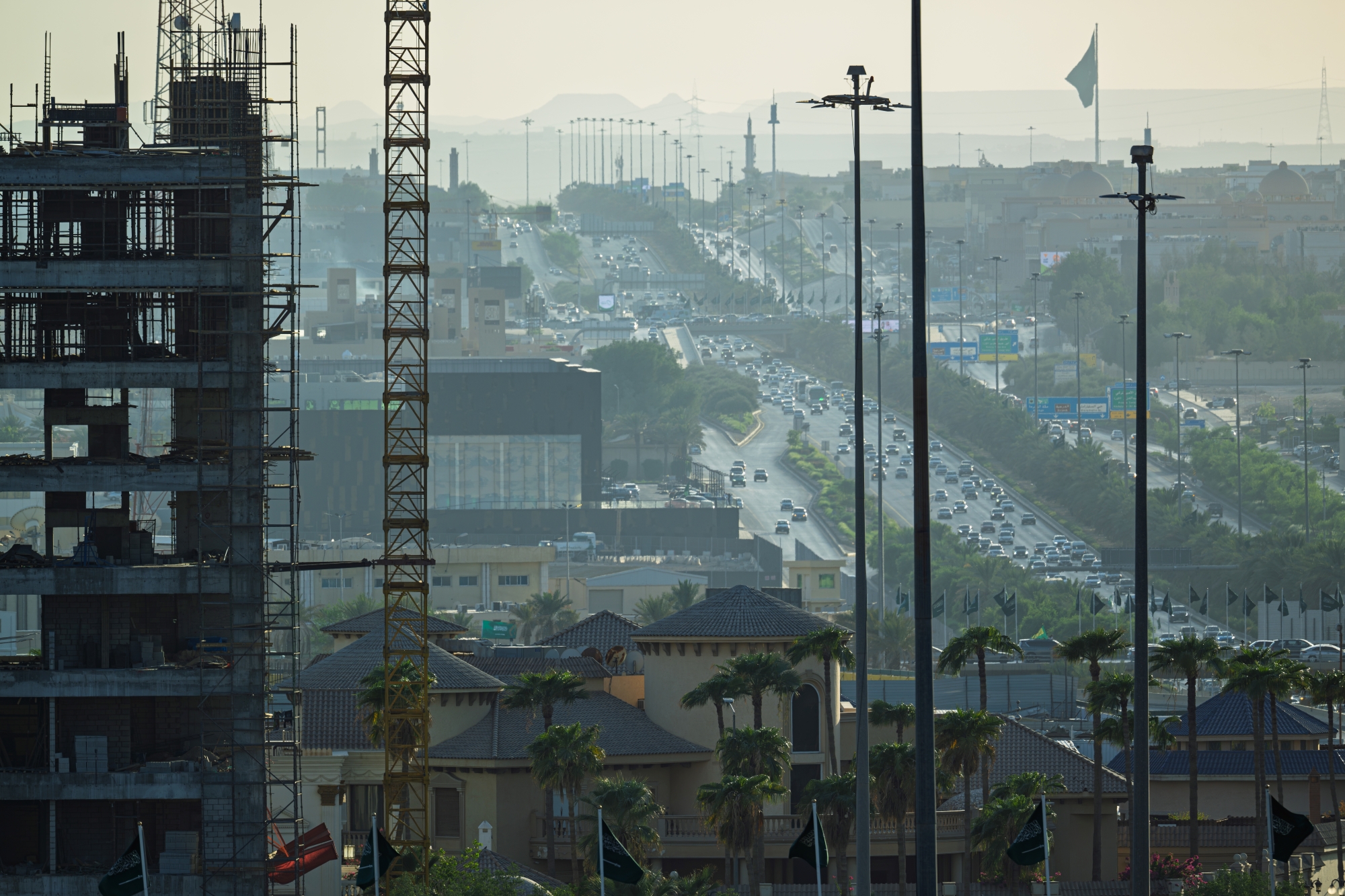
Delivering Saudi Arabia’s next generation of giga and mega projects will require more than ambitious targets. As the Kingdom moves from vision into increasingly complex stages of execution, the strength of the organizations, people and systems responsible for bringing these developments to life will be critical to achieving consistent, high-quality outcomes.
This will be a key focus at Saudi Mega Projects 2026, taking place from September 28–30 in Riyadh. Organized by MEED under the theme “Turning Vision into Value,” the three-day conference will bring together senior leaders from government, development, construction, investment and the wider project ecosystem to examine the priorities shaping Saudi Arabia’s next phase of growth. The program will address areas including investment, procurement, project execution, infrastructure and technology, alongside the wider requirements for supporting the Kingdom’s ambitious development program.
As part of the conference’s Contractors Leadership Forum, Mr. Mohamed Amer, Managing Director, International Code Council (ICC) – MENA, will participate in the ‘Building Contractor Excellence for Saudi Arabia’s Next Phase of Growth’ panel on September 29 at 2:00 PM. The discussion will look at how contractors can respond to evolving expectations from project owners while strengthening the leadership, workforce and operational foundations needed to deliver increasingly demanding projects.
For Amer, the conversation is ultimately about strengthening the sector beyond individual projects and building the conditions for sustained performance.
“The next phase of Saudi Arabia’s development will place even greater expectations on the organizations responsible for delivering these projects,” said Amer. “Contractor excellence is not only about the ability to deliver at speed, but also about building the leadership, workforce capabilities, processes and partnerships that support consistent quality and performance. As the Kingdom’s project pipeline continues to evolve, strengthening these foundations will be critical to creating a contracting sector that is equipped for the opportunities ahead.”
The discussion will further look at how a more resilient and competitive contracting sector can support Saudi Arabia’s long-term development ambitions. This includes strengthening workforce capability, encouraging operational excellence and creating greater consistency across project delivery, priorities that extend beyond individual developments to the overall maturity of the construction market.
For ICC, participation in the forum provides an opportunity to contribute to the wider conversation around the practices and conditions that support effective project delivery, while bringing together perspectives from across the construction ecosystem.
As Saudi Arabia enters a critical stage of its Vision 2030 program, attention is increasingly turning from the scale of the opportunity to the capabilities required to realize it. Saudi Mega Projects 2026 will provide a platform for industry leaders to examine these priorities and consider how the Kingdom’s construction sector can continue to strengthen in preparation for the years ahead.
BNW Developments has established a Sydney presence, joining Arada and Sobha Realty among the growing number of UAE developers pursuing Australian buyers and development opportunities.
The sports-car maker delivered 279,449 cars last year, down from 310,718 in 2024.
A five-bedroom Palo Alto home designed by Steven Ehrlich is listed for $44 million, making it the city’s most expensive listing. Built around a dramatic concrete spine, the home features four courtyards and a pool.
3 min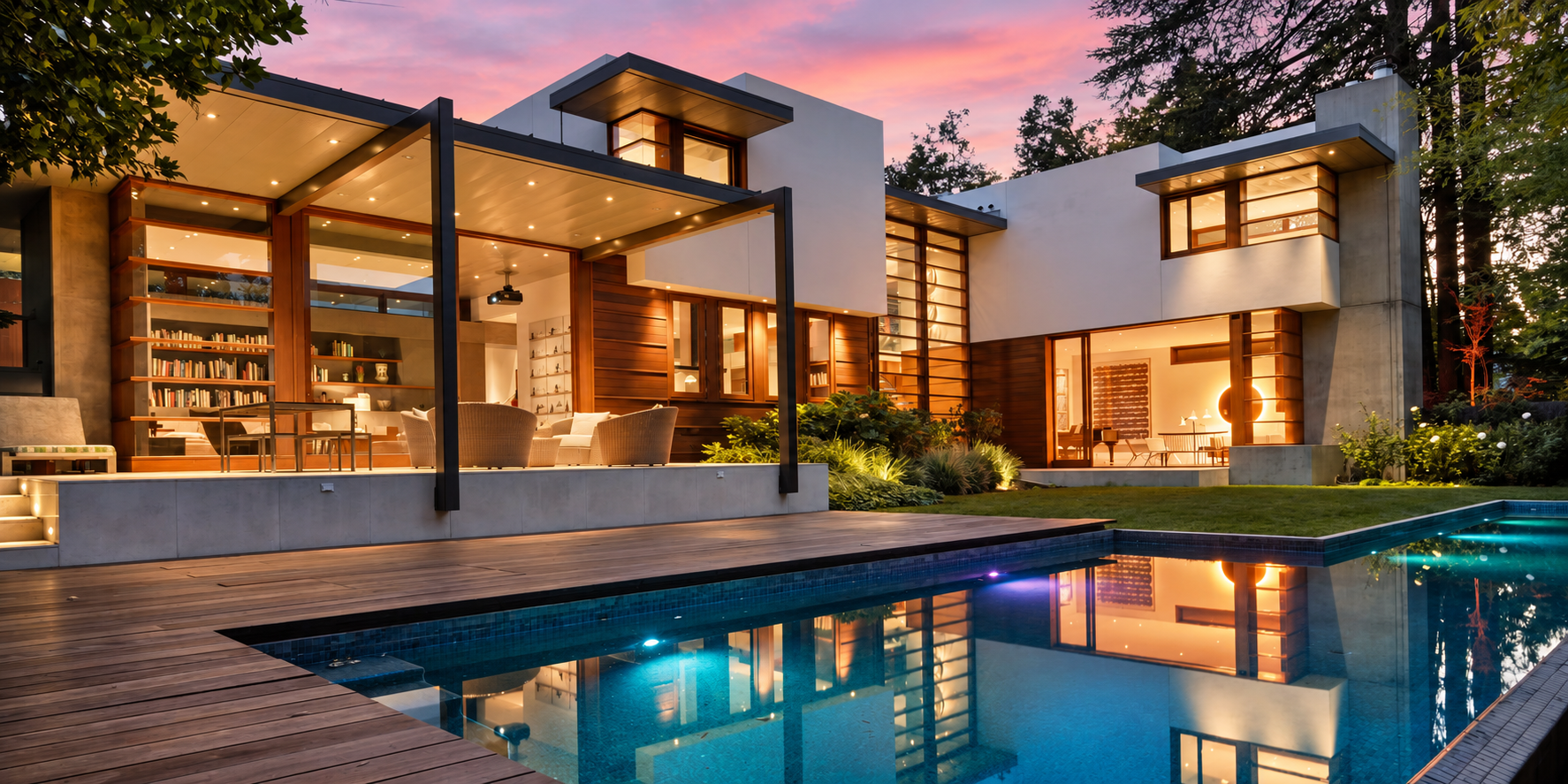
For years, tech entrepreneur Asher Waldfogel and his wife, Helyn MacLean, dreamed of building a modern house in Palo Alto, Calif.
The couple, however, worried about clashing with the Mediterranean-style architecture typically associated with their neighborhood of Old Palo Alto.
So they tapped architect Steven Ehrlich to create a design that paid homage to its surroundings with stucco, mahogany and titanium zinc cladding. They spent $20 million over several years building the house, completed in 2005.


Now looking to be closer to their adult daughter on the East Coast, they are putting the five-bedroom home on the market for $44 million—the most expensive listing in Palo Alto.
Waldfogel is an angel investor who co-founded Redback Networks, a telecommunications-equipment company. MacLean previously had a career in fundraising.


The couple purchased the roughly 0.4-acre site for $7.1 million in 2000 and demolished a circa-1930s Spanish Colonial home. The house they built pinwheels around a central staircase. It has 7,900 square feet of livable space, with four distinct courtyards and a pool.
A key feature of the home is a cast-in-place concrete wall, or spine, that is two stories high and about 80 feet long. “There’s a little bit of controlled chaos in what comes out of the form,” unlike a perfectly uniform surface, Waldfogel said. “If you want that, you do it in plastic.”


Waldfogel said he and his wife are thinking about the next phase of life now that their daughter is grown, although they have not decided where they will move. They also have a home in Sun Valley, Idaho.
“Right now we’re just trying to emotionally let go and decide what to do next,” he said.


Palo Alto, an epicenter of venture capital and tech startups in Silicon Valley, is home to some of the country’s biggest tech titans. Sales volume and prices are rising, with a median sale price of $3.5 million for the three months ending in August, up 5.8% year-over-year, according to real-estate brokerage Redfin.
Arthur Sharif of Sotheby’s International Realty—San Francisco Brokerage has the listing.
BNW Developments has established a Sydney presence, joining Arada and Sobha Realty among the growing number of UAE developers pursuing Australian buyers and development opportunities.

Chris Dixon, a partner who led the charge, says he has a ‘very long-term horizon’
Ras Al Khaimah’s property market maintained strong momentum in H1 2026, with rising prices, major developments and continued investor demand reinforcing its position as a leading UAE investment destination.
3 min
Ras Al Khaimah’s property market continued to attract investment during the first half of 2026, supported by demand for residential and tourism-related assets and a growing pipeline of major developments, according to research by global real estate industry expert CBRE.
The emirate has continued to attract capital and new businesses despite a more challenging regional economic backdrop, with developers advancing a number of large-scale residential, hospitality and infrastructure projects, CBRE said in its latest report on the market.
The broader UAE economy has faced increased pressure in 2026 amid disruptions to trade, tourism and economic activity linked to the regional conflict. GDP is forecast to contract by about 1.5% this year, according to the report.
The economy had nevertheless been supported by domestic demand and trade activity. Non-oil trade reached AED1.93 trillion ($526 billion) in the first half of 2026, up 13.1% from a year earlier, while the purchasing managers’ index rose to 55.3 in August, indicating continued expansion in the non-oil economy.
In Ras Al Khaimah, the chamber of commerce recorded AED771.5 million in new investment capital across 967 newly registered establishments during the first half of the year. The new businesses attracted 1,399 investors from 68 nationalities and are expected to create 2,449 jobs, the report said.
Apartment sale prices rose about 18% year-on-year in the first half to 2,298 dirhams per square foot, while villa prices increased 7.3%, CBRE said.
Price growth was strongest in established waterfront communities. Apartment values on Al Marjan Island rose 23.1% from a year earlier, while values in Al Hamra increased 14.7%.
In the ready-property market, apartment and villa values increased 11% and 10%, respectively, over the same period.
CBRE said pricing and absorption had moderated since the end of February, although year-on-year growth remained positive.
The market also recorded several high-value residential transactions during the period. A Sky Palace at Waldorf Astoria Residences sold for $35.4 million, making it the highest-value residential transaction recorded in Ras Al Khaimah, according to CBRE. A penthouse in the same development sold for $15 million, while a Sky Mansion at Mondrian Al Marjan Island Beach Residences changed hands for $34.7 million.
According to CBRE, the apartment rents rose 14.3% year-on-year, led by gains in Mina Al Arab and Al Marjan Island, the report said.
More than 34,000 residential units are expected to be delivered in the emirate between 2026 and 2030, including about 10,000 branded residences, according to CBRE.
Projects announced during the first half included The Strand and Lunara by RAK Properties, the 25 billion dirham Evermore masterplan by Beyond Developments and Karl Lagerfeld Beach Residences on Al Marjan Island.
Ras Al Khaimah recorded a record 670,400 hotel visitors in the first half, up 2.7% from a year earlier, driven in part by higher domestic and Gulf visitor numbers, which both increased 47%, CBRE said.
Hotel operating performance was weaker, however. Average occupancy stood at 49%, while revenue per available room, or RevPAR, fell 28.6% year-on-year to 348 dirhams.
Average daily rates rose 5.2% to 705.6 dirhams per room per night, indicating continued pricing strength despite lower occupancy, the report said.
Hotels generated more than 606 million dirhams in revenue during the first six months, including 385 million dirhams in room revenue and 192 million dirhams from food and beverage operations.
Ras Al Khaimah currently has about 9,000 operational hotel rooms across 60 hotels, with a further 8,500 rooms planned between 2027 and 2030, according to CBRE. More than 80% of the planned supply is in the five-star category, while nearly two-thirds is expected to be located on Al Marjan Island.
The emirate is also investing in transport and tourism infrastructure, including an expansion of Ras Al Khaimah International Airport and improvements to its mobility network.
The $5.1 billion Wynn Al Marjan Island integrated resort is expected to open in September 2027, the report said.
Matthew Green, Head of Research at CBRE Mena, said: “The pace of change we are witnessing in Ras Al Khaimah continues to impress. Despite a more challenging regional backdrop, investor interest in the emirate remains evident, supported by a growing pipeline of high-profile development and infrastructure projects.”
“While we are beginning to see a moderation in some performance indicators including absorption levels and sales pricing following an exceptional period of growth, overall activity levels remain positive,” stated Green.
“With major hospitality, residential and tourism projects continuing to progress, Ras Al Khaimah is well positioned to strengthen its role as one of the UAE’s most compelling investment and lifestyle destinations in the coming years,” he added.
BNW Developments has established a Sydney presence, joining Arada and Sobha Realty among the growing number of UAE developers pursuing Australian buyers and development opportunities.

Americans now think they need at least $1.25 million for retirement, a 20% increase from a year ago, according to a survey by Northwestern Mutual
More than 10,000 homes, an expansive central park and a mix of hospitality, retail and wellness facilities will form Azizi Developments’ first master-planned community in the emirate.
2 min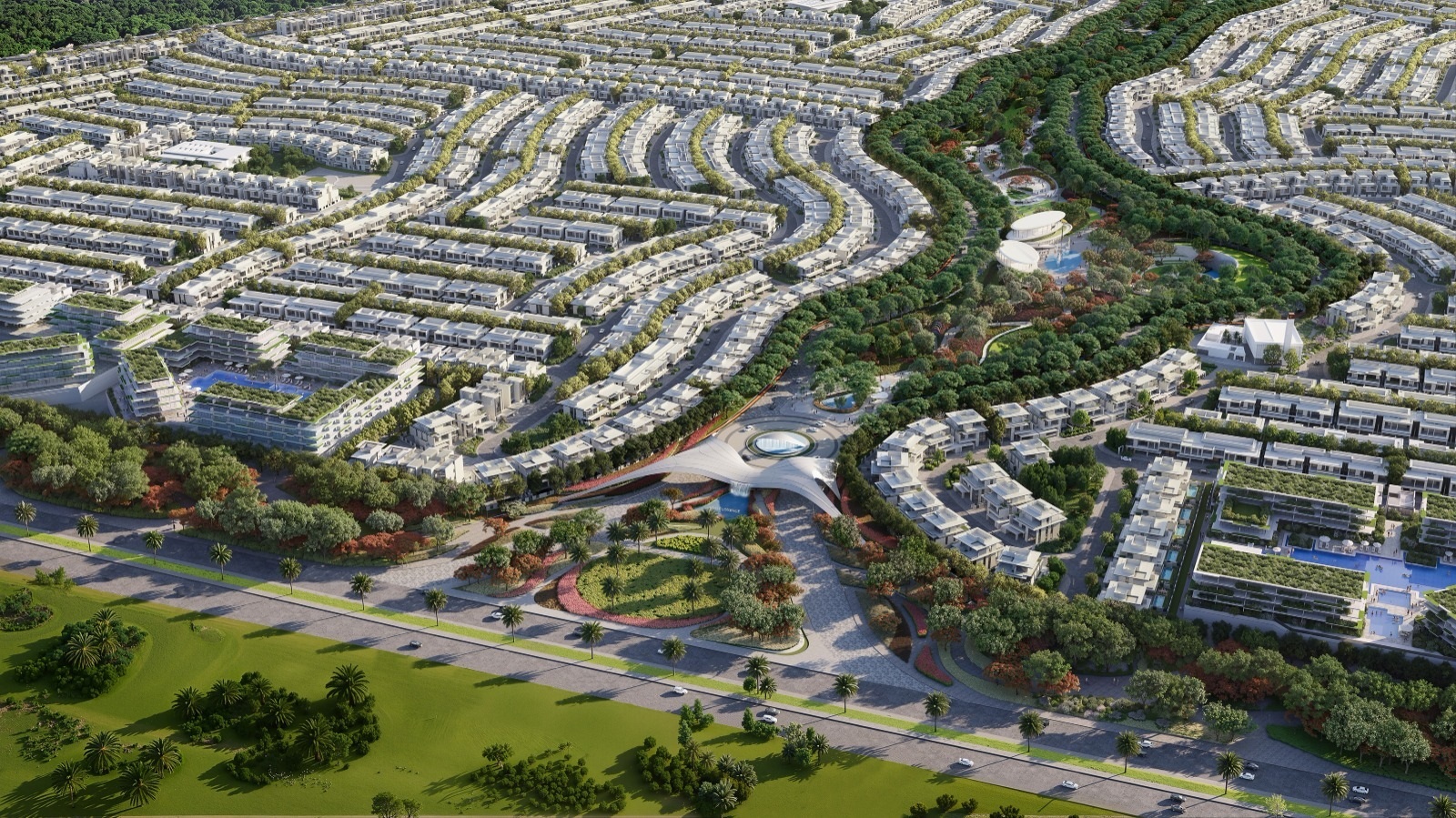
Sharjah is set to receive one of its largest new residential communities, with Azizi Developments unveiling plans for a US$8.1 billion master-planned precinct containing more than 10,000 homes.
Named Azizi Florence, the freehold development will comprise 1,130 villas, more than 6,000 townhouses and 3,500 apartments. Three-bedroom townhouses will start from US$515,000, with an indicative rate of US$231 per square foot of saleable space.
The project marks the Dubai-based developer’s first move into Sharjah, expanding a portfolio that includes the planned Burj Azizi skyscraper and the Azizi Venice community in Dubai.
A park at the heart of the community
Rather than treating landscaping as an afterthought, Azizi Florence will be organised around a 1.7 million sq ft central park.
The wider precinct is planned as a self-contained neighbourhood combining homes with retail, hospitality, education, leisure and wellness facilities.
Six residential clusters will sit within the development, each with its own park, clubhouse, community centre and landscaped gardens. The approach reflects a broader shift across large Middle Eastern developments, where greenery, recreation and everyday convenience are increasingly central to the residential proposition.
The scale of Azizi Florence suggests it is intended to function as a neighbourhood rather than a collection of housing estates. Its mix of housing types should also give the project broader appeal, accommodating apartment buyers alongside families seeking townhouses or standalone villas.
Azizi expands beyond Dubai
Azizi Developments has delivered more than 45,000 homes to buyers from over 100 countries and says it has approximately 150,000 units under construction.
Much of its growth has been concentrated in Dubai, where its portfolio extends across Palm Jumeirah, Mohammed Bin Rashid City, Dubai South, Sheikh Zayed Road and Downtown Jebel Ali.
Its most prominent current project is Burj Azizi, which is intended to become the world’s second-tallest building. Azizi Florence represents a different type of undertaking: a low-rise, family-oriented community built around public space and daily amenity.
For company founder and chairman Mirwais Azizi, the Sharjah project also carries a personal connection. The emirate was his first home in the UAE more than three decades ago, adding a symbolic dimension to the developer’s expansion.
Sharjah’s residential ambitions grow
Although Dubai and Abu Dhabi have traditionally captured much of the international attention directed at the UAE property market, Sharjah has been steadily broadening its residential offering.
Large freehold communities such as Azizi Florence have the potential to attract both local families and international purchasers looking for comparatively accessible entry points into the Emirates’ property market.
At a starting price of US$515,000, the project’s three-bedroom townhouses will sit well below the cost of equivalent family homes in many of Dubai’s more established luxury communities.
The ultimate appeal, however, will depend on execution. At this scale, the quality of the public realm, connections between residential clusters and delivery of the promised supporting infrastructure will be as important as the homes themselves.
If those elements come together, Azizi Florence could help establish a new benchmark for large-scale residential development in Sharjah—and give buyers another option beyond the UAE’s better-known property markets.
BNW Developments has established a Sydney presence, joining Arada and Sobha Realty among the growing number of UAE developers pursuing Australian buyers and development opportunities.
Interior designer Thomas Hamel on where it goes wrong in so many homes.
Ad-Dulayl Industrial Park & Development Zone is advancing a 386,852 sqm expansion in Jordan to attract local and international manufacturers, expand production capacity and strengthen the country’s position as a competitive export-oriented manufacturing hub.
2 min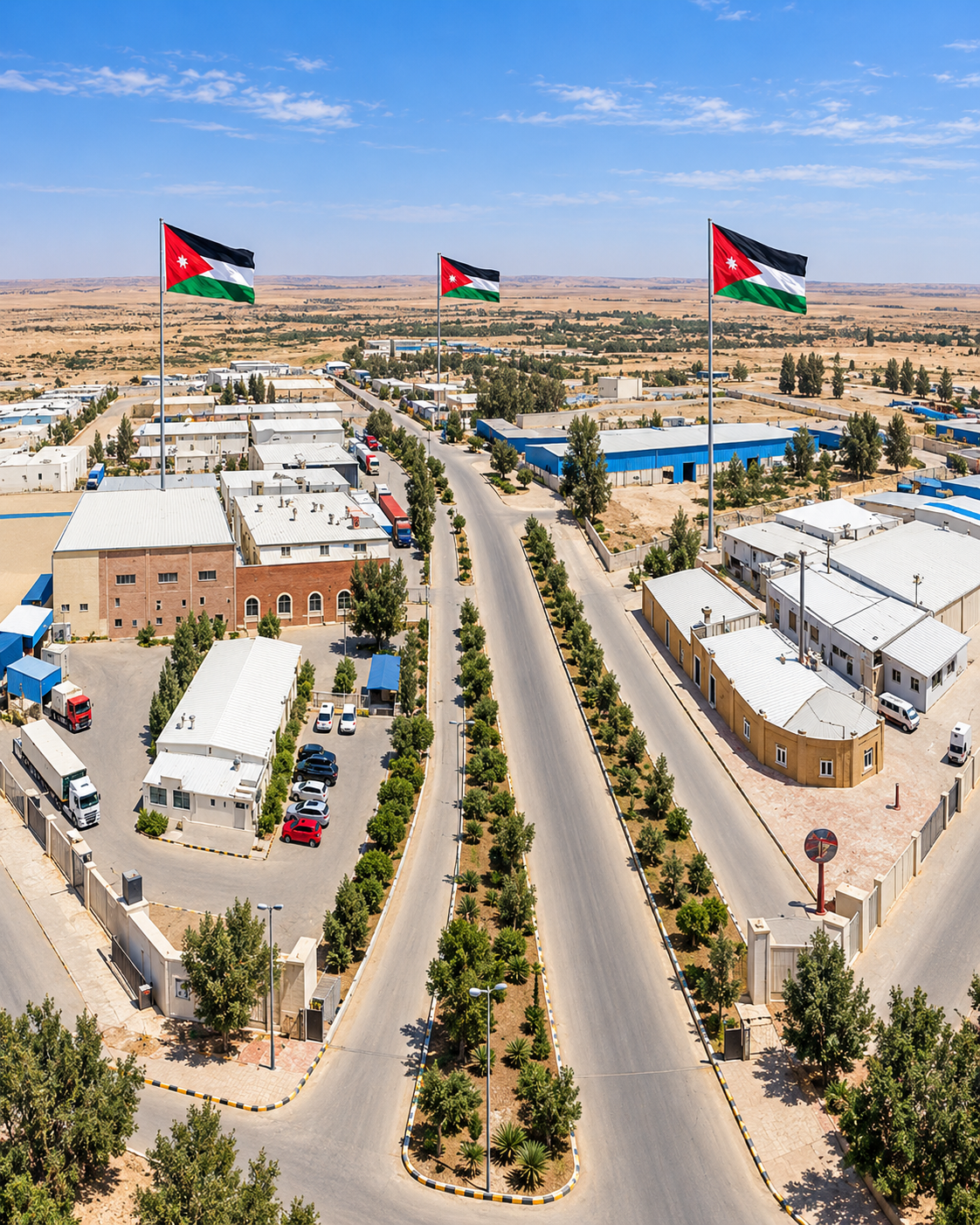
Ad-Dulayl Industrial Park & Development Zone (IDMC), one of Jordan’s established industrial investment destinations, is advancing a major new expansion aimed at attracting local and international manufacturers seeking a competitive base for regional and global operations.
Located in Zarqa Governorate, approximately 30 kilometres from Amman, IDMC has developed into an important industrial hub hosting export-oriented manufacturers and investments from Jordan and several international markets.
The new Phase 3 expansion covers approximately 386,852 square metres and is being developed to accommodate a diverse range of industrial and supporting activities, including garments and textiles, light manufacturing, warehousing, logistics services, industrial services, supporting apparel industries, worker accommodation, and green infrastructure.
The expansion forms part of IDMC’s strategy to provide additional capacity for new industrial investments while supporting the growth and expansion of existing manufacturers operating within the development zone.
A Platform for Export-Oriented Manufacturing
As a designated Development Zone, IDMC offers an investment environment designed to support industrial operations through competitive incentives, infrastructure, investor services, and access to relevant government services.
Investors within IDMC can benefit from advantages including a competitive income tax framework, customs exemptions on eligible production inputs and equipment, foreign ownership provisions, and the ability to repatriate capital and profits in accordance with applicable Jordanian legislation.
Jordan also provides manufacturers with access to a broad network of international markets through its trade agreements and economic partnerships, positioning the country as a potential manufacturing and export base for companies targeting markets in North America, Europe, the Middle East, and other regions.
IDMC is also a Qualifying Industrial Zone (QIZ), further strengthening its positioning for export-oriented industries, particularly within the garments and textiles sector.
An Established Industrial Community
IDMC hosts a diverse industrial community, including manufacturers and investors from countries such as India, Pakistan, Sri Lanka and Bangladesh, alongside Jordanian and other international businesses.
The Development Zone provides investors with industrial land options as well as opportunities for customized industrial facilities, supported by infrastructure, security, logistics support and investor facilitation services.
On-site government services further support investors by facilitating procedures involving relevant authorities, helping create an integrated environment for establishing and operating industrial projects.
Expanding Jordan’s Industrial Investment Offering
Through Phase 3, IDMC aims to attract manufacturers seeking new production capacity in Jordan while also creating opportunities for existing investors to expand their operations.
The expansion is particularly focused on industries capable of generating employment, strengthening local value chains, increasing exports and contributing to Jordan’s position as a competitive manufacturing destination.
IDMC is currently engaging with potential investors, business associations, chambers of commerce, diplomatic missions and international industry organizations to introduce the new investment opportunities available within the Development Zone.
BNW Developments has established a Sydney presence, joining Arada and Sobha Realty among the growing number of UAE developers pursuing Australian buyers and development opportunities.
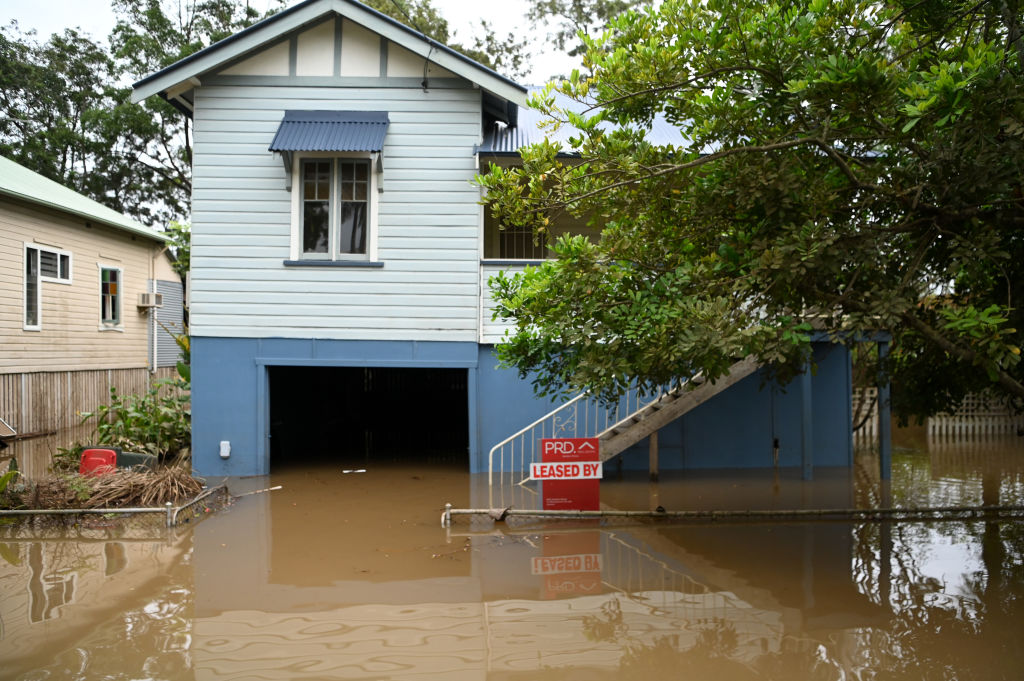
Following the devastation of recent flooding, experts are urging government intervention to drive the cessation of building in areas at risk.
Sustainable real estate is evolving beyond reducing environmental impact. R.Evolution highlights four shifts shaping regenerative development: integrating nature, prioritizing human health, embedding resource efficiency into design and creating adaptable buildings that deliver lasting value.
3 min
The way we think about sustainable buildings is changing. Buildings and construction account for around 32% of global energy consumption and 34% of global CO₂ emissions, making energy efficiency, lower emissions and responsible resource use important priorities for the real estate industry.
But reducing a building’s environmental impact is only part of the equation. The next question is whether buildings can actively contribute to the health of the people who live in them, the natural systems around them and the communities they serve.
This is the thinking behind regenerative real estate. Rather than focusing only on what a building consumes or avoids, regenerative development considers what it can give back; creating healthier living environments, supporting nature, using resources more intelligently and remaining resilient over time.
For R.Evolution, this approach is shaping how the next generation of residential developments is being conceived. Four shifts are helping to define the move from sustainable to regenerative real estate.
1. Nature is becoming part of how residential quality is measured
Sustainable development has traditionally focused on reducing a building’s environmental footprint. Regenerative development starts from a broader premise: that buildings are part of natural systems and should contribute positively to the environments around them.
The shift also reflects changing expectations among residential buyers. Knight Frank research into high-net-worth individuals interested in Dubai property found that proximity to parks and green spaces is becoming an increasingly important consideration, indicating that access to nature is playing a greater role in how people assess where they live.
For developers, this means that nature is increasingly being considered not simply as an amenity, but as part of the quality and long-term value of a residential environment.
2. Human health is becoming part of building performance
The performance of a building has traditionally been measured through factors such as energy efficiency, water consumption and emissions. Regenerative development expands this definition to consider the conditions people experience inside the building every day.
Air and water quality, thermal comfort, lighting, acoustics and access to nature all influence the quality of the indoor environment. For residential developments, these factors are becoming increasingly relevant as buyers place greater emphasis on health, recovery and quality of life.
EYWA Tree of Life, for example, incorporates MERV-14 air filtration, multi-stage water purification and mineralisation, non-toxic materials and biophilic design as part of its approach to healthier living environments.
This reflects a broader shift in the market. The UAE’s wellness real estate sector reached USD 14.6 billion in 2025, while the global wellness real estate market is projected to reach USD 1.8 trillion by 2030. At the same time, Dubai is developing a wider ecosystem around longevity and healthy life expectancy, including the Dubai Longevity Authority.
The implication for real estate is significant. Wellness is moving beyond individual amenities such as gyms, spas and pools towards the building itself — and the conditions it creates for everyday life.
3. Resource efficiency is moving from an operational consideration to a design principle
Regenerative development also changes how developers think about the resources that go into a building.
The World Green Building Council estimates that the built environment accounts for around 15% of global freshwater use. This is particularly relevant in the Middle East, where water scarcity creates additional pressure on how developments are designed and operated. Construction materials present another challenge: cement and steel are significant contributors to global emissions, while construction activity generates substantial volumes of waste.
Regenerative approaches address these challenges earlier in the development process through material selection, resource efficiency, reuse and lower-carbon specifications.
Importantly, reducing embodied carbon does not necessarily require significant additional cost. Research across the buildings studied by RMI found that upfront embodied carbon could be reduced by 19% to 46% through existing material and specification strategies, with cost premiums below 1%.
The opportunity is therefore not simply to consume fewer resources, but to rethink how materials, water and energy are selected, used and retained throughout a building’s lifecycle.
4. Long-term value will depend on how well buildings adapt
Real estate is inherently long term, yet development is often evaluated around a relatively short cycle: design, construction, launch and sale. Regenerative thinking extends the timeframe. It asks how a building will perform as climate conditions change, technologies evolve and the expectations of residents and investors develop.
This is particularly relevant in the Middle East. Cooling accounts for nearly half of peak electricity demand and around a quarter of annual electricity demand across MENA, making climate-responsive design an important consideration as temperatures and cooling requirements increase.
Adaptability also matters beyond operational performance. Buildings that can be renovated, reconfigured or repurposed over time are better positioned to retain their relevance without requiring complete replacement. Adaptive reuse can extend the life of existing structures, preserve architectural character and reduce the environmental cost associated with new construction.
The result is a broader definition of value. A regenerative building is not simply one that performs well when it is handed over. It is one designed to continue serving people, responding to changing conditions and retaining relevance over decades.
BNW Developments has established a Sydney presence, joining Arada and Sobha Realty among the growing number of UAE developers pursuing Australian buyers and development opportunities.
Saudi Arabia’s Alramz Real Estate has secured $133 million in Shariah-compliant credit facilities from Al Rajhi Bank to support property acquisitions, development and expansion.
< 1 min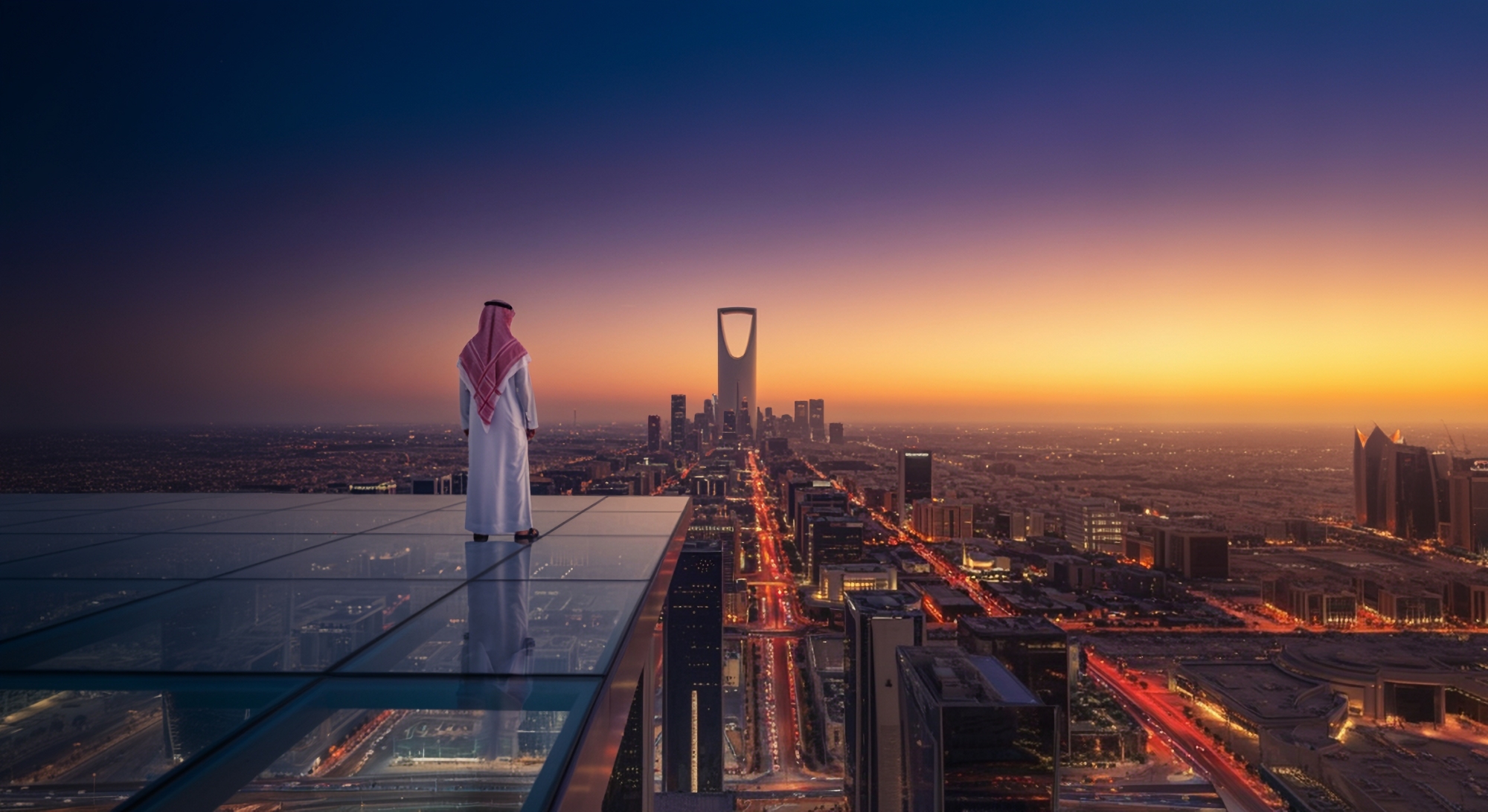
Alramz Real Estate has obtained Shariah-compliant credit facilities worth SAR 500 million ($133 million) from Al Rajhi Bank to finance real estate acquisitions and development as part of its expansion plans.
The financing package includes a SAR 450 million tranche with a tenor of five years, and a SAR 50 million tranche with a tenor of three months.
BNW Developments has established a Sydney presence, joining Arada and Sobha Realty among the growing number of UAE developers pursuing Australian buyers and development opportunities.
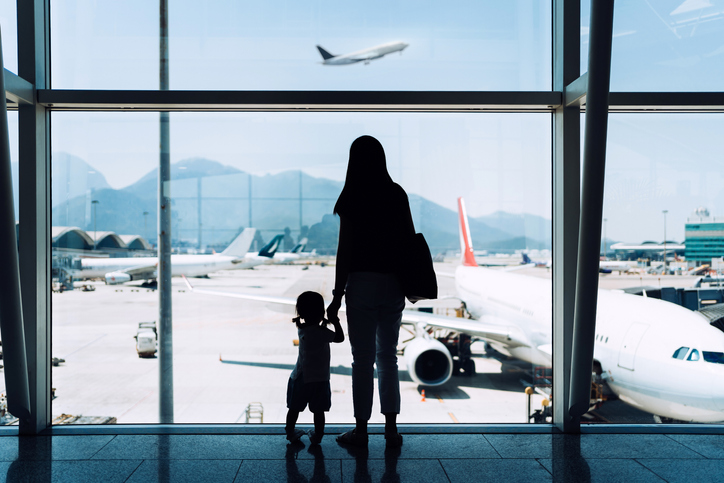
Dubai’s freehold rental market gained momentum in August, with 39,645 contracts registered, up 3.79% month-on-month, while property sales reached AED28.6 billion.
2 min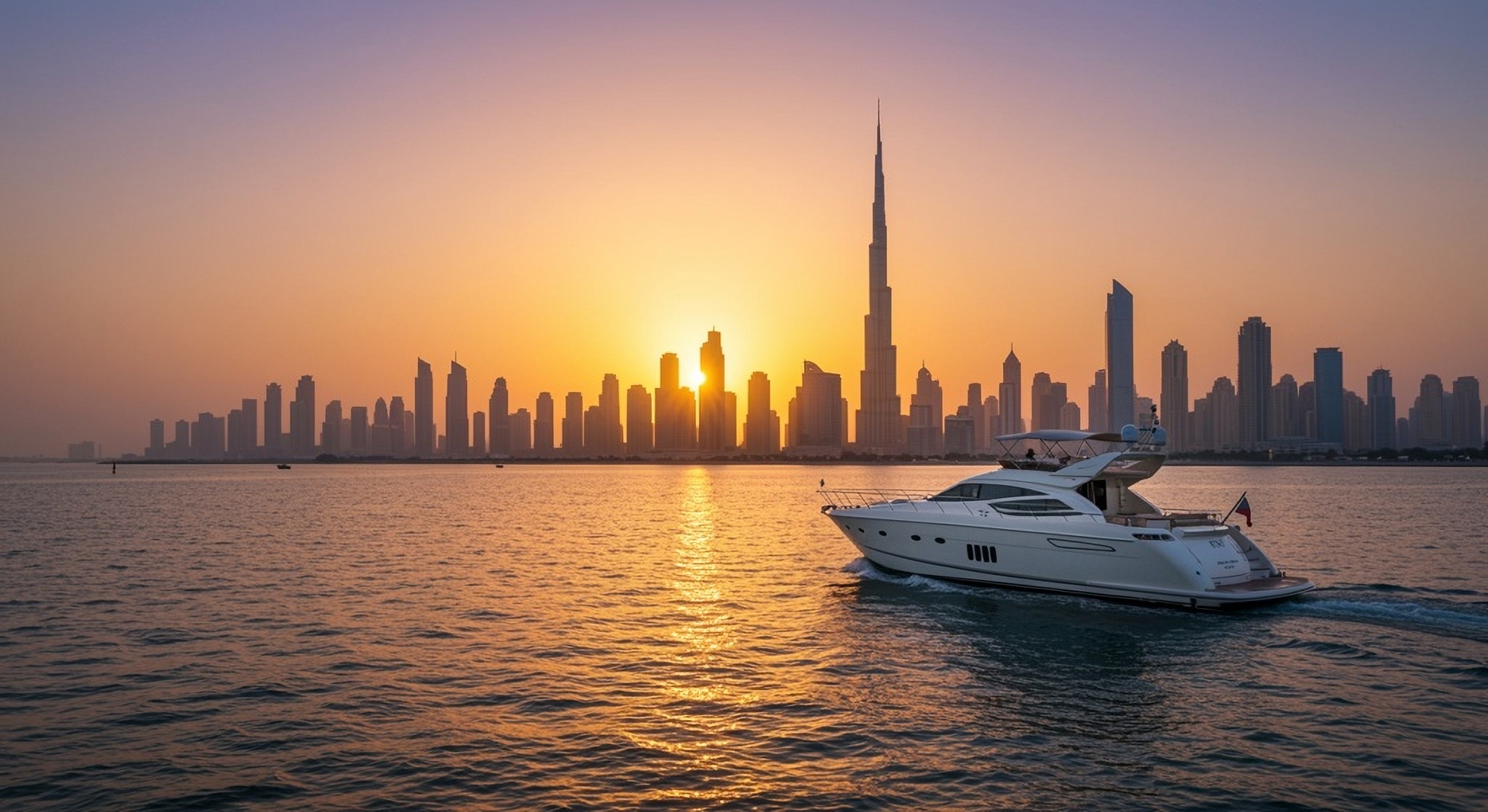
The pace of new and renewed rental contracts recorded in Dubai’s freehold areas continued to increase in August, says a new report.
A market analysis from fäm Properties shows that 39,645 rental contracts were registered across Dubai’s freehold areas in August, a 3.79% month-on-month (MoM) increase. The volume of new contracts climbed 19.4% YoY to 20,611, while renewals increased by 4.4% YoY to 19,034.
This takes the total number of freehold rental contracts recorded for the first eight months in 2026 to 257,284, a 5.5% increase on the same period in 2025 which ultimately set a full-year record of 377,944 registered contracts.
To date this year, the leading area of Dubai in freehold rentals is Al Warsan First, with a total of 23,894 registered tenancy contracts. Underlining a consistent apartments preference in the market, 105,880 (41%) tenancy contracts registered were for one-bedroom units.
Meanwhile, Data from DXBinteract shows that the market delivered 12,018 sales transactions valued at AED28.6 billion ($7.79 billion) last month. Once again off plan sales dominated with 8,359 transactions worth AED 16.3 billion compared with 3,659 valued at AED12.4 billion in the resale market.
For a sixth consecutive month, Dubai South was the emirate’s best-performing area in primary market sales volume, recording 1,908 off-plan transactions worth AED2.3 billion.
“The rental market is an important indicator of how committed people are to living and working in Dubai, regardless of regional uncertainties over the last months,” said Firas Al Msaddi, CEO of fäm Properties. “The volume of new contracts in part reflects the fact that tenants are moving to take advantage of lower rents in some areas, which is natural in the circumstances.”
August recorded 9,974 apartment sales worth AED15.7 billion, alongside 1,354 villa sales worth AED7.9 billion, 183 plot sales valued at AED2.6 billion, and 420 commercial transactions, including offices and shops, worth AED AED1.5 billion.
The most expensive apartment sold in August went for AED86 million at The Address, Jumeirah Gate Tower 2 at Jumeirah Beach, while the most expensive villa fetched AED110 million at Signature Villas.
With properties worth more than AED5 million accounting for 5.7% of sales, 7.25% were between AED3-5 million, 10.9% between AED2-3 million, 33.2% between AED1-2 million and 42.8% were below AED1 million.
BNW Developments has established a Sydney presence, joining Arada and Sobha Realty among the growing number of UAE developers pursuing Australian buyers and development opportunities.
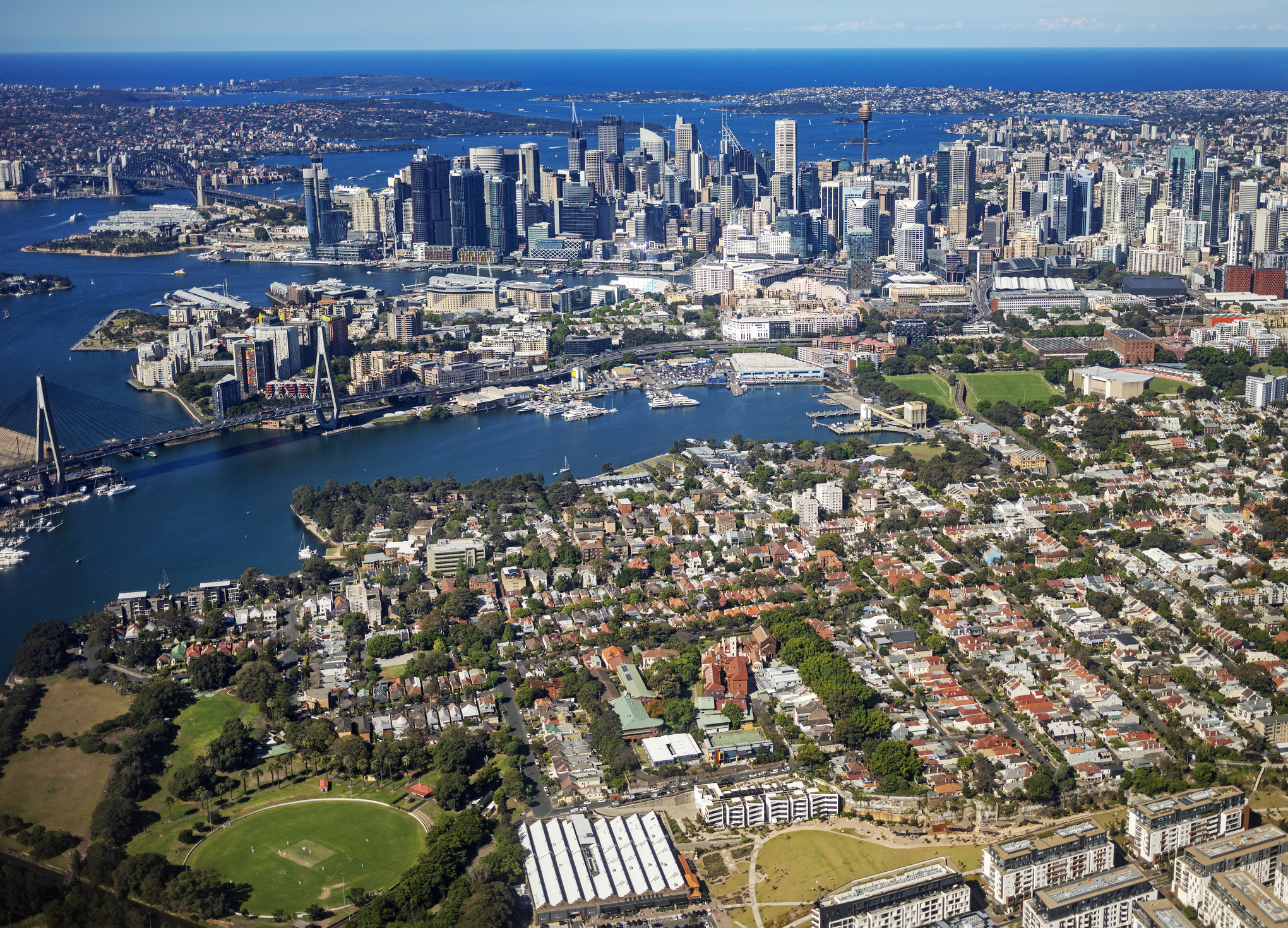
Riyadh households are spending less of their income on rent, with the share falling to around 15% following measures to balance the capital’s property market.
< 1 min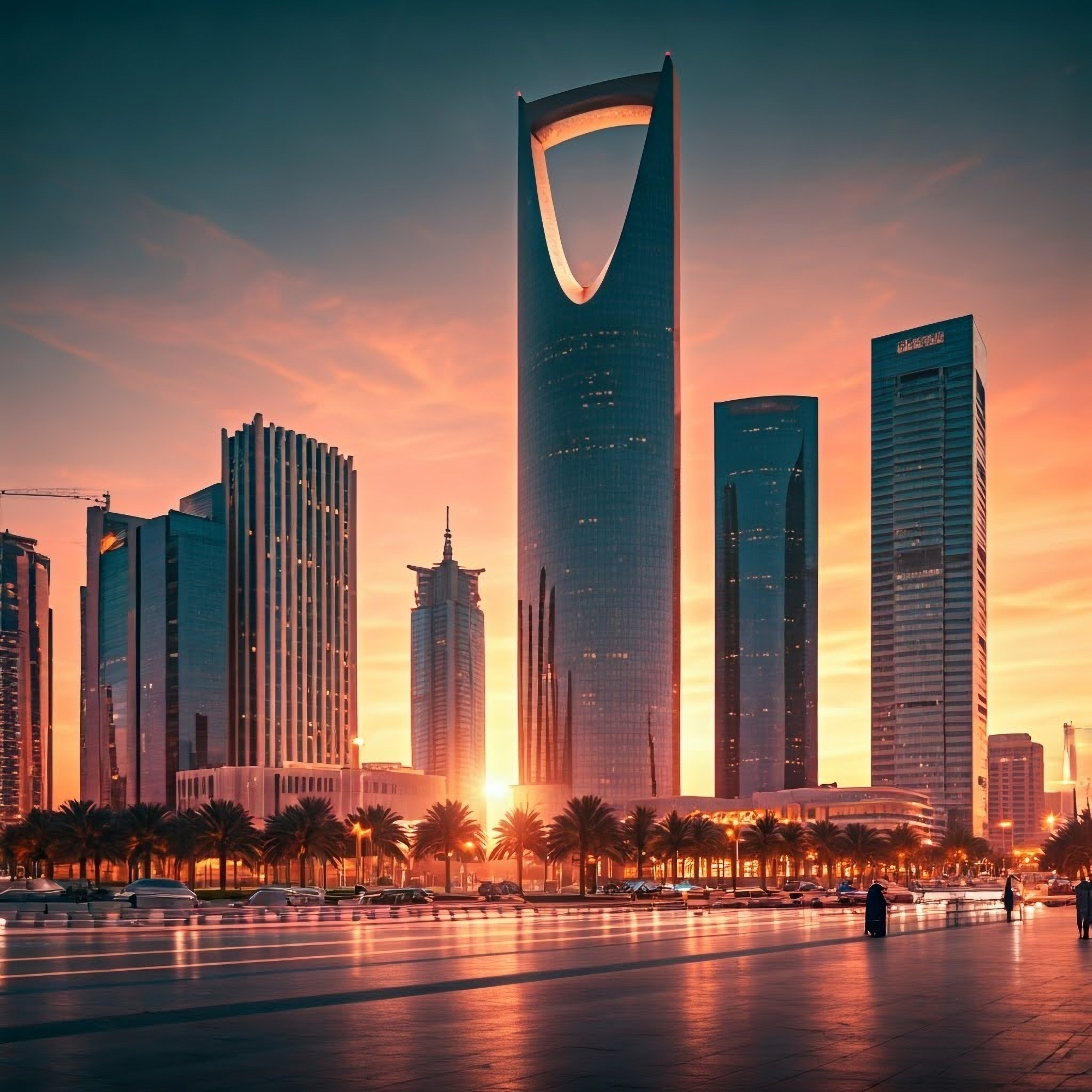
The share of household income spent on rent in Riyadh has fallen to about 15%, from more than 17.5% in September 2025, according to Real Estate General Authority (REGA) CEO Abdullah Al-Hammad.
Speaking at the Legal Aspects of Governance Conference at King Saud University, Al-Hammad said the decline was among the tangible results recorded following the introduction of measures aimed at balancing Riyadh’s property market.
He noted that the most financially vulnerable households had been spending more than 30% of their income on rent.
Al-Hammad said Crown Prince and Prime Minister Mohammed bin Salman’s directives included continuously monitoring real estate indicators and submitting periodic reports on results and challenges.
Riyadh has introduced a series of measures aimed at addressing pressures in the rental market, including a five-year freeze on annual rent increases for existing and new residential and commercial lease contracts within the capital’s urban boundary.
For vacant residential and commercial properties that have previously been leased, the total rent is fixed at the amount stipulated in the property’s most recent Ejar contract. For properties that have never previously been rented, the rent is determined by agreement between the landlord and tenant.
The measures also extended the notice period required when a landlord does not intend to renew a standard residential lease because the property will be used personally or by a first-degree relative.
In such cases, tenants must receive at least 365 days’ notice before the lease expires. If notice is given less than 365 days before expiry, the lease is extended until a full year has elapsed from the date the tenant was notified.
BNW Developments has established a Sydney presence, joining Arada and Sobha Realty among the growing number of UAE developers pursuing Australian buyers and development opportunities.