






Aldar launches Al Deem Townhomes on Yas Island
Aldar launches 450 townhomes for UAE nationals at Al Deem community near Yas Island, blending modern living with Emirati traditions, including the UAE’s first live-work homes, with sales starting 12 September.
 < 1 min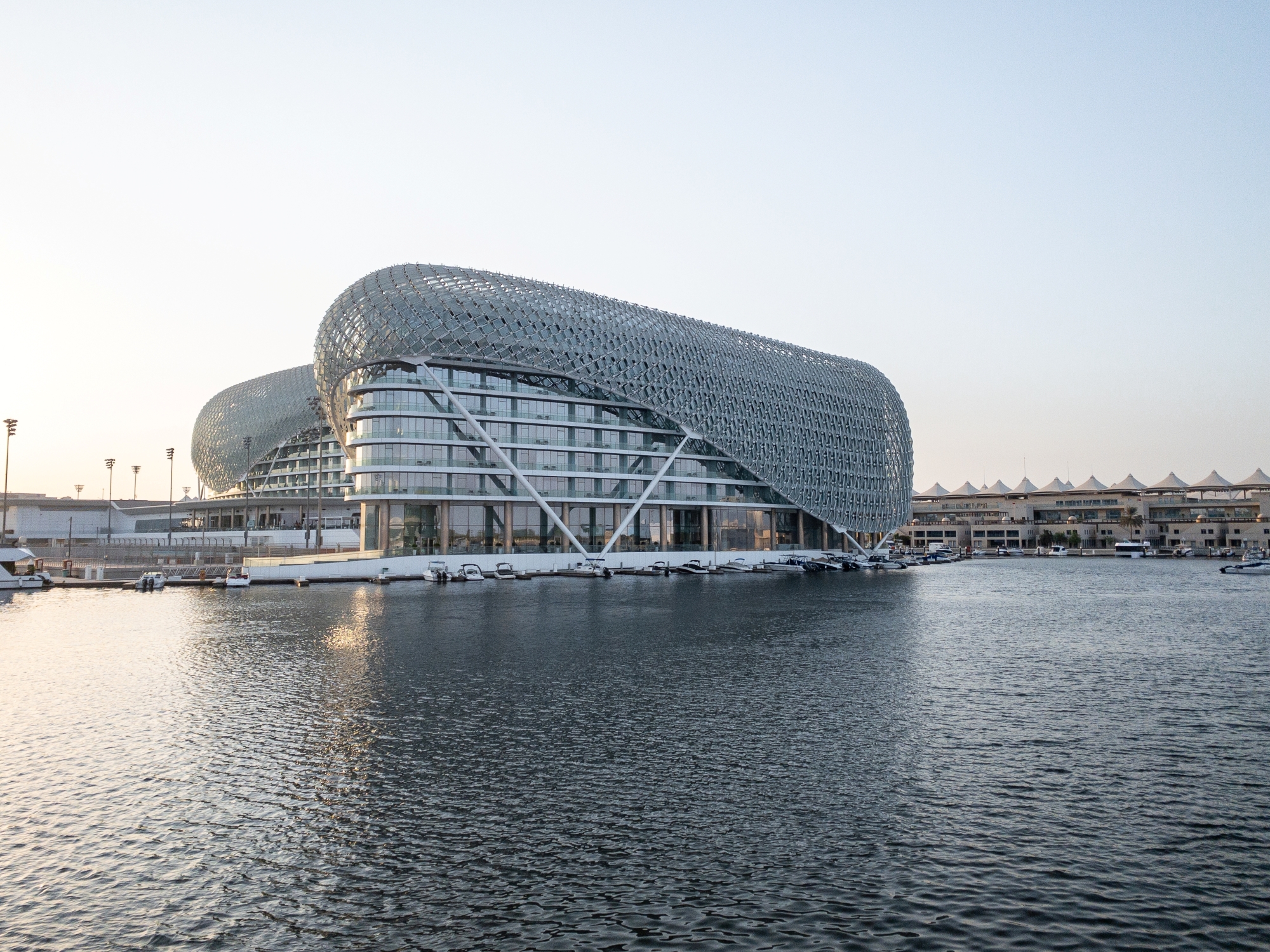
Aldar announced today the launch of 450 townhomes exclusively for UAE nationals at the family-oriented Al Deem community, located northeast of Yas Island. Set to launch for sale on 12 September, the townhomes are thoughtfully designed to integrate contemporary living with traditional Emirati values.
Comprising three- and four-bedroom townhomes, prioritizing space and comfort, each unit features a majlis and multiple entrances to optimize privacy and convenience. The community features 26 three-bedroom live-work homes that are first of their kind in the UAE with commercial space located on the ground floor and private living quarters on the first floor.
Situated within the wider Al Deem community – formerly known as Balghaiylam – the homes represent the seventh cluster in the masterplan. With more than 1,700 homes being developed across the first six clusters, under Abu Dhabi’s national housing program in partnership with the Abu Dhabi Housing Authority, this launch provides a unique opportunity for Emirati buyers to own a home close to loved ones who purchased in the earlier phases.
Additionally, two new bridges will connect the community to Yas Island, ensuring direct access to its world-class entertainment, dining, and leisure activities, including Yas Mall, Yas Marina, Ferrari World, and Yas Waterworld, as well as a quick commute to Zayed International Airport and the rest of Abu Dhabi.
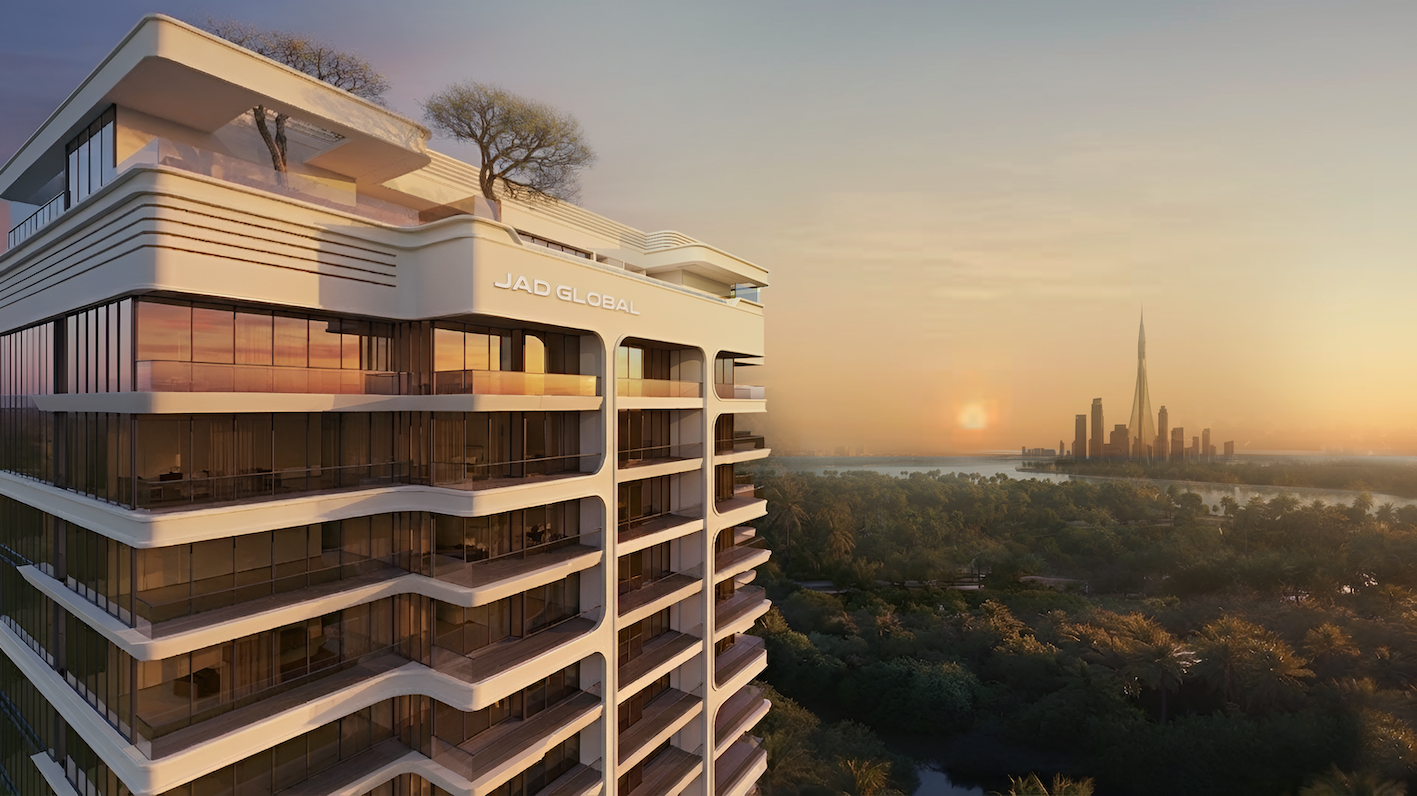
Located in Al Jaddaf, the AED 240 million development blends neuroarchitecture with modern urban living, offering freehold homes, lifestyle amenities, and strong connectivity. The launch comes as JAD Global’s Dubai investment portfolio surpasses AED 1 billion.
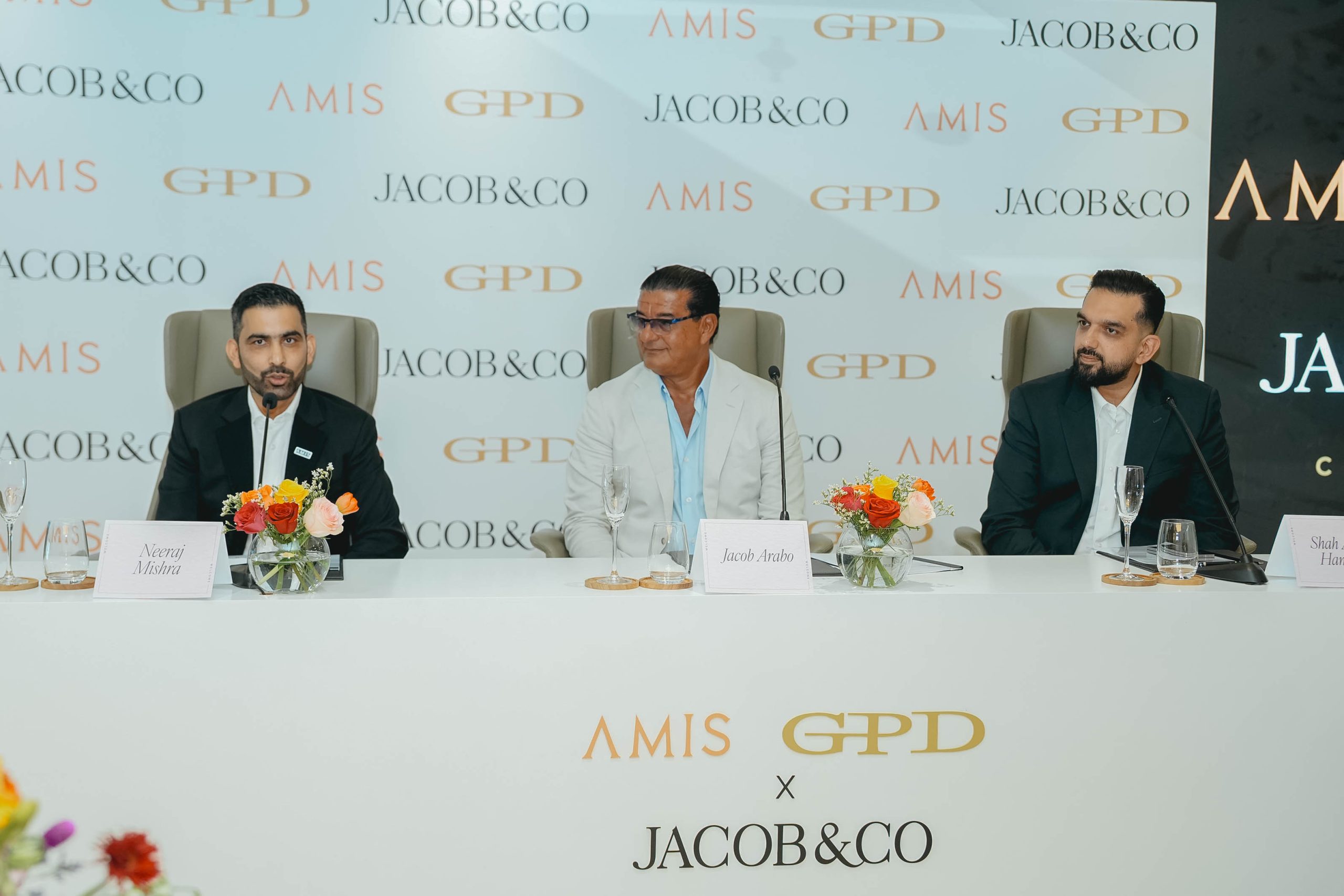
AMIS GPD Development has entered into an agreement with luxury watch and jewellery brand Jacob & Co. to develop a high-end villa community in Meydan, one of Dubai’s most prestigious districts. The collaboration brings together real estate expertise and global design excellence to deliver a luxury residential project that sets a new benchmark for exclusivity, craftsmanship, and modern living in Dubai.
Just five years ago, the U.A.E. city recorded only 30 home sales priced at $10 million and above.
The penthouse unit at 80 Columbus Circle in Manhattan spans 8,000 square feet and once set a price record for the city.
2 minEight is definitely someone’s lucky number—especially when a few zeros are tacked on at the end.
The top-floor unit of the 80-storey 80 Columbus Circle in Manhattan is coming to market for the first time in more than 20 years and asking a nice round $80 million.
The full-floor unit spans over 8,000 square feet and is part of the Mandarin Oriental Residences above the hotel in the Deutsche Bank Center. It has eight rooms with eight ensuite baths, each with its own walk-in shower.
It last sold in 2005 for a hair under $30 million to cosmetics executive Sandie Tillotson, a founding member and senior vice president at the Utah-based Nu Skin Enterprises. She agreed to purchase the unit in 2001 while the complex was under development as the Time Warner Center.
Today, the six-bedroom apartment features spacious living areas and views from every room, including a close-up view of Central Park and panoramic 360-degree vistas stretching to the Mario M. Cuomo Bridge, according to listing agent Eva J. Mohr of Sotheby’s International Realty.
“There are windows all the way around,” Mohr said. “The views are spectacular and there are no obstacles in front of the windows.
The apartment comes with a library and cinema, a primary bedroom with its own lounge, an oversized kitchen, a corner breakfast area with two glass walls and a utility room with caterer-level equipment and two sinks—one for prepping flowers and the other for bathing pets.
The 80th-floor unit has never been resold and was rarely used by the seller, according to information provided by the listing agency. The corresponding top-level unit in the complex’s second tower just sold. That unit once belonged to Related Companies boss Stephen Ross and sold for $50.7 million in an off-market deal last week.
“The one that went for $55 (sic) million was completely redone with marble and it was beautiful, but you don’t have the views,” Mohr said.
When Tillotson bought the property, the $30 million contract was a record price for a condominium, according to the New York Times. In 2005, the apartment was delivered as “8,200 square feet of raw space” and Tillotson brought her own team to do the interiors, the Times reported.
Tillotson’s Nu Skin is a seller of anti-ageing and wellness products that was founded in the 1980s and is active in more than 50 international markets, particularly in China. The publicly traded company has also recently expanded into India. Nu Skin has several thousand permanent employees at its Provo, Utah, headquarters as well as tens of thousands of salespeople worldwide.
The sports-car maker delivered 279,449 cars last year, down from 310,718 in 2024.

Paine Schwartz joins BERO as a new investor as the year-old company seeks to triple sales.


For savvy home hunters seeking real estate with benefits, countries that offer passports through investment have become the real golden ticket
4 min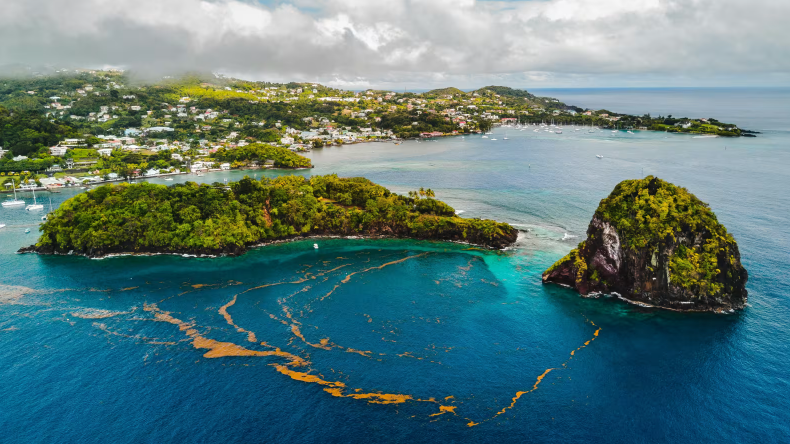
Golden visas are so 2025.
For savvy home hunters seeking real estate with benefits, countries that offer full citizenship by investment (aka CBI programs) have become the real golden ticket, with Caribbean nations leading the charge.
St. Vincent and the Grenadines announced in December that it plans to launch a CBI scheme this year, following neighbors Antigua and Barbuda, Dominica, Grenada, St. Lucia, and St. Kitts and Nevis. St. Kitts launched the region’s first CBI program in 1984.
Rather than just offering residency, citizenship-by-investment programs grant passports to foreigners who either invest in government-run philanthropic projects or buy approved real estate, said Basil Mohr-Elzeki, a Miami-based managing partner at Henley & Partners, a global firm that specializes in residency and citizenship planning.
“Governments started these programs to seek foreign direct investment,” Mohr-Elzeki said. “The investor’s family gets a passport. The country gets economic stimulus that leads to jobs and infrastructure. It’s a win-win.”
But there’s a case for investors to hurry if they’re seriously interested, as residency- and citizenship-for-investment programs tend to come under the microscope as they become more popular.
According to a report from the European Commission, more than 100,000 passports have been issued through CBI programs since 2014. But the report added that “the past years have shown that traveling without a visa may pose significant challenges related to irregular migration and security.”
As a result, islands may soon tighten up requirements, Mohr-Elzeki said.
“St. Kitts will be implementing a more merit-based program, meaning a genuine link to the island, a physical presence, or job creation or a business, and other islands are rumored to be considering more stringent requirements and higher investment thresholds,” he said. “But we don’t see a cap coming. We see a change of program to make it more difficult as demand increases.”
To add to pressures in the region, the United States this week announced it will no longer process visa applications from 75 countries, including most of the Caribbean islands.
Boom in U.S. Applicants
As applications for CBI programs have “surged,” host countries are seeing significant changes in both who’s applying and how they’re spending. Among Henley Global clients, U.S. nationals accounted for 5% of total applications in 2018, a figure that rose to about 40% in 2025, “a 2,425% increase in applications,” Mohr-Elzeki said. The firm also saw a 43% increase in total CBI applications in 2025 compared to 2024, he said.
When the programs started, “it was people who wanted to get into the U.S. and required a friendlier passport than their home countries, like Russia or China,” said Dominique Silvera, co-founder of Christie’s International Real Estate Barbados. “Ironically, it’s a lot of Americans who are buying now. If you’re an American who does global business, it’s hard to say these days who’s a friend and who’s not, so a neutral passport is valuable.”
For many buyers exploring CBI programs in the region, lifestyle is a primary driver of where they end up buying, said Odge Davey, head of international sales for Savills in London. “Barbados has fantastic golf courses, beautiful landscapes and amazing nature,” he said. “You may get more for your money in Antigua in terms of property. Connectivity is another consideration, since some islands have better airlift than others to the U.S. and Europe.”
The Nuances of Each Island
But tax-efficiency and add-ons to CBI programs also influence choice of location, said Walter Zephirin, managing director of London-based Caribbean real estate specialists 7th Heaven Properties. “Each island has its own little nuances in terms of appeal to buyers. St. Kitts and Nevis is one of the most tax-efficient. Dominica is cheapest in terms of property investment and government donations. And Antigua is a real opportunity buy in terms of capital appreciation.”
Dominica “is also quicker to approve applications, because they don’t have a huge backlog,” said Silvera of Christie’s. “St. Kitts gets many more applications, so the process could take much longer.”
Buyers should also consider their horizon for keeping or selling property, Silvera said.
“Dominica is not a high-volume, high-turnover real estate island, so if you’re planning to eventually sell, you have to consider that. And on St. Kitts, you can’t sell CBI-connected real estate for seven years, so if you’re not planning to hold property, it may not be the best choice for you,” she said.
A St. Kitts passport also enables visa-free travel to 155 countries, the most of any island nation that offers a CBI program, she said. And because of a treaty with the U.S., Grenada’s passport is the only one in the region that provides access to an E2 visa, which allows a two-year stay in the U.S. for investors who commit “substantial” capital to a Stateside business. “If you’re coming from somewhere like the Middle East, that’s your roadmap to the U.S.,” she said.
Why You Should Hire an Expert
Obtaining citizenship by investment isn’t as easy as writing a check, said Mohr-Elzeki of Henley & Partners. “There is stringent due diligence to ensure that these passports are awarded to good citizens,” he said. “It’s more extensive than a standard background check. Every government has strict criteria and multiple layers. Because it could pose a risk for other countries, these Caribbean nations are very conscious about security. Rejections happen if files aren’t submitted correctly.”
Applicants must work with an authorized agent or lawyer to get the benefits of a CBI program, Mohr-Elzeki said. Approvals can take six to eight months, he said. Applicants can expect to pay around $40,000 to $60,000 in consultant fees and about $10,000 to $20,000 in government and administrative costs; applications can include dependent children, he said.
The sports-car maker delivered 279,449 cars last year, down from 310,718 in 2024.

Chris Dixon, a partner who led the charge, says he has a ‘very long-term horizon’


Chestertons MENA sees a steady 2026 outlook for Dubai’s commercial property market, with investor focus on off-plan offices, logistics, and community retail driven by quality and long-term value.
3 min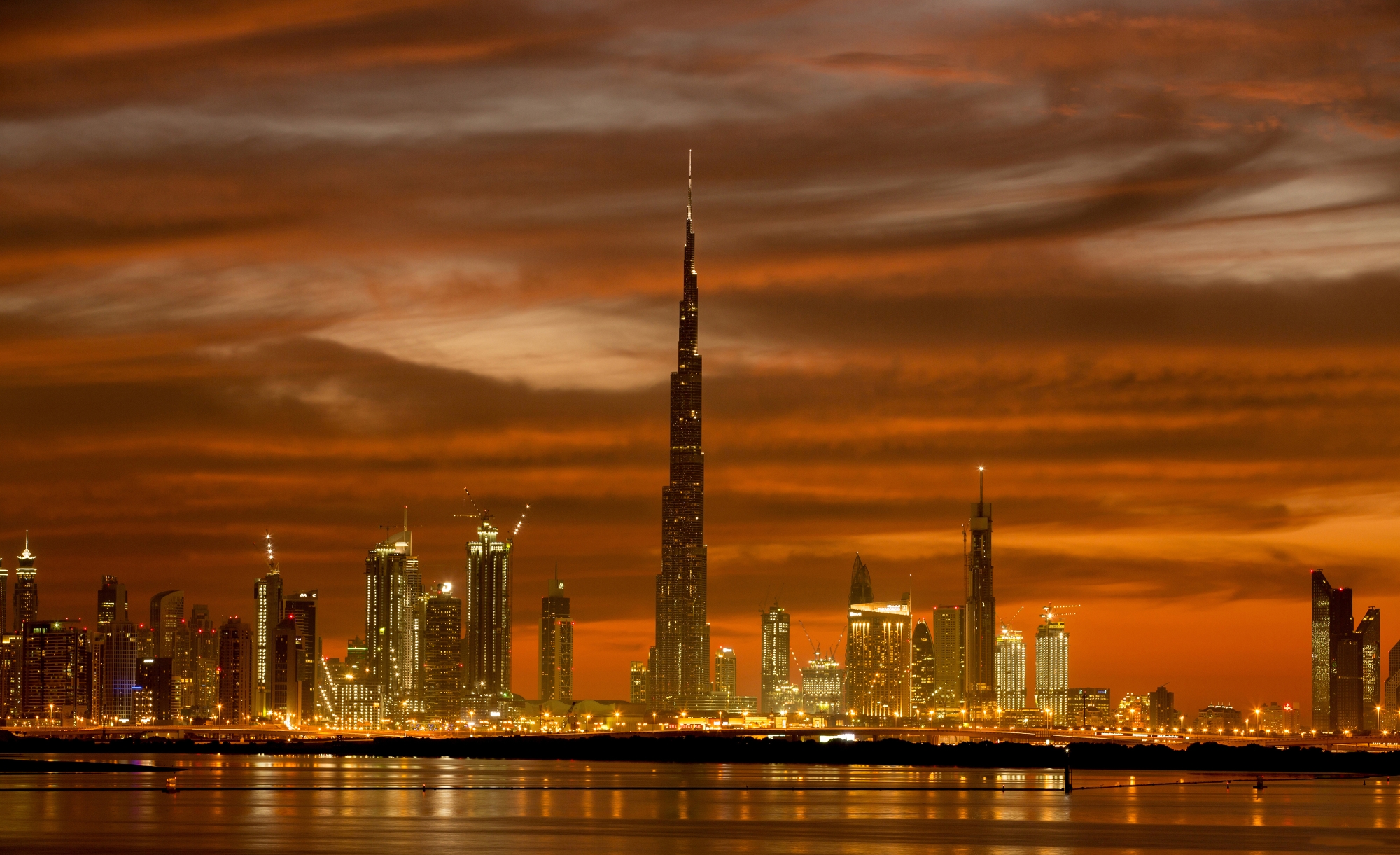
Backed by over two centuries of global real estate expertise and a strong regional footprint, Chestertons continues to play a trusted advisory role in Dubai’s commercial property market. Combining international perspective with deep local insight, the firm has released its latest outlook on investor behavior and development trends expected to shape commercial real estate in 2026. In a sector that’s constantly evolving, these findings empower investors to make informed decisions, grounded in Chestertons’ real market understanding.
A Stable Regulatory Landscape
Chestertons’ market research suggests that the regulatory environment in 2026 will remain supportive of commercial activity without causing a significant shift in overall investment volumes. Recent updates to commercial law are set to enhance operational flexibility by allowing companies to re-domicile more easily between free zones, mainland jurisdictions, and across different emirates. While most commercial licenses continue to require a physical office presence, demand for office space is therefore expected to remain steady.
Where Investor Interest Is Concentrating
Investor attention in 2026 is expected to remain focused on three core sectors: off-plan office spaces, warehousing and logistics assets, and community-based retail centers. Off-plan offices continue to attract strong interest due to a shortage of high-quality stock, encouraging both investors and occupiers to secure space early.
Logistics and warehousing assets are being driven by Dubai’s role as a regional and global gateway for trade and imports, supported by world-class ports, free zones, and integrated transport links that connect to markets across Europe, Asia, and Africa. With Dubai’s location allowing businesses to reach over two-thirds of the world’s population within roughly an eight-hour flight and its key hubs handling millions of tons of cargo annually, demand for storage, distribution, and supply-chain infrastructure remains robust. Continued population growth across the wider region further fuels consumption and makes logistics real estate a resilient option for investors.
Meanwhile, retail investment is shifting towards neighborhood centers within residential communities, where footfall is driven by local demand rather than destination shopping. Chestertons also noted that demand for mixed-use buildings with shared residential infrastructure remains comparatively limited, as corporate occupiers continue to favor dedicated commercial environments with independent access, parking, and amenities designed specifically for business use.
Beyond traditional business districts, several areas are gaining momentum as commercial investment destinations. Business Bay, Jumeirah Lake Towers, and Barsha Heights continue to attract office demand, supported by accessibility and established infrastructure. At the same time, emerging communities such as Jumeirah Village Circle and Arjan are witnessing their first dedicated commercial launches.
Elsewhere, industrial zones including Dubai Investment Park, Dubai Industrial City, National Industrial Park, and Al Quoz remain key hubs for logistics and warehousing. Improved infrastructure and proximity to growing residential populations are driving decentralization, shifting activity away from the historic central business districts.
Domestic and International Investor Behavior
Looking ahead, the real estate advisory firm predicts a clear distinction between domestic and international investor behavior in the coming year. Overseas investors are likely to remain active in office and retail assets, attracted by relatively hands-off ownership models and simpler entry strategies. These assets offer predictable leasing structures and easier management from abroad.
On the other hand, domestic investors are expected to dominate the warehousing and logistics sector. These developments often involve land acquisition, longer execution cycles, and more hands-on oversight, making them better suited to investors with local market knowledge and operational capacity.
Balancing Rental Yield and Capital Growth
Investor strategies in 2026 are increasingly balanced, with equal emphasis placed on income stability and long-term appreciation. Rather than prioritizing one objective over the other, decision-making is centered around yield sustainability, rental growth potential, and asset resilience over time.
Commenting on these insights, Mohamed Mussa, Executive Director of Chestertons MENA, shared, ‘Dubai’s commercial market is entering a more measured phase, where clarity and selectivity matter more than speed. Investors are prioritizing quality, location, and long-term performance, which is a healthy sign for the market overall.’
As Dubai’s commercial real estate landscape continues to evolve, Chestertons remains focused on providing clear, grounded advice that reflects both global best practice and local realities. Through detailed market analysis and an advisory-led approach, the firm empowers investors to pursue sustainable growth with confidence in 2026 and the years ahead.
Paine Schwartz joins BERO as a new investor as the year-old company seeks to triple sales.

Americans now think they need at least $1.25 million for retirement, a 20% increase from a year ago, according to a survey by Northwestern Mutual


Located in Al Jaddaf, the AED 240 million development blends neuroarchitecture with modern urban living, offering freehold homes, lifestyle amenities, and strong connectivity. The launch comes as JAD Global’s Dubai investment portfolio surpasses AED 1 billion.
2 minJAD Global Real Estate Development, a UAE-based developer focused on holistic wellness, launched J188, its latest residential project in Dubai, offering elevated urban living spaces at the intersection of the emirate’s heritage and modern skyline. Incorporating neuroarchitecture elements, the AED240 million J188 development is designed to create a seamlessly serene home environment while simultaneously energizing the lifestyles of its residents.
The announcement follows the successful sell-out of JAD Global’s earlier residential project, 171 Garden Heights and comes alongside the introduction of JAD 288, a three-building community in Jumeirah Garden City. The value of JAD Global’s Dubai real estate investment portfolio now stands at more than AED 1 billion.
J188 was launched at a VIP gala dinner at Jumeirah Burj Al Arab, bringing together senior officials, investors, strategic partners, and media representatives. The event featured a range of wellness experiences which reflect JAD Global’s brand and lifestyle offerings, including oxygen therapy and immersive meditative music.
Located in Al Jaddaf, J188 is a 13-storey residential building offering one- and two-bedroom freehold apartments, thoughtfully designed around wellness, comfort, and everyday living. The homes offer sweeping views of Dubai Creek and Downtown Dubai from a location that boasts strong connectivity to transport links and key city destinations.
The project places a strong emphasis on thoughtful, value-oriented, and wellbeing-led design. This includes a curated range of lifestyle and community amenities such as a rooftop skyline pool, a sky view deck overlooking the creek, fitness and wellness spaces, a padel court, co-working areas, landscaped gardens, and family-friendly zones. Residences are designed to support privacy and long-term livability, reflecting JAD Global’s focus on human-centric urban environments.
JAD Global CEO, Mohammed Al Sheikh said: “J188 marks the next phase of JAD Global’s expansion as we continue to broaden our residential portfolio in Dubai, one of the fastest growing real estate investment destinations in the world. Institutional investor backing for this project highlights confidence in our business model and our ability to deliver, while J188 itself represents our continued focus on well-designed, well-connected residential spaces that respond to how people want to live.”
J188 offers freehold ownership for all nationalities, with the potential for 10-year UAE Golden Visa eligibility, subject to applicable requirements, enhancing its appeal to both end-users and long-term investors. Buyers will also benefit from a flexible 50/50 payment plan, structured to support accessible ownership throughout the construction period, with completion anticipated in Q2 2028.
Paine Schwartz joins BERO as a new investor as the year-old company seeks to triple sales.
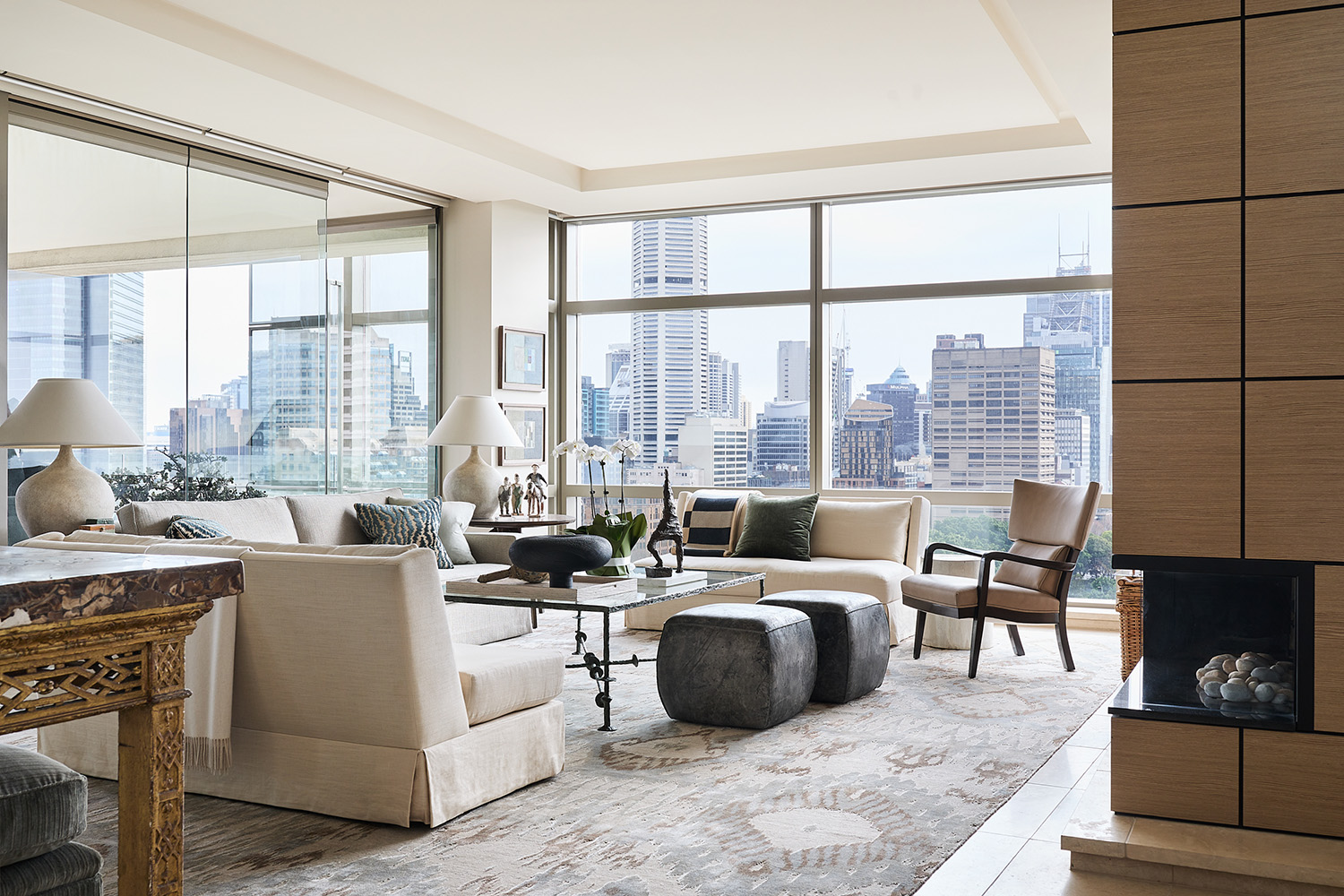
Interior designer Thomas Hamel on where it goes wrong in so many homes.

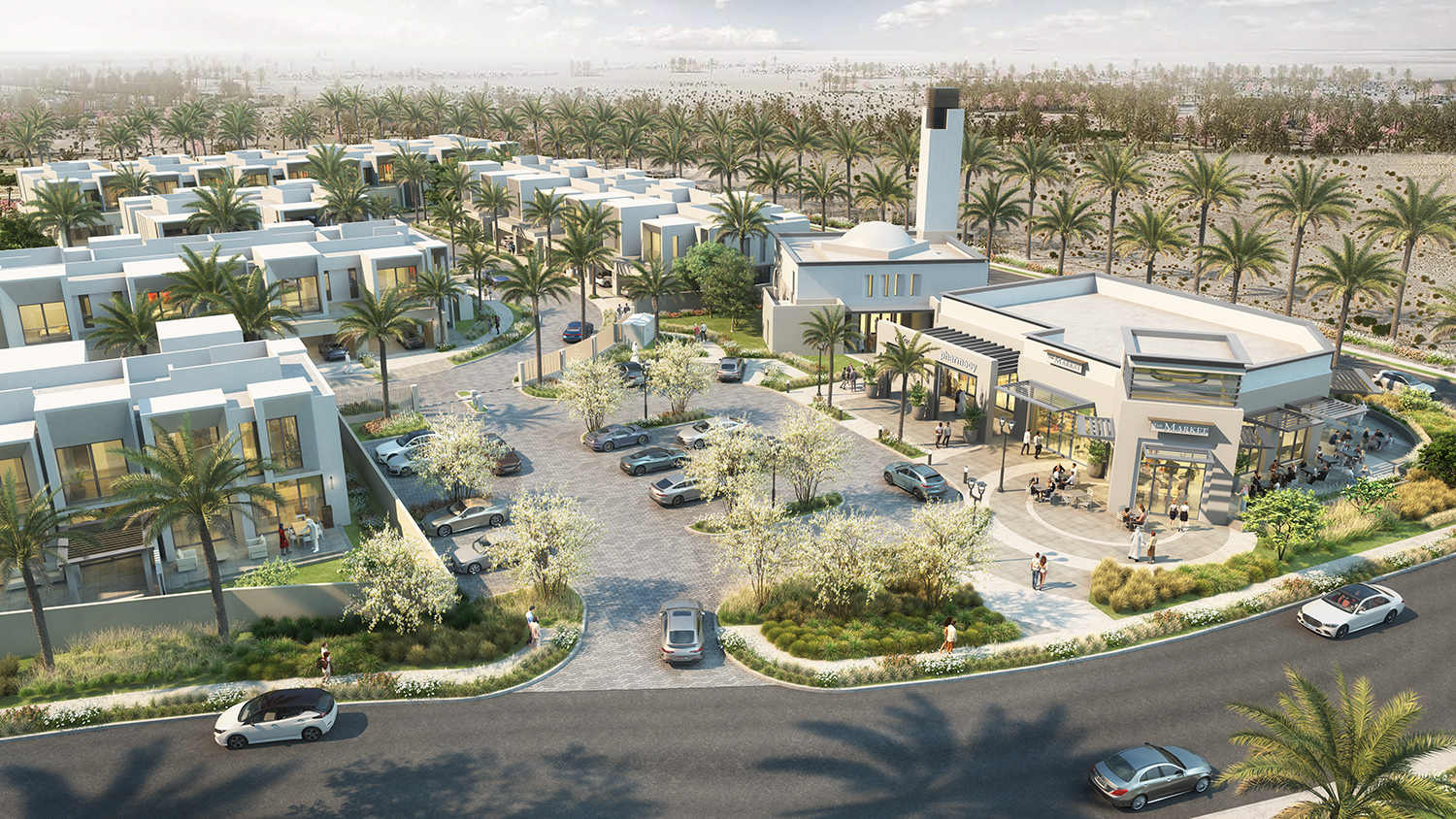
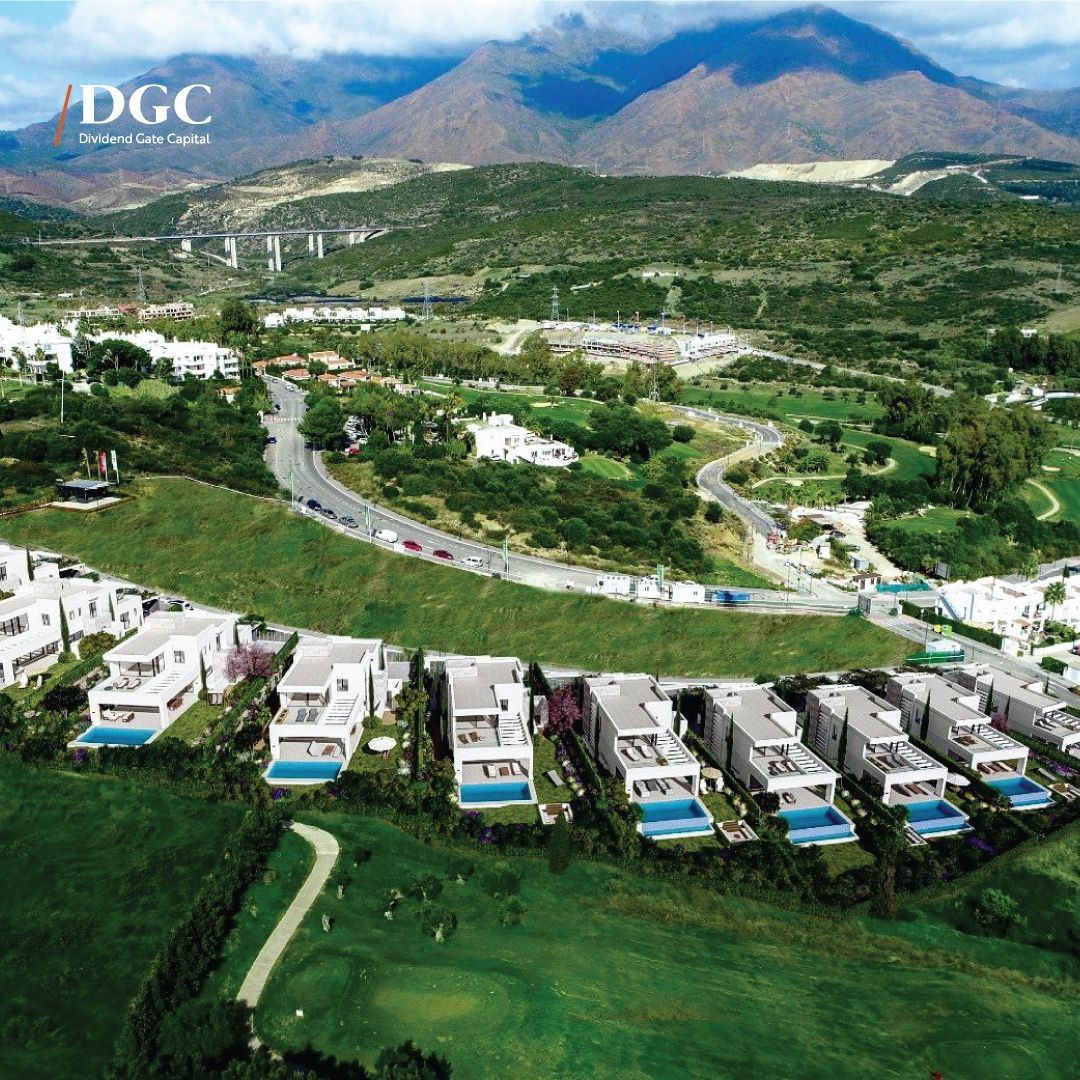
AMIS GPD Development has entered into an agreement with luxury watch and jewellery brand Jacob & Co. to develop a high-end villa community in Meydan, one of Dubai’s most prestigious districts. The collaboration brings together real estate expertise and global design excellence to deliver a luxury residential project that sets a new benchmark for exclusivity, craftsmanship, and modern living in Dubai.
< 1 minAMIS GPD Development, a part of AMIS Group, entered into an agreement with high watchmaking, high jewellery brand Jacob & Co. to build a luxury villa community in the Meydan, Dubai.
The signing ceremony, held at the AMIS Sales Centre on Sheikh Zayed Road, was attended by Jacob Arabo, Founder, Chairman and Creative Director of luxury brand Jacob & Co., Neeraj Mishra, Founder and CEO of AMIS GPD Development and Shah Azim Hameed shareholder of AMIS GPD Development.
The collaboration between Jacob & Co. and AMIS GPD Development will craft a high-end residential community in the exclusive Meydan area of Dubai. The community embodies the uppermost level of luxury, exclusivity and modern living. Situated in one of Dubai’s most prestigious districts, the project will integrate the finest materials, design and technology, setting a new standard for Dubai’s luxury villa market.
Speaking at the event, Jacob Arabo, Founder and Chairman of Jacob & Co., commented: “Our collaboration with AMIS GPD Development represents a fusion of two brands that share a passion for excellence. We are creating a truly unique living experience. The community we’ll build together will be a beacon of sophistication and luxury in Dubai.”
Neeraj Mishra, Founder & CEO of AMIS GPD Development, added: “This cooperation marks a key milestone for AMIS as we continue to expand our footprint in Dubai’s luxury market. Our joint efforts with Jacob & Co. ensure that this project will be unparalleled in design, craftsmanship and innovation.”
Shah Azim Hameed, shareholder of AMIS GPD Development stated: “This collaboration is a clear reflection of our long-term conviction in Dubai’s luxury real estate sector. This project allows us to combine strong development fundamentals with global design excellence. Together, we are laying the foundation for a distinctive residential offering that is both enduring and future-focused.”
Paine Schwartz joins BERO as a new investor as the year-old company seeks to triple sales.
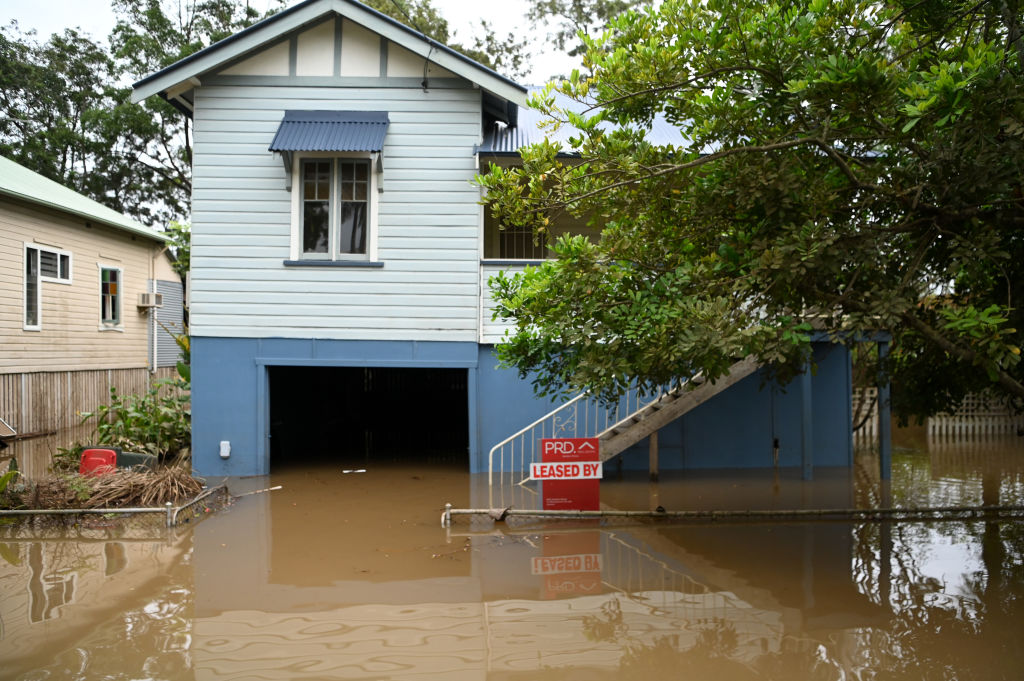
Following the devastation of recent flooding, experts are urging government intervention to drive the cessation of building in areas at risk.

Just five years ago, the U.A.E. city recorded only 30 home sales priced at $10 million and above.
2 min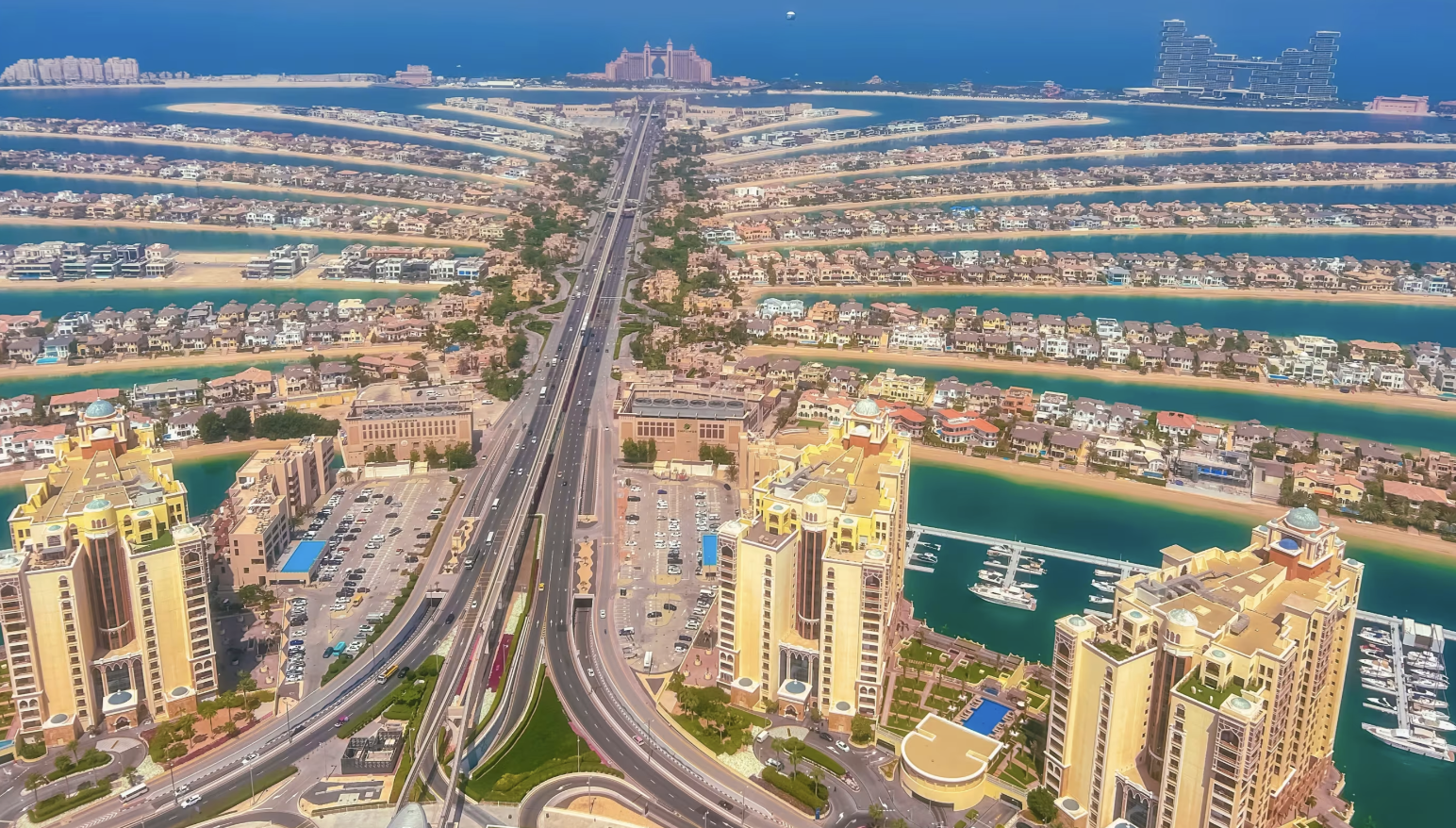
Dubai had a banner year in 2025, logging a record-breaking number of home sales at $10 million and above, according to a report from Knight Frank on Monday.
The U.A.E. city closed out the year with 500 sales valued at $10 million-plus—including 68 homes that sold for more than $25 million, another all-time high—producing a total value of $9.05 billion, a 27.7% increase of 2024’s luxury sales volume of $7.09 billion.
A strong fourth quarter helped propel the market to these record numbers, with 143 homes selling for more than $10 million during the final three months of the year, up from 103 in the third quarter.
Regional and worldwide luxury buyers alike continue to be compelled to buy property in Dubai, “attracted by the high quality of life, world-class amenities and infrastructure, enabled by the government’s ambitious investment programs,” Faisal Durrani, partner and head of research for Knight Frank’s Middle East and North Africa (MENA) region, said in the report.
“Dubai’s meteoric rise as the world’s busiest market for $10 million-plus homes, having increased from just 30 sales in 2020 to 500 by the end of 2025, is best reflected in the emirate’s growing reputation as a magnet for the global elite,” he said.
The tree-shaped man-made island of Palm Jumeirah retained its spot as the most popular community for luxury home buyers, recording 28 sales of homes valued at more than $10 million during the fourth quarter.
The yet-to-be-completed Palm Jebel Ali—which closely resembles the shape of Palm Jumeirah—was close behind with 22 sales. It’s expected to be completed in 2028.
“At 50% larger than its established neighbor Palm Jumeirah, Palm Jebel Ali remains a destination to watch,” said Will McKintosh, regional partner and head of residential for MENA.
“While it will obviously take time to reach the maturity of other established communities, the 2025 sales figures are a welcome indication of its high potential and the growing demand from the wealthiest buyers for prime waterfront property and the luxury Dubai lifestyle.”
The priciest deal of the quarter was for a six-bedroom apartment in Bugatti Residences by Binghatti, within the Business Bay community.
The 47,200-square-foot home sold for AED 550 million (US$149.7 million), setting a U.A.E. sale price record for a penthouse.
The previous record was held by a 22,000-square-foot penthouse at the Como Residences on the Palm Jumeirah that sold for AED 500 million in November 2023.
Paine Schwartz joins BERO as a new investor as the year-old company seeks to triple sales.


Just five years ago, the U.A.E. city recorded only 30 home sales priced at $10 million and above.
2 min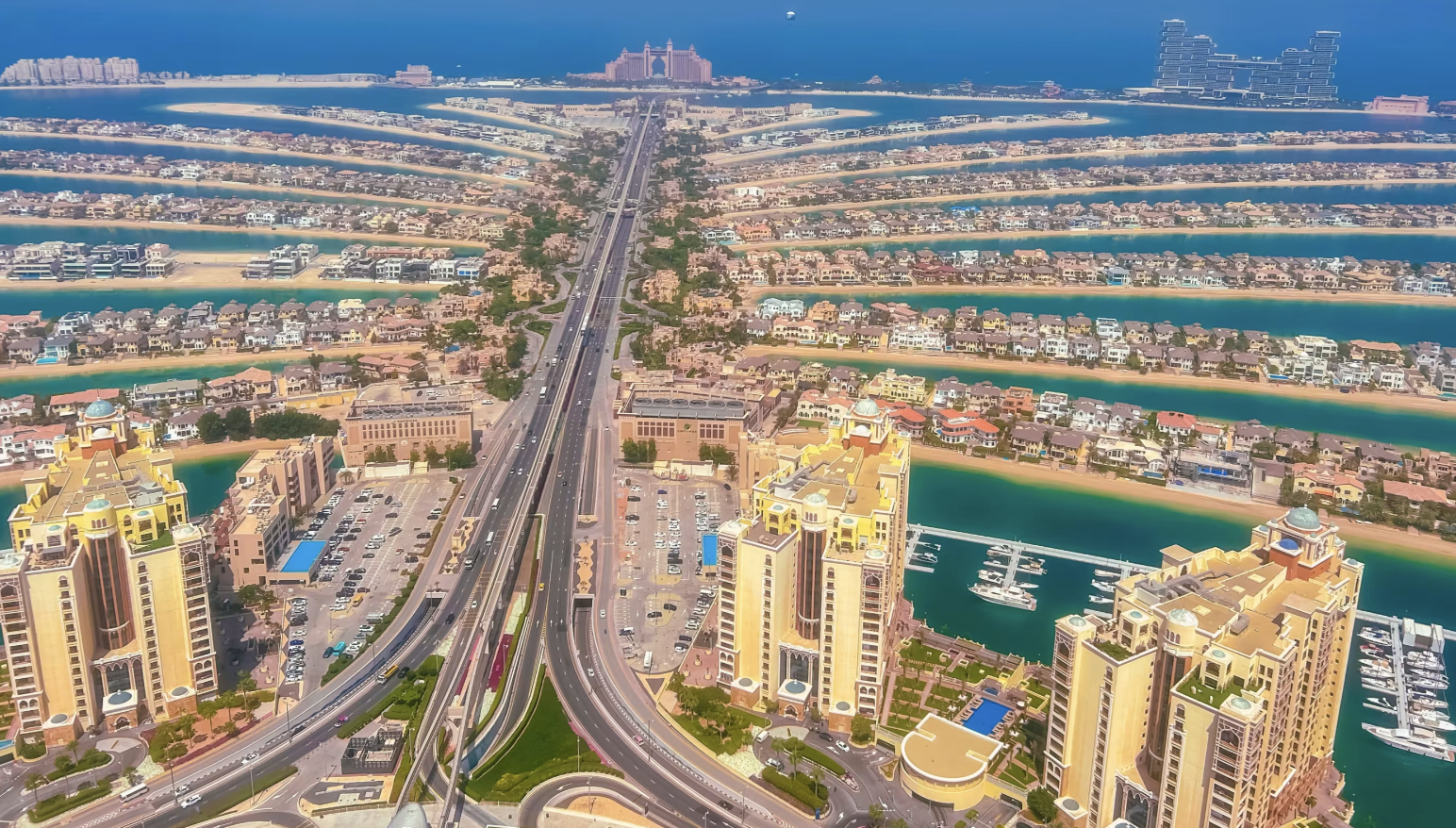
Dubai had a banner year in 2025, logging a record-breaking number of home sales at $10 million and above, according to a report from Knight Frank on Monday.
The U.A.E. city closed out the year with 500 sales valued at $10 million-plus—including 68 homes that sold for more than $25 million, another all-time high—producing a total value of $9.05 billion, a 27.7% increase of 2024’s luxury sales volume of $7.09 billion.
A strong fourth quarter helped propel the market to these record numbers, with 143 homes selling for more than $10 million during the final three months of the year, up from 103 in the third quarter.
Regional and worldwide luxury buyers alike continue to be compelled to buy property in Dubai, “attracted by the high quality of life, world-class amenities and infrastructure, enabled by the government’s ambitious investment programs,” Faisal Durrani, partner and head of research for Knight Frank’s Middle East and North Africa (MENA) region, said in the report.
“Dubai’s meteoric rise as the world’s busiest market for $10 million-plus homes, having increased from just 30 sales in 2020 to 500 by the end of 2025, is best reflected in the emirate’s growing reputation as a magnet for the global elite,” he said.
The tree-shaped man-made island of Palm Jumeirah retained its spot as the most popular community for luxury home buyers, recording 28 sales of homes valued at more than $10 million during the fourth quarter.
The yet-to-be-completed Palm Jebel Ali—which closely resembles the shape of Palm Jumeirah—was close behind with 22 sales. It’s expected to be completed in 2028.
“At 50% larger than its established neighbor Palm Jumeirah, Palm Jebel Ali remains a destination to watch,” said Will McKintosh, regional partner and head of residential for MENA.
“While it will obviously take time to reach the maturity of other established communities, the 2025 sales figures are a welcome indication of its high potential and the growing demand from the wealthiest buyers for prime waterfront property and the luxury Dubai lifestyle.”
The priciest deal of the quarter was for a six-bedroom apartment in Bugatti Residences by Binghatti, within the Business Bay community.
The 47,200-square-foot home sold for AED 550 million (US$149.7 million), setting a U.A.E. sale price record for a penthouse.
The previous record was held by a 22,000-square-foot penthouse at the Como Residences on the Palm Jumeirah that sold for AED 500 million in November 2023.
The sports-car maker delivered 279,449 cars last year, down from 310,718 in 2024.
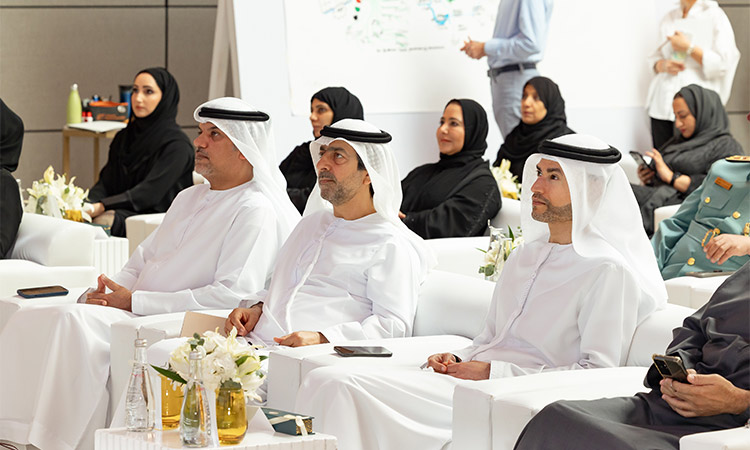
Saudi developer Dar Global is set to launch two Trump-branded luxury projects in Riyadh and Jeddah worth $10 billion, including a golf course, hotel, and mixed-use development, supporting Vision 2030 and foreign investment growth.
< 1 min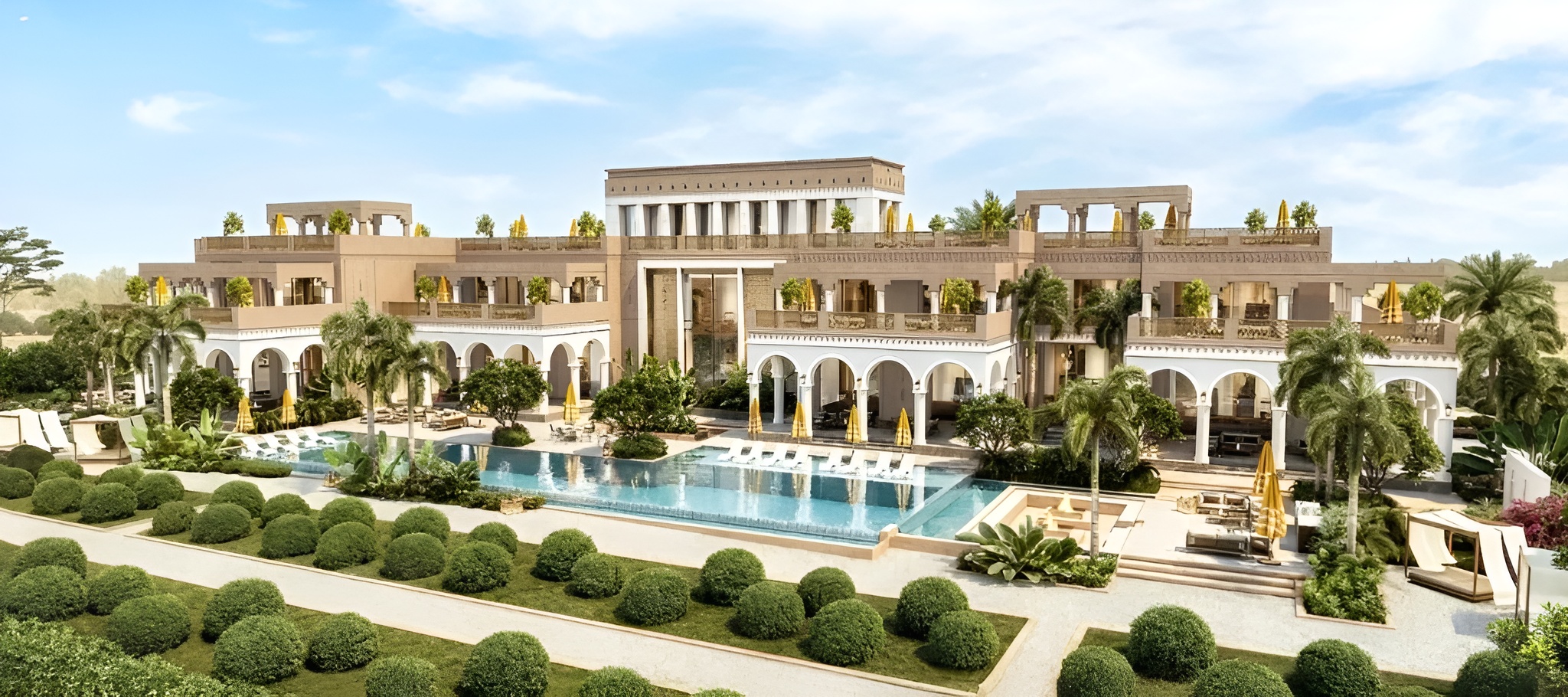
Saudi real estate developer Dar Global DARD.L will launch two Trump-branded luxury projects in Riyadh and Jeddah with a combined value of $10 billion, CEO Ziad El Chaar said on Sunday.
The projects include the Trump National Golf Course and Trump International Hotel in Riyadh’s Diriyah, a massive development project on the Saudi capital’s western edge, said Chaar.
In Jeddah, mixed-use offices and residential property are planned in a development named Trump Plaza, Chaar added.
The projects are in line with Saudi Arabia’s Vision 2030 to diversify the economy away from oil, Chaar said, with the aim of attracting direct foreign investment. Saudi Arabia also plans to allow foreigners to own property for the first time in designated areas, starting this month.
The latest in a series of partnerships between the Trump Organization and Dar Global, the international arm of Saudi developer Dar Al Arkan, is expected to be completed over the next four to five years, said Eric Trump, U.S. President Donald Trump’s son and executive vice president of the Trump Organization.
Paine Schwartz joins BERO as a new investor as the year-old company seeks to triple sales.


Dubai homebuyers are increasingly prioritizing lifestyle over price, with 63% focusing on location, community amenities, and long-term value, according to new data from TownX Real Estate Development, highlighting rising demand for walkable, mixed-use communities that enhance quality of life across Dubai.
2 min
63% of homebuyers in Dubai are now placing greater emphasis on location, community amenities, and lifestyle value than on price when making purchasing decisions, according to new data released by TownX Real Estate Development, one of Dubai’s fastest-growing developers with an AED 4 billion project portfolio.
Statistics derived from TownX’s proprietary data, customer insights, sales performance, market trends, and observational analysis over the past six months revealed that buyers are increasingly focused on long-term value, favoring walkable communities, access to retail and F&B, proximity to schools, wellness facilities, and integrated lifestyle experiences over short-term cost considerations.
The shift comes as Dubai continues to attract a diverse and discerning buyer base seeking elevated living standards.
Haider Abduljabbar, Executive Director at TownX commented: “This is what we’ve been seeing on the ground. Today’s buyers are seeking a complete lifestyle when purchasing a property, and do not settle for the basic real estate purchase. Communities that offer strong connectivity, modern amenities, and thoughtful design are now commanding significantly more interest than properties judged solely on price.”
The data reveals that demand is strongest in mixed-use, master-planned communities that blend residential, retail, and leisure elements, with buyers demonstrating a clear willingness to invest in developments that enhance their quality of life.
TownX attributes this shift to Dubai’s maturing real estate landscape, where end-users and investors are prioritizing long-term livability and community-centric environments.
“Given the realities on the ground, we’ve aligned our development strategy with these evolving expectations. Our goal is to create human-centric, accessible communities that resonate with modern homeowners offering the right mix of convenience, comfort, and value for years to come,” Abduljabbar added.
TownX manages a rapidly expanding pipeline of residential and mixed-use projects across key locations in Dubai. The company continues to see strong interest from both local and international buyers drawn to the emirate’s economic momentum, infrastructure development, and world-class lifestyle offering.
Paine Schwartz joins BERO as a new investor as the year-old company seeks to triple sales.


Dubai’s record property sales in 2025 were matched by strong industry growth, with the number of real estate agencies and registered brokers rising sharply, signalling a maturing market beyond speculation. Industry leaders say increased competition is driving higher standards, greater selectivity in the luxury segment, and stronger focus on quality, trust, and long-term value, as investor returns and capital gains across property sectors continue to climb.
2 min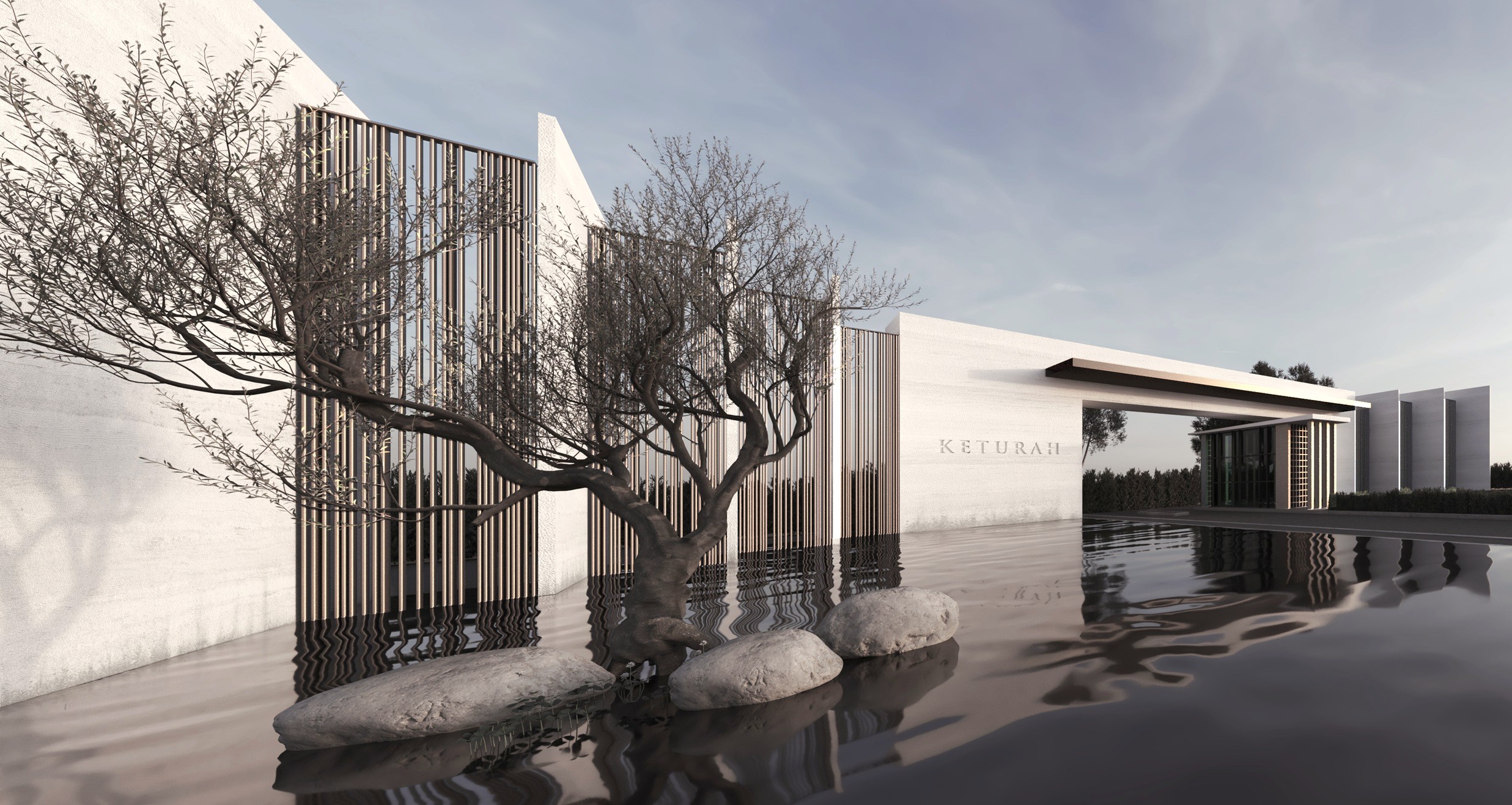
Record-breaking Dubai property sales in 2025 were matched by unprecedented growth across the real estate industry, with a luxury developer saying this shows the market is maturing beyond speculation.
New data from DXB Interact reveals that the number of Dubai real estate agencies increased by 39.7% to 9,728 last year, while registered agents climbed by 34.5% to 32,317.
Talal M. Al Gaddah, CEO and Founder of the Keturah luxury brand, welcomed the dramatic industry expansion, firmly believing it reflects a deeper, more competitive market, and this naturally raises standards.
“With greater choice, buyers compare more rigorously, brokers prioritize proven projects, and brand, delivery track record and product quality become decisive,” said Talal.
“In the luxury segment especially, abundance doesn’t drive volume; it drives selectivity, favoring developers that offer trust, differentiation and long-term value.”
Around 700 brokers from across the industry, including some of Dubai’s newest agents, will attend Thursday’s launch event for the final phase of sales at Keturah Reserve, the AED5.7 billion luxury residential development.
It takes place against a backdrop of soaring returns for Dubai real estate investors. DXB Interact data shows that 2025 produced AED86 billion in capital gains for buyers, with significant YoY increases in each property sector, as shown here:
| Asset Type | Volume | Value (AED) | YoY Increase |
| Apartment | 37,188 | 19.7B | 35.16% |
| Villa | 11,325 | 28.8B | 66.83% |
| Commercial | 2,900 | 3.4B | 80.14% |
| Plot | 2,114 | 34.1B | 155.13% |
Thursday’s event at the JW Marriott Hotel in Dubai is organized by fäm Properties, appointed as exclusive Master Agency to oversee sales at Keturah Reserve, the master community from developer MAG at Mohammed Bin Rashid City’s District 7 in Meydan.
Firas Al Msaddi, fäm’s CEO, sees the event as a chance to forge stronger collaboration across the real estate industry. ” We’re moving away from pure competition toward agencies and brokers working together to build a stronger market,” he said. “Sharing knowledge and resources creates a more transparent industry that benefits everyone.”
Around 700 fäm Properties brokers were attending their own launch event today. Al Msaddi says: “The advantage of investing in a master community like Keturah Reserve is the consistent standard maintained by a single developer with long-term interest in its success, overseeing commercial spaces, amenities, and asset management to protect property values and quality.”
A bio-living residential development designed around nature and wellness, Keturah Reserve comprises 533 low-rise apartments, 93 townhouses, and 90 villas on a nature-focused site.
With townhouses sold out, more than 40% of apartments are already committed. Handovers start with townhouses in Q2 2027, followed by apartments in Q3–Q4 2027, and villas in Q1 2028.
Paine Schwartz joins BERO as a new investor as the year-old company seeks to triple sales.

Dubai Land Department has launched an awareness campaign on the Ejari system under the slogan “Step by Step”, aimed at simplifying lease registration procedures and enhancing transparency in Dubai’s rental market. The initiative provides clear, accessible guidance on key services for landlords, tenants, and brokers through DLD’s official digital platforms, reinforcing trust, customer experience, and market stability.
< 1 min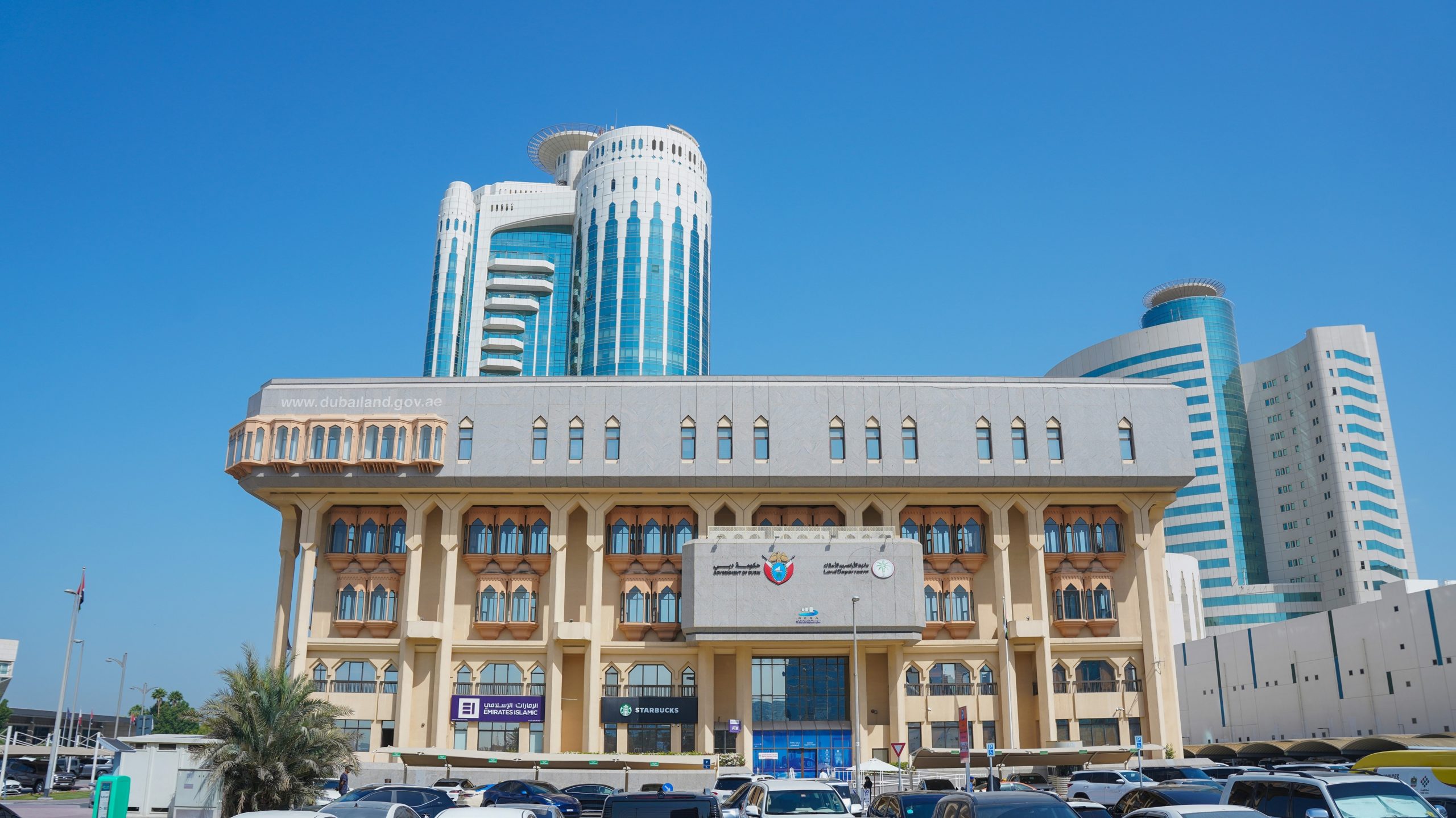
Dubai Land Department (DLD) has launched an awareness campaign on the ‘Ejari’ system as part of its ongoing initiatives to reach all customer segments. This aligns with the DLD’s continued commitment to raising awareness of lease registration procedures, regulating the landlord-tenant relationship, and enhancing the customer experience in Dubai’s rental market, while ensuring the protection of all parties’ rights and reinforcing the principles of transparency and trust.
The campaign is launched under the slogan ‘Step by Step’ and focuses on delivering clear, simplified awareness content that addresses the most common inquiries about Ejari services. This includes lease registration and cancellation, certificate downloads, calculation of rental increase percentages, and notification and non-renewal procedures, in accordance with the approved legal and regulatory frameworks in the Emirate.
The campaign aims to empower customers with a clearer understanding of procedures, reduce the need for repeated inquiries, and enhance the overall user experience by providing accurate, up-to-date information that meets the needs of landlords, tenants, and real estate brokers through unified, easily accessible digital channels.
Dubai Land Department is implementing this campaign across its digital platforms, including its official website and social media channels, as well as through visual and audio awareness content. This underscores the DLD’s commitment to simplifying the customer journey, enhancing customer happiness, and supporting the sustainability and stability of Dubai’s rental market.
Dubai Land Department encouraged stakeholders, including landlords, tenants, and real estate brokers, to use its official channels and access available awareness materials to benefit from the guidance and digital services provided by the Ejari system.
Paine Schwartz joins BERO as a new investor as the year-old company seeks to triple sales.


As the UAE enters 2026, its real estate sector continues to gain momentum, supported by population growth, strong residential demand, and innovations such as property tokenization, according to eToro’s Farhan Badami. Initiatives like blockchain-based ownership are set to enhance liquidity and broaden the investor base, reinforcing fundamentals-driven growth.
2 min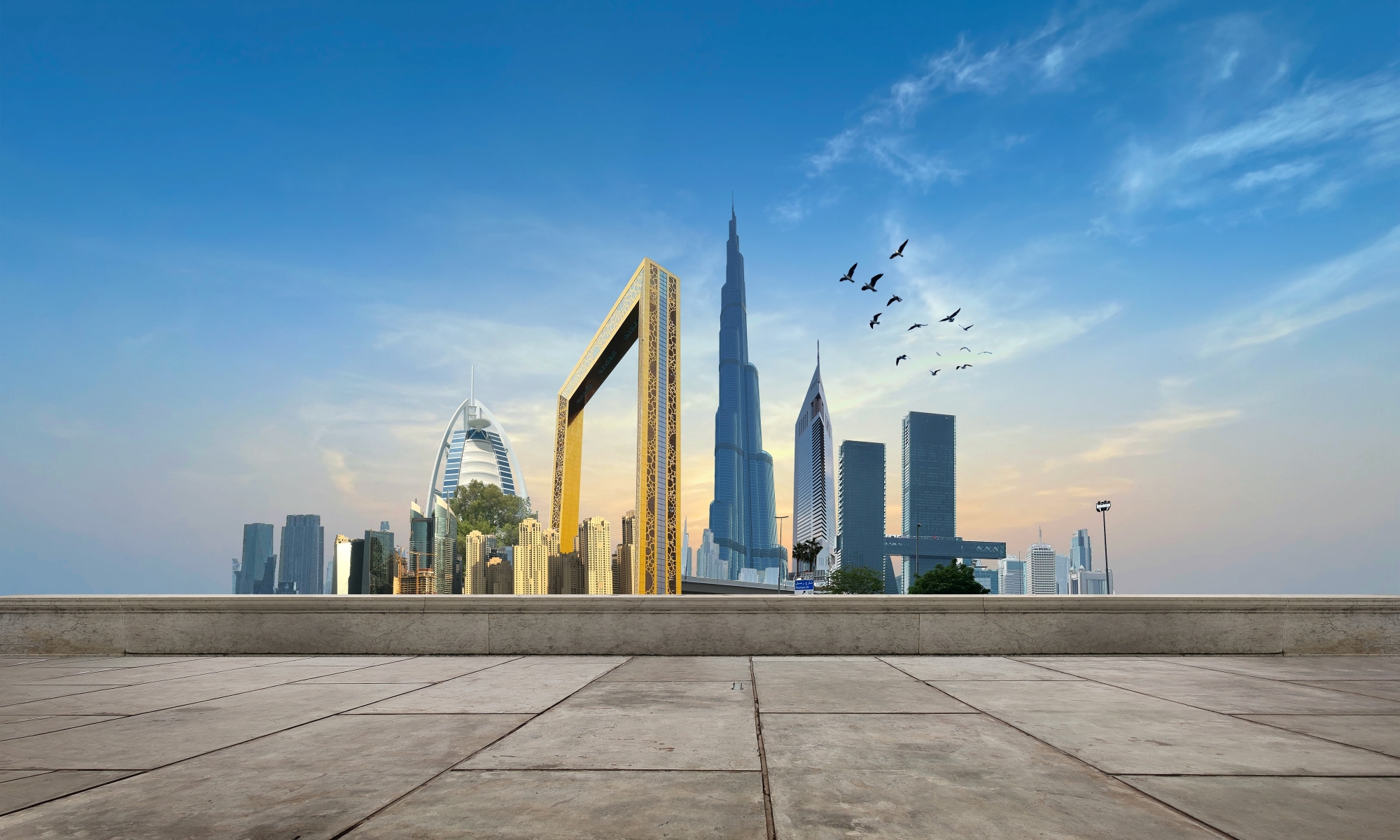
As the UAE heads into 2026, its real estate sector is entering the year on the back of robust growth, underpinned by strong population inflows, sustained residential demand, and emerging innovations such as property tokenization, according to Farhan Badami, Market Analyst at eToro.
“The UAE’s real estate market continues to benefit from powerful structural tailwinds,” Badami said. “Population growth remains a key driver of housing demand, while new technologies such as tokenization are beginning to reshape how properties are bought, sold and valued across major markets like Dubai and Abu Dhabi.”
Both Dubai and Abu Dhabi are experiencing a demographic expansion that continues to support residential demand. Dubai’s population surpassed four million in 2025, with more than 208,000 new residents added over the year. This growth, driven by employment opportunities, lifestyle appeal and long-term residency initiatives, has translated into record activity levels in the property market.
“In 2025 alone, Dubai recorded property transactions exceeding AED 680 billion, representing year-on-year growth of around 30%,” Badami noted. “Abu Dhabi is showing a similar pattern, with residential demand growing by approximately 5% to 6% annually, significantly outpacing the rate of new housing supply.”
Looking ahead to 2026, one of the key developments to watch will be the shift towards tokenization and fractional ownership. What was once largely theoretical is now moving into practical implementation, with Dubai’s Land Department launching a tokenization pilot that integrates blockchain-based property titles into the official land registry.
“This initiative has the potential to fundamentally change how real estate is traded,” Badami said. “Tokenization could allow investors to purchase fractional ownership in property assets with greater speed, transparency and efficiency, while also improving market liquidity over time.”
He added that sustained population growth continues to support pre-sales activity, pricing power and recurring rental income, while a more mature market environment favors well-capitalized developers with strong land banks and proven execution capabilities.
“At the same time, innovation such as tokenization may open up new funding channels and broaden the investor base,” Badami explained. “For investors, this reinforces the appeal of established developers with meaningful exposure to residential demand in Dubai and Abu Dhabi.”
From an equity market perspective, Badami believes the real estate upswing points to a sector supported by fundamentals rather than speculation.
“For stocks linked to the real estate ecosystem, from developers to financial institutions, the outlook suggests scope for steady earnings growth,” he said. “Healthier cash flows also support the potential for sustainable dividend growth, which will be a key focus for income-oriented investors in the year ahead.”
Paine Schwartz joins BERO as a new investor as the year-old company seeks to triple sales.


Real estate activity declined between Dec 21–25, with transactions falling to 136 worth KD69.85 million, down 55.3% in value and 8.7% in volume week-on-week. The slowdown reflects investor caution following the implementation of new real estate legislation.
< 1 min
The real estate market witnessed a decline in trading activity from Dec 21- 25, with 136 transactions valued at KD69.85 million, compared to 149 transactions worth KD156.3 million in the previous week — a qualitative decrease of 55.3 percent and a quantitative decrease of 8.7 percent.
The newspaper obtained a copy of the weekly report from the Real Estate Registration and Documentation Departments at the Ministry of Justice, indicating that the private sector accounted for 83.2 percent of the total number of transactions, with 114 transactions valued at KD48.7 million.
This marks a significant decrease in transaction value of 53.7 percent (KD56.6 million) compared to 113 transactions worth KD105.3 million in the previous week.
Investment properties witnessed a significant decline as well, with 19 transactions totaling KD15.2 million or 48.6 percent decrease in value (KD14.4 million) and 36.6 percent decrease in the number of transactions (11 transactions).
This indicates that investors are awaiting stability in the real estate market, following the implementation of the new real estate legislation.
Commercial properties also experienced a downward trend, with only two transactions totaling KD5.3 million, compared to five transactions totaling KD20.1 million in the previous week.
This entails 60 percent decrease in the number of transactions (three transactions) and 73.6 percent decrease in value (KD14.8 million). The coastal strip sector recorded only one transaction during the week, valued at KD650,000, while other sectors such as warehouses, crafts, shops, showrooms and banks remained unchanged.
The sports-car maker delivered 279,449 cars last year, down from 310,718 in 2024.
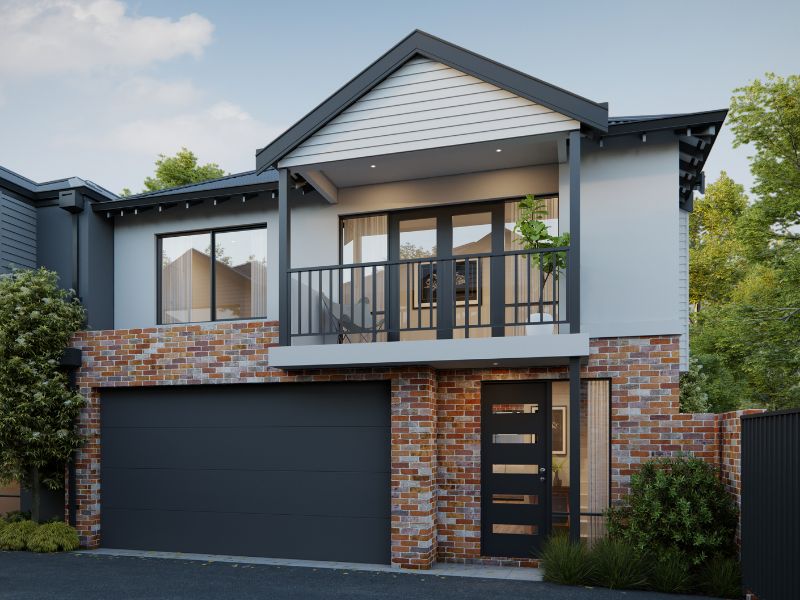



Lazura Developments has launched Lazura New Cairo, the first real estate project to enter Egypt’s market in 2026, with investments exceeding EGP 8bn. The development reflects confidence in the sector’s growth and will offer integrated residential units, modern planning, and flexible payment plans in a strategic New Cairo location.
2 min
Lazura Developments has announced the launch of its latest real estate project, Lazura New Cairo, in New Cairo, marking the first project to be officially introduced to Egypt’s real estate market at the start of 2026, with total investments exceeding EGP 8bn.
Ahmed Abdel Hakim, Board Member at Lazura Developments, said the launch represents a key milestone in the company’s more than 20-year track record and reflects its confidence in the resilience and growth prospects of Egypt’s real estate sector. He added that the timing of the launch, coinciding with the beginning of 2026, sends positive signals for the sector’s outlook.
Abdel Hakim noted that Lazura New Cairo embodies the company’s commitment to delivering fully integrated real estate solutions that cater to both homeowners and investors, while aligning with the state’s vision for sustainable urban development. The project will comprise a diverse range of residential units, supported by integrated services and modern urban planning concepts.
He also highlighted the project’s strategic location in New Cairo, with close proximity to major road networks and key services, giving it a strong competitive advantage. The development is expected to generate new job opportunities, stimulate economic activity, and enhance real estate value in the surrounding area.
In the same context, Ramadan El-Seddik, Board Member at Lazura Developments, said the project reflects a clear strategic vision built on long-term planning and a deep understanding of market shifts and future demand, particularly as it is the first project to be launched at the start of 2026.
El-Seddik added that Lazura New Cairo has been designed to serve as a model for integrating architectural quality, sustainability, and operational efficiency, ensuring long-term investment value and reinforcing customer confidence.
Meanwhile, Ahmed Fouad, CEO of Lazura Developments, said the company has established a detailed execution plan to ensure adherence to construction timelines and the application of the highest quality standards, supported by the latest project management and implementation technologies.
Fouad added that the project is based on comprehensive market studies and will offer flexible payment plans alongside fully integrated services to meet evolving market needs.
Paine Schwartz joins BERO as a new investor as the year-old company seeks to triple sales.
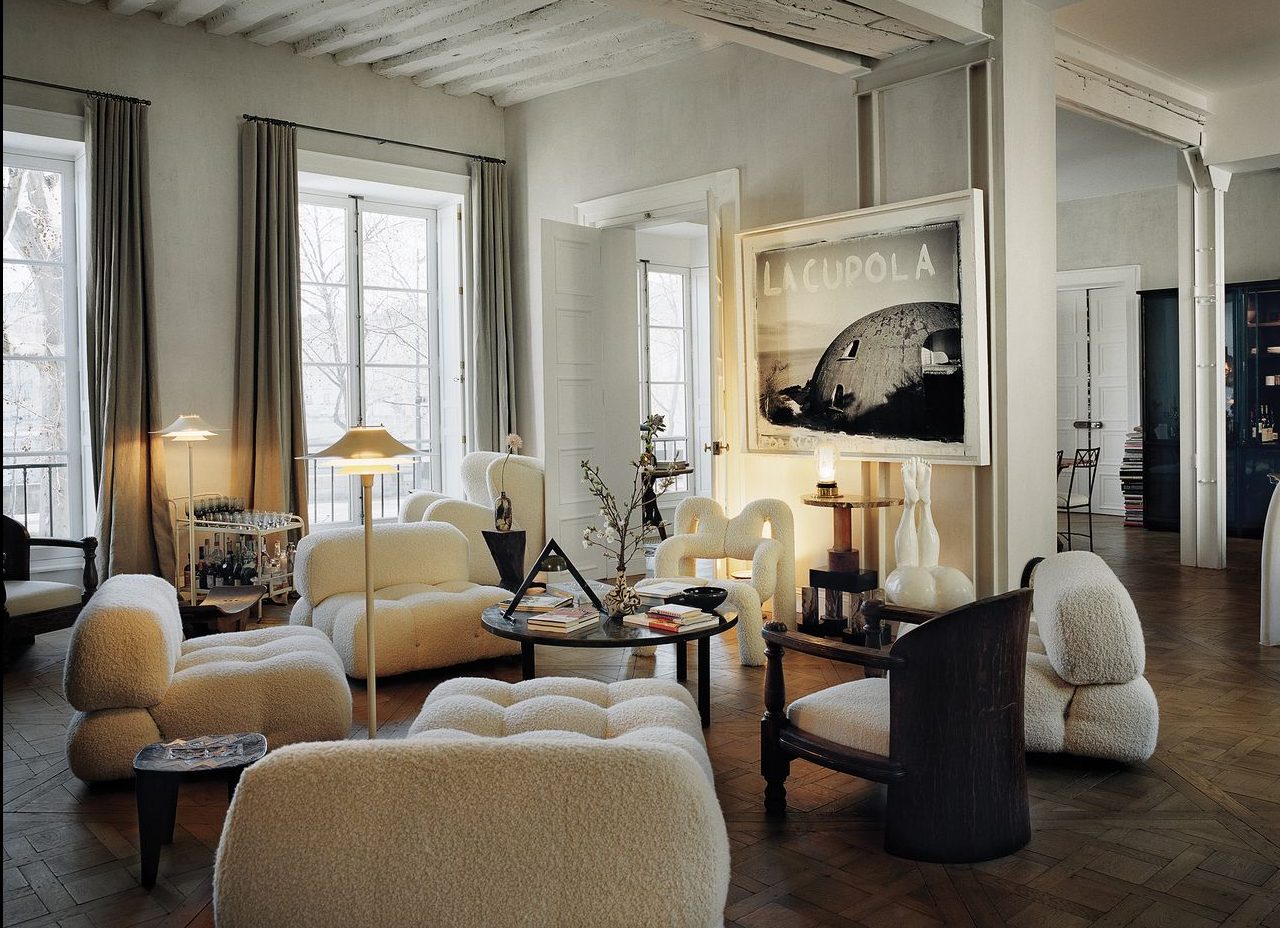
Alexandre de Betak and his wife are focusing on their most personal project yet.
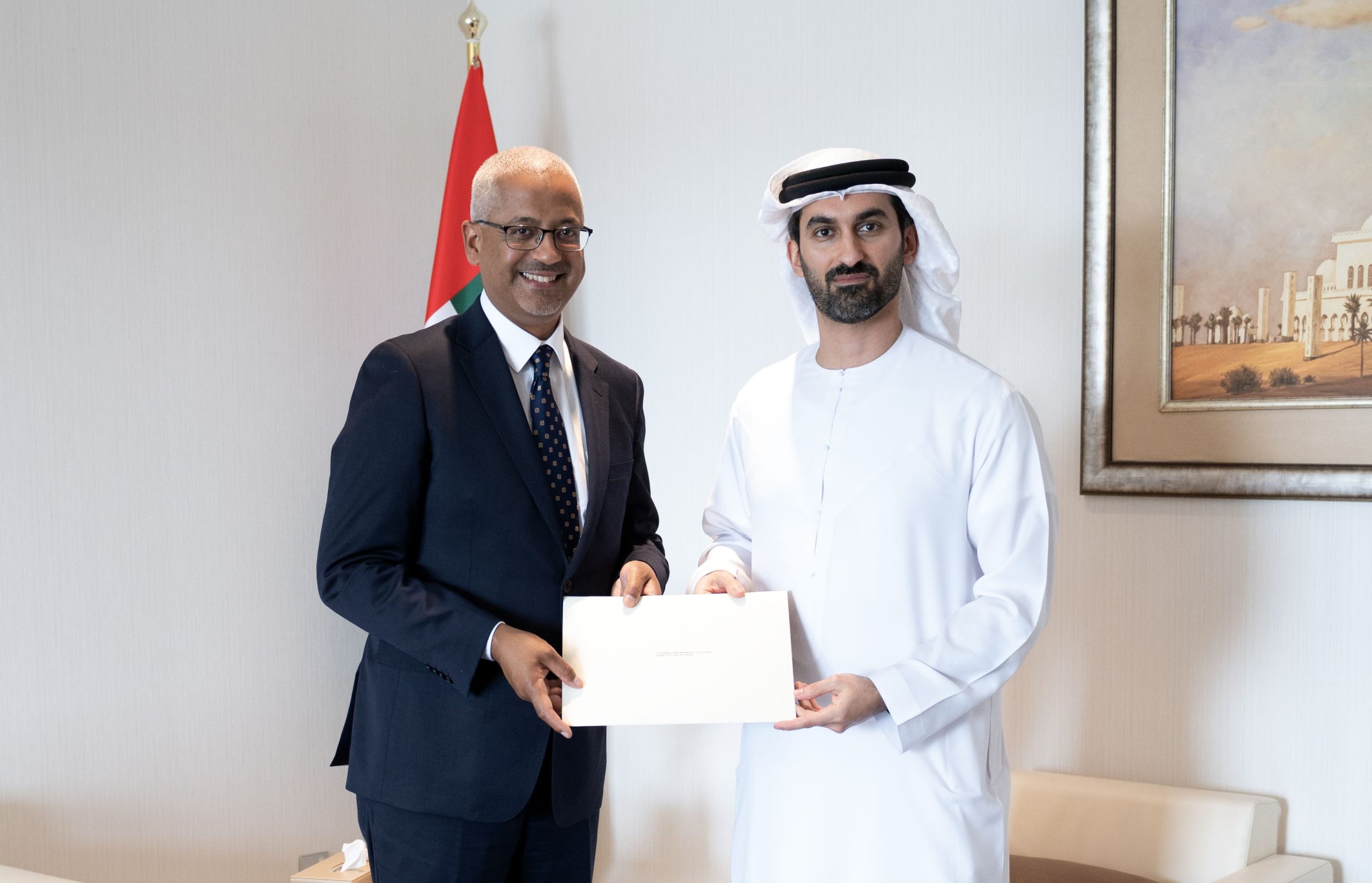
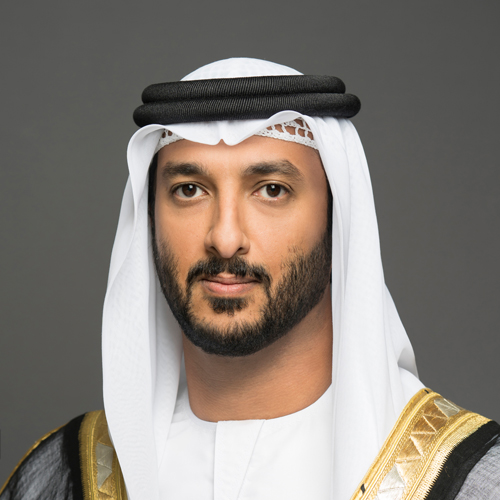
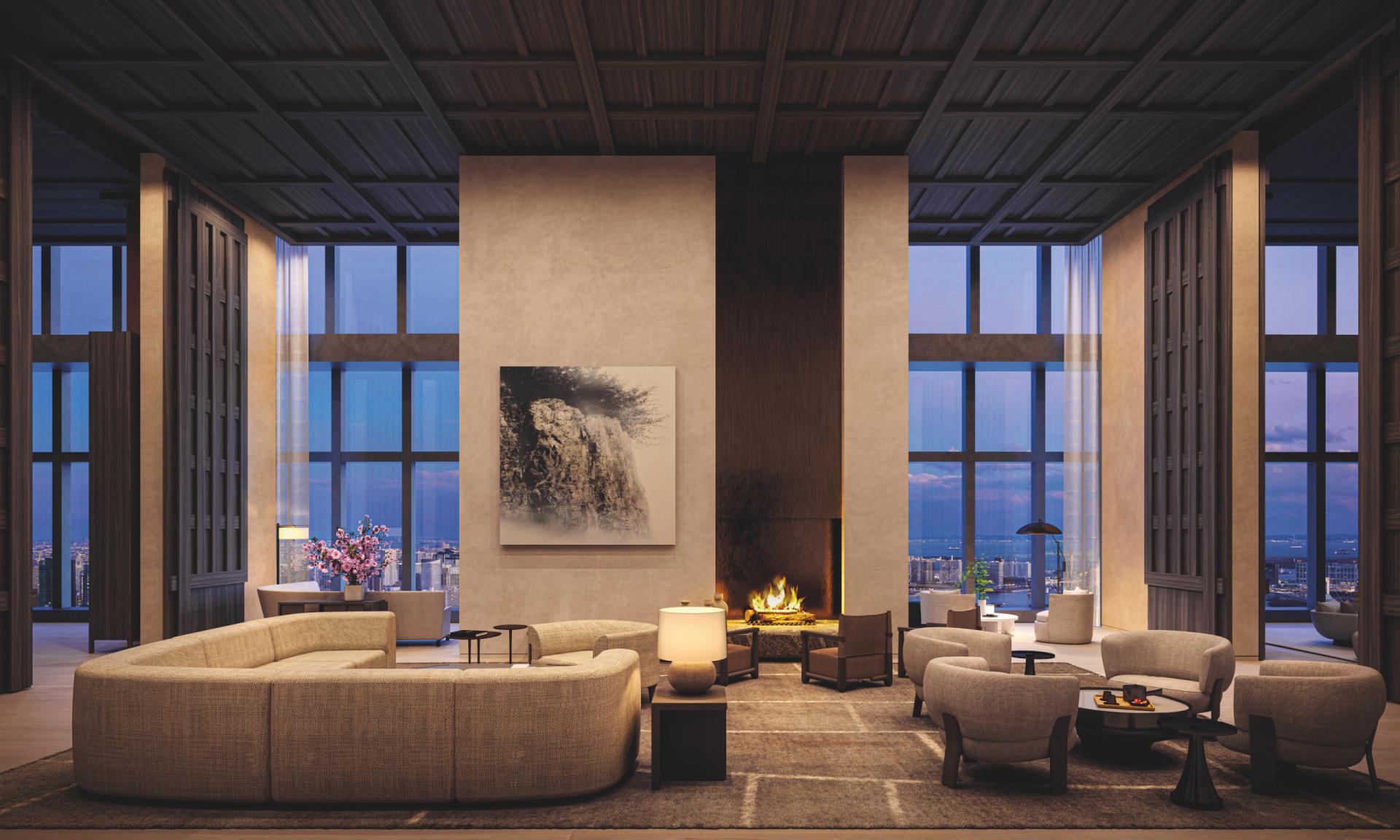
Palace Group has announced the launch of AYA, a boutique residential development in Jumeirah Garden City, redefining modern, mindful living in the heart of Dubai. Designed by John McAslan + Partners, AYA offers just 70 refined residences shaped by intentional luxury, calm architecture, and holistic wellbeing. With thoughtfully curated amenities, serene open spaces, and seamless access to DIFC and Downtown Dubai, AYA sets a new benchmark for human-centered, design-led living.
2 min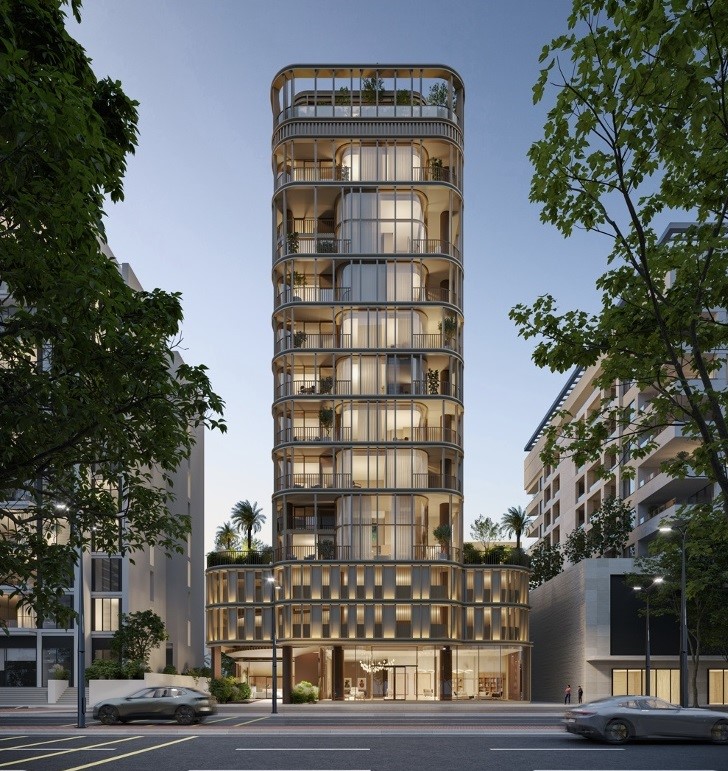
Palace Group, a pioneering force in the UAE’s luxury real estate sector, announces the launch of AYA, an exclusive new residential development in Jumeirah Garden City. Offering a contemporary, design-driven sanctuary in the heart of Dubai, AYA responds to a growing demand for residences that pair intentional luxury with balance, convenience and purposeful living.
Designed by award-winning architects John McAslan + Partners and guided by the philosophy of “less to show, more to live,” AYA by Palace Group brings together refined architecture and thoughtful spatial planning to create homes rooted in quiet, sophisticated authenticity. With just 70 one- to two-bedroom residences across 12 elegantly designed floors, AYA offers an intimate living experience centered around open-air terraces and calm landscaped pockets of green. Every detail supports holistic wellbeing, shaping a lifestyle without compromise where exquisite architecture becomes a vessel for modern, mindful living.
This commitment to intentional design carries through every residence. Natural materials, organic curves and generous light create intuitive, effortless living spaces, that offer balance and acoustic comfort. Open-plan layouts shift seamlessly from private retreat to social gathering, and extended balconies provide quiet moments of privacy, maintaining a continuous dialogue between inner calm and the world outside.
AYA sits at the heart of Jumeirah Garden City, one of Dubai’s most desirable emerging districts, shaped by a masterplan of mid-rise buildings, landscaped corridors and abundant open space. This future-focused walkable community offers the convenience of central living with the calm of a private sanctuary. With immediate access to the city’s key business and leisure hubs and just moments from DIFC and Dubai Downtown, it positions early buyers advantageously within Dubai’s evolving residential landscape.
“AYA is a boutique residence envisioned for a mindful, human-centered lifestyle, where quality and long-term wellbeing shape every detail,” said Wissam Damaa, Founder and Owner of Palace Group, on announcement of the exclusive residences. “With our proven track record in high-quality developments, AYA reflects our commitment to create distinctive living spaces in prime locations that go beyond conventional ultra-luxury. AYA is designed to stand out, deliver long-term value and offer an elevated living experience. We take pride in crafting homes people genuinely love, enriching the neighborhoods they belong to and setting a new benchmark for modern luxury living in Dubai.”
Reflecting its commitment to elevated living, AYA’s amenities are designed to enrich daily life with intention and ease. Effortless arrival begins at the elegant reception that flows into a unique art gallery, while exclusive retail boutiques add moments of discovery. Wellness and social connection sit at the heart of the experience, expressed on the rooftop through a serene pool, a state-of-the-art gym, a calming spa, and an inviting lounge designed for meaningful connection against panoramic city views. Outdoor spaces balance privacy and community, from an elegant al fresco dining terrace to lush gardens shaped by organic curves and soft planting. Each amenity supports both solitude and togetherness, creating a living environment where residents can feel centered, connected, and completely at home.
More than residences, AYA offers space that adapts to life’s changing rhythms, creating the foundation for solitude and longevity. As a boutique community shaped with enduring consideration, AYA delivers an exclusive living experience defined by sophistication and an instinctive sense of belonging. AYA is where you come home to who you are.
Paine Schwartz joins BERO as a new investor as the year-old company seeks to triple sales.
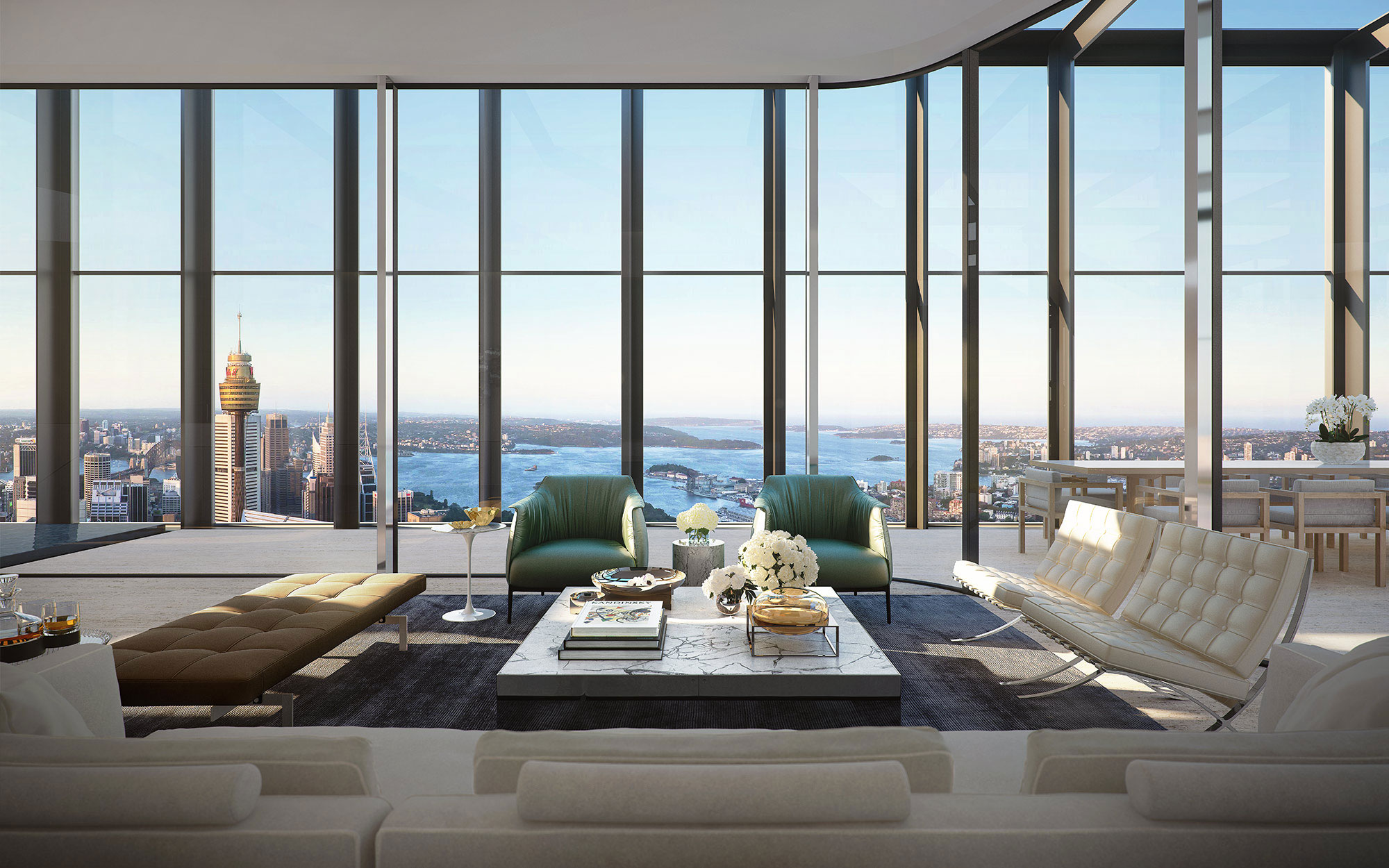
Sydney’s prestige market is looking up, here’s three of the best on the market right now.