






The Secret to Selling a $100 Million Mansion
They’ve dealt with billionaires, signed NDAs and fielded bizarre requests. Four real-estate power brokers dish on how they got the deal done.

 11 min
The first $100 million home sale in the U.S. happened in 2011, when Russian-born billionaire Yuri Milner purchased a lavish mansion in Silicon Valley in a nine-figure deal. Back then, Milner’s buy was an outlier and set an ambitious benchmark for the luxury market. Nowadays, as the ranks of ultra wealthy individuals swell globally, $100 million-plus transactions barely cause ripples in markets like New York, Miami, Los Angeles, Palm Beach, Fla., and Aspen, Colo. More than 40 transactions have closed nationally at or above that benchmark in the intervening years, according to appraiser Jonathan Miller .
Behind those deals are a small group of real-estate power brokers responsible for marketing and selling the homes to the billionaire class. We talked to four agents whose deals have crossed the nine-figure threshold about how the biggest transactions really unfold. The interviews have been edited for clarity.
For real-estate agents, landing a high-profile or billionaire client is a painstaking and competitive process, and often means pitching against rival agents. Each agent has their own secret for getting an advantage.
JILL HERTZBERG : “You’ve got to read the paper and watch the news. I remember when Shaquille O’Neal was coming to the Miami Heat, each person on my team probably called 100 people, asking ‘Do you know Shaq?’ One person would give us the name of another person and then another person. We were lunatics.
We finally got to him and he said, ‘No, I have an agent already.’ But we convinced him to give us a couple of hours, and that no one knew Miami like we did. The first house we took him to was the one he eventually bought, a beautiful estate on Star Island.
RYAN SERHANT: For the buyers we know who are trophy-home hunters, we keep our eyes on the homes in Palm Beach, Miami, Texas, Colorado and California that could go at these price points. We keep tabs on whether the owners would be willing to sell.
HERTZBERG: We went on a really big listing appointment on La Gorce Island in Miami Beach once. They asked us to come Tuesday at 10 a.m. When we showed up, there was another top agent already sitting on the patio. Another one arrived soon after. They had lined us all up at half-hour intervals. There was a little smile there to each other, like maybe we should just all do it together.
For $100 million homes, the prospective buyer pool is relatively small. That often means dealing with the same people over and over.
RAYNI WILLIAMS: It’s a very elite group of people. A lot of times they are collectors of trophy homes. Even if they don’t want to buy the property, they often will call because they want to come see it. It’s just a vanity showing. For me, it’s kind of like being a docent in an art gallery. They are coming in to admire the art. They’ll say, ‘please tell me about this architecturally significant property,’ and ask me what I know about Tadao Ando, the Japanese architect whose work is really in vogue. You’re cultivating relationships. Wealthy people love to educate themselves on all the latest and greatest.
Pricing homes at the highest end of the market is more art than science. Frequently, luxury homes come on the market for big-ticket prices, but later sell for significantly less .
WILLIAMS: It starts with the seller and what their expectation is. It’s about replacement cost, location and then data. You have to take into account how much it’s going to take to get them out of there without losing money, and the brain damage that it would take for somebody to re-create the property. People at this level are willing to pay a premium when they find something they love, because maybe they are getting older and they only have 20 good summers left, or their grandchildren are getting older. What is the value of your life if you’re under construction and you’re taking daily and weekly construction and design meetings? It’s a headache and a lot of clients tell me it can be hard on their marriage.
HERTZBERG: We’re going to go to the highest number we can possibly get without tipping over, then see how the market responds. If you tip over, that’s when you have price reductions, or you lose the listing or people get unhappy. Sometimes, you advise the seller to price at $100 million and then he speaks to other agents and they say $200 million. The seller will say, ‘We’re going to go with them, because they believe in the property more.’
RILEY WARWICK: Some agents have a strategy I don’t particularly subscribe to, which is to take a listing at all costs or at any price, then use it to market themselves. They say, ‘Well, who knows, maybe someone will pay this. Or if I can get the fish in the boat, then I can lower the price until eventually someone buys it.’
SERHANT: Sometimes the best marketing plan is to have no price, and not go officially on the market at all. Oftentimes, especially with super luxury homes, people want what other people can’t have. We’ve had buyers pay a premium because they don’t want the seller to put the property on the market. They don’t want anyone else to have it, and they don’t want anyone talking about it ever.
In 2017, a Los Angeles spec house became the highest priced home in the country when it listed with Williams for $250 million. It was the creation of Bruce Makowsky, who made a fortune selling handbags on QVC. It sold in 2019 for $94 million, plus $10 million of furniture.

WILLIAMS: I think his strategy was just to get it on everyone’s radar. It worked. We touched hands with every single extraordinarily wealthy person that came to L.A. at that time. They all wanted to see it. At one point, he had a $150 million offer from a local that really wanted it and Bruce didn’t take it. I think he wanted it to be the most expensive house in the world and he wanted the price to have a 2 in front of it. Years later, he ended up selling it for $104 million to one of the first people who ever saw it. (The purchase was tied to Saudi real-estate magnate Fawaz Al-Hokair. )
These houses either sell in three months, or they sell in three years. They are hard to sell quickly because it’s a discretionary purchase. It’s emotional. This isn’t a family that’s relocating from New York City and has to get here to get their kids into school in Bel-Air. This isn’t a family that needs a house. If you’re buying a $100 million-plus dollar house, you already have a really nice home somewhere.
Even the most expensive homes often need to be staged .
WARWICK: That means removing potentially offensive items. We’ve had animal mounts replaced with contemporary art and political flags or signs removed. People get very offended. I’ve had people walk into an ultra luxury home, see an animal mount and turn around and walk right out. More than once.
Many brokers approach finding a buyer for a mega-listing systematically, but sometimes it comes down to chance.
SERHANT: You’re mass marketing and you’re also target marketing. We draw up a list of names from the Forbes list, the Bloomberg Billionaires Index, all the global wealth lists. We look at which companies went public over the last 24 months, which companies are about to go public. Who recently had or is about to have a liquidity event? Have there been major marriages or engagements? Sometimes, I think I know exactly who the buyer is going to be for a New York apartment, and then it’s a fracking billionaire from Texas. I’m like, really?
I once went to Masa, the expensive sushi restaurant in New York, with my wife. The couple next to us recognises me. He recognised me from TV. She recognised me from TikTok. I saw that she had a really big rock on her finger, so I asked if they were engaged. I suggested they needed a new place. Two weeks later, I sold them a full-floor apartment at Central Park Tower for $50 million.

Listings for trophy homes inevitably draw millions of eyeballs. Agents must determine whether interested parties are qualified buyers before they let them in the door.
SERHANT: To see a $100 million house, you need to show the ability to close in cash or that your net worth is over $1 billion.
WILLIAMS: Nobody gets into my properties unless I can prove who they are. Ninety-nine percent of people can be googled, except Asian buyers. If they can’t be googled, then we require proof of funds, usually in the form of a letter from a bank or private wealth manager on professional letterhead. It’s usually not hard to verify if somebody is real or not. If you are a mega-buyer, you have a footprint. You’ve donated money, you’ve been photographed.
SERHANT: There are con artists everywhere, there are people that want to waste your time everywhere. Even billionaires. Sometimes they are just in New York or they are in Florida and they fancy seeing something nice. They have no intention to buy.
HERTZBERG: If they say they are under the radar, we don’t take them. Nowadays, no one’s under the radar who has money.
Dealing with the global elite often requires being flexible for showings.
SERHANT: I’ve done showings in the middle of the night and early in the morning when the streets are totally empty. I had a very prominent and recognizable guy in finance who asked to see a New York property at 4:30 a.m. I understood why he did it. He knew that no one would see us. I’ve also had people wear disguises. I had somebody pre-Covid, a celebrity, who wore a baseball hat with a long black wig underneath and sunglasses. Post-Covid, everyone just wears masks.
WILLIAMS: Sometimes, a really high-profile person will register the name under their CFO or under an alias of another prominent person that would still be approved for the showing. And then when they turn up, you know who they are, and you play along.
And it can require pulling out all the stops.
WILLIAMS: I once had a guy who had just had a ton of success and he told me during the first showing that he was soon headed to Miami with his friends to celebrate. He wanted to bring them to see the house before they headed to the airport. I tried to get into the psyche of this guy and what he was into. I did some research and I found out that he loved gaming, so in the movie theatre, I put an Xbox. He had told me that he loved Japanese food, so I had catered sushi with servers throughout the property. Then, I got these gorgeous Ralph Lauren leather satchel bags as carry-ons he could take on the plane and filled them with chocolate from all the best spots in L.A., as well as marketing materials for the home. He texted me from the plane to say how incredible the experience was. And he bought the house. For $70 million.”
WARWICK: You think that these incredibly successful people are so busy, but I actually find them to be interested in every little detail of the properties we show them. One of my clients wanted to walk the entire property line of a 40- or 50-acre property, which took about an hour. They wanted to understand the land they are buying. One client was very fixated on the picture frames in the house and they wanted the seller to leave them behind, over 100 of them. The seller had to take their own family photos out of every single frame. I had another client who came in with their own water-testing kit to test the drinkability of the water and make sure the PH level wasn’t too high. They wanted the water in the kitchen to have a higher mineral content for their espresso machine.
Sometimes agents field unusual requests from sellers and buyers
WARWICK: I’ve seen more than once where a buyer will allow the seller to stay in the property or rent the property back for sometimes up to a year, or return for a holiday. I’ve had a seller want just one more Christmas in the house with their family, and the buyer allowed them that. I’ve also had deals where people trade additional houses as part of the transaction. The buyer has a property in another state, so they’ll give the seller X dollars plus their house in another state.
SERHANT: We had one very well known mega-billionaire come through a $250 million penthouse listing in New York. That apartment has the highest private residential ballroom on the planet. We’re standing in that empty room and he beckons me over with his finger. He says, ‘If I put a ping pong table in this room, will it be the highest ping-pong table on earth?’ I was like, ‘I’ll have to check, but I think it’s definitely up there.’

WILLIAMS : We had somebody that wanted to test out the house, and use it for a weekend. I wasn’t convinced but the seller wanted to do it. The person probably wanted to do their own thing, but I couldn’t help myself. I went full on to make their experience as pleasurable as possible. I had a masseuse and a private chef come to the house to cater to them. If they wanted freshly-baked chocolate chip cookies at 3.30 in the morning, they could have them.
The typical commission for an average real-estate sale is 6%, split between the buyer’s and seller’s agents. For nine-figure luxury homes, agents often settle for a lower fee.
WILLIAMS: Taking on these big listings is expensive, and you have to have a big book of business to afford it. You can spend $100,000 out of your own pocket to market these. The commission is usually a 2% fee, but they might ask if you would do it for a little less, like 1.75%. But generally speaking, the most successful people I’ve worked with are very happy to pay the full commission. They want you to do an amazing job.
WARWICK: We fly videographers in from all over the country to film our properties, we have architects design renderings of what could be built on these properties, we do all-day photoshoots from sunup to sundown.
Any out-of-pocket expenses aren’t reimbursed or paid back should an agent lose the listing before it sells.
WARWICK: It’s a huge financial commitment and sometimes you carry these properties for a year or two. It’s a risk and that’s why sometimes we don’t take listings. If the seller is unrealistic, it’s an investment not worth making.
It’s very common for buyers and sellers at the top end of the market to ask agents to sign nondisclosure agreements, preventing them from speaking about the parties involved in the deal. However, news of the transaction often leaks regardless.
SERHANT: It’s tough to keep the deals private because of everyone that touches the transaction. Your buyer is coming in contact with door staff, the seller, the other real-estate agents that might be involved and their teams, the driver. There are points of contact everywhere. I spend a lot of time making sure that everybody in the transaction is aware of the confidentiality.
HERTZBERG: I would love for people to know that I work with these types of people, but it’s more important to work with the people. It’s funny because I’m married to a litigator and he has so many confidential relationships that I don’t know about. If I have a big deal with an NDA, I can’t tell him the name either. We just don’t go there.
Negotiations often require creativity.
WILLIAMS: I was doing a deal close to $100 million and there was a $5 million delta between what the buyer was offering and the seller was willing to accept. It’s all relative; at that price point, $5 million is not a big difference. I normally wouldn’t do this, but I decided to get them together. I had them meet in a private room at the Beverly Hills Hotel. We ordered them some food, set them up and then left. By about four or five hours later— maybe some cocktails were involved— they bridged the gap and split the difference. Sometimes, you have to be smart enough to know to get out of the way. The two of them are still friends.
Dealing with the wealthiest clients comes with perks.
WILLIAMS: After I sold the Bruce Makowsky house, he called and said, ‘Meet me in your office in 20 minutes.’ He walks in with this huge, white box and plops it on my desk. Inside, there’s a coffee-table book all about his megayacht. “It’s yours,” he said. He gifted us 12 days on his yacht, which was docked in St. Barts. I took my whole family and best friends.
 Copyright 2020, Dow Jones & Company, Inc. All Rights Reserved Worldwide. LEARN MORE




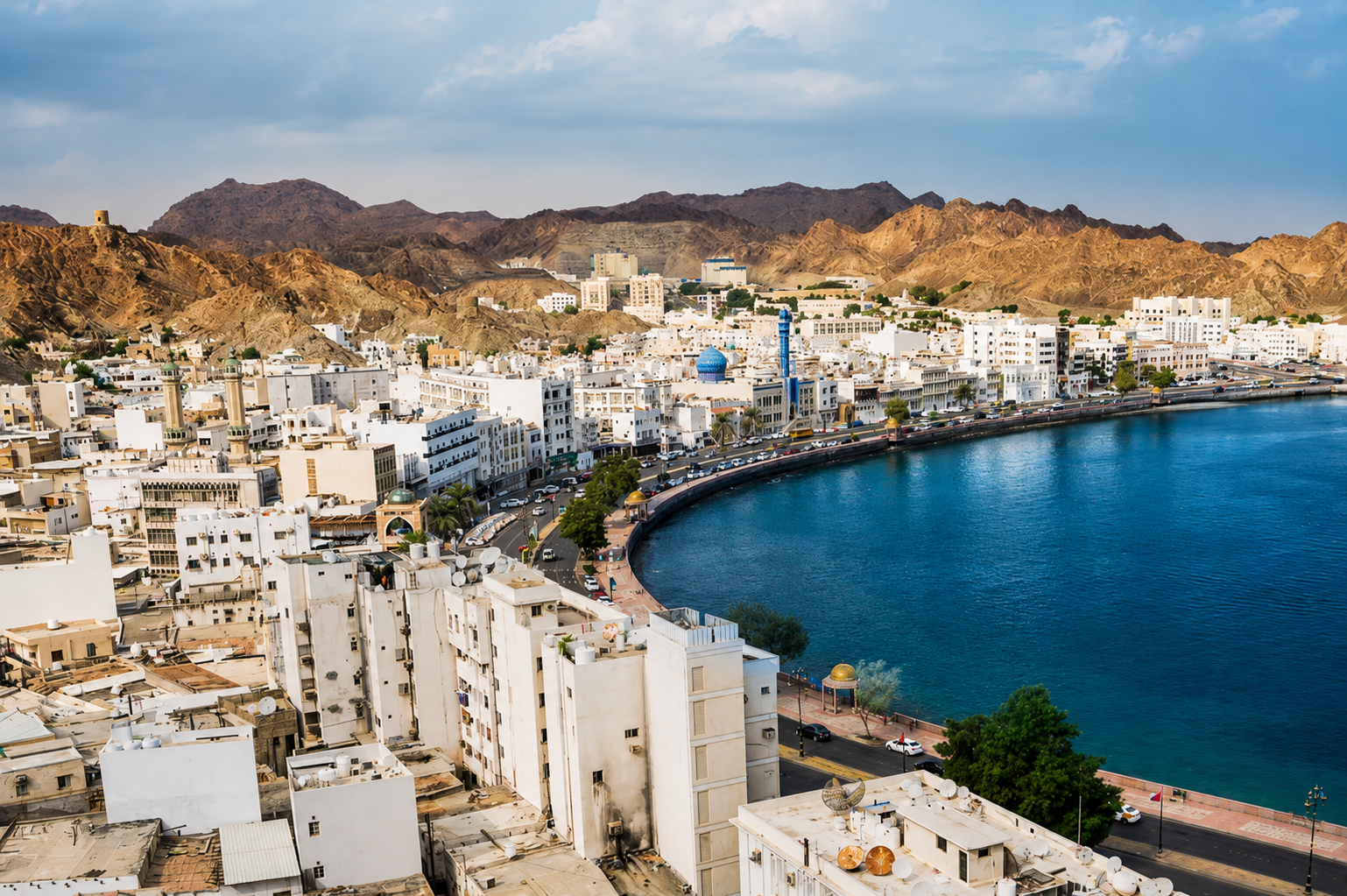
Oman’s public revenues rose 13% to OMR6.6 billion in Q2 2026, driven by higher oil and gas revenues.
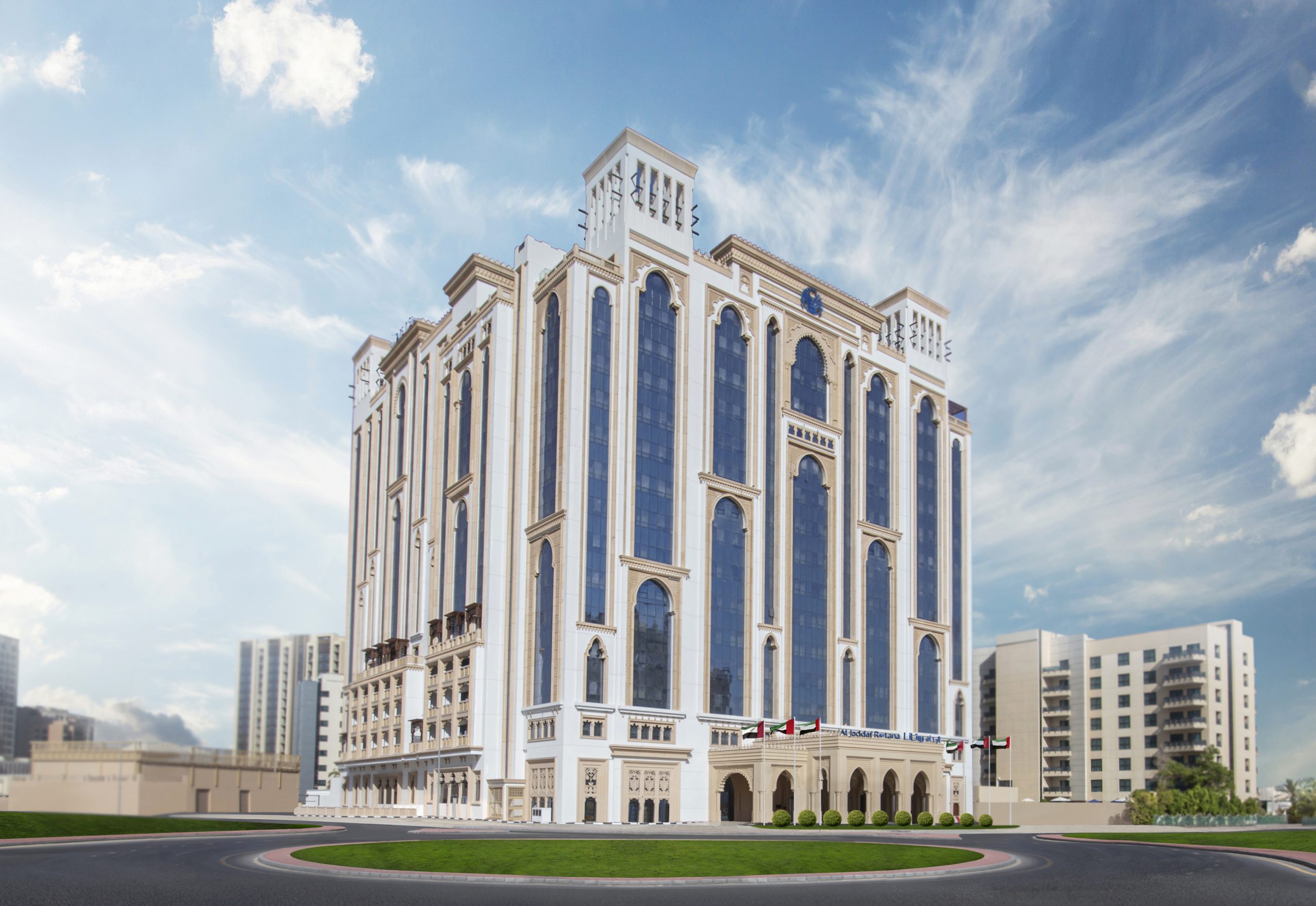
Al Jaddaf Rotana Complex strengthens sustainable hospitality through recognized certifications and measurable reductions in energy use and waste.
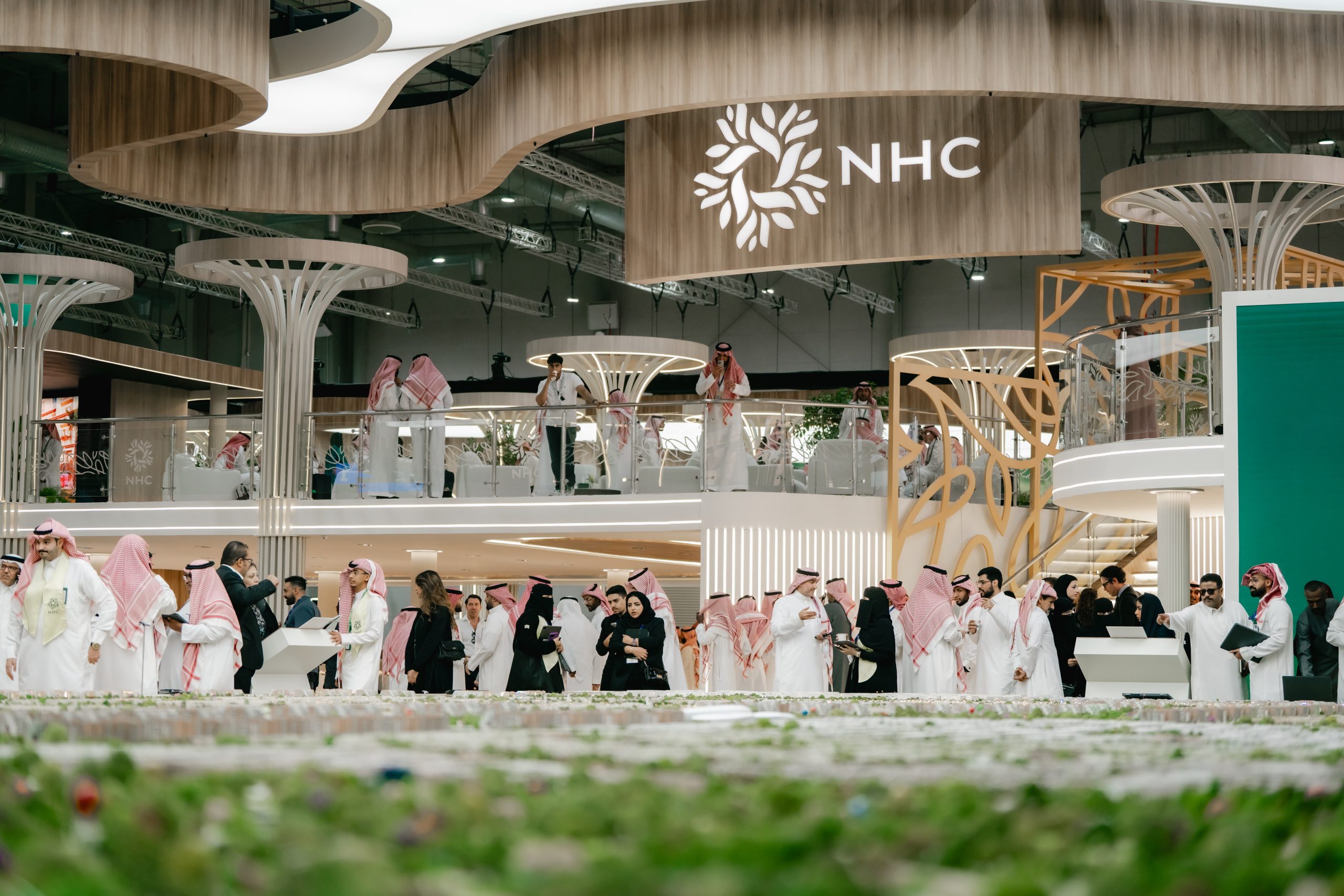
Cityscape Global returns to Riyadh from 16–19 November 2026, connecting global investors and developers with real estate opportunities in Saudi Arabia.
New Murabba has appointed Sabah Barakat as acting CEO, replacing Michael Dyke as Saudi Arabia reassesses major real estate projects under Vision 2030.
2 min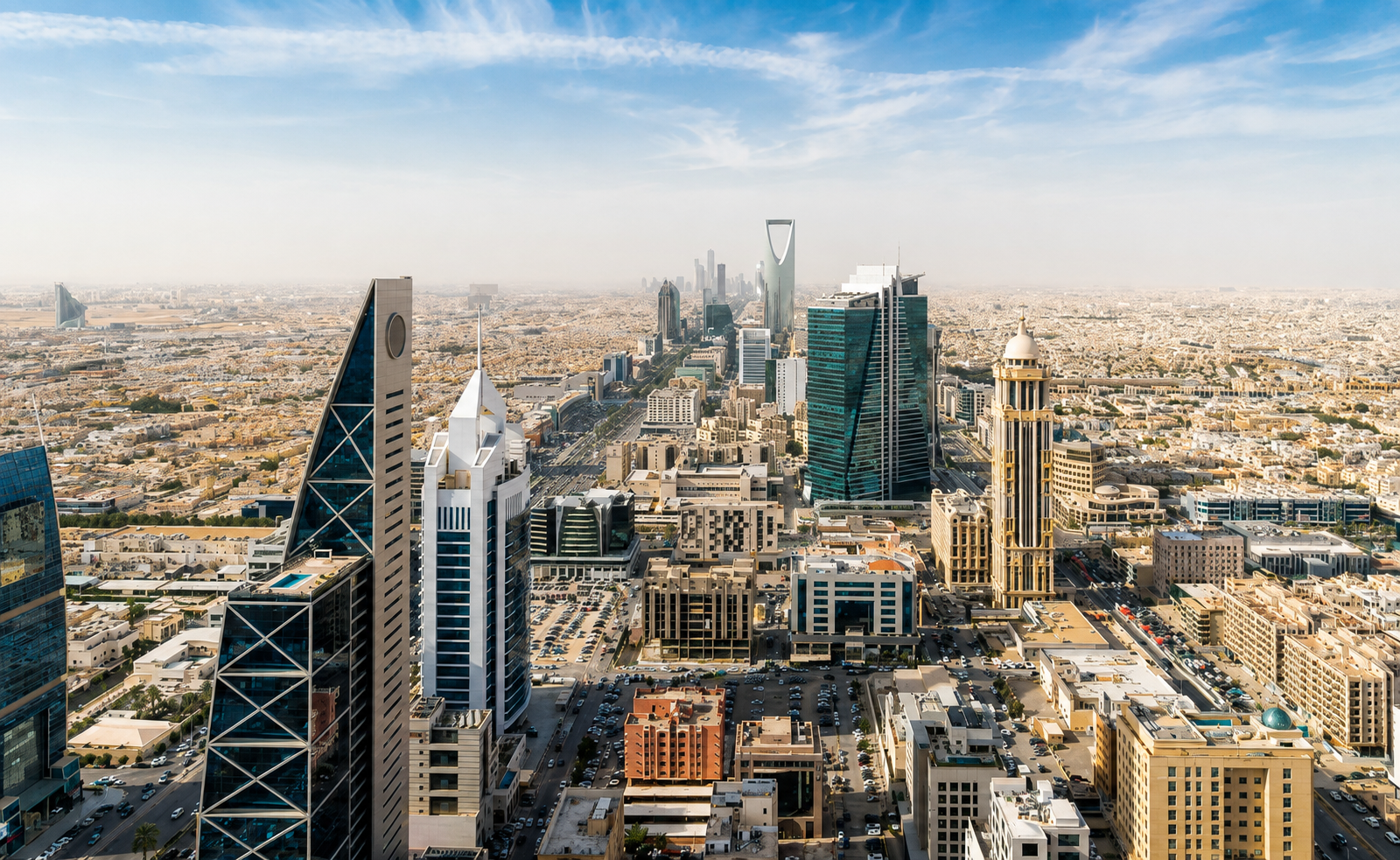
New Murabba, the developer behind one of Saudi Arabia’s gigaprojects, has replaced its chief executive in a further sign of changes across flagship real estate investments in the kingdom amid a retooling of the Gulf country’s economic transformation plan.
New Murabba, owned by the country’s wealth fund PIF, has appointed Sabah Barakat as acting chief executive, according to the company’s website and was mentioned in that role in a company statement this week about an investment partnership. He replaces British manager Michael Dyke, chief executive since 2024.
Barakat is a senior executive within the PIF and is also acting group CEO of state-backed developer ROSHN Group.
It was not immediately clear whether Dyke would remain at New Murabba.
The PIF redirected questions around the management changes and the project to New Murabba, which did not immediately respond to requests for comment. Dyke could not be reached for comment.
The company’s major projects include construction of a colossal cube-shaped skyscraper at the centre of a downtown development in Riyadh, and the shake-up comes months after Reuters reported the project was facing difficulties.
Saudi Arabia has been investing hundreds of billions of dollars to transform its economy and cut reliance on hydrocarbon revenues under an ambitious agenda called “Vision 2030” spearheaded by the PIF. It aims to create new industries with investment in various sector including tourism, technology and with massive real estate projects.
However, overspending and lower-than-anticipated global oil prices in recent years hit state revenues and left Riyadh struggling to deliver some of the projects, which were omitted or largely scaled back under the wealth fund’s 2026-2030 strategy, released in April.
Real estate consultancy Knight Frank estimated the New Murabba district would cost about $50 billion. Initial plans for the project called for completion by 2030, but it is now slated to be completed by 2040.
Many of the most-important events have slipped from our collective memories. But their impacts live on.
The sports-car maker delivered 279,449 cars last year, down from 310,718 in 2024.


Georgetown agent Jamie Peva blends history and real estate on Instagram, turning local stories into a powerful sales strategy.
5 min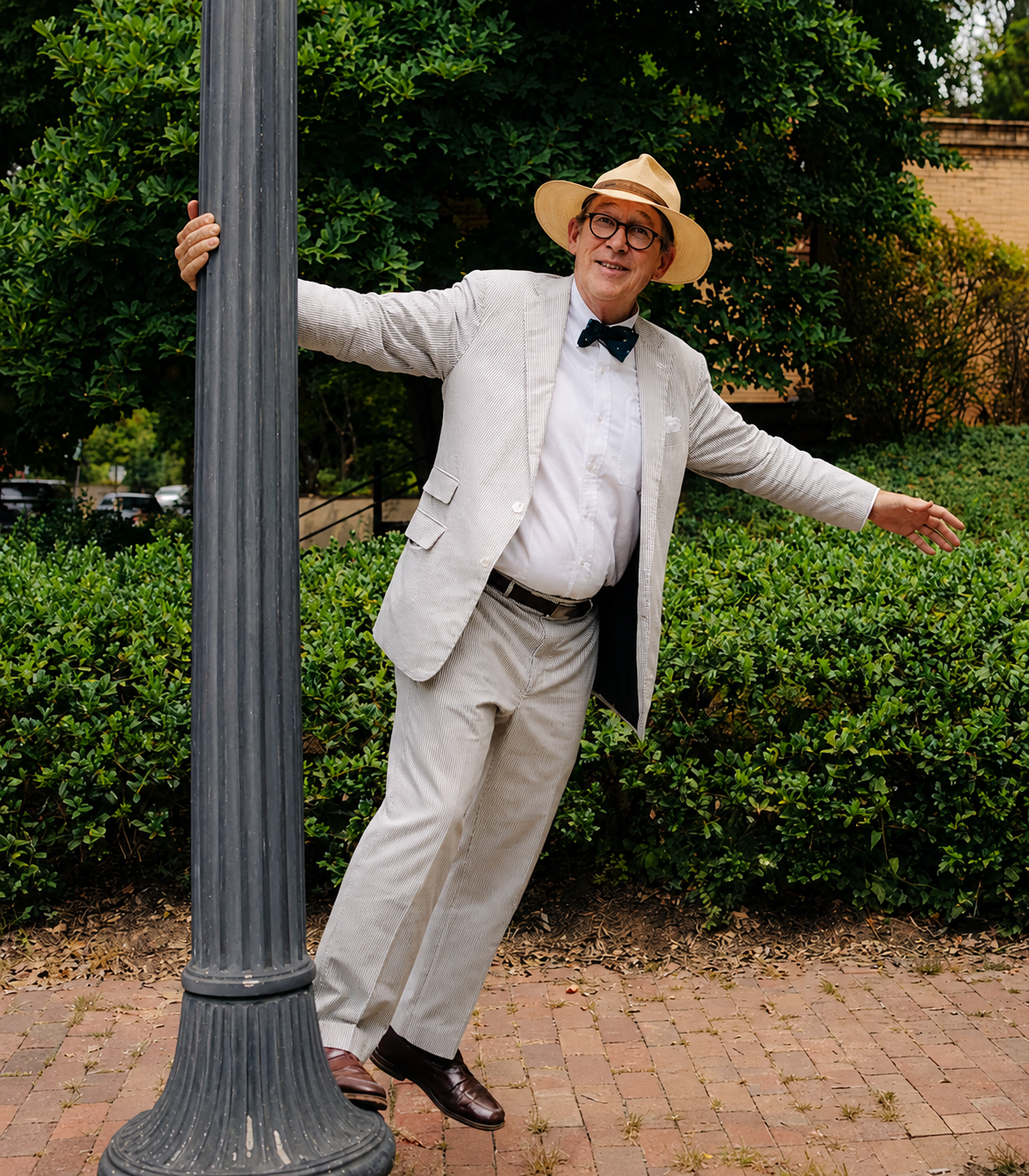
On a recent morning in Georgetown—Washington, D.C.’s oldest neighborhood—real-estate agent Jamie Peva strode down leafy N Street, brimming with historical tidbits.
Jackie Kennedy once lived on the street, he said. So did Ben Bradlee, former executive editor of the Washington Post, along with a former Miss America and a powerful U.S. Senator. Bradlee’s widow, author Sally Quinn, and Eric Schmidt, former CEO of Google, own stately homes there.
“I’ve seen a picture of Lyndon Johnson coming out of this house,” said Peva, passing a Federal-style brick mansion. “Also, the Beatles went to a lawn party here.”
Peva, a 60-year-old agent with Washington Fine Properties, has sold Georgetown real estate for over three decades, often traversing the neighborhood by bicycle. Of the roughly 2,500 houses in the historic neighborhood, he has been involved in the sale of 460, he estimated. A self-styled historian of the neighborhood, he knows stories behind its houses and their owners going back generations.
With a knack for lively storytelling, he shares his knowledge with some 37,500 Instagram followers, who have made Peva—sporting the bow ties he has worn since boarding school—an unlikely social-media influencer. Many of his followers are locals, and most have no plans to buy or sell real estate—until they do. It is then, according to Peva, that his spirited reels bring him to mind.
“It’s the digital version of a refrigerator magnet,” he said.
After Peva’s first video in November 2023, his eponymous Instagram account sparked a 10% increase in sales volume in the first year, and another 20% the next, he estimated. “It’s been very good for business, there is no question about it,” he said.
But Peva’s posts have also made him a local celebrity. As he walked down N street, the driver of a Mercedes station wagon slowed down to honk and wave. A lady walking a large dark gray dog stopped to ask what he was filming that day (a reel about a Colonial-era bottling plant.) Peva knew the dog from walking his two springers, Jumpy and Peggy-O, in the neighborhood.
“I need to make a video about the pooches of Georgetown,” he mused.

A growing number of real-estate agents now use social media to sell, and some have millions of followers with reels featuring ultraluxury pads, selling tips or reality TV-style reports on their daily lives. While Peva posts about his listings—and sometimes those of other agents—he mostly focuses on Georgetown history, local businesses and community events, saying his goal is to benefit both his business and the neighborhood.
“If we don’t find something genuinely interesting and worth sharing, we won’t do it,” said Peva’s daughter, Violet Peva, a New York social-media strategist who films, edits and posts his reels. “We cover many topics, not just real-estate information.”
Peva is originally from Connecticut, but has lived in Georgetown for over 30 years, currently in a cottage-style house with a white picket fence. Over the years, Georgetown has changed. The Georgetown Set, a powerful group of Cold War-era residents whose Sunday-night potluck dinners are said to have swayed U.S. policy, has long faded away. The community is still home to high-profile Washingtonians, including a Republican senator and several cabinet members. But it increasingly also attracts technology and finance executives, according to Peva. He now routinely signs nondisclosure agreements, ensuring privacy for wealthy clients. The shift has made him rethink his marketing approach.
“For years, a big part of our Georgetown business was made up of people who maintained a low profile,” he said. Real-estate agents were similarly low-key. Today, curb appeal is more important, he said, and agents are promoting themselves more. “As this change was underfoot, I was thinking that I needed to evolve myself too,” he said.

Though his own social-media use is mostly limited to following sailing accounts, he asked his daughter to help him post his listings online. Violet, now 26, started coming to D.C. once a month to film his reels. After an early video, on a condominium building called the Elliott, her sister Fern called her to report: “Daddy’s blowing up on Instagram,” Violet recalled. The reel got over 50,000 views. The next two each drew over 300,000. Peva’s most popular post ever, with over 838,000 views, was about the Grateful Dead playing in Georgetown. Sometimes, Peva interviews Georgetowners such as Quinn, the author, or Jamie Stachowski, the owner of a local butcher shop.

Peva, who majored in history in college, now spends up to two hours a day on research, usually in the morning while on his stationery bike. Online, he pores over old newspapers or the Library of Congress website, and he has a collection of articles and books—in and out of print—about Georgetown.
Companies often approach Peva for promotional posts, he said, but he turns them down, feeling that followers would lose interest in constant commercials. One exception is a recent paid post on Mount Vernon, the former home of George Washington. Peva wanted to share its history, he said, and didn’t want to lose the opportunity to another Instagrammer.
Anthony Arend, a professor at Georgetown University, has lived in his current home for 19 years without any plans to sell or buy real estate. But he follows Peva and often likes his posts.

“He is very charismatic, he is energetic, and he obviously knows a lot about the community,” said Arend, who has referred house-hunting friends to Peva.
One of Peva’s biggest deals—the $10.5 million sale of a 19th-century Italianate mansion—came after he made two 2024 reels featuring the property. In March, he sold the longtime O Street home of Tim and Jane Matz for $5.8 million after featuring it on his Instagram. Peva had showed them the home 25 years earlier, with Violet in a baby carrier on his back.
Last year, Kate Watts, 49, a digital consultant, called Peva to sell her late father’s three-bedroom house on Q Street; her husband had seen Peva on Instagram. In an October reel, Peva praised the architecture of the house, designed by modernist Hugh Newell Jacobsen. Halfway through, he mentioned an open house the next day, ending with an upbeat: “Did I also mention this house is for sale? $3.75 million!” The reel got 27,000 views, the open house was packed, and the buyers made an offer at the list price on the same day.

Many of the most-important events have slipped from our collective memories. But their impacts live on.
Following the successful launch of its Palais Collection, MAISON de SABRÉ has unveiled a new modular handbag system offering more than 720 styling combinations.

Dubai Land Department will showcase its latest smart services and initiatives at IPS 2026, supporting a more transparent, efficient, and investor-friendly real estate market.
2 min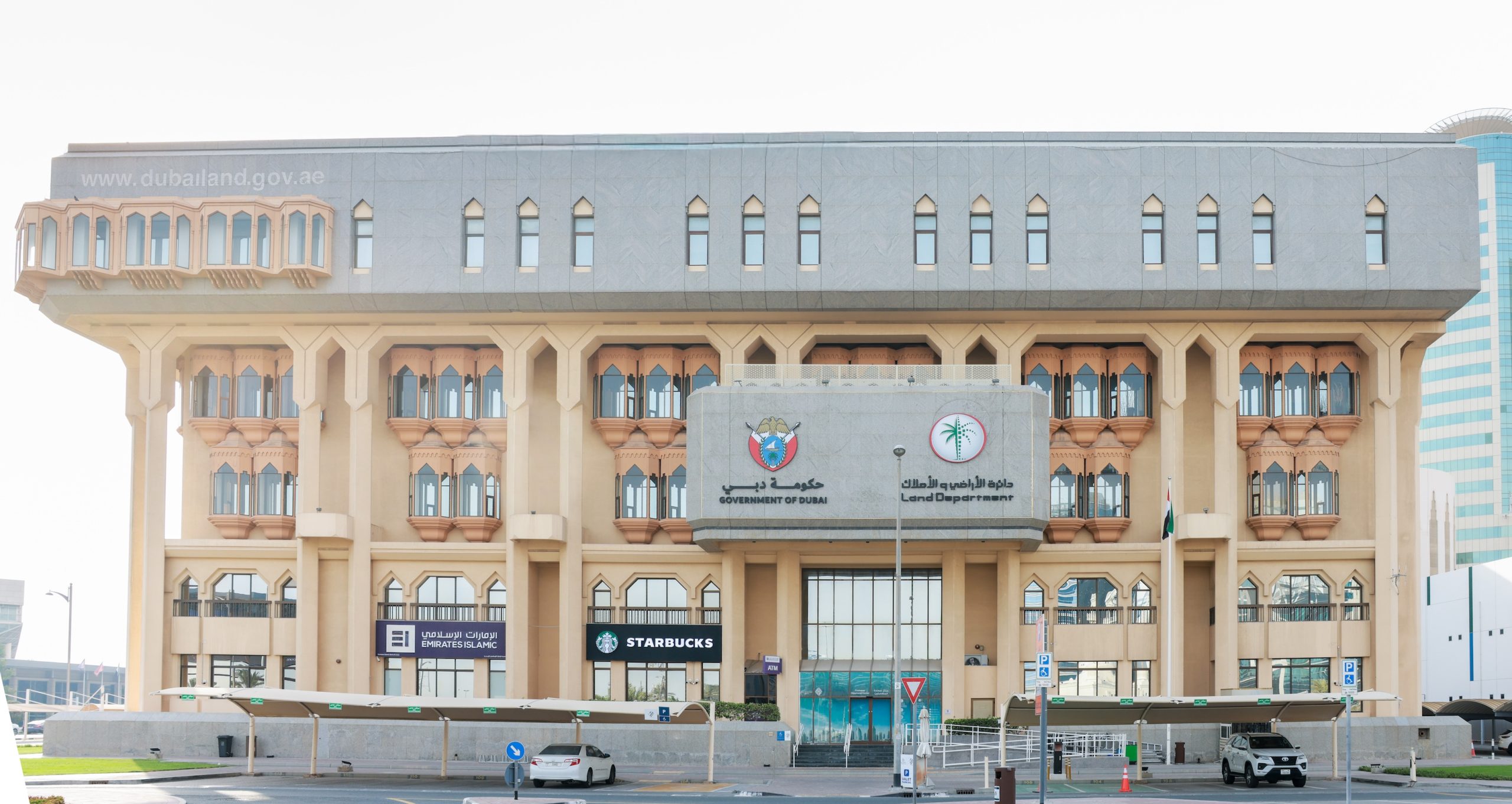
Dubai Land Department (DLD), in its capacity as Strategic Partner, is participating in the 22nd edition of IPS, taking place at Dubai World Trade Centre from 7 to 9 September. During the event, DLD will showcase a range of smart initiatives and services that reflect the continued advancement of Dubai’s real estate ecosystem and the diversity of solutions available to investors, customers, and industry professionals.
DLD’s participation brings together a range of solutions spanning homeownership facilitation and access to real estate data, through to digital services, brokerage services, and enhanced customer experience. These solutions contribute to greater ease of doing business, market efficiency, and transparency, while supporting the objectives of the Dubai Real Estate Strategy 2033 and the Dubai Economic Agenda D33.
To support homeownership, DLD will showcase the First-Time Home Buyer Programme, which facilitates the first step toward property ownership for UAE nationals and residents through a range of benefits and incentives offered in collaboration with participating developers and financial institutions. The program helps expand the base of property owners and supports sustainable demand in the market.
As part of its digital services offering, DLD will highlight the Dubai REST app as a unified platform providing access to a wide range of real estate services and data. The app helps accelerate transaction completion and facilitates access to services through a more integrated digital experience. DLD will also showcase its ‘DLD Services’ display, enabling visitors to explore the range of services offered by Dubai Land Department to its customers.
Data also forms a key part of DLD’s participation through the ‘Real Estate Transactions’ and ‘Real Estate Data’ displays, which provide visitors with access to market and transaction-related information. These tools enable investors and customers to monitor market activity and trends while supporting more informed decision-making based on clear, accessible data.
DLD will also spotlight its brokerage services through a dedicated display for real estate brokers within the Real Estate Regulatory Agency (RERA). As part of its customer experience offering, DLD will showcase ‘Malik’, its omnichannel customer service assistant, which provides round-the-clock support and responds to inquiries across integrated channels, facilitating access to information and services while enhancing response efficiency.
These solutions reflect an integrated approach through which DLD continues to enhance the experience of all stakeholders across the real estate market, from expanding opportunities for property ownership and providing data that supports informed decision-making, to strengthening brokerage services, advancing service digitalization, and simplifying the customer journey.
DLD’s participation in IPS 2026 comes amid the event’s strong international presence, bringing together developers, investors, financial institutions, decision-makers, and experts from across global markets. This provides an opportunity to showcase the continued evolution of Dubai’s real estate ecosystem to an international audience, while strengthening engagement with investors and key stakeholders across the sector.
Through this participation, Dubai Land Department continues to support the emirate’s objectives of building a more efficient, transparent, and competitive real estate market, while leveraging technology, data, and partnerships to enhance services and expand opportunities, further strengthening Dubai’s attractiveness as a destination for real estate investment and ownership.
Two coming 2027 models – the first of the “Neue Klasse” cars coming to the U.S. early next year – have been revealed.

Parts for iPhones to cost more owing to surging demand from AI companies.


Oman’s public revenues rose 13% to OMR6.6 billion in Q2 2026, driven by higher oil and gas revenues.
< 1 minThe Sultanate of Oman’s public revenues recorded a 13 % increase by the end of the second quarter of 2026, reaching approximately OMR6.602 billion, compared to approximately OMR5.839 billion during the corresponding period of the previous year. This growth is primarily attributable to higher oil revenues.
According to the Fiscal Performance Bulletin issued by the Omani Ministry of Finance, total public expenditure stood at approximately OMR6.619 billion by the end of Q2 2026, marking an increase of OMR521 million, or 9 %, relative to the OMR6.098 billion recorded during the same period in 2025. This rise reflects higher development and current expenditures compared to the equivalent period last year.
The Bulletin further indicated that net oil revenues rose by 10 % by the end of Q2 2026, reaching approximately OMR3.332 billion, compared to OMR3.018 billion recorded during the same period in 2025.
Net gas revenues also increased by 32 % to OMR1.164 billion, up from OMR884 million in the corresponding period of 2025.
The Bulletin noted that total public debt amounted to OMR14.16 billion by the end of Q2 2026, relative to OMR14.12 billion recorded at the same period in 2025, representing a marginal increase of approximately 0.3 %.
Many of the most-important events have slipped from our collective memories. But their impacts live on.

Paine Schwartz joins BERO as a new investor as the year-old company seeks to triple sales.
Al Jaddaf Rotana Complex strengthens sustainable hospitality through recognized certifications and measurable reductions in energy use and waste.
3 minAl Jaddaf Rotana Complex has been recognized for its continued progress in sustainable hospitality, with its properties achieving Green Key, Travelife and Dubai Sustainable Tourism (DST) recognition for their ongoing commitment to responsible hotel operations. Al Jaddaf Rotana Suite Hotel has achieved Green Key Certification and the DST Silver Award, while Arabian Park and Park Apartments have achieved Travelife Certification and the DST Bronze Award.
The milestones form part of the Complex’s ongoing sustainability journey, with Travelife Certification achieved by Arabian Park and Park Apartments in 2025, followed by their DST Bronze Award, while Al Jaddaf Rotana Suite Hotel received its Green Key Certification and DST Silver Award in 2026. Across the properties, these achievements are supported by measurable action spanning energy and water conservation, waste management, sustainable procurement, guest amenities, food and beverage practices and colleague engagement.
In 2025, Al Jaddaf Rotana Suite Hotel recorded a 9.2% reduction in total energy consumption, while Arabian Park achieved a 5.4% reduction, compared with the previous year. Al Jaddaf Rotana Suite Hotel has also achieved 100% diversion of waste from landfill, with food and general waste processed through a Waste-to-Energy facility.
Stefan Schmid, Complex General Manager, Al Jaddaf Rotana Complex, commented on this recognition saying, “Sustainability is an important part of how we operate and how we contribute to the future of tourism in Dubai and the UAE. These recognitions are a meaningful validation of the progress our teams have made, but more importantly, they reinforce our responsibility to turn sustainable practices into measurable action. From reducing energy consumption and diverting waste from landfill to engaging our colleagues and communities, we are focused on making responsible hospitality part of our everyday operations. We are proud to contribute to Dubai’s vision for a more sustainable tourism sector while continuing to deliver the standards of hospitality our guests expect.”
AL JADDAF ROTANA SUITE HOTEL
At Al Jaddaf Rotana Suite Hotel, sustainability has been integrated across multiple areas of the operation, with a focus on resource management, waste reduction, guest amenities and food and beverage practices.
The hotel has continued to reduce its reliance on conventional single-use plastics, with in-room amenities transitioned to more sustainable alternatives, including FSC-certified kraft paper packaging, corn starch-based products and wheat straw fiber items. The entire in-room dispenser set has also been transitioned to wheat straw fiber, replacing conventional plastic dispensers. Other initiatives include wooden pencils and reusable metal pens as alternatives to plastic products.
Across food and beverage operations, takeaway containers and packaging have moved towards paper-based and other more sustainable alternatives, complemented by wood-dust straws. The hotel also offers Green Meeting options to support more environmentally conscious events.
The hotel’s waste management program supports its wider resource efficiency efforts, with food and general waste processed through a Waste-to-Energy facility, supporting resource recovery and eliminating the need for landfill disposal.
These initiatives complement the hotel’s Green Key Certification and DST Silver Award, recognizing its continued commitment to environmental management and sustainable hospitality.
ARABIAN PARK, EDGE BY ROTANA
At Arabian Park, Edge by Rotana, sustainability efforts have focused on strengthening responsible environmental and social practices across the hotel’s operations. The property achieved Travelife Certification in 2025, followed by the DST Bronze Award in 2026, recognizing its continued progress in sustainable hospitality.
The hotel’s sustainability program includes initiatives focused on energy and water conservation, waste management, food waste reduction, sustainable procurement and reducing reliance on single-use plastics, supporting a more resource-efficient approach to day-to-day operations.
PARK APARTMENTS, EDGE BY ROTANA
Park Apartments, Edge by Rotana has similarly strengthened its approach to responsible hospitality, achieving Travelife Certification in 2025 and the DST Bronze Award in 2026.
Its sustainability efforts span resource conservation, waste management, sustainable procurement and reduced reliance on single-use plastics, alongside community-focused initiatives that support a more responsible approach to hospitality.
A SHARED COMMITMENT TO RESPONSIBLE HOSPITALITY
Across the properties, sustainability is supported by continued colleague engagement, with 100% of colleagues completing the required sustainability training through Rotana’s RISE platform, complemented by ongoing awareness and refresher initiatives.
Community-focused efforts also form part of the properties’ approach, including donation drives, linen repurposing, charitable campaigns and employee volunteering. Together with ongoing work around energy and water conservation, food waste reduction, sustainable procurement and waste management, these initiatives help make sustainability part of everyday hotel operations rather than a standalone program.
The certifications and awards mark an important step in the properties’ ongoing sustainability journeys, reinforcing their commitment to measurable environmental progress, responsible operations and the continued development of sustainable hospitality in Dubai and the UAE.
Following the successful launch of its Palais Collection, MAISON de SABRÉ has unveiled a new modular handbag system offering more than 720 styling combinations.

New research suggests that bonuses make employees feel more like a mere cog in a wheel.

Cityscape Global returns to Riyadh from 16–19 November 2026, connecting global investors and developers with real estate opportunities in Saudi Arabia.
3 minCityscape Global 2026 – The Capital of Real Estate is set to return to Riyadh, convening property investors, developers, architects, banks, and government representatives to expand real estate investment opportunities. The event will be held at the Riyadh Exhibition and Convention Centre (Malham) from 16-19 November, sponsored by the Ministry of Municipalities and Housing (MOMAH) in partnership with the Real Estate General Authority (REGA), Vision 2030, the Housing Program, and organized by Tahaluf.
A platform aligned with national priorities
Saudi Arabia continues to prioritize investment across key sectors such as urban development, infrastructure, and entertainment as part of its long-term economic transformation. Cityscape Global brings together the stakeholders, projects, and capital shaping this next phase of growth.
His Excellency Majed bin Abdullah Al-Hogail, Minister of Municipalities and Housing, Saudi Arabia, said:
“Cityscape Global supports our efforts to expand homeownership and improve access to real estate investment across Saudi Arabia. The scale of last year’s edition, which saw $63 billion in deals signed and over 164,000+ visits, reflects the strength of the market and the role this platform plays in connecting stakeholders. By bringing together developers, investors, and government entities, Cityscape Global helps accelerate delivery and supports our long-term development goals.”
Global participation, local impact
Cityscape Global stands is a leading international platform for the real estate industry, attracting top-tier developers and investors from around the world. In 2025, the event welcomed over 164,000+ visits from 120+ countries, demonstrating true global reach. More than 35,000 investors and professionals formed a powerful international network, and 82 international developers showcased their projects, highlighting Cityscape Global’s unmatched international presence. With 600+ exhibitors expected in 2026, Cityscape Global is set to further expand its global footprint.
For investors, Cityscape Global is an unparalleled gateway to lucrative opportunities, offering direct access to a diverse portfolio of Saudi and international projects under one roof. Attending institutional investors represent over $6 trillion in assets under management across real estate and infrastructure, underlining the scale of opportunity.
Fahad Al Jahrami, Chief Development and Asset Management Officer at Qatari Diar, said:
“We were honored and pleased to have participated in Cityscape Global 2025. This is our third engagement with this fantastic event, and we are grateful for the opportunities Cityscape Global provides to connect with major real estate development companies. The event offers excellent opportunities for our company to showcase our projects and products. We view Cityscape Global as the ideal platform to connect with investors and business leaders from around the world, which aligns with our ambitions for expansion and growth.”
In a strong endorsement of this year’s event, a distinguished roster of industry leaders has been confirmed among the Strategic, Diamond, and Platinum Partners.
The Strategic Partners include Ajdan, Ajlan & Bros, Al Basateen, Arabian Dyar, Ajlan Riviera, Dar Wa Emaar, Kaden, Al Majdiah, Mohammad Al Habib, Osus, Osool, Al Rashid Properties, Retal, TMG and Zood reflecting broad support from across the region’s real estate sector.
Meanwhile, Diamond Sponsors comprise Abyatona, Mobtakeron Realty, Mountain View, Rafal, Saudi Downtown, Thakher Development and Al Woroud Real Estate. Platinum Sponsors include Knowledge Economic City (KEC), Liwan and Tazayud further underscoring the event’s growing prominence within the industry.
Programmes launched to support investors in 2026:
This year Cityscape Global will showcase targeted initiatives to enhance investor relations.
Real Estate Leaders Club
A dedicated programme for senior international investors, developers, and hospitality operators, featuring:
- Pre-scheduled one-to-one meetings with local developers, investors, officials, and partners
- Private networking, site visits, and curated introductions
- Access to expert-led sessions on market trends and investment strategies
G2G Co-Lab
A government focused platform for Ministers, Mayors and Ambassadors designed to strengthen international collaboration through:
- Private roundtables and policy discussions
- Expert panels on urban development and infrastructure
- Curated networking between public and private sector leaders
- A dedicated VIP programme and site tours
Looking ahead to 2026
Rachel Sturgess, Executive Vice President of Tahaluf, said:
“In 2025, Cityscape Global brought together capital and funds representing $6.1 trillion in real estate and infrastructure assets under management, including global leaders such as BlackRock, Brookfield, UBS, PGIM, King Street, and Hines. The event reflects its continued scale and relevance as a global meeting point for the real estate industry. In 2026, we will introduce new initiatives to streamline property access, foster strategic partnerships with investors, and create new opportunities for engagement across the real estate ecosystem. Cityscape Global continues to serve as a leading platform connecting global capital with real estate opportunities.”
Registration for Cityscape Global 2026 is now open.
The sports-car maker delivered 279,449 cars last year, down from 310,718 in 2024.

Chris Dixon, a partner who led the charge, says he has a ‘very long-term horizon’


R.Evolution is expanding EYWA into a global regenerative real estate brand focused on longevity, wellbeing and sustainable living.
2 min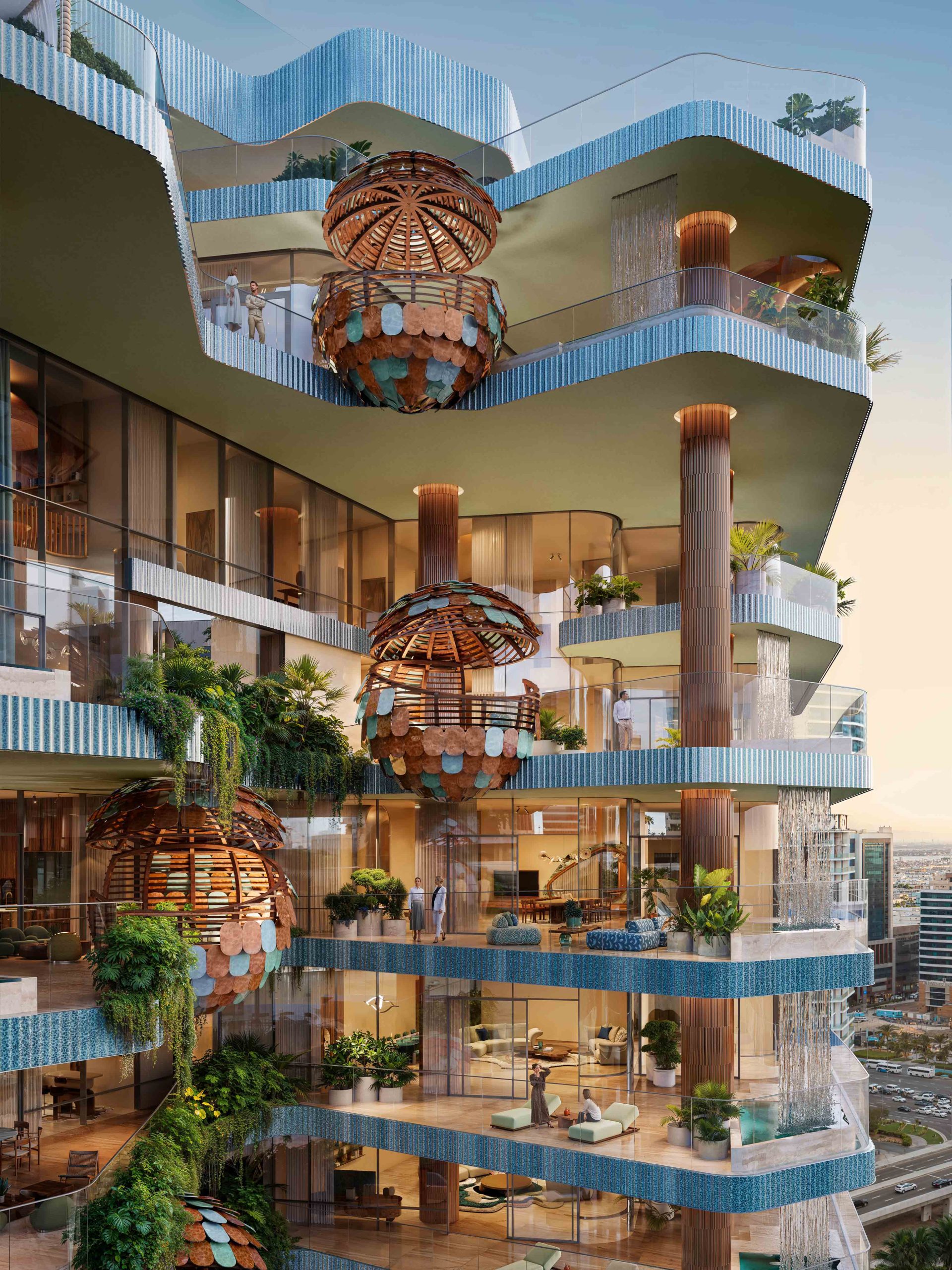
R.Evolution, the European real estate developer, is expanding EYWA from a collection of flagship developments into a global longevity-led regenerative real estate brand.
Following the launch of EYWA Tree of Life and EYWA Way of Water in Dubai, and of EYWA Bac de Roda and EYWA 22 Palms in Barcelona, the company is establishing EYWA as a platform that can be applied across residential, commercial, and future hospitality developments in multiple international markets.
“The global luxury real estate market is evolving. Buyers are no longer interested only in architecture, square footage, and location. They are increasingly looking for homes that support healthier, longer, and more fulfilling lives,” says Igor Karpikov, Chief Commercial Officer at R.Evolution, “Wellness real estate is one of the fastest-growing sectors of the global wellness economy and is forecast to reach $1.8 trillion by 2030. Our Dubai developments demonstrate how the EYWA philosophy translates into exceptional real estate, aligning with the emirate’s focus on quality of life, sustainability, and wellbeing.”
Homes as Wellbeing Ecosystems. Research suggests that genetics account for around 50% of the factors influencing lifespan. The remaining half is shaped by environment and lifestyle. Since people spend around 90% of their time indoors, the buildings they live in play a significant role in supporting health and wellbeing.
Inspired by the vision of R.Evolution founder Alex Zagrebelny, EYWA – short for Energy, Youthfulness, Wellbeing, and Ancient Knowledge – introduces the concept of regenerative real estate – an approach that views buildings as living ecosystems. It combines thoughtful spatial design, modern technology, natural elements, and ancestral wisdom to support everyday living and health.
Building a Broader Longevity Ecosystem. As EYWA continues to expand, R.Evolution is developing strategic collaborations with leading players across the wellness and longevity ecosystem. These collaborations span health and longevity programming, nature-focused initiatives, educational programs, next-generation sustainable technologies, and premium lifestyle offerings.
Together, these partnerships extend the EYWA experience beyond the physical building, creating a broader ecosystem centered on wellbeing that supports residents in their daily lives.
The Next Chapter. EYWA’s expansion into hospitality in some of the world’s most sought-after destinations marks the next phase of the brand’s evolution, with additional initiatives in the longevity and wellbeing space also in progress.
R.Evolution will share details of new projects, partnerships, and locations as they reach the appropriate stage of development.
New research suggests that bonuses make employees feel more like a mere cog in a wheel.

Americans now think they need at least $1.25 million for retirement, a 20% increase from a year ago, according to a survey by Northwestern Mutual



ALTA brings Italian craftsmanship to Dubai through its Mr. C Residences collection, combining bespoke interiors, premium materials and enduring quality.
2 min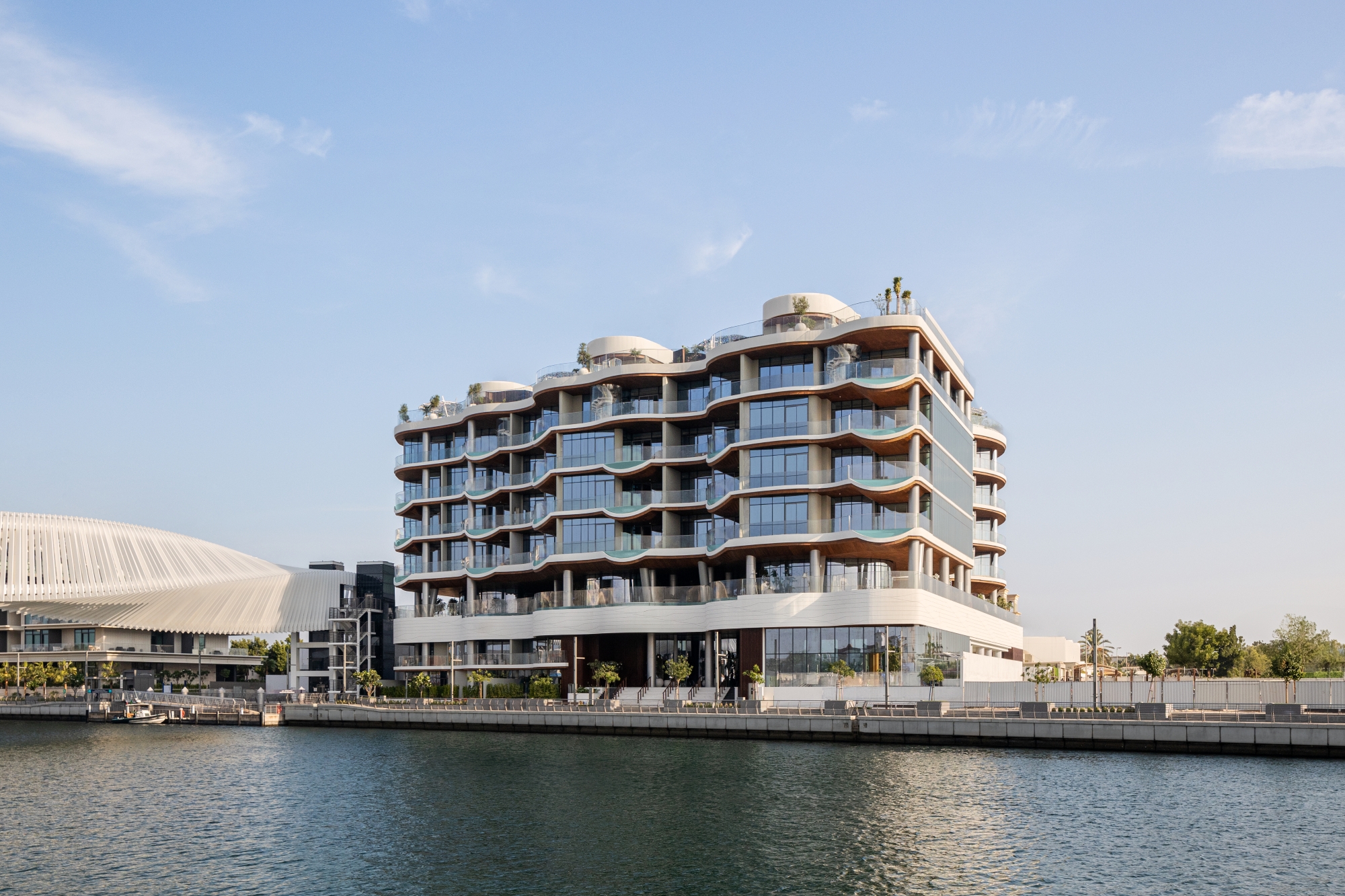
Two coming 2027 models – the first of the “Neue Klasse” cars coming to the U.S. early next year – have been revealed.
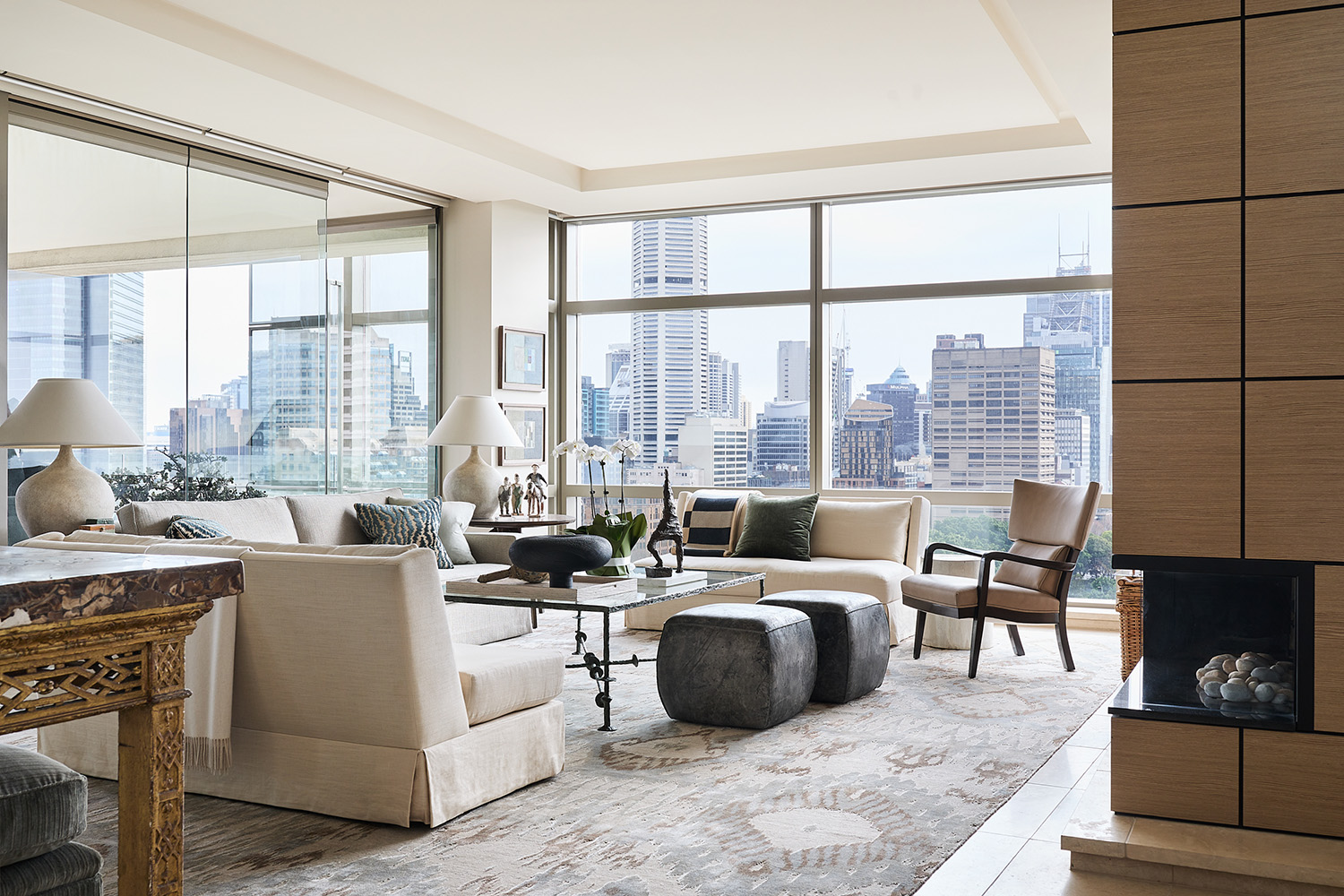
Interior designer Thomas Hamel on where it goes wrong in so many homes.
Al Rehab Developments plans to expand in Egypt’s Sadat City, growing its EGP 5 billion portfolio of commercial, residential, medical and administrative projects.
2 min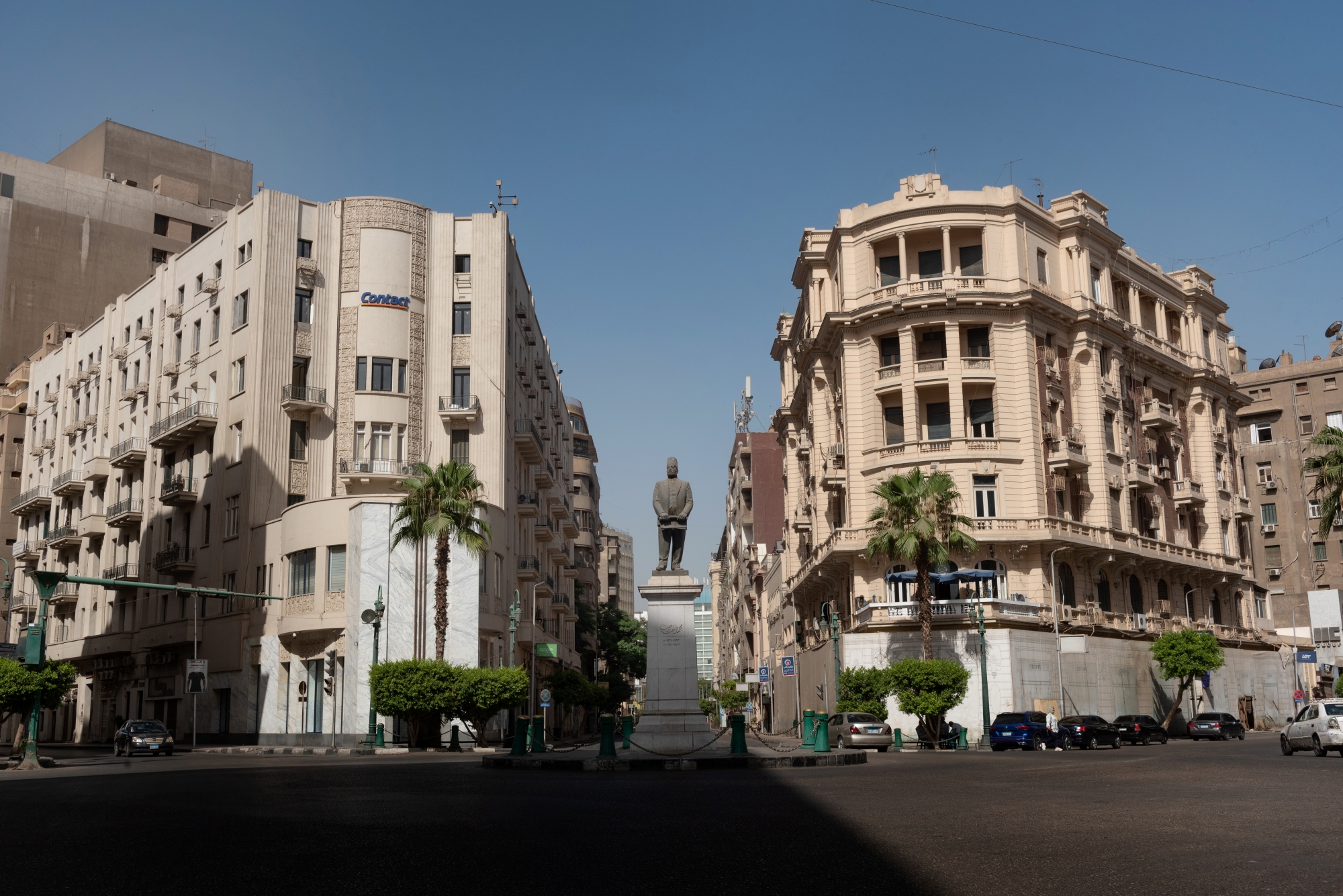
Al Rehab Developments is preparing an expansion plan for the Egyptian real estate market, with a focus on Sadat City, as the company seeks to grow its investment portfolio, which currently stands at around EGP 5bn.
With more than nine years of experience in the market, the company currently has seven projects under development covering approximately 33,000 sqm across commercial, administrative, medical, and residential uses.
Ahmed Tablaya, Chairperson of Al Rehab Developments, said the company sees continued opportunities in Egypt’s real estate market, particularly in Sadat City, which he described as an area with growing demand driven by urban and industrial expansion.
He noted that the city’s development is generating demand for commercial, administrative, and medical services serving both residential communities and industrial areas. The company has consequently focused its projects on locations it considers strategically positioned to serve investors, businesses, and professionals.
Ahmed Mohamed, Executive Director of Al Rehab Developments, said the company’s current portfolio includes seven projects across different locations in Sadat City.
The portfolio includes Troval Mall, the company’s first project, which has been fully delivered. It also includes Marseilia Plaza, located in the city’s Third District on approximately 7,000 sqm, offering commercial and entertainment spaces; Taj Plaza, which combines commercial, medical, and administrative uses; and JZOOR, a mixed-use development combining residential and commercial components across 12,000 sqm.
The company’s portfolio also includes Al Noor Plaza Mall, Point 1 Plaza, and Point 2 Plaza, which are designed to provide commercial and service facilities for surrounding residential and industrial areas.
Mohamed said the company’s strategy extends beyond construction and delivery to include project operations, maintenance, security, and after-sales services. It also plans to work with specialized operators to manage completed developments.
He added that the company’s upcoming expansion will be based on assessments of market demand and the needs of target areas, with a focus on developing a diversified portfolio across different real estate uses.
Parts for iPhones to cost more owing to surging demand from AI companies.
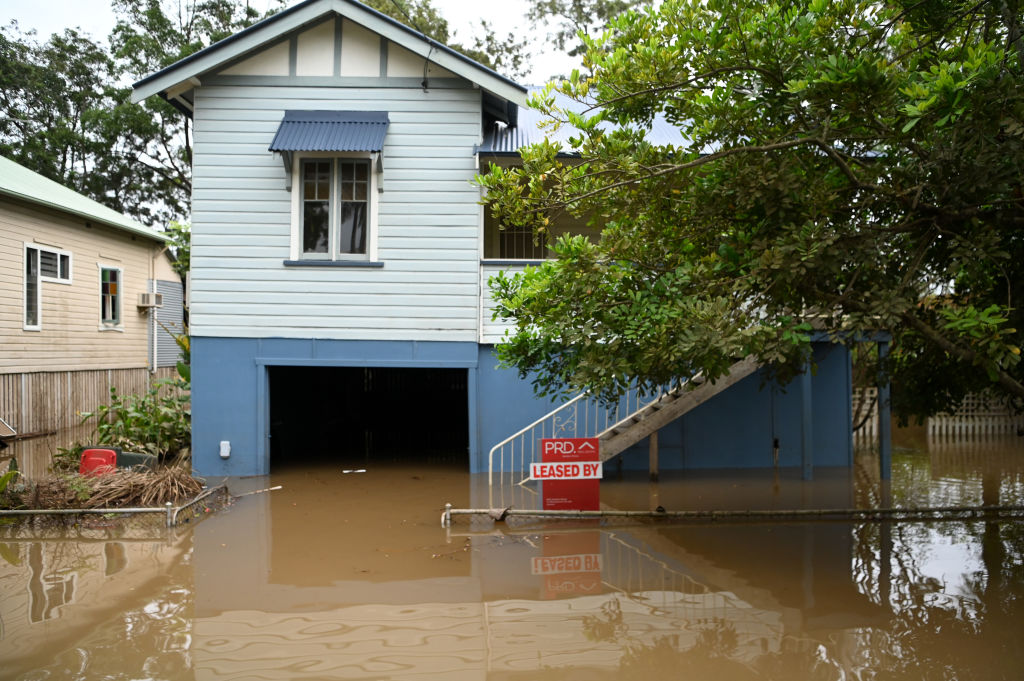
Following the devastation of recent flooding, experts are urging government intervention to drive the cessation of building in areas at risk.


Ajman registered 73,472 rental contracts worth AED2.91 billion in the first half of 2026, reflecting sustained demand from residents and investors.
< 1 min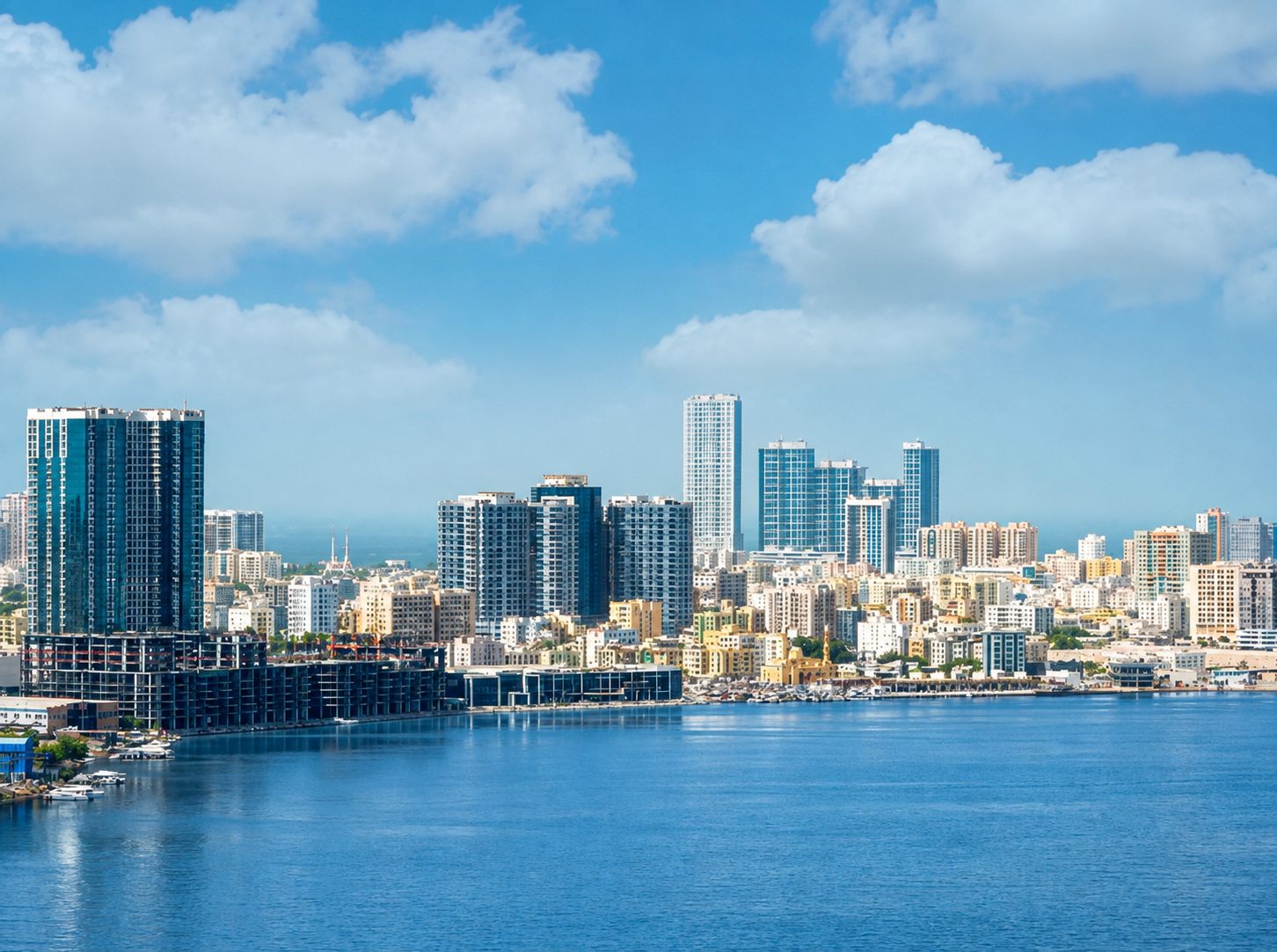
The Ajman Municipality and Planning Department announced that the total value of rental contracts registered during the first half of 2026 reached approximately AED2.91 billion, across a total of 73,472 contracts.
The figures reflect the emirate’s sustained activity and underscore its growing appeal as a preferred destination for living, investment and doing business, in line with Ajman Vision 2030, which aims to create a competitive business environment and an investment climate that drives economic growth and enhances investment promotion and attraction programs.
Abdulrahman Mohammed Al Nuaimi, Director-General of Ajman Municipality and Planning Department, said the emirate continues to consolidate its position as an integrated and ideal destination, supported by flexible legislation, advanced infrastructure and smart services that facilitate customer journeys and enhance quality of life and community wellbeing.
He added that Ajman continues to meet the needs of residents and investors, supporting the emirate’s comprehensive and sustainable development.
Al Nuaimi said the results clearly demonstrate growing confidence in Ajman and reflect the success of integrated efforts to provide a supportive and enabling environment for individuals and business owners, meeting their aspirations and keeping pace with the emirate’s continued growth across sectors that contribute to sustainable economic development.
Yousef Mohammed Al Sheiba Al Nuaimi, Executive Director of the Rental Regulation Sector at the department, outlined the indicators, saying they confirm continued activity in rental contracts and sustained demand for housing and investment.
He stressed that the department remains committed to developing the rental regulation ecosystem and harnessing the latest smart technologies and advanced systems.
Paine Schwartz joins BERO as a new investor as the year-old company seeks to triple sales.

Qatar’s residential real estate market remained stable in Q2 2026, while sales volumes rose 23.6% quarter-on-quarter and 15.8% year-on-year, according to ValuStrat. Median transaction values reached around QR3 million, while residential yields held steady at 5.6%, with apartments continuing to outperform villas.
2 min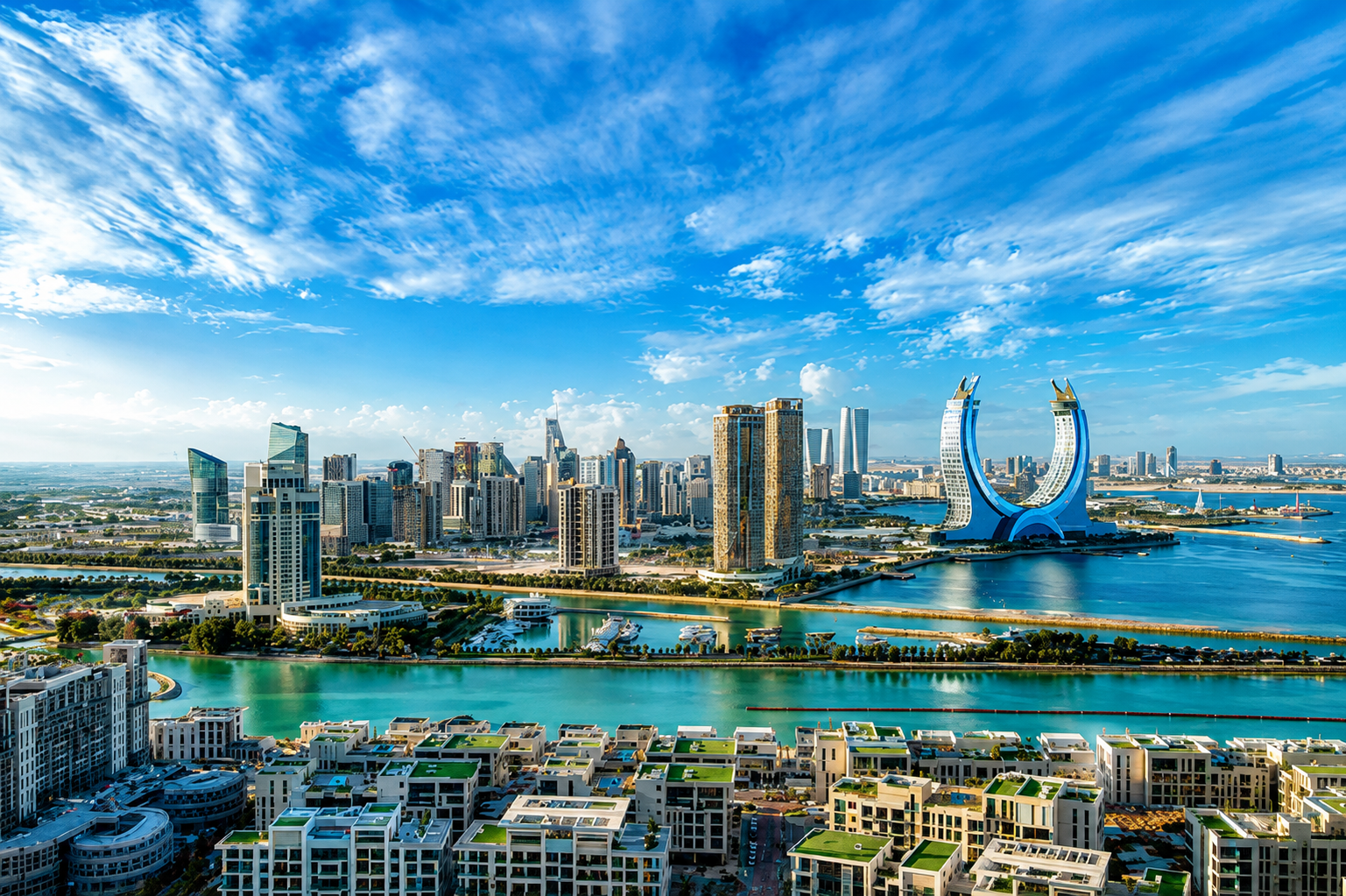
Qatar’s residential real estate market demonstrated notable stability and a sharp rebound in sales activity during the second quarter of 2026, stated ValuStrat in its recent report.
“The ValuStrat Price Index (VPI) showed apartment and villa capital values remain stable”, said Anum Hasan, Head of Research at ValuStrat Qatar. “Sales volumes increased by 23.6 percent QoQ and 15.8 percent YoY, while the median ticket size rose by 4.5 percent quarterly and 8.2 percent annually.
The VPI for Qatar’s residential sector stood at 97.8 points against its Q1 2021 baseline of 100, reflecting broadly unchanged capital values over the past year.
The market analysis shows that median transaction values expanded by 4.5 percent quarterly and 8.2 percent annually to approximately QR3m, signaling a shift toward higher-value residential assets.
Al Wukair led overall transaction activity, followed closely by premium locations including The Pearl Qatar and Lusail.
In The Pearl Qatar and Legtaifiya, sales volume rose 6.3 percent QoQ despite a 42 percent annual drop, while transaction values in those areas surged 23.3 percent quarterly and 8 percent yearly.
Apartment capital values maintained full stability on both a quarterly and annual basis, averaging QR10,460 per square metre across the country. Rates averaged QR10,570 per sq m in The Pearl, QR10,365 per sq m in Lusail, and QR9,460 per sq m in West Bay Lagoon.
Villa capital values similarly held steady year-on-year at an average of QR5,675 per sq m, with minimal price changes recorded during the quarter. Old Airport saw the largest quarterly price adjustment, down 1.3 percent.
Across villa communities, annual performance varied significantly as Muaither and Al Dafna recorded gains of up to 3 percent, while locations such as Al Kharaitiyat, Ain Khaled/ Abu Hamour, and Old Airport experienced declines ranging from 1 percent to 6 percent.
Meanwhile, villa values in prime destinations like The Pearl and West Bay Lagoon remained stable quarter-on-quarter, though they posted annual declines of up to 12.5 percent.
The report noted, “Residential gross yields also held steady at 5.6 percent, with apartments continuing to offer stronger returns, averaging 8 percent, compared with 4.4 percent for villas.
Meanwhile, total residential inventory in Qatar reached 406,097 units in Q2 2026, comprising 257,271 apartments and 148,826 villas.
New deliveries during the quarter remained modest at approximately 355 apartments. “Residential completions remained limited during the quarter, led by a 100-unit mixed-use development in Fereej Al Soudan, followed by 70 homes in Fereej Bin Mahmoud and 65 units in Fox Hills,” the report said.
The data indicates that an estimated 4,600 residential units are scheduled for completion during the second half of 2026. However, developers have deferred more than 600 units into 2027, primarily within Lusail, pointing toward a more measured and strategic delivery pace.
Many of the most-important events have slipped from our collective memories. But their impacts live on.



The US housing market remains under pressure as high mortgage rates continue to weigh on affordability and demand. Industry leaders say 2026 has been one of the toughest years for home sales, with slower price growth, weaker mortgage activity, and fewer buyers entering the market. However, experts say reduced competition and more price cuts could create opportunities for well-prepared buyers.
2 min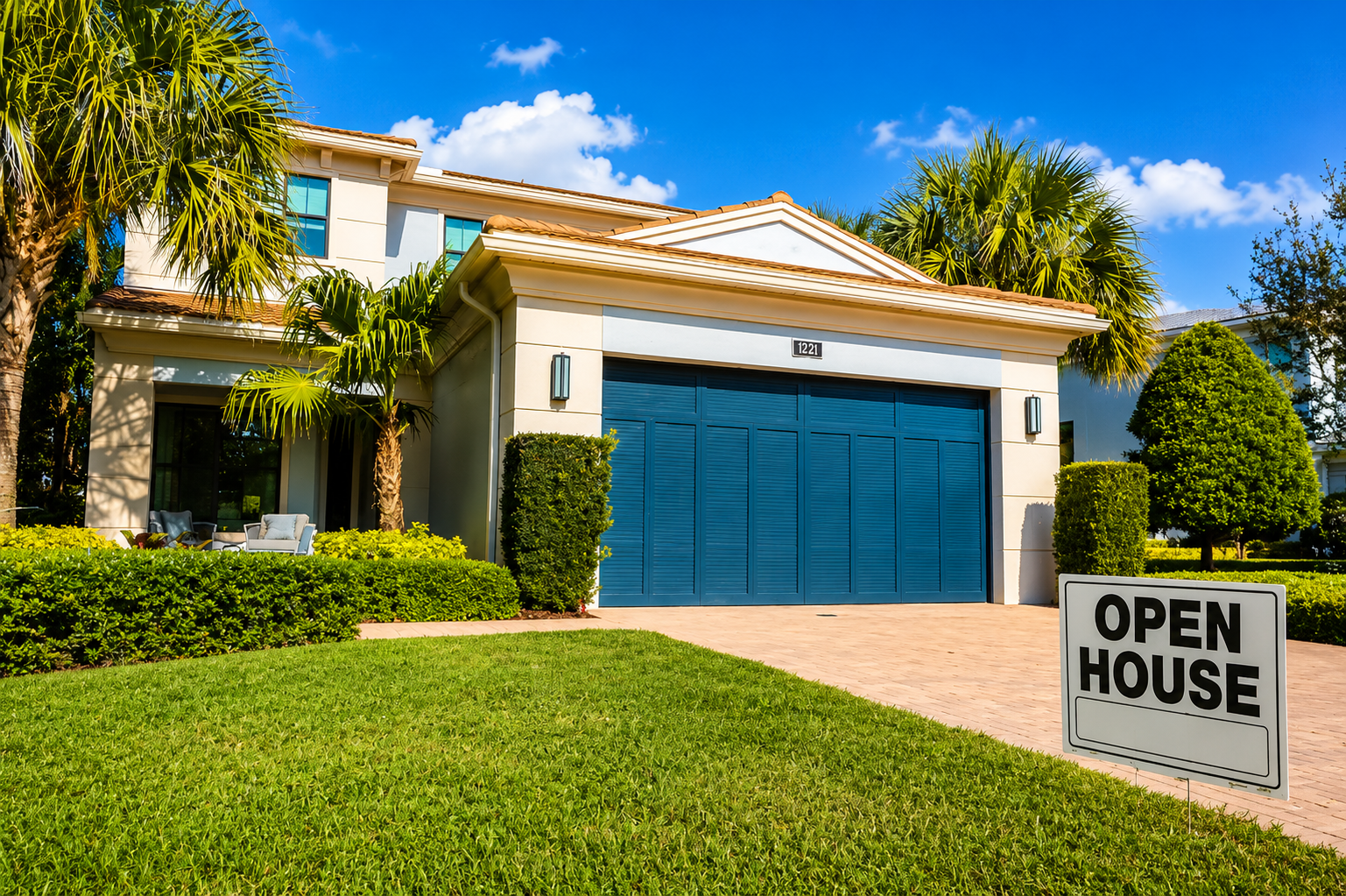
The typically busy spring season for the housing market was a dud, and the summer isn’t looking much brighter.
Housing services companies like Zillow Group and Rocket RKT +3.78% were loud and clear last week on earnings calls: Rocket CEO Varun Krishna called the quarter through June “one of the toughest spring housing markets in years.”
Jeremy Hofmann, Zillow’s chief financial officer, said on a conference call that the company predicted earlier this year that the market for mortgages would be flat. “We actually now think it’s going to be down low-to-mid-single digits,” he said.
The rest of 2026 will remain challenging for mortgage origination volume, says KBW analyst Bose George. The question now is what happens in 2027. “If mortgage rates remain [around] 6.75%, I think that’s going to be challenging even for next year,” he says.
But what’s bad news for mortgage companies could be a positive for bargain hunters. Buyers can expect prices to grow more slowly—or mildly decline—with less competition as long as mortgage rates remain unpredictable.
Mortgage rates at the beginning of the year were solidly below year-ago levels, notes Zillow senior economist Kara Ng. But they surpassed last year’s levels recently, she adds, referencing Freddie Mac’s weekly survey of 30-year fixed mortgage rates. Last week’s reading, at 6.69%, was higher than year-ago levels for the first time in 2026.
“From the affordability point of view, it’s going to get more challenging in the second half of the year,” she says. “And when affordability gets more challenging, that impacts sales and home price appreciation.”
Mortgage application data tracked by the Mortgage Bankers Association has cooled since the beginning of the year. The trade group expects that the number of mortgage originations in the remaining two quarters will lag behind last year’s levels, after exceeding 2025 levels in the first half.
Rocket’s early-stage data—which the company told Barron’s it derives from its brokerage Redfin, demand for its mortgage products, and signs in its servicing portfolio that a homeowner is preparing to refinance or move—“leads us to expect the third quarter mortgage market to be smaller than the second,” Chief Financial Officer Brian Brown, said on the company’s call. He added that such an occurrence is “something the industry has not seen since 2022.”
Prices will be about flat nationally, Ng says. Zillow’s most recent forecast, which shows how values are expected to change in the year ending June 2027, show them dropping in roughly half of the 100 largest U.S. metros for which data is available.
Buyers aren’t rushing in at a time when mortgage costs are rising and unpredictable. But those with the right combination of patience and cash could stand to benefit. “If you are financially qualified to buy a starter home, you are facing less competition and you’re more likely to get a price cut,” Ng says.
Many of the most-important events have slipped from our collective memories. But their impacts live on.
Riyadh’s residential and office markets maintained strong momentum in H1 2026, with residential transactions rising 4.9% year-on-year and Grade A office occupancy remaining at 98% Supported by population growth, corporate expansion and Vision 2030 initiatives, the market is expected to remain resilient as new office supply and regulatory reforms strengthen long-term investment confidence.
3 min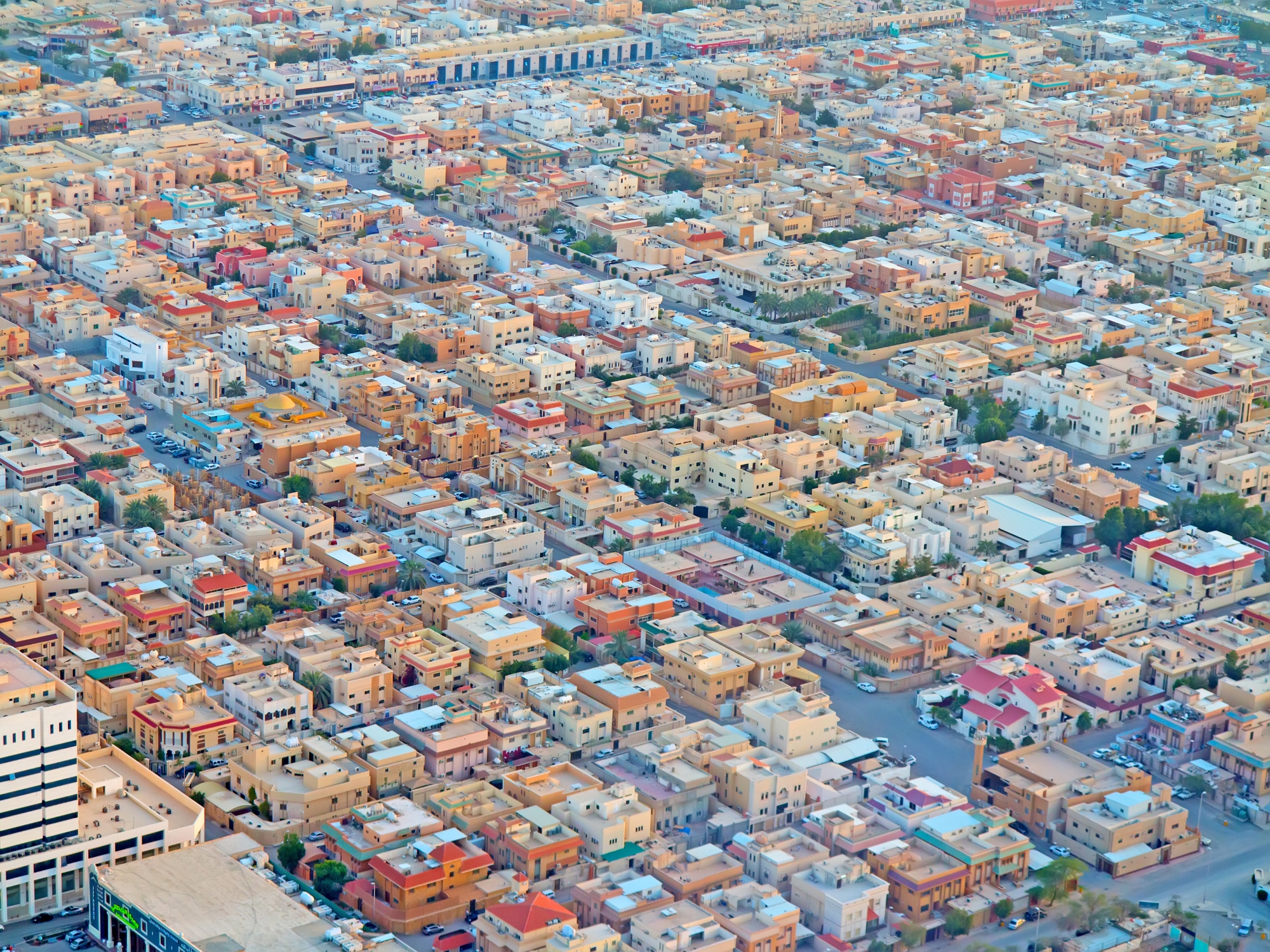
Riyadh’s residential and office markets maintained positive momentum during the first half of 2026, underpinned by economic expansion, population growth, employment creation and continued demand from both end-users and international businesses, according to Savills’ latest research.
Residential transaction volumes increased year-on-year and recovered strongly during Q2, while Grade A office occupancy remained at 98% amid constrained availability. The performance of both sectors reflects Riyadh’s continued evolution as a residential and commercial hub, supported by Vision 2030 initiatives, corporate relocations and ongoing regulatory reforms.
Harry Goodson-Wickes, Head of KSA & Northern Gulf at Savills Middle East said, “Riyadh continues to demonstrate the breadth of its real estate growth story. The recovery in residential activity reflects resilient end-user demand, while the strength of the Grade A office market shows the continued confidence of businesses establishing and expanding their presence in the capital. As new supply is delivered and market accessibility improves, Riyadh is well positioned to sustain its momentum over the medium term.”
Residential Transactions Rise as Q2 Activity Recovers
Approximately 6,944 residential transactions were completed in H1 2026, compared with 6,620 in H1 2025, representing a 4.9% increase. Activity strengthened in Q2, with 4,095 transactions recorded, up from 2,849 in Q1 and the highest quarterly level over the five quarters from Q2 2025 to Q2 2026.
Residential transaction values totaled SAR 11.25 billion during H1, down 20.7% from SAR 14.18 billion a year earlier. However, values rose from SAR 4.81 billion in Q1 to SAR 6.44 billion in Q2, signaling improving market confidence following subdued conditions in late 2025. Savills said the combination of higher transaction volumes and lower aggregate values reflected activity being concentrated within affordable and mid-market homes and a more balanced pricing environment following the strong appreciation recorded in recent years.
Properties priced below SAR 2 million accounted for approximately 76% of H1 transactions, compared with 74% a year earlier. The SAR 500,000-SAR 1 million segment remained the largest, increasing its share from 30% to 32%. Demand also shifted gradually towards larger homes: the share of 200-299 sq m properties increased from 16% to 23%, while 300-399 sq m homes rose from 17% to 19%.
Andrew Cummings, Head of Residential Agency, Savills Middle East added, “The second-quarter recovery in residential transactions is an encouraging sign of underlying market resilience. Buyers remain focused on affordability and value, but we are also seeing demand become more evenly distributed across different property sizes. Riyadh’s economic growth, expanding population and improving accessibility for international purchasers should continue to support long-term demand.”
Grade A Office Occupancy Holds at 98%
Riyadh’s office market also maintained strong momentum during Q2 2026, supported by resilient occupier demand and constrained availability. Grade A occupancy remained at 98%, while prime rents in Zone A reached SAR 2,483 per sq m, representing growth of 2% quarter-on-quarter and 6% year-on-year.
New market entrants accounted for 63% of Savills’ completed leasing transactions during the quarter, while relocations represented 37%. Foreign occupiers generated approximately 90% of total enquiries, with particularly strong interest from US-based companies. Demand was concentrated in the 500-1,000 sq m segment, which represented 45.5% of enquiries.
The technology, media and telecommunications sector accounted for 54.5% of office enquiries, followed by banking, financial services and insurance at 27.3%. As of early 2026, more than 700 global companies had established their regional headquarters in Riyadh, exceeding the Vision 2030 target of 500.
Alex Knott, Head of Landlord Agency at Savills Middle East commented, “Demand for high-quality office space remains robust, with new entrants and foreign occupiers continuing to drive leasing activity. Grade A availability is still extremely limited, but the development pipeline expected from late 2026 should gradually expand occupier choice while supporting Riyadh’s long-term position as the Kingdom’s leading commercial center.”
Supply Pipeline and Regulatory Reforms
More than 570,000 sq m of new Grade A office space is scheduled for delivery from late 2026 onwards, including developments at Diriyah Gate, Prime Business Resort and Prince Mohammed bin Salman Nonprofit City (Misk). Savills expects this pipeline to gradually improve office availability while supporting the capital’s continued growth as a regional business destination.
During Q2, Saudi Arabia introduced executive regulations governing foreign ownership of real estate and launched a digital property ownership platform. Savills expects the reforms to improve transparency, broaden the long-term buyer and investor base and reinforce confidence across the real estate market. The Kingdom’s rent stabilization framework is also providing greater pricing transparency and cost certainty for residential tenants and commercial occupiers.
Outlook
Riyadh’s residential and office markets are expected to remain supported by continued population growth, employment creation, corporate expansion and the ongoing implementation of Vision 2030. Oxford Economics forecasts Riyadh’s economy to grow by 8.4% in 2026. While residential price growth is likely to moderate from the exceptional levels recorded in recent years and the office pipeline is expected to gradually improve availability, Savills anticipates that healthy end-user demand, sustained occupier requirements and continued infrastructure investment will underpin resilient market performance over the medium term.
Parts for iPhones to cost more owing to surging demand from AI companies.

Emaar delivered a strong H1 2026, with revenue up 21% to AED 23.9 billion and net profit before tax rising 23% to AED 12.8 billion. The developer also recorded AED 26.6 billion in property sales and a record AED 164.9 billion revenue backlog, reinforcing confidence in Dubai’s real estate market.
5 min
Emaar Properties PJSC (DFM: EMAAR) delivered a resilient performance during the first half of 2026, with revenue up 21% to AED 23.9 billion (US$ 6.5 billion), EBITDA up 24% to AED 12.9 billion (US$ 3.5 billion), and net profit before tax up 23% to AED 12.8 billion (US$ 3.5 billion). Results were underpinned by disciplined execution across the Group’s core businesses and the continued strength of Dubai’s economic fundamentals. Amid a backdrop of global economic and geopolitical developments, the UAE’s diversified, business-friendly environment continued to support confidence across Emaar’s core markets. The Group remained focused on operational excellence, financial discipline, and long-term value for stakeholders.
Building on its performance during the first quarter, Emaar continued to deliver balanced contributions across its development, recurring income, and international businesses. Supported by continued project execution, stable occupancy across its income-generating assets, and a substantial revenue backlog, the Group maintained solid financial fundamentals while continuing to advance its long-term strategic priorities. The strength of the Group’s diversified business model and strong pre-sales pipeline positioned Emaar well to navigate market variability and capitalize on opportunities as conditions normalize.
Key Highlights of the H1 2026 Results:
- Property Sales: Emaar recorded property sales of approximately AED 26.6 billion (US$ 7.2 billion) during H1 2026. The Company maintained strong pricing integrity and customer confidence across its master-planned communities and strategically timed project launches.
- Backlog Growth: Revenue backlog from property sales reached approximately AED 164.9 billion (US$ 44.9 billion) as of 30 June 2026, reflecting an increase of 13% year-on-year and providing strong visibility for future revenue recognition.
- Revenue Growth: Total revenue increased to AED 23.9 billion (US$ 6.5 billion), marking growth of 21% compared to H1 2025, supported by healthy contributions across property development, retail, commercial leasing, and international operations.
- Profitability: EBITDA reached AED 12.9 billion (US$ 3.5 billion), increasing by 24% compared to the same period last year, reflecting continued operational discipline and portfolio strength. Net profit before tax increased to AED 12.8 billion (US$ 3.5 billion), representing growth of 23% year-on-year.
- Strategically Positioned Land Bank: Emaar continues to benefit from one of the region’s largest and most diversified master-planned land banks, comprising approximately 590 million sq. ft. of mixed-use development opportunities, including approximately 316 million sq. ft. within the UAE. This land reserve is strategically positioned to support the Group’s ongoing expansion and long-term value creation for its shareholders.
- Customer Experience: Customer experience remained a key priority, with Emaar enhancing service delivery through quality developments, seamless digital engagement, continuous service improvements, the expansion of community management services, and curated lifestyle experiences across its destinations.
- Community Contribution: Reflecting its continued commitment to the nation’s wellbeing and leadership, Emaar contributed AED 200 million to national community initiatives during H1 2026, split equally between two dedicated endowment funds supporting orphans and vulnerable groups across the UAE.
- Talent Development: Emaar continued to strengthen its talent pipeline through the launch of the Emaar Leadership Development Program in partnership with INSEAD, the Mentorship Program 4.0, the Global Exposure Program, the RUWAD Real Estate Excellence Initiative, and Individual Development Plans for UAE Nationals, alongside continued investment in employee well-being and professional capability building.
- Operational Excellence: Operational efficiency was further strengthened through disciplined cost management, technology-enabled processes, AI-driven initiatives, and continuous optimization across the Group’s diversified businesses.
- Sustainability: Sustainability remained embedded across the Group through responsible development practices, progress towards its Net Zero 2050 Strategy, renewable energy initiatives, resource-efficient operations, and employee-led environmental and community initiatives, including desert clean-up campaigns, CPR training under the Dubai Heart Safe City initiative, and broader ESG programs across the business.
Mohamed Alabbar, founder of Emaar, said: “Our first half results reflect the discipline, consistency, and long-term approach that define Emaar. Dubai never stands still, and neither do we. Every phase of the city’s growth creates new opportunities to raise expectations and redefine experiences. Emaar’s role is to continue building destinations that reflect Dubai’s ambition while maintaining the quality, innovation, and operational excellence that have shaped our business from the beginning.”
He added: “We remain grateful for the vision of our leadership and forward-looking approach to economic development, which has fostered a stable, transparent, and business-friendly environment. This confidence in leadership continues to attract capital and talent even amid a more uncertain global backdrop. This stability remains a fundamental enabler of Emaar’s long-term growth.”
UAE Build-To-Sell Property Development
Emaar’s UAE build-to-sell property development business, led by Emaar Development PJSC (DFM: EMAARDEV), demonstrated strategic resilience and disciplined capital allocation during the first half of 2026. While the Group maintained robust momentum in project execution, delivery and handovers, it adopted a calibrated approach to new project launches from the evolving regional environment.
Despite this measured launch strategy, customer confidence in the Emaar brand remained unwavering, supported by the continued delivery on existing commitments and the inherent quality of the Group’s master-planned communities.
- Property Sales: Reached AED 22.4 billion (US$ 6.1 billion) during H1 2026, underpinned by a strong start of the period and continued absorption of existing inventory.
- Financial Performance: Emaar Development PJSC reported revenue of AED 13.3 billion (US$ 3.6 billion), increasing by 34% year-on-year, while net profit before tax reached AED 7.8 billion (US$ 2.1 billion), reflecting growth of 41% compared to the same period last year.
- Consolidated UAE Revenue: Including other UAE-based development operations, such as Dubai Creek Harbour, consolidated revenue from UAE property development operations reached AED 17.7 billion (US$ 4.8 billion), up 30% year-on-year.
- Revenue Backlog: UAE development operations’ revenue backlog stood at AED 135.7 billion (US$ 36.9 billion) as of 30 June 2026, representing an increase of 6% compared to H1 2025, providing strong visibility and de-risked future revenue recognition.
During the first half of the year, Emaar strategically expanded its residential portfolio with 11 targeted launches across Emaar South, Dubai Hills Estate, The Heights Country Club, The Oasis, Rashid Yachts & Marina, and Expo Living masterplans. Emaar also announced a new landmark AED 200 billion masterplan, further strengthening the Group’s long-term development pipeline and reinforcing its confidence in Dubai’s continued growth.
International Development
Emaar’s international development business continued to contribute to the Group’s diversified earnings profile, with performance supported by continued operational execution across its key markets, particularly Egypt and India.
- Property Sales: Reached AED 4.2 billion (US$ 1.1 billion).
- Revenue: Stood at AED 1.1 billion (US$ 0.3 billion), up 8% year-on-year, contributing approximately 4.6% of the Group’s total revenue during H1 2026.
The international portfolio remains an important pillar of Emaar’s long-term growth strategy, supported by a diversified geographic footprint and continued focus on delivering high-quality developments across its core markets.
Shopping Malls, Retail, and Commercial Leasing
Emaar’s shopping malls, retail, and commercial leasing portfolio maintained its solid performance during the first half of 2026, supported by high stable occupancy levels, a resilient base-rent-led income structure, and the continued appeal of its flagship destinations.
- Revenue: AED 3.5 billion (US$ 1.0 billion), representing growth of 9% compared to H1 2025.
- EBITDA: AED 3.1 billion (US$ 0.8 billion), increasing by 10% year-on-year.
- Average occupancy: ~98% across the portfolio as of 30 June 2026.
The portfolio continued to benefit from stable leasing income underpinned by a predominantly base-rent structure, providing revenue resilience despite a moderation in tenant sales. Emaar maintained its focus on enhancing the visitor experience through a curated mix of retail, dining, entertainment, and lifestyle offerings across its destinations.
Hospitality, Leisure, and Entertainment
Emaar’s hospitality, leisure, and entertainment portfolio remained a meaningful contributor in H1 2026, reflecting softer international tourism flows across the region. Performance was partially supported by resilient local and domestic demand, while the Group continued to prioritize operational efficiency, cost discipline, and guest experience across its diversified portfolio of hotels, attractions, and lifestyle destinations.
- Revenue: AED 1.6 billion (US$ 0.4 billion).
- Hotel Occupancy: Group’s hotels in the UAE achieved average occupancy of 60% during H1 2026.
The portfolio continued to benefit from its diversified offering and remains well positioned for recovery as regional conditions stabilize.
Recurring Revenue
Emaar’s diversified recurring revenue portfolio remained a key contributor to earnings resilience and cash flow generation during the first half of 2026. Supported by a high-quality portfolio of shopping malls, hospitality, leisure, entertainment, and commercial leasing assets, the portfolio provides a stable and visible income stream that supports the Group’s long-term growth.
- Recurring revenue: AED 5.1 billion (US$ 1.4 billion), similar to H1 2025.
- Recurring revenue EBITDA: AED 4.0 billion (US$ 1.1 billion), similar to H1 2025.
The portfolio accounted for approximately 31% of the Group’s total EBITDA in the first half of the year, highlighting the strength of Emaar’s diversified earnings base.
Looking ahead, Emaar remains well-positioned to build on its H1 2026 performance. Supported by a diversified business model, a high-quality development pipeline, a revenue backlog of AED 164.9 billion (US$ 44.9 billion), and a resilient recurring income base, the Group continues to prioritize disciplined capital allocation, operational excellence and sustainable long-term value creation for shareholders.
Following the successful launch of its Palais Collection, MAISON de SABRÉ has unveiled a new modular handbag system offering more than 720 styling combinations.


Beirut’s property market has survived what would have ended almost any other city.
The professionals still building, still selling, still making the case deserve to be named.
9 min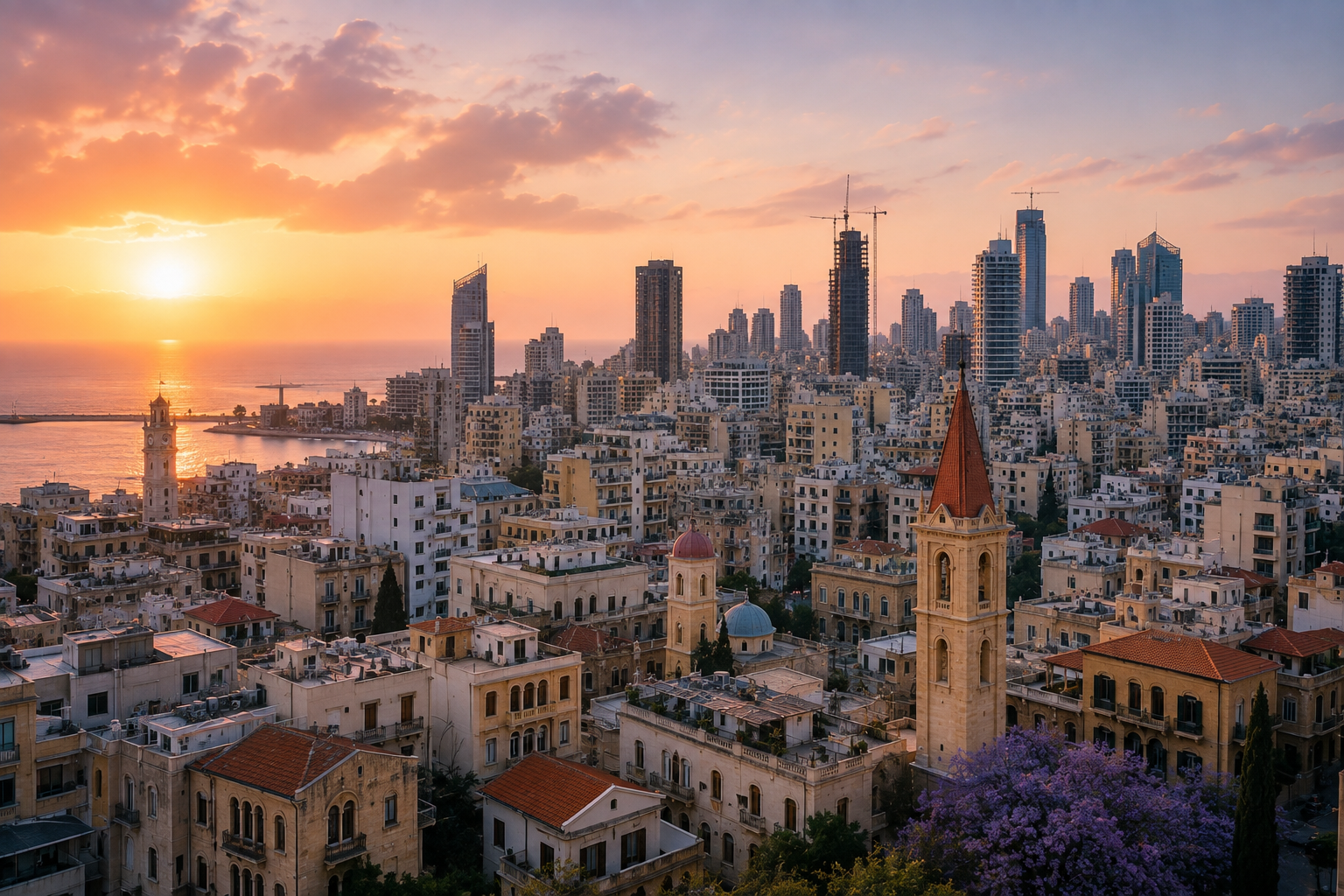
Beirut’s property market has survived things that would have ended almost any other city’s real estate story. Not recovered — survived. There is a distinction that matters here, and the ten people on this list understand it better than anyone. In the neighborhoods that chose to rebuild — Gemmayzeh, Mar Mikhael, Achrafieh, Saifi Village — something genuinely remarkable is still happening: a city that was damaged, then shaken, then economically collapsed, is choosing to remain beautiful. And the fifteen million Lebanese who live outside the country are still watching.
This is not a list of the most followed property accounts in Lebanon. Several of the most important voices in the Lebanese property conversation — the developers who stayed, the architects who documented, the economists who made the investment case — have no interest in follower counts. What this list captures is something more specific: the practitioners and commentators who have made Beirut’s property narrative comprehensible and credible to the diaspora audience that still drives a significant share of the market. The audience that buys a Beirut apartment not just for yield but for proof that they have not forgotten.
| The Lebanese diaspora does not buy property in Beirut for yield. They buy it for proof — that they have not forgotten, and that the city has not forgotten them. |
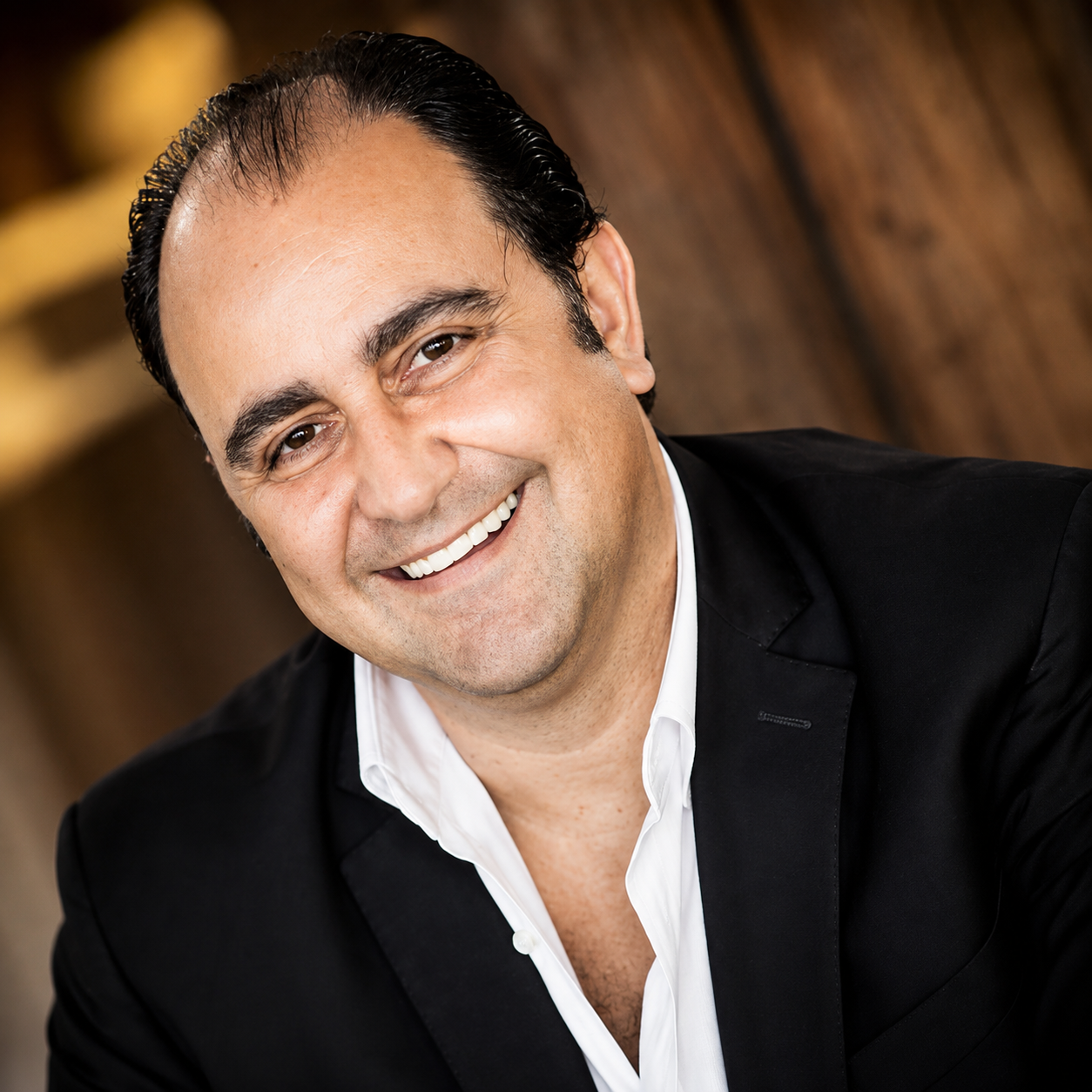
1. Patrick Geammal – @patrick.geammal · Ascot Real Estate
Patrick Geammal has established himself as one of the most recognizable public faces of Lebanon’s luxury real estate market. As CEO of Ascot Real Estate, he uses social media to showcase premium residential properties while offering practical insights into buying, selling and investing across Beirut’s most sought-after neighborhoods. His content combines elegant property presentations with market commentary, giving followers a clearer understanding of Lebanon’s evolving luxury housing sector.
His influence extends beyond individual listings. By consistently highlighting high-end developments, investment opportunities and the lifestyle associated with Beirut’s premium residential districts, Geammal contributes to maintaining international interest in the Lebanese property market, particularly among expatriates and diaspora investors. His digital presence demonstrates that confidence in the country’s luxury sector continues to exist despite economic challenges.
For Kanebridge News Middle East, Geammal represents the modern brokerage leader whose personal brand has become as important as the company he leads. Rather than simply facilitating transactions, he has positioned himself as an ambassador for Lebanon’s luxury residential market and a trusted voice for buyers looking to navigate one of the region’s most complex property landscapes.
His inclusion reinforces the “Beirut & Beyond” narrative by illustrating how Lebanese real estate professionals continue to engage audiences far beyond the country’s borders through digital platforms and international networks.

2. Rima Chehab – @rima_chehab · Property sector
Rima Chehab has built a distinctive presence within Lebanon’s luxury property sector by combining premium real estate with lifestyle-driven storytelling. Through her carefully curated social media content, she presents exceptional homes while highlighting the architecture, design and neighborhood character that define Beirut’s most desirable addresses. Her approach positions property not simply as an investment, but as part of a broader lifestyle experience.
Her influence comes from presenting luxury homes through a more personal and accessible lens. Rather than focusing solely on specifications or pricing, Chehab emphasizes the atmosphere, design quality and everyday experience of living within Lebanon’s most prestigious residential communities. This resonates particularly with buyers seeking homes that reflect both investment value and personal identity.
For Kanebridge News Middle East, Chehab represents a new generation of property professionals whose influence is driven as much by digital storytelling as by traditional brokerage. Her content reflects the growing importance of personal branding within luxury real estate, where trust, expertise and presentation increasingly shape purchasing decisions.
Within the “Beirut & Beyond” framework, Chehab highlights the continued appeal of Lebanon’s luxury residential market to both local buyers and members of the global Lebanese diaspora.
3. Rabih El Hage – @thelebanesearchitect · The Lebanese Architect
Rabih El Hage has built one of the clearest architecture-focused social identities relevant to Lebanon’s property and heritage landscape. Through @thelebanesearchitect, he documents Lebanese houses, historic buildings, restoration projects and the architectural details that distinguish the country’s built environment. As an architect and urban planner, his platform has become an educational resource for audiences seeking to better understand Lebanon’s rich architectural identity and the stories embedded within its cities and villages.
His influence lies in making architecture accessible to a broad public. Buildings that might otherwise be viewed simply as ageing structures or redevelopment opportunities become narratives about craftsmanship, history, community and cultural continuity. By highlighting traditional Lebanese homes alongside contemporary restoration efforts, El Hage encourages greater appreciation for the role architecture plays in preserving national identity. His work has helped elevate conversations around conservation, adaptive reuse and the long-term value of Lebanon’s built heritage.
For Kanebridge News Middle East, El Hage represents one of the strongest editorial bridges between architecture and property influence. His content moves beyond polished new developments to demonstrate why Lebanon’s existing buildings remain valuable assets, both culturally and economically. Through thoughtful storytelling, he reinforces the idea that architecture can be a defining factor in how people experience, invest in and reconnect with places.
He is particularly well suited to the “Beirut & Beyond” theme because his work extends across the country’s diverse landscapes—from Beirut’s historic neighborhoods and Ottoman-era residences to mountain villages, coastal towns and lesser-known heritage sites. His platform reminds audiences that Lebanon’s property story is not only about new construction, but also about protecting and celebrating the architectural legacy that continues to shape its future.
4. Samar Hassan – @samarhassan.realtor.jsk · JSK
Samar Hassan has become one of the most visible female figures within Lebanon’s modern real estate brokerage sector. As General Manager of JSK Real Estate, she combines executive leadership with a strong social media presence that showcases residential properties, client success stories and the evolving dynamics of Lebanon’s housing market. Her content reflects both professional expertise and a commitment to making the buying and selling process more approachable.
Her influence lies in demonstrating how the brokerage profession is evolving through digital communication. By presenting properties alongside practical guidance and market knowledge, Hassan helps build confidence among buyers navigating an often-complex real estate environment. Her visibility also contributes to greater female representation within Lebanon’s property industry.
For Kanebridge News Middle East, Hassan represents the growing importance of leadership that extends beyond company management into public engagement. Her ability to communicate directly with audiences has strengthened both her personal profile and JSK Real Estate’s reputation within the market.
She embodies the “Beirut & Beyond” theme by connecting local expertise with an audience that increasingly includes overseas Lebanese considering investment opportunities back home.
5. Walid Moussa – @walid.m0ussa · Former World President of FIABCI
Walid Moussa is one of Lebanon’s most influential voices on the future of the country’s real estate sector. As President of the Real Estate Syndicate of Lebanon and former World President of FIABCI, his public commentary extends well beyond individual transactions to address policy, investment, regulation and long-term market development. Through media appearances and social platforms, he provides a broader perspective on the challenges and opportunities facing Lebanese property.
His influence comes from shaping the conversation surrounding the industry itself. Rather than promoting individual listings, Moussa speaks about professional standards, housing demand, investment confidence and the structural reforms required to support sustainable market growth. His views are regularly sought by local and international media covering Lebanon’s property sector.
For Kanebridge News Middle East, Moussa represents the institutional side of property influence. His leadership provides context that helps investors understand not only where the market stands today but where it may be heading in the years ahead.
His inclusion strengthens the “Beirut & Beyond” narrative by reflecting Lebanon’s role within the wider regional real estate conversation.
6. Dia Mrad – @diamrad · Urban landscapes
Dia Mrad has earned international recognition for documenting Lebanon’s architectural heritage through photography. His work captures historic homes, forgotten buildings and urban landscapes with a level of artistic sensitivity that has transformed social media into an archive of the country’s architectural identity. His photographs have drawn global attention to Beirut’s built heritage and the importance of preserving it.
His influence extends beyond photography. By recording buildings that continue to face redevelopment or neglect, Mrad has helped shape public appreciation for Lebanon’s architectural legacy. His work encourages audiences to view heritage buildings not simply as ageing structures but as valuable cultural and urban assets.
For Kanebridge News Middle East, Mrad represents the intersection of visual storytelling and property culture. His content demonstrates that architecture plays a central role in shaping how cities are experienced, remembered and valued by future generations.
His perspective perfectly complements the “Beirut & Beyond” theme by celebrating the architectural character that continues to distinguish Lebanon from other markets in the region.
7. Rami Yazbek – @yazbekrealestate · Yazbek Real Estate
Rami Yazbek has developed a growing reputation as a digitally engaged real estate professional whose content focuses on helping buyers navigate Lebanon’s residential property market. Through property tours, investment opportunities and practical market advice, he has built an audience interested in both lifestyle and long-term value. His approachable style makes complex property decisions more accessible to first-time buyers and experienced investors alike.
His influence comes from combining local market knowledge with consistent online engagement. Rather than relying exclusively on traditional brokerage methods, Yazbek uses social media to educate audiences about neighborhoods, pricing trends and the opportunities available across Lebanon’s residential sector.
For Kanebridge News Middle East, Yazbek represents the new generation of Lebanese brokers embracing digital platforms to build trust and expand their reach beyond conventional client networks. His content reflects the industry’s gradual shift toward personal branding and direct audience engagement.
Within the “Beirut & Beyond” framework, his work illustrates how modern real estate professionals are connecting Lebanon’s property market with audiences both at home and abroad.
8. Karim Nader – @karimnader · Karim Nader Studio
Karim Nader has established himself as one of Lebanon’s most respected contemporary architects through a design philosophy that combines modern architecture with cultural identity. As founder of Karim Nader Studio, he regularly shares projects that explore the relationship between buildings, landscape and the communities they serve. His work has attracted international recognition while remaining deeply rooted in Lebanon’s architectural heritage.
His influence lies in demonstrating that thoughtful architecture contributes directly to the long-term value of real estate. Rather than viewing buildings purely as commercial assets, Nader approaches each project as an opportunity to create places that are environmentally responsive, culturally meaningful and enduring in design.
For Kanebridge News Middle East, Nader represents the architectural vision shaping Lebanon’s future built environment. His projects illustrate how high-quality design can strengthen both property value and the identity of the communities in which they are located.
His contribution fits naturally within the “Beirut & Beyond” theme by showing that Lebanese architecture continues to command international attention while remaining firmly connected to its local context.
9. Tony Abou Jaoude – @urban_leb · Urban Leb
Tony Abou Jaoude has built an engaged audience through Urban Leb, a platform dedicated to exploring Lebanon’s architecture, urban development and changing cityscape. His content documents the transformation of neighborhoods, highlights notable buildings and encourages conversations around planning, preservation and the future of Lebanon’s urban environment.
His influence comes from presenting cities as living spaces rather than collections of individual developments. By combining photography, architectural observation and urban commentary, Abou Jaoude helps audiences understand how planning decisions, heritage preservation and new construction collectively shape the experience of living in Lebanese cities.
For Kanebridge News Middle East, Urban Leb provides an important editorial perspective that extends beyond the property transaction itself. His work encourages readers to appreciate the broader urban context in which homes, offices and public spaces exist.
His inclusion reinforces the “Beirut & Beyond” concept by demonstrating that Lebanon’s architectural identity continues to evolve while remaining deeply connected to its history.
10. Joseph Aoun – @aounjosef · Real estate
Joseph Aoun has emerged as one of Lebanon’s digitally active real estate professionals, using social media to connect buyers with residential and investment opportunities while sharing practical market insights. His content combines property showcases with educational advice, helping audiences better understand the opportunities and challenges within Lebanon’s evolving real estate landscape.
His influence is rooted in accessibility. Through regular engagement with followers, Aoun simplifies the buying and selling process while presenting property as a long-term financial decision rather than simply a transaction. His approachable communication style has helped establish trust among both local buyers and Lebanese living abroad.
For Kanebridge News Middle East, Aoun represents the increasingly important role of personal branding within real estate. His online presence demonstrates how individual professionals are becoming trusted sources of information in a market where confidence and transparency remain essential.
His contribution to the “Beirut & Beyond” theme reflects the continued importance of maintaining strong connections between Lebanon’s property market and its global diaspora, many of whom continue to view real estate as both an investment and a lasting connection to home.
Beirut’s property story is not a recovery narrative in the standard sense of that word — a clean break, a bottom, a new upward cycle. It is something more complicated and more Lebanese: a city that has refused to accept the narrative written for it by its circumstances, and a diaspora that has refused to let it. The ten voices on this list are the people making that refusal visible — and making it credible — to the audience that matters most.
Parts for iPhones to cost more owing to surging demand from AI companies.