






New Event Developments to Unveil Exclusive Offers and Prime Units at Cityscape Egypt 2024
Showcasing Landmark Projects in the New Administrative Capital
 2 min
2 min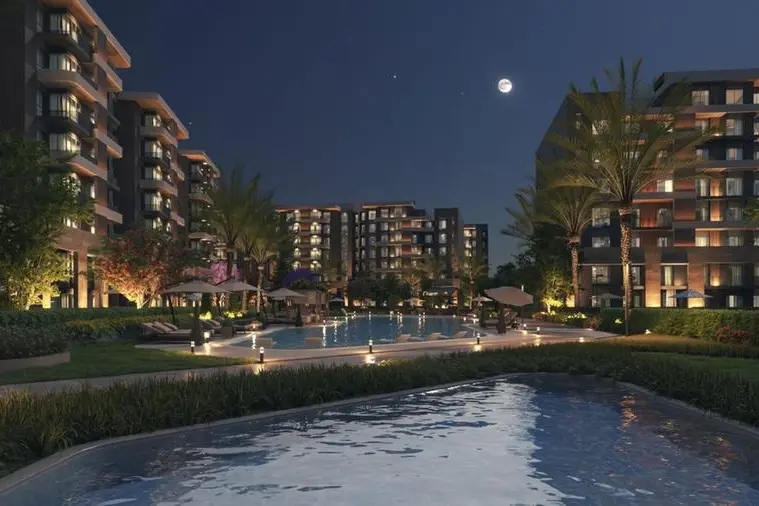
New Event Developments has confirmed its participation in the Cityscape Egypt 2024 exhibition, scheduled from 25 to 28 September. At the event, the company will present exclusive offers and distinctive units across its three projects, offering a prime opportunity for customers to secure special deals during the exhibition.
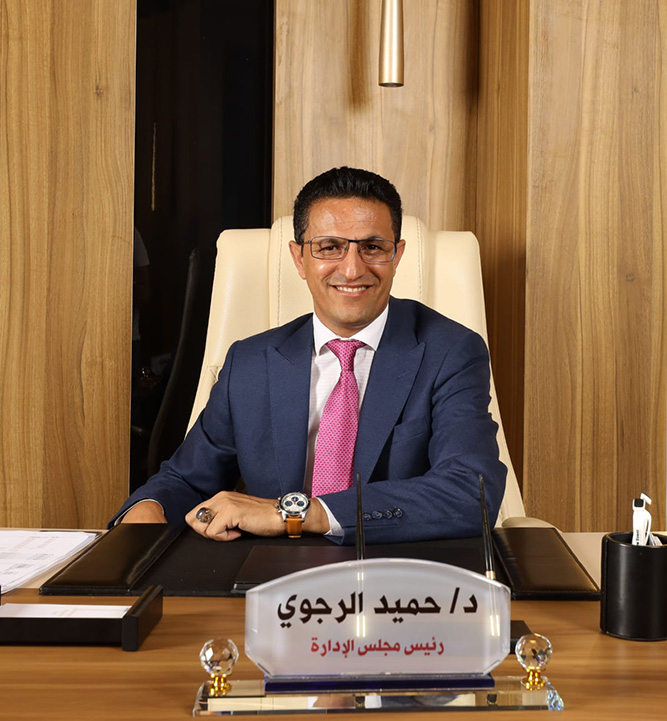
Dr. Hamied Al Rgwy, Chairperson of New Event Developments, highlighted Cityscape Egypt as a vital event for the company to engage with its clients, said that the exhibition serves as a key marketing platform for promoting the company’s projects. This year’s event is being held amid heightened demand from clients seeking to invest in real estate, recognizing it as a safe investment and a reliable store of value.
Al Rgwy added that the company is showcasing its H Mall, Qamari, and Trave Business Complex projects, all located in prime areas within the New Administrative Capital. The company carefully selects the locations of its projects to ensure the best investment opportunities and the highest returns on investment for its clients, whom the company considers as part of its family and always strives to offer the best.
He pointed out that the Qamari project spans 25 acres and is located in a prime area facing the Diplomatic District, surrounded by several major roads and close to service hubs in the R8 district, including clubs, schools, and universities. The project offers a range of premium services, providing a fully integrated residential development with all the facilities and amenities that ensure comfort, luxury, and a high quality of life for residents.
He disclosed that the Trave Business Complex is a commercial mall directly overlooking the Central Park in Downtown and a major 70-meter-wide road. It is situated in front of the pharmaceutical company, covering an area of 4,500 sqm. The complex consists of 13 floors, featuring a mix of administrative and commercial units.
The H Mall project is located directly overlooking the Central Park in the Downtown area, near the Gold Market and the Green River, and just minutes away from the Monorail station. The prime location is one of the key factors the company focuses on when selecting its projects. The project covers an area of 4,511 square meters and includes both commercial and administrative units, he noted.
He concluded that the Egyptian market is filled with promising investment opportunities for serious and ambitious companies. The attractive investment and legislative climate draws both local and foreign investments, creating strong opportunities for all companies.
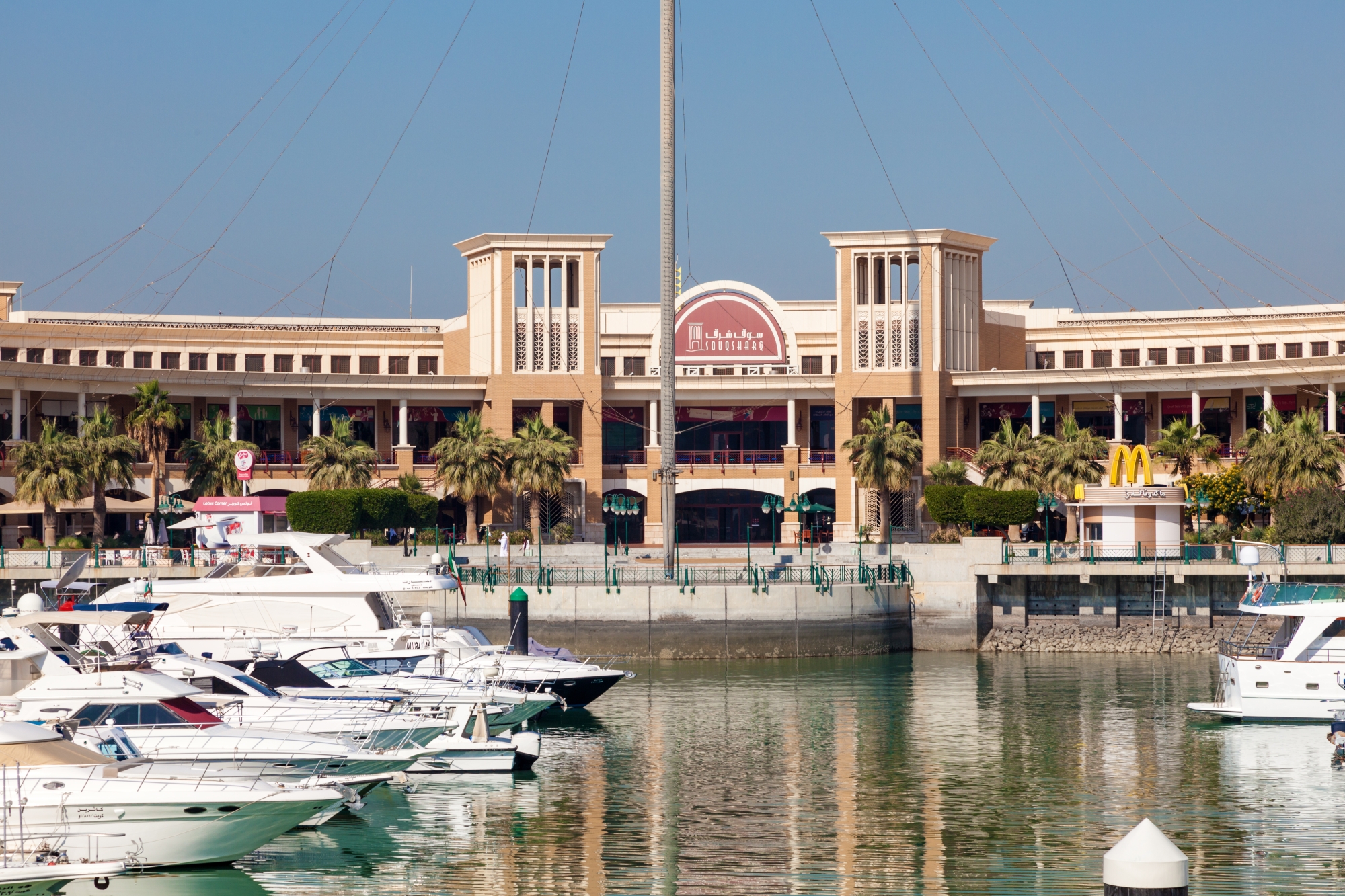
United Real Estate Company secured KWD38 million ($122.8 million) in Islamic financing for Phase 3 of the Souq Sharq waterfront project in Kuwait City. The PPP development will modernize the destination with upgraded retail, a superyacht marina, and enhanced nautical facilities, with completion expected by end-2027.
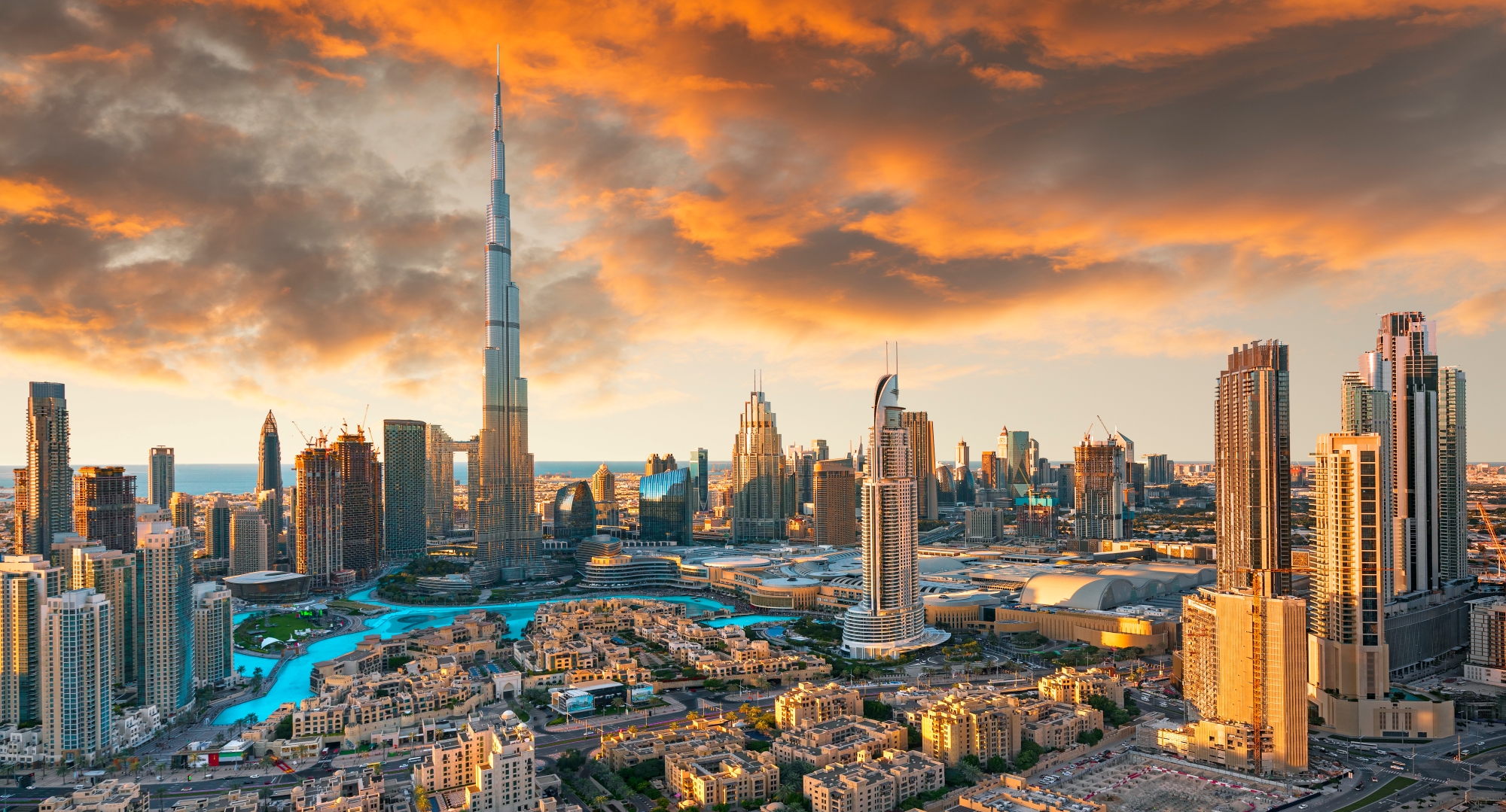
For years, UAE real estate was defined by record-breaking growth, but 2026 is proving the market’s real strength: resilience. Despite regional uncertainty, Dubai recorded AED 252 billion in Q1 transactions, while resident investors now account for more than half of investment activity by value, reinforcing the UAE’s position as a long-term destination for both capital and living rather than short-term speculation.
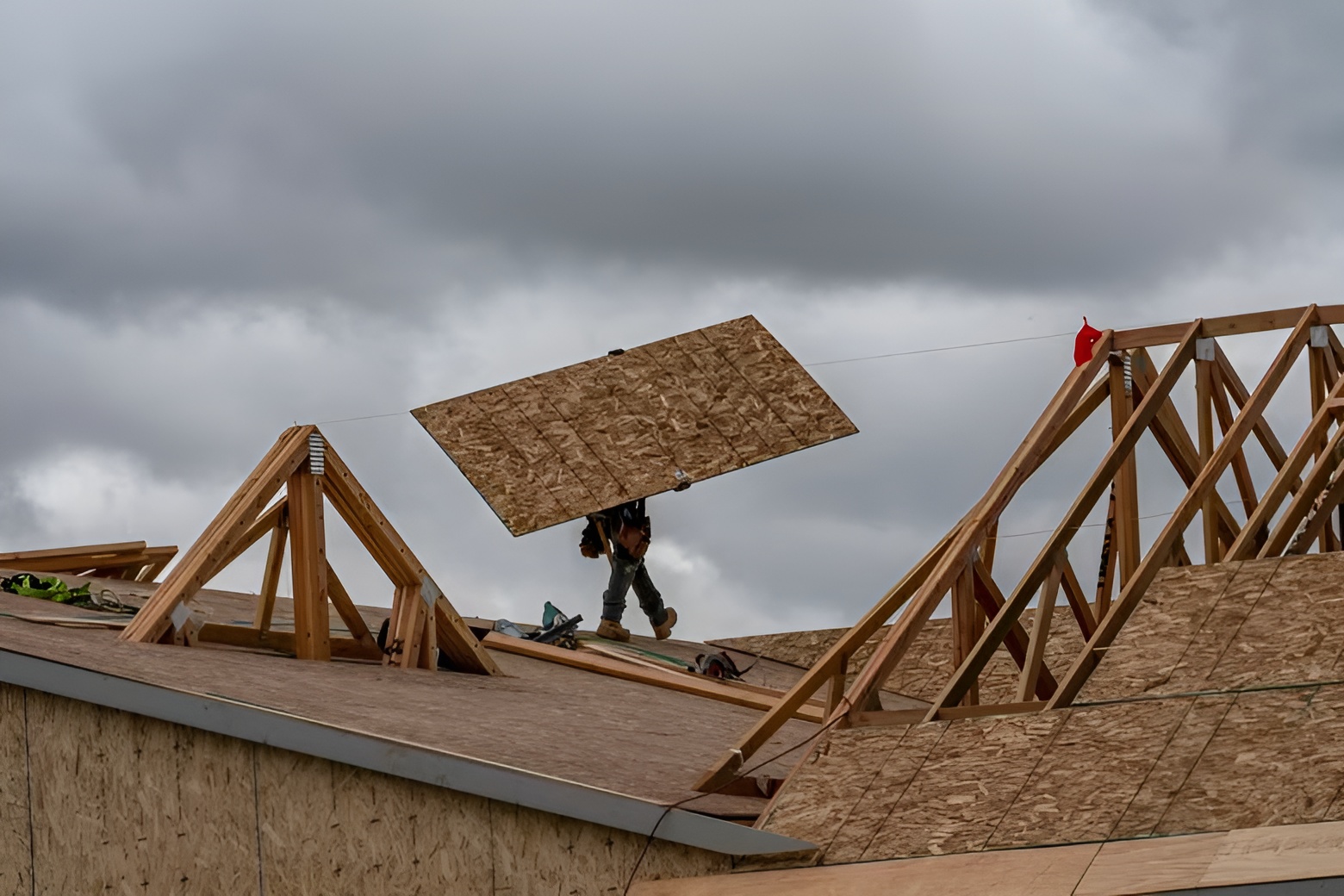
Major U.S. home builders including D.R. Horton and Lennar are facing mounting claims over poor construction quality as homeowners report structural defects and substandard materials. At the same time, mortgage lenders are increasingly turning to higher-risk alternative loans to stimulate activity in the stagnant housing market, highlighting growing pressure across the U.S. real estate sector.
Dubai South maintained its position as Dubai’s top-performing property market in May, recording 1,357 sales transactions worth AED1.6 billion. According to fäm Properties, residential sales in the area have surged 36.4% since late February, driven by strong demand for off-plan developments and growing investor confidence.
2 min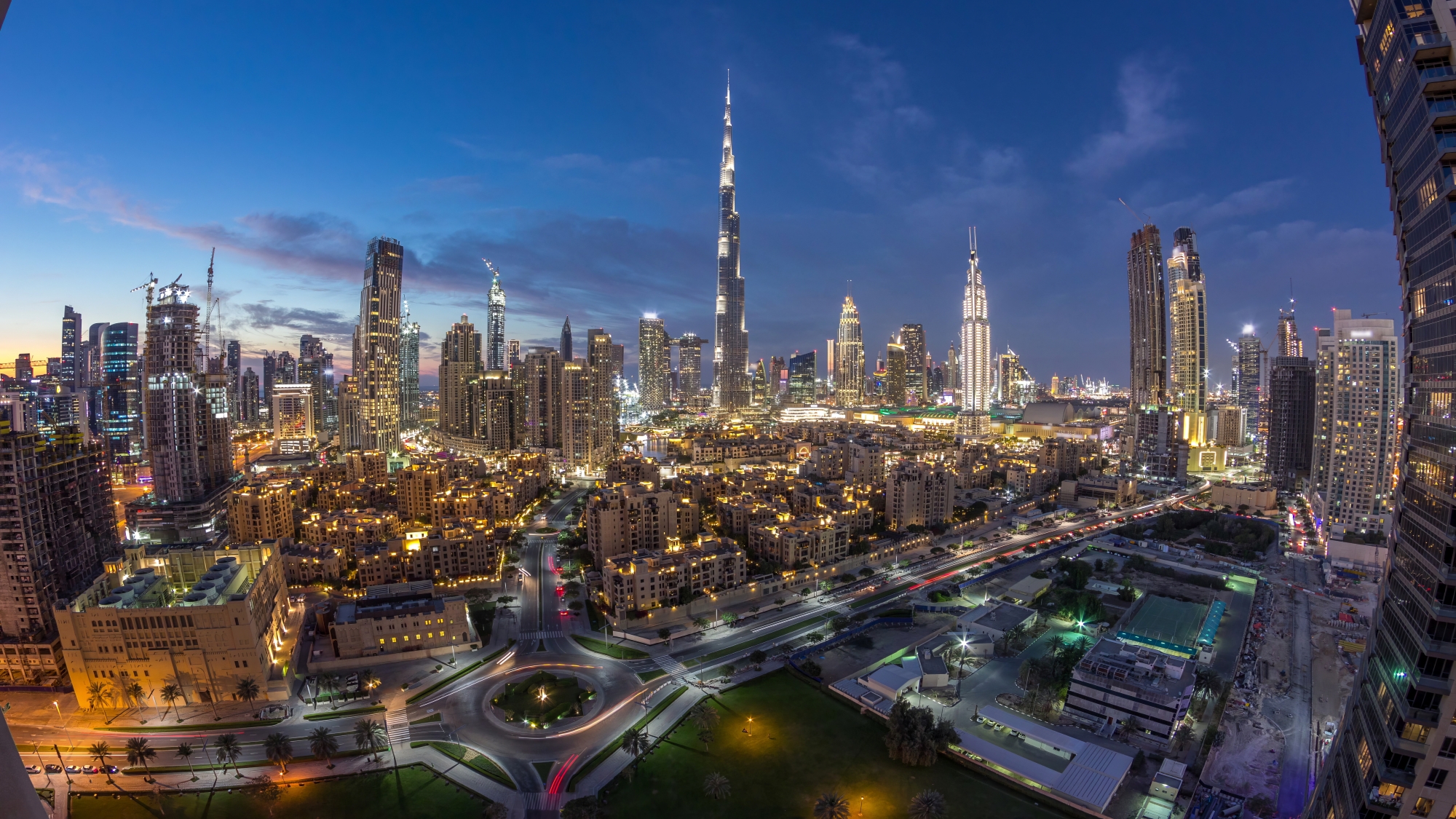
The evolution of Dubai South as the emirate’s largest single urban master development is highlighted by a new market analysis today revealing sustained residential real estate growth over the last three months.
For the third consecutive month in May, Dubai South ranked as the best-performing area in the emirate’s property sector, recording 1,357 sales transactions valued at AED 1.6 billion, a 15.9% rise in volume on April and marking its seventh straight month in the top five.
A market report from fäm Properties reveals that residential property sales transactions at Dubai South have surged by 36.4% since the onset of the regional conflict at the end of February.
This growth has been largely driven by developer off-plan sales, which climbed 24.8% last month to 1,233 transactions, following a 35.71% increase in April, adding up to a cumulative rise of 57.87% since the end of February.
“The level of market activity at Dubai South underlines the strength of its fundamentals as a fully integrated, connected urban and business hub propelling growth across the emirate’s broader economy,” said Firas Al Msaddi, CEO of fäm Properties.
“Growing transaction volumes reflect genuine end-user and investor confidence in the government’s long-term development vision for this dynamic aviation and logistics ecosystem, underpinned by the expansion of Dubai World Central into the world’s largest airport.”
Data from DXBinteract shows that the Dubai real estate market recorded 10,281 sales transactions worth AED28.9 billion in May. The month brought 8,772 apartment sales worth AED14.6 billion, 1,037 villa sales worth AED7.2 billion, along with 133 plot sales valued at AED4.2 billion.
The commercial sector, including offices and shops, recorded 335 sales transactions valued at AED2.9 billion. The average property price per sq ft was up by 3% YoY to AED1,650.
Primary sales again dominated in May, accounting for 7,595 sales transactions totalling AED18.5 billion, compared with 2,686 resales valued at AED10.4 billion. The most expensive villa sold in May was a luxury property at Signature Villas on Palm Jumeriah which went for AED145 million.
The most expensive apartment went for AED113 million at Solaya 5 at Jumeirah First. Other luxury apartments sold for AED106 million at Solaya 6 at La Mer and 101 million at One Casa at Al Wasl on the Dubai Water Canal.
With properties worth more than AED5 million accounting for 8.56% of sales, 8.19% were between AED3-5 million, 12.41% between AED2-3 million, 31.02% between AED1-2 million and 39.82% were below AED1 million.

Parts for iPhones to cost more owing to surging demand from AI companies.

Paine Schwartz joins BERO as a new investor as the year-old company seeks to triple sales.
The mixed-use project will feature around 1,800 residential units, 250 commercial and office units, and hospitality components, with Al Ramz expecting the acquisition to support long-term growth and strengthen returns through 2031.
2 min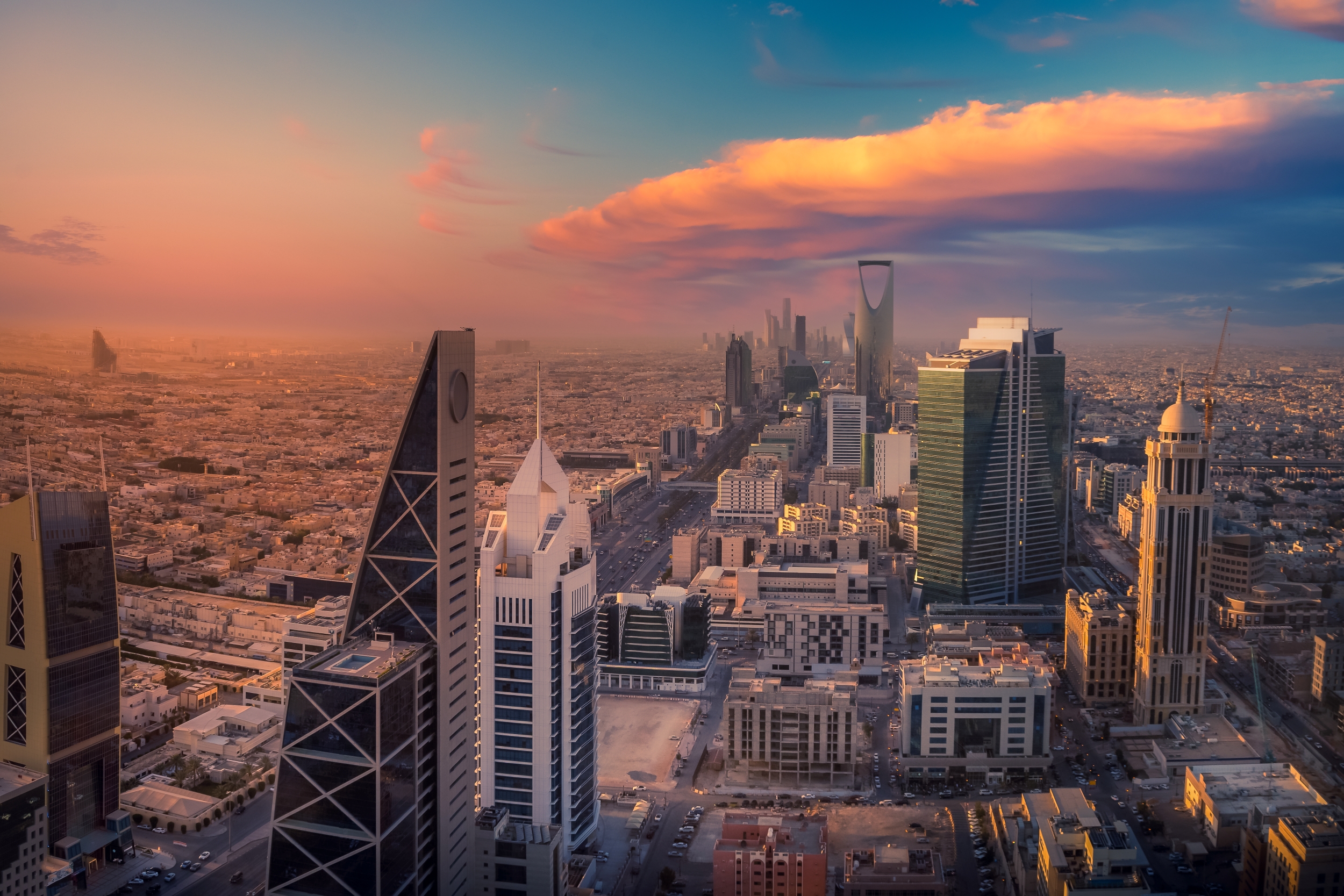
Saudi-listed Al Ramz Real Estate Company said it has signed agreements to acquire the remaining units in a private real estate investment fund that owns the Qurtuba 2 development in Riyadh, in a deal valued at SAR 133 million ($35.5 million).
The transaction will raise Al Ramz’s ownership in the Al Ahli Aleen Enbar Real Estate Fund from 23% to 100%, giving the company full control of the project as it seeks to expand its exposure to strategically located real estate developments in the Saudi capital.
In a filing to the Saudi Stock Exchange, the company said it currently owns 23% of the fund’s units, representing an investment of approximately SAR 40 million. Upon completion of the acquisition, Al Ramz will become the sole owner of the fund.
The fund owns the Qurtuba 2 project, a planned mixed-use development located in Riyadh’s Qurtuba district along Prince Mohammed bin Salman Road, also known as the Sports Boulevard corridor. The project spans about 130,386 square metres and is expected to include around 1,800 residential units as well as approximately 250 commercial and office units, alongside hospitality components.
Al Ramz said the project’s location in an area characterised by strong demand and limited supply enhances its investment potential and long-term prospects.
In addition to acquiring the fund units, the company said it will secure contracts related to the development, marketing, sales, operations and facilities management of the project. The value of those contracts and related fees will be disclosed at a later stage in accordance with regulatory requirements.
The acquisition will be financed through the company’s internal resources and available credit facilities.
The transaction remains subject to the completion of regulatory and contractual procedures and the execution of payments according to an agreed timetable between the parties.
Al Ramz said the acquisition aligns with its strategy of increasing ownership in high-quality real estate projects in Riyadh and strengthening long-term investment returns.
The company expects the transaction to contribute positively to its financial performance over the period from 2026 to 2031.
The agreements were signed on May 21, according to the filing.
Following the successful launch of its Palais Collection, MAISON de SABRÉ has unveiled a new modular handbag system offering more than 720 styling combinations.
Many of the most-important events have slipped from our collective memories. But their impacts live on.
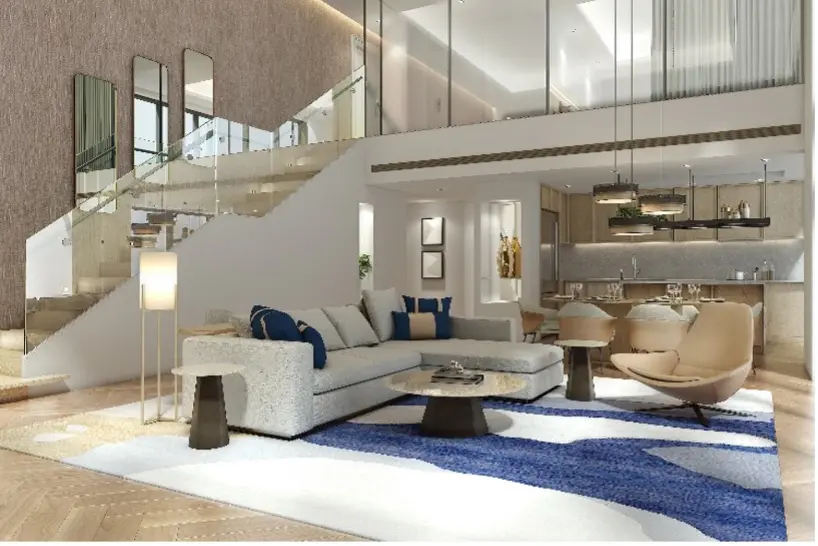

El Gouna has launched Marina Island by Tuban, a premium waterfront destination featuring a marina, retail, dining, and luxury island living in the heart of the town.
2 min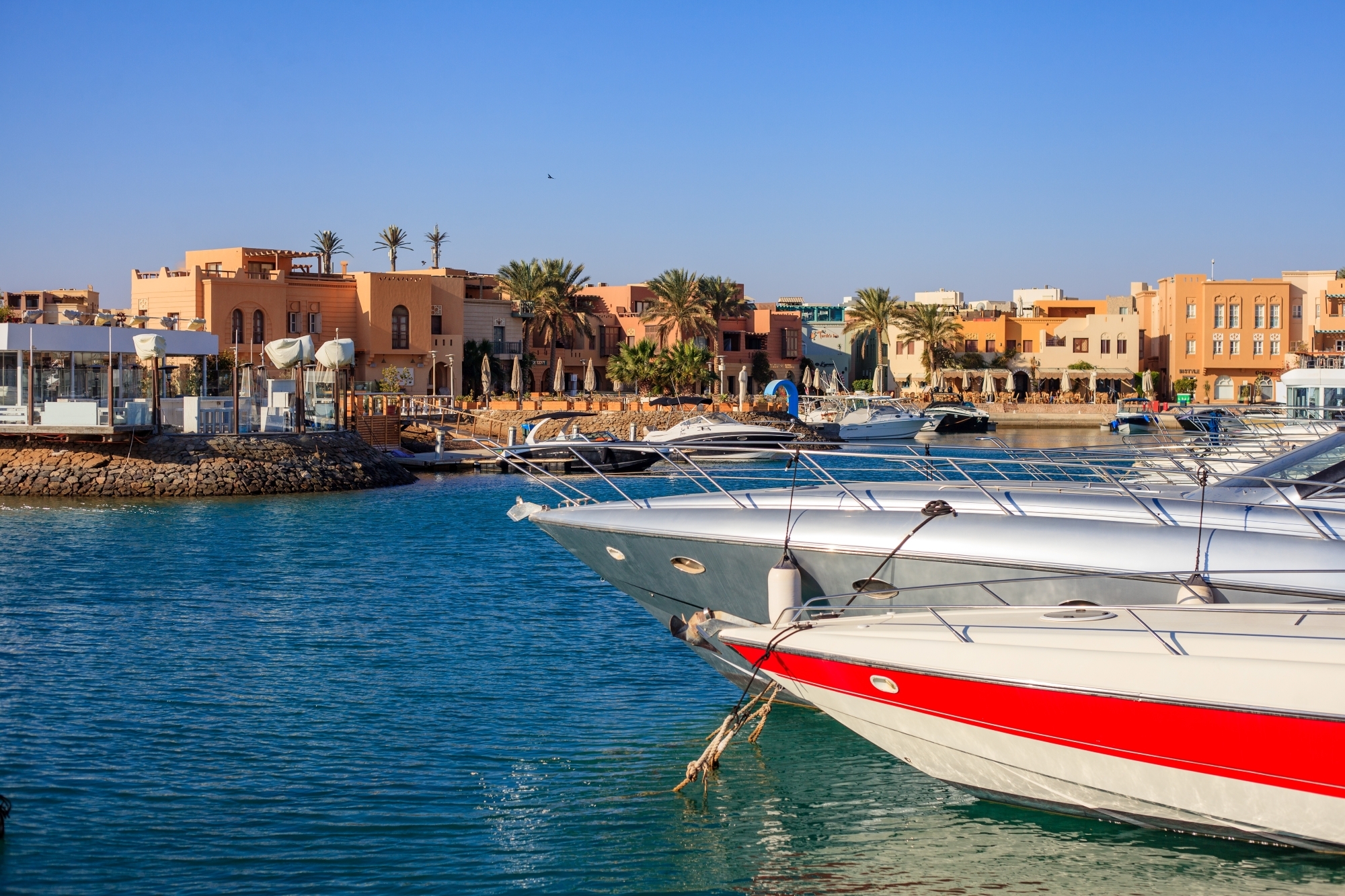
El Gouna Red Sea, the vibrant year-round coastal town developed by Orascom Development Egypt has announced the launch of Marina Island by Tuban El Gouna, the most premium island in Tuban. Strategically located in the heart of El Gouna’s central district, Tuban, the development introduces a fully integrated island with a beautiful marina, marking a new milestone in the town’s journey.
Commenting on the launch, Mohamed Amer, CEO of El Gouna and Managing Director at Orascom Development Egypt, said: ” El Gouna Red Sea was always built around water. That is not a feature of the town, it is its character. Over 36 years, El Gouna has set the standard for residential living on the Red Sea, and Marina Island is the fullest expression of that yet. This isn’t just a residential launch; it is a living, breathing waterfront district with a working marina, curated dining, and architecture that earns its place in the town’s design legacy. We have been deliberating about every layer of this project, and what excites me most is that Marina Island completes Tuban as a district while opening a new chapter for El Gouna entirely.”
Marina Island by Tuban elevates the concept of island living through the introduction of a fully operational marina, alongside curated retail, and waterfront dining. These elements position the development as a fully integrated lifestyle destination that extends beyond traditional residential offerings.
Designed with a distinct architectural identity, the project reflects El Gouna’s 36-year legacy of collaborating with leading international and regional architects such as Michael Graves, Alfredo Freda, and Shehab Mazhar, shaping a unique and timeless design language across the destination. Offering open-to-sea lagoon access to the sea, Marina Island by Tuban delivers a true island living experience while remaining seamlessly connected to the vibrant center of the district.
Building on the success of previous launches such as Nuba El Gouna, Fanadir Shores and North Bay the town continues to expand its diversified portfolio of lifestyle developments with various upcoming launches, further reinforcing the destination’s commitment to delivering elevated residential experiences, strong investment value with ROI reaching 20% over two years and high rental yields ranging between 6–8%, alongside distinctive community living concepts.
Further enhancing Marina Island’s integrated living experience, El Gouna offers residents seamless experience through its two entities, Orascom Property Management (OPM) and El Gouna Plus. OPM enhances the project’s long-term value through its expertise in rental and property management services, helping homeowners maximize rental returns and achieve sustainable ROI on their units, while El Gouna Plus complements the experience through curated interior design, furniture, and lifestyle solutions, adding a refined and design-driven touch that aligns with Marina Island’s distinct architectural identity and island-inspired living experience.
Positioned within one of El Gouna’s fastest-growing districts, Marina Island presents a compelling opportunity for both investors and homeowners, combining long-term value potential with a distinctive lifestyle offering.
Parts for iPhones to cost more owing to surging demand from AI companies.

New research suggests that bonuses make employees feel more like a mere cog in a wheel.

United Real Estate Company secured KWD38 million ($122.8 million) in Islamic financing for Phase 3 of the Souq Sharq waterfront project in Kuwait City. The PPP development will modernize the destination with upgraded retail, a superyacht marina, and enhanced nautical facilities, with completion expected by end-2027.
< 1 minUnited Real Estate Company (URC) has secured 38 million Kuwaiti dinars ($122.82 million) in Islamic banking finance for the construction and development of Waterfront Real Estate Project – Phase 3 [Souq Sharq], located in the Sharq Area of capital Kuwait City.
The real estate public-private partnership (PPP) project was awarded to URC by Kuwait Authority for Partnership Projects (KAPP) in February 2026.
The developer said it obtained KWD 25 million in non-cash facilities for 17 years and a KWD 13 million cash facility for 10 years from a local bank, according to a statement published on Boursa Kuwait.
The statement did not include the bank’s name.
Last week, URC’s wholly owned project-dedicated subsidiary, United Marasi Company for Lands and Real Estate Development, signed an agreement with the Department of State Properties at the Finance Ministry for the project.
The contract covers upgrading, development, repair, major rehabilitation, management, operation and periodic maintenance of the waterfront market (souq), the company said.
The project will be implemented under a 15-year Build-Operate-Transfer (BOT) usufruct arrangement with an additional one-year grace period allocated for design and refurbishment works.
The waterfront project was tendered alongside the Al Muthanna Complex Real Estate Project, which KAPP awarded to a consortium led by Real Estate House.
Originally established in 1998, Souq Sharq waterfront destination spans approximately 74,685 square meters (sqm) with a 2.7 km shoreline and total leasable area of 35,000 sqm. It features a superyacht marina, new retail experience, refined fish market, and dedicated nautical area.
The project is scheduled for completion by end-2027, according to URC’s first quarter 2026 investor presentation.
New research suggests that bonuses make employees feel more like a mere cog in a wheel.
Two coming 2027 models – the first of the “Neue Klasse” cars coming to the U.S. early next year – have been revealed.


For years, UAE real estate was defined by record-breaking growth, but 2026 is proving the market’s real strength: resilience. Despite regional uncertainty, Dubai recorded AED 252 billion in Q1 transactions, while resident investors now account for more than half of investment activity by value, reinforcing the UAE’s position as a long-term destination for both capital and living rather than short-term speculation.
2 minFor years, the story of UAE real estate was told in superlatives. Record transactions. Record prices. Record launches. It was a market that seemed to run on adrenaline, and plenty of people wondered how long that could last.
Yet, what is happening in the UAE real estate market in 2026 does not seem to be a short-lived boom with an impending expiry date, but a market finding its footing as a genuine, long-term destination for global capital and for people who simply want to live here.
According to Nagham Hassan, Market Analyst at eToro: Dubai registered AED 252 billion in transactions in Q1 2026, up 31% year-on-year, following a record AED 917 billion for the full year 2025. The price index grew 9.81% across 2025 — a step down from the double-digit surges of prior years. In 2025, the investor base grew to over 193,000 active participants, with resident investors accounting for more than half of all investment by value. Unlike speculative foreign capital, residents do not simply exit when sentiment shifts. The average time for a renter to become an owner is now just 4.8 years, demonstrating that this is a market people are committing to, not trading through.
Despite the regional turbulence of early 2026 rattling, confidence across the Gulf. According to DLD transaction data, February sales closed at AED 84 billion. March pulled back to AED 56 billion as buyers paused, but April rebounded by 23% to AED 69 billion as confidence returned. This shows that the market had not broken; it just took a breather and soon got back to work.
That same resilience showed up in the listed stocks — but with a lag. Emaar Properties (EMAAR) and Aldar Properties (ALDAR) were caught in the sentiment-driven selloff despite entering 2026 with the strongest fundamentals in their histories. Emaar’s revenue backlog stands at AED 163.4 billion — up 29% year-on-year — providing clear visibility for future earnings. Aldar reported revenue up 12%, EBITDA up 22%, and carries AED 38.2 billion in total liquidity. Yet both stocks remain well below their 52-week highs, not because the business deteriorated, but because geopolitical fear priced in a scenario the physical market never actually experienced.
That gap between price and fundamentals is what makes the medium-term case compelling. Both companies enter the second half of 2026 with record pipelines and earnings growth that have consistently outpaced expectations.
The path from here depends partly on how the geopolitical situation evolves. A resolution in the conflict would act as a catalyst — unlocking the pent-up demand that has already proven itself in the physical market and accelerating the repricing of both stocks toward their fundamental value. Further escalation, on the other hand, could trigger another round of sentiment-driven selling. But that is precisely where the distinction matters: real estate stocks like Emaar and Aldar are more insulated than most. Their revenues are backed by escrow-protected sales, long-term backlogs, and recurring income streams that do not evaporate with a news cycle.
Paine Schwartz joins BERO as a new investor as the year-old company seeks to triple sales.
The sports-car maker delivered 279,449 cars last year, down from 310,718 in 2024.


Major U.S. home builders including D.R. Horton and Lennar are facing mounting claims over poor construction quality as homeowners report structural defects and substandard materials. At the same time, mortgage lenders are increasingly turning to higher-risk alternative loans to stimulate activity in the stagnant housing market, highlighting growing pressure across the U.S. real estate sector.
2 minSome of America’s biggest home builders, including D.R. Horton and Lennar, are getting buried in claims of shoddy construction. Homeowners allege complaints ranging from builders using cheaper materials to hiring unqualified and undersupervised subcontractors. Builders say the claims reflect a tiny fraction of the total homes they produce and that errors are typically the fault of subcontractors, not the companies. But mounting legal bills represent another headache for the home-building industry, which is already coping with a stagnant housing market by offering buyers significant mortgage-rate buydowns. Nicholas Miller explains how we got here.
Mortgage lenders, meanwhile, are increasingly turning to alternative loans to drum up business in a long-stalled housing market. The share of mortgages using alternative lending practices is still a small portion of the market, but it has doubled in size over the past three years. “They are riskier loans by nature,” said Cristian deRitis, deputy chief economist at Moody’s Analytics. “Those borrowers are more likely to pull back or default on their loans.” Katherine Hamilton explains how these loans are different from traditional mortgages and why analysts say they have higher risk.
Home Builders Are Getting Buried in Claims of Shoddy Construction
Blake and Beth Horio bought a home in 2022 in a Henderson, Nev., community thinking it would be an ideal place to retire. But soon, cracks began spreading across the ceilings. Their sliding glass doors wouldn’t open. Their foundation sank several inches, leaving a gap underneath the house.
A Risky, Unconventional Mortgage Is on the Rise Again
Mortgage lenders are increasingly turning to alternative loans to drum up business in a housing market that has been stalled for years.
6%
The share of all home loan originations that used alternative lending practices in 2025, according to the real-estate data firm Inside Mortgage Finance. That is a small portion of the market, but it has doubled in size over the past three years as a sluggish housing market prompts mortgage lenders to turn to these more risky loans.
Data Points
- $23,400: The median down payment for a U.S. primary residence in the first quarter, a 19% year-over-year drop and the lowest level since 2021, according to Realtor.com. The decline shows that the housing market is slowly tilting toward buyers as rising inventory and easing prices reduces the amount of cash buyers need to put down.
- 3.6 million: The net amount, in square feet, of retail space 20,000 square feet or larger vacated by retailers in the first quarter compared with space newly occupied, according to Newmark. This negative net absorption was driven by cooling demand for older, less desirable properties while leasing for high-end retail space remains strong.
- $5,099: The median rent for a Manhattan apartment in April, a record high and 2% increase from the prior month, according to Corcoran. Scarcity is driving the price increase, with Manhattan vacancy falling to its lowest level in more than six years at 1.55%.
Parts for iPhones to cost more owing to surging demand from AI companies.

Chris Dixon, a partner who led the charge, says he has a ‘very long-term horizon’
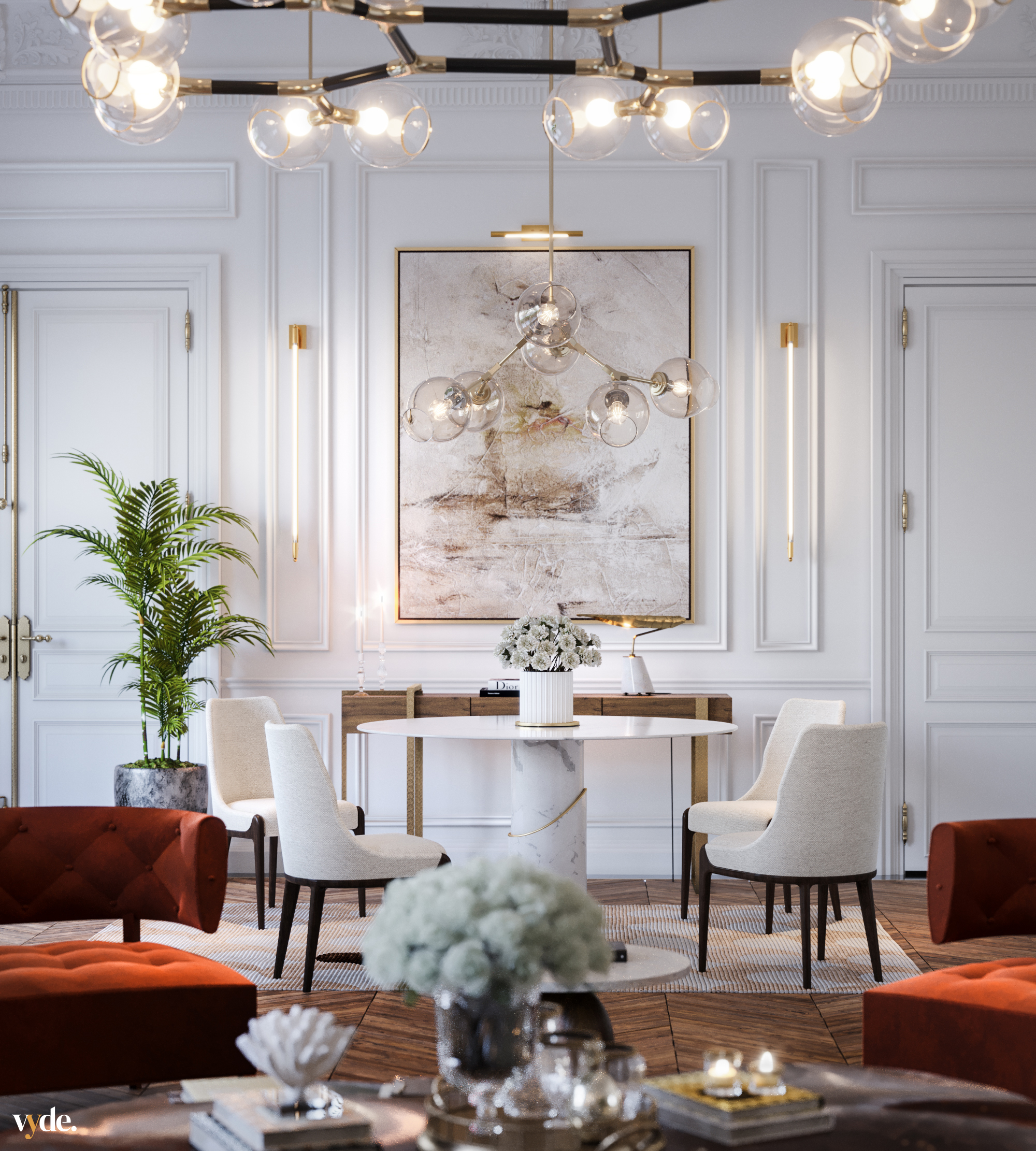
A renovated 18th-century estate on Switzerland’s Lake Zug now features a custom-built chef’s kitchen designed to combine Michelin-level functionality with timeless historic charm. Created by British design firm Artichoke, the space blends professional-grade performance with the warmth and elegance of a Victorian-inspired family home.
2 min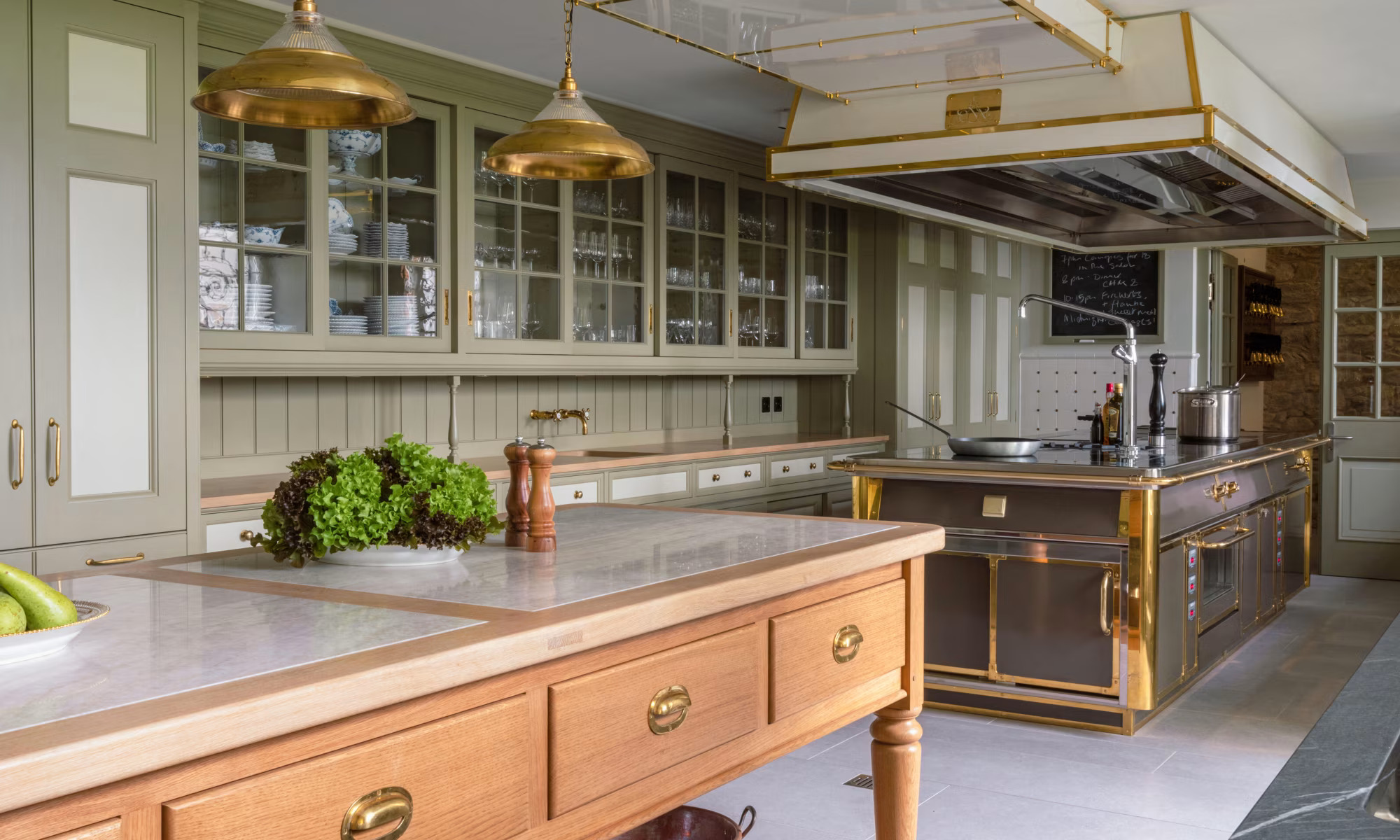
While renovating an 18th-century estate on the shores of Switzerland’s Lake Zug, the Danish-born owner wanted a top-quality kitchen for his on-staff professional chef.
“He wanted Michelin-starred chefs to come to the house and say it’s the best kitchen they ever cooked in,” says Anthony Earle of Artichoke, the British firm hired to redo the space. But the client also wanted a beautiful kitchen that reflected the home’s long history, not a utilitarian-looking room.
The result was a three-year, roughly $1 million project to create a chef’s kitchen inspired by Victorian-era English country houses. “We like our spaces to look and feel like they have evolved over time, as these historic homes would have done,” Earle says.
Now when the chef—or a team brought in for events—starts prepping a multicourse dinner, they have easy access to every bell and whistle, such as a flushing bath that circulates hot water to clean the chefs’ tasting spoons. But the roughly 500-square-foot space also works when the owner, who has two preschool age children, is entertaining in the nearby garden, and a parent wants to pop in and make a sandwich for a toddler.
Cabinetry, $470,000
Hidden behind the custom cabinetry doors are the kitchen’s large appliances—refrigerator, wine storage, freezer and ice maker—as well as masses of storage. Restoration glass, which is molded to recreate the look of antique glass, was used for the upper cabinets.
Cook’s table, $80,000
Cook’s tables were the Victorian equivalent of today’s built-in islands. Artichoke used European oak, Taj Mahal honed quartzite, hand-turned legs and inlaid stone to create this piece.
Cooking island and hood, $326,000
Artichoke commissioned the Italian company DeManincor to build a cooking island with induction burners, a fryer, a tappanyaki plate, a bain marie and a double-sided, pass-through oven. The matching stainless and brass venting hood has LED lights.
Wall tile, $13,500
The white ceramic tile was made with a pressed method typical of the Victorian era, Earle says. Artichoke designed the floral-imprinted brass stud that rests at each corner.
Calling bells, $95,000
The ultimate British country-house detail is the servants’ calling-bell system devised by Artichoke. The firm sourced antique bells and pendulums for a ‘Downton Abbey’ look, but in a modern twist, detailed requests are received digitally.
Paine Schwartz joins BERO as a new investor as the year-old company seeks to triple sales.

Americans now think they need at least $1.25 million for retirement, a 20% increase from a year ago, according to a survey by Northwestern Mutual


Kuwait’s real estate market recorded a 15% rise in transactions during the second week of May, driven by strong activity in the residential sector despite a decline in overall transaction values. Residential demand continued to support market activity, while commercial real estate saw a sharp slowdown amid higher financing costs and cautious investor sentiment.
2 min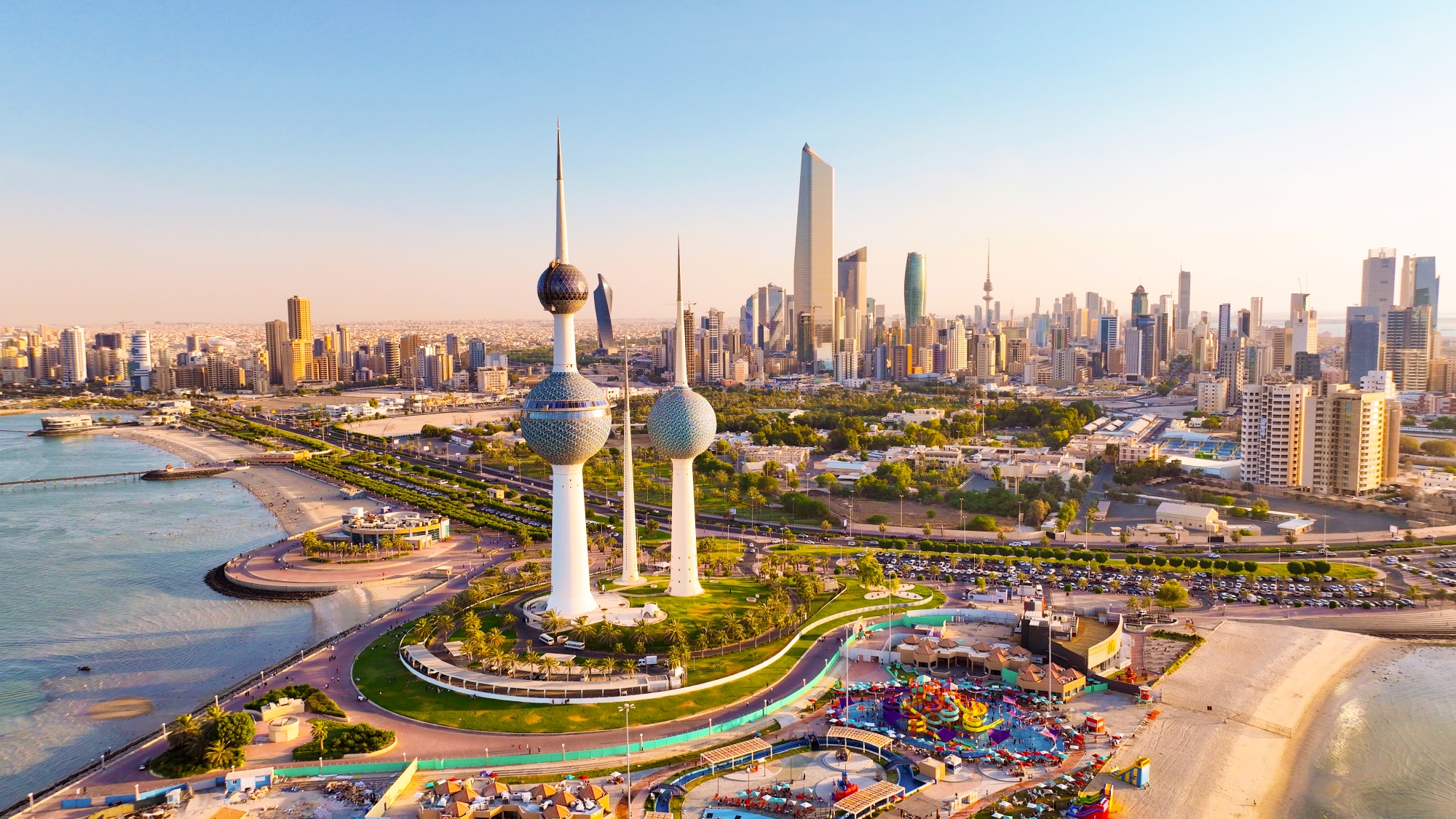
Real estate transactions in the second week of May showed mixed performance, during which the number of transactions increased by 15 percent compared to the first week, driven by the increased activity in the residential sector, according to the weekly statistics released by the Real Estate Registration and Documentation Departments at the Ministry of Justice.
However, the total value of transactions declined by 11.86 percent due to the sharp drop in commercial real estate deals. The real estate market recorded 138 transactions from May 10-14, with a total value of KD62.63 million, compared to 120 transactions valued at KD71.06 million in the first week of the month.
The residential sector continued its positive performance, leading market activity in the second week and benefiting from sustained demand for private housing and residential properties.
The number of residential transactions increased to 103, valued at KD36.6 million, compared to 83 transactions valued at KD27.6 million in the first week — 24 percent increase in the number of transactions and 32 percent increase in value.
The aforementioned figures revealed improvement in the appetite for purchasing private housing in spite of the continued caution related to high financing costs and anticipation of new regulatory or legislative changes.
This performance indicates that the residential sector remains attractive, as it is the most closely linked to actual demand and direct use, compared to other real estate sectors that are more affected by investment and liquidity fluctuations. The investment sector witnessed a slight decline in both the number and value of transactions.
Total trading volume reached 32 deals worth KD24.78 million, compared to 34 deals worth KD28.46 million in the previous week — 5.8 percent decrease in the number of deals and 12.9 percent decrease in trading value. It reflects continuous investor caution, considering the regulatory pressure and geopolitical changes related to financing and borrowing costs.
Despite this decline, the investment sector remains resilient compared to other sectors due to its reliance on operational and rental returns, which provide more flexibility in facing market fluctuations. The commercial sector experienced the most significant decline, with its trading value plummeting by 98 percent and the number of transactions by 33.3 percent.
Only two transactions were recorded with a total value of KD266,000, compared to three transactions worth KD15 million in the first week. It indicates continuation of less activity in this sector, which is highly sensitive to economic and legislative conditions.
The decline is also attributed to the increased financing cost and decreased risk appetite among investors, particularly the large transactions, following the execution of high-value deals in the previous week.
Regarding properties located along the coastal strip, one transaction valued at KD990,000 was recorded, compared to no transaction in the first week – a manifestation of selective demand for coastal properties, considering that the number of deals is limited.
New research suggests that bonuses make employees feel more like a mere cog in a wheel.
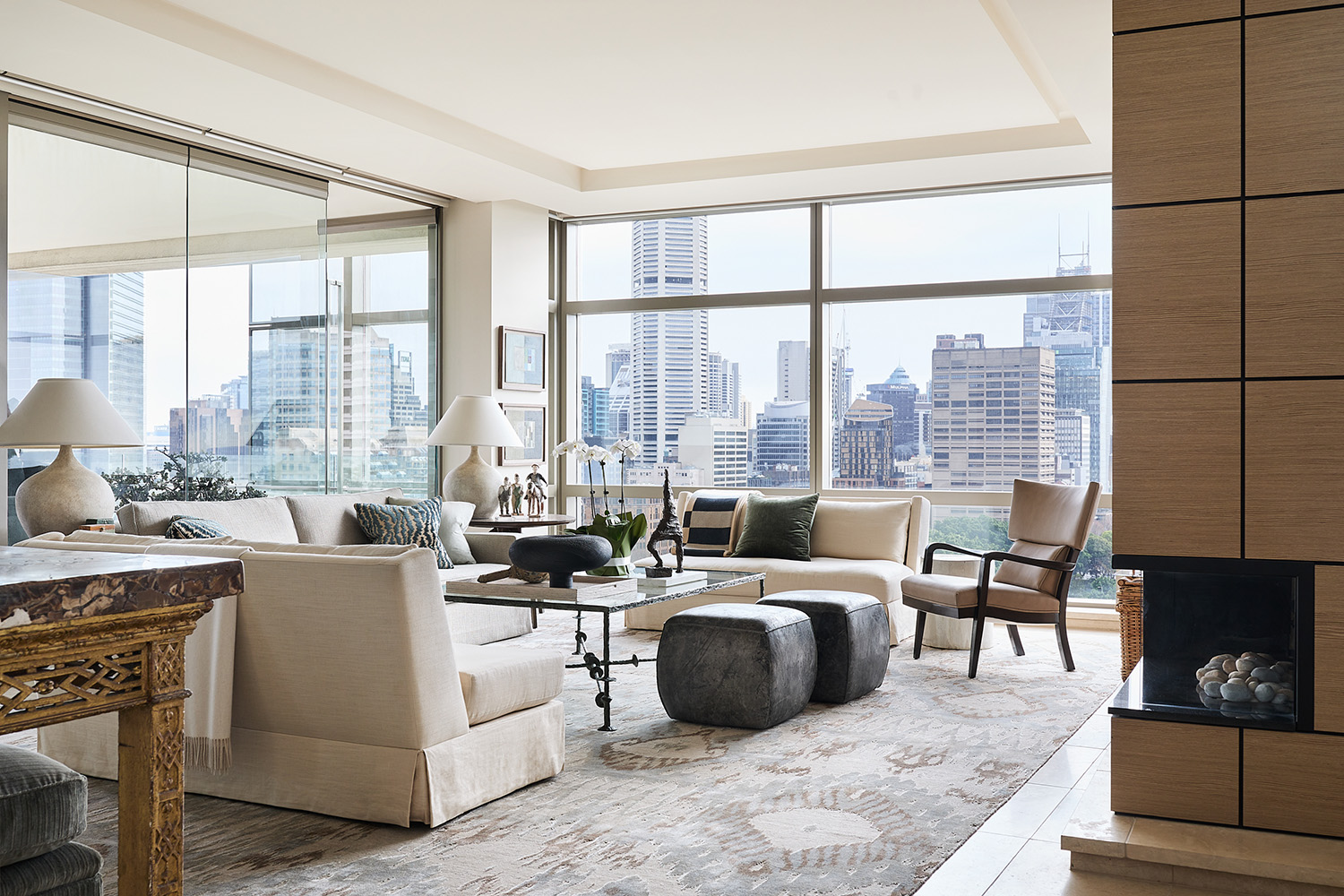
Interior designer Thomas Hamel on where it goes wrong in so many homes.

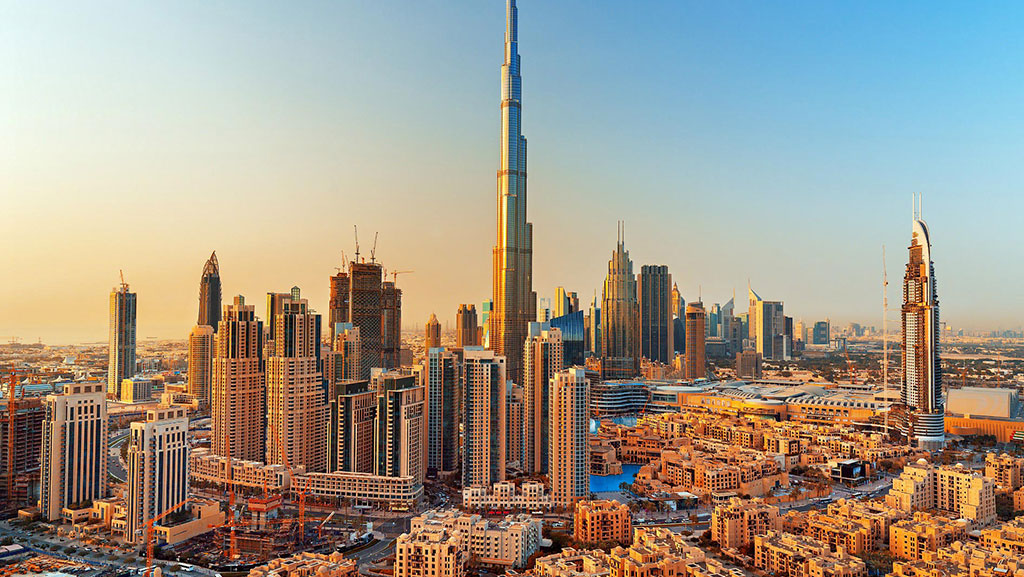

As UAE summers intensify, thoughtful design choices such as strategic shading, natural materials, greenery, and improved airflow can help create cooler, more comfortable, and energy-efficient homes, according to NKEY Architects.
3 min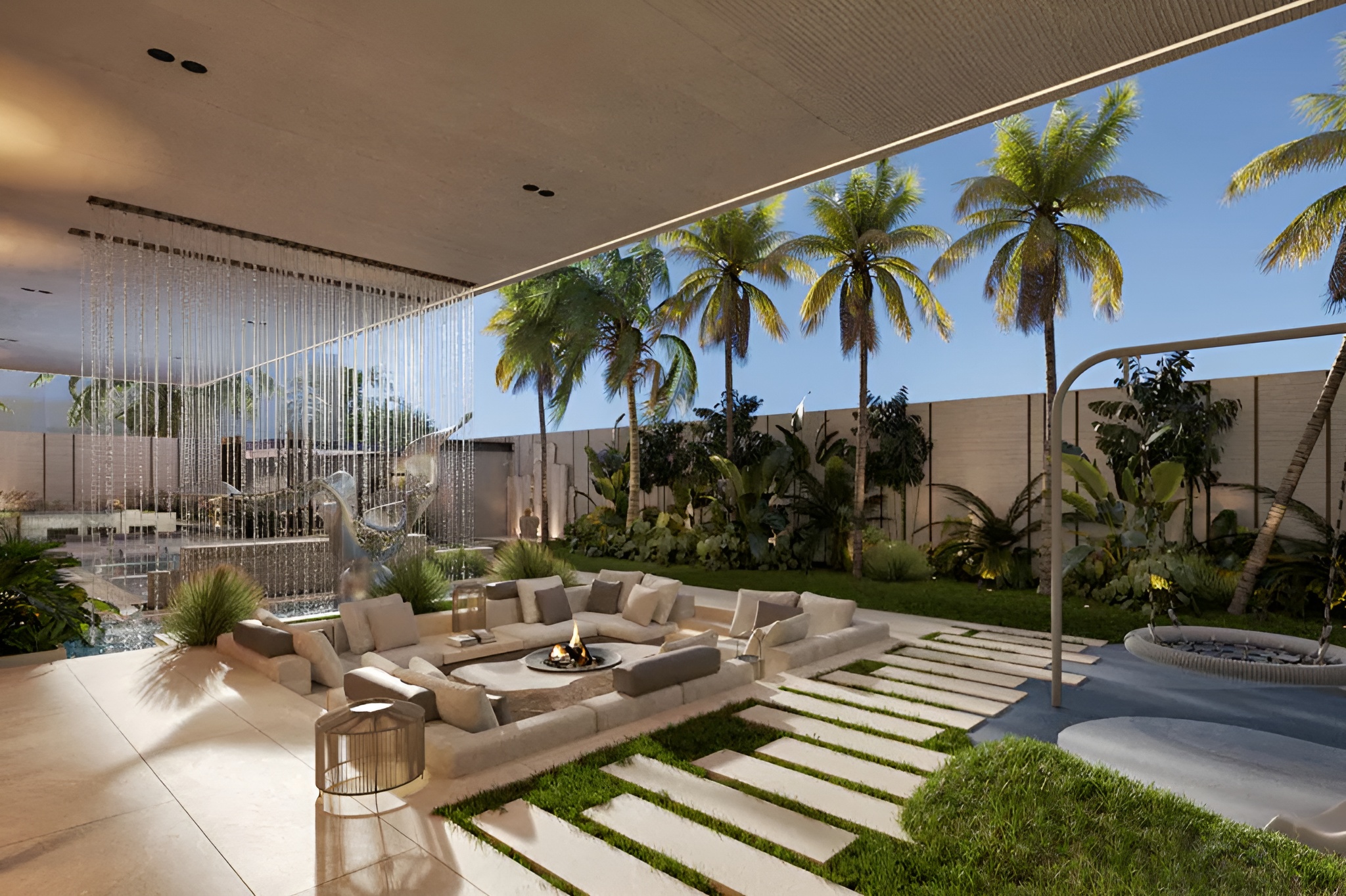
Summer in the UAE is not just a seasonal shift, it is a test of how homes are designed to perform. With rising temperatures and longer periods of intense sunlight, residential spaces are increasingly expected to do more than look good; they must actively support comfort.
Rather than relying solely on mechanical cooling, small but intentional design decisions can significantly reduce heat gain and improve how a home feels throughout the day. Here are five approaches that can make a measurable difference by NKEY Architects.
Let Minimalism Do the Cooling
Summer is an opportunity to reassess what a home is carrying; visually and physically. Heavy furniture, cluttered surfaces, excessive textiles, and bold color palettes can make interiors feel more intense.
A useful starting point is to edit the home with intention. Reviewing furniture, kitchen items, and appliances—and removing what is no longer needed—creates immediate spatial relief. This sense of openness allows light to travel further and air to circulate more freely, improving both comfort and perception of space.
Color plays a functional role. Lighter tones and softened natural materials help create a cooler visual environment, while darker shades tend to absorb and intensify the effect of direct sunlight. Even a simple wall adjustment can shift the atmosphere of a room.
Beyond interiors, comfort also begins at the building edge. Controlling how much sunlight enters the home is one of the most effective passive cooling strategies. Shading systems that filter harsh light and introduce a buffer zone between exterior and interior surfaces help reduce heat transfer into the building envelope, improving overall thermal performance without relying on mechanical systems.
Turn the Backyard Into a Night-Time Retreat
While daytime outdoor living in peak UAE summer can be challenging, evenings offer a completely different opportunity to reclaim outdoor spaces. A balcony, terrace, porch, or backyard can be reimagined as a night-time retreat designed around comfort.
Comfortable seating, soft layered lighting, gentle cooling fans, and weather-resistant furniture can transform an underused outdoor area into a calm and inviting extension of the home after sunset.
Material selection plays an important role in durability and comfort. Naturally resilient materials such as teak wood perform well in high temperatures and humidity, while also aging gracefully outdoors. This can be complemented with softer layers by including cushions, lanterns and warm string lighting to create a relaxed, lived-in atmosphere.
Greenery further enhances the spatial quality of outdoor areas. Layered planting across different heights introduces depth and softness, helping to reduce the harshness of built surfaces. Potted palms, hanging planters, and climbing plants can quickly shift even compact balconies into more shaded, and refreshing environments.
Bring the Outdoors Inside
For those who prefer to stay indoors during summer, biophilic design offers a simple yet effective way to reconnect interior spaces with nature. Beyond aesthetics, greenery plays a functional role in improving indoor environmental quality. Plants including areca palm, snake plant, peace lily, and aloe vera, are particularly well-suited to UAE homes, due to their resilience in controlled indoor conditions. When thoughtfully positioned, planting can introduce a subtle sense of freshness while softening architectural surfaces and interiors.
Water elements can further enhance this effect. Small indoor fountains or cascading features help create a more stable and calming microclimate. The movement and sound of water add a sensory layer that offsets the intensity of outdoor heat, making interior spaces feel more grounded.
Choose Materials That Work With the Climate
Natural materials such as stone, clay, and adobe contribute to a more stable indoor environment due to their high thermal mass, allowing them to absorb heat during the day and release it gradually as temperatures drop.
Additionally well-insulated walls, roofs, and flooring systems help regulate internal temperatures more effectively, reducing heat gain and limiting reliance on mechanical cooling.
Complementary natural materials such as bamboo, cork, and plant-based fibers can further support a healthier indoor environment. When used appropriately, they contribute to a more balanced material palette suited to the regional climate.
Make Small Changes With Big Impact
Windows are among the primary points of heat gain in residential design. Managing direct sunlight through layered solutions such as blackout curtains, thermal blinds, UV-filtering sheers, and heat-reducing films can significantly reduce solar penetration while still allowing natural daylight to filter through.
In homes with larger glazing areas or open-plan layouts, motorized shading systems offer a more responsive solution, automatically adjusting based on time of day or indoor temperature to maintain visual comfort and thermal balance.
Interior layout also plays an important role in airflow efficiency. Keeping furniture clear of windows and avoiding obstruction of cross-ventilation paths helps air circulate more effectively—particularly in villas and low-rise homes where natural ventilation can still be leveraged.
Ultimately, summer-ready design is about responsiveness rather than transformation. Through considered editing, strategic shading, the integration of greenery, and the use of climate-appropriate materials, homes in the UAE can become more adaptive environments and more comfortable throughout the season.
Two coming 2027 models – the first of the “Neue Klasse” cars coming to the U.S. early next year – have been revealed.
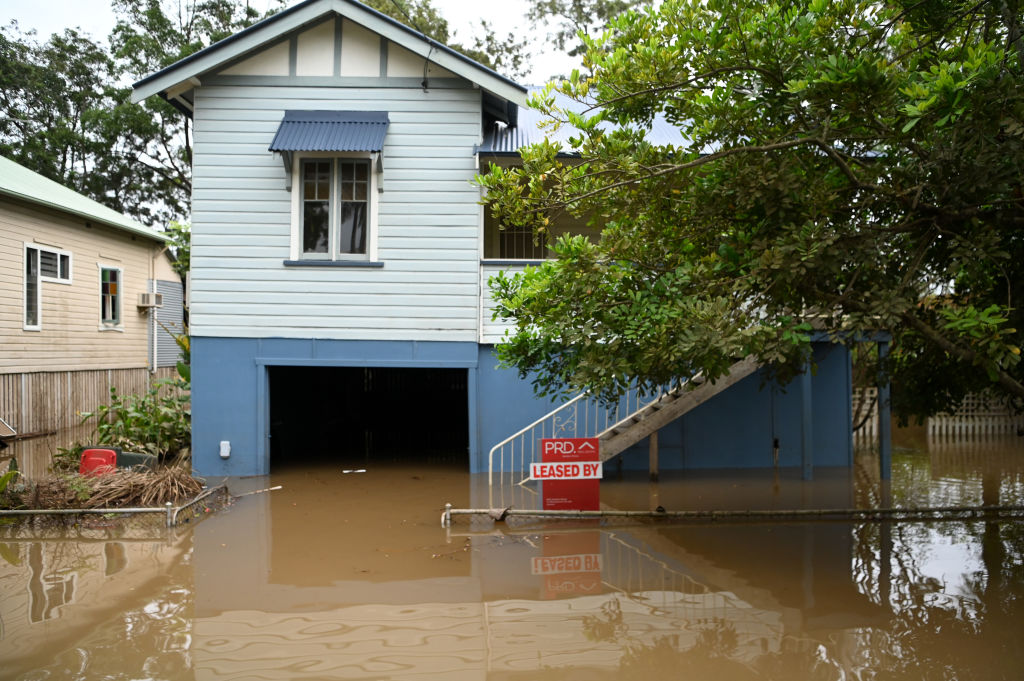
Following the devastation of recent flooding, experts are urging government intervention to drive the cessation of building in areas at risk.


Dubai’s property market is showing signs of stabilization reporting rising demand across both sales and leasing in April. Sales enquiries increased 11% month-on-month, while tenant enquiries jumped 40%, as villas and townhouses continued to outperform apartments amid improving market confidence.
2 min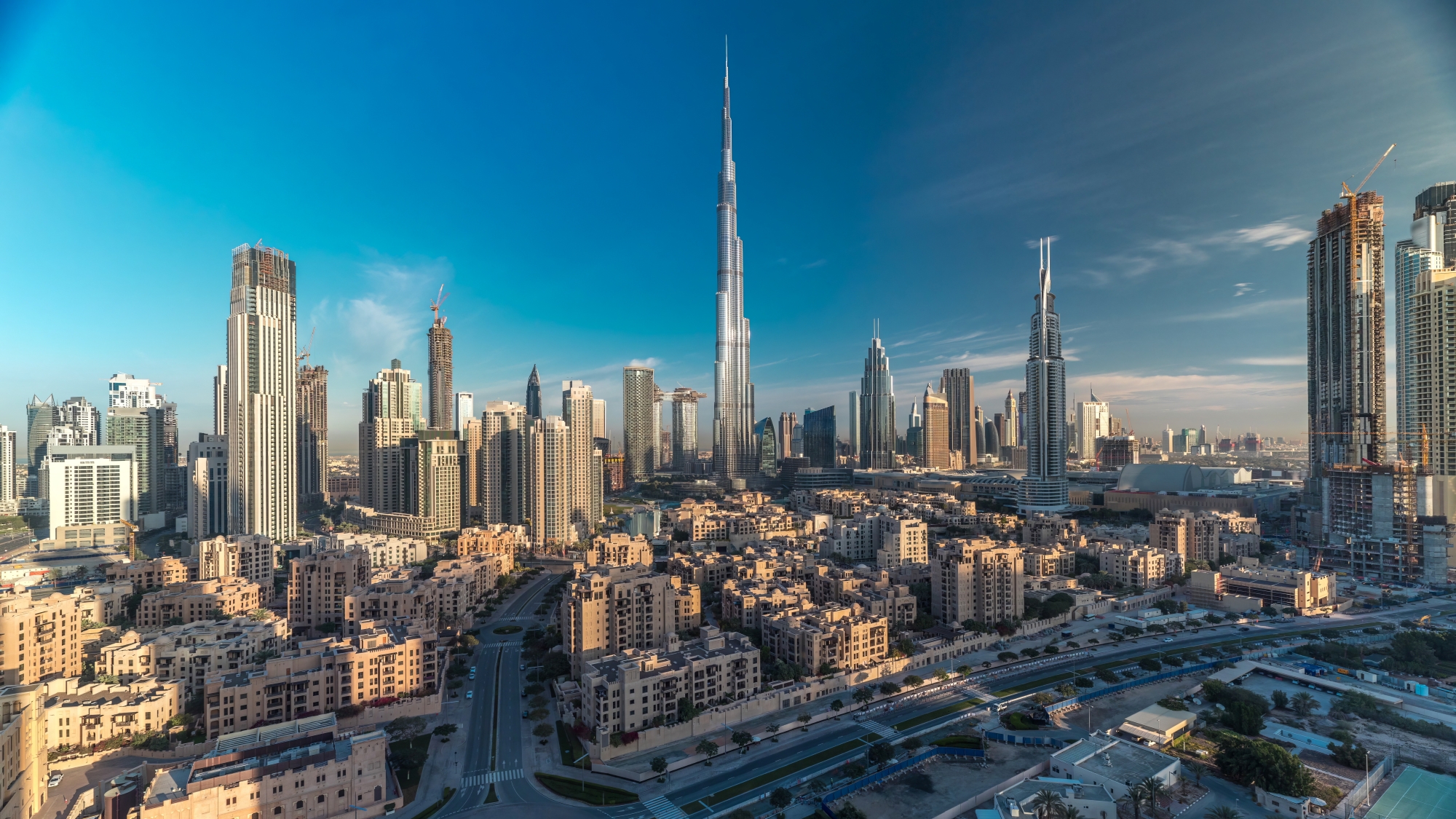
Dubai’s property market is showing early signs of stabilization, with April data from betterhomes pointing to improving demand across both sales and leasing, without the supply pressure typically associated with a market slowdown.
Sales market shows signs of recovery
Dubai Land Department figures show total transactions up just under 2% month-on-month, marking the first positive move since the conflict began in late February. Internally, betterhomes recorded an 11% increase in inbound sales enquiries between March and April, with activity improving consistently week on week.
Supply remains disciplined despite softer demand
What’s equally telling is what’s not happening. Despite enquiries running around 30% below year-ago levels, sales listing volumes have remained flat. Sellers are not flooding the market. Louis Harding, CEO of betterhomes, attributes this to a structural shift years in the making: a healthier ratio of end-user ownership versus speculative investment.
“We’re simply not seeing the supply response you’d expect if this were a market in genuine distress,” he said. “Every week the metrics improve. This is a disciplined pause, not a retreat.”
Mortgage brokers are meanwhile reporting a bottleneck of buyers seeking agreements in principle, with latent demand quietly positioning itself to move.
Leasing activity rebounds sharply
The leasing market is moving faster. Tenant enquiries rebounded 40% between March and April, the sharpest monthly recovery since the conflict began. Available rental inventory grew from just over 1,000 units at the start of March to nearly 2,200 by the end of April, while around 70% of listings recorded price adjustments averaging just under 10%.
The inquiry-to-listing ratio now sits at 6.6, down from 10 pre-conflict, but still reflective of active demand. Rupert Simmonds, Director of Leasing at betterhomes, said the market is moving towards a healthier balance.
“Rents have adjusted, choice has increased, and tenants are re-engaging,” he said. “Landlords who price realistically now will be well-positioned when demand fully recovers.”
Villas continue to outperform apartments
Performance across the rental market remains uneven. Villas and townhouses are holding firmer on price than apartments, while well-maintained properties are consistently outperforming on both leasing speed and achieved rents.
Long-term fundamentals remain intact
The broader direction across Dubai’s property market is one of gradual normalization rather than disruption. Demand is rebuilding week on week, supply remains stable, and recent policy and infrastructure announcements are expected to support long-term confidence.
These include the removal of the minimum property value threshold for UAE investor visas, alongside the planned USD 9 billion Gold Line metro expansion connecting 15 districts across the city.
The sports-car maker delivered 279,449 cars last year, down from 310,718 in 2024.


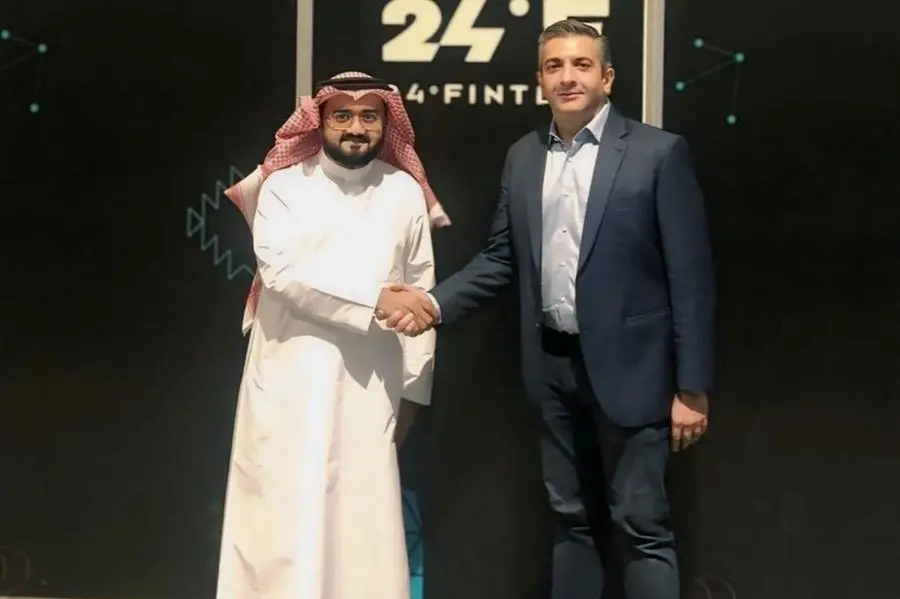
PropTech Connect Middle East has opened its regional office in DIFC with support from Dubai Land Department, reinforcing Dubai’s position as a global hub for real estate innovation and proptech growth.
3 min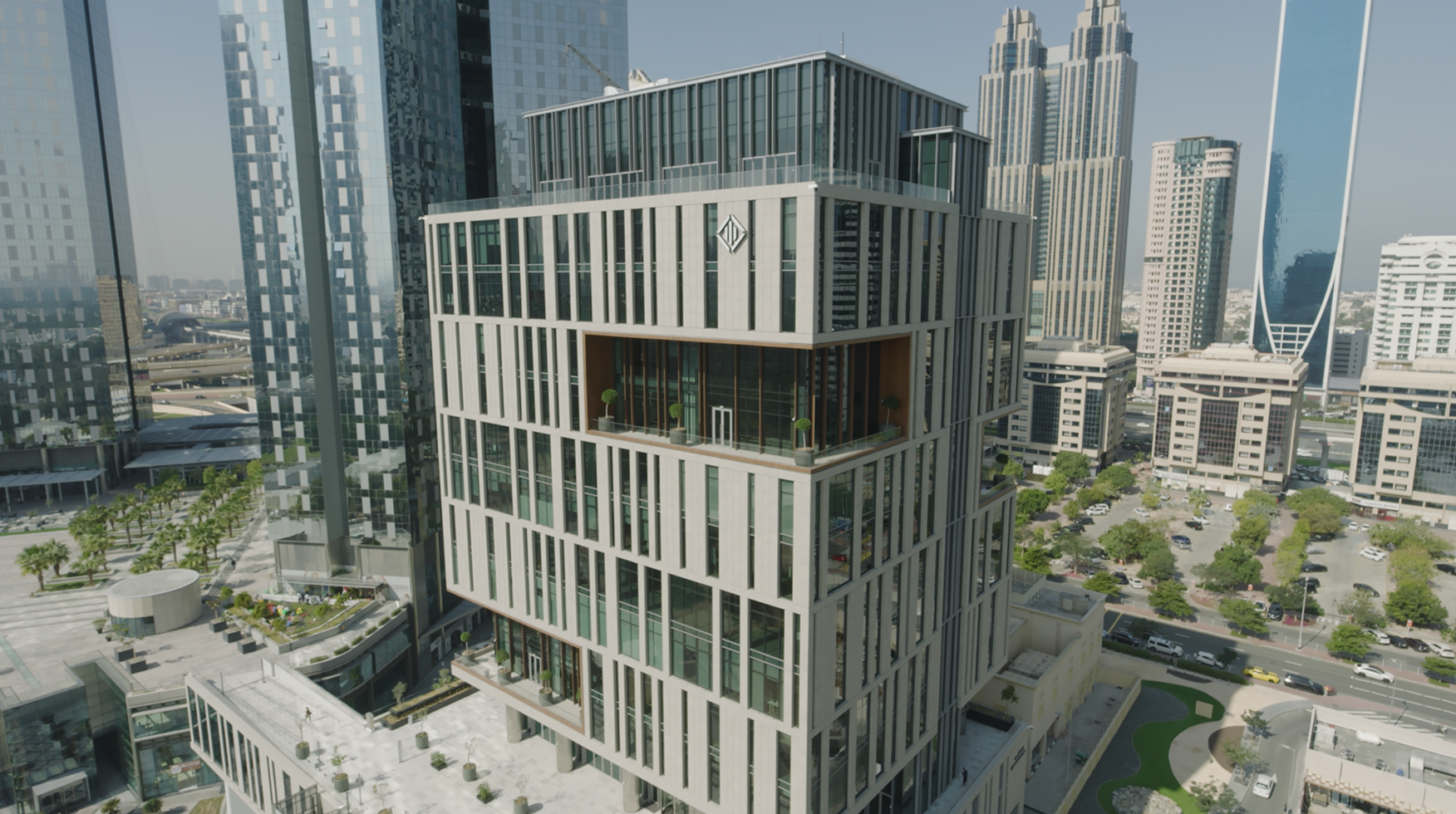
Building on the strong momentum of Dubai’s proptech sector, PropTech Connect Middle East has announced the opening of its regional office in Dubai International Financial Centre (DIFC), with support from Dubai Land Department (DLD). This step reflects the emirate’s growing position as a regional and global hub for real estate innovation.
The opening of the office marks the culmination of the inaugural edition of PropTech Connect Middle East 2026, held in Dubai last February. The event attracted more than 3,000 participants and over 300 speakers and played a key role in reinforcing the emirate’s position as a platform that brings together technology and real estate investment, while enhancing opportunities for collaboration among key stakeholders across the sector.
This expansion reflects the outcome of the ongoing efforts led by Dubai Land Department to develop an integrated proptech ecosystem that fosters innovation, strengthens collaboration among regulators, developers, and technology companies, and creates an attractive environment for global and emerging firms.
The exhibition served as a high-caliber global platform that brought together leading experts and decision-makers, reflecting Dubai’s growing stature as a key international hub where technology converges with real estate investment, and underscoring its pivotal role in supporting investment flows and fostering cross-border partnerships.
The opening of the regional office of PropTech Connect Middle East, which has obtained a commercial license from the Dubai International Financial Centre, represents a strategic step that supports the expansion of proptech companies and reinforces Dubai’s position as a hub for innovation within an integrated ecosystem continuously developed by Dubai Land Department.
Mohammed Ali Al Badwawi, CEO of the Real Estate Registration Sector at Dubai Land Department, affirmed that this step reflects growing global confidence in Dubai’s regulatory and investment environment. He said: “Dubai continues to strengthen its global position in proptech by building an integrated ecosystem that brings together innovation, flexible regulatory frameworks, and effective partnerships, enhancing its ability to attract high-quality investments and support the sustainable growth of the sector. The success achieved by the inaugural edition of PropTech Connect Middle East marked the beginning of a new phase of international collaboration in real estate innovation and reflects Dubai’s role in leading digital transformation and advancing new concepts in the development of the sector.”
Matthew Maltzoff, CEO & Co-Founder of PropTech Connect, said: “The opening of our office in Dubai reflects the level of confidence we place in the emirate’s dynamic environment, which combines a clear vision for development, a supportive regulatory framework, and an integrated ecosystem that enables innovation. We see Dubai as an ideal platform to expand our presence in the region and to work with our partners, foremost among them Dubai Land Department to push the boundaries of innovation in the real estate sector.”
This announcement follows the organization of the PropTech Elevate x REES event, a specialized session attended by leading government entities, real estate industry leaders, and promising proptech companies. The session was organized by the Dubai PropTech Hub based at the Innovation Hub, in collaboration with Dubai Land Department and the REES platform. It served as a platform for exchanging insights on proptech trends and aligning sector priorities, while also highlighting innovative solutions that support Dubai’s real estate transformation agenda.
Mohammad AlBlooshi, Chief Executive Officer of DIFC Innovation Hub, said: “As a leading platform for the PropTech sector, PropTech Connect’s presence in DIFC will further strengthen industry dialogue and collaboration by bringing together investors, innovators and real estate leaders from Dubai, the UAE and across the region. Initiatives such as PropTech Elevate x REES further reinforce this momentum by aligning sector priorities and showcasing innovation that supports Dubai’s real estate transformation agenda.”
Building on this momentum, the dates for the 2027 edition of the exhibition in Dubai will be announced soon, with expectations of even greater participation, targeting more than 4,000 participants and 2,000 proptech companies, further reinforcing the event’s position as a key regional platform.
This direction aligns with the strategic vision led by Dubai Land Department, in line with the objectives of the Dubai Economic Agenda D33 and the Dubai Real Estate Strategy 2033. Both place innovation and digital transformation at the core of sector development, further enhancing the emirate’s attractiveness as a leading global hub for real estate investment.
New research suggests that bonuses make employees feel more like a mere cog in a wheel.


Dubai Land Department (DLD) has launched Phase 2 of its Emirati Real Estate Business Incubator Program, aiming to empower a new wave of national talent to enter and lead the sector. Building on the success of its first phase, the initiative will support 25 Emirati participants through training, mentorship, and industry engagement to establish sustainable brokerage firms and contribute to Dubai’s growing real estate ecosystem.
2 min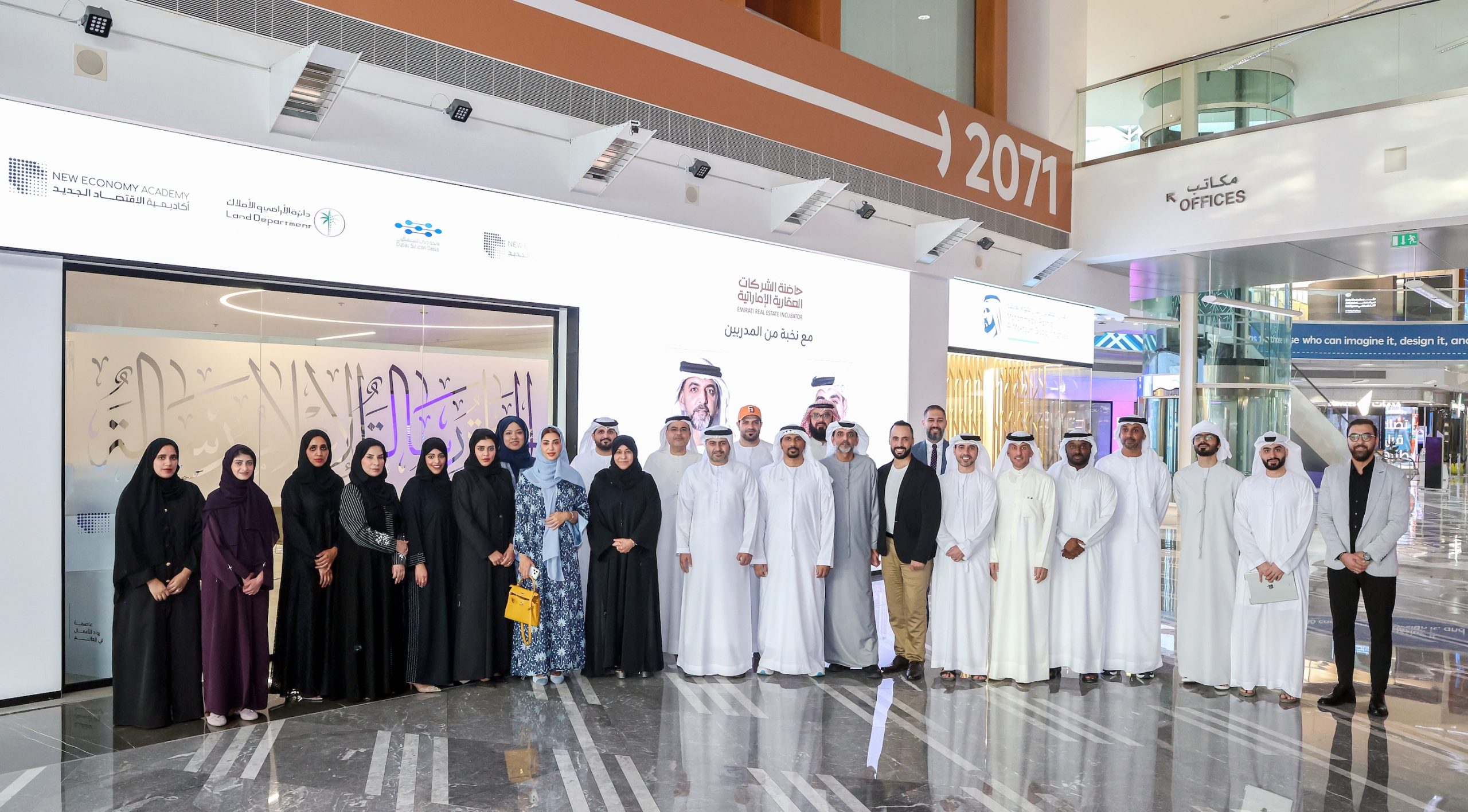
Following the strong success of the first phase of the Emirati Real Estate Business Incubator Program, which saw significant interest from Emirati talent seeking to enter the real estate sector and establish UAE-led brokerage firms, Dubai Land Department (DLD) has announced the launch of the program’s second phase. The new phase aims to attract 25 additional participants, reinforcing DLD’s ongoing commitment to empowering UAE nationals and strengthening their presence within the real estate sector.
The second phase supports Dubai’s vision of building a diversified, knowledge-based economy driven by entrepreneurship and national talent. The program contributes to the development of a more sustainable and competitive real estate ecosystem, led by a new generation of qualified Emirati entrepreneurs who can support the sector’s growth and enhance Dubai’s global position as a leading destination for real estate investment.
Delivered in collaboration with strategic partners Dubai Silicon Oasis, New Economy Academy, and The Rochester Institute of Technology – Dubai, the program offers a comprehensive framework that extends beyond training to include mentorship, practical guidance, and direct engagement with stakeholders and partners in the real estate sector. This integrated approach enables participants to establish and develop Emirati real estate companies that operate according to the highest professional standards while ensuring long-term growth and sustainability.
Eng. Abdullah Ahmed Al Shehhi, CEO of the Real Estate Regulatory Agency (RERA), said: “The launch of the second phase of the Emirati Real Estate Business Incubator Program marks a new step in empowering national talent and strengthening their role in shaping the future of Dubai’s real estate sector. The program aims to equip Emirati brokers and entrepreneurs with the knowledge, skills, and support needed to establish sustainable brokerage firms that contribute to a more efficient and competitive real estate market.”
He added: “The first phase highlighted the strong potential of Emirati talent and their ability to confidently enter the real estate sector when provided with the right environment, practical knowledge, and professional guidance. Through this new phase, we continue building on these achievements and encourage Emirati citizens and entrepreneurs to seize this opportunity and transform their ambitions into real success stories within one of Dubai’s most dynamic sectors.”
The second phase will train a new cohort of Emirati participants over a six-month period through a specialized program covering the regulatory, legal, operational, marketing, and financial aspects of establishing and managing real estate brokerage firms. The program also focuses on the application of technology and artificial intelligence within the real estate sector, while promoting professional conduct and industry ethics.
Participants will benefit from practical networking opportunities with developers and market stakeholders, enabling them to explore available projects and investment opportunities while building professional relationships that support the launch of their businesses. This builds on the practical outcomes of the first phase, which successfully connected participants with the real estate market and enhanced their readiness to transition from learning to implementation.
Through this initiative, Dubai Land Department continues to reinforce its role as a key enabler of Emirati talent and entrepreneurship within the real estate sector by providing a supportive environment that combines knowledge, practical application, and sustainable economic impact. The initiative contributes to the development of a new generation of Emirati real estate companies capable of supporting market growth and enhancing the sector’s competitiveness.
DLD invited Emirati citizens interested in the real estate sector, whether experienced professionals or individuals seeking a new career path, to register for the second phase of the program before 25 May 2026 and benefit from this national platform dedicated to empowering Emirati talent to lead the future of Dubai’s real estate sector.
Many of the most-important events have slipped from our collective memories. But their impacts live on.
Riyadh’s ‘Quality Valley’ PPP project has attracted strong interest, with 59 companies submitting EOIs, including 53 Saudi and 6 international firms. The response reflects investor confidence in long-term development opportunities, with the project set to be delivered under a DBFOMT model with a 32-year operational term.
2 min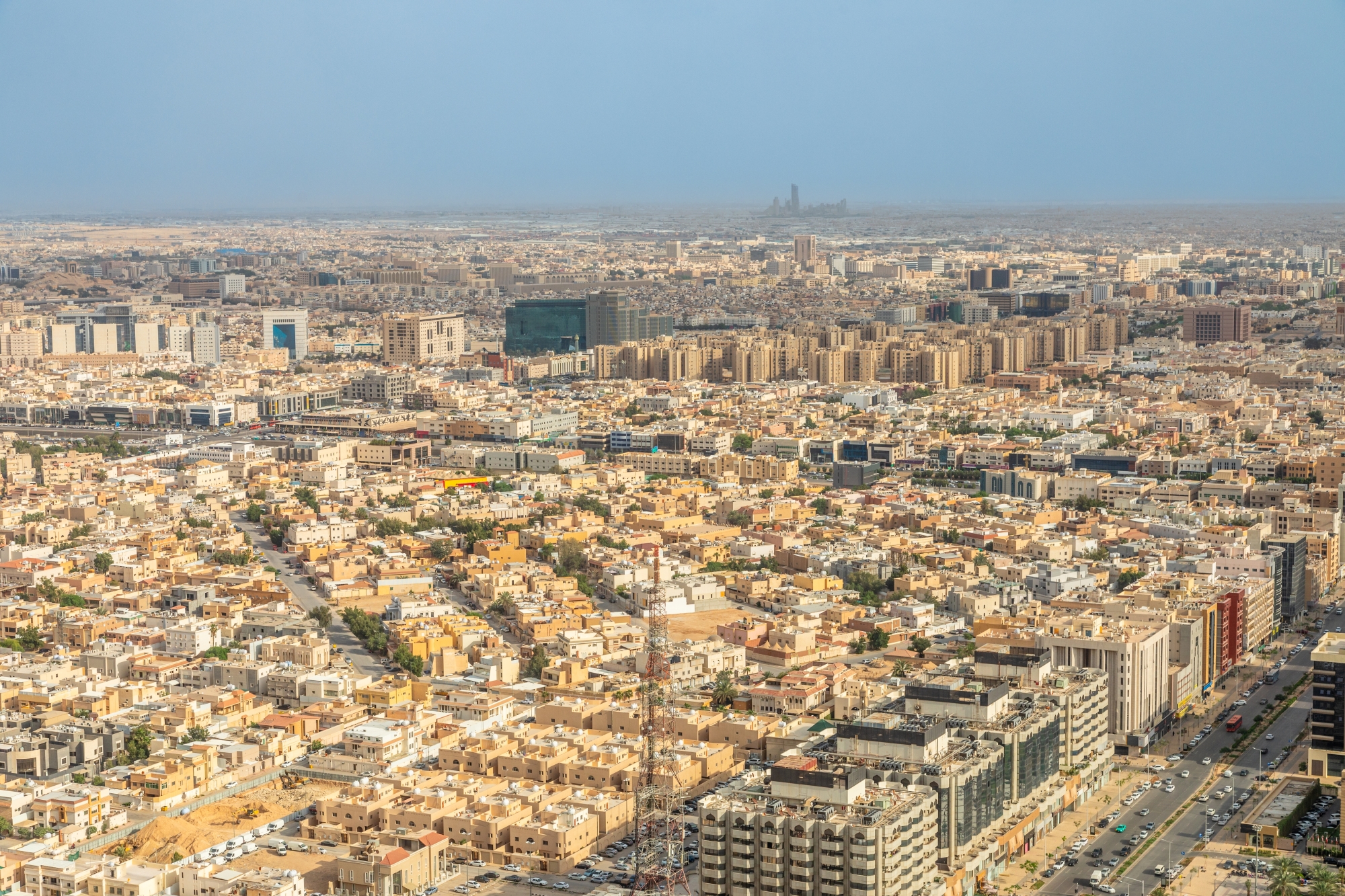
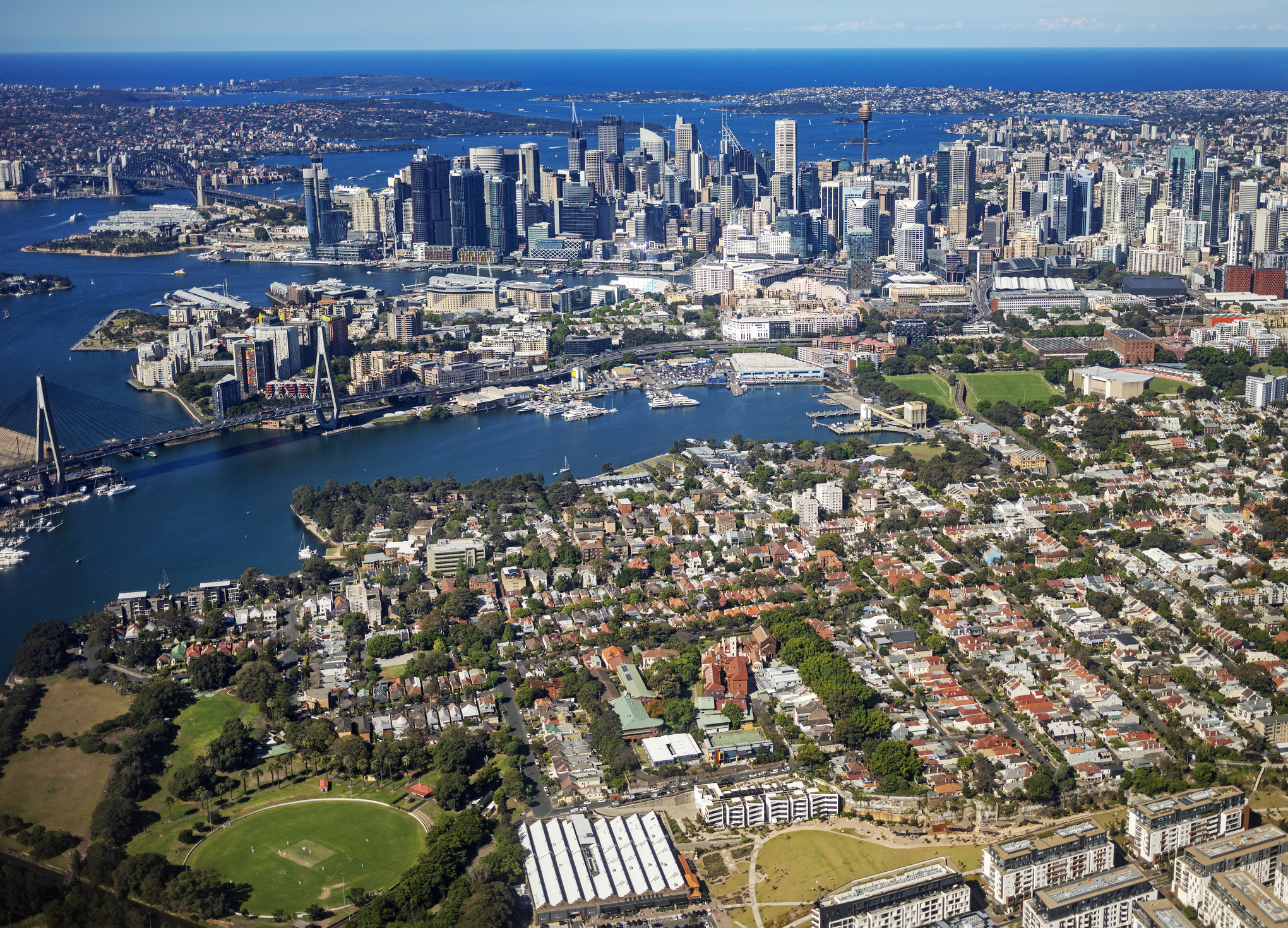
The State Properties General Authority (SPGA) and National Centre for Privatisation and PPP (NCP) announced on Monday that 59 companies have submitted expressions of interest (EOIs) for the Quality Valley mixed-use Public-Private Partnership (PPP) project in Riyadh.
The EOI phase for the project was launched last month.
A joint statement said 53 Saudi companies and 6 international companies expressed interest in the scheme.
The interested companies include 36 developers and real estate developers; 11 contractors; three consultants; six equity investors and three firms from financial services sector.
The project is being procured under a design-build-finance-operate-maintain-transfer (DBFOMT) framework.
The concession includes a 32-year operational term and an additional three-year construction period.
The list of companies interested in the project are as follows:
Developers / Real Estate Developers
- Abdulrahman Saad Alrashid and Sons (ARTAR) – Saudi Arabia
- Ajdan Real Estate Development Company – Saudi Arabia
- Al Bawani – Saudi Arabia
- Al Gihaz Holding Company – Saudi Arabia
- Al-Ayuni Investment & Contracting Co. – Saudi Arabia
- Alameriah Development – Saudi Arabia
- Alargan Projects Company – Saudi Arabia
- Al-Fahd Company – Saudi Arabia
- Alkhorayef Investment and Development Company – Saudi Arabia
- Al-Soliman Real Estate – Saudi Arabia
- Al Saedan Real Estate Company – Saudi Arabia
- ASYAD Holding Company – Saudi Arabia
- Arabian Construction Co. (ACC) – UAE
- Business Deal Company (BDC) – Saudi Arabia
- Ezdihar Real Estate Company – Saudi Arabia
- HAY Developments – Saudi Arabia
- Heyazah Real Estate Development – Saudi Arabia
- Kinan International – Saudi Arabia
- Ladun Investment Company – Saudi Arabia
- Lamar Holding – Bahrain
- Ledar Investment – Saudi Arabia
- Liwan Real Estate Development – Saudi Arabia
- MADA International Holding – Saudi Arabia
- Naif Alrajhi Investment – Saudi Arabia
- Pan Kingdom Real Estate – Saudi Arabia
- Refad Investment & Real Estate Development – Saudi Arabia
- Retal Urban Development Company – Saudi Arabia
- RIYMAR (AlMozaini Real Estate) – Saudi Arabia
- Safari Group – Saudi Arabia
- SkyBridge – USA
- Sumou Real Estate – Saudi Arabia
- Tatweer (Joint Stock Company) – Saudi Arabia
- Technical Development Company (TDC Contracting) – Saudi Arabia
- Telad Real Estate – Saudi Arabia
- Zamil Group Real Estate Company – Saudi Arabia
- ZEOOF Real Estate Investment and Development – Saudi Arabia
Contractors
- Al Kifah Holding Company – Saudi Arabia
- BEC Arabia – Saudi Arabia
- BUNA Al-Khaleej Contracting Company (BUNA) – Saudi Arabia
- Saudi Binladin Group Ltd – Saudi Arabia
- Fanar Arabian International Co.- Saudi Arabia
- International Hospitals Construction Company (IHCC) -Saudi Arabia
- Mohammed Ali Al-Swailem Trading & Contracting (MASCO) – Saudi Arabia
- Mounes Mohamed Al Shayeb for Civil Construction (MOBCO) – Saudi Arabia
- Shar Company – Saudi Arabia
- Shibh Al Jazira Contracting Company (SAJCO) – Saudi Arabia
- Urbas Middle East – Spain
Consultants
- ALTERAZ Design Architectural and Engineering Consultant – Saudi Arabia
- Dar Al Riyadh – Saudi Arabia
- Meinhardt Group – Singapore
Equity Investors
- Ahmed Al Thunayan Investment Group – Saudi Arabia
- Aldrees Industrial and Trading Co. (ALITCO) – Saudi Arabia
- Tanami Holding – Saudi Arabia
- OWN United – Saudi Arabia
- SAH First Investment Company
- Sumou Global Investment / Poly Manners Architecture (PMA) – Saudi Arabia
Financial Services Providers
- GIB Capital – Saudi Arabia
- MEFIC Capital – Saudi Arabia
- SNB Capital – Saudi Arabia
The sports-car maker delivered 279,449 cars last year, down from 310,718 in 2024.
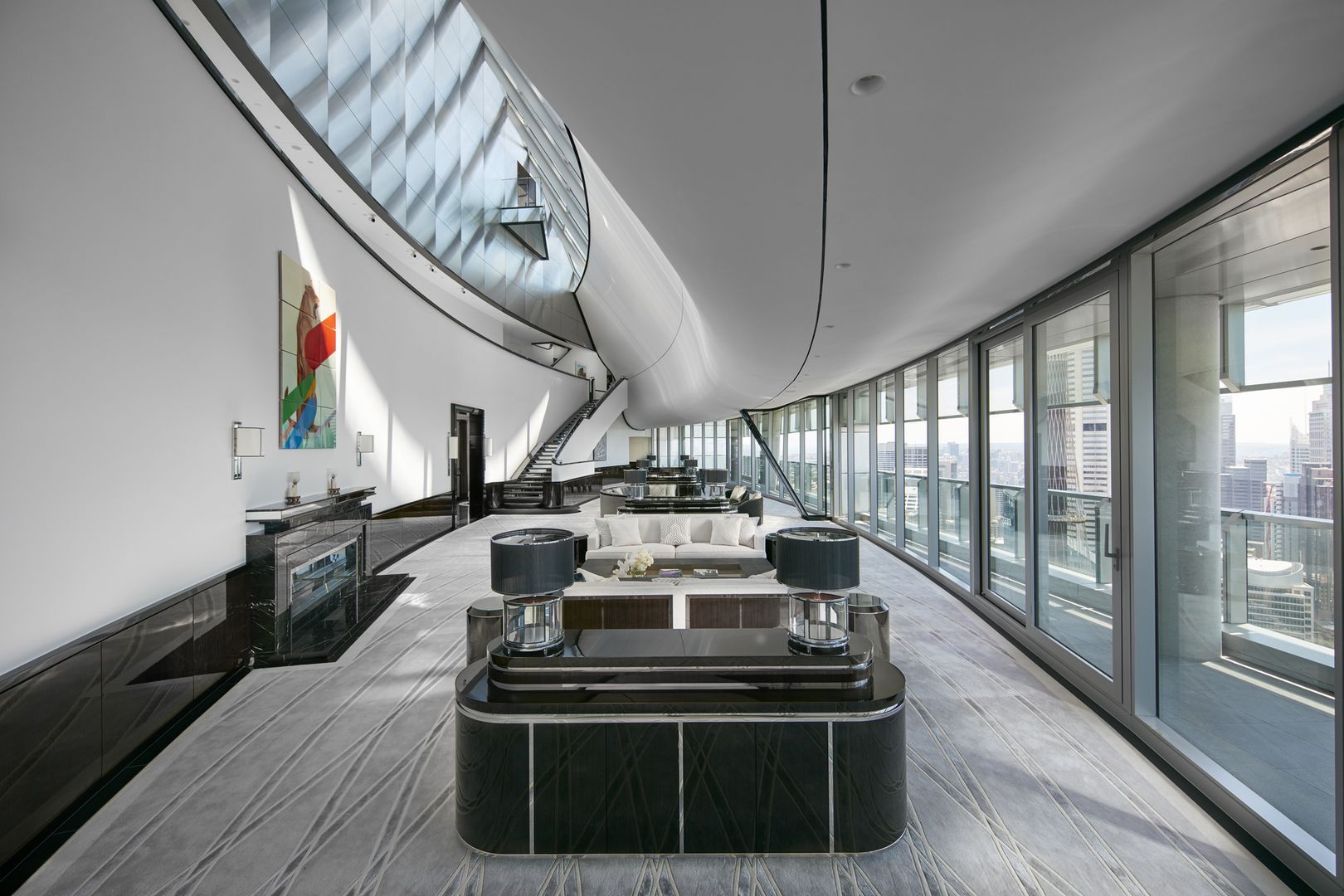


Emaar Properties reported a strong start to 2026, with property sales up 16% to AED 22.4 billion and revenue growth of 23%, supported by sustained demand, operational efficiency, and a record backlog of AED 163.4 billion.
4 min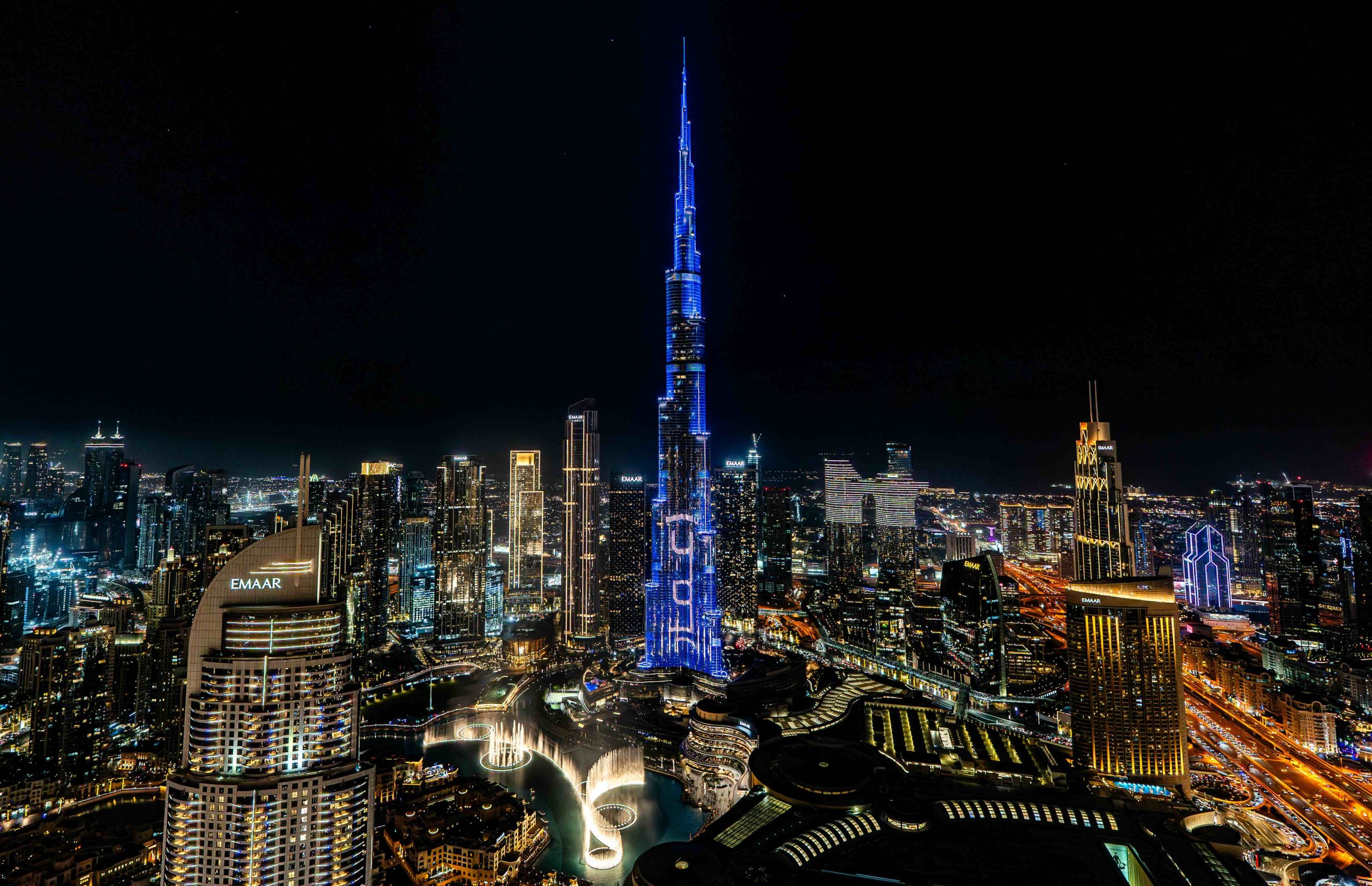
Emaar Properties PJSC delivered a strong start to the year 2026, supported by sustained demand across its core segments, disciplined execution, and the Group’s diversified business model. Sustained sales activity, a stable base of recurring revenues, and robust operational performance contributed to overall financial strength and earnings visibility.
Emaar’s Q1 2026 results demonstrate the quality of its earnings profile, with growth delivered across both development and recurring-income businesses. Revenue increased by 23%, while EBITDA grew faster at 34%, reflecting operating leverage, portfolio quality, and sustained cost discipline. The quarter benefited from robust performance in the UAE development business, healthy occupancy across our malls and commercial assets, and continued contribution from our international portfolio. The Company remains focused on disciplined capital allocation, operational excellence, and converting its backlog into profitable growth.
Key Highlights with Strategic and Operational Milestones:
- Sales Growth: Property sales reached approximately AED 22.4 billion (US$ 6.1 billion) in Q1 2026, marking an increase of 16% compared to the same period last year, driven by continued demand across established communities and new project launches in the UAE.
- Backlog Growth: As of 31 March 2026, revenue backlog stood at approximately AED 163.4 billion (US$ 44.5 billion), reflecting an increase of 29% year-on-year and providing strong revenue visibility for the coming years.
- Revenue Growth: Total revenue for the period reached AED 12.4 billion (US$ 3.4 billion), representing growth of 23% compared to Q1 2025, supported by contributions from both UAE and international operations.
- Profitability: EBITDA reached AED 7.2 billion (US$ 2 billion), increasing by 34% year-on-year, supported by operational efficiencies and stable margins across all business lines. Net profit before tax also reached AED 7.2 billion (US$ 2 billion), marking a growth of 33% compared to the same period last year.
- Dividend Paid: Emaar recently declared and distributed a dividend equivalent to 100% of its share capital to shareholders, amounting to AED 8.9 billion (US$ 2.4 billion), marking the second consecutive year of such a payout.
- Strategically Positioned Land Bank: Emaar benefits from a substantial and diversified master-planned land bank, encompassing ~600 million sq. ft. of mixed-use development opportunities, of which ~317 million sq. ft. of land bank is in the UAE. This land reserve is strategically positioned to support the Group’s ongoing expansion and long-term value creation for its shareholders.
- Customer and Community Focus: Emaar continued to prioritise customer experience through quality delivery, innovative developments, and vibrant community offerings, including proactive preparedness and adequate measures during adverse weather conditions, ensuring safety, minimising disruption, and reinforcing community trust across its destinations.
- Talent Development: In addition to investing in talent and capability building, including leadership development and Emirati talent programmes, the Company supported employee well-being through initiatives focused on resilience and mental health during times of uncertainty.
- Operational Efficiency: The Group maintained a disciplined approach to cost management while enhancing operational effectiveness across its business lines.
- Sustainability: Emaar continued to advance its ESG agenda, focusing on responsible development practices and long-term environmental impact reduction. This included progress on its Net Zero 2050 Strategy and expansion of renewable energy initiatives.
Mohamed Alabbar, founder of Emaar, said: “Our performance in the first quarter of 2026 reflects the strength and resilience of the UAE economy, which continues to provide a stable foundation despite broader regional volatility. Recent geopolitical developments in the region have reinforced the importance of operating in markets defined by safety, institutional continuity, and long-term vision. The UAE’s stability is the result of decades of wise leadership, sustained investment in world-class infrastructure, and a clear, business-friendly policy environment. The sustained trust of our customers and investors enables us to maintain momentum, and we remain focused on delivering high-quality developments, operational discipline, and long-term value through a diversified and resilient business model.”
UAE Build-To-Sell Property Development
Emaar’s UAE build-to-sell property development business, led by Emaar Development PJSC (DFM: EMAARDEV), maintained strong momentum during the quarter, supported by healthy underlying demand, new launches, consistent project execution and a diversified portfolio of master-planned communities.
- Property sales reached AED 20.1 billion (US$ 5.5 billion), up 22% year-on-year
- Emaar Development PJSC (DFM: EMAARDEV) reported revenue of AED 6.9 billion (US$ 1.9 billion), up 36% and net profit before tax increased to AED 4.0 billion (US$ 1.1 billion), up 46%
- Including other UAE-based development operations such as Dubai Creek Harbour, revenue from UAE property development reached AED 8.9 billion (US$ 2.4 billion)
- Revenue backlog of UAE development projects stood at AED 143.3 billion (US$ 39 billion) as of 31 March 2026
During the quarter, the Group launched 10 new projects across key communities, including The Heights Country Club & Wellness, a nature-led master-planned development centered on wellness, green living, and integrated lifestyle experiences, further expanding its portfolio and strengthening its market position.
International Development
Emaar’s international development business continued to contribute to Group diversification and growth, with solid performance led by Egypt.
- Property sales: AED 2.3 billion (US$ 0.6 billion)
- Revenue from international operations: AED 0.7 billion (US$ 0.18 billion), up 5% year-on-year
- International development represented around 5.3% of total Group revenue in Q1 2026
Shopping Malls, Retail, and Commercial Leasing
Emaar’s malls, retail, and commercial leasing portfolio delivered another quarter of resilient growth, underpinned by high occupancy, strong asset quality, and improved lease rental performance on renewals.
- Revenue: AED 1.8 billion (US$ 0.5 billion), up 15% year-on-year
- EBITDA: AED 1.5 billion (US$ 0.4 billion), up 16%
- Average occupancy: 98% across the portfolio as of 31 March 2026
The portfolio continued to benefit from the strength of Emaar’s flagship destinations and differentiated customer offering.
Hospitality, Leisure, and Entertainment
Emaar’s hospitality, leisure, and entertainment portfolio delivered a stable performance during Q1 2026, supported by steady guest activity, although performance in March was affected by the ongoing regional situation.
- Revenue: AED 1.0 billion (US$ 0.3 billion), broadly in line with Q1 2025
- Average UAE hotel occupancy: 69% in Q1 2026
Recurring Revenue
Emaar’s recurring revenue portfolio remained a key source of earnings resilience and cash flow visibility, supported by its diversified base of malls, hospitality, leisure, entertainment, and commercial leasing assets.
- Recurring revenue: AED 2.8 billion (US$ 0.8 billion), up 7% year-on-year
- Recurring revenue EBITDA: AED 2.2 billion (US$ 0.6 billion), up 7%
- The portfolio contributed approximately 30% of total EBITDA in Q1 2026
While macroeconomic and geopolitical conditions remain dynamic, Emaar is well-positioned for continued growth, supported by strong market fundamentals, a high-quality development pipeline with a record revenue backlog of AED 163.4 billion (US$ 44.5 billion), and a resilient recurring income stream. The Group will continue to monitor market conditions closely and remain committed to disciplined execution, prudent capital allocation, and long-term value creation.
Two coming 2027 models – the first of the “Neue Klasse” cars coming to the U.S. early next year – have been revealed.
Jamal Living is expanding its footprint in Dubai with a new residential development in Al Barsha, reinforcing a strategy built on disciplined execution and consistent delivery. With a 98% on-time track record and over 1,200 units delivered, the boutique developer continues to prioritize build quality and on-site performance, as seen in the steady progress of Solen Residence.
2 min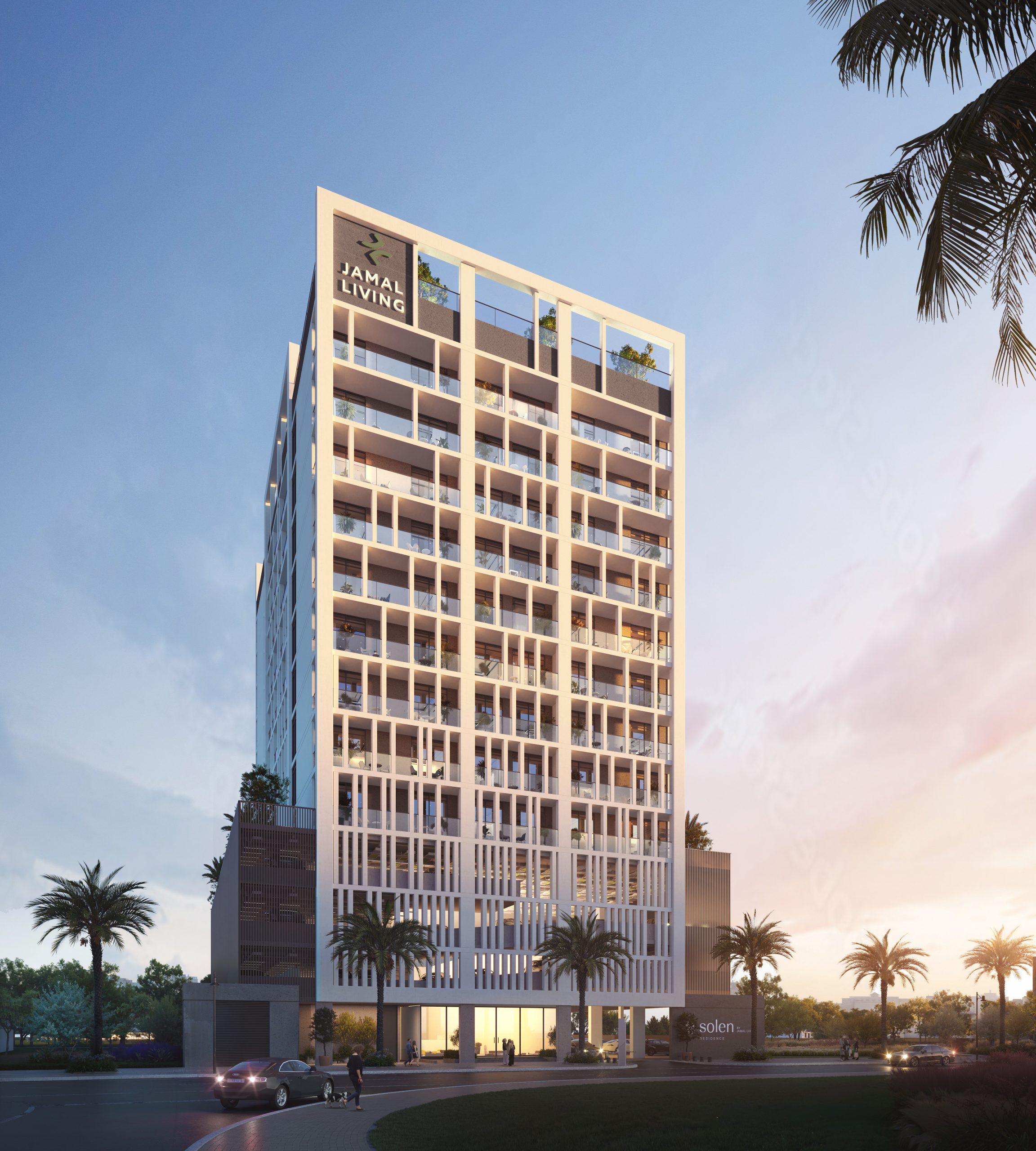
Jamal Living has announced plans for a new residential development in Al Barsha, marking its latest step in a growth strategy defined by on-time delivery and a focus on build quality.
With more than 30 years of experience across the UAE, Jordan, and Qatar, Jamal Living has delivered over 1,200 residential units, with over 20 projects completed or ongoing, maintaining a consistent 98% track record of on-time delivery. As a boutique developer, the company prioritizes quality over scale, maintaining close oversight across every stage of the development lifecycle.
The upcoming launch follows sustained progress at Solen Residence, where construction continues to advance in line with planned timelines. The project reflects the developer’s focus on execution, on-site performance, and consistency.
Solen Residence has now reached 10% completion, with construction progressing in line with its original delivery timeline.
At a time when segments of the market experienced delays, Solen Residence continued progressing without interruption, quietly reinforcing Jamal Living’s reliability where it matters most: on site. Exclusively presented by betterhomes, the project stands as a clear example of a developer that follows through, even in changing conditions.
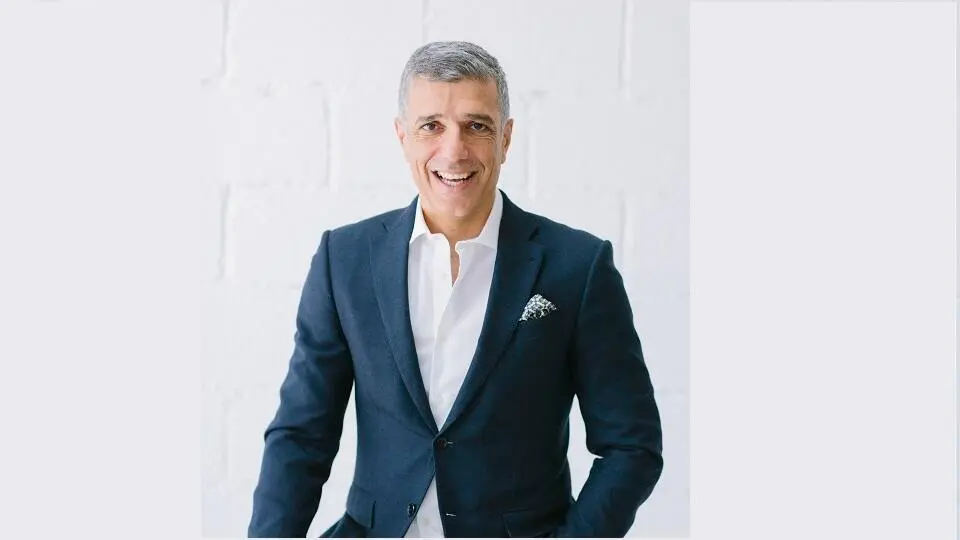
“There will always be shifts in any market,” said Mohammad Yasin, Chairman at Jamal Living. “Our approach has been built around long-term planning and disciplined execution, ensuring we can move with clarity and maintain momentum regardless of external conditions.”
Jamal Living’s developments are shaped by a long-term perspective, with a focus on liveability, material quality, and considered design. Each project is approached with a clear sense of intent, balancing detail, durability, and overall value.
The new Al Barsha development is expected to reflect these principles, introducing a thoughtfully positioned residential offering within one of Dubai’s established communities. Further details will be announced in the coming weeks.
As Dubai’s real estate market continues to evolve, Jamal Living’s latest announcement signals steady, forward-looking activity from developers focused on consistency and disciplined growth.
Many of the most-important events have slipped from our collective memories. But their impacts live on.