






Abu Dhabi Expects More Rapid Growth for Its Financial Center
Abu Dhabi is seeing a surge in financial firms, leveraging its vast oil reserves and wealth funds to diversify its economy. The number of firms in Abu Dhabi Global Markets increased by 32% last year, and the city has become a major investment hub for crypto and artificial intelligence firms.
 2 min
2 min
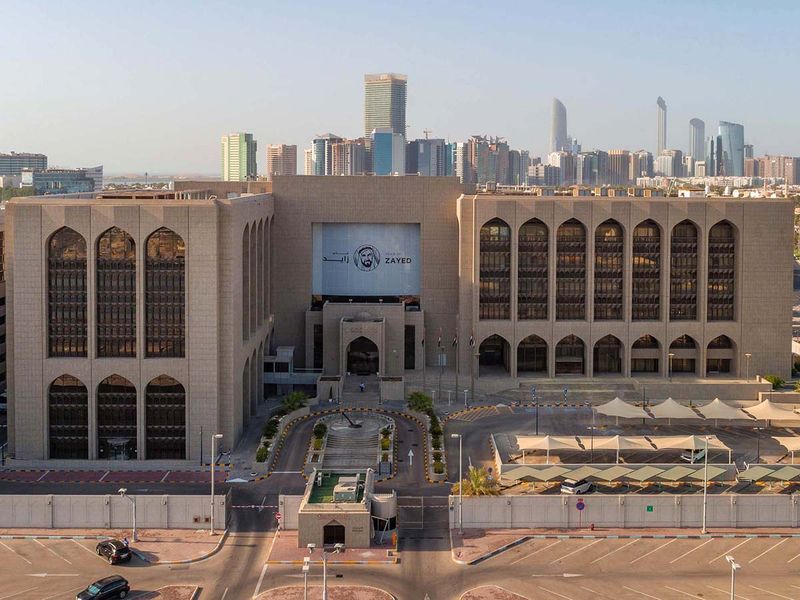
The rush of financial firms setting up in Abu Dhabi to tap the oil-rich emirate’s wealth funds and Middle East markets will continue at pace, the official in charge of expanding its financial hub has predicted.
Abu Dhabi, which holds 90% of UAE’s oil reserves, has accelerated efforts to diversify its economy, leaning on its vast sovereign funds that together manage almost $2 trillion of capital.
Abu Dhabi Global Markets still lags Dubai, but the number of firms registered in the center rose by 32% last year, and the amount of assets managed by firms there grew 245%, as the likes of BlackRock, Morgan Stanley, AXA, PGIM and hedge fund Marshall Wace all set up or registered funds there.
Harrison Street, a U.S. firm focused on alternative real estate assets with about $56 billion in assets under management, said it was opening an office in Abu Dhabi.
The center reported last week that new operating licenses increased 67% in the first quarter of this year taking the total number of firms there past 2,380.
“We still have very strong growth,” ADGM’s Chief Market Development Officer, Arvind Ramamurthy said, noting that the pipeline of new firms looked strong for the rest of the year, but refrained from giving a forecast for assets growth.
“Will it be 245% again this year? I wish. Let’s see,” he said in an interview late on Monday.
Firms from Japan, India and China are also setting up in growing numbers – asset managers and financial institutions but also crypto and artificial intelligence firms, Ramamurthy said.
With cryptocurrency regulations in place since 2018, Abu Dhabi has become a major center for such investment, with sector heavyweights such as Circle and Coinbase represented there, while Abu Dhabi-backed investment group MGX has recently invested $2 billion worth of crypto tokens – issued by U.S. President Donald Trump’s World Liberty Financial venture – in the world’s biggest crypto exchange, Binance.

Prices at such a level could trigger a recession or consumer changes that crush demand.

Brent climbed above $115/bbl as attacks on regional energy infrastructure raised fears of prolonged supply disruptions.

The Bank of Japan kept its policy rate at 0.75% amid geopolitical tensions and rising energy prices, signaling a cautious, wait-and-see approach. With inflation risks building and global uncertainty persisting, markets are now pricing in a potential rate hike in the coming months.
Ninja moves forward with IPO plans despite market volatility, targeting Tadawul listing by 2027.
< 1 min
Saudi Arabian startup Ninja is going ahead with plans to launch an initial public offering (IPO) and list on the Saudi Exchange (Tadawul) despite volatility in the capital markets caused by the Middle East conflict.
Founded in 2022, the quick-commerce firm’s representatives have held meetings with investors recently and participated in a banking conference in the United Kingdom this month, according to Bloomberg.
Ninja is weighing which investment banks to commission for the IPO, with the selection process now in the final stages, the news agency said, quoting sources familiar with the matter.
The listing is slated for later this year or early 2027.
The private startup has been heavily supported by investors in the kingdom, including institutional and semi-government entities.
Since its launch, the firm has scaled up rapidly, expanding into Bahrain, Kuwait and Qatar, and has reached unicorn status with a valuation of more than $1 billion.
The sports-car maker delivered 279,449 cars last year, down from 310,718 in 2024.

Parts for iPhones to cost more owing to surging demand from AI companies.


Egypt accelerates debt repayments to international oil companies, aiming to boost investment and revive domestic energy production amid rising import costs.
< 1 min
Egypt will settle $1.3 billion in arrears to international oil companies by June, the petroleum ministry said on Saturday, accelerating its previous timetable for repayments.
Egypt had accumulated about $6.1 billion in arrears to foreign oil companies by June 30, 2024 due to a prolonged foreign currency shortage that delayed payments and weighed on investment and gas output. The shortage has since eased, though some companies have said that arrears have been once again accumulating.
Under its prior timetable, announced in January this year, the government had expected to still have arrears of some $1.2 billion by June.
Clearing debt may encourage foreign oil and gas companies to resume drilling, which would boost local production that has been steadily falling since peaking in 2021.
More local production would help the North African nation to reduce its energy imports.
Egypt’s energy imports bill has more than doubled since the outbreak of the U.S.-Israeli war with Iran and the government is considering asking employees to work remotely and closing shops by 9 p.m. (1900 GMT) five days a week to cut energy consumption.
According to a recent note by the Institute of International Finance, the additional cost of oil could lead to an increase in expenditure of between 0.2% and 0.55% of the country’s GDP at a time when its economy is barely recovering from successive shocks.
Many of the most-important events have slipped from our collective memories. But their impacts live on.

New research suggests that bonuses make employees feel more like a mere cog in a wheel.



Egypt introduces sweeping real estate tax reforms to ease pressure on households, including raising the exemption threshold to EGP 8 million, capping penalties, and offering new incentives for timely payment and dispute resolution.
< 1 min
Egypt’s Minister of Finance, Ahmed Kouchouk, has announced a package of unprecedented incentives and facilitative measures aimed at easing the burden of real estate taxes on citizens, as part of broader efforts to support household finances amid ongoing economic pressures.
In a statement issued on Friday, the minister revealed that the tax exemption threshold for primary residential properties has been raised to EGP 8 million, a move expected to significantly reduce the number of taxable homeowners. He also emphasized that late payment penalties will not exceed the original tax amount, providing further relief to taxpayers.
Kouchouk noted that no real estate tax will be imposed on properties that are demolished or rendered unusable due to exceptional circumstances. Additionally, for the first time, taxpayers will be allowed to request full waivers of both tax liabilities and associated penalties in cases deemed necessary.
The reforms also include provisions for refunding any excess payments made beyond legally due amounts, while penalties will be waived for individuals who settle their dues either before or within six months of the new amendments coming into effect.
In a notable step, all unresolved appeals currently under review will be dismissed, while taxpayers will be allowed to settle ongoing disputes by paying 70% of the contested tax amount, enabling faster resolution of cases.
To encourage compliance, the government is introducing tax incentives, including a 25% discount for timely filing on residential units and 10% for non-residential properties. An additional 5% discount will be granted for early payments.
The reforms also allow taxpayers to submit a single unified tax return for multiple properties and facilitate electronic payments and filings, signaling a shift toward a more efficient and taxpayer-friendly system.

Paine Schwartz joins BERO as a new investor as the year-old company seeks to triple sales.
Two coming 2027 models – the first of the “Neue Klasse” cars coming to the U.S. early next year – have been revealed.
Prices at such a level could trigger a recession or consumer changes that crush demand.
4 min
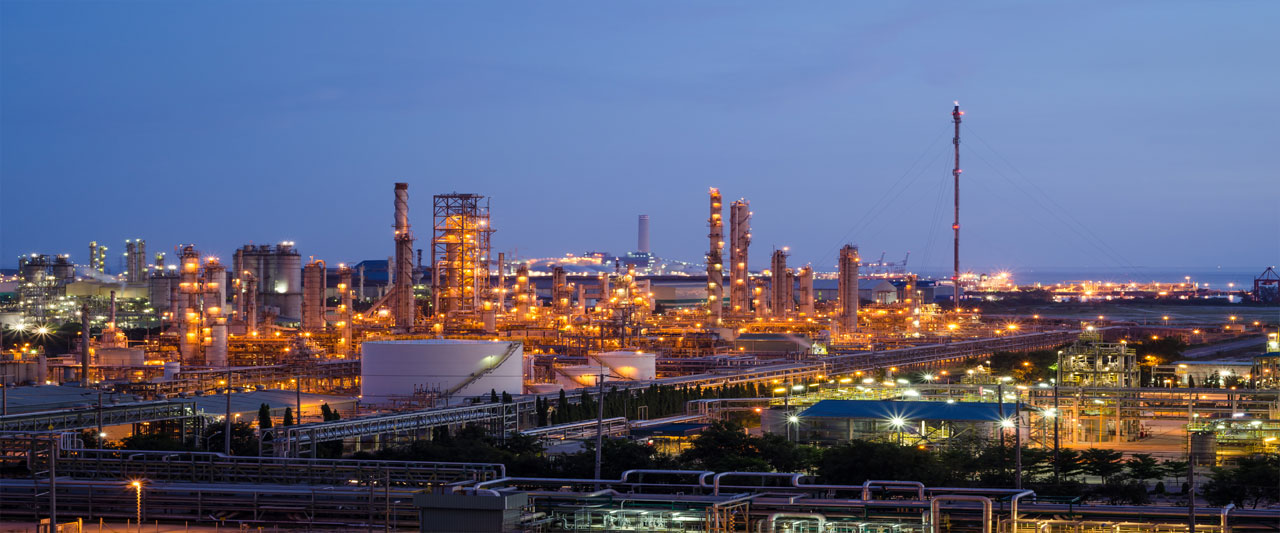
Saudi Arabia’s oil officials are working frantically to project how high oil prices might go if the Iran war and its disruption of energy supplies doesn’t end soon—and they don’t like what they are seeing.
The base case, several oil officials in the Gulf’s biggest producer said, is that prices could soar past $180 a barrel if the disruptions persist until late April.
While that would sound like a bonanza for a kingdom still heavily leveraged to oil revenue, it is deeply concerning. Prices that high could push consumers into habits that slash their oil use—potentially for the long term—or trigger a recession that also hurts demand. They also would risk casting Saudi Arabia in the role of profiteer in a war it didn’t start.
“Saudi Arabia generally does not like too-rapid increases in oil, because that then creates long-term market instability,” said Umer Karim, an analyst of Saudi foreign policy and geopolitics with the King Faisal Center for Research and Islamic Studies. “For Saudis, the ideal equation is a relatively modest increase in prices while their market share remains stable.”
Saudi Aramco, the country’s national oil company, which handles production, sales and pricing, declined to comment.
This week’s strikes targeting energy facilities have pushed oil prices higher . In retaliation for an Israeli strike Wednesday on Iran’s South Pars gas field , Tehran hit facilities in Qatar’s Ras Laffan energy hub and attacked other Gulf infrastructure including Saudi facilities at Yanbu, the Red Sea end of a pipeline that can take crude around the chokepoint in the Strait of Hormuz .
Iran also continued to hit ships in the Gulf, extending a string of attacks that have all but shut the strait, the narrow conduit for 20% of the world’s oil shipments.
Attacks sent benchmark Brent futures as high as $119 a barrel before easing back Thursday. The contract’s all-time high, reached in July 2008, was $146.08.
“$200 a barrel is not outside the realms of possibility in 2026,” analysts at energy consulting firm Wood Mackenzie said.
Gulf futures tied to Oman crude, which are less liquid but which quickly reflect local supply disruptions, shot past $166 a barrel. Oman is a benchmark for much of the oil sold by Middle East producers such as Saudi Arabia, with tankers of physical crude priced at a fixed spread to the benchmark, which floats up and down each day with the market.
Some Saudi customers are balking at using the benchmark given its volatility, the oil officials said. Aramco, however, is insisting it is a true reflection of supply in the market, they said.
The war has already removed millions of barrels of oil from global supply. Prices are up by around 50% since the conflict began Feb. 28.
Modellers at Saudi Aramco need to assess the direction of the market in time to release the official selling prices for their crude by April 2. They pull in a number of inputs, including soundings on customer demand from staff who handle oil sales.
Saudi Arabian light crude is already being sold to Asian buyers via its Red Sea port for around $125 a barrel. As extra oil in storage—some of which was shipped out of the Gulf ahead of the war—is used up, physical shortages will bite more deeply next week, causing prices to close in on $138 to $140, the officials said.
By the second week of April, with no easing of the supply disruptions and the Strait of Hormuz remaining closed, the Saudi officials said they expected prices could hit $150 before stepping up to $165 and $180 in the weeks ahead.
Oil traders are also putting bets on much higher prices, though many remain far lower than Aramco’s most dire scenario. Wagers that Brent futures will hit $130, $140 or $150 a barrel next month were among the most popular positions in the options market on Wednesday, according to Intercontinental Exchange data. A smaller but growing number of traders are betting prices could shoot up even further.
“The market isn’t acting like this is an end-of-March thing any more,” said Rebecca Babin, a senior energy trader for CIBC Private Wealth, referring to an ending for the war. “I don’t think $150 is out of the question in another month…You start talking about June, I’ll give you $180.”
Many variables could keep prices from going that high, among them an end to the fighting or freed-up barrels from sanctioned producers such as Russia contributing to global supply. Demand could also fall, which would bring prices back down but potentially only in tandem with a recession.
Energy producers are scrambling to figure out how high prices can go before buyers start cutting back, a phenomenon called demand destruction.
“Generally, $150 Brent is where people will really start to put their pencils down and do the math,” Babin said.
At that price, analysts say, Americans might start taking the bus, working from home or rethinking their summer vacations. Manufacturers could slow down rather than operate uneconomically.
The more relevant price for most consumers is at the pump. Gasoline demand tends to start declining once prices exceed $3.50 a gallon, according to James West of Melius Research.
For many, prices are already there. Americans’ average retail prices for gasoline jumped to $3.88 a gallon Thursday, according to AAA, up from $2.93 a month ago. Drivers in Arizona, New Mexico and Colorado have faced the starkest sticker shock.
Diesel’s even more rapid price surge, to $5.10 a gallon, is already hitting companies that rely on the fuel to move everything from produce to semiconductors to steel nationwide.
“Higher fuel costs act like a tax on consumers and businesses, forcing households to spend more on energy and less elsewhere,” said Philip Blancato, chief executive at Ladenburg Asset Management.
Another big risk to demand comes from industrial users curtailing consumption and from the broad economic contraction that can accompany oil shocks, according to Wood Mackenzie.
That pullback in demand would likely initially hit energy-poor countries in Asia and Europe, where prices for jet fuel, diesel and more already are skyrocketing.
An adviser working with Saudi Aramco said the company is weighing a scenario in which the rapidly rising cost of oil imports in Europe, Japan and Korea puts downward pressure on their currencies, raising their effective cost of energy, driving inflation and interest rates up, and eventually slowing their economies and demand.
Analysts warn that a continued run-up in U.S. prices could eventually hit the U.S. , the world’s largest oil producer.
Federal Reserve Chair Jerome Powell said Wednesday that persistently higher energy costs would buoy price pressures and ding growth.
While the U.S. has become a major energy exporter in recent years, Powell said, “The net of the oil shock will still be some downward pressure on spending and employment and upward pressure on inflation.”
The sports-car maker delivered 279,449 cars last year, down from 310,718 in 2024.
Chris Dixon, a partner who led the charge, says he has a ‘very long-term horizon’


Brent climbed above $115/bbl as attacks on regional energy infrastructure raised fears of prolonged supply disruptions.
2 minOil prices jumped on Thursday, with benchmark Brent rising to its highest in more than a week to more than $115 a barrel, after Iran attacked energy facilities across the Middle East following Israel’s strike on its South Pars gas field, a major escalation in the war.
Brent futures were up $6.08, or 5.7%, at $113.46 a barrel by 0814 GMT, after climbing almost $8 to the highest since March 9 to a session high of $115.10.
U.S. West Texas Intermediate crude rose 57 cents, or 0.6%, to $96.89 a barrel, after earlier gaining almost $4 to trade at $100.02.
WTI has been trading at its widest discount to Brent in 11 years due to releases from U.S. strategic reserves and higher freight costs, while renewed attacks on Middle Eastern energy facilities boosted support for Brent.
“Escalation in the Middle East, precise attacks on oil infrastructure, and the death of Iranian leadership all point to a prolonged disruption in oil supplies,” Phillip Nova analyst Priyanka Sachdeva said in a note.
“Adding fuel to the fire, the Federal Reserve served ‘steady rates’ with a hawkish narrative, pointing to the economic concerns that follow a war.”
U.S. Fed Holds Steady
The U.S. central bank held interest rates steady on Wednesday, projecting higher inflation as policymakers take stock of the impact of the U.S.-Israel war with Iran. On Wednesday, QatarEnergy said Iranian missile attacks on Ras Laffan, the site of Qatar’s core LNG processing operations, caused “extensive damage” to its energy hub. Saudi Arabia said it intercepted and destroyed four ballistic missiles launched on Wednesday toward Riyadh and an attempted drone attack on a gas facility. Saudi Aramco’s SAMREF refinery in the Red Sea port of Yanbu was also targeted in an aerial attack on Thursday. Kuwait Petroleum Corporation said an operational unit at its Mina al-Ahmadi refinery was hit by a drone, igniting a limited fire.
Iran issued evacuation warnings before its attacks for several oil facilities across Saudi Arabia, the UAE and Qatar, as it prepared to retaliate for strikes on its own energy infrastructure in South Pars and Asaluyeh.
South Pars is the Iranian sector of the world’s largest natural gas deposit, which Iran shares with U.S. ally Qatar on the other side of the Gulf. Israel carried out the South Pars gas field attack, but the United States and Qatar were not involved, President Donald Trump said late on Wednesday.
He added that Israel would not further attack Iranian facilities in South Pars unless Iran attacked Qatar, and warned that the United States would respond if Iran acted against Doha. Earlier, Reuters reported that Trump’s administration is considering deploying thousands of U.S. troops to reinforce its operation in the Middle East, in preparation for the next steps of its campaign against Iran.
New research suggests that bonuses make employees feel more like a mere cog in a wheel.

Americans now think they need at least $1.25 million for retirement, a 20% increase from a year ago, according to a survey by Northwestern Mutual


The Bank of Japan kept its policy rate at 0.75% amid geopolitical tensions and rising energy prices, signaling a cautious, wait-and-see approach. With inflation risks building and global uncertainty persisting, markets are now pricing in a potential rate hike in the coming months.
2 minThe Bank of Japan kept policy settings steady on Thursday against an uncertain backdrop of conflict in the Middle East and volatile energy markets.
The central bank maintained its policy rate at 0.75%, extending a pause stretching back to its last hike in December.
The decision underscores Japanese policymakers’ wait-and-see approach as they balance a fragile domestic recovery against significant geopolitical risks.
It’s a dilemma facing many central banks: Surging oil prices threaten economic growth and corporate earnings, backing the case for looser policy, while also posing inflationary risks, which argue for keeping the reins tight.
How monetary-policy makers react depends on domestic priorities, and on how long they think the conflict will last.
The BOJ’s decision comes on the heels of the Federal Reserve’s move to hold rates steady. Earlier this week, Australia’s central bank opted to hike rates as energy prices threaten to fan inflation, while Indonesian authorities delivered a hawkish hold that emphasized currency and inflation stability.
The BOJ said Thursday that it will pay close attention to the economic impact of the Middle East conflict and rising oil prices, including the possibility that higher energy costs may accelerate underlying inflation in Japan.
Despite standing pat, the BOJ reaffirmed its long-standing stance that if economic activity and prices align with its projections, further tightening is on the table. Some want the next hike to come sooner rather than later.
Board member Hajime Takata again proposed a hike to 1%, saying the bank has more or less achieved its inflation target. Again, he was defeated by a majority vote. Another hawkish member, Naoki Tamura, voted for a hold but dissented from the BOJ’s price outlook, saying he believes underlying inflation will reach the target at the start of the next fiscal year in April, earlier than the bank’s baseline scenario.
Inflationary pressures in Japan could heighten as flight-to-safety demand for the dollar pushes the yen toward 160, the threshold that puts traders on guard for government intervention.
The yen briefly weakened to 159.70 against the dollar following the rate decision, while the benchmark 10-year Japanese government bond yield rose 4.5 basis points to 2.26% in a reflection of inflationary fears.
If oil prices force global central banks like the Fed and the European Central Bank to shift toward additional tightening, the yen could depreciate further.
Many analysts expect the BOJ to lift rates in the coming months, if Japan’s annual wage negotiations—preliminary results of which are due next week—are as solid as expected.
Policymakers will have a more comprehensive dataset in April, including the Tankan corporate sentiment survey and insights from BOJ regional branch managers. The overnight index swaps market indicates that investors are pricing in an about 60% chance of a rate hike in April.
Capital Economics economist Marcel Thieliant is in that camp, noting that the central bank sounds more concerned about price risks from oil costs than the possibility that they will dampen growth.
Mizuho Securities economist Yusuke Matsuo is slightly more cautious, forecasting that the BOJ will wait until June or July, partly reflecting Prime Minister Sanae Takaichi’s preference for looser monetary policy.
Parts for iPhones to cost more owing to surging demand from AI companies.

Interior designer Thomas Hamel on where it goes wrong in so many homes.



Despite global tensions and market pressure, bitcoin remains stable between US$65K–US$76K, outperforming gold and equities. Rising institutional demand and tightening supply continue to support the asset.
2 min
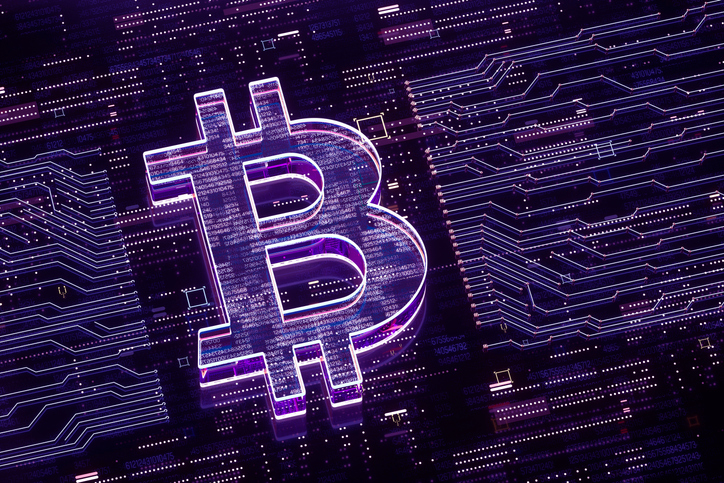
Bitcoin has demonstrated notable resilience amid ongoing geopolitical tensions in the Middle East, holding up better than many market participants anticipated, according to Josh Gilbert, Market Analyst at eToro.
Despite remaining approximately 45% below its October all-time highs, bitcoin has consolidated within a US$65,000 to US$76,000 range. This stability comes despite a backdrop of surging oil prices, a stronger US dollar, and heightened global uncertainty—factors that would historically have exerted significant downward pressure on risk assets.
“Bitcoin’s ability to hold its ground in the current environment signals a clear evolution in the asset’s maturity,” said Gilbert. “Rather than experiencing sharp sell-offs, we’re seeing consolidation, which reflects stronger structural support and more diverse demand drivers.”
Interestingly, bitcoin has outperformed traditional safe-haven and equity assets during this period, including gold, the S&P 500, and the Nasdaq. While gold initially rallied on safe-haven demand at the onset of the conflict, it has since pulled back amid a strengthening dollar and rising bond yields.
“Gold has had an exceptional run this year, while bitcoin entered this period already significantly retraced. This dynamic helps explain why bitcoin has shown relative strength, while gold has given back some gains,” Gilbert added.
The current market environment also highlights the growing institutionalisation of bitcoin. Compared to previous downturns—such as in 2022, when bitcoin fell between 60% and 70%—today’s market is underpinned by stronger fundamentals, including the presence of spot ETFs, corporate treasury allocations, and sovereign wealth fund participation.
Recent data underscores this shift. Spot bitcoin ETFs recorded inflows of US$763 million last week, while Strategy continued its accumulation with a US$1.28 billion purchase. Additionally, more than 20 million bitcoin have now been mined, meaning over 95% of the total supply is already in circulation, further tightening supply dynamics.
“We are seeing a unique convergence where supply is becoming increasingly constrained while institutional demand continues to build,” said Gilbert. “This creates a structurally supportive backdrop for bitcoin over the medium to long term.”
Looking ahead, macroeconomic policy—particularly from the US Federal Reserve—will play a critical role in shaping bitcoin’s trajectory.
“If the Fed signals that oil-driven inflation will keep interest rates higher for longer, risk assets, including crypto, could remain under pressure,” Gilbert explained. “However, if there is room for rate cuts later in the year, the combination of tightening supply and renewed institutional demand could see bitcoin retest its highs.”
While near-term uncertainty remains, bitcoin’s current performance suggests a more mature and resilient asset class, positioning it differently from previous market cycles.
New research suggests that bonuses make employees feel more like a mere cog in a wheel.
Following the devastation of recent flooding, experts are urging government intervention to drive the cessation of building in areas at risk.



Egypt plans $11bn in petrochemical projects by 2030 to boost local production, cut imports, and expand exports.
2 min
Egypt is planning to invest nearly $11 billion in 10 petrochemical projects during 2026–2030 with a combined production capacity of 7.5 million tons per annum (mtpa), as part of a strategy to localize manufacturing, reduce imports and expand exports, according to the state-owned Egyptian Petrochemicals Holding Company (ECHEM).
The projects form part of the company’s five-year plan aimed at producing more than 20 petrochemical and derivative products for domestic use and export markets, ECHEM Chairman Alaa El-Din Abdel Fattah said during the company’s general assembly meeting in Cairo, which was chaired by Petroleum and Mineral Resources Minister Karim Badawi.
According to a statement published by the petroleum ministry, Abdel Fattah said the plan focuses on products with high import costs, in coordination with the Ministry of Industry, with the aim of reducing Egypt’s import bill and increasing local value-added production.
Focus on import substitution and industrial integration
Abdel Fattah said ECHEM is working to strengthen integration with the industrial sector by identifying products whose manufacturing depends heavily on petrochemical inputs, allowing the country to localize production and reduce reliance on imports.
The five-year plan was presented during the meeting held to approve the company’s budget plan for fiscal year 2026/2027.
Major petrochemical and derivatives projects
Projects underway include a range of petrochemical and downstream facilities across several governorates, including:
·A soda ash and silicon derivatives plant in New Alamein City
·A methanol derivatives project in Damietta
·A feedstock supply chain project in Alexandria to provide ethane and gas derivatives for future petrochemical projects
·Production plants for styrene, polyvinyl chloride (PVC) and sustainable aviation fuel (SAF) in Alexandria
·Bioethanol and green ammonia projects in Damietta
Abdel Fattah said securing natural gas feedstock has helped boost production at existing petrochemical plants.
“Securing natural gas supplies has contributed to increasing production at current petrochemical projects to meet local demand and support exports,” he said.
Total production reached about 4.2 million tons in 2025, with exports shipped to more than 50 countries worldwide, he added.
Strategy to expand petrochemicals capacity
The investment program forms part of Egypt’s broader strategy to expand its petrochemical industry, increase industrial self-sufficiency and position the country as a regional production hub for chemicals and derivatives.
In February 2026, a report by local English language newspaper Daily News Egypt, citing official data released by the Export Council for Chemical Industries and Fertilizers, said the country’s exports of chemical products and fertilizers recorded strong growth in 2025, surpassing $9.4 billion, compared to $8.78 billion in 2024, marking an increase of about $650 million and a 7.4 percent year-on-year growth rate.
In October 2025, Suez Canal Authority and Anchorage Investments signed a partnership agreement worth $2 billion to establish a major petrochemical industrial complex in Egypt within the Suez Canal Economic Zone (SCZONE).
The petrochemicals sector accounts for nearly 12 percent of Egypt’s total industrial output.
Two coming 2027 models – the first of the “Neue Klasse” cars coming to the U.S. early next year – have been revealed.


Asian stocks rise on AI rally, while oil holds above $100 amid Middle East tensions and tight supply.
2 min
An AI-led tech rally pushed Asian equities higher Tuesday, but oil held above $100 a barrel as the Middle East conflict keeps supply tight and markets on edge.
The simultaneous gain in prices of crude and Asian stocks is notable, as the two have been mostly moving inversely since the war began due to the region’s heavy exposure to Middle East energy disruptions.
A rebound in U.S. artificial-intelligence stocks overnight and upbeat guidance from AI chip giant Nvidia has spilled over into the Asia session, sending technology-related names higher.
The upbeat mood in tech follows comments from Nvidia’s chief executive, Jensen Huang, on Monday projecting $1 trillion in AI chip sales by the end of 2027 and presenting an array of new products geared toward running AI models more quickly and efficiently.
South Korea’s Kospi rose 2.4% by midday, Japan’s Nikkei Stock Average was 0.4% higher and Hong Kong’s Hang Seng Index gained 1.0%. The Hang Seng Tech Index was up by 1.3%.
Tech hardware drove momentum in Asia, with memory chip makers SK Hynix and Samsung Electronics gained 1.5% and 1.8%, respectively. Taiwan Semiconductor Manufacturing Co. was 1.6% higher in Taipei trade.
Still, it would be premature to read the moves as a switch to risk-on, Saxo Markets’ chief investment strategist, Charu Chanana, said.
Risk sentiment did get a lift overnight on repeated assurances from President Trump that the vital energy shipping route of the Strait of Hormuz would be open soon, but tight supply conditions and immense uncertainty are keeping oil prices high, Maybank analysts said in a note.
Brent, the global benchmark, remains above $100 barrel, and WTI crude was last at $95.99 a barrel.
The Maybank analysts pointed out that only a few ships seem to have passed through the strait successfully. Trump has appealed for help from other nations to secure the waterway, but they appear reluctant to join the fray.
“As long as there is little progress on restoring normal flows through Hormuz, higher oil remains a threat to inflation, margins, and central bank expectations,” said Chanana at Saxo.
A week packed full of central bank decisions kicked off in Australia, where policymakers raised interest rates as they warned about the inflationary and growth risks posed by the conflict.
Focus will be on the Federal Reserve’s policy decision on Wednesday and any hawkish tilt amid concerns about a stagflation. In Asia, rate calls are also due from Bank Indonesia and Taiwan’s central bank.
For energy markets, focus remains on how long the fighting will last, when shipping will return to normal, and what the lasting impact will be on oil infrastructure in the Gulf, said Phillip Nova’s Priyanka Sachdeva in a note.
The precious metals complex was up slightly at midday, with spot gold 0.4% higher at $5,026.60 an ounce and spot silver rising 0.65% to $81.24 an ounce.
Bitcoin was holding above the $74,000 mark, supported by continued institutional inflows.
New research suggests that bonuses make employees feel more like a mere cog in a wheel.



Sentinel enters a new growth phase in Dubai with a second location at DWTC, reflecting a disciplined, long-term expansion strategy built on timing, trust, and value-driven workspace solutions.
4 min
When Sentinel launched in 2007, it was among the earliest local players in Dubai’s flexible workspace industry. Starting out with a single location at the H Hotel Dubai Office Tower and serving mainland companies exclusively, the company’s journey has been marked by periods of expansion and consolidation, influenced by shifting economic cycles and evolving market conditions.
Nearly two decades later, Sentinel is entering a new phase of growth with a second location in Dubai, at the Convention Tower in the Dubai World Trade Centre (DWTC) District, and an expanded service offering for freezone businesses. Two locations in two decades may seem conservative in the context of Dubai’s rapid growth, but Sentinel’s trajectory reflects a disciplined strategy built on a sustainable, long-term expansion rather than speed.
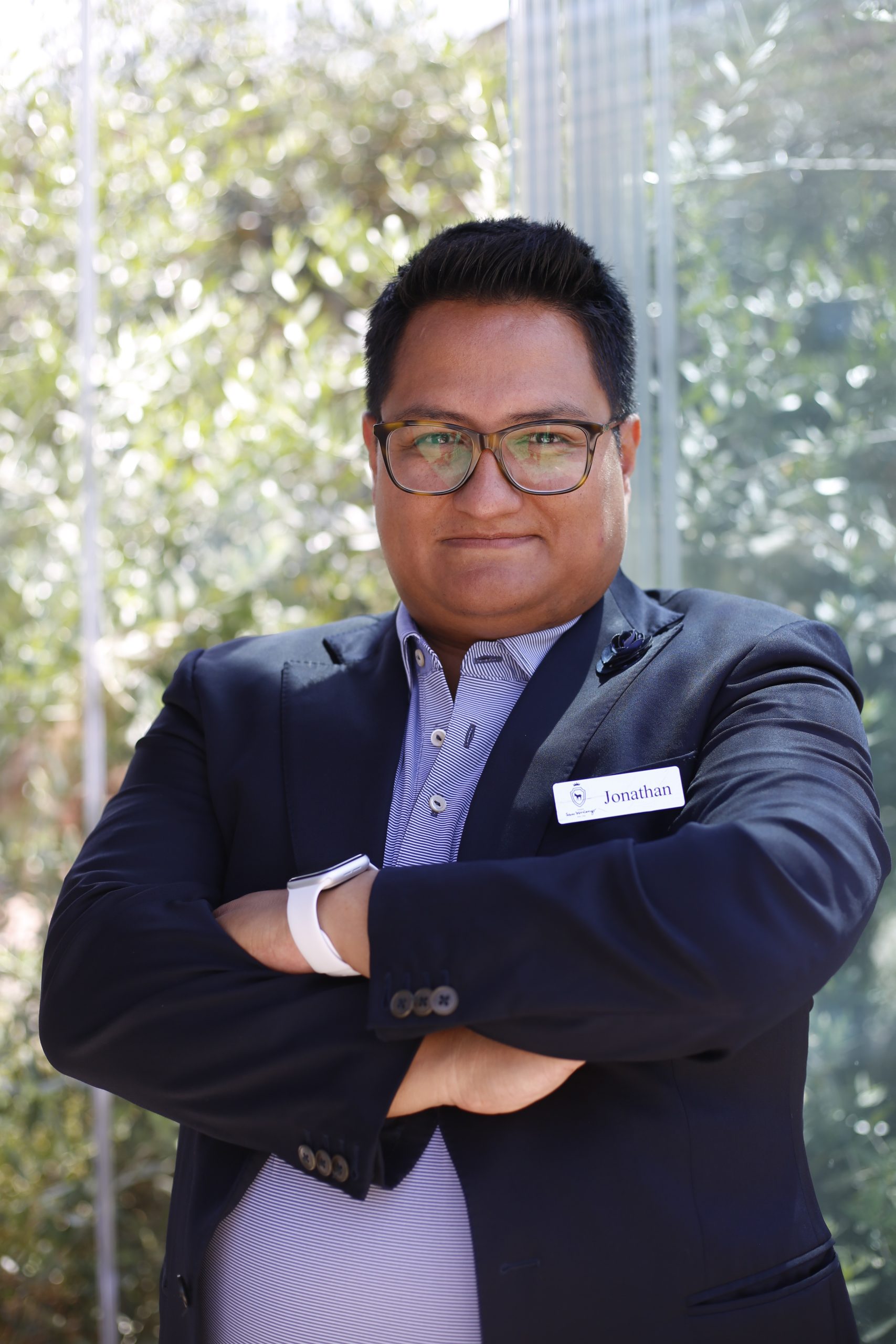
Prajit Arora, CEO of Sentinel, reflects on what it takes to build a resilient business in one of the world’s most dynamic commercial real estate markets.
“One of the biggest lessons we’ve learnt is that timing is very important in this market. Over the years, we’ve tried everything, from expanding into new locations to working with different partners to introducing premium-priced, design-driven workspaces,” he says.
“In some cases, we were too early and ahead of the market. In others, the location or partnership simply didn’t work out. So, we consolidated our operations and focused on building efficiency from a single, well-performing location.”
Another defining factor was Sentinel’s commitment to its original value proposition: serving mainland companies with mainland office space. While many international operators and new entrants expanded aggressively into free zones, Sentinel chose a more focused path.
“That focus naturally limited our expansion opportunities,” Arora acknowledges. “But we built trust and long-standing relationships. We always operated strictly within the law, and compliance was non-negotiable for us.”
Looking back, Arora views the company’s measured pace as essential foundation building for a sustainable business.
“We see our journey as a series of learning experiences that reinforced the importance of choosing the right partners and the right landlords, especially when navigating multi-year market cycles,” he explains.
“We’re not opportunistic, and we’re not here to make a quick buck. We’ve always played a long game, waiting for the right time, the right building and the right landlord relationship. When all those elements finally aligned, and with a new partner joining the company, we saw a clear opportunity to expand again.”
A strategic second location and dual licensing
The expansion of Sentinel to its second location is strategic in both scope and scale. While the H Hotel Dubai Office Tower site serves only mainland companies, the one at Convention Tower accommodates both freezone and mainland businesses.
The new center also creates a natural synergy with the DWTC Free Zone’s target sectors, particularly emerging industries such as virtual assets, with the Convention Tower housing the headquarters of Dubai’s Virtual Assets Regulatory Authority (VARA).
Arora explains that Sentinel’s business model is built around creating office spaces that are pre-approved for a wide range of business activities, ensuring that companies with specific regulatory or licensing requirements can operate without restrictions.
“Positioning ourselves within DWTC and operating within the same ecosystem as VARA is especially strategic because many virtual asset companies opt for offices within the DWTC Free Zone, and our office formats meet their standards,” he adds.
Sentinel’s Convention Tower premises are spread over 60,000 square feet across three levels, a substantial increase from the almost 40,000 square feet it operates at the H Hotel Dubai Office Tower, which is also spread across three levels. Both locations offer flexible workspace solutions for individuals and companies, including virtual offices, co-working spaces, serviced offices and managed offices.
Delivering value and a premium experience
The Sentinel facilities sit in prime locations along Sheikh Zayed Road and compete with high-end providers of office space such as the Dubai International Financial Centre and One Za’abeel.
“Sentinel offers a comparable, and in some cases superior, workspace experience at a significantly more competitive rate,” says Arora. “Our office spaces are priced at a 20-30% discount compared to other nearby locations. Our pricing reflects the value we aim to deliver.”
Arora elaborates on what truly defines value and a premium workspace: service, supported by location, fit-out quality and the overall customer experience. He challenges the commonly held view that premium workspaces are associated solely with a prestigious address.
“Our workspaces offer generous space, abundant natural light, acoustic insulation and a range of amenities and services. Above all, we offer an environment that reflects how tenants want to work and how they want their visitors to be received. A fancy location paired with a poor workspace experience is no longer premium at all,” he says.
He adds that Sentinel has helped shift the perception that serviced offices are a temporary solution, a place where companies start small before moving on to their own space.
“Many clients who arrived with that mindset have stayed and continued to grow with us from the beginning because they realized the value of having everything taken care of. Some have expanded to teams of up to 40 people, a size that would typically transition into conventional office space. To support such growth, Sentinel offers managed and enterprise offices that allow clients to scale with zero capex while retaining access to a full suite of plug-and-play services,” he says.
Looking ahead, the company is scouting for its third location.
“We are currently shortlisting locations and expect to finalize our decision by Q3 of 2026,” he says.
With a proven track record of disciplined growth and established principles of strategic timing, quality delivery and long-term value, there’s no doubt that Sentinel next chapter is already taking shape.
Many of the most-important events have slipped from our collective memories. But their impacts live on.


GCC investment banks say operations are continuing despite the ongoing Iran–Israel–US conflict, with most staff working remotely while monitoring regional developments. However, the escalation has already slowed debt capital market activity, with several deals on hold amid rising geopolitical uncertainty.
3 min
As the war between Iran, Israel and the US continues into its second-almost third week, investment banks in the GCC, which had expanded over the past 24 months amid a flurry of DCM and ECM deals, have signaled that they are maintaining their local operations.
Iran’s Islamic Revolutionary Guard Corps (IRGC) warned that it would target economic centers and banks related to US and Israeli entities in the region, stoking fears that local operations could be affected. Since the onset of the war, most bankers have been working from home but say their operations and business activities are continuing. They are likely to continue working from home until there is more clarity on how the situation in the region develops.
“The vast majority of our people in the UAE have been working remotely, and we have now moved to a fully remote model for all UAE-based colleagues,” Citi, which has centered its regional operations in Dubai. “We are continuing to serve our clients without interruption.”
“The decision to evacuate three of our buildings in the UAE was responsive to information we received and is consistent with our commitment to prioritize the safety of our colleagues. All colleagues are accounted for and are safe,” it added.
HSBC, which has been at the top of LSEG league tables for the last three years, said it has been actively following government guidelines alongside its internal plans to manage working arrangements.
In a statement on the events affecting the GCC countries, CEO Georges Elhedery said: “The region has repeatedly shown its ability to endure periods of disruption, adapt with determination, and emerge stronger. HSBC has been deeply committed to the region for more than 130 years. We remain invested in its future and in the opportunities that lie ahead for its people, businesses and economies.”
Standard Chartered has denied reports that staff have been evacuated from its Dubai offices. “While we continue to monitor developments closely, the UAE and our other Middle East markets remain an important part of our global network, through which we continue to support clients navigating a complex environment.” it said.
The bank implemented a precautionary work-from-home arrangement last week, and this has been extended.
Deutsche Bank, which manages much of its Middle East Investment Bank activity from London and Dubai, said that its operations and business activities in the region are continuing and have not been directly impacted at this time.
“All our local branches and offices continue to operate in line with local authorities’ guidance. As a precaution, colleagues in affected countries will continue to work from home for the time being, and travel to the region is suspended,” it said.
Impact on markets
The year began with the GCC debt capital markets’ most bullish start yet, led by Saudi Arabia. Raising more than $30 billion in January, this performance was widely seen as the region brushing off concerns over geopolitical standoffs.
However, according to Fitch Ratings, GCC debt issuances have fallen “significantly” since the onset of the Iran conflict, with many deals now on hold due to growing economic uncertainties and market volatility. The ratings firm said this development will impact emerging markets (EM) debt issuance trends, as the GCC accounts for nearly 40% of all EM dollar issuances so far in 2026, excluding China.
“GCC debt capital market dynamics going forward will depend largely on the width, length, and depth of the conflict,” Bashar Al Natoor, Managing Director & Global Head of Islamic Finance at Fitch Ratings, explained. “While yields have widened in both bonds and sukuk since the onset of the war, the widening has been more pronounced among non-investment grade issuers, and MENA sukuk have continued to trade tighter than MENA bonds, reflecting sustained and broader demand.”
“Similar periods of yield widening have occurred in previous episodes of heightened geopolitical or Shariah-related uncertainty, but the current yield movements remain below peak levels seen in earlier conflicts. Historical experience shows that market access often resumes once stability returns. The region has already been tested by heightened geopolitical risks over the past two and a half years, and issuers have generally demonstrated resilience in navigating these challenges,” he added.
The GCC region was gearing up for a busy IPO year in 2026 after raising $5.1 billion in proceeds from 40 offerings last year. According to Kamco Invest, 73 offerings are in the pipeline across the GCC this year, with Saudi Arabia and UAE expected to take a lead in the ECM.
New research suggests that bonuses make employees feel more like a mere cog in a wheel.

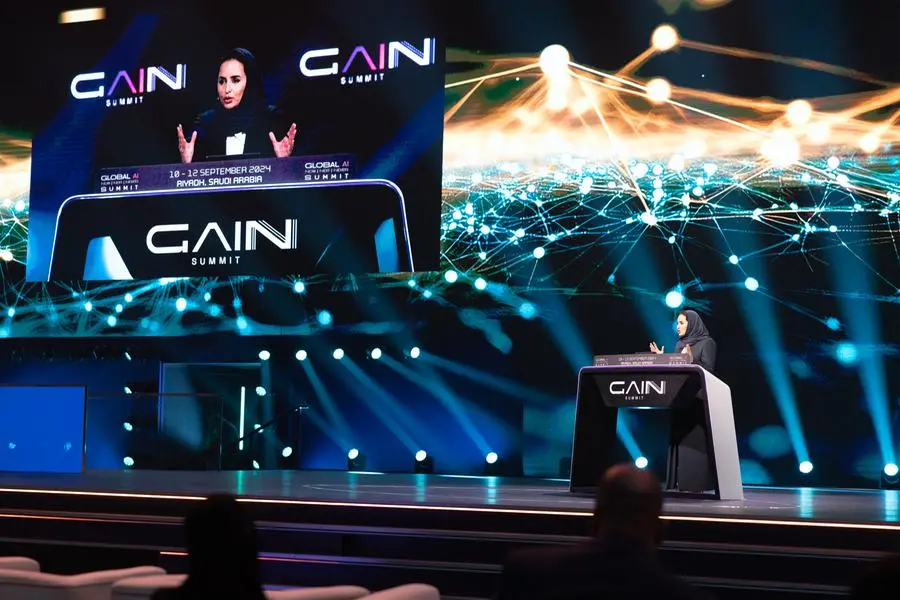

The slump in cryptocurrencies is putting pressure on digital asset treasury (DAT) companies, many of which raised capital to buy crypto tokens as their core business model. With Bitcoin down nearly 50% from its peak, many of these firms have seen their share prices collapse, triggering expectations of industry consolidation, acquisitions, or strategic pivots.
6 min
The monthslong slump in cryptocurrencies means one of the flashiest business models of the past year may vanish almost as quickly as it appeared.
Around 30 so-called digital asset treasuries, or DATs, hit the public market in 2025. The blueprints varied by company, but the purest form of treasury involved selling equity and debt to fund what was meant to be an endless series of crypto purchases. Investors, many of these companies argued, would get levered exposure to their token of choice and see their crypto holdings per share rise.
But treasuries and other small-cap crypto stocks have almost all collapsed since Bitcoin BTCUSD -0.78%’s selloff late last year, throwing the entire business model into question. Analysts and executives in the industry are convinced the market is now primed for a wave of consolidation that will see struggling companies get acquired, sell off assets, or shape-shift into something new.
Treasuries that prove they can still tap capital markets will survive, Mark Palmer of Benchmark Equity Research tells Barron’s. “Others are going to be faced with some difficult choices.”
Their fate is a cautionary tale for a market that is always looking for shiny, new ideas. Businesses that rely in large part on the enthusiasm of the investors just to operate, let alone succeed, are rarely sustainable. When the excitement fades and the attention goes elsewhere, shareholders are left holding the bag.
The Rise and Fall of Treasuries
It isn’t hard to see why so many crypto entrepreneurs mimicked Strategy, the world’s leading corporate holder of Bitcoin, and its executive chairman, Michael Saylor.
The business model seems simple: “Sell digital credit, improve the balance sheet, buy Bitcoin, and communicate that to the credit and the equity investors,” Saylor explained to investors last year.
More importantly, the model worked—at least for a while. Strategy MSTR -0.09% stock soared more than 2,000% in the three years before its 52-week closing high of $455.90 on July 16, 2025. At one point, it traded at a multiple of 3.9 times the underlying Bitcoin—a premium known in the industry as the market-to-net asset value, or mNAV. Investors saw their crypto-per-share rise, which was the entire appeal of the stock in the first place. Strategy now trades around $130 after Bitcoin’s prolonged slump.
Strategy didn’t respond to Barron’s requests for comment. The company has shown no signs of liquidating its holdings, with Saylor telling CNBC in February that Strategy could withstand even a 90% drawdown in Bitcoin.
Sensing an opportunity as crypto surged last year, dozens of new ventures pulled off reverse takeovers of failing listed companies or went public via special-purpose acquisition company, or SPAC, mergers. Many of them did their initial raises at an mNAV above 1, meaning they went live at a market capitalization greater than their underlying crypto assets.
By September, treasuries held $106 billion worth of crypto, according to data provider Blockworks, up from $17 billion a year earlier. That isn’t even counting businesses like Trump Media & Technology Group DJT +0.97% and GameStop GME +0.37%, which bought Bitcoin as an ancillary strategy.
When investors are willing to pay for $150 worth of shares to facilitate the purchase of $100 of crypto, a rational actor will take that deal. If a company can repeat the trick several times over, suddenly it has a business. Buy $55 billion worth of crypto, like Strategy, and you have a gigantic business.
But if crypto prices decline and investor interest plunges, that deal isn’t available anymore. Then the company just has a digital vault full of tokens. That is where we are now.
Bitcoin has plummeted nearly 50% since reaching a record high of $126.96 in October. Other coins have had similar drawdowns. Those mNAV premiums have turned into discounts in most cases, with 18 of the 27 treasuries tracked by Blockworks trading below 1 mNAV.
Christian Lopez, head of blockchain and digital assets at Cohen & Company, noticed investor interest starting to dissipate in September. By the next month, Lopez says, the arbitrage trade that had spawned so many companies was dead.
The Great Consolidation
The consensus in the crypto world is that the digital-asset treasury craze went too far. Once meme coins and small tokens started getting their own treasuries, the space became more of a circus than an innovative new industry.
“I think for us, the alarm bells started going off a little bit when you started to see, like, crazy s___ coming to market,” says Parker White, chief operating officer at DeFi Development, which used a reverse takeover last year to buy Solana.
And in a world where investors can buy Bitcoin exchange-traded funds IBIT +0.91% or just hold crypto directly, markets don’t have room for dozens of highly levered, indistinct treasuries. “Differentiation” is the buzzword now, and only companies with clear advantages will last, says Benchmark’s Palmer.
“Digital asset treasury companies are here to stay, but most likely in a significantly smaller number than we currently see,” he adds.
Strategy has a leg up because of its scale, Saylor’s hero-like status among Bitcoin believers, and its $1.4 billion in cash reserves to help cover debt and dividend payments. Other companies may dominate a specific coin or market. Japan-based Metaplanet, for instance, has attracted a following as a proxy for Bitcoin because Japan taxes crypto gains at a higher rate than other capital gains. Better to buy the stock than the token.
Among the smaller players, consolidation has already started. Bitcoin treasury Strive completed an all-stock acquisition of smaller rival Semler Scientific in January, a move multiple industry experts pointed out.
Ryan Navi, the chief investment officer at Forward Industries, a company with around $600 million in Solana tokens, told Barron’s the company was seeking out targets among struggling peers.
“We’re not trying to screw anyone, but the market’s the market, right?” Navi said. “If we can come in and help them avoid the worst-case scenario, and it’s positive for our shareholders at the same time, that’s definitely something we’ll do.”
But the moves aren’t straightforward. A shareholder of a treasury trading at a discount may prefer the company liquidate its holdings and distribute the proceeds than sell shares to a rival for less than par. There is also a question of whether the buyer will get much value from merging two underperforming asset pools. “I’m not sure how you make one plus one equal more than two,” says Gus Galá, an analyst at Monness, Crespi, Hardt.
Pivoting Away From Treasuries
Other companies are exiting the treasury game voluntarily—at least for now. They fall into two categories: those trying to append operating businesses to their crypto stockpiles and those using financial moves to appease shareholders.
The former strategy was a favorite among crypto executives holding Ethereum or Solana, which can generate yield when staked. Staking is the process of locking up one’s holdings to validate transactions on the blockchain in exchange for a percentage fee. That yield provides a cash flow even in a depressed crypto market.
Andrew Keys, chairman of an Ethereum treasury called The Ether Machine, says the shifting market dynamics haven’t forced the company to second-guess its SPAC merger, which is still awaiting completion. It can make a small sum each year and wait for a crypto resurgence.
“We’re not a melting ice cube because basically we’ve got, back of the napkin, $2 billion,” Keys tells Barron’s. “Back of the napkin, that generates 3% of income if we manage it properly.”
Companies like The Ether Machine are looking beyond staking, too. Some executives pitched tokenization businesses—essentially packaging equities or cash flows from real-world assets into fractional shares that investors can trade on a blockchain ledger. Some also alluded to new opportunities that may emerge as institutions increasingly adopt stablecoins and blockchain infrastructure.
But these plans are often vague. Because most treasuries hit the market looking for capital to help accumulate crypto, they started without significant operating businesses. They are trying to set up entire business segments on the fly, all while their share prices sink and their mNAV discounts widen.
On the other end of the spectrum, some companies are undoing their initial trades. If buying crypto is a no-brainer when you get paid a premium to do so, then selling crypto is equally rational when you can buy back stock at a discount.
ProCap Financial, a Bitcoin treasury led by entrepreneur Anthony Pompliano, has repurchased more than 1.5 million shares in just the past few weeks. The company also acquired artificial-intelligence lab CFO Silvia as it tries to broaden into AI and financial services.
“We are in attack mode,” Pompliano said in a statement after one of several buybacks last month. “If the market wants to irrationally sell us shares below NAV [net asset value], we will keep aggressively buying them.”
The buybacks may signal an admission of defeat to some crypto evangelists. But treasury executives often have a background in corporate finance, analysts noted. Management will look for ways to deploy capital, even if the plans disappoint those who believe in buying and holding crypto no matter the price.
What’s Next for Shareholders?
Absent a rebound in crypto prices, these pivots won’t make investors whole. No matter the underlying asset, virtually every major holder of crypto has plummeted from its peak last year.
DeFi Development is down 89% since its all-time closing high of $42.50 a share in May. Strive has fallen 96% from its record high of $240 that same month. Even Metaplanet, with its unique geographic advantage, has tumbled 83% on the Tokyo Stock Exchange since June.
Some, like DeFi Development, at least have left long-term shareholders better off than before. The stock has quintupled since DeFi Development’s reverse takeover of Janover, a struggling microcap software vendor. Others have left shareholders from the previous company with even deeper losses.
Still, most of these companies are little-known names with low valuations and light trading volume. They rode a wave of investor enthusiasm at a time when crypto seemed like it was heading to the moon. As it turns out, digital asset treasuries were more like the “canary in the coal mine” for the end of crypto’s last upcycle, argues Galá, the Crespi, Monness, Hardt analyst.
The stocks were always risky bets, designed to capture volatility and invite speculation. They won’t get any less risky in the months ahead as the different companies jostle to emerge from crypto’s collapse intact. Some will persevere, but investors who try to identify winners and losers do so at their own peril.
Paine Schwartz joins BERO as a new investor as the year-old company seeks to triple sales.

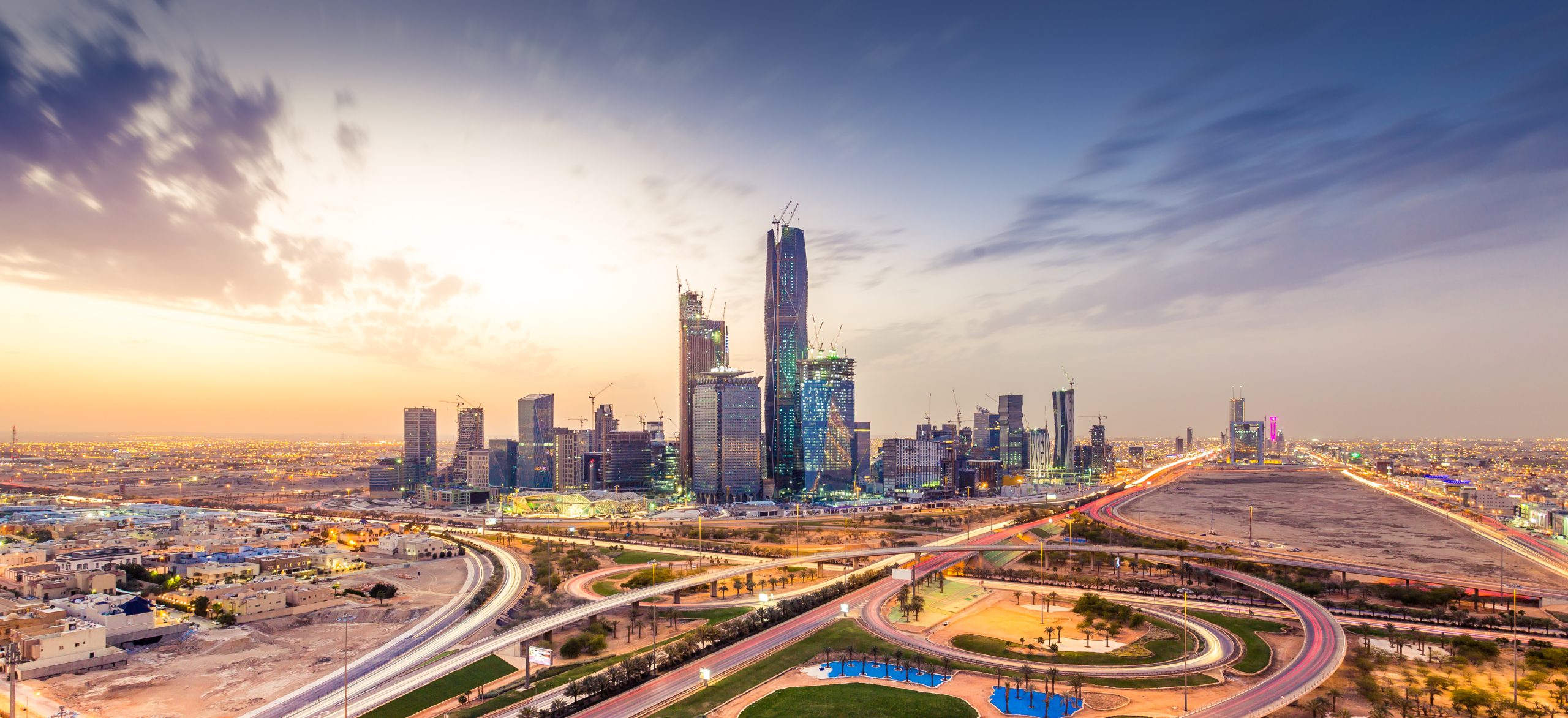
UAE equity markets have come under pressure as geopolitical tensions drive sharp volatility across global markets. The Dubai Financial Market (DFM) has dropped about 17% since March 4, while the Abu Dhabi Securities Exchange (ADX) has fallen nearly 6%, with banking and property stocks leading the decline.
3 min
UAE equity markets have experienced a difficult stretch in recent sessions, reflecting the heightened volatility currently dominating global financial markets. According to market analysis from eToro, the Dubai Financial Market (DFM) has fallen around 17% since reopening on March 4, marking six consecutive days of losses, while the Abu Dhabi Securities Exchange (ADX) has declined close to 6% across eight straight sessions.
Banking and property stocks have led the selloff, with major names including Emaar, Emirates NBD, Dubai Islamic Bank, Aldar, and First Abu Dhabi Bank repeatedly hitting the 5% daily limit-down cap. Dubai’s real estate index has been particularly affected, dropping roughly 20% over five sessions and erasing all gains made earlier this year.
Commenting on the current market environment, Josh Gilbert, Market Analyst at eToro, said volatility has become a defining feature of global markets.
“Volatility is the price of entry in markets right now, and investors who understand that will be far better positioned than those who try to time their way around it. This is a market being driven by headlines and those headlines can turn on a dime, making this a particularly challenging environment for investors,” Gilbert said.
Market sentiment remains heavily influenced by geopolitical headlines. On Monday, global markets demonstrated how quickly sentiment can shift, with the S&P 500 reversing early losses to close 0.8% higher after comments from US President Donald Trump suggested that tensions with Iran could be nearing resolution. That late-session rebound has carried into Asian markets, where indices opened higher following the US recovery.
Oil markets have been at the center of recent volatility. Crude prices experienced dramatic swings during Monday’s session, trading in a nearly USD 40 range before retreating after signals of potential de-escalation in the Middle East.
“Such extreme intraday moves in oil markets highlight just how headline-driven the current environment has become,” Gilbert added. “A single comment from a political leader can reverse billions of dollars in market losses within hours.”
While higher oil prices typically strengthen fiscal positions across the Gulf region, this particular surge is different because it is tied directly to disruption within the region itself. Infrastructure, trade flows, and broader economic activity have all been affected, offsetting some of the benefits governments typically receive from higher crude prices.
The Strait of Hormuz remains heavily disrupted, forcing several Gulf producers to scale back output, while the G7 has indicated it stands ready to release strategic petroleum reserves if supply disruptions intensify. For now, markets appear to be treating the current oil shock as temporary rather than structural, an important distinction for investors assessing the outlook.
Periods of heightened volatility can often lead investors to make decisions driven by fear. However, history shows that some of the strongest market rebounds occur immediately after the sharpest declines.
“The worst time to make investment decisions is when fear is at its highest,” Gilbert said. “Selling after a sharp market decline risks locking in losses and missing the early stages of a recovery, which can have long-term implications for portfolio performance.”
In uncertain market environments, defensive and dividend-paying companies often provide greater stability. Businesses with strong balance sheets, consistent cash flows, and resilient demand tend to perform better during periods of geopolitical stress.
“During times like this, boring can be brilliant,” Gilbert said. “Investors should be focusing on companies with strong balance sheets, reliable cash flows, and businesses that people continue to spend with regardless of geopolitical developments.”
Looking ahead, de-escalation signals could create room for a recovery in UAE markets, especially given how much negative sentiment has already been priced into equities. While the recent selling has been severe, it has also been broad-based, suggesting that any relief rally could be equally sharp.
Investors will also be closely watching upcoming US inflation data, with the latest Consumer Price Index (CPI) figures expected later this week. Rising energy prices have already prompted markets to reassess the outlook for interest rate cuts, and a stronger-than-expected CPI reading could further influence global monetary policy expectations.
For now, investors should expect continued volatility driven by geopolitical headlines and macroeconomic developments. However, for patient long-term investors, such periods can also present opportunities to focus on fundamentally strong companies positioned to weather short-term market turbulence.
Two coming 2027 models – the first of the “Neue Klasse” cars coming to the U.S. early next year – have been revealed.



Shares of ASM International rose over 7% after the semiconductor equipment maker reported better-than-expected quarterly results and projected revenue growth in 2026 amid improving demand. The company also announced a €3.25 dividend per share and a €150 million share buyback program for 2026–2027.
2 min
Shares in ASM International rose on Wednesday after the Dutch supplier of semiconductor tools posted a better-than-expected finish to the year and set strong guidance for 2026 on the back of improved demand conditions.
In European midday trading, shares were trading 7.3% higher at 732.40 euros, and are up by more than 41% in the year to date.
ASM late Tuesday said fourth-quarter net profit amounted to 166.1 million euros ($192.9 million), down from 225.8 million euros in the prior year’s period, but ahead of analysts’ expectations of 141.2 million euros, according to estimates provided by Visible Alpha.
Gross profit—a closely watched metric for companies operating in the semiconductor industry—came in at 347.7 million euros, also beating Visible Alpha’s consensus estimate of 338.5 million euros.
The group also confirmed its previously disclosed order intake of 802.8 million euros and revenue of 698.3 million euros.
ASM’s performance was supported by strengthened demand in the logic and foundry segment and a rebound in orders from Chinese customers, the supplier said.
The results are incrementally positive, ING Market Research analyst Marc Hesselink said in a note to clients.
Looking ahead, the company is guiding for sequential revenue growth in the second quarter, as well as the second half of 2026. For the first quarter, revenue is anticipated to rise to 830 million euros, plus or minus 4%.
“Following the improvement in demand conditions in recent months, we now expect our sales in China to increase in 2026, a notable improvement from our earlier forecast of a double‑digit decline,” ASM said.
ING’s Hesselink expects 2026 consensus revenue to increase by a low-to-mid-single digit percentage and earnings before interest and taxes to rise by 5% to 10%.
ASM also said it would propose a 2025 dividend of 3.25 euros a share, above the 3 euros a share for the previous year, and set out a new share buyback program of up to 150 million euros in the 2026-27 period.
New research suggests that bonuses make employees feel more like a mere cog in a wheel.


Saudi Industrial Export Co. (SIEC) has terminated its planned acquisition of Advanced Energy for Trading and Contracting after due diligence and feasibility studies failed to meet the company’s expectations and strategic objectives.
< 1 min
Saudi Industrial Export Co. (SIEC) has decided to terminate the acquisition process for Advanced Energy for Trading and Contracting Company.
The decision was reached after the results of due diligence and feasibility studies regarding the planned acquisition failed to meet the company’s expectations, SIEC said on Wednesday.
In November 2024, a preliminary agreement was signed for SIEC to potentially acquire a stake or the entirety of the share capital of Advanced Energy. The deal timeline was extended several times.
“After reviewing the results of the feasibility studies and the due diligence process, it has been determined that the outcomes did not meet the company’s expectations or strategic objectives,” SIEC said.
“The board…has resolved not to proceed with the investment and to terminate the relevant agreements.”
Paine Schwartz joins BERO as a new investor as the year-old company seeks to triple sales.