






Defining Moments in TV History You’ve Probably Never Heard About
Many of the most-important events have slipped from our collective memories. But their impacts live on.

 7 min
7 min
After roughly 85 years of television in American homes, viewers have collectively shared historical triumphs and unthinkable tragedies, from Neil Armstrong’s moonwalk in 1969 to the 9/11 terrorist attacks in 2001.
But lesser-known events in the world of television have also reshaped America’s cultural landscape in lasting ways.
From redefining suppertime to digitising games to symbolising sex, drugs and rock ’n’ roll, here are six examples of TV’s impact on the American psyche.
1950: Birth of the couch potato
In the late 1930s and early 1940s, television sets marched into American living rooms.
But like the venerable radios they replaced, TVs were incredibly inconvenient. Many viewers had to actually stand up and walk across the room just to change the channel.
In 1950, Zenith Radio addressed this gross shortcoming with its release of a remote control, albeit one with a long cord and only two buttons—one to change channels and the other to power the TV on and off. Zenith aptly dubbed its remote Lazy Bones.
Taking lazy to the next level, Swanson & Sons in 1953 introduced TV dinners, convenient bake-and-eat frozen meals in aluminum trays.
Clearly, suppertime had moved to the sofa, because in 1954, the first full year of production, Swanson sold 10 million TV dinners. We were becoming a nation of “couch potatoes.”
Of course, nobody knew it at the time because the term couch potato didn’t exist yet.
In 1976, a man named Tom Iacino called his friend’s house and flippantly asked the person who answered the phone if he could speak to “the couch potato.”
Another friend, cartoonist Robert Armstrong, later heard about the mocking moniker and went on to trademark it (with Iacino’s permission).
Armstrong co-wrote “The Official Couch Potato Handbook: A Guide to Prolonged Television Viewing,” and the term couch potato entered the nation’s vocabulary.
Sept. 9, 1950: Forced laughter
The name Hank McCune may be lost to history, but his short-lived television sitcom will forever be remembered for its chuckles, chortles, giggles and guffaws. All of it canned.
Woven throughout the show’s jokes and sight gags was a laugh track—a first in American television—to “sweeten” the material and cue viewers at home when something was funny.
Countless other shows went on to use the technique, with Charlie Douglass soon becoming the undisputed “master of laughter.”
Douglass, formerly a technical director for various live shows, incorporated prerecorded laughter into shows that were filmed both with and without studio audiences.
To do this, Douglass built what he called the “Laff Box” and operated it somewhat like an organ. The upper keys were pressed to combine different types of laughter, from titters to belly laughs, and the foot pedals controlled the timing and duration of the laughter.
TV Guide published a two-part series on the Laff Box in 1966 in which industry executives explained why they went for the easy laffs: “Live audiences in from the street are tense and nervous and you don’t get their true reactions,” explained producer Don McGuire.
Arthur Julian, a writer on “F Troop,” noted that “real audiences sound phonier than the laugh track. Sometimes they freeze up and act unnatural.”
Today, television shows have mostly done away with laugh tracks. But Douglass still gets the last laugh—even though he died in 2003.
A recent study confirmed what previous research has already determined: Laugh tracks get people to laugh. In 2021, researchers concluded that a laugh track “may socially facilitate viewers’ responses and succeed in increasing the perceived humor and enjoyability of a television comedic sitcom.”
1959: Fired for being Black
At his first job in TV in 1959, Max Robinson was a voice without a face. As he delivered the latest headlines on WTOV in Portsmouth, Va., viewers at home merely saw a slide that read “News” on their TV screens.
Then one day before his broadcast, Robinson instructed the cameraman to remove the slide.
“I thought it would be good for all my folks and friends to see me rather than this dumb ‘News’ sign up there. Vanity got the better of me,” Robinson told the Washington Post in 1988.
When the slide was removed, viewers at home discovered that Robinson was Black.
The next day, the owner called him and apologetically fired him, Robinson told the Post. “He’d gotten these calls from some irate whites who’d found out that one of ‘those people’ was working there,” Robinson said.
Nonetheless, even though he lost his job, Robinson made history as the first African-American nightly news television anchor.
After his WTOV stint, Robinson went on to report the news and sit in the anchor’s chair at various stations until his big break came on July 10, 1978. ABC-TV premiered “World News Tonight” with three anchors: Frank Reynolds, Peter Jennings and Max Robinson.
Despite his success, Robinson continued to decry what he saw as racial inequities in both the media and in media coverage.
In a 1981 address at Smith College, he called the news media “a crooked mirror” through which “white America views itself,” the New York Times reported. “Only by talking about racism, by taking a professional risk, will I take myself out of the mean, racist trap all Black Americans find themselves in.”
Robinson was one of the founders of the National Association of Black Journalists and advocated for the cause until his death in 1988.
Oct. 18, 1979: A flood of BUDs
To encourage the expansion of satellite TV, the FCC voted to drop its costly and complicated licensing requirement for owning a satellite dish.
Now, cable and premium channels could more readily install giant satellite dishes to transmit and receive signals.
But the rule change also meant that Joe Schmo could install a behemoth satellite dish in his backyard and scoop up signals from cable and premium channels—all without having to pay monthly subscription fees.
Even so, Joe Schmo soon learned that saving money came at a price: All the neighbours hated him.
Some early models of the satellite dishes measured 16 feet in diameter, and hundreds of thousands of them sprouted up across the country. Technically, they were referred to as C-band satellite dishes after the range of wireless frequencies they received.
But they were better known throughout neighbourhoods as BUDs, or Big Ugly Dishes.
BUDs could capture premium programming at no cost because initially the analog-TV signals weren’t encrypted by broadcasters.
Still, even if homeowners got free programming, the upfront costs of buying and installing a satellite dish ran into hundreds, if not thousands, of dollars.
The backyard BUDs shot up just as cable and satellite programming was just getting off the ground. Home Box Office was a pioneer on both fronts.
In 1972 it was the first pay-cable network, and in 1975, it became the first TV network to transmit programming via satellite.
Ted Turner in 1976 turned WTCG, a small, independent TV station into a national cable network and later rebranded it WTBS, for Turner Broadcasting System.
Other networks that were early to the cable game include the Entertainment and Sports Programming Network (ESPN) in 1979, and Music Television—MTV—in 1981.
In 1986, broadcasters began scrambling their signals in hopes of nipping their losses in the BUDs.
Some companies, including HBO, said homeowners could continue to use their backyard dishes, but in order for them to work, they would have to also buy a $395 descrambler and pay monthly subscription fee.
Needless to say, as more channels encrypted their signals, BUD sales withered.
1972: A whole new game in town
In September 1972, the world’s first home video game console made its debut, giving the words “What’s on TV?” a literal new meaning.
Named the Magnavox Odyssey, the console setup included translucent overlays that players stuck on the TV screen to create colourful game boards, such as table tennis, roulette and haunted house.
The underlying gaming technology itself was crude by today’s standards: Three white dots and a vertical line on a black background. Two of the dots were manipulated by players using hand-held controllers, the third by the system itself.
The console had dials that adjusted the placement of the vertical line and the speed of one of the dots.
With six game cartridges and plastic overlays, the Odyssey setup offered 12 different games when it first retailed for $100—or about $770 in today’s dollars.
While rudimentary, the Odyssey broke a barrier in the world of television. It changed the medium from a passive activity with a scripted outcome into an interactive pursuit controlled by users at home.
Today, the U.S. ranks No. 1 in the world videogame market, with revenue projected to exceed $140 billion in 2025, according to Statista Market Insights.
That figure includes the creation, publishing, distribution and monetization of PC, mobile and online games, as well as spending on related hardware and accessories. China holds the No. 2 spot, with a projected $137.8 billion in revenue in 2025.
1970s: Rock stars vs. TV sets
In the late 1960s, a peculiar new synergy emerged between rock ’n’ roll music and television: Put a rock star in a hotel room with a TV, and the TV wouldn’t come out alive.
Many in the music world trace the genesis of this phenomenon to Keith Moon, who was legendary both as a drummer for the Who and for trashing hotel rooms, including TVs.
A 1972 film recording documents Keith Richards of the Rolling Stones and saxophonist Bobby Keys throwing a TV off the 10th-floor balcony of Continental Hyatt House Los Angeles.
In the recording, one of them is kindly heard saying, “Let’s make sure there ain’t nobody down there,” before dropping the TV.
Not to be outdone, members of Led Zeppelin threw televisions from the windows of Seattle’s Edgewater Hotel into the waters of Elliot Bay.
The Brits weren’t the only bad boys. While visiting Asheville, N.C., for a show in July 1975, Elvis Presley reportedly shot to death the TV set in his motel room because the vertical hold setting wasn’t working properly, according to local historian Jon Elliston.
It didn’t take long for trashing hotel property to become a hallmark of the rock ’n’ roll mythology, with television sets seemingly taking the brunt of the abuse.
Still, destroying them was an expensive thrill, since the band was expected to reimburse hotels for the ravaged TVs and other damage to the rooms when checking out.
It could also be dangerous. After a night of heavy drinking, Black Sabbath’s former frontman Ozzy Osbourne and guitarist Zakk Wylde hurled a TV out of a sixth-floor window at the Four Seasons in Prague
Wylde, who recalled the incident in a 2024 interview, said it happened after Osbourne mentioned that he had never done it before.
Describing the TV drop in a 2019 interview, which has been edited for TV, Osbourne said, “I ripped the window open, picked it up and threw it out of the BLEEP window. It landed on the floor and BLEEP exploded. It went like a bomb. Little did I know that there was a guy smoking a cigarette, and I shudder to think if that had hit him on the head. I would have killed him stone BLEEP dead.”
Osbourne, who famously bit the head off a bat that was tossed onto the stage at a concert in Iowa (he said later he thought it was fake), died in July of 2025 of a heart attack at age 76.
On the opposite end of the safety scale: Guitarist Kelley Deal of the Breeders and Nirvana’s Krist Novoselic.
On tour in the early 1990s, the two musicians decided to toss a TV out of a hotel window, Deal told the Guardian.
Novoselic “called down to the front desk, got permission, paid for the TV and asked security to make sure nobody was below. This is the kind of sweet band they were. Then we shoved it through the window. It was fun, but the funniest bit was all the planning and anticipation.”
Today, rock ’n’ roll is past its heyday, and many icons of the genre are fading as well. But legends still have a soft spot for the old days.
Asked about artificial intelligence creeping into music, rocker Joe Walsh dismissed concerns in a 2023 video clip, saying: AI “can’t destroy a hotel room.
It can’t throw a TV off the fifth floor into the pool and get it right in the middle. When AI knows how to destroy a hotel room, then I’ll pay attention to it.”
 Copyright 2020, Dow Jones & Company, Inc. All Rights Reserved Worldwide. LEARN MORE





Kaspersky warns that cyber threats continued to intensify across retail and e-commerce in 2025, with ransomware, phishing, and web-based attacks hitting millions of users. As AI-driven shopping tools expand in 2026, experts stress that stronger cybersecurity and data privacy measures will be critical to protect both consumers and businesses.

In a series of social-media posts, the eldest child of David and Victoria Beckham threw stones at the image of a ‘perfect family’.
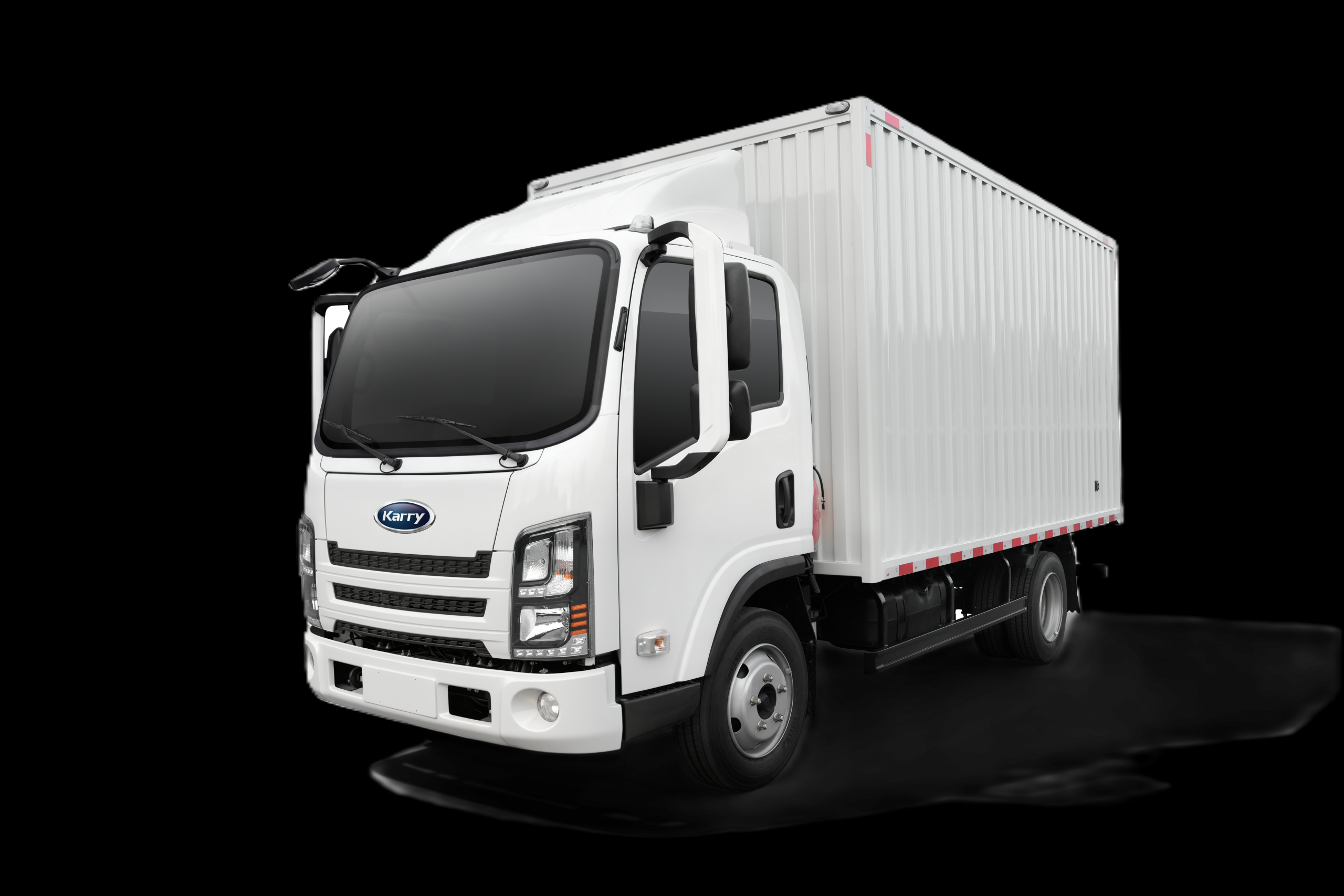
Al Ghurair Mobility has signed an exclusive agreement with Chery Group to launch Karry, Chery’s global light commercial vehicle brand, in the UAE—strengthening their partnership and expanding solutions for logistics, transport, and last-mile mobility across the region.
AWS is powering the ENTERTAINER’s transformation into an AI-driven lifestyle companion, as the platform marks 25 years by launching H.A.P.I.™, a bilingual Gen AI assistant that personalizes offers, planning, and support across its mobile app using Amazon Bedrock.
2 min
Amazon Web Services, Inc. (AWS), an Amazon.com, Inc. company, is powering the next generation of digital lifestyle experiences through a transformative collaboration with the ENTERTAINER, the region’s leading global lifestyle savings app. As the company celebrates its 25th anniversary, the ENTERTAINER is upgrading its mobile platform through AWS cloud and generative AI (Gen AI) services, evolving from a traditional Buy One Get One Free savings app into an AI-driven lifestyle companion that personalizes and enhances user experiences.
The revamped mobile app experience debuts H.A.P.I.TM, a bilingual conversational Gen AI assistant powered by Amazon Bedrock. This hyper-personalized companion engages users in natural conversations in both English and Arabic, transforming how customers discover exclusive offers, plan activities, and receive real-time support.
Through natural conversation, H.A.P.I.TM handles open-ended queries by understanding user intent and providing personalized recommendations. Whether planning a family brunch or seeking daily activities, it creates custom itineraries with relevant offers while automating routine inquiries, allowing customer service teams to focus on matters requiring human empathy. This delivers both efficient automated support and meaningful human interaction when needed.
Powering these intelligent interactions, H.A.P.I. TM orchestrates four specialized AI assistants built on Amazon Bedrock, a comprehensive, secure, and flexible platform for building Gen AI applications and agents. These AI assistants work together to enhance customer experience by handling complex user requests: a planner assistant that organizes detailed itineraries for customers seeking inspiration, a search assistant that retrieves relevant information on offers and merchants, a knowledge assistant that instantly answers FAQs from the ENTERTAINER’s knowledge base , and an escalation assistant that seamlessly routes complex inquiries to human customer service teams.
To accelerate response times, the backend infrastructure is modernized with an enhanced Amazon OpenSearch cluster, leveraging conversational AI, semantic search, and vector capabilities to deliver faster, more accurate results for both search and knowledge assistants. The system integrates with Amazon Personalize for tailored offers and uses Amazon Bedrock Guardrails to ensure customer service interactions remain safe and relevant.
“We are thrilled to work with the ENTERTAINER as they celebrate a 25-year legacy by reinventing their customer experience through Gen AI,” said Chris Erasmus, General Manager, UAE, rest of Middle East and North Africa at AWS.
“The ENTERTAINER is a prime example of a company making significant investments in AI through AWS’s Gen AI capabilities to drive real business impact and enhance customer experience. Through H.A.P.I. TM, powered by Amazon Bedrock, they’re pioneering a more intuitive and engaging digital experience, redefining what’s possible in the lifestyle and loyalty space.”
“For 25 years, the ENTERTAINER has provided unbeatable value and memorable experiences to our members,” said Donna Benton, Founder & CEO of the ENTERTAINER. “We look forward to the next chapter of our vision in becoming an even more indispensable part of our customers’ daily lives, leveraging the transformational power of AI to elevate the ENTERTAINER experience.”
“Our collaboration with AWS allows us to make this vision a reality. H.A.P.I. TM is at the heart of our evolution, combining the best and most relevant offers with a smart, intuitive lifestyle companion. We are utilizing the power of Gen AI to anticipate our customers’ needs and deliver a level of personalization that is unmatched in the market.”
The launch of this AI-powered platform marks the beginning of a new era in personalized lifestyle services, where technology integrates with daily life to deliver enhanced value and convenience.
The ENTERTAINER’s reinvented AI-powered mobile app experience is available across its operating markets in the Middle East, Africa and Asia, including the UAE, Saudi Arabia, Qatar, Bahrain, Oman, Kuwait and Singapore.

Paine Schwartz joins BERO as a new investor as the year-old company seeks to triple sales.
The sports-car maker delivered 279,449 cars last year, down from 310,718 in 2024.



A deal to sell TikTok’s U.S. business to a new investor-led joint venture has been approved, marking the end of a years-long regulatory saga. The newly formed entity will see ByteDance retain a minority stake, while U.S. user data will be managed and protected through Oracle’s cloud under enhanced privacy and cybersecurity oversight.
< 1 min
A deal between the U.S. and China to sell TikTok’s U.S. business to a consortium of investors has been approved.
TikTok announced on Thursday night that the TikTok USDS Joint Venture LLC has been established. This was expected as CEO Shou Zi Chew told employees in a memo in December about the plans to create the joint venture after President Donald Trump signed an executive order in September that paved a way to make the deal possible.
The joint venture has three managing investors, which include Oracle, Silver Lake, and MGX. Each of those firms will hold 15% in the new entity. Some of the other investors include the Dell Family Office, which is the investment firm of Dell Technologies CEO Michael Dell; Vastmere Strategic Investments, an affiliate of Susquehanna International Group; and Alpha Wave Partners.
ByteDance will retain a 19.9% stake of the joint venture.
This deal puts an end to what’s been a multiyear saga for TikTok and its American users.
Former President Joe Biden signed the TikTok ban, otherwise known as the Protecting Americans from Foreign Adversary Controlled Applications Act, into law in 2024. Government officials looked to address concerns the Chinese-owned social-media platform was collecting user data and posed a risk to national security. TikTok has denied this.
In an effort to keep TikTok around despite the national security concerns, Trump signed several different executive orders that delayed the date TikTok had to divest itself. Trump’s current support for the platform is a switch from his first term in office, when he advocated for the app to be banned.
TikTok said on Thursday that U.S. user data will be protected by the joint venture in Oracle’s cloud. The joint venture will operate a comprehensive data privacy and cybersecurity program that is audited and certified by third party cybersecurity experts, TikTok said.
Paine Schwartz joins BERO as a new investor as the year-old company seeks to triple sales.
Many of the most-important events have slipped from our collective memories. But their impacts live on.



MG Motor has been named Official Automotive Partner for the 2026 and 2027 Dubai Marathon, supporting one of the region’s most iconic sporting events with a fleet of hybrid and electric vehicles. The partnership underscores MG’s focus on performance, efficiency, and innovation, while reinforcing its growing role in lifestyle-led initiatives that promote active and inclusive communities across the UAE.
2 min
MG Motor has been appointed as Official Automotive Partner for the 2026 and 2027 editions of the Dubai Marathon, bringing one of the Middle East’s best-selling car brands together with the oldest and fastest international marathon in the region.
As part of the partnership, MG will provide a dedicated fleet of support vehicles to support race operations, logistics, and event infrastructure, including the race’s lead car. The fleet will feature the new MG HS Hybrid+ SUV alongside the fully electric Cyberster roadster, showcasing MG Motor’s evolving portfolio of efficient hybrid and electric vehicles.
Chosen for its exceptional endurance and operational efficiency, the MG HS Hybrid+ delivers a driving range of up to 1,287 km, making it ideally suited to the demands of a world-class marathon. Its advanced hybrid powertrain and intelligent energy management system ensure smooth, low-consumption performance throughout extended race-day use, from leading runners to supporting event logistics, while regenerative braking and refined ride comfort support long-duration, real-world driving.
Taking place on February 1, the 2026 Dubai Marathon will mark the 25th anniversary of the iconic race — the first in the region to achieve World Athletics Gold Label status. The event is expected to welcome around 20,000 runners from across the globe, competing in three race distances: 4 km, 10 km, and the full 42.195 km marathon.
Junaid Bukhari, Marketing Director of MG Motor Middle East, said: “The Dubai Marathon provides a powerful platform to connect MG Motor with a diverse, forward-looking community that values movement, resilience, and everyday performance. Through this partnership, we are able to showcase how our vehicles are designed to support real-world journeys while reinforcing MG’s growing role in lifestyle-led initiatives that promote active, inclusive communities across the UAE.”
Since its regional launch in 2015, MG has rapidly grown to become one of the top five best-selling automotive manufacturers in the GCC. The company sold over 70,000 vehicles last year and is present in 12 markets across the MENA region. Across the UAE, MG operates six showrooms – in Abu Dhabi, Al Ain, Dubai, Fujairah, Ras Al Khaimah and Sharjah – and six service centers.
MG Motor’s growing new energy portfolio highlights the brand’s focus on advanced powertrain technologies and real-world usability. Alongside the MG HS Hybrid+, the fully electric Cyberster showcases MG’s performance-oriented electric capabilities, combining zero-emissions driving with striking design and engaging dynamics. Complementing this is the MG 8 PHEV, which pairs plug-in hybrid efficiency with long-distance practicality, offering a class-leading driving range of up to 1,655 km through intelligent energy management and advanced battery technology. Together, these models underline MG Motor’s commitment to innovation, electrification, and delivering high-performance, efficient mobility solutions tailored to modern drivers.
A key pillar of MG’s customer proposition is its focus on ownership confidence, supported by a comprehensive manufacturer warranty offering of up to six years or 200,000 km on eligible models, subject to market terms and conditions. Complementing this, MG continues to invest in aftersales infrastructure across the region, including a dedicated regional training centre in the UAE and two regional spare parts warehouses, contributing to strong parts availability levels across its dealer network.
Many of the most-important events have slipped from our collective memories. But their impacts live on.

Chris Dixon, a partner who led the charge, says he has a ‘very long-term horizon’



Kaspersky warns that cyber threats continued to intensify across retail and e-commerce in 2025, with ransomware, phishing, and web-based attacks hitting millions of users. As AI-driven shopping tools expand in 2026, experts stress that stronger cybersecurity and data privacy measures will be critical to protect both consumers and businesses.
4 minIn 2025, the retail and e-commerce sector continued to face intense pressure from cybercriminals. According to Kaspersky data, 14,41%* of users in the retail sector encountered web-based threats, while 22,20% were affected by on-device attacks.
Ransomware remains a serious concern for the industry. Last year, 8,25% of retail and e-commerce companies experienced ransomware incidents, and the number of unique B2B users in the sector affected by ransomware detections rose by 152% compared to 2023, signaling a sharp escalation in targeted attacks.
Phishing also continues to be a major threat vector. Kaspersky identified 6.7 million phishing attacks targeting users of online stores, delivery services, and payment systems in 2025. More than half of these attacks (50,58%) were aimed specifically at online stores, underscoring cybercriminals’ focus on e-commerce platforms as high-value targets for fraud and data theft.
A look at 2025 cybersecurity for retail & e-commerce: trends and what happened
A stealer with a taste for pizza delivery. Shopping and food ordering via mobile apps are routine user behaviors. However, 2025 demonstrated that even downloading a seemingly legitimate app from an official app store does not guarantee safety, nor does it ensure that user data and financial credentials will not be compromised.
Ransomware detections in the B2B sector increased due to a single dominant actor. The number of unique users in the Retail & E-commerce sector who encountered ransomware detections increased by 152% in 2025 compared to 2023 (Nov 2024 – Oct 2025 vs. Nov 2022 – Oct 2023). The most significant growth occurred during the 2024-2025 period and is largely attributable to the rapid spread of the Trojan-Ransom.Win32.Dcryptor family, which became highly prevalent across the retail and e-commerce sector in some of the analyzed markets. This malware is a trojanized ransomware variant that leverages the legitimate DiskCryptor utility to encrypt disk partitions on victim systems.
Phishing activity in the online retail segment stood out. Despite being a long-established attack technique, phishing remains highly prevalent in the context of online purchasing. From November 2024 through to October 2025, Kaspersky products blocked 6,651,955 attempts to access phishing links targeting users of online stores, payment systems, and delivery services. Of these attempts, 50.58% targeted online shoppers, 27.3% impersonated payment systems, and 22.12% targeted users of delivery companies.
Sales seasons continue to do the work for attackers. Seasonal peaks in online shopping consistently provide attackers with predictable opportunities to scale user-focused attacks. Periods of heightened promotional activity lower user vigilance and allow familiar phishing and spam scenarios to blend into legitimate marketing traffic, increasing their overall effectiveness.
Predictions: what retail & e-commerce cybersecurity might face in 2026
Chatbots are likely to become a common product discovery tool across online marketplaces. Unlike traditional search, conversational interfaces encourage users to share more detailed, natural-language requests, revealing preferences, constraints, and contextual information. This shift expands the privacy attack surface, as platforms accumulate richer user profiles through chat interactions. As a result, chatbot logs may become as sensitive as transactional data, increasing the risks of over-collection, misuse, or exposure of personal information.
“Search itself is changing, including how people look for products online. In 2025, there was a gradual shift from simple keyword queries to more conversational and visual ways of finding what to buy. As these models rely on broader user input, careful handling of the data involved will remain an important consideration for maintaining user trust,” – comments Anna Larkina, Web data and privacy analysis expert at Kaspersky.
Changes in taxes and trade rules might be exploited in online fraud. Modifications in taxes, import duties, and cross-border trade rules are likely to be used as lures in phishing campaigns and fraudulent online stores, promoting unrealistically cheap offers or claims of avoided fees. As pricing and fee rules continue to evolve across markets, it may lower vigilance, increasing the effectiveness of such schemes, particularly against small and mid-sized retailers.
AI-powered shopping assistants are expected to increasingly operate outside retail platforms, embedding themselves into browsers, mobile apps, and third-party services. While designed to simplify navigation and price discovery, these tools shift data collection beyond the retailer’s perimeter, creating new and less visible privacy risks. To function effectively, external AI shopping agents require continuous access to user behavior, including browsing activity, search intent, location context and product interactions across multiple sites. This enables the aggregation of detailed behavioral profiles outside the direct control of both users and retail platforms, increasing the risks of over-collection, opaque data usage, and unintended exposure.
Image-based product search might become a new challenge in privacy risks. Previously, the main privacy concern around user images in e-commerce was limited to photos voluntarily shared in product reviews. However, image-based product search is expected to make photo uploads a routine part of the shopping experience across major retail platforms. While this feature improves product discovery, it also increases the risk of unintended exposure of personal data. User-submitted images may contain faces, home environments, or sensitive details, such as names, phone numbers, or addresses visible on shipping labels or packaging, making secure processing, data minimization, and limited retention critical requirements for retailers.
The full retail and e-commerce report is available by link.
Kaspersky experts recommend the following to keep safe:
- Guard your privacy with smart tools. Be cautious about what you share and avoid uploading personal images or details in queries. Your interactions help build a profile used for ads and service improvements.
- Verify senders and links. Don’t trust discounts or order notifications from emails or messages. Always double-check the sender’s address and manually type the store’s website URL into your browser instead of clicking on any links you receive.
- Research the store before buying. If you’re shopping at a new or unfamiliar online store, take a moment to check its legitimacy: look for customer reviews, ensure the website address is spelled correctly, and confirm that the site pages look professional and polished.
- Monitor your card transactions regularly. Fraudulent charges can slip through unnoticed. Make it a habit (e.g., once a week) to log into your online banking or mobile app to review all recent transactions. If you spot anything suspicious, block your card and contact your bank immediately.
- Adopt a proactive security approach to protect against malware and data theft. Use reliable cybersecurity software like Kaspersky Premium to prevent infections and scan your device regularly. If you discover an infected app, remove it immediately and do not reinstall it until a confirmed, clean update is released. Complement this by managing sensitive data securely: avoid storing passwords or recovery phrases in your photo gallery or notes; instead, use a dedicated, trusted password software such as Kaspersky Password Manager.
For retail & e-commerce organizations we recommend:
- Protect corporate infrastructure against a wide range of threats, including phishing and ransomware. Use solutions from the Kaspersky Next product line that provide real-time protection, threat visibility, investigation and advanced response capabilities. If a company lacks cybersecurity workers, it can adopt managed security services such as Kaspersky Managed Detection and Response (MDR) and / or Incident Response that covers the entire incident management cycle – from threat identification to continuous protection and remediation.
The sports-car maker delivered 279,449 cars last year, down from 310,718 in 2024.

Americans now think they need at least $1.25 million for retirement, a 20% increase from a year ago, according to a survey by Northwestern Mutual


In a series of social-media posts, the eldest child of David and Victoria Beckham threw stones at the image of a ‘perfect family’.
3 min
David Beckham was at the World Economic Forum in Davos, Switzerland, on Tuesday with Bank of America chief executive Brian Moynihan to promote their new partnership. But all anyone wanted to talk about was his son.
After the obligatory questions about business and the World Cup, a host on CNBC’s “Squawk Box” lobbed Beckham an out-of-left-field query about how young people can preserve their mental health in the age of social media.
“Children are allowed to make mistakes,” Beckham, 50, said. “That’s how they learn. So, that’s what I try to teach my kids, but you have to sometimes let them make those mistakes as well.”
Just a day earlier, his 26-year-old son Brooklyn Beckham had posted a series of accusations about his soccer-famous father and pop-star-turned-fashion-designer mother, Victoria Beckham.
He said that his parents had controlled him for years, lied about him to the press and sought to damage his relationship with his wife, Nicola Peltz Beckham. Their goal, he said, was to affect the image of a “perfect family.”
“My family values public promotion and endorsements above all else,” he wrote on Instagram. “Brand Beckham comes first.”
That brand has been burnished over decades of professional triumphs, tabloid scandals and slick dealmaking.
Recently, both David and Victoria Beckham put their legacies on-screen in docuseries that cast them as hardworking entrepreneurs and devoted parents. Their image appeared stronger than ever. Now their firstborn child is throwing stones.
Representatives for David Beckham, Victoria Beckham and Brooklyn Beckham did not respond to requests for comment. A representative for Nicola Peltz Beckham declined to comment.
In the U.K., the Beckhams are as close as you can get to royalty without sharing Windsor DNA. David is perhaps the most famous English player in soccer history, while Victoria parlayed her Spice Girls fame into a career as a respected fashion designer.
Their partnership was forged in the cauldron of 1990s celebrity gossip, with their every move—in their careers, their bumpy personal lives and their adventurous senses of personal style—subject to tabloid scrutiny.
“They were Taylor Swift and Travis Kelce before Taylor Swift and Travis Kelce,” said Elaine Lui, founder of the website Lainey Gossip.
Over time, the couple became savvy managers of their own brand, a sprawling modern empire including a professional soccer team, fashion and beauty lines, investment deals and commercial partnerships.
In recent years they each released a Netflix docuseries—“Beckham” in 2023, “Victoria Beckham” in 2025—featuring scenes from their private family life. (Brooklyn and Nicola appeared in David’s series, but not Victoria’s.)
“The way they’ve performed their celebrity has been togetherness,” Lui said: Appearing and engaging with the world as a happily married couple, in both relative calm and amid scandal. And as their family grew, their four children became smiling ambassadors for Brand Beckham, too.
Until Monday night. In a series of Instagram Story posts, Brooklyn accused his parents of “trying endlessly to ruin” his marriage to Nicola, an actress and model, and the daughter of billionaire investor Nelson Peltz . Brooklyn declared, “I do not want to reconcile with my family.”
Where Victoria and David seemed to see press scrutiny as part of the job, Brooklyn and Nicola are operating in a manner more typical of their own generation. Brooklyn’s posts call to mind the “no contact” boundaries some children have enforced with their parents in recent years to much pop-psych chatter.
Andrew Friedman, managing director of crisis communications at Orchestra, said he’d advised many clients through family drama. “Going public,” he said, should be a “last resort.”
He’s also warned clients that using social media to air grievances opens a can of worms. “Nuance is not welcome in social-media feeding frenzies,” Friedman said. “Sensational and unusual details will overshadow the central issue.”
Brooklyn, the eldest of the Beckhams’ four children, has built a following in his parents’ image, though without the benefit (or burden) of a steady career.
He’s worked as a model, photographer, cooking-show host and most recently founded a hot-sauce brand. Brooklyn and Nicola went public with their relationship in 2020 and married in a lavish 2022 ceremony at her family estate in Palm Beach, Fla.
Rumors of a family feud flared almost immediately after the wedding, including whispers about the fact that Nicola didn’t wear a dress made by her fashion-designer mother-in-law.
Brooklyn on Monday recounted further grievances related to a mother-son dance and the seating chart. In the months and years that followed, celebrity journalists and fans closely tracked both generations of the family, looking for cracks in the relationship.
But official dispatches from Beckham World suggested that things were just fine. In a scene from the final episode of David’s Netflix series, the Beckham family, including Brooklyn and Nicola, joke around on a visit to their country home. It’s a picture of familial bliss.
“We’ve tried to give our children the most normal upbringing as possible. But you’ve got a dad that was England captain and a mom that was Posh Spice,” David says in voice-over.
“And they could be little s—s. And they’re not. And that’s why I say I’m so proud of my children, and I’m so in awe of my children, the way they’ve turned out.”
Many of the most-important events have slipped from our collective memories. But their impacts live on.

Interior designer Thomas Hamel on where it goes wrong in so many homes.
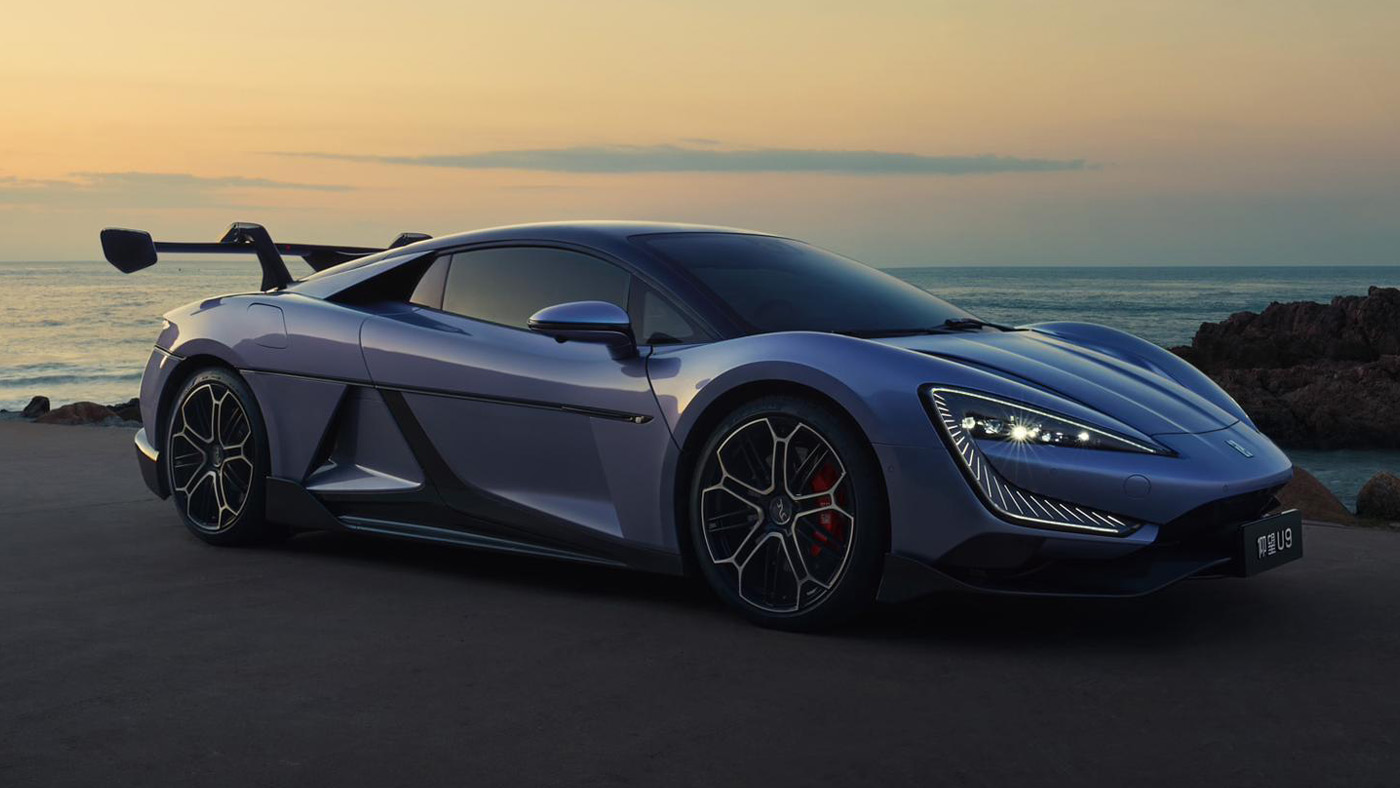


Al Ghurair Mobility has signed an exclusive agreement with Chery Group to launch Karry, Chery’s global light commercial vehicle brand, in the UAE—strengthening their partnership and expanding solutions for logistics, transport, and last-mile mobility across the region.
2 minAl Ghurair Mobility has signed an exclusive distribution agreement with Chery Group to introduce Karry, Chery’s global light commercial vehicle brand, to the United Arab Emirates (UAE).
This agreement further strengthens the strategic partnership between Al Ghurair Mobility and Chery Group, building on their earlier collaboration to distribute RELY, Chery’s global pickup brand, in the UAE. Extending the collaboration with Chery Group reflects the deepening relationship and mutual trust between the two companies, and further enhances Al Ghurair Mobility’s ability to support the country’s rapidly growing logistics and transport sectors. Together, Al Ghurair Mobility and Chery Group reaffirm their commitment to developing a diversified, future-ready commercial mobility portfolio aligned with the evolving needs of the regional market.
This agreement also marks a significant milestone as the UAE becomes a key strategic market for Karry’s regional expansion. Specialising in light commercial vehicles including vans, mini trucks and logistics-focused mobility solutions, Karry is designed to support the evolving needs of businesses operating across last-mile delivery, logistics, construction and urban mobility.
“This partnership underscores our long-term commitment to advancing commercial mobility in the UAE,” said John Iossifidis, Group Chief Executive Officer of Al Ghurair. “Expanding our collaboration with Chery Group to include Karry enhances our ability to support the country’s rapidly growing logistics and transport sectors.”
Oscar Rivoli, Chief Executive Officer, Motors, Al Ghurair Mobility, said: “Karry brings a compelling proposition to the UAE’s commercial vehicle landscape. Its product range is purpose-built for real-world business use, with a strong focus on reliability, efficiency and total cost of ownership. Together with RELY, Karry allows us to address a broader spectrum of commercial mobility requirements across fleets, SMEs and specialised operators.”
She Cairong, President of Chery Commercial Vehicle International, said: “The expansion of our partnership with Al Ghurair to include Karry reflects our shared vision for long-term growth in the UAE and wider region. Building on the introduction of RELY, Karry strengthens our commercial vehicle offering with versatile and intelligent solutions designed to meet the evolving demands of modern businesses.”
As part of Chery Group’s commercial vehicle portfolio, Karry integrates proven engineering, intelligent design and flexible configurations to meet a wide range of commercial applications. With the UAE as a strategic entry point, the brand is positioned to support regional demand for efficient, scalable and future-ready commercial mobility solutions.
Paine Schwartz joins BERO as a new investor as the year-old company seeks to triple sales.

Following the devastation of recent flooding, experts are urging government intervention to drive the cessation of building in areas at risk.



A new Coursera study finds that 91% of students and educators in Saudi Arabia view AI’s impact on higher education positively, with many reporting improved learning outcomes and efficiency. While adoption is accelerating across academic life, the findings also highlight the urgent need to strengthen AI literacy, academic integrity, and ethical frameworks to ensure responsible integration in universities.
2 min
Coursera Inc., a leading global online learning platform, in partnership with international market research consultancy Censuswide, announced findings from a comprehensive nationwide survey assessing the impact of AI on higher education in Saudi Arabia.
This study, part of a broader five-country analysis including Mexico, India, the USA, and the UK, reveals extensive AI integration into academic routines in the Kingdom’s higher education institutions. A strong majority of students and educators (91%) view AI’s impact positively, with 86% of students reporting that their grades have improved since using AI.
Forty-one percent described AI’s impact as “very positive”. Respondents pointed to clear benefits, including personalized learning (43%) and improved quality and rigor of educational assessment (83%). Among educators, 36% said AI reduces time spent on administrative tasks or planning, allowing for greater one-to-one student interaction. Others highlighted gains included increased productivity and efficiency (33%), and reduced human error in marking and grading, alongside real-time feedback (31%).
The survey shows that students in the Kingdom are using AI across multiple stages of the learning journey, from content creation and research to exam preparation and study planning. Nearly half of students use AI for exam revision (44%) and to generate practice tests or exams (42%), while others rely on it for writing assignments or essays (41%) and supporting research activities (41%). Beyond academic tasks, 38% also use AI for time management, reflecting its growing role in helping students organize and manage their studies more effectively.
Despite this broad adoption and positive outlook, the Coursera study also highlights opportunities for further development and areas needing strategic focus. A substantial 77% of respondents recognize the need for the higher education system to further evolve its frameworks to fully integrate AI. Respondents pointed to specific areas where higher education systems will need to adapt, particularly by strengthening academic integrity (26%), developing clearer approaches to data privacy (33%), and preserving the long-term value of degrees as AI use becomes more widespread (24%).
This presents an interesting dynamic: while 85% acknowledge AI can support exam preparation, a significant 79% also perceive that using AI for university work raises questions of academic integrity. Respondents emphasized key priorities requiring stronger safeguards, including protecting human interaction and interpersonal skills (33%) and maintaining rigorous quality control in marking and grading (33%). They also signaled the importance of establishing guidelines to prevent instances of academic misconduct such as plagiarism (31%), addressing potential bias in marking and grading (27%), and preparing for shifts in future job markets (23%).
The data further reveals a high reliance on AI, with 78% of students reporting that they rely on AI to complete between 21% and 70% of their academic work. This reliance, coupled with 81% believing AI will make many degrees obsolete within a decade, underscores an urgent need for universities to embed AI literacy and ethical frameworks to responsibly harness AI’s potential in higher education institutions.
“AI is already part of how students learn and how educators teach across Saudi Arabia’s higher education system, and the data shows significant gains in learning outcomes and efficiency,” said Kais Zribi, Coursera’s General Manager for the Middle East and Africa. “What this research makes clear is that adoption is moving faster than the frameworks needed to support it. The opportunity now is for institutions to strengthen academic integrity, build AI literacy, and ensure credentials continue to signal real-world readiness. As AI becomes foundational to education and work, collaboration across the education ecosystem is essential to help students and educators develop the skills and judgment needed to use these tools responsibly and effectively.”
Paine Schwartz joins BERO as a new investor as the year-old company seeks to triple sales.



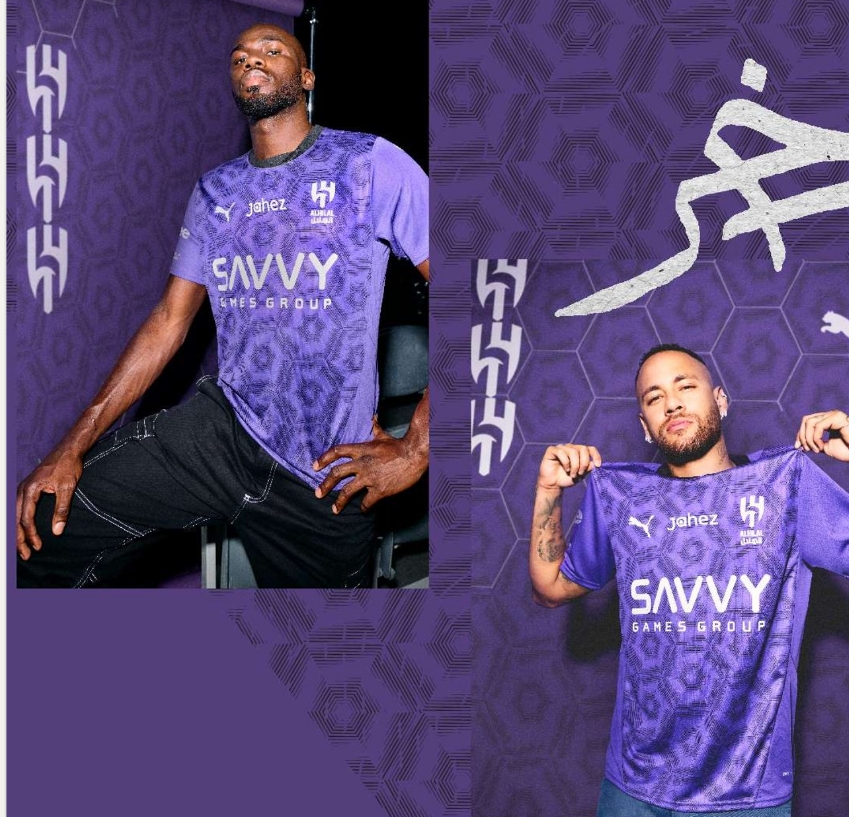
As AI reshapes Silicon Valley, fears are growing that the boom may be the last chance to build wealth before automation widens inequality and erodes the American Dream.
2 min
Silicon Valley is filled with all sorts of dreams. But one of those wild-eyed ideas, long debated on subreddits and in hacker houses, is becoming a real-life nightmare: Will the AI boom be the last chance to get rich before artificial intelligence makes money essentially worthless?
The argument is that tech companies (and their leaders) will become a class unto their own with infinite wealth. No one else will have the means to generate money for themselves because AI will have taken their jobs and opportunities.
In other words, the bridge is about to be raised for those chasing the American dream. And everyone is worried about being left on the wrong side.
It’s the kind of FOMO that on first blush seems to require a huge suspension of disbelief. But the idea’s mere existence helps explain some of the increasing class worries in California, where a growing movement to tax billionaires is roiling the Democratic Party, affordable housing is a real concern and the idea of the middle class seems out of reach.
Yes, it smacks of sci-fi thinking. But in San Francisco it feels real. And it’s made more believable by the exploits of Elon Musk, the rise of OpenAI’s Sam Altman and warnings by Anthropic’s Dario Amodei about Great Depression-like worker displacement.
“The transition will be bumpy,” Musk said this month on a podcast. “We’ll have radical change, social unrest and immense prosperity.”
And that’s Musk’s best-case scenario.
History is filled with technology booms that create new winners and losers. AI optimists like to point out that a rising tide has tended to lift all boats.
What’s being talked about now—massive job loss to automation and the need for public safety nets, in the form of universal basic income—paints a dramatically different future. It’s still not clear there’s any appetite for so-called UBI, which runs counter to many Americans’ bedrock ideals of personal achievement.
“I used to be really excited about UBI…but I think people really need agency; they need to feel like they have a voice in governing the future and deciding where things go,” Altman, OpenAI’s chief executive, said last year when asked by a podcaster about how people will create wealth in the AI era. “If you just say, ‘OK, AI is going to do everything and then everybody gets…a dividend from that,’ it’s not going to feel good, and I don’t think it actually would be good for people.”
If money is out, scarce assets, like art, could become key. Musk has said as much himself. His vision for the future involves robots who handle physical tasks while humanity struggles to keep up with AI thinking, leading to what he calls “universal high income” and an era of abundance.
“If you don’t have a scarcity of resources, it’s not clear what purpose money has,” he said at a conference last year. More recently, Musk suggested people shouldn’t even worry about saving for retirement, predicting AI will provide healthcare and entertainment. “It won’t matter,” he said of retirement savings.
Bold statements from a guy who insisted on a $1 trillion pay package from Tesla, where he is CEO—which he has argued wasn’t about the money, but about maintaining control over the company from misguided activist investors.
Still, it can look like the rich are trying to get richer. So maybe it’s not surprising the San Francisco tech community has been infused with a get-rich-now-or-die-trying vibe.
Many of the most-important events have slipped from our collective memories. But their impacts live on.


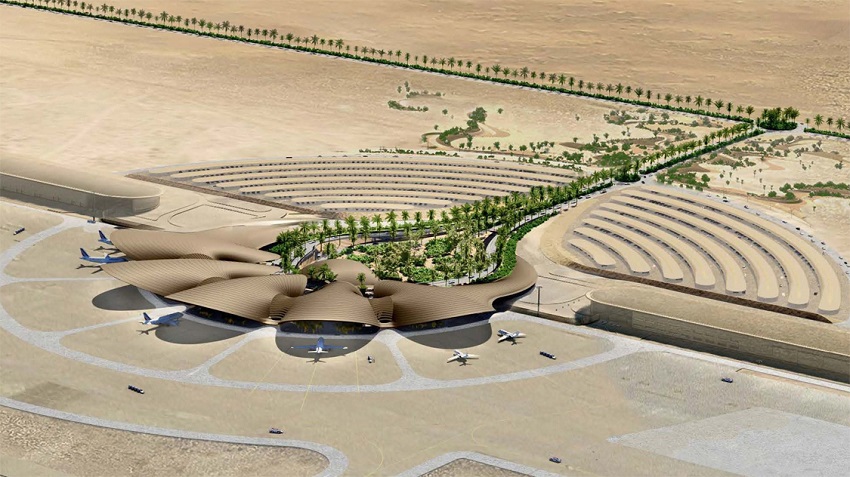

BMW Group Middle East closed 2025 with strong growth across BMW, MINI and BMW Motorrad, driven by rising demand for innovation, performance and luxury. With BMW sales up 10%, record results for BMW M and MINI, and growing momentum in electrified vehicles, the Group is well positioned to carry this growth into 2026.
3 min
BMW Group Middle East has closed 2025 with another year of robust and sustainable growth across its portfolio (BMW, MINI and BMW Motorrad), building on the exceptional results recorded in 2024. The region’s strong demand for innovation and performance has propelled the BMW brand to a 10% year-on-year increase in sales further cementing the Middle East as a key growth market.
In the luxury segment, the BMW 7 Series continued its strong performance, posting a 1.3% year-on-year increase, underscoring sustained demand within the upper premium segment. Meanwhile, BMW M High Performance vehicles experienced a landmark year with a 38% surge in sales, an all-time regional record, driven by growing customer enthusiasm and an expanding M portfolio.
The MINI brand also upheld its upward trajectory, achieving a 16% increase in sales and reaching an all-time high in the Middle East. This growth was powered by strong demand for John Cooper Works (JCW) models and the rising popularity of MINI’s battery electric vehicles (BEVs).
Corporate Sales (BMW and MINI) reached its highest performance ever in 2025, with an impressive 28% year-on-year growth. This achievement reflects the solid and close collaboration between BMW Group Middle East and its importer partners in the region. Having now established a strong foundation for this segment, BMW Group Middle East is committed to maintaining this momentum into 2026.
Electrified vehicles gained notable traction in the fourth quarter of 2025, laying a strong foundation for the upcoming year. The introduction of the “Neue Klasse” BMW iX3 later in 2026 is set to mark a new era in BMW’s electric vehicle strategy in the Middle East.
Beyond vehicle sales, BMW Group Middle East’s Customer Support Services recorded an 8.2% growth compared to 2024, underscoring the enduring trust customers place in BMW’s authorized service network. The Group has further enhanced the ownership experience through innovative initiatives such as the ConnectedDrive platform, BMW and MINI Proactive Care, and the “Relax. We Care” program. Together with multiple digital touchpoints, these initiatives position BMW as a leader in delivering convenient, high-quality aftersales services in the region, offering customers with uncompromising, proactive care.
BMW Motorrad also concluded 2025 on a high note, delivering the highest ever recorded sales result in the Middle East, driven by a 9% increase in private customer sales strengthening its position in the premium motorcycle segment.
This strong performance is supported by the ongoing transformation and expansion of the BMW Group Middle East Retail Network. The rollout of the new Corporate Identity, “Retail.Next” introduces a customer-centric concept that creates an open and flexible environment, delivering the most convenient and engaging customer journey in a welcoming space closely connected to BMW Group products.
In 2025, BMW Group Middle East, in collaboration with its local importer partners, successfully entered new markets and inaugurated several Retail.Next facilities, achieving significant milestones in regional retail expansion and transformation. These state-of-the-art Retail.Next facilities, infused with regional character, have also succeeded in captivating enthusiasts of BMW M and luxury products alike.
Through this expansion, BMW Group Middle East is not only growing its network within the region but also significantly enhancing the customer experience. Beyond infrastructure, these advanced facilities serve as hubs for nurturing local talent, reinforcing the Group’s commitment to developing skilled professionals who uphold BMW’s standards of excellence. This comprehensive approach to sales channel development plays a vital role in sustaining growth and strengthening BMW’s leadership position in the Middle East.
Commenting on the results, Karim-Christian Haririan, Managing Director of BMW Group Middle East, said: “2025 marks another outstanding milestone for BMW Group Middle East, with double-digit growth building on the exceptional performance of the previous year. This achievement is a testament to the strength and resilience of our strategic vision, the breadth of our portfolio, and, most importantly, the invaluable partnership with our importer network across the region. Their dedication and operational excellence have been instrumental in driving sustainable growth and expanding our market presence.
We are deeply grateful to our customers for their continued trust and loyalty, which inspire us to relentlessly pursue excellence across all facets of our business. Together with our partners, we remain committed to advancing innovation and delivering unparalleled premium experiences.”
Looking ahead to 2026, BMW Group Middle East remains confident as it continues to focus strategically on luxury, high-performance, and electrified vehicles, supported by ongoing investments in customer experience and retail development. The Group is also preparing to expand its regional footprint with plans to enter the Syrian market, with official details on importer appointments to be announced in due course.
The sports-car maker delivered 279,449 cars last year, down from 310,718 in 2024.




Joby Aviation’s electric air taxis are set to launch commercially in Dubai by year-end, following a successful test flight in June 2025, with exclusive operating rights granted for the next six years.
< 1 min
Electric air taxis developed by Joby Aviation are set to begin commercial operations in Dubai by the end of this year, Dubai’s Roads and Transport Authority Chairman Mattar Al Tayer said
Joby Aviation conducted the first test flight of its fully electric air taxi in the emirate in June 2025, a major milestone in Dubai’s efforts to introduce them into its existing transport networks.
The Joby Aerial Taxi, the flagship electric vertical take-off and landing aircraft developed by the California-based company, can fly distances of up to 160 kilometers (100 miles) at speeds reaching 320km/hr (200mph).
With zero operating emissions, Joby’s air taxi is designed to be both eco-friendly and quiet enough for commercial use in dense urban areas.
In early 2024, Joby signed a contract with Dubai’s Roads and Transport Authority that awarded the company exclusive rights to operate aerial taxis in the city for the next six years.
Paine Schwartz joins BERO as a new investor as the year-old company seeks to triple sales.
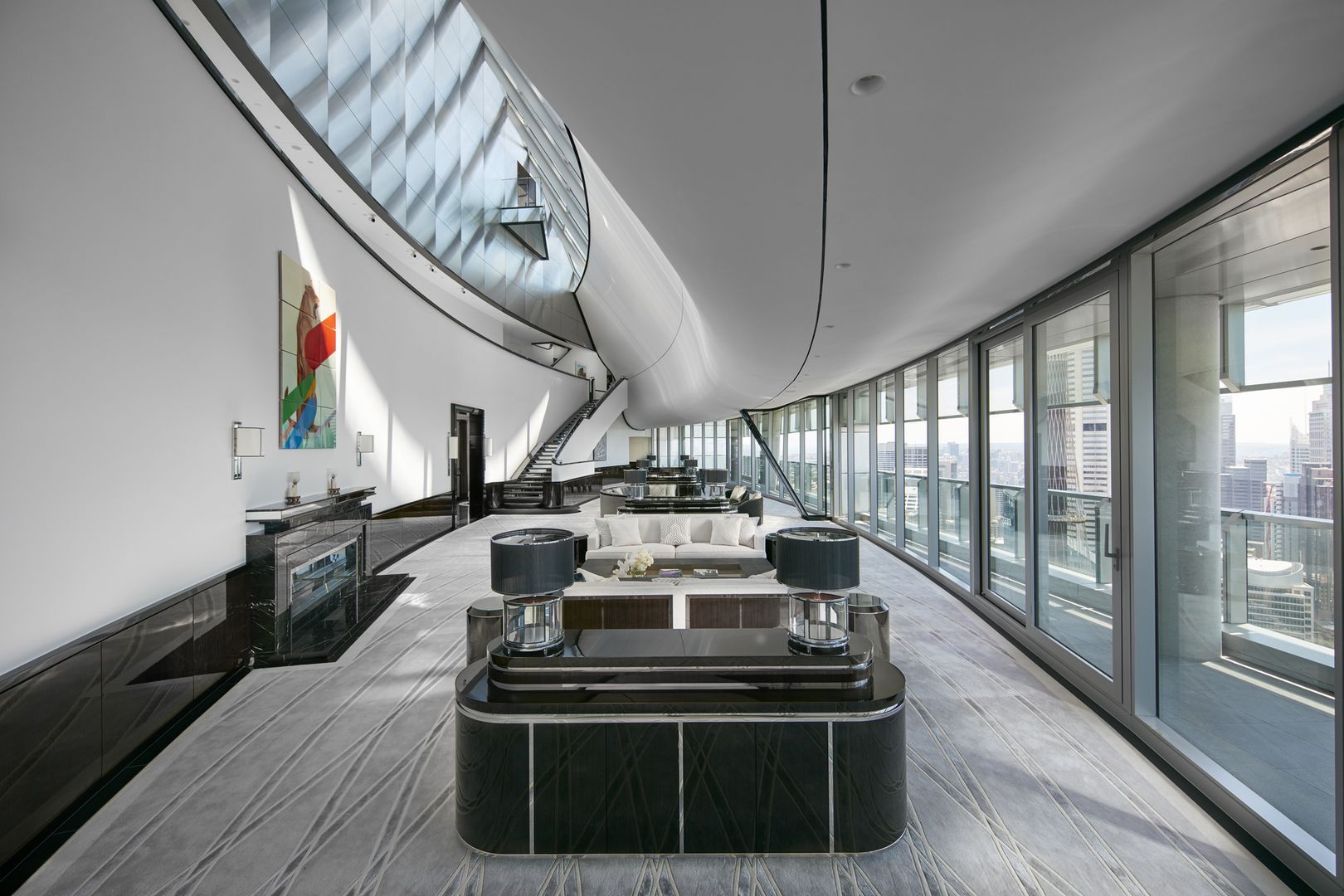


Cybersecurity resilience and faster threat response are driving SOC adoption in the Middle East, with 48% of companies planning SOCs and 41% citing rising cyber threats. Despite increased automation, human expertise remains central to effective security management.
3 min
Among the primary reasons for establishing a Security Operations Center (SOC) are strengthening cybersecurity posture, enabling faster detection and response and gaining a competitive edge. Interestingly, despite the increasing demand for automated cybersecurity solutions, businesses rely on skilled security professionals to make key decisions, as human expertise remains essential for effective security management.
A Security Operations Center (SOC) is a dedicated organizational unit responsible for continuous monitoring and safeguarding of a company’s IT infrastructure. Its core mission is to proactively detect, analyze and respond to cybersecurity threats. To identify the main drivers, strategic priorities, and potential challenges in SOC planning and implementation, Kaspersky has conducted a comprehensive global study involving senior IT security specialists, managers and directors from companies with 500 or more employees. All participants operate without a SOC but have plans to establish one in the near future. The study spans 16 countries across APAC, META, LATAM, Europe, and Russia, including the Middle East, providing valuable insights into the emerging trends and best practices in SOC development worldwide.
The findings of the research reveal that 48% of companies in the Middle East intend to establish SOCs to strengthen their cybersecurity posture, and 41% are motivated by the need to address increasingly sophisticated and dangerous threats. Other drivers include budget optimization (45%), the necessity for faster detection and response (40%), and the expansion of software, endpoints and user devices (44%) – factors that demand more comprehensive and layered security measures. Additionally, 38% seek better protection of confidential information, 39% aim to meet regulatory requirements and (34%) expect SOC capabilities to provide a competitive edge. Larger enterprises tend to cite each of these reasons more often, reflecting the broader operational and regulatory pressures they experience.
Continuous monitoring becomes the leading SOC requirement
Among the key functions organizations in the Middle East plan to delegate, 24/7 security monitoring leads at 56%. This around-the-clock vigilance enables early detection of anomalies, prevents escalation and sustains cyber resilience in real time. This demand highlights a strategic requirement for proactive risk management, as organizations aim to defend against persistent threats that can strike at any moment.
Companies intending to fully outsource SOC operations show a stronger interest in applying “lessons learned” methodologies, whereas those developing internal SOCs focus more on access management to maintain tighter control.
Human expertise drives SOC technology choices
While SOCs use advanced technology, the choices made by organizations in the Middle East show that human analysts are very important. Among the solutions that organizations plan to include in SOC are – Threat Intelligence Platforms (49%), Endpoint Detection and Response (30%) and Security Information and Event Management systems (42%) – are sophisticated solutions that automate data collection and reduce operational load, however, they depend heavily on skilled security professionals who provide critical context, interpret complex findings and make final decision when guiding appropriate responses.
Other solutions chosen include Extended Detection and Response (35%), Network Detection and Response (41%) and Managed Detection and Response (35%). Large enterprises tend to adopt more technologies (5.5 per SOC on average), while smaller ones integrate fewer (3.8).
“To successfully build a SOC, companies must prioritize not only the right mix of technology but also the careful planning of processes, clear goal-setting and effective resource distribution. Well-defined workflows and continuous improvement are essential to ensure that human analysts can focus on critical tasks, making the SOC a proactive and adaptable component of their cybersecurity strategy,” comments Roman Nazarov, Head of SOC Consulting at Kaspersky.
To successfully establish and effectively maintain your SOC, Kaspersky recommends the following:
- Equip your cybersecurity team with in-depth visibility into cyber threats relevant to your organization. The latest Kaspersky Threat Intelligence delivers rich, contextual insights throughout the entire incident management cycle, enabling timely identification of cyber risks.
- Engage with Kaspersky SOC Consulting during the initial setup or when enhancing your existing security operations.
- Boost your security performance with Kaspersky SIEM, powered by advanced AI capabilities. This solution aggregates, analyzes and stores log data across your entire IT infrastructure, providing contextual enrichment and actionable threat intelligence insights.
- Protect your company against a wide range of threats with solutions such as from the Kaspersky Next product line that provide real-time protection, threat visibility, investigation and response capabilities of EDR and XDR for organizations of any size and industry.
The sports-car maker delivered 279,449 cars last year, down from 310,718 in 2024.




OMEGA opens 2026 with two new Speedmaster Moonwatch models featuring a striking inverted black-and-white dial, offered in stainless steel or 18K Moonshine™ Gold and powered by the Co-Axial Master Chronometer Calibre 3861.
< 1 min

OMEGA opens 2026 with two new Speedmaster Moonwatch timepieces, each reinterpreting the classic chronograph look with an inverted dial configuration.
The new models are crafted with the Moonwatch’s essential step dial, which is put together with a double plate. The top plate is polished black, with a varnished and lacquered finish for superior sheen, and includes rhodium-plated subdial frames. Meanwhile, the base layer for the subdials is produced in white, also with a varnished and lacquered finish. The minute track is transferred in white on the main dial, while the subdials feature minute tracks transferred in black. A detail consistent across both versions that enhances the reversed aesthetic and legibility.
In combination with the black and white dial, the new watches include black ceramic bezel rings filled with a tachymeter scale in white enamel. The front features a box-form scratch-resistant sapphire crystal with an anti-reflective treatment. Around the wrist, the watches are distinguished by their polished-brushed bracelets, created in the standard Moonwatch style with OMEGA’s patented comfort release adjustment system.
The two 42 mm choices within the range include:
- A version in stainless steel. All the hands and hour markers are rhodium-plated with white Super-LumiNova.
- A version in 18K Moonshine™ Gold, OMEGA’s own long-lasting yellow gold alloy. The dial includes hour-minute hands, subdial hands, and hour markers all in 18K Moonshine™ Gold with white Super-LumiNova, as well as a central chronograph hand in PVD Moonshine™ Gold.
These Speedmaster Moonwatch professional timepieces are each powered by the OMEGA Co-Axial Master Chronometer Calibre 3861 – the most advanced evolution of the famous Calibre 321 that NASA astronauts trusted on the Moon. This mechanical quality allows the watches to receive a 5-year warranty, along with Master Chronometer certification which guarantees the Swiss industry’s highest standard of precision, performance, and magnetic resistance.
The sports-car maker delivered 279,449 cars last year, down from 310,718 in 2024.



The Lighting Innovation Summit – Riyadh (2nd Edition) takes place on 02 February 2026 at Radisson Blu Hotel, bringing together industry leaders to explore smart, sustainable, and human-centric lighting under Vision 2030. Join the decision-makers shaping Saudi Arabia’s lighting future.
< 1 min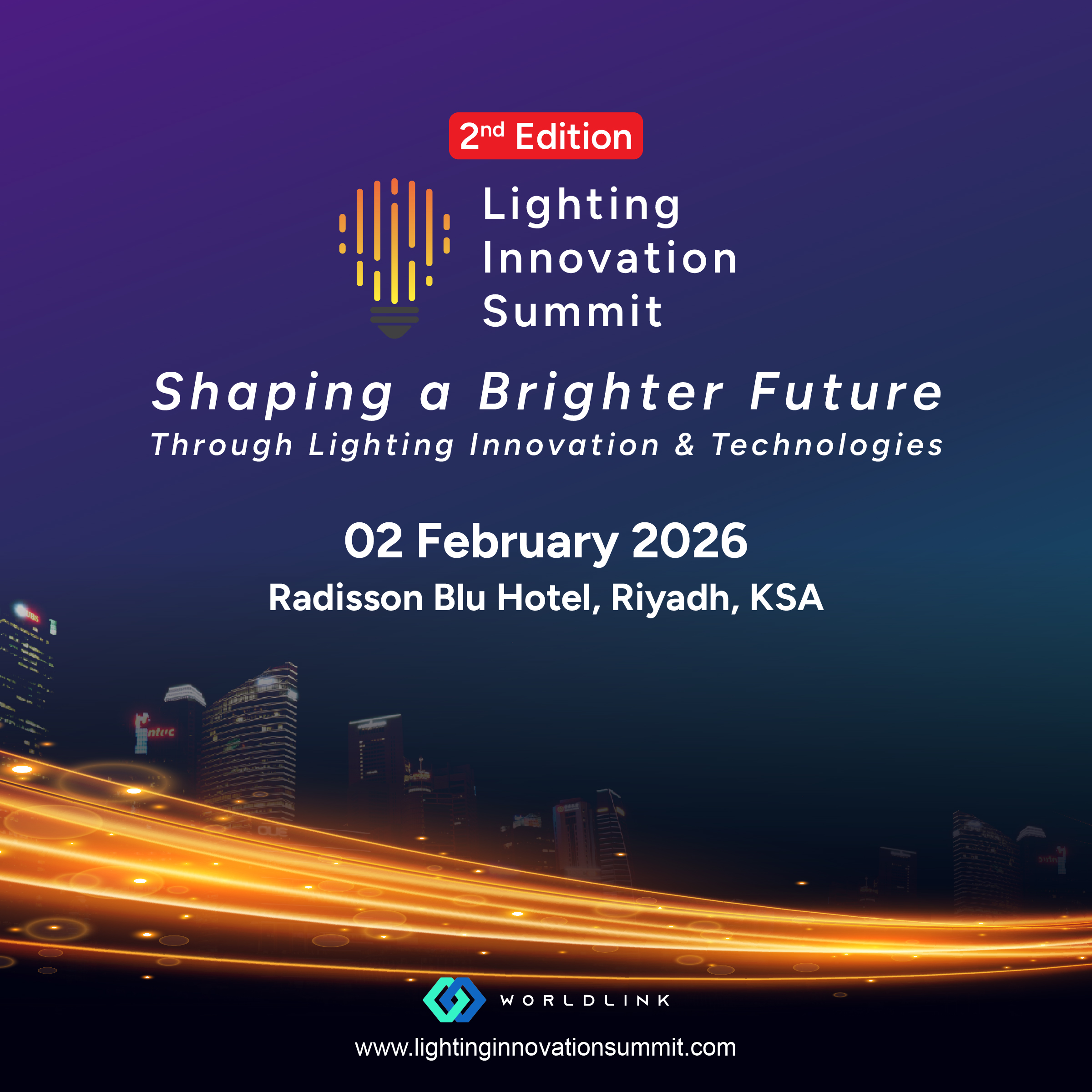
The Lighting Innovation Summit – Riyadh (2nd Edition) will take place on 02 February 2026 at Radisson Blu Hotel, Riyadh, bringing together the region’s leading lighting designers, architects, developers, consultants, and technology providers to explore the future of lighting in the built environment.
Following a successful inaugural edition, the Summit returns at a critical moment as Saudi Arabia accelerates smart city development, sustainable infrastructure, and human-centric design under Vision 2030. The event will spotlight how lighting innovation is transforming urban spaces, buildings, public realms, and large-scale developments across the Kingdom.
A Platform for Decision-Makers and Solution Providers
The Lighting Innovation Summit is designed as a focused, high-value forum for professionals actively shaping lighting projects across architecture, infrastructure, and urban development. Key discussion areas include:
- Smart and connected lighting systems
- Energy-efficient and sustainable lighting technologies
- Architectural and façade illumination
- Urban and public realm lighting
- Human-centric and wellbeing-focused design
The Summit will feature expert-led sessions, practical case studies, and strategic insights from industry leaders working on some of the region’s most ambitious projects.
Why Attend or Partner
For solution providers, manufacturers, consultants, and technology companies, the Summit offers direct access to decision-makers responsible for specifying, designing, and delivering lighting solutions across Saudi Arabia’s growing pipeline of developments.
Participants will benefit from:
- High-quality networking with senior industry stakeholders
- Exposure to upcoming projects and procurement priorities
- Opportunities to showcase solutions to an engaged, relevant audience
- Brand positioning within the Kingdom’s lighting and smart infrastructure ecosystem
Registration and Partnership Opportunities
Delegate passes are complimentary and subject to eligibility. Exhibition, sponsorship, and speaking opportunities are available in limited numbers.
Join the companies shaping Saudi Arabia’s lighting future. To participate, click here.
Many of the most-important events have slipped from our collective memories. But their impacts live on.




Kaspersky warns that phishing remains a major cyber threat, as many users lack protective solutions and are tricked into fake websites that steal login details, personal data, and bank card information.
2 min
Kaspersky analyzed phishing and scam campaigns observed from January through September 2025 and found that 88.5% of attacks sought credentials for various online accounts. Another 9.5% targeted personal data such as names, addresses, and dates of birth, while 2% focused on bank card details.
According to data from Kaspersky, over 47 million phishing links were clicked in the Middle East region in the previous year (from November 2024 to October 2025) – all of which were detected and blocked by Kaspersky solutions. Not everyone uses protective solutions on their devices however, and phishing remains one of the most prevalent cyber threats, with attackers luring users to fake websites where they unwittingly surrender their login credentials, personal information, or bank card details.
Distribution of attacks by type of data being targeted
Kaspersky research shows that most phishing pages transmit stolen information via email, Telegram bots, or attacker-controlled panels, before it enters underground resale channels.
Data stolen through phishing is rarely used only once: credentials from multiple campaigns are consolidated into data dumps and sold on dark web markets, in some cases for as little as $50. Buyers sort and verify the data to check whether accounts remain active and reusable across different services. According to Kaspersky Digital Footprint Intelligence, average 2025 prices ranged from $0.90 for global internet portals to $105 for crypto platforms and $350 for online banking access. Personal documents such as passports or ID cards sold for about $15 on average, with pricing influenced by account age, balance, linked payment methods, and security settings.
As datasets are enriched and combined, attackers can build detailed digital profiles that may later support targeted attacks on executives, finance staff, IT-administrators or individuals with valuable assets or personal documents.
“Our analysis shows that credentials account for nearly 90% of phishing attempts. Once collected, logins, passwords, phone numbers, and personal details are aggregated, checked, and resold, sometimes years after the initial theft. Combined with new information, even old credentials can enable account takeovers and targeted attacks against both individuals and organizations. By leveraging open-source intelligence and old breach data, attackers can craft highly personalized scams, turning one-time victims into long-term targets for identity theft, blackmail, or financial fraud,” said Olga Altukhova, senior web content analyst at Kaspersky.
To reduce the risks associated with phishing, users should follow a few safety recommendations:
- Do not trust links or attachments received by email or messages. Always check the sender carefully before opening anything.
- Double-check websites before entering any personal or financial information. Make sure the URL is correct and watch for spelling errors or visual inconsistencies.
- Even when precautions are in place, review bank and card statements regularly and report any suspicious transactions to your financial institution immediately.
- If account credentials are stolen, change the password for the affected account and for any other services where the same or similar password was used. Use a unique password for each account.
- To stay protected, install a comprehensive cybersecurity solution. Kaspersky Premium protects users from fraudulent activities through advanced detection technology that analyzes website characteristics and URLs to identify suspicious patterns.
- Enable multi-factor authentication for all accounts that support it.
- Check account login history and active sessions regularly and terminate any suspicious activity.
- If a messaging or social media account is compromised, inform contacts that fraudulent messages may be sent in your name.
The sports-car maker delivered 279,449 cars last year, down from 310,718 in 2024.




Polygreen has launched Again, Please, the UAE’s first reusable foodware system, at the World Future Energy Summit in Abu Dhabi, supporting the country’s shift toward a circular economy by replacing single-use plastics with a scalable, closed-loop reuse model.
2 min
Polygreen, a leading provider of global circular economy solutions, is launching “Again, Please”, a reusable food ware system aimed at replacing single-use plastics, during the World Future Energy Summit (WFES) at ADNEC Centre Abu Dhabi, as the UAE accelerates its transition towards a circular economy.
As part of the launch, Again, Please hot and cold reusable cups will be used across participating exhibitors at ADNEC Centre Abu Dhabi throughout WFES, demonstrating the practical application of reusable food ware at one of the region’s largest sustainability events. The brand is also exhibiting under the Polygreen stand, highlighting the role of circular infrastructure in reducing waste at scale.
The launch coincides with the UAE’s recent legislation to phase out single-use plastic products, reinforcing national efforts to shift towards more sustainable consumption models and circular economy solutions.
Athanasios Polychronopoulos, Chairman and Group Chief Executive Officer at Polygreen, said: “The UAE has taken decisive steps to address plastic waste through regulation and policy. Again, Please demonstrates how policy, infrastructure, and proven reusable packaging solutions which support behavioral change can work together. By replacing single-use cups with a practical, scalable reuse model, we are helping business partners move from intention to direct impact.”
Again, Please is a reverse logistics (closed loop) reusable food ware packaging solution designed for events, exhibitions, entertainment venues, and F&B operators. The system goes beyond cups, offering tailored reusable packaging formats supported by end-to-end infrastructure, including collection points, logistics, industrial washing, and redeployment, ensuring hygiene, convenience, and operational efficiency.
A key component of the system is the Again, Please wash hub located in the Khalifa Economic Zones Abu Dhabi. The facility, a first of its kind in the UAE, enables high-volume, food-grade washing and rapid turnaround, ensuring reusable packaging is safely returned to circulation.
“Our goal with Again, Please is to make reuse simple, accessible, and commercially viable. By providing the full infrastructure behind the scenes, from washing and logistics to on-ground deployment, we enable HoReCa operators and venues to move away from single-use food ware while elevating their customer experience”, added Theodossios Kassapantoniou, General Manager of Again, Please.
Prior to its official launch at WFES, Again, Please was piloted across several events in Abu Dhabi, where the system demonstrated high return rates and strong consumer participation, in line with the implemented international best practices.
By replacing disposable food ware with reusable alternatives, the system helps partners reduce waste sent to landfill, lower the carbon footprint associated with single-use production, and generate measurable ESG outcomes.
The launch of Again, Please at WFES reflects the growing role of reusable food ware in supporting the UAE’s sustainability agenda, including waste reduction targets, circular economy frameworks, and public-private collaboration.
Paine Schwartz joins BERO as a new investor as the year-old company seeks to triple sales.

Alexandre de Betak and his wife are focusing on their most personal project yet.