





































Shipping cargo through an Arctic shortcut never made economic sense—until now.
Climate change and war in the Middle East are flipping the math that previously kept ships plying longer routes from Asia to Europe. A Chinese company on Saturday is starting the first regular cargo service to Europe through Arctic waters, seeking to reap the benefits of quicker travel time and less fuel use.
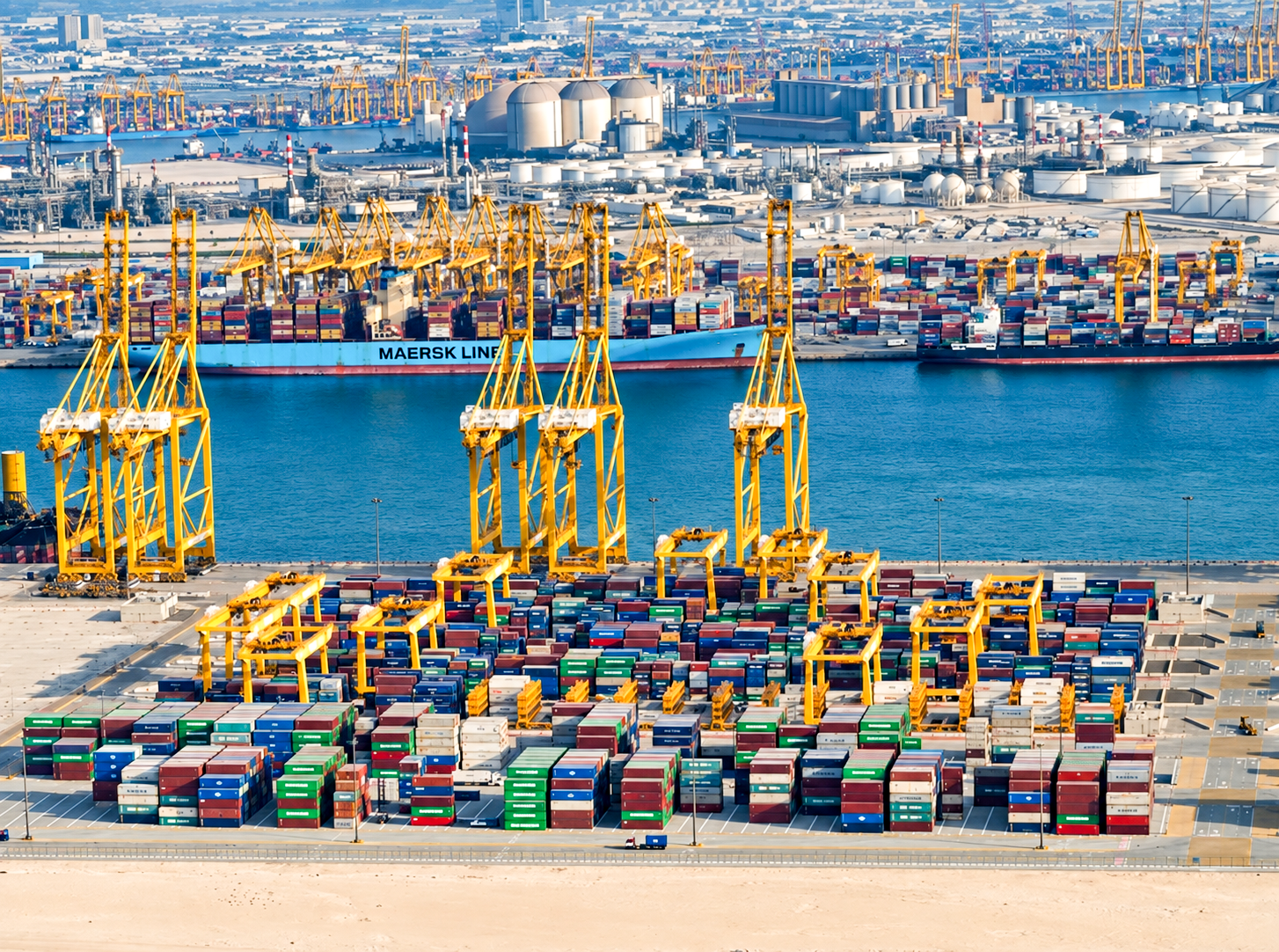
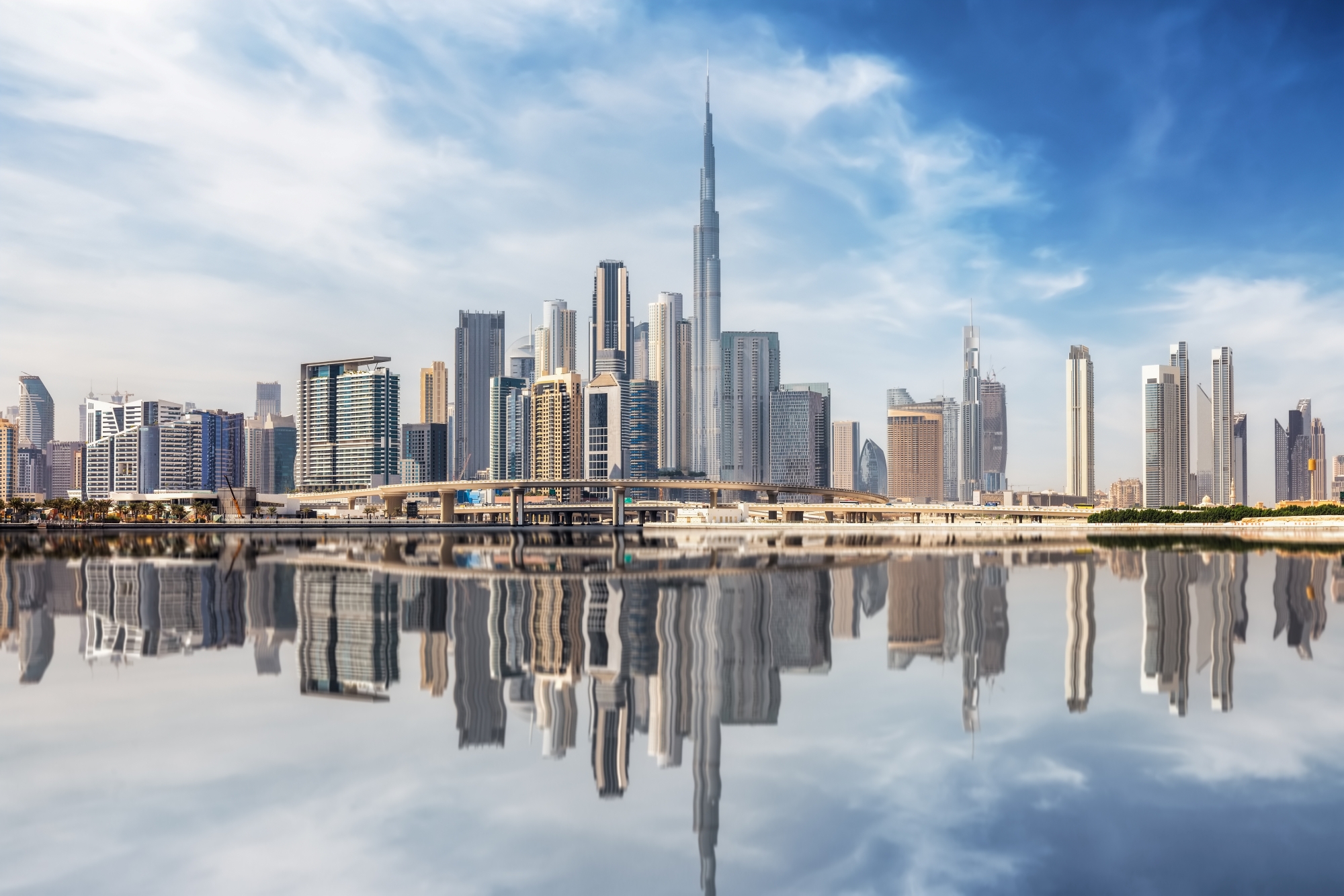
The shipper Sea Legend will dispatch the Dubai Tower from Ningbo, China, to Felixstowe in the U.K. on what it calls the Arctic Express, following a route along Russia’s north coast. The voyage by the vessel, which is capable of carrying 1,740 20-foot containers, is the biggest commercial step in the Arctic since a Maersk containership first completed the route in 2018.
Global warming is a big factor behind the new route, but it is not the only one. Nearly half the Arctic region’s summer ice—an area four times the size of Texas—has melted over five decades, clearing a fairly reliable path in the summer months. Meanwhile, high oil prices and attacks by Houthi rebels in the Red Sea have made the traditional routes costlier and more dangerous.

Beyond that, Beijing has ambitions to play a role in the Arctic’s future, lending a geopolitical dimension to the Chinese company’s shipping route.
Last year Sea Legend completed a trial run from Asia to Europe in a record 20 days. That is roughly half the time of a voyage via Africa’s Cape of Good Hope that many carriers now take because of the Red Sea uncertainty.
Fuel accounts for 70% or more of the costs while at sea, said Alan Murphy, a former Maersk analyst who runs research firm Sea-Intelligence.
Saving fuel by shortening the journey doesn’t automatically make a route profitable. Insurance premiums for the Arctic are 40% higher than the Cape of Good Hope route, said Jonathan Steenberg, an economist at credit insurer Coface. Sea Legend’s Arctic vessels are relatively small. And even after warming, an icebreaker is still sometimes needed to help the cargo ship.
But if the ship can go without an icebreaker, Coface said the Arctic route is now cheaper than a Cape of Good Hope voyage in some circumstances. It estimated that at current oil prices of around $90, the cost of shipping liquid bulk such as liquefied natural gas could drop roughly 33% compared with the Cape of Good Hope route, while dry bulk goods such as cereals would cost about 8% less.

The route is only passable in the summer and fall. Sea Legend plans eight voyages between August and late October, before conditions get too icy.
“It’s not the Suez Canal but it’s a significant number for the Arctic. It shows there is potential,” said Malte Humpert, founder of the U.S.-based Arctic Institute and author of a book on Chinese shipping in the Arctic.
Even in summer, ships have to navigate around dangerous ice floes and deal with rapidly changing weather. By the end of the shipping season in October, the sky is dark most of the time.
A Russian tanker suffered serious damage to its hull while sailing along the Arctic route despite being assisted by an icebreaker, its insurer, AlfaStrakhovanie, said Thursday, adding that it paid out roughly $650,000.
Coface estimates 3.5% of trade among East Asia, Europe and North America will be able to use Arctic routes within the next five years, representing $64 billion in goods.
Last summer, a record 23 cargo ships transited the Northern Sea Route, which hugs Russia’s north coast. That is tiny compared with the Suez Canal, where more than 30 ships transited daily.
Western companies that want to follow in Sea Legend’s path have to navigate treacherous politics. Russia claims sovereignty over the entire Northern Sea Route and permits for ship traffic are issued by its state-controlled nuclear operator, Rosatom.

“Western companies are in a tricky position,” said Humpert of the Arctic Institute. “At what point do they jump back in the water? When does it become economically necessary, and how do you weigh that against environmental risks and the political dimension?”
An alternative Arctic route, the Northwest Passage that connects the Atlantic and Pacific oceans via the Canadian Arctic, is less passable because it is dominated by narrow waterways where ice gets bunched up. The highest number of cargo ships completing the passage in a year was 13, in 2023.
China has declared itself a near-Arctic state despite not having access to Arctic waters. It depends on Russia’s goodwill to use the Northern Sea Route.
“Beijing is concerned that if they don’t establish a significant strategic presence in the Arctic now, it’s going to be more difficult in the future,” said Marc Lanteigne, expert in polar geopolitics at the Arctic University of Norway in Tromsø. However, he said, “China needs to be careful not to give the impression that they are trying to challenge the strategic order in the Arctic.”
Sea Legend didn’t respond to requests for comment.
Any polar venture contributes to China’s quest to master Arctic travel. The country also has three icebreakers and a support vessel currently on a monthslong scientific expedition north of Greenland. Scientific and commercial voyages can yield data about natural resources awaiting below melting ice caps and information for positioning nuclear-armed submarines.