






Tech allows ultra-green homes to be built in just two months
The breakthrough comes as research shows homebuyers are willing to pay more for sustainable features
 2 min
2 min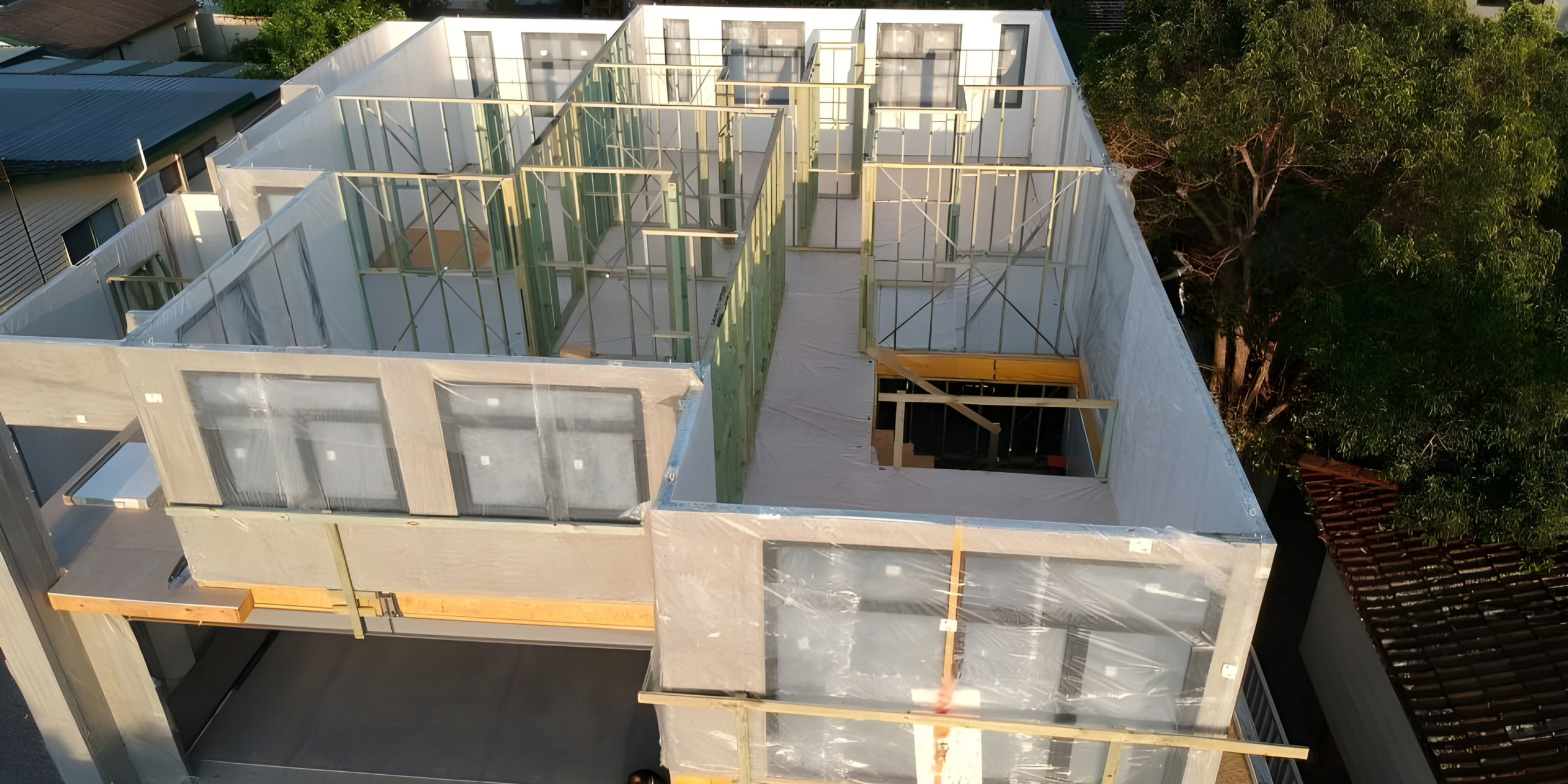
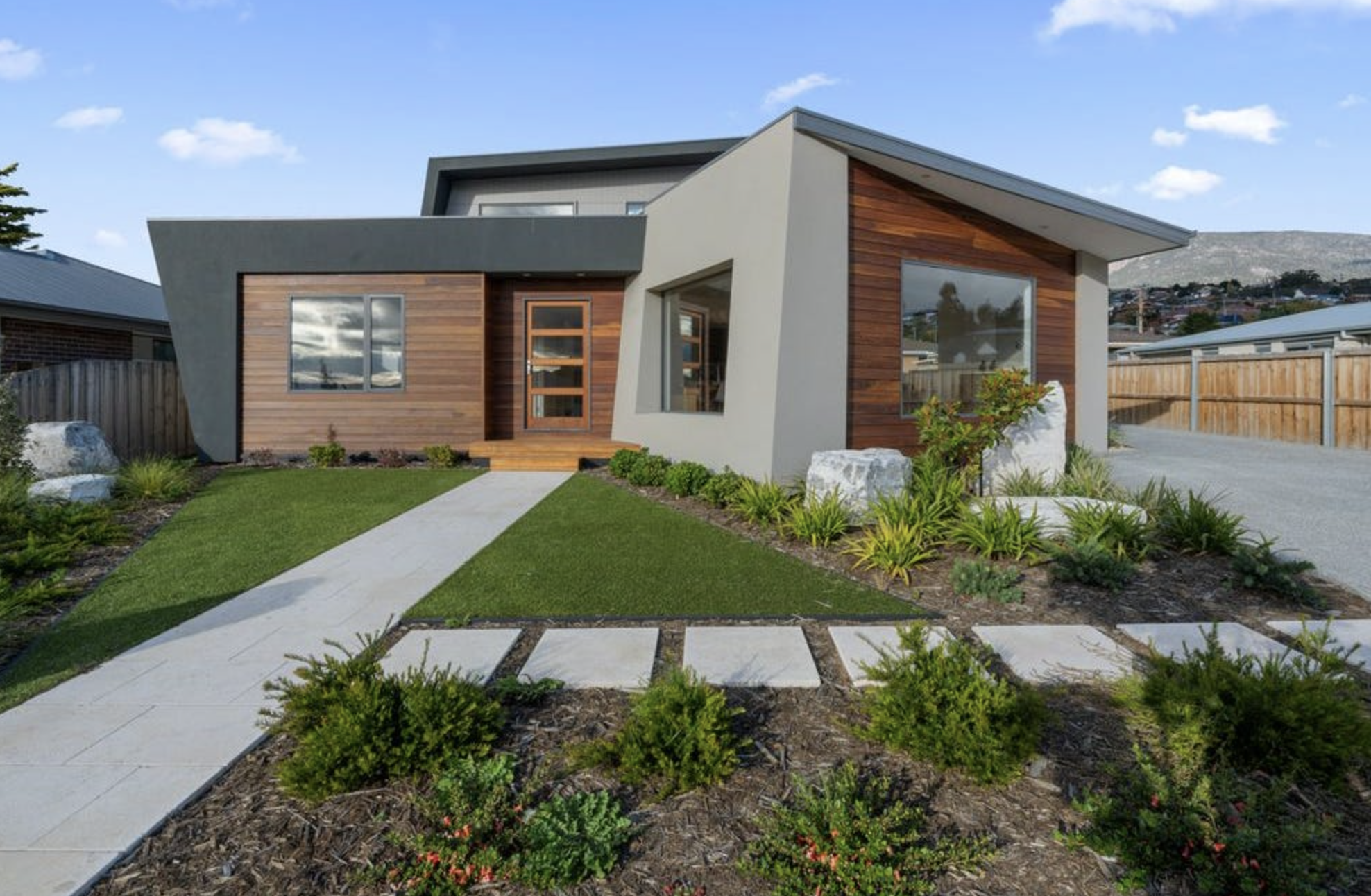
An Australian construction giant is poised to build ultra-energy efficient homes in a matter of months after signing a joint venture with a green tech prefabricated wall manufacturer.
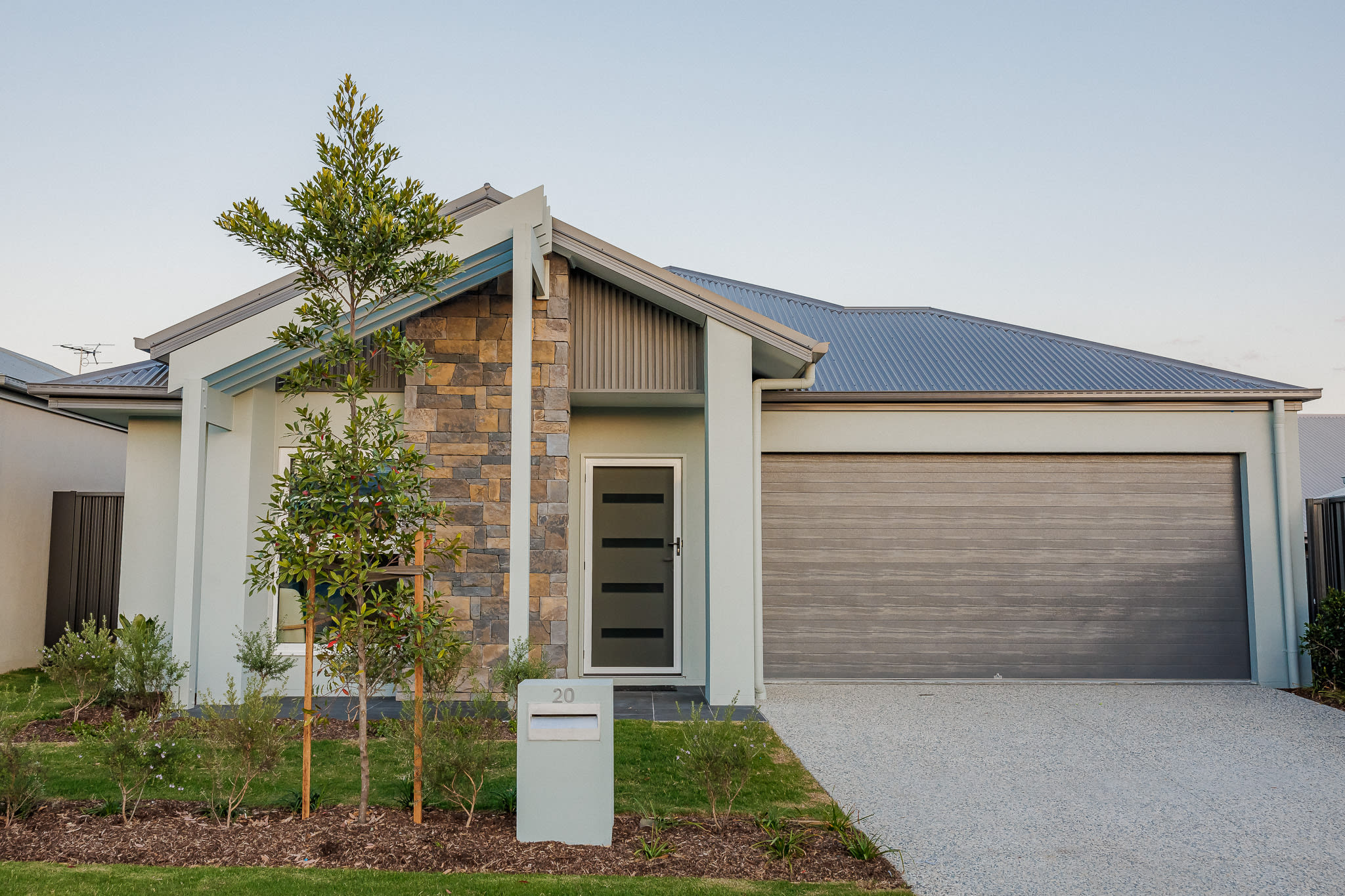
AVJennings recently launched a new collection of designer dwellings dubbed Stellar, which feature an innovative walling system from tech company Pro9.
Using the galvanised steel-frame and foam insulated product, the time it takes to construct a home can be cut to a fifth of what it is currently, meaning a dwelling could go up in just two months.
And the finished product can achieve at least an eight-star energy efficiency rating – well above the current minimum of six stars and ahead of the boosted seven-star requirement that comes into effect from 2024.
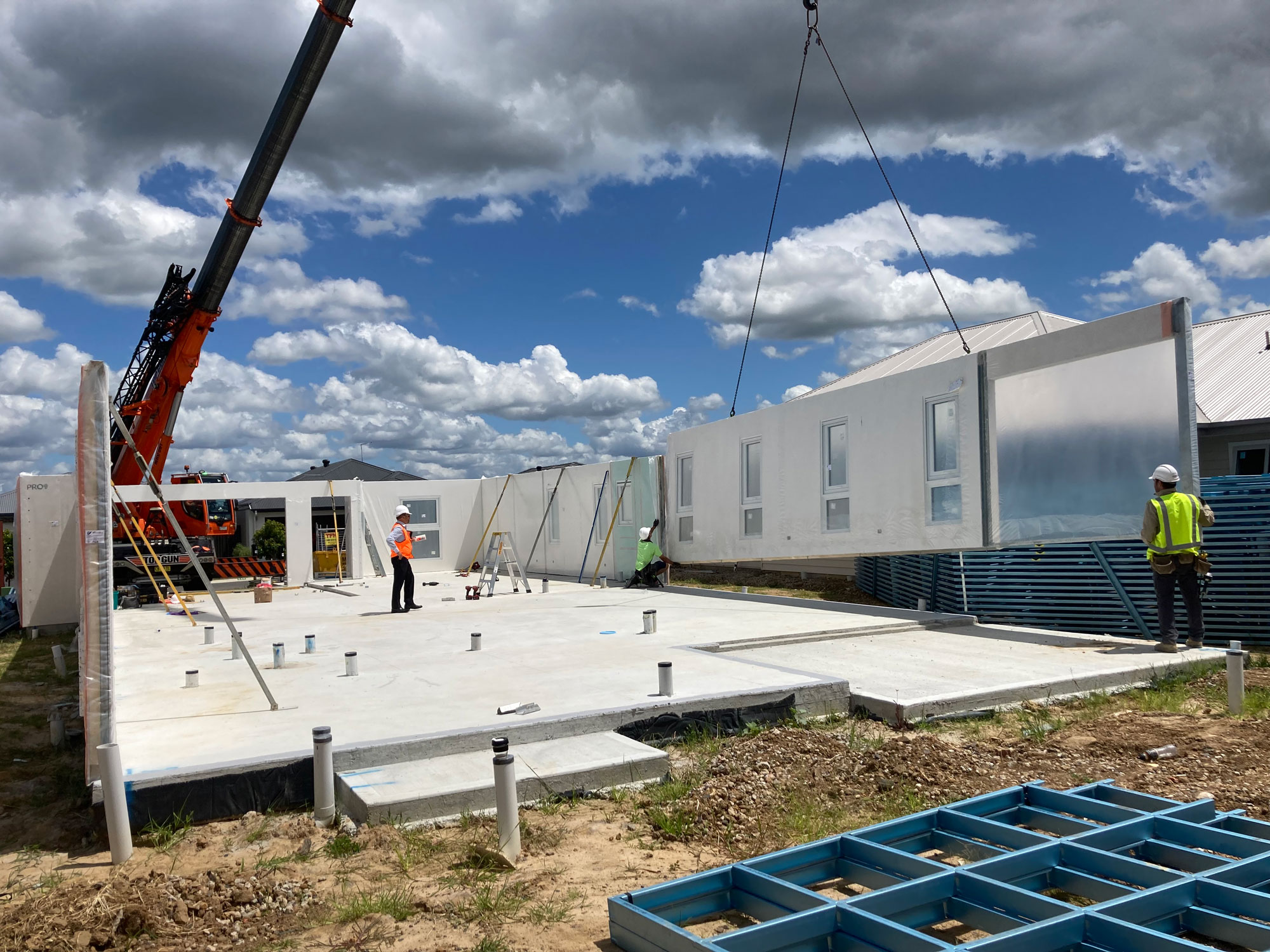
AVJennings has signed a joint venture with Pro9 to establish a manufacturing hub in Australia, capable of producing more than 1000 homes a year.
“The fact that Pro9 can be implemented directly into our existing product range to elevate the offering is ground-breaking,” AVJennings chief executive officer Phil Kearns said.
“Since introducing the technology into three homes in our Evergreen community in New South Wales 2021, we can see how much it contributes to a home’s energy efficiency and comfort.”
AVJennings is the first developer to bring the Pro9 technology to market in Australia, Mr Kearns said.
“We recognise the importance of achieving higher quality, better insulated and more durable homes and for us to all reduce our carbon footprint.”
Mr Kearns said the partnership is “just the start” of what the company plans to roll out in the future.
Homebuyers are increasingly demanding green and sustainable features and most are willing to pay a premium for it, according to the most recent Property Seeker Report from realestate.com.au.
The largest survey of its kind, the research probes respondents on hundreds of questions relating to the home-buying journey and has found the vast majority are eager to go green.
The 2022 report found 81 per cent of homebuyers see sustainable features in a property being critical in their decision-making and 87 per cent are willing to pay extra for green features, from solar panels to efficient insultation.
The average premium those buyers are willing to pay is 15%, the report found.
Recent analysis by KPMG found the Green Building Council of Australia’s Green Star Homes not only benefit the environment, but owners are better off financially almost immediately, with savings outpacing initial upfront costs.
While the modelling shows a Green Star Home will increase typical loan repayments by up to $84 per month, the savings in energy costs are up to $140 per month.
“The results are particularly exciting as they show that the economics now align with the significant amenity uplift of a greener, more efficient and healthier home,” said Mark Spicer, KPMG’s partner of ESG advisory and assurance.
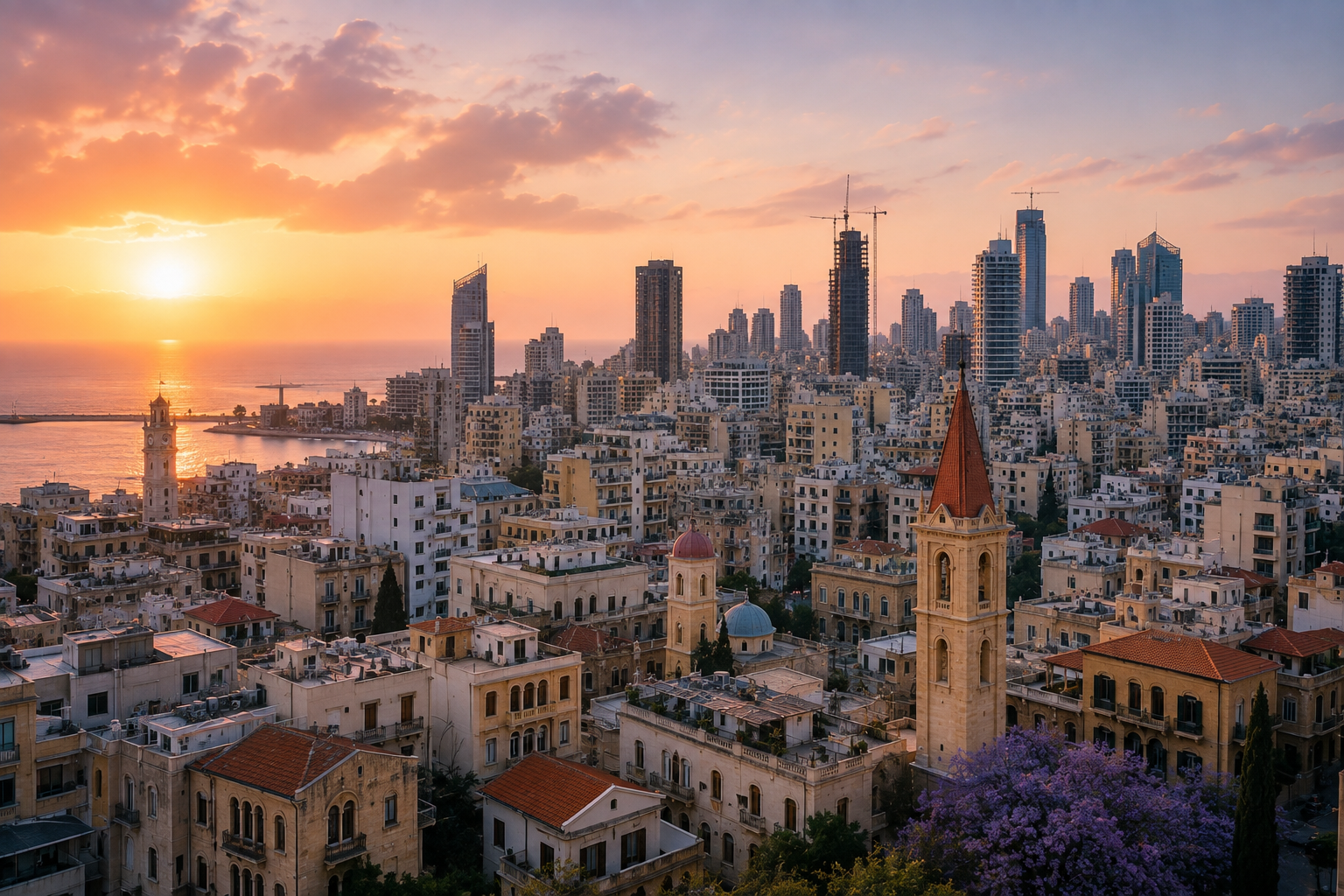
Beirut’s property market has survived what would have ended almost any other city.
The professionals still building, still selling, still making the case deserve to be named.
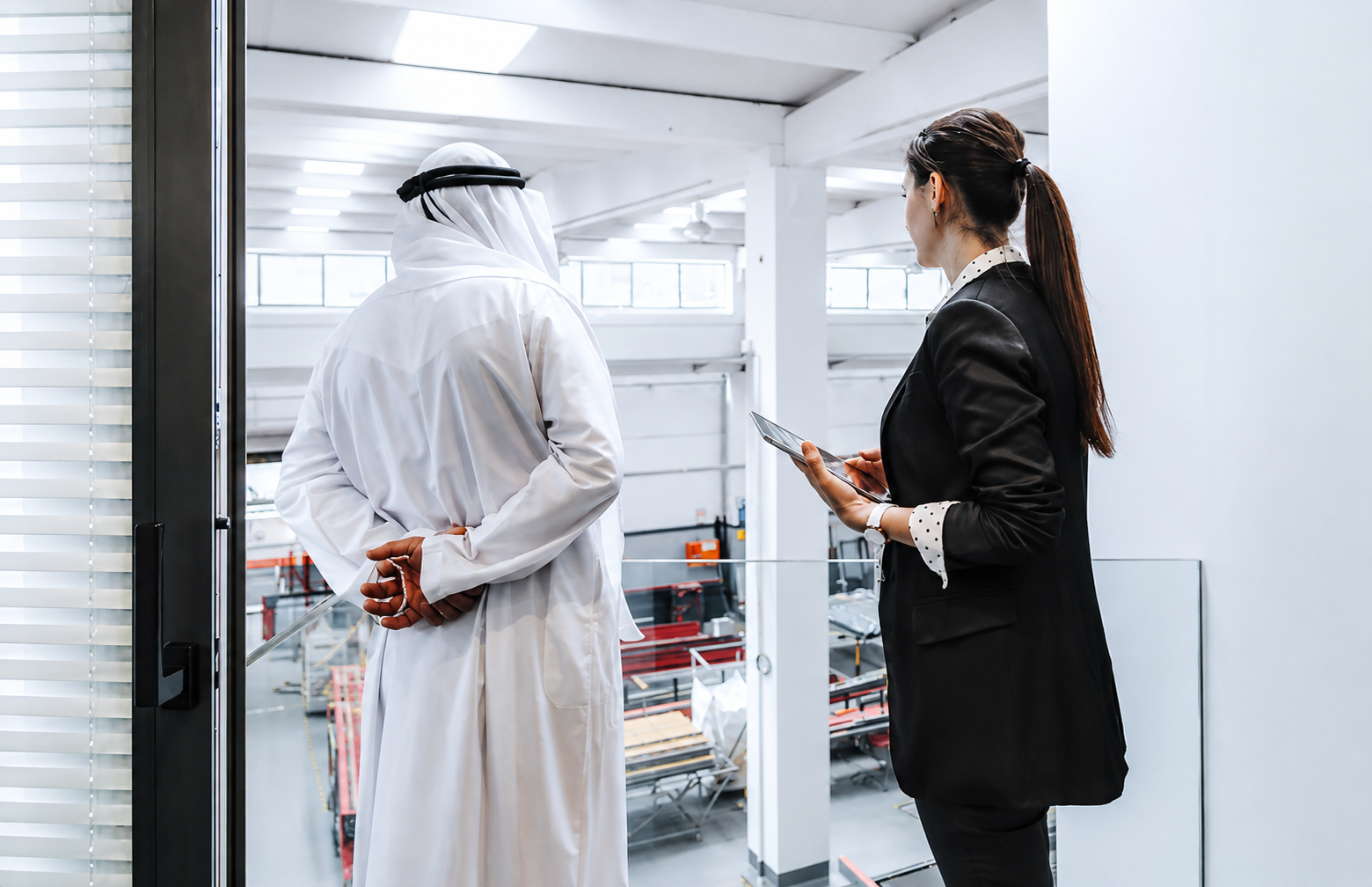
The UAE’s industrial sector remains resilient, with strong occupier demand, high occupancy levels, and strategic investments reinforcing its position as a leading global industrial and logistics hub.
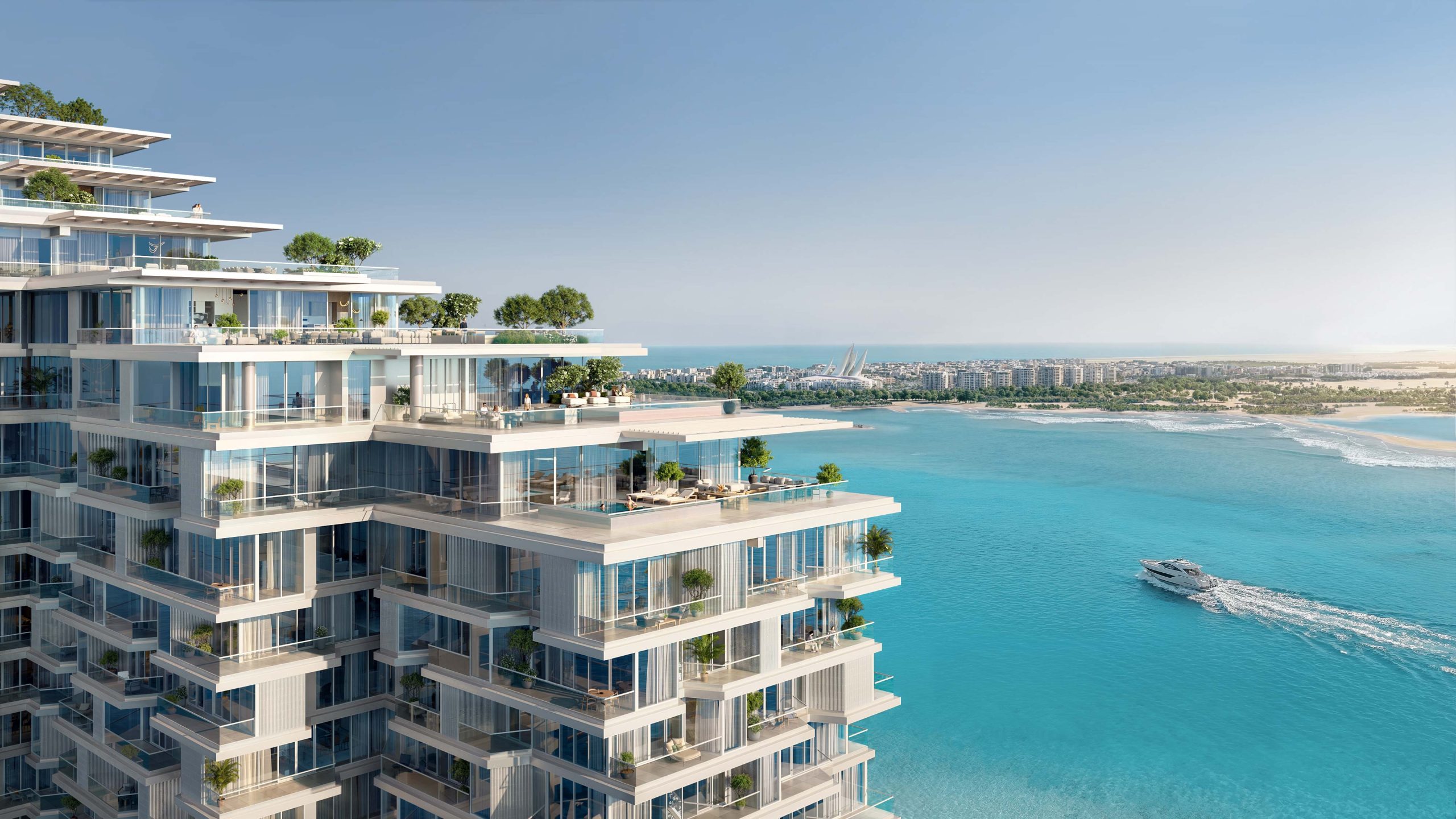
Abu Dhabi’s luxury residential market is entering a new phase, with buyers placing greater emphasis on destination living, developer credibility, and high-quality design, according to MERED. The developer says long-term value is increasingly driven by integrated communities, proven project delivery, and architecture that blends global standards with local identity as the emirate continues to attract international investors.
The US housing market remains under pressure as high mortgage rates continue to weigh on affordability and demand. Industry leaders say 2026 has been one of the toughest years for home sales, with slower price growth, weaker mortgage activity, and fewer buyers entering the market. However, experts say reduced competition and more price cuts could create opportunities for well-prepared buyers.
2 min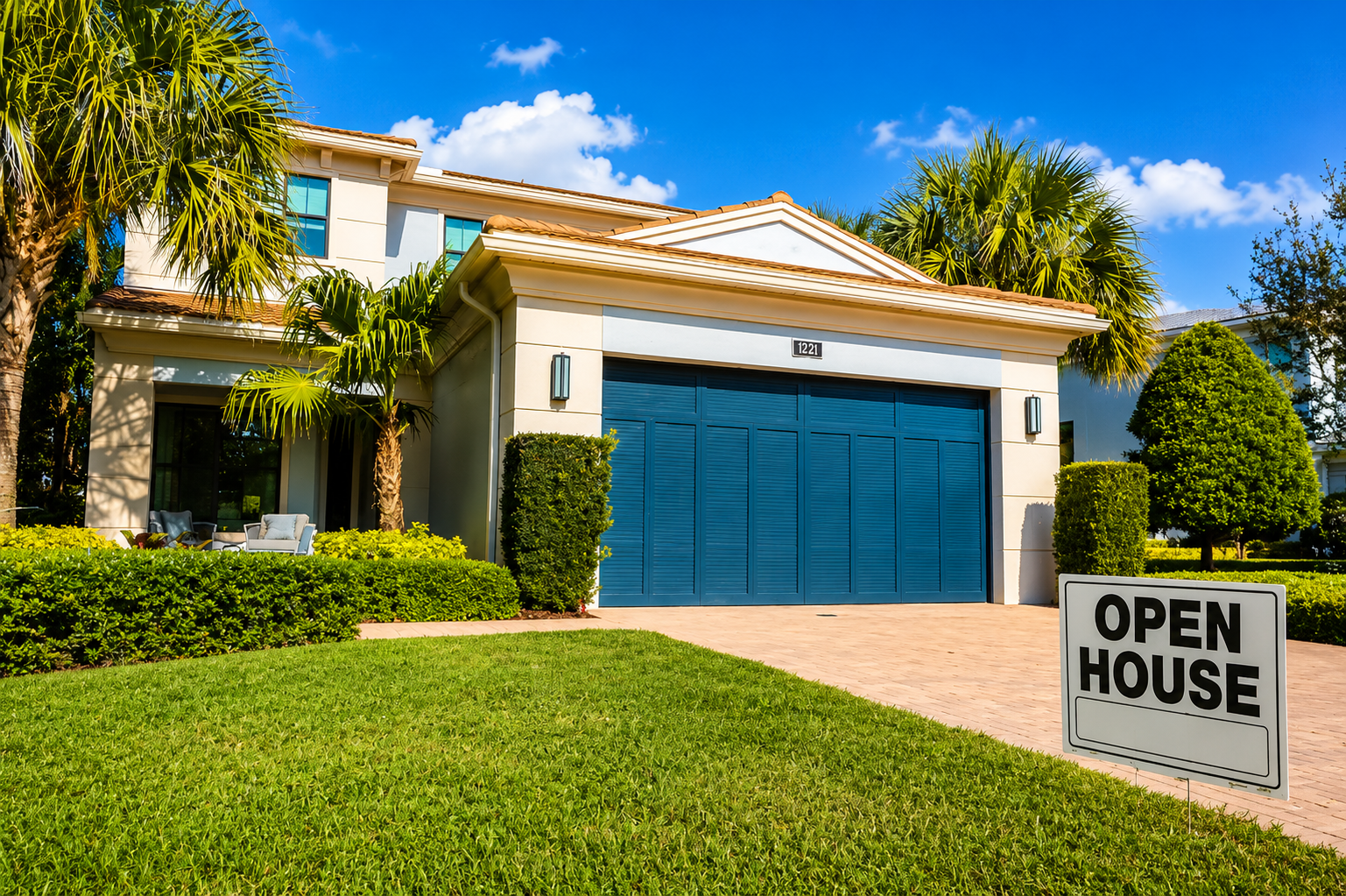
The typically busy spring season for the housing market was a dud, and the summer isn’t looking much brighter.
Housing services companies like Zillow Group and Rocket RKT +3.78% were loud and clear last week on earnings calls: Rocket CEO Varun Krishna called the quarter through June “one of the toughest spring housing markets in years.”
Jeremy Hofmann, Zillow’s chief financial officer, said on a conference call that the company predicted earlier this year that the market for mortgages would be flat. “We actually now think it’s going to be down low-to-mid-single digits,” he said.
The rest of 2026 will remain challenging for mortgage origination volume, says KBW analyst Bose George. The question now is what happens in 2027. “If mortgage rates remain [around] 6.75%, I think that’s going to be challenging even for next year,” he says.
But what’s bad news for mortgage companies could be a positive for bargain hunters. Buyers can expect prices to grow more slowly—or mildly decline—with less competition as long as mortgage rates remain unpredictable.
Mortgage rates at the beginning of the year were solidly below year-ago levels, notes Zillow senior economist Kara Ng. But they surpassed last year’s levels recently, she adds, referencing Freddie Mac’s weekly survey of 30-year fixed mortgage rates. Last week’s reading, at 6.69%, was higher than year-ago levels for the first time in 2026.
“From the affordability point of view, it’s going to get more challenging in the second half of the year,” she says. “And when affordability gets more challenging, that impacts sales and home price appreciation.”
Mortgage application data tracked by the Mortgage Bankers Association has cooled since the beginning of the year. The trade group expects that the number of mortgage originations in the remaining two quarters will lag behind last year’s levels, after exceeding 2025 levels in the first half.
Rocket’s early-stage data—which the company told Barron’s it derives from its brokerage Redfin, demand for its mortgage products, and signs in its servicing portfolio that a homeowner is preparing to refinance or move—“leads us to expect the third quarter mortgage market to be smaller than the second,” Chief Financial Officer Brian Brown, said on the company’s call. He added that such an occurrence is “something the industry has not seen since 2022.”
Prices will be about flat nationally, Ng says. Zillow’s most recent forecast, which shows how values are expected to change in the year ending June 2027, show them dropping in roughly half of the 100 largest U.S. metros for which data is available.
Buyers aren’t rushing in at a time when mortgage costs are rising and unpredictable. But those with the right combination of patience and cash could stand to benefit. “If you are financially qualified to buy a starter home, you are facing less competition and you’re more likely to get a price cut,” Ng says.
Following the successful launch of its Palais Collection, MAISON de SABRÉ has unveiled a new modular handbag system offering more than 720 styling combinations.

Paine Schwartz joins BERO as a new investor as the year-old company seeks to triple sales.
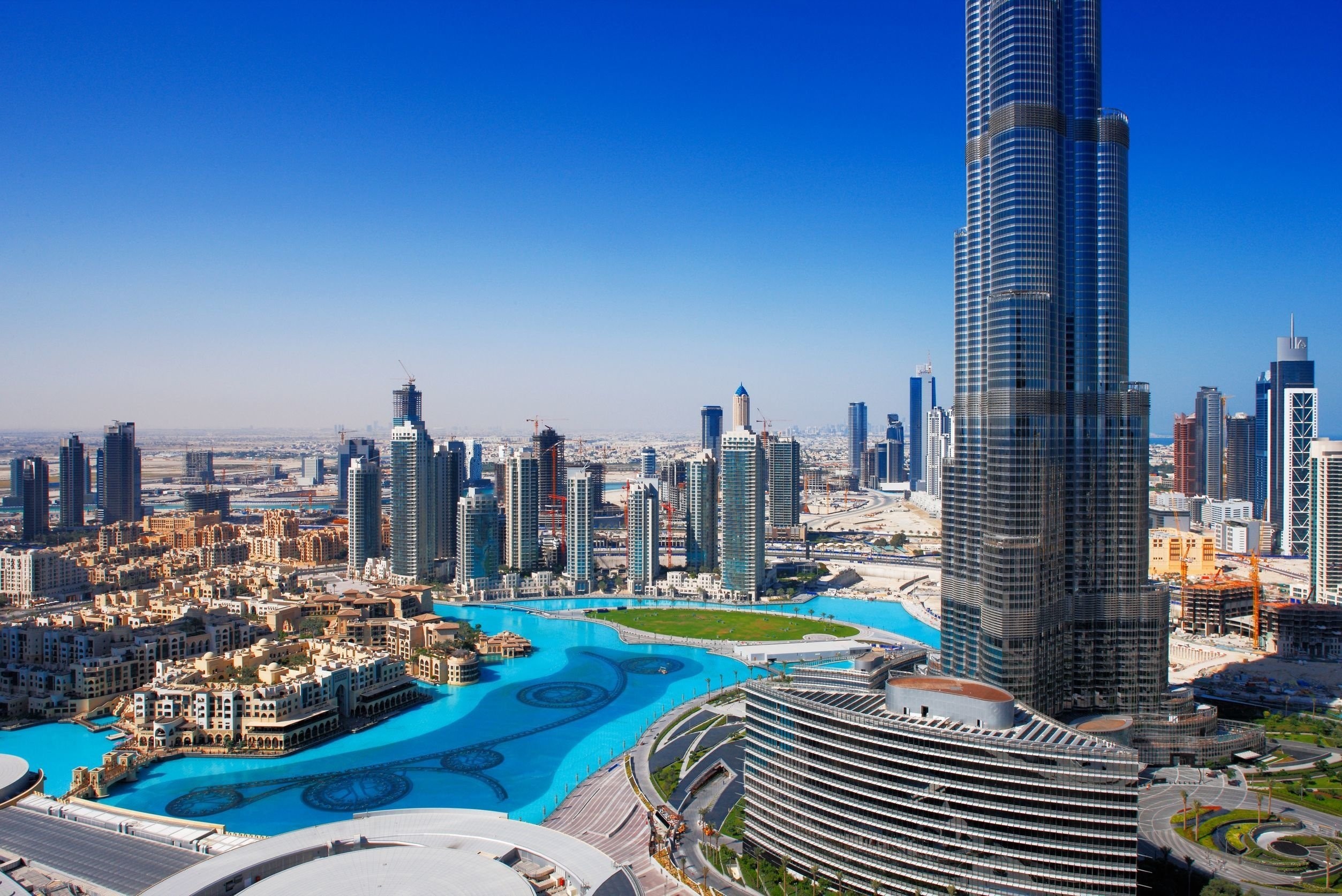


Riyadh’s residential and office markets maintained strong momentum in H1 2026, with residential transactions rising 4.9% year-on-year and Grade A office occupancy remaining at 98% Supported by population growth, corporate expansion and Vision 2030 initiatives, the market is expected to remain resilient as new office supply and regulatory reforms strengthen long-term investment confidence.
3 min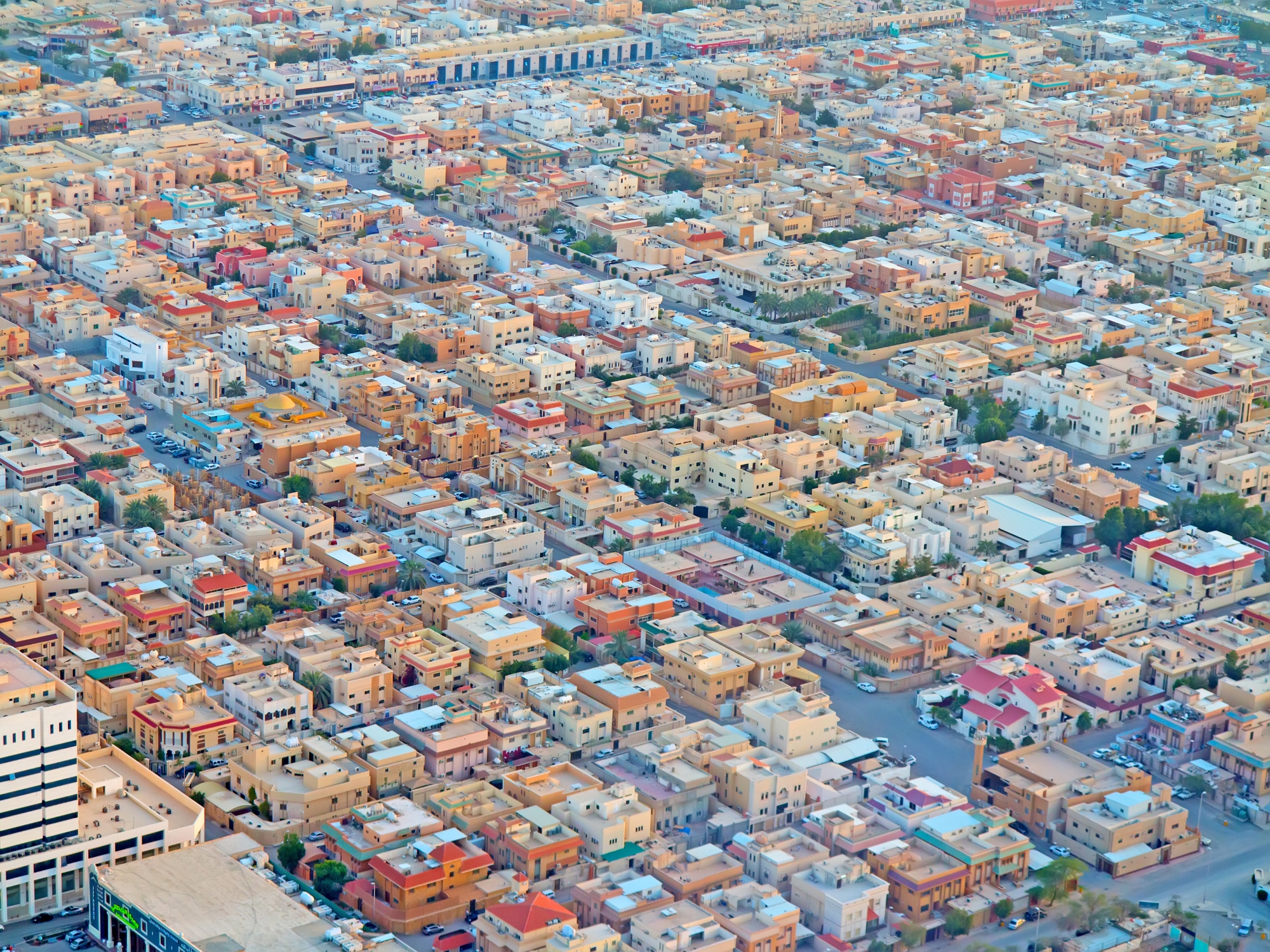
Riyadh’s residential and office markets maintained positive momentum during the first half of 2026, underpinned by economic expansion, population growth, employment creation and continued demand from both end-users and international businesses, according to Savills’ latest research.
Residential transaction volumes increased year-on-year and recovered strongly during Q2, while Grade A office occupancy remained at 98% amid constrained availability. The performance of both sectors reflects Riyadh’s continued evolution as a residential and commercial hub, supported by Vision 2030 initiatives, corporate relocations and ongoing regulatory reforms.
Harry Goodson-Wickes, Head of KSA & Northern Gulf at Savills Middle East said, “Riyadh continues to demonstrate the breadth of its real estate growth story. The recovery in residential activity reflects resilient end-user demand, while the strength of the Grade A office market shows the continued confidence of businesses establishing and expanding their presence in the capital. As new supply is delivered and market accessibility improves, Riyadh is well positioned to sustain its momentum over the medium term.”
Residential Transactions Rise as Q2 Activity Recovers
Approximately 6,944 residential transactions were completed in H1 2026, compared with 6,620 in H1 2025, representing a 4.9% increase. Activity strengthened in Q2, with 4,095 transactions recorded, up from 2,849 in Q1 and the highest quarterly level over the five quarters from Q2 2025 to Q2 2026.
Residential transaction values totaled SAR 11.25 billion during H1, down 20.7% from SAR 14.18 billion a year earlier. However, values rose from SAR 4.81 billion in Q1 to SAR 6.44 billion in Q2, signaling improving market confidence following subdued conditions in late 2025. Savills said the combination of higher transaction volumes and lower aggregate values reflected activity being concentrated within affordable and mid-market homes and a more balanced pricing environment following the strong appreciation recorded in recent years.
Properties priced below SAR 2 million accounted for approximately 76% of H1 transactions, compared with 74% a year earlier. The SAR 500,000-SAR 1 million segment remained the largest, increasing its share from 30% to 32%. Demand also shifted gradually towards larger homes: the share of 200-299 sq m properties increased from 16% to 23%, while 300-399 sq m homes rose from 17% to 19%.
Andrew Cummings, Head of Residential Agency, Savills Middle East added, “The second-quarter recovery in residential transactions is an encouraging sign of underlying market resilience. Buyers remain focused on affordability and value, but we are also seeing demand become more evenly distributed across different property sizes. Riyadh’s economic growth, expanding population and improving accessibility for international purchasers should continue to support long-term demand.”
Grade A Office Occupancy Holds at 98%
Riyadh’s office market also maintained strong momentum during Q2 2026, supported by resilient occupier demand and constrained availability. Grade A occupancy remained at 98%, while prime rents in Zone A reached SAR 2,483 per sq m, representing growth of 2% quarter-on-quarter and 6% year-on-year.
New market entrants accounted for 63% of Savills’ completed leasing transactions during the quarter, while relocations represented 37%. Foreign occupiers generated approximately 90% of total enquiries, with particularly strong interest from US-based companies. Demand was concentrated in the 500-1,000 sq m segment, which represented 45.5% of enquiries.
The technology, media and telecommunications sector accounted for 54.5% of office enquiries, followed by banking, financial services and insurance at 27.3%. As of early 2026, more than 700 global companies had established their regional headquarters in Riyadh, exceeding the Vision 2030 target of 500.
Alex Knott, Head of Landlord Agency at Savills Middle East commented, “Demand for high-quality office space remains robust, with new entrants and foreign occupiers continuing to drive leasing activity. Grade A availability is still extremely limited, but the development pipeline expected from late 2026 should gradually expand occupier choice while supporting Riyadh’s long-term position as the Kingdom’s leading commercial center.”
Supply Pipeline and Regulatory Reforms
More than 570,000 sq m of new Grade A office space is scheduled for delivery from late 2026 onwards, including developments at Diriyah Gate, Prime Business Resort and Prince Mohammed bin Salman Nonprofit City (Misk). Savills expects this pipeline to gradually improve office availability while supporting the capital’s continued growth as a regional business destination.
During Q2, Saudi Arabia introduced executive regulations governing foreign ownership of real estate and launched a digital property ownership platform. Savills expects the reforms to improve transparency, broaden the long-term buyer and investor base and reinforce confidence across the real estate market. The Kingdom’s rent stabilization framework is also providing greater pricing transparency and cost certainty for residential tenants and commercial occupiers.
Outlook
Riyadh’s residential and office markets are expected to remain supported by continued population growth, employment creation, corporate expansion and the ongoing implementation of Vision 2030. Oxford Economics forecasts Riyadh’s economy to grow by 8.4% in 2026. While residential price growth is likely to moderate from the exceptional levels recorded in recent years and the office pipeline is expected to gradually improve availability, Savills anticipates that healthy end-user demand, sustained occupier requirements and continued infrastructure investment will underpin resilient market performance over the medium term.
Paine Schwartz joins BERO as a new investor as the year-old company seeks to triple sales.
Many of the most-important events have slipped from our collective memories. But their impacts live on.


Emaar delivered a strong H1 2026, with revenue up 21% to AED 23.9 billion and net profit before tax rising 23% to AED 12.8 billion. The developer also recorded AED 26.6 billion in property sales and a record AED 164.9 billion revenue backlog, reinforcing confidence in Dubai’s real estate market.
5 min
Emaar Properties PJSC (DFM: EMAAR) delivered a resilient performance during the first half of 2026, with revenue up 21% to AED 23.9 billion (US$ 6.5 billion), EBITDA up 24% to AED 12.9 billion (US$ 3.5 billion), and net profit before tax up 23% to AED 12.8 billion (US$ 3.5 billion). Results were underpinned by disciplined execution across the Group’s core businesses and the continued strength of Dubai’s economic fundamentals. Amid a backdrop of global economic and geopolitical developments, the UAE’s diversified, business-friendly environment continued to support confidence across Emaar’s core markets. The Group remained focused on operational excellence, financial discipline, and long-term value for stakeholders.
Building on its performance during the first quarter, Emaar continued to deliver balanced contributions across its development, recurring income, and international businesses. Supported by continued project execution, stable occupancy across its income-generating assets, and a substantial revenue backlog, the Group maintained solid financial fundamentals while continuing to advance its long-term strategic priorities. The strength of the Group’s diversified business model and strong pre-sales pipeline positioned Emaar well to navigate market variability and capitalize on opportunities as conditions normalize.
Key Highlights of the H1 2026 Results:
- Property Sales: Emaar recorded property sales of approximately AED 26.6 billion (US$ 7.2 billion) during H1 2026. The Company maintained strong pricing integrity and customer confidence across its master-planned communities and strategically timed project launches.
- Backlog Growth: Revenue backlog from property sales reached approximately AED 164.9 billion (US$ 44.9 billion) as of 30 June 2026, reflecting an increase of 13% year-on-year and providing strong visibility for future revenue recognition.
- Revenue Growth: Total revenue increased to AED 23.9 billion (US$ 6.5 billion), marking growth of 21% compared to H1 2025, supported by healthy contributions across property development, retail, commercial leasing, and international operations.
- Profitability: EBITDA reached AED 12.9 billion (US$ 3.5 billion), increasing by 24% compared to the same period last year, reflecting continued operational discipline and portfolio strength. Net profit before tax increased to AED 12.8 billion (US$ 3.5 billion), representing growth of 23% year-on-year.
- Strategically Positioned Land Bank: Emaar continues to benefit from one of the region’s largest and most diversified master-planned land banks, comprising approximately 590 million sq. ft. of mixed-use development opportunities, including approximately 316 million sq. ft. within the UAE. This land reserve is strategically positioned to support the Group’s ongoing expansion and long-term value creation for its shareholders.
- Customer Experience: Customer experience remained a key priority, with Emaar enhancing service delivery through quality developments, seamless digital engagement, continuous service improvements, the expansion of community management services, and curated lifestyle experiences across its destinations.
- Community Contribution: Reflecting its continued commitment to the nation’s wellbeing and leadership, Emaar contributed AED 200 million to national community initiatives during H1 2026, split equally between two dedicated endowment funds supporting orphans and vulnerable groups across the UAE.
- Talent Development: Emaar continued to strengthen its talent pipeline through the launch of the Emaar Leadership Development Program in partnership with INSEAD, the Mentorship Program 4.0, the Global Exposure Program, the RUWAD Real Estate Excellence Initiative, and Individual Development Plans for UAE Nationals, alongside continued investment in employee well-being and professional capability building.
- Operational Excellence: Operational efficiency was further strengthened through disciplined cost management, technology-enabled processes, AI-driven initiatives, and continuous optimization across the Group’s diversified businesses.
- Sustainability: Sustainability remained embedded across the Group through responsible development practices, progress towards its Net Zero 2050 Strategy, renewable energy initiatives, resource-efficient operations, and employee-led environmental and community initiatives, including desert clean-up campaigns, CPR training under the Dubai Heart Safe City initiative, and broader ESG programs across the business.
Mohamed Alabbar, founder of Emaar, said: “Our first half results reflect the discipline, consistency, and long-term approach that define Emaar. Dubai never stands still, and neither do we. Every phase of the city’s growth creates new opportunities to raise expectations and redefine experiences. Emaar’s role is to continue building destinations that reflect Dubai’s ambition while maintaining the quality, innovation, and operational excellence that have shaped our business from the beginning.”
He added: “We remain grateful for the vision of our leadership and forward-looking approach to economic development, which has fostered a stable, transparent, and business-friendly environment. This confidence in leadership continues to attract capital and talent even amid a more uncertain global backdrop. This stability remains a fundamental enabler of Emaar’s long-term growth.”
UAE Build-To-Sell Property Development
Emaar’s UAE build-to-sell property development business, led by Emaar Development PJSC (DFM: EMAARDEV), demonstrated strategic resilience and disciplined capital allocation during the first half of 2026. While the Group maintained robust momentum in project execution, delivery and handovers, it adopted a calibrated approach to new project launches from the evolving regional environment.
Despite this measured launch strategy, customer confidence in the Emaar brand remained unwavering, supported by the continued delivery on existing commitments and the inherent quality of the Group’s master-planned communities.
- Property Sales: Reached AED 22.4 billion (US$ 6.1 billion) during H1 2026, underpinned by a strong start of the period and continued absorption of existing inventory.
- Financial Performance: Emaar Development PJSC reported revenue of AED 13.3 billion (US$ 3.6 billion), increasing by 34% year-on-year, while net profit before tax reached AED 7.8 billion (US$ 2.1 billion), reflecting growth of 41% compared to the same period last year.
- Consolidated UAE Revenue: Including other UAE-based development operations, such as Dubai Creek Harbour, consolidated revenue from UAE property development operations reached AED 17.7 billion (US$ 4.8 billion), up 30% year-on-year.
- Revenue Backlog: UAE development operations’ revenue backlog stood at AED 135.7 billion (US$ 36.9 billion) as of 30 June 2026, representing an increase of 6% compared to H1 2025, providing strong visibility and de-risked future revenue recognition.
During the first half of the year, Emaar strategically expanded its residential portfolio with 11 targeted launches across Emaar South, Dubai Hills Estate, The Heights Country Club, The Oasis, Rashid Yachts & Marina, and Expo Living masterplans. Emaar also announced a new landmark AED 200 billion masterplan, further strengthening the Group’s long-term development pipeline and reinforcing its confidence in Dubai’s continued growth.
International Development
Emaar’s international development business continued to contribute to the Group’s diversified earnings profile, with performance supported by continued operational execution across its key markets, particularly Egypt and India.
- Property Sales: Reached AED 4.2 billion (US$ 1.1 billion).
- Revenue: Stood at AED 1.1 billion (US$ 0.3 billion), up 8% year-on-year, contributing approximately 4.6% of the Group’s total revenue during H1 2026.
The international portfolio remains an important pillar of Emaar’s long-term growth strategy, supported by a diversified geographic footprint and continued focus on delivering high-quality developments across its core markets.
Shopping Malls, Retail, and Commercial Leasing
Emaar’s shopping malls, retail, and commercial leasing portfolio maintained its solid performance during the first half of 2026, supported by high stable occupancy levels, a resilient base-rent-led income structure, and the continued appeal of its flagship destinations.
- Revenue: AED 3.5 billion (US$ 1.0 billion), representing growth of 9% compared to H1 2025.
- EBITDA: AED 3.1 billion (US$ 0.8 billion), increasing by 10% year-on-year.
- Average occupancy: ~98% across the portfolio as of 30 June 2026.
The portfolio continued to benefit from stable leasing income underpinned by a predominantly base-rent structure, providing revenue resilience despite a moderation in tenant sales. Emaar maintained its focus on enhancing the visitor experience through a curated mix of retail, dining, entertainment, and lifestyle offerings across its destinations.
Hospitality, Leisure, and Entertainment
Emaar’s hospitality, leisure, and entertainment portfolio remained a meaningful contributor in H1 2026, reflecting softer international tourism flows across the region. Performance was partially supported by resilient local and domestic demand, while the Group continued to prioritize operational efficiency, cost discipline, and guest experience across its diversified portfolio of hotels, attractions, and lifestyle destinations.
- Revenue: AED 1.6 billion (US$ 0.4 billion).
- Hotel Occupancy: Group’s hotels in the UAE achieved average occupancy of 60% during H1 2026.
The portfolio continued to benefit from its diversified offering and remains well positioned for recovery as regional conditions stabilize.
Recurring Revenue
Emaar’s diversified recurring revenue portfolio remained a key contributor to earnings resilience and cash flow generation during the first half of 2026. Supported by a high-quality portfolio of shopping malls, hospitality, leisure, entertainment, and commercial leasing assets, the portfolio provides a stable and visible income stream that supports the Group’s long-term growth.
- Recurring revenue: AED 5.1 billion (US$ 1.4 billion), similar to H1 2025.
- Recurring revenue EBITDA: AED 4.0 billion (US$ 1.1 billion), similar to H1 2025.
The portfolio accounted for approximately 31% of the Group’s total EBITDA in the first half of the year, highlighting the strength of Emaar’s diversified earnings base.
Looking ahead, Emaar remains well-positioned to build on its H1 2026 performance. Supported by a diversified business model, a high-quality development pipeline, a revenue backlog of AED 164.9 billion (US$ 44.9 billion), and a resilient recurring income base, the Group continues to prioritize disciplined capital allocation, operational excellence and sustainable long-term value creation for shareholders.

New research suggests that bonuses make employees feel more like a mere cog in a wheel.

Parts for iPhones to cost more owing to surging demand from AI companies.


Beirut’s property market has survived what would have ended almost any other city.
The professionals still building, still selling, still making the case deserve to be named.
9 minBeirut’s property market has survived things that would have ended almost any other city’s real estate story. Not recovered — survived. There is a distinction that matters here, and the ten people on this list understand it better than anyone. In the neighborhoods that chose to rebuild — Gemmayzeh, Mar Mikhael, Achrafieh, Saifi Village — something genuinely remarkable is still happening: a city that was damaged, then shaken, then economically collapsed, is choosing to remain beautiful. And the fifteen million Lebanese who live outside the country are still watching.
This is not a list of the most followed property accounts in Lebanon. Several of the most important voices in the Lebanese property conversation — the developers who stayed, the architects who documented, the economists who made the investment case — have no interest in follower counts. What this list captures is something more specific: the practitioners and commentators who have made Beirut’s property narrative comprehensible and credible to the diaspora audience that still drives a significant share of the market. The audience that buys a Beirut apartment not just for yield but for proof that they have not forgotten.
| The Lebanese diaspora does not buy property in Beirut for yield. They buy it for proof — that they have not forgotten, and that the city has not forgotten them. |
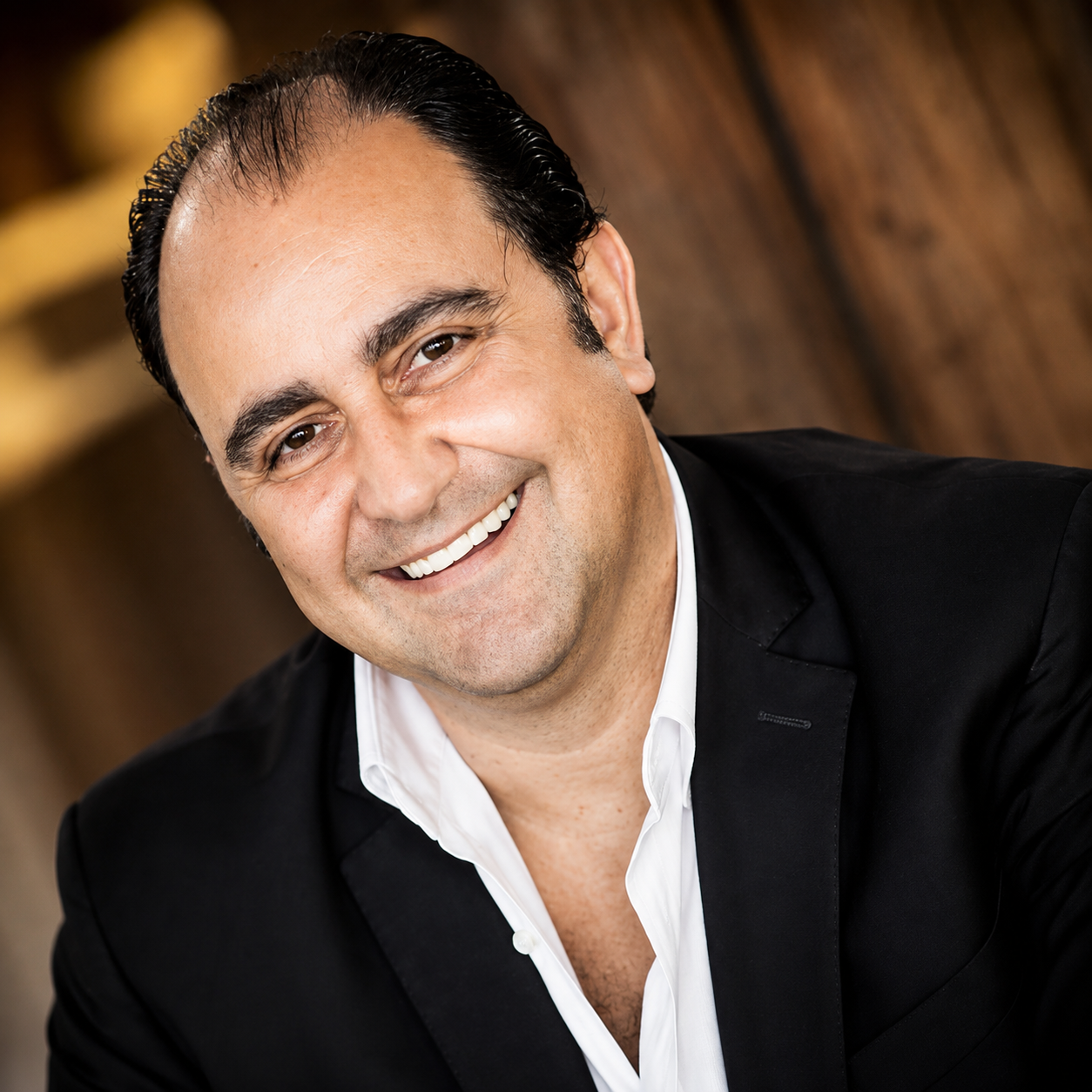
1. Patrick Geammal – @patrick.geammal · Ascot Real Estate
Patrick Geammal has established himself as one of the most recognizable public faces of Lebanon’s luxury real estate market. As CEO of Ascot Real Estate, he uses social media to showcase premium residential properties while offering practical insights into buying, selling and investing across Beirut’s most sought-after neighborhoods. His content combines elegant property presentations with market commentary, giving followers a clearer understanding of Lebanon’s evolving luxury housing sector.
His influence extends beyond individual listings. By consistently highlighting high-end developments, investment opportunities and the lifestyle associated with Beirut’s premium residential districts, Geammal contributes to maintaining international interest in the Lebanese property market, particularly among expatriates and diaspora investors. His digital presence demonstrates that confidence in the country’s luxury sector continues to exist despite economic challenges.
For Kanebridge News Middle East, Geammal represents the modern brokerage leader whose personal brand has become as important as the company he leads. Rather than simply facilitating transactions, he has positioned himself as an ambassador for Lebanon’s luxury residential market and a trusted voice for buyers looking to navigate one of the region’s most complex property landscapes.
His inclusion reinforces the “Beirut & Beyond” narrative by illustrating how Lebanese real estate professionals continue to engage audiences far beyond the country’s borders through digital platforms and international networks.

2. Rima Chehab – @rima_chehab · Property sector
Rima Chehab has built a distinctive presence within Lebanon’s luxury property sector by combining premium real estate with lifestyle-driven storytelling. Through her carefully curated social media content, she presents exceptional homes while highlighting the architecture, design and neighborhood character that define Beirut’s most desirable addresses. Her approach positions property not simply as an investment, but as part of a broader lifestyle experience.
Her influence comes from presenting luxury homes through a more personal and accessible lens. Rather than focusing solely on specifications or pricing, Chehab emphasizes the atmosphere, design quality and everyday experience of living within Lebanon’s most prestigious residential communities. This resonates particularly with buyers seeking homes that reflect both investment value and personal identity.
For Kanebridge News Middle East, Chehab represents a new generation of property professionals whose influence is driven as much by digital storytelling as by traditional brokerage. Her content reflects the growing importance of personal branding within luxury real estate, where trust, expertise and presentation increasingly shape purchasing decisions.
Within the “Beirut & Beyond” framework, Chehab highlights the continued appeal of Lebanon’s luxury residential market to both local buyers and members of the global Lebanese diaspora.

3. Rabih El Hage – @thelebanesearchitect · The Lebanese Architect
Rabih El Hage has built one of the clearest architecture-focused social identities relevant to Lebanon’s property and heritage landscape. Through @thelebanesearchitect, he documents Lebanese houses, historic buildings, restoration projects and the architectural details that distinguish the country’s built environment. As an architect and urban planner, his platform has become an educational resource for audiences seeking to better understand Lebanon’s rich architectural identity and the stories embedded within its cities and villages.
His influence lies in making architecture accessible to a broad public. Buildings that might otherwise be viewed simply as ageing structures or redevelopment opportunities become narratives about craftsmanship, history, community and cultural continuity. By highlighting traditional Lebanese homes alongside contemporary restoration efforts, El Hage encourages greater appreciation for the role architecture plays in preserving national identity. His work has helped elevate conversations around conservation, adaptive reuse and the long-term value of Lebanon’s built heritage.
For Kanebridge News Middle East, El Hage represents one of the strongest editorial bridges between architecture and property influence. His content moves beyond polished new developments to demonstrate why Lebanon’s existing buildings remain valuable assets, both culturally and economically. Through thoughtful storytelling, he reinforces the idea that architecture can be a defining factor in how people experience, invest in and reconnect with places.
He is particularly well suited to the “Beirut & Beyond” theme because his work extends across the country’s diverse landscapes—from Beirut’s historic neighborhoods and Ottoman-era residences to mountain villages, coastal towns and lesser-known heritage sites. His platform reminds audiences that Lebanon’s property story is not only about new construction, but also about protecting and celebrating the architectural legacy that continues to shape its future.
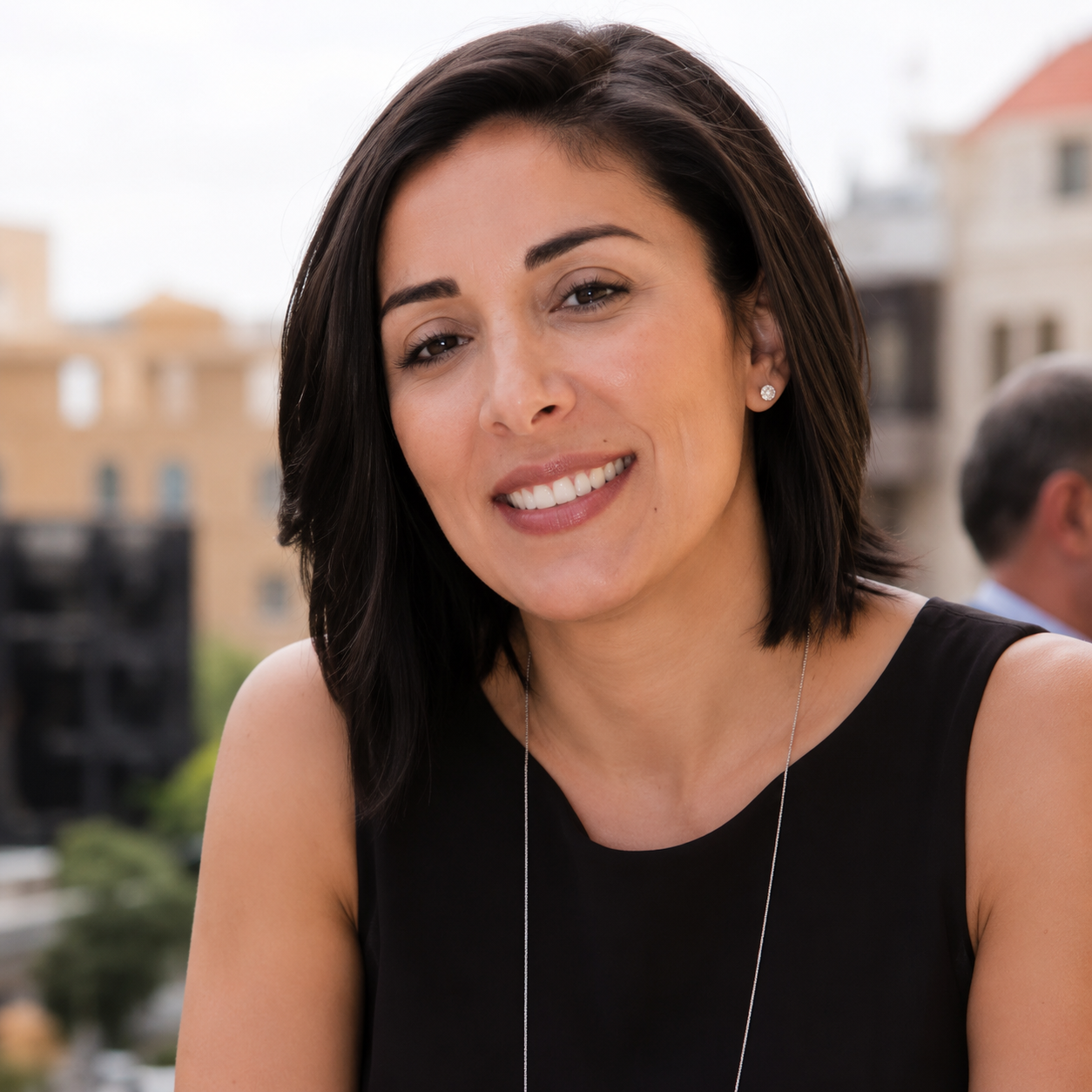
4. Samar Hassan – @samarhassan.realtor.jsk · JSK
Samar Hassan has become one of the most visible female figures within Lebanon’s modern real estate brokerage sector. As General Manager of JSK Real Estate, she combines executive leadership with a strong social media presence that showcases residential properties, client success stories and the evolving dynamics of Lebanon’s housing market. Her content reflects both professional expertise and a commitment to making the buying and selling process more approachable.
Her influence lies in demonstrating how the brokerage profession is evolving through digital communication. By presenting properties alongside practical guidance and market knowledge, Hassan helps build confidence among buyers navigating an often-complex real estate environment. Her visibility also contributes to greater female representation within Lebanon’s property industry.
For Kanebridge News Middle East, Hassan represents the growing importance of leadership that extends beyond company management into public engagement. Her ability to communicate directly with audiences has strengthened both her personal profile and JSK Real Estate’s reputation within the market.
She embodies the “Beirut & Beyond” theme by connecting local expertise with an audience that increasingly includes overseas Lebanese considering investment opportunities back home.
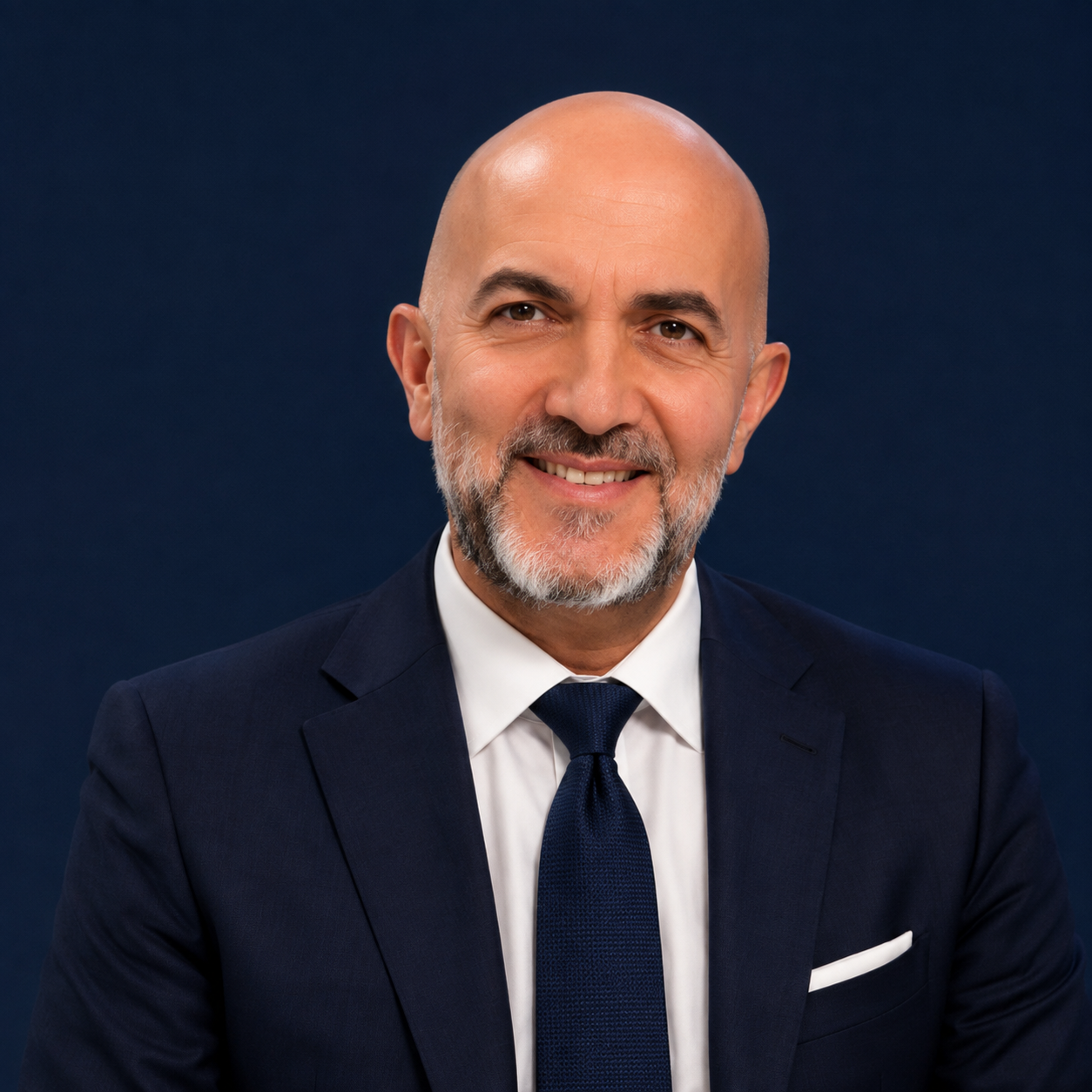
5. Walid Moussa – @walid.m0ussa · Former World President of FIABCI
Walid Moussa is one of Lebanon’s most influential voices on the future of the country’s real estate sector. As President of the Real Estate Syndicate of Lebanon and former World President of FIABCI, his public commentary extends well beyond individual transactions to address policy, investment, regulation and long-term market development. Through media appearances and social platforms, he provides a broader perspective on the challenges and opportunities facing Lebanese property.
His influence comes from shaping the conversation surrounding the industry itself. Rather than promoting individual listings, Moussa speaks about professional standards, housing demand, investment confidence and the structural reforms required to support sustainable market growth. His views are regularly sought by local and international media covering Lebanon’s property sector.
For Kanebridge News Middle East, Moussa represents the institutional side of property influence. His leadership provides context that helps investors understand not only where the market stands today but where it may be heading in the years ahead.
His inclusion strengthens the “Beirut & Beyond” narrative by reflecting Lebanon’s role within the wider regional real estate conversation.
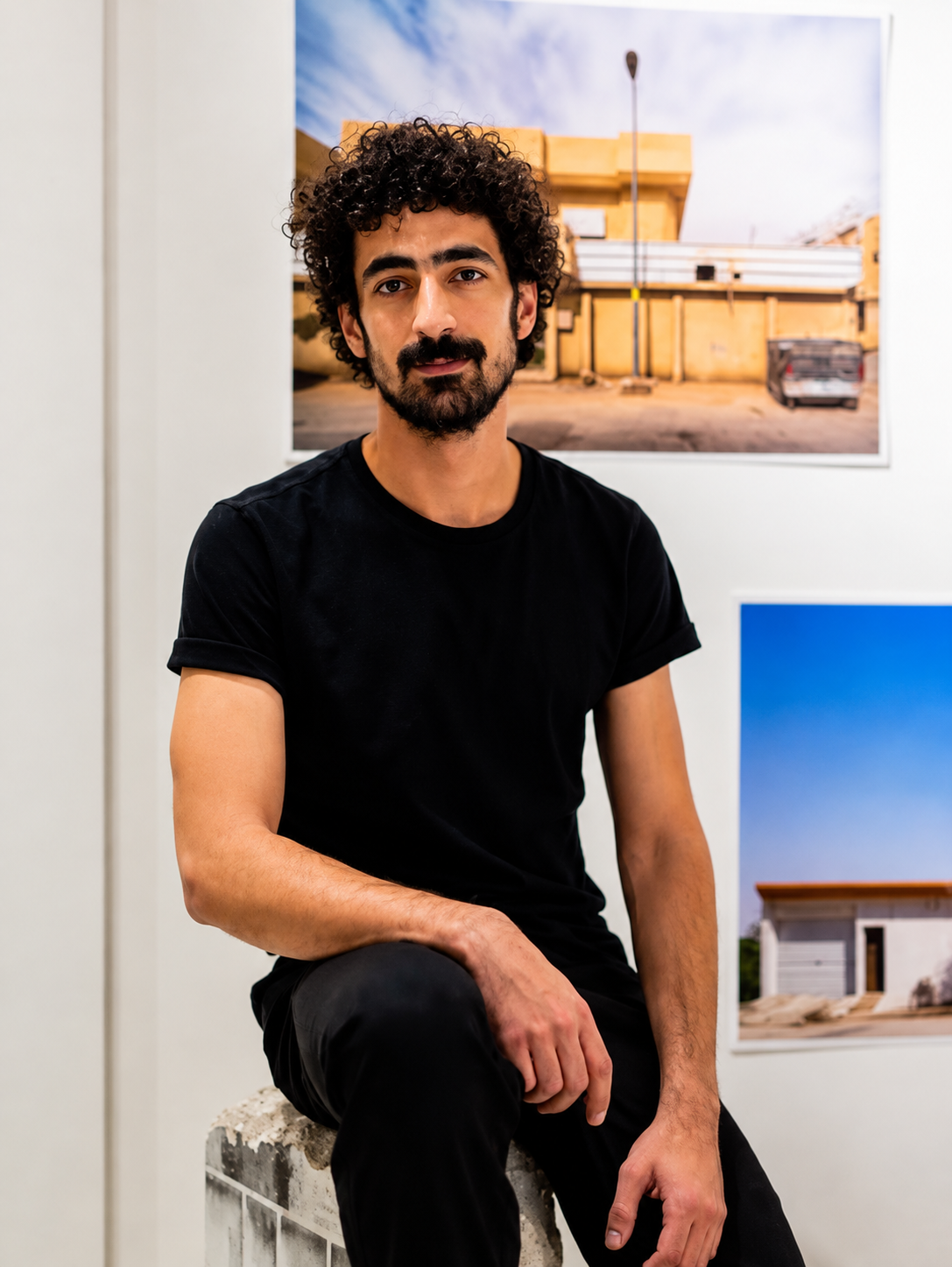
6. Dia Mrad – @diamrad · Urban landscapes
Dia Mrad has earned international recognition for documenting Lebanon’s architectural heritage through photography. His work captures historic homes, forgotten buildings and urban landscapes with a level of artistic sensitivity that has transformed social media into an archive of the country’s architectural identity. His photographs have drawn global attention to Beirut’s built heritage and the importance of preserving it.
His influence extends beyond photography. By recording buildings that continue to face redevelopment or neglect, Mrad has helped shape public appreciation for Lebanon’s architectural legacy. His work encourages audiences to view heritage buildings not simply as ageing structures but as valuable cultural and urban assets.
For Kanebridge News Middle East, Mrad represents the intersection of visual storytelling and property culture. His content demonstrates that architecture plays a central role in shaping how cities are experienced, remembered and valued by future generations.
His perspective perfectly complements the “Beirut & Beyond” theme by celebrating the architectural character that continues to distinguish Lebanon from other markets in the region.
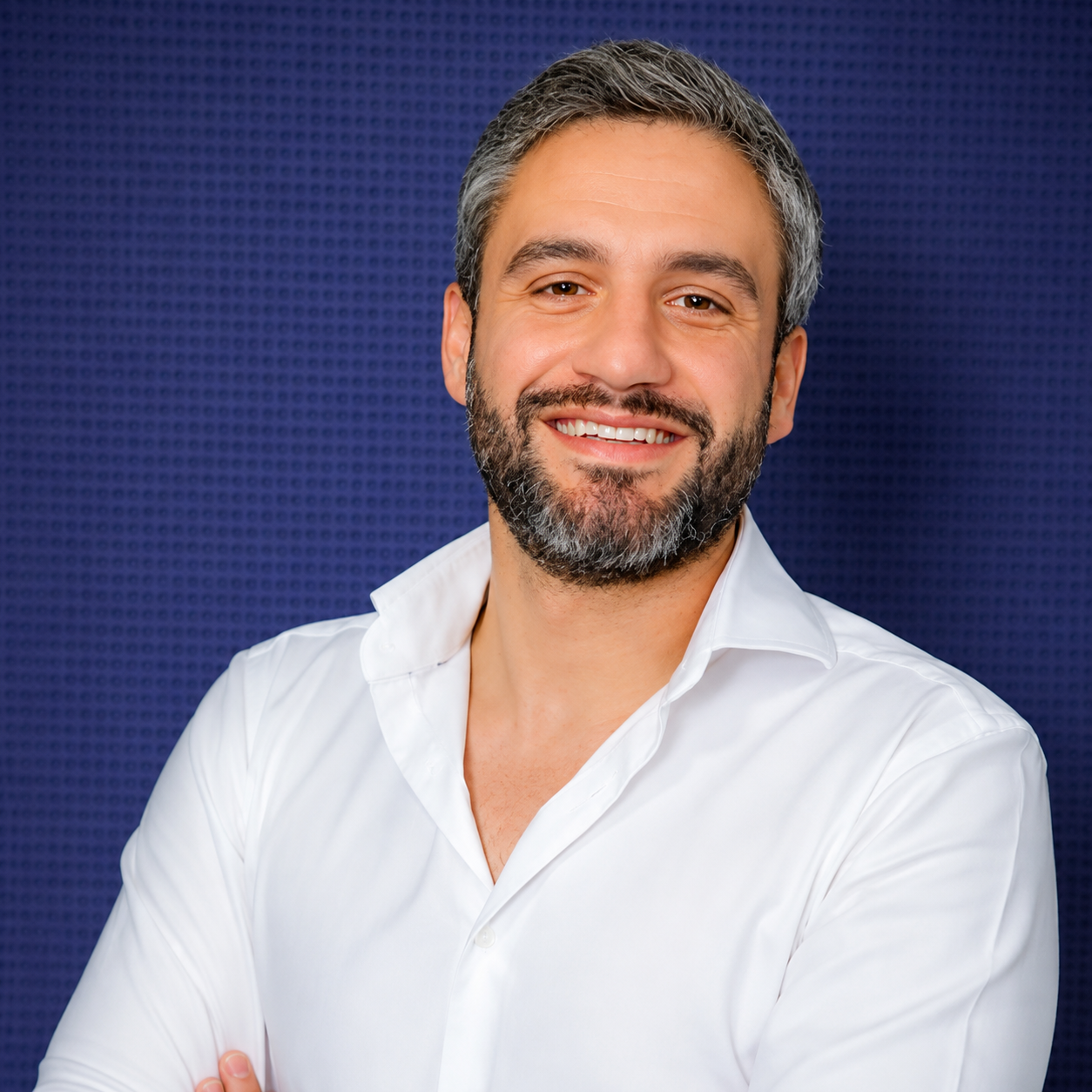
7. Rami Yazbek – @yazbekrealestate · Yazbek Real Estate
Rami Yazbek has developed a growing reputation as a digitally engaged real estate professional whose content focuses on helping buyers navigate Lebanon’s residential property market. Through property tours, investment opportunities and practical market advice, he has built an audience interested in both lifestyle and long-term value. His approachable style makes complex property decisions more accessible to first-time buyers and experienced investors alike.
His influence comes from combining local market knowledge with consistent online engagement. Rather than relying exclusively on traditional brokerage methods, Yazbek uses social media to educate audiences about neighborhoods, pricing trends and the opportunities available across Lebanon’s residential sector.
For Kanebridge News Middle East, Yazbek represents the new generation of Lebanese brokers embracing digital platforms to build trust and expand their reach beyond conventional client networks. His content reflects the industry’s gradual shift toward personal branding and direct audience engagement.
Within the “Beirut & Beyond” framework, his work illustrates how modern real estate professionals are connecting Lebanon’s property market with audiences both at home and abroad.
8. Karim Nader – @karimnader · Karim Nader Studio
Karim Nader has established himself as one of Lebanon’s most respected contemporary architects through a design philosophy that combines modern architecture with cultural identity. As founder of Karim Nader Studio, he regularly shares projects that explore the relationship between buildings, landscape and the communities they serve. His work has attracted international recognition while remaining deeply rooted in Lebanon’s architectural heritage.
His influence lies in demonstrating that thoughtful architecture contributes directly to the long-term value of real estate. Rather than viewing buildings purely as commercial assets, Nader approaches each project as an opportunity to create places that are environmentally responsive, culturally meaningful and enduring in design.
For Kanebridge News Middle East, Nader represents the architectural vision shaping Lebanon’s future built environment. His projects illustrate how high-quality design can strengthen both property value and the identity of the communities in which they are located.
His contribution fits naturally within the “Beirut & Beyond” theme by showing that Lebanese architecture continues to command international attention while remaining firmly connected to its local context.

9. Tony Abou Jaoude – @urban_leb · Urban Leb
Tony Abou Jaoude has built an engaged audience through Urban Leb, a platform dedicated to exploring Lebanon’s architecture, urban development and changing cityscape. His content documents the transformation of neighborhoods, highlights notable buildings and encourages conversations around planning, preservation and the future of Lebanon’s urban environment.
His influence comes from presenting cities as living spaces rather than collections of individual developments. By combining photography, architectural observation and urban commentary, Abou Jaoude helps audiences understand how planning decisions, heritage preservation and new construction collectively shape the experience of living in Lebanese cities.
For Kanebridge News Middle East, Urban Leb provides an important editorial perspective that extends beyond the property transaction itself. His work encourages readers to appreciate the broader urban context in which homes, offices and public spaces exist.
His inclusion reinforces the “Beirut & Beyond” concept by demonstrating that Lebanon’s architectural identity continues to evolve while remaining deeply connected to its history.
10. Joseph Aoun – @aounjosef · Real estate
Joseph Aoun has emerged as one of Lebanon’s digitally active real estate professionals, using social media to connect buyers with residential and investment opportunities while sharing practical market insights. His content combines property showcases with educational advice, helping audiences better understand the opportunities and challenges within Lebanon’s evolving real estate landscape.
His influence is rooted in accessibility. Through regular engagement with followers, Aoun simplifies the buying and selling process while presenting property as a long-term financial decision rather than simply a transaction. His approachable communication style has helped establish trust among both local buyers and Lebanese living abroad.
For Kanebridge News Middle East, Aoun represents the increasingly important role of personal branding within real estate. His online presence demonstrates how individual professionals are becoming trusted sources of information in a market where confidence and transparency remain essential.
His contribution to the “Beirut & Beyond” theme reflects the continued importance of maintaining strong connections between Lebanon’s property market and its global diaspora, many of whom continue to view real estate as both an investment and a lasting connection to home.
Beirut’s property story is not a recovery narrative in the standard sense of that word — a clean break, a bottom, a new upward cycle. It is something more complicated and more Lebanese: a city that has refused to accept the narrative written for it by its circumstances, and a diaspora that has refused to let it. The ten voices on this list are the people making that refusal visible — and making it credible — to the audience that matters most.
Two coming 2027 models – the first of the “Neue Klasse” cars coming to the U.S. early next year – have been revealed.
The sports-car maker delivered 279,449 cars last year, down from 310,718 in 2024.

The UAE’s industrial sector remains resilient, with strong occupier demand, high occupancy levels, and strategic investments reinforcing its position as a leading global industrial and logistics hub.
2 minSolid market fundamentals and healthy occupier demand are strengthening the long-term prospects of the UAE’s industrial sector, according to JLL’s latest Industrial Market Dynamics report.
While the rapid pace of rental growth has begun to moderate, Dubai and Abu Dhabi have continued to maintain leasing momentum in Q2 2026.
In addition, strategic government initiatives focused on supply chain resilience and domestic manufacturing are enhancing the UAE’s competitive positioning and boosting investor confidence in the sector.
Despite regional uncertainties and ongoing supply chain disruptions, the report outlines a favourable medium-term outlook.
Mouhammad Takieddin, CEO of Middle East and Africa at JLL, said: “The continued optimism in the UAE’s industrial sector reflects a market transitioning to mature, sustainable growth. With near-full occupancy in core industrial zones, the anticipated delivery of much-needed Grade A supply, and a strategic national push toward domestic manufacturing, the sector is well positioned to capitalise on these critical investments and solidify the UAE’s status as a premier, future-ready global logistics hub.”
Industrial rental rates in both Dubai and Abu Dhabi sustained positive growth momentum in Q2. Dubai rents increased 6.8% year-on-year to AED 49 per sq ft and 2.3% quarter-on-quarter, while Abu Dhabi recorded a 5.0% annual rise to AED486 per sqm.
The ‘rental freeze’ initiative in Abu Dhabi has constrained rental escalations, but with limited Grade A supply and strong occupancy levels, landlords are maintaining negotiating leverage while offering lease term flexibility and selective rental concessions of up to 15% in select areas to support transaction activity amid regional conditions.
Sustained resilience was also evidenced by a 4.3% growth in annual rental contract registrations in Dubai during Q2, driven largely by an 11.2% year-on-year surge in renewal activity, indicating strong tenant retention and ongoing commitment from established operators.
Although on a quarterly basis, renewal registrations declined 10.2% and new contract registrations moderated 3.0% quarter-on-quarter, the tempered pace suggests businesses are adopting a prudent approach to capacity planning while maintaining long-term confidence in Dubai’s industrial sector.
Looking ahead, government initiatives aimed at enhancing supply chain resilience are expected to accelerate the UAE’s industrial sector transformation.
Strategic investments, including DP World’s new east coast port and container terminal and the AED1 billion National Industrial Resilience Fund, which aims to localise over 5,000 critical products across priority sectors, reinforce the UAE’s competitive positioning as a leading industrial and logistics hub.
Supported by policies that ensure ‘Made-in-UAE’ products gain prominence across retail and digital channels, these coordinated efforts will drive local manufacturing demand, strengthen logistics infrastructure, and position the UAE’s industrial sector favourably for sustained growth well beyond current regional uncertainties.
The sports-car maker delivered 279,449 cars last year, down from 310,718 in 2024.

Chris Dixon, a partner who led the charge, says he has a ‘very long-term horizon’
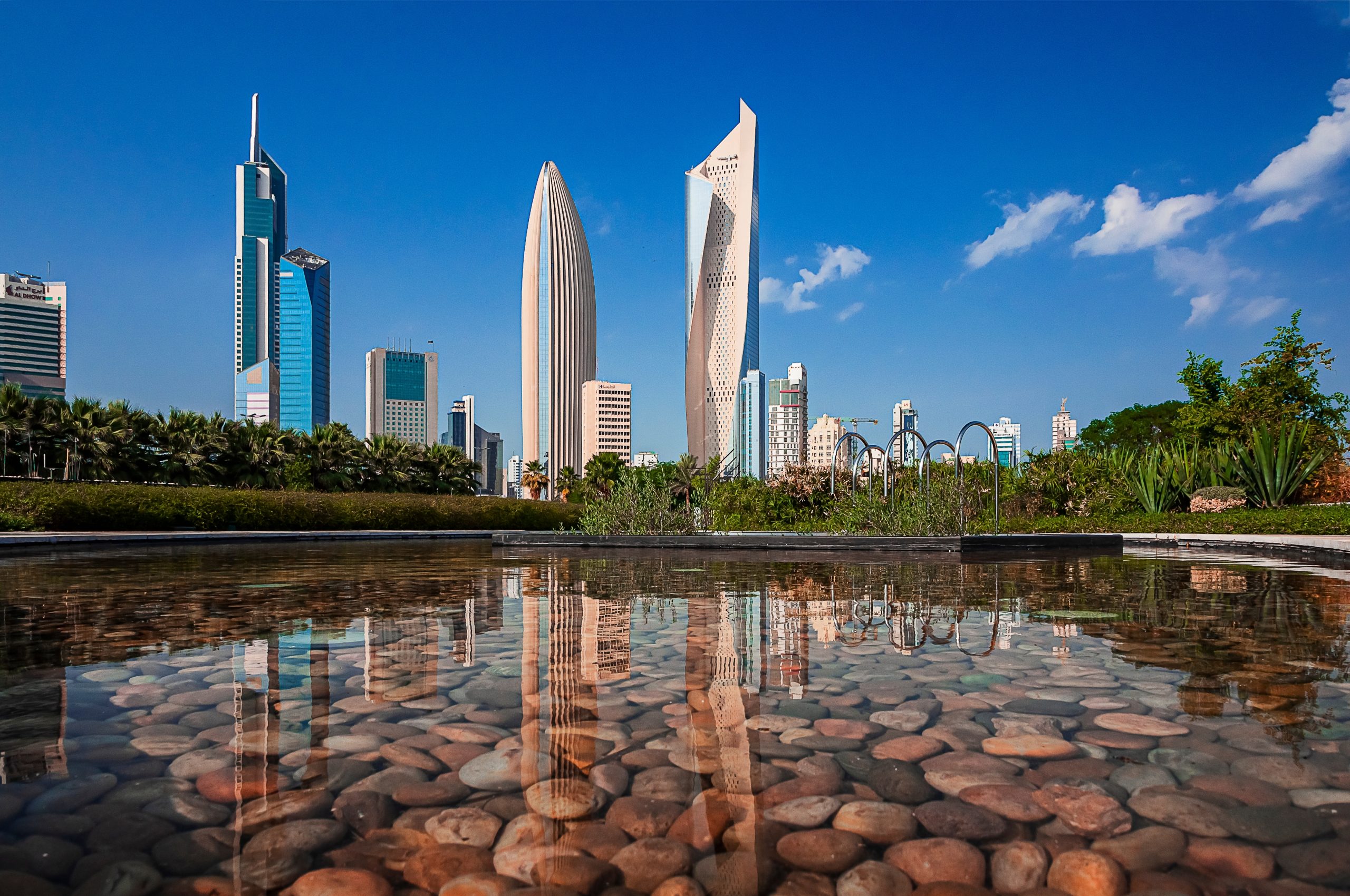

Abu Dhabi’s luxury residential market is entering a new phase, with buyers placing greater emphasis on destination living, developer credibility, and high-quality design, according to MERED. The developer says long-term value is increasingly driven by integrated communities, proven project delivery, and architecture that blends global standards with local identity as the emirate continues to attract international investors.
3 minAbu Dhabi’s luxury residential market is evolving as buyers place greater emphasis on long-term value, quality of design and the overall living experience, according to MERED, the award-winning international real estate developer.
The shift is being underpinned by continued market momentum. According to Abu Dhabi Real Estate Centre (ADREC) transaction data, Abu Dhabi recorded AED65.4 billion in real estate transactions year-to-date, including AED48.7 billion in sales, AED14.8 billion in mortgage activity and AED8.2 billion in foreign direct investment from investors representing more than 100 countries. The data also highlights continued activity across Abu Dhabi’s established waterfront destinations, reflecting sustained investor interest in integrated lifestyle communities.
“Headline market growth tells only part of the story. Buyers are increasingly distinguishing between developments that command a premium because of genuine quality and those benefiting from broader market momentum. Abu Dhabi’s luxury residential market has evolved significantly. Buyers are no longer evaluating developments solely on location, size or finishes. They’re evaluating the complete living experience and the credibility of the developer behind it. That’s a sign of a healthier, more mature market. As expectations rise, developers have to think beyond creating impressive buildings and focus instead on creating places where people genuinely want to live for years to come,” said Michael Belton, CEO of MERED.
Drawing on its experience in Abu Dhabi’s premium residential sector, MERED believes three themes are increasingly shaping buyer decisions across the market.
Trend 1 – The rise of destination living
One of the most significant shifts MERED is observing is that buyers are increasingly comparing destinations rather than developments. Decisions are being shaped not only by the quality of a residence, but by the broader environment that surrounds it, from public waterfronts and landscaped open spaces to dining, wellness, culture and walkability. Luxury developments are increasingly expected to contribute to a complete neighborhood rather than exist as standalone residential assets.
The market continues to concentrate around established lifestyle destinations, with Al Reem Island and Yas Island leading transaction activity, while Saadiyat Island remains the benchmark for Abu Dhabi’s ultra-premium residential offering, reflecting a broader shift in buyer behavior. Increasingly, established waterfront destinations are valued not only for their location but also for the lifestyle they offer, combining residential communities with hospitality, retail, wellness, culture and public spaces that support long-term livability.
Trend 2 – Execution has become the ultimate differentiator
Off-plan continues to perform strongly, but buyers are placing greater emphasis on construction progress, delivery certainty and the developer’s ability to execute on its vision before making a purchasing decision. Approximately 65% of residential sales continue to take place in the off-plan market, underscoring sustained confidence in Abu Dhabi’s development pipeline. That confidence, however, is increasingly being earned through visible execution rather than marketing alone.
Trend 3 – Global design, local identity
As Abu Dhabi attracts a broader international investor base, buyers are bringing higher expectations around architecture, interiors and landscape design. Increasingly, these disciplines are viewed as long-term value drivers rather than aesthetic enhancements.
This shift is also reflected in the growing international appeal of Abu Dhabi’s residential market. Foreign direct investment reached AED8.2 billion, with buyers from more than 100 countries participating in the market.
These principles are reflected in Riviera Residences, MERED’s landmark waterfront development on Al Reem Island, designed by Pritzker Prize-winning architects Herzog & de Meuron. The project combines over 400 residences with a limited collection of 11 villas, integrated landscape design by Michel Desvigne Paysagiste and a waterfront promenade conceived as a vibrant public destination, bringing together architecture, landscape and community planning in line with the trends shaping the next phase of Abu Dhabi’s luxury residential market.
Looking ahead, MERED expects Abu Dhabi’s premium residential market to continue benefiting from the emirate’s economic diversification, regulatory transparency and growing international profile. However, as competition increases, the company believes the projects that will stand out are those that create lasting value through exceptional design, disciplined execution and thoughtfully curated living environments.
The sports-car maker delivered 279,449 cars last year, down from 310,718 in 2024.

Americans now think they need at least $1.25 million for retirement, a 20% increase from a year ago, according to a survey by Northwestern Mutual



A student-run real estate investment fund is proving that hands-on experience can deliver real results. Managing $12 million in equity, the undergraduate team recently achieved a 65% gross return on its first property sale, highlighting the growing role of experiential learning in preparing the next generation of real estate professionals.
5 min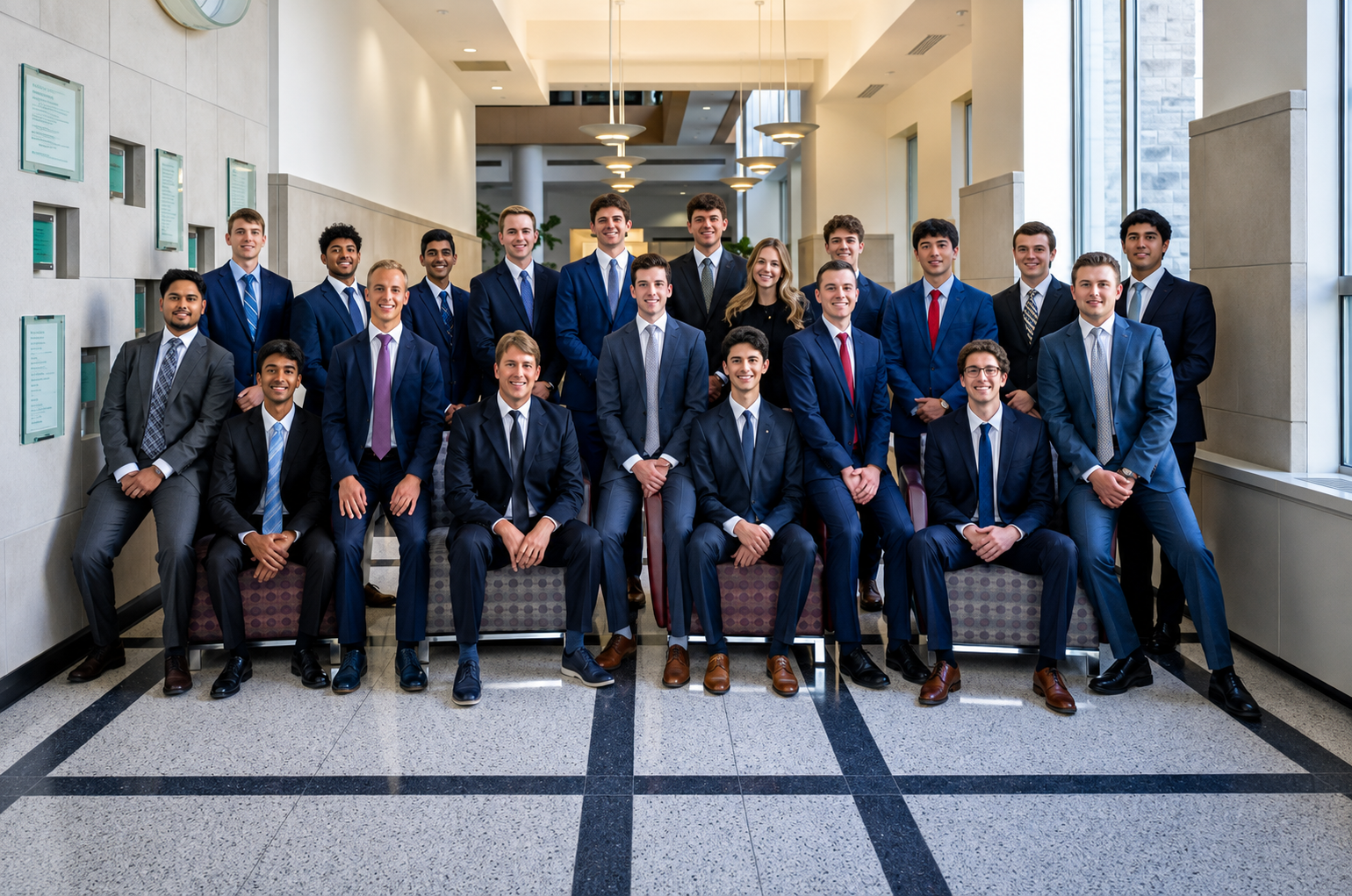
On a recent summer Sunday afternoon, Brooks Hiller was hunkered over his laptop at his apartment in Chicago, dialing in to hour three of a marathon series of conference calls on real-estate deals.
The 21-year-old isn’t a professional, and he doesn’t make a dime from this work. He is a rising senior at Indiana University’s Kelley School of Business, where he leads a team of 20 undergraduates who manage about $12 million in equity.
Those students operate their own real-estate investment business, called Sample Gates Management, named for the Gothic-style limestone arches that are the gateway to the Bloomington campus.
Unlike the many student investment clubs that deploy university money or rely on donations, the Indiana group raises funds from third parties and invests in properties across the country, such as apartment developments and industrial parks.
As a high schooler, Hiller was so enamored with the program—by most accounts, the undergraduate-run real-estate investment group that manages the most capital—that he chose to attend Indiana with hopes of being a part of it.

“Students get the experience, the school gets a better education for their students, and the investors are making their money back and get to be a part of the program again,” Hiller said. “I really wanted to be part of that.”
The group’s success is emblematic of changes transforming both higher education and the real-estate industry.
An industry that once revolved around information shared at private clubs or events has become a highly digitized landscape. It’s now flooded with standardized public-market data, so much so that undergraduates can readily peer inside and participate on nearly equal footing.
Meanwhile, colleges in recent decades have championed what is called “experiential learning,” encouraging students to do the hands-on work that will teach them the practical job skills they can’t learn in traditional classroom settings. Plus, dozens of universities now offer real-estate degrees, minors or concentrations for undergraduates.
“At its core, this program wouldn’t have existed 30 years ago,” said Harvard University real-estate professor Avis Devine.
This summer, Sample Gates Management sold its first investment, an industrial warehouse development in Indianapolis. In about 16 months, the fund earned a 65% gross profit on that property.
“That’s a really fantastic return in this environment,” one that would be “good for sort of any professional firm, not just students,” said Tim Morris, a member of the board responsible for approving the students’ investments, who is a founder and co-managing partner of the real-estate firm Proprium Capital Partners.
That property was an “easy yes” investment, Tom Peck, the students’ faculty adviser, recalled. It would diversify the group’s investment portfolio, and a reliable tenant was committed to leasing the building once it was finished, Peck said.
Most of the fund remains tied up in investments, making it difficult to gauge exactly how well it is performing overall.

A decade ago, there were only a few student-managed real-estate funds in the country. Today, there are at least 18, and two more are set to launch this school year, according to Mariya Letdin, a real-estate professor at Florida State University who has researched student-managed investment funds and advises one herself.
And yet, although a program like Sample Gates is an attractive resume line that provides unique experience among undergraduates, it isn’t necessarily a launching pad to help students secure jobs. Because of Wall Street’s summer-internship pipelines and early recruiting timelines, many of the 20 seniors in the group have already secured full-time jobs at global giants before they even touch Sample Gates funds.
In fact, the students’ professional experience—some of them participate in internships all three summers of college—is often a boon for Sample Gates. Students’ stints at institutional shops have left them with a “networking mindset” that “snowballs very quickly into a really, really good Rolodex,” Morris said.
At the Kelley School, where currently 278 students are majoring in real estate, faculty picked only 20 to manage the private-equity fund. The rising seniors were selected from Kelley’s already competitive roughly 60-student commercial real-estate workshop, in which students analyze deals and pitch them to mock committees.
In 2022, for the group’s first round of fundraising, Sample Gates raised $4.2 million from 46 investors, 40% more than their goal of $3 million. Last year’s cohort raised $7.8 million from 74 investors in the second round of fundraising, with one investor forking over $700,000. Some investors put money into both funds.

Many of the investors are Indiana alumni now working in the real-estate industry themselves. They expect the students to return a profit, but they are also enthusiastic about fostering the young program and meeting standout students.
The student managers screen between three and eight deals each week, which could mean they evaluate up to 400 potential investments a year. However, between 2023 and 2025, they selected only 12 investments, ranging in location from Indiana to Arizona.
Once a potential investment passes an initial screening, a team builds financial models and meets with prospective partners to pressure-test the viability of a deal.
For students to move forward with an investment, they must present it to their investment committee, a board of 10 seasoned real-estate executives. The committee has to sign off on all deals, and they reject roughly a third of the ones the undergraduates bring to the table.
And if the students think they can pitch an investment without getting their eyes on the physical property—regardless of where it is located— they would best think again.
Some observers predict that students might be disappointed when they start their full-time jobs because of the shift from doing the highest-level work of managing a fund to being a lowly analyst at a large firm.
“To have all of these skill sets in a short period of time and then to go be an associate for Blackstone would be mentally defeating,” said Rhett Trees, an investor in Sample Gates and Indiana alum who is the chief executive of a Denver-based real-estate private-equity firm.
Two coming 2027 models – the first of the “Neue Klasse” cars coming to the U.S. early next year – have been revealed.
Interior designer Thomas Hamel on where it goes wrong in so many homes.
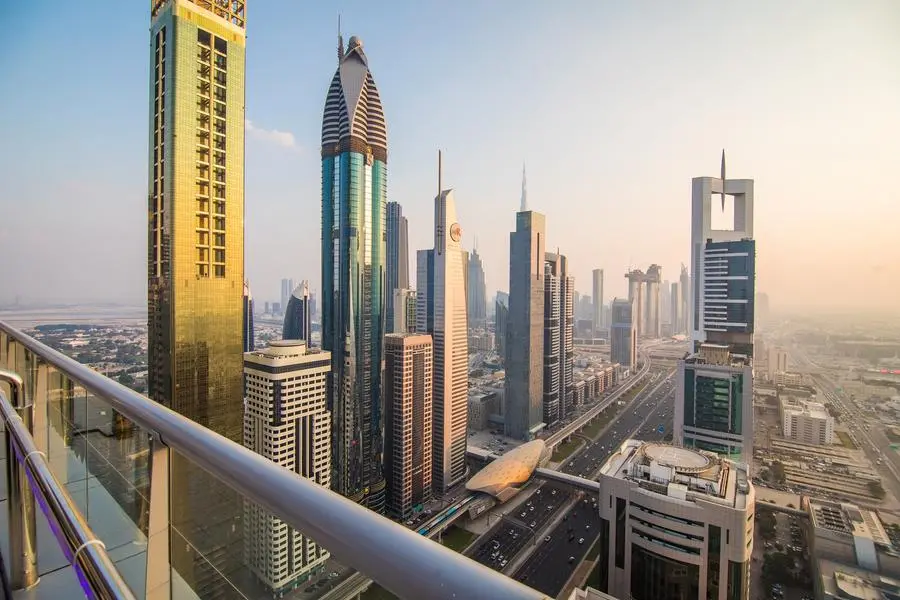

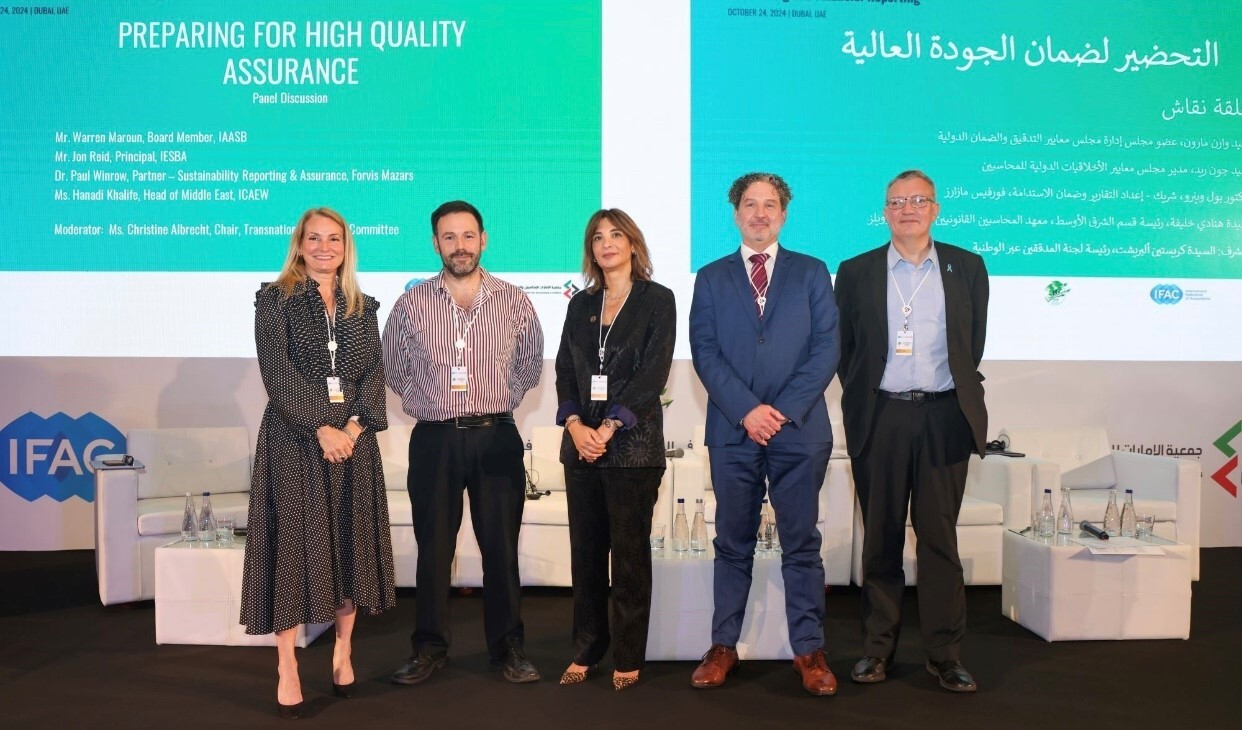
Dubai’s off-plan property market remained resilient in early 2026, accounting for nearly three-quarters of all residential transactions despite fewer project launches. Buyers are becoming more selective, prioritizing competitive pricing, trusted developers and flexible financing, while investor demand continues to support the market.
5 min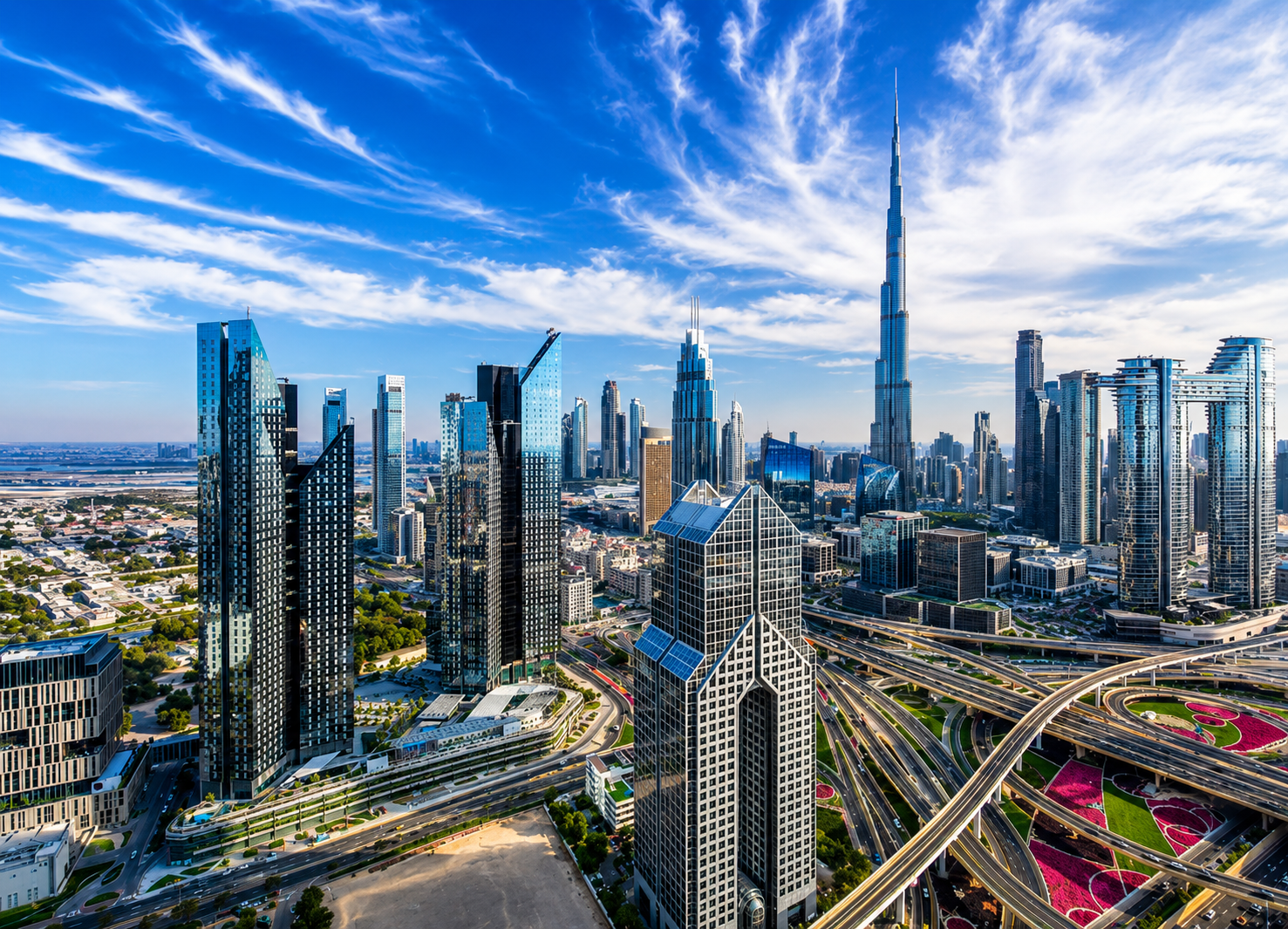
Dubai’s off-plan property continued to drive the city’s real estate market sales in early 2026 despite fewer project launches and slower sales, as buyers increasingly focused on pricing, developer track records and financing certainty, according to property experts.
Ali Siddiqui, Research Manager at property consultant Cavendish Maxwell, said off-plan residential sales activity in Dubai accounted for nearly three-quarters of all transactions.
“In the first five months of 2026, around 49,700 off-plan transactions were recorded, representing a 7.1 per cent decline compared with the same period last year” he told Zawya Projects.
He added that new project launches fell 68.5 percent year-on-year over the same period, limiting the amount of fresh inventory entering the market.
An analysis of transactions by property manager betterhomes showed that off-plan transaction volumes in Dubai fell by approximately 45 percent in May, with apartment values in the segment softening by around 26 percent.
The company’s Director of Off-Plan and Capital Markets Harry Martin attributed the fall mainly to May being effectively a three-week trading month [due to Eid holidays] and a slowdown in project launches from their recent peak.
Off-plan properties nevertheless accounted for more than 65 percent of total transaction volume during the month, he told Zawya Projects.
“Demand in the off-plan market is holding up, but it’s become more selective,” said Martin.
He pointed out that several projects across Dubai, Abu Dhabi, and Sharjah had sold out in recent weeks, with pricing the consistent factor behind their performance.
The betterhomes executive underlined that projects at “sensible entry values per square foot”, in locations slightly outside the premium core, have been drawing strong commitment from local and international buyers alike. Demand was strongest where launch prices were competitive and developers had established delivery records, he said.
“The present market does not move on momentum alone,” explained Martin. “Confidence in delivery matters too. Projects that consistently attract buyers typically have a three-year construction timeline, which buyers find acceptable. This duration reflects the credibility of the developers, a quality that the market highly values.”
Investors dominate sales
Rajiv Ghanekar, Sales Director at property brokerage Indus Real Estate, stated that the main segment driving off-plan sales in Dubai is investors, especially overseas buyers.
Citing Dubai Land Department (DLD) transactions from 1 April 2026 to 22 June 2026 totalling 31,361 property sales, he said 23,854 of these transactions were off-plan sales – apartments, townhouses, and villas – which represented a significant 76 percent of the total sales volume.
“Nearly 67 percent of off-plan sales were for studio and one-bedroom units,” he said. “This trend shows that most buyers are investors, especially from overseas. They want to attain long-term rental income and qualify for an investor visa.”
Ghanekar said a recent change by DLD had removed the minimum property-value requirement for a renewable UAE residency visa.
“This change makes it easier for investors to get UAE residency for two years, which can be renewed. To qualify, the property must be ready and have a title deed,” he explained.
Ghanekar said private developers are offering payment structures under which buyers pay 20 percent or 30 percent during construction and the remaining 80 percent or 70 percent later, particularly for properties scheduled for handover within 18 months.
Post-handover payment periods of two to three years were also becoming more common, he said.
At Dubai South’s Hayat Townhouses, two clusters sold out under an offer that included a 2 percent DLD fee waiver, a two-year payment plan, a two-year service-charge waiver, free landscaping and complimentary processing of a golden visa, Ghanekar said.
He pointed out that some private developers are providing discounts of up to 30 percent for larger upfront payments, while temporary waivers of the 4 percent DLD fee are also widely used. A Dubai developer was also offering guaranteed return on investment (ROI) on instalment payments until the property handover.
“Such offerings are also attractive to buyers of ready properties, as their money starts earning from the day of booking without the hassle of managing tenants,” said Ghanekar.
Developers were also releasing inventory held back from previous launches, he added.
AED200 million penthouse sale
Demand has also continued at the top end of the off-plan market.
Brokerage Union Square House completed the AED200 million ($54.5 million) sale of a penthouse at Bugatti Residences by Binghatti in Business Bay this month, founder Gaurav Aidasani said.
The 20,449-square-foot property sold for AED9,780 per square foot, he added.
Aidasani said ultra-high-net-worth buyers remained willing to invest in high-value off-plan developments despite premium pricing.
Integrated mortgage offering
The off-plan residential market has traditionally relied on developer payment plans, with buyers paying developers directly in installments during construction and approaching banks for mortgages only closer to project completion.
However, a new model, based on partnerships between developers and banks, allows mortgage financing to be integrated right from the booking stage of the purchasing journey, according to Dhiren Gupta, managing director of 4C Mortgages Consultancy.
For example, Emirates NBD, UAE’s largest bank by assets, has partnered with Dubai-based developers including Emaar, Dubai Holding, Majid Al Futtaim, Al Wasl Group, Aldar (for Dubai projects), Sobha, Damac, Ellington, Omniyat, and Binghatti for off plan mortgage schemes. Other lenders including Mashreq Bank, Dubai Islamic Bank, Emirates Investment Bank, Abu Dhabi Islamic Bank, and First Abu Dhabi Bank have introduced off-plan mortgage frameworks to support Tier-1 projects.
Gupta highlighted that buyers must still use their own funds to pay the developer until they reach a 50 percent equity threshold, while projects typically must be 30 percent to 40 percent complete before banks begin releasing mortgage funds.
“The difference now is that when you walk into a developer’s sales gallery, you can apply for a mortgage pre-approval from a bank right at the booking stage before signing the Sale and Purchase Agreement,” he said. “Your financing eligibility, maximum loan amount, and baseline rates are locked in and confirmed from day one, providing a high level of certainty.”
Once these parameters are met, the bank takes over the remaining payment plan.
Gupta continued: “If you need to pay the next 10 percent milestone out of pocket, the bank will release those funds in tranches directly from the mortgage account to the developer’s escrow account. After the building is handed over, the loan transitions into a standard long-term mortgage of up to 25 years.”
He said the new model is expected to reduce handover defaults significantly.
“In a typical market, if thousands of buyers discover at the time of handover that they cannot secure a mortgage, it can lead to a wave of defaults that might trigger a market crash.”
He added that extending mortgage availability to off-plan properties from the outset broadens access for salaried residents and end-users who require long-term financing.
“It indicates that Dubai’s real estate sector is evolving from a speculative, cash-driven environment into a highly structured, institutionalised, and transparent global market,” Gupta noted,
Abu Dhabi demand grows
While Dubai continues to lead off-plan sales, property consultants also reported growing investor interest in Abu Dhabi.
“Investors are diversifying beyond traditional hotspots and focusing on markets with strong government support and long-term development strategies,” observed Emrah Yar, Founder and CEO of real estate firm Equity. “These markets represent about 70 percent of our off-plan transactions, showing a notable shift in interest toward the capital.”
Yar noted that, rather than retreating, investors are adapting by committing to future developments and exploring opportunities beyond Dubai.
“Following the [middle east] conflict, our off-plan department has recorded over 80 off-plan primary sales [in Abu Dhabi] with a value in excess of AED 400 million, with deal prices ranging from AED 1 million to AED 38 million. Developers such as Modon, Wasl, Aldar and Beyond make up the majority of these sales.”
According to Yar, payment plans have become more flexible, with reduced initial down payments as low as 5 percent. Developers are offering attractive promotions such as discounts and fee waivers to attract buyers, making purchases more appealing overall.
He said sales had slowed slightly compared with the period before the conflict but were increasing each month, and forecasted a strong second half of the year for the Abu Dhabi market.
Andrew Covill, director of Abu Dhabi-focussed real estate agency Henry Wiltshire International, said developers had reduced down-payment requirements to between 3 percent and 5 percent from the usual 10 percent and deferred second payments until 2027.
Henry Wiltshire recently sold out townhouses and villas at Hudayriyat Golf Estates, apartments at Yas Park Place, and townhouses and villas at The Orchids in Yas Acres, Covill said. He also reported rapid sales of studios and one-bedroom apartments in the Marina building at Lu’Luat, Al Raha Beach.
“There is a strong interest in Abu Dhabi’s real estate, with many relocating and new companies establishing themselves, especially in ADGM,” said Covill.
New research suggests that bonuses make employees feel more like a mere cog in a wheel.
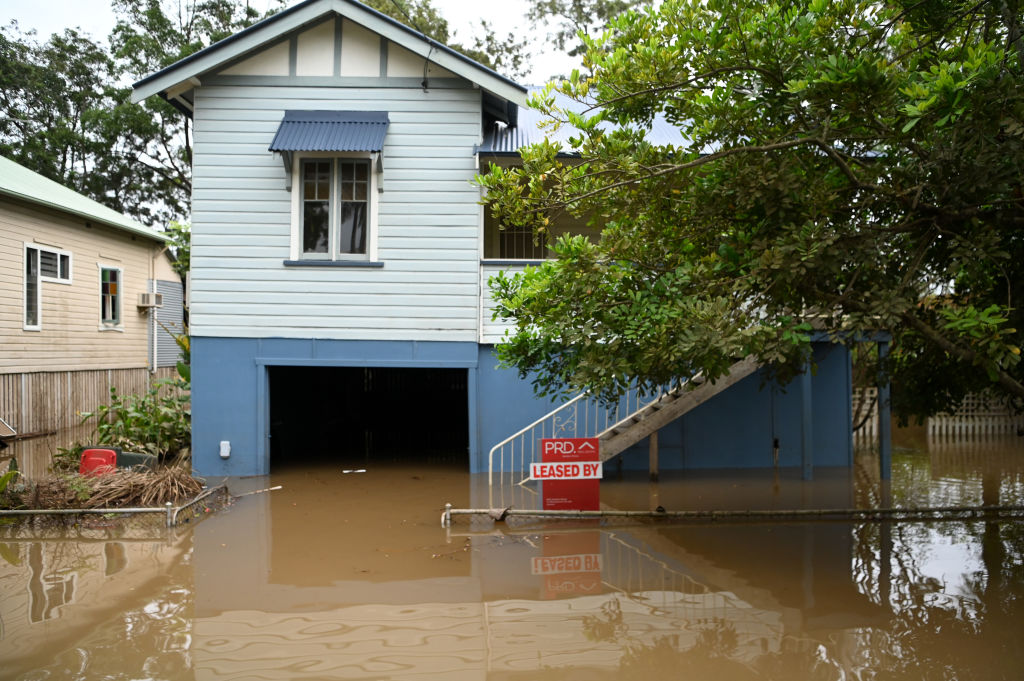
Following the devastation of recent flooding, experts are urging government intervention to drive the cessation of building in areas at risk.


Building on the success of its inaugural edition, the summit will once again bring together developers, architects, consultants, engineers, contractors, government authorities, and technology providers to explore the latest innovations shaping the future of the built environment. Co-located with the Lighting Innovation Summit, attendees will benefit from access to a broader network of professionals driving smarter, more sustainable, and connected developments across the UAE.
< 1 min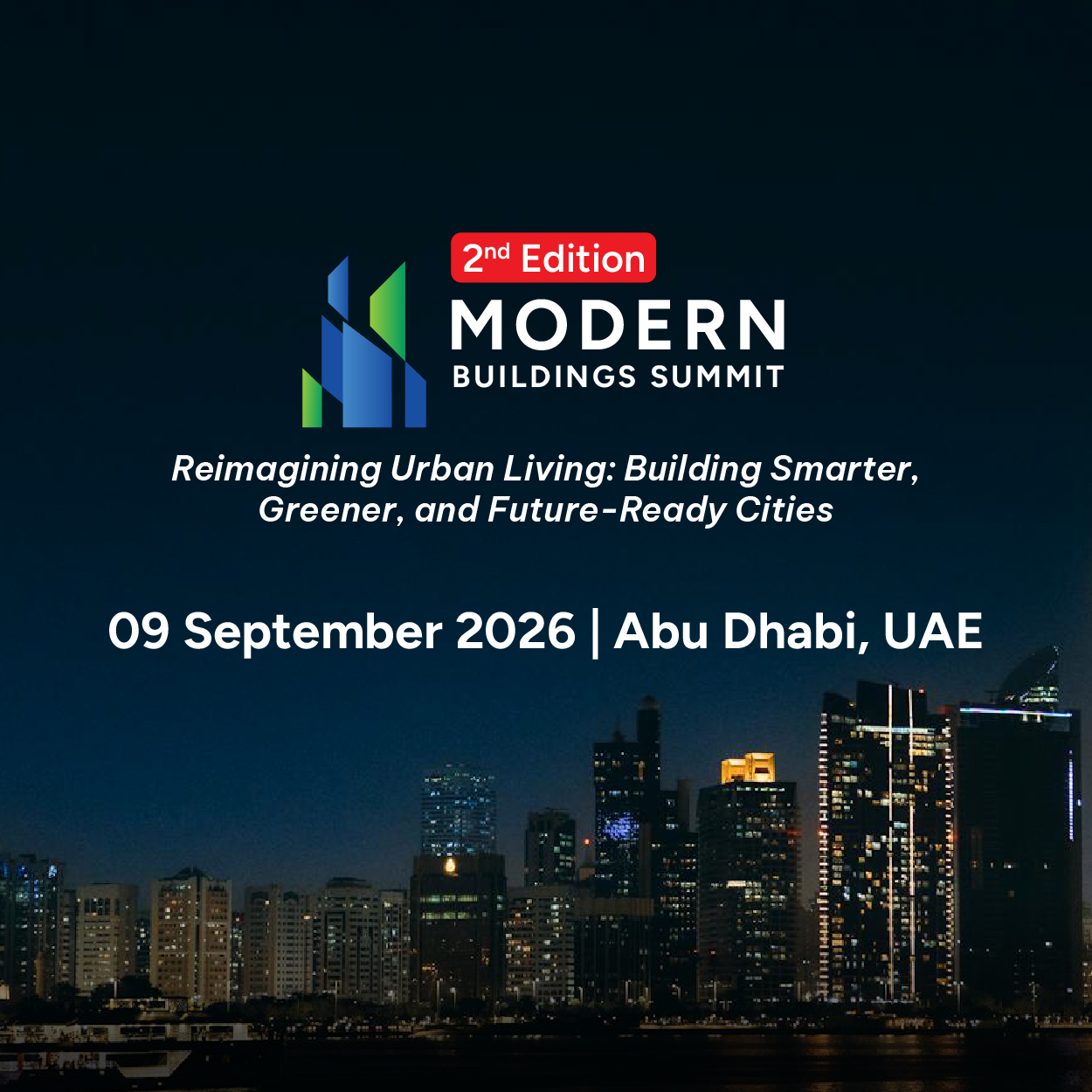
Following the success of its inaugural edition, the 2nd Modern Buildings Summit Abu Dhabi will return on 9 September 2026, bringing together building owners, developers, architects, consultants, facility management professionals, technology leaders, and industry experts to discuss the trends and innovations shaping the future of intelligent and sustainable buildings.
Co-located with the 2nd Lighting Innovation Summit Abu Dhabi, the event will provide a platform for exploring key topics including smart buildings, building automation, digital transformation, energy management, sustainability, and next-generation infrastructure. Together, the co-located events will offer attendees a comprehensive view of the technologies driving the evolution of modern built environments.
The summit will feature keynote presentations, panel discussions, case studies, and networking opportunities, providing practical insights into creating more connected, efficient, and future-ready buildings. Attendees will have the opportunity to engage with industry peers, discover emerging solutions, and explore strategies that support operational excellence and long-term sustainability.
Bringing together stakeholders from Abu Dhabi’s construction, real estate, infrastructure, hospitality, healthcare, education, and public sectors, the summit aims to foster collaboration and knowledge exchange while supporting the adoption of innovative technologies and best practices across the built environment.
Event: 2nd Modern Buildings Summit Abu Dhabi
Date: 9 September 2026
Location: Abu Dhabi, United Arab Emirates
Co-Located With: 2nd Lighting Innovation Summit Abu Dhabi
Many of the most-important events have slipped from our collective memories. But their impacts live on.



Should investors buy property or the companies that build it? While UAE residential real estate continues to offer solid rental yields and long-term capital appreciation, listed developers have historically delivered stronger returns—but with significantly higher volatility.
3 min
Somebody sitting on a million dirhams and a conviction that UAE property will keep rising faces a choice that is rarely discussed properly. They can buy a flat. Or they can buy shares in the companies that build them. Nagham Hassan, Market Analyst at etoro explains that both are bets on the same construction boom, but they behave so differently that calling them the same investment is misleading.
What you earn while you hold
An apartment in Dubai or Abu Dhabi currently returns between 6% and 7% of its purchase price in annual rent according to REIDIN, on paper. That is a gross number. The net figure, after service charges eat a fifth or more of the rent, after a management fee, after allowing for potential vacancy periods, is estimated closer to 4% or 5%.
A share in Emaar currently yields over 8%. A share in Aldar yields about 2.5%. Neither involves a tenant, a maintenance call or a service charge bill. But neither comes with a guarantee. Emaar skipped its dividend entirely in 2020. Aldar paid through the same year without interruption.
So the income question is not which one pays more. It is whether you want to collect rent yourself or receive a payment that someone else decides to make.
Where the real money was made
Income was not the main driver on either side. Over the five years to end-2025, Dubai residential prices rose about 90%, according to REIDIN. Abu Dhabi rose more than 50%. The rent collected along the way, generous as it was, added less than half of what the price gains delivered.
The listed developers moved further and faster. Emaar gained roughly 465% in price over the same window, and Aldar roughly 244%, based on exchange data. Add back the dividends collected and the total returns run closer to 540% and 275% respectively. Those are my calculations from share price and dividend records, not a published figure.
The gap is wide enough that it needs explaining rather than celebrating. A developer is not a building. It owns land, a backlog of pre-sold homes, malls, hotels and a pipeline that stretches years ahead, so its share price moves on expectations about all of that at once. An apartment only prices the apartment. And both sides entered this window near multi-year lows. The shares exited it near their peaks. Anyone reading those returns as repeatable is confusing a cycle for a rule.
Since February both Emaar and Aldar have dropped roughly 35% from their highs, after regional tensions shut both exchanges for two trading days in March. Dubai apartment prices softened over the same months, with REIDIN recording a 1.76% monthly decline in April and ValuStrat reporting a cumulative 10% drop from late February to June, though both indices still showed positive annual growth. Abu Dhabi was still up close to 28% year on year according to REIDIN. The flat held its value far better than the shares but would have taken months to sell. The shares could be sold in a day, but at a 35% loss from the peak.
What it costs to get in and get out
This is where the comparison stops being close. A property purchase costs roughly 4% to the Land Department on transfer day, plus agency commission, registration and administrative charges. All in, getting into and out of a Dubai apartment runs to several per cent of the price.
A share trade carries a total commission of 0.15% on Abu Dhabi Securities Exchange and about 0.28% on Dubai Financial Market. A round trip runs between 0.30% and 0.55%.
That gap sets a minimum sensible holding period for property and none for shares. In a flat market, a year or two of rental income would not cover the round-trip fees. In a rising one, capital gains can absorb them quickly, but that depends on the cycle cooperating.
What does not show up in a return
A property above two million dirhams may qualify the buyer for a Golden Visa route, and listed shares do not. But the income side has tightened. Dubai caps what a landlord can charge a sitting tenant at renewal, and Abu Dhabi has frozen rent increases across the emirate until further notice. A shareholder has no such constraint on what the company distributes, but also no say in what it decides to pay.
What neither side tells you
Both depend on timing more than their advocates admit. Both are sensitive to a delivery cycle that is running hot, with Dubai expecting roughly 77,500 new homes this year and far more in 2027. The five years that just passed started at a trough and ended near a peak. The next five begin from a very different place.
Parts for iPhones to cost more owing to surging demand from AI companies.

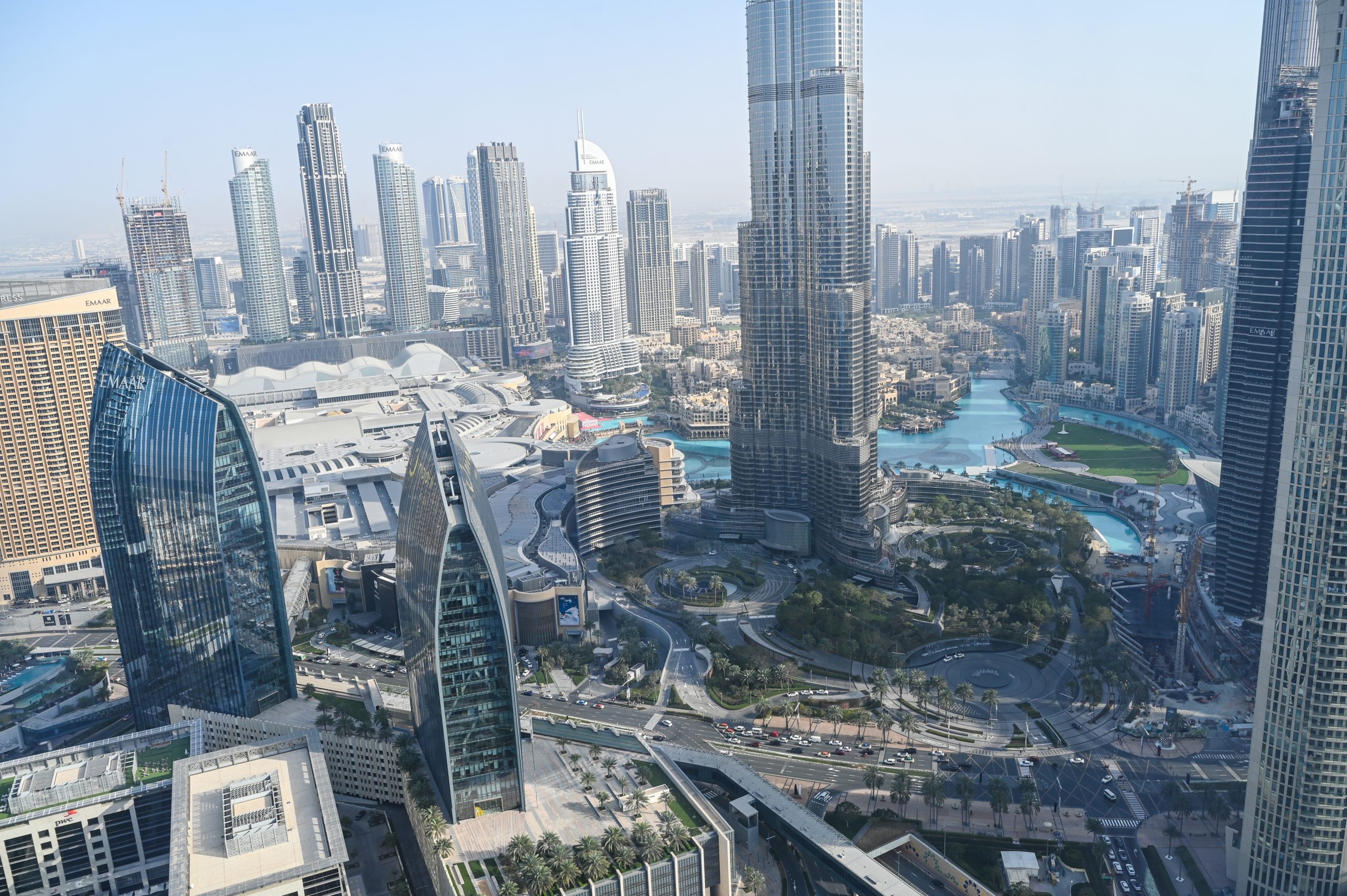

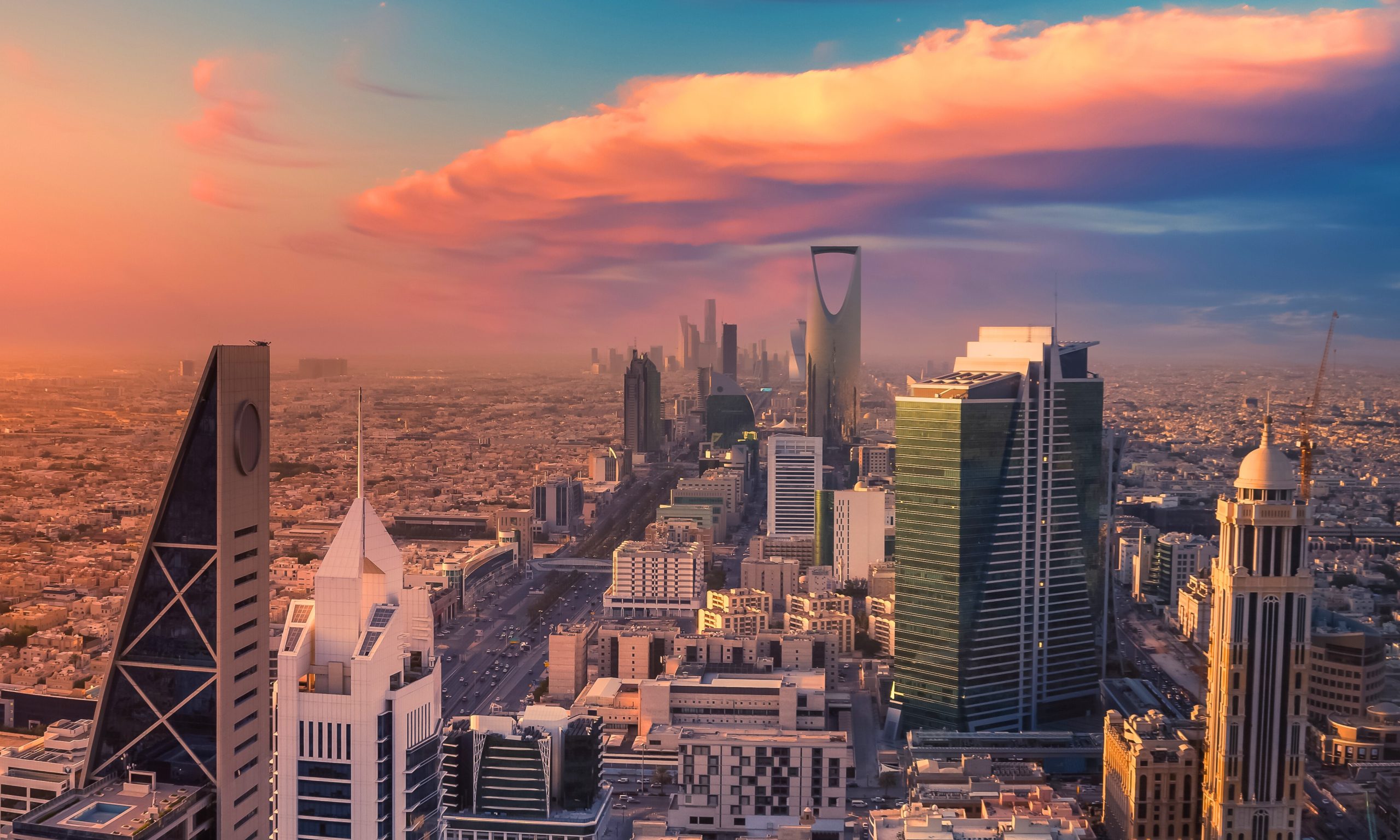
Saudi Arabia’s real estate market showed modest improvement in the second quarter, with transaction volumes rising from the previous quarter but remaining below last year’s levels, according to Al Rajhi Capital. Residential property prices rose 2.6% year on year, lifting the overall real estate price index despite weaker commercial property prices and declining transaction activity.
< 1 min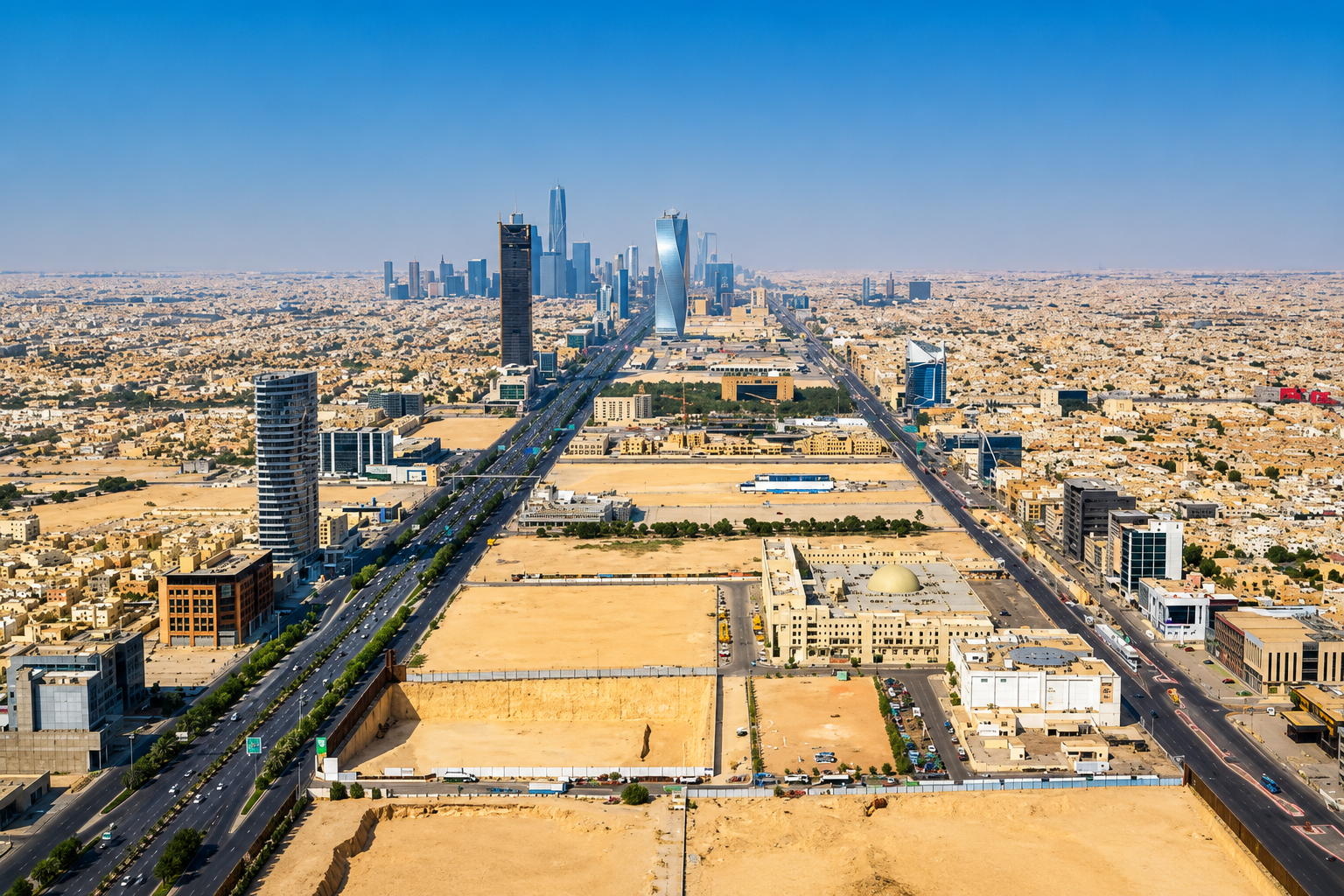
Saudi Arabia’s real estate transaction volumes edged higher in the second quarter from the previous three months, although activity remained weak compared with a low base in the first quarter, according to Al Rajhi Capital, a leading financial group in Saudi Arabia.
The residential transaction volumes across the kingdom fell 21% from a year earlier, led by declines of 34% in Riyadh, 16% in Jeddah, 11% in Madinah and 8% in Makkah, stated Al Rajhi Capital in its report.
Land transaction volumes dropped 42% year on year, reflecting weaker activity across the market, particularly in Riyadh, it stated.
However, Saudi Arabia’s real estate price index rose 1.3% in the second quarter from a year earlier, driven by a 2.6% increase in residential property prices, which offset weaker commercial property prices, it added.
Following the successful launch of its Palais Collection, MAISON de SABRÉ has unveiled a new modular handbag system offering more than 720 styling combinations.
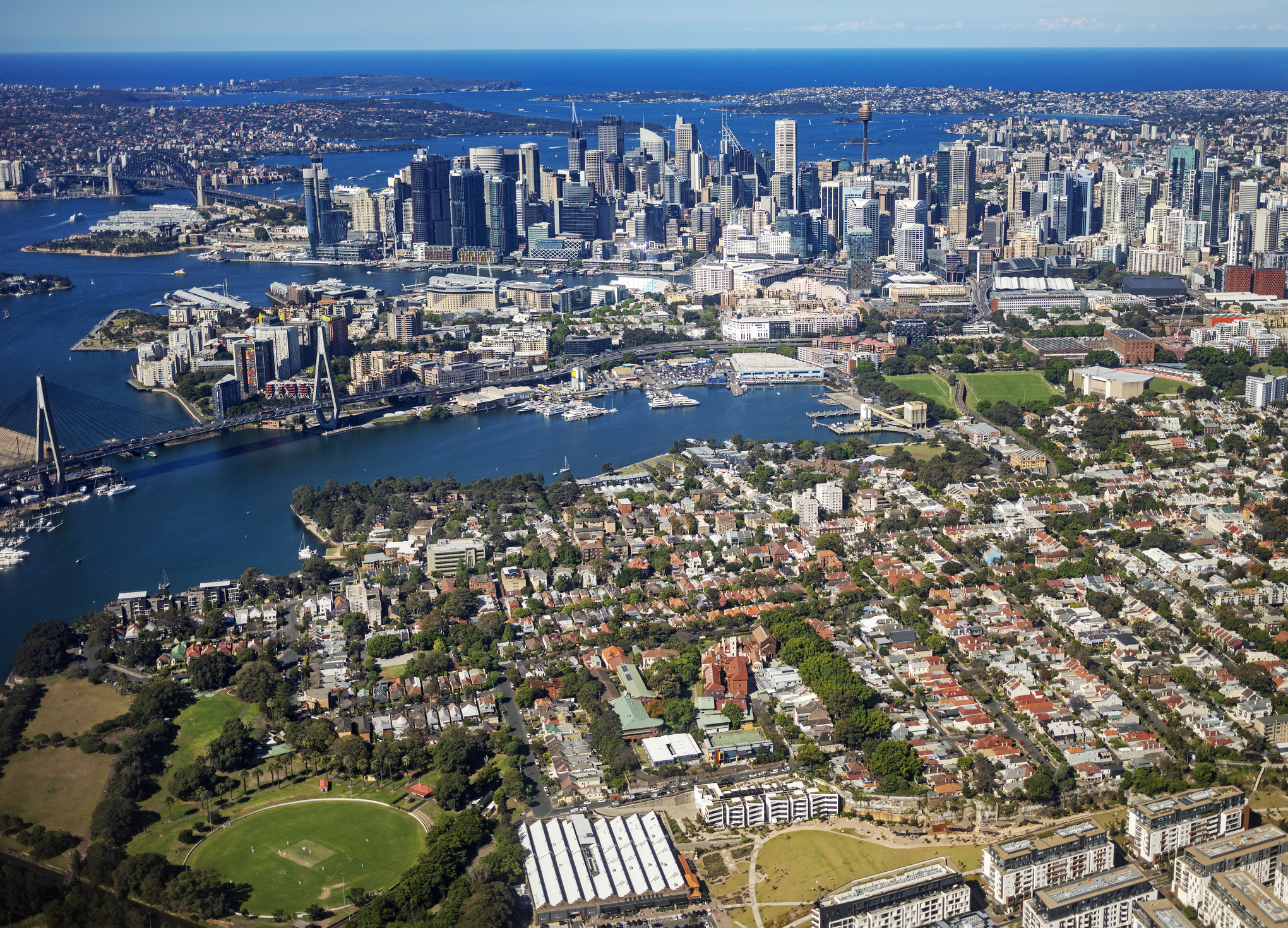



Object 1 has completed V1TER Residence, its second residential project in Dubai, bringing 175 apartments to Jumeirah Village Circle. The development reinforces the company’s focus on delivering high-quality, well-connected communities that align with Dubai’s long-term growth while meeting rising demand from homeowners and investors.
2 min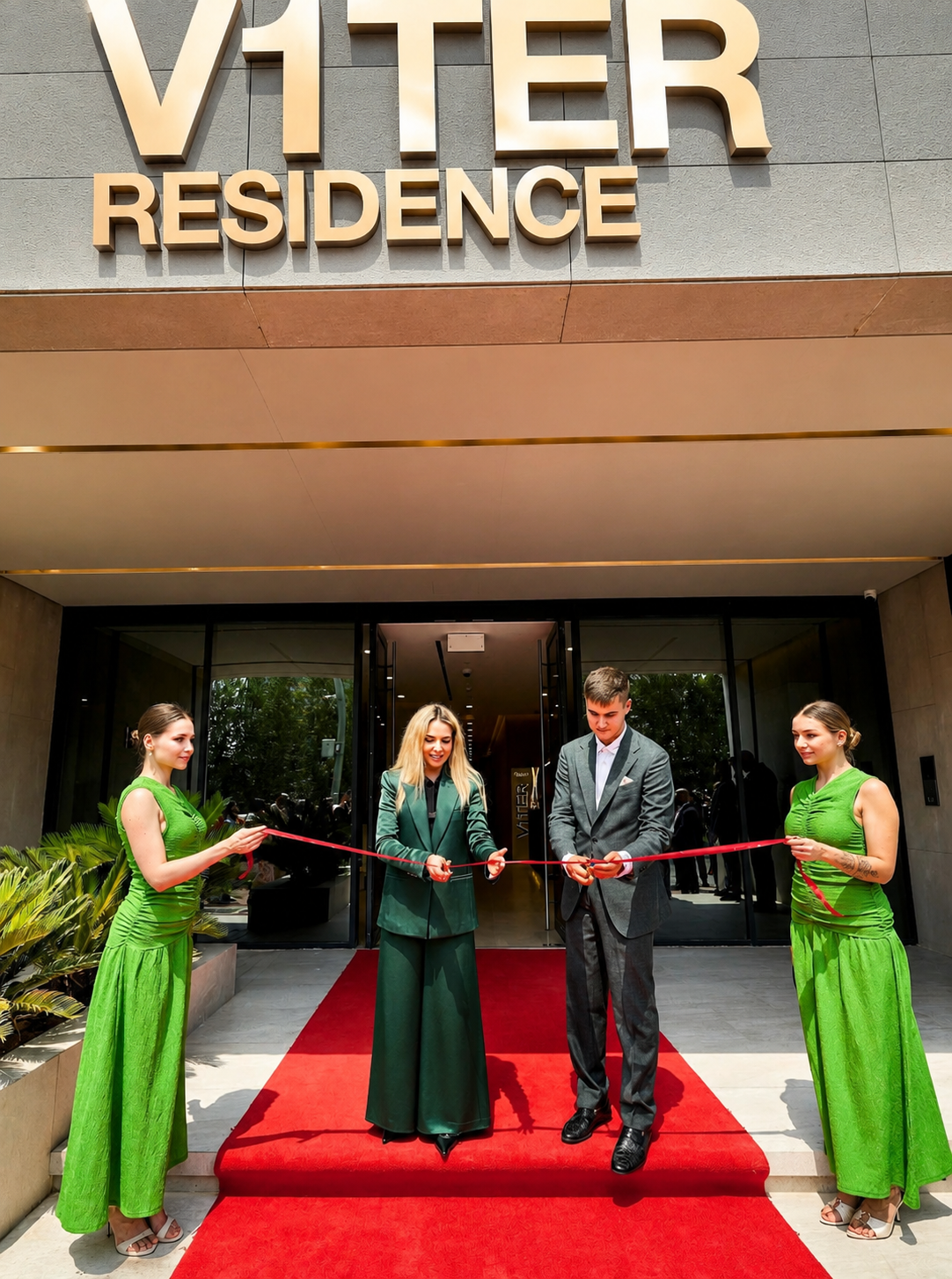
Object 1 has announced the completion of its second project, V1TER Residence, a residential development located in District 12 of Jumeirah Village Circle (JVC), one of Dubai’s most active, family-oriented communities.
The launch reflects Object 1’s continued focus on delivering residential projects with long-term relevance, underpinned by consistent execution, operational continuity, and alignment with Dubai’s broader growth agenda. At a time when buyers and investors are placing increasing importance on reliability and tangible delivery, V1TER Residence reinforces the developer’s position as a steady market participant focused on end users and sustainable value.
Rising 25 storys, V1TER Residence will comprise 175 apartments, including 34 studios, 91 one-bedroom units, 42 two-bedroom units, and eight three-bedroom homes. JVC remains one of Dubai’s most sought-after rental communities, driven by sustained mid-market demand from both residents and investors. Apartments continue to dominate in such communities, accounting for 61% of sales searches and 80% of rental searches, reinforcing JVC’s position as a well-connected and value-driven residential destination.
The development’s amenities are designed around everyday livability, with a landscaped podium, lounge lobby, clubhouse, swimming pool, gym, sauna, indoor and outdoor sports areas, and dedicated spaces for children, including a kids’ zone and pool.
Within the residences, the focus remains on quality and practicality. The units include built-in appliances, three-meter ceiling heights, smart air conditioning controls, and integrated access systems.
Tatiana Tonu, CEO of Object 1, said: “ As Object 1’s second completed project in Dubai this year, V1TER reflects our approach to development in Dubai, grounded in continuity, build quality, and the confidence that comes from consistent execution. Our projects align with the Dubai 2040 Urban Master Plan through a focus on connected communities, everyday convenience, and residential environments designed to support long-term quality of life. We remain committed to delivering developments that retain value, serve real residents, and contribute to the city’s future.”
V1TER Residence benefits from strong connectivity while maintaining the community appeal that continues to drive demand in JVC. The development is located two minutes from Circle Mall and in proximity to Dubai Hills Mall, Dubai Marina, and key business and leisure districts, with direct access to Al Khail Road and Sheikh Mohammed Bin Zayed Road. The Roads and Transport Authority’s Hessa Street Phase II project is expected to further enhance accessibility by increasing road capacity and reducing travel times for surrounding communities.
The launch of V1TER Residence comes as market confidence continues to favor developers with proven delivery track records and long-term commitment. The project reinforces Object 1’s focus on stability, steady execution, and residential developments designed to deliver lasting value.
Many of the most-important events have slipped from our collective memories. But their impacts live on.
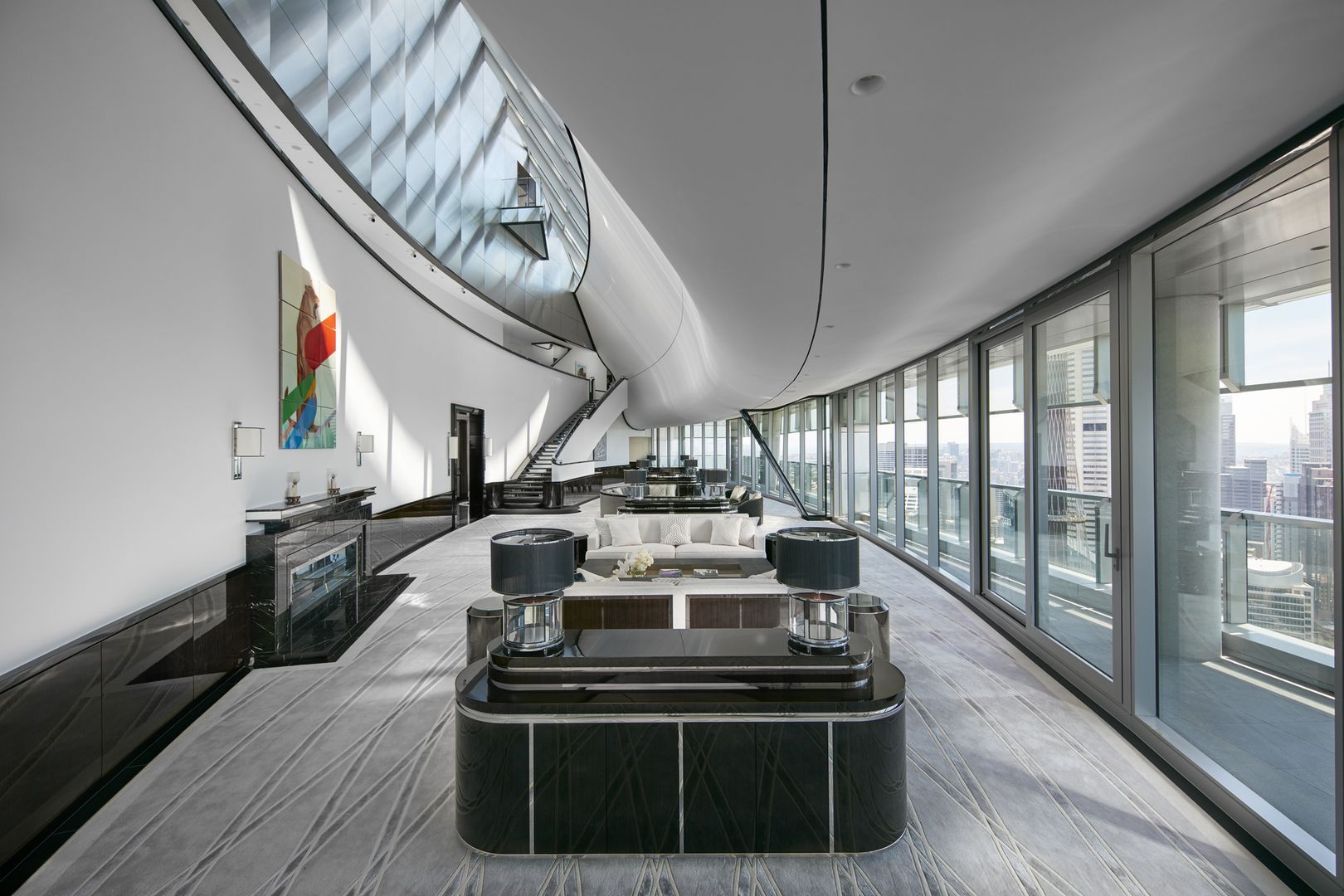

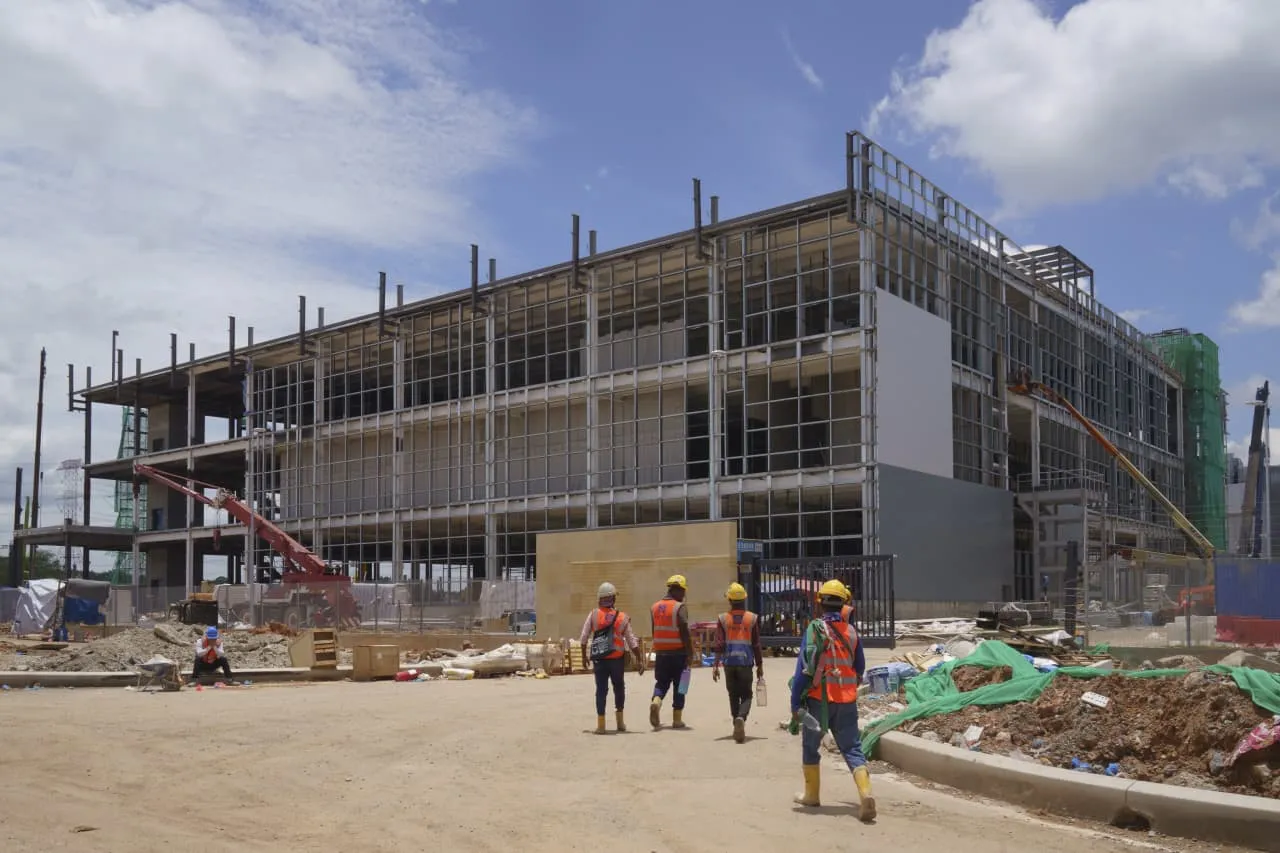
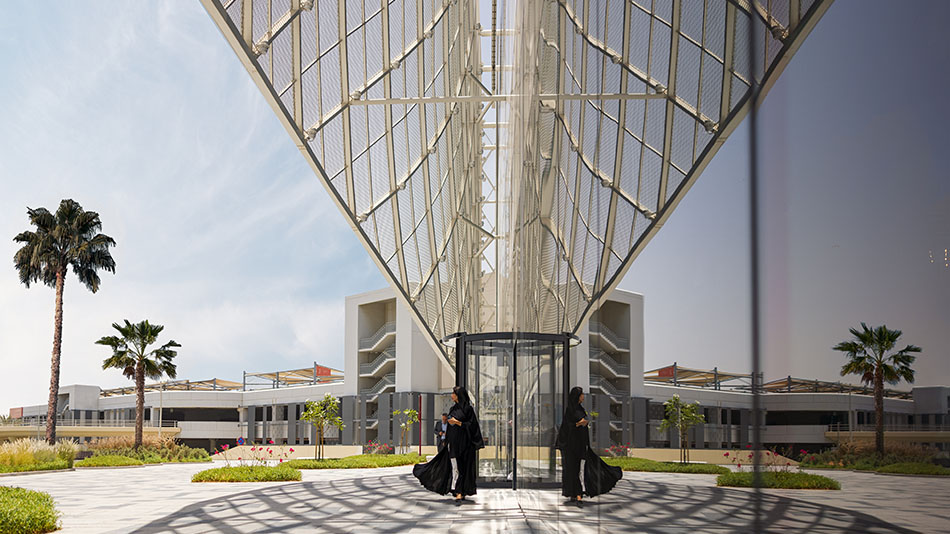
Dubai Land Department has partnered with the UAE Football Association to launch sports leagues and tournaments for real estate professionals, promoting healthier lifestyles, stronger industry collaboration, and greater community engagement. The initiative supports Dubai’s long-term vision of enhancing quality of life while fostering teamwork across the real estate sector.
3 min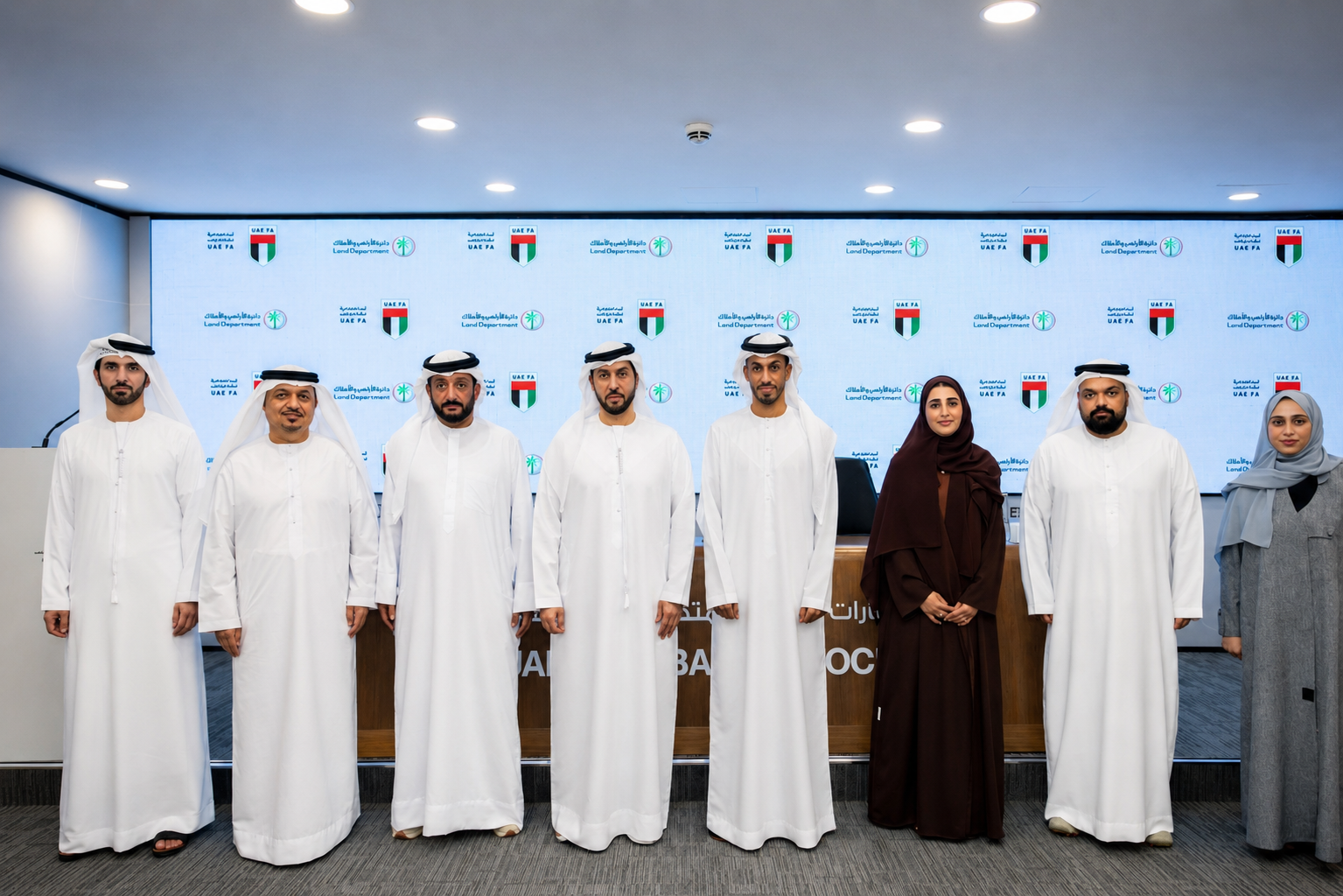
Dubai Land Department (DLD), represented by the Real Estate Regulatory Agency (RERA), has signed a memorandum of cooperation with the UAE Football Association (UAE FA) in a strategic step to organise a series of sports events and tournaments for developers and professionals across the real estate sector. The partnership aims to strengthen engagement among industry stakeholders, encourage active lifestyles, foster a culture of positive competition and teamwork, and support community and sports initiatives that contribute to the sector’s sustainable development.
The signing ceremony, held at the UAE Football Association’s headquarters in Dubai, was attended by
HE Mohammed Abdullah Hazzam Al Dhaheri, General Secretary of the UAE Football Association. The memorandum of cooperation was signed by Shamsa Darwish Al Shehhi, Executive Director of Communication and Commercial Affairs at the UAE Football Association (UAEFA), and Eng. Abdullah Ahmed Al Shehhi, CEO of the Real Estate Regulatory Agency at Dubai Land Department, in the presence of several CEO’s and representatives from both parties.
The memorandum of cooperation reflects both parties’ commitment to developing a range of sustainable sports initiatives that encourage healthy lifestyles and strengthen engagement among professionals across the real estate sector. The partnership also supports the objectives of the Dubai Real Estate Strategy 2033 and the Dubai Social Agenda 33, while reinforcing an institutional approach that places people at the heart of development.
Under the memorandum of cooperation, the two parties will launch the Real Estate Developers League and a series of sports tournaments for real estate brokerage, valuation, and inspection companies, as well as other entities operating in the sector. The initiative aims to broaden participation and strengthen connections across the real estate ecosystem. The collaboration also includes the development of technical and organisational regulations for the tournaments, technical oversight of the competitions, coordination of venues and event schedules, the implementation of joint media and promotional initiatives, and the exchange of expertise to ensure the tournaments are delivered in line with international best practices.
According to the memorandum of cooperation, both parties will establish a joint governance framework to plan, implement, and oversee the sports initiatives through a dedicated joint working team. The team will coordinate efforts and monitor the delivery of programmes and tournaments to ensure the partnership’s objectives are achieved efficiently and effectively, while providing an institutional framework that supports the continued development and long-term sustainability of these initiatives.
Eng. Abdullah Ahmed Al Shehi, CEO of the Real Estate Regulatory Agency at Dubai Land Department, said that the partnership with the UAE Football Association reflects DLD’s commitment to strengthening its social responsibility through impactful initiatives that foster collaboration among professionals across the real estate sector, support quality of life, and create a positive and engaging work environment.
He added: “Our partnership with the UAE Football Association marks an important strategic step in expanding our community initiatives, promoting a culture of sport, encouraging healthier lifestyles, and strengthening collaboration across the real estate sector. This aligns with the objectives of the Dubai Real Estate Strategy 2033 and the Dubai Social Agenda 33, while further reinforcing Dubai’s position as a global destination of choice to live, work, and visit.”
Shamsa Darwish Al Shehhi, Executive Director of Communication and Commercial Affairs at UAE Football Association (UAEFA), said: “This memorandum of cooperation builds on the UAE Football Association’s longstanding commitment to forging partnerships with government entities and institutions across the UAE. It reflects our belief in the power of sport as a platform that brings communities together, promotes collaboration and teamwork, supports community initiatives, and encourages healthier lifestyles.
Through our partnership with Dubai Land Department, we look forward to leveraging the Association’s technical expertise to deliver tournaments in line with the highest professional standards, providing a distinguished sporting experience that strengthens connections among professionals across the real estate sector through football, while contributing to enhanced quality of life in Dubai.”
This partnership reflects Dubai Land Department’s commitment to advancing its social responsibility agenda by fostering a more engaging and balanced work environment across the real estate sector through impactful institutional partnerships. It also enhances the well-being of industry professionals, promotes a culture of collaboration, and supports sustainable development goals, further reinforcing Dubai’s position as a global benchmark for a people-centric real estate sector equipped to meet the aspirations of the future.
New research suggests that bonuses make employees feel more like a mere cog in a wheel.
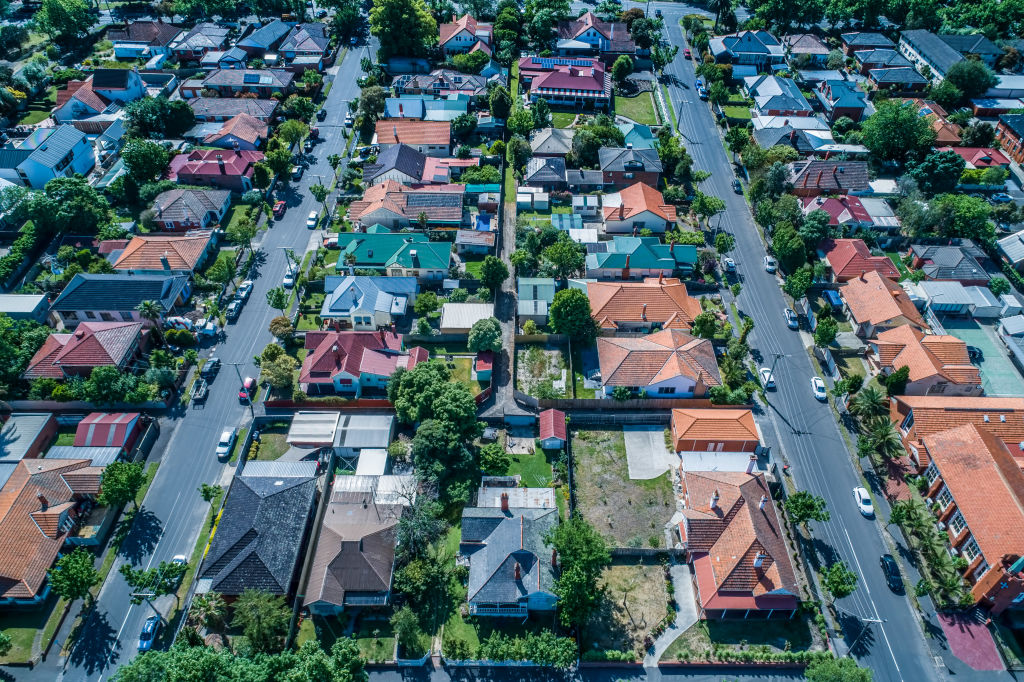

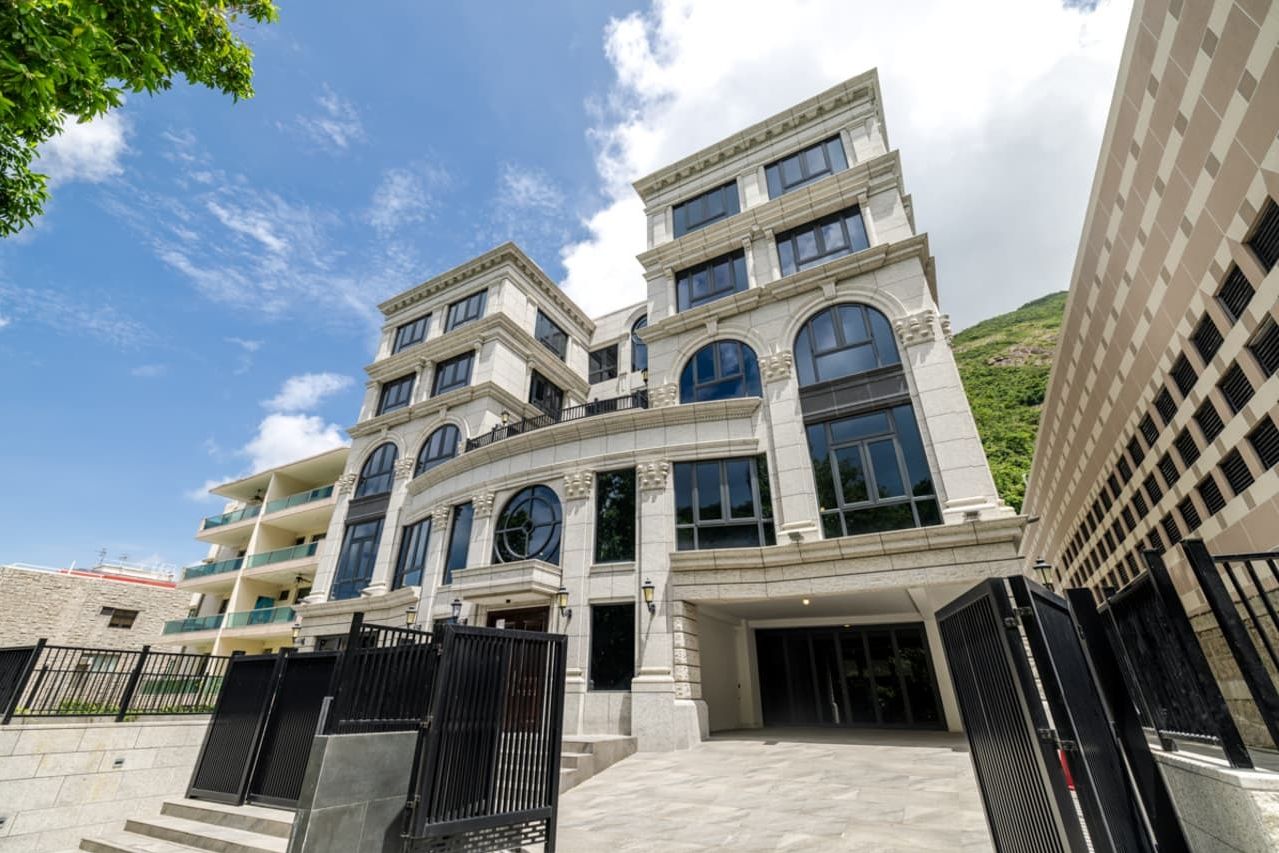
The UAE’s construction sector is shifting from rapid expansion to smarter execution, with delivery capacity, sustainability, resilience, and regulatory compliance becoming key priorities. According to Access Consult, developers that embrace digital tools, green building standards, and long-term planning will be best positioned to succeed as the market continues to grow toward an estimated $130.8 billion by 2029.
3 min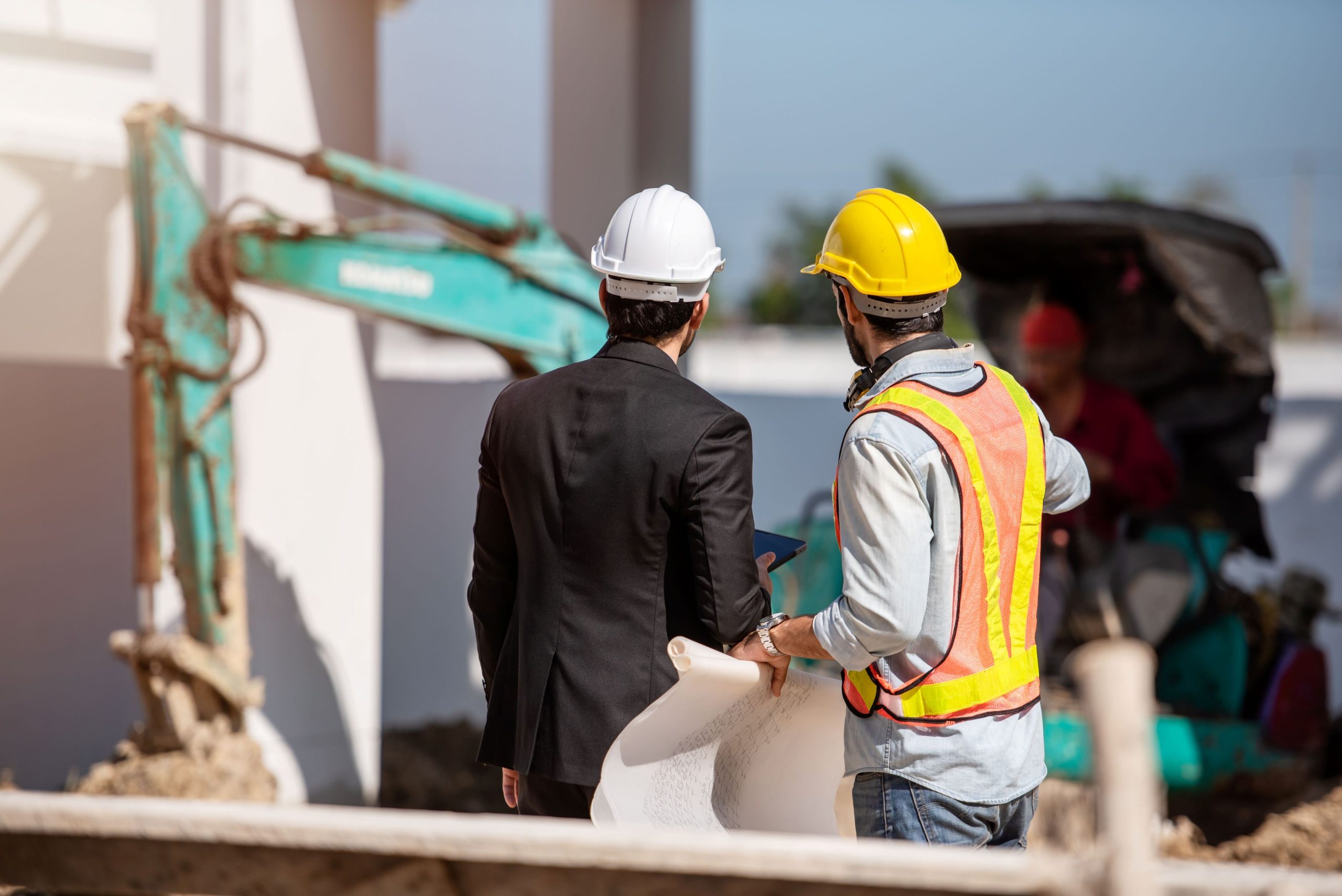
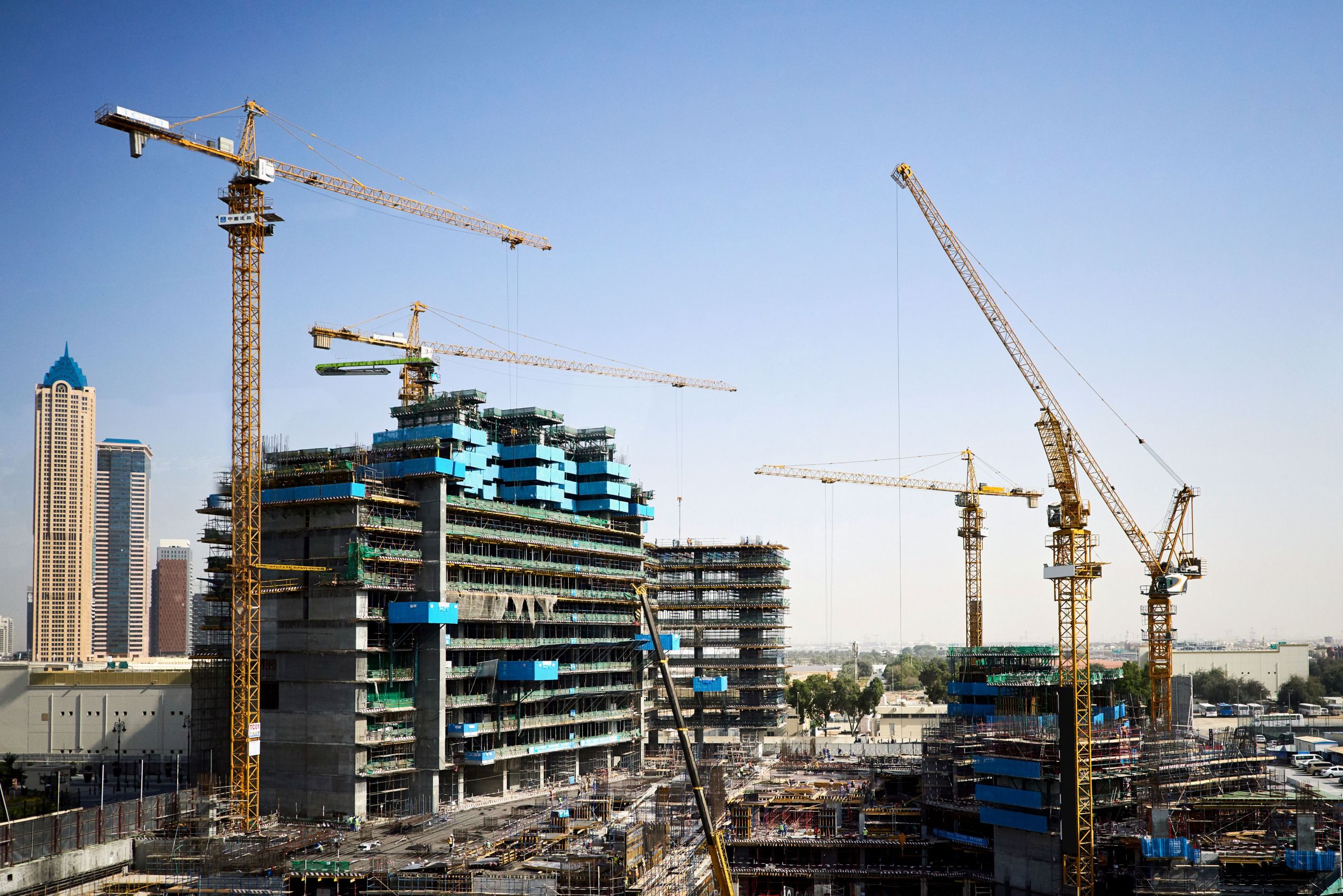
The first half of 2026 has shown that the UAE construction market is no longer defined simply by growth. The industry is entering a more mature phase where the ability to deliver projects efficiently, sustainably and at scale is becoming just as important as launching them.
The country’s construction output is projected to reach approximately USD 130.8 billion by 2029, reflecting continued confidence in the built environment and the long-term strength of the development pipeline.
For Access Consult, more than 27 years of experience across the UAE’s built environment have shown that the market is entering a more demanding stage. Developers are now looking more closely at delivery capacity, regulatory compliance, sustainability, resilience and long-term asset value.
Drawing on patterns observed during H1 2026, Mohamed Salah Seguen, CEO at Access Consult, outlines five key lessons that will define construction activity in the second half of the year.
High project activity Is raising the bar for execution
The UAE’s construction pipeline remains highly active, supported by strong real estate demand, population growth and continued investor interest. In Dubai, official first-quarter data showed 10,776 building permits issued, a 12% increase compared with Q1 2025. At the same time, Dubai’s real estate transactions reached AED 252 billion in Q1 2026, reflecting deep investor confidence across the market.
The challenge for H2 will be delivery capacity. As more projects move forward at the same time, pressure increases on consultants and contractors. A strong pipeline only creates value when the market has the technical and operational capacity to deliver it.
This means developers will need to place greater importance on early planning, realistic timelines and clear project structures. Projects that begin with coordinated teams and well-defined scopes will be better positioned to progress efficiently.
Resilience is becoming part of smart project planning
H1 2026 has reinforced the importance of resilience in construction planning. In a fast-moving and globally connected market, resilience means ensuring that projects can continue progressing smoothly even when external conditions shift. For developers, this means looking more closely at procurement planning, supplier coordination and construction sequencing. It also means identifying materials or systems that may require longer lead times and planning around them earlier in the project cycle. In H2, resilient delivery planning will become a practical advantage. Developers that think ahead will be better prepared to keep projects on track while protecting quality and long-term value.
Quality and Safety Are Becoming Central to Market Confidence
One of the most important developments in H1 2026 was the enactment of Dubai’s Law No. 3 of 2026 concerning the quality and safety of buildings. The legislation establishes a clearer regulatory framework and reinforces the importance of accountability across the full building lifecycle.
As Dubai’s built environment continues to expand, quality must be embedded from the earliest stages of design and approvals through to construction, handover and long-term operation. For H2, this means clearer oversight and more disciplined technical review will become essential.
Digital tools will play an important role in supporting this shift. As projects become more complex, technologies such as BIM, AI-assisted project monitoring and digital twins can help consultants and developers improve visibility across project cycles. These tools allow teams to track progress more accurately, identify issues earlier and maintain a clearer record of building performance over time.
Sustainable design is now a market expectation
H1 2026 has reinforced that sustainability is becoming a central requirement in construction. This shift is supported by national priorities such as the UAE Net Zero 2050 strategic initiative, as well as local green building frameworks including Abu Dhabi’s Estidama Pearl Rating System and Dubai’s Al Sa’fat Green Building System.
In Dubai, Al Sa’fat sets mandatory green building requirements for new buildings, while Estidama has helped shape sustainability standards in Abu Dhabi through the Pearl Rating System. This is pushing project teams to think earlier about materials, energy use, carbon impact and indoor comfort. Sustainability also now sits closely alongside tenant wellbeing, especially as occupiers and investors place more value on healthier buildings.
In H2, developers that integrate sustainability from the start will have a stronger advantage. This includes selecting appropriate low-carbon materials, planning efficient building envelopes and ensuring that sustainability requirements are reflected in specifications.
Connectivity is becoming a core part of construction value
Another key lesson from H1 2026 is that connectivity is becoming central to how projects are planned and valued. Major mobility and infrastructure developments, including Etihad Rail, Dubai Metro’s Blue Line and the newly approved Gold Line are changing how developers and consultants think about growth.
This is closely aligned with the Dubai 2040 Urban Master Plan, which sets out a long-term vision for a more connected, sustainable and people-focused city. It places great emphasis on walkability, public transport, cycling routes and sustainable mobility. For developers, this means buildings need to be understood in relation to the wider city. Future-ready projects will need to consider transport access, pedestrian movement and proximity to key business, leisure and community hubs.
Many of the most-important events have slipped from our collective memories. But their impacts live on.
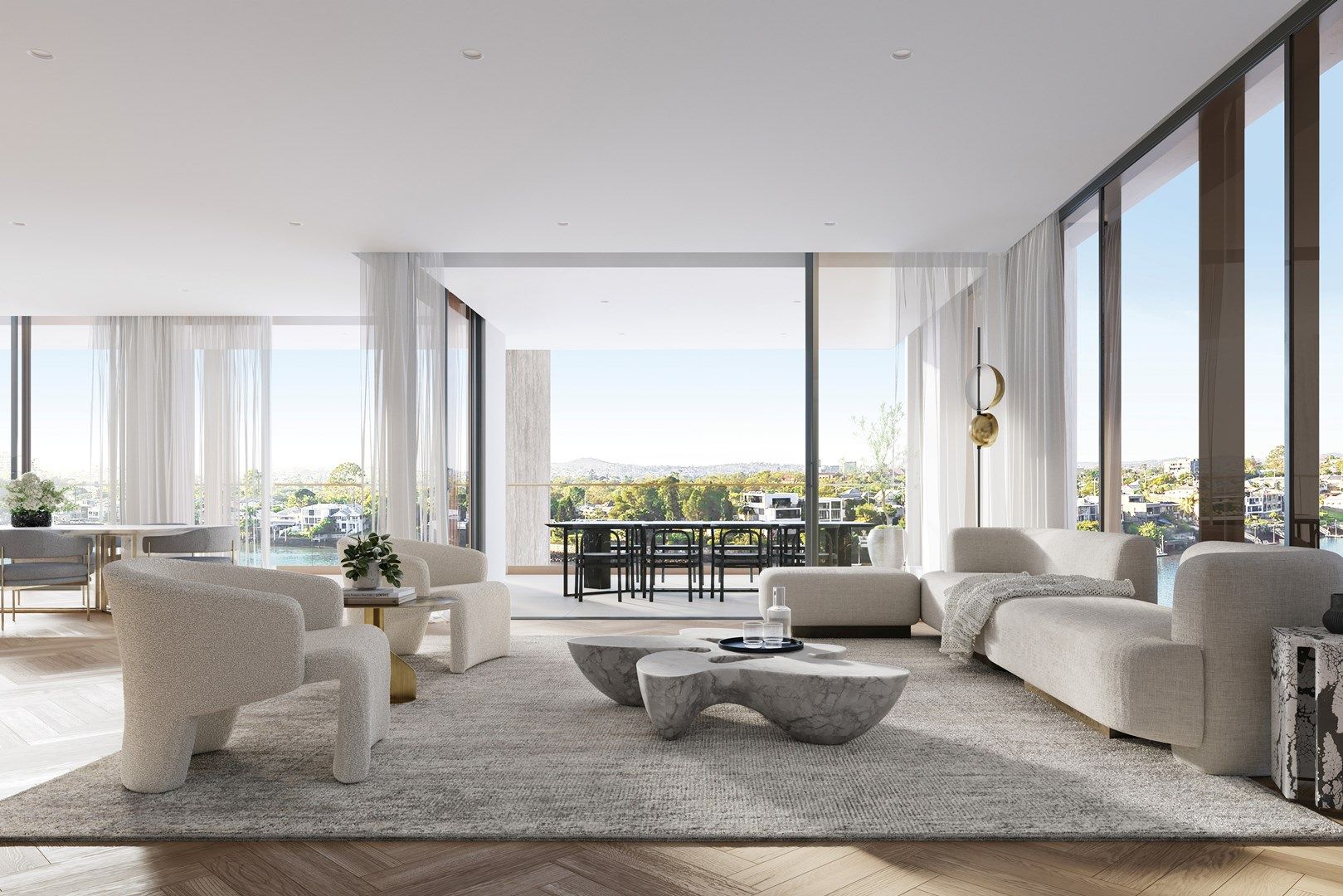



The Dubai property market is the most watched in the world.
The professionals guiding it deserve to be named.
Licensed brokers. Agency founders. Market analysts. AED billions in transactions between them.
6 min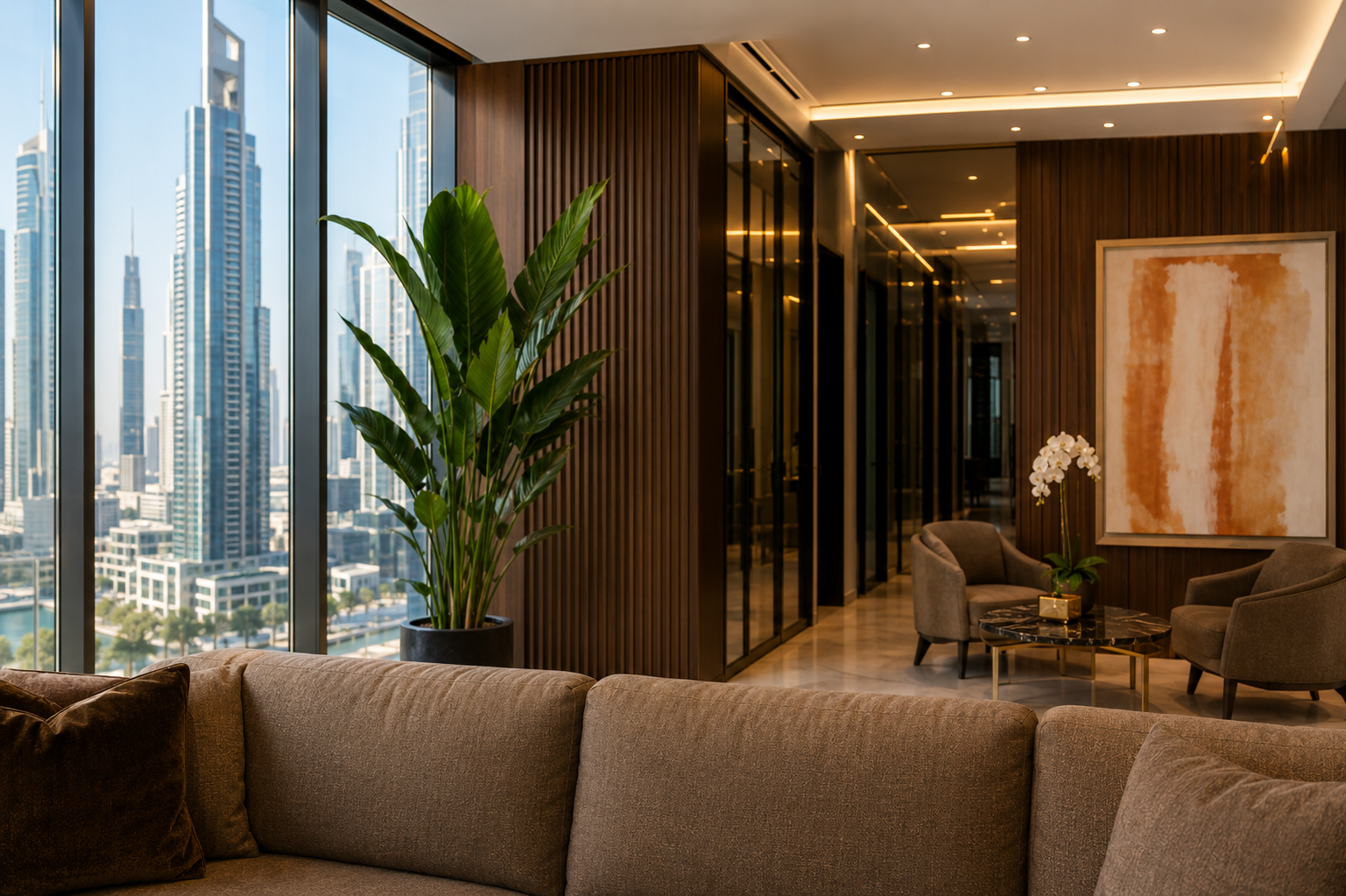
Dubai’s property market does not operate like any other on earth. Off-plan transaction volumes in 2025 alone exceeded the total deal flow of property markets that have spent centuries building their ecosystems. The Palm Jumeirah is now a global postcode. Lusail City in Doha has become the most significant new urban address to emerge from the Gulf in a generation. And the international capital flowing into both cities — from London, Singapore, Mumbai and Sydney — is being guided, in no small part, by the ten people on this list.
This is not a ranking by follower count. Follower count measures distribution. What follows is built on substance: licensed credentials, professional track record, and the quality of what an audience genuinely learns from following these accounts. The distinction matters when a single transaction can move tens of millions of dirhams.
Dubai and Doha’s property creators are not influencers who learned real estate. They are real estate professionals who learned content. That order is everything.
1. Firas Al Msaddi – @firas_al_msaddi · Founder & CEO, fäm Properties
There are property influencers who talk about the Dubai market, and there are those who run it. Firas Al Msaddi belongs firmly in the second category. As Founder and CEO of fäm Properties — Dubai’s largest real estate brokerage by transaction volume — he oversees an investment portfolio exceeding AED 2 billion and has earned annual recognition from Emaar, Dubai Holding, MERAAS and Meydan as their highest-performing brokerage partner since 2009.
His 146,000 Instagram followers reflect a career built long before social media existed as a marketing channel, which is precisely what gives the content its authority. Where most Dubai property creators offer market opinion, Al Msaddi offers market data — transaction volumes, absorption rates, off-plan versus ready comparisons — grounded in the actual performance of a firm processing thousands of deals each year. He is also the author of a book on UAE real estate investment, and a committed educator of the next generation of regional professionals.
2. Farooq Syed – @farooq_syd · CEO, Springfield UAE
Farooq Syed arrived in Dubai’s real estate market in 2008 and has spent the intervening years building Springfield UAE into one of the emirate’s most recognised luxury agencies — awarded by six of Dubai’s leading developers as their top-performing partner. His YouTube channel, the largest dedicated to Dubai real estate, has become the primary reference point for international investors trying to understand the market before they land.
With 272,000 Instagram followers and a growing YouTube subscriber base, his reach into the international investor community is the kind that most Dubai developers spend significant marketing budgets trying to replicate. The content is practical in the extreme: property tours of listings he is actively selling, market analysis drawn from his own transaction data, and guidance on the buying process that bridges the gap between aspiration and acquisition.
3. Lewis Allsopp – @lewisallsopp · CEO, Allsopp & Allsopp
Lewis Allsopp did not just build a brokerage in Dubai — he built a different standard of practice. Allsopp & Allsopp, which he leads as CEO, was among the first firms in the UAE to apply British estate agency principles — client-first service, transparent process, professional accountability — to a market where those standards were not yet the norm. The firm now employs more than 200 staff across UAE and UK operations and has accumulated recognition few Dubai agencies can match.
His social media presence reflects the same approachable professionalism that built the business: agency updates, market insights, and real estate interviews delivered with the kind of energy that makes his audience consistently worth following. For international buyers considering the Dubai market, Lewis Allsopp is frequently the first credible voice they encounter.

4. Zeina Khoury – @thezeinakhoury · CEO, Zed Capital Real Estate
There are property creators who show you Dubai’s luxury market, and there are those who take you inside it. Zeina Khoury, CEO of Zed Capital Real Estate and a recognised figure from Netflix’s Dubai Bling, has built an audience that extends well beyond conventional property followers into the aspirational luxury space — the precise international buyer profile that drives Dubai’s ultra-premium residential transactions.
Her content showcases Palazzo Versace residences, D1 Tower listings and other landmark Dubai addresses in a format that sells the lifestyle as fluently as it presents the investment case. With 204,000 followers and the cultural visibility that Netflix delivered, she reaches a demographic that most Dubai property platforms spend significant budgets trying to access.

5. Alona Lurdes – @alona_lurdes · Dubai Chairman’s Club Broker
The market’s own recognition structures have spoken consistently about Alona Lurdes: multiple Sales Excellence Awards and membership of the Chairman’s Club, reserved for Dubai’s highest-performing brokers. Her Instagram content translates that professional standing into accessible property education — ultra-luxury listing tours, post-construction handovers, market updates — delivered with the authority of someone who closes the deals she describes.
The audience that follows her is the right one for serious property media: active investors and committed buyers using her feed as due diligence on the Dubai market, not as passive entertainment.
6. Alessia Sheglova – @alessia_sheglova · CEO, Dacha Real Estate
Alessia Sheglova is the CEO of Dacha Real Estate and one of Dubai’s most prominent luxury property content creators — 204,000 followers, a career spanning residential sales, leasing, off-plan transactions and complex multi-party deals since 2008, and fluency in English and Russian that gives her direct access to a buyer community representing a substantial share of Dubai’s premium residential market.
Her content covers Palm Jumeirah penthouses, Burj Khalifa residences, and Dubai’s property laws, tenancy regulations and buying procedures in a format that serves an international investor audience needing both the aspirational showcase and the practical guidance to commit to a decision. For Kanebridge News ME, she represents access to a community of buyers who consume property content with genuine seriousness.

7. Sarah Aboutaleb – @sarah_aboutaleb · Dubai Real Estate
Eight years in Dubai’s real estate market is enough time to have seen every cycle, every regulatory shift, and every category of international buyer. Sarah Aboutaleb has spent that time building a social media presence that reflects the full diversity of Dubai’s investor base — addressing the practical concerns of buyers from dozens of nationalities who need to understand DLD fees, payment plan structures, off-plan risk, and the mechanics of acquiring property in the UAE.
The audience she has built knows that Dubai property investment requires market-specific knowledge that cannot simply be transferred from elsewhere. Her consistent provision of that knowledge is the foundation of a following that trusts her enough to act on what she publishes.
8. Angelika Egoschin – @angelika_egoschin · Luxury Property Dubai
Angelika Egoschin brings a European methodical rigour to Dubai luxury property content — touring ultra-premium listings, documenting the purchasing process in precise detail, and communicating market dynamics to a German-speaking investor community that represents a meaningful share of Dubai’s international buyer base.
In a content landscape where most Dubai property creators operate in English and target a generic international audience, her specific cultural calibration for European investors is a genuine differentiator. Her content is visually precise, methodically informative, and exactly what serious buyers from Germany, Austria and Switzerland are looking for before they commit capital to the UAE.

9. Arwa Nahhas – @arwanahhas · Luxury Property Dubai
Arwa Nahhas brings a strategic, investor-focused perspective to Dubai luxury property content — showcasing premium residences, explaining market trends, and highlighting the opportunities shaping the emirate’s high-end real estate sector.
With a strong emphasis on education and market expertise, her content helps both regional and international buyers navigate Dubai’s evolving property landscape. Her professional approach and consistent market insights have made her a trusted voice for investors seeking informed real estate decisions.

10. Tara Sadat –@tarasadat · Luxury Property Dubai
Tara Sadat blends luxury lifestyle with high-end real estate, presenting Dubai’s most prestigious properties through polished, aspirational content that resonates with affluent regional and international audiences.
Her content goes beyond showcasing homes, capturing the lifestyle, architecture, and investment appeal that define Dubai’s luxury market. Through a refined visual style and strong digital presence, she has become an influential voice connecting premium real estate with luxury living.
Paine Schwartz joins BERO as a new investor as the year-old company seeks to triple sales.