







Ahlibank Launches ahlinext App to Teach Kids Financial Skills
Oman’s ahlibank has introduced a child banking app, ahlinext, to promote financial awareness and responsible behavior. The app allows children to complete chores, earn rewards, request money, and manage allowances, while parents can review and approve funds.
 2 min
2 min
In line with its commitment to advancing financial literacy and driving forward-thinking innovation, ahlibank has launched ahlinext, a first-of-its-kind, end-to-end child banking application in the Sultanate of Oman. Crafted to resonate with the aspirations of a younger generation, ahlinext represents a transformative step in raising financial awareness from an early age, empowering children to develop smart money habits while equipping parents with meaningful tools to nurture responsible financial behavior. With a youthful and engaging interface tailored to capture young minds, the app delivers substantive educational value in a format that aligns with modern family dynamics. In doing so, it reinforces ahlibank’s broader vision to contribute to the social and economic priorities of Oman Vision 2040 through technology-led, future-focused initiatives.
As a dynamic and intuitive platform, ahlinext seamlessly blends interactive learning with purposeful functionality. Children can complete assigned chores and earn rewards, request money that parents can review and approve within the app, and manage their allowances through structured transfers and card wallets; all within a secure, parent-controlled environment. With customizable settings for each child, parents gain full visibility and flexibility, enabling instant updates and tailored controls that adapt to individual needs.
The app also offers statement tracking to help children visualize their spending habits and develop a sense of accountability. The ahlinext app is designed to be very agile and progressive in nature – in the upcoming planned updates there will be a heavy emphasis on enhancing financial literacy for kids, as well as providing them with the necessary tools to be in control of their finances and money management.
Through ahlinext, ahlibank reaffirms its role as a catalyst for innovation with social relevance, bridging the gap between today’s banking and tomorrow’s needs. As the financial landscape evolves, the bank continues to invest in solutions that prepare the next generation for a future where knowledge, responsibility, and confidence form the cornerstones of financial well-being.

SHEIN’s Hong Kong IPO wiped a $4.4 billion obligation from its books, but the fast-fashion giant still faces a payout of up to $3.5 billion to early investors.
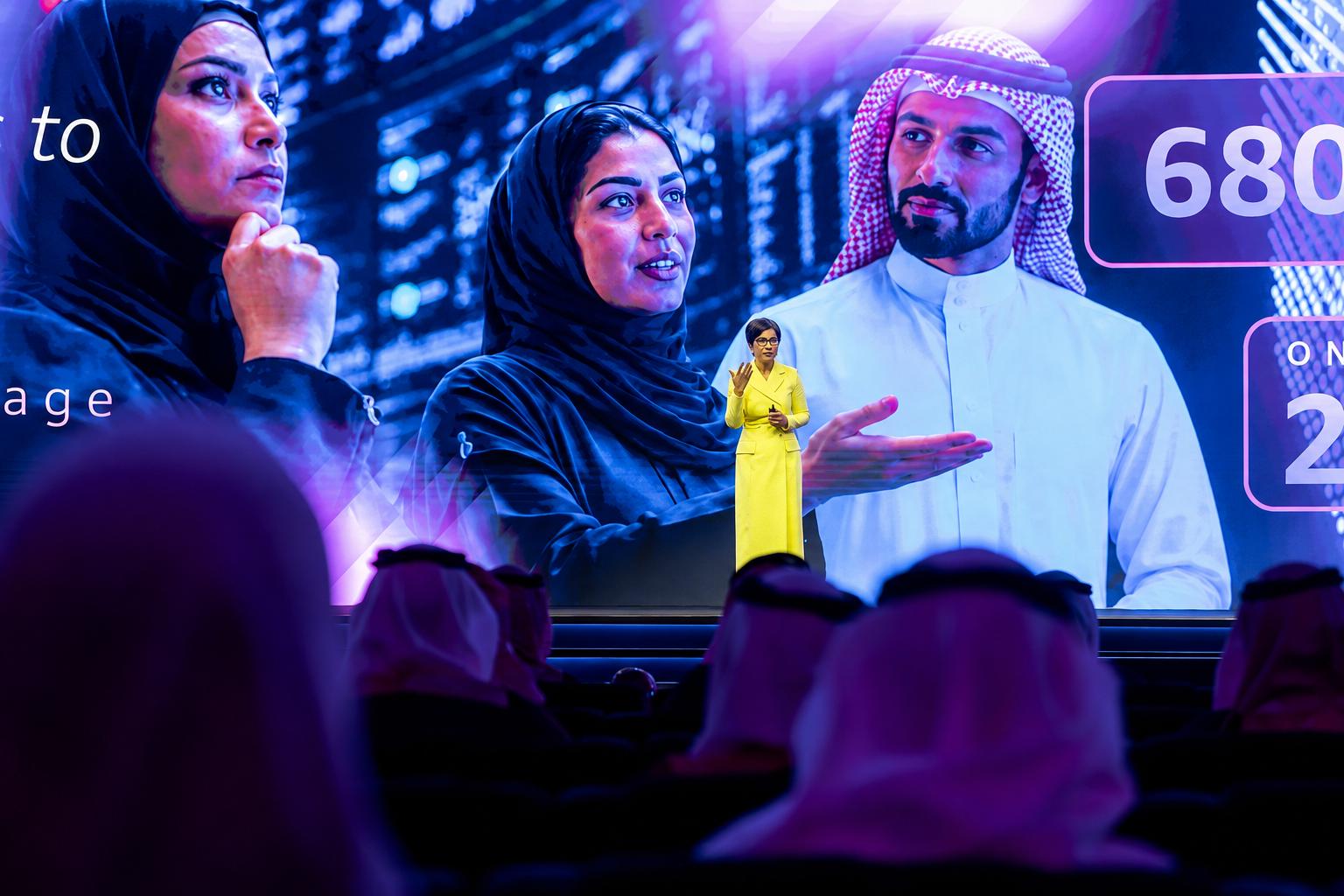
AWS will launch its first Saudi Arabia Cloud Region in December 2026, backed by a planned $5.3 billion investment. Its expanded partnership with HUMAIN will also strengthen the Kingdom’s cloud and AI capabilities in line with Vision 2030.

Limited to just 30 pieces, the TONDA PF Skeleton Rose Gold Milano Blue transforms mechanical precision into architectural elegance through light, space and refined proportion.

From Emirati dates and camel milk to an ambitious vision for regional food security, Rashtions is redefining what a homegrown nutrition brand can become.
7 min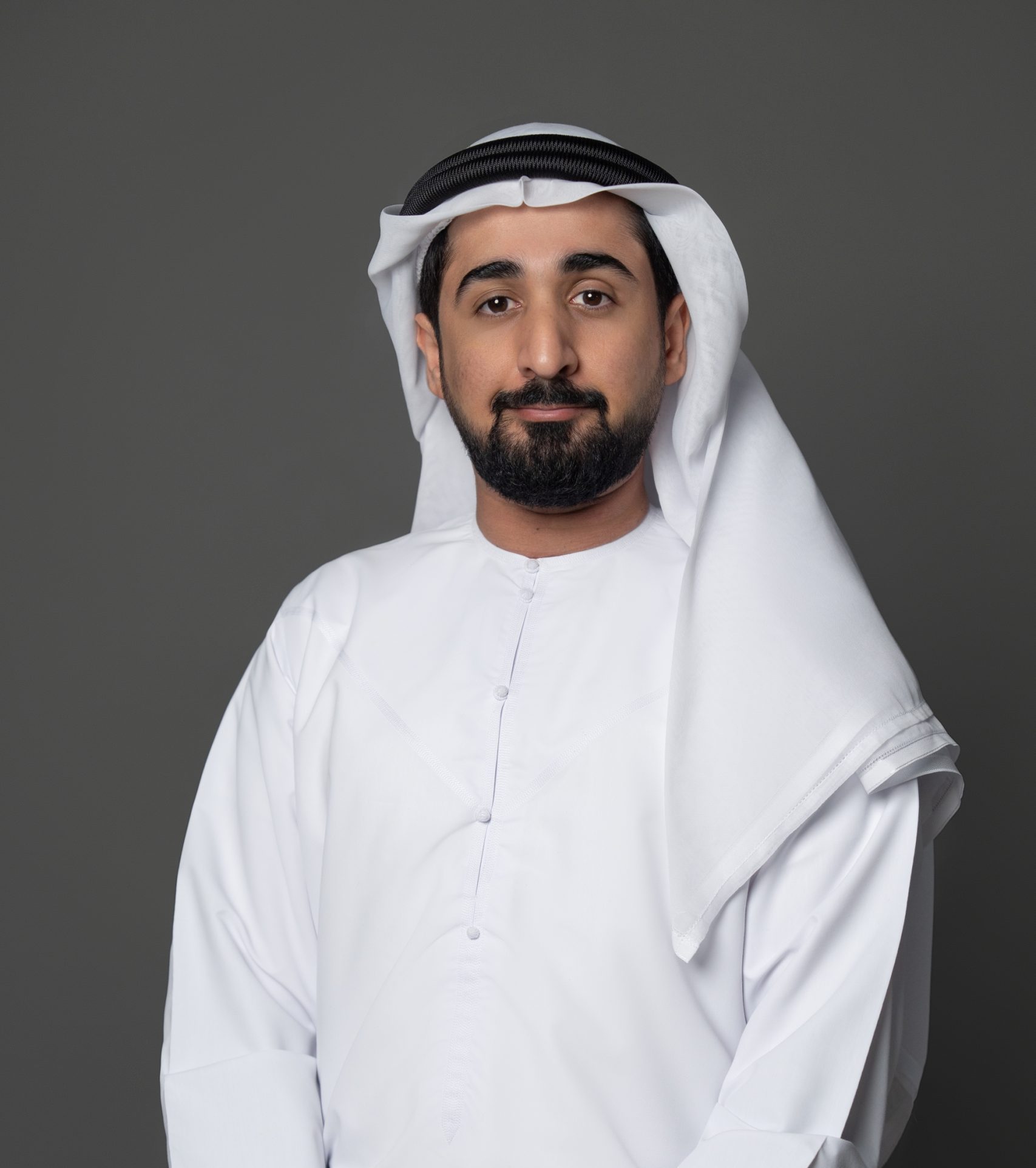
Built around the UAE’s most traditional ingredients, Rashtions is reimagining nutrition through premium, high-protein truffles made with dates and camel milk. Designed as a flexible alternative to conventional protein bars, each glass jar contains 20 grams of protein in individually portioned bites that can be enjoyed throughout the day.
Yet behind the product lies a much larger ambition. Founded through research into humanitarian food systems and regional food resilience, Rashtions aims to strengthen local production capabilities and reduce dependence on imported food. From developing its own formulas and machinery to pursuing in-house protein production, the Emirati company is working towards a future in which the UAE can produce more of the food it needs from within.
For readers discovering Rashtions for the first time, how would you describe the company and the mission behind it?
Rashtions makes premium date and camel milk truffles, with 20 grams of protein in every glass jar.
I designed it as a more flexible alternative to the protein bar. Have a piece in the morning, another after the gym, one as a treat during the day. You don’t have to tear open a bar and commit to the whole thing.
But the bigger mission goes beyond snacks. We want to insource as much of the food system as possible into the UAE by sourcing more ingredients locally and, eventually, producing our own protein in-house.
Before launching Rashtions, what was your background, and what inspired you to build a nutrition company?
On paper, I came from accounting and family office investment work. In reality, my passion was always startups and solving hard problems.
Rashtions started with a single question: how do I feed an entire country from the inside?
When I researched what we could realistically produce in the desert, the answer kept coming back to two things we already had: dates and milk. So, I developed a nutrition bite from those ingredients, originally with the idea of helping feed people in under resourced regions.
Eventually I realized I didn’t want to spend years navigating humanitarian organizations to get the product into the world. So, I started selling it the ordinary way, through distributors, and that’s how the commercial business was born.
Rashtions began through research into humanitarian food systems and food resilience. Can you tell us about that journey?
I didn’t start by studying existing humanitarian food products. I started by putting the product in front of real people and reshaping it around how they actually eat.
One thing stuck with me. I noticed children filling up on potatoes because they were cheap and satisfying. And because they were full, they skipped the nutritionally balanced food being distributed by the food aid programs. The potatoes weren’t just a side dish; they were quietly displacing proper nutrition.
That taught me a lesson I’ve never forgotten: nutrition on paper means nothing. You have to understand what people already eat, when they eat it, and what they’ll genuinely accept.
At what point did you realise there was a commercial opportunity and not just a research idea?
Outside a pizza shop in a mall, of all places.
There was a long line, and we sold around 200 boxes without a single dirham of advertising. Watching people choose our product while waiting for pizza. That was the moment I knew this could work commercially, not just as research.
Why was it important to build the business around traditional Emirati ingredients such as dates and camel milk?
Two reasons: quantity and tradition.
Dates and milk are ingredients we’ve produced and understood in this region for generations. If the long-term goal is producing food locally at scale, it only makes sense to start with what already grows here.
And they’re part of who we are. Our culture, our history. The product has a real connection to the UAE. It isn’t borrowed from somewhere else.
Many people associate healthy food with imported superfoods. Why do local ingredients deserve the same recognition?
Because people here already know these ingredients intimately. We know what’s in them, where they come from, and that they’re premium.
Khalas dates are prized for their taste and quality, and they cost noticeably more than ordinary dates. Camel milk is considered one of the finest ingredients in the region.
These aren’t ingredients that need to dress up as imported superfoods. They were premium long before that word existed.
What were the biggest challenges in transforming traditional ingredients into premium, high-protein snacks?
Inventing the preservative and developing our date fibre isolate, by far.
Originally, I used ground date seeds as the coating. The shelf life didn’t improve, and the seeds were brutally hard. Even with strict procedures, they kept breaking my machines. The drying process burned through electricity, the material had to be strained again and again, and even after all of that, one tiny hard grain could still be strong enough to chip a tooth.
That’s what pushed me to develop a date fiber isolate instead.
To make the first prototype, I needed a centrifuge I didn’t have. So, I modified a washing machine. I changed the motor speed and rebuilt the filtration system until it could produce what I needed. Not glamorous, but it worked.
How much research and product development went into creating the current Rashtions range?
About two and a half years, all in.
The formula alone took a year and a half. It was tested on shelves, at exhibitions, with real customers, and through repeated shelf life trials. The machinery took another year, because much of the production process had to be developed or modified by hand.
We only reached what I’d call the final version around March or April of this year.
As an Emirati entrepreneur, what were some of the biggest challenges you faced while building Rashtions?
Creating an entirely new formula and production process without the funding or research departments of a Mars or a Hershey’s.
Everything had to be approached rigorously, almost academically, but then proven in real life, on real shelves, with real customers.
The biggest lesson? Shelf life is not the same as quality life. A product can remain technically safe to eat while becoming dry, hard, and unpleasant. I wasn’t just trying to make the product survive on a shelf. I had to make sure it still tasted premium on the last day of its shelf life, not just the first.
Why was local manufacturing such an important part of your strategy?
Because I wanted everything to come from here.
The vision was always to build the capability to mass-produce food inside the UAE. I had no interest in creating a ‘local’ brand that quietly outsourced its ingredients, formula, machinery, and manufacturing to other countries.
The real value isn’t the brand. It’s the knowledge and production capability we’re building on the ground.
The UAE is increasingly positioning itself as a hub for food innovation. How do you see the country’s food ecosystem evolving over the next decade?
I think we’re heading toward a genuine fight between startups and the multinational giants.
Small companies will use artificial intelligence to develop formulas, design machinery, and build difficult production lines from small prototypes, competing at a level that used to require an entire corporate R&D division.
The large companies will still have deeper pockets. But AI is about to make small companies far faster and far more capable than anyone expects.
What role can startups play in strengthening regional food security?
Startups can pioneer better ways to grow food, especially through hydroponics and aquaponics.
Right now these systems cover only a fraction of the vegetables we’d need, so there’s enormous room to improve. And the same thinking can later extend to chicken, meat, and fish. For instance, startups developing new feed formulations that make local production dramatically more efficient.
Sustainability has become a major focus in the food industry. How does Rashtions approach sustainability beyond simply using local ingredients?
Our next step is developing protein production lines capable of supplying the UAE and the wider region at scale.
From there, Rashtions can be mass-produced and tailored to the nutritional requirements of different countries and populations. The end goal is a continuous food supply large enough to genuinely help feed nations.
For me, sustainability isn’t about packaging. It’s about being able to keep producing food locally without depending entirely on other countries.
What food trends do you believe are overhyped, and which ones will genuinely shape the future?
Protein bars are overhyped. Most of them taste bad and are loaded with chemicals. And honestly, once I open a bar, I don’t always want to finish it.
That’s exactly why Rashtions comes as individual bites in a jar. Eat one or two, close the lid, come back later.
Protein products will keep growing as a category. But they have to taste better and become more convenient. That’s where the real future is.
Looking ahead, what innovations do you expect will redefine healthy eating over the next five to ten years?
I don’t think dried foods will ever fully take the spotlight.
To redefine healthy eating, you have to follow the youth. Young people follow trends. If a healthy product isn’t trending, it will never become the definition of healthy eating. Fresher, faster products will matter more and more.
Have you ever eaten potato chips straight out of the oven? They taste like a different food. Rashtions is the same. It tastes far better fresh off the production line. I genuinely believe there’s a market for short shelf life versions made for customers who care more about freshness than storage. And that idea applies to far more food companies than just ours.
What is one misconception about healthy nutrition that you would like to change?
Two, actually. An organic certification doesn’t mean everything without the certificate isn’t organic. And adding protein to something doesn’t automatically make it healthy.
What advice would you give aspiring entrepreneurs looking to build purpose-driven businesses?
I would encourage aspiring entrepreneurs to start with a problem, not a product. The strongest businesses are often built by solving a real challenge that people genuinely care about.
Stay curious, do the research, and don’t be afraid to question conventional thinking. Purpose gives you the resilience to keep going when things become difficult, but purpose alone isn’t enough – you also need to build something people truly value.
If you can combine a meaningful mission with a sustainable business model, you’ll create a company that has the potential to make a lasting impact.
Finally, what is next for Rashtions?
First, expansion into new markets.
Then more products and flavours, including cereal Rashtions and new truffle varieties.
After that comes the big one: building our own protein production line, so we can create more protein products, ingredients, and flavours entirely in-house.
And the final stage is food security itself: using everything we’ve built to produce food at scale, supplied continuously across the UAE and the wider region. That was the founding question, and it’s still the destination.
Two coming 2027 models – the first of the “Neue Klasse” cars coming to the U.S. early next year – have been revealed.

Paine Schwartz joins BERO as a new investor as the year-old company seeks to triple sales.



The Future Schools Summit returns to Dubai on 29–30 September 2026, bringing education leaders and industry experts together to explore the future of learning environments.
< 1 min
The Future Schools Summit is a dedicated platform bringing together education leaders, school operators, government representatives, developers, architects, consultants, technology providers and other key stakeholders involved in shaping the future of schools and learning environments across the region.
As education continues to evolve, schools are being challenged to respond to changing student needs, new learning models, emerging technologies and increasing expectations around sustainability, wellbeing and the design of learning spaces. The summit provides a focused environment to examine these developments and the practical strategies required to create future-ready schools.
The event will explore key areas including school design and development, learning environments, education technology, AI and digital transformation, sustainability, smart campuses, student wellbeing, operational efficiency and the evolving role of schools in the wider community.
Through a combination of industry presentations, expert discussions and networking opportunities, the Future Schools Summit will provide attendees with insights into the approaches, technologies and ideas influencing the next generation of educational environments.
Taking place on 29-30 September 2026 at Mövenpick Grand Al Bustan Hotel, Dubai, the summit will connect professionals from across the education ecosystem to exchange knowledge, discuss current challenges and explore opportunities for collaboration.
Future Schools Summit
29-30 September 2026 | Mövenpick Grand Al Bustan Hotel, Dubai
Following the successful launch of its Palais Collection, MAISON de SABRÉ has unveiled a new modular handbag system offering more than 720 styling combinations.

Parts for iPhones to cost more owing to surging demand from AI companies.



Randy Boyagoda’s new novel, “Lords of Serendipity,” delivers a biting satire of cheating, politics and dysfunction across modern universities.
5 min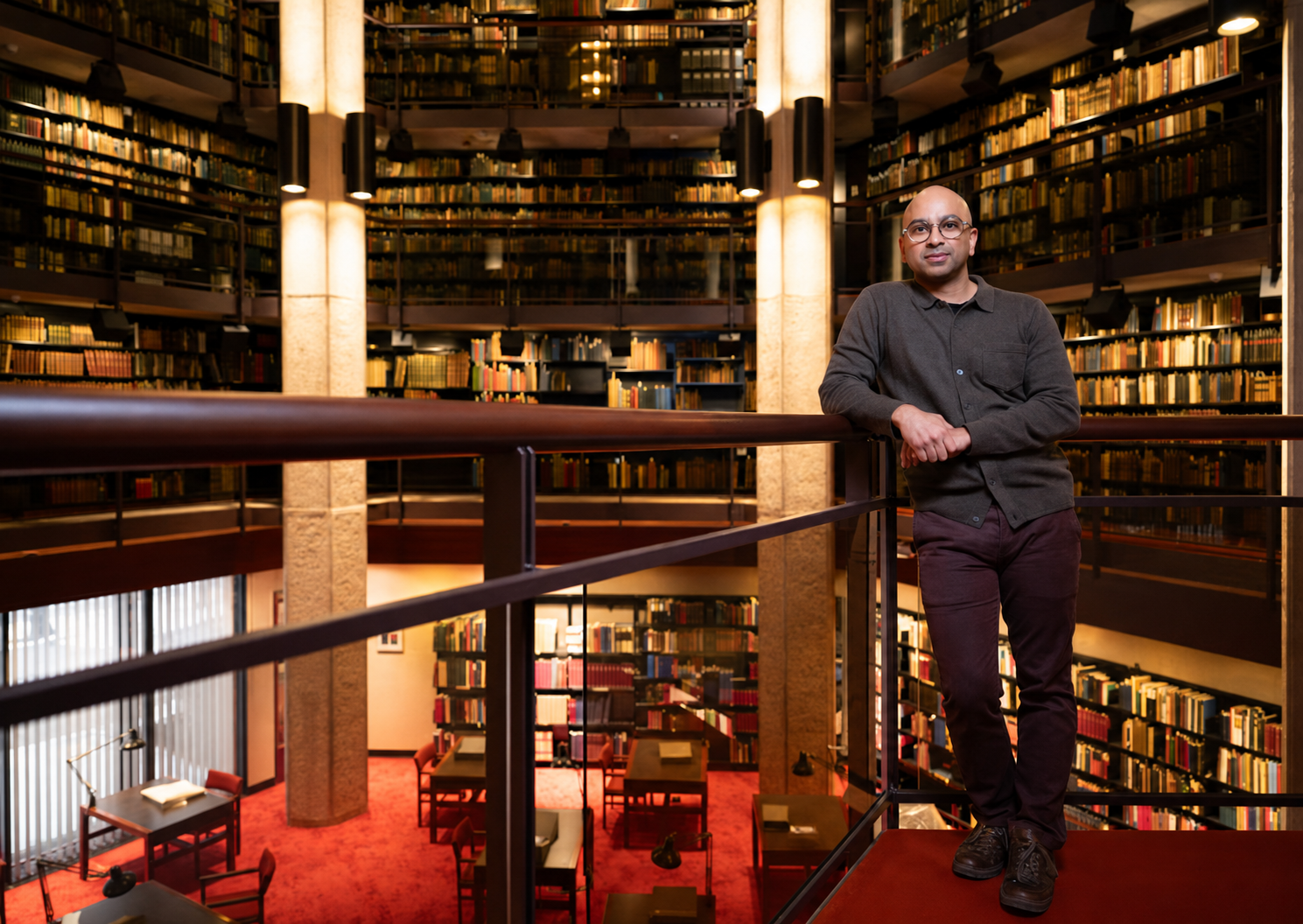
Administrative cowardice. Rampant cheating. The soaking and scamming of undergrads and grad students. Performative wokeism. Intensifying competition for international tuition dollars from an expansive China.
These are either the latest dire headlines about American higher ed or the myriad subplots of “Lords of Serendipity,” an ambitious new novel by Randy Boyagoda. Unlike most campus fiction, its scope extends well beyond the cloister of the liberal arts classroom to whammy the entire university system, from its financial model to its function within a globalized economy. Along the way, it skewers its lightning-rod targets with a precision too sharp to be considered entirely fictional.
That its author is not only well-versed in satire, having written four other novels in the genre, but is also a professor of English at the University of Toronto and an experienced college administrator, further blurs the lines between comic fiction and brutal fact. It’s the kind of no-holds-barred book only a consummate insider would know to write—but only one who is also conveniently outside the American university system could get away with writing.
“This is someone who’s got the inside dope on what can go on at universities, especially with international students, and what kind of con games are going on,” said Margaret Atwood, a friend and fellow Torontonian.
The novel, like Boyagoda himself, is often very funny—even as the dilemmas its characters face read as tragedy. Its cast includes the bickering members of a Sri Lankan hotel cleaner’s family, insecure American freshmen, dead-end third-tier college professors and their highflying Ivy League counterparts and dispirited university functionaries. An old-fashioned Dickensian tale, it sweeps across continents and campuses, from a classic liberal-arts college to a stand-in for Harvard University to an urban technical school to the dilapidated buildings of a state-run university in Sri Lanka.
“I’m a joyful person,” Boyagoda said in an interview, though he prefers to see his outlook on academia as “hopeful” rather than optimistic. He smiles and laughs frequently. He bikes everywhere. He derives energy from his students and from his four daughters, ages 14 to 20. They help him and his American wife, Anna, also an educator, care for Boyagoda’s father, an immigrant from Sri Lanka who has dementia and lives with the family.

The germ of the novel came to Boyagoda during the pandemic, when he was serving as a vice-dean. An urban legend was circulating about a statistics grad student selling passing grades to international students. The cheating scheme itself may well have been apocryphal, but it felt tantalizingly plausible.
“As a novelist, it stayed with me,” Boyagoda said. “Who would sell grades for a stats course? Why would someone buy grades? What’s motivating them? Why wouldn’t the university be doing something about it?” What he didn’t want to do, he explained, was write “another novel about a creative writing professor and his drama with students.”
In addition to writing novels—the first of which was a finalist for Canada’s prestigious Giller Prize; he’s written eight books in total—Boyagoda teaches literature full-time. For his students next semester, kids raised in a purportedly “post-literature era,” he’s assigning three 700-page novels, he noted mischievously, books by George Eliot, Ralph Ellison and Kiran Desai.
On RateMyProfessors, students remark on Boyagoda’s heavy assignments, tough grading and distaste for cellphones, but also hail his “comedy.” When alerted to these reviews, Boyagoda laughed. “Guilty as charged,” he said.
“Randy’s one of those people in academia who is very well educated but doesn’t have an ounce of superiority about him,” said John Irving, who frequently guest lectures in Boyagoda’s classroom. “It’s amazing to see how willing students are to talk in his classrooms, how little afraid they feel of being mocked or put down—he gets complete candor out of them.”
Negotiating competing interests seems to come naturally to him. Like many college campuses, after the Oct. 7 Hamas attack on Israel, the University of Toronto was embroiled in protests, encampments and discord; part of the school’s response was to convene a working group on civil discourse. Boyagoda was put in charge, serving for two years. It’s the kind of thankless task many professors would flee from, but Boyagoda relished the prospect and thinks the group, which is ongoing, made progress.
He has since pivoted to another formidable academic concern: the waning prestige of the humanities. In July, Boyagoda became the director of the Jackman Humanities Institute and special advisor on the humanities to the dean of arts and science. This fall, he is starting a series of gatherings he calls the Dead Book Club. (Dead writers feature heavily among his favorites: St. Augustine, Dante, William Faulkner, Evelyn Waugh, Saul Bellow.)
“The goal is to encourage students to read for its own sake and have conversation for its own sake,” Boyagoda said. “The importance of the humanities will be revealed to those who participate.”

“Lords of Serendipity,” which publishes next week, reflects Boyagoda’s commitment to the pursuit of knowledge: “I’m supposed to say I learn more from my students than they do from me, but no,” Boyagoda said. “I enjoy sharing my excitement and joy about literature and ideas. There are these moments when you are teaching and you can see someone’s face change because they didn’t know something and then they did. That moment when you’re actually watch someone enlarge themselves is deeply satisfying.”
In literary circles, Boyagoda is often referred to as a Catholic novelist, a description he embraces. “A novelist willing to give shape and voice to contemporary religious experience is needed,” Boyagoda said. “I understand myself as a Catholic novelist, provided that I’m not only a Catholic novelist, I’m also a South Asian novelist and I’m a Canadian novelist. I don’t want to be captive to one label.”
His characters, he said, are subjected to what he calls “Graham Greene character situations.”
“They are trying to do good in a fallen world and realize the most they can do is less harm than someone else would do in that same role,” he explained. “They have to accept they are complicit in something that provides some good thing to others. It’s a very Graham Greene way of thinking about sacrifice.”
The campus green they inhabit is a febrile zone in which lofty ideals and cynicism regularly collide. It’s a place where a traditional holiday college celebration is now an occasion for political protest. Kids freely police one another inside and out of the classroom with social media their constant, ready weapon of choice. International students, knowing their family’s financial futures hinge on their degrees, operate in terror of failure and deportation.
Early readers of the book include Gary Shteyngart and Junot Diaz, both of whom have taught at universities and written comic novels. They each contacted Boyagoda midway through to say, in essence, “You nailed it.”
As biting as “Lords of Serendipity” can be, Boyagoda’s faith in higher education remains undaunted.
“It’s absurd that we live in societies that make the decision to take people between the ages of 18 and 22, when they are most physically capable of contributing to our nations and communities, and tell them, ‘Go away for four years, and read and learn and have conversations,’” he said. “I want students to be aware of what an incredible privilege that is.”
Corrections & Amplifications
Randy Boyagoda is a special advisor on the humanities to the dean of arts and science at the University of Toronto. An earlier version of this article incorrectly said he is a special adviser to the dean of humanities. (Corrected on Sept. 2)
Parts for iPhones to cost more owing to surging demand from AI companies.
Many of the most-important events have slipped from our collective memories. But their impacts live on.



SHEIN’s Hong Kong IPO wiped a $4.4 billion obligation from its books, but the fast-fashion giant still faces a payout of up to $3.5 billion to early investors.
3 minCompanies typically go public to raise money to supercharge growth. Fast-fashion giant Shein has another motivation.
The company’s initial public offering in Hong Kong this week is allowing it to avoid paying out billions to early investors.
If Shein hadn’t sold shares by the end of the year, the company would have been required to fork out nearly $4.4 billion in cash to holders of its convertible redeemable preferred shares. With the IPO, the $17.3 billion in preferred shares was converted to ordinary equity, and that obligation was wiped off the books.
But Shein was still on the hook for another payment. Holders of those preferred shares were entitled to a payout of billions more, in part because the company’s valuation has fallen from its peak. That payout came to nearly $3.5 billion in cash, according to regulatory filings.
The retailer on Monday priced its shares at 48.56 Hong Kong dollars each, equivalent to about $6.20 and near the middle of the range of HK$47.60 and HK$49.50 it provided last week.
The company pressed ahead with its IPO despite slowing growth and regulatory headwinds in the U.S. and European Union. Shein priced its IPO at a valuation of around $26 billion, roughly a quarter of the $98.2 billion valuation it achieved in a funding round in 2022.
Shein started selling its wares in the U.S. around 2012 and shot to popularity during the pandemic when more people shopped online. Its supply-chain prowess and vast range of styles at affordable prices made the brand a favorite among many U.S. consumers. It showed other retailers, including Amazon.com, that consumers were willing to wait more than a week for their online purchases to be delivered—if the price was right. But rivals soon emerged, such as Temu, which sells more products apart from apparel.

Shein’s business model of selling massive amounts of cheap goods lost some of its shine as more countries started imposing tariffs on small packages. The U.S. removed a trade exemption that allowed packages valued at or below $800 to enter the country duty-free, and the EU has introduced a €3 (about $3.50) customs duty on imports of low-value parcels.
Shein has worked toward its IPO for years, and the looming $4.4 billion obligation wasn’t the only reason it went public. But the threat of the big payout on Dec. 31 was certainly a part of its reason to press ahead, said Jianggan Li, founder and chief executive of Momentum Works, a research advisory firm based in Singapore.
“Complete the listing before then,” said Li, “and a very large liability comes off the balance sheet.”
While that liability will now be off its books with a successful IPO, Shein said it was saddled with another bill: the roughly $3.5 billion it owed its early investors upon going public.
That amount includes $1.3 billion that Shein had to pay several late-stage pre-IPO investors who had been guaranteed a cash payout at an 8% or 12% annual return, and up to $2.2 billion in compensation for the fall in the company’s valuation in the period after they made their investments. The $2.2 billion was a projection based on the lower end of the offer price range, or HK$47.60 per share, so the total bill will likely be smaller than $3.5 billion. The exact amount has yet to be disclosed by the company.
Notably, the amount it owes investors is more than the roughly $1.7 billion the company raised in the IPO. The company said it was paying the funds to its investors out of cash it has on hand.
The investors entitled to the payments include entities linked to HSG, formerly known as Sequoia China, Boyu Capital, Tiger Global, General Atlantic, Thrive Capital and others.
“What the IPO really does here is resolve the capital-structure overhang,” Li said. “It gives investors liquidity, terminates those preferred-share rights and cleans up obligations created when Shein raised money at much higher valuations.”
Shein could have kicked the can down the road by renegotiating terms with its investors, he said: “Shein is not taking the cheapest way out of its old financing obligations. It is taking the cleaner way out.”

New research suggests that bonuses make employees feel more like a mere cog in a wheel.
The sports-car maker delivered 279,449 cars last year, down from 310,718 in 2024.


AWS will launch its first Saudi Arabia Cloud Region in December 2026, backed by a planned $5.3 billion investment. Its expanded partnership with HUMAIN will also strengthen the Kingdom’s cloud and AI capabilities in line with Vision 2030.
3 minAmazon Web Services (AWS) has announced at LEAP in Riyadh that its first AWS Cloud Infrastructure Region in the Kingdom of Saudi Arabia is on track to launch in December 2026.
Together with HUMAIN, a Public Investment Fund–owned company, AWS will also make up to 50 megawatts (MW) of capacity available in Saudi Arabia’s first AI Zone by 2028 as part of an expanded strategic collaboration. AWS is HUMAIN’s preferred AI partner, driving AI innovation across the Kingdom and globally. The AI Zone capacity will include AWS’s Trainium chips and the latest NVIDIA AI infrastructure for customers to run AI training and inference workloads.
Increased cloud and AI capacity is key to growing the Kingdom’s AI leadership and supporting public and private sector organizations to build a future-ready economy in line with Saudi Arabia’s Vision 2030. HUMAIN’s ALLAM Arabic large language model will soon be available through Amazon Bedrock, so customers can securely access advanced Arabic-language AI capabilities through a fully managed generative AI platform. The expanded collaboration also includes the availability of HUMAIN Fabric, HUMAIN’s AI-native data infrastructure and platform component of the HUMAIN ONE generative AI operating system, via AWS Marketplace.
With the new Region, developers, startups, and enterprises will have greater choice for running their applications and serving end users from data centers located in Saudi Arabia. All AWS Regions are sovereign-by-design, formalized under the AWS Digital Sovereignty Pledge commitment to offering customers the most advanced sovereignty controls and features available in the cloud.
“Saudi Arabia is home to some of the most ambitious and inventive builders, from startups and enterprises reimagining industries to public sector organizations deploying AI at scale, and the new AWS Region in the country will help them to continue to innovate,” said Matt Garman, CEO of AWS. “The launch of our new Region and our partnership with HUMAIN will deliver the full-stack cloud and AI infrastructure to help power new industries, create jobs, and accelerate the goals of Vision 2030.”
“Saudi Arabia is building the computing power needed for the Intelligence Age and strengthening its position as a global computing partner. The launch of AWS’s new Region and its expanded partnership with HUMAIN will help accelerate AI innovation, enable new industries, and advance the goals of Saudi Vision 2030.” said His Excellency Engineer Abdullah Alswaha, Kingdom of Saudi Arabia Minister of Communications and Information Technology.
The Region, first announced in March 2024, represents more than $5.3 billion (19.88 billion Saudi riyal) in planned cloud infrastructure investment. This launch will expand the AWS Global Infrastructure to 40 Regions worldwide.
According to an IDC report commissioned by AWS, AI will contribute an estimated $130 billion to Saudi Arabia’s economy by 2030. The new Region will help accelerate this potential by empowering organizations to innovate faster and operate more cost-efficiently, while providing access to leading AI services like Amazon Bedrock.
Investing in Saudi Arabia’s AI-Powered Future
Saudi organizations including Abdul Latif Jameel, Almosafer, stc Group, Red Bull Mobile, and AWS Partners like ZainTECH, Accenture, and Tamkeen, will be running AI workloads on AWS. stc Group, a major digital and telecommunications provider, has announced a strategic collaboration with AWS to accelerate the adoption of cloud and AI services in Saudi Arabia, while ZainTECH, a regional integrated digital solutions provider, has signed a multi-year agreement to help organizations adopt AWS solutions and strengthen their security and compliance readiness.
Building Saudi Arabia’s Digital Workforce
Beyond infrastructure, AWS is making a significant investment in Saudi Arabia’s workforce development. The Amazon Academy, launched with the Ministry of Communications and Information Technology (MCIT), provides free training in cloud computing, AI, logistics, and retail, aiming to train over 100,000 Saudi citizens for digital careers. AWS has also partnered with 11 higher education institutions in Saudi Arabia, and is training up to 10,000 women through the AWS Saudi Arabia Women’s Skills Initiative at no charge.
Across the Middle East, North Africa, and Turkey, AWS commits to reaching two million citizens with AI and cloud training by 2030 and has already served more than 680K individuals to date. Additionally, AWS is establishing two innovation centers in Saudi Arabia to provide technical mentorship and training to startups and entrepreneurs across the Region.
Following the successful launch of its Palais Collection, MAISON de SABRÉ has unveiled a new modular handbag system offering more than 720 styling combinations.

Chris Dixon, a partner who led the charge, says he has a ‘very long-term horizon’

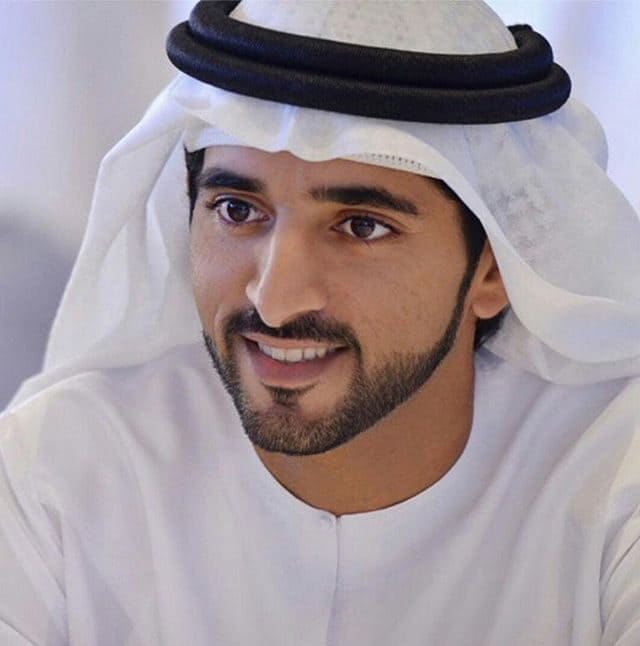
Limited to just 30 pieces, the TONDA PF Skeleton Rose Gold Milano Blue transforms mechanical precision into architectural elegance through light, space and refined proportion.
3 minSOME TIMEPIECES REVEAL THEIR MOVEMENT; OTHERS REVEAL AN ARCHITECTURE.
The TONDA PF Skeleton Rose Gold Milano Blue belongs to the latter tradition.
Produced in a limited edition of 30 pieces, it expresses Parmigiani Fleurier’s contemporary vision of watchmaking, where an open worked movement remains measured rather than demonstrative, expressive yet restrained, sculptural yet always governed by proportion.
Within the world of Parmigiani Fleurier, skeletonization is not conceived as a display of complexity, but as a discipline of reduction. Matter is carefully removed to reveal structure; the movement is opened to disclose its underlying coherence; and light is invited to circulate freely through an architecture whose balance remains intact. Here, emptiness is never absence. It becomes rhythm, tension and depth, allowing light to shape what matter has relinquished.
Conceived for a contemporary collector, the TONDA PF Skeleton Rose Gold Milano Blue speaks to those drawn to pure architectures and objects whose presence emerges not from ornament, but from the subtle interplay of material, light and space.
THE ART OF OPENWORKING
Rooted in the traditions of fine watchmaking, skeletonization finds a distinctive expression at Parmigiani Fleurier. Neither ornament nor demonstration of virtuosity, it extends an intimate understanding of the movement inherited from the Maison’s culture of restoration, where every mechanical architecture must first be understood before it can be interpreted.
To openwork a caliber is to embrace a delicate equilibrium. Material must be removed without weakening the structure; the movement must be opened without dispersing its coherence; complexity must be revealed without compromising clarity.
It is an exercise in restraint, situated between presence and disappearance, substance and light, structure and perception.
As artist Anish Kapoor observes, ‘EMPTINESS IS NOT AN ABSENCE, BUT A PLACE OF POTENTIAL.’
The principle resonates deeply here. Every bridge, every opening and every line has been reduced to necessity, contributing to a composition in which nothing seeks to dominate, and every element participates in a harmonious whole. Rather than revealing everything at once, the watch offers access only to what is essential.
FROM STRUCTURE TO PERCEPTION
At the heart of the timepiece, the caliber PF777 assumes an architectural dimension. The dialogue between substance and void orchestrates light, guiding the eye through successive layers of depth and creating a perception that evolves with every glance.
Developed within the Parmigiani Fleurier Manufacture, this self-winding movement embodies a disciplined approach to complexity. Its 192 components form a coherent mechanical composition conceived not only to perform with precision, but also to be appreciated in its equilibrium and visual clarity.
Measuring just 3.9 mm in thickness and operating at a frequency of 4 Hz, with a 60-hour power reserve, the caliber combines slenderness, precision and endurance. Its open worked oscillating weight in 22-carat rose gold extends this pursuit of coherence, appearing not as an added component but as an integral part of the movement’s visual language.
The satin-finished bridges, meticulously hand-beveled throughout, establish a refined architectural framework. Their geometry allows light to circulate, settle upon an edge, glide across a surface and reveal subtle variations in texture.
Finishing becomes more than decoration; it becomes a means of perception.
The architecture unfolds progressively, inviting the eye to move through the movement’s layered construction, to follow its lines and gradually discover the choreography of its mechanics.
Understanding emerges naturally, through observation rather than display.
MILANO BLUE: COLOR AS SPACE
Within this open architecture, Milano Blue performs a role that extends beyond color. It introduces depth.
Set against the warmth of rose gold, this dense, almost nocturnal hue creates a contemporary tension, lending the movement perspective, atmosphere and a quietly expressive presence.
Color is no longer confined to the surface; it becomes an integral component of the composition, shaping the perception of space and light.
Alternating sandblasted and satin-finished surfaces, the dial preserves the spirit of the TONDA PF collection: sophisticated in its construction, refined in its expression. The delta-shaped hands move effortlessly across the movement’s aperture, while the rose gold indices appear suspended within the architectural composition of the dial itself.
Framing this interplay of structure and light is a 40 mm case crafted in 18-carat rose gold. Its knurled bezel, a signature of Parmigiani Fleurier, captures reflections through a succession of finely executed micro-reliefs, creating a subtle transition between the polished exterior of the watch and the layered depth of the movement within.
The sapphire case back extends this visual narrative. Viewed from either side, the skeletonized architecture reveals new perspectives and relationships between light and structure. Completing the composition, the integrated bracelet in polished and satin-finished rose gold ensures visual continuity between case, movement and wrist.
The TONDA PF Skeleton Rose Gold Milano Blue does not seek to reveal everything at once. Instead, it invites a gradual discovery in which structure is shaped by light, matter gives way to space, and mechanics assume an architectural dimension.
It stands as a contemporary expression of watchmaking, conceived through proportion, depth and refined discretion, where mechanical elegance finds its most essential form.
Paine Schwartz joins BERO as a new investor as the year-old company seeks to triple sales.

Americans now think they need at least $1.25 million for retirement, a 20% increase from a year ago, according to a survey by Northwestern Mutual



The future of sports infrastructure is being built now. The Sports Infra & Arenas Summit will bring together sports infrastructure leaders, developers, architects, consultants, technology providers and other key stakeholders for focused discussions and meaningful industry connections.
< 1 min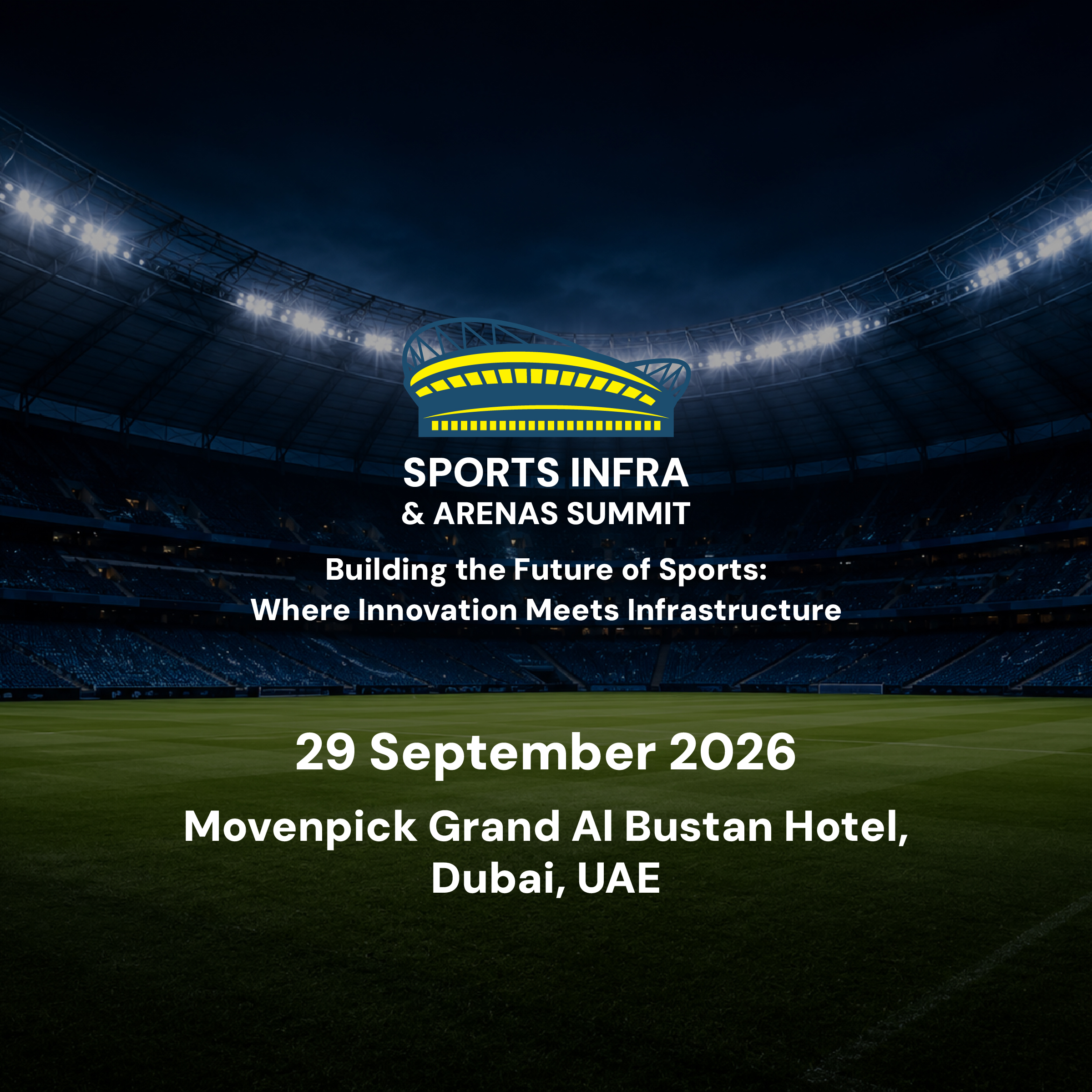
The Sports Infra & Arenas Summit is a focused industry platform bringing together the key stakeholders responsible for the planning, development, design, construction, operation and transformation of sports infrastructure across the region.
The summit brings together stadium and arena owners, developers, government authorities, sports organisations, architects, consultants, contractors, technology providers and infrastructure specialists to explore the evolving demands of modern sports venues.
With the UAE continuing to invest in major sporting facilities, experiences and infrastructure, the summit provides a platform to discuss how the industry can deliver smarter, more commercially viable, sustainable and high-performance venues.
Key discussions will explore areas including stadium development and redevelopment, venue design, fan experience, smart technologies, sustainability, operational efficiency, sports technology, hospitality, safety and security, and the future of major sports infrastructure.
Taking place on 29 September 2026 in Dubai, the summit is designed around practical industry discussions, knowledge exchange and meaningful connections between the decision-makers shaping the future of sports infrastructure and arenas.
Sports Infra & Arenas Summit
29 September 2026 | Mövenpick Grand Al Bustan Hotel, Dubai
New research suggests that bonuses make employees feel more like a mere cog in a wheel.
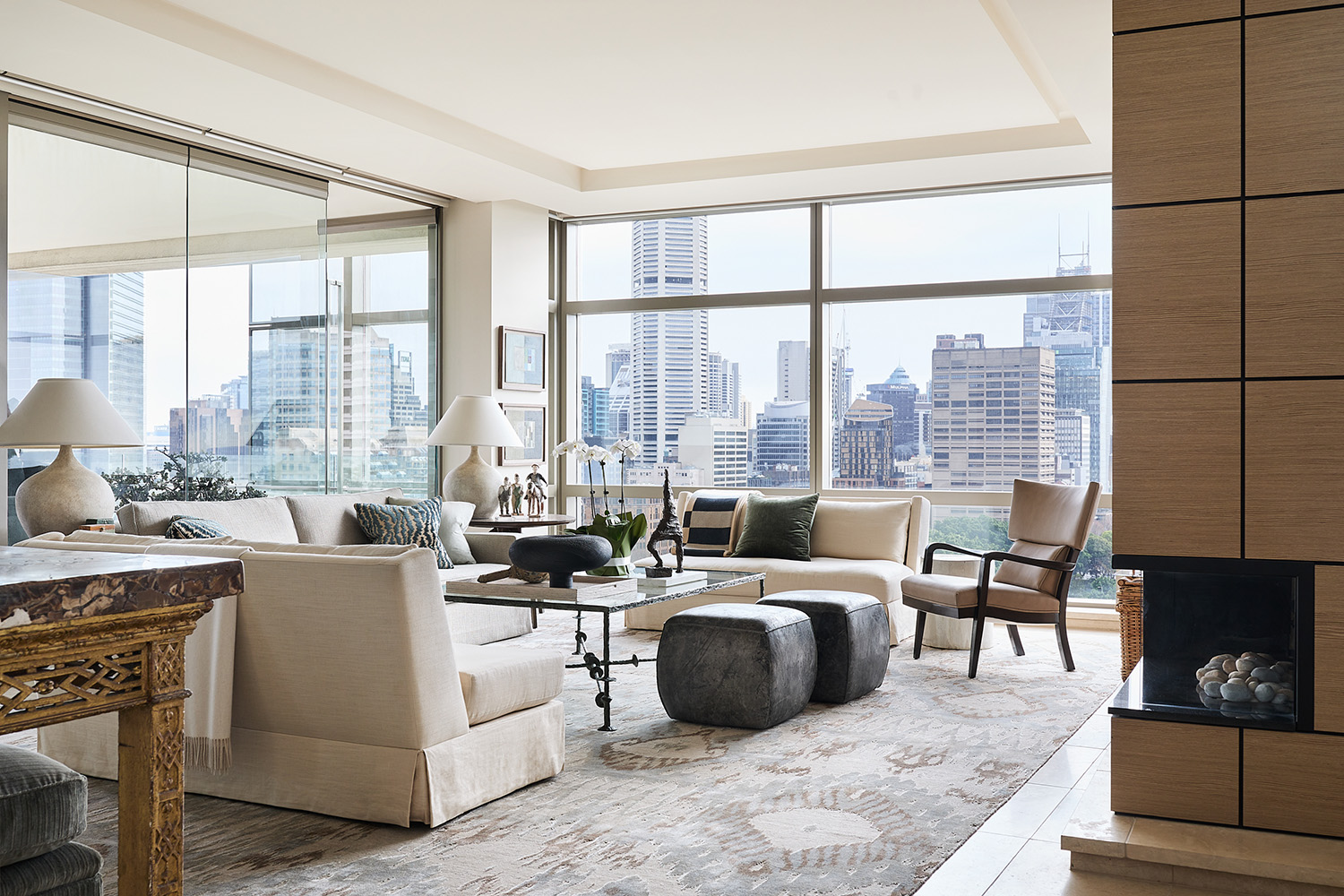
Interior designer Thomas Hamel on where it goes wrong in so many homes.



Dubai Finance is using AI and digital twin technologies to shape its 2027–2029 Strategic Plan, enabling smarter decisions, scenario testing and proactive financial planning.
2 min
Dubai Finance (DOF) has announced the use of artificial intelligence (AI) and digital twin technologies in developing its 2027–2029 Strategic Plan, as part of efforts to advance strategic planning, enhance decision-making and strengthen foresight in public financial management.
The technologies are being integrated across key stages of the planning process, from analyzing internal and external environments and anticipating emerging trends to developing future scenarios, testing assumptions and alternatives, and defining priorities, objectives, initiatives and performance indicators.
Through digital twin technology, DOF aims to simulate strategic thinking and decision-making processes, enabling different options and future scenarios to be tested before adoption.
The approach supports more agile and proactive planning while strengthening the government financial sector’s readiness for future change.
Aref Abdulrahman Ahli, Executive Director of Planning & General Budget Sector at DOF, said the approach represents an important step in integrating strategic and financial planning.
“AI and digital twin technologies enable us to move from expectation-based planning towards a more proactive and dynamic model. By testing different alternatives and assessing their potential impact, we can direct resources and priorities more efficiently, support fiscal sustainability and strengthen the Dubai Government’s future readiness,” he said.
Fatma Buti Al Suwaidi, Director of the Strategy & Corporate Performance Division at DOF, said the 2027–2029 plan introduces a more dynamic approach to strategy development by leveraging advanced technologies for analysis, simulation and foresight.
“We view strategy as a dynamic system that can be continuously tested and developed, rather than a fixed plan based on a single view of the future. Integrating AI and digital twins allows us to assess a broader range of variables and scenarios while keeping human expertise and institutional judgement at the heart of decision-making,” she said.
Through the initiative, DOF aims to develop an advanced government strategic planning model that combines AI, foresight, scenario analysis and digital twin technologies to enhance organizational readiness, support fiscal sustainability and contribute to Dubai Government’s future objectives.
Many of the most-important events have slipped from our collective memories. But their impacts live on.

Following the devastation of recent flooding, experts are urging government intervention to drive the cessation of building in areas at risk.


Bukhatir Group partners with Magure to launch DIWAN, a secure enterprise AI assistant designed to support employees across the Group.
4 min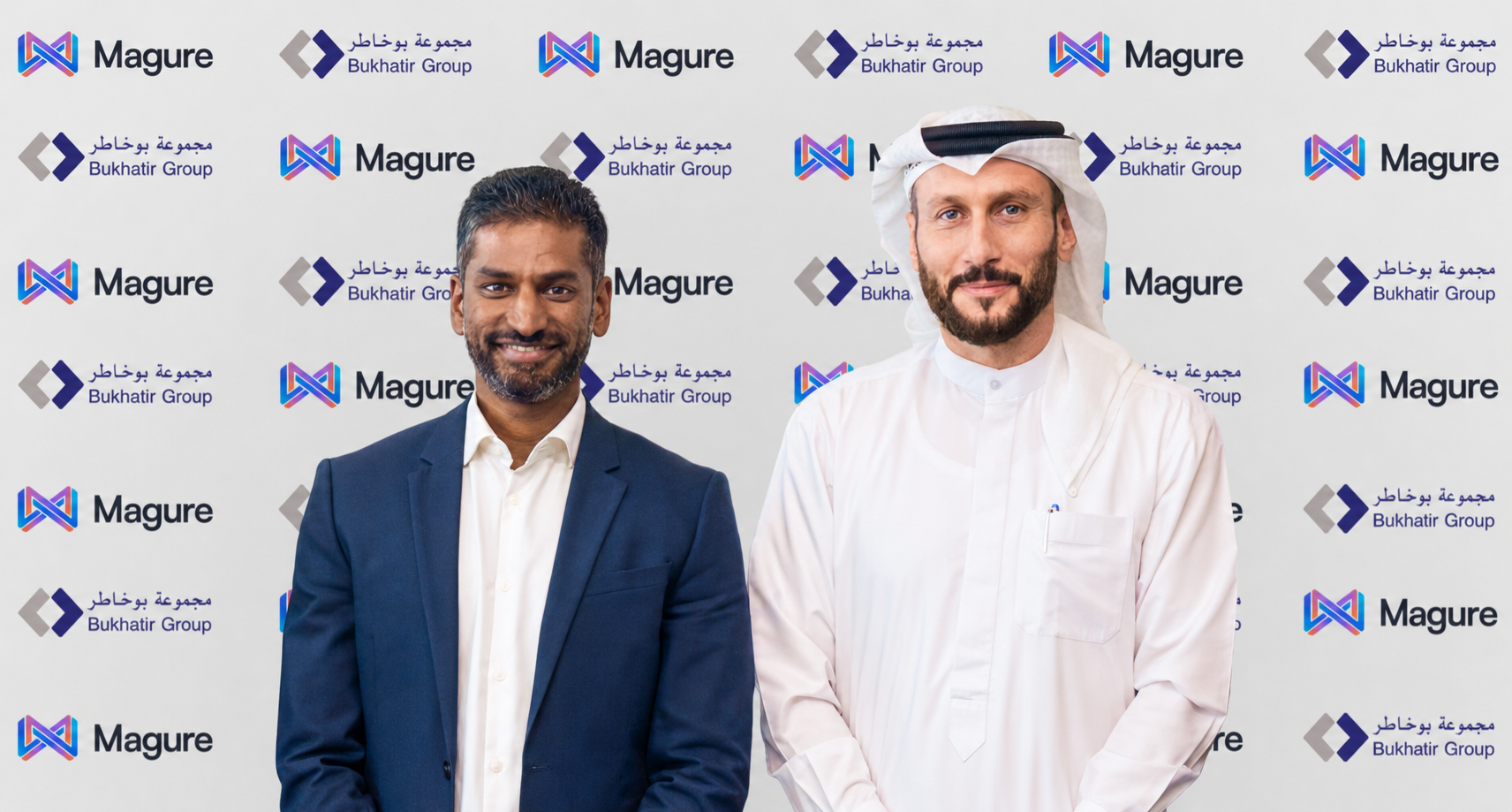
Bukhatir Group, one of the UAE’s oldest and most diversified business houses, and Magure, a UAE-headquartered enterprise AI company, today announced a strategic partnership to embed AI across the Group’s businesses, beginning with a milestone already achieved: DIWAN, a secure enterprise AI assistant, is now live in production for employees across the Group.
DIWAN, the Group’s own AI, is built on Magure’s agentic AI operating platform, MagOneAI and runs on a privately deployed model within Bukhatir’s own cloud environment. It is designed so that questions and documents are processed within the Group’s infrastructure, governed by its own policies, with audit logging of how AI is used across the organisation.
“Bukhatir Group has always looked ahead with confidence and purpose,” said Salah Bukhatir, Chairman of Bukhatir Group. “Artificial intelligence represents the next chapter in our journey-strengthening how we make decisions, serve our communities and create lasting value. As we embrace its potential, we will remain guided by our values, our responsibility to our people and our commitment to building a sustainable future.”
Charting Their Own AI Course
For a conglomerate spanning construction, education, real estate, retail and commercial development, and sports and leisure, the question was never whether to adopt AI employees across the Group were already reaching for it. The question was how to put AI in everyone’s hands without sensitive data leaking into public tools the Group neither controls nor sees.
Rather than renting AI capability on someone else’s terms, Bukhatir chose to chart its own course: a deployment in which the Group owns the environment, keeps its data within its own perimeter, and holds governance firmly in its own hands. Across every industry, the rise of unsanctioned “shadow AI” has created a new risk, as sensitive information finds its way into public tools that an organisation neither controls nor sees. DIWAN gives employees a sanctioned, secure alternative designed to remove that risk.
“For a group like ours the choice looked binary: put AI in our people’s hands quickly and accept that our data sits on someone else’s platform or keep full control and wait years to build it ourselves,” said Mohamed Sadawy, Group Chief Information Officer, Bukhatir Group. “I didn’t accept that we had to choose. In partnership with Magure, everything that matters to us – our cloud, our data, our governance – stayed inside the Group, and we still moved fast. DIWAN went from a decision to a live tool our people can actually trust with real work in a matter of weeks. And the risk of staff reaching for unsanctioned public tools is no longer something we manage day to day; we’ve designed it out with help of Magure’s MagOneAI platform.”
Aligned with the UAE’s National AI Ambition
The UAE was the first nation in the world to appoint a Minister of State for Artificial Intelligence, and its National Strategy for Artificial Intelligence 2031 sets a clear ambition: to make the UAE a global leader in AI, with intelligence embedded across every sector of the economy. The nation’s AI Charter goes further, committing to AI that is safe, fair, transparent and accountable with data privacy and human oversight at its core.
Bukhatir Group’s deployment is the private sector answering that call. A homegrown UAE conglomerate partnering with a UAE-headquartered AI company, deploying a sovereign AI capability on UAE soil with data residency in the country, governance owned by the enterprise, and AI capability that stays under national and organisational control rather than flowing to platforms abroad. In embedding AI across construction, education, real estate, retail and sports, the Group is carrying the national vision into the everyday economy: not AI as a showcase, but AI as working infrastructure across the sectors that UAE families and businesses touch daily.
The deployment reflects an AI ambition that flows from the board down and a conviction, shared with the UAE’s own approach, that AI at enterprise scale must be governed, not merely adopted. MagOneAI provides the governance layer beneath every interaction: role-based access controls, centralised monitoring, cost attribution and full audit trails across every use case, with human task nodes that pause any consequential workflow for human review and sign-off. AI assists and accelerates; people decide.
Magure is ISO 9001, ISO 27001 and ISO 42001 (AI Governance) certified, with SOC 2 Type II attestation, and the deployment is mapped to the UAE’s data protection landscape data residency in the UAE, transparency over automated decisions, and enforceable data-subject rights native to the platform rather than bolted on.
From One Assistant to an AI-Woven Enterprise
DIWAN is the first step, not the destination. Bukhatir Group is establishing its own Group AI Centre of Excellence, supported in that effort by its partner Magure, to take AI into the fabric of every business: conversational analytics over the Group’s own data, intelligent document analysis, finance automation, and AI assistants across the Group’s customer-facing brands – each new capability built on the same governed platform and reaching production in weeks rather than quarters.
The Group’s vision extends further: AI copilots embedded in everyday workflows across every entity, predictive intelligence supporting decisions from procurement to enrolment, and a portfolio of enterprise-grade AI solutions that compounds each new use case cheaper and faster to deliver than the last. The destination is a cognitively connected enterprise, where intelligence flows across every Bukhatir business, responsibly and under the Group’s full control.
“The UAE has set out one of the boldest national AI ambitions in the world, and it will be realized by enterprises like Bukhatir Group organizations that treat AI as foundation, not fashion,” said Akhil Koka, CEO, Magure. “Bukhatir understood early what most enterprises learn the hard way: ungoverned AI is a liability, and rented AI is a ceiling. DIWAN is live today on a sovereign stack the Group fully owns, and behind it sits a platform that can carry AI into every corner of the business governed, auditable, and private by design. A year from now this won’t be one assistant; it will be AI woven into finance, operations, education and customer experience. That is the difference between adopting AI and becoming an AI-driven enterprise and it is exactly the future the UAE is building towards.”
Parts for iPhones to cost more owing to surging demand from AI companies.


Formula 1 returns at Zandvoort for the final Dutch Grand Prix and the circuit’s first-ever Sprint weekend.
2 min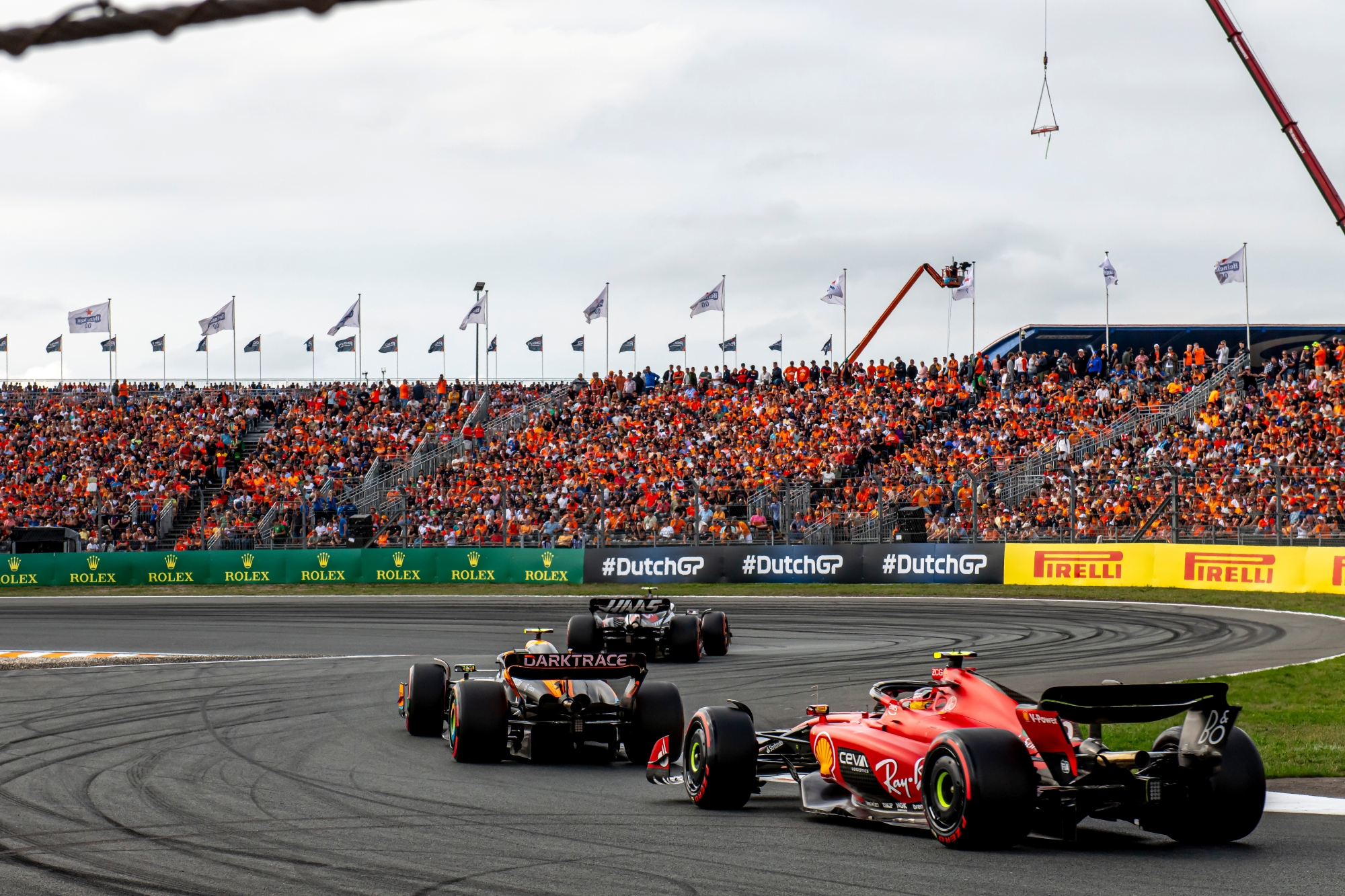
Formula 1 returns from its summer break at Circuit Zandvoort from August 21–23, with the final scheduled Dutch Grand Prix set to feature the venue’s first F1 Sprint weekend.
The weekend closes Formula 1’s latest chapter in the Netherlands. The Dutch Grand Prix returned to the calendar in 2021 following a 36-year absence, and its final edition will introduce an additional competitive element: Sprint Qualifying on Friday and a 24-lap Sprint on Saturday.
The championship resumes following the Hungarian Grand Prix, where Lando Norris claimed his first victory of the season for McLaren. Max Verstappen finished second, championship leader Kimi Antonelli took third, and Oscar Piastri retired. The result moved Norris to 128 points, placing him fifth in the standings and 19 points ahead of Verstappen as the four-time world champion prepares for his home race.
Antonelli arrives at Zandvoort with 219 points and a 50-point advantage over Lewis Hamilton. George Russell sits third, nine points behind Hamilton, while Mercedes leads Ferrari by 72 points in the Constructors’ Championship. With additional points available in Saturday’s Sprint, the weekend gives the leading drivers and teams two opportunities to influence the title race.
For Verstappen, the final Dutch Grand Prix combines the emotion of a home appearance with an immediate test of Red Bull’s pace against Mercedes, Ferrari and McLaren. For Norris, it offers an early indication of whether his Hungary performance can carry into the second half of the season. Both storylines will unfold within a compressed format that gives teams only one practice session before competitive running begins.
What to Expect at Zandvoort
Friday begins with the weekend’s only practice session, followed by Sprint Qualifying. The Sprint and Grand Prix Qualifying take place on Saturday, before the 72-lap Dutch Grand Prix on Sunday. Zandvoort’s narrow layout, banked corners and changeable coastal conditions place particular importance on car set-up, qualifying performance and track position.
Many of the most-important events have slipped from our collective memories. But their impacts live on.



As AI productivity trackers reshape workplace evaluations, employees are learning how to manage calendars, activity levels and AI usage to ensure their contributions are recognized.
4 min
What’s more important than being a good employee right now? Looking like a good employee in the eyes of AI productivity trackers that more managers are using to evaluate their teams.
Employee-monitoring systems are especially popular at tech companies and are also used by other white-collar firms that want to probe how people spend company time. The scary thing: You might not even know you’re being watched because many states don’t require disclosure.
Metrics can include performance data that is undoubtedly relevant, such as sales results. But it also can employ dubious proxies like keyboard strokes and how often your computer screen goes into sleep mode.
We generally accepted, or at least understood, heightened surveillance during the work-from-home era. Back then it seemed reasonable for bosses to keep tabs on employees they couldn’t see.
Yet the oversight has only escalated, and tensions are rising, too.
A group of former Meta Platforms employees alleges in a lawsuit that the company used a “constellation of internal artificial-intelligence systems” when it began laying off about 10% of its workforce in May. Meta says humans make termination calls.
However that case shakes out, a couple of things are clear. Companies eager to gauge which employees are locked in now have sophisticated AI monitoring systems at their disposal. And they believe they have leverage in a tepid labor market.
So while we may chafe at having our worth reduced to numbers on the boss’s productivity dashboard, we have to play the game as it’s being played. Here are some tips, based on conversations with people who make employee monitoring systems—and others who game the systems.
Be meticulous about your calendar
Calendar integration is one way that productivity trackers have gotten more advanced and, ostensibly, fairer.
Let’s say you make an old-fashioned phone call or attend an in-person meeting. Your Outlook or Slack status may switch to “away,” making you appear as inactive as if you were taking an extended coffee break.
Employee monitors like one made by a company called Insightful cross-check your online status with your calendar to see whether there is a valid reason for your apparent inactivity. If that call or meeting is on your schedule, then the system will recognize that you are busy offline. If nothing is on the books, it could look like you’re slacking off.
Hit the activity sweet spot, around 80%
Let’s not go any further without addressing the underlying question: How much downtime is permissible during the workday? After all, people have been scared to let managers see anything non-work-related on their screens since personal computers first arrived in offices.
No one knows this better than Roger Wagner, who is widely credited with creating the first “boss button” in the early 1980s. He designed a keyboard shortcut to instantly display a spreadsheet if the boss walked by your cubicle while you were playing a computer game. Boss buttons have been features of countless diversions since. (I confess to using one built into a March Madness streaming app.)
Wagner, the founder of computer-education company 1010 Technologies, says his original design was a joke—more of a commentary on overbearing managers than a cover for lazy employees. Good bosses understand workers need mental breaks throughout the day, he says.
This matches what I heard from Insightful Chief Executive Ivan Petrovic. He says customers that use his company’s workforce-management platform don’t expect employees to stay on task 100% of the time.
“On average companies are aiming for 60% to 80% of your time being utilized for work during the day,” he says.
Go ahead and exhale. It’s probably OK to watch an occasional YouTube video at your desk.
And if you’re going to artificially inflate your activity level, be careful. Hitting 90% could look suspicious.
Get physical
So don’t leave your mouse jiggler on all day. Choose the right one if you must resort to shenanigans.
There are lots of software applications that mimic the movements of a computer mouse, so you can appear to be working while away from your desk. There are also devices that plug into computer ports and do the same thing.
Corporate cybersecurity systems increasingly block these apps and devices, and productivity trackers claim to be able to detect them. But some workers swear by mouse docks, like one made by Tech8 USA, that keep cursors moving. The company originally made mouse-moving software but now focuses on physical jigglers.
“People are drawn to mechanical solutions because they’re so simple and don’t require software,” says Tech8 Marketing Director Sam Matthews. “As monitoring technology becomes more sophisticated, that distinction has become even more relevant.”
Use AI, but not too much
Another popular metric for employee-monitoring systems is AI usage. Companies want to know who is embracing new tools, and it can be tempting to think more is better.
“There’s a performative aspect where employees overblow their usage of AI so that they appear relevant in the organization,” says Andrea Derler, principal researcher at Visier, which helps companies track and analyze employee work habits.
In a recent Visier survey of 1,000 U.S. workers, 48% admitted to exaggerating their AI usage.
This is already an outdated strategy. Using AI for everything used to score points for experimentation. Now it can seem wasteful because many companies are watching AI token spending more carefully.
Look, productivity theater has always been part of work. Most of us aren’t trying to cheat the system, but expectations are changing so quickly that we need to be savvy about what the latest employee trackers are looking for.
Sometimes it takes a little gamesmanship to get full credit for our contributions.
New research suggests that bonuses make employees feel more like a mere cog in a wheel.



Lebanese luxury has always been defined by taste, creativity and an uncompromising pursuit of beauty. From fashion and beauty to food, travel and entrepreneurship, these 10 creators are taking Lebanon’s distinctive luxury identity to millions around the world — proving that Lebanese influence extends far beyond its borders.
8 min
Lebanese luxury requires a different frame from any other luxury narrative in the Arab world. It is not the luxury of oil wealth — it predates that by centuries. It is not the luxury of deliberate development — it was never planned. Lebanese luxury grew from something that the country has always had in excess and in spite of everything: taste. The fashion designers who put Lebanese names on the world’s most prestigious red carpets — Elie Saab, Georges Hobeika, Zuhair Murad, Reem Acra — did not build their reputations because Lebanon was a stable or prosperous country when they built them. They built them because Lebanese creative culture has a standard that is non-negotiable and not circumstantial.
The ten creators on this list are the people who carry that standard onto social media — and who have made the Lebanese luxury aesthetic visible to audiences of tens of millions globally. Karen Wazen is on the Business of Fashion 500, the definitive list of the people shaping the global fashion industry, produced by the publication that defines the global fashion conversation. Nour Arida walks the front rows at Paris and Milan Fashion Weeks as an invited editorial presence. Samer Khouzami turned a makeup artist’s chair in Beirut into a cosmetics brand stocked in international luxury retail. Each of them has taken something specifically Lebanese — the visual intelligence, the hospitality, the deeply held conviction that beauty is a serious pursuit — and made it visible at a scale that Lebanon’s creative tradition has always deserved.
| Lebanese luxury does not need a crisis narrative to justify itself. It exists at a standard that predates the crisis and has outlasted every attempt to diminish it. |

1. Karen Wazen – @karenwazen · Fashion Entrepreneur & BoF 500 Member Dubai (born & raised in Beirut)
Karen Wazen Bakhazi is the most globally credentialed Lebanese fashion creator operating today — a member of the Business of Fashion 500, the cover subject of Harper’s Bazaar Arabia and Elle Arabia, a collaborator of Dior, Prada, Cartier, Breitling and Guerlain, and the founder of Karen Wazen Eyewear, which is stocked by Net-a-Porter, Bloomingdale’s and Moda Operandi and has been worn by Sofia Richie, Olivia Culpo and Emily Ratajkowski. She has attended Cannes, the British Fashion Awards, and the major international fashion weeks, representing the Middle East at events where the region has historically been underrepresented.
Born and raised in Beirut, educated at the American University of Beirut, now based in Dubai — her career arc is the Lebanese luxury story in its most complete contemporary form. With more than 8 million Instagram followers and 15 million total social media followers, she is the highest-reach Lebanese luxury creator available to Kanebridge News ME, and the one whose trajectory most precisely embodies what the publication’s Lebanon luxury feature is here to celebrate.

2. Nour Arida – @nouraridaofficial · Fashion Creator & Entrepreneur Dubai/Beirut
Nour Arida occupies the rarest position in the Lebanese luxury landscape: a creator who has achieved genuine recognition from the world’s major fashion houses — present at Milan and Paris Fashion Weeks as an invited editorial presence, not a brand placement — while simultaneously building commercial enterprises of her own in the Gulf. In 2026, her children’s label Generation Peace expanded into premium department stores across the UAE, Qatar and Saudi Arabia with the kind of backing that validates a brand rather than launches one.
With 6.9 million followers and a profile that is recognized internationally as well as regionally, she is operating at the junction of editorial credibility and commercial enterprise that defines the most significant luxury media figures. Her Lebanese identity is central to her brand narrative — she is not a Dubai creator who happens to be Lebanese but a Lebanese creator who operates globally. A Kanebridge News ME Lebanon luxury feature that places her in national context is precisely the editorial recognition that complements her international profile.

3. Nadine Nassib Njeim – @nadine.nassib.njeim · Actress & Former Miss Lebanon Beirut, Lebanon
Nadine Nassib Njeim is a Lebanese actress, former Miss Lebanon, and social media personality with 15.9 million Instagram followers — the largest individual following of any Lebanese creator, maintained from Beirut throughout everything the country has experienced. The decision to stay — to continue working, to continue creating, to continue being publicly visible in a city that has given her audience no shortage of reasons to look away — has given her a connection with the Lebanese public that no creator of her scale could have built from a safer distance.
Her luxury fashion content, event appearances, and lifestyle documentation reach an audience that spans the Lebanese diaspora globally and the broader Arab world. For Kanebridge News ME, she is the highest-reach Lebanese creator available for a collab post, and the one whose rootedness in Beirut makes the Lebanon edition of the publication feel most authentically located.

4. Samer Khouzami – @samerkhouzami · Celebrity Makeup Artist & Brand Founder Beirut/International
Samer Khouzami built a 2.1 million Instagram following as a celebrity makeup artist — and then built a cosmetics company around the skills and aesthetic sensibility that following was built on. His story is the Lebanese creative template: take a craft that Lebanese culture has always practiced at a high level, apply it to social media with the precision and intentionality that the craft demands, build an audience, and then turn that audience into a business that outlasts the platform.
The Lebanese beauty industry has a specific excellence — part French influence, part Mediterranean sensibility, part the competitive intensity of a small country where creative standards are maintained through cultural pride rather than institutional support. Khouzami’s work embodies that excellence and makes it legible to an international audience at a scale that earlier generations of Lebanese beauty professionals never had access to.

5. Lana El Sahely – @larmoiredelana · Fashion Entrepreneur Beirut, Lebanon
Lana El Sahely has built her fashion profile around a visual aesthetic that is specifically and unmistakably hers — a fusion of Middle Eastern and European sensibilities that reflects both her Lebanese heritage and an internationally educated eye. Her account, L’Armoire de Lana, has become a fashion reference for Lebanese and regional audiences who follow it not just for outfit inspiration but for the consistent editorial point of view it maintains from one post to the next.
In a fashion content landscape where originality is increasingly scarce, her distinctive voice has made her one of the most respected Lebanese fashion creators — recognized by her audience and by the fashion industry for a level of editorial consistency that most social media accounts do not sustain. That consistency, maintained through years in which sustaining anything in Lebanon has required real commitment, is the quality that Kanebridge News ME is recognizing.

6. Dana Hourani – @danahourani · Fashion Influencer & Musician Beirut, Lebanon
Dana Hourani’s 870,000-strong Instagram following is built on a content approach that merges fashion and music — two pillars of Lebanese cultural excellence that she inhabits simultaneously. Her minimalist fashion aesthetic and her musical artistry are not separate strands of a content strategy; they are the expression of a single creative sensibility that is particularly and recognizably Lebanese in its refusal to treat beauty and art as separate categories.
For Kanebridge News ME’s Lebanon luxury feature, Hourani represents the cultural dimension of Lebanese luxury that the fashion-forward creators on this list share but that she makes most explicit. Lebanon has always produced artists who dress beautifully, and designers who make music — the creative tradition does not observe the category boundaries that content strategy would impose on it.
7. Anthony Rahayel – @nogarlicnoonions · Lebanese Food & Culture Beirut, Lebanon
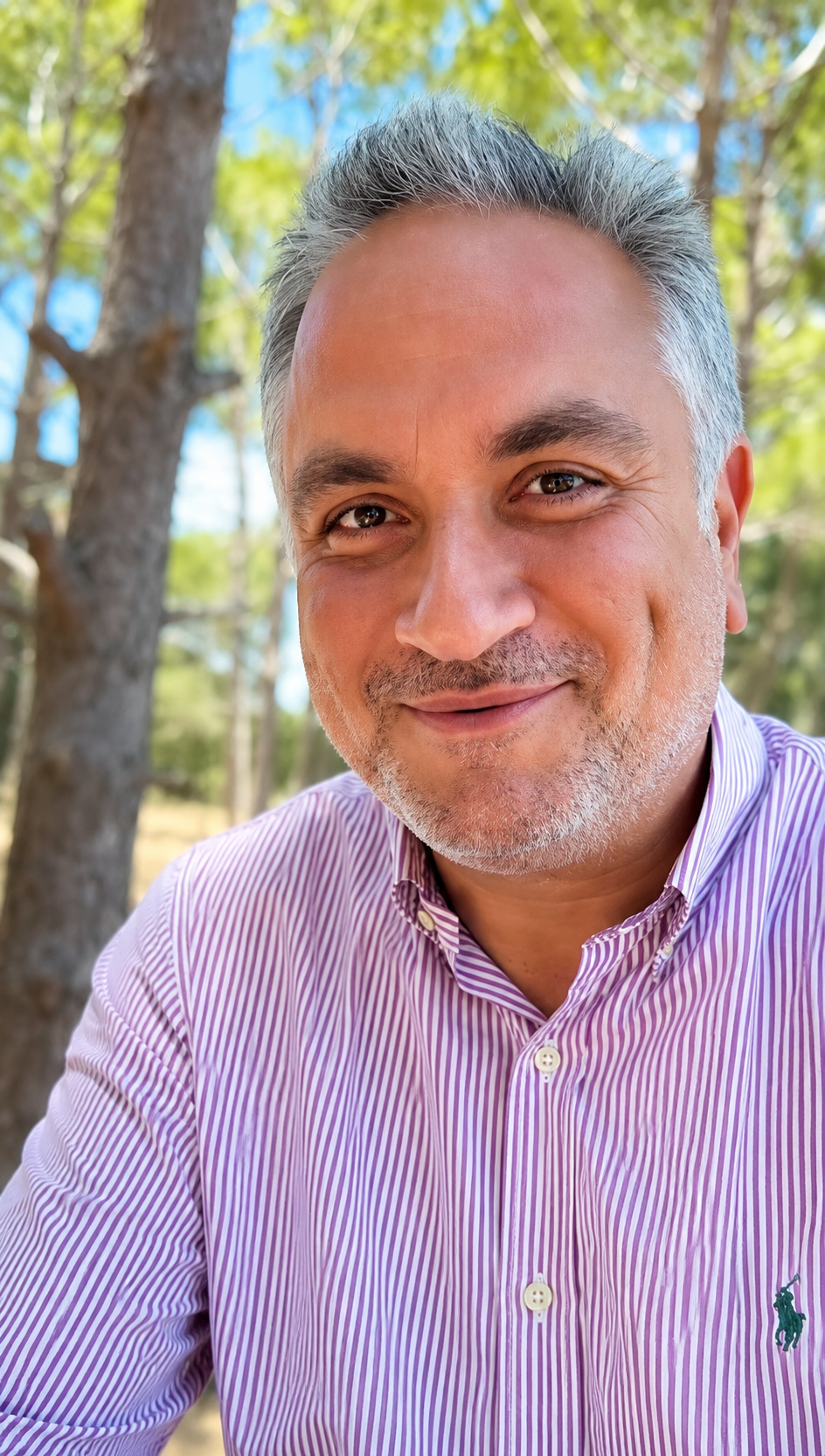
Anthony Rahayel’s No Garlic No Onions is one of the most recognized Lebanese food and culture platforms in the world — an award-winning documentation of Lebanese cuisine, restaurants, producers, chefs and hospitality that has become the definitive international reference for Lebanese food culture. Lebanese food is one of the most beloved and globally distributed culinary traditions on earth, and the restaurants, wine producers and hospitality venues of Beirut and the surrounding regions remain among the finest available anywhere in the Mediterranean.
His documentation of this scene — produced with the precision and cultural seriousness of someone who treats Lebanese food as a heritage to be preserved and celebrated rather than a lifestyle category to be curated — makes him the most important Lebanese luxury food voice operating on social media. For Kanebridge News ME’s Lebanon luxury feature, his inclusion brings a dimension of luxury that fashion and beauty alone cannot: the extraordinary pleasure of eating in Beirut, which has never required wealth to be available but has always represented a form of luxury that no amount of money elsewhere can fully replicate.

8. The Rahal – @the.rahal · Luxury Lifestyle & Travel · Dubai, UAE
The Rahal, created by Lebanese couple Miled and Melissa, has built a lifestyle platform around travel, fashion, hospitality and the polished experiences that define contemporary luxury in the Gulf. Based in Dubai, their content moves naturally between high-end destinations, fashion and everyday lifestyle, giving their audience an accessible window into the region’s increasingly sophisticated luxury culture. Their work has also earned industry recognition, including a Bronze TikTok Visionary Creator of the Year award.
What makes The Rahal particularly relevant to Kanebridge News ME’s Lebanon luxury feature is the way the platform reflects the modern Lebanese luxury consumer beyond Lebanon itself. Miled and Melissa represent a generation of Lebanese creators whose identity and influence travel with them — connecting Beirut’s instinct for style and hospitality with Dubai’s global luxury ecosystem. Their inclusion brings a distinctly contemporary dimension to the list: luxury not simply as ownership, but as travel, experience, fashion and the ability to move comfortably between cultures.

9. Nadine Wilson Njeim – Fashion, Beauty & Entrepreneurship · Beirut, Lebanon
Nadine Wilson Njeim has occupied a distinctive place in Lebanon’s fashion and lifestyle landscape since being crowned Miss Lebanon in 2007, building a career that has extended across television, acting, business and luxury fashion. Most notably, she founded Designer-24, a fashion rental platform built around access to leading international and Lebanese designers, including Elie Saab, Zuhair Murad, Rami Kadi, Valentino and Dolce & Gabbana.
Her relevance to luxury goes beyond the traditional trajectory of a beauty queen or media personality. Nadine represents a particularly Lebanese understanding of glamor: one shaped by couture, occasion dressing, entrepreneurship and an instinctive relationship with fashion. By turning designer fashion into a business proposition rather than simply displaying it, she positioned herself at the intersection of influence and commerce. For Kanebridge News ME’s Lebanon luxury feature, she represents the evolution of Lebanese glamour from image into enterprise — and the enduring influence of Beirut’s fashion culture across the region.

10. Rim Ammouri – @rim.ammouri · Fashion & Lifestyle · UAE
Rim Ammouri has built an influential digital presence around fashion, beauty, travel and contemporary lifestyle, while also becoming widely recognized as one half of the creator couple Ammar & Rim. Together, Rim and Ammar Al Samarrai have cultivated a substantial audience through a combination of aspirational lifestyle content and the humor, relationships and family moments that make their world feel personal rather than staged. Their combined TikTok community exceeds 4.6 million followers, demonstrating an ability to translate everyday life into large-scale digital influence.
What makes Rim particularly relevant to Kanebridge News ME’s luxury feature is the accessibility she brings to aspiration. Her presence reflects a newer definition of Middle Eastern luxury — less formal, less distant and increasingly shaped by the personalities audiences choose to follow every day. Fashion, travel and elevated experiences sit alongside marriage, motherhood and humor, creating a version of luxury that feels lived rather than simply displayed. Her inclusion represents the generation reshaping how luxury is communicated online: through personality, relatability and a lifestyle audiences can imagine themselves participating in.
Two coming 2027 models – the first of the “Neue Klasse” cars coming to the U.S. early next year – have been revealed.
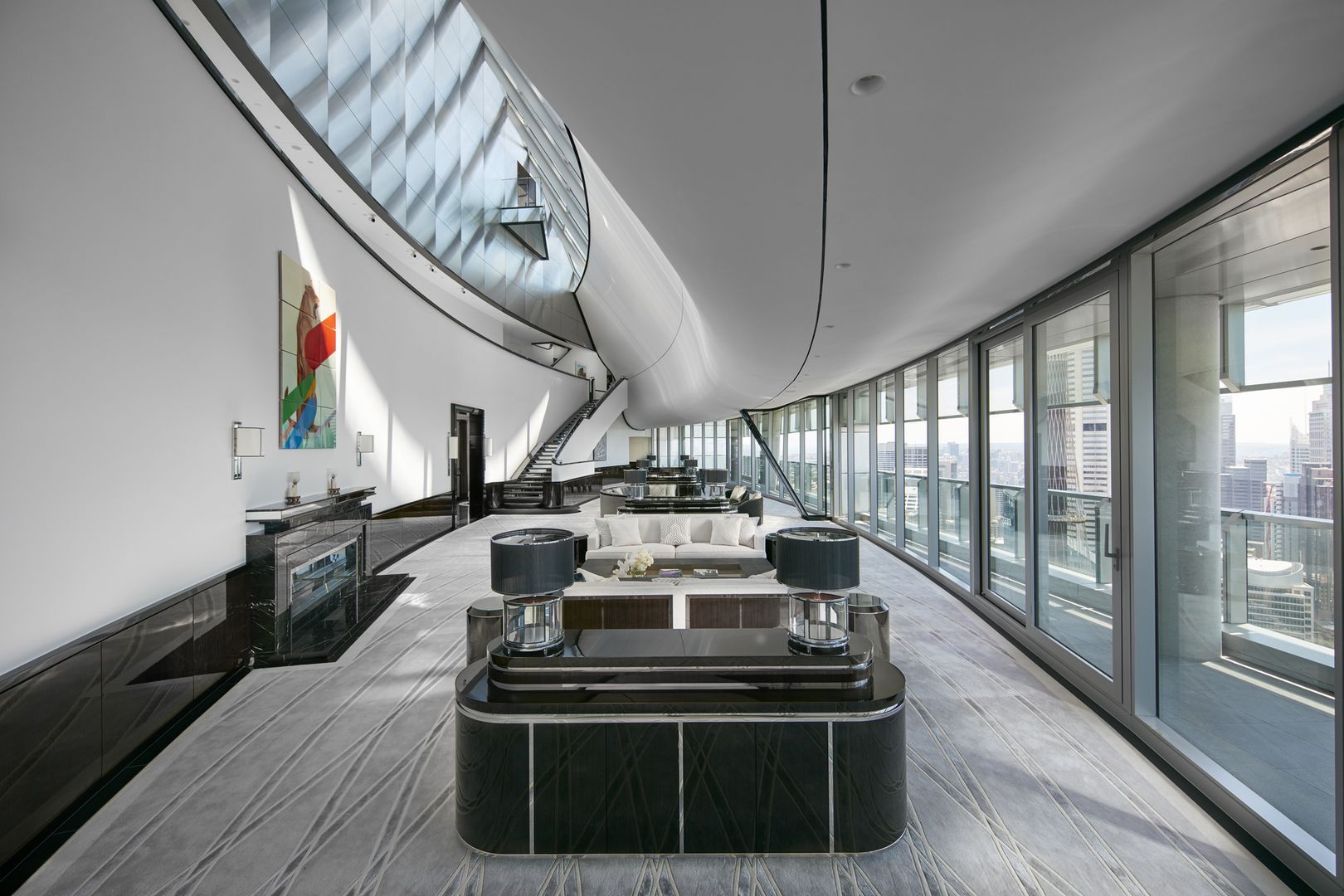



Aston Martin has unveiled Valen, its most powerful front-engined V12 supercar to date, producing 850PS and 1,000Nm of torque from a 5.2-liter twin-turbo V12. Developed through Q by Aston Martin and the brand’s Special Vehicle Operations division, the limited-production model combines a full-carbon fiber body, up to 110kg in weight savings and a 0–60mph time of just 3.0 seconds.
8 min
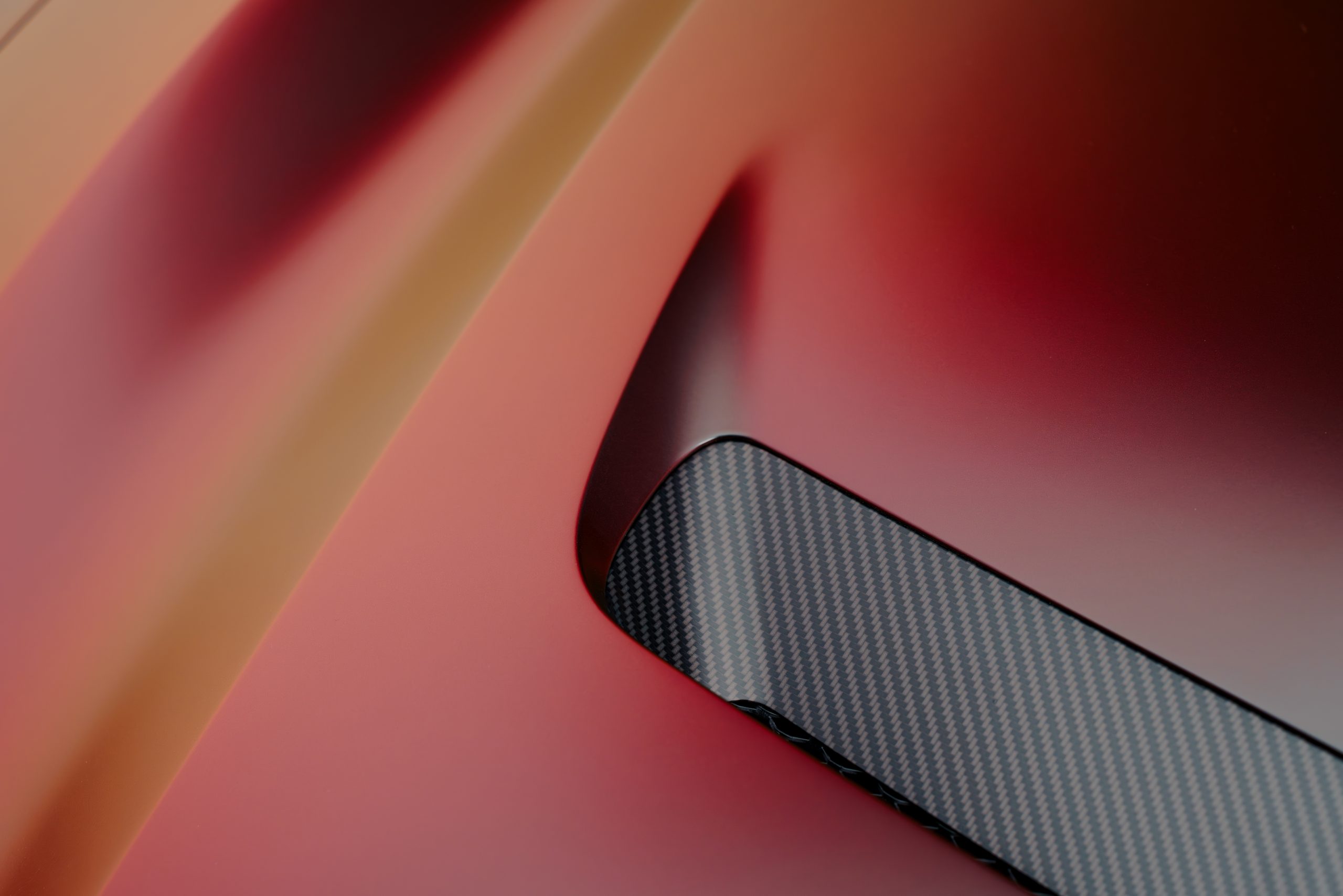
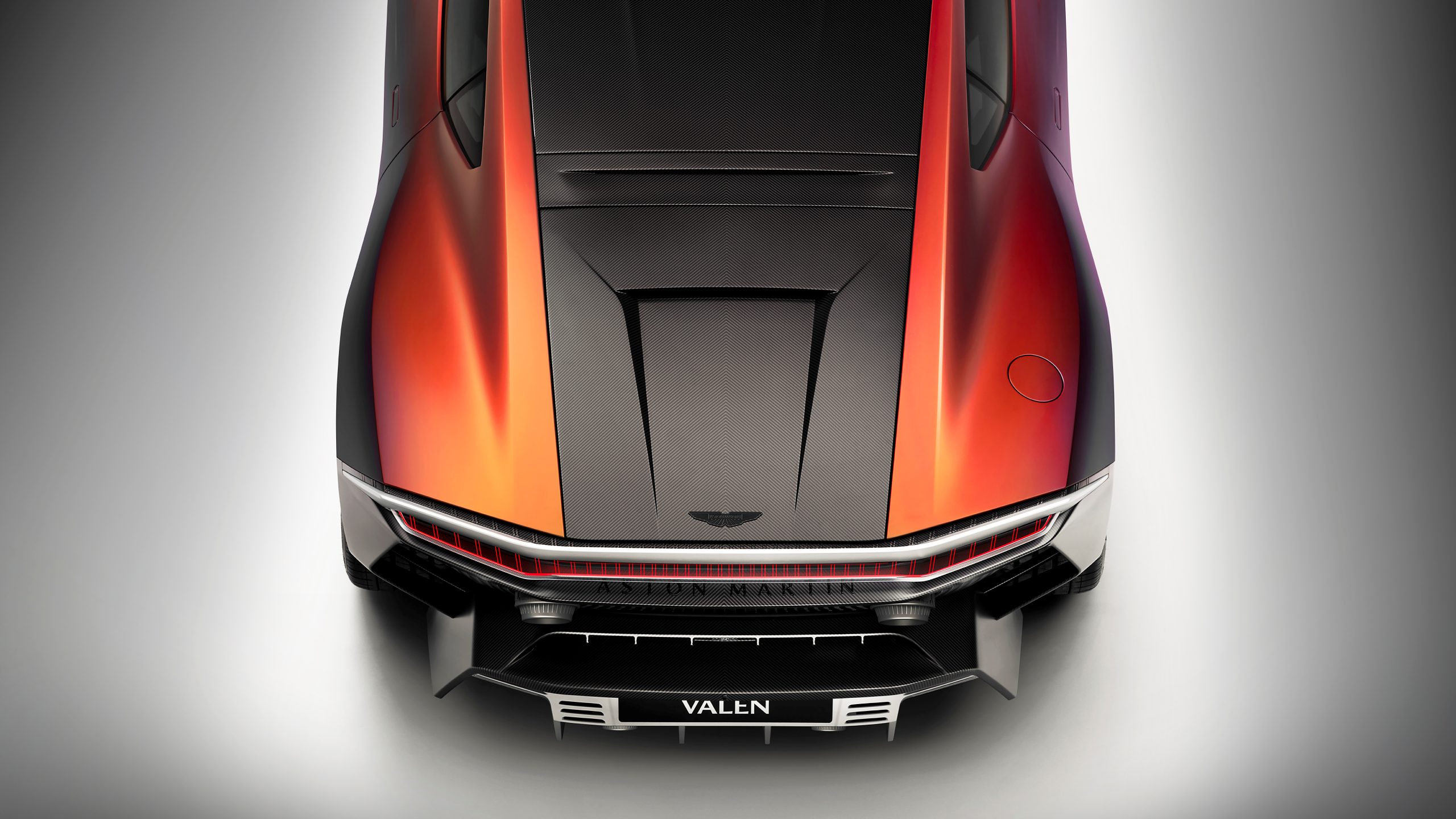
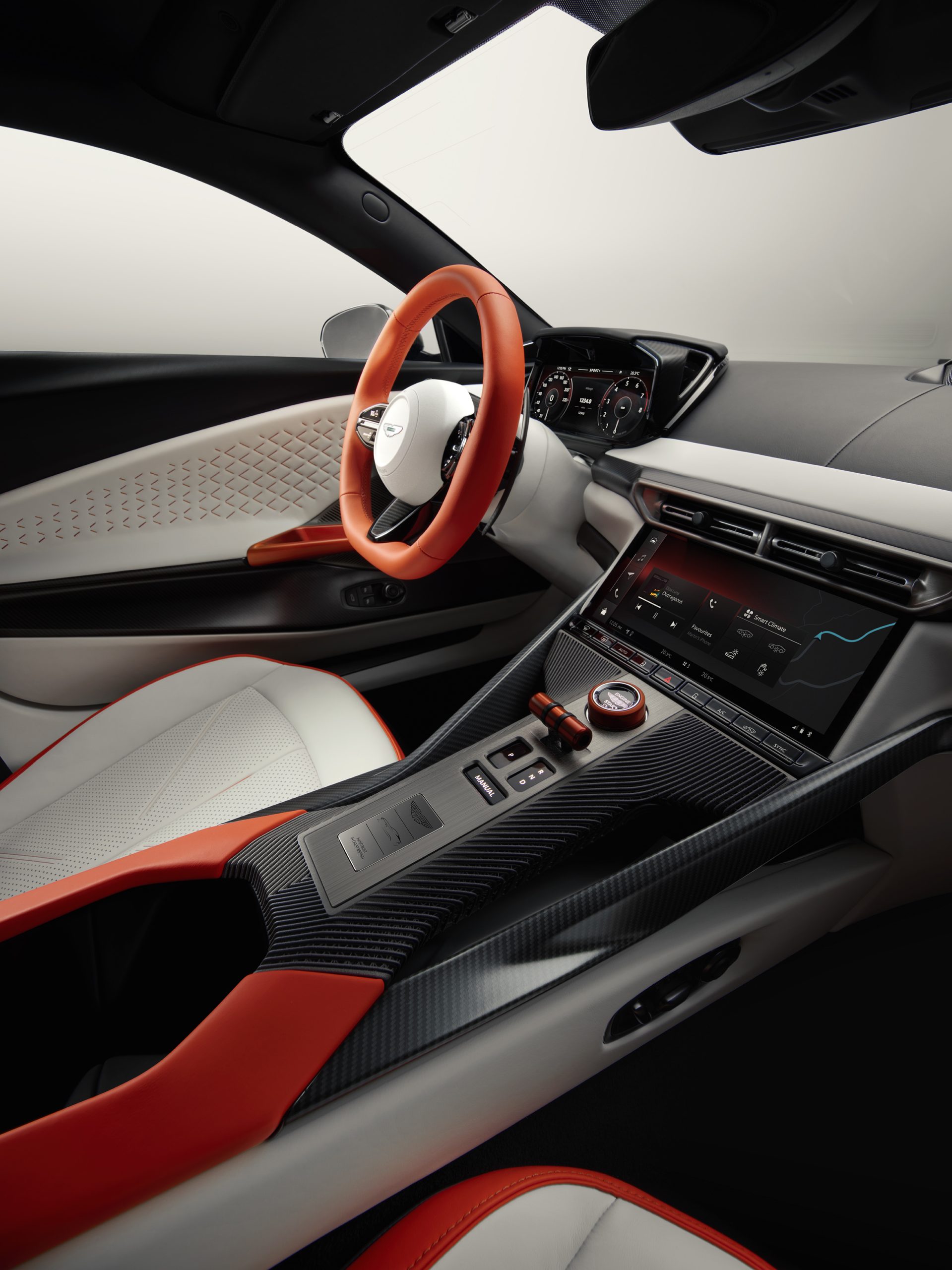

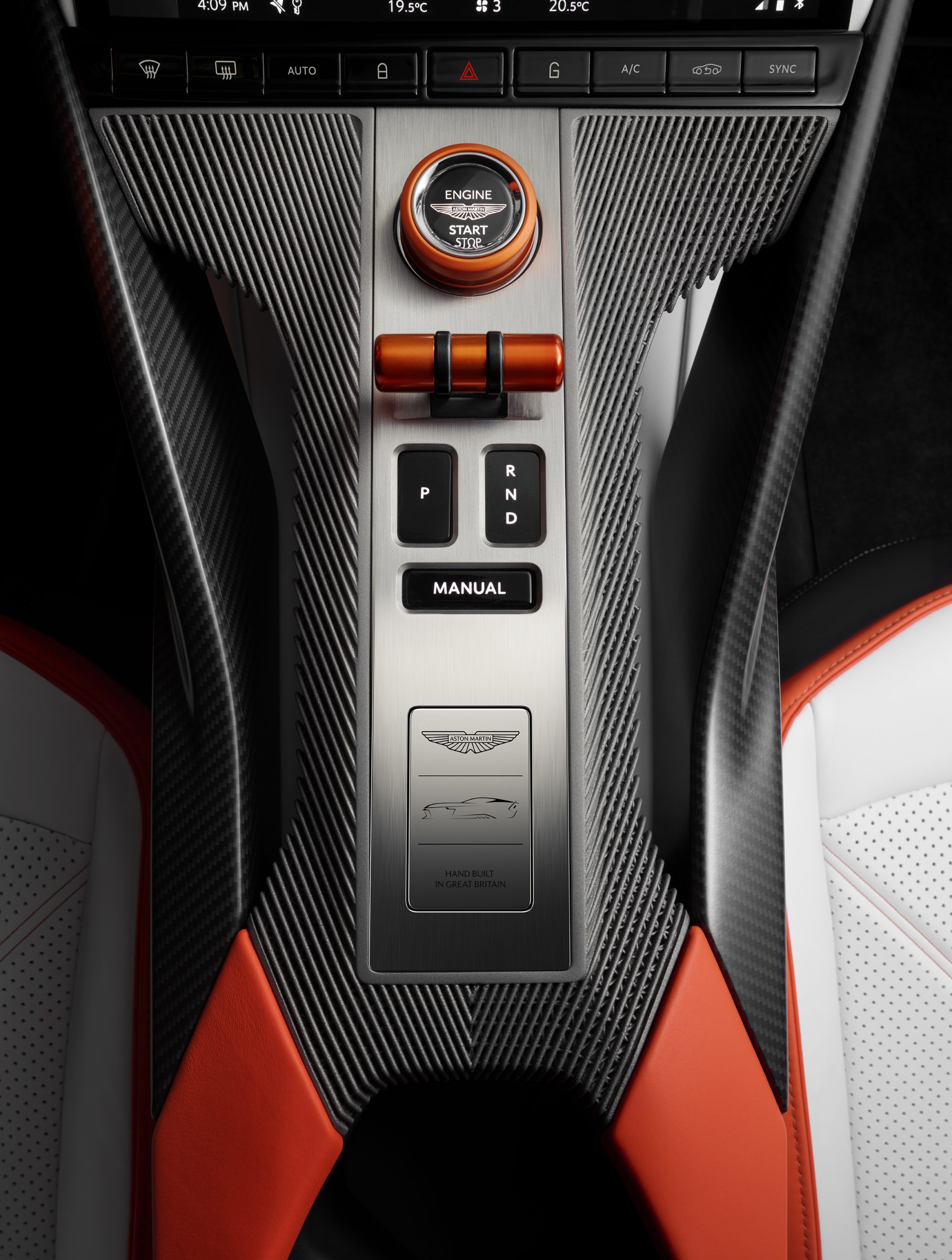

Aston Martin is proud to introduce Valen; the world’s most powerful front-engined car from a manufacturer and the most powerful front-engined V12 supercar in the company’s 113-year history. The latest in an illustrious line of limited production twelve-cylinder specials, Valen explores provocative design themes and extremes of performance in pursuit of maximum visual impact and a truly distinctive driving experience.
Pushing the limits of design and engineering to achieve a supercar of unique drama and capability, Valen is clad in a full-carbon fiber body and powered by the brand’s most powerful version of its 5.2-litre twin-turbocharged V12 engine with 850PS and 1000Nm of torque from just 2500rpm. Combined with targeted hardware and extensive software calibration to steering, suspension and braking systems, Valen delivers a driver-focused configuration to match its raw performance.
Bestowed with an assertive design and character, Valen required a name with equal gravitas and meaning. Derived from the Latin word ‘valens’, with the etymology referencing “strong,” or “powerful”, Valen was the perfect name for Aston Martin’s most powerful front engined V12, continuing the long-standing dynasty of ‘V’ names.
The project, the latest special from Aston Martin’s bespoke service, Q by Aston Martin who previously gave us Valor, Valiant and DBR22 to name a few was realized thanks to the unique scope and expertise of Aston Martin’s newly formed Special Vehicle Operations (SVO) Department.
Aston Martin CEO, Adrian Hallmark said: “The latest in a bloodline of limited production special series models from our bespoke service, Q by Aston Martin, Valen’s world-beating performance required a design to capture the raw motion and unmatched output of our V12 powertrain. With more power, less weight, and a spectacular soundtrack, the dramatic design is backed up by equally dramatic performance.”
ENGINEERING
Reinforcing Valen’s position as the most powerful front-engined supercar, is a sharper-shifting 8-speed ZF transmission, which uses race-proven shift strategies developed for Aston Martin’s Vantage GT4 race program, with crisper and more engaging shifts in all drive modes, which has reduced Valen’s 0-60mph time to just 3.0 seconds*. Top speed is electronically limited to 214mph.
For Aston Martin Director of Vehicle Performance, Simon Newton, shaping Valen’s performance character was especially satisfying: “When your basis for a project is the world’s most powerful front-engined production car you know you’re going to have fun. Valen channels the more overt dynamic purpose of a true sportscar and amplifies that energy and focus to further unleash Valen’s potential. Everything we’ve done to the powertrain and chassis has been driven by the same objective; to intensify the character and capability to deliver a truly thrilling experience that’s accessible to all skill levels, but keen drivers will absolutely relish.”
To bring out the best from the V12 powertrain, Valen adopts a performance drive mode philosophy; Sport, Sport+ and Track modes to create a true feeling of urgency and focus befitting supercar levels of performance and dynamics.
Careful attention has also been paid to Valen’s throttle mapping, which changes according to drive mode. For spirited road driving in Sport and Sport+ modes the throttle pedal uses a shorter map to deliver more throttle earlier in its travel, while Track mode trades that urgency for a longer and more progressive delivery when on-limit precision is the priority.
Valen’s commitment to performance extends to a significant weight saving of up to 110kg over the core V12 platform – a central focus of the program. This is achieved through use of a variety of lightweight motorsport inspired materials including carbon fiber, aluminum, titanium and magnesium. An optional lightweight pack featuring machined-from-solid aluminum suspension arms, knuckles and titanium chassis bolts makes a 16.9kg weight saving alone through meticulous manufacturing and extreme attention to detail.
New lightweight magnesium wheels are fitted as standard, minimizing unsprung mass to further improve steering response and bring added polish to Valen’s wheel control and ride refinement. These wheels are shod with Aston Martin tuned Pirelli P Zero R (275/35 ZR21 front, 325/30 ZR21 rear) and or P Zero Winter 2 tires (275/35 R21 front, 325/30 R21 rear) developed specifically for Valen to ensure an optimal balance between everyday usability and dynamic track capability. These high-performance, bespoke tires deliver superior lateral and longitudinal grip that are tuned to maintain a level of approachability and control to the driver, giving the ultimate bandwidth in performance. Valen also adopts Pirelli’s latest Cyber™ Tyre technology**, the only hardware and software technology able to share real time tire data with the vehicle’s dynamic control systems. Developed in conjunction with Bosch Engineering the system is fully integrated into the car’s digital architecture, allowing the ESP, ABS and traction control systems to continuously adapt their thresholds optimizing control and safety.
A combination of significant hardware changes and targeted software calibration adjustments to the ESP, dampers, steering, cambers and braking system delivers a marked character shift to give Valen a unique dynamic signature. One with the bandwidth to sharpen response, precision and control without sacrificing the necessary compliance and refinement required in a car owners will want to take on proper journeys over long distances.
Focused front and rear lateral stiffness delivers precise response and confident direction changes. Reduced roll and pitch motions to driver inputs increases agility feel over the core V12 platform while preserving a playful handling balance for maximum enjoyment.
Intense development focus has been spent on the steering, tuned to deliver feel, connection and system stiffness through the chassis and software tuning. Steering efforts have been tuned for response, allowing Valen to behave like a shorter and lighter car.
Valen also employs a solid mounted rear subframe together with model-specific springs, helper springs and Bilstein DTX semi-active dampers. Steering calibration maximizes the feeling of agility and exploits the front-end’s limits of grip, but with meticulous care taken to ensure this rotational energy is matched by high levels of traction for a feeling of confident unity and connection front-to-rear.
To ensure all points of contact between car and driver have cohesive feel and response, Valen’s brake booster maintains a firm pedal for exceptional precision and complete driver confidence, allowing precise modulation of the 410mm front and 360mm rear carbon ceramic brakes from high and low speeds.
Through its new lightweight titanium exhaust system, Valen has a soundtrack to match its performance. The system has been developed specifically for Valen and features new micro mufflers ensuring compliance with homologation regulations; while saving weight and enhancing the sound quality that’s such an essential part of enjoying a V12-engined car to the full. It’s a key part of the strategy to ramp-up emotion to create a car of unmistakable visual, dynamic and aural character. Valen’s quad exhaust system evokes the design language of a mid-engine hyper car, molded into the form of a front mid-engined supercar, with four tailpipes split between two upper and two lower. These tailpipe finishers are formed with 3D printed titanium with the focus on light weighting and material craftsmanship. The upper exhaust exits are always open, with the lower exits valved, opening depending on drive mode for the ultimate emotive soundtrack.
Valen’s roar has been carefully tuned to deliver a more performance focused audible experience, reducing lower frequencies while amplifying higher tones. Optimized system dimensions enhance the progression to a dramatic crescendo, while the upper exhaust outlets are tuned akin to organ pipes to generate resonance at higher engine speeds, resulting in a significant increase in character and presence.
DESIGN
Valen presents a re-interpretation of Aston Martin’s iconic front-engined formula. Speaking of the creative impetus behind Valen’s design, Aston Martin EVP & Chief Creative Officer, Marek Reichman said: “Valen gave us the opportunity to explore and express more extreme emotions through a new form language and surface treatment. As such, Valen is a significant departure from what has gone before; sharply sculpted lines to reflect the aggressive dynamics, an attacking stance that emphasizes the front-engine rear-drive layout and a bespoke interior design that creates a more sporting cockpit environment. Valen is a provocative front-engined supercar exuding increased potency and sporting intent, yet still celebrating the elevated luxury, meticulous detailing and unmistakable design signatures expected of a flagship Aston Martin.”
Valen’s dramatic frontal treatment is characterized by deeply recessed slimline headlamp units which are hooded beneath the sharp leading edge of the plunging bonnet line. Together with the more angular treatment of the radiator aperture, bold geometric mesh grille and acutely angled front splitter create a distinctive character
The bonnet itself features a single top vent with perforations at the trailing edge. On each side the traditional side strake has been sharpened and elongated and is now fully incorporated into a large functional vent which extracts air from the wheel arch and guides it down the rounded flanks. The strake feature extends almost the full length of the door before the swollen rear haunches widen to cover the rear wheels.
The lower section of each side is dominated by a stepped sill, which creates a tightly cinched waistline that emphasizes the muscular front and rear fender sections. Sharp saw-tooth vortex generators positioned on the trailing edge of the sills pull highspeed airflow from beneath the car to reducing lift and generate downforce. New side-glass quarter windows add to Valen’s profile and demonstrate commitment to creating a car with a unique identity.
Valen’s rear-design treatment is equally bold. Instead of a fixed rear window and trunk lid both features have been replaced by a solid tailgate. Featuring an aerodynamic wing in its upper section, the tailgate opens onto a sizeable trunk (170 liters) which is available with an optional bespoke luggage set (Touring Pack) to make the most of the available space. A soft, tailored cover can be unfolded to protect the paintwork when lifting cases in and out.
A bespoke full-width light bar sits beneath the large upswept tail, which acts as a Gurney flap to generate downforce while incurring minimal drag and avoiding the need for motorsport-style wings. Below the vivid strip of light is a perforated panel to extract hot air from around the exhaust, which features a pair of high-set tailpipes mounted above the top of the rising rear diffuser and emits a soundtrack befitting of a V12 supercar.
The show car is specified in a Q Ultra developed paint color, Satin Andromeda Red. The satin top-coat accentuates the assertive lines in the design with the color shift from the Andromeda Red remaining highly impactful. Andromeda Red blends deep red, copper and rich golden highlights, which shift dynamically to intense undertones of blue. Innovating timeless color through ultra-luxury pigments, blended through with Chromaflair technology pigments. A commanding range of shifting hues, achievable even in low light environments, bringing new perspectives with an indulgent movement of color.
With a coach-built carbon fiber body, Valen is available with the option of a stunning fully exposed carbon fiber exterior. This exquisite example of material craftsmanship shows meticulous detail with the herringbone in the carbon weave running down the center of the car. In addition, the exposed carbon fiber can be tinted in a variety of colors, in both Satin and Gloss finish, with even the possibility of customers working with the Q by Aston Martin team to curate and develop their own bespoke tint.
The interior of Valen has been developed around a clear principle of visual lightness, reflecting the significant mass reduction engineered throughout the car. Central to this is a slim center console, enabled by advanced 3D-printed components and incorporating the performance-focused switch pack introduced on Valhalla. Angled towards the driver, the inclined console creates a more focused and controlled cockpit environment, reinforcing the connection between driver and machine.
Valen’s cabin offers a choice of newly developed Sports Plus seats, designed to combine support with long-distance comfort, or lightweight carbon fiber performance seats for a more focused driving experience. Together, these options allow customers to tailor the cockpit to their intended use and needs.
A new hierarchy of interior trim levels simplifies the selection process without limiting scope for individual choice. Customers first choose between a combination of Semi-Aniline Leather and Alcantara or full Semi-Aniline Leather, before choosing from five material splits (Monotone, Duotone, Light Duotone, Tritone and Driver Focused). Using the new upholstery quilting treatment developed for Valen as an example, the areas where this quilting is applied extends incrementally with each trim level, from door panels, doors and seats, to doors, seats and headlining in the top tier specification. The additional choice of a driver-focused option (which highlights the driver’s seat), and an accent pack which adds contrast color detailing ensures a near-limitless choice of combinations.
Elsewhere, 3D-printed elements are used throughout the cabin, echoing the approach with previous limited-edition specials, such as Valkyrie and DBS Zagato. These perforated sections reference the exterior cooling vents, adding visual intrigue and contributing to an increased sense of lightness and simplicity. The center console is also new, with elements taken from the Valhalla. The central touchscreen is reclined at more of an angle to better integrate within the sleek geometry of the pared-back interior design.
Functional items such as the air vents have been changed to further reduce visual clutter and a new palette of anodizing colors has been developed, expanding the scope for embellishment and personalization offered via Q by Aston Martin.
Many of the most-important events have slipped from our collective memories. But their impacts live on.




Abu Dhabi sovereign investor L’imad, through ADQ, has launched a conditional cash offer to acquire the remaining shares of AD Ports Group at AED 6.25 ($1.70) per share. ADQ currently holds a 75.42% stake in the group.
< 1 min
Abu Dhabi sovereign investor L’imad will make a voluntary conditional cash offer, through its wholly owned unit ADQ, to acquire up to 100% of the issued and paid-up share capital of AD Ports Group.
Remaining shareholders will be offered 6.25 UAE dirhams ($1.70) in cash for each of their shares in AD Ports, with the matter to be presented to the Board of Directors.
L’IMAD, through ADQ, owns 75.42% of the shares of AD Ports Group. Other shareholders include Norway’s Norges Bank Investment Management (1.74%) and the US-based Vanguard Capital Management (0.54%).
Rothschild & Co Middle East Limited is acting as financial adviser for the tender offer, with Emirates NBD Capital and First Abu Dhabi Bank acting as joint lead managers, and EFG Hermes UAE as co-lead manager. Emirates NBD Bank and First Abu Dhabi Bank are also joint-lead receiving banks, with Allen Overy Shearman Sterling acting as legal adviser.
New research suggests that bonuses make employees feel more like a mere cog in a wheel.



Meta is betting on a human-first AI future, but growing legal battles and declining public trust are putting Mark Zuckerberg’s vision to the test.
3 min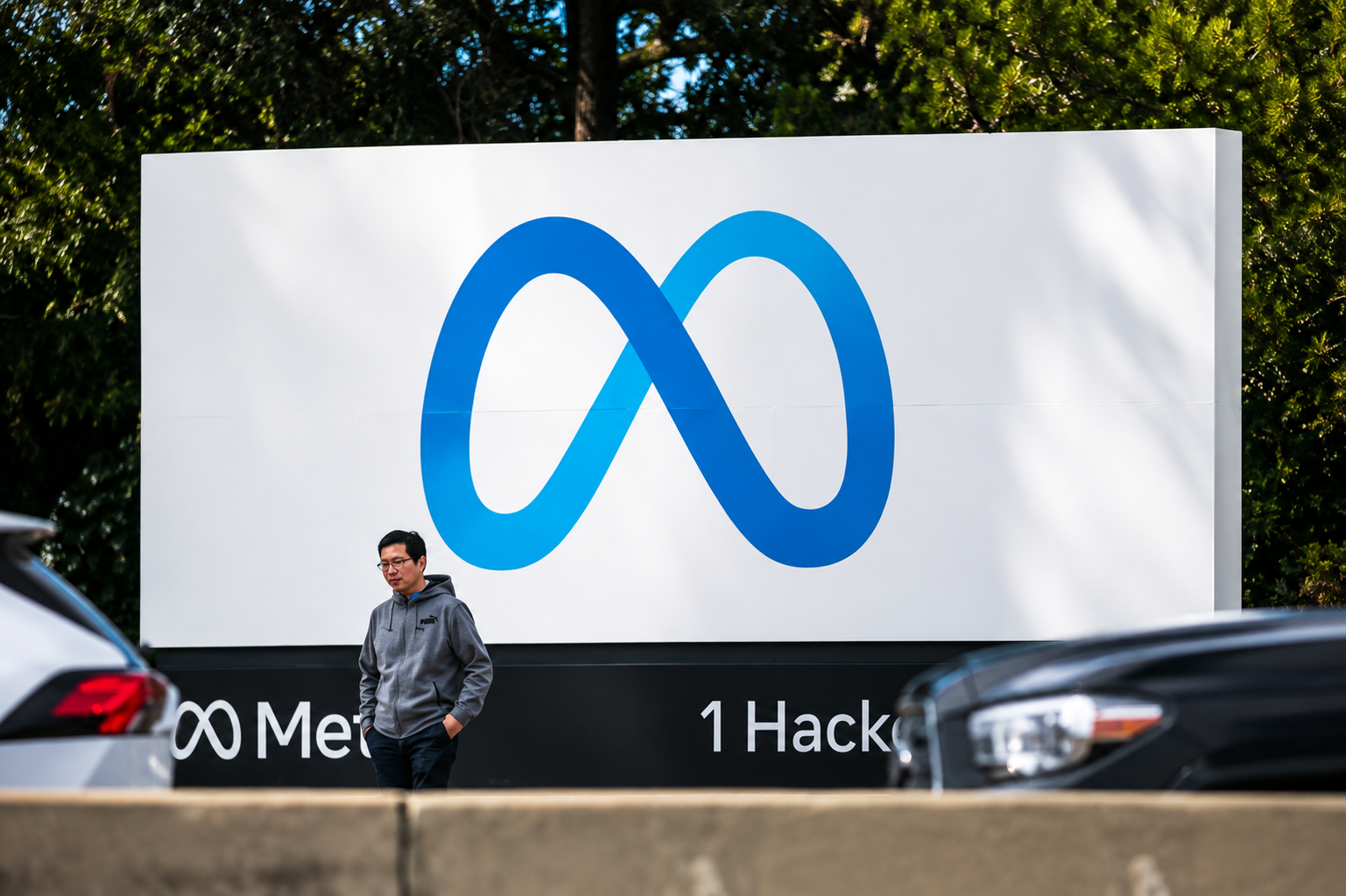
“Call us optimists. Call us dreamers. Call us whatever the hell you want, but we’re betting on people, and we like those odds. The future is for everyone.”
That ad copy is from the voice-over of a July Meta Platforms META -3.38%.
spot that’s been part of a public-relations blitz to position Meta as the humanist AI company. The message was undercut by the ad’s inclusion of David Bowie’s “Five Years,” a brooding 1972 song about an impending apocalypse. But this week CEO Mark Zuckerberg left no ambiguity, publishing a 6,500-word manifesto—about 10 times the length of this newsletter—with a title that echoed the ad: “The Future is for Everyone.”
That seems to be Meta’s new tagline. In light of sinking public opinion and the company’s thousands of lawsuits from states, school districts, parents, and users, Meta’s public relations have been defensive. This push represents a return to offense, with a chance to distinguish Meta’s approach to AI from other labs like OpenAI, Anthropic, or SpaceX SPCX +9.65%.
“It is surprising that the discourse from many developing AI is so filled with doom,” Zuckerberg wrote. “I do not understand why anyone who believes that AI will eliminate most jobs and much of humanity’s relevance would rush to build that future.”
Zuckerberg frames what sort of future we build with AI as the central issue of our time. “We believe that delivering superintelligence to everyone is the way to answer this question,” he says. “This has the potential to begin a new era of personal empowerment where individuals can use this powerful new capability to reach their full potential, pursue their interests, and improve their lives and the world more than ever before.”
The flood of words belies the situation on the ground in mid-2026. Americans, at least, have a love-hate affair with social media. A November Pew Research Center poll reported that 71% of U.S. adults used Facebook, and 51% used Instagram. Worldwide, 3.6 billion people use at least one Meta app every day.
But in a Reuters/Ipsos poll conducted in July and August, 61% of respondents said they wanted more government oversight of social media, and two-thirds supported laws to keep children under 16 years old off the platforms. When it comes to Meta in particular, in the 2026 Axios Harris 100, an annual poll about corporate reputation, Meta placed 96th out of 100. It’s only above two other social media companies, Chinese ultracheap retailer Temu, and Spirit Airlines, a defunct air carrier. Regarding ethics, Meta came in last, and it was only ahead of TikTok in trust.
The steady drip of headlines in the teen social media trials isn’t helping. Last week, Meta lost a judgment in New Mexico state court that raised their liability in that relatively small jurisdiction to nearly $1 billion dollars. On Wednesday, jury selection began for a federal case with four states suing Meta over addictive product design, and false marketing that said its platforms were safe for teenagers. In July, Meta claimed that the states are asking for a total of $1.4 trillion in damages, in addition to design changes in the apps. This is part of a multidistrict litigation, where thousands of federal trials with social media defendants are coordinated in Judge Yvonne Gonzalez Rogers’ district courthouse in Oakland, Calif.
There is a separate such group of thousands of cases in California state court, mostly with individual plaintiffs. The steady drip of bad headlines from the courts will continue unless Meta decides to settle en masse.
Meanwhile, in the second quarter, Meta booked “$2.40 billion of charges related to legal proceedings,” according to its quarterly filing. That may be just the beginning.
Zuckerberg spent 6,500 words getting his utopian message out, but I can sum it up in two: Trust us. The evidence is that Meta has a long way to go to win back that trust.
New research suggests that bonuses make employees feel more like a mere cog in a wheel.