






Knight Frank: Dubai’s Luxury Home Sales Reach Record High in 2024
The emirate recorded 435 sales above US$ 10 million, surpassing the 434 US$ 10 million+ transactions registered during 2023,
 4 min
4 min
Dubai’s luxury residential market achieved new heights in 2024, setting a new record for US$ 10 million+ home sales, according to the latest analysis from global property consultant, Knight Frank. The emirate recorded 435 sales above US$ 10 million, surpassing the 434 US$ 10 million+ transactions registered during 2023, further cementing Dubai’s position as the world’s leading market for luxury home sales.
The total number of sales above US$ 10 million in 2024 was bolstered by a remarkable performance in Q4, which saw 153 deals – the highest quarterly figure on record for this segment.
Faisal Durrani, Partner – Head of Research, MENA, explained: “Despite macroeconomic headwinds, Dubai’s attractiveness as a hub for international wealth continues to grow, with developers struggling to match the pace of demand for ultra-luxury residences.
“The magnetic attraction of the city is also reflected in the fact that Dubai’s population has crossed the 3.8 million mark, up by around 170,000, or 4.6%, during 2024 alone, which continues to create new demand for housing at all price points. Indeed, last year, house prices rose by 19.1%, leaving them 13.1% above the 2014 peak. It’s villas though where the attention of the global super-rich remains focused, with values rising by 20.2% last year, reflecting a 99.8% uplift on Q1 2020 levels”.

US$ 10 MILLION+ HOMES MARKET
The Palm Jumeirah remains Dubai’s luxury sales hotspot, recording 127 deals (29% of the total volume) worth over US$ 10 million in 2024, amounting to nearly US$ 2.3 billion of property sales and accounting for 32.5% of Dubai’s US$ 10 million+ sales by total value.
Dubai’s second palm-tree-shaped island, the Palm Jebel Ali, has been rapidly gaining momentum, finishing second in transaction volume with 36 deals. This underscores the immense appetite in the marketplace for luxury waterfront properties. The first properties on Palm Jebel Ali are expected to be handed over in 2027.
In terms of value, Emirates Hills ranked second, with US$ 514.5 million in transactions (7.3% of the luxury market). Jumeirah Bay Island, District One, and Dubai Hills Estate followed, contributing 6.7%, 6.6%, and 6.2% of the luxury market, respectively.
Villas accounted for 68.5% of all luxury deals, reflecting robust growth in this property type as Dubai strengthens its position as a global hub for luxury real estate, driven particularly by growing demand from international high net worth individuals. By comparison, villas made up 52% of sales above US$10 million in 2022 and 2023.
Petri Mannila, Partner – Head of Prime Residential, UAE, added: “Dubai has emerged as the world’s leading market for luxury home sales, an enviable position given the relatively young age of the market. The explosive arrival of the city on the luxury homes market stage coincides with an influx of ultra rich residents who are relocating to the emirate with their families and businesses”.
52% of all luxury sales in 2024 occurred in the primary (off-plan) market, with the top three developers—Omniyat, Nakheel, and Emaar Properties—accounting for a combined 46% of these transactions, representing 19%, 16%, and 11% of luxury sales, respectively.
Emaar’s The Oasis – Lavita, located adjacent to Jumeirah Golf Estates, launched in Q3 2024 and has already emerged as the most popular luxury development of 2024, with 29 out of 43 villas already sold for over US$ 10 million, according to Knight Frank.

PRIME HOMES MARKET
Dubai’s prime residential market, which Knight Frank defines as the Palm Jumeirah, Jumeirah Bay Island, Jumeirah Islands and Emirates Hills, has experienced a surge in performance as well.
During Q4 2024, average transacted prices in Dubai’s most affluent neighbourhoods reached AED 6,626 per square foot, marking a 6% increase compared to Q4 2023. The Palm Jumeirah continued to dominate the prime market, accounting for two-thirds of all prime deals with 105 transactions. The average sales price of homes on the Palm Jumeirah rose to AED 7,305 per square foot, reflecting a 15% increase from Q4 2023.
Mannila continued: “Dubai’s US$ 10 million homes market has seen extraordinary sales growth despite a prolonged decline in the availability of luxury homes. Since mid-2023, the supply of luxury properties has steadily decreased as developers struggled to meet the surging demand from both Dubai’s elite and the global HNWI”.
Knight Frank says while the listed supply began to recover in Q3 2024, showing slow but steady growth, the Q4 total of 805 US$ 10 million+ listings remains 14% lower than Q4 2023. Overall, the number of homes priced above US$ 10 million dropped by 40% in 2024, with just 2,490 properties listed compared to 4,120 in 2023.
US$ 25 MILLION+ HOMES MARKET
Demand at the very top of the market remains resilient, with US$ 25 million+ home sales showing remarkable consistency despite fluctuations earlier in the year. The number of transactions rebounded strongly in Q4 2024, reaching 15 deals – just one deal short of the previous record set in Q3 2023, underscoring the enduring strength of Dubai’s ultra-luxury property market.

After three decades in Manhattan, event designer Michelle Rago transformed a 100-year-old Sears kit house in Lambertville, New Jersey into a modern riverside retreat—lifting the entire structure six feet and redesigning it for entertaining, light, and timeless character.

Saudi-based Dar Al Majed Real Estate has increased its credit facilities with Banque Saudi Fransi (BSF) to SAR684.5 million, up from SAR550 million, to support the expansion and development of its real estate projects. The amended financing agreement will run until December 31, 2028, according to a filing on Tadawul.
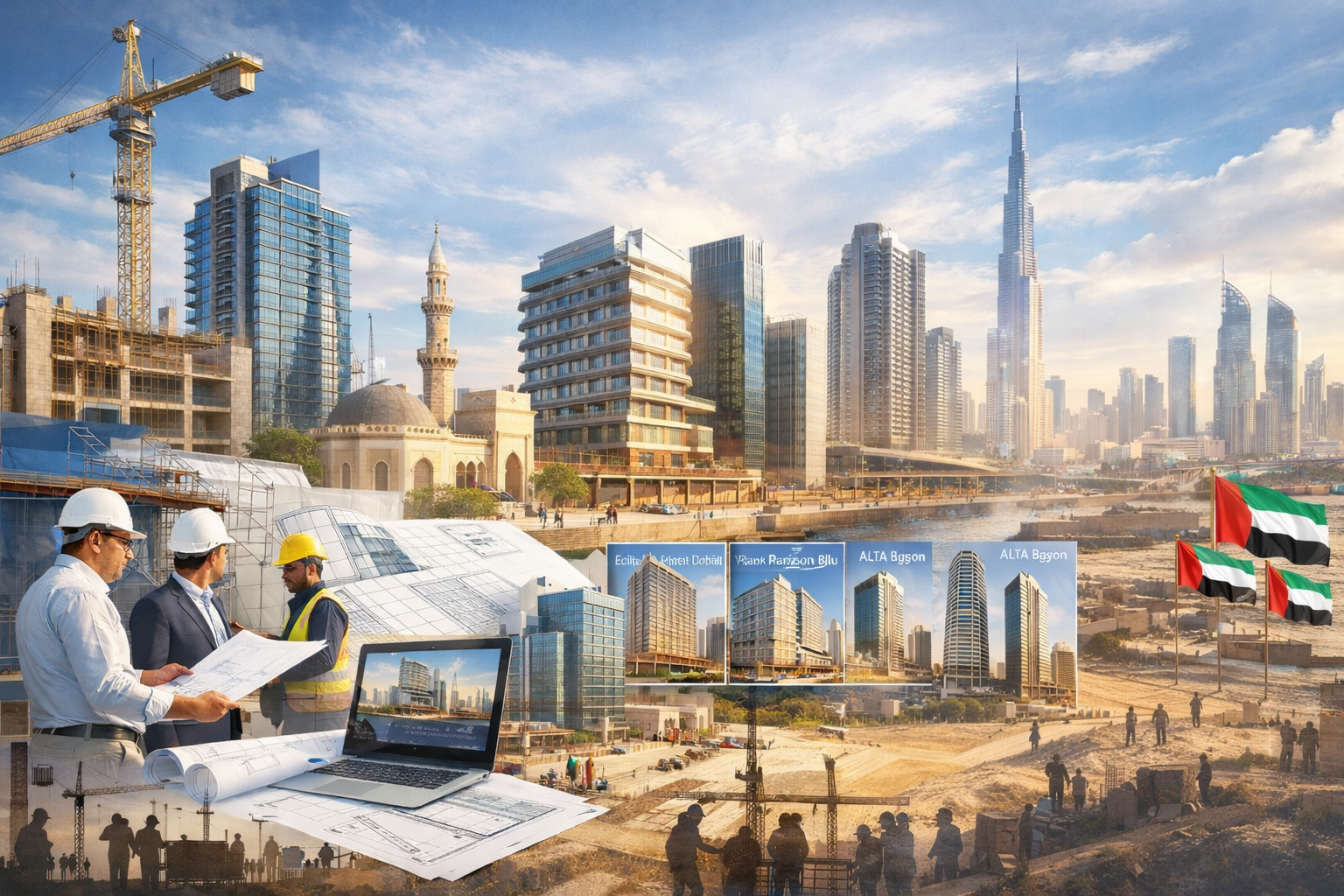
Dubai-based architectural and engineering consultancy Access Consult is entering a new phase of growth after delivering 800+ projects across the UAE over the past 27 years. The firm’s fully integrated in-house model supports developers and public sector clients with end-to-end services from concept design and approvals to construction supervision and project handover, while its digital delivery systems help accelerate timelines and streamline project execution across the region.
Emaar Properties reports record 2025 performance, with property sales reaching AED 80.4 billion and revenue up 40% year-on-year, as shareholders approve a 100% dividend payout of AED 8.8 billion.
2 min
Emaar Properties PJSC (DFM: EMAAR) today held its Annual General Meeting (AGM), where the Board of Directors reviewed the company’s financial performance for 2025 and outlined its strategic priorities for the period ahead.
During the AGM, shareholders approved a 100% dividend payout, amounting to AED 8.8 billion (US$ 2.4 billion), reflecting the company’s commitment to delivering sustained value to its shareholders and in line with the dividend policy announced in December 2024. The meeting also included the approval of the auditor’s report for 2025, together with the Board’s report on the company’s activities and financial position.
Emaar’s financial results for 2025 highlighted another year of strong operational momentum and growth across its key business segments. The company recorded its highest-ever property sales of AED 80.4 billion (US$ 21.9 billion), representing a 16% increase compared to 2024. Emaar’s revenue backlog from property sales reached AED 155 billion (US$ 42.1 billion), providing strong visibility for future revenue recognition.
Total revenue for 2025 reached AED 49.6 billion (US$ 13.5 billion), reflecting a 40% year-on-year increase, while EBITDA grew by 33% to reach AED 25.6 billion (US$ 7 billion). Net profit before tax reached AED 25.7 billion (US$ 7 billion), marking a growth of 36% compared to the last year.
Emaar’s diversified portfolio continued to drive performance across its core businesses, including property development, malls, hospitality, leisure, and international markets. The company remains focused on delivering its projects as scheduled while maintaining a strong emphasis on quality, customer experience, operational excellence, and long-term sustainable growth.
Mohamed Alabbar, Founder of Emaar, said: “Our 2025 performance reflects the strength of the UAE’s leadership and the clear vision that continues to shape Dubai as one of the world’s most dynamic and trusted destinations for investment and growth. This environment enables companies like Emaar to plan with confidence, innovate, and deliver long-term value. I would also like to recognize the dedication of our teams whose commitment to quality and execution continues to drive our success.”
Looking ahead to 2026, Emaar will continue to introduce new developments and lifestyle destinations while further enhancing its operational capabilities and expanding its footprint across key markets.

Parts for iPhones to cost more owing to surging demand from AI companies.

Paine Schwartz joins BERO as a new investor as the year-old company seeks to triple sales.


S&P: no liquidity pressure on UAE developers despite regional tensions, with manageable debt levels and strong funding positions.
< 1 min
S&P Global expects no liquidity pressures on four of its rated developers amid the US-Israel and Iraq war.
The companies rated include Dubai-listed Emaar Properties, PNC Investments, Omniyat Holdings and Damac Real Estate Development.
Developers were active in the sukuk and debt capital markets to raise funds to finance land acquisitions in 2025-2026, the rating agency said in a new report.
Damac and Omniyat each issued $600 million sukuk in February and March 2026, respectively, while PNC Investments and Omniyat issued $1.25 billion and $900 million, respectively, in 2025.
“Debt maturities remain quite manageable in 2026 for the companies without the need to raise new funding,” S&P stated.
Capital expenditure (capex) needs for pure developers are limited, while investments in small community projects are expected to generate recurring revenue.
“Damac, Omniyat and PNC investments are negligible over our forecast horizon (2024-2027),” the report added.
However, Emaar has sizable, planned annual capex plans of AED10-11 billion ($2.72-3 billion) in 2026-27, much of which is earmarked for Dubai Creek Mall, the Dubai Creek Tower, the development of residential units for leasing and investments in mall assets, especially the expansion of Dubai Mall.
“We think a significant portion of the company’s investment remains flexible as some projects can still be delayed, if needed,” the report said.
Although it is still early to draw definitive conclusions, S&P expects investment decisions to be recalibrated or postponed for all developers.
Commitments for assets nearing completion are likely to proceed, but companies with flexibility will prioritise liquidity and cash flow over new
investments and land purchases, the report said.

New research suggests that bonuses make employees feel more like a mere cog in a wheel.
Many of the most-important events have slipped from our collective memories. But their impacts live on.

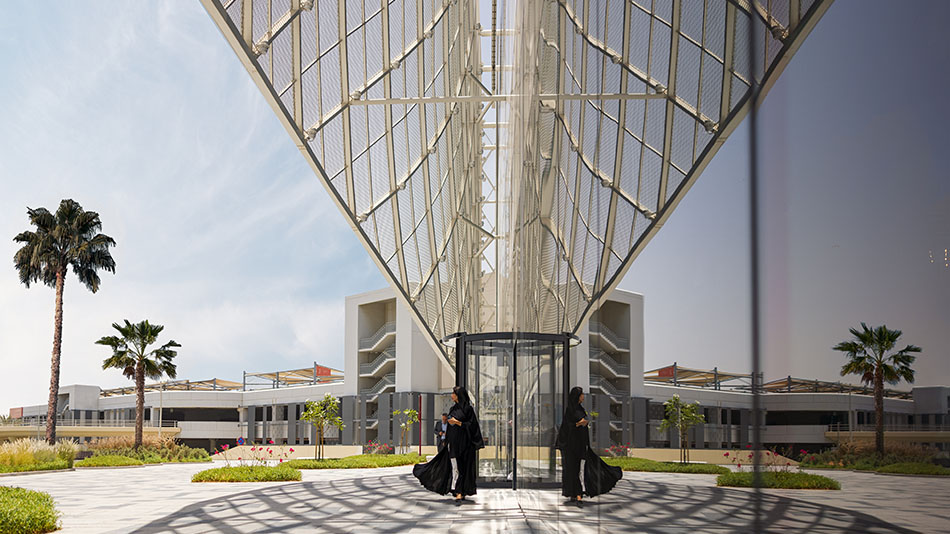

AI is reshaping how people buy and sell property, offering smarter insights and faster decisions—while raising concerns over accuracy and potential bias in high-stakes real estate deals.
4 min
Artificial intelligence is opening new avenues of information to home buyers, sellers, and renters. It’s changing the way people shop for real estate—for better or worse.
Consumer use of AI will shape more deals as the use of large-language model platforms such as OpenAI’s ChatGPT and Google’s Gemini become common. In a survey of 1,000 U.S. adults, Realtor.com found that 82% of respondents used AI platforms for real estate insights. The majority of those surveyed said it was a positive use of their time. (News Corp, which owns Barron’s, also runs Realtor.com through its Move subsidiary.)
The platforms are the latest in a long line of digital tools the general public can now use in a home search or sale. Information such as sale price or tax history, which today can take seconds to track down, was harder to locate before real estate data was digitized and listings moved online.
“The beauty of what AI has done is that it’s expanded that world even more,” says Ines Hegedus-Garcia, a managing partner at the southern Florida-based Avanti Way Realty. “The fear is that it doesn’t always get it right.”
That research is critical when it comes to bigger-ticket purchases, he notes. Access to more information can give a buyer or seller valuable insights—but that data can also be wrong in ways that aren’t immediately obvious or can reinforce prior assumptions. That can have real-world consequences, with thousands of dollars potentially on the line.
When I tested platforms such as Gemini and ChatGPT on places I’ve lived, they mixed verifiable facts—such as 311 complaints or air quality concerns—with incorrect or vague assertions. In one instance, one warned that noise from a bar a mile away—well out of earshot—could make it hard to sleep.
It’s not uncommon to encounter incorrect details: OpenAI pointed Barron’s to an FAQ page titled “Does ChatGPT tell the truth?” Those using the tool should “use ChatGPT as a first draft, not a final source,” the website advises. “Always verify quotes, data, technical information or references to external documents.”
In an Instagram video, celebrity real estate agent Ryan Serhant detailed a multimillion-dollar deal that was nearly derailed because an AI platform told both the buyer and seller they were getting ripped off.
“The buyer said ‘is $50 million too high?’ And so then the model leaned cautious and then obviously found reasons that it was overpriced,” he told Barron’s. “The seller said: ‘is $50 million too low?’ The model leans opportunistic and then found upside.” Both parties eventually came back to the table after Serhant’s video went viral, he says.
For its potential pitfalls, there are plenty of helpful ways consumers use AI models in property searches. “Clients are smart—they know that the final answer they get from ChatGPT is not the end-all, be-all,” says Texas Re/Max agent Todd Luong.
House hunters are using the tools to narrow down neighborhoods, price ranges, and other details before they set foot in a home, says Carrie Lysenko, chief technology officer at brokerage eXp.
“Buyers and sellers are coming to the table being a lot more educated than they used to,” she says. Proactively slimming down ones’ options saves everyone time, she adds: “It potentially goes from seeing 100 homes to narrowing down [to] 20 homes.”
AI models can be helpful for gaming out hypotheticals, such as estimating monthly mortgage payments. “A lot of AI-assisted conversations quickly gravitate toward constraints,” says Josh Weisberg, senior vice president of AI at housing technology company Zillow Group. “Things like budget and affordability are often at the center, and people commonly combine multiple requirements at once.”
A Google spokesperson noted in an email that Gemini can help brainstorm a home’s layout using floor plans, parse listings for potential issues, and estimate the return-on-investment of home renovation projects, among other uses.
Luong, the Texas agent, says clients find the tools useful for visualizing home improvement projects, including suggestions for paint colors or flooring. “Now they don’t always have to ask me for suggestions,” he says.
He also expects them to use the platforms as a sounding board to gut-check market information and prices. He has started proactively asking such models questions so he can be prepared for what they might be telling his clients, he says.
AI can be helpful in digesting large quantities of text, such as homeowners association documents, says Ben Clark, a Utah-based agent and president of the National Association of Buyers’ Agents. “It doesn’t replace your obligation or your responsibility to read through HOA documents, but you can certainly use it as a tool,” he says.
Real estate companies have been building their own AI tools. Zillow offers virtual staging tools on certain listings and integration with ChatGPT. Homes.com parent company CoStar Group recently launched a home search chat bot that users can talk to or text. Redfin, owned by the mortgage company Rocket, lets users peruse homes with help from a virtual assistant. All three stocks are down more than the Dow Jones Industrial Average this year due in part to housing market headwinds.
Gaming out a home’s fair value is one place where large platforms can leave something to be desired, agents say. Housing market conditions can change long before comparable sale information becomes public, agent Serhant notes.
Buyers and sellers should be careful what they ask for—and how they ask it. Consumers’ platform of choice can easily fill the affirming role family, or a lawyer, might have in the past, Serhant says: “The response frames assumptions based on how the question is asked, and then it optimizes to give you a coherent answer, not an objectively correct one.”
In the latter case, “there may literally be nothing wrong with the house,” says Clark, the Utah agent. “But it’s going to find something because it knows you want it to.”
Paine Schwartz joins BERO as a new investor as the year-old company seeks to triple sales.
The sports-car maker delivered 279,449 cars last year, down from 310,718 in 2024.



After three decades in Manhattan, event designer Michelle Rago transformed a 100-year-old Sears kit house in Lambertville, New Jersey into a modern riverside retreat—lifting the entire structure six feet and redesigning it for entertaining, light, and timeless character.
4 minAfter 30 years of living in Manhattan, event designer Michelle Rago decided to look beyond the city for a house, ultimately settling on Lambertville, the leafy New Jersey town where she spent part of her youth.
“I was touring the house across the street when my current home popped up on the MLS. My realtor looked at me and said, ‘Michelle, turn around…this house is now available and it’s fabulous,’” she recalled. “I literally jumped up and down, got tears in my eyes and we ran across the street. It was love at first sight. I made an offer the next day and the rest is history.”
After the excitement subsided, Rago was left with the realization that she had serious work to do.
“The house is a Sears & Roebuck kit, and over 100 years old. It had wonderful bones but the rooms were small, the flow stilted, and the addition added in the 1980s was very dated,” she said. “The windows needed to be updated and there were no porches on the back of the house which abuts the Delaware River.”
The mail-order kit house was a distinctly American architectural phenomenon from the early 20th century, when families could purchase an entire home from a catalog.
Having designed hundreds of parties in grand interiors around the world throughout her career, it was easy for Rago to envision what her new home could be.
“I wanted a nod to a London townhouse while leaning into my version of a modern Arts and Crafts feel. I wanted space to relay tranquility and be the perfect spot for entertaining,” she explained. “Apartment living never afforded me a formal dining room or a glamourous bedroom suite and bath so those desires were big drivers.”
The renovation became both a technical and emotional undertaking. The entire structure was lifted six feet and raised onto stilts, becoming the first officially lifted house in Lambertville’s history, turning the project into a community-wide event and future precedent. Rago relocated the house to a new plot of land in Lambertville, sitting directly across the river from New Hope, Pennsylvania.
To bring life to the house—which sits on land that once operated as a working farm and general store, with 150 year old trees still anchoring the property—Rago turned to Bryan O’Sullivan Studio, the London and New York City-based designers behind global luxury hospitality projects such as Claridge’s, the Connaught and Belmond.
Designed entirely around entertaining, flow and light, the house was expanded with a new formal dining room, grand entry foyer, powder room, service spaces, back porch, river-facing balcony, scullery and wine room. The staircase was re-engineered to create vertical drama, and the entire first floor was rebuilt post-lift to improve circulation. Outside, the grounds were reimagined into a park-like setting for gatherings, with a freestanding garage transformed into a late-night dance shack, a wink to Rago’s party-loving spirit.
Throughout construction, measures were taken to protect both the legacy and the landscape, including the preservation of a 150-year-old tree and the decision to return part of the property back to public use for the towpath.
“There was very little about doing a gut renovation of a 100-year-old property that could have been anticipated. The original construction and additions over the years were reflective of the times but certainly didn’t meet the state building codes of today or address the challenges of climate change. But its history is its heart, and makes every challenge worth it,” Rago said. “I am fascinated by the fact that George Washington and his troops were loitering on my stoop. I feel as if I have been entrusted with that history and that informed many of my choices.”
Mansion Global caught up with Rago, 61, who shared a more in-depth look at the renovation.
The one tip I’d offer to someone undertaking a renovation is… it is essential to stay true to what your passions are and ignore trends. Be true to what you enjoy and how you spend your time. Don’t worry if white marble is the “suggested” material for an island or if televisions are expected to be installed everywhere. Design a home and experience that is a reflection of how you spend your time.
The biggest challenge I faced during the renovation was… I did this project on my own so the biggest challenge was trusting my gut and teaching myself about the process. Navigating state codes and the reason something may not be possible takes patience and creativity.
My favorite room after the renovation is… when push comes to shove, my bedroom and bath are my sanctuary. There is nothing more indulgent than waking up on my meticulously designed bespoke bed and being surrounded by the art I have curated while the fire is cracking to my favorite music, cup of tea in hand.
The most dramatic change is… the six-foot addition that runs the length of the house to accommodate a foyer powder room, formal dining room, scullery and elevator.
The one expense I didn’t expect was… When the house was lifted I did not anticipate that the original brick and mortar on the first floor would be compromised. It was immediately apparent that the entire first floor would need to be rebuilt. Although overwhelming at the time, it did create the opportunity for me to rethink the footprint of the first floor.
I decided to renovate instead of buying a different/turnkey house because… it’s not possible for me to accept things as they are. A spec house would honestly be my worst nightmare.
The renovation ended up costing… the purchase of the Sears and Roebuck home was $825,000, and to lift it was another $100,000.
The sports-car maker delivered 279,449 cars last year, down from 310,718 in 2024.
Two coming 2027 models – the first of the “Neue Klasse” cars coming to the U.S. early next year – have been revealed.



Saudi-based Dar Al Majed Real Estate has increased its credit facilities with Banque Saudi Fransi (BSF) to SAR684.5 million, up from SAR550 million, to support the expansion and development of its real estate projects. The amended financing agreement will run until December 31, 2028, according to a filing on Tadawul.
< 1 minSaudi-based Dar Al Majed Real Estate Company has announced that it has signed an addendum to the credit facilities agreement previously concluded with Banque Saudi Fransi (BSF).
The addendum includes increasing the credit limit of the facilities granted to the company from SAR550 million ($146.4 million) to SAR684.5 million ($182.2 million).
This funding will be mainly used for Dar Al Majed’s expansion plans as well as development of its real estate projects, said the company in its filing to Saudi bourse Tadawul.
The amended financing will run until December 31, 2028, it stated.
The original facilities agreement with Banque Saudi Fransi was signed in November 2023, and disclosed in the company’s prospectus, said the statement.
The new addendum extends that agreement and sets a credit ceiling for project funding, it added.
Two coming 2027 models – the first of the “Neue Klasse” cars coming to the U.S. early next year – have been revealed.

Chris Dixon, a partner who led the charge, says he has a ‘very long-term horizon’



Dubai-based architectural and engineering consultancy Access Consult is entering a new phase of growth after delivering 800+ projects across the UAE over the past 27 years. The firm’s fully integrated in-house model supports developers and public sector clients with end-to-end services from concept design and approvals to construction supervision and project handover, while its digital delivery systems help accelerate timelines and streamline project execution across the region.
2 minAccess Consult, a Dubai-based architectural and engineering consultancy, is marking a new phase of growth after delivering more than 800 projects across the UAE over the past 27 years. The firm has evolved into a full-service design and engineering consultancy supporting developers and public sector clients with end-to-end delivery, from concept design and authority approvals through to construction supervision and handover.
Access Consult provides fully integrated architectural, structural, MEP, interior design, quantity surveying, project management, and supervision services, all delivered through in-house teams. This one-stop model allows the company to manage projects from A to Z while maintaining direct control over quality, timelines, and regulatory compliance. With a strong footprint across the UAE and a focus on Dubai, Access Consult has signed 10 new projects, completed three major developments, and grown its team by approximately 30 to 35% in the past year alone. This momentum supports the nation’s We the UAE 2031 vision for future-ready development, as 400,000+ units are under construction or planned for the next four years in Dubai alone.
The company’s portfolio features developers across residential, commercial, retail, healthcare, and mixed-use projects, serving private and public sectors. The firm works closely with government stakeholders, including Dubai Municipality and Dubai Electricity and Water Authority. Landmark developments across Dubai include the Edition Hotel Dubai, DSO Radison Blu Hotel, ALTA Tower, Guzel Towers, the Famous Marina Mosque and many more. Access Consult also supports major organisations such as National Bonds and regional developers across residential and commercial real estate, while also working on selected international projects across the EMEA region.
Arch. Mohamed Salah Seguen, CEO at Access Consult member of Excellence Consortium, said: “At Access Consult, we are very deliberate about how we grow. As a mid-sized consultancy, every project and every client relationship matters. Our focus is to deliver quality design, practical engineering, and dependable supervision from the first concept through to handover. Clients choose Access Consult for our fully in-house delivery, strong regulatory expertise, and speed without compromising standards. Looking ahead, our vision is to strengthen our position as a trusted UAE consultancy while expanding our capabilities to support more complex, design-led developments across the region.”
A core differentiator for Access Consult is its fully digital approach to design coordination and project delivery. By managing architectural and engineering workflows through integrated digital systems and overlapping design phases, the company typically reduces design and approval timelines by 30 to 50%. During construction, its structured supervision processes and on-site engineering teams help shorten delivery schedules by a further 20 to 30%, depending on project scope and contractor performance. This approach is reinforced by Access Consult’s position within a wider group of specialist companies, giving clients access to additional expertise across project management, façade engineering, and technical consultancy when required.
Building on nearly three decades of operation in the UAE, Access Consult continues to position itself as a trusted partner for developers seeking streamlined project delivery, regulatory expertise, and integrated design services under one roof. Looking ahead, Access Consult is prioritising continued investment in digital delivery processes while strengthening its presence across high-growth residential and commercial developments. Longer term, the company will broaden its business model to include project development and management services, building on its technical foundation and market experience.
With more than 800 projects completed and a growing multidisciplinary team, the firm remains focused on shaping practical, high-quality built environments that support the region’s evolving development landscape.
Two coming 2027 models – the first of the “Neue Klasse” cars coming to the U.S. early next year – have been revealed.

Americans now think they need at least $1.25 million for retirement, a 20% increase from a year ago, according to a survey by Northwestern Mutual


TownX has partnered with Regeny to install 29 EV charging spots at Luma Park Views in JVC—the highest number in a single Dubai tower—while Green Parking will manage retail parking across the development’s 20,000+ sq ft retail space.
< 1 min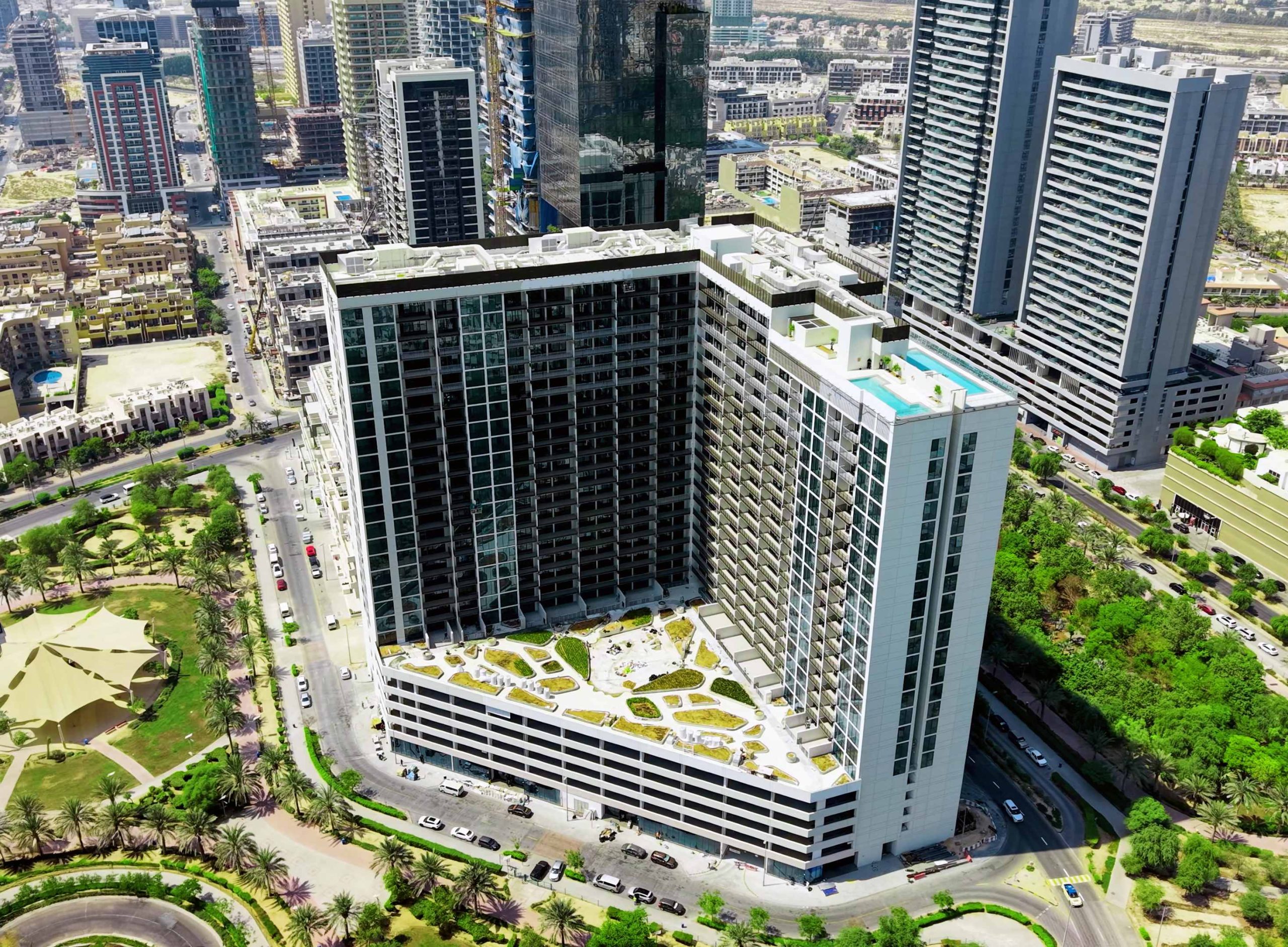
Dubai-based real estate developer TownX has partnered with Regeny, a leading electric vehicle (EV) charging solution provider, to operate 29 state-of-the-art EV charging spots at Luma Park Views, Jumeirah Village Circle.
With this partnership, Luma Park Views will now feature the highest number of EV charging slots in the city, reflecting TownX’s commitment to sustainability and the future of transportation. This expansion is a significant step towards promoting a greener and more sustainable urban environment.
TownX has also appointed Green Parking, the industry’s leader in retail parking management, to oversee the parking operations for over 20,000 square feet of retail space within the development. The partnership ensures efficient and innovative management of parking facilities while enhancing the overall retail experience for visitors.
Haider Abduljabbar, Executive Director at TownX stated: “Today’s announcement is a monumental step for both TownX and the city of Dubai. With the highest number of EV charging spots at Luma Park Views, we’re taking bold strides in supporting the future of clean transportation. This move underscores our dedication to sustainability and the reduction of our carbon footprint, aligning with the UAE’s vision for a green and innovative future.”
Anish Racherla, CEO, Regeny commented: “We are thrilled to collaborate with TownX to install and operate EV charging spots at Luma Park Views. This partnership not only supports the growing demand for EVs in Dubai but also aligns with our mission to provide reliable and eco-friendly charging solutions. Together, we are paving the way for a cleaner, more sustainable Dubai.”
Paine Schwartz joins BERO as a new investor as the year-old company seeks to triple sales.
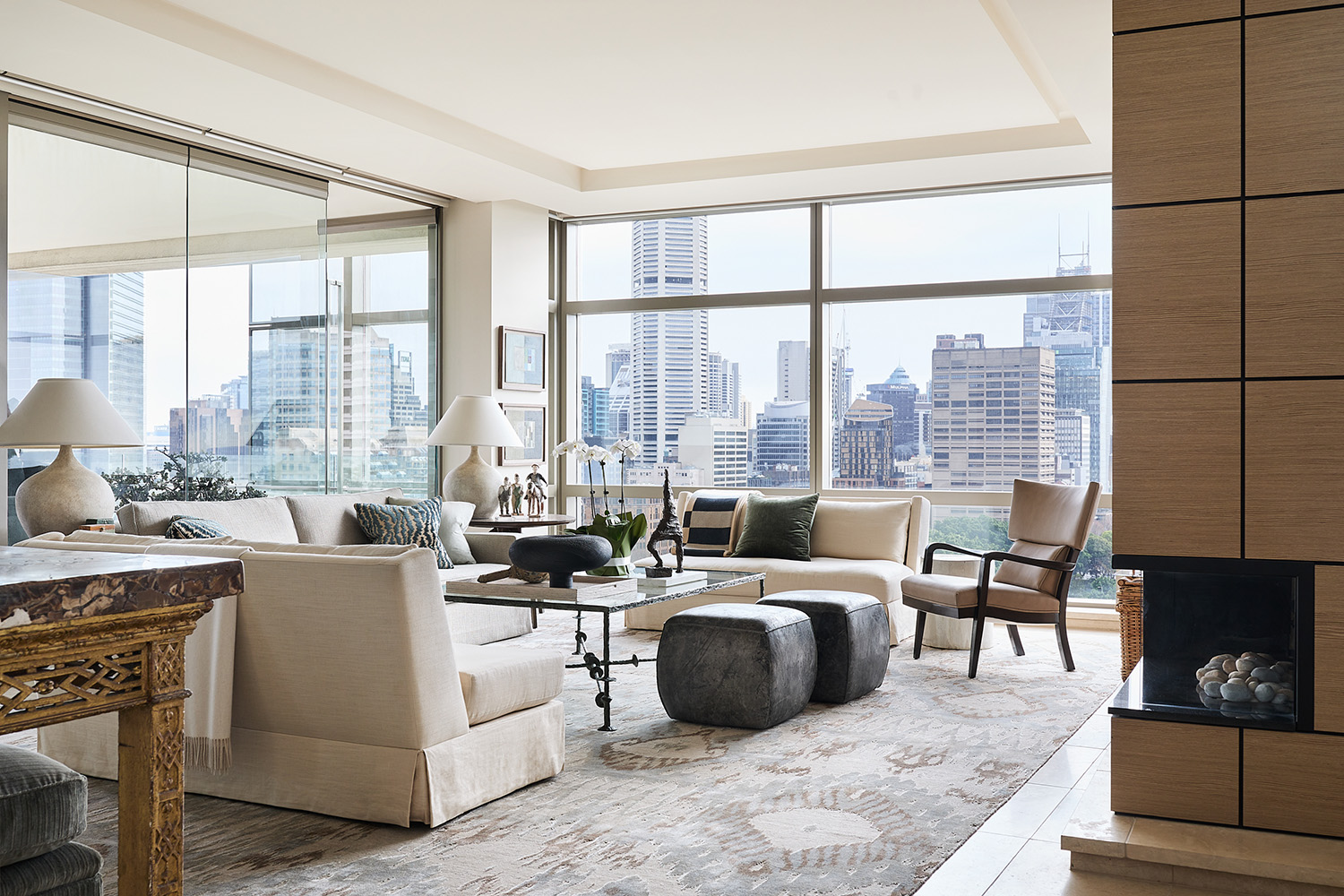
Interior designer Thomas Hamel on where it goes wrong in so many homes.



Cement sales in Saudi Arabia fell to 4.28 million tons in February, down 10.5% year-on-year and 16.3% month-on-month, mainly due to seasonal slowdown during Ramadan, according to Al Rajhi Capital.
< 1 min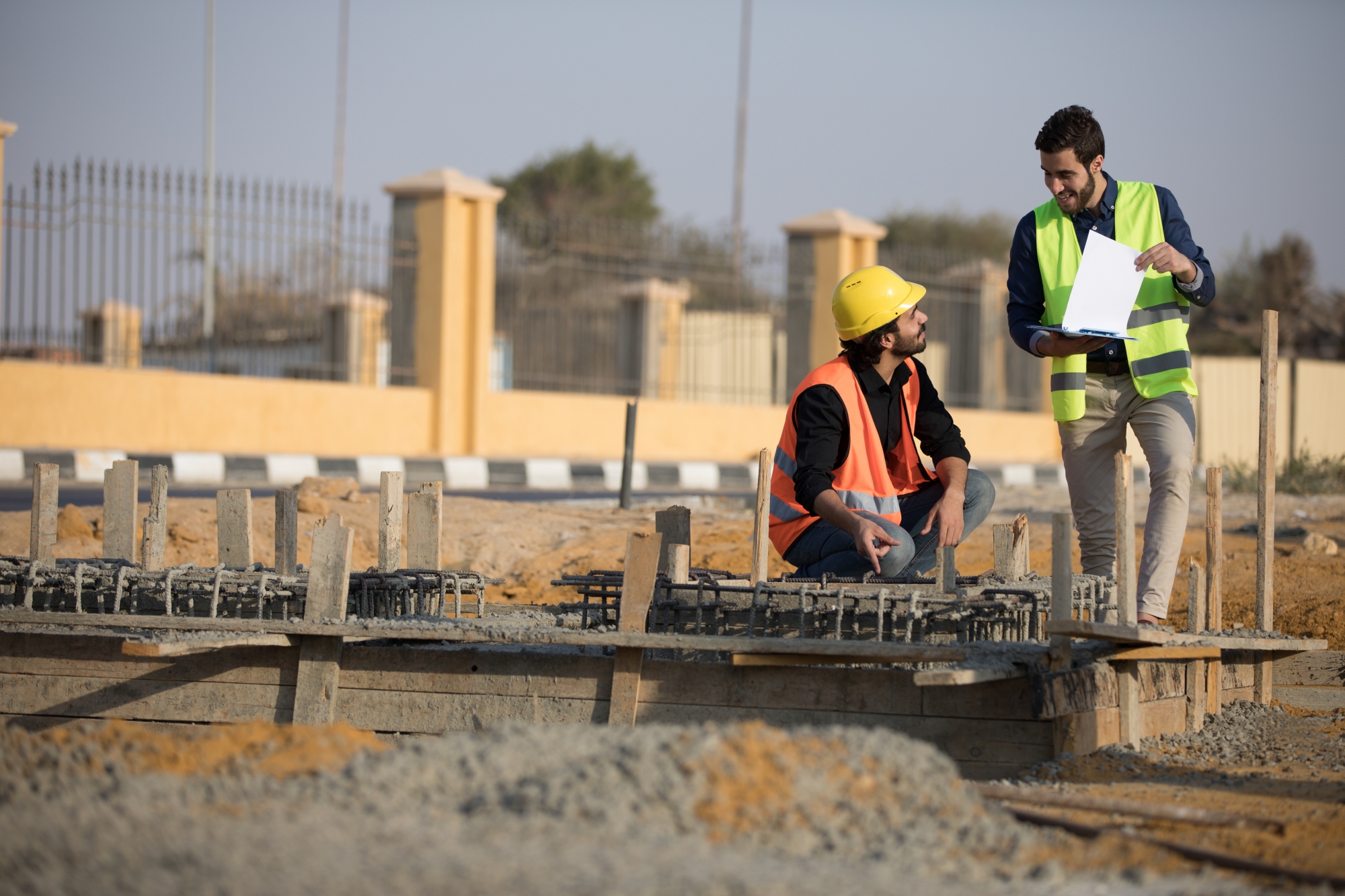
Cement sales volumes across the Kingdom of Saudi Arabia fell in February on both an annual (10.5% decline) and monthly basis (16.3%) to 4.28 metric tonnes, thus reflecting softer demand mainly due to Ramadan season, said a report by Al Rajhi Capital, a leading financial services provider in the kingdom.
Yamama Cement recorded 11.6% y-o-y growth, commanding 15.2% market share in the month of February, it stated.
Al Rajhi Capital said the clinker inventory too fell by 0.3% m-o-m to 42.7MT with Southern cement holding the highest inventory (20 months of LTM avg. sales).
This is mainly driven by Ramadan related seasonality which is expected to persist for the majority of the March month. Last year, the impact was largely absorbed in the month of March.
Among the coverage companies of Al Rajhi Capital Research, only the Yamama Cement recorded y-o-y growth of 11.6%. while all other companies posted y-o-y decline.
Geographically, the Eastern region was the sole gainer that reported growth of 1.5% y-o-y, mainly driven by Eastern Cement (+16.7% y-o-y). While the Northern and Southern region sales plunged 21.8% and 16.1%, respectively, it stated.
On its clinker inventory, Al Rajhi Capital said it fell by 0.3% m-o-m to 42.7 MT as of February 2026. Among its coverage companies, Riyadh Cement holds the lowest inventory levels (4 months of LTM average sales vs. industry average of 11 months), followed by Saudi Cement as well as Yamama Cement at 6 months, and Qassim Cement at 9 months, said the financial powerhouse in its report.
Najran Cement has an inventory of 13 months, followed by Arabian Cement and Yanbu Cement at 14 and 15 months, respectively. Southern Cement had the highest inventory level of 20 months, it added.
Two coming 2027 models – the first of the “Neue Klasse” cars coming to the U.S. early next year – have been revealed.
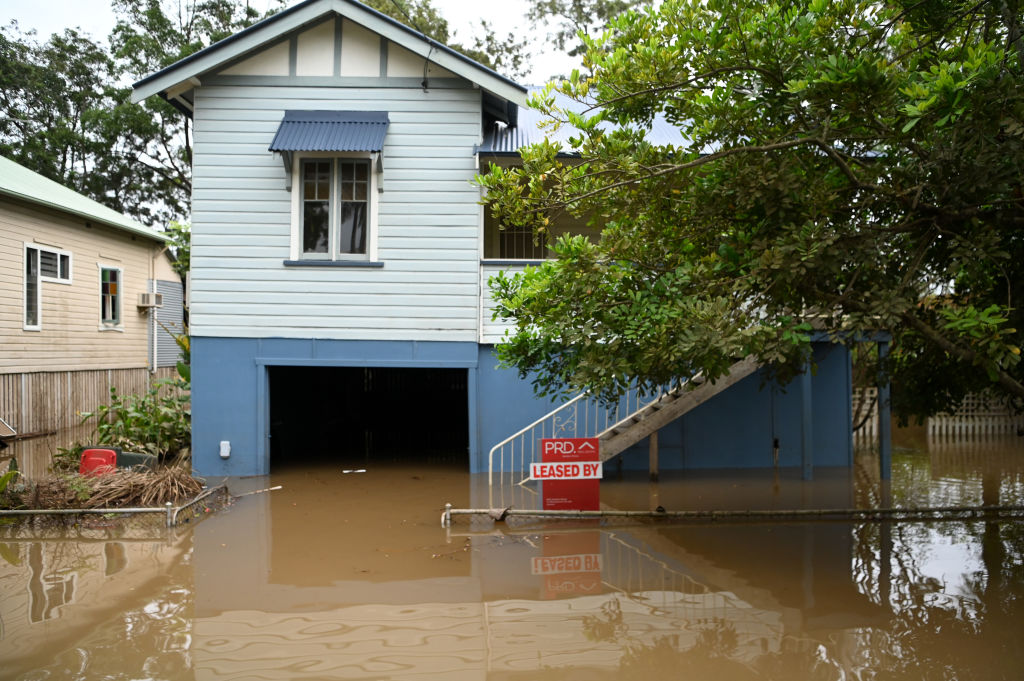
Following the devastation of recent flooding, experts are urging government intervention to drive the cessation of building in areas at risk.

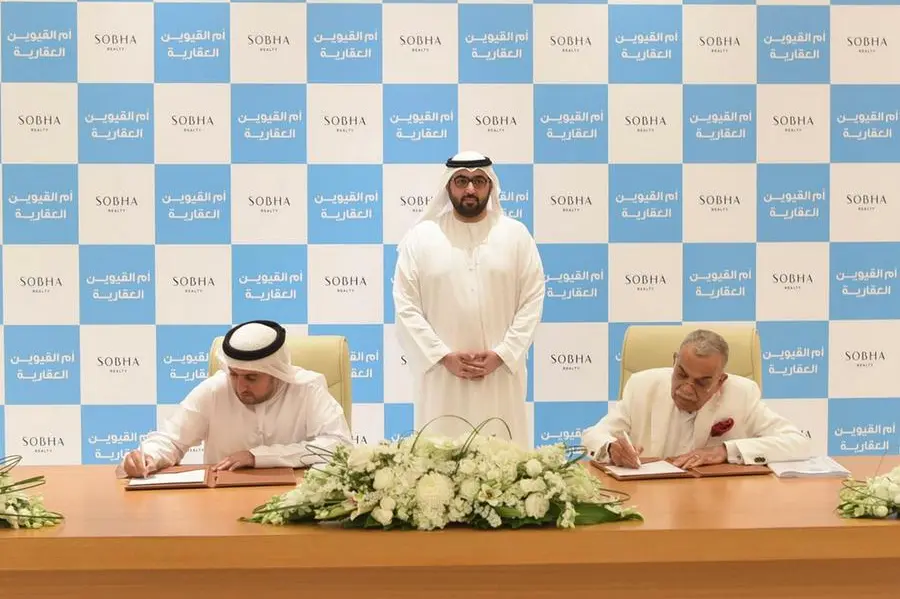

Kuwait’s real estate market surged in February, with transactions up 20.4% year-on-year to 577 deals and total value jumping nearly 70% to KD615.83 million. Residential led activity, while commercial real estate saw exceptional growth. Investment assets remained strong, even as industrial and retail segments recorded declines.
2 min
The local real estate market witnessed remarkable quantitative and qualitative growth in February, with 20.4 percent increase in the number of deals, equivalent to 98 transactions, and 69.64 percent increase in value, amounting to KD252.82 million year-on-year compared to February 2025.
The newspaper obtained a copy of the monthly report from the Real Estate Registration and Documentation Departments at the Ministry of Justice, revealing the registration of 577 real estate transactions worth KD615.83 million in February this year, compared to 479 transactions worth KD363.01 million within the same period last year.
This growth is attributed to the increased transactions in the commercial, investment, residential and nursery sectors, while transactions in the crafts and retail sectors declined.
The residential sector ranked first in terms of the number of transactions, accounting for 61.8 percent of total monthly trading with 357 deals valued at KD169.32 million, compared to 334 deals valued at KD138.04 million within the same period last year.
This is 6.9 percent increase in volume (23 additional deals) and 22.6 percent increase in value (KD31.28 million), reflecting the growing value of private transactions year-on-year amidst regulatory developments in the sector.
The investment sector also recorded significant annual growth, with 158 transactions valued at KD164.31 million.
This is 27.4 percent increase in the number of transactions (34 additional deals) and 12.8 percent increase in value (KD18.76 million), compared to 124 transactions valued at KD145.55 million in February last year, indicating the sector’s continuous attractiveness to investors.
The commercial sector achieved outstanding annual performance, registering 255 percent quantitative growth (23 additional transactions) and 224 percent qualitative increase (KD127.25 million).
The total number of commercial transactions reached 32, valued at KD183.94 million, compared to nine transactions worth KD56.7 million in February 2025.
This shows the rising demand for commercial real estate since the beginning of the year. On the other hand, the industrial real estate sector experienced a remarkable decline, with 77.7 percent decrease in the number of transactions (seven fewer transactions) and 92.4 percent decrease in value (KD19.85 million). Only two transactions were recorded, valued at KD1.63 million, compared to nine transactions worth KD21.48 million in February last year.
The retail sector witnessed a decline of 66.6 percent and a qualitative decline of 20.9 percent, recording only one transaction worth KD1.5 million, compared to three transactions worth KD1.24 million during the same period last year. The nurseries sector recorded 21 transactions worth KD79.28 million, and the warehouses sector recorded six transactions worth KD 15.85 million, compared to no transactions recorded in both sectors in February last year.
New research suggests that bonuses make employees feel more like a mere cog in a wheel.
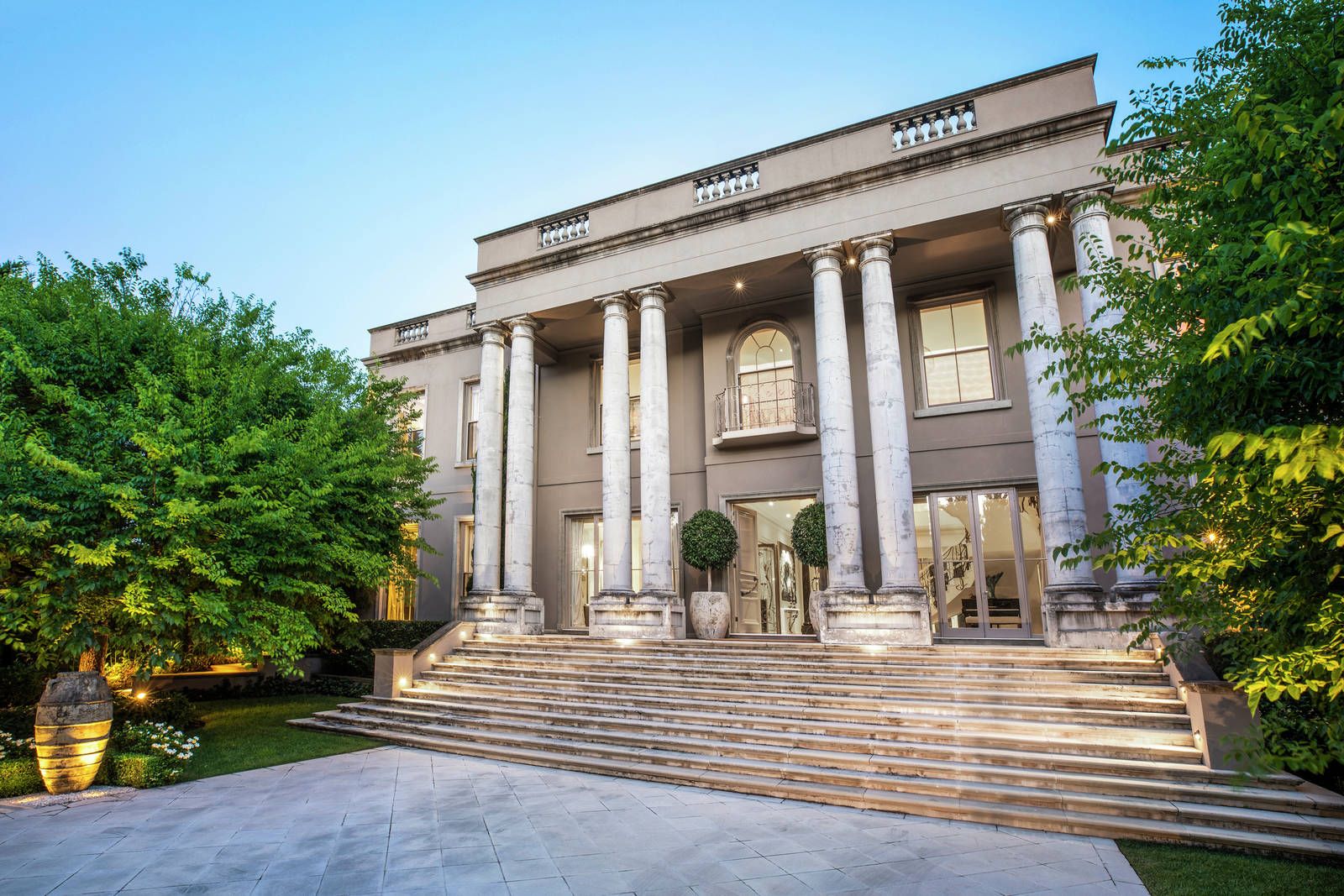


Dubai’s property market is shifting from speculation to disciplined, capital-driven investment. VVS Estate says strategic capital now represents 40% of activity, supported by stronger regulation and transparency. Data from Savills Middle East and JLL shows rising high-value and investor-led off-plan deals, pointing to long-term value over short-term momentum.
3 min
Dubai’s real estate market is moving away from the speculation-led dynamics that characterized 2014’s high, toward a more regulated, capital-driven environment in 2026.
According to new data from Dubai-based real estate advisory VVS Estate, strategic capital now drives approximately 40% of the city’s real estate market. This shift, based on the firm’s proprietary data, including customer insights, sales trends, and market analysis, is reshaping how risk, liquidity, and long-term value are evaluated across the market.
“While property cycles are often described in terms of volatility and momentum, Dubai’s current evolution is structural in nature, shaped by regulatory depth, improved transparency, and increasingly disciplined capital participation,” said Valentina Rusu, Founder of VVS Estate.
This trend is further highlighted in Savills Middle East’s Dubai Residential Market Report 2025, which highlights a notable change in transaction composition. According to data, the proportion of residential transactions priced above AED 5 million (USD 1.36 million) has risen to 9%, reflecting sustained appetite for higher-value residential assets.
VVS Estate believes growth at the top end of the market typically indicates strategic capital deployment rather than short-term speculative activity, reinforcing the market’s transition toward long-term investment behavior.
This up-market trend is supported by capital-flow data. According to JLL, investor-led activity continues to dominate Dubai’s residential sector. JLL’s Middle East and Africa Market Review and Outlook 2025 shows that off-plan transactions, widely viewed as a proxy for strategic capital allocation, account for over 60% of total residential transaction value, equivalent to approximately AED 223 billion (USD 60.72 billion).
Taken together, Savills’ pricing data and JLL’s capital-flow analysis point to a market increasingly shaped by deliberate allocation decisions rather than momentum-driven participation.
Insights from Property Finder further show that premium and branded residences now represent a growing share of overall transactions. With a higher proportion of deals occurring above AED 2,500 (USD 681) per sq ft, citywide averages have naturally moved higher.
“This is not inflation,” said Rusu. “It reflects a segmentation shift. Comparing today’s market directly with 2014 without adjusting for product mix oversimplifies the analysis.”
Dubai reached its previous market peak in September 2014. A decade later, prices have not only recovered but surpassed those levels.
According to the Dynamic Price Index published by Property Monitor, average apartment prices reached approximately AED 1,484 (USD 404) per sq ft in early 2025, more than 20% above the 2014 high, before exceeding AED 1,600 (USD 436) per sq ft by mid-2025.
However, VVS Estate notes that price recovery alone does not define market quality. “In 2014, growth was largely momentum-driven,” Rusu explained. “Today, performance is supported by regulatory reinforcement, escrow discipline, standardized registration, and improved execution transparency. The difference is structural.”
One of the most consequential changes since the previous cycle has been the strengthening of regulatory frameworks under the oversight of the Dubai Land Department.
Contract registration now operates within defined timelines through centralized systems, while escrow accounts follow milestone-based release mechanisms aligned with construction progress. These measures do not eliminate market risk, but they significantly reduce procedural uncertainty and execution risk.
“This regulatory depth has materially reshaped Dubai’s risk profile and increased its appeal to institutional and long-horizon capital,” Rusu said.
Market depth further reinforces this transition. Data from DXB Interact shows sustained secondary-market liquidity across prime communities, even at elevated price points, which is a hallmark of mature property markets.
Investor behavior increasingly reflects disciplined capital allocation, with buyers focusing on net yields after service charges, resale comparable, supply-pipeline concentration, and developer delivery consistency.
“Speculative markets depend on entry enthusiasm,” Rusu noted. “Structured markets depend on exit depth.”
According to VVS Estate, the most significant change underway in Dubai’s property market is behavioral rather than price-driven. Participation is shifting from excitement-led entry to allocation-driven decision-making, where capital is deployed strategically rather than reactively.
Investors are increasingly viewing Dubai as a structured capital environment, defined by regulatory clarity, liquidity depth, and global positioning, rather than a purely high-growth trade. That shift may be quiet, but it is what underpins durability.
Parts for iPhones to cost more owing to surging demand from AI companies.



The first phase of Keturah Ardh has sold out in just six months, with all 558 luxury townhouse plots snapped up for AED 1 billion, underscoring strong demand for premium freehold land in Dubai.
< 1 min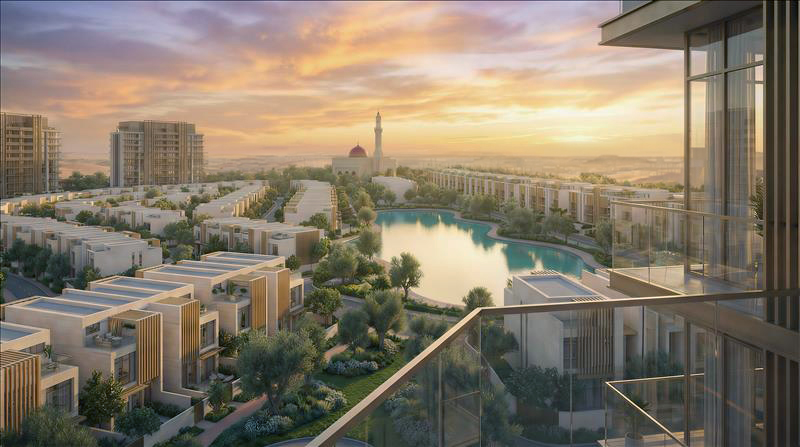
The first phase of Keturah Ardh, Dubai’s first heritage-wellness integrated luxury community, has sold out, with all 558 luxury townhouse plots acquired in just six months for AED1 billion.
fäm Properties, the exclusive master agency for master developer MAG Group, today confirmed the milestone, which reflects solid demand for premium residential land in Dubai, particularly freehold townhouse plots, one of the most limited and sought-after asset classes in the city’s luxury market.
“The sellout speaks for itself,” said Firas Al Msaddi, CEO of fäm Properties. “Residential plots with approvals for luxury townhouses are among the scarcest product types in Dubai, and buyers and investors responded accordingly.”
“True heritage-wellness communities are rare, and over the past four years, this segment has consistently led the market in both performance and investor interest.”
Located in the Al Rowaiyah First District, Keturah Ardh brings together traditional Arabic architectural principles with a fully integrated modern wellness approach. The 558 luxury townhouse plots are spread across 93 meticulously planned clusters, and phase one was brought to market with attractive payment plans.
The broader master plan blends Arabic heritage with advanced wellness concepts to create a self-contained lifestyle community. The name ‘Ardh,’ meaning ‘earth’ or ‘land’ in Arabic, reflects its ties to culture and nature.
The project reflects MAG Group’s 45-year dedication to quality and innovation, with amenities including spa and sauna facilities, yoga and pilates areas, running and cycling tracks, and extensive green spaces. Mature landscaping includes trees sourced from Italy, Spain, Thailand, and Africa.
Infrastructure is being delivered in Q1 2026, with construction starting in Q4 2026, and full completion expected by 2030.
Keturah Ardh is the fourth major project in the Keturah luxury portfolio, following Keturah Reserve, Keturah Resort: The Ritz-Carlton Residences at Al Jaddaf, and Keturah Bahar.
New research suggests that bonuses make employees feel more like a mere cog in a wheel.


Commercial real-estate stocks have fallen as investors fear AI could erode brokerage fees and shrink office demand, despite strong earnings from major firms.
3 min
Commercial real-estate firms have a bruising fight on their hands: convincing investors that you need humans to sell stores, warehouses and offices.
Nothing less than the industry’s future is at stake. Investors are assessing whether AI could eat away at the broker industry’s lucrative advisory fees and commissions while virtually eliminating niche businesses such as appraisal.
Many investors are already dumping real-estate stocks. Shares of CBRE Group, the world’s largest commercial real-estate services firm, recently posted fourth-quarter results with record revenue, record earnings and a 2026 outlook that beat expectations. Its shares fell 8.8% that day, after falling nearly 12% earlier in the week.
The stock prices for peers such as JLL, Cushman & Wakefield and Newmark Group also nosedived, wiping away tens of billions of dollars of market capitalization for the sector.
Industry leaders were quick to push back, maintaining that their firms will mostly profit from artificial intelligence. They point to the potential to cut research and back-office costs while capturing new business tied to AI-driven demand, including data-center development, management and leasing.
Executives also play down the risks of disruption. They say most property deals remain complex negotiations grounded in proprietary market intelligence and longstanding relationships that technology can’t replicate.
“We don’t get our brokerage leads online somewhere,” CBRE Chief Executive Robert Sulentic said on his company’s earnings call.
Real estate shares recently regained some of the ground they lost. But numerous AI startups pouring into real estate are also stoking fears.
“The threat is the 28-year-old broker with AI who can deliver in two hours what used to take you two weeks,” said Francis Huang, co-founder of Apers AI, a startup that designs AI systems for allocating capital in commercial real estate.
Real estate is the latest industry where investors are assessing whether AI will hollow out labor-intensive business models and compress margins at companies that sell expertise at high prices.
The biggest threat to commercial real-estate services firms, however, may not be that bots replace brokers. It is that AI quietly shrinks the office-using economy itself.
If companies can do the same work with fewer employees, they may need fewer desks, fewer floors and fewer leases, putting a long shadow over one of the industry’s largest fee pools. Big office real-estate investment trusts are all down. SL Green Realty shares have fallen more than 15% this year.
CBRE’s Sulentic acknowledged the risk, saying that “if there are less office workers in the long run as a result of AI, there will be less demand for office space.” But any such shift, he added, would take time and wouldn’t be an imminent threat to his business.
Commercial real-estate companies generate tens of billions of dollars in revenue each year with a formula built on relationships, local market intelligence and the human touch in negotiating complex deals. Top brokers walk the floors of countless buildings, swap insights over bad coffee, and turn years of schmoozing into multimillion-dollar commissions.
Still, new technologies have blindsided these firms before. CoStar Group pushed into the data business, creating dominance over information on building size, age, tenants and sale prices—data that the established firms once controlled and now pay CoStar dearly to access.
CoStar’s rise was “one of the biggest failures of our industry,” JLL CEO Christian Ulbrich said in a 2019 interview with The Wall Street Journal. “It describes the arrogance of the successful incumbent.”
JLL has since invested in AI and other new technologies. The firm and others have also managed to keep technology challengers from pushing them out of brokerage, the industry’s prize business. Repeated attempts by startups to digitize leasing and sales have struggled to gain traction, especially at the top end of the market where relationships are critical and pricing information is closely guarded.
Consider office leasing, one of the core businesses. Asking rents offer tenants only a narrow glimpse of the real economics buried in the deal, said Stephen Sheldon, an analyst with William Blair.
The sports-car maker delivered 279,449 cars last year, down from 310,718 in 2024.
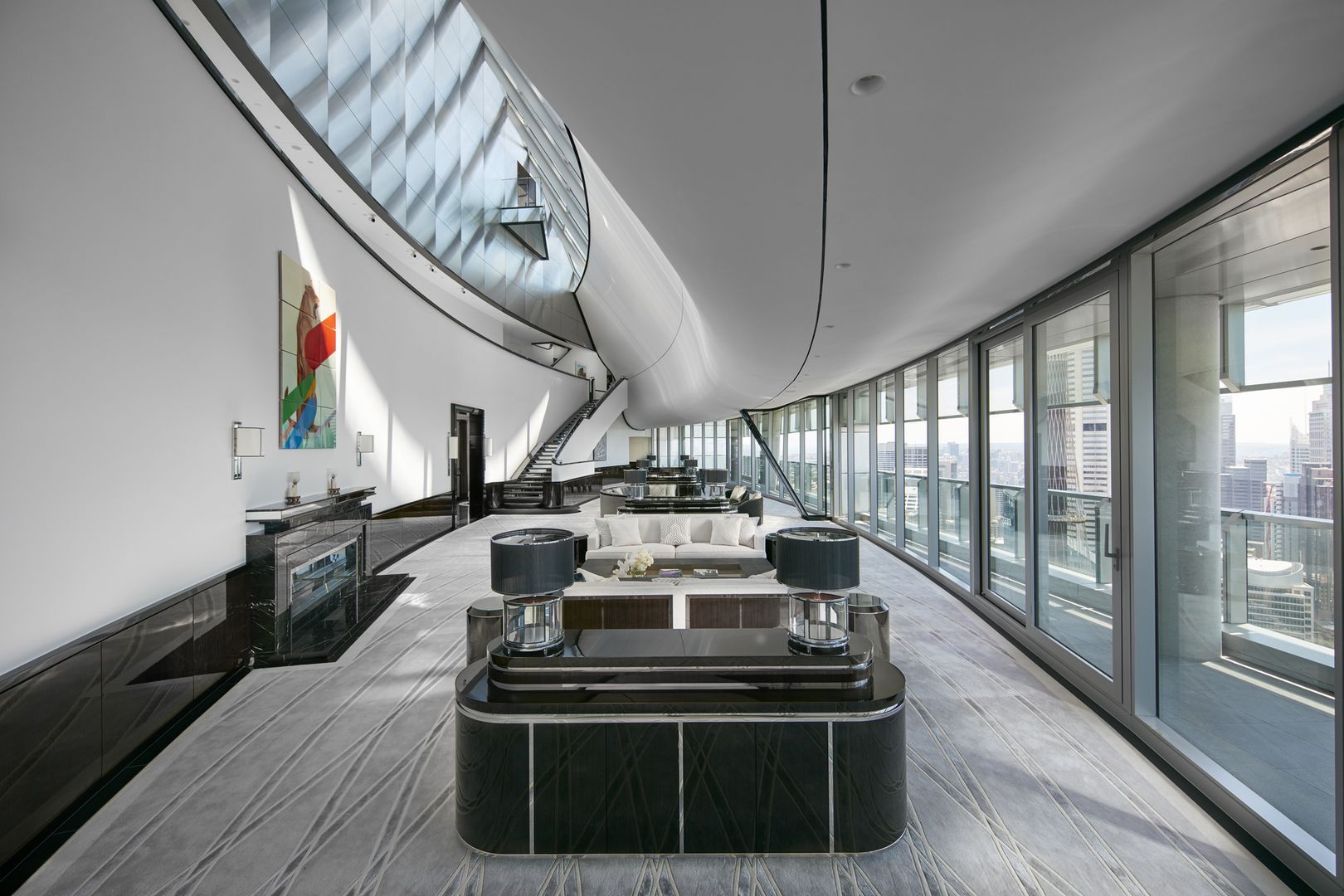

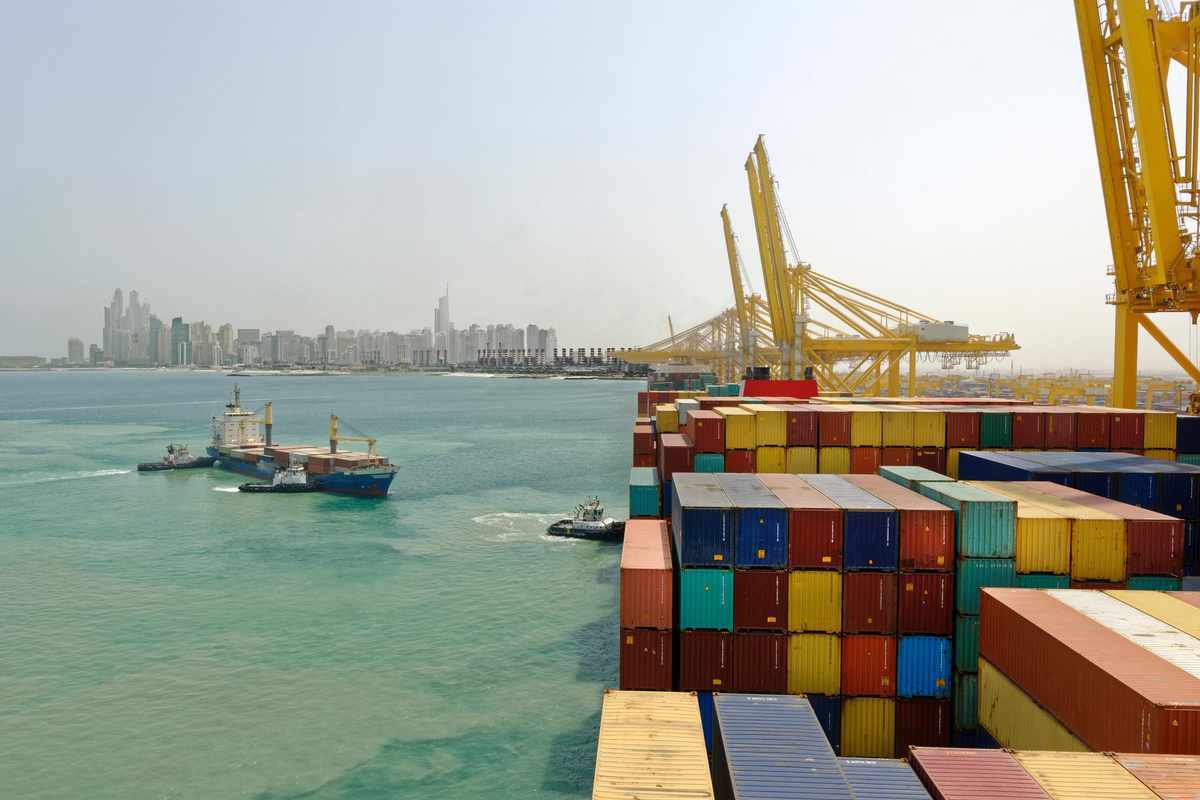

Blue Square Real Estate Developments enters the UAE market with over 30 years of cross-regional expertise spanning real estate, construction, hospitality, and F&B. Headquartered in Dubai, the group launches Vayla Residences on Dubai Islands as its first UAE project, backed by a proven track record across the GCC and a development philosophy rooted in operational discipline, purposeful design, and long-term value.
2 min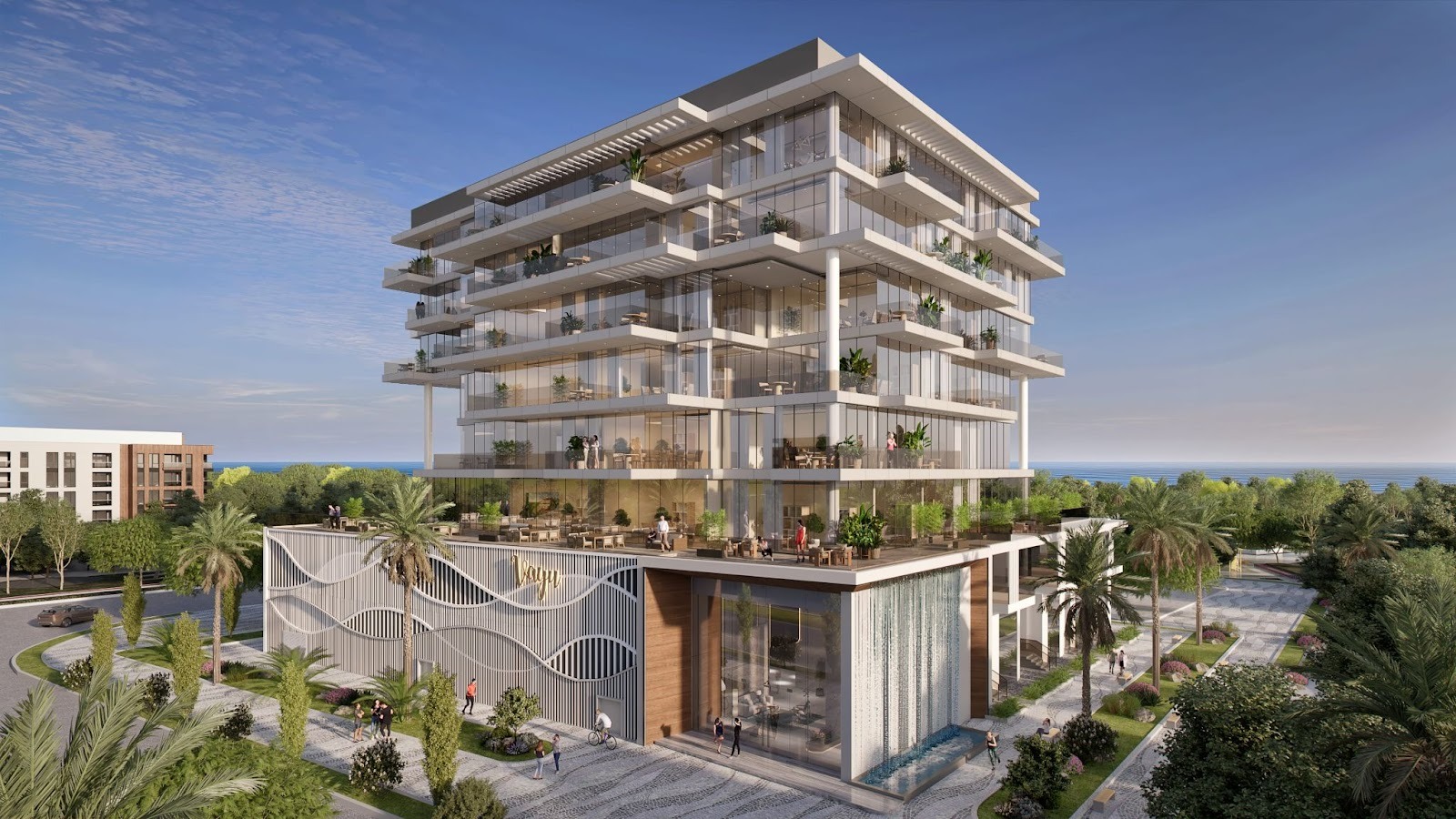
Blue Square Real Estate Developments may be new to the UAE residential market, but the team behind the brand is anything but new to building, operating, and scaling successful businesses across the GCC and the wider Middle East.
Founded by a group of highly respected real estate and business leaders with more than 30 years of cross-regional experience, Blue Square brings together expertise spanning real estate, construction, hospitality, food and beverage, and mixed-use development. Their combined track record reflects a legacy of delivery, operational excellence, and long-term value creation across multiple industries.
Now headquartered in Dubai, Blue Square Real Estate Developments is focused on creating thoughtfully designed communities in the UAE’s most dynamic locations. Their first residential launch, Vayla Residences on Dubai Islands, marks the formal entry of this experienced group into the UAE property market.
While Vayla is Blue Square’s first official UAE development, the founders’ history of successful projects extends across Lebanon, Egypt, Kuwait, and the wider GCC, including:
- Albergo Suites, Beirut – serviced residences connected to the iconic Hotel Albergo, offering full five-star hospitality services.
- Danny Residences, Lebanon – a boutique mountain development, fully sold out.
- Qatameya Coast Villa, Egypt – a luxury beachfront villa in one of Sahel’s most exclusive compounds.
- Furjan Townhouses, Dubai – a boutique cluster of ten contemporary homes in Jebel Ali.
Beyond real estate, the group’s expertise is reinforced through Future Scaffolding & Aluminium Industries, a Dubai-based industrial firm supplying and installing formwork systems and aluminium structures for major residential, commercial, and infrastructure projects across the region. The company’s commitment to safety, precision, and quality craftsmanship has supported some of the Middle East’s most prominent developments.
The founders are also co-creators of some of the region’s most recognised consumer brands through Kout Food Group and Al Homaizi Food Industries. Their portfolio includes Pizza Hut, Burger King, Applebee’s, Taco Bell, IHOP, Subway, and the prestigious Al Rifai Roastery, now present across the GCC and North Africa.
This cross-industry experience has shaped Blue Square’s development philosophy: build with operational discipline, design with purpose, and deliver with long-term value in mind.
With Vayla Residences on Dubai Islands, Blue Square is bringing this proven mindset to the UAE’s next generation of residential communities.
New research suggests that bonuses make employees feel more like a mere cog in a wheel.
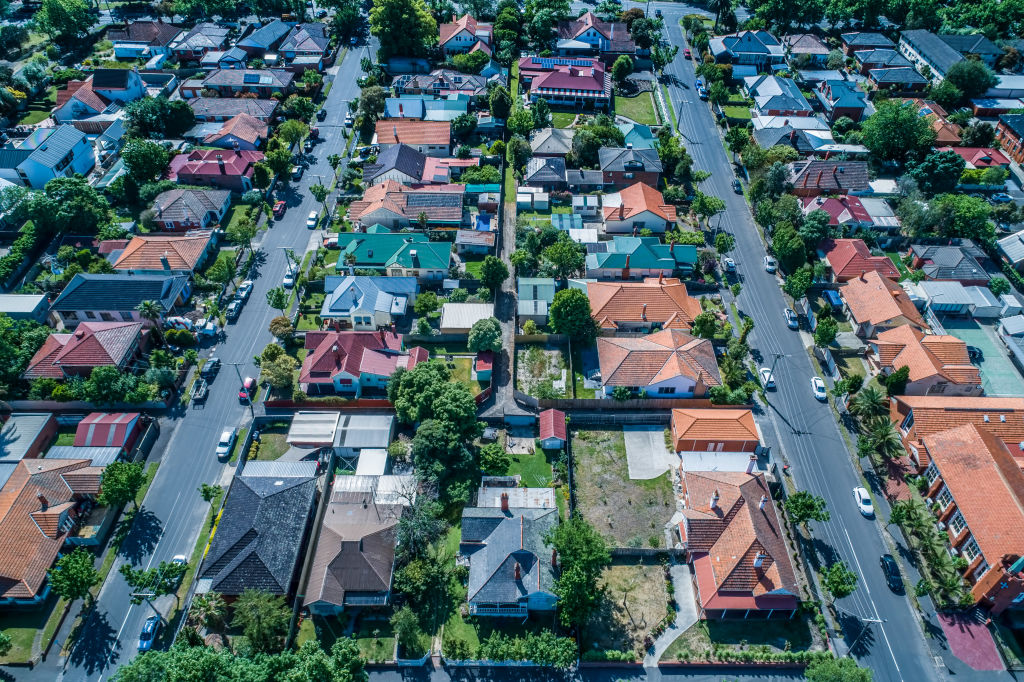


Million-dollar homes are no longer rare. In Boise, buyers once viewed 20 homes before spotting a $1M listing—now it’s just five. Nationwide, 12% of listings top $1M, up from 8.4% in 2020, as post-pandemic demand, migration, and tight supply reshape the U.S. housing market.
2 min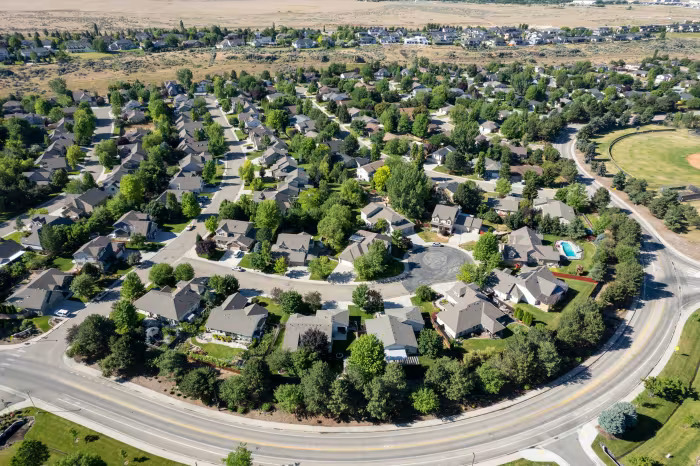
In 2020, a house hunter in Boise, Idaho, could peruse over 20 properties for sale before encountering one listed for $1 million or more. Today, it would only take about five.
Boise is a prime example of the proliferation of homes listed for $1 million or more, but it isn’t alone. Listings asking over six figures have become more common across the U.S. since the pandemic supercharged the housing market in 2020 and 2021. Nationally, 12% of homes are listed for $1 million or more, according to January Realtor.com data, up from 8.4% during the same month in 2020.
To get a feel for how much more common $1 million homes have become, Barron’s used Realtor.com data to compare the share of homes listed above six figures in 2026 to the share in 2020. The areas examined include 50 of the largest metropolitan areas by households, as well as a selection of metropolitan areas identified by Realtor.com as those with an average of 500 or more $1 million listings over the past 12 months.
Of the metropolitan areas, many in Florida, the Northeast, and the West stood out for having the greatest increases. Only four of the metros experienced a decline in the share of $1 million listings, led by San Francisco, which saw its share shrink by 5.8 percentage points.
In some instances, rapid growth was fueled by supply crunches and migration trends. Boise, which Barron’s profiled as its housing market soared in 2021, saw significant in-migration from more expensive metros as white-collar workers sought out greener pastures.
“Buyers who have very deep pockets from out of state—that has increased our price point tremendously,” says Boise-based Redfin agent Nicole Stewart, who adds that plenty of tech and remote workers enjoy Boise for its lifestyle. “We have the mountains, we have lakes, we have just so much to do.”
Spots in Utah, North Carolina, and Tennessee similarly “had a lot of prominent growth throughout the postpandemic era,” says Anthony Smith, a senior economist at Realtor.com.
Take Nashville, he says, where $1 million listings grew from 8.1% of all listings to just under 18% according to the website’s data. “It was almost like two different eras.”
The pandemic’s housing rush—followed by its deep freeze caused by rising prices and mortgage rates—also played a part. Home price nationally have increased more than 50% since before the pandemic, according to the S&P Cotality Case-Shiller index measuring price changes nationally. Higher mortgage rates cooled the surge, but didn’t reverse pandemic-era gains.
Buyers wading into the market this spring should keep their eye on local supply, which will likely determine price changes from here. More options will absorb more buyers and soften increases, while fewer could lead to bidding wars.
“Unless housing supply increases, these additional potential buyers becoming active in the market could simply push up home prices,” Lawrence Yun, the National Association of Realtors’ chief economist, said recently.
The sports-car maker delivered 279,449 cars last year, down from 310,718 in 2024.



Office-loan delinquencies have climbed to a record 12.34%, reflecting mounting pressure in commercial real estate as high rates and weaker office demand persist. While refinancing strains deepen, new U.S. housing bills aim to ease supply and mortgage access — even as rental vacancies rise and data centers remain near full occupancy.
2 min
Commercial real estate investors have a debt problem. And after years of pretending otherwise, lenders are now getting tired of acting like they don’t. The delinquency rate for office loans in commercial mortgage-backed securities climbed to a record 12.34% in January. As Peter Grant explains, the winding down of that extended period of forbearance reflects two factors. One, lenders are betting that mortgage rates aren’t going back to the historic low levels seen during the pandemic. And second, creditors increasingly believe that structural changes around the workplace and hybrid work have permanently reduced demand for most office space.
The House and Senate recently passed their first significant bills in decades aimed at solving America’s housing shortage. Rebecca Picciotto offers a handy scorecard summing up what these two bills hope to achieve, from streamlining environmental reviews to making it easier to build manufactured housing. Both housing packages also include efforts to help Americans secure mortgages.
Lenders to Commercial Real Estate Owners: Pay Up Now
Refinancing property debt has become difficult since interest rates started to soar in 2022. Many lenders initially extended maturing loans they made when borrowing costs were far lower, hoping that either interest rates would fall or that cash flows would grow. It is a strategy known as “extend and pretend.”
12.34%
The delinquency rate for office loans in commercial mortgage-backed securities in January, the highest level since Trepp began tracking in 2000. The surge in defaults reflects lenders’ views that mortgage rates won’t go back to historic-low levels and that demand for most office space has been permanently reduced.
The House and Senate recently passed their first significant bills in decades aimed at solving America’s housing shortage. Now, the two chambers will work on fine-tuning and reconciling both bills into one proposal and sending it to President Trump’s desk.
Data Points
- 7.6%: The average residential-rental vacancy rate across the 50 largest U.S. metro areas in 2025, up from 7.2% the year before, according to the U.S. Census’s Housing Vacancies and Homeownership Survey and Realtor.com. Markets with vacancy rates above 7% generally favor renters, and January marked the 29th straight month of year-over-year rent decline for rental properties of up to two bedrooms.
- 1%: The vacancy rate for U.S. data centers at the end of 2025, according to JLL. Despite robust construction levels, 92% of the development pipeline has secured commitments from future tenants, lowering concerns that the sector is overbuilding.
Many of the most-important events have slipped from our collective memories. But their impacts live on.