






Nolte Küchen to invest AED 25 million as part of Middle East growth strategy
Nolte Küchen, Germany’s leading premium kitchen brand, is expanding in the UAE under its new entity Nolte UAE, investing AED 25 million to launch a flagship showroom by 2026 and strengthen its direct presence — reaffirming its “Made in Germany” quality, innovation, and sustainability.
 3 min
3 min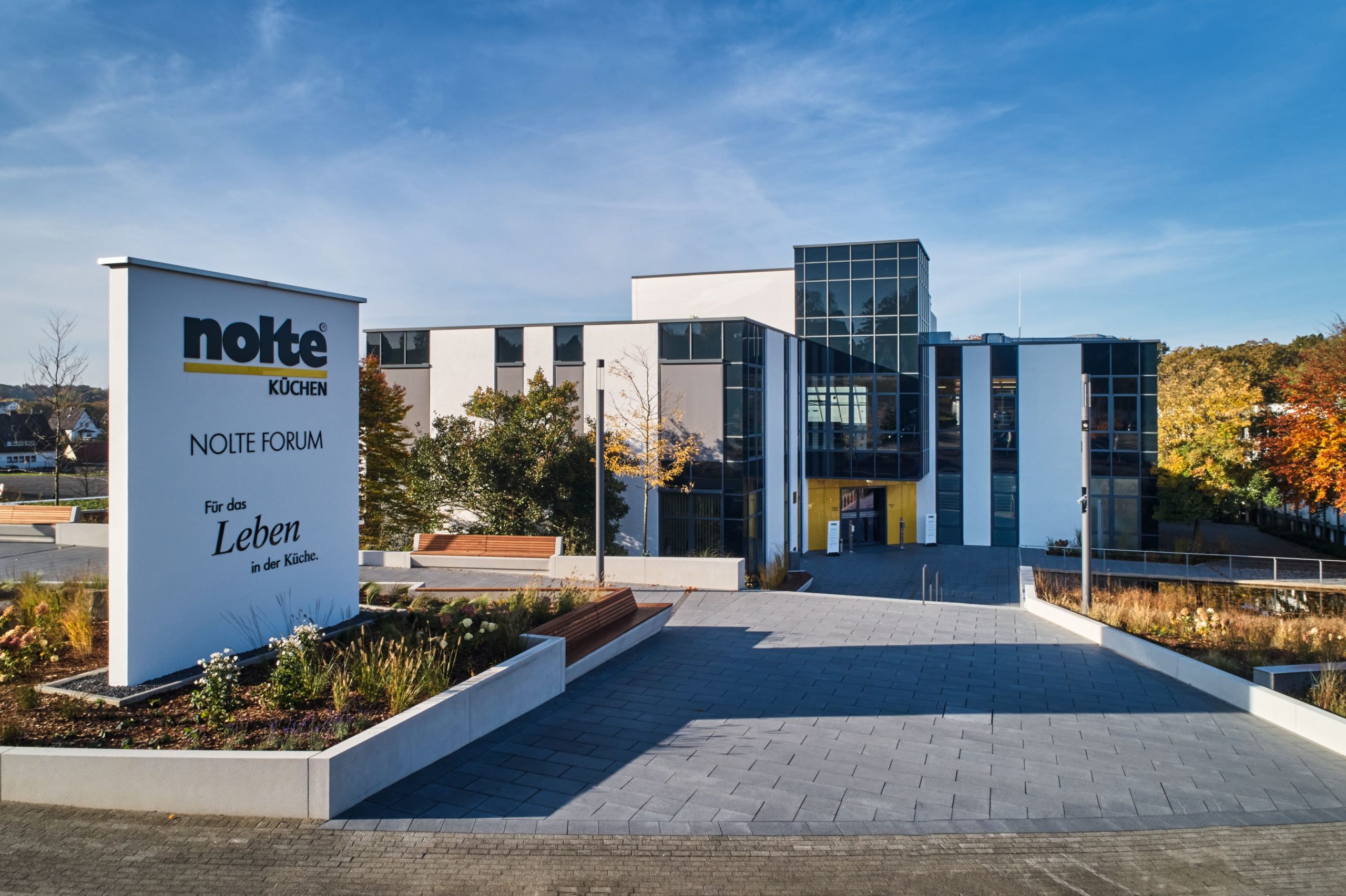
Nolte Küchen, Germany’s leading premium kitchen brand, is strengthening its presence in the Middle East as part of a renewed global growth strategy rooted in German design excellence and craftsmanship. Having been present in the UAE market since 2007 with Universal Trading Company (UTC), in a mutually agreed step to further ensure market development and expansion. The brand will now transition to a direct-to-consumer model under its new mainland entity, Nolte UAE.
As part of this expansion, Nolte Küchen will invest over AED 25 million in the coming years. This includes the launch of a flagship showroom on Sheikh Zayed Road by early 2026, and the establishment of a dedicated team of engineers, designers, and architects offering end-to-end kitchen solutions defined by German precision and quality standards. The move underscores Nolte Küchen’s confidence in the UAE’s role as a regional hub for design and innovation, as well as a key market in the company’s international expansion. It strengthens its direct relationships with both B2B and B2C customers through greater brand consistency, service excellence, and competitive pricing.
The UAE’s premium kitchen market has nearly doubled since 2020 and is projected to reach US$200 million by 2030, reflecting sustained demand for high-quality European design. The brand’s continued expansion aligns with this growth, positioning Nolte Küchen to meet evolving customer expectations through faster delivery timelines, improved service, and an expanded product range that includes Nolte Küchen, Nolte Neo, Express Kitchen, and Living & Spa. The brand’s mission remains to bring “Made in Germany” quality, design excellence, and innovation to every home, while catering to diverse market segments across both private and professional customers.
Selva Kumar Rajulu, Managing Director of Nolte UAE, said: “Since establishing Nolte FZE in the region in 2011, we have built a strong legacy rooted in innovation and trust. This new phase, as Nolte UAE, enables us to engage more closely with customers and partners, ensuring every project reflects German design excellence. The UAE has always been central to our journey, and this expansion reinforces our commitment to the market and its role in driving our global presence across high-growth international markets.”
In the Middle East, Nolte Küchen’s presence is anchored by its regional competence centre in Dubai, which oversees markets across 30 countries and have managed to deliver more than 80,000 project kitchens and 35,000 retail kitchens in the last years. Supported by over 75 branded showrooms across the Middle East, Asia, and Africa, the Dubai hub delivers landmark developments such as Tilal Al Ghaf and Harmony Villas in Dubai, MERED’s Iconic Residences design by Pininfarina in the UAE, Rafal Residence in Riyadh, and Al Mouj in Muscat, along with large-scale residential and hospitality projects in Qatar, Jordan, and Kuwait. This regional infrastructure enables the brand to serve both developers and homeowners with scale, precision, and local expertise.
Beyond aesthetics, Nolte Küchen has earned the title of Germany’s most popular kitchen brand, recognised for its superior product quality, design innovation, and customer satisfaction by the German Institute for Service Quality over several years. The company offers one of the world’s widest range of finishes, materials, and configurations, with customisation options that set a global benchmark of personalisation in kitchen design. It also holds the distinction of being the world’s most sustainable kitchen brand, maintaining a 100% production base in Germany and the industry’s first independent sustainability report.
The UAE’s Net Zero by 2050 strategy and Estidama Pearl Building Rating System encourage developers and manufacturers to adopt more sustainable construction and design practices. Nolte Küchen is the only German kitchen brand with both FSC and PEFC certifications, reflecting its commitment to long-term environmental responsibility. The brand also releases annual sustainability reports, highlighting its continued investment in responsible production and transparency.
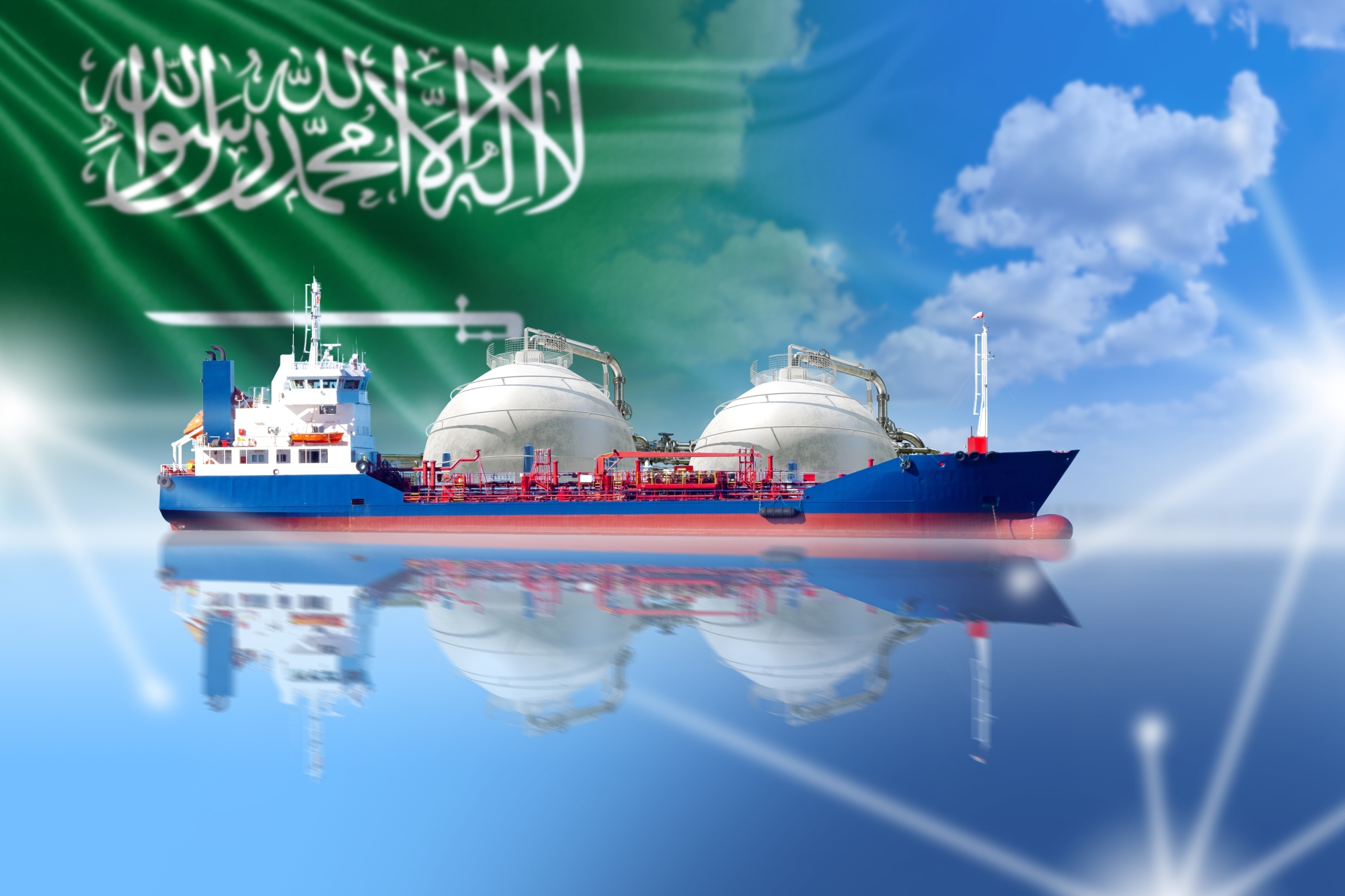
Saudi Aramco CEO Amin Nasser warned that satellite imagery and ship-tracking data are increasingly being used to target infrastructure and oil tankers, highlighting growing security risks linked to technology.
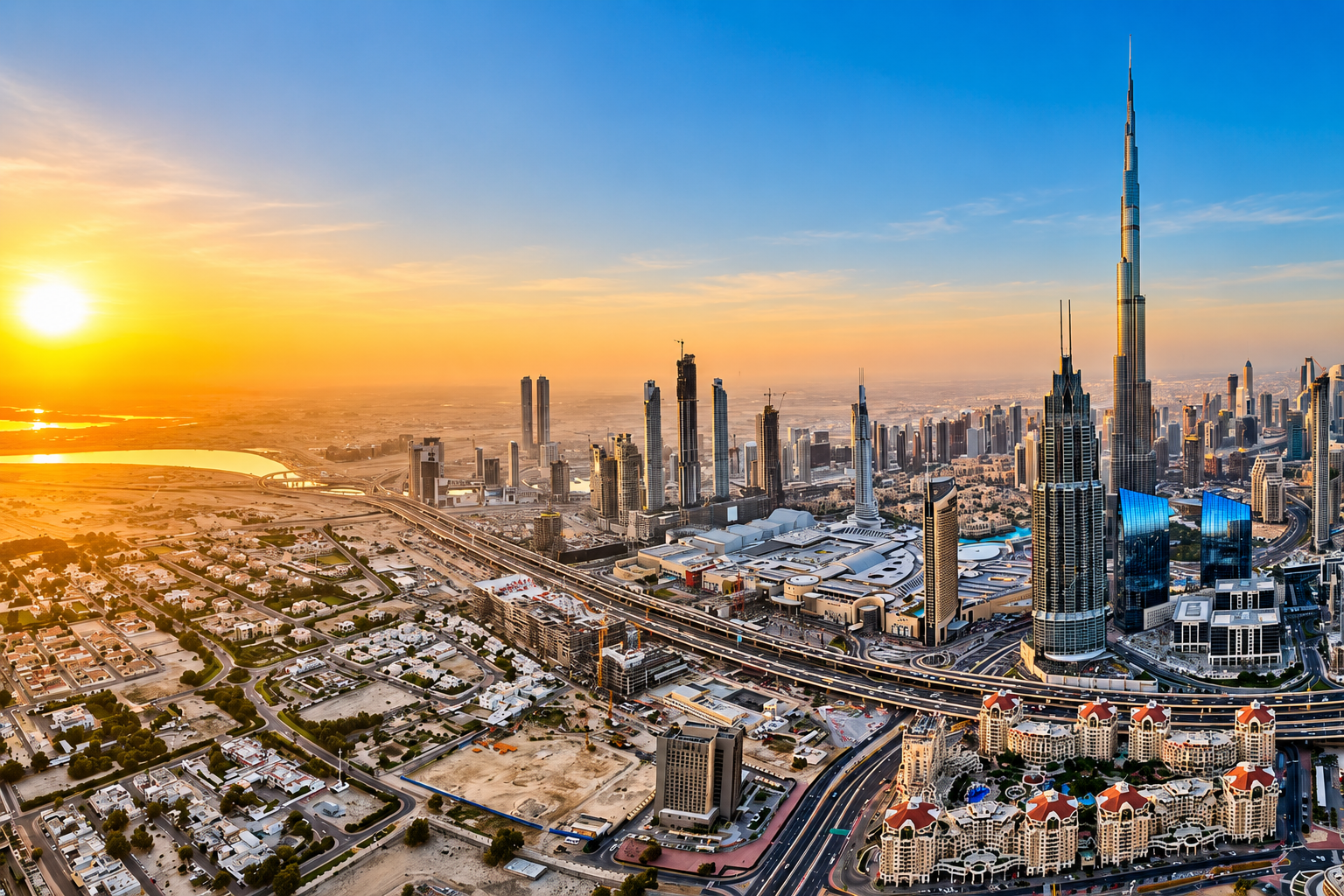
The UAE’s outward FDI reached $63.353 billion in 2025, strengthening its position as a major global investor. UAE capital now spans six continents, covering sectors from energy and infrastructure to technology, AI, logistics, real estate and healthcare.
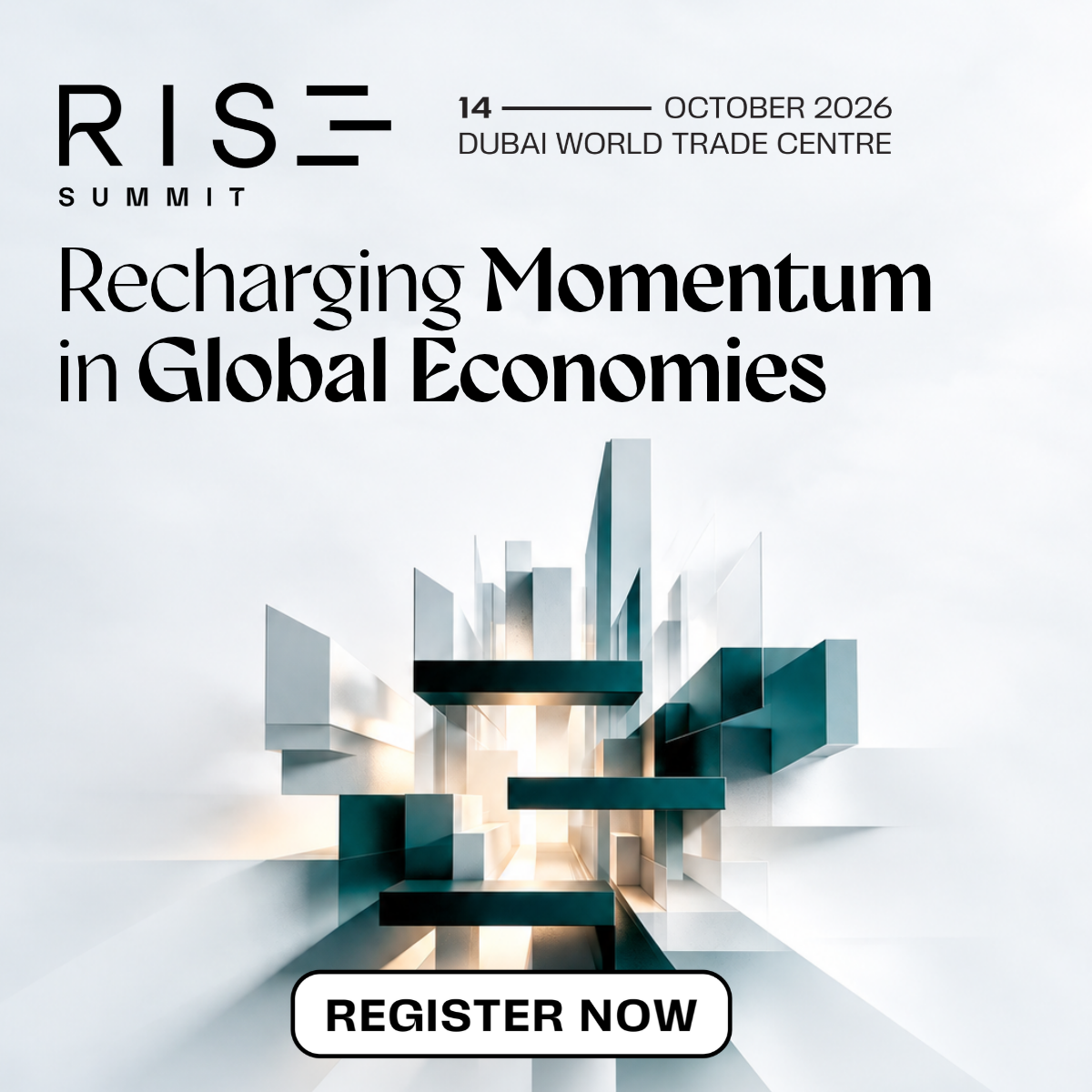
RISE Summit 2026 returns to Dubai on 14 October at the Dubai World Trade Centre, under the theme “Recharging Momentum in Global Economies.” Bringing together 300+ investors, government leaders and developers, the summit will explore global capital, real estate, infrastructure, technology and the future of cities.
Egypt’s net international reserves rose by $5.9bn in the first nine months of 2026, reaching $57.35bn in September, supported by stronger foreign currency inflows and banking sector assets.
3 min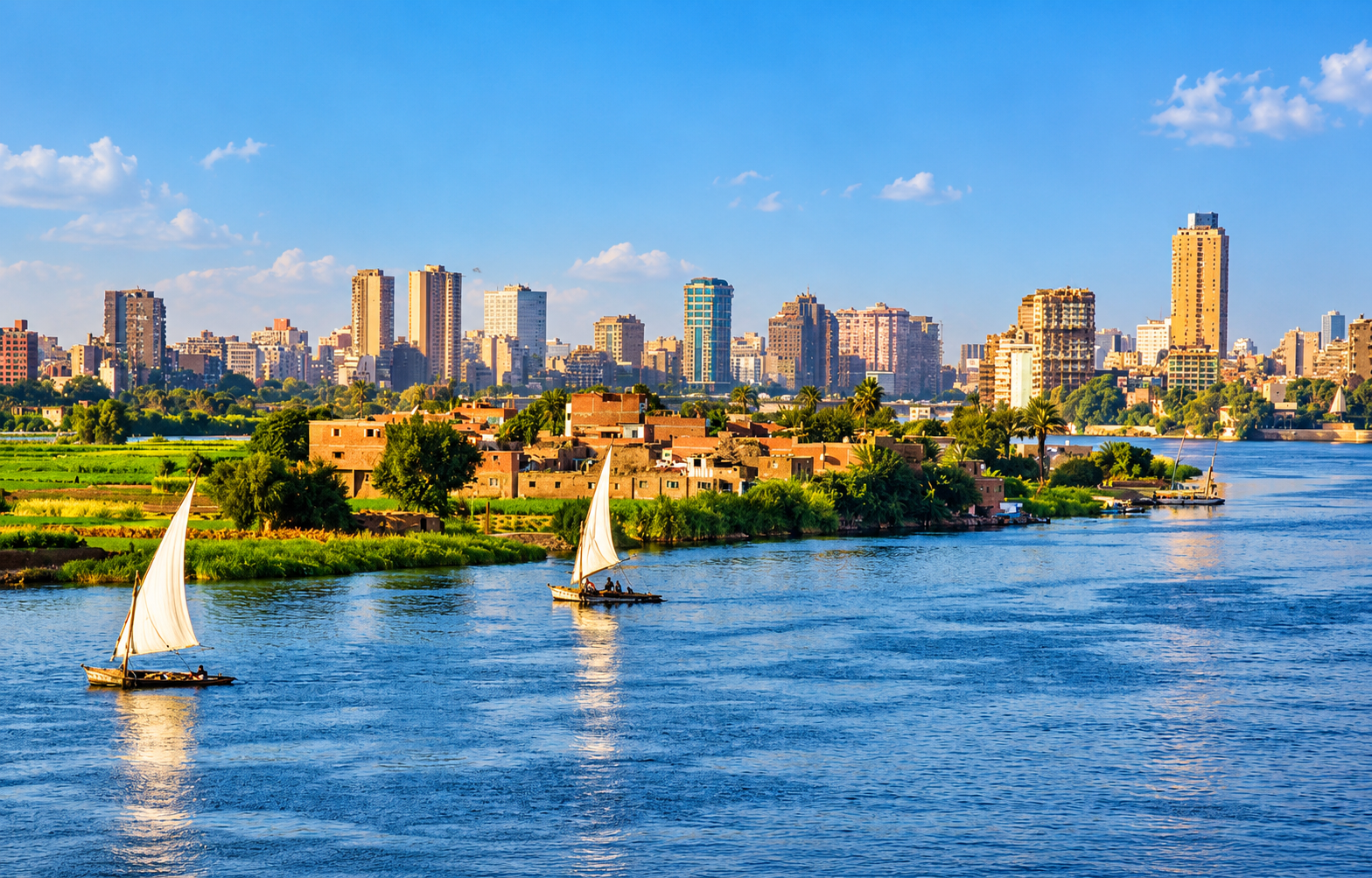
The Central Bank of Egypt (CBE) has revealed that its net international reserves increased by $5.896bn during the first nine months of 2026, reaching $57.348bn in September, compared with $51.452bn in December 2025.
According to renowned banking expert Mohamed Abdel Aal, Egypt’s foreign exchange reserves comprise a diversified basket of major international currencies, including the US dollar, euro, pound sterling, Japanese yen, and Chinese yuan. These currencies are allocated in line with the CBE’s strategy for managing liquidity and maintaining a balance between exchange rates and stability in global markets.
He noted that net reserves continued their upward trajectory for the 49th consecutive month, reaching $57.350bn in September 2026, compared with approximately $57.214bn in August, an increase of $136m and monthly growth of around 0.24%.
Although this monthly increase may appear modest in numerical terms, Abdel Aal said a closer examination reveals implications that extend beyond the size of reserves to their quality.
He stressed that the strength of the Egyptian economy’s external position no longer depends solely on the level of reserves, but is increasingly supported by an integrated set of positive indicators.
He explained that improvements in funding sources reflect a structural development in the Egyptian economy’s external position, which international institutions and credit rating agencies monitor as a more accurate measure of economic resilience and the ability to absorb shocks.
Mohamed Abdel Aal
In August 2026, the banking sector’s net foreign assets rose to $31.2bn, their highest level since January 2020, supported by an increase in commercial banks’ net foreign assets to $12.4bn, alongside a rise in the CBE’s net foreign assets to $18.8bn.
According to Abdel Aal, these divs carry significant implications, indicating that the improvement in international reserves is no longer confined to the CBE’s balance sheet, but is also supported by the banking system as a whole, with foreign assets exceeding external liabilities, making the improvement more sustainable.
He added that the recovery was not limited to banking assets, but extended to actual sources of foreign currency.
Remittances from Egyptians working abroad recorded notable growth of 28.1% during the first seven months of 2026, reaching $29.7bn, compared with $23.2bn during the same period last year.
At the same time, the tourism sector maintained its performance, generating revenues of $12bn during the first eight months of the year, an increase of approximately 1.7%.
In foreign trade, Egyptian exports continued to grow, reaching $31.9bn during the first seven months of 2026, exceeding the $29.9bn recorded during the corresponding period last year.
Suez Canal revenues also recorded a noticeable improvement in the second quarter of the year, reaching $1.26bn, compared with around $1.1bn in the first quarter, representing growth of 13%.
Abdel Aal said the continued accumulation of reserves over 49 consecutive months represents more than a financial div. It constitutes a cumulative line of defence that strengthens the economy’s ability to withstand financial and geopolitical shocks and fluctuations in energy markets, gives monetary policymakers greater flexibility, and reinforces the confidence of international institutions.
He noted that a particularly striking development was the growth in reserves despite a decline in the dollar value of their gold component, which stood at $17.46bn in September 2026, down by $1.6bn as global gold prices fell by more than $270 per ounce.
However, the increase in the liquid foreign-currency component fully offset this decline, highlighting the flexibility of the reserve composition as an additional strength in managing the reserve portfolio.
Addressing recurring questions about the adequacy of reserves, Abdel Aal said the modern professional approach goes beyond identifying a safe level of reserves to determining the optimal level, assessed according to import coverage, short-term external debt, and the nature of capital flows.
He noted that the real challenge is not to maximise reserves without limit, but to strike a careful balance between security, liquidity, and investment returns.
Looking ahead to the final quarter of 2026, Abdel Aal said that, with foreign currency inflows continuing and the foreign exchange market remaining stable, there appeared to be scope for reserves to maintain their upward trend, although the pace of growth would remain dependent on geopolitical developments and global energy prices.
Abdel Aal stressed that foreign exchange reserves are more than divs recorded on the Central Bank’s books. They serve as a safety valve that is reshaping market confidence in the Egyptian economy.
He said the continued upward trend was undoubtedly the result of carefully considered monetary and fiscal policies that strengthen the country’s economic security.
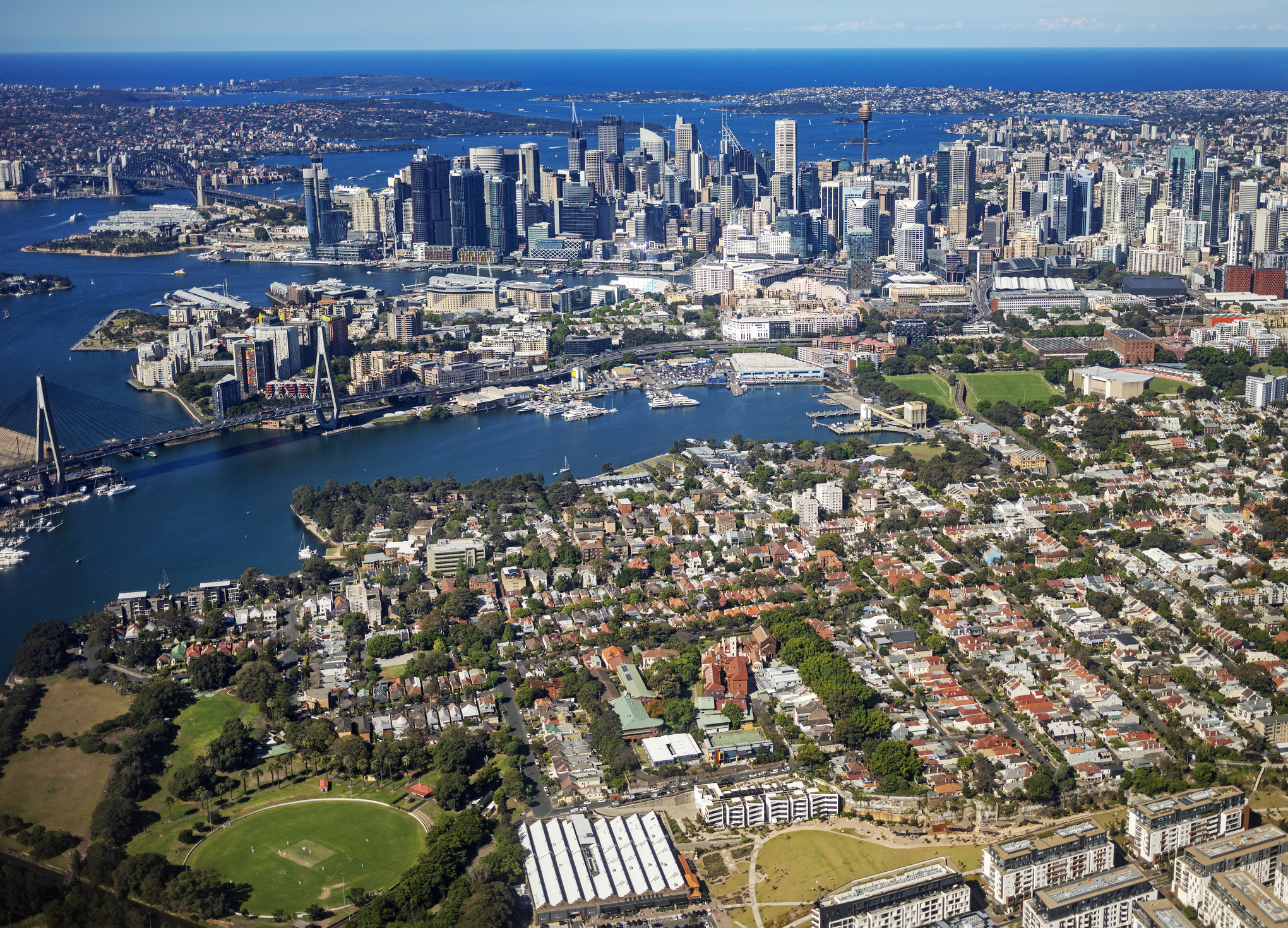
BNW Developments has established a Sydney presence, joining Arada and Sobha Realty among the growing number of UAE developers pursuing Australian buyers and development opportunities.
Following the successful launch of its Palais Collection, MAISON de SABRÉ has unveiled a new modular handbag system offering more than 720 styling combinations.
Strong family financial planning can help reduce taxes and support younger generations. From intrafamily loans and asset gifts to inheritance disclaimers, strategic cooperation can create meaningful financial benefits—when families have the trust and structure to make it work.
4 min
Happy is the family whose members—parents, grandparents and grown children—trust each other enough to cooperate on shared goals, especially financial ones. When that is truly the case, Uncle Sam’s tax rules can help as well.
This matters especially now that mortgage rates are above 7%, and many families are looking for ways to help younger members. If the elders have resources and are confident younger ones can cooperate, a family loan could make homeownership possible while providing the elders with a useful income stream.
Other strategies can actually lower taxes, such as when funding 529 plans or Roth IRAs, or when someone inherits a traditional IRA with required withdrawals larger than they will need.
Here are three strategies useful for functional families.
Intrafamily loans
It is perfectly legal for families to lend money to a relative for a down payment or even a private mortgage.
But it is important not to cut corners, says Ryan McKeown, a CPA with Modern Wealth Enhancement in Minnesota. If the loan is for a down payment, be honest with the mortgage provider and have a formal agreement. The lender owes tax on the interest payments received.
If the loan is for a private mortgage, both sides should have legal representation with a formal written agreement, including payment terms. The lender owes tax on the interest, and the borrower often can deduct it if he or she itemizes.
To avoid IRS trouble, the interest rate shouldn’t be lower than the agency’s Applicable Federal Rate at the time of the loan. Currently that is about 5% for loans longer than nine years; about 4.5% for loans three to nine years; and about 4% for loans three years or less. Currently, traditional mortgage rates are generally above 7%.
In addition, the lender could use the $19,000 annual gift-tax exemption (described below) to forgive some or all of the interest or principal annually. If both lenders and borrowers are married, that is up to $76,000 a year. There is no tax for the borrower on such forgiveness, because it is from a gift.
If you’re going this route, McKeown advises against having a fixed plan to forgive the debt. Instead, do it in one-off letters specifying the amount—and keep careful records. Otherwise the IRS might try to treat the loan as a taxable gift.
Asset gifts
Powerful tax-saving moves for families often use gift-tax provisions. Under current law, anyone can give anyone else up to $19,000 of assets annually, free of gift tax. That means a married couple with three grandchildren could give them a total of $114,000 in 2026.
The gifts can be cash or other assets, like stock. For noncash gifts, the cost basis—which is the starting point for measuring taxable gain after a sale—“carries over” to the recipient. So if someone buys $1,000 of stock and gives it away when it is worth $5,000, the recipient’s cost basis is $1,000. If the recipient later sells the shares for $8,000, the taxable gain is $7,000.
Here’s an example showing how gifts could save a family taxes. Grandma is a widow of modest means, while her child and spouse have prospered. The couple has two children, and they want to contribute $5,000 to a 529 college-savings plan for each—but they need to sell stock to do it. Their tax rate on the sale would be 18.8%, and they would need to sell about $11,000 of stock.
However, Grandma’s federal tax rate on the stock sale is 0%. If the couple gives $10,000 of shares to Grandma, she could sell them, pay no tax, and fund the grandchildren’s 529 plans. This saves about $1,000 of tax.
These moves are legal, and they could be used in other ways, such as to help a young person fund a Roth IRA.
But trust among family members is essential: Under the law, givers can’t put conditions on a gift. Grandma could use her stock proceeds to take a cruise, but she makes 529 contributions instead.
Mark Sellner, a retired tax attorney and CPA living in Sarasota, Fla., uses this strategy. His children sell stock he gives them and fund 529 plans for his grandchildren.
The family’s tax savings aren’t huge, but he likes other benefits. The sales by his children don’t boost his adjusted gross income, which in turn could raise his Medicare Irmaa premiums or his 3.8% surtax on net investment income.
Sellner doesn’t worry about his children using the funds for another purpose.
“There can’t be any strings attached to gifts. Of course, it is up to us to decide whether to make them in the future,” he says.
Two caveats: The “kiddie tax” applies to most children under age 24, and it is levied at the parents’ rate on investment income above $2,700 in 2026. Consider this before making gifts to a young person.
Investors who give away stock also forgo the step-up, an important provision that exempts assets held at death from capital-gains tax.
Sellner knows he’s losing a step-up, but says, “The children could use a little more now. Why should they wait 20 years to get it?”
Disclaimers
A disclaimer is a highly useful strategy in which one heir renounces an inheritance in favor of another heir. Assuming family members cooperate, this can save taxes.
Here’s one example. Dad died and had a large traditional IRA that he left to Mom. She has enough assets and income to cover her expenses, and she lives in a state with a stiff estate tax. The inherited IRA would put her estate over the threshold.
Also surviving are three young-adult children. If Mom disclaims all or part of Dad’s IRA within nine months of his death, that amount could go directly to the children. They will have 10 years to empty the account, and the family as a whole will likely save estate and income taxes.
Disclaimers have many key details, especially regarding beneficiary documents. Although heirs have great freedom in choosing what assets to disclaim, the rules about who gets disclaimed property are rigid. It is best if the original owner names tiers of heirs so that if one disclaims, the next recipient is clear.
BNW Developments has established a Sydney presence, joining Arada and Sobha Realty among the growing number of UAE developers pursuing Australian buyers and development opportunities.
Two coming 2027 models – the first of the “Neue Klasse” cars coming to the U.S. early next year – have been revealed.
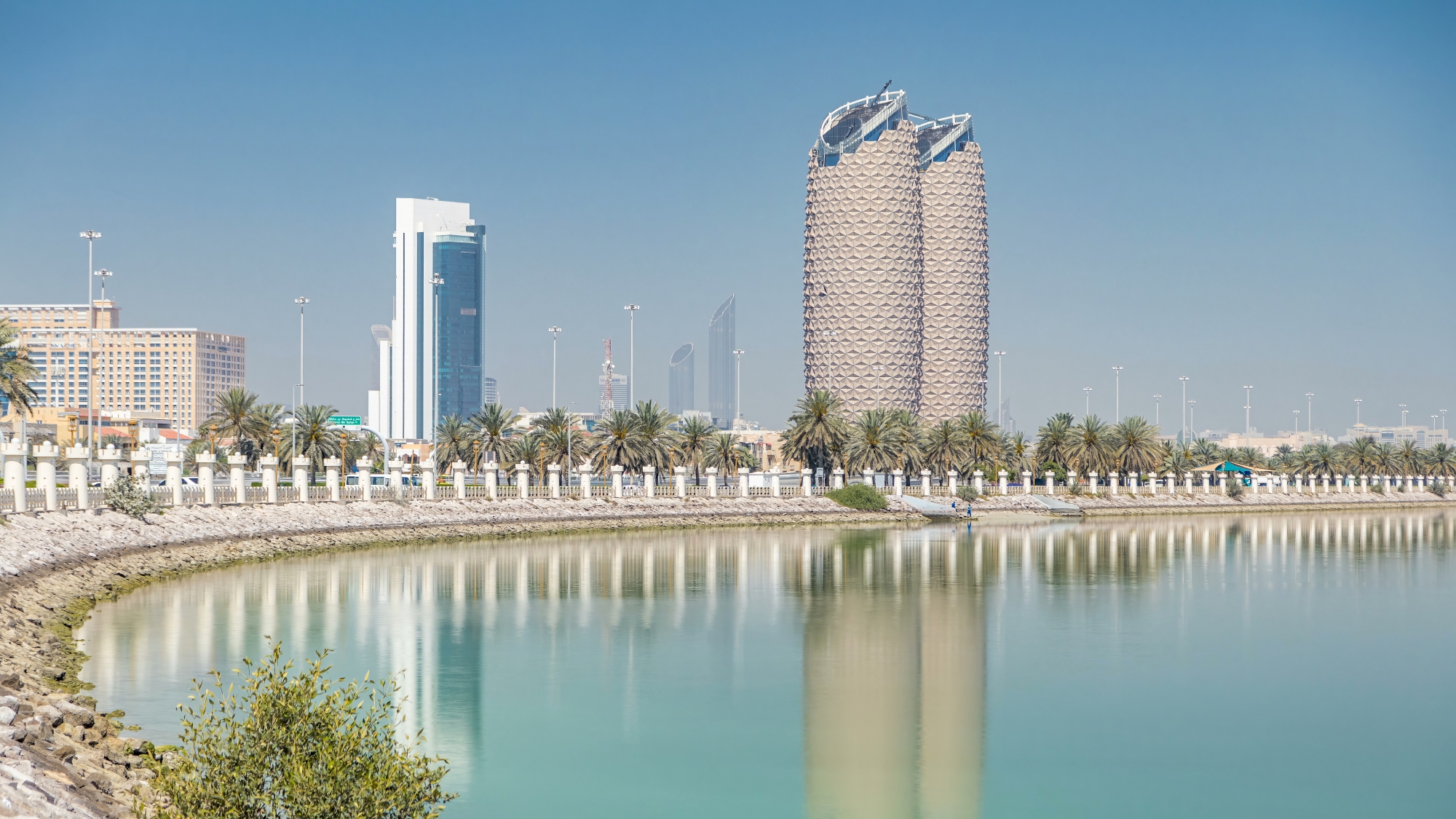
QatarEnergy has secured a $3 billion five-year syndicated loan from four major Chinese banks, while exploring an additional $5 billion+ facility to support its LNG shipping operations.
< 1 min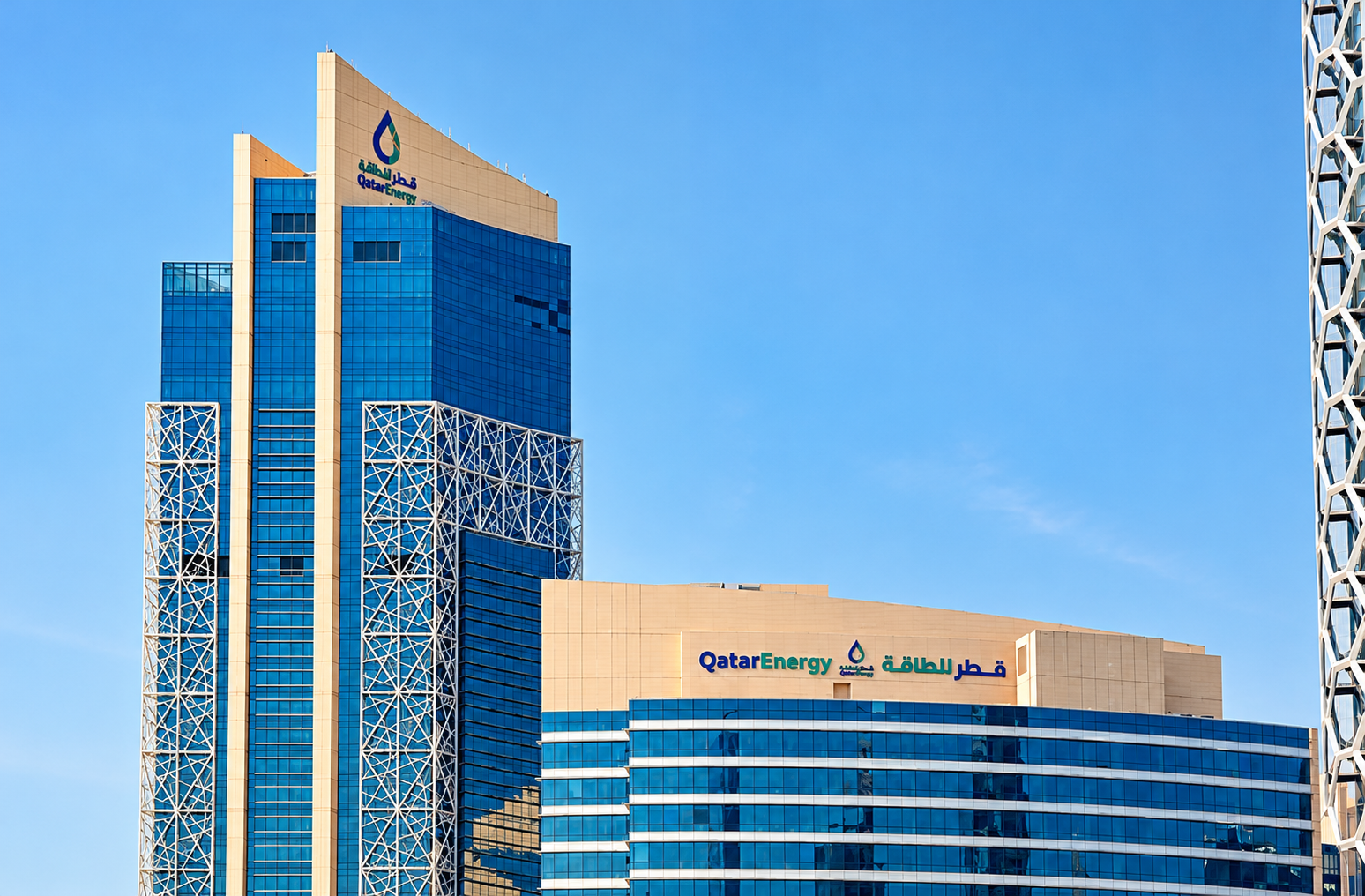
The state-owned QatarEnergy has secured a $3 billion syndicated five-year loan financed by four major Chinese financial institutions, according to Loan Connector. The petroleum and natural gas producer is also in talks with several banks for an additional $5 billion or more to finance its LNG shipping operations.
Agricultural Bank of China, Bank of China, China Construction Bank and Industrial and Commercial Bank of China are the underwriters on the $3 billion facility, the report stated, with funds to be used as QatarEnergy’s working capital.
Meanwhile, the LNG financing has drawn interest from both international and regional banks, LPC added, with a maturity in 2044.
QatarEnergy’s financial push comes at a time when the firm has also bagged seven offshore exploration licenses in Brazil, as part of a consortium with Petrobras. QatarEnergy said the deal will expand its upstream position in the South American state and is expected to be signed in the first half of 2027.
The LNG giant earlier extended its force majeure on liquefied natural gas deliveries through early December 2026, driven by ongoing regional conflict and the closure of the Strait of Hormuz.
BNW Developments has established a Sydney presence, joining Arada and Sobha Realty among the growing number of UAE developers pursuing Australian buyers and development opportunities.

New research suggests that bonuses make employees feel more like a mere cog in a wheel.

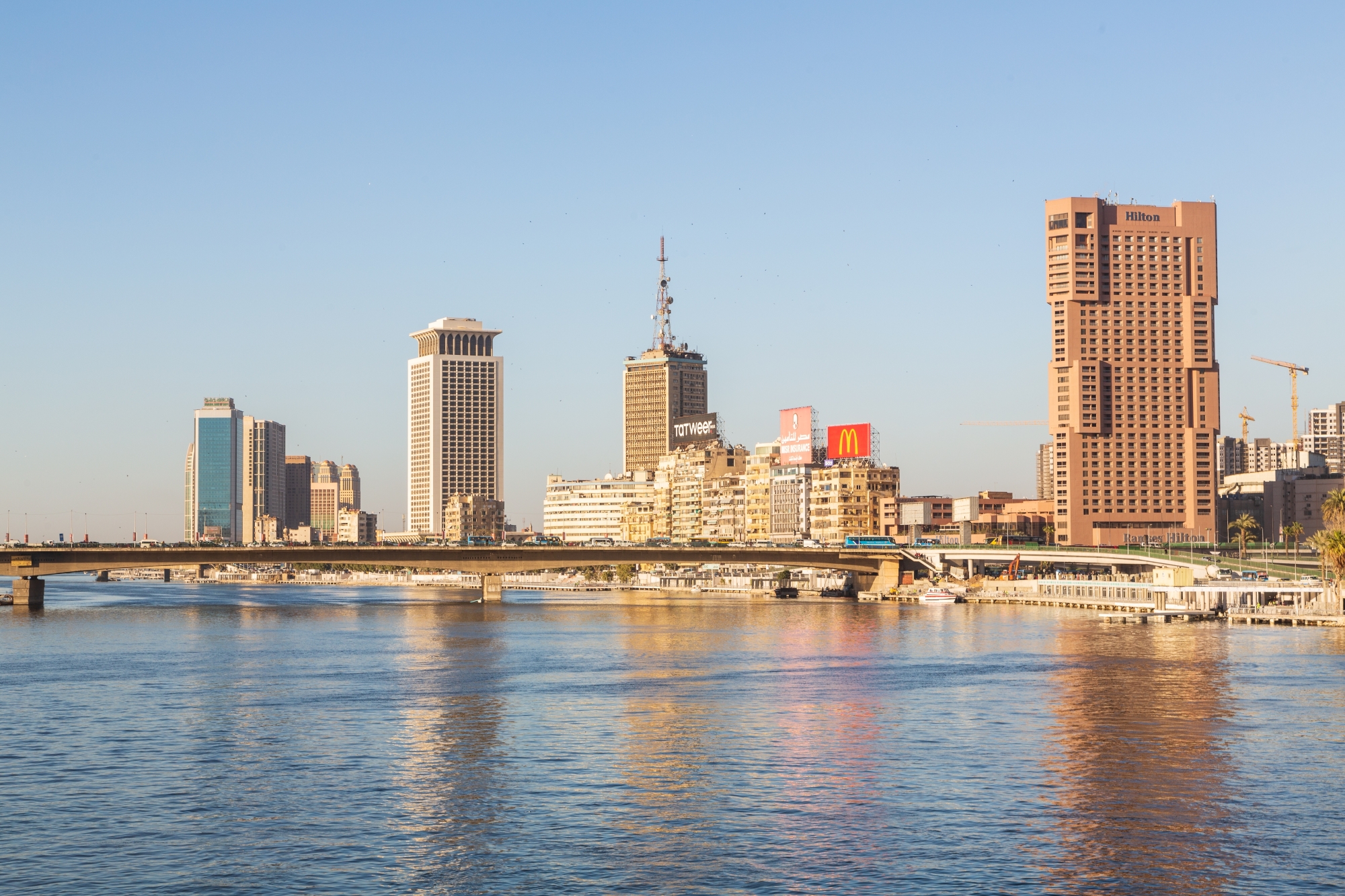

Saudi Aramco CEO Amin Nasser warned that satellite imagery and ship-tracking data are increasingly being used to target infrastructure and oil tankers, highlighting growing security risks linked to technology.
< 1 minSaudi Aramco CEO Amin Nasser said on Monday that satellite imagery and detailed ship tracking data is increasingly being used to attack infrastructure and oil tankers.
“Satellite imaging and shipping logs are increasingly being weaponised against infrastructure and tankers. Tools of transparency should not become ammunition for aggression,” Nasser told the Energy Intelligence Forum
“Technology offers immense benefit, but also poses serious risks,” Nasser said
Oil markets follow headlines on the US-Israeli war on Iran, including those based on satellite imagery and ship tracking data
The UN shipping agency IMO estimates there have been around 91 incidents involving ships that have been hit and 24 seafarers killed in the Middle East Gulf since the start of the Iran war on February 28.
More and more vessels in the region are switching off their transponders, or AIS systems, to avoid detection or identification to mitigate the threat of missile and drone attacks
Previously, this practice of “going dark” was usually employed by vessels in the so-called shadow fleet used to transport sanctioned Russian, Iranian and Venezuelan crude outside of Western markets and services
BNW Developments has established a Sydney presence, joining Arada and Sobha Realty among the growing number of UAE developers pursuing Australian buyers and development opportunities.

Parts for iPhones to cost more owing to surging demand from AI companies.
The UAE’s outward FDI reached $63.353 billion in 2025, strengthening its position as a major global investor. UAE capital now spans six continents, covering sectors from energy and infrastructure to technology, AI, logistics, real estate and healthcare.
3 minThe UAE has consolidated its position as a major international investor, building a broad and diversified portfolio spanning six continents and strategic sectors including energy, infrastructure, ports and logistics, technology, artificial intelligence, industry, real estate, financial services and healthcare.
According to the latest data from UN Trade and Development (UNCTAD), outward foreign direct investment (FDI) flows from the UAE reached US$63.353 billion in 2025, while the country’s outward FDI stock stood at US$402.729 billion at the end of the year, compared with US$55.560 billion in 2010.
Global FDI flows, meanwhile, reached US$1.6 trillion in 2025, according to UNCTAD’s World Investment Report 2026.
UAE investments span both advanced and emerging economies across six continents.
In North America, UAE investments cover technology, energy, industry and other sectors. The region accounts for 44% of Mubadala Investment Company’s portfolio, with more than 80 direct investments and US$170 billion in assets under management.
Across Europe and Asia, UAE investments extend to renewable energy, infrastructure, logistics, technology, industry, real estate, life sciences and healthcare. Europe accounts for 15% of Mubadala’s portfolio and Asia-Pacific for 13%, while Latin America and the Caribbean represent 1%.
The Abu Dhabi Investment Authority’s (ADIA) strategy similarly reflects broad geographic diversification. Its long-term strategic portfolio allocation ranges from 45% to 60% for North America, 15% to 30% for Europe, 10% to 20% for emerging markets and 5% to 10% for developed Asia.
In Africa, UAE investments span sectors including logistics, ports, energy and infrastructure, while investments in Australia and the Pacific include logistics and energy, further demonstrating the global reach of UAE capital.
Ports and logistics provide a prominent example of the international expansion of UAE companies. DP World operates in more than 80 countries through a network of more than 590 business units.
AD Ports Group has also significantly expanded its international footprint. By the end of 2025, the Group operated its own offices in more than 50 countries and had a commercial presence in 158 countries, either directly or through representatives, with 34 ports and terminals in the UAE and internationally.
Officials and experts told the Emirates News Agency (WAM) that the geographic spread of UAE investments, including across Southeast Asia and South and Central America, reflects the country’s growing international investment presence, alongside its continued ability to attract capital from around the world.
Fahad Al Gergawi, Undersecretary of the Ministry of Foreign Trade, said the UAE had built a broad and geographically diversified international investment presence, supported by a clear approach to strengthening cooperation with other countries and developing economic and trade partnerships that open new markets and opportunities for national investments.
He said the UAE’s approach is based on economic openness and creating an enabling environment that allows investors to capitalize on opportunities across different markets.
Al Gergawi noted that UAE investments now extend across South and Central America, Africa and other regions offering favorable investment environments. At the same time, the UAE continues to attract investment from around the world.
He highlighted the strength of UAE investment in Africa, noting that the country had become the largest investor in the continent over the past four years.
Al Gergawi said the UAE’s expanding overseas investment footprint is supported by its network of international economic relationships and Comprehensive Economic Partnership Agreements (CEPAs).
He added that CEPAs support two-way investment flows, both into the UAE and from the UAE into partner economies, as the country continues to conclude further agreements.
The UAE, he said, takes a responsible approach to international investment, seeking not only financial returns but also a positive impact on host economies and mutually beneficial outcomes.
Dawood Al Shezawi, Chairman of AIM Global Foundation, said UAE capital had become increasingly sophisticated, diversified and globally distributed, with sovereign wealth funds and family offices establishing long-term strategic positions in markets including Africa, Southeast Asia and Latin America.
He said UAE investors were increasingly acting as partnership builders rather than simply providers of capital, drawing on governance expertise, regulatory knowledge and institutional networks to support cross-border initiatives.
This role, he added, strengthens the UAE’s position as a global investment hub and its growing role in connecting international capital with high-potential markets and opportunities.
Dr. Khaled Hanafy, Secretary-General of the Union of Arab Chambers, said the UAE represents a leading investment model, supported by its ability to develop systems that attract investment from around the world while successfully directing its own capital into Arab and international markets.
He said the UAE had achieved diversification both within its domestic economy and through the geographic spread of its overseas investments, including in distant markets such as South America, making its investment experience a strong model in the sector.
BNW Developments has established a Sydney presence, joining Arada and Sobha Realty among the growing number of UAE developers pursuing Australian buyers and development opportunities.
Many of the most-important events have slipped from our collective memories. But their impacts live on.
RISE Summit 2026 returns to Dubai on 14 October at the Dubai World Trade Centre, under the theme “Recharging Momentum in Global Economies.” Bringing together 300+ investors, government leaders and developers, the summit will explore global capital, real estate, infrastructure, technology and the future of cities.
2 minRISE Summit 2026 takes place on 14 October 2026 at Dubai World Trade Centre (Hall 5), under the theme “Recharging Momentum in Global Economies”. It is the strategic platform for a top-down view of the global capital and investment landscape, translating shifts in markets, trade and technology into opportunities across infrastructure, cities and real estate, and the future experience economy, from hospitality and education to wellness, longevity and how the world lives. The inaugural one-day event will host 300+ international institutional investors, sovereign funds, government leaders and major developers.
Rather than a conventional real estate event, RISE Summit starts from the macro picture: where global capital is moving, why, and what it means on the ground. Its purpose is to bring decision-makers into one room to align on the forces shaping investment, and to turn those conversations into partnerships, mandates and deals. Every session sits within one of four pillars: Capital, Markets and the Global Order; Trade, Connectivity and Infrastructure; Cities and Real Estate; and Longevity, Living and Experience.
The day opens with an invitation-only breakfast briefing, followed by a Morning Plenary. A series of fireside chats and panels covers where global investment goes next, infrastructure as the true test of a city’s resilience, building intelligent cities at scale, and the new blueprint of luxury living that integrates world-class hospitality into ultra-prime real estate. The plenary also looks at Dubai’s longevity ambition, Abu Dhabi’s next economic horizon, how institutions are navigating a three-speed global economy, geopolitics and energy security, crypto wealth entering real assets, and how Dubai’s regulatory transparency and Strategy 2033 attract institutional capital.
After a networking luncheon, the Afternoon Forum, “Real Estate and the Next Investment Cycle”, goes deeper into where global real estate capital is being redeployed as higher rates, repriced assets and structural change reshape how the world invests in the built environment. Sessions include sovereign wealth fund strategies in premium Class A residential, India’s $1 trillion real estate vision, and the race for data centre, energy and AI capacity. The forum also covers funding the cities of 2040 through infrastructure-led transformation, Asia’s next growth frontier in logistics, data and life sciences, and investment strategies in commercial and industrial real estate. It closes with the next era of destination management across hospitality and entertainment, and a session on how tokenization is rewriting property ownership.
Throughout the day, dedicated networking breaks, a luncheon and a closing evening reception give delegates the opportunity to build relationships and progress discussions directly with the investors, developers and government decision-makers in the room.
Register now.
BNW Developments has established a Sydney presence, joining Arada and Sobha Realty among the growing number of UAE developers pursuing Australian buyers and development opportunities.

Paine Schwartz joins BERO as a new investor as the year-old company seeks to triple sales.
Sharjah recorded a 45% increase in foreign direct investment (FDI) projects in 2025, reflecting the emirate’s growing investment appeal and the UAE’s economic competitiveness. Ahead of the ninth Sharjah Investment Forum, Invest in Sharjah CEO Mohamed Juma Al Musharrkh highlighted the UAE’s economic diversification, investor-friendly regulations, talent ecosystem and early positioning in emerging sectors as key drivers of sustainable growth.
2 min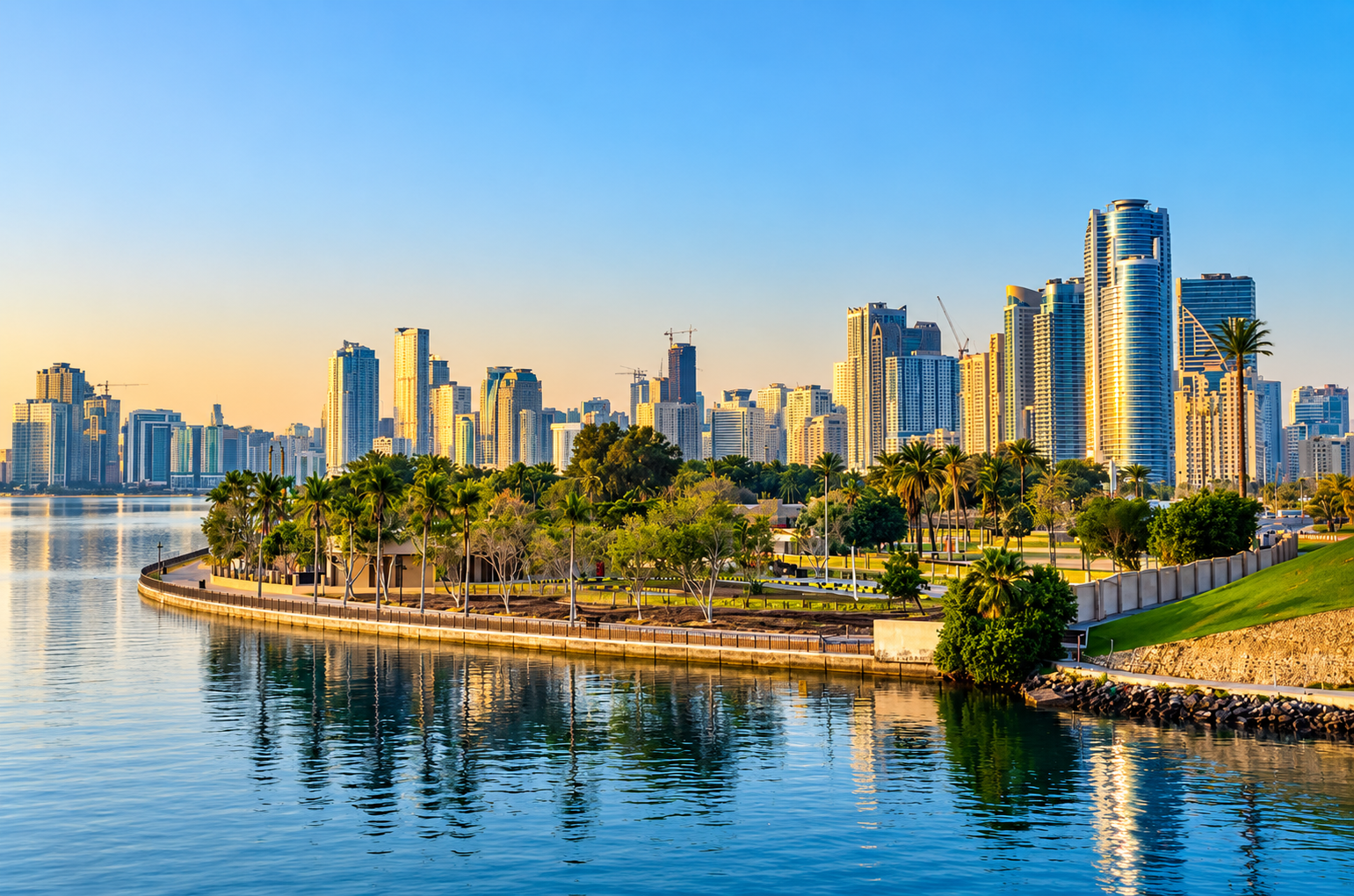
Mohamed Juma Al Musharrkh, CEO of the Sharjah FDI Office (Invest in Sharjah), said the 45% growth in foreign direct investment (FDI) projects in the emirate in 2025 reflects the competitiveness of the UAE economy.
Al Musharrkh made the remarks in an interview with the Emirates News Agency (WAM) on key shifts in the global economy and Sharjah’s economic readiness, as the emirate prepares to host the ninth Sharjah Investment Forum, organised in collaboration with the Ministry of Investment on 14th and 15th October at Al Jawaher Reception and Convention Centre.
Held under the theme “Building Adaptive Economies”, the forum will bring together more than 80 speakers, including ministers, investors, entrepreneurs, experts and decision-makers from around the world, to discuss the transformations reshaping the business and investment landscape and ways to build businesses and economies that are better able to adapt to change and achieve sustainable growth.
Al Musharrkh said global changes have made investors more selective about where they invest, with capital increasingly concentrated in fewer countries and sectors. Investors are looking for countries that offer a clear outlook, stability and flexible legislative and regulatory frameworks, he said, noting that these advantages place the UAE among the leading investment destinations.
The CEO of Invest in Sharjah said the UAE economy’s attractiveness rests on four main pillars. The first is economic diversification and the distribution of growth drivers, with non-oil activities accounting for 79.4% of the economy in the first quarter of 2026, led by financial services, construction, healthcare and telecommunications, providing investors with an economy capable of sustaining growth across different cycles.
He added that the second pillar is a legislative ecosystem that keeps pace with the market. The UAE ranks first globally in both Adaptability of Government Policy and Bureaucracy, and fourth in Legal and Regulatory Framework, he said, noting that these rankings reflect investors’ actual experience in setting up, operating and expanding their businesses.
Al Musharrkh identified people as the third pillar, explaining that talent is the foundation of a knowledge economy and that the UAE has made attracting and empowering talent an official policy.
He noted that the country ranks first globally in employment and international experience and second in the creation of firms. The UAE was also the first country in the world to appoint a Minister of State for Artificial Intelligence in 2017, while more than 70% of its working-age population now uses AI, underscoring the role of talent and technology in advancing the entrepreneurship and investment ecosystem.
He said the fourth pillar is early positioning in emerging sectors, with manufacturing and telecommunications leading greenfield investment into the UAE, placing the country in an advanced position as the investment landscape for the coming years takes shape.
Al Musharrkh stressed that, within the UAE model, Sharjah represents an economy with a clear identity built on production and knowledge, guided by the vision of H.H. Sheikh Dr. Sultan bin Mohammed Al Qasimi, Supreme Council Member and Ruler of Sharjah, which places people at the heart of development and provides investors with a stable environment with clear priorities.
BNW Developments has established a Sydney presence, joining Arada and Sobha Realty among the growing number of UAE developers pursuing Australian buyers and development opportunities.
The sports-car maker delivered 279,449 cars last year, down from 310,718 in 2024.
Saudi Arabia projects a SAR 191 billion ($50.9 billion) budget deficit in 2027, equal to 3.6% of GDP, with spending estimated at SAR 1.39 trillion and revenues at SAR 1.20 trillion. The Kingdom also expects real GDP growth to rebound to 12.8% in 2027 after a projected 3.6% contraction in 2026.
< 1 min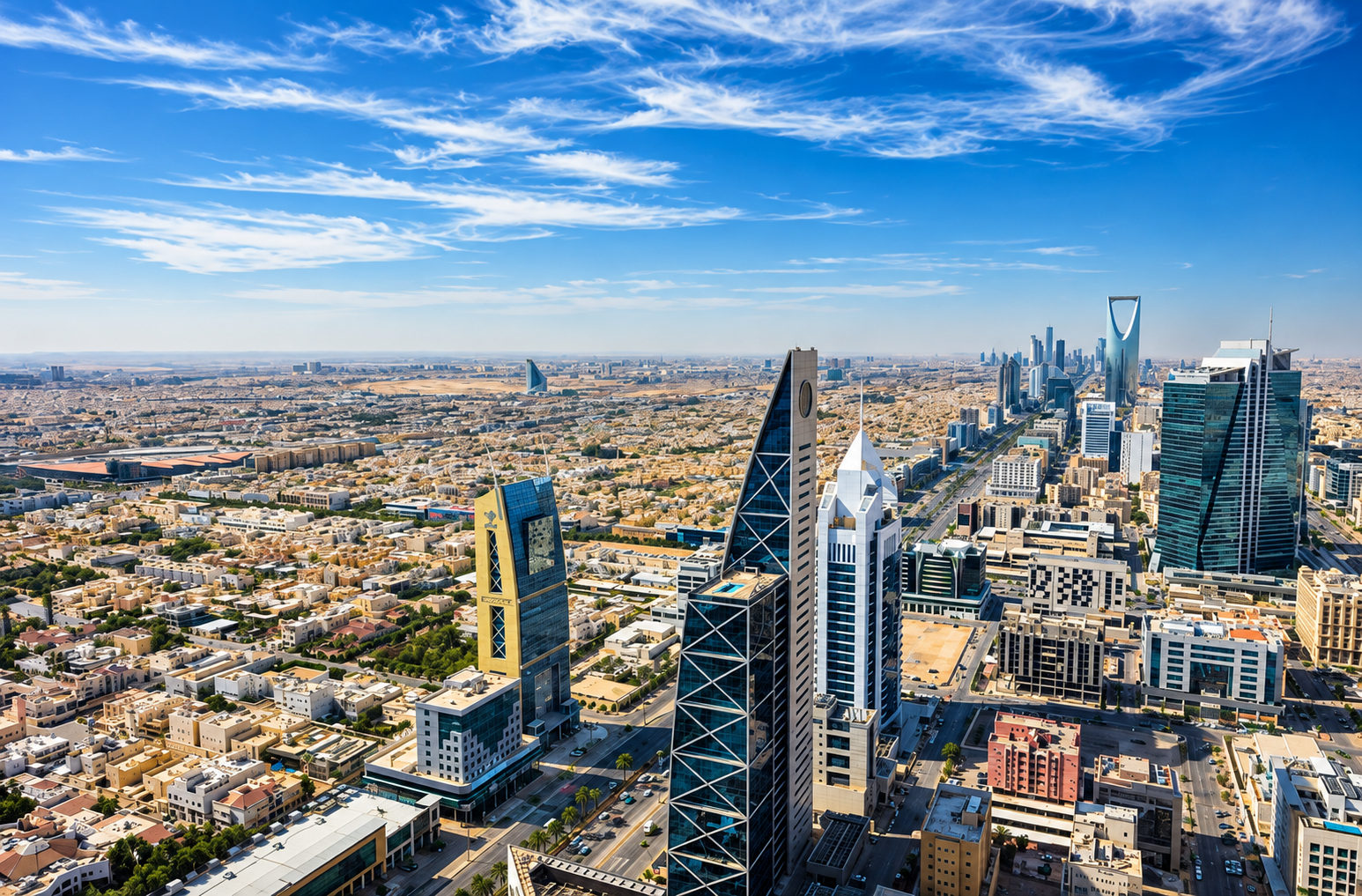
Saudi Arabia has projected a fiscal deficit equivalent to 191 billion riyals ($50.87 billion) or 3.6% of gross domestic product in 2027, the finance ministry said in a pre-budget statement on Wednesday.
Total expenditure was estimated at 1.39 trillion riyals ($370.21 billion) and revenue projected at 1.20 trillion riyals ($319.61 billion) in 2027, the finance ministry said.
* The ministry estimated the 2026 deficit at 245 billion riyals, exceeding the 165 billion riyals projected in the budget published last year.
* Saudi Arabia forecast real GDP growth of 12.8% in 2027, following an expected decline of 3.6% in 2026.
* The ministry said the expected decline in real GDP in 2026 was due to a projected 21.8% drop in oil activities amid geopolitical developments in the region.
* The Iran war has led to heavy disruptions to energy shipments from the Gulf and in recent weeks Saudi Arabia has faced increasing pressure from the Iran-backed Houthis, who have fired salvos of missiles and drones at the kingdom.
* The ministry said that the 2027 deficit “will be funded through borrowing in accordance with a medium-term debt strategy framework”, with the borrowing plan for the 2027 “disclosed in detail by the end of this year”.
* Saudi Arabia is undertaking a massive economic overhaul known as Vision 2030, aimed at reducing reliance on oil, which requires hundreds of billions of dollars in investment.
BNW Developments has established a Sydney presence, joining Arada and Sobha Realty among the growing number of UAE developers pursuing Australian buyers and development opportunities.

Chris Dixon, a partner who led the charge, says he has a ‘very long-term horizon’
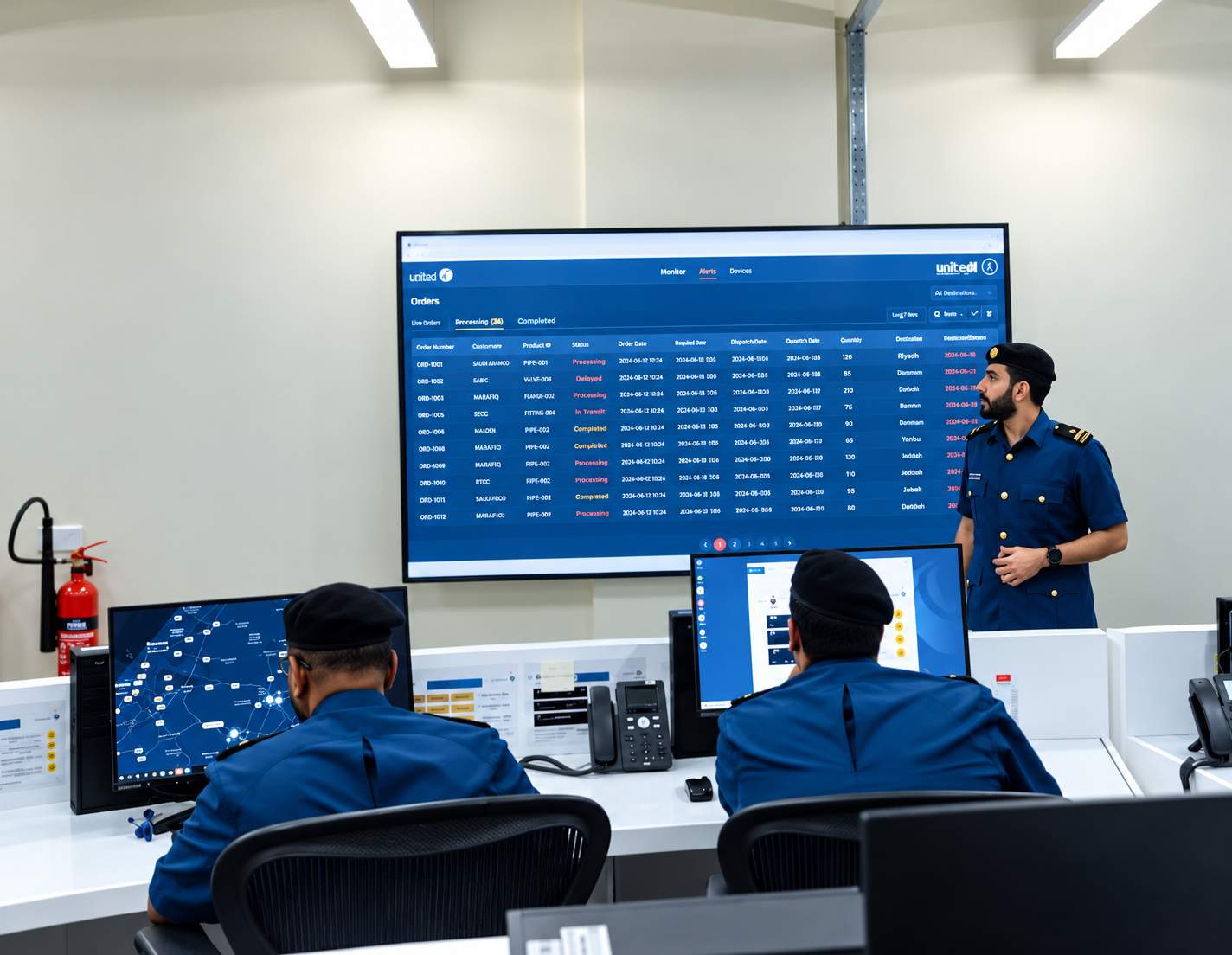
Citi expands its Token Services into the UAE and Japan, enabling 24/7 near-instant liquidity movement and cross-border payments. The UAE will support USD and EUR transactions, while Japan will support USD transactions.
2 min
Citi today announced the expansion of Citi Token Services into UAE and Japan, advancing our strategy to build a more connected, always-on financial ecosystem for corporate and financial institutional clients. The expansion is the latest milestone in Citi Services’ broader digital assets strategy, which is focused on solving real-world client needs by building bank-grade capabilities that connect traditional financial infrastructure with emerging digital networks.
As global commerce and investment strategies increasingly moves toward a 24/7 real-time environment, Citi continues investing in digital asset solutions designed to reduce fragmentation and enable clients to move liquidity more efficiently across geographies, currencies and networks. Citi Token Services is a core part of this strategy, using tokenized deposits and blockchain technology to enable programmable, near-instantaneous movement of liquidity while leveraging the robust security, resilience and global reach of Citi.
The expansion into UAE and Japan further extends these capabilities across Citi’s global network, with Japan supporting USD transactions and UAE supporting both USD and Euro transactions. Citi Token Services continues to process billions of dollars in transactions.
Leveraging a private-permissioned blockchain, the solution enables clients to move funds near instantly across Citi’s global network, supporting more efficient liquidity and collateral management and cross-border payments. By expanding additional regions and currencies, Citi continues to provide clients with always-on liquidity and payment capabilities that help overcome banking cut-off times and time zone limitations. Citi Token Services is live in the United States, Ireland, Hong Kong, Singapore, the United Kingdom, UAE, and Japan.
“Expanding Citi Token Services into the UAE and Japan is an important milestone in scaling the network and bringing 24/7 liquidity solutions to more of the markets where our clients operate,” said Stephen Randall, Global Head of Liquidity Management Services. “These are significant financial centers with substantial cross-border flows and connecting them to Citi Token Services gives clients greater optionality to move and manage liquidity across regions and currencies in real-time.”
Together with Citi’s broader investments in 24/7 USD Clearing and connectivity with emerging multi-bank tokenized networks, the expansions advance the ambition of Citi to deliver increasingly interoperable, multi-currency solutions across liquidity management and payments.
The Middle East is one of the world’s fastest growing real-time payments economies, making the UAE a strategic market for the expansion of Citi Token Services. As a major financial hub and gateway for trade and investment across the Middle East, Africa and South Asia, UAE supports significant cross-border flows and a growing base of multinational treasury operations.
“Expanding Citi Token Services into the UAE with USD and Euro capabilities enables clients to manage cross-currency liquidity 24/7, which is key to connecting the local ambitions of our corporate and financial institutional clients with their global expansion,” said Rizwan Shaikh, Head Services for Middle East & Africa. “This positions Citi to deepen relationships and optimize liquidity in and out of the region.”
As the world’s fourth largest economy, and a significant global liquidity center, Japan is a strategically important market for Citi, with substantial cross-border flows driven by multinational corporations and financial institutions.
“The expansion of Citi Token Services into Japan connects clients in the market to Citi’s growing 24/7 payments, collateral and liquidity solutions, enabling USD transactions to move in and out of Japan in real time and helping corporate and financial institutional treasurers put capital to work more efficiently,” said Kanika Thakur, Head of Services for Japan, Asia North and Australia.
BNW Developments has established a Sydney presence, joining Arada and Sobha Realty among the growing number of UAE developers pursuing Australian buyers and development opportunities.

Americans now think they need at least $1.25 million for retirement, a 20% increase from a year ago, according to a survey by Northwestern Mutual
Saudi-based fintech erad has raised $22 million from investors including MEVP and SVC to expand its SME financing business. The AI-powered lender says it has deployed more than SAR 500 million ($133 million) in financing, with approvals within 48 hours.
< 1 min
Saudi Arabia-based erad, an SME lender, has secured $22 million from various investors to scale its financing business.
The fintech startup raised the funds from Middle East Venture Partners (MEVP), the lead investor, and from SVC, 500 Global, S60 Ventures, ANB Capital, Conjunction Capital and Araya Ventures.
Also backing the funding are existing investors that include Khwarizmi, Nuwa Capital, Aljazira Capital, Oraseya Capital and Joa Capital.
Erad helps small and medium-sized enterprises raise working capital. It leverages artificial intelligence to evaluate clients and approve funding within 48 hours.
The company has deployed more than SAR 500 million ($133 million) worth of financing to businesses.
BNW Developments has established a Sydney presence, joining Arada and Sobha Realty among the growing number of UAE developers pursuing Australian buyers and development opportunities.
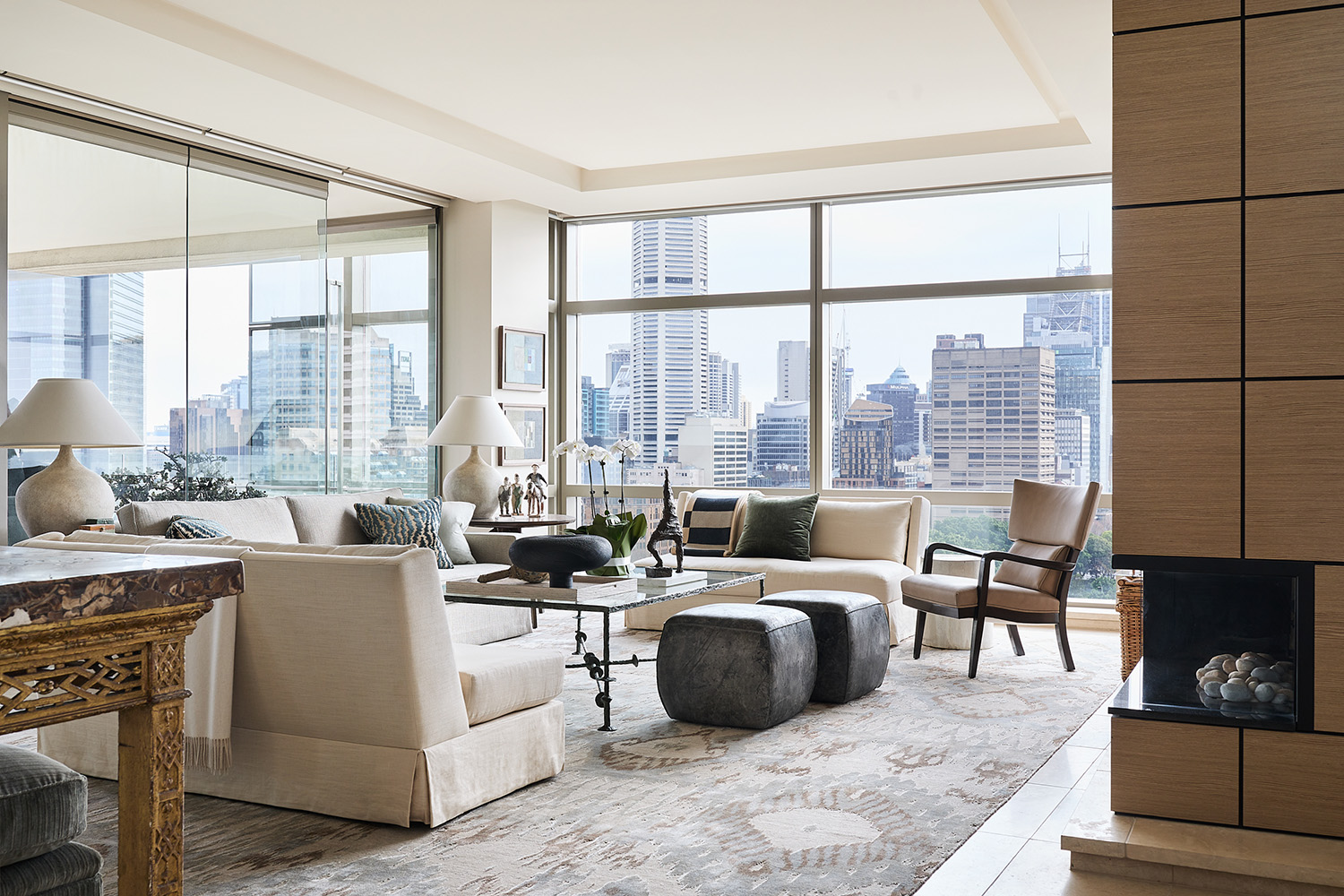
Interior designer Thomas Hamel on where it goes wrong in so many homes.
UAE retail investor confidence is rising as geopolitical concerns ease, with 82% expecting local stocks to gain over the next year and 71% planning to invest more.
3 min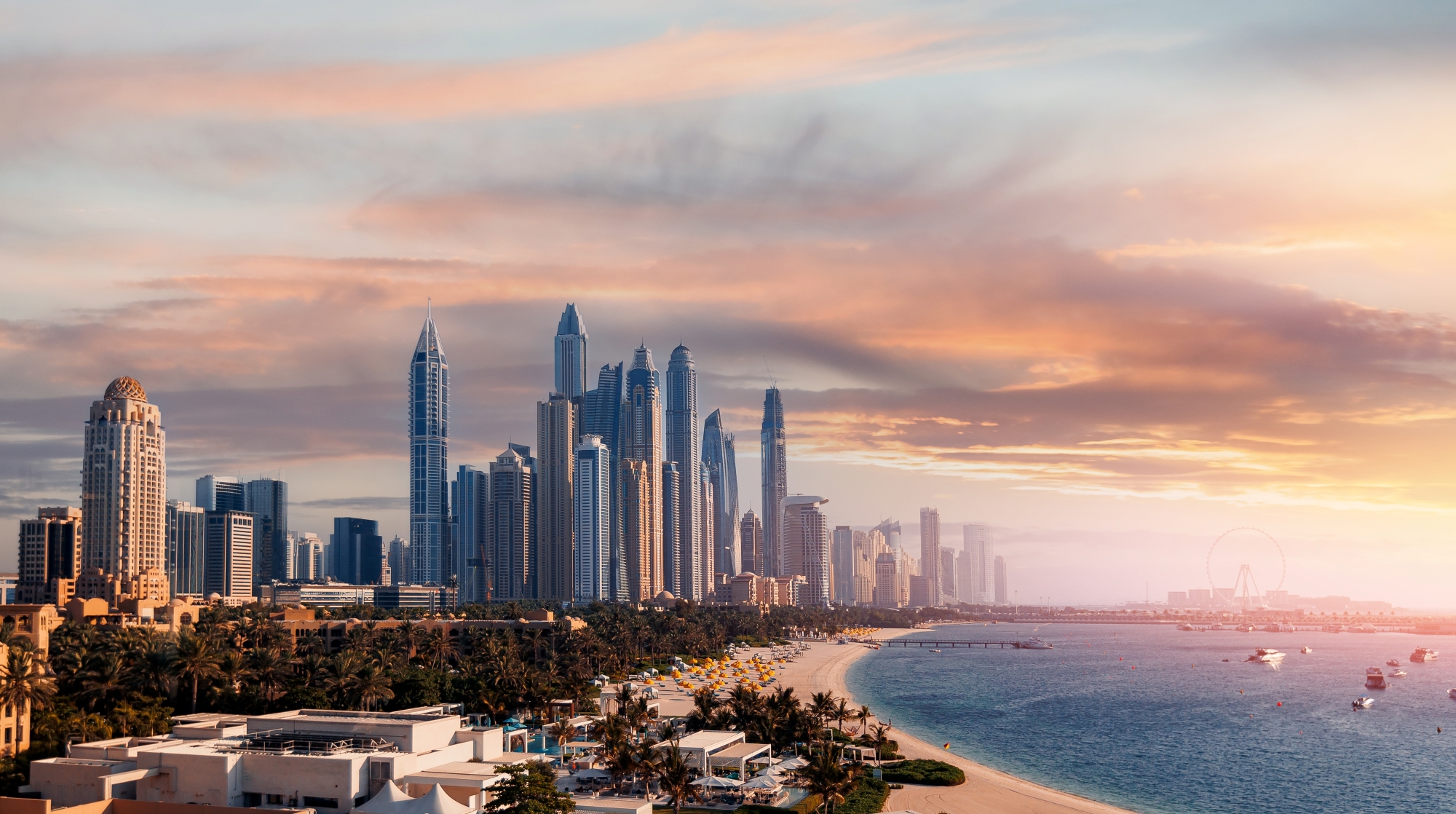
UAE retail investors are becoming increasingly bullish on their home market despite six months of geopolitical uncertainty, according to etoro’s latest UAE Retail Investor Beat, a survey of 1,000 retail investors residing in the UAE.
More than eight in ten (82%) now expect the UAE stock market to rise over the next 12 months, up from 76% in March and the highest level recorded since the question was first asked in November 2024.
The optimism is supported by strong confidence in the domestic listed companies. 93% of retail investors are confident in the long-term performance of locally listed UAE companies, up from 90% in March. Similarly, confidence in the UAE’s economy rose from 90% to 91%.
UAE retail investors are also bullish on the wider region, with more than half (58%) expecting the Middle East to deliver the strongest returns over the long term, ahead of other regions such as the US (47%) and China (35%).
This confidence is translating into investment decisions. Among retail investors adjusting their portfolios in response to geopolitical tensions in the Middle East, the proportion reducing exposure to UAE equities has fallen to 14% from 25% in March. Despite elevated global interest rates, 71% of UAE retail investors plan to invest more over the next 12 months, while a further 21% do not intend to change their investing plans.
Nagham Hassan, Market Analyst at etoro, commented on the findings: “The past six months have been a real test for markets, but UAE retail investors have not lost sight of the bigger picture, which is that the companies themselves kept performing. Two quarters of earnings confirmed it. Most listed companies kept growing through the period, and the ones that were hurt were the ones with direct exposure to the conflict and the disruption around it.”
Geopolitical concerns start to moderate
The rising confidence in the local market comes as worries about geopolitics start to ease. The proportion of UAE retail investors who believe geopolitical tensions will “definitely” have a significant impact on their investment portfolio in the next six months has fallen from 38% in March to 30%. Meanwhile, those expecting little or no significant impact has risen from 18% to 25%.
However, lower concern has not translated into complacency. Almost half (49%) now identify long-term security as one of their primary investment goals, up sharply from 34% in March.
Retail investors are also becoming more selective about where they see opportunities in the UAE market. Optimism towards real estate has risen to 58% from 54%, while technology remains broadly stable at 49%, compared with 48% in March. By contrast, the proportion who are optimistic about energy has declined from 42% to 35%, while for financial services this has fallen from 37% to 33%.
Nagham Hassan adds: “Retail investors here stayed engaged throughout 2026. Risk has not gone away, but the response to it has changed. After the first sell-off when the conflict started, the market absorbed the shock, and while it has not returned to pre-conflict levels, investors stopped selling broadly and instead started rotating out of the companies directly in the line of the disruption, and into the ones better cushioned from it. The pull toward real estate makes sense in that context, and the lighter positioning in energy and financial services points the same way, because a resolution brings oil down and eases inflation with it.”
“It’s important to remember the sell-off came from the conflict, not from the companies, and a move driven by conflict reverses when the conflict does. It cut both ways too. The market fell a long way from February highs, but that gave anyone who missed the December 2025 rally an entry point. Investors know conflicts do not last forever, and they weigh fundamentals over headlines.”
BNW Developments has established a Sydney presence, joining Arada and Sobha Realty among the growing number of UAE developers pursuing Australian buyers and development opportunities.
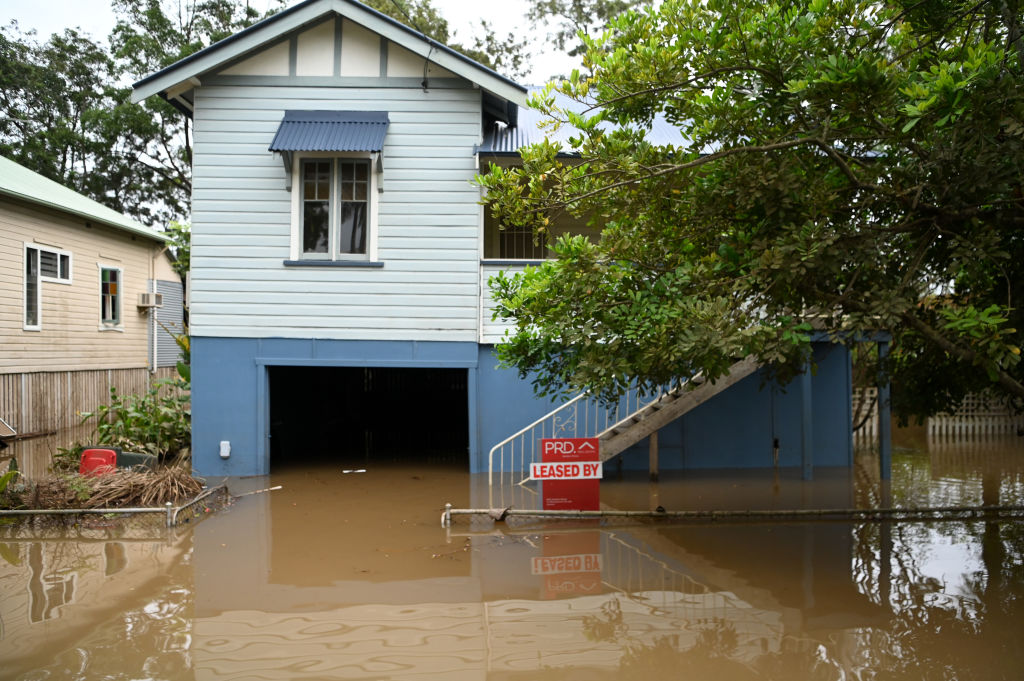
Following the devastation of recent flooding, experts are urging government intervention to drive the cessation of building in areas at risk.
Sharjah Islamic Bank raised US$500 million through a five-year Sukuk, attracting US$1.3 billion in orders—2.6 times the issue size.
< 1 min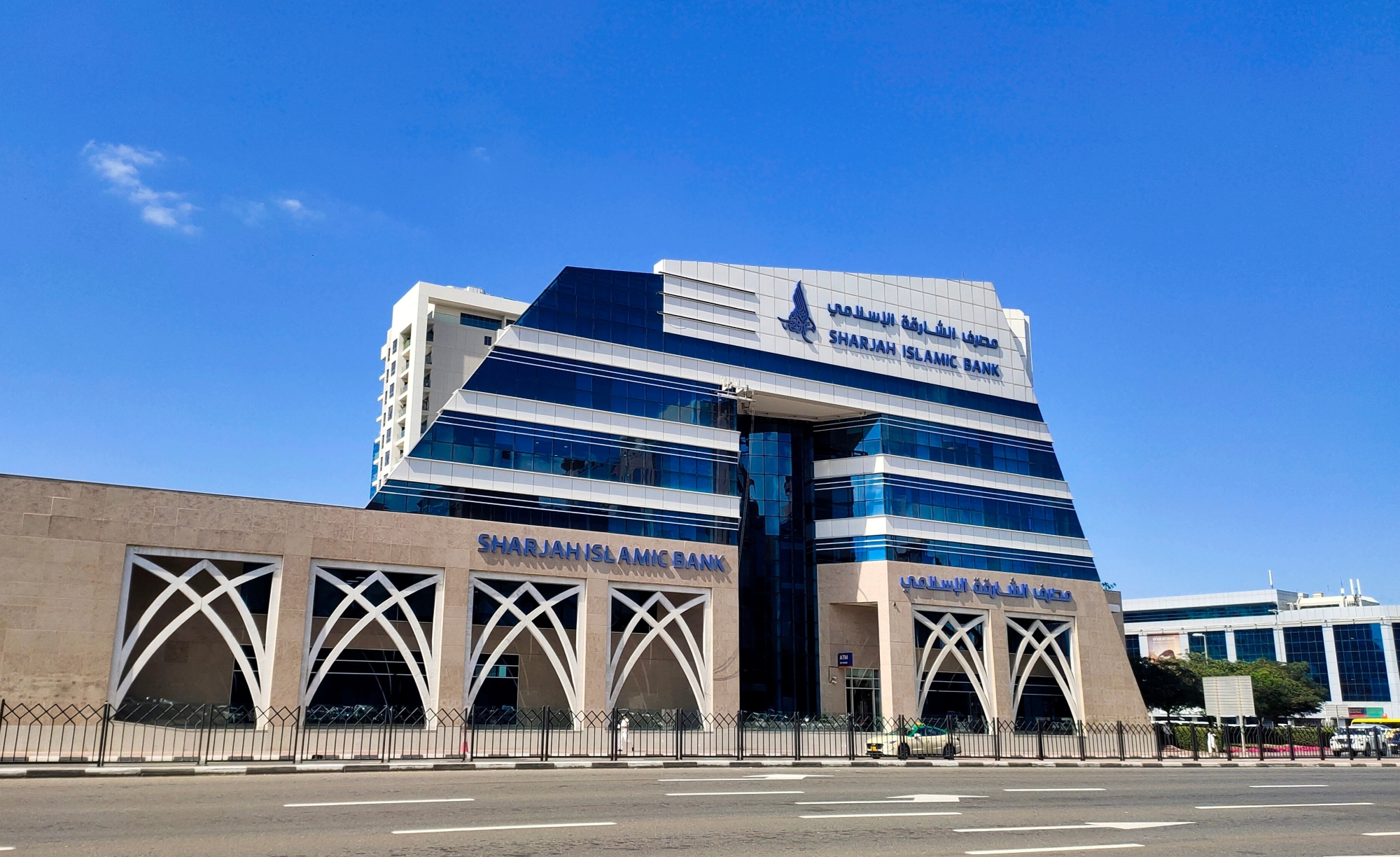
Sharjah Islamic Bank (SIB) has successfully issued a US$500 million five-year Sukuk amid strong investor demand.
The issuance attracted an order book of US$1.3 billion, representing 2.6 times the issue size.
The Sukuk was priced at a final yield of 5.85 percent, equivalent to a spread of 105 bps over five-year US Treasuries, marking SIB’s thirteenth Sukuk issuance since it entered the capital markets in 2006, reaffirming its continued presence in international Sukuk markets and its experience in executing successful issuances across different market cycles.
Mohamed Abdalla, CEO of Sharjah Islamic Bank, said the successful issuance reflects investor confidence in the bank’s financial performance and long-term strategy.
He noted that capital market activities are a key component of SIB’s funding strategy, supporting its financing plans and strengthening its ability to achieve sustainable growth.
“We continue to build on SIB’s presence in international capital markets, supported by solid financial fundamentals and a disciplined approach to balance sheet and liquidity management. This strengthens our ability to achieve sustainable growth and maintain our position as a trusted issuer in international Sukuk markets,” he added.
Ahmed Saad, Deputy CEO of Sharjah Islamic Bank, said the US$1.3 billion order book, representing 2.6 times the issue size, reflects strong investor demand for the issuance and confirms investors’ confidence in the bank and its ability to execute successful issuances in international capital markets.
He added that the successful issuance strengthens the bank’s flexibility in managing its funding needs and diversifying its sources of liquidity, supporting its long-term growth plans.
BNW Developments has established a Sydney presence, joining Arada and Sobha Realty among the growing number of UAE developers pursuing Australian buyers and development opportunities.
Dubai ranked ninth and Abu Dhabi 13th in the September 2026 Global Financial Centres Index, placing them first and second in the Middle East and Africa. The rankings reflect the UAE’s investment in infrastructure, regulation and talent.
2 min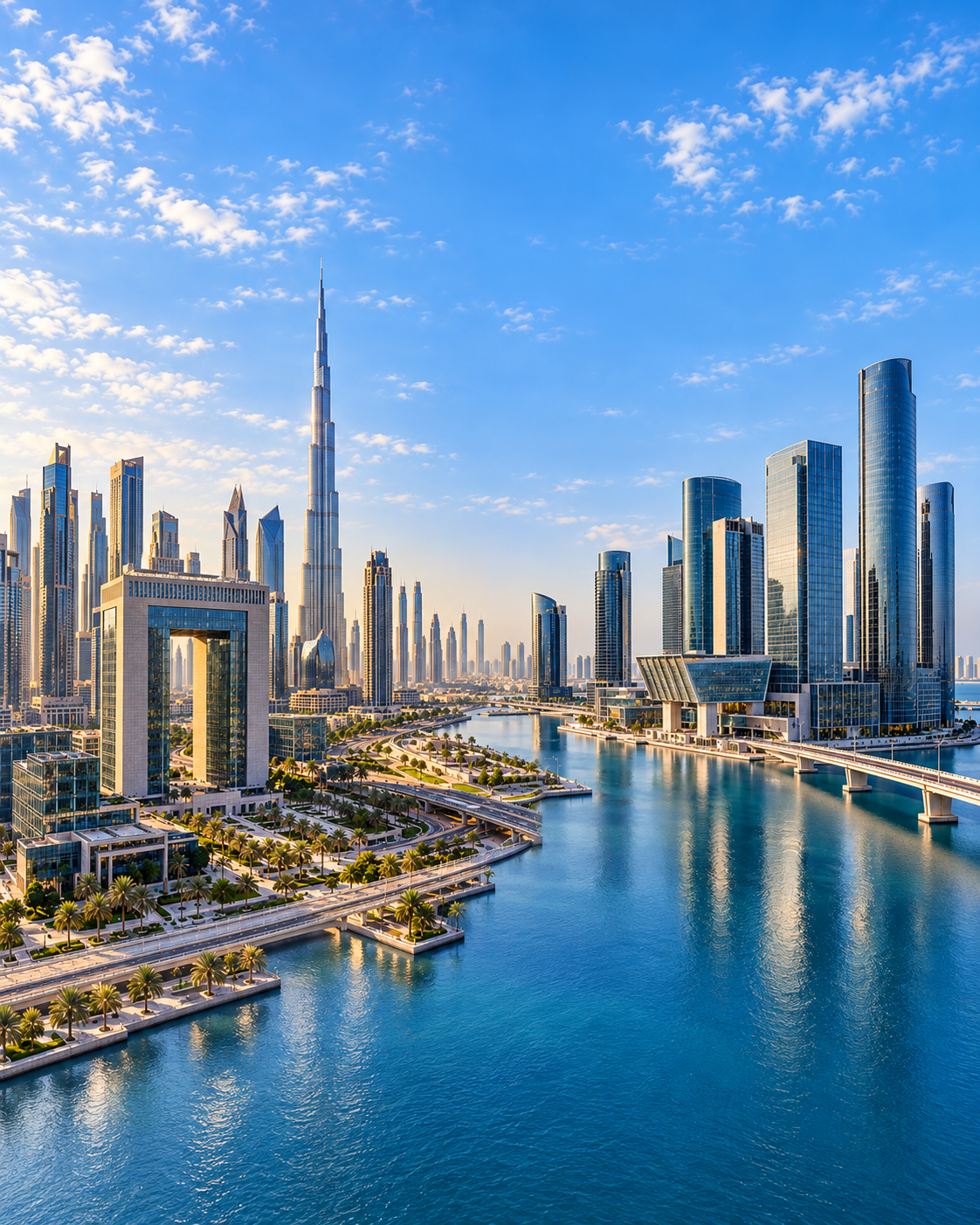
Dubai and Abu Dhabi’s positions among the world’s leading financial centres reflect the UAE’s long-term investment in infrastructure, regulation and talent, according to Nagham Hassan, MENA Market Analyst at etoro.
The September 2026 edition of the Global Financial Centres Index places Dubai ninth globally and Abu Dhabi thirteenth, with the two cities ranking first and second respectively in the Middle East and Africa. Abu Dhabi climbed eight places, while Dubai retained its position among the world’s top ten financial centres.
“These rankings reflect years of work to make the UAE an attractive place for financial institutions to operate, invest and recruit,” said Hassan. “Having two cities among the world’s leading financial centers strengthens the country’s ability to attract international business and supports growth across the wider economy.”
Dubai retains its global standing
Dubai’s ninth-place ranking puts it among leading international financial centres including New York, London, Hong Kong and Singapore. Although the city slipped two positions from seventh, its underlying score improved, indicating stronger competition among the leading centers.
“Dubai’s lower position should be viewed alongside the improvement in its score,” Hassan said. “Other centres have advanced faster, but Dubai continues to strengthen its offering. Its established infrastructure, international talent pool and financial services sector remain important advantages.”
Abu Dhabi’s rise reflects growing institutional presence
Abu Dhabi’s eight-place rise comes as international asset managers continue to establish and expand operations in the emirate.
ADGM reported a 54% year-on-year increase in assets under management in the first half of 2026. Major financial firms establishing, launching or expanding their presence during the period included Bain Capital, Barings, Hillhouse Investment, Rokos Capital Management and Man Group.
“The growing presence of international fund managers shows how global institutions view Abu Dhabi’s long-term potential,” Hassan said. “These firms bring expertise, capital and business activity, helping to deepen the financial sector and create opportunities beyond it.”
Long-term growth prospects remain in focus
According to Hassan, the UAE’s progress reflects sustained investment in infrastructure, regulatory frameworks that support financial businesses, and visa and residency options that help attract investors and skilled professionals.
The benefits extend beyond financial services. As institutions establish offices and expand their teams, they can support employment, demand for commercial and residential property, and activity across professional services.
Regional geopolitical uncertainty remains a significant influence on near-term market sentiment. However, Hassan noted that the continued expansion of international financial institutions points to confidence in the UAE’s longer-term position.
“Short-term market sentiment remains sensitive to developments in the region, but institutions make expansion decisions over a much longer horizon,” Hassan added. “If geopolitical tensions ease, the UAE’s growing financial sector and ability to attract international business could provide further support for investor confidence and local markets.”
BNW Developments has established a Sydney presence, joining Arada and Sobha Realty among the growing number of UAE developers pursuing Australian buyers and development opportunities.
Standard Chartered forecasts Oman’s GDP to grow 3.5% in both 2026 and 2027, supported by resilient non-oil activity, hydrocarbon production and investment in logistics and manufacturing. The Bank also expects the country’s fiscal and external positions to strengthen.
2 min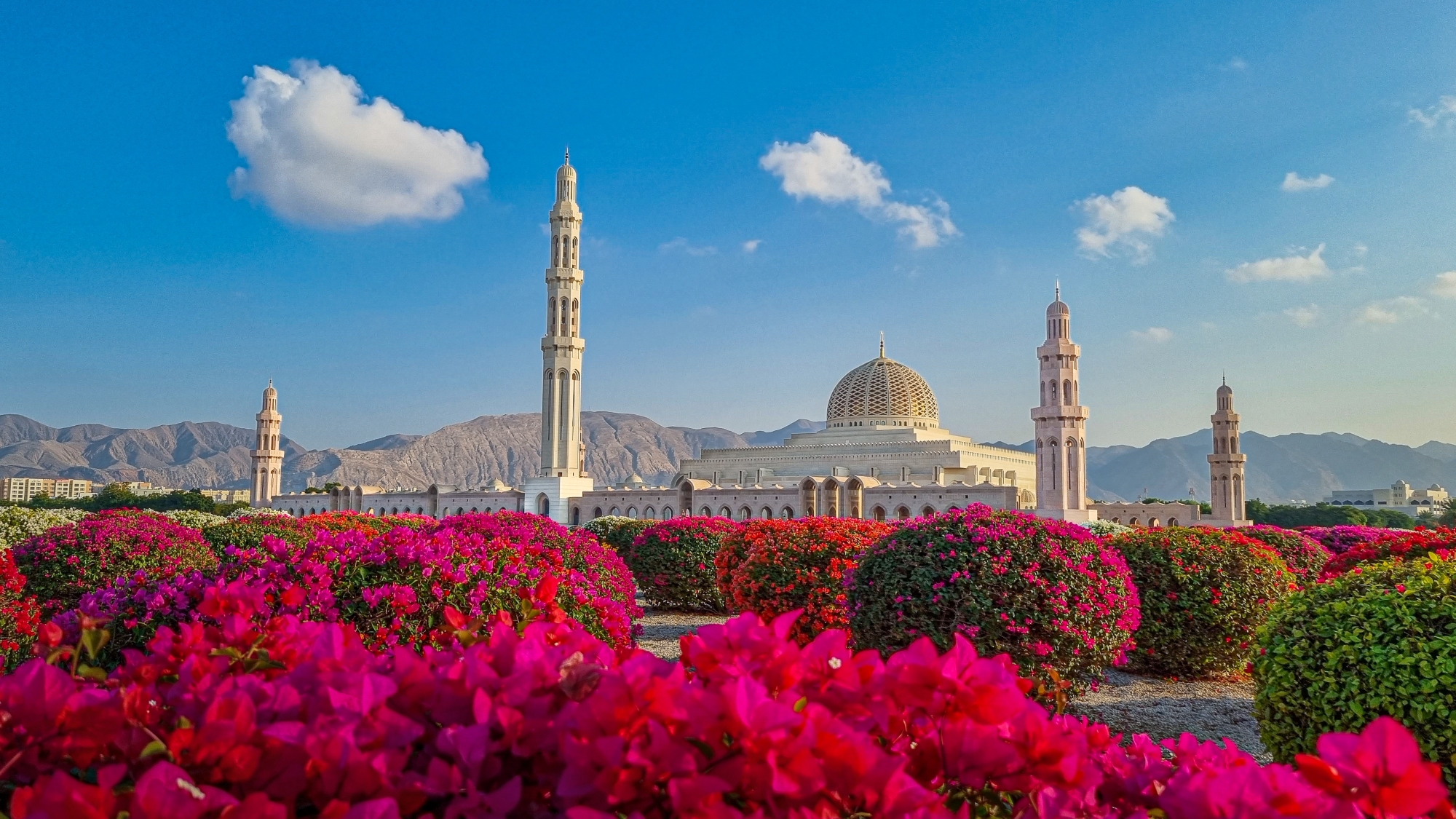
Standard Chartered forecasts Oman’s GDP growth to reach 3.5% in both 2026 and 2027, supported by resilient non-oil activity and a positive contribution from hydrocarbon production. The Bank expects non-oil growth to remain robust, underpinned by logistics, manufacturing and continued public investment linked to Oman Vision 2040.
The outlook is reinforced by a significant improvement in Oman’s fiscal and external positions. Standard Chartered has raised its fiscal surplus forecast to 4.6% of GDP in 2026 and 3.6% in 2027, from 0.5% and 1.0% respectively. Public debt is expected to decline towards around 33% of GDP by end-2026 and 31% by end-2027, while the current-account surplus is forecast at 5.0% of GDP in 2026 and 3.4% in 2027, compared with previous forecasts of 1.0% and 1.5%.
Hussain Al Yafai, Chief Executive Officer and Head of Coverage, Standard Chartered Oman, said: “Oman is entering the next phase of its development from a stronger economic position. Sustained non-oil growth alongside improving fiscal and external balances provides a firmer foundation for continued investment in the sectors that will shape the Sultanate’s next phase of diversification. The opportunity is to convert this resilience into broader and more durable growth as Oman advances the ambitions of Vision 2040.”
That stronger domestic position is complemented by an emerging external opportunity. As international investors reassess regional supply chains and seek more secure trade routes, Oman’s geographical location, neutral diplomatic position and relatively low exposure to direct conflict spillover are expected to reinforce the strategic value of its ports, industrial zones and logistics infrastructure. Standard Chartered expects investment momentum to strengthen across logistics, manufacturing, re-export activity and energy-linked infrastructure.
Al Yafi added: “As companies rethink supply chains and trade routes, Oman’s advantage is increasingly about connectivity as well as resilience. Its ports, industrial zones and logistics infrastructure serve as a strong platform to capture greater trade and investment activity and strengthen its links with regional and global markets. This can support the continued expansion of the non-oil economy while reinforcing Oman’s position as an increasingly important destination for long-term investment.”
Oman’s improving macroeconomic position and strategic connectivity therefore reinforce one another. Continued progress in the non-oil economy, together with investment in logistics, manufacturing and energy-linked infrastructure, positions the Sultanate to sustain growth while capturing opportunities created by evolving regional trade and investment flows.
BNW Developments has established a Sydney presence, joining Arada and Sobha Realty among the growing number of UAE developers pursuing Australian buyers and development opportunities.
Qatar raised $3 billion through its first public debt offering of 2026, with the dual-tranche bond attracting $6.4 billion in orders.
< 1 min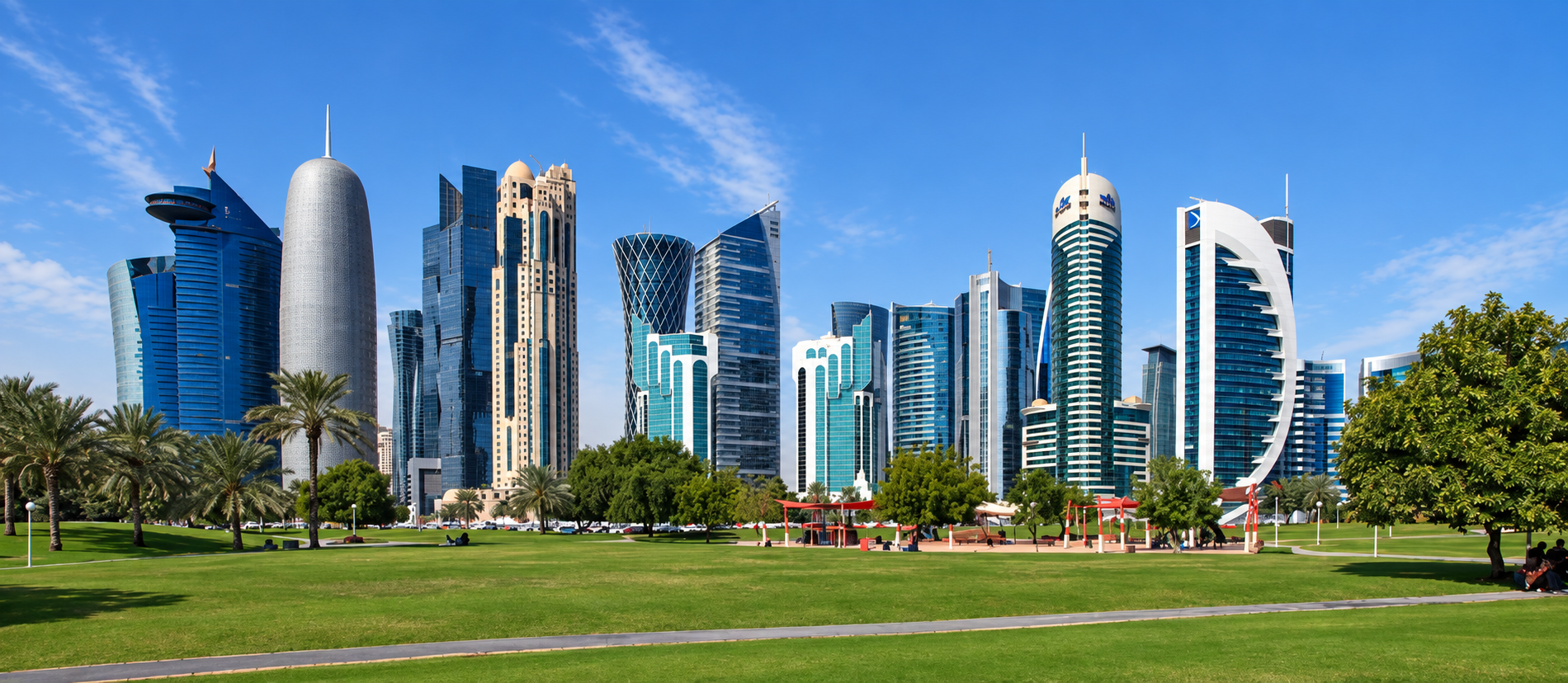
The State of Qatar raised $3 billion through its first public debt offering of the year with the dual-tranche senior unsecured issuance drawing a combined $6.4 billion orderbook.
The $1 billion five-year tranche drew a coupon of 5.25%, with a reoffer price of 99.437 and yield of 5.38%. The spread was tightened to plus 55bp over US Treasuries from IPTs in the +85bp area.
The $2 billion 10-year tranche also drew a tight spread at T+65bp from IPTs in the UST +95bp area, with a coupon of 5.375%. The reoffer price was set at 98.197, with a yield of 5.613%.
The final book on the five-year was in excess of $2.4 billion (excluding JLM interest), with the 10-year drawing $4 billion (excluding JLM).
HSBC was named the billing and delivery bank on the five-year tranche, with Standard Chartered Bank doing the same on the 10-year issuance.
The bonds carry a settlement date of September 28, 2026, and will be issued under Qatar’s Global Medium Term Note Programme. A listing on the London Stock Exchange (Main Market) will follow.
BNW Developments has established a Sydney presence, joining Arada and Sobha Realty among the growing number of UAE developers pursuing Australian buyers and development opportunities.