






Shifting Sands: How MENA Markets Evolved in 2025
MENA equity markets saw sharp contrasts in 2025: Dubai and Abu Dhabi outperformed as safe havens, Saudi Arabia’s TASI lagged with a 12% drop, and Egypt’s EGX 30 surged over 30% amid economic stabilization. With oil prices down and diversification accelerating, the region is shifting toward non-oil growth, AI investment, and stronger structural reforms.
 2 min
2 min
2025 proved a year of contrasts for MENA equity markets. In the UAE, the Dubai Financial Market (DFM) and Abu Dhabi Securities Exchange (ADX) steadily outperformed many regional peers, as investors gravitated toward more diversified economies less sensitive to oil-price swings. DFMMI (Dubai’s main index) registered a strong run mid-year. By contrast, the Tadawul All Share Index (TASI) in Saudi Arabia struggled, the region’s worst-performing major index in 2025, with a ~12% drop. At the same time, EGX 30 in Egypt delivered impressive gains: the index rose over 30% year-on-year, reflecting renewed investor confidence.
Underlying this among markets was a challenging global environment: oil prices dropped roughly 15 % year-to-date, exerting pressure on oil-dependent economies across the Gulf. That decline weighed on fiscal revenues and investor sentiment, particularly for energy-heavy markets.
Against that backdrop, Dubai (and to some extent Abu Dhabi) emerged as financial safe havens. With a diversified economic base, lower oil breakeven point, robust real estate and services sectors, and strong earnings across non-oil corporates, the UAE began to cement its status as a global financial hub. Analysts have highlighted growing flows into UAE equities as investors rotate away from oil-centric listings toward more stable, diversified equities.
Meanwhile in Saudi Arabia, 2025 saw a strategic turn: under renewed Western engagement, Riyadh via some of its sovereign-backed entities, accelerated investments in artificial intelligence, digital infrastructure and high-tech. The shift away from pure oil and real estate based growth reflects a longer-term push to diversify and future-proof the economy.
In Egypt, the story was of gradual stabilization. After years of economic strain, real GDP grew about an average of 5% QoQ in the first 3 quarters of the year 2025, thanks to structural reforms, manufacturing expansion, and supportive investments. Inflation, which had surged to historic highs, has moderated significantly. Urban consumer inflation eased to manageable levels, bringing some relief to households, while non-oil private-sector activity reached a five-year high in late 2025.
Together, these developments reflect a broader rebalancing across MENA: markets increasingly favor diversified growth, non-oil investments, and structural reform. As 2025 closes, it seems the region is recalibrating — with Dubai and Abu Dhabi rising as financial safe-havens, Riyadh betting on AI for the next era, and Cairo cautiously emerging from economic turbulence.
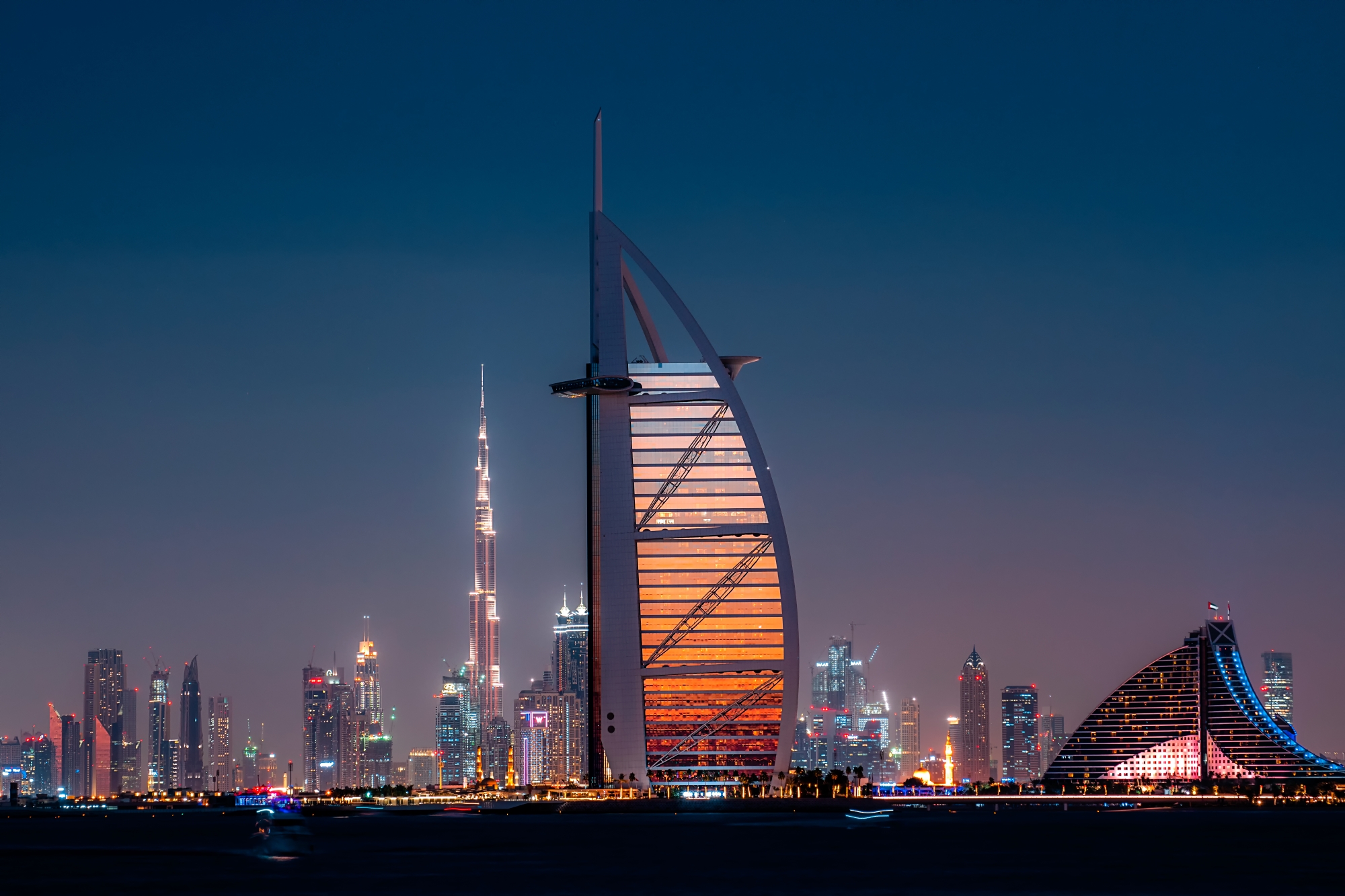
Dubai’s property market is showing resilience despite regional tensions, with off-plan apartment sales reaching nearly $5 billion in March, up 12.9% year-on-year. Strong demand—particularly in the ultra-luxury segment—continues to position the emirate as a safe-haven for investors, with S&P Global noting that recent reforms and long-term residency initiatives are reinforcing stability even as broader markets face volatility.

SpaceX is preparing for what could become the largest IPO in history, with a valuation exceeding $1.75 trillion and plans to raise up to $75 billion—surpassing Saudi Aramco. The listing would give investors first-time access to Elon Musk’s space ecosystem, spanning Starlink, Starship, and AI ambitions through xAI, but raises questions around valuation as capital-intensive expansion accelerates.

Wall Street’s strong start to 2026 has faltered as rising energy prices and Middle East tensions rattle markets, pushing U.S. stocks toward their worst quarter in years and raising fears of a potential global recession.
AI is reshaping banking—but trust is still catching up. A new report from SAS shows that while banks lead in AI investment, only 11% have both high trust in AI and truly trustworthy systems, with nearly half stuck between underusing reliable tools or over relying on unproven ones—highlighting a clear gap between AI ambition and real readiness.
4 min
In banking, trust isn’t optional – it’s everything. Yet, even as banks accelerate AI investment faster than other sectors, most are deploying AI without the oversight and infrastructure needed to earn that trust. That’s the central tension revealed in new banking insights from SAS’ Data and AI Impact Report: The Trust Imperative, with research insights by IDC.
Among the four sectors examined in the study, banking outpaces government, insurance and life sciences both in AI spending and adoption of trustworthy AI practices. In fact, about one-quarter (23%) of banks operate at the highest level of IDC’s Trustworthy AI Index. But even with these advantages, most banking institutions fall far short of the report’s “ideal state,” which combines high trust with high trustworthiness. According to the report:
- Only 11% of banks have achieved both high internal confidence in AI and AI systems that are demonstrably trustworthy.
- Nearly half (47%) fall into what IDC calls the “trust dilemma” – either underusing reliable AI because they don’t sufficiently trust it or overrelying on AI systems that haven’t been adequately validated.
“On trustworthy AI, banking leads every sector in this study – and even so, most banks’ foundational readiness is nowhere near where it needs to be,” said Stu Bradley, Senior Vice President of Risk, Fraud and Compliance Solutions at SAS. “Roughly nine in 10 banks have yet to fully align trust with proof, and about one in five are still running on siloed data. Closing the gap between AI ambition and AI readiness should be a top-down priority for all banks.”
As the UAE’s Vision 2031 and wider digital transformation efforts continue to gain momentum, banks across the Middle East are increasingly adopting advanced technologies to improve efficiency, strengthen resilience, and deliver better customer experiences.
Michel Ghorayeb, Managing Director at SAS UAE, said: “Banks in the Middle East are well-positioned to build on strong foundations, with robust data, clear governance, and effective oversight enabling AI investments to scale and deliver reliable results. At the same time, prioritizing transparency and making AI decisions easier to understand will play a key role in strengthening confidence. Banks that place responsible AI at the heart of their strategy will be best positioned to drive innovation, earn trust, and create sustainable long-term value.”
Investment is rising, but foundations remain fragile
The report, based on a global, cross-industry survey of 2,375 IT and business leaders, reveals a troubling pattern: Investment in AI capabilities is not being matched by investment in the responsible innovation pillars that make AI dependable. In an industry where a single model failure can trigger regulatory penalties or erode consumer confidence overnight, that’s a dangerous disconnect.
And the problem isn’t a lack of investment: Banks’ AI spending trajectory exceeds all other sectors in the study, with most banks (60%) expecting growth between 4% and 20%. A smaller subset (12%) anticipates even steeper increases. Despite this momentum, the study found significant foundational weaknesses remain, including:
- Data silos. Nearly one in five banks (19%) still operate with a siloed data infrastructure – the worst rate among the study’s focus industries.
- Insufficient data foundations. A significant portion of banks lack effective data governance (45%) and/or a centralized or optimized data infrastructure (41%).
- Talent gaps. Many banks (42%) also face shortages of specialized AI skills.
To address these issues, more than half (52%) of banks plan to expand their AI architecture; another 43% plan to form or grow dedicated AI teams. But fewer than one-third (31%) plan to focus on developing and tuning AI models themselves. The takeaway: These aren’t abstract or theoretical barriers; they’re structural.
“The banking sector clearly understands AI’s potential, but understanding and execution are not the same,” said Kathy Lange, Research Director of the AI and Automation Practice at IDC. “Without strong data architectures, governance frameworks and talent pipelines, banks risk pouring money into AI initiatives that can’t deliver ROI – or worse, that undermine the very trust they depend on.”
Responsible innovation, not cost savings, drives AI ROI
The report also challenges the assumption that AI’s primary value in banking is cost cutting. To the contrary, banking stands alone in ranking product and service innovation above process efficiency as the leading source of AI-driven value.
Cross-industry ROI figures show banks are onto something. Organizations using AI to improve customer experience reported the highest return – $1.83 for every dollar invested – followed closely by those centered on expanding market share ($1.74). Those focused on cost savings reported the lowest – $1.54 per dollar. Moreover, organizations that prioritized trustworthy AI were 60% more likely to report doubling overall return on their AI initiatives. That’s solid proof that responsible innovation is a growth accelerator that more than pays for itself.
Banks are also moving more decisively than other sectors toward agentic AI, with nearly one-third planning increases in trustworthy AI investment to support more autonomous systems. But as AI systems gain greater decision-making authority, the consequences of weak governance grow more significant.
“Regulators are watching. Customers are watching. And right now, nearly half of banks are using unproven AI – or hesitating to tap AI they’ve validated,” said Alex Kwiatkowski, Director of Global Financial Services at SAS. “No bank wants to become an ‘also-ran’ in this highly competitive race, and cost savings alone won’t keep them in it.
“The banks that win will be ones that invest in governance, explainability, transparency and strong data foundations before they scale, not after something breaks.”

Parts for iPhones to cost more owing to surging demand from AI companies.

Paine Schwartz joins BERO as a new investor as the year-old company seeks to triple sales.
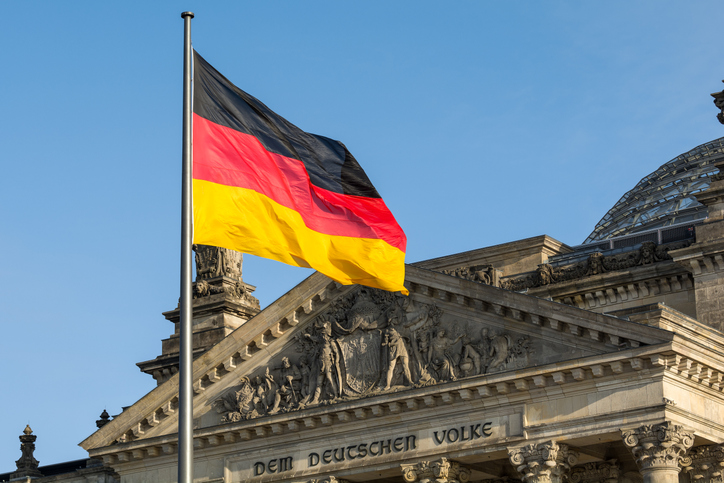


The UAE’s Ministry of Economy and Tourism and the Dubai Financial Services Authority (DFSA) have signed an MoU to strengthen financial oversight, enhance regulatory cooperation, and support the growth of the financial services sector. The agreement focuses on improving supervision of auditors and non-financial businesses, boosting transparency, and reinforcing efforts to combat financial crime—while further positioning Dubai and the UAE as leading global financial hubs.
2 min
The Ministry of Economy and Tourism of the United Arab Emirates (UAE), and the Dubai Financial Services Authority (DFSA), the independent regulator of banking, wealth & asset management, and capital markets in Dubai International Financial Centre (DIFC), today signed a Memorandum of Understanding (MoU) to enhance cooperation and facilitate the exchange of information relating to the regulatory oversight of auditors and Designated Non-Financial Businesses and Professions (DNFBPs) within their respective jurisdictions.
H.E. Abdulla Bin Touq Al Marri, Minister of Economy and Tourism, said: “The UAE has placed significant emphasis on developing a robust and advanced infrastructure for the financial services sector, given its importance as one of the main pillars for building a knowledge economy based on innovation and flexibility. The signing of this Memorandum of Understanding reflects our continued commitment to strengthening national regulatory frameworks in support of economic growth. Through closer coordination with the DFSA, we aim to enhance the effectiveness of supervision over auditors and Designated Non-Financial Businesses and Professions, fostering investor confidence and reinforcing Dubai International Financial Centre, Dubai, and the UAE’s position as a leading global financial hub.”
Fadel Al Ali, Chairman of the DFSA, commented: “This Memorandum of Understanding marks an important step in reinforcing our collaborative approach to regulatory oversight within Dubai International Financial Centre. By strengthening cooperation with the Ministry of Economy and Tourism, we enhance the Dubai Financial Services Authority’s ability to uphold robust standards across the sectors that we supervise, while contributing to Dubai and the United Arab Emirates’ broader efforts to combat financial crime and support the sustainable growth of its financial services sector.”
The MoU establishes a framework for collaboration between the two authorities, supporting their shared objective of maintaining high standards of transparency, accountability, and integrity across financial and non-financial sectors. The agreement reflects a mutual commitment to effective supervision and enforcement in line with international best practices.
In particular, the MoU aims to strengthen cooperation between the two authorities, and further reinforces their joint commitment and effort towards combating money laundering, the financing of terrorism, and the proliferation of illicit activities, to the extent permitted by the respective laws and regulations governing each authority.
The MoU underscores the importance of information sharing and coordinated oversight in addressing evolving regulatory challenges and fostering a resilient, transparent, and growth-oriented financial services ecosystem in DIFC, Dubai, and the United Arab Emirates.

New research suggests that bonuses make employees feel more like a mere cog in a wheel.
Two coming 2027 models – the first of the “Neue Klasse” cars coming to the U.S. early next year – have been revealed.
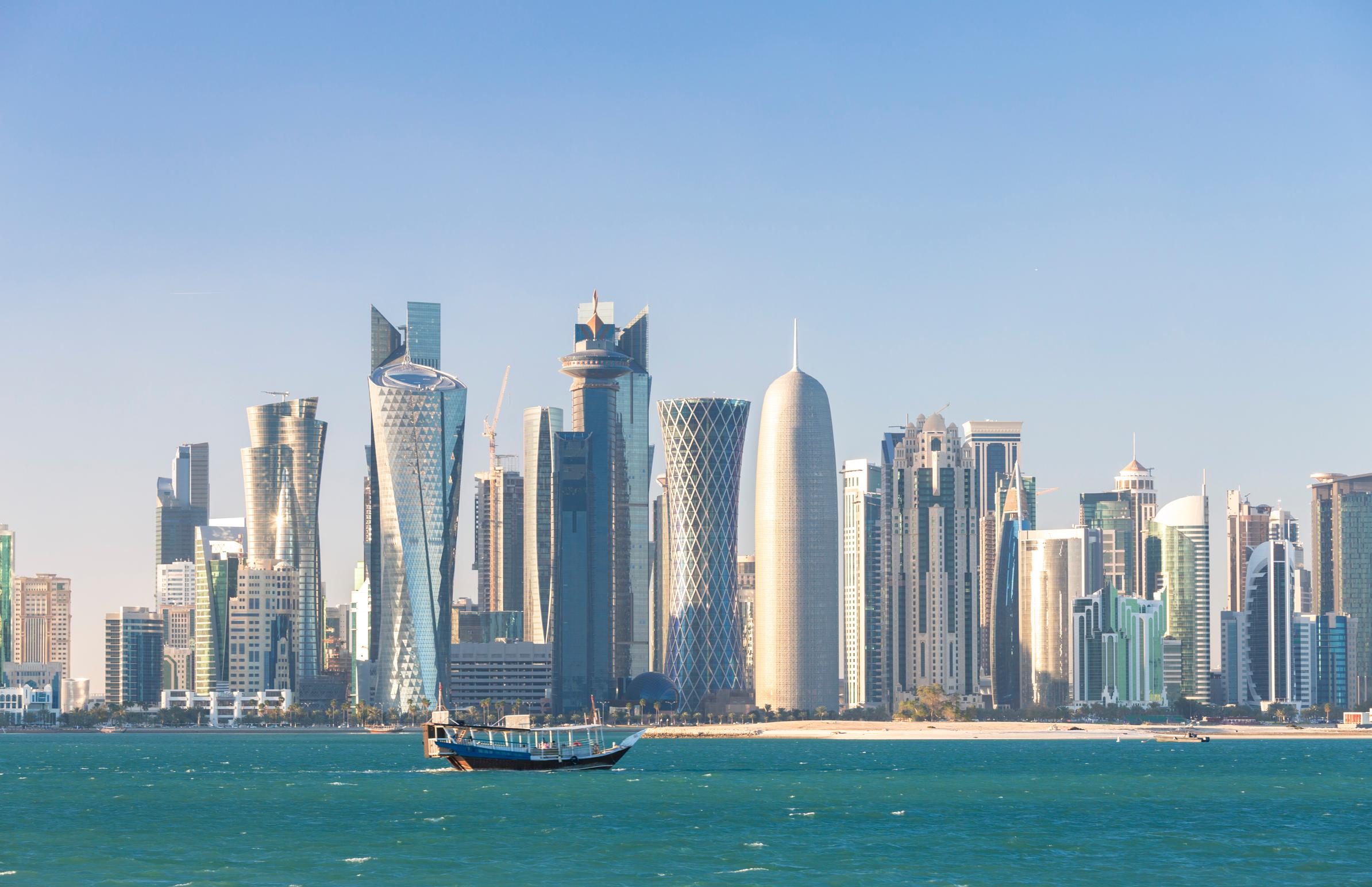
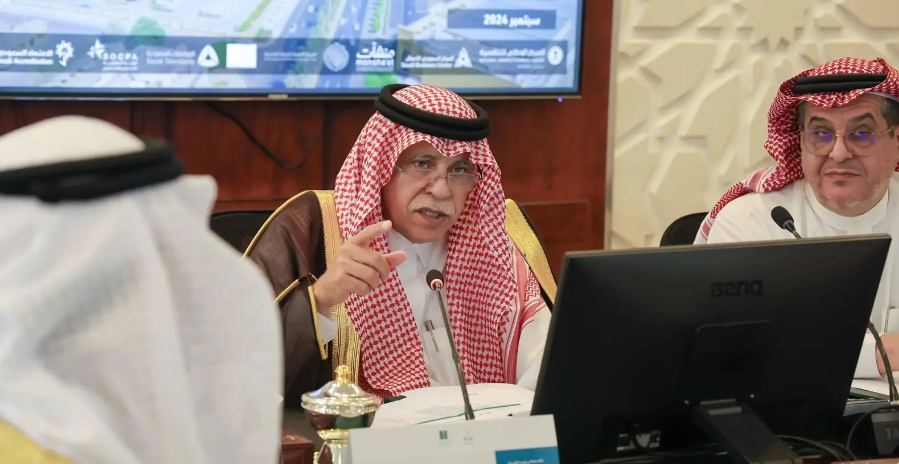

Mubadala and Qatar Investment Authority have backed WHOOP in a $575 million funding round that values the wellness firm at $10.1 billion, as investors double down on tech-enabled preventive healthcare. The capital will support global expansion as WHOOP scales its wearable platform focused on real-time health, recovery, and performance tracking.
< 1 min
Gulf sovereign wealth funds Mubadala and Qatar Investment Authority (QIA) have invested in WHOOP, an American wellness firm that seeks to extend human healthspan and prevent disease through its wearable device.
The two entities joined other investors in the recent $575 million Series G funding that brought the company’s valuation to $10.1 billion.
The investors include Abu Dhabi-based 2PointZero Group, as well as Collaborative Fund, which led the funding round, Abbott, Mayo Clinic and Macquarie Capital, alongside popular athletes including Cristiano Ronaldo and Rory Mcllroy.
Proceeds from the funding round will support expansion in the US, Europe, the GCC, Latin America and Asia.
WHOOP operates an app that helps people live healthier and longer lives. Those who sign up for it can track their health in real time through a 24/7 wearable health device or fitness band that provides guidance across sleep, recovery, strain, fitness and longevity.
QIA said its investment is in line with its strategy to support tech-enabled firms that are making an impact in various industries, including the future of personalized and preventive healthcare.
Two coming 2027 models – the first of the “Neue Klasse” cars coming to the U.S. early next year – have been revealed.
Many of the most-important events have slipped from our collective memories. But their impacts live on.
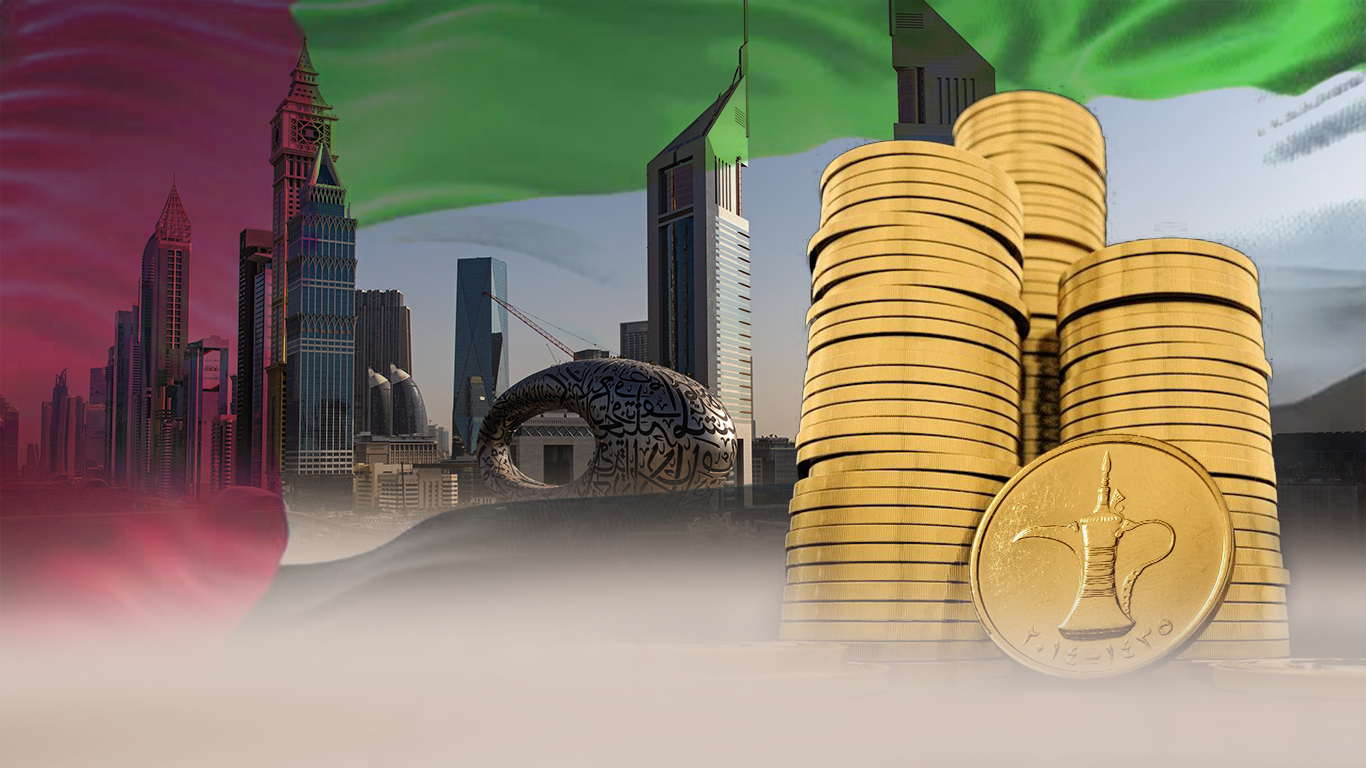
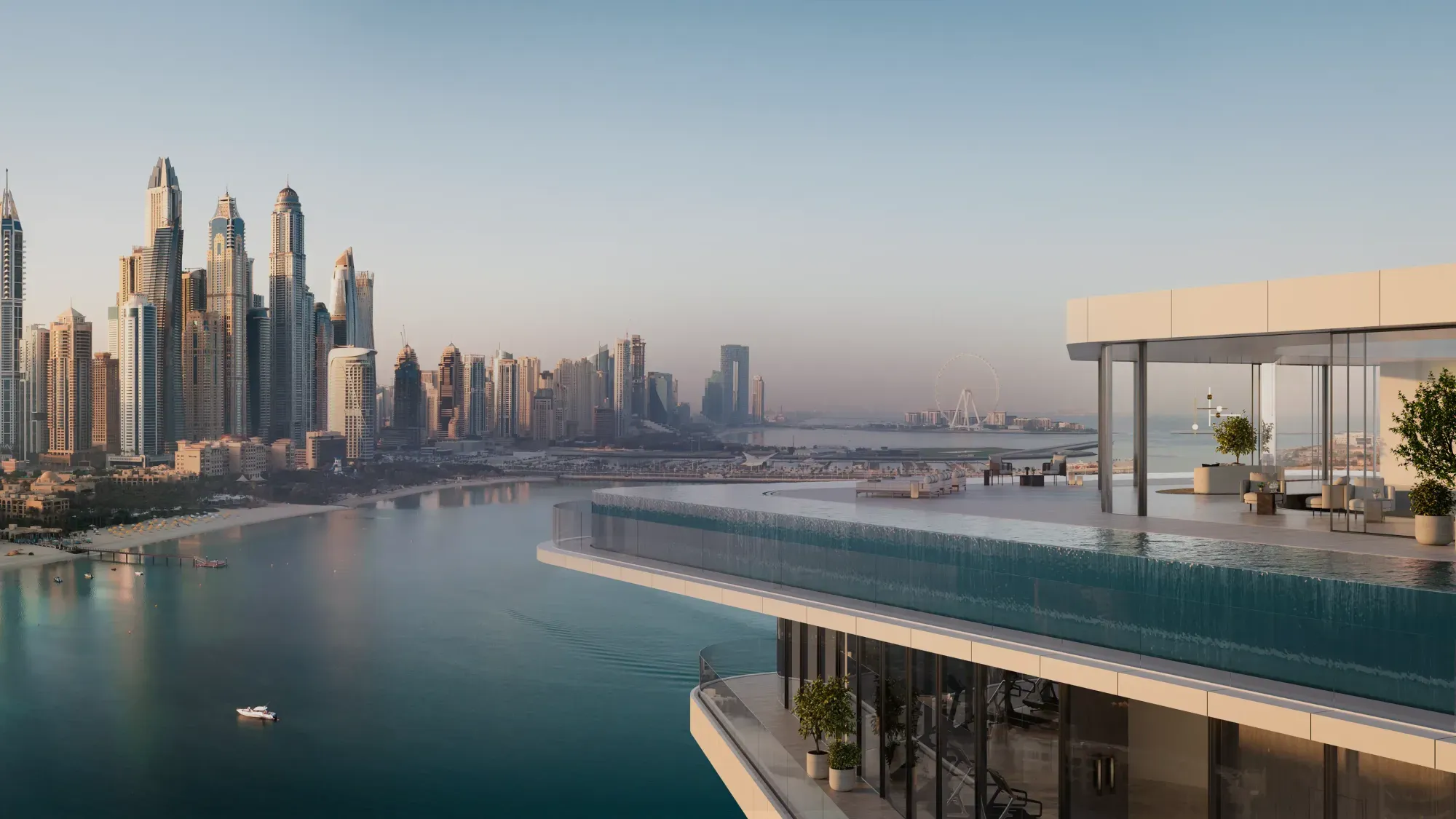

Dubai’s property market is showing resilience despite regional tensions, with off-plan apartment sales reaching nearly $5 billion in March, up 12.9% year-on-year. Strong demand—particularly in the ultra-luxury segment—continues to position the emirate as a safe-haven for investors, with S&P Global noting that recent reforms and long-term residency initiatives are reinforcing stability even as broader markets face volatility.
2 minDubai’s property investors are showing resilience against a backdrop of volatility and uncertainty, with apartment sales in the emirate reaching nearly $5 billion in the weeks since the US-Israeli war on Iran began.
Off-plan residential apartment sales in Dubai hit AED 17.5 billion ($ 4.8 billion) in March 2026, marking a 12.9% increase compared to a year ago, according to an analysis of Dubai Land Department (DLD) data by Al Masdar Al Aqaari, a platform specialising in UAE property market insights.
Transaction volumes in the off-plan segment also rose 2.3% to 7,983 deals during the same period, indicating strong buyer interest in Dubai real estate.
Iran has launched drone attacks and strikes in the UAE since the conflict began on February 28, leading market analysts to question the emirate’s safe-haven status for high-net-worth individuals (HNWIs). The conflict has also stoked chaos across financial markets outside the region.
DLD sales data showed that property seekers in Dubai showed strong interest in apartments in areas like Madinat Al Mataar and Dubai Islands. The increase in sales has been attributed to the “ultra-luxury” segment and strategic development near Al Maktoum International Airport (DWC).
One of the developments, Aman Residences, saw record-breaking deals, with one buyer snapping up an apartment for AED 422 million.
The analysis, however, did not take into account sales transactions in the villa segment or secondary and completed properties.
S&P has said that Dubai is not likely to lose its safe-haven allure soon nor will it undergo a property market crash similar to that of 2008 despite the regional conflict, highlighting that recent government reforms have changed the buyer profile from speculative to long-term.
While there has been a “flight to liquidity” during the initial phase of the conflict, some investors are doubling down on tangible assets in Dubai to use as a hedge against currency instability in the rest of the Middle East.
“We believe that the UAE government’s visa reforms will create a degree of stability and stickiness for residents and home/property owners … initiatives such as the Golden Visa grant long-term residency to investors,” the ratings agency said.
S&P also noted that so far, the damage to real estate assets in Dubai that were struck by drones, missiles, shrapnel or debris has “not been to a degree beyond repair.”
Two coming 2027 models – the first of the “Neue Klasse” cars coming to the U.S. early next year – have been revealed.
The sports-car maker delivered 279,449 cars last year, down from 310,718 in 2024.



SpaceX is preparing for what could become the largest IPO in history, with a valuation exceeding $1.75 trillion and plans to raise up to $75 billion—surpassing Saudi Aramco. The listing would give investors first-time access to Elon Musk’s space ecosystem, spanning Starlink, Starship, and AI ambitions through xAI, but raises questions around valuation as capital-intensive expansion accelerates.
2 minSpaceX is reportedly preparing to go public in what could become the largest IPO in history, with a potential valuation exceeding USD $1.75 trillion and plans to raise up to USD $75 billion. If confirmed, this would surpass Saudi Aramco’s 2019 listing, which raised USD $29.4 billion.
The listing would mark the first opportunity for public market investors to gain exposure to Elon Musk’s space ecosystem. SpaceX has established itself as a global leader, with its Starlink broadband network generating significant revenue and its launch capabilities dominating the commercial space sector.
Proceeds from the IPO are expected to fund the continued development of Starship, expand Starlink into new verticals, support defense-related initiatives, and accelerate investments in AI infrastructure, including the concept of space-based data centers.
The company’s recent merger with xAI introduces an additional dimension for investors. While the move creates a vertically integrated innovation platform spanning space and artificial intelligence, it also raises questions around valuation, given xAI’s capital-intensive nature.
Josh Gilbert, Market Analyst at eToro, commented: “SpaceX’s IPO represents a watershed moment for global markets. It’s not just about gaining exposure to a leading space company, but about investing in a broader ecosystem that spans connectivity, defense, and artificial intelligence. However, the complexity of the business model — combining a highly profitable space and broadband operation with a capital-intensive AI venture — means investors will need to carefully assess whether the proposed valuation is justified.”
The IPO also has implications for Tesla investors, as Tesla holds a stake in SpaceX following its USD $2 billion xAI investment. Increasing operational ties between the companies have fueled speculation about a potential future merger, which could create a new type of multi-sector technology conglomerate.
Notably, SpaceX is expected to allocate a significant portion of shares to retail investors, potentially up to 30%, signaling a shift in how major IPOs engage with individual market participants.
As anticipation builds, the key question for investors remains whether the scale, ambition, and integration of SpaceX’s business lines can support what would be one of the most ambitious valuations ever seen in public markets.
Paine Schwartz joins BERO as a new investor as the year-old company seeks to triple sales.

Chris Dixon, a partner who led the charge, says he has a ‘very long-term horizon’



Wall Street’s strong start to 2026 has faltered as rising energy prices and Middle East tensions rattle markets, pushing U.S. stocks toward their worst quarter in years and raising fears of a potential global recession.
4 minIt was supposed to be a banner year for Wall Street. Now investors are just hoping to avoid a global recession triggered by a historic run-up in energy prices.
U.S. stocks are set to deliver their worst quarter in nearly four years. The tech-heavy Nasdaq composite lurched into correction territory on March 26, meaning it had fallen 10% below its recent high. A day later, the Dow Jones Industrial Average (a benchmark for the real economy) joined it.
Flashback to December: Economic growth was accelerating, the Federal Reserve appeared poised to make further interest-rate cuts and markets had moved past the uncertainty created by U.S. disputes with its international trading partners. Together, the trends pointed to the potential for double-digit returns, and investors came into 2026 confident the rally was about to sweep up many of the stocks that sat out the rise of Big Tech, Nvidia and the artificial-intelligence boom.
“We had a perfect backdrop for a broadening—all the stars aligned,” said Michael Kantrowitz, chief investment strategist and head of portfolio strategy at Piper Sandler. “Then this just put a huge pause in it.”
For the first two months of the year, there were encouraging signs. While some tech stocks stalled, investors flocked to overlooked corners of the market, enticed by lower valuations and the idea that the economy would heat up.
There were some reasons for concern. Fears that AI could disrupt industries such as software have dragged down stocks in the once-hot industry, and many investors are watching the private-credit market closely for additional cracks. But on the whole, the U.S. stock market kept grinding higher.
What changed was war in the Middle East. Since Feb. 28, when the U.S. and Israel launched a series of strikes on Iran, oil prices have surged 55%, gold has been sinking and bond yields have climbed sharply. The S&P 500 has erased all of its gains for the past seven months.
In March, the market did experience a broadening many investors had foreseen, though not in the direction most wanted. Through Monday, 10 of the S&P 500’s 11 sectors were down this month, by an average of 8.3%. Energy was the lone exception.
The war has jacked up the price of oil and snarled supply chains for a variety of other important commodities, from aluminum to urea. That has raised the prospect of higher inflation and upended bets that the Fed will move to cut interest rates this year. Before the conflict broke out, traders priced in a nearly 80% chance that the central bank would cut rates twice by the end of the year. Now, those odds have dropped to less than 2%.
The Federal Reserve decided to hold interest rates steady as the U.S. conflict with Iran drives oil prices higher and clouds economic forecasts. WSJ’s Nick Timiraos explains.
Stock indexes posted relatively modest declines in the opening week of the war, reflecting expectations that any disruption to oil exports through the Strait of Hormuz would be short-lived. As that disruption enters a second month, Wall Street is having to confront a darker scenario.
“If a prolonged conflict means that we never get any more oil out of the Gulf, we will absolutely have a global recession,” said David Kelly, chief market strategist at J.P. Morgan Asset Management. “But I think both the U.S. administration and the Iranians will at some stage want to find an off-ramp.”
As stock declines accelerated in the back half of March, investors who hoped their bond portfolios would serve as a hedge found little relief. The worst rout in Treasurys since last April’s tariff chaos means a traditional 60% stocks and 40% bonds portfolio is performing almost as poorly as holding stocks alone.
BlackRock CEO Larry Fink sounded the alarm on the high stakes of the Iran conflict last week. If Iran is accepted back into the global trading community after the fighting, the resulting supply would lower and stabilize global energy prices, Fink told the BBC. But if Tehran remains a threat, he fears years of oil prices well above $100 a barrel.
“The $40 oil implication is one of abundance and growth,” Fink said. “The other one is an outcome of probably stark and steep recession.”
By some measures, stocks remain on solid footing: Analysts are projecting a sixth-straight quarter of double-digit earnings growth for S&P 500 companies during the first three months of 2026, according to FactSet. And some investors are impressed stocks haven’t fared even worse this month, given the circumstances.
Individual investors have still been buying stocks on a net basis, though the pace of their purchases has cooled from prewar averages, estimates from Citadel Securities and Vanda Research show.
But the pressures on markets are mounting, and traders are finding it more difficult to shrug off the conflict the way they did in the days following the initial attack, when they seemed to follow the TACO, or “Trump-Always-Chickens-Out,” playbook learned during last April’s tariff drama.
“Despite all the TACO hopes, it seems folks are increasingly realizing that it takes two to TACO these days,” Bob Elliott, chief executive of Unlimited Funds, wrote to clients on Sunday.
Investors are now scrutinizing the strength of a U.S. economy that has proved resilient despite a sluggish job market. The oil shock threatens to drag on growth, raising energy costs for consumers and businesses.
“The main risk is you had an economy that was a little wobbly heading into Q1,” said Steven Blitz, chief economist at TS Lombard. “Now, you’ve put an energy tax on it.”
The recent volatility has minted some winners—stocks in the S&P 500 energy sector are up 39% this year, on track to notch their best quarterly performance on record. Other “asset-heavy” industries such as materials also outperformed, as investors scout for companies that would be tough for AI to disrupt.
The sports-car maker delivered 279,449 cars last year, down from 310,718 in 2024.

Americans now think they need at least $1.25 million for retirement, a 20% increase from a year ago, according to a survey by Northwestern Mutual
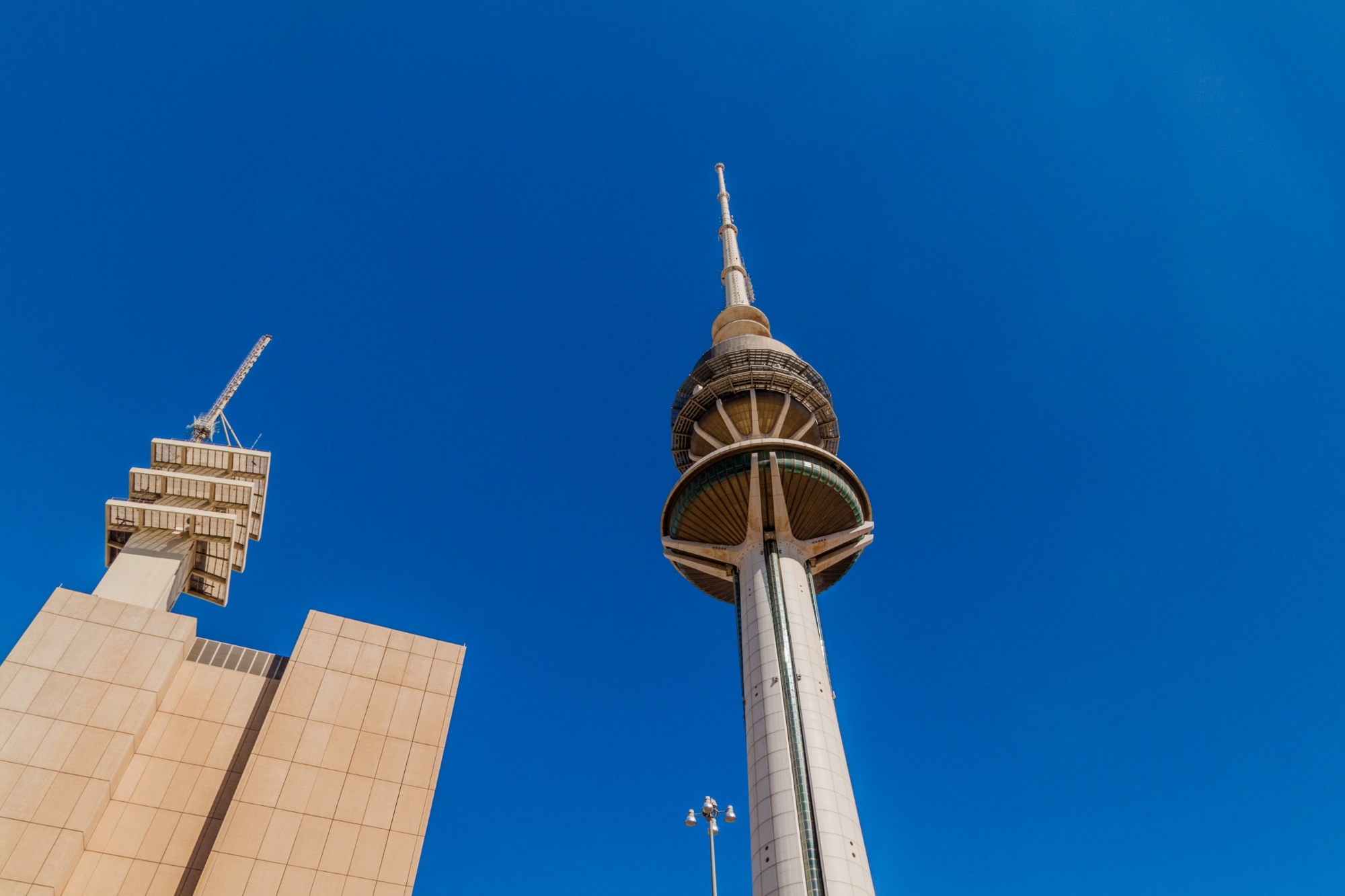


GCC economies are set for a slight contraction in 2026 as regional tensions weigh on trade, travel and investor confidence, with GDP expected to dip by 0.2% before rebounding strongly by 8.5% in 2027, according to ICAEW. While energy markets offer partial support, disruptions to tourism and logistics are driving uneven impacts across the region, with recovery hinging on how quickly stability and confidence return.
2 min
GCC economies are forecast to contract this year as recent regional escalations continue to weigh on economic activity, according to ICAEW’s latest Economic Insight Q1 2026 report, produced in partnership with Oxford Economics. Set against a softening global growth backdrop, the report forecasts GCC GDP to decline by 0.2% in 2026, reflecting sustained disruption to energy trade, travel and investor sentiment. However, the report also indicates a strong recovery, with GCC GDP forecast to expand by 8.5% in 2027.
The pace and strength of recovery will depend on how conditions evolve in the coming months, with a prolonged disruption presenting a more challenging outlook.
Within the current conditions, economies with greater exposure to international trade, tourism and logistics, are likely to see more pronounced near-term adjustments. While others are expected to remain relatively more resilient, reflecting differences in economic structure, export flexibility and exposure to global demand.
Energy markets remain central to the outlook. Elevated oil prices have provided some support; however, this has been offset by constraints on production and export volumes, with only Saudi Arabia and UAE able to export through alternative pipelines. GCC oil sector output is forecast to decline by 5.8% in 2026, before recovering strongly by 18.2% in 2027.
Beyond energy, the effects on tourism and travel are predicted to be more sustained. Airspace disruption and weaker sentiment have led to a decline in international visitor flows, with arrivals to the Middle East projected to fall by between 11% and 27% this year. This equates to up to 38 million fewer visitors and as much as $56bn in lost spending.
This will weigh on broader non-oil activity across the region, with growth projected to remain largely flat at 0.1% in 2026, before recovering to 6.4% in 2027 as confidence returns.
Heightened uncertainty is expected to drive more cautious consumer and business behavior in the near term, with precautionary savings rising and investment activity softening. Financial markets have already reflected this shift, particularly in more internationally exposed markets.
From a fiscal perspective, the impact will vary across the region. Higher oil prices will likely support government revenues in some economies, while others may face pressure due to constrained export volumes. Government spending is expected to increase across the GCC as authorities support economic stability prioritize strategic sectors including financial services, technology and healthcare.
Commenting on the findings, Hanadi Khalife, Regional Director of MEASA, ICAEW, said: “Recent regional developments have created a more challenging near-term environment for GCC economies, with disruption to energy trade and softer confidence weighing on activity. While this has placed pressure on growth in the short term, the region’s underlying fundamentals remain strong, supporting a recovery as conditions stabilize.”
Azad Zangana, Head of GCC Macroeconomic Analysis, added: “The impact across the GCC reflects differences in economic structure and exposure to external demand. While energy markets are anticipated to recover as trade flows normalize, sectors such as tourism may take longer to recover, which could weigh on diversification momentum in the near term. The strength of the rebound will depend on how quickly stability returns and confidence is restored.”
Paine Schwartz joins BERO as a new investor as the year-old company seeks to triple sales.

Interior designer Thomas Hamel on where it goes wrong in so many homes.


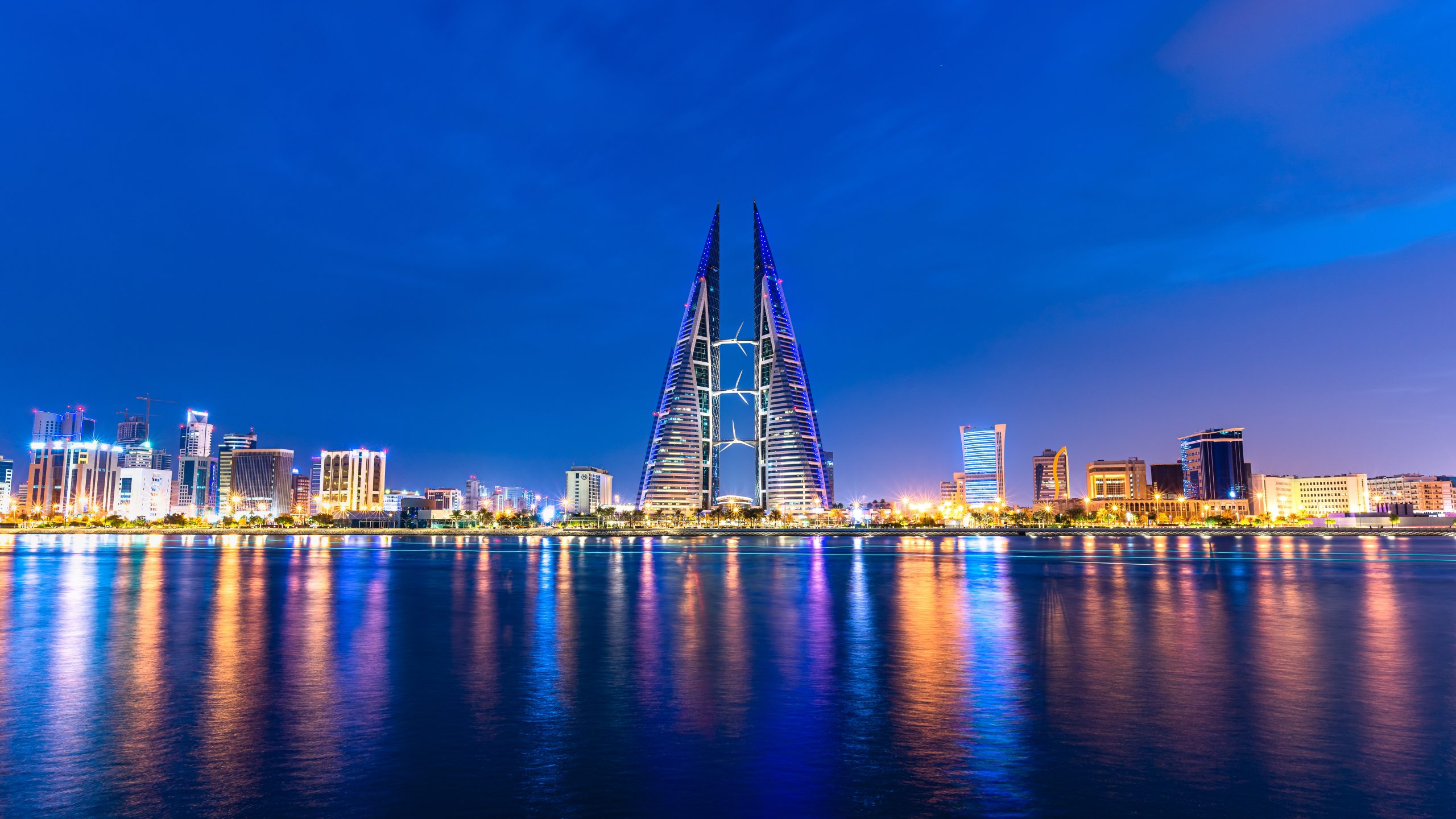
Qatar Central Bank unveiled new measures to support liquidity and safeguard the banking system amid regional tensions, including a reserve requirement cut, expanded repo facilities, and temporary relief for affected borrowers.
< 1 min
Qatar Central Bank (QCB) has announced a series of monetary policy and borrower support measures to mitigate the impact of the Iran war on the banking system and ensure adequate liquidity.
The central bank, in a review of the financial system, said liquidity remains strong and capital levels continue to exceed regulatory requirements. The QCB added that banks maintain substantial equity positions in both domestic and foreign currencies.
Despite this, the external environment remains uncertain, and conditions may change, it said. In light of this, the central bank decided to introduce a few precautionary measures.
As part of the package, QCB will reduce the reserve requirement on deposits to 3.5% from 4.5%, releasing additional liquidity into the banking system.
The central bank will also offer an unlimited amount of Qatari riyal (QAR) repurchase (repo) facilities against eligible securities held by banks, to maintain QAR liquidity in the local market.
In addition to the existing overnight repo facility, QCB will introduce a term repo facility with maturities of up to three months, enabling banks to manage cash flows with greater certainty during the current period.
On the borrower support front, QCB will allow banks to offer customers affected by the conflict the option to defer loan principal and interest payments for up to three months.
Earlier this month, the UAE Central Bank rolled out a resilience package aimed at reinforcing liquidity in the banking system.
Parts for iPhones to cost more owing to surging demand from AI companies.
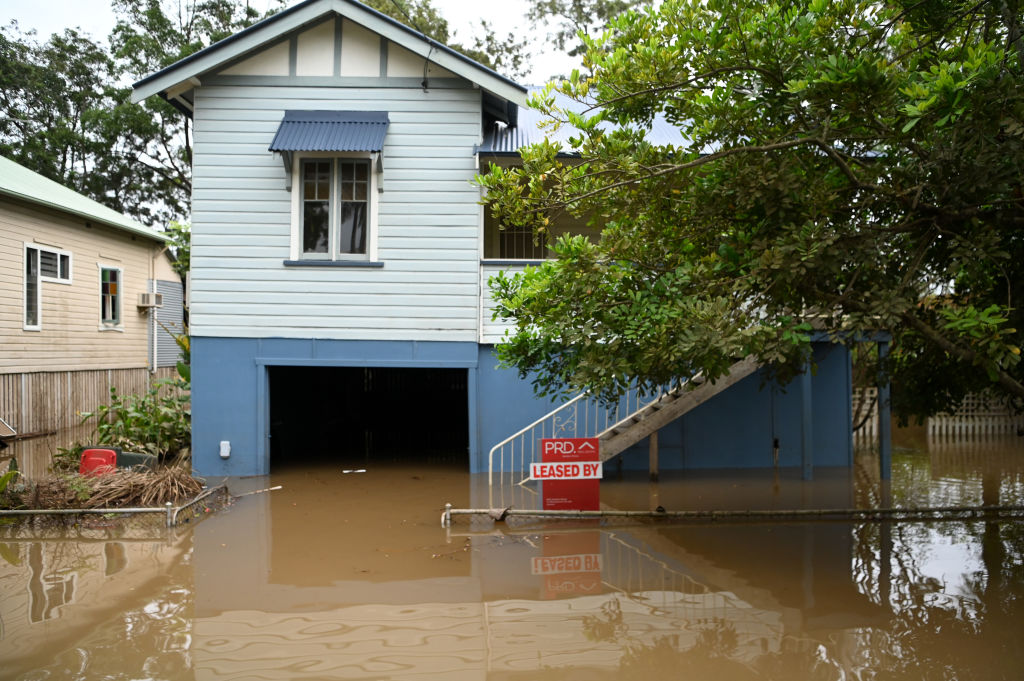
Following the devastation of recent flooding, experts are urging government intervention to drive the cessation of building in areas at risk.



Gulf markets slipped as rising regional tensions weighed on sentiment, with losses in Dubai, Abu Dhabi, and Qatar, while Saudi Arabia edged higher on banking and energy gains.
2 min
Most Gulf stock markets slipped in early Monday trading after Yemen’s Houthis launched attacks on Israel over the weekend, further escalating the U.S.-Israel conflict with Iran and its proxies in the Middle East.
Amid the rising tensions, U.S. President Donald Trump said Washington and Tehran had been communicating both directly and indirectly, describing Iran’s new leadership as “very reasonable.”
At the same time, additional U.S. troops arrived in the region, while the Israeli military said it was targeting Iranian government infrastructure across Tehran on Monday. Late Sunday, the Financial Times reported that Trump said the U.S. could seize Kharg Island in the Persian Gulf — a key hub for Iran’s oil exports — though he also suggested that a ceasefire could be reached quickly.
Meanwhile, Iran said it was prepared to respond to any U.S. ground offensive, accusing Washington on Sunday of planning a land assault even as it continued to pursue negotiations.
Dubai’s main share index dropped 1.1%, dragged down by a 3.1% slide in top lender Emirates NBD and a 1.9% decline in sharia-compliant lender Dubai Islamic Bank.
In Abu Dhabi, the index lost 0.5%, hit by a 4.1% plunge in Abu Dhabi Ship Building and 0.1% fall in Aldar Properties.
Meanwhile, shares in Fertiglobe, a producer of ammonia and urea, climbed 2.3%.
Emirates Global Aluminium, the Middle East’s largest producer of the metal, said on Saturday that its Al Taweelah production base in the UAE had suffered significant damage in Iranian missile and drone attacks, while Aluminium Bahrain (Alba), which operates the world’s largest single-site smelter, said on Sunday it was assessing damage from the strikes. Alba shares were down 0.9%.
The Qatari index declined 0.9%, with the Gulf’s biggest lender Qatar National Bank retreating 1.1%.
Saudi Arabia’s benchmark index bucked the regional trend to gain 0.3%, helped by a 0.8% rise in Al Rajhi Bank and a 0.5% increase in oil giant Saudi Aramco .
Elsewhere, ADES Holding added 0.6%, after the oil drilling group beat analyst expectations with a 2% rise in annual net profit and reiterated its strong growth forecast for this year despite some rig suspensions last year and recent halts due to the war.
Saudi crude exports redirected from the Strait of Hormuz to the Yanbu port in the Red Sea reached 4.658 million barrels per day last week, according to Kpler data, easing some concerns around supply disruption.
Oil prices extended gains on Monday, with Brent headed for a record monthly rise.
Paine Schwartz joins BERO as a new investor as the year-old company seeks to triple sales.



Ninja moves forward with IPO plans despite market volatility, targeting Tadawul listing by 2027.
< 1 min
Saudi Arabian startup Ninja is going ahead with plans to launch an initial public offering (IPO) and list on the Saudi Exchange (Tadawul) despite volatility in the capital markets caused by the Middle East conflict.
Founded in 2022, the quick-commerce firm’s representatives have held meetings with investors recently and participated in a banking conference in the United Kingdom this month, according to Bloomberg.
Ninja is weighing which investment banks to commission for the IPO, with the selection process now in the final stages, the news agency said, quoting sources familiar with the matter.
The listing is slated for later this year or early 2027.
The private startup has been heavily supported by investors in the kingdom, including institutional and semi-government entities.
Since its launch, the firm has scaled up rapidly, expanding into Bahrain, Kuwait and Qatar, and has reached unicorn status with a valuation of more than $1 billion.
Two coming 2027 models – the first of the “Neue Klasse” cars coming to the U.S. early next year – have been revealed.



Egypt accelerates debt repayments to international oil companies, aiming to boost investment and revive domestic energy production amid rising import costs.
< 1 min
Egypt will settle $1.3 billion in arrears to international oil companies by June, the petroleum ministry said on Saturday, accelerating its previous timetable for repayments.
Egypt had accumulated about $6.1 billion in arrears to foreign oil companies by June 30, 2024 due to a prolonged foreign currency shortage that delayed payments and weighed on investment and gas output. The shortage has since eased, though some companies have said that arrears have been once again accumulating.
Under its prior timetable, announced in January this year, the government had expected to still have arrears of some $1.2 billion by June.
Clearing debt may encourage foreign oil and gas companies to resume drilling, which would boost local production that has been steadily falling since peaking in 2021.
More local production would help the North African nation to reduce its energy imports.
Egypt’s energy imports bill has more than doubled since the outbreak of the U.S.-Israeli war with Iran and the government is considering asking employees to work remotely and closing shops by 9 p.m. (1900 GMT) five days a week to cut energy consumption.
According to a recent note by the Institute of International Finance, the additional cost of oil could lead to an increase in expenditure of between 0.2% and 0.55% of the country’s GDP at a time when its economy is barely recovering from successive shocks.
Paine Schwartz joins BERO as a new investor as the year-old company seeks to triple sales.



Egypt introduces sweeping real estate tax reforms to ease pressure on households, including raising the exemption threshold to EGP 8 million, capping penalties, and offering new incentives for timely payment and dispute resolution.
< 1 min
Egypt’s Minister of Finance, Ahmed Kouchouk, has announced a package of unprecedented incentives and facilitative measures aimed at easing the burden of real estate taxes on citizens, as part of broader efforts to support household finances amid ongoing economic pressures.
In a statement issued on Friday, the minister revealed that the tax exemption threshold for primary residential properties has been raised to EGP 8 million, a move expected to significantly reduce the number of taxable homeowners. He also emphasized that late payment penalties will not exceed the original tax amount, providing further relief to taxpayers.
Kouchouk noted that no real estate tax will be imposed on properties that are demolished or rendered unusable due to exceptional circumstances. Additionally, for the first time, taxpayers will be allowed to request full waivers of both tax liabilities and associated penalties in cases deemed necessary.
The reforms also include provisions for refunding any excess payments made beyond legally due amounts, while penalties will be waived for individuals who settle their dues either before or within six months of the new amendments coming into effect.
In a notable step, all unresolved appeals currently under review will be dismissed, while taxpayers will be allowed to settle ongoing disputes by paying 70% of the contested tax amount, enabling faster resolution of cases.
To encourage compliance, the government is introducing tax incentives, including a 25% discount for timely filing on residential units and 10% for non-residential properties. An additional 5% discount will be granted for early payments.
The reforms also allow taxpayers to submit a single unified tax return for multiple properties and facilitate electronic payments and filings, signaling a shift toward a more efficient and taxpayer-friendly system.
Parts for iPhones to cost more owing to surging demand from AI companies.



Prices at such a level could trigger a recession or consumer changes that crush demand.
4 min
Saudi Arabia’s oil officials are working frantically to project how high oil prices might go if the Iran war and its disruption of energy supplies doesn’t end soon—and they don’t like what they are seeing.
The base case, several oil officials in the Gulf’s biggest producer said, is that prices could soar past $180 a barrel if the disruptions persist until late April.
While that would sound like a bonanza for a kingdom still heavily leveraged to oil revenue, it is deeply concerning. Prices that high could push consumers into habits that slash their oil use—potentially for the long term—or trigger a recession that also hurts demand. They also would risk casting Saudi Arabia in the role of profiteer in a war it didn’t start.
“Saudi Arabia generally does not like too-rapid increases in oil, because that then creates long-term market instability,” said Umer Karim, an analyst of Saudi foreign policy and geopolitics with the King Faisal Center for Research and Islamic Studies. “For Saudis, the ideal equation is a relatively modest increase in prices while their market share remains stable.”
Saudi Aramco, the country’s national oil company, which handles production, sales and pricing, declined to comment.
This week’s strikes targeting energy facilities have pushed oil prices higher . In retaliation for an Israeli strike Wednesday on Iran’s South Pars gas field , Tehran hit facilities in Qatar’s Ras Laffan energy hub and attacked other Gulf infrastructure including Saudi facilities at Yanbu, the Red Sea end of a pipeline that can take crude around the chokepoint in the Strait of Hormuz .
Iran also continued to hit ships in the Gulf, extending a string of attacks that have all but shut the strait, the narrow conduit for 20% of the world’s oil shipments.
Attacks sent benchmark Brent futures as high as $119 a barrel before easing back Thursday. The contract’s all-time high, reached in July 2008, was $146.08.
“$200 a barrel is not outside the realms of possibility in 2026,” analysts at energy consulting firm Wood Mackenzie said.
Gulf futures tied to Oman crude, which are less liquid but which quickly reflect local supply disruptions, shot past $166 a barrel. Oman is a benchmark for much of the oil sold by Middle East producers such as Saudi Arabia, with tankers of physical crude priced at a fixed spread to the benchmark, which floats up and down each day with the market.
Some Saudi customers are balking at using the benchmark given its volatility, the oil officials said. Aramco, however, is insisting it is a true reflection of supply in the market, they said.
The war has already removed millions of barrels of oil from global supply. Prices are up by around 50% since the conflict began Feb. 28.
Modellers at Saudi Aramco need to assess the direction of the market in time to release the official selling prices for their crude by April 2. They pull in a number of inputs, including soundings on customer demand from staff who handle oil sales.
Saudi Arabian light crude is already being sold to Asian buyers via its Red Sea port for around $125 a barrel. As extra oil in storage—some of which was shipped out of the Gulf ahead of the war—is used up, physical shortages will bite more deeply next week, causing prices to close in on $138 to $140, the officials said.
By the second week of April, with no easing of the supply disruptions and the Strait of Hormuz remaining closed, the Saudi officials said they expected prices could hit $150 before stepping up to $165 and $180 in the weeks ahead.
Oil traders are also putting bets on much higher prices, though many remain far lower than Aramco’s most dire scenario. Wagers that Brent futures will hit $130, $140 or $150 a barrel next month were among the most popular positions in the options market on Wednesday, according to Intercontinental Exchange data. A smaller but growing number of traders are betting prices could shoot up even further.
“The market isn’t acting like this is an end-of-March thing any more,” said Rebecca Babin, a senior energy trader for CIBC Private Wealth, referring to an ending for the war. “I don’t think $150 is out of the question in another month…You start talking about June, I’ll give you $180.”
Many variables could keep prices from going that high, among them an end to the fighting or freed-up barrels from sanctioned producers such as Russia contributing to global supply. Demand could also fall, which would bring prices back down but potentially only in tandem with a recession.
Energy producers are scrambling to figure out how high prices can go before buyers start cutting back, a phenomenon called demand destruction.
“Generally, $150 Brent is where people will really start to put their pencils down and do the math,” Babin said.
At that price, analysts say, Americans might start taking the bus, working from home or rethinking their summer vacations. Manufacturers could slow down rather than operate uneconomically.
The more relevant price for most consumers is at the pump. Gasoline demand tends to start declining once prices exceed $3.50 a gallon, according to James West of Melius Research.
For many, prices are already there. Americans’ average retail prices for gasoline jumped to $3.88 a gallon Thursday, according to AAA, up from $2.93 a month ago. Drivers in Arizona, New Mexico and Colorado have faced the starkest sticker shock.
Diesel’s even more rapid price surge, to $5.10 a gallon, is already hitting companies that rely on the fuel to move everything from produce to semiconductors to steel nationwide.
“Higher fuel costs act like a tax on consumers and businesses, forcing households to spend more on energy and less elsewhere,” said Philip Blancato, chief executive at Ladenburg Asset Management.
Another big risk to demand comes from industrial users curtailing consumption and from the broad economic contraction that can accompany oil shocks, according to Wood Mackenzie.
That pullback in demand would likely initially hit energy-poor countries in Asia and Europe, where prices for jet fuel, diesel and more already are skyrocketing.
An adviser working with Saudi Aramco said the company is weighing a scenario in which the rapidly rising cost of oil imports in Europe, Japan and Korea puts downward pressure on their currencies, raising their effective cost of energy, driving inflation and interest rates up, and eventually slowing their economies and demand.
Analysts warn that a continued run-up in U.S. prices could eventually hit the U.S. , the world’s largest oil producer.
Federal Reserve Chair Jerome Powell said Wednesday that persistently higher energy costs would buoy price pressures and ding growth.
While the U.S. has become a major energy exporter in recent years, Powell said, “The net of the oil shock will still be some downward pressure on spending and employment and upward pressure on inflation.”
Many of the most-important events have slipped from our collective memories. But their impacts live on.


Brent climbed above $115/bbl as attacks on regional energy infrastructure raised fears of prolonged supply disruptions.
2 min
Oil prices jumped on Thursday, with benchmark Brent rising to its highest in more than a week to more than $115 a barrel, after Iran attacked energy facilities across the Middle East following Israel’s strike on its South Pars gas field, a major escalation in the war.
Brent futures were up $6.08, or 5.7%, at $113.46 a barrel by 0814 GMT, after climbing almost $8 to the highest since March 9 to a session high of $115.10.
U.S. West Texas Intermediate crude rose 57 cents, or 0.6%, to $96.89 a barrel, after earlier gaining almost $4 to trade at $100.02.
WTI has been trading at its widest discount to Brent in 11 years due to releases from U.S. strategic reserves and higher freight costs, while renewed attacks on Middle Eastern energy facilities boosted support for Brent.
“Escalation in the Middle East, precise attacks on oil infrastructure, and the death of Iranian leadership all point to a prolonged disruption in oil supplies,” Phillip Nova analyst Priyanka Sachdeva said in a note.
“Adding fuel to the fire, the Federal Reserve served ‘steady rates’ with a hawkish narrative, pointing to the economic concerns that follow a war.”
U.S. Fed Holds Steady
The U.S. central bank held interest rates steady on Wednesday, projecting higher inflation as policymakers take stock of the impact of the U.S.-Israel war with Iran. On Wednesday, QatarEnergy said Iranian missile attacks on Ras Laffan, the site of Qatar’s core LNG processing operations, caused “extensive damage” to its energy hub. Saudi Arabia said it intercepted and destroyed four ballistic missiles launched on Wednesday toward Riyadh and an attempted drone attack on a gas facility. Saudi Aramco’s SAMREF refinery in the Red Sea port of Yanbu was also targeted in an aerial attack on Thursday. Kuwait Petroleum Corporation said an operational unit at its Mina al-Ahmadi refinery was hit by a drone, igniting a limited fire.
Iran issued evacuation warnings before its attacks for several oil facilities across Saudi Arabia, the UAE and Qatar, as it prepared to retaliate for strikes on its own energy infrastructure in South Pars and Asaluyeh.
South Pars is the Iranian sector of the world’s largest natural gas deposit, which Iran shares with U.S. ally Qatar on the other side of the Gulf. Israel carried out the South Pars gas field attack, but the United States and Qatar were not involved, President Donald Trump said late on Wednesday.
He added that Israel would not further attack Iranian facilities in South Pars unless Iran attacked Qatar, and warned that the United States would respond if Iran acted against Doha. Earlier, Reuters reported that Trump’s administration is considering deploying thousands of U.S. troops to reinforce its operation in the Middle East, in preparation for the next steps of its campaign against Iran.
The sports-car maker delivered 279,449 cars last year, down from 310,718 in 2024.


The Bank of Japan kept its policy rate at 0.75% amid geopolitical tensions and rising energy prices, signaling a cautious, wait-and-see approach. With inflation risks building and global uncertainty persisting, markets are now pricing in a potential rate hike in the coming months.
2 min
The Bank of Japan kept policy settings steady on Thursday against an uncertain backdrop of conflict in the Middle East and volatile energy markets.
The central bank maintained its policy rate at 0.75%, extending a pause stretching back to its last hike in December.
The decision underscores Japanese policymakers’ wait-and-see approach as they balance a fragile domestic recovery against significant geopolitical risks.
It’s a dilemma facing many central banks: Surging oil prices threaten economic growth and corporate earnings, backing the case for looser policy, while also posing inflationary risks, which argue for keeping the reins tight.
How monetary-policy makers react depends on domestic priorities, and on how long they think the conflict will last.
The BOJ’s decision comes on the heels of the Federal Reserve’s move to hold rates steady. Earlier this week, Australia’s central bank opted to hike rates as energy prices threaten to fan inflation, while Indonesian authorities delivered a hawkish hold that emphasized currency and inflation stability.
The BOJ said Thursday that it will pay close attention to the economic impact of the Middle East conflict and rising oil prices, including the possibility that higher energy costs may accelerate underlying inflation in Japan.
Despite standing pat, the BOJ reaffirmed its long-standing stance that if economic activity and prices align with its projections, further tightening is on the table. Some want the next hike to come sooner rather than later.
Board member Hajime Takata again proposed a hike to 1%, saying the bank has more or less achieved its inflation target. Again, he was defeated by a majority vote. Another hawkish member, Naoki Tamura, voted for a hold but dissented from the BOJ’s price outlook, saying he believes underlying inflation will reach the target at the start of the next fiscal year in April, earlier than the bank’s baseline scenario.
Inflationary pressures in Japan could heighten as flight-to-safety demand for the dollar pushes the yen toward 160, the threshold that puts traders on guard for government intervention.
The yen briefly weakened to 159.70 against the dollar following the rate decision, while the benchmark 10-year Japanese government bond yield rose 4.5 basis points to 2.26% in a reflection of inflationary fears.
If oil prices force global central banks like the Fed and the European Central Bank to shift toward additional tightening, the yen could depreciate further.
Many analysts expect the BOJ to lift rates in the coming months, if Japan’s annual wage negotiations—preliminary results of which are due next week—are as solid as expected.
Policymakers will have a more comprehensive dataset in April, including the Tankan corporate sentiment survey and insights from BOJ regional branch managers. The overnight index swaps market indicates that investors are pricing in an about 60% chance of a rate hike in April.
Capital Economics economist Marcel Thieliant is in that camp, noting that the central bank sounds more concerned about price risks from oil costs than the possibility that they will dampen growth.
Mizuho Securities economist Yusuke Matsuo is slightly more cautious, forecasting that the BOJ will wait until June or July, partly reflecting Prime Minister Sanae Takaichi’s preference for looser monetary policy.
Many of the most-important events have slipped from our collective memories. But their impacts live on.